 Skip to content

ORTHOTICS
WIMBA KNOWLEDGE
Latest articles
-

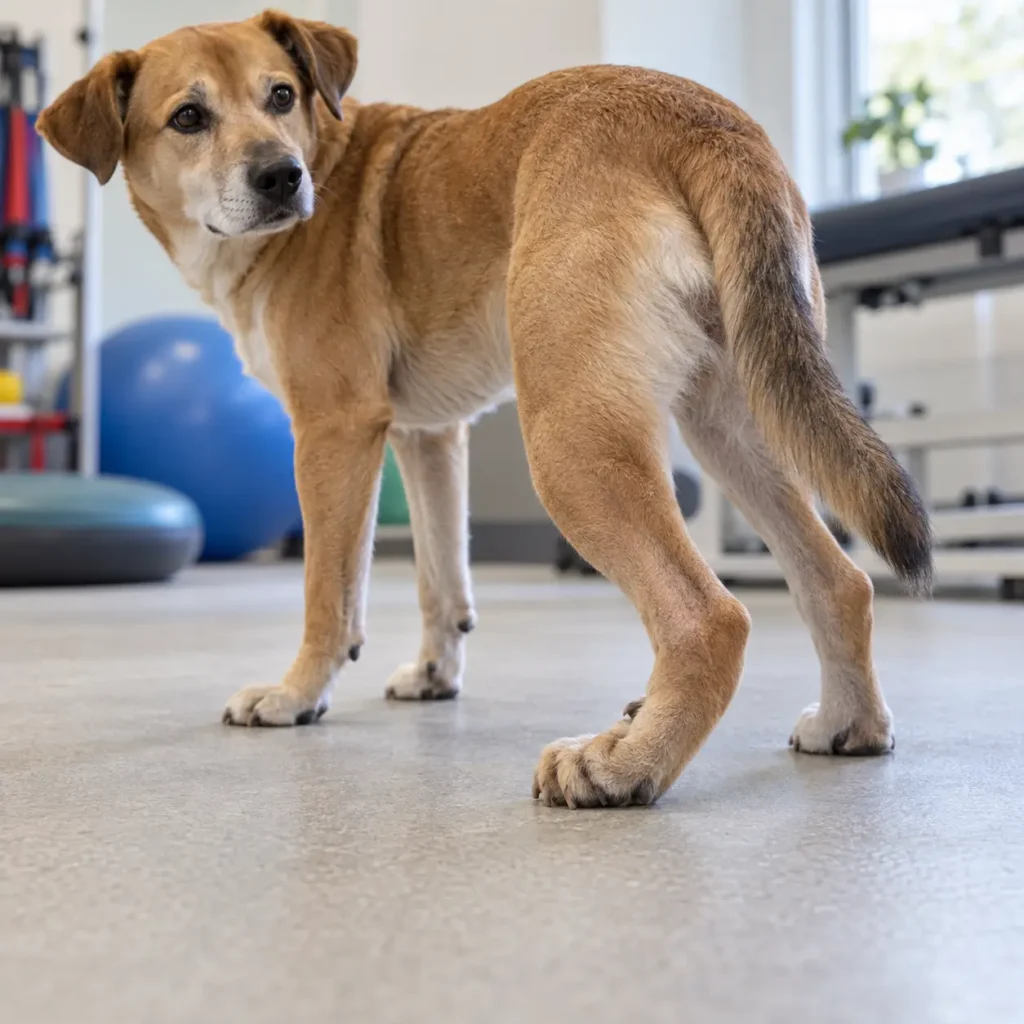
Knuckling in Dogs: Causes, Warning Signs and Support Options
Read article →: Knuckling in Dogs: Causes, Warning Signs and Support OptionsWhy a dog knuckles or drags a back foot, when it is urgent, how a vet checks it and where a custom orthosis may fit.
-
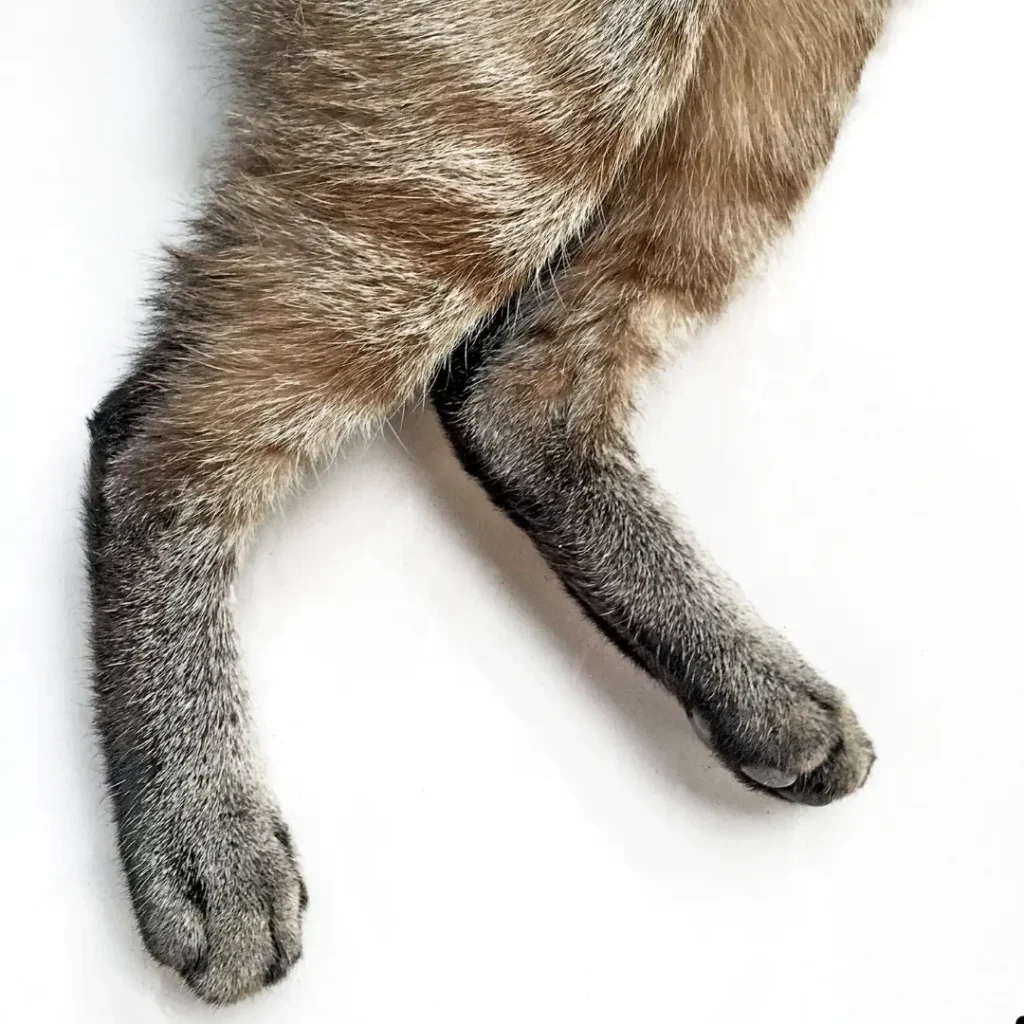
Cat Dragging Its Back Leg: Causes, Emergency Signs and Orthotic Support
Read article →: Cat Dragging Its Back Leg: Causes, Emergency Signs and Orthotic SupportWhy a cat drags a back leg, which signs are an emergency, what a vet checks and where an orthosis may fit.
-

Post-Surgical Dog Brace: 7 Features That Matter During Recovery
Read article →: Post-Surgical Dog Brace: 7 Features That Matter During RecoveryA post-surgical dog brace should be selected for a defined clinical purpose, not from a feature list alone. The diagnosis, operation, repaired tissue, healing stage, required…
-
Dog Knee Brace for Ligament Injury: A Clinical Guide
Read article →: Dog Knee Brace for Ligament Injury: A Clinical GuideWhen does a dog knee brace for ligament injury make clinical sense alongside or instead of surgery? A veterinary guide to stifle bracing, patient selection, and…
-
When Do Vets Recommend a Carpal Orthotic for Dogs?
Read article →: When Do Vets Recommend a Carpal Orthotic for Dogs?A veterinarian may recommend a carpal orthotic for dogs when examination identifies a specific mechanical problem at the wrist that external support can address. Front-limb lameness…
-

Best Mobility Support for Tripod Dogs Compared
Read article →: Best Mobility Support for Tripod Dogs ComparedMobility Aids for Three-Legged Dogs: Protecting the Remaining Limbs After amputation, the first mobility priority is to protect the limbs a dog still has. When compensatory…
-
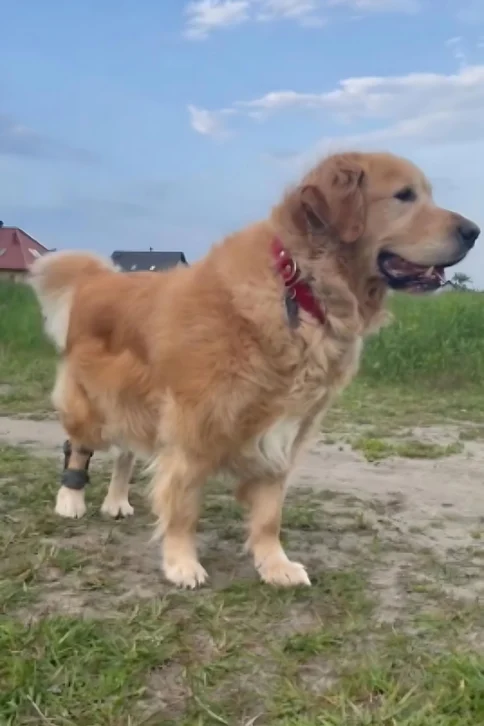
How Dog Hock Braces Support Comfortable Walking
Read article →: How Dog Hock Braces Support Comfortable WalkingDog Hock Brace: When It Helps, How It Fits, and What the Evidence Says A dog hock brace can provide external support to the tarsal joint…
-

Dog Prosthetics vs Orthotic Support After Amputation
Read article →: Dog Prosthetics vs Orthotic Support After AmputationDog Prosthesis vs Orthosis: What Comes First for a Tripod Dog? Dog prosthesis vs orthosis is not a choice between two devices that solve the same…
-
How the WIMBA Process Works: A Step-by-Step Guide for Pet Owners
Read article →: How the WIMBA Process Works: A Step-by-Step Guide for Pet OwnersHow to Get a Custom Dog Brace: The WIMBA Process in 7 Steps If your dog is limping, favouring one leg, or recovering from surgery, it…
Keep exploring WIMBA
Browse more practical resources or explore WIMBA solutions designed to support veterinary mobility and rehabilitation.