 Skip to content

Mobility Aids for Three-Legged Dogs: Protecting the Remaining Limbs
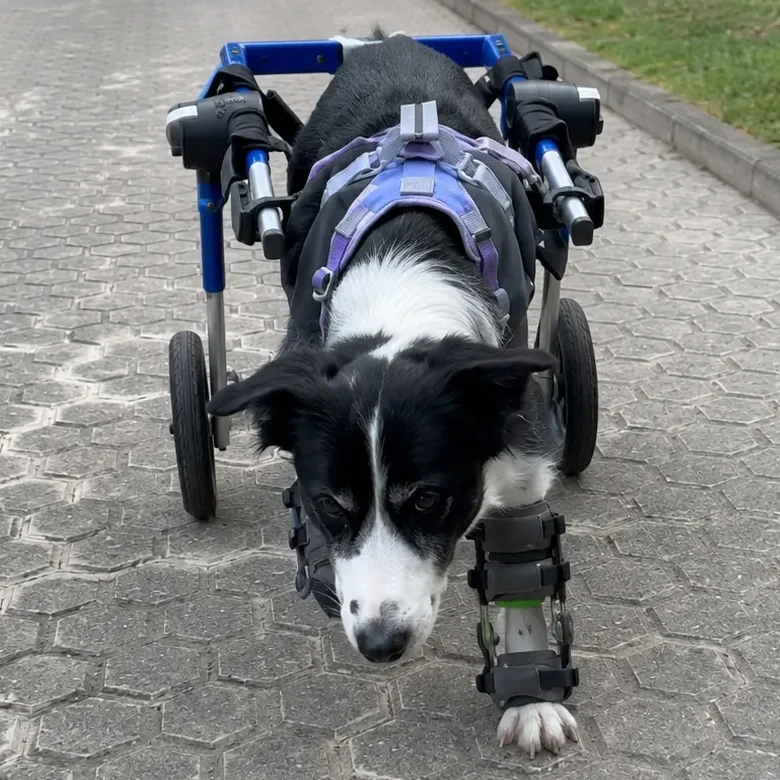
After amputation, the first mobility priority is to protect the limbs a dog still has. When compensatory loading is affecting a remaining forelimb—especially the carpal joint—a correctly prescribed orthosis provides targeted joint support during standing and independent walking. Other mobility aids for three-legged dogs, such as carts and lifting harnesses, can solve different problems, but they do not replace that joint-level protection.
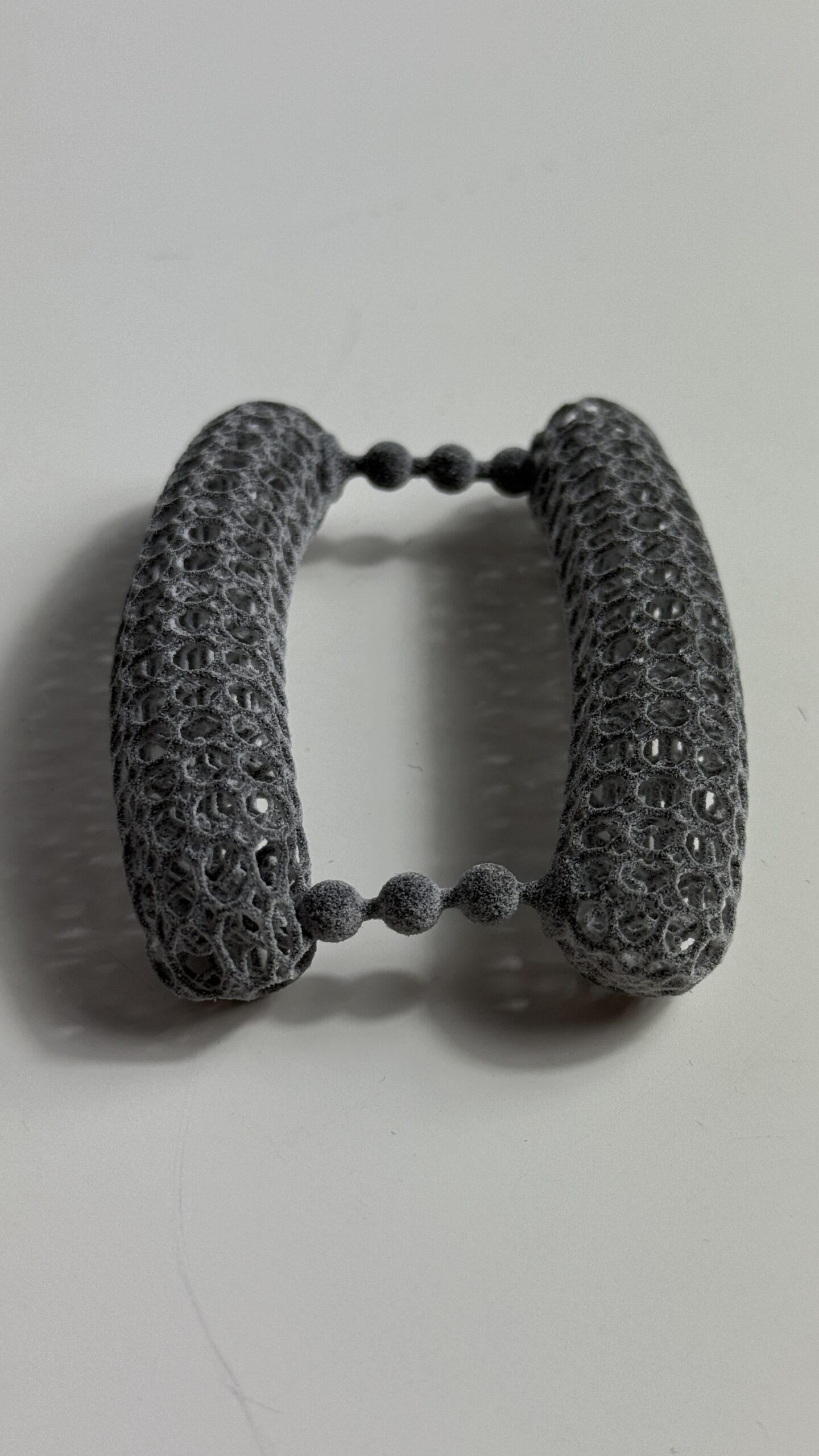
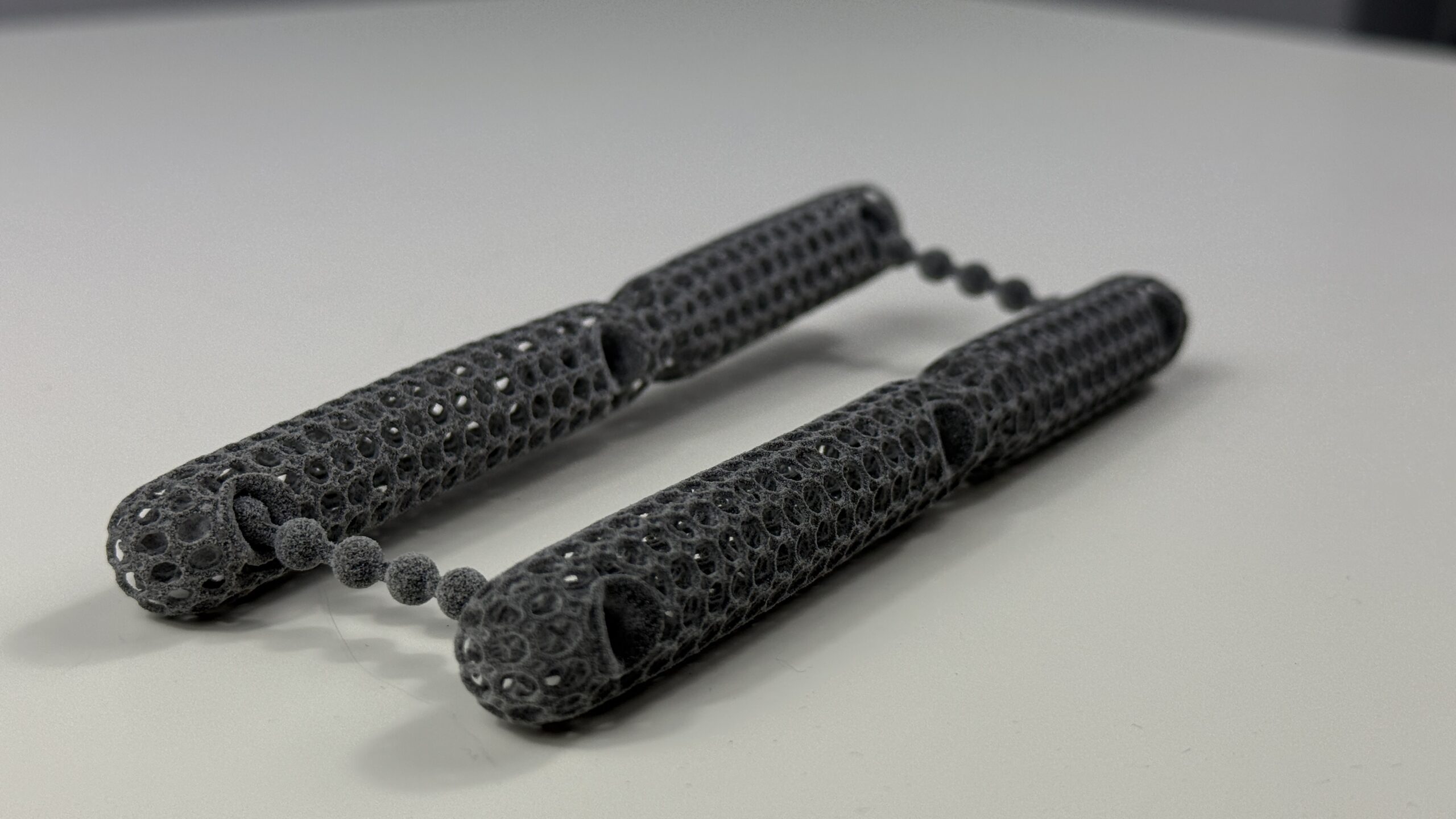
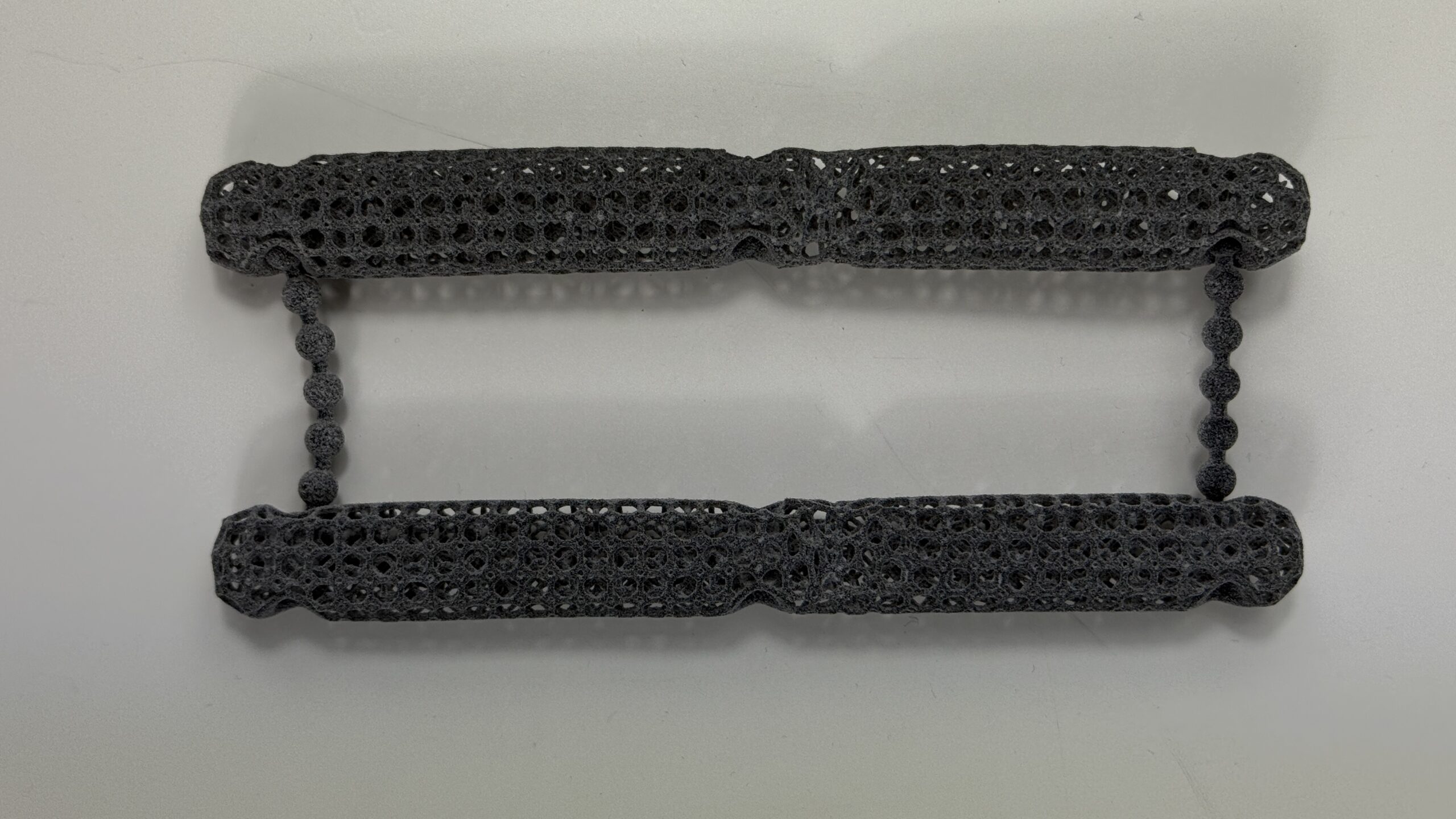
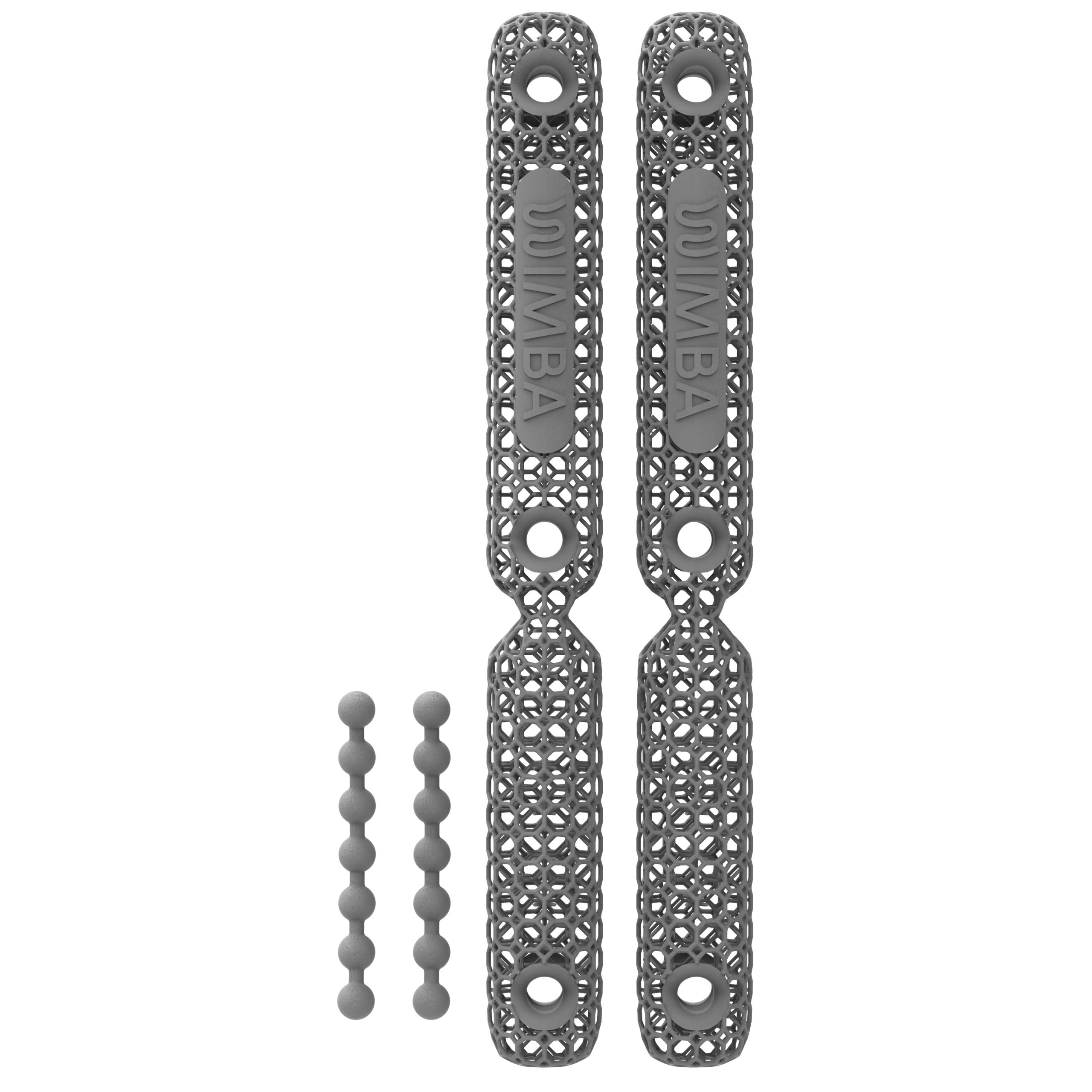
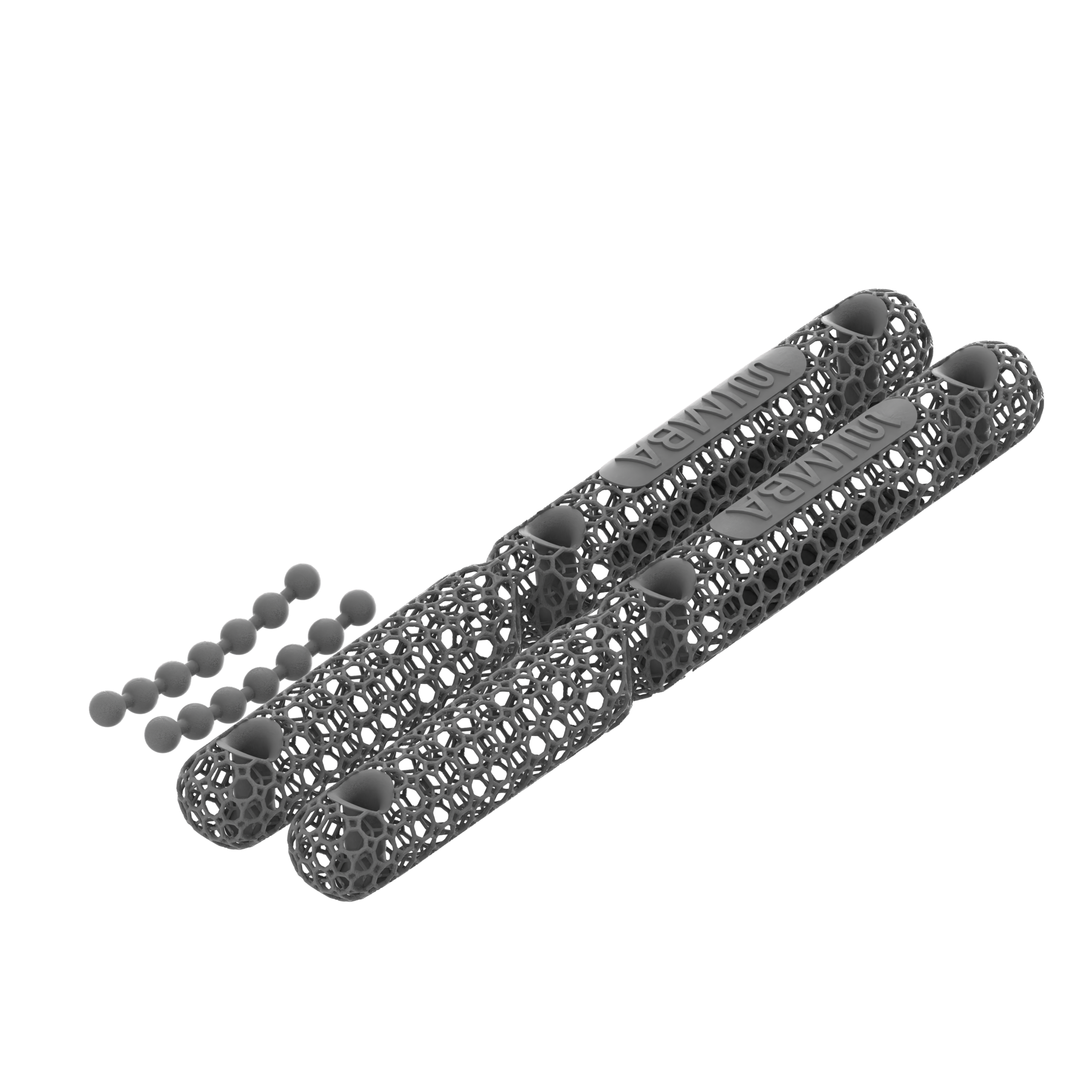
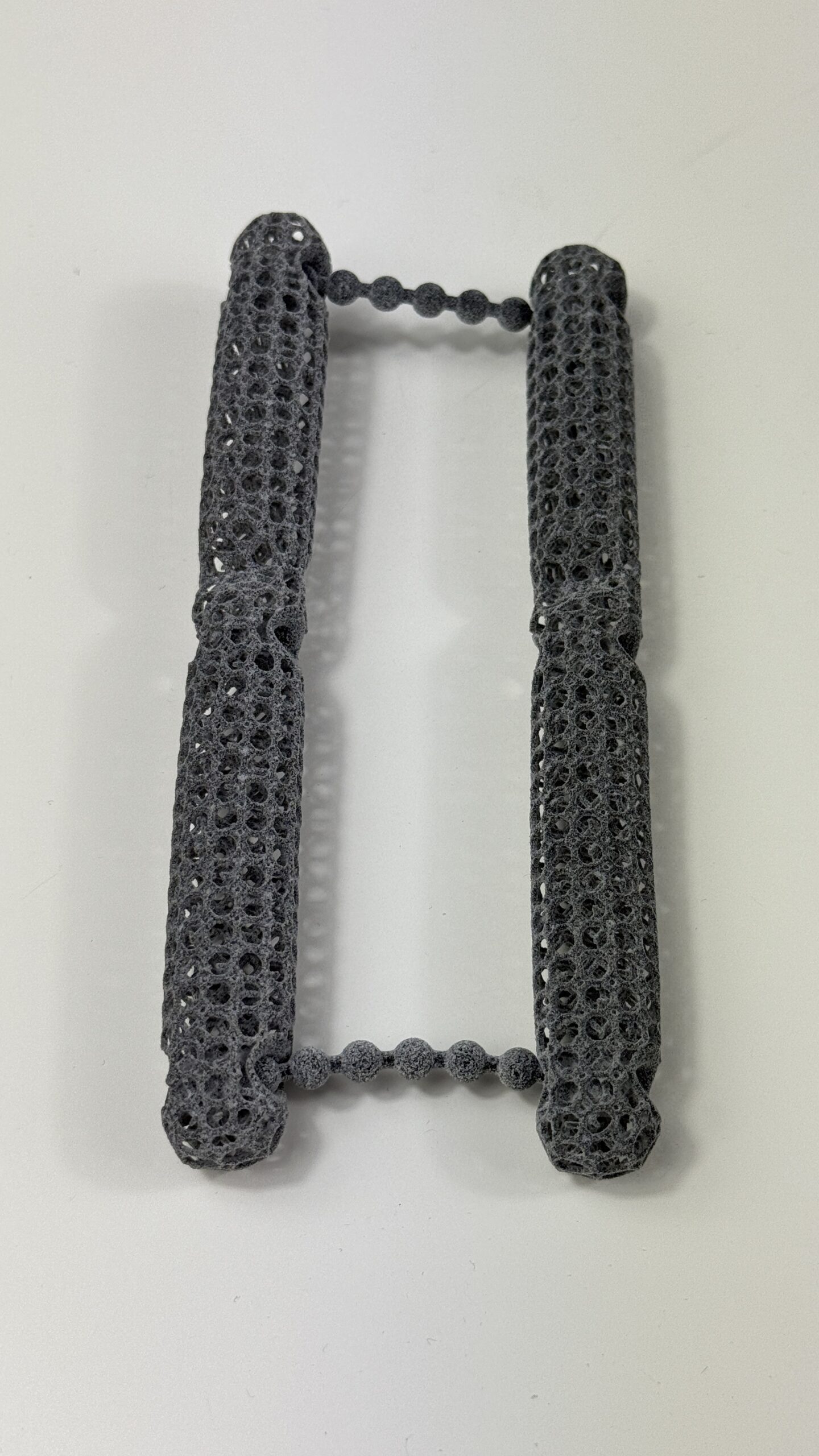
WIMBA makes custom orthoses for dogs, including carpal, tarsal and stifle devices that a veterinarian may consider to support the remaining limbs of a three-legged dog, alongside other mobility aids and rehabilitation.
This evidence-based comparison of mobility aids for three-legged dogs explains how orthotic braces, mobility carts, lifting harnesses, rehabilitation, home adaptations, and monitoring differ. The key is not to make them compete as if they perform the same job. An orthosis supports and controls motion at an overloaded or unstable remaining joint; a cart supports the body during use; and a harness helps the caregiver with a specific task.
Protect the remaining limbs first
A study of 64 canine amputees found that most owners reported a complete or nearly complete return to their dog’s pre-amputation quality of life.1 Good adaptation does not mean that loading has returned to normal. The remaining limbs still deserve regular assessment. If an overloaded front leg begins to show carpal sinking, hyperextension, instability, discomfort, or osteoarthritis, an orthosis is the most direct of these tripod dog mobility aids because it supports the affected joint while the dog moves independently.
An orthotic brace is not a prosthesis
An orthotic supports a limb or joint the dog still has. A prosthesis replaces a missing portion of a limb and requires an appropriate residual limb. WIMBA no longer manufactures prosthetic devices; its current focus is custom orthotic support. The WIMBA pathway in this article therefore applies only when a remaining limb has a diagnosed condition suitable for bracing.
Why Tripod Gait Changes the Remaining Limbs
After amputation, the remaining three limbs take on new roles in support, braking, propulsion, and balance. The pattern differs between forelimb and hindlimb amputees. Speed, body conformation, age, muscle strength, pain, previous orthopedic disease, and the level of amputation also affect how an individual dog reorganizes movement.
Force-plate studies documented increased loading and altered joint and spinal movement after both forelimb and hindlimb amputation.23 Standing and pressure-walkway research also confirmed redistribution across the remaining limbs rather than a simple transfer to one predictable “good leg.”45
These studies explain why periodic gait and joint assessment can be useful. They do not prove that every amputee will develop arthritis, carpal hyperextension, tendon disease, or spinal pain. They also do not prove that prophylactic mobility aids for three-legged dogs prevent future disease. Assessment before selecting mobility aids for three-legged dogs should link equipment to current findings and measurable goals.
Hindlimb amputation
Both forelimbs and the remaining hindlimb contribute to the new strategy, with altered tarsal, pelvic, and spinal motion during trotting.3
Individual variation
The missing limb alone cannot determine which aid is appropriate. Gait, joints, strength, endurance, environment, and daily tasks must be assessed together.
Compare Mobility Aids for Three-Legged Dogs
These mobility aids for three-legged dogs are not interchangeable. When the clinical problem is compensatory overload, excessive motion, or instability in a remaining carpus or tarsus, the orthosis is the only option in this comparison designed to act directly at that joint during the dog’s own movement. A cart may redistribute part of the load while it is being used, and a harness may help with a short assisted task, but neither stabilizes the affected joint.
| Support option | Main function | When it may fit | What it does not replace |
|---|---|---|---|
| Custom orthotic brace | Directly supports the affected remaining joint and controls selected motion during independent movement | Compensatory overload with a suitable carpal or tarsal indication, mild instability or hyperextension, osteoarthritis, or selected rehabilitation | Requires clinical selection and fitting; it does not replace the missing limb or guarantee prevention of every future injury |
| Mobility cart | Redistributes part of the body’s load through a wheeled frame during use | Reduced endurance, additional weakness or disease, or selected longer activities | Does not stabilize an overloaded or unstable carpus or tarsus |
| Lifting sling or harness | Allows caregiver assistance for a specific movement | Rising, transfers, stairs, toileting, or a temporary recovery need | Does not control joint motion or protect a forelimb during independent walking |
| Rehabilitation and home adaptation | Builds function and reduces environmental difficulty | Almost every recovery or long-term management plan | Does not substitute for mechanical joint support when instability is present |
| Monitoring without equipment | Tracks function while avoiding unnecessary restriction | A comfortable dog with stable gait and no defined device indication | Does not mechanically protect a joint that is already overloaded or unstable |
Option 1: An Orthotic Brace for Tripod Dogs
Within mobility aids for three-legged dogs, an orthotic brace for tripod dogs has a distinct and direct role: protecting a remaining limb by supporting its joint under compensatory load. Depending on the design, it may limit excessive extension, improve external stability, and permit controlled motion during selected activities. It supports the limb while the dog stands and walks independently rather than replacing the missing limb.
For a tripod whose remaining front legs are absorbing additional demand, an orthotic is the primary device to assess when examination identifies carpal overload, early sinking or hyperextension, mild sagittal-plane instability, osteoarthritis, or another supported indication. Among mobility aids for three-legged dogs, that makes bracing fundamentally different from a cart or harness: it acts at the joint that needs protection. Clinical assessment is still necessary to select the correct device and support level.
What WIMBA Carpus Orthosis GO is designed for
Among mobility aids for three-legged dogs, WIMBA Carpus Orthosis GO is intended for selected patients rather than all amputees. Current guidance positions it for mild, predominantly sagittal-plane carpal instability, including mild laxity or hyperextension linked to weight shift or compensatory overload, carpal osteoarthritis, and selected rehabilitation needs. Tripod status may be considered, but the instability still needs to be mild and meet current anatomy, size, skin, and activity requirements.1011
For eligible GO cases, the veterinary clinic submits two required weight-bearing photographs and product-specific manual measurements through WimbaAPP. The first fitting takes place at the provider clinic so alignment, retention, skin contact, gait, and owner handling can be checked. More severe collapse, multiplanar instability, acute strict-immobilization needs, fracture, or high-impact activity requires another pathway.1012
Owner-reported evidence on mobility aids for three-legged dogs and other canine patients is encouraging but incomplete. In a 56-response survey of different canine orthoses, 78.6% perceived a positive effect on their dog’s quality of life.8 Complications were reported by 64%, and a separate prospective study also documented skin and mechanical problems across a mixed orthosis and prosthesis cohort.9 These findings support professional fitting, staged introduction, skin checks, and follow-up. They do not show that orthoses perform worse than carts: the available surveys studied different populations and cannot be used as a head-to-head comparison.
Option 2: A Wheelchair for a Three-Legged Dog
A cart is complementary, not a substitute for an orthosis when a remaining front joint is overloaded or unstable. Among mobility aids for three-legged dogs, a wheelchair for a three-legged dog uses a wheeled frame with a supportive saddle or harness. It can help selected patients remain upright, extend activity, or compensate for weakness and additional orthopedic or neurological disease, but it does not directly stabilize the carpus.
A hind-wheel cart supports the pelvic region while the forelimbs still propel and steer. A front-wheel cart supports the front end while the hindlimbs remain active. A four-wheel or quad cart provides broader support. Therefore, choosing a wheelchair for a three-legged dog requires gait assessment, measurements, and a clear decision about which body region needs assistance.
What the cart evidence actually shows
A 2024 online survey collected more than 900 canine responses about mobility-cart use across many diagnoses, not specifically tripod dogs. Owners reported improved canine quality of life in 62% of responses and easier walking or running in 74%. However, complications were reported in 60% of canine responses; common wound locations included the inner thigh, axilla, and top of the paw.7
Because the study was self-reported, cross-sectional, and not limited to amputees, it cannot predict the result for one tripod patient or prove that a cart caused the reported improvement. For this category of mobility aids for three-legged dogs, it does show why a cart should be fitted, introduced gradually, supervised, and checked for skin and paw injury.
A cart may be useful for longer outings even when a dog walks independently at home. It may also be inappropriate if the dog has sufficient endurance, cannot tolerate the frame, develops contact wounds, or shifts excessive demand to another vulnerable limb. Among mobility aids for three-legged dogs, carts require especially careful evaluation of the whole movement chain rather than selection based only on which leg is missing.
Option 3: A Support Harness for Tripod Dogs
A harness assists the caregiver; it does not stabilize or protect an overloaded joint during independent movement. As one of the simplest mobility aids for three-legged dogs, a support harness for tripod dogs lets a caregiver contribute part of the force needed to rise, climb a step, enter a vehicle, maintain balance during toileting, or cross a slippery area. Its role is useful but different from an orthosis.
There is little direct comparative research showing which sling or support harness for tripod dogs is best. Selection is therefore based on the missing limb, incision location, pain, trunk control, skin, body shape, and the task being assisted. A front-lift, rear-lift, or whole-body harness changes force in a different region; a narrow strap under an incision or painful abdomen is not an acceptable substitute.
A harness is task-specific
- Rising: assist only as much as needed and avoid pulling the dog into a twisted posture.
- Stairs: control speed and balance; a ramp or blocking stair access may be safer during early recovery.
- Vehicle transfers: use the harness with a ramp or stable step rather than lifting from one handle at an angle.
- Toileting: allow enough freedom for normal positioning while preventing a fall.
- Skin and incision: check every contact area and stop if pressure, rubbing, swelling, or pain appears.
A support harness for tripod dogs is often a temporary or situational tool rather than the complete mobility plan. As with other mobility aids for three-legged dogs, the caregiver must be able to use it safely. If helping the dog repeatedly strains the owner or causes the dog to swing, rotate, or panic, the plan needs reassessment.
Option 4: Rehabilitation and Home Adaptation
Not all mobility aids for three-legged dogs are wearable. A rehabilitation plan can address strength, safe transfers, balance, endurance, joint range, pain-aware activity, and the dog’s specific compensatory pattern. The correct exercises and timing depend on surgical healing, diagnosis, cardiovascular fitness, neurological status, and fatigue.
Home changes belong in the same discussion as mobility aids for three-legged dogs. Non-slip runners, trimmed nails, stable bedding, blocked stair access, ramps, and reorganized food or resting areas may reduce avoidable difficulty. Body-condition management matters because the dog’s mass is now supported by three limbs, but weight loss should be planned safely with the veterinary team rather than achieved through excessive exercise on already fatigued joints.
Rehabilitation is not “more exercise”
Longer walks do not automatically build safer capacity. A useful program balances loading and recovery, monitors next-day response, and changes one variable at a time. Increasing duration, speed, incline, surface difficulty, and resistance simultaneously makes it difficult to identify why pain or fatigue has increased.
Option 5: Monitoring Without a Device
Not using equipment is one possible outcome after comparing mobility aids for three-legged dogs. A comfortable, active dog with a stable gait and no diagnosed joint instability may not need a device. This avoids unnecessary weight, restriction, skin contact, and caregiver burden, but it does not mean ignoring altered biomechanics or waiting for severe lameness.
Monitoring is an active option within mobility aids for three-legged dogs. Record short videos from the side, front, and rear on the same non-slip surface. Track walking duration, recovery after activity, ease of rising, stairs, willingness to play, paw placement, skin, swelling, and any change in how the dog stands. Bring recurring changes to the veterinary team rather than treating them as inevitable tripod behavior.
Signs that should trigger reassessment
- new or recurring limping, toe-touching, or shortened stride;
- a remaining carpus or tarsus that sinks farther under weight;
- swelling, heat, licking, skin damage, or sensitivity around a joint;
- reduced endurance or soreness later the same day or the following morning;
- difficulty rising, turning, toileting, using stairs, or getting into a vehicle;
- progressive trunk rotation, back discomfort, weakness, or poor coordination.
Can Different Tripod Dog Mobility Aids Be Combined?
Different mobility aids for three-legged dogs can be combined when each component has a separate purpose and the combination has been assessed in motion. When a remaining front joint is overloaded or unstable, the orthosis forms the targeted joint-protection layer. A sling may then assist transfers, and a cart may extend a longer outing, without either one replacing the brace. Rehabilitation and environmental changes can continue alongside all three.
More equipment is not automatically better. Combining mobility aids for three-legged dogs changes contact pressure, joint position, balance, total device weight, and the caregiver’s handling routine. An orthosis can also interact with a cart saddle or strap. The complete setup should be observed during standing, starting, walking, turning, stopping, and fatigue—not evaluated as separate devices on a stationary dog.
Mobility Aids for Three-Legged Dogs in Real WIMBA Cases
These three dedicated WIMBA case pages illustrate how mobility aids for three-legged dogs may change across different stages and diagnoses. They are observational patient stories, not controlled trials. The reported outcomes occurred alongside veterinary care, rehabilitation, medication, weight management, home exercises, or other aids, so they do not prove that the orthosis alone produced the change.

Bennie: remaining-carpus support after forelimb amputation
Bennie is a 10-year-old, 26 kg Labradoodle whose left forelimb was amputated because of osteosarcoma. Muscle tightness and groaning during movement were reported afterward. Among mobility aids for three-legged dogs, WIMBA Carpus Orthosis GO was selected with rehabilitation to support and protect his only remaining forelimb during activity. His case illustrates targeted orthotic management after assessment rather than a universal one-size-fits-all protocol.13
Maia: braces, a harness, and a cart with different jobs
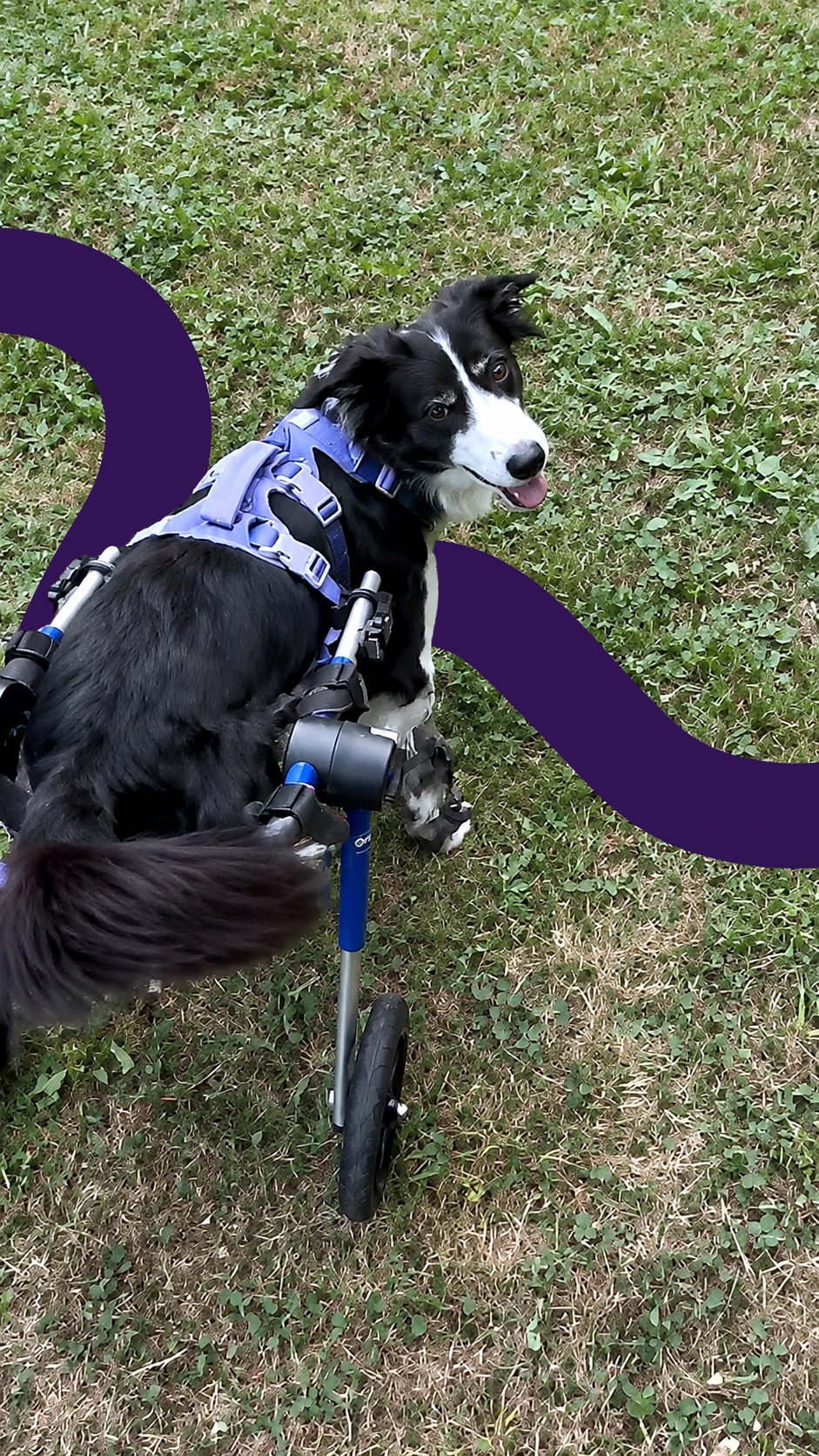
Nearly one year after right hindlimb amputation, Maia developed progressive forelimb overload and left carpal hyperextension. Among her mobility aids for three-legged dogs, bilateral Carpus Orthoses GO formed the joint-protection layer, supporting both overloaded front legs and helping control the affected carpus. Physiotherapy, home exercises, weight management, a harness, and a hind-wheel cart for longer walks addressed different needs alongside the braces.14
Kalina: support after years of changing orthopedic needs
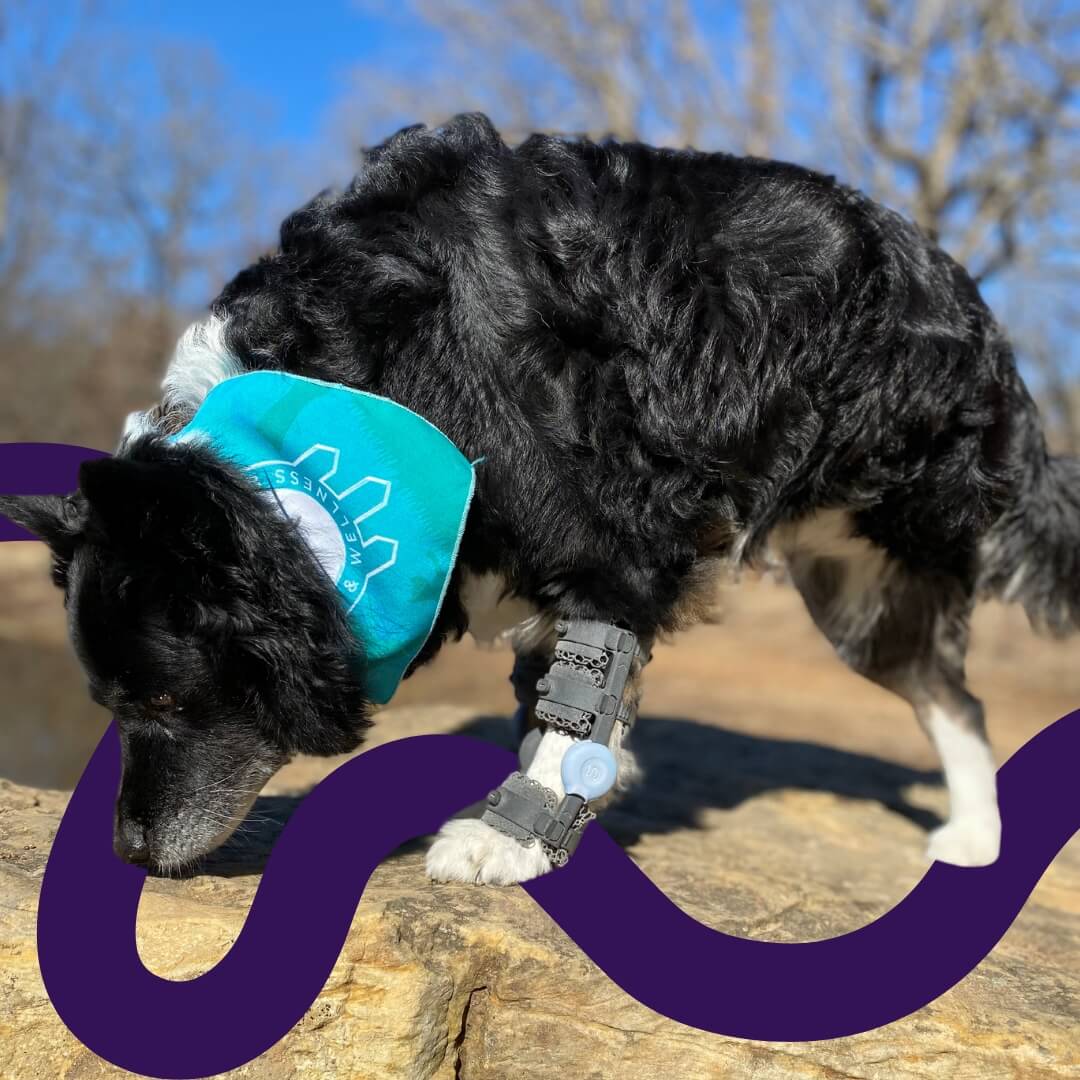
Kalina lost her left hindlimb as a young adult and later developed osteoarthritis, CCL rupture, and bilateral carpal hyperextension. Within her plan of mobility aids for three-legged dogs, bilateral Carpus Orthoses GO were incorporated to support the overloaded forelimbs and protect the affected carpal joints during daily activity. Her history shows why the remaining front legs should be monitored and supported when compensatory changes become clinically relevant.15
Comparing Tripod Dog Mobility Aids for Rehab
When the goal is active rehabilitation after amputation, injury, or surgery, the five options above are not equally suited to every stage of recovery. An orthotic brace is generally considered once a specific joint in a remaining limb shows measurable instability or compensatory strain that a rehabilitation professional has identified. A wheelchair can offload the limbs entirely during acute recovery or for dogs with limited mobility, but it does not train the remaining limbs to work correctly. A support harness is often the first tool introduced, useful for assisted walking and controlled rehabilitation exercises under supervision. Structured rehabilitation and home adaptation remain the foundation of most recovery plans, with a brace, wheelchair, or harness added only when assessment shows they are needed.
For rehab-focused cases, the practical comparison usually comes down to timing and purpose: harnesses and rehabilitation exercises support the early and ongoing recovery process, while a custom orthotic brace addresses a specific joint problem identified during that process, and a wheelchair supports dogs whose mobility needs go beyond what bracing or rehabilitation alone can address.
How to Choose Between Mobility Aids for Three-Legged Dogs
Choosing between mobility aids for three-legged dogs begins with the activity that has become difficult and the structure responsible for that difficulty. “Needs help walking” is not yet a device prescription. The team should determine whether the limiting factor is pain, joint instability, weakness, endurance, balance, neurological function, healing tissue, environmental traction, or caregiver handling.
Choose by the problem—not by treating every aid as equivalent
- Overloaded, sinking, hyperextending, or unstable remaining carpus: assess an orthotic first because joint-level support is the required mechanical job.
- Reduced endurance or broader weakness: assess whether a correctly configured cart can assist selected activities.
- Difficulty with rising, stairs, toileting, or transfers: use a suitable lifting harness for that assisted task.
- Comfortable, stable gait with no defined mechanical problem: continue rehabilitation, sensible home management, and planned monitoring.
- Define the difficult task: rising, short household movement, toileting, stairs, controlled rehabilitation, or longer outdoor activity.
- Localize the cause: examine all remaining joints, spine, neurological function, muscle condition, pain, skin, and the surgical area.
- Choose the mechanical job: joint motion control, body-weight support, brief caregiver assistance, traction, or no equipment.
- Test the complete setup: observe standing, starting, straight walking, turning, stopping, transfers, and fatigue.
- Set measurable outcomes: comfort, walking duration, ease of rising, joint position, skin condition, recovery time, or a specific rehabilitation task.
- Schedule reassessment: review fit and function as swelling, muscle, disease, confidence, and activity change.
The best mobility aids for three-legged dogs are therefore not the most elaborate combination. They are the smallest set of tools that safely improves the dog’s defined activities without creating unacceptable pressure, fatigue, restriction, or workload for the caregiver.
When to Seek Prompt Veterinary Care
Arrange a prompt examination if a tripod dog suddenly stops bearing weight, develops marked swelling or an obvious deformity, cries out repeatedly, has an open wound, falls or becomes unable to rise, or shows progressive weakness, knuckling, or poor coordination. These signs need diagnosis, not trial-and-error equipment.
Problems during use of mobility aids for three-legged dogs need timely attention. If a brace, cart, or harness causes a sore, persistent redness, swelling, new pain, worsening lameness, repeated slipping, panic, or a major change in gait, remove it when safe and contact the responsible provider before resuming use. Complications should not be treated as a normal adjustment to tripod dog mobility aids.
Frequently Asked Questions
Do all three-legged dogs need a mobility aid?
No. Many dogs regain good function and quality of life after amputation without permanent equipment. A mobility aid should address a defined problem such as joint instability, limited endurance, weakness, unsafe transfers, or difficulty with a specific task. Regular monitoring remains important because biomechanics are altered even when the dog appears well adapted.
Does every tripod dog need a wheelchair?
No. A cart may help a dog with reduced endurance, weakness, additional orthopedic or neurological disease, or a need for support during longer activities. Cart type depends on which body region needs assistance. It should not be selected only from the missing limb, and it requires fitting, supervision, acclimation, and skin checks.
Which of the mobility aids for three-legged dogs directly protects overloaded front limbs and their joints?
Among the options compared here, a correctly prescribed carpal orthosis is the one designed to act directly at the overloaded forelimb joint during standing and independent walking. It supports the carpus and controls excessive motion in selected cases of compensatory overload, mild hyperextension, or instability. A cart may assist endurance or body support, and a harness may assist transfers, but neither replaces joint-level stabilization. Clinical assessment and professional fitting remain essential.
Can a brace, cart, and harness be used together?
Yes, when each aid has a separate purpose and the complete setup has been assessed. The combination can change pressure, balance, range of motion, device contact, and caregiver handling. Introduce components according to the veterinary rehabilitation plan and check the dog during standing, walking, turning, transfers, and fatigue.
How do I recognize overload in a remaining limb?
Possible signs include recurring limping, shorter stride, reduced endurance, slower rising, swelling, heat, licking, altered paw placement, or a carpus or tarsus that sinks farther during weight-bearing. These signs are not specific to overload, so a veterinary examination is needed to identify joint, soft-tissue, spinal, neurological, or other causes.
How can WIMBA help a three-legged dog?
Within mobility aids for three-legged dogs, WIMBA provides custom orthotic support for the limbs a tripod still has. If a veterinary examination identifies compensatory forelimb overload, early carpal sinking, selected mild instability or hyperextension, osteoarthritis, or another supported joint indication, a WIMBA Provider can assess the appropriate orthotic pathway. WIMBA does not provide prosthetic devices, carts, or lifting harnesses.
What orthotic or mobility support options are available for three-legged dogs?
Options can include a custom carpal or tarsal orthosis when a remaining joint has a diagnosed, supported indication; a mobility cart when the dog needs body support or help with endurance; a task-specific lifting harness; rehabilitation and home adaptations; or structured monitoring when no device is currently indicated. These aids perform different jobs and may sometimes be combined. The remaining limbs should be assessed first, especially for compensatory overload or instability, and every device should be selected and fitted for the individual dog by the veterinary or rehabilitation team.
Do the same mobility principles apply to three-legged cats?
Yes, in general. Cats that lose a limb also redistribute load onto their remaining legs, and the same core principle — protect a diagnosed joint problem before adding a cart or harness — applies. WIMBA’s orthotic range also covers cats; see Understanding Cat Orthotics for Mobility Problems for how that assessment works for feline patients. A veterinary or rehabilitation team should still evaluate any three-legged cat individually before recommending a specific device.
Protect the Remaining Joints First
Within the wider set of mobility aids for three-legged dogs, an orthosis is the direct option when the remaining front legs are overloaded, the carpus is sinking or hyperextending, or comfort is changing. Begin with a veterinary orthotic assessment; carts and harnesses can then be added only if the dog also needs help with endurance or transfers.
Medical disclaimer: This article is intended for general educational purposes only and is not a substitute for veterinary examination, diagnosis, rehabilitation planning, or treatment. Do not apply a rigid device, change prescribed activity, or begin exercises without professional direction. Seek prompt veterinary care if your dog cannot bear weight, has severe or rapidly increasing pain or swelling, an open injury or obvious deformity, repeated falls, inability to rise, or progressive weakness or poor coordination.
Scientific, Clinical, Product, and Case References
- Dickerson VM, Coleman KD, Ogawa M, et al. Outcomes of dogs undergoing limb amputation, owner satisfaction with limb amputation procedures, and owner perceptions regarding postsurgical adaptation: 64 cases (2005–2012). Journal of the American Veterinary Medical Association. 2015;247(7):786–792. doi:10.2460/javma.247.7.786.
- Jarvis SL, Worley DR, Hogy SM, et al. Kinematic and kinetic analysis of dogs during trotting after amputation of a thoracic limb. American Journal of Veterinary Research. 2013;74(9):1155–1163. doi:10.2460/ajvr.74.9.1155.
- Hogy SM, Worley DR, Jarvis SL, et al. Kinematic and kinetic analysis of dogs during trotting after amputation of a pelvic limb. American Journal of Veterinary Research. 2013;74(9):1164–1171. doi:10.2460/ajvr.74.9.1164.
- Cole GL, Millis D. The effect of limb amputation on standing weight distribution in the remaining three limbs in dogs. Veterinary and Comparative Orthopaedics and Traumatology. 2017;30(1):59–61. doi:10.3415/VCOT-16-05-0075.
- Filho TG, Rahal SC, Kano WT, et al. Gait analysis of amputee dogs using a pressure-sensitive walkway. Veterinary and Comparative Orthopaedics and Traumatology. 2024;37(4):189–195. doi:10.1055/s-0044-1779727.
- Rodríguez O, Regueiro-Purriños M, Figueirinhas P, et al. Dynamic and postural changes in forelimb amputee dogs: a pilot study. Animals. 2024;14(13):1960. doi:10.3390/ani14131960.
- Narum M, Miscioscia E, Repac J. Caretaker-reported quality of life, functionality, and complications associated with assistive mobility cart use in companion animals. Frontiers in Veterinary Science. 2024;11:1466405; corrected 2026. doi:10.3389/fvets.2024.1466405.
- Lee S, Wendland TM, Rao S, Magee C. Orthotic Device Use in Canine Patients: Owner Perception of Quality of Life for Owners and Patients. Frontiers in Veterinary Science. 2021;8:709364. doi:10.3389/fvets.2021.709364.
- Rosen S, Duerr FM, Elam LH. Prospective evaluation of complications associated with orthosis and prosthesis use in canine patients. Frontiers in Veterinary Science. 2022;9:892662. doi:10.3389/fvets.2022.892662.
- WIMBA. WIMBA Carpus Orthosis GO. Current product, indication, and ordering information.
- WIMBA Knowledge Base. WIMBA GO Orthotics Indications. Current clinical indications and exclusions.
- WIMBA Knowledge Base. WIMBA Carpus Orthosis GO—First Donning. Current fitting guidance.
- WIMBA. Dog Carpus Brace After Forelimb Amputation: Case Study Bennie. Individual observational case report.
- WIMBA. Carpal Hyperextension in a Tripod Dog: Case Study Maia. Individual observational case report.
- WIMBA. Carpal Brace for Tripod Dogs with Carpal Hyperextension: Case Study Kalina. Individual observational case report.
Related reading: Tripod Mobility Guide