 Skip to content

Custom 3D-printed orthoses for tripod patients
Limb amputation can significantly alter gait, weight distribution, and joint loading, increasing compensatory demand on the remaining limbs from day one.
Choose the Option That’s Right for You
For veterinarians and rehabilitation teams
Consult and order in WimbaAPP
Download WimbaAPP, create your clinic account, and place a WIMBA Carpus Orthosis GO order using two photos and seven guided measurements. No casting required.
For pet owners
Find Support for Your Tripod Pet
Find a trained WIMBA Provider near you or contact us directly. We will help connect you with the right veterinary team and answer questions along the way.
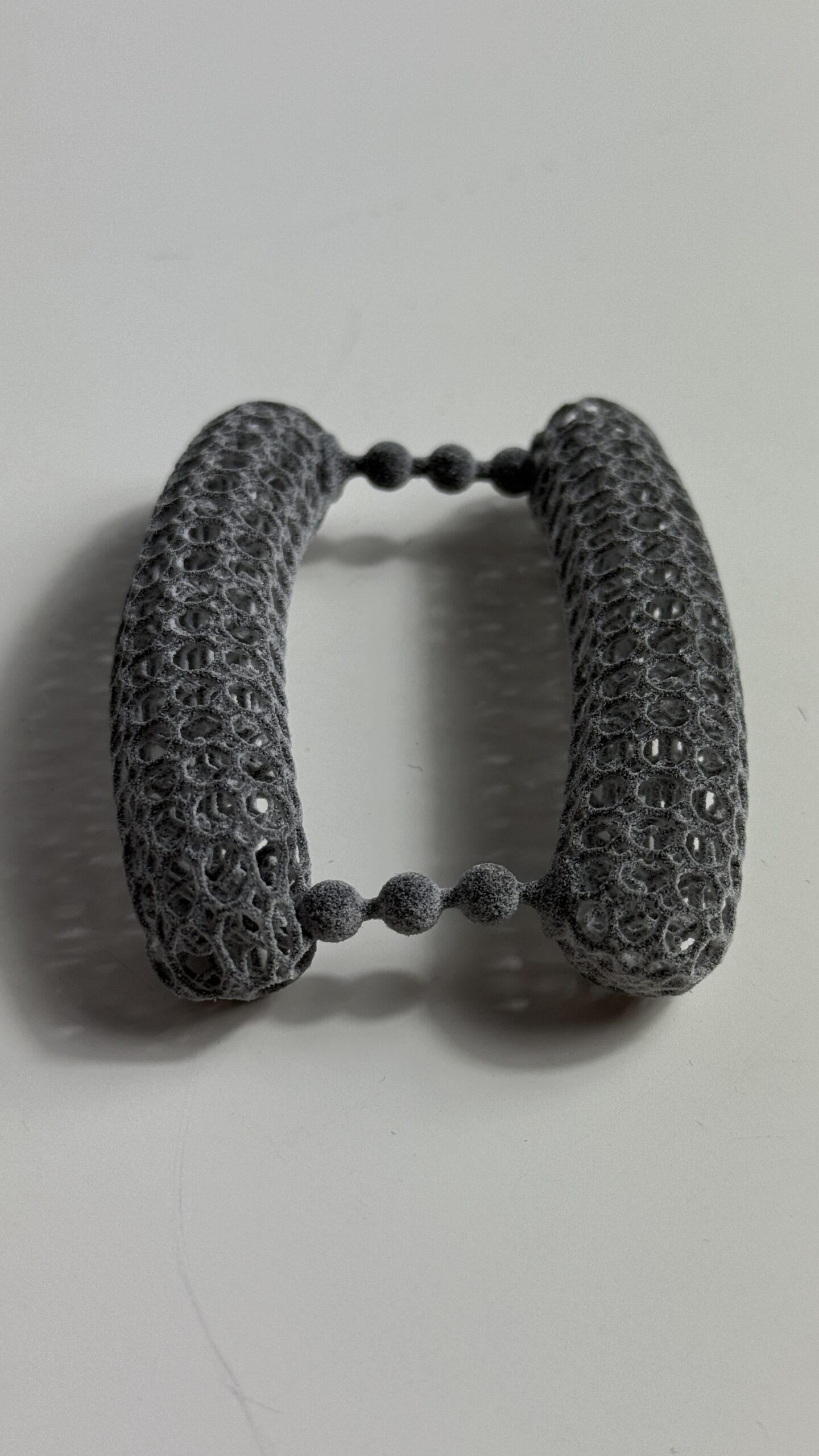
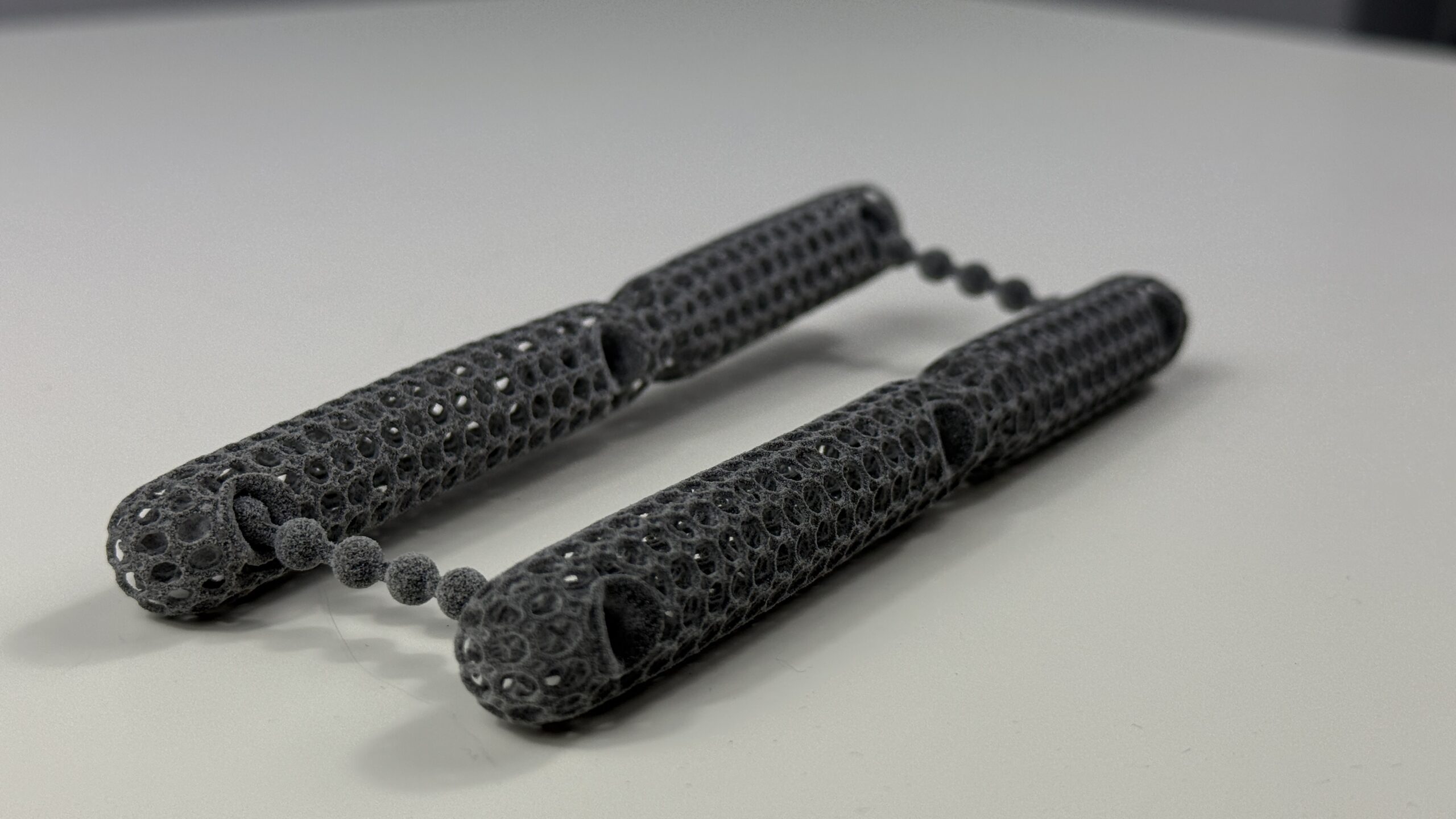
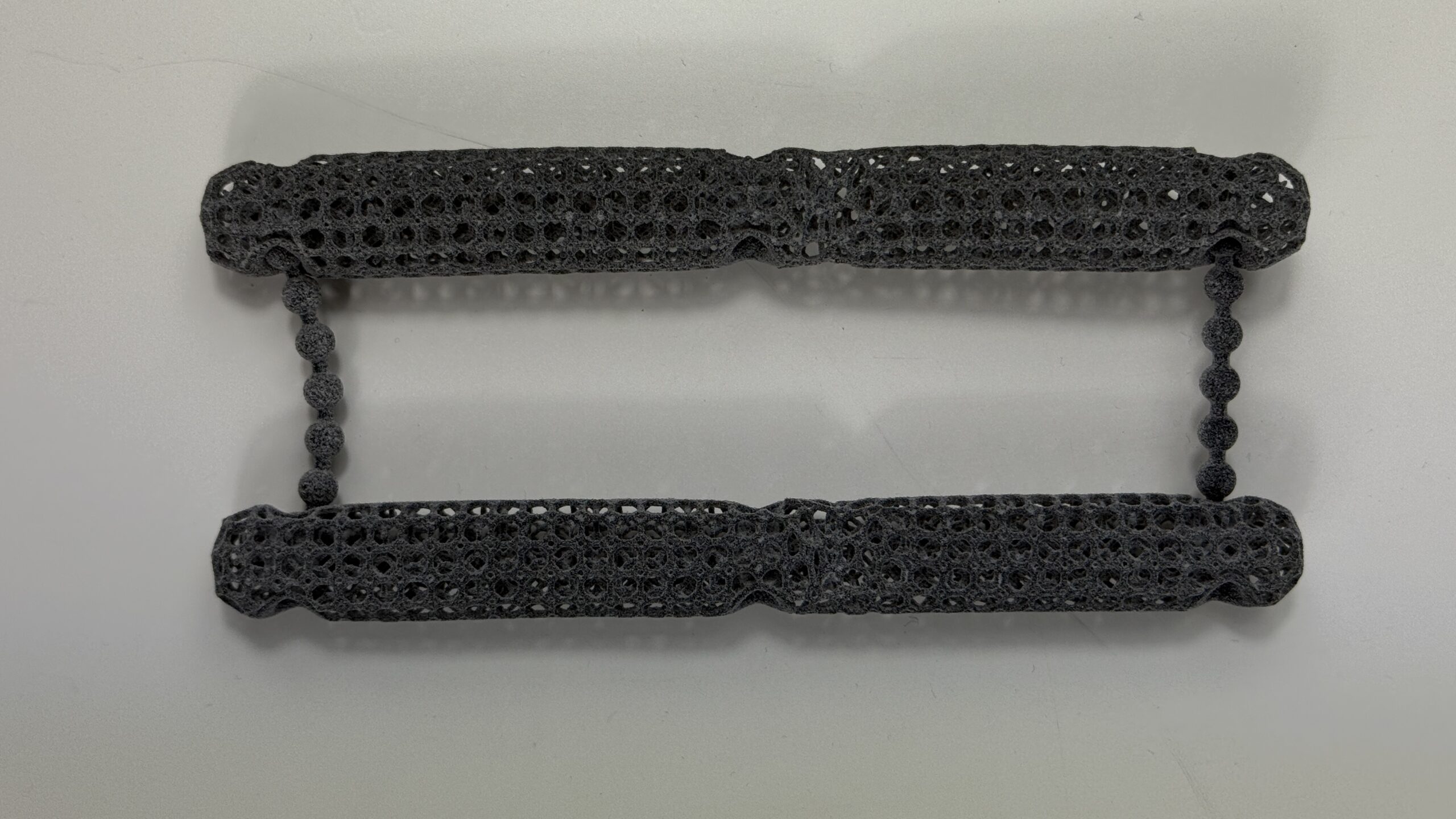
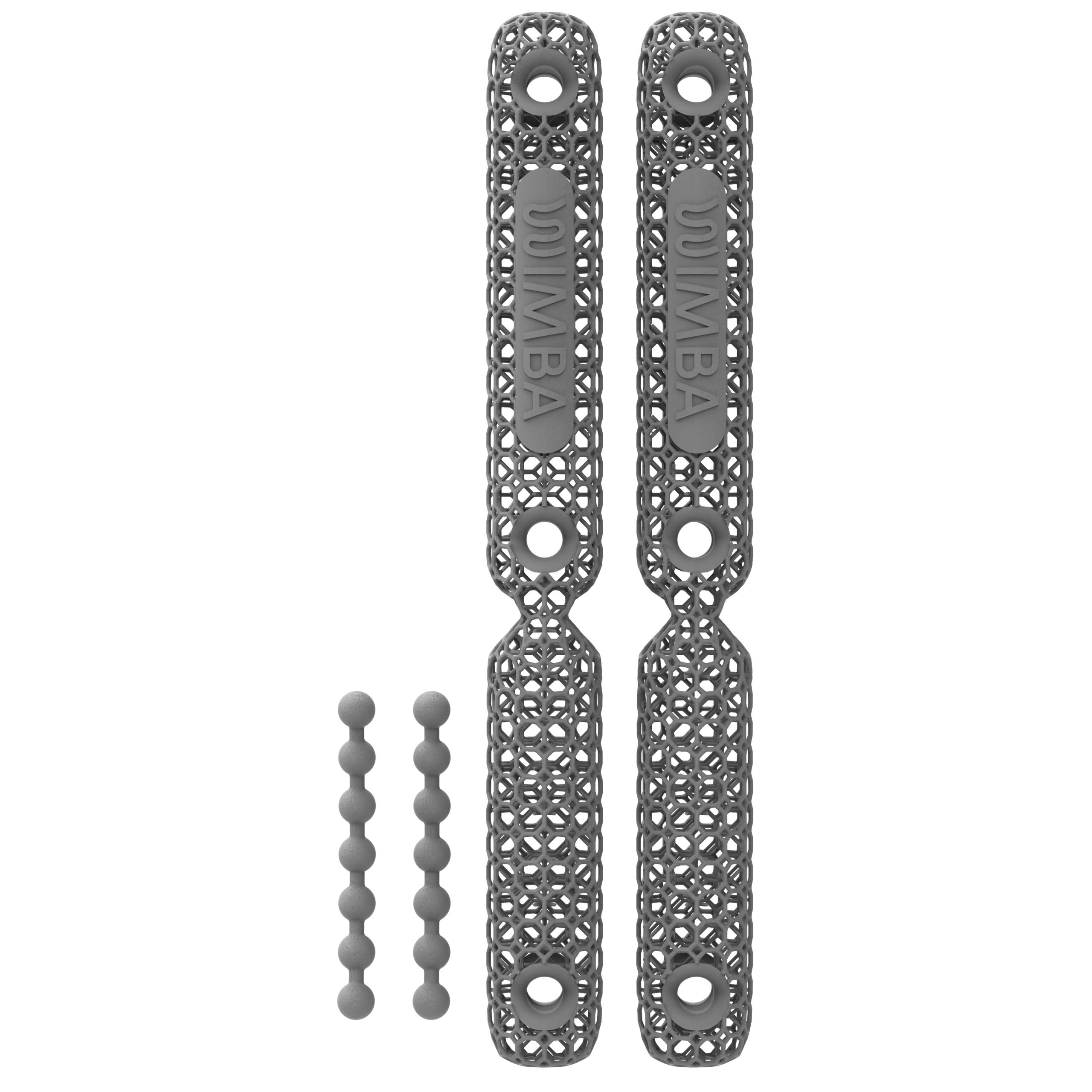
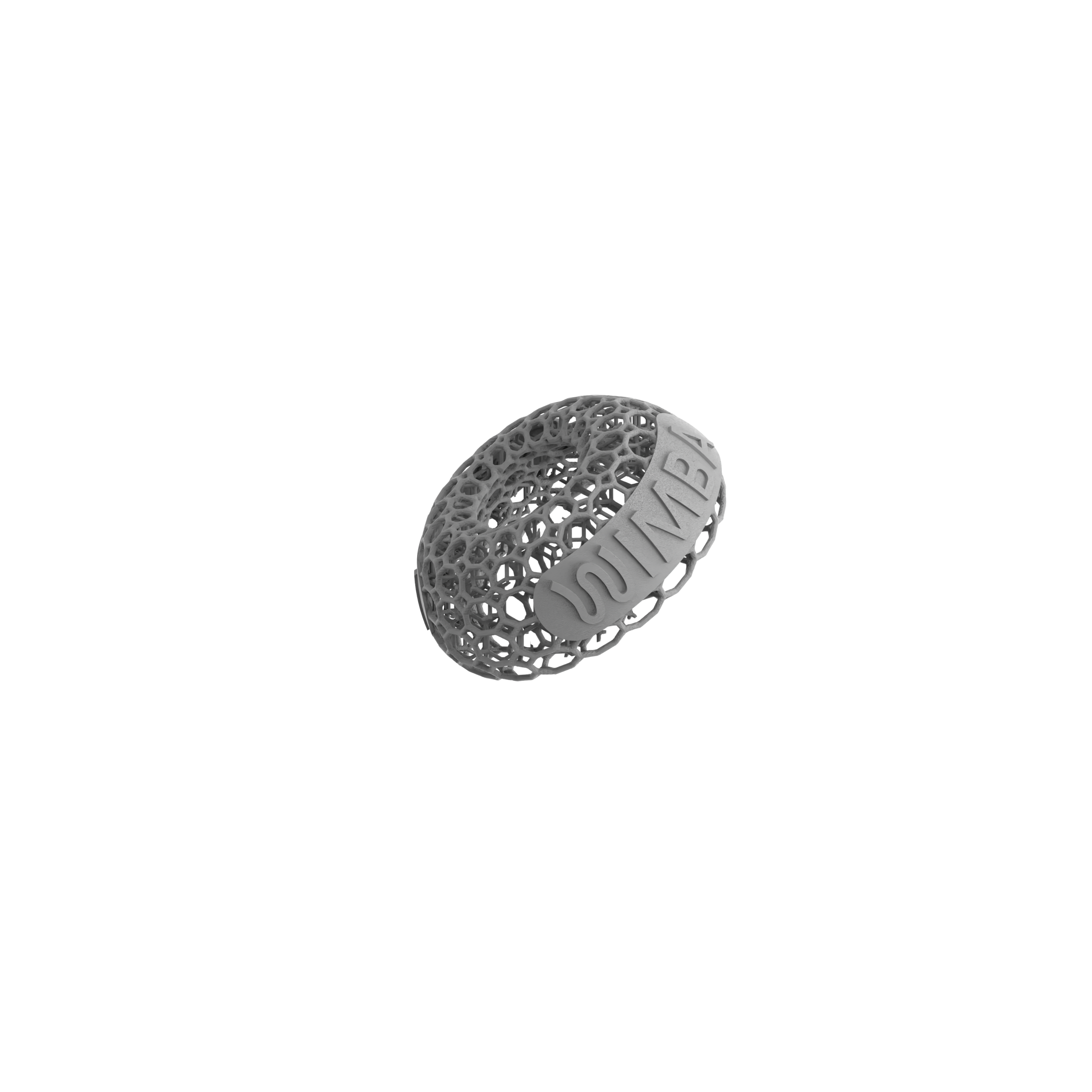
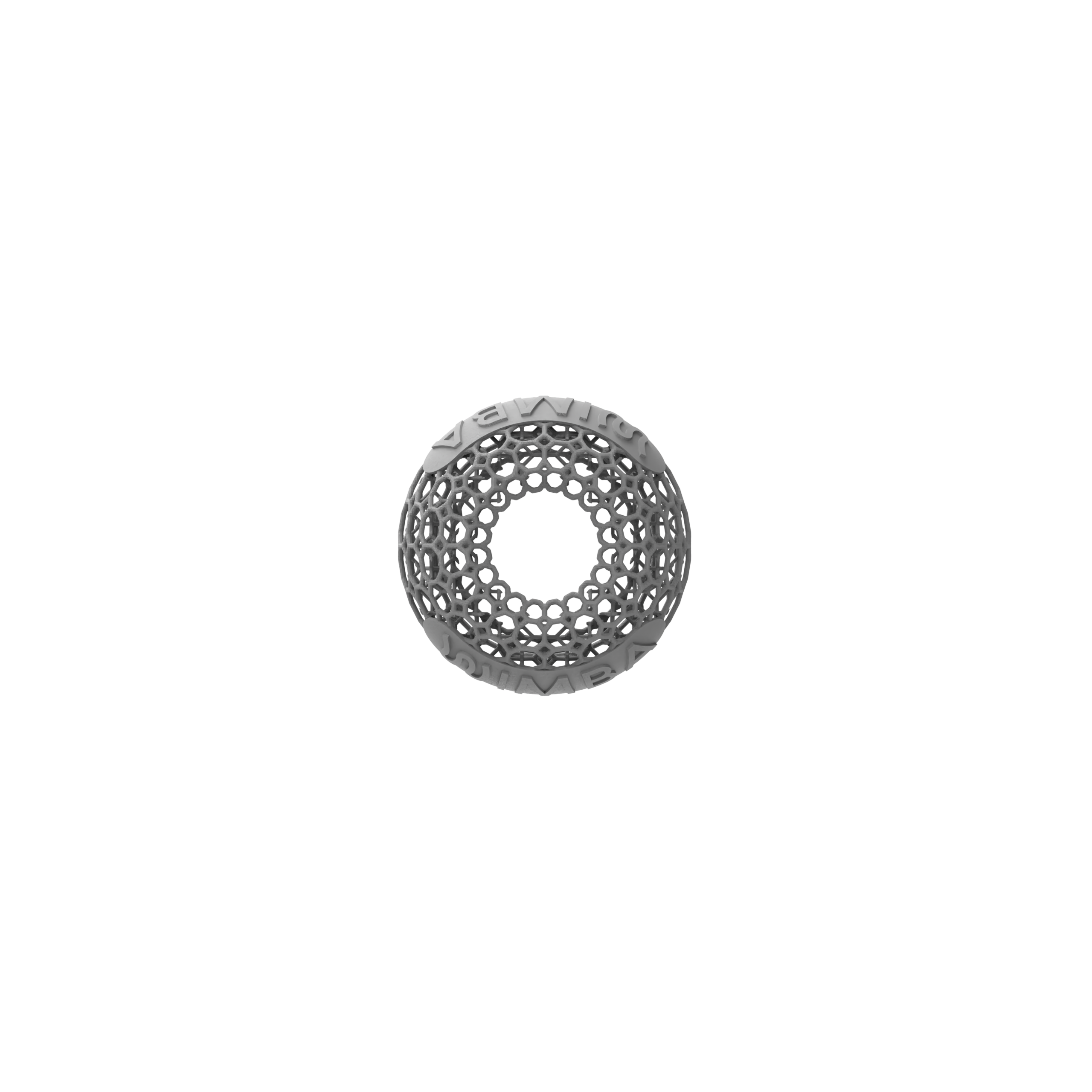
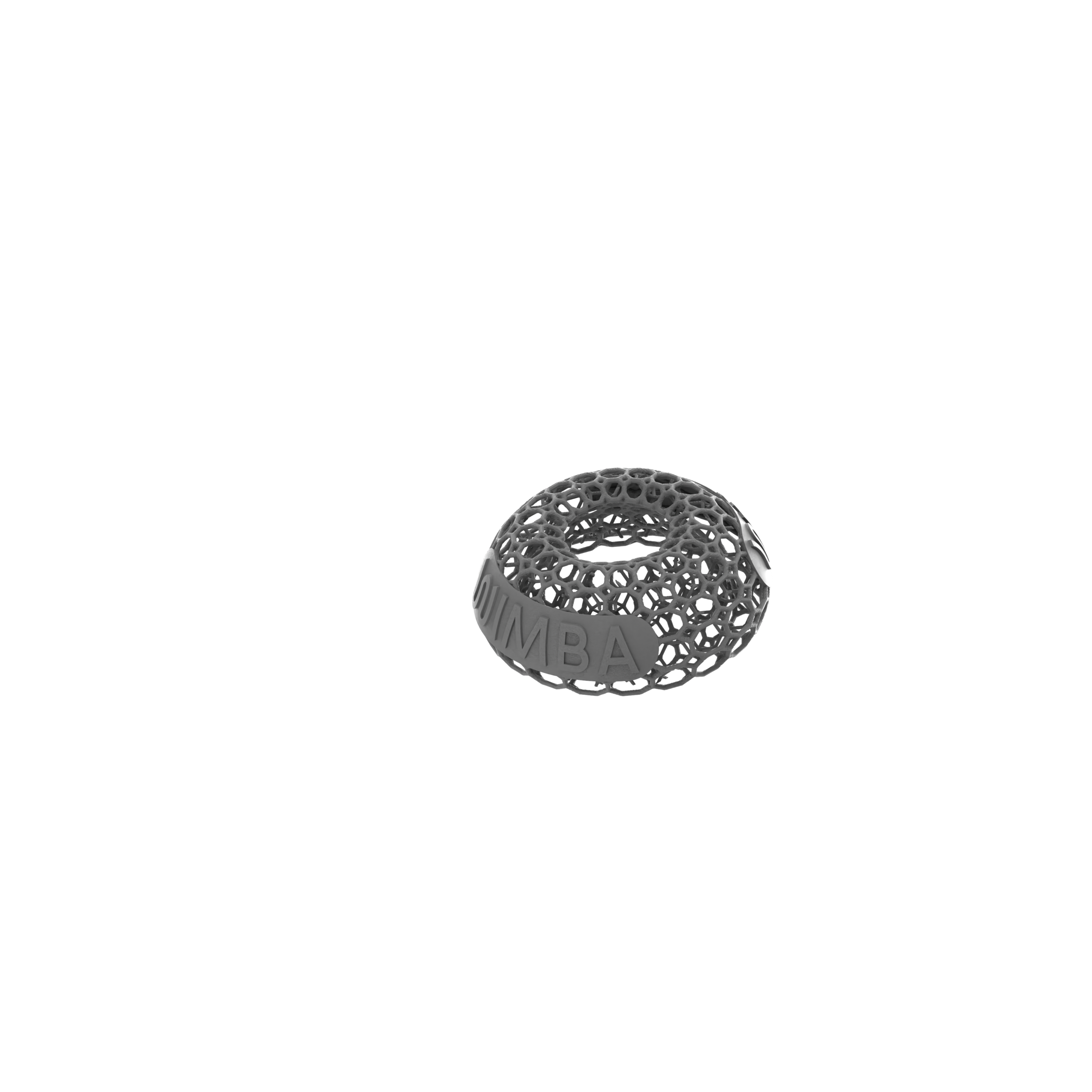
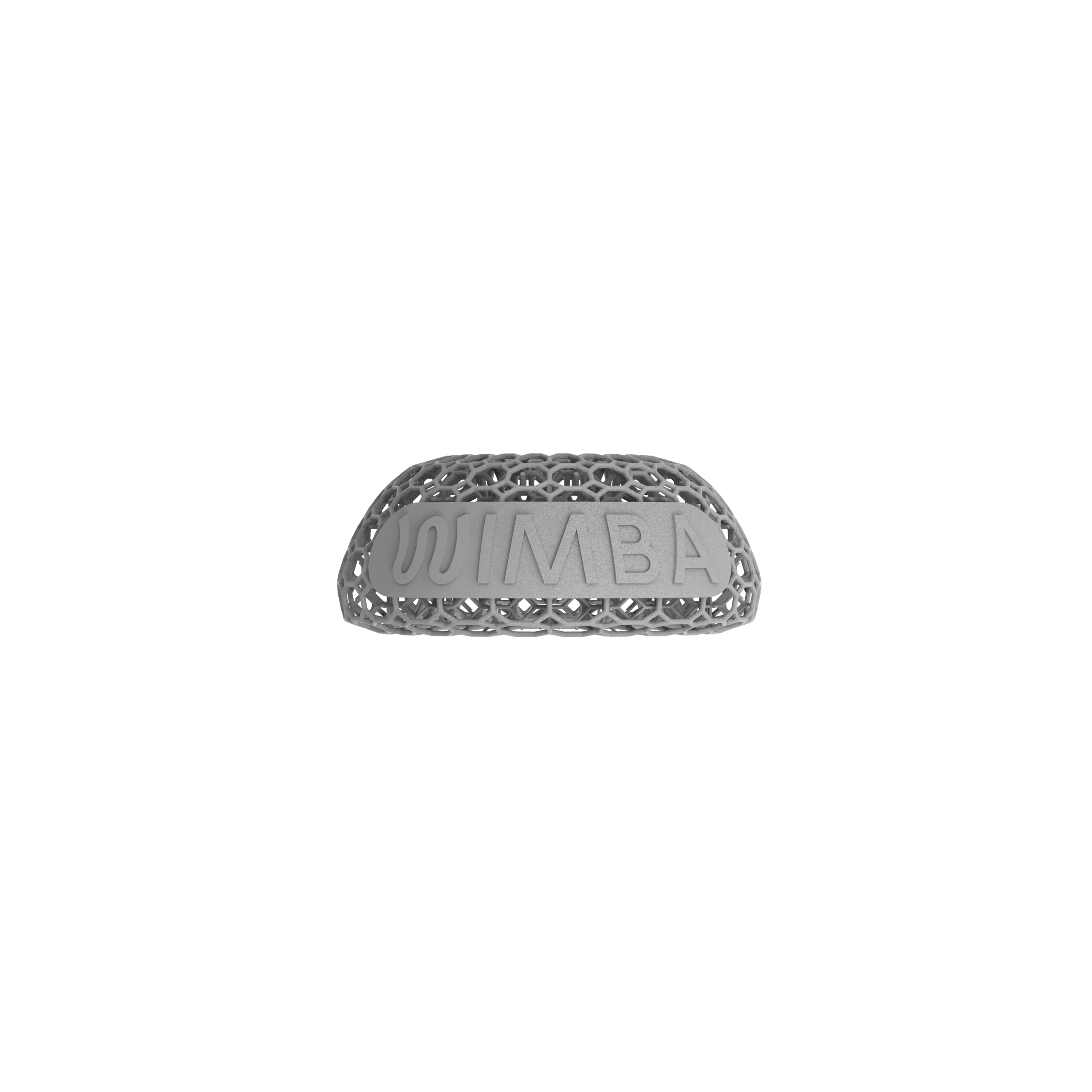
WIMBA Carpus Orthosis GO
Targeted support for tripod patients
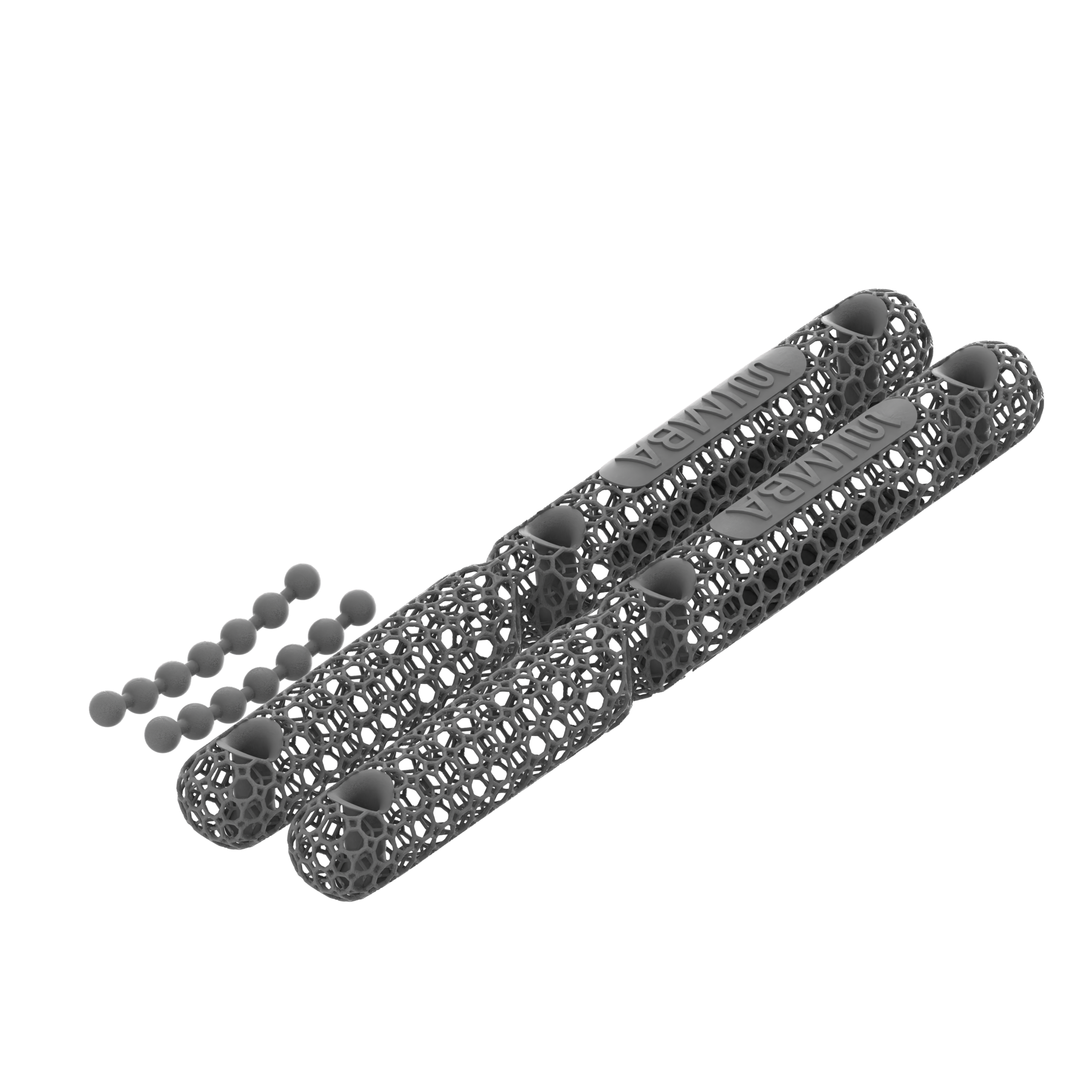
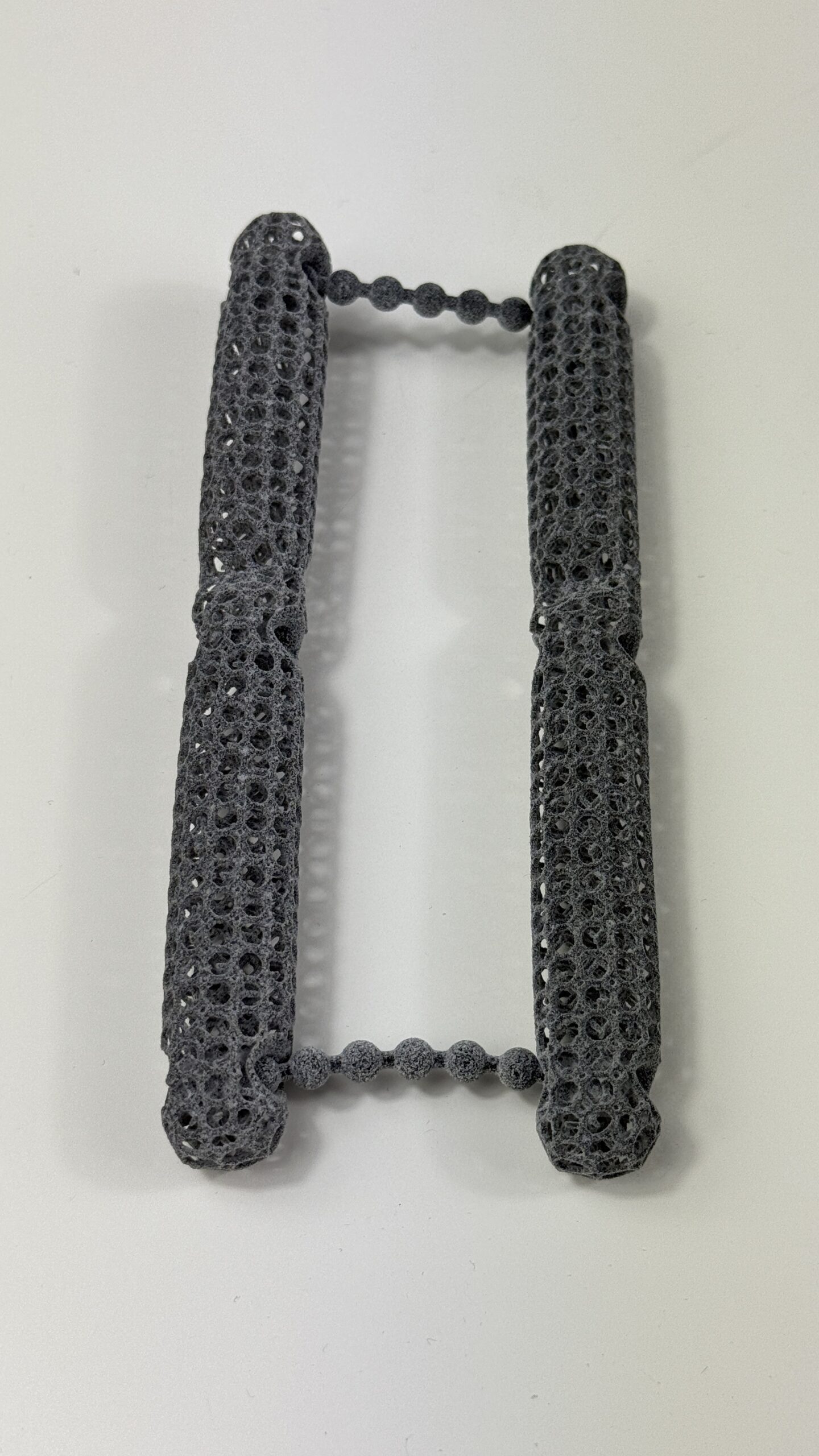
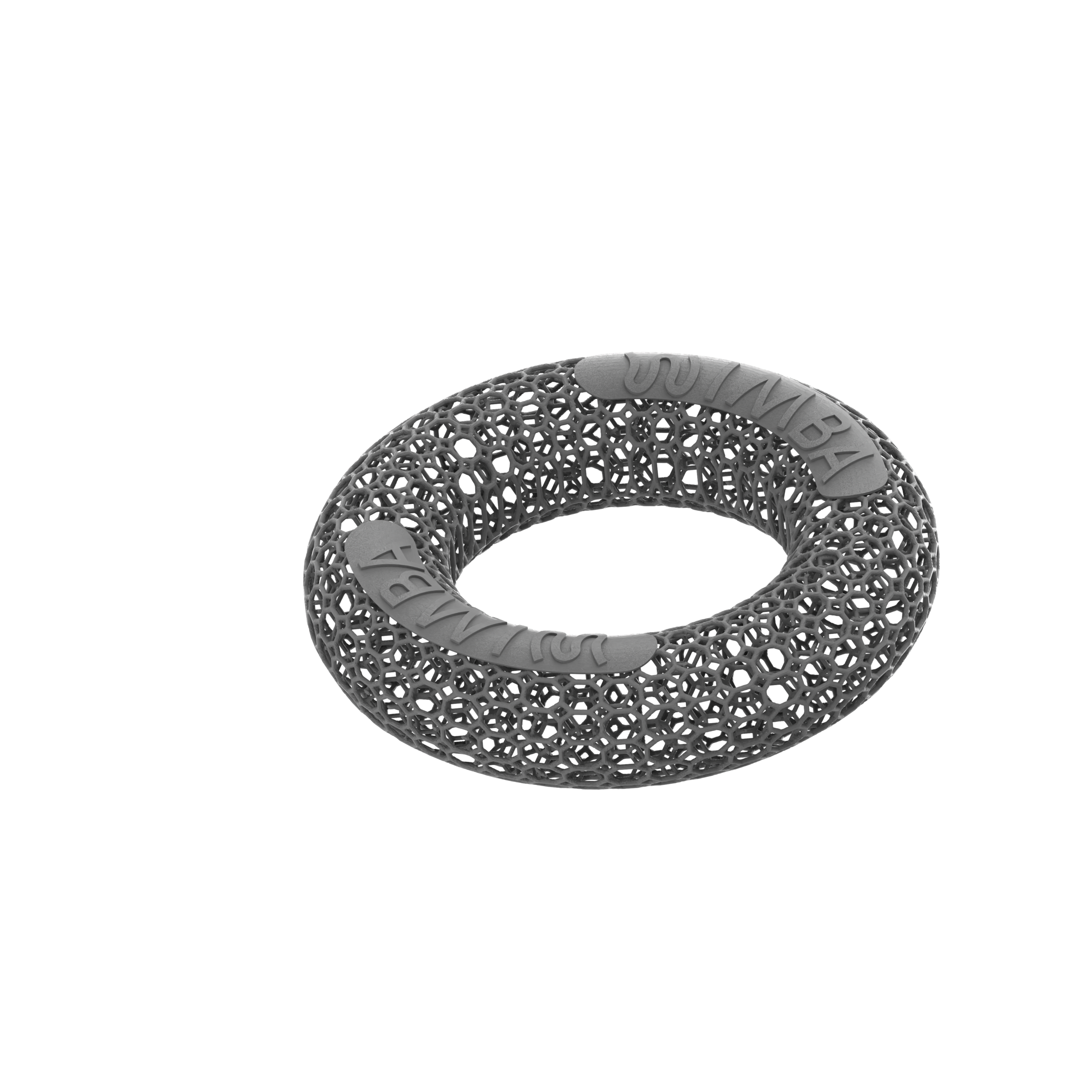
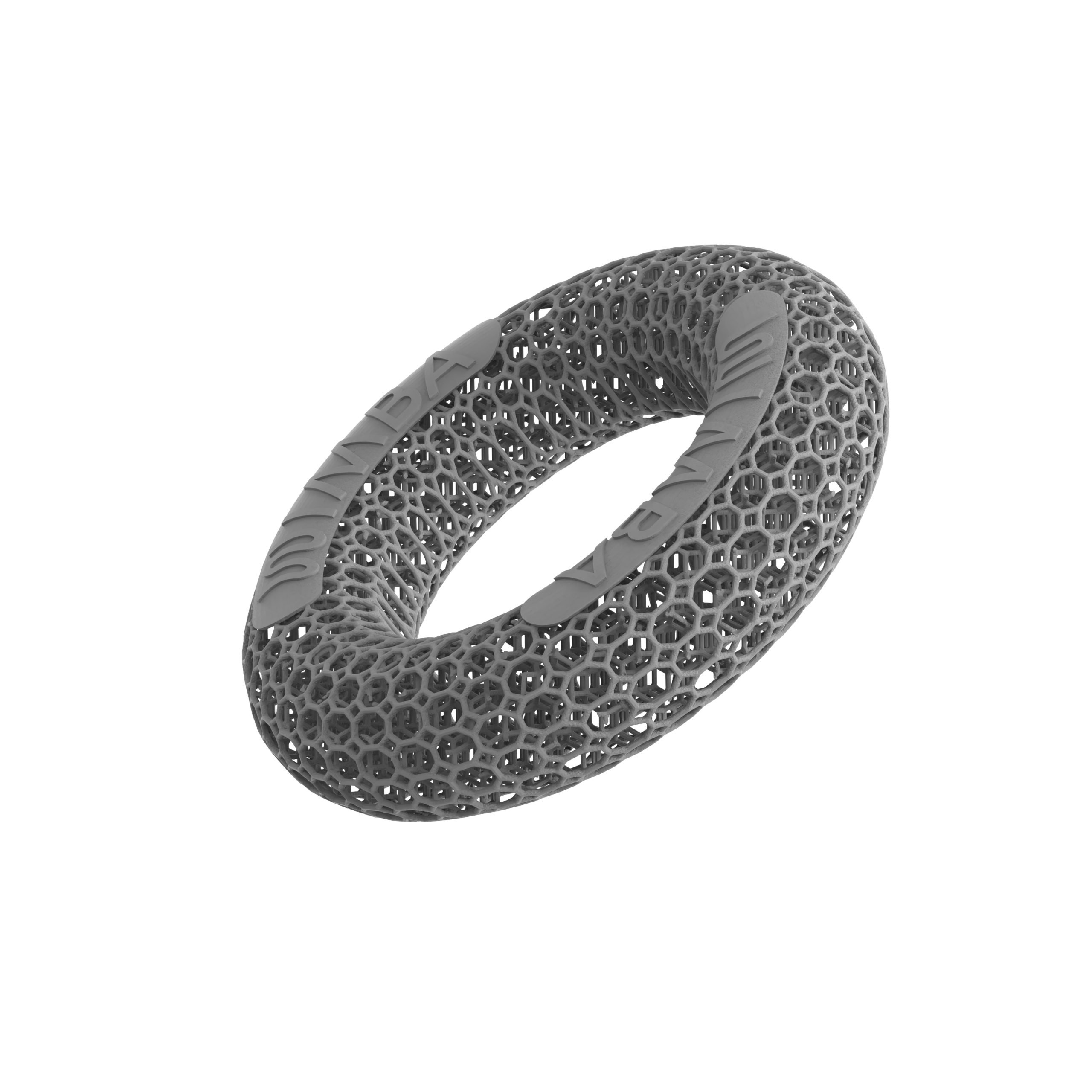
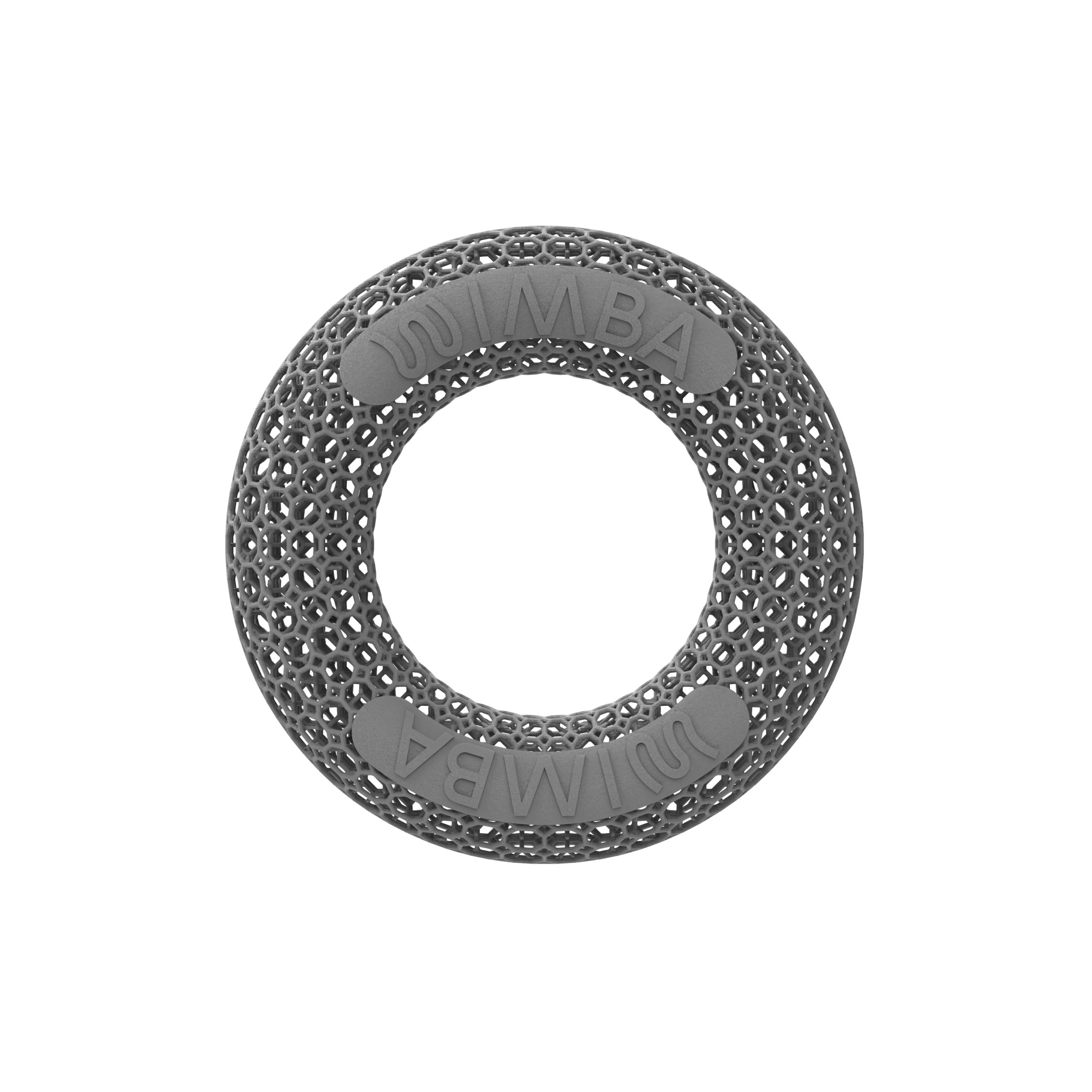
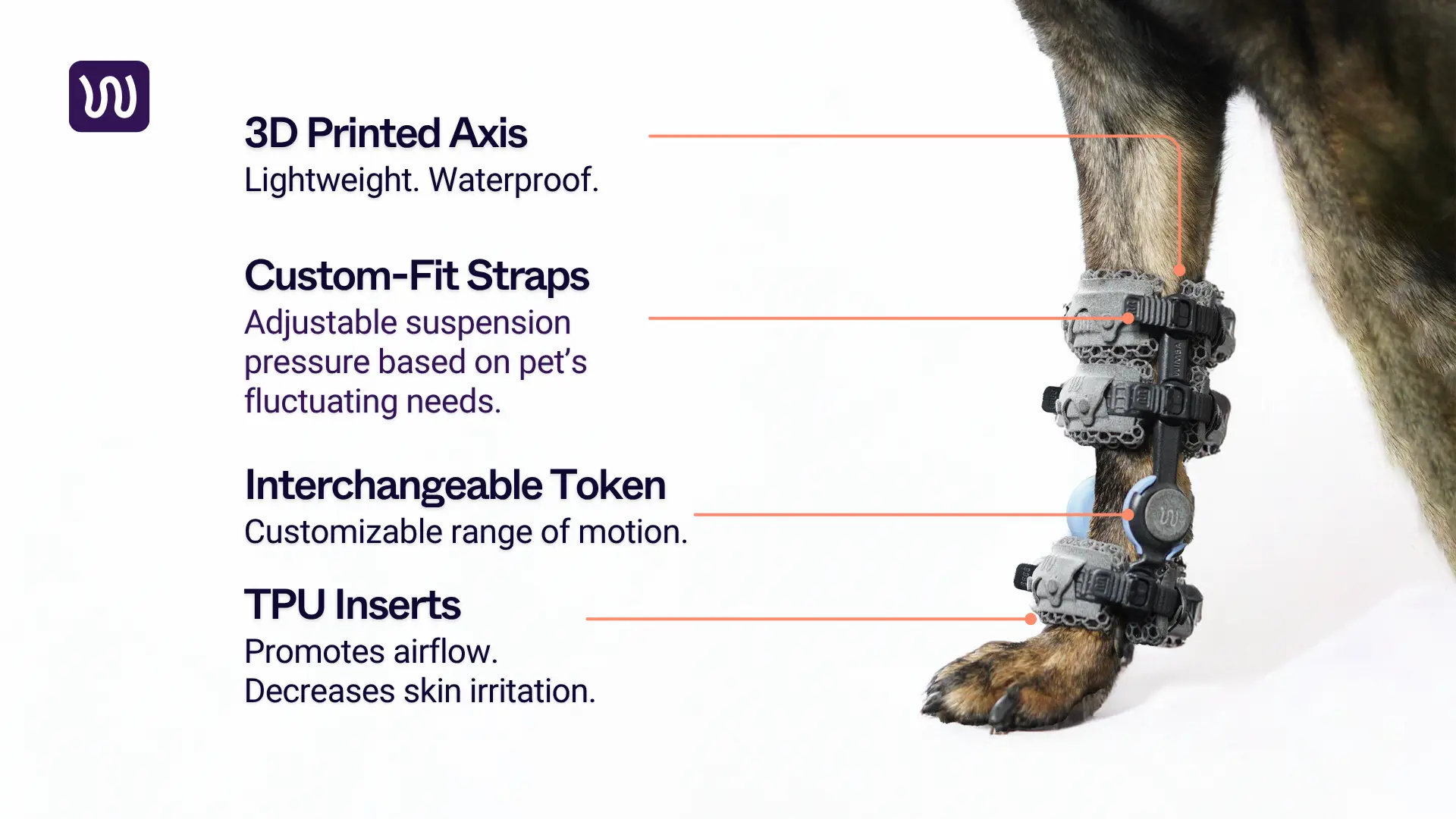
Custom-designed to support carpal stability, help optimise load distribution through the remaining forelimb, and improve comfort during everyday movement.
Tripawds is the largest support community for amputee pets and their people. Together, WIMBA and Tripawds have partnered to create Tripod Summer Fest, an educational campaign dedicated to helping tripod pets live active, comfortable, and supported lives.
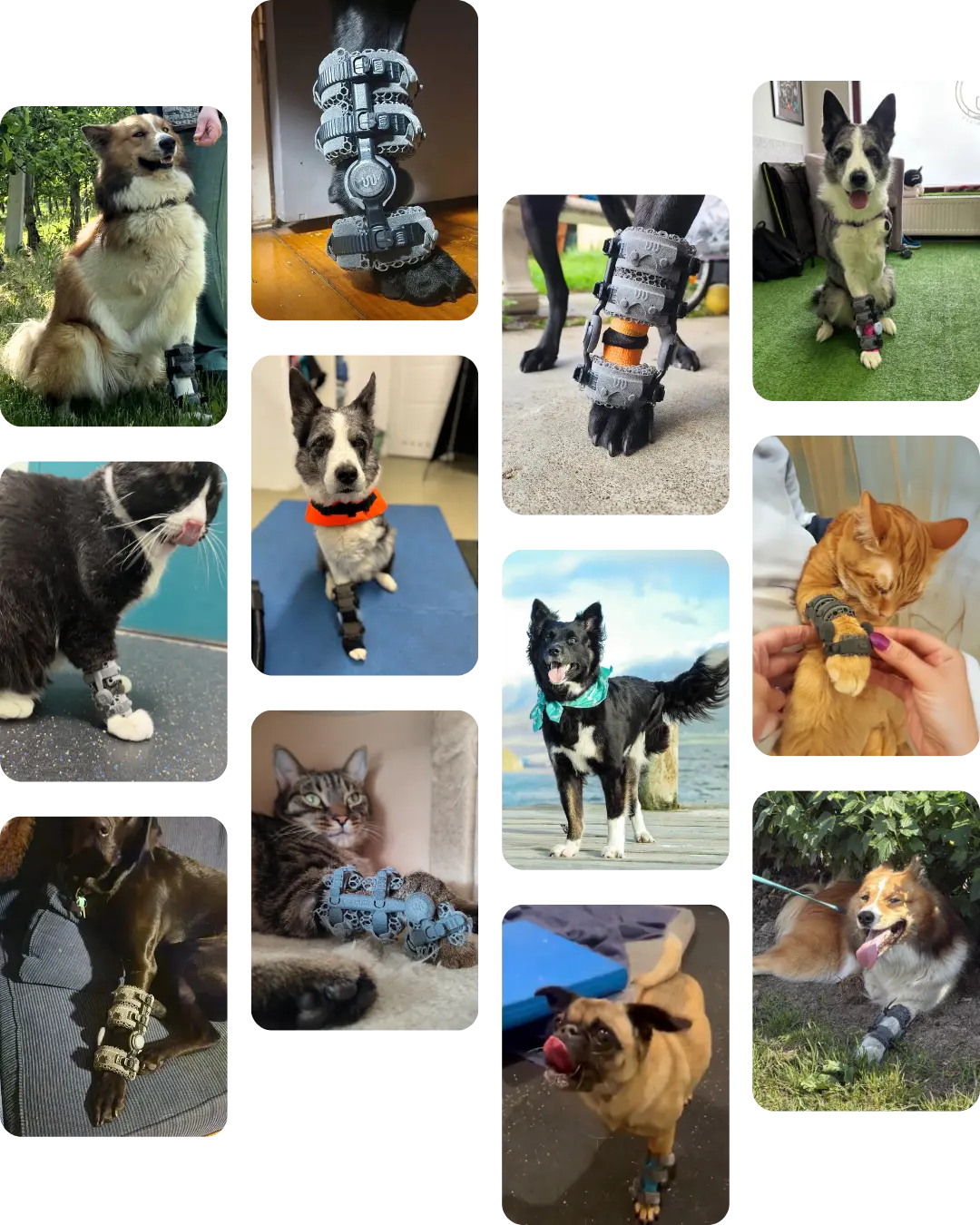
WIMBA Tripod Patient Stories
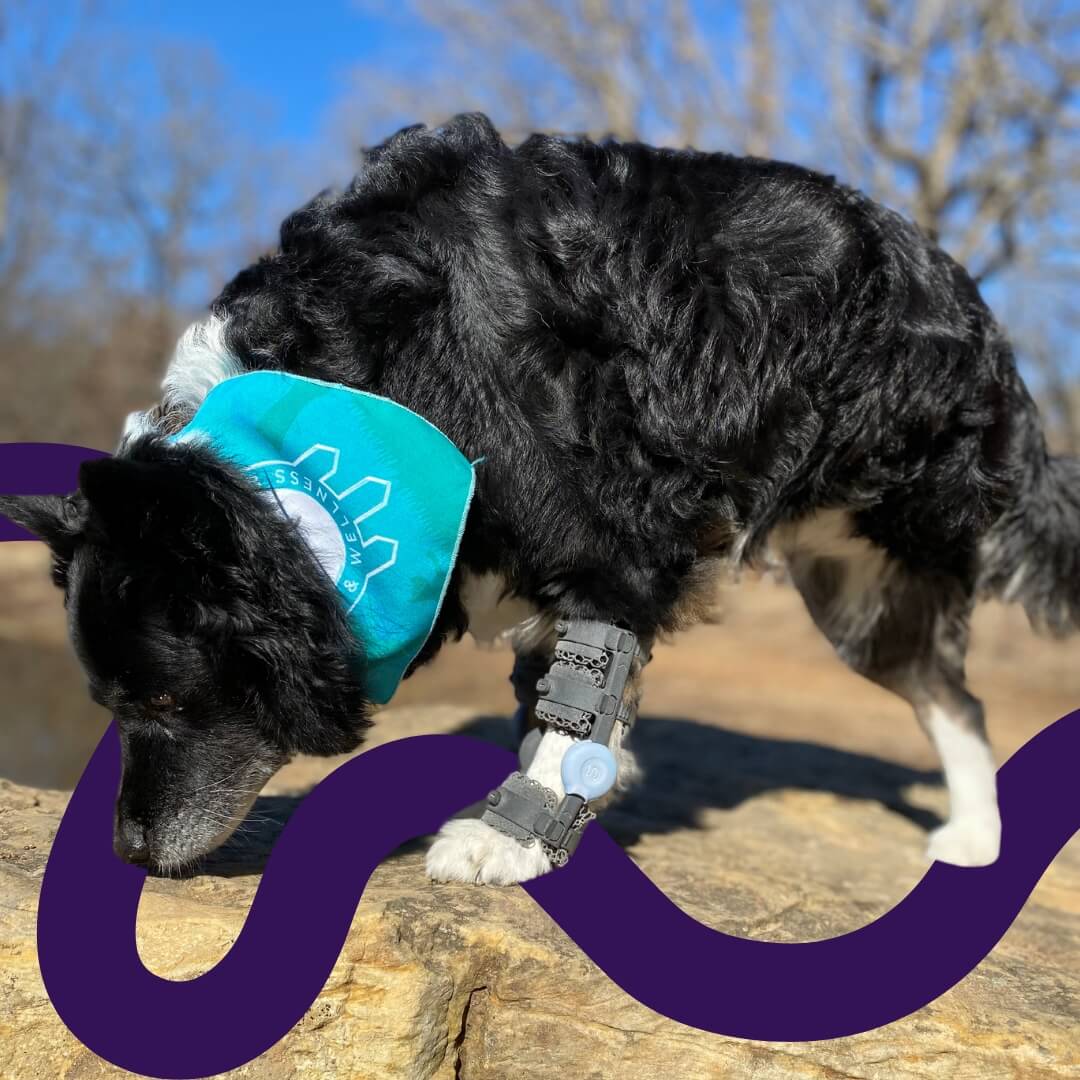
KALINA
11-year-old, 32 kg dog with bilateral carpal hyperextension, CCL rupture, and osteoarthritis affecting mobility, comfort, and weight-bearing symmetry.
Device: WIMBA Carpus Orthosis GO, bilateral support.
Reported outcome: improved limb support, longer walks, better symmetry, and reduced NSAID requirements during daily activity.
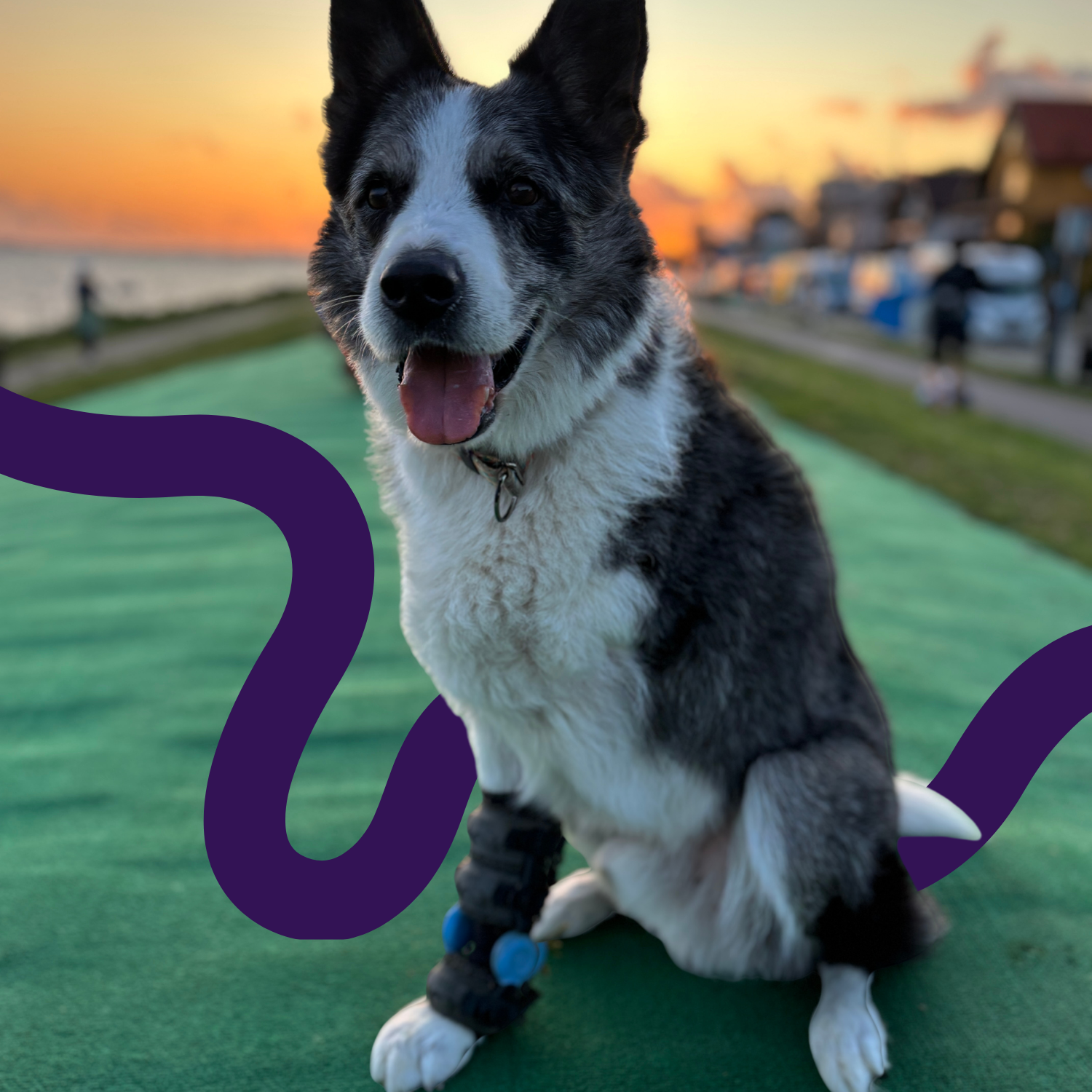
JURI
Active sporting dog following forelimb amputation for suspected cancer, with compensatory carpal hyperextension in the contralateral limb.
Device: WIMBA Carpus Orthosis GO, contralateral limb support.
Reported outcome: improved carpal stability, greater comfort, and more controlled movement during daily activity and sport rehabilitation.
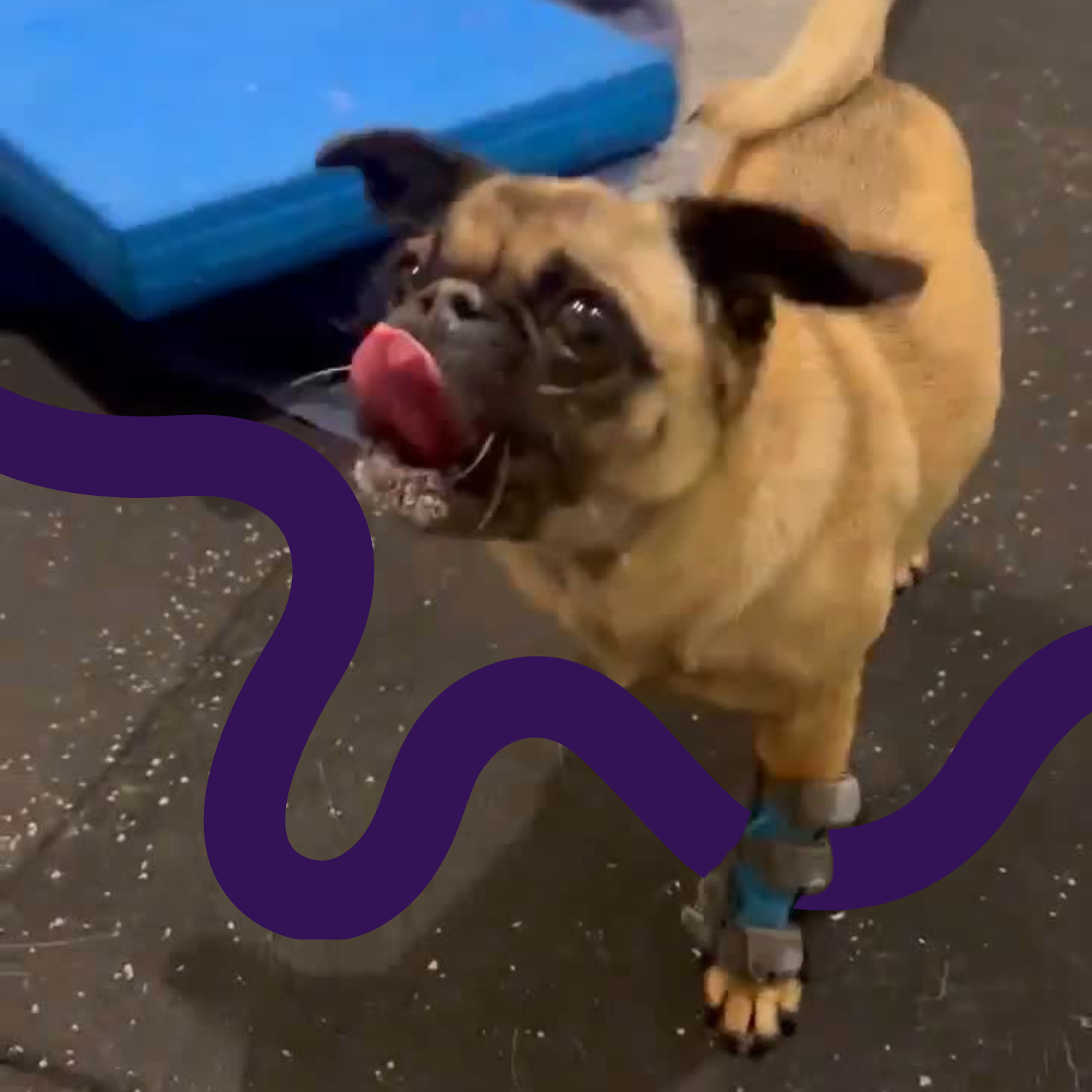
MABEL
Tripod patient following traumatic right front limb amputation, with the remaining forelimb exposed to increased carpal loading demand.
Device: WIMBA Carpus Orthosis GO, remaining limb support.
Reported outcome: improved carpal stability, more confident movement, more controlled weight-bearing, and maintained daily activity.
What the Evidence Shows
Five peer-reviewed studies show a consistent clinical pattern: limb amputation changes gait, weight distribution, and joint loading, increasing mechanical demand on the remaining limbs.
This matters clinically because the remaining forelimb often becomes the primary load-bearing limb, especially after front limb amputation. Over time, higher vertical forces, altered stance time, and compensatory movement patterns may increase stress around the carpus and surrounding soft tissues.
The poster introduces the biomechanical pathway behind this increased loading demand: load redistribution, changes in step length and stance time, joint loading at the carpus, and the compensation cascade that can follow as a tripod patient adapts after amputation.
Use it as a quick visual reference before reviewing the study summaries below, where each paper is linked to the specific clinical finding it supports.
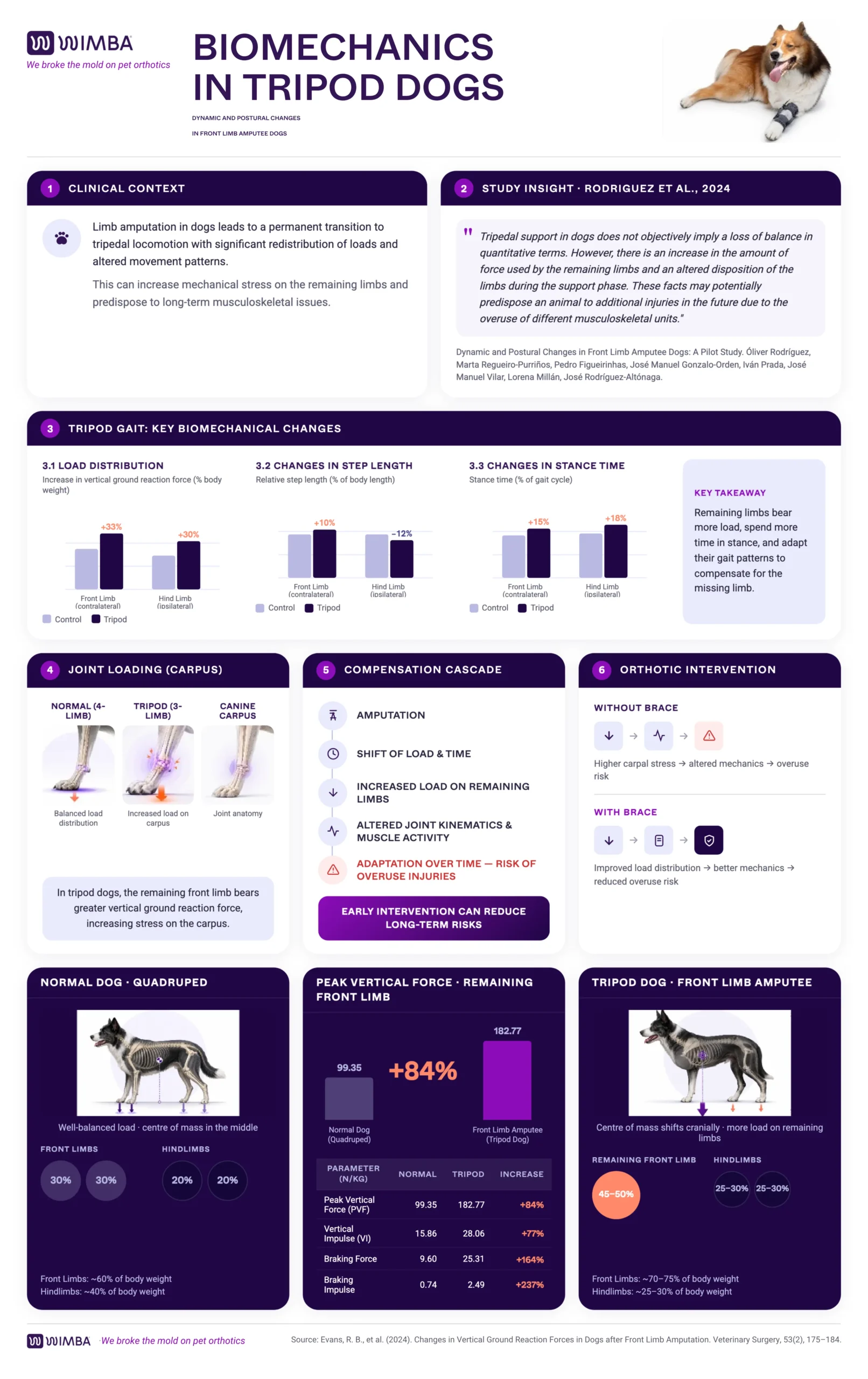
Click the poster to enlarge and view the full-size version.
47.5% of body weight
was carried by the remaining front limb while standing in dogs following front limb amputation. [3]
14% more weight
was distributed to the remaining front limb during trotting after front limb amputation. [1]
50.7–55.5% of body weight
was carried by the contralateral front limb in a 2024 study involving 39 amputee dogs. [5]
Studies and References
1
Front Limb Amputation Increases Demand on the Remaining Carpus
Force-plate and motion analysis showed increased weight distribution and braking forces in the remaining front limb. The carpal joint also demonstrated greater flexion during the stance phase.
“Weight distribution was significantly increased by 14% on the remaining thoracic limb and by a combined 17% on pelvic limbs in amputees.”
Jarvis SL, Worley DR, Hogy SM, et al. Kinematic and kinetic analysis of dogs during trotting after amputation of a thoracic limb. American Journal of Veterinary Research. 2013;74(9):1155–1163.
2
Hind Limb Amputation Changes the Mechanics of the Remaining Tarsus
Dogs following pelvic-limb amputation generated greater propulsive forces through the remaining hind limb. The remaining tarsal joint also moved through a larger range during weight bearing.
“Amputees had an increase in range of motion at the tarsal joint of the remaining pelvic limb, compared with results for the control dogs.”
Hogy SM, Worley DR, Jarvis SL, et al. Kinematic and kinetic analysis of dogs during trotting after amputation of a pelvic limb. American Journal of Veterinary Research. 2013;74(9):1164–1171.
3
The Opposite Front Limb Takes on the Greatest Additional Load
Standing weight analysis found that the contralateral front limb showed the largest increase in weight bearing after both front limb and hind limb amputation.
“Proactive monitoring of orthopaedic disease in the contralateral front limb may be advisable in dogs with a previous limb amputation.”
Cole GL, Millis D. The effect of limb amputation on standing weight distribution in the remaining three limbs in dogs. Veterinary and Comparative Orthopaedics and Traumatology. 2017;30:59–61.
4
Higher Forces and Paw Pressure Remain After Adaptation
Dogs with front limb amputation showed higher vertical and braking forces, increased paw pressure, and altered paw placement compared with four-legged control dogs.
“This situation may potentially predispose these animals to injury caused by an overload of the anatomical structures involved in weight bearing.”
Rodríguez O, Regueiro-Purriños M, Figueirinhas P, et al. Dynamic and Postural Changes in Forelimb Amputee Dogs: A Pilot Study. Animals. 2024;14(13):1960.
5
A Larger Study Confirms Major Load Redistribution
Pressure-sensitive walkway analysis confirmed substantial redistribution of body weight after both front limb and hind limb amputations.
“The percentage of body weight distribution on the contralateral front limb was 50.7% in cases of high amputation and 55.5% in cases of low amputation.”
Filho TG, Rahal SC, Kano WT, et al. Gait Analysis of Amputee Dogs Using a Pressure-Sensitive Walkway. Veterinary and Comparative Orthopaedics and Traumatology. 2024;37(4):189–195.
How WIMBA Carpus Orthosis GO Works and How to Order
Casting required
No
Data collection
2 photos + 7 measurements
Lead time
10 working days
Technology
HP Multi Jet Fusion
Print precision
0.2 mm
1. Submit a free case consultation (recommended)
Upload patient details, clinical notes, and relevant photos. The WIMBA Clinical Team will review the case and confirm whether WIMBA Carpus Orthosis GO is appropriate before you order. No obligation.
Optional, but recommended for first tripod cases.
3. Collect measurements and take two photos
The app guides you step by step. The first submission usually takes about 15–20 minutes.
GO cases use photos and guided measurements. WimbaSCAN is used for selected PRO cases.
4. Upload the data and place your order in WimbaAPP
Submit the patient data, select WIMBA Carpus Orthosis GO, and confirm the order. WIMBA production begins after confirmation.
5. Production & delivery
After HP MJF printing and quality validation, the device is shipped to your practice. EU delivery: 1–3 days after production. UK & USA delivery: 3–10 days. FastTrack is available for urgent cases.
6. First fitting and patient instructions
The full fitting protocol, user manual, and wear schedule are available in the WIMBA Knowledge Base. The WIMBA Clinical Team is available for post-fitting questions.
Frequently Asked Questions
- Veterinary Team
- Pet Owners
In selected cases, yes. Veterinarians may consider a custom orthosis early, particularly for active tripod patients or patients showing subtle signs of fatigue or compensation.
The final clinic price can vary by region, device configuration, and any clinic-led fitting or follow-up services. For the most accurate quote, submit a free case consultation or start an order in WimbaAPP before confirming production.
Tripod patients with mild orthopaedic concerns, early signs of compensation, or a need for additional support during daily activity may be candidates. A veterinarian will determine whether WIMBA Carpus Orthosis GO is appropriate.
For some pets, yes. WIMBA Carpus Orthosis GO is designed for mild orthopaedic conditions and may be considered as part of a broader approach that includes weight management, exercise, rehabilitation, and routine veterinary care.
The goal is to support comfort, mobility, and quality of life by identifying concerns early and helping manage increased loading demands on the remaining limbs before significant problems develop.
Tripod pets rely on their remaining limbs for every step they take. Over time, this increased workload can place additional stress on joints, muscles, tendons, and ligaments.
WIMBA devices are ordered through veterinary teams, so the final price is provided by the clinic and may vary by region, device configuration, and any clinic-led consultation, fitting, or follow-up care. Contact a WIMBA Provider or ask your veterinarian to submit a case consultation for an estimate.
Not always. Early intervention may provide an opportunity to address concerns before they progress into more significant mobility challenges.
Yes. Many tripod pets adapt remarkably well after amputation, but the increased demands on their remaining limbs begin immediately. Taking a proactive approach may help support long-term mobility and comfort.
Early signs can be subtle and may include occasional stiffness, increased fatigue after activity, reluctance to jump, licking at a limb, or a gradual decrease in activity level.
Depending on the individual pet and veterinary recommendations, an orthosis may help support joints experiencing increased stress from long-term compensatory loading.
Activity is important for overall health, but active tripod pets may place even greater demands on their remaining limbs. Monitoring for early signs of fatigue or discomfort and discussing proactive support options with your veterinarian can help support long-term mobility.
Further reading: Custom Dog Orthotics for Hind Limb Weakness · Veterinary Orthosis for Long-Term Rehabilitation