 Skip to content

Hind limb weakness can change how a dog rises, balances, walks, and participates in everyday activity. Depending on the diagnosis, custom dog orthotics may support an unstable joint, improve limb positioning, or protect the paw during rehabilitation.
This guide explains when an orthosis may be appropriate, how the main device types differ, and why a veterinary assessment should come before choosing a custom device or searching for a dog hind leg brace.
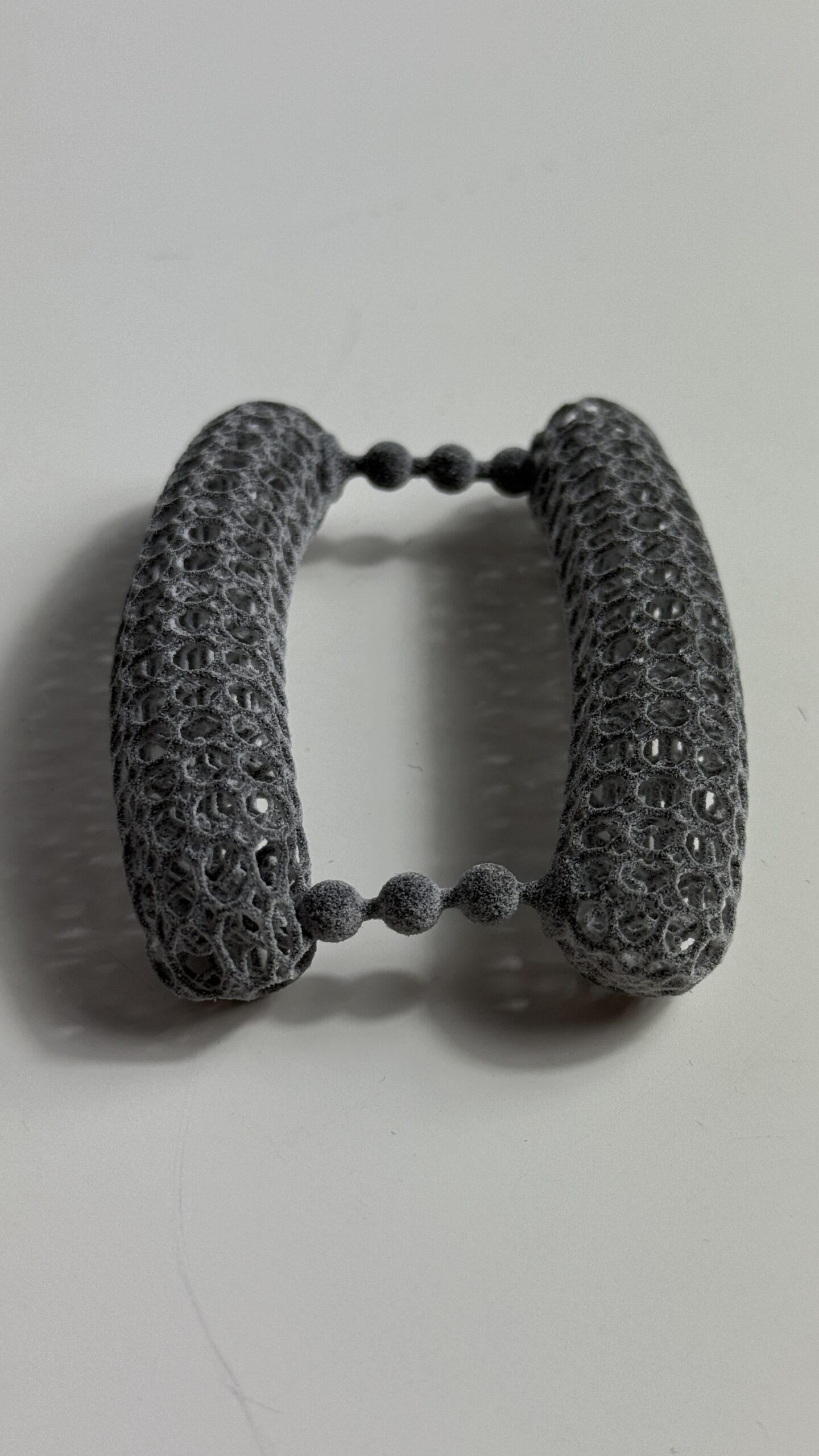
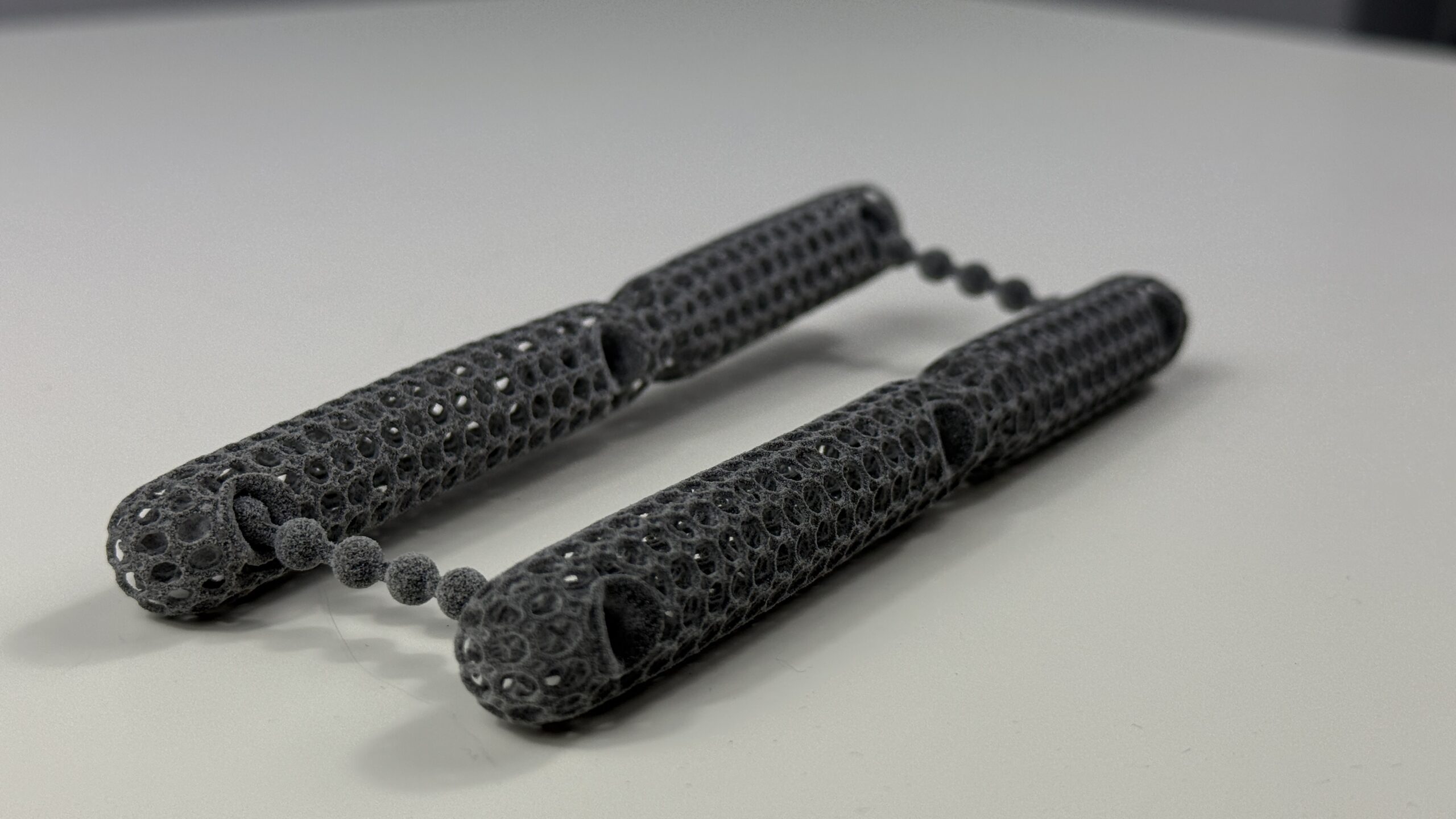
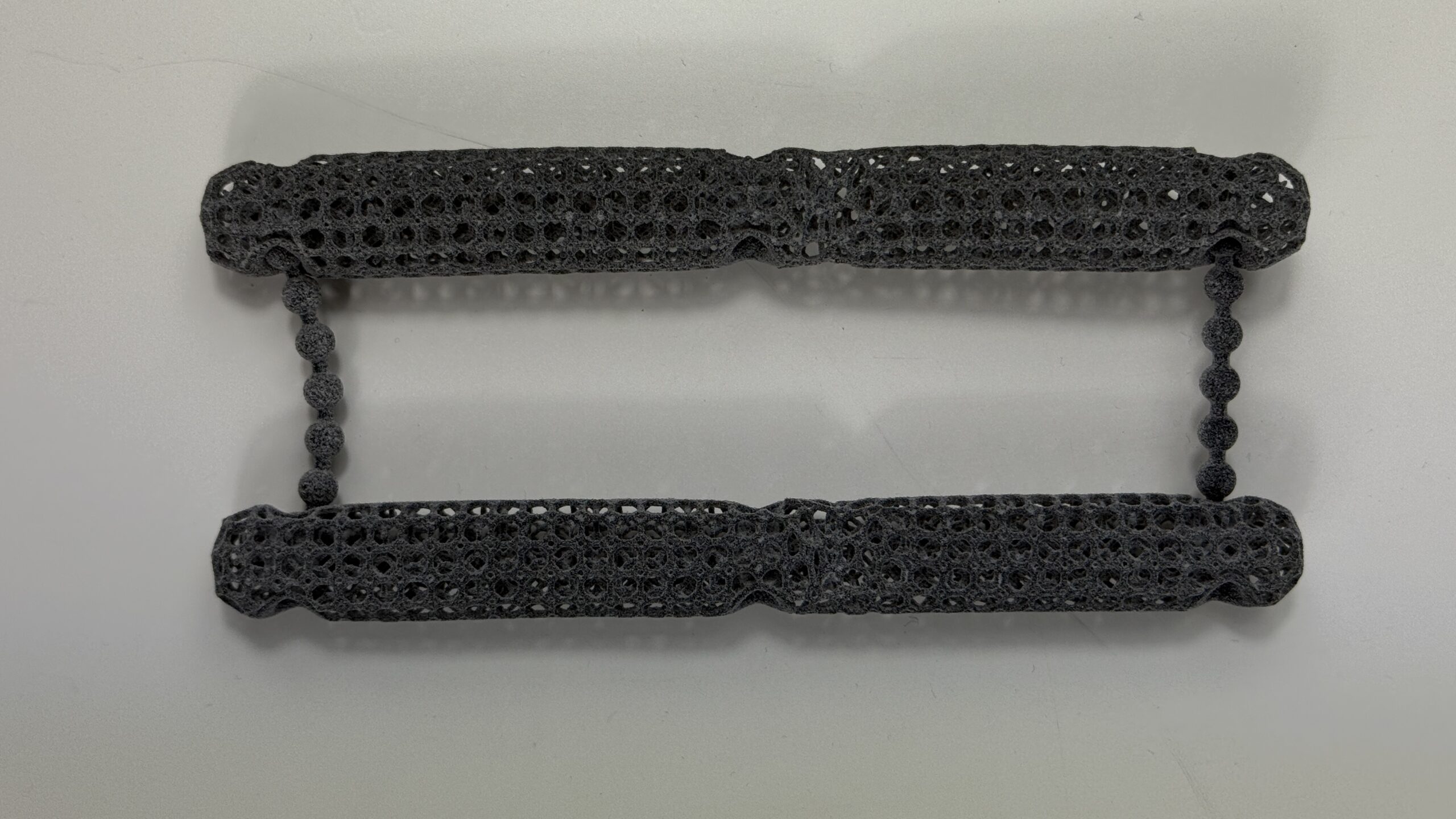
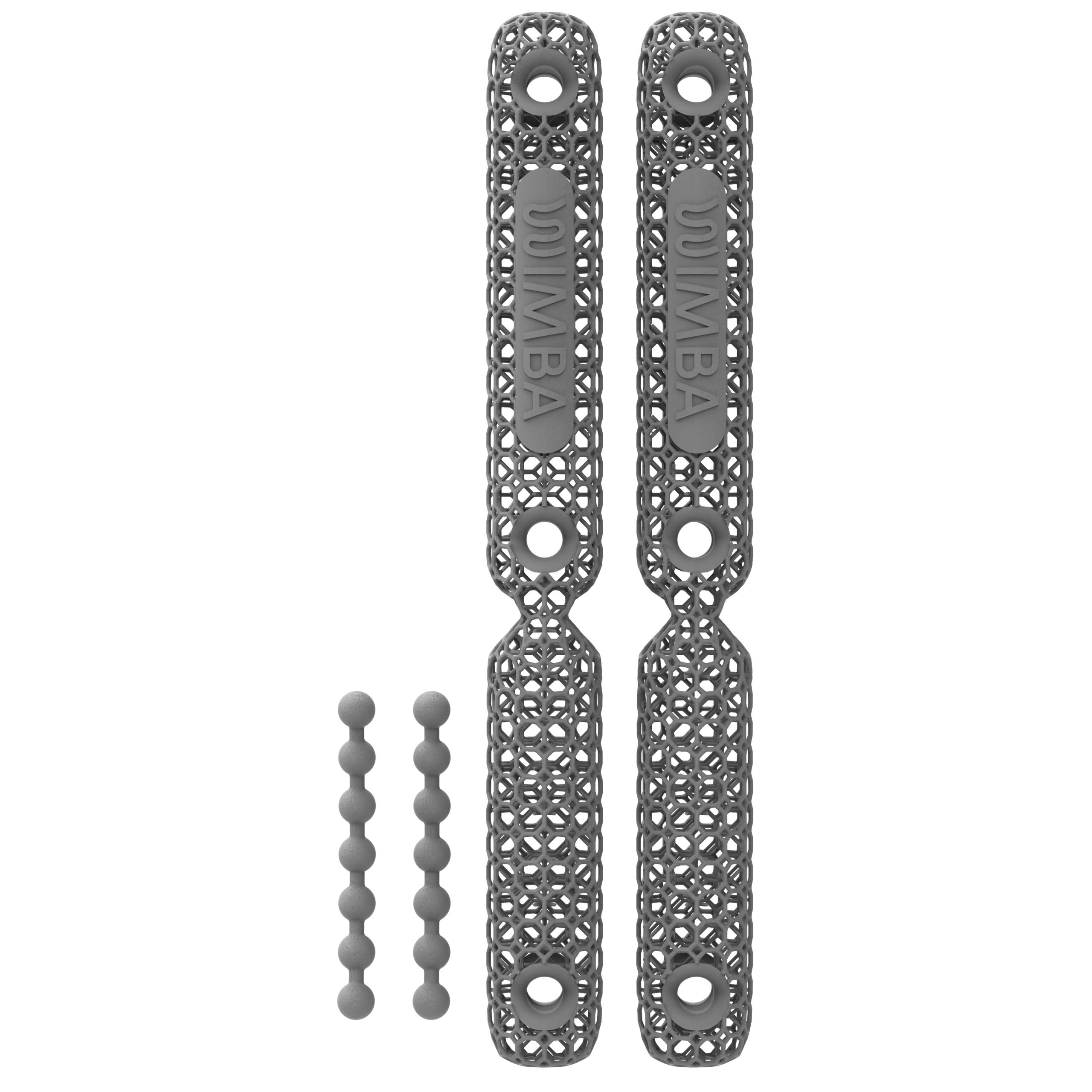
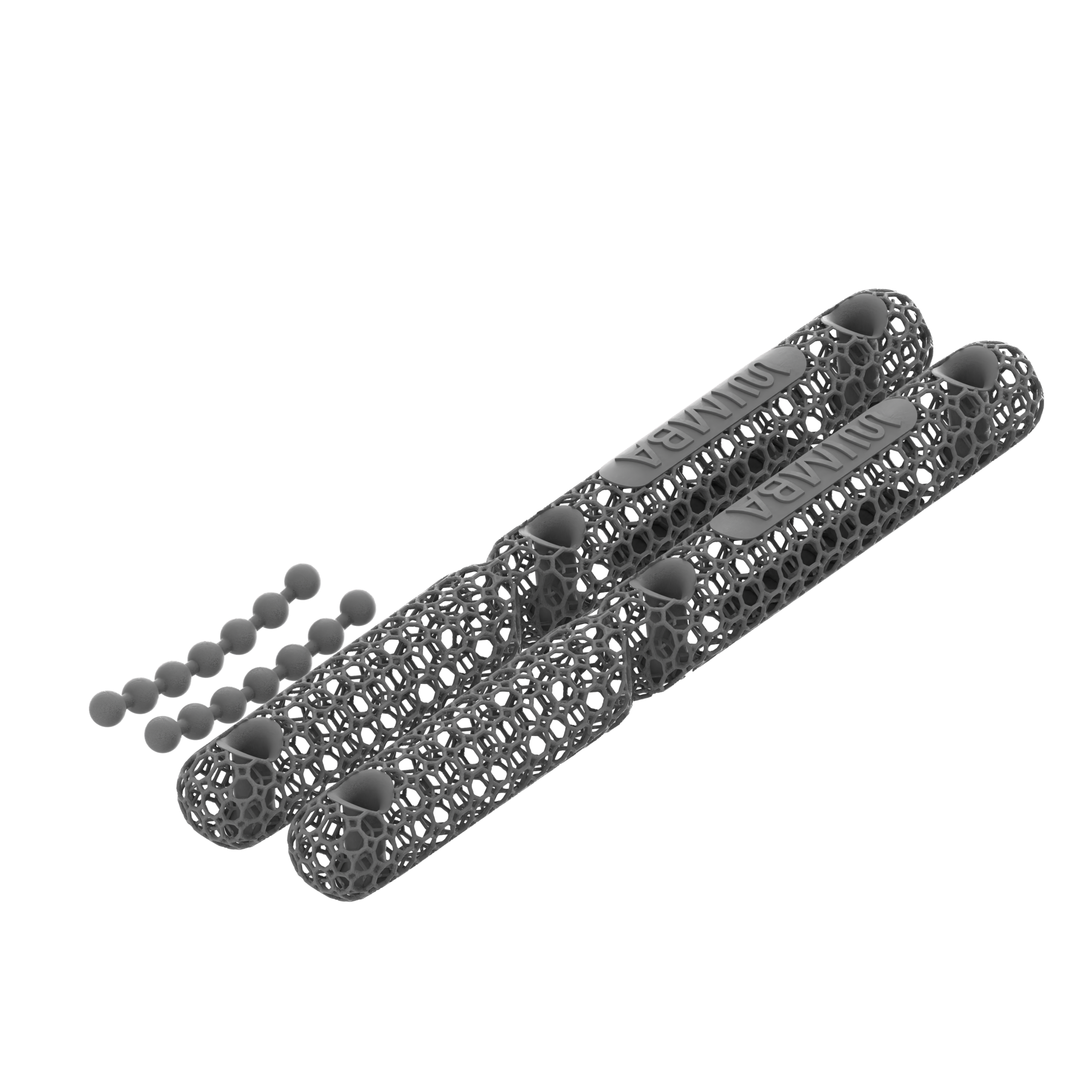
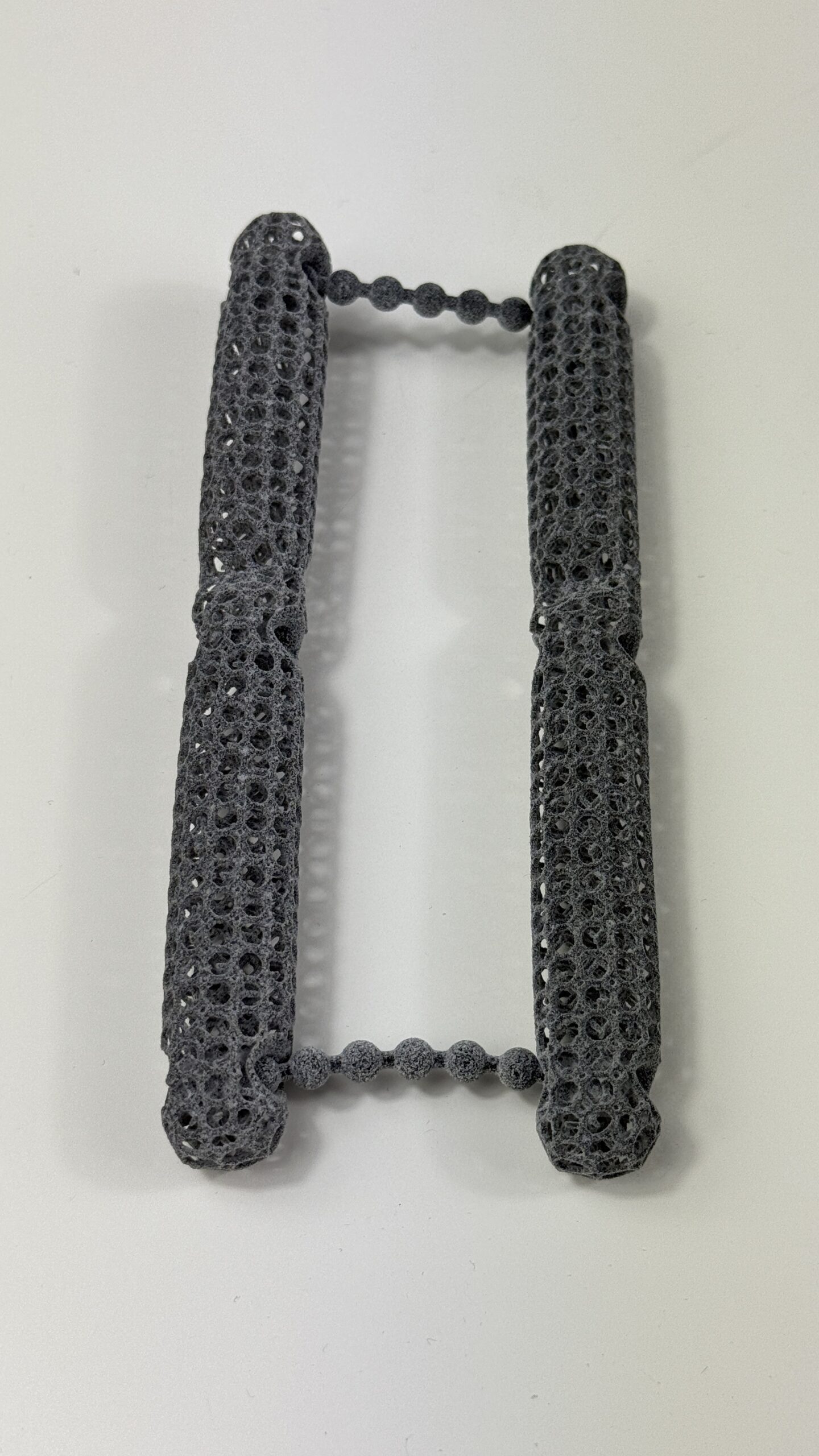
WIMBA makes custom orthoses for dogs, including a tarsal orthosis for the hock and a stifle orthosis for the knee. When hind limb weakness has an orthopaedic cause, a veterinarian may consider one of these devices as part of a wider rehabilitation plan.
What Causes Hind Limb Weakness in Dogs?
Hind limb weakness is a clinical sign rather than a diagnosis. It may originate in the nervous system, muscles, bones, or joints, and more than one problem can be present at the same time. Identifying the cause matters because an orthosis cannot treat every type of mobility loss.
Conditions that can affect rear-limb function include:
- Degenerative myelopathy (DM) — a progressive neurological disease associated with ataxia, reduced paw positioning, and weakness
- Intervertebral disc disease (IVDD) — disc disease that may compress nerve roots or the spinal cord and impair motor function
- Hip dysplasia and osteoarthritis — painful joint disease that can reduce activity and contribute to muscle loss
- Hock instability — loss of tarsal support following ligament injury, trauma, or a shearing wound
- Generalised muscle atrophy — loss of muscle mass related to pain, inactivity, ageing, or systemic illness
- Postoperative or post-injury recovery — temporary hind limb weakness after procedures involving the spine or rear-limb joints
A veterinary examination may include orthopaedic and neurological assessment, observation at a walk, palpation, range-of-motion testing, and diagnostic imaging when indicated. The goal is to identify the affected structure, determine whether the problem is painful, mechanical, or neurological, and set a realistic functional objective.
How Custom Hind Limb Orthotics Work
An orthosis applies external support to a defined joint or limb segment. Depending on its design, it can limit excessive motion, guide alignment, protect vulnerable tissues, or make controlled weight-bearing more comfortable. The intended movement and the movement that must be restricted should be decided before the device is designed.
For tarsal hyperextension or ligament-related instability, a tarsal orthosis can limit collapse at the hock while allowing functional loading. In neurological cases with knuckling or toe dragging, support may instead focus on paw clearance, limb placement, and protection of the dorsal paw. These are different clinical goals and may require different designs.
The device should usually sit within a broader management plan. Analgesia, weight management, therapeutic exercise, physiotherapy, and hydrotherapy may address pain, strength, endurance, and coordination. The orthosis provides mechanical assistance; it does not reverse progressive neurological disease or replace rehabilitation.
Assessing a Dog for a Hind Limb Orthosis
A useful prescription begins with a specific question: what should the device help this patient do? For one dog, the objective may be safer household walking; for another, it may be controlled loading during rehabilitation. That objective guides joint angle, range of motion, material stiffness, and the planned wearing schedule.
Before prescribing a device, assess:
- The diagnosis and the joint or limb segment that needs support
- Whether dysfunction is primarily structural, neurological, or mixed
- Current weight-bearing, gait pattern, and compensatory movement
- Joint range of motion and the desired degree of movement control
- Skin sensation, coat, wounds, swelling, and pressure-sensitive areas
- Limb dimensions, asymmetry, body weight, and expected physical activity
- The rehabilitation plan and the owner’s ability to fit, remove, and inspect the device
Skin condition deserves particular attention. Reduced sensation, prominent bones, moisture, or an incorrect strap position can increase the risk of irritation. A planned break-in period and regular reassessment are part of treatment, not optional extras.
Hind Limb Orthosis Options for Dogs
Tarsal (Hock) Orthosis
A custom tarsal orthosis supports the hock and may be considered for tarsal hyperextension or hyperflexion, selected collateral ligament injuries, osteoarthritis, and rehabilitation after trauma or surgery. The design can be rigid or allow a controlled range of motion, depending on the diagnosis and treatment goal.
Stifle Orthosis
A stifle orthosis supports the knee and is commonly discussed in relation to cranial cruciate ligament disease. It may be considered when surgery is not selected, while a patient is awaiting a procedure, or during rehabilitation in an appropriate case. A veterinary professional should determine whether bracing fits the individual treatment plan.
Multi-joint and Neurological Support
Some patients need support across more than one joint, while others need assistance with paw positioning rather than rigid joint stabilisation. A generic dog hind leg brace may not address these differences. Complex cases require careful assessment of gait, joint motion, sensation, and the likely course of the underlying condition.
What the Clinical Evidence Shows
A prospective study by Rosen, Duerr, and Elam followed 43 dogs using orthoses or prostheses. At least one complication was recorded in 39 dogs, with skin-related problems common during the first three months. Objective gait data were available only for small subgroups: improvement was reported in five of six carpal cases and all 11 stifle cases, but not in the four measured tarsal cases. Because the study had no control group, the authors cautioned against attributing change solely to the device.[1]
A systematic review of rehabilitation after canine cranial cruciate ligament surgery identified 19 studies. It found support for exercise-based rehabilitation and cold-compression therapy, but many studies had a high risk of bias. This reinforces the value of a structured rehabilitation plan while also showing why treatment claims should remain measured.[2]
Patient-specific 3D printing is also developing in veterinary orthopaedics. A 2025 three-case report described 3D-printed anatomical models and guides used for surgical planning in dogs. It demonstrates the potential of custom digital manufacturing, but it did not evaluate wearable braces and should not be treated as direct evidence of orthotic outcomes.[3]
Taken together, the literature supports case selection, objective outcome tracking, a gradual introduction schedule, and close skin monitoring. It does not support a universal promise that every patient will improve or that complications can be eliminated.
How WIMBA Supports Hind Limb Weakness Cases
WIMBA creates patient-specific, 3D-printed dog orthotics for veterinary use. Tarsus Orthosis Go is intended for mild, single-plane tarsal instability and related indications using a photo-and-measurement ordering pathway. Scan-based Tarsus Pro and Stifle Pro options are available for cases that require more complex support. The veterinary team remains responsible for diagnosis, device selection, fitting, and follow-up.
A good case submission should explain the diagnosis, functional goal, affected joint, range of motion, skin status, and rehabilitation plan. This helps match the device pathway to the patient rather than treating every case of hind limb weakness as the same condition.
Frequently Asked Questions: Custom Dog Orthotics for Hind Limb Weakness
Can orthotics help dogs with degenerative myelopathy?
An orthosis may help a selected ambulatory dog with paw placement, toe dragging, or protection from abrasion. It does not slow or reverse degenerative myelopathy, and changing strength or sensation can affect fit and safe use. The veterinary and rehabilitation teams should review the device as the disease progresses.
Can my dog use a hock orthosis for drop hock?
Potentially. A custom tarsal orthosis can limit excessive extension at the hock and support controlled loading. Suitability depends on the cause of the drop stance, joint flexibility, skin condition, sensation, and the intended activity. A clinical assessment is needed before ordering.
What is the difference between a stifle orthosis and a hock orthosis?
A stifle orthosis targets the knee and may be considered in selected cases involving cranial cruciate ligament disease or postoperative rehabilitation. A hock orthosis supports the tarsal joint and may be used for ligament injury, hyperextension, or hock instability. The diagnosis determines which joint should be controlled.
How do I know if my dog needs an orthosis or physiotherapy alone?
Physiotherapy works on mobility, strength, coordination, and function. An orthosis adds external mechanical support when a joint or limb segment cannot provide enough stability or control. Many dogs benefit from both, but hind limb weakness alone does not determine the answer; diagnosis and functional assessment do.
Is a custom orthosis better than an off-the-shelf brace for my dog?
A custom device is shaped from patient-specific measurements or a scan, which can improve anatomical fit and allow more precise control. An off-the-shelf brace may be suitable for some short-term or less complex needs. Neither option is free from fit problems, so skin checks, correct placement, and clinical follow-up remain essential.
Will my dog adapt to wearing an orthosis?
Adaptation varies by dog, diagnosis, device, and skin sensitivity. Begin with short, supervised sessions and increase wear only according to the provider’s break-in schedule. Remove the device and contact the veterinary team if you see persistent redness, swelling, rubbing, pain, or a change in gait. Dogs with reduced sensation need especially close monitoring.
Can a dog swim while wearing an orthosis?
Some WIMBA devices can be used in controlled hydrotherapy, including an underwater treadmill, when the veterinary or rehabilitation plan allows it. Follow the instructions for the specific model. After water use, rinse or clean the device as directed, allow it to dry, and inspect both the skin and device before the next session.
Medical Disclaimer: All information on this website is intended for instruction and information purposes only. The authors are not responsible for any harm or injury that may result. Significant injury risk is possible if you do not seek suitable professional advice about your patient’s specific situation. No guarantees of specific results are expressly made or implied on this website.
Scientific References
- Rosen S, Duerr FM, Elam LH. Prospective evaluation of complications associated with orthosis and prosthesis use in canine patients. Front Vet Sci. 2022;9:892662. PMC9372342
- Alvarez LX, Repac JA, Kirkby Shaw K, Compton N. Systematic review of postoperative rehabilitation interventions after cranial cruciate ligament surgery in dogs. Vet Surg. 2022;51(2):233–243. doi:10.1111/vsu.13755
- Thomas C, Amsellem P, Nascene D, Huang Y-H. Orthopedic applications of 3D printing in canine veterinary medicine. Front Vet Sci. 2025;12:1582720. PMC12055849