 Skip to content

Dog hind limb orthotics are patient-specific devices designed to support a defined joint or limb segment during controlled activity and rehabilitation. Modern 3D printed dog orthotics can combine digital patient data, computer-aided design, modular range-of-motion components, and industrial additive manufacturing within a clinician-led treatment pathway.
This guide explains how dog hind limb orthotics differ from generic braces, when tarsal or stifle support may be considered, how WIMBA Go and Pro cases are ordered, and what the clinical evidence does and does not show. It also outlines fitting, monitoring, and rehabilitation requirements for a custom dog leg brace.
What Are Dog Hind Limb Orthotics?
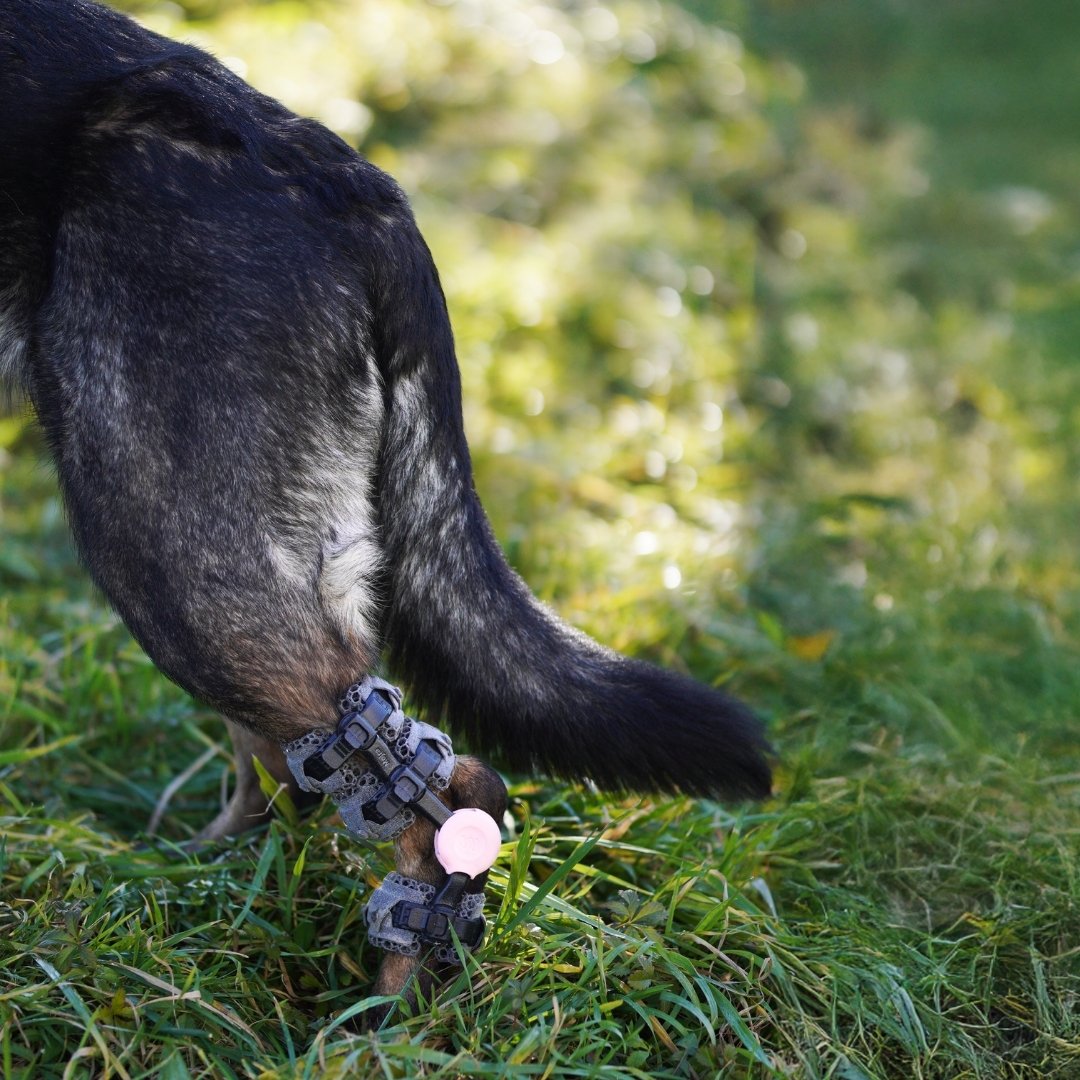
Dog hind limb orthotics are external medical devices applied to an existing rear limb. An orthosis supports or guides a joint; it does not replace a missing limb. Depending on the prescription, a canine hind limb orthosis may limit excessive flexion or extension, restrict instability in a defined plane, protect part of the paw, or provide controlled range of motion during rehabilitation.
The main hind limb targets are the tarsal joint, commonly called the hock, and the stifle joint, which corresponds to the knee. These joints have different anatomy and mechanical demands. A tarsal device cannot stabilise the stifle, and a stifle device cannot correct a distal paw problem. Effective hind limb orthotics for dogs therefore begin with an exact diagnosis and a clearly defined functional objective.
Depending on the diagnosis, dog hind limb orthotics may help to:
- Limit excessive tarsal or stifle motion in a prescribed plane
- Maintain a clinician-selected joint position or range of motion
- Support controlled loading during selected rehabilitation activities
- Protect the dorsal paw when a paw-support component is clinically appropriate
- Provide modular support that can be reviewed as treatment progresses
Dog hind limb orthotics do not diagnose disease, repair a ruptured ligament or tendon, decompress the spinal cord, or reverse neurological damage. They should not delay surgery when surgical stabilisation or decompression is recommended. A device is one part of a wider plan that may include pain management, weight control, therapeutic exercise, physiotherapy, hydrotherapy, surgery, or environmental modification.
How 3D Printing Changes Dog Hind Limb Orthotics
Traditional orthoses may be produced from physical casts and manually formed thermoplastic, while prefabricated braces use a limited range of standard sizes. Digital manufacturing replaces some of those manual stages with structured measurements, photographs or scan data, computer-aided design, and production from a digital file. This makes 3D printed dog orthotics easier to document, review, and reproduce as designed.
Digital production does not guarantee fit by itself. The result still depends on diagnosis, patient positioning, measurement or scan quality, design decisions, assembly, and the clinical fitting appointment. If the input data are inaccurate, dog hind limb orthotics can still rotate, migrate, restrict unintended movement, or create focal pressure.
WIMBA uses two data pathways. Eligible Tarsus Go cases use required photographs and guided manual measurements without WimbaSCAN. Tarsus Pro and Stifle Pro cases use WimbaSCAN together with required measurements for scan-based design. The appropriate pathway depends on the joint, severity, direction of instability, anatomy, and current product indications.
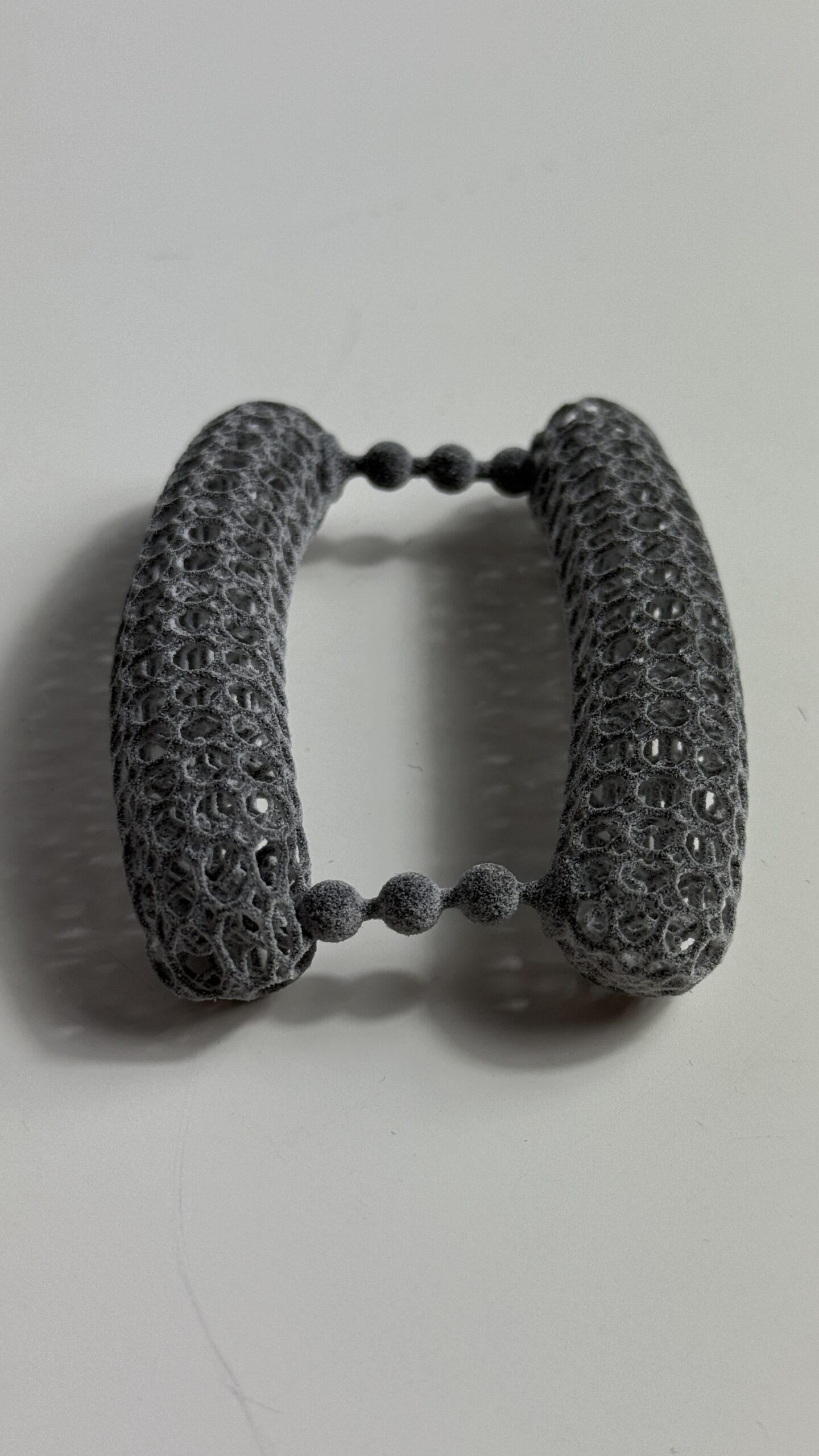
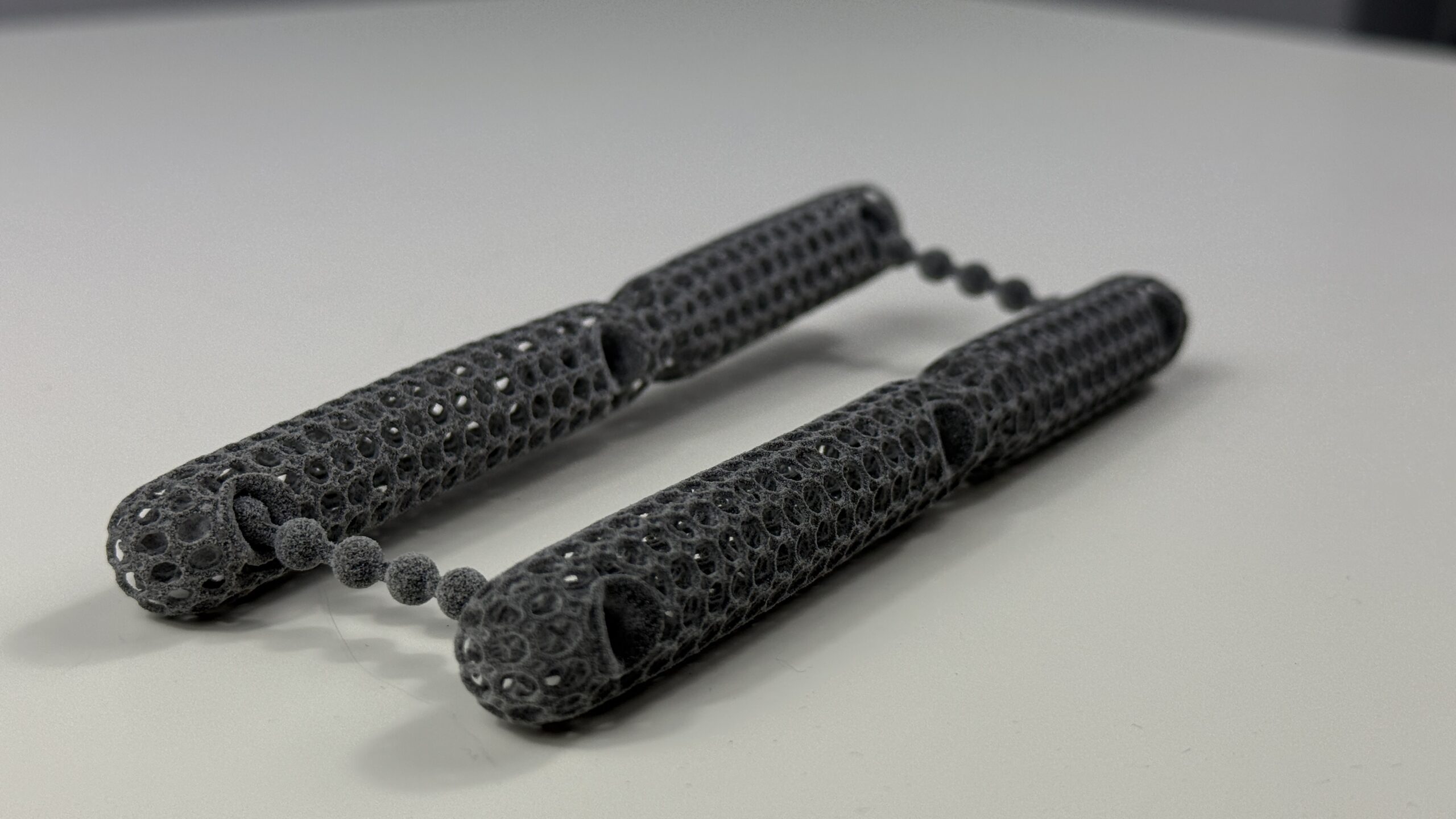
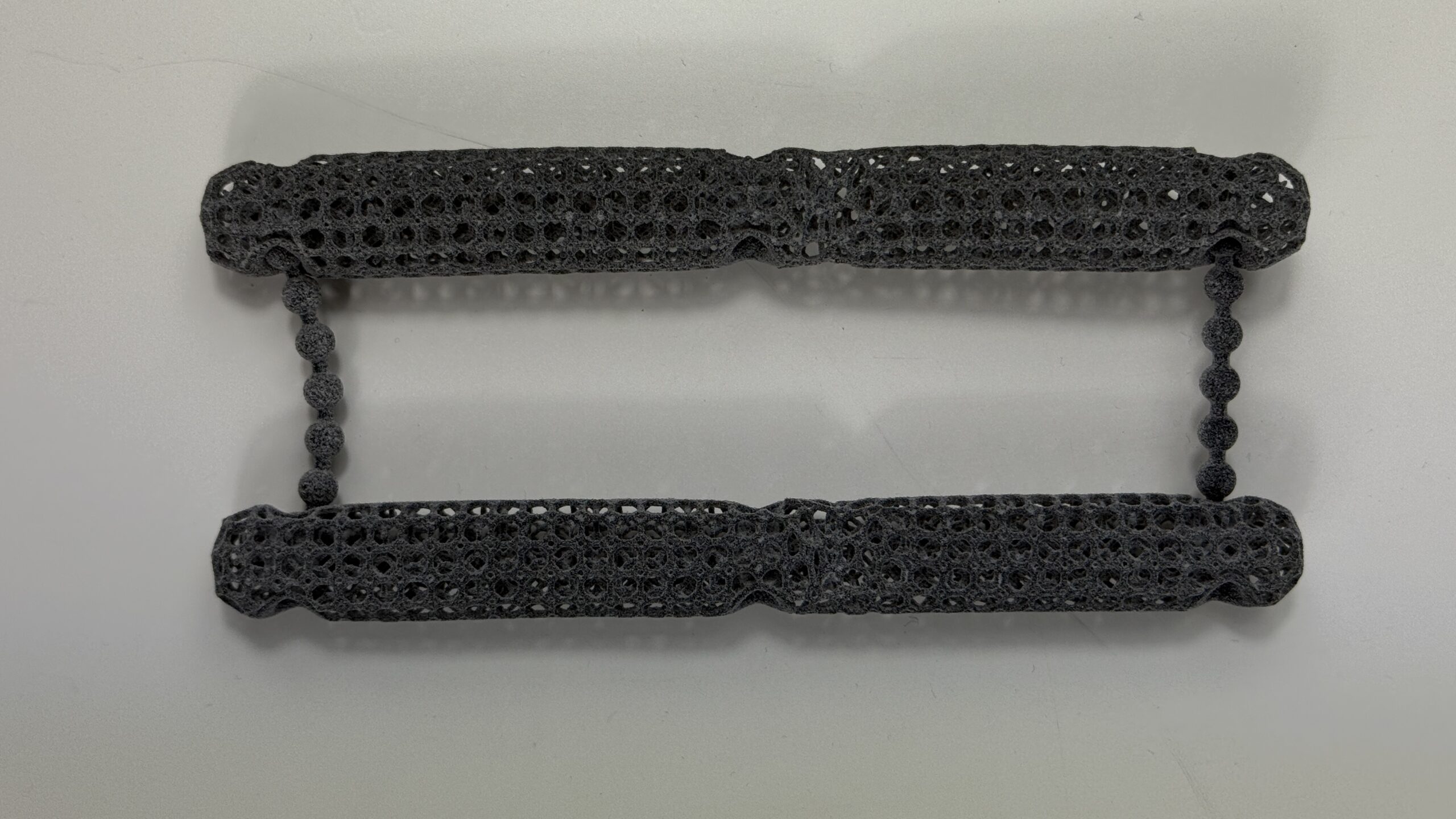
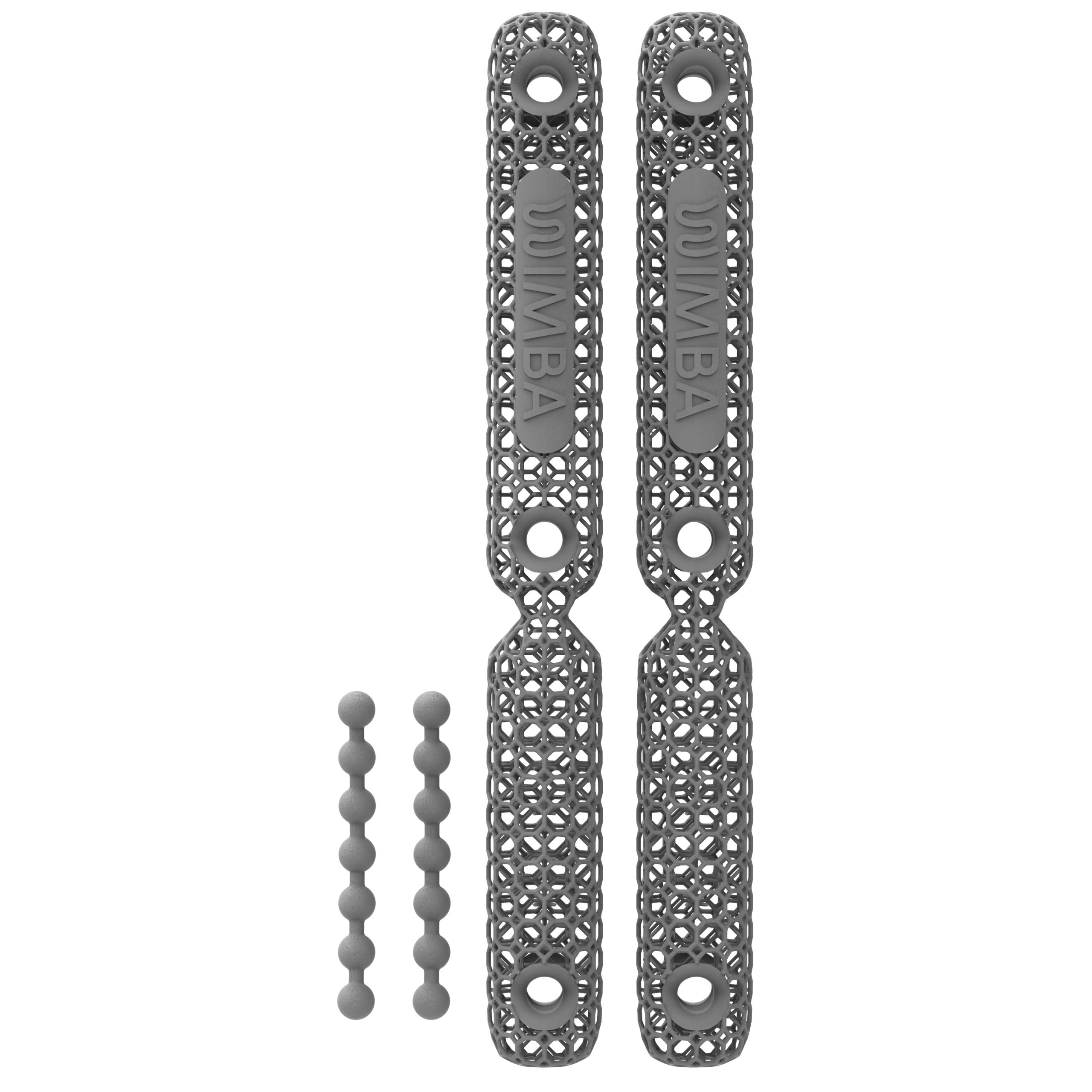
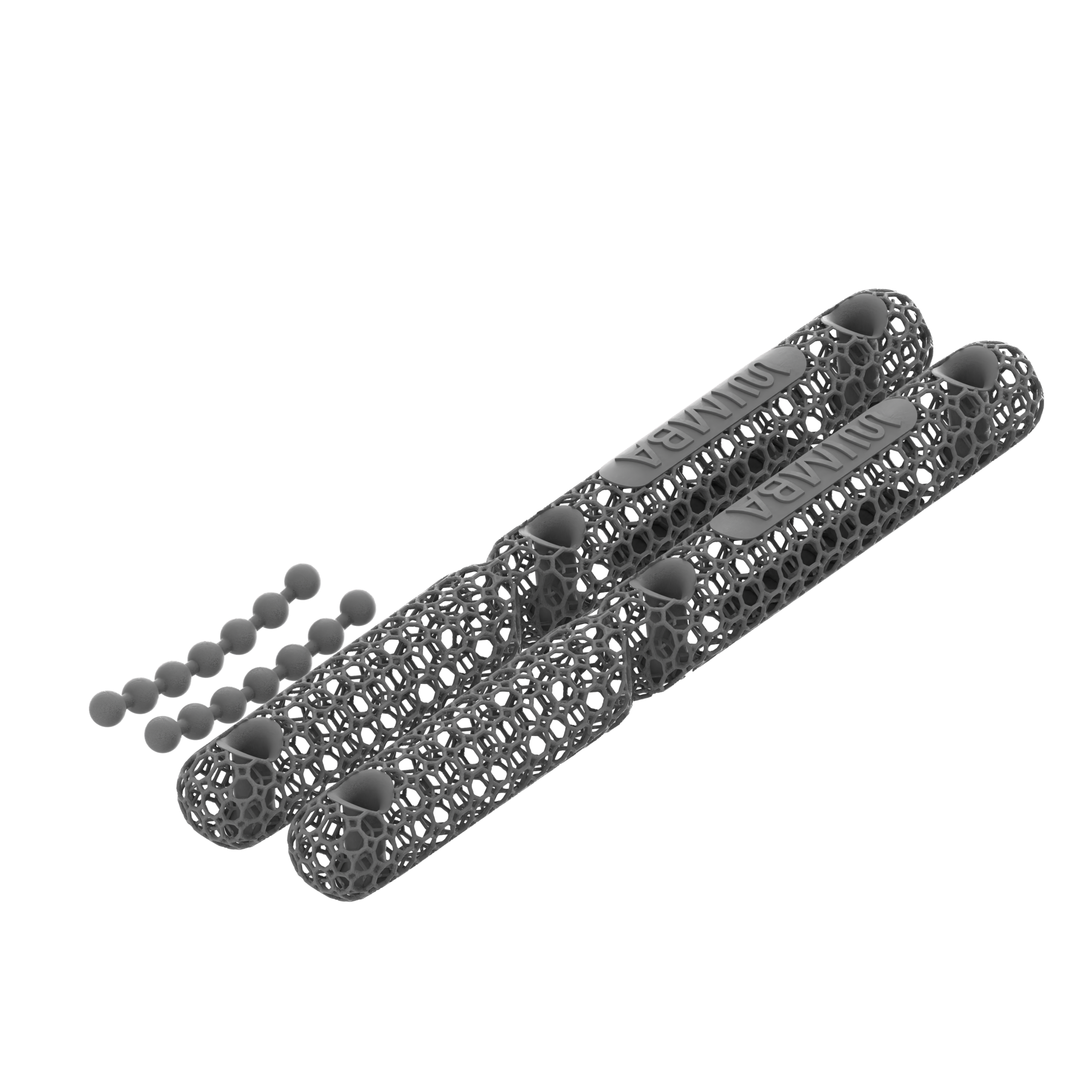
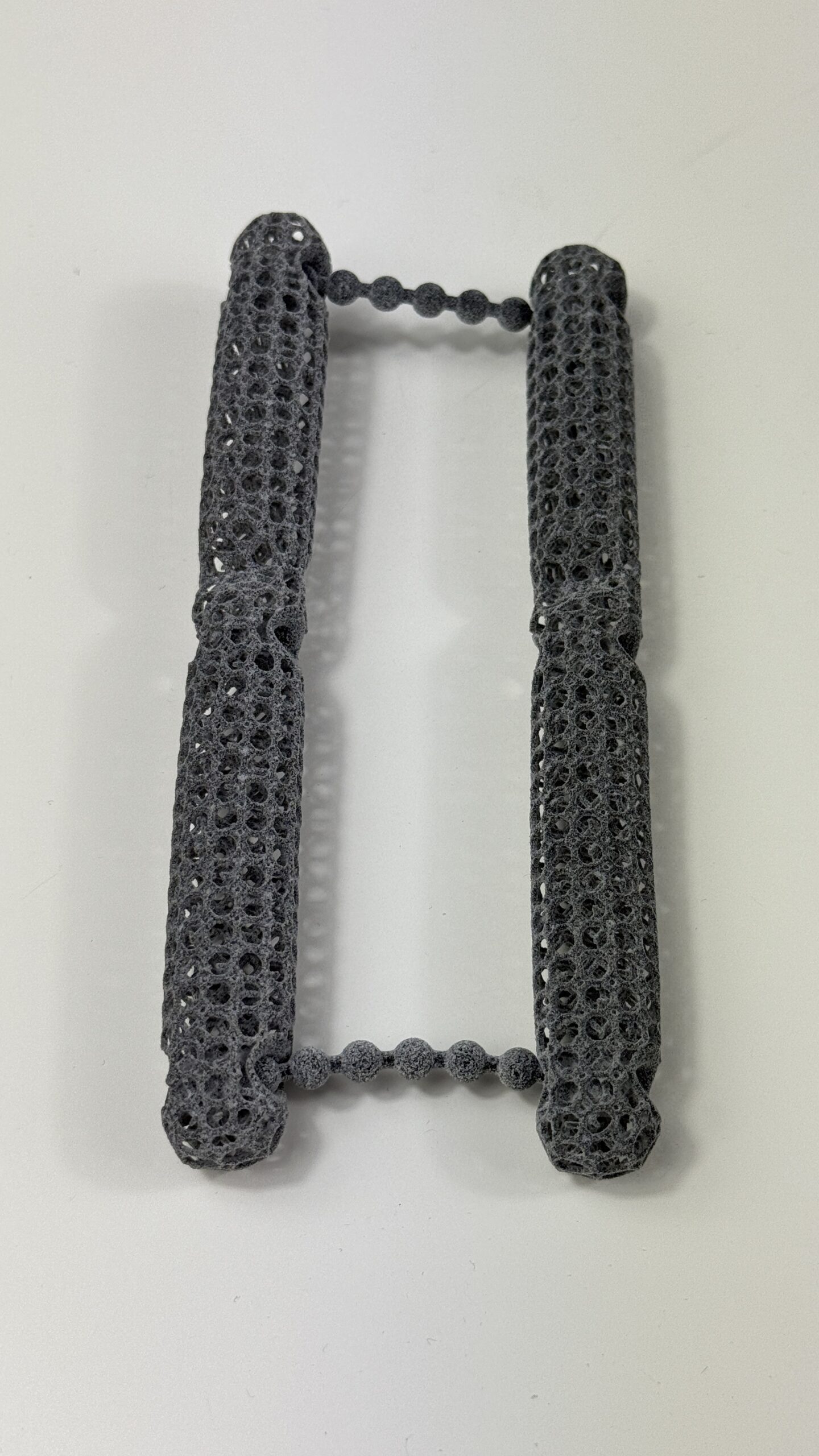
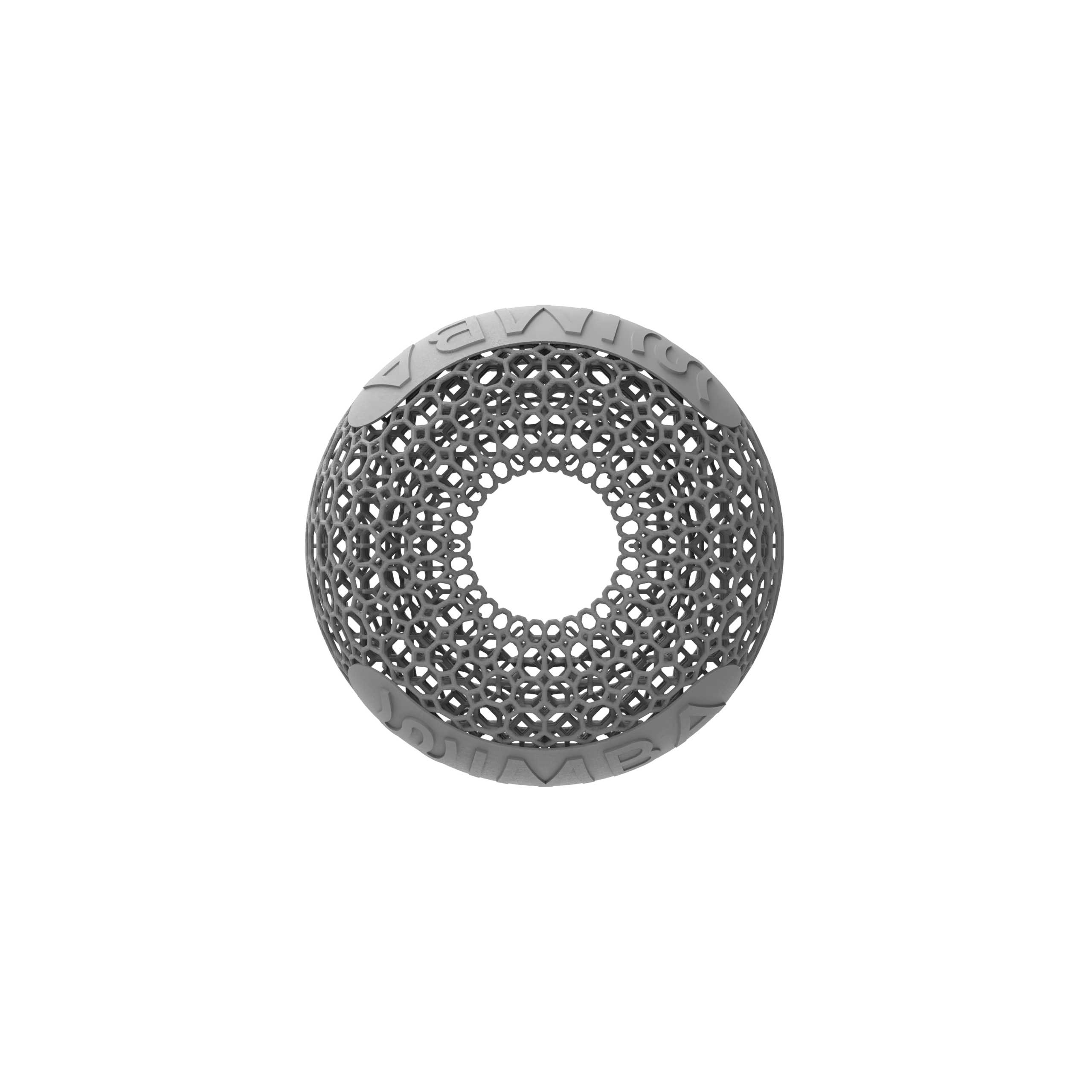
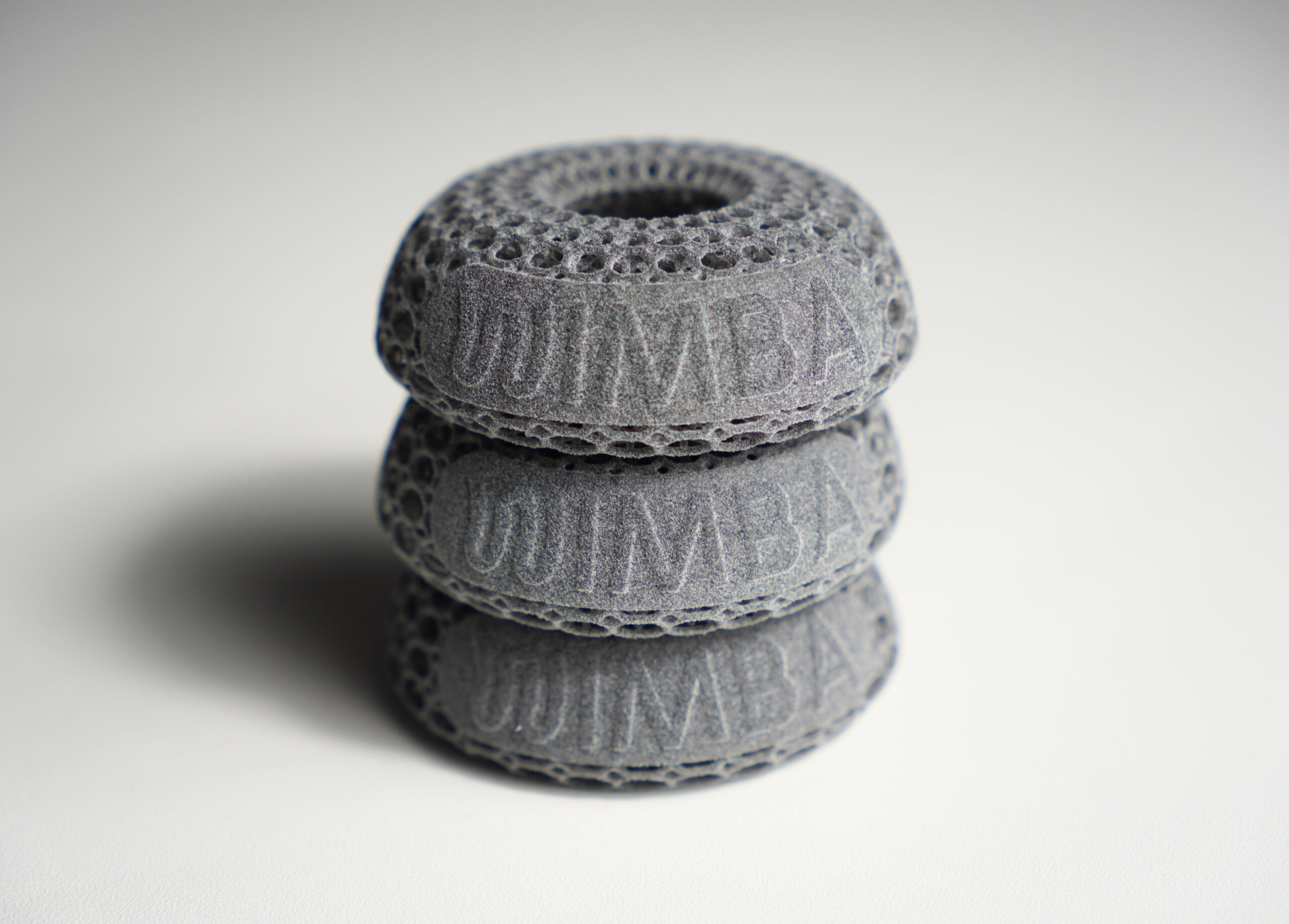
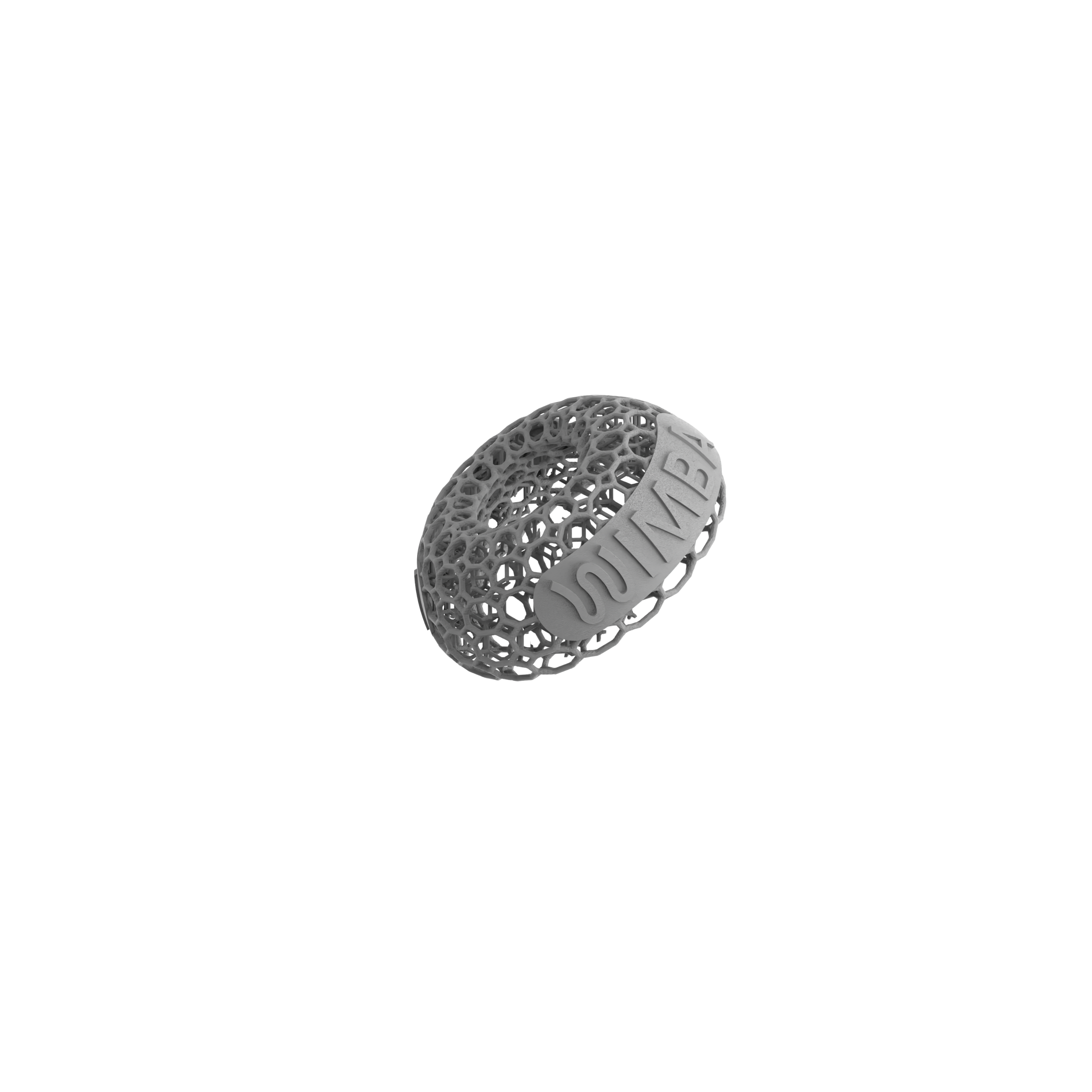
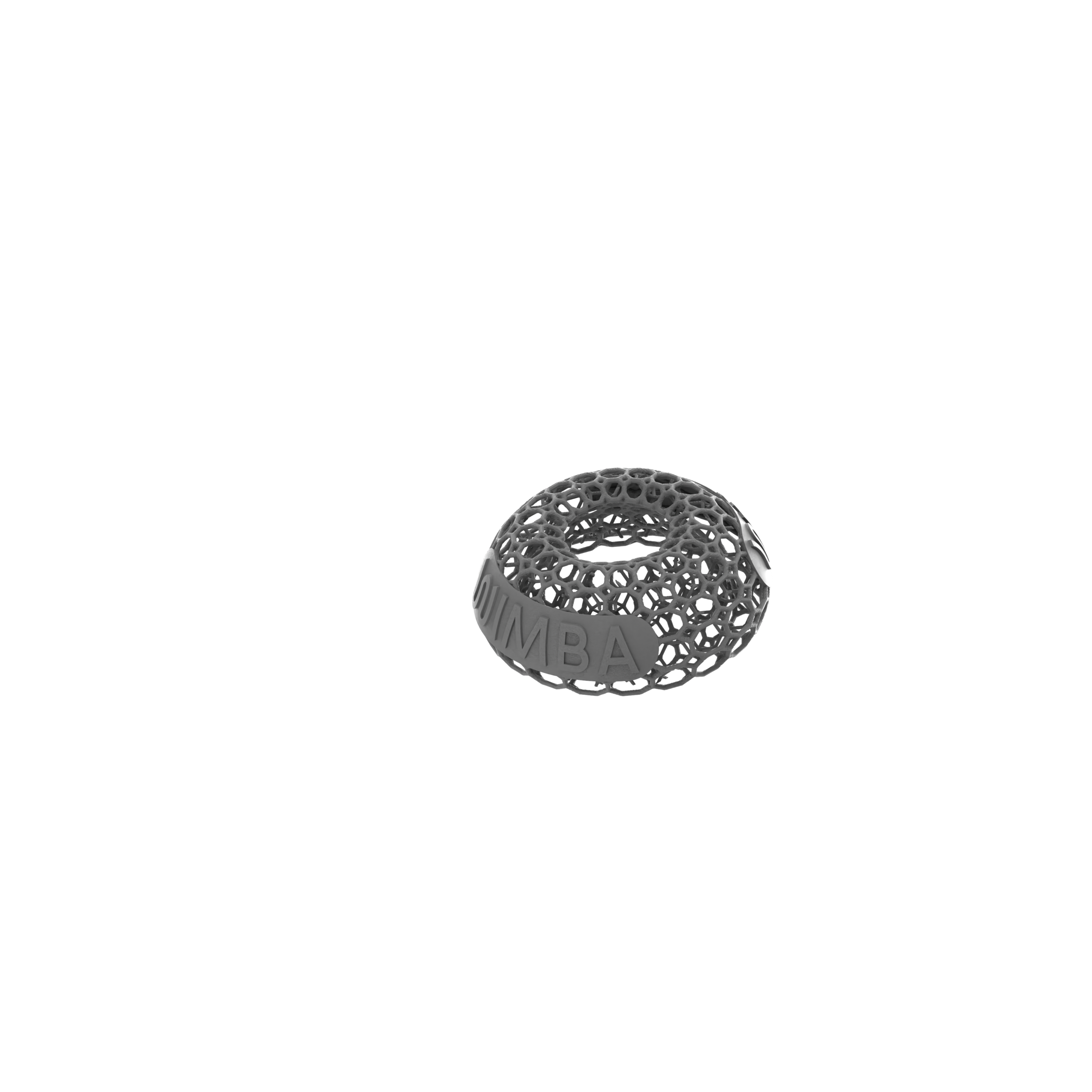
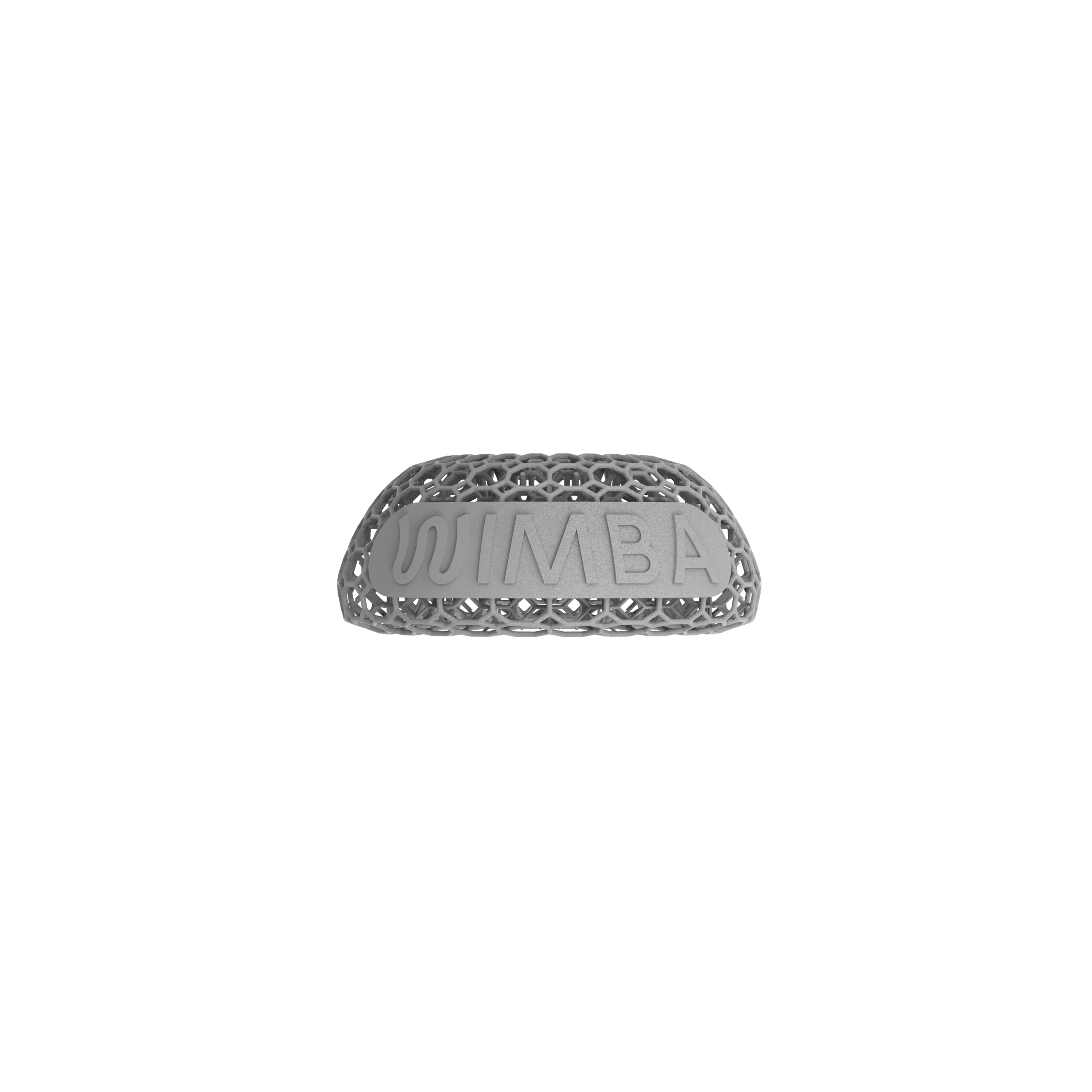
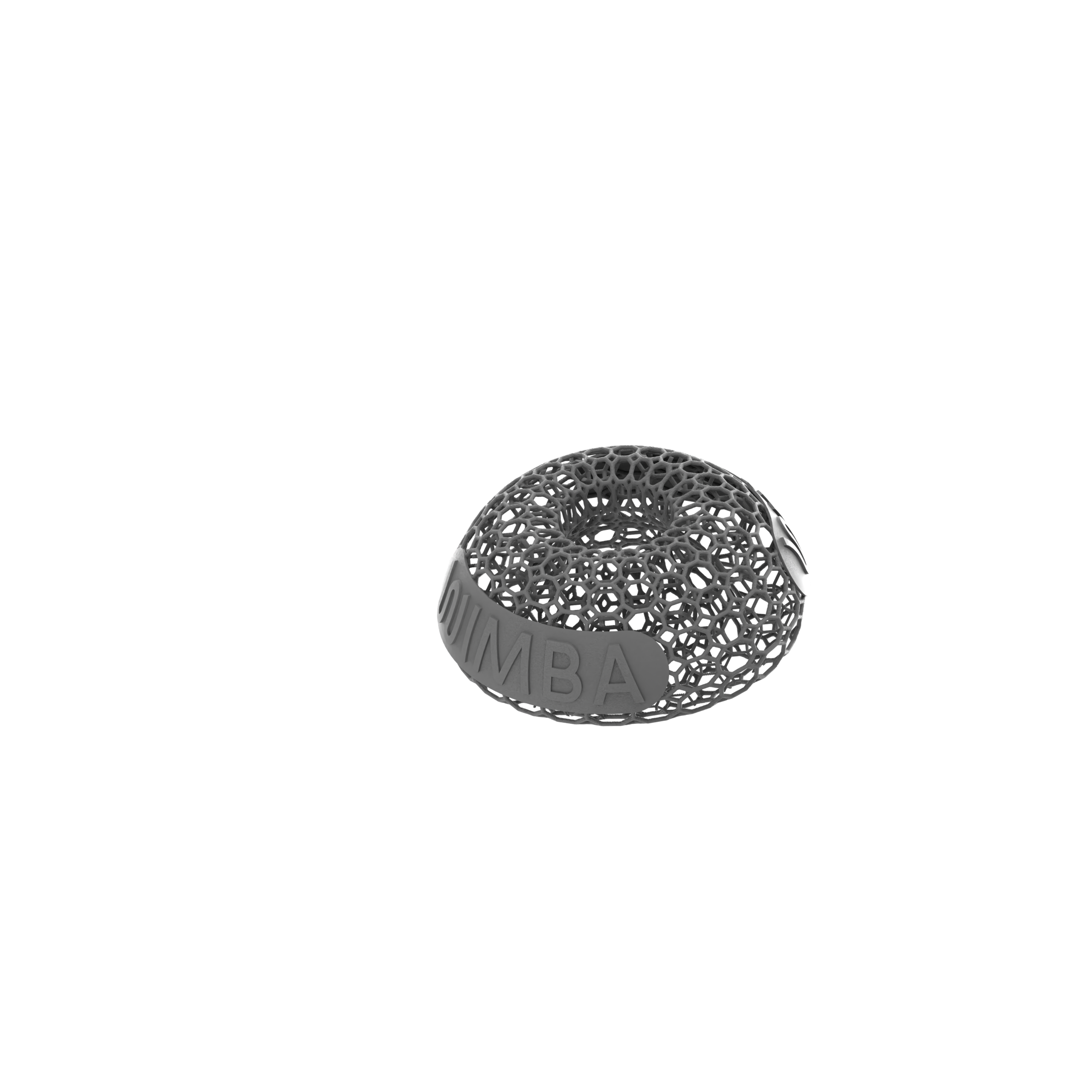
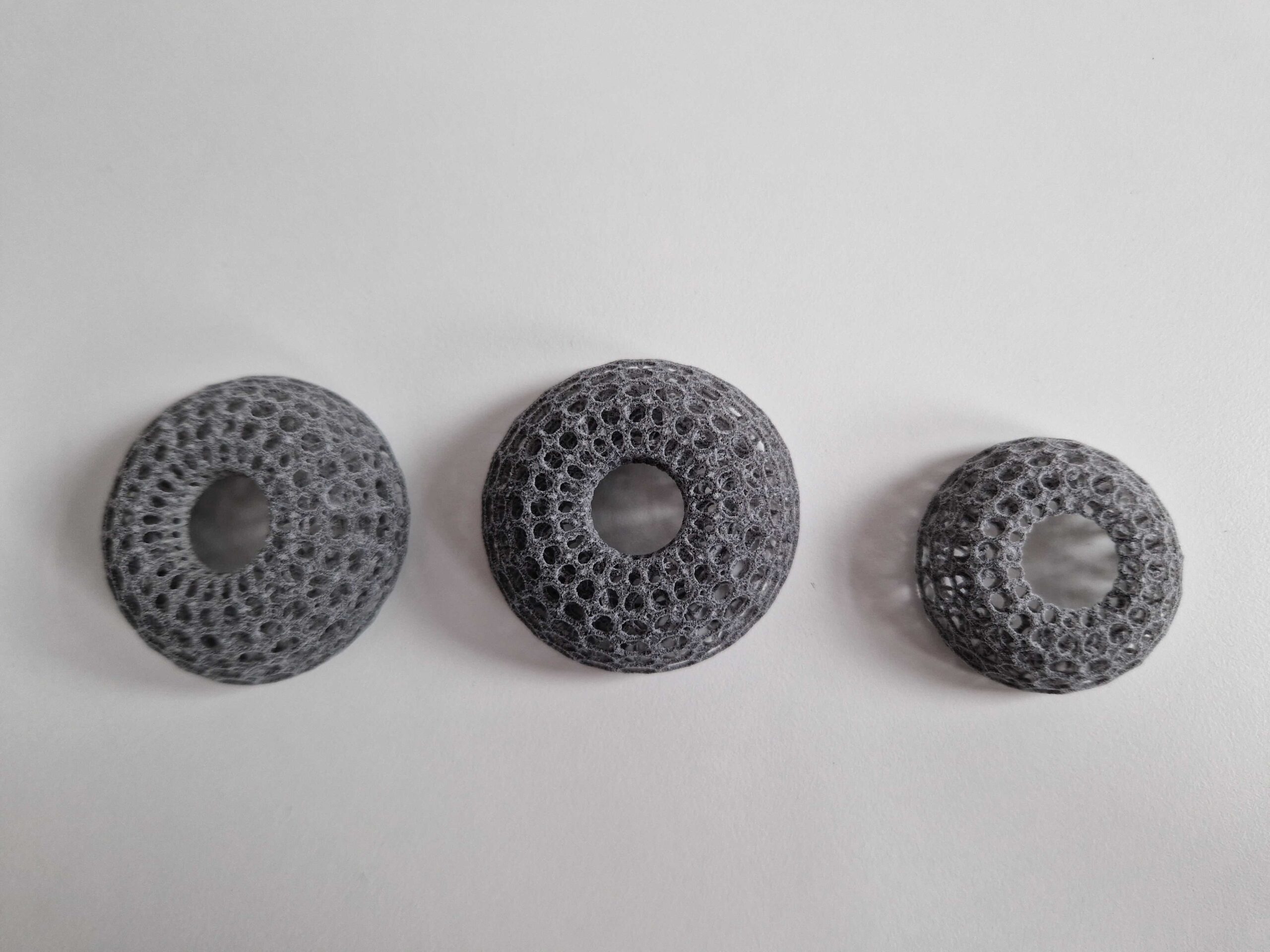
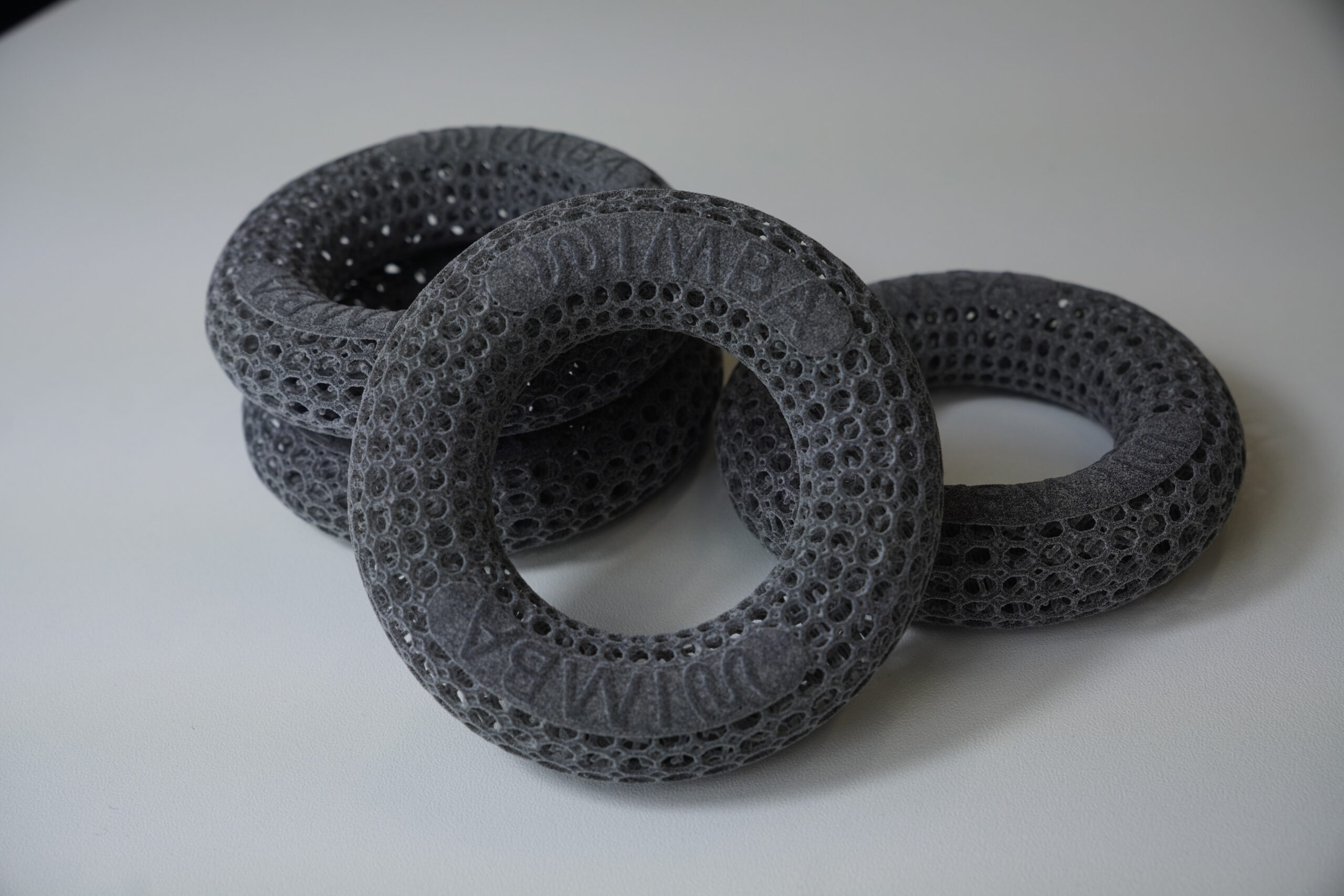
WIMBA manufactures dog hind limb orthotics using HP Multi Jet Fusion. The devices combine rigid nylon-based structural elements with flexible TPU patient-contact inserts and modular components where applicable. A 3D printed canine orthotic can incorporate patient-specific clearances, joint alignment, straps, hinges, and range-of-motion Tokens, but these features must still be checked on the dog during fitting and movement.
Clinical Uses for Dog Hind Limb Orthotics
Tarsal Hyperextension and Hock Instability
Tarsal hyperextension, hyperflexion, collateral instability, compensatory laxity, and selected common calcaneal tendon conditions can change weight-bearing and hock position. A custom dog leg brace for the tarsus may restrict movement in a selected plane or allow controlled motion through an articulated design. WIMBA Tarsus Go is intended for eligible mild sagittal instability, while Tarsus Pro supports more complex cases within its current indications.
Common calcaneal tendon injuries require careful classification because partial injury, complete rupture, postoperative protection, and chronic plantigrade stance do not share one treatment pathway. In an experimental study of six dogs, immobilising the tarsal joint did not eliminate common calcaneal tendon strain during weight-bearing.[1] This means dog hind limb orthotics should not be described as repairing the tendon or making surgical assessment unnecessary.
Cranial Cruciate Ligament Disease and Stifle Instability
A canine hind limb orthosis designed for the stifle may be considered when surgery is not selected, while a patient awaits definitive treatment, or as part of a clinician-directed rehabilitation plan. A canine computer model found that a stifle orthosis reduced, but did not eliminate, tibial translation and rotation in a cranial cruciate ligament-deficient joint. Hinge stiffness also changed the predicted biomechanics.[2]
A brace should not be presented as equivalent to surgical stabilisation. A 2024 target-trial emulation using primary-care records found lower short- and long-term lameness after surgical management than after non-surgical management of cranial cruciate ligament rupture.[3] A dog rear leg brace may still have an appropriate role, but treatment selection remains an individual veterinary decision.
Neurological Weakness, Knuckling, and Paw Protection
Degenerative myelopathy, fibrocartilaginous embolic myelopathy, IVDD, and peripheral neurological disorders can cause paresis, altered paw placement, or toe dragging. A canine hind limb orthosis may be considered for an ambulatory patient when examination identifies a specific distal mechanical goal, such as paw protection or control of a documented unstable tarsal joint.
The evidence must be interpreted carefully. Retrospective studies have associated intensive physiotherapy with longer ambulation or survival in suspected degenerative myelopathy and early physiotherapy or hydrotherapy with recovery after FCE, but neither study evaluated orthoses.[4][5] Therefore, hind limb orthotics for dogs should not be promoted as reversing neurological disease or independently extending ambulation.
Postoperative and Soft Tissue Rehabilitation
Selected dog hind limb orthotics may be integrated after surgery or soft tissue injury when the operating surgeon or rehabilitation clinician specifies the timing, joint position, range of motion, and wearing schedule. A generic dog rear leg brace should not be added independently during acute recovery. Some WIMBA devices are not indicated for acute postoperative immobilisation, so the current product guidance must be checked before ordering.
Selecting Patients for Dog Hind Limb Orthotics
Patient selection begins with a specific question: which joint or limb segment requires support, and which movement should the device control? Weakness alone is not a prescription. Before recommending hind limb orthotics for dogs, the veterinary team should identify whether the primary problem is orthopaedic, neurological, postoperative, compensatory, or mixed.
Before prescribing a custom dog leg brace, assess:
- The diagnosis and the exact joint or segment requiring support
- The direction and severity of instability
- Active and passive range of motion, gait, and weight-bearing
- Whether surgery is recommended, planned, declined, or contraindicated
- Skin, coat, swelling, wounds, sensation, and pressure-sensitive areas
- Body condition, muscle mass, limb dimensions, and expected activity
- The rehabilitation plan and measurable functional objective
- The owner’s ability to fit, remove, clean, and inspect the device
Active wounds, uncontrolled skin disease, substantial oedema, uncontrolled pain, anatomy outside current product indications, or rapidly changing limb shape can prevent safe fitting. Complex cases should be submitted for review before measurements or scanning. This protects both the patient and the clinical objective of dog hind limb orthotics.
Fit and Monitoring for Dog Hind Limb Orthotics
When fitting dog hind limb orthotics, the hinges should align with the intended joint region, the frame should remain stable without rotating or migrating, and hard components should not create focal contact during standing or walking. The veterinary team should observe the dog rear leg brace during controlled movement rather than assessing fit only while the patient is stationary.
A typical WIMBA introduction schedule begins with up to 15 minutes of controlled leash walking, no more than three times daily during the first two days. Wearing time can then increase in 15-minute steps every two days, unless the treating veterinarian or physiotherapist prescribes a different progression. Dog hind limb orthotics are not intended for 24-hour use, and the dog should not be left unattended while wearing the device.
Skin monitoring is essential. In a prospective study of 43 dogs using custom orthoses or prostheses, 39 experienced at least one complication. During the first three months, at least one skin complication occurred in 6 of 10 tarsal patients and 8 of 14 stifle patients.[6] The study did not compare 3D-printed and cast-based devices, but it demonstrates why every 3D printed canine orthotic needs gradual introduction and planned rechecks.
Remove the device and contact the treating clinic if there is persistent redness, abrasion, swelling, pain, worsening gait, unexpected rotation, damaged components, or reluctance to move. Early review is more useful than continuing to use an uncomfortable device and waiting for the problem to resolve.
Materials and Care for Dog Hind Limb Orthotics
Industrial 3D printed dog orthotics can combine rigid structural components with flexible patient-contact inserts. Material selection, frame geometry, hinge design, patient weight, activity, and correct fitting all affect performance. No fixed service life applies to every dog because wear depends on the individual case and how the device is used.
After exposure to mud, sand, grass, salt water, or chlorine, WIMBA devices should be hand-cleaned with lukewarm water and mild soap and then allowed to air-dry. They should not be placed in a washing machine or dried with a hair dryer. Regular cleaning also makes it easier to inspect the frame, inserts, straps, fasteners, and Tokens.
The structural frames of dog hind limb orthotics must not be heated, drilled, cut, ground, or reshaped in the clinic. Adjustable or replaceable parts should be handled according to the manual for the specific model. If limb geometry or the treatment objective changes, the provider should contact WIMBA to determine whether adjustment, component replacement, revised patient data, or refabrication is required.
What the Evidence Shows About Dog Hind Limb Orthotics
Evidence for dog hind limb orthotics remains limited and device-specific. No head-to-head clinical trial establishes that 3D printed dog orthotics produce better outcomes than otherwise comparable cast-based devices. The Rosen study reported objective improvement in the measured stifle subgroup, but its authors could not determine how much improvement was attributable to the orthosis because there was no control group. Only four tarsal patients had comparable objective gait data, and none showed the same measured improvement.[6]
Biomechanical models and clinical cohorts answer different questions. The Bertocci model supports the ability of a stifle orthosis to alter joint mechanics, while the Pegram observational analysis indicates better lameness outcomes after surgical CCL management than non-surgical management.[2][3] Neither source proves that one 3D printed canine orthotic design produces a guaranteed clinical outcome.
The defensible advantages of digital hind limb orthotics for dogs are mainly process-related: patient-specific data, design traceability, repeatable manufacturing, modular components, and remote transfer between clinic and manufacturer. Outcomes still depend on diagnosis, case selection, fit, monitoring, rehabilitation, and owner adherence.
WIMBA Pathways for Dog Hind Limb Orthotics
WIMBA’s dog hind limb orthotics include Tarsus Orthosis and Stifle Orthosis pathways for eligible cases. Tarsus Go uses guided photographs and measurements for mild sagittal-plane instability. Tarsus Pro and Stifle Pro use WimbaSCAN and manual measurements for patient-specific, scan-based design. These 3D printed dog orthotics are manufactured for use within a veterinary treatment and rehabilitation plan.
Veterinary professionals can submit history, diagnosis, photographs, imaging where relevant, gait videos, and the intended functional objective before ordering. The WIMBA Clinical Team can help identify whether Go, Pro, paw support, or another pathway matches current indications. The treating veterinary professional remains responsible for diagnosis, prescription, fitting, wear schedule, and follow-up for every canine hind limb orthosis.
Frequently Asked Questions About Dog Hind Limb Orthotics
What are dog hind limb orthotics used for?
Dog hind limb orthotics may support selected tarsal or stifle instability, controlled rehabilitation, compensatory laxity, or a defined distal problem associated with neurological dysfunction. The diagnosis must identify the joint, direction of instability, movement to control, and functional goal before a device is prescribed.
What is the difference between a tarsal and stifle orthosis?
A tarsal orthosis supports the hock and may control sagittal or multiplanar instability depending on its design. A stifle orthosis supports the knee and is commonly considered in relation to cranial cruciate ligament disease. A dog rear leg brace must target the affected joint; the two device types are not interchangeable.
Can hind limb orthotics help a dog with neurological weakness?
Potentially, when an ambulatory dog has a specific mechanical need such as paw protection, toe clearance, or documented tarsal instability. A canine hind limb orthosis does not reverse DM, FCE, IVDD, or another neurological lesion. It should be integrated with diagnosis-specific rehabilitation and reviewed as gait, strength, sensation, or muscle mass changes.
Is a custom dog leg brace an alternative to CCL surgery?
A custom dog leg brace may be considered when surgery is not selected, while a patient awaits treatment, or within a clinician-directed rehabilitation plan. It should not be presented as clinically equivalent to surgical stabilisation. The veterinarian should discuss diagnosis, instability, meniscal risk, body weight, activity, concurrent disease, and owner goals.
Does every WIMBA hind limb device require WimbaSCAN?
No. Eligible Tarsus Go cases use required photographs and guided manual measurements. Tarsus Pro and Stifle Pro require WimbaSCAN together with manual measurements. The joint, anatomy, severity, and plane of instability determine which pathway is appropriate.
How long should a dog wear a hind limb orthosis?
The schedule for dog hind limb orthotics is individual. A typical WIMBA break-in begins with 15-minute controlled sessions up to three times daily, followed by gradual increases if the skin, gait, and device position remain acceptable. Continuous 24-hour use is not recommended, and the dog should remain supervised while wearing the orthosis.
Can a 3D printed canine orthotic be heat-adjusted?
The structural frame of a 3D printed canine orthotic should not be heated, drilled, cut, ground, or reshaped. Straps, inserts, fasteners, Tokens, and other modular parts should be adjusted or replaced only according to the manual for the model. Contact the WIMBA provider if fit or geometry requires review.
How can a clinic order hind limb orthotics for dogs from WIMBA?
Verified veterinary professionals can create a WimbaAPP account and order eligible Go devices. Pro devices require the Provider Pro pathway and WimbaSCAN equipment. Clinics can submit a case before ordering to receive guidance on device candidacy and the appropriate data-collection pathway.
Medical Disclaimer: All information on this website is intended for instruction and information purposes only. The authors are not responsible for any harm or injury that may result. Significant injury risk is possible if you do not seek suitable professional advice about your patient’s specific situation. No guarantees of specific results are expressly made or implied on this website.
Scientific References
- Lister SA, Renberg WC, Roush JK. Efficacy of immobilization of the tarsal joint to alleviate strain on the common calcaneal tendon in dogs. Am J Vet Res. 2009;70(1):134–140. doi:10.2460/ajvr.70.1.134
- Bertocci GE, Brown NP, Mich PM. Biomechanics of an orthosis-managed cranial cruciate ligament-deficient canine stifle joint predicted by use of a computer model. Am J Vet Res. 2017;78(1):27–35. doi:10.2460/ajvr.78.1.27
- Pegram C, Diaz-Ordaz K, Brodbelt DC, et al. Target trial emulation: does surgical versus non-surgical management of cranial cruciate ligament rupture in dogs cause different outcomes? Prev Vet Med. 2024;226:106165. doi:10.1016/j.prevetmed.2024.106165
- Kathmann I, Cizinauskas S, Doherr MG, Steffen F, Jaggy A. Daily controlled physiotherapy increases survival time in dogs with suspected degenerative myelopathy. J Vet Intern Med. 2006;20(4):927–932. doi:10.1111/j.1939-1676.2006.tb01807.x
- Gandini G, Cizinauskas S, Lang J, Fatzer R, Jaggy A. Fibrocartilaginous embolism in 75 dogs: clinical findings and factors influencing the recovery rate. J Small Anim Pract. 2003;44(2):76–80. doi:10.1111/j.1748-5827.2003.tb00124.x
- Rosen S, Duerr FM, Elam LH. Prospective evaluation of complications associated with orthosis and prosthesis use in canine patients. Front Vet Sci. 2022;9:892662. PMC9372342