 Skip to content


WIMBA Wound Care
Stop pressure.
Protect wounds.
Heal faster.
3D-printed wound care spacers trusted by veterinary clinics and distributors worldwide.
Choose the Right WIMBA Wound Care Spacer
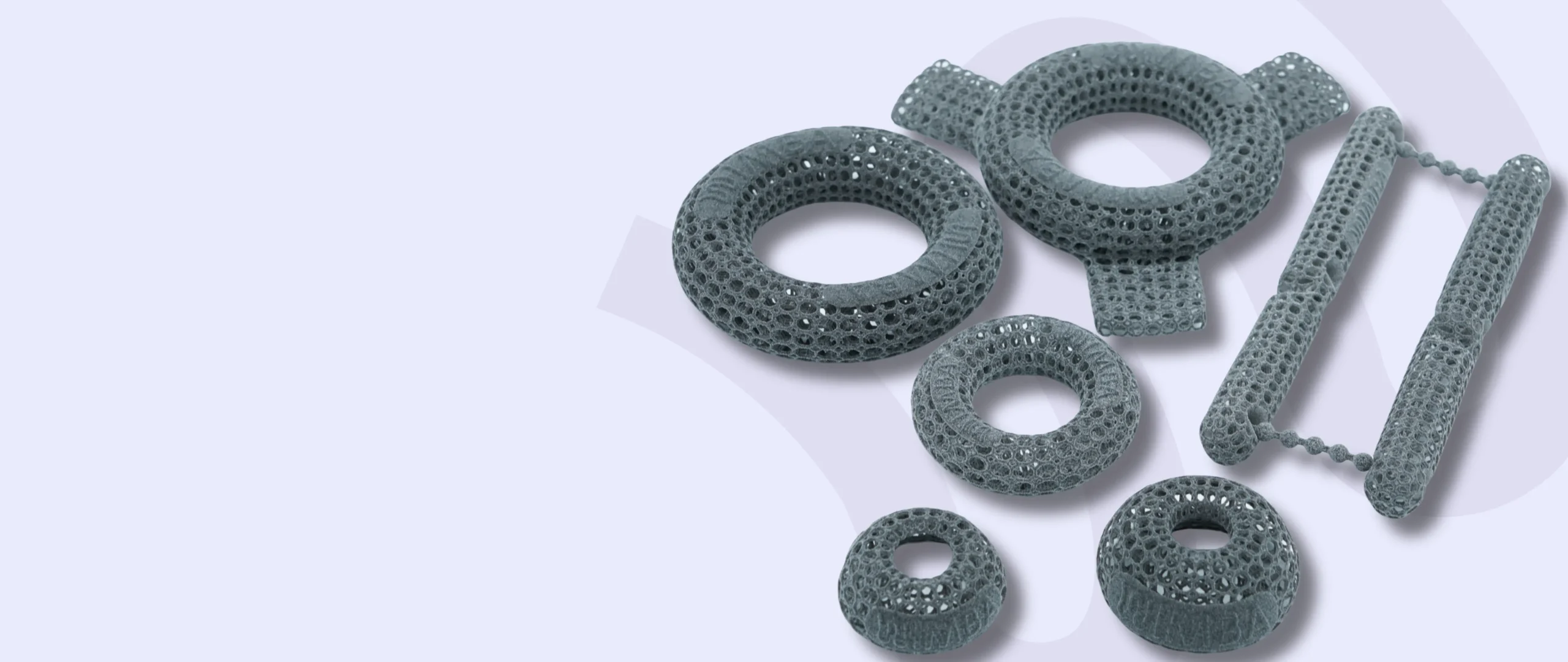
Choose the spacer based on wound location, pressure point, and required level of protection.
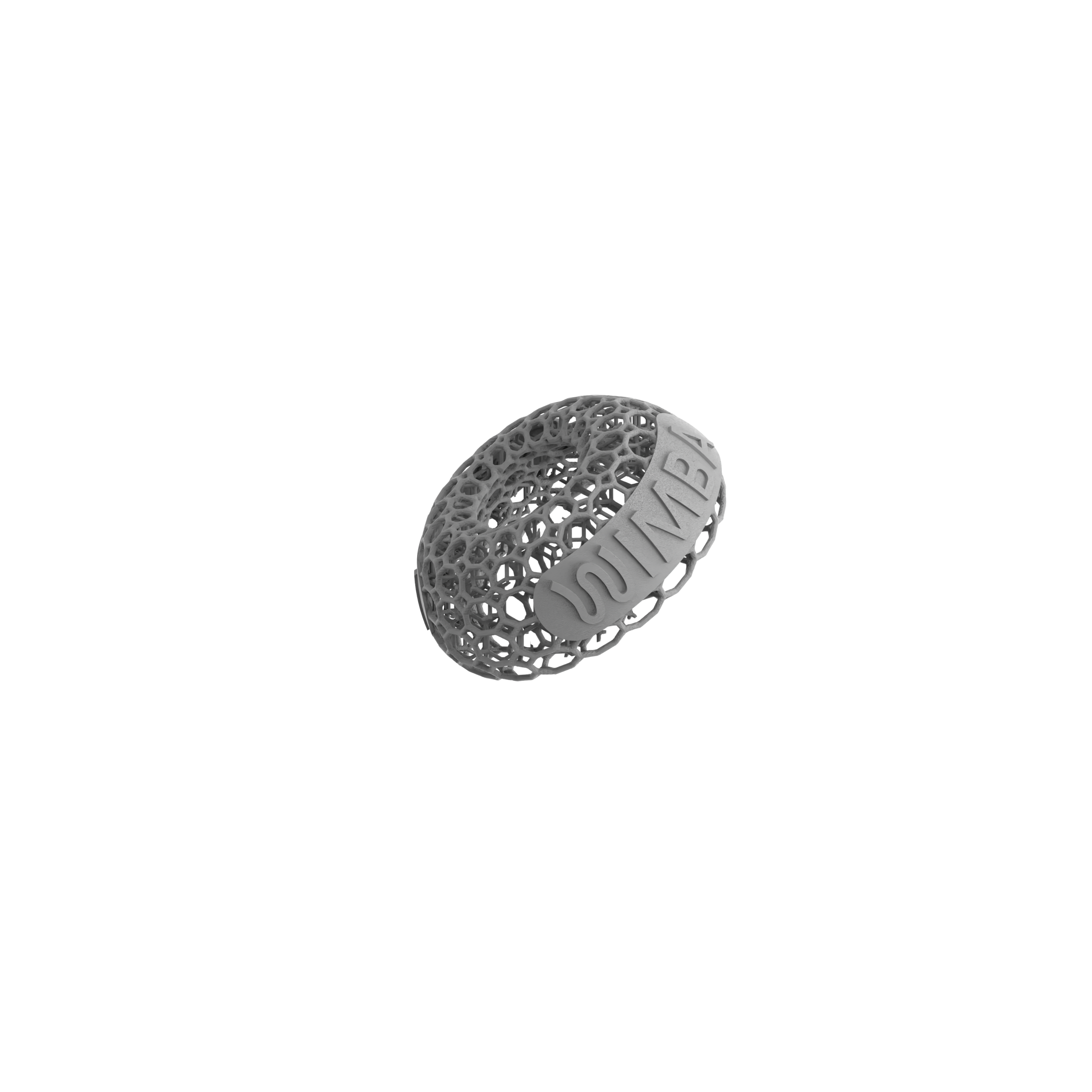
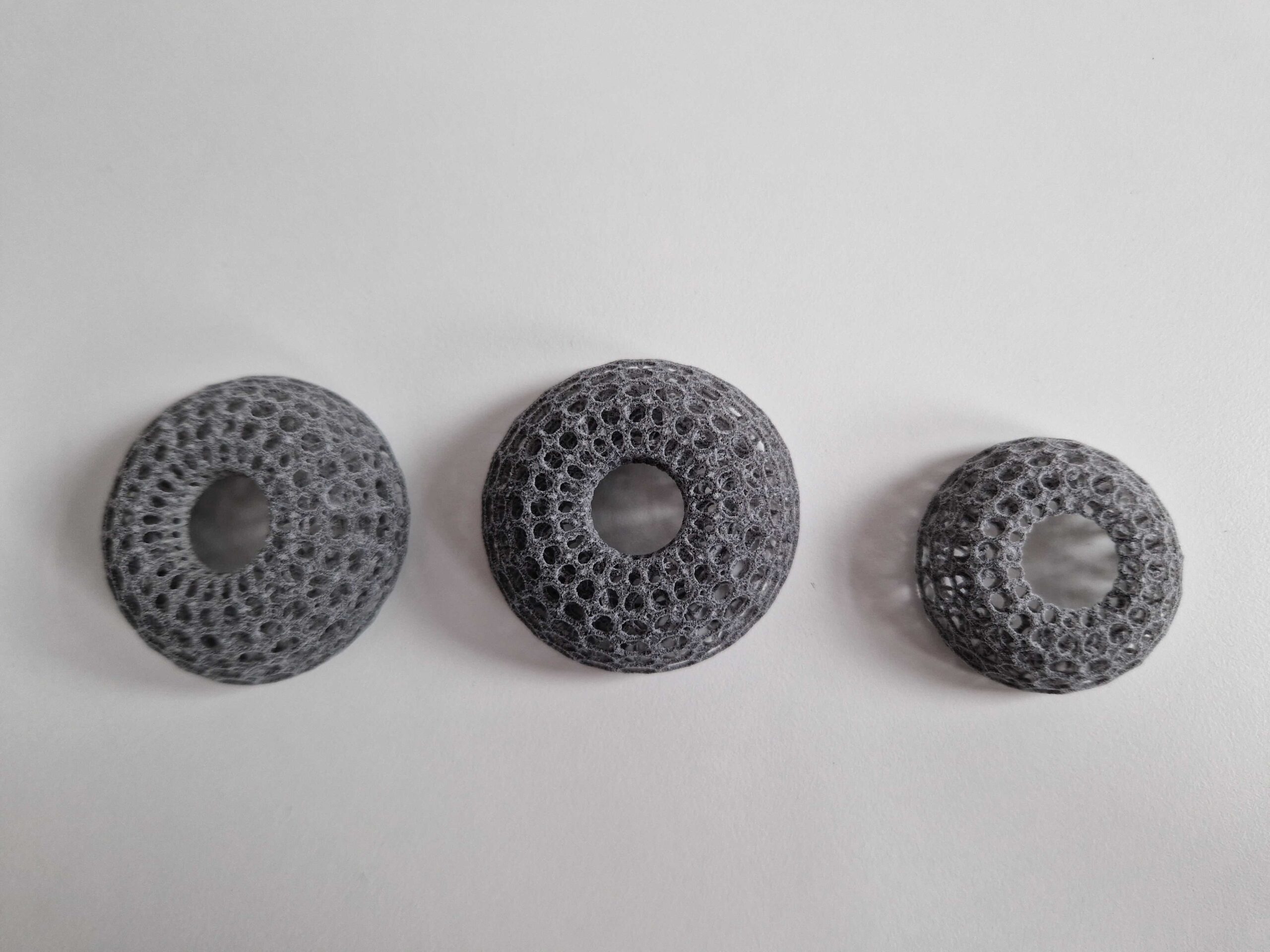
- Donut
- Dome
- Gradient Dome
- Donut Wings
- Care Sticks
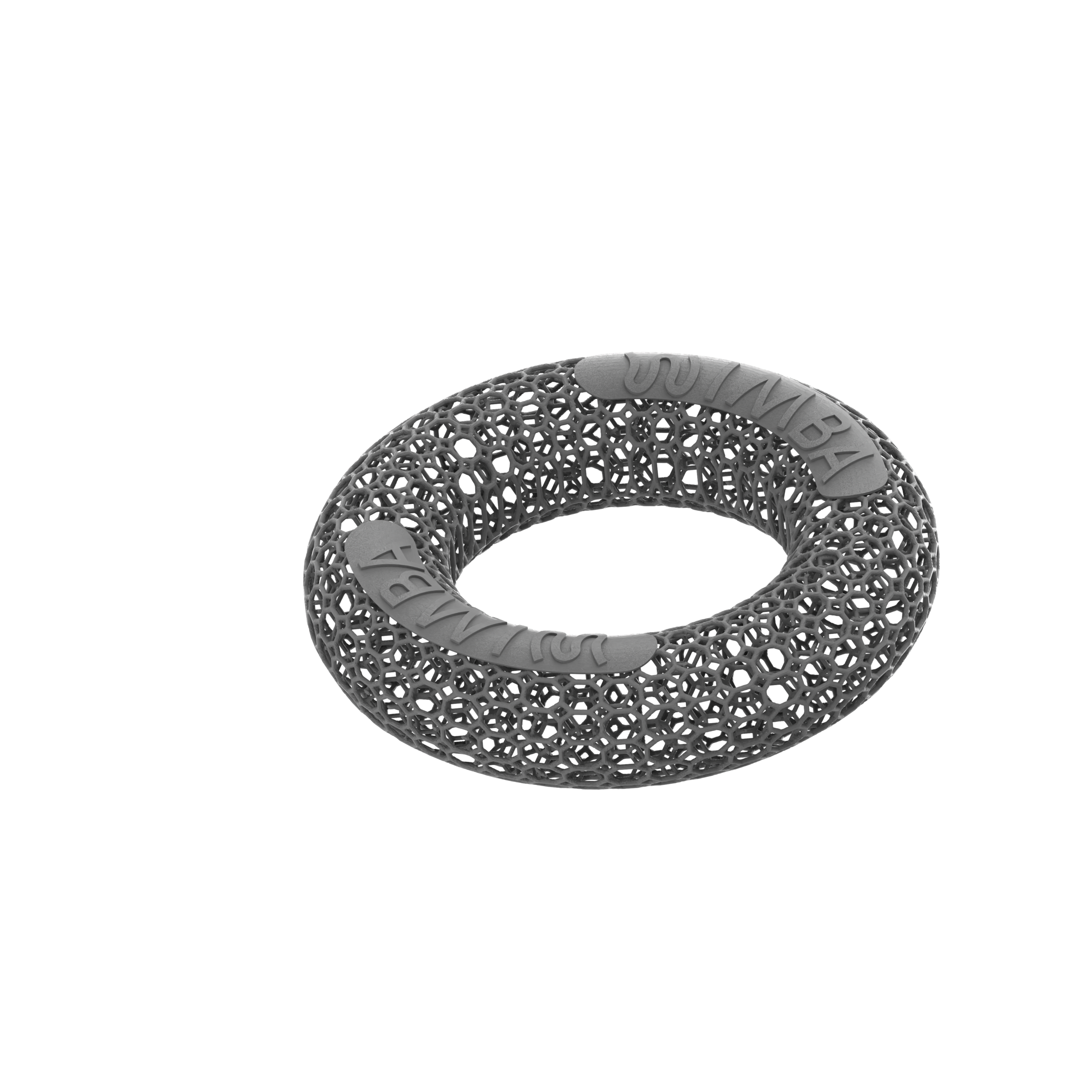
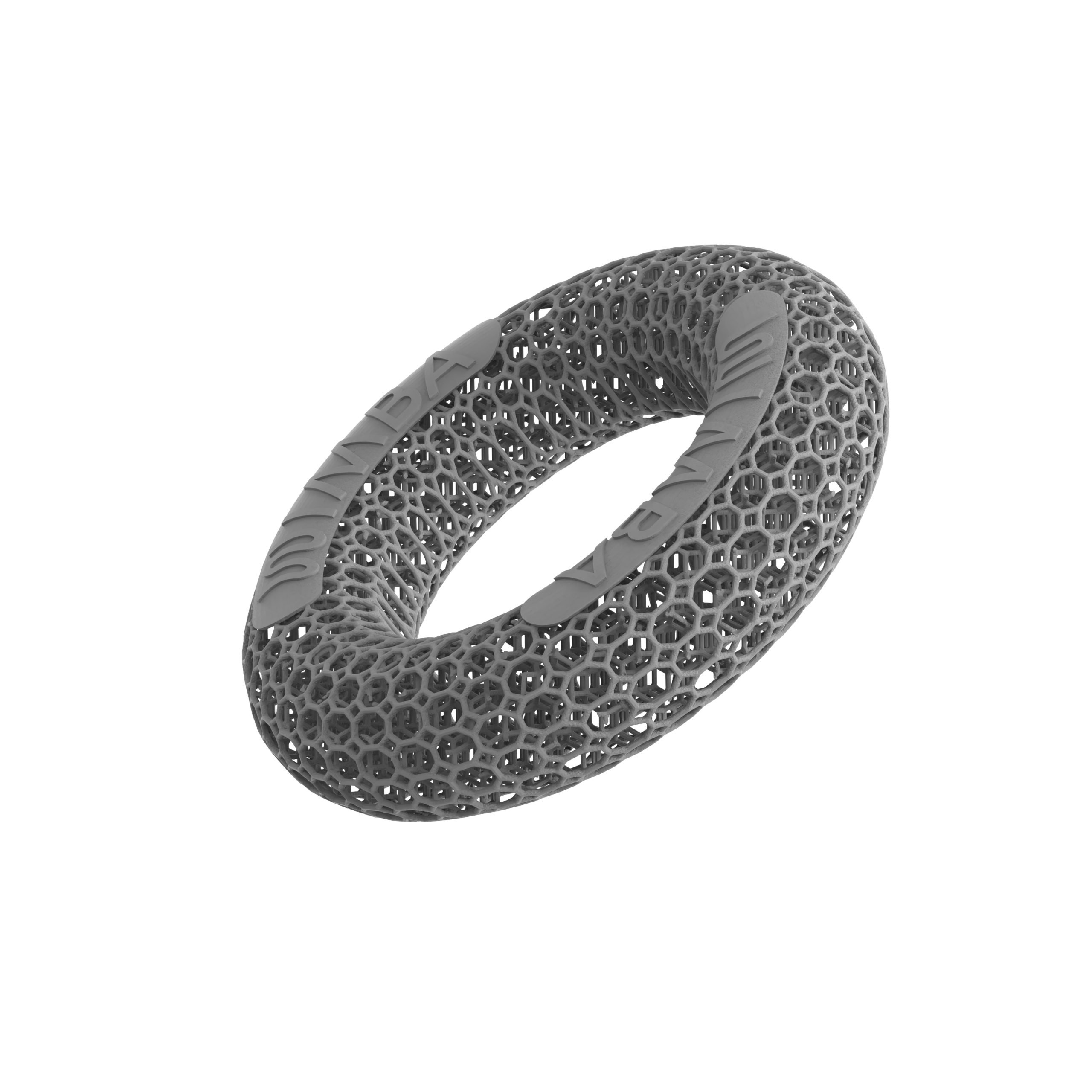
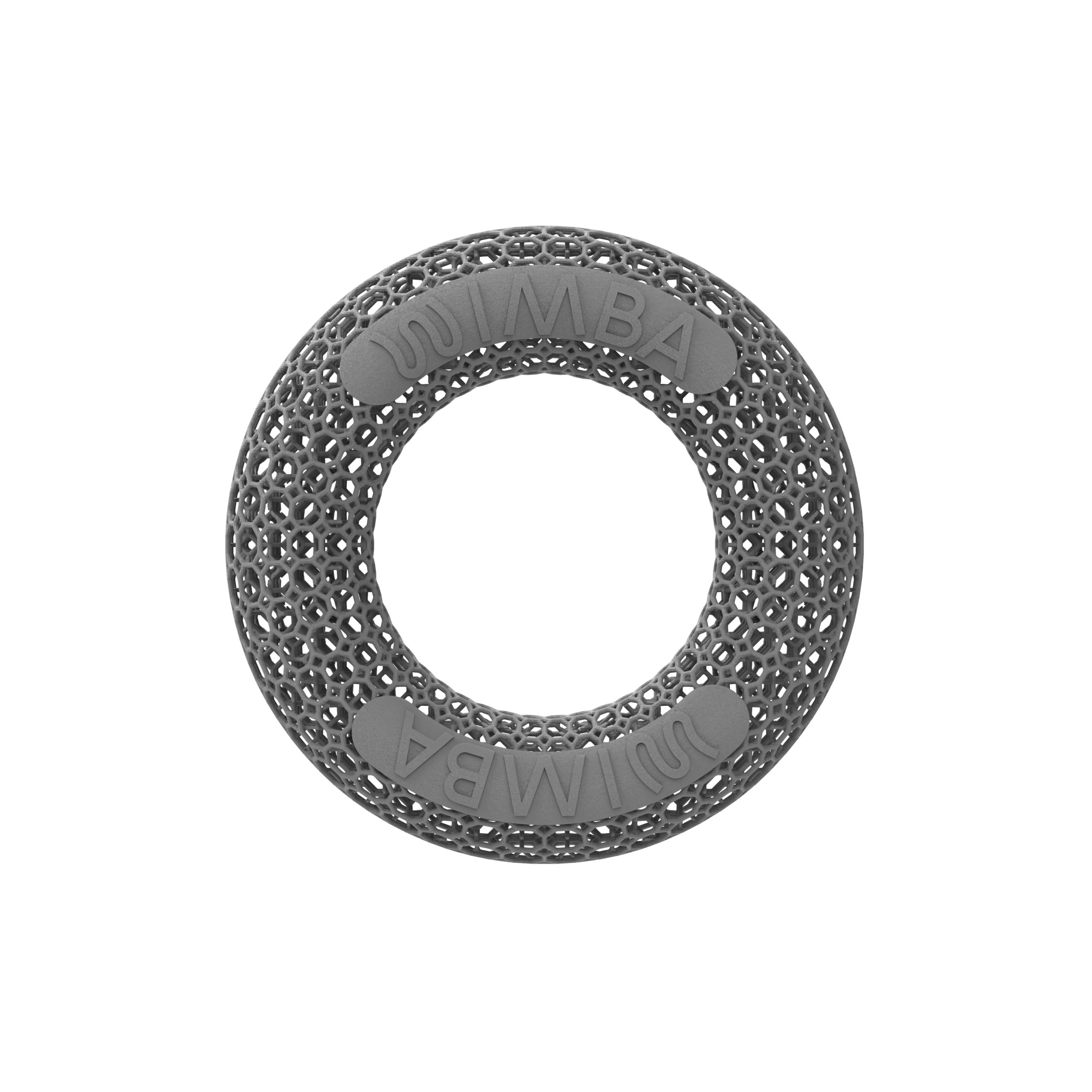
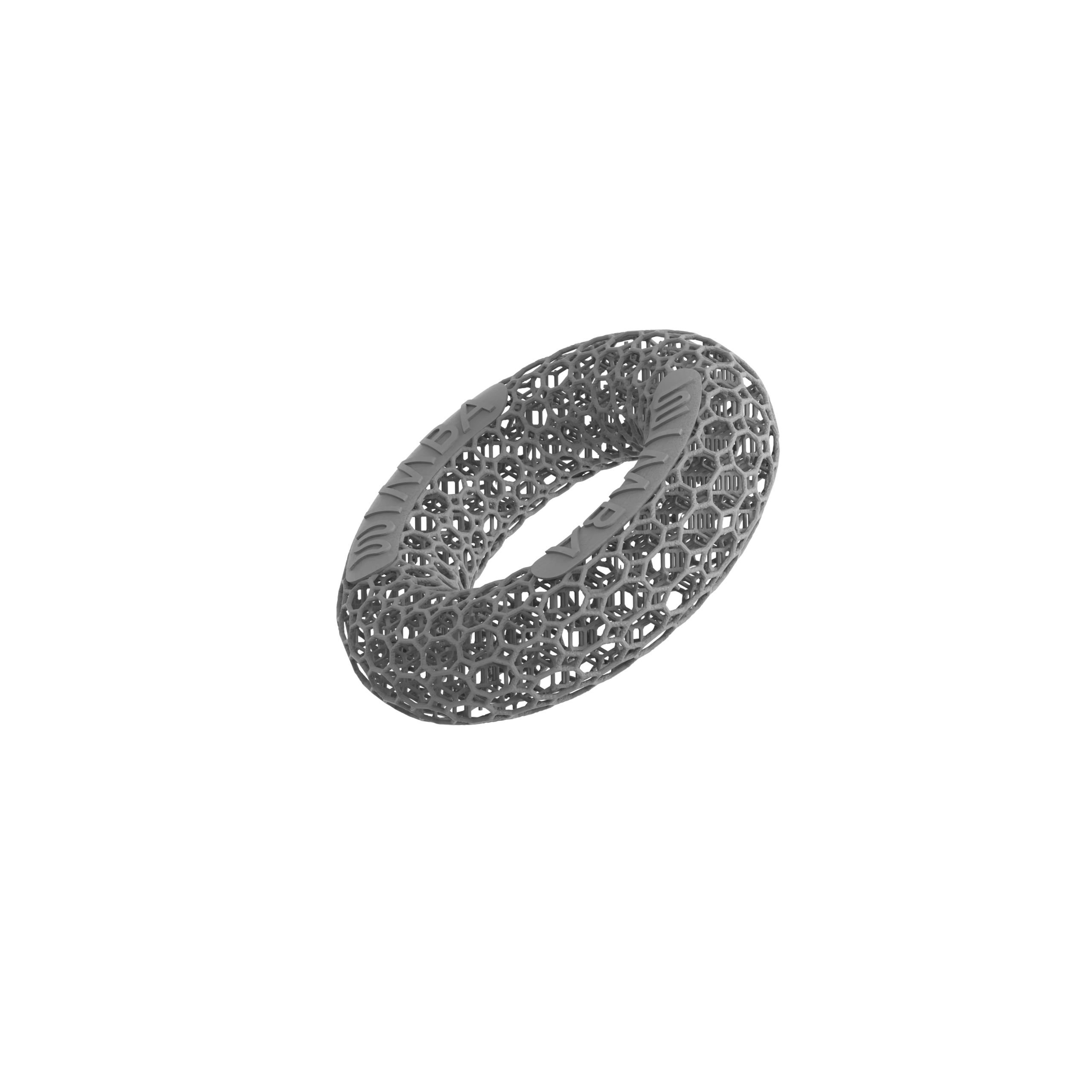
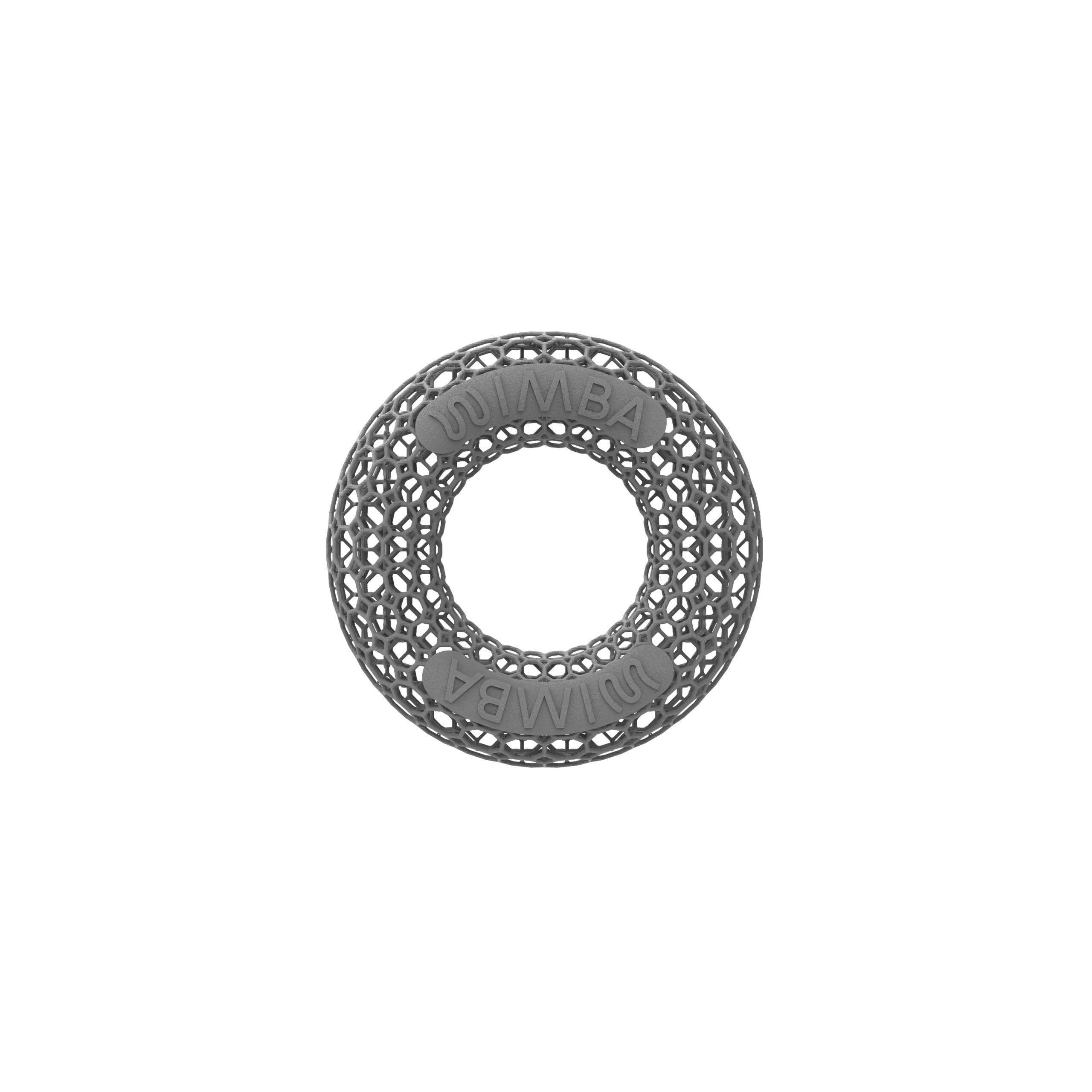
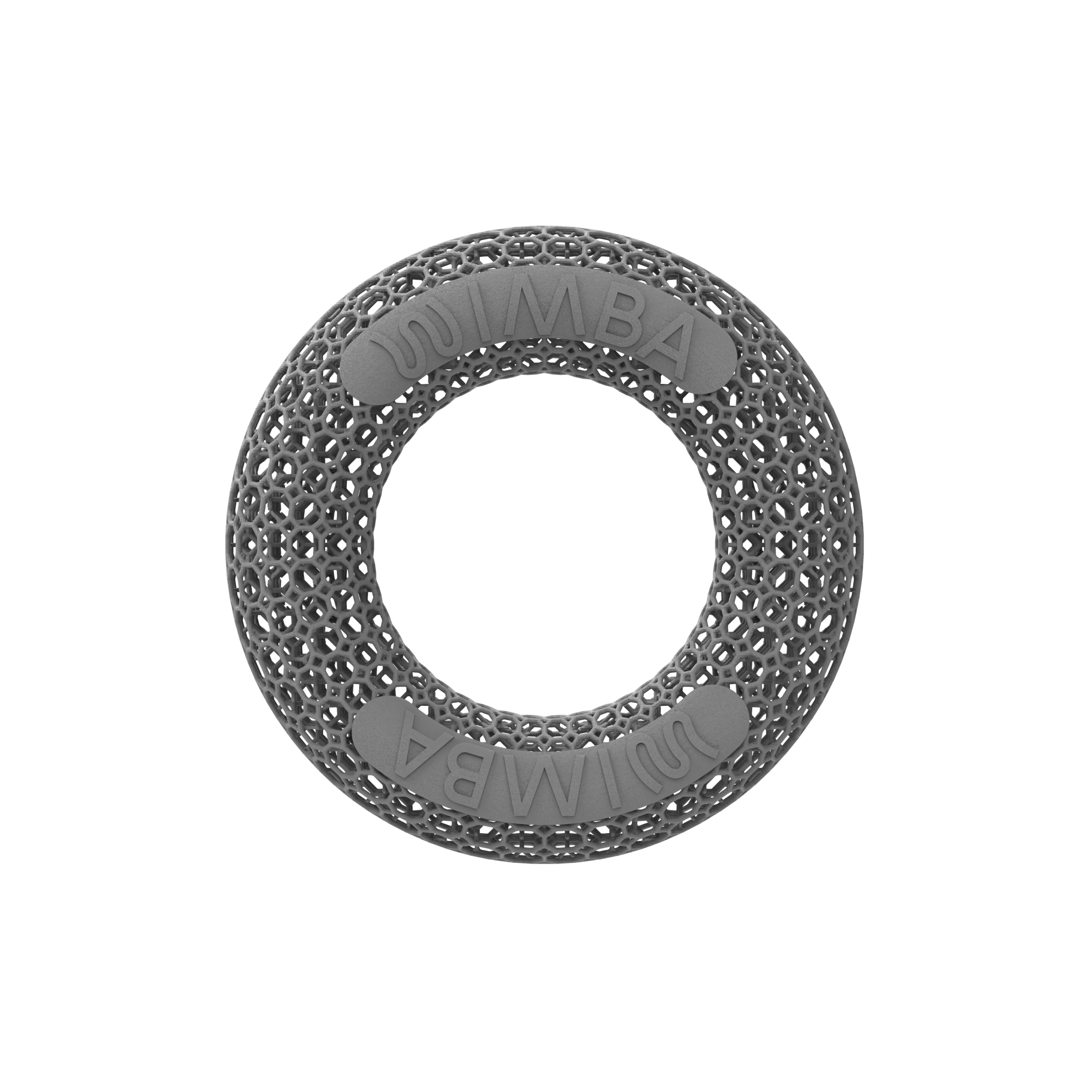
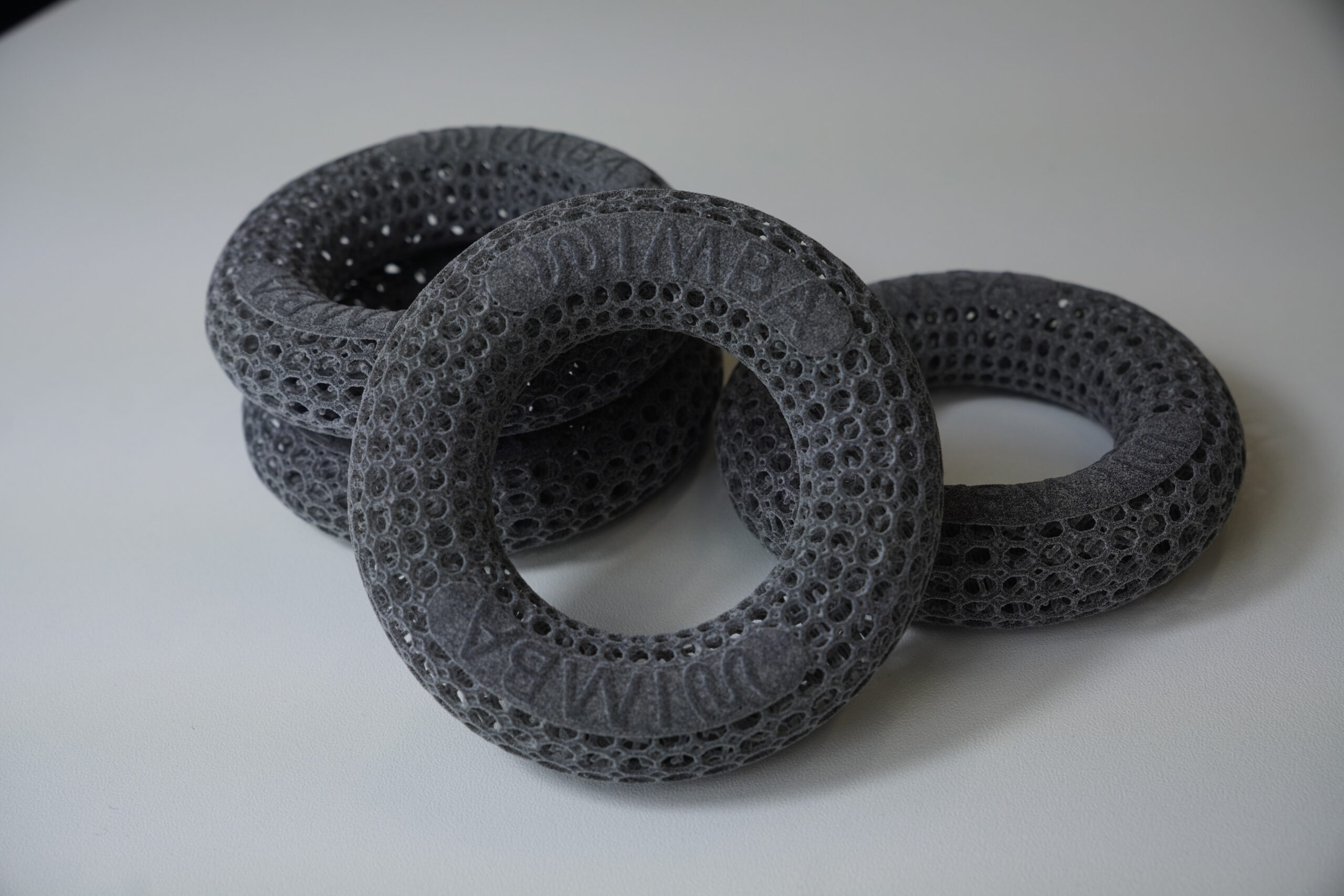
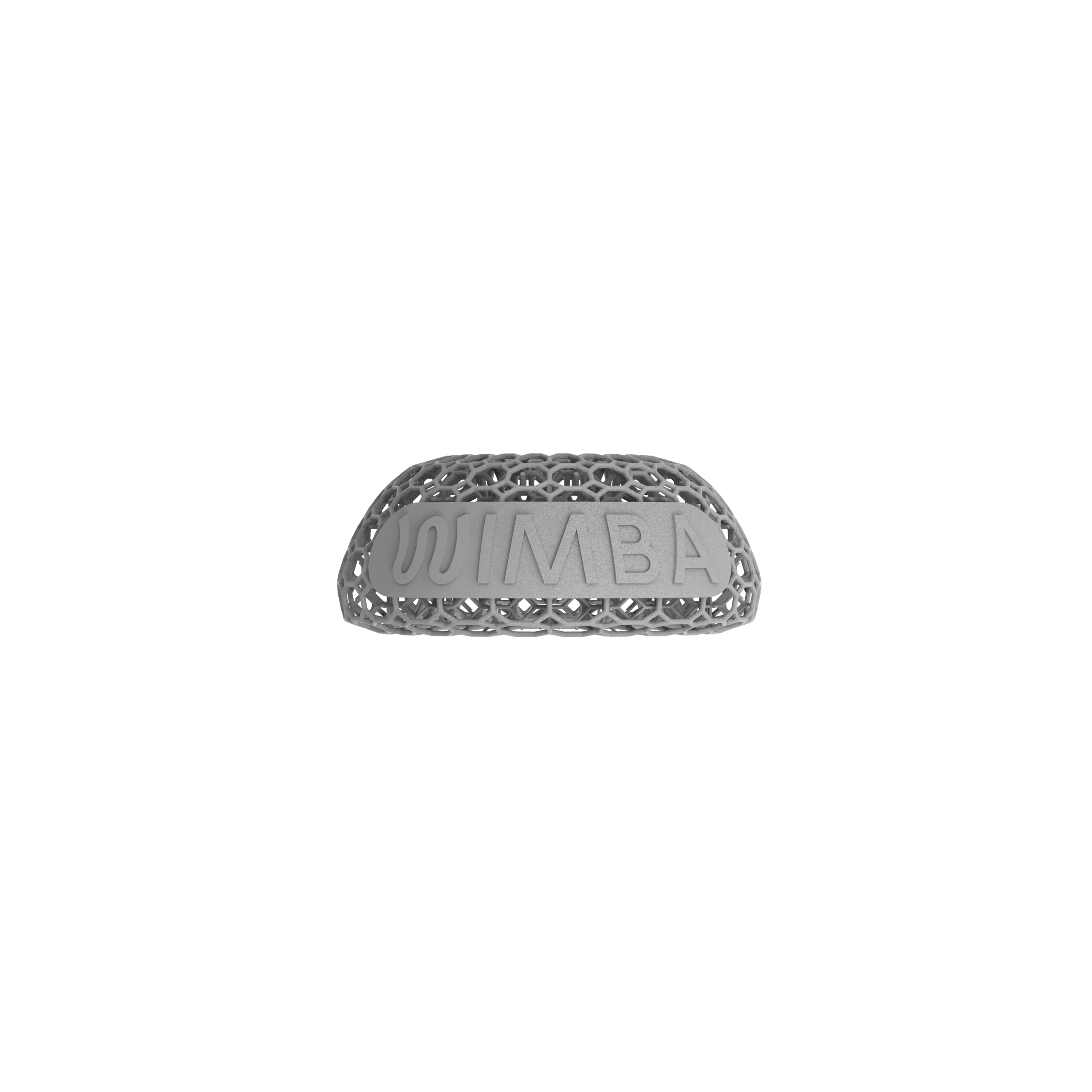
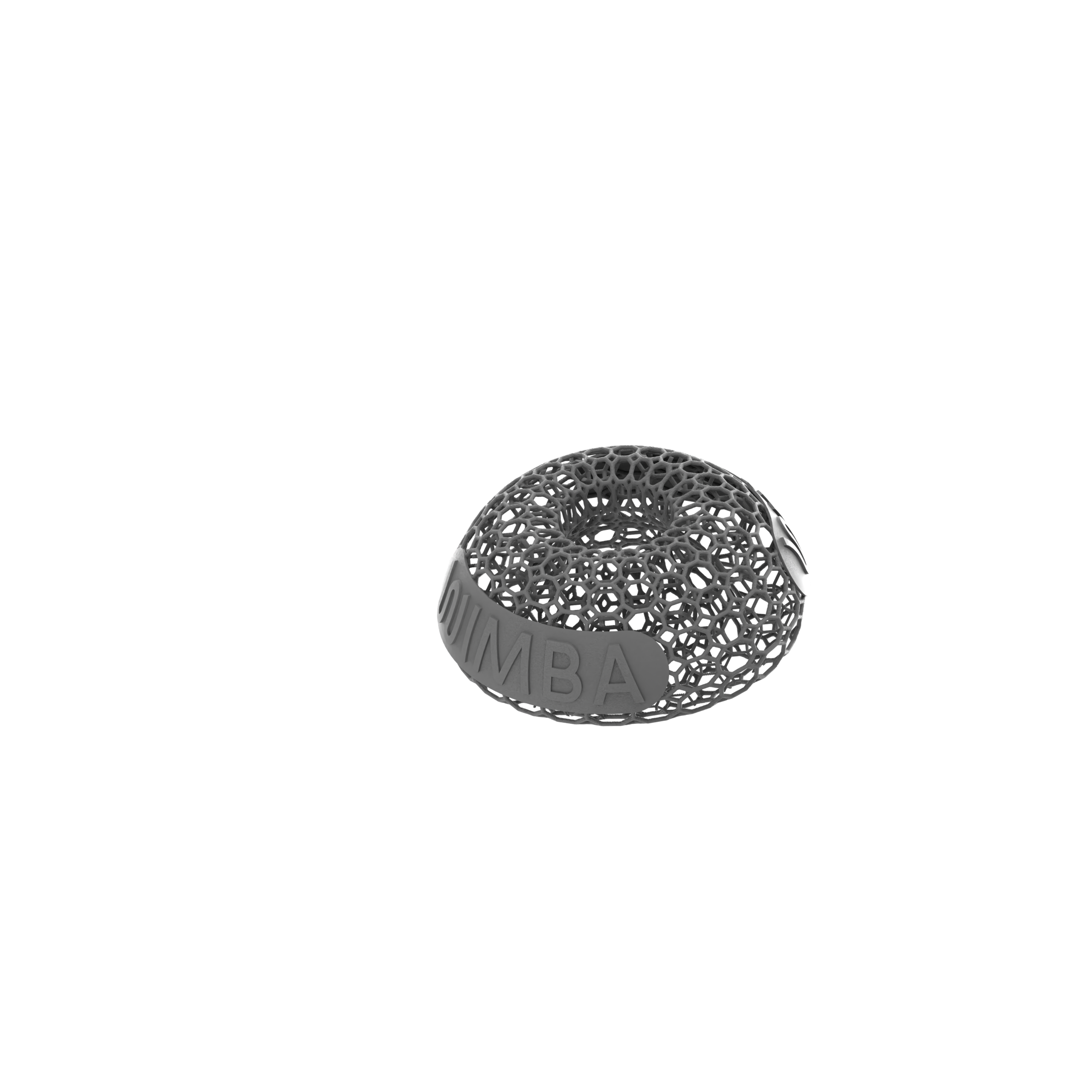
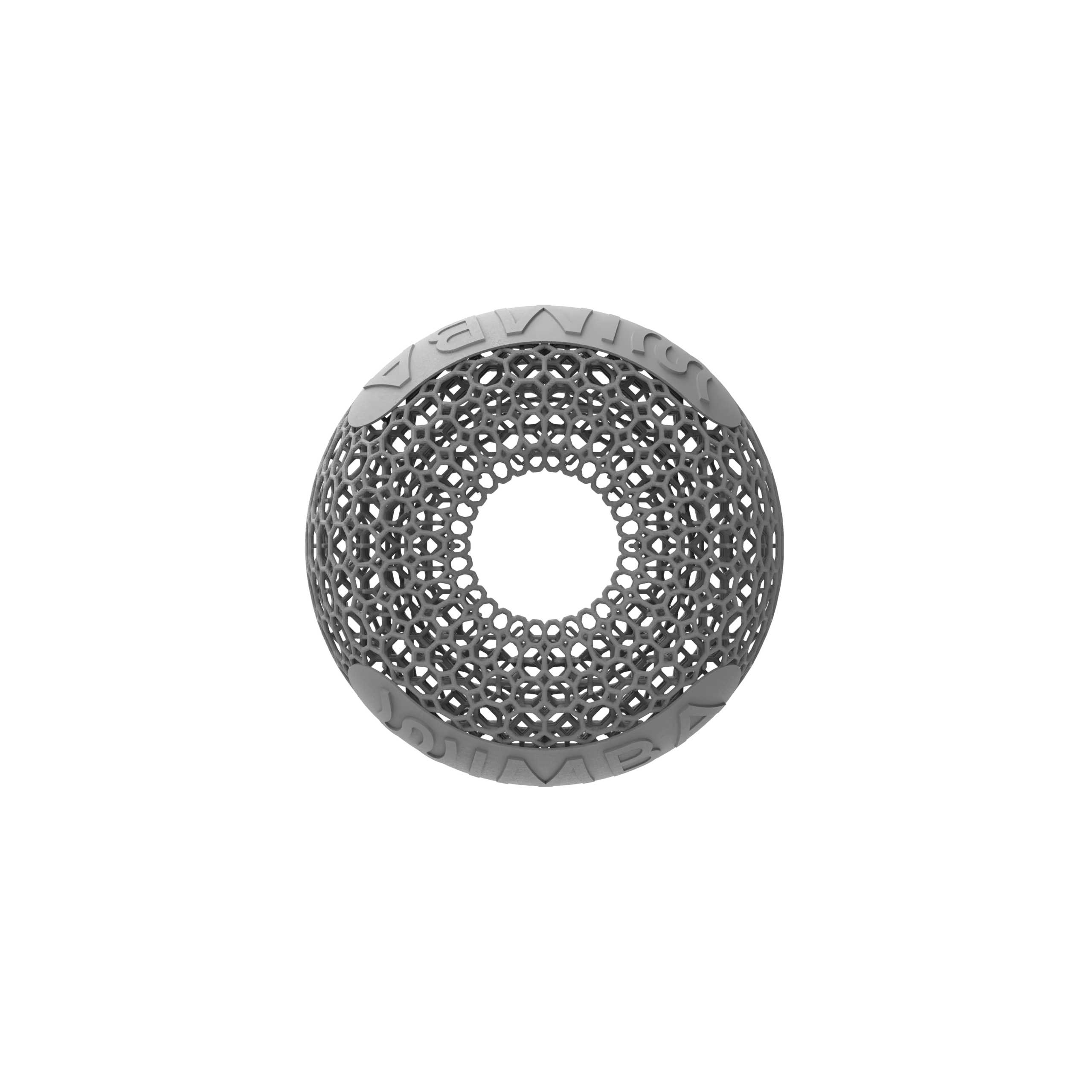
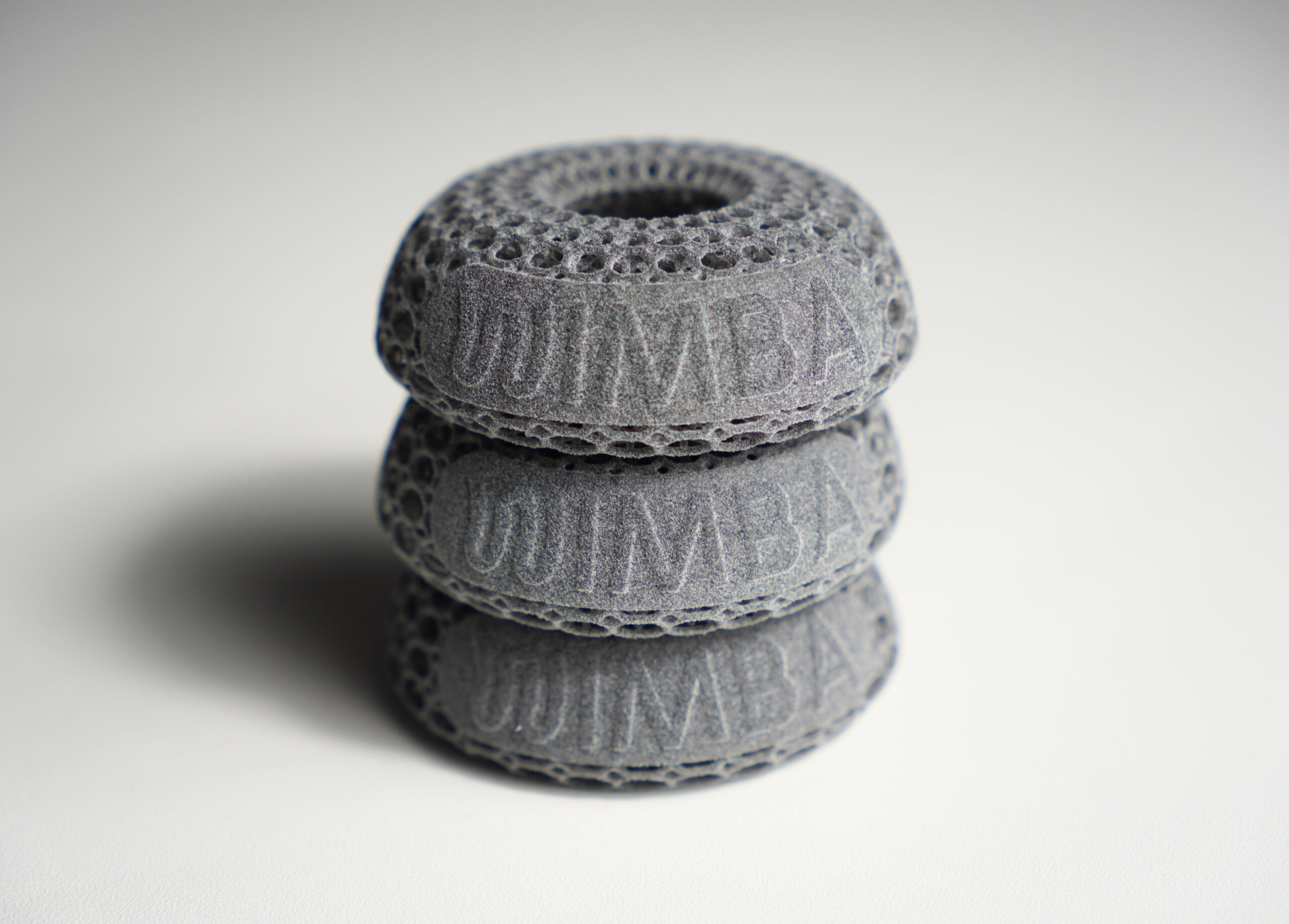
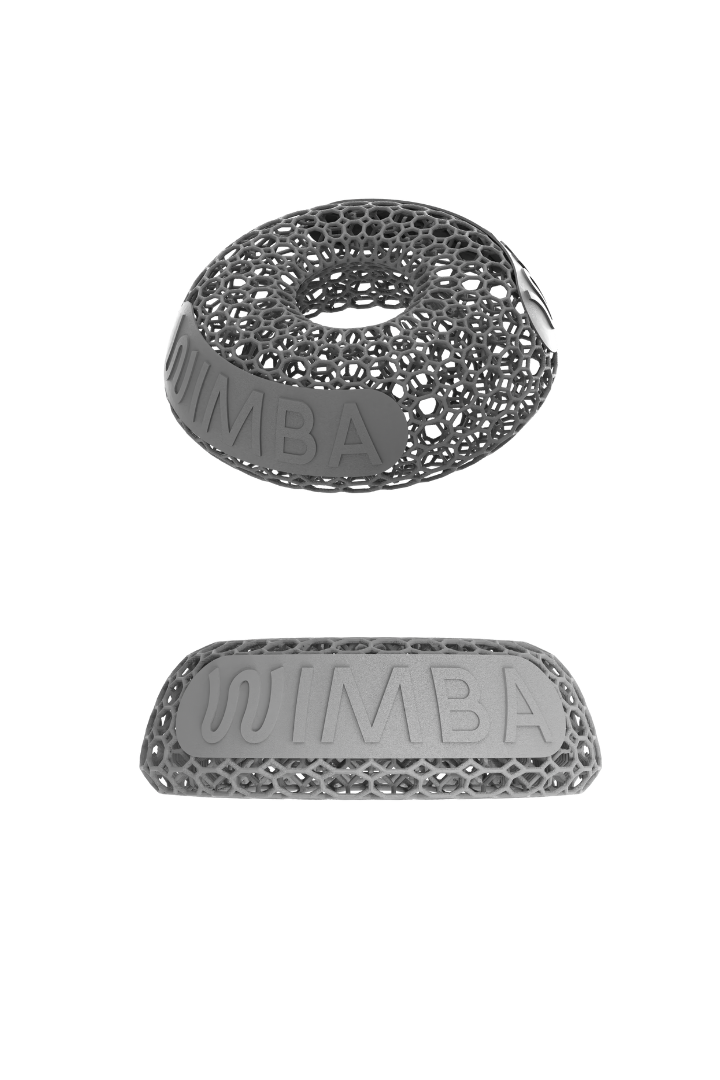
WIMBA Wound Care | DONUT
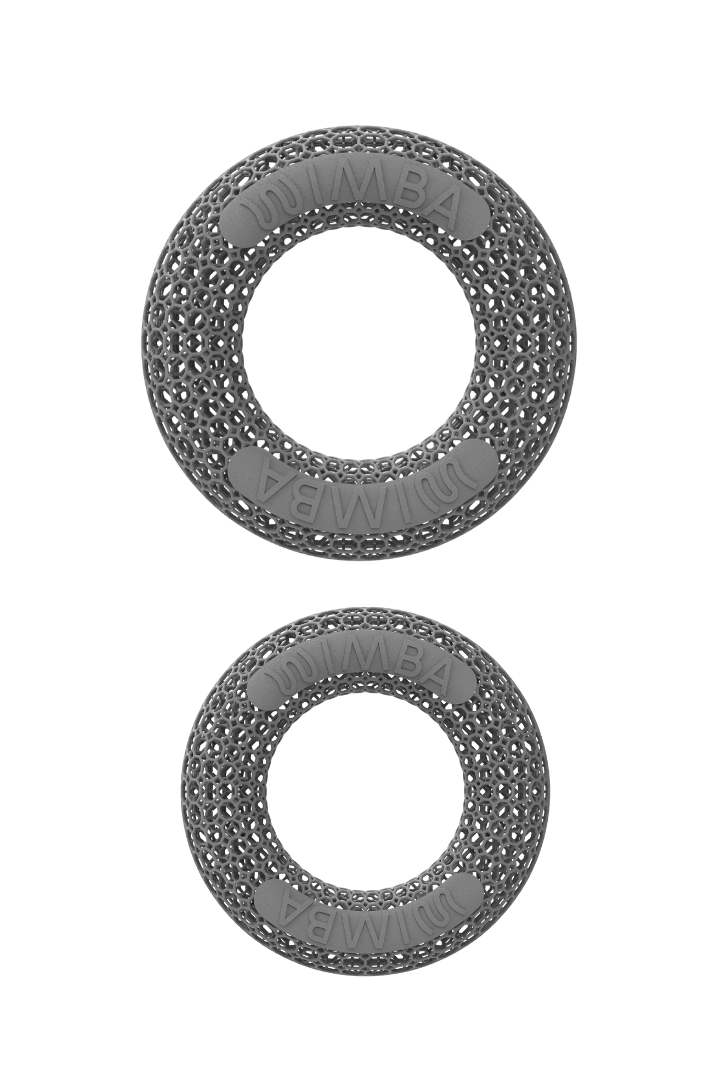
Designed to allow controlled compression along one axis,
making it suitable for oval or elongated wounds.
Typical applications
Typical applications include round wounds, calluses, pressure sores, and protection over bony prominences to help reduce the risk of sores in recumbent, elderly, or sedated patients.
Available sizes
Standard
Internal dimension: ⌀ 28 mm
External dimension: ⌀ 58 mm
Height: 15 mm
Large
Internal dimension – ⌀ 45 mm
External dimension – ⌀ 85 mm
Height – 20 mm
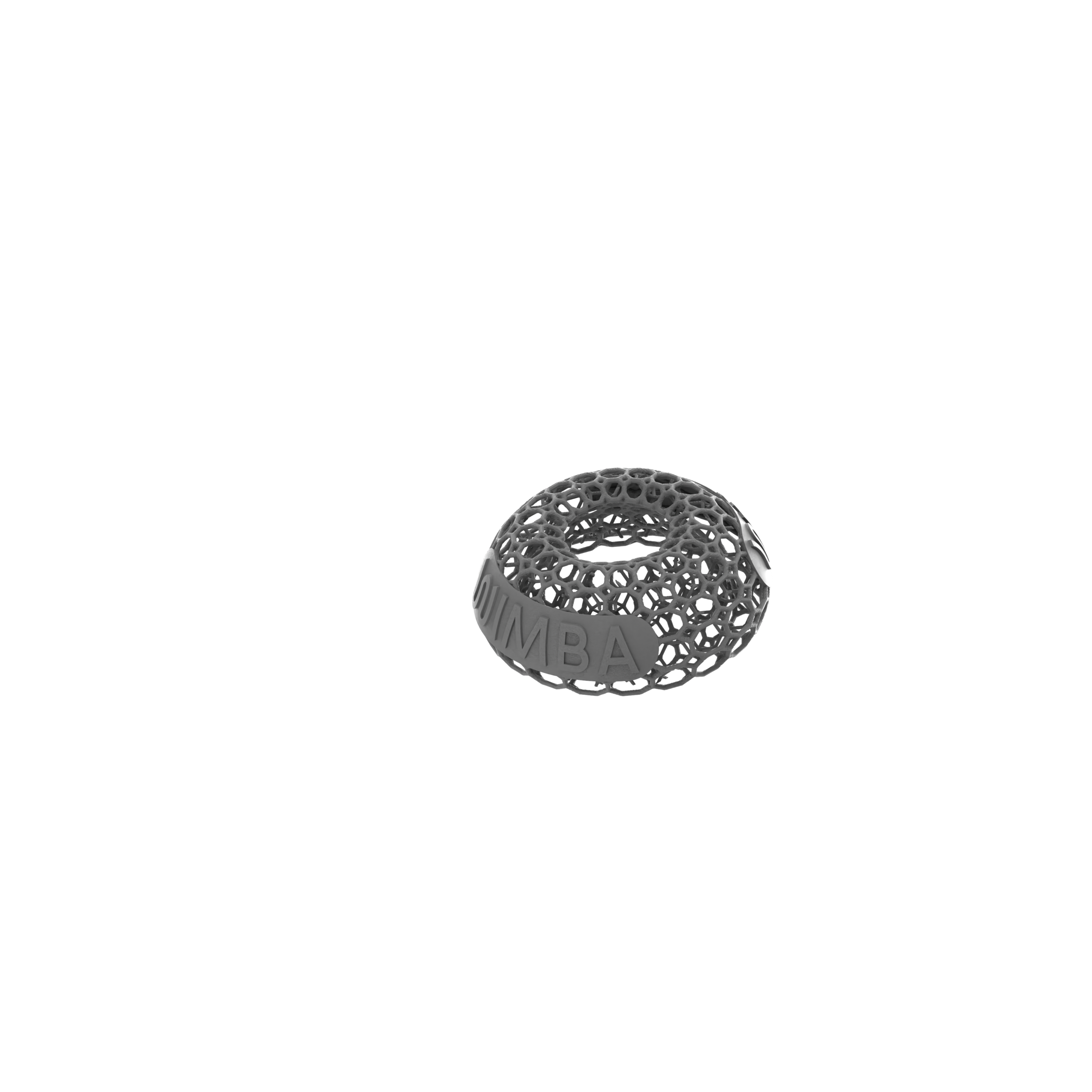
WIMBA Wound Care | DOME
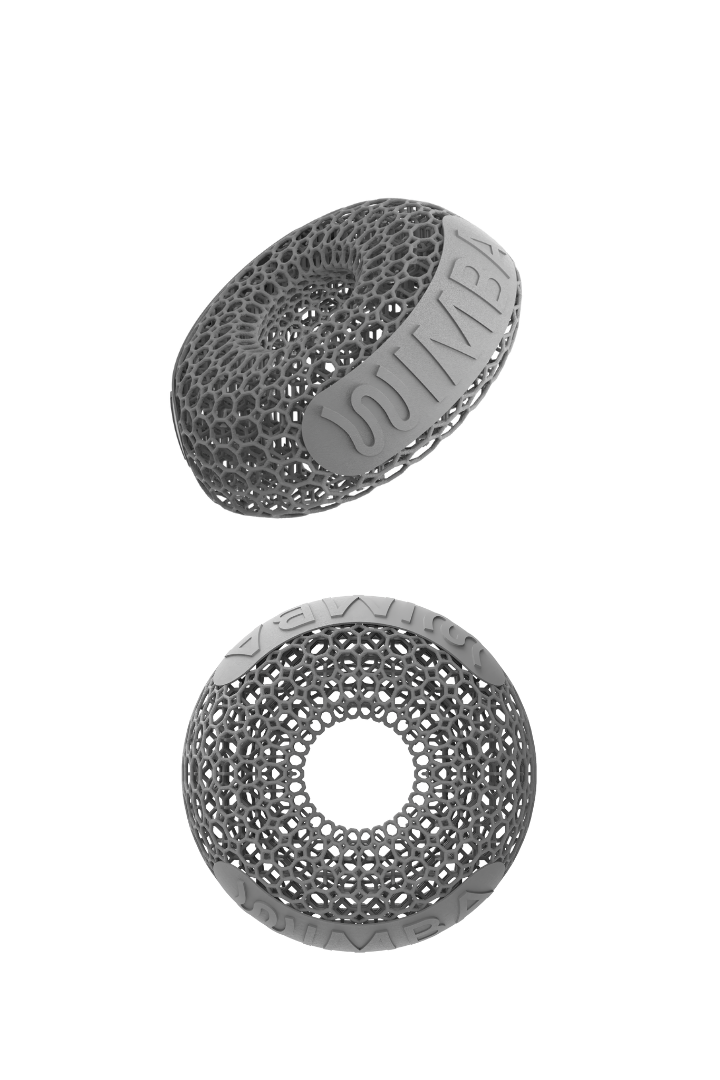
A standard dome with a uniform stiffness structure, designed to provide increased protection against mechanical stress.
Typical applications
Typical applications include round wounds, calluses, sores, and protection over bony prominences to help reduce the risk of pressure sores in recumbent, elderly, or sedated patients.
Size
- Internal dimension – ⌀ 30 mm
- External dimension – ⌀ 40 mm
- Height – 15 mm
WIMBA Wound Care
| GRADIENT DOME
Features a stiffness gradient, making it especially suitable for wounds surrounded by delicate tissue. It provides enhanced protection against mechanical stress.
Typical applications
Typical applications include round wounds, calluses, sores, and protection over bony prominences to help reduce the risk of pressure sores in recumbent, elderly, or sedated patients.
Size
- Internal dimension – ⌀ 30 mm
- External dimension – ⌀ 50 mm
- Height – 20 mm
WIMBA Wound Care
| DONUT WINGS
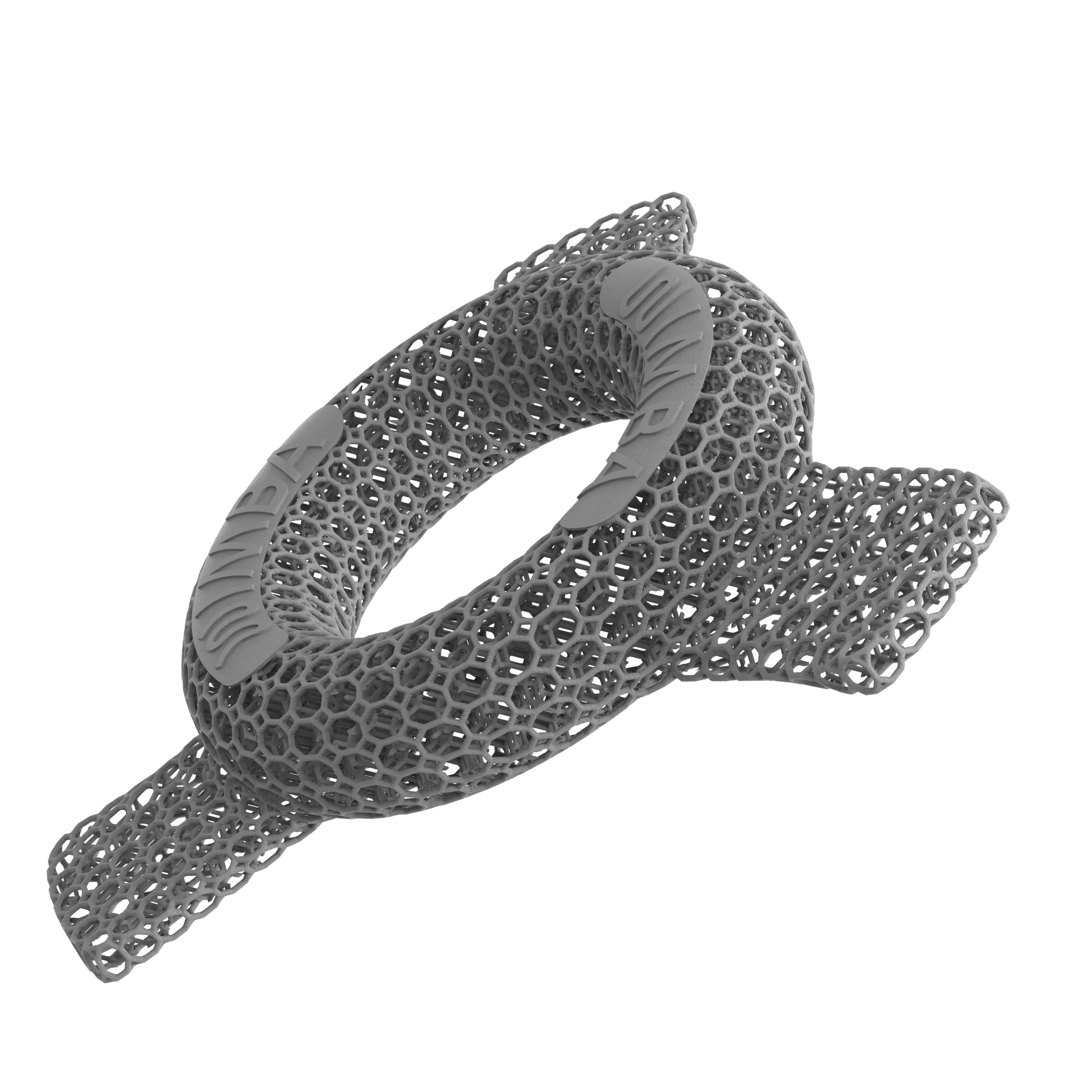
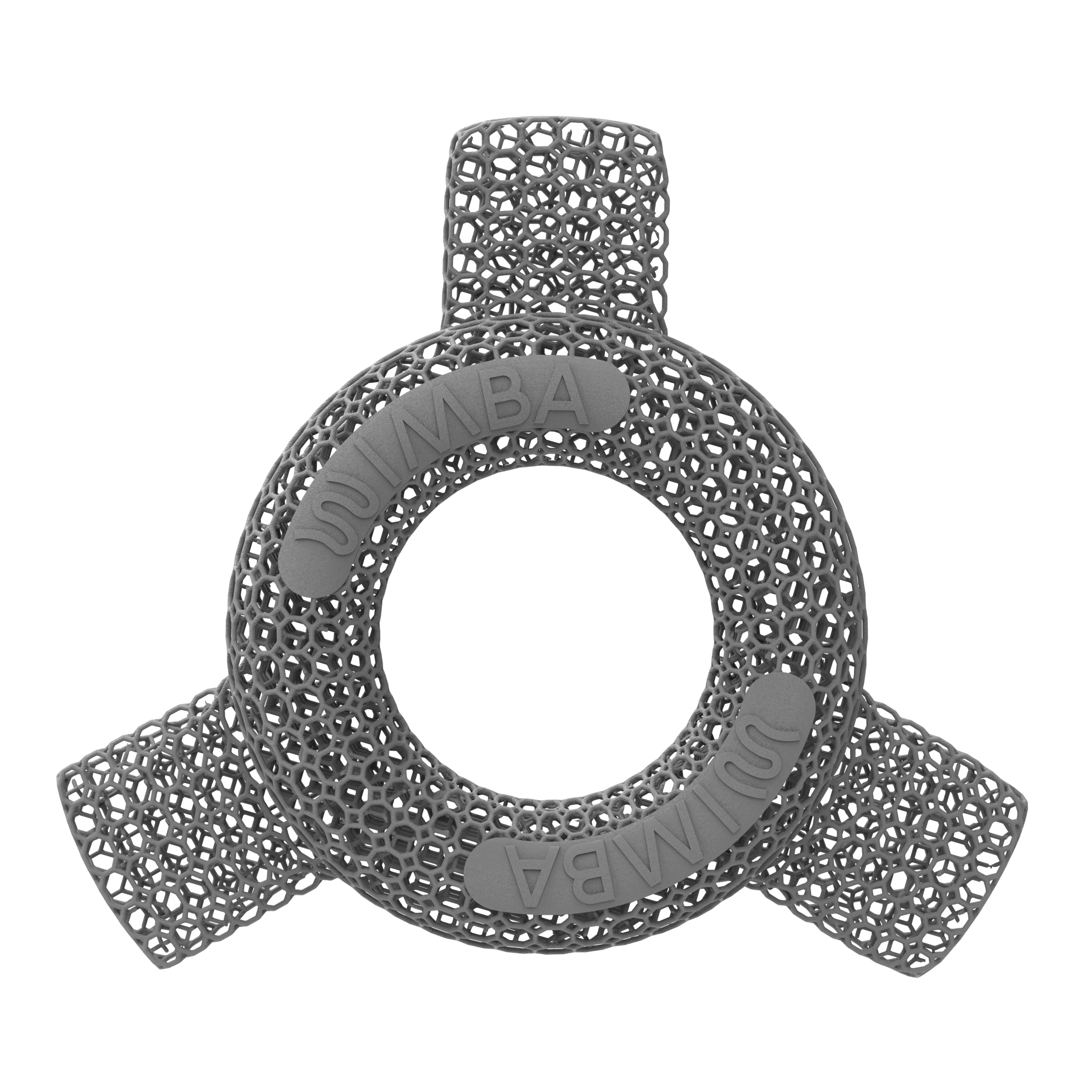
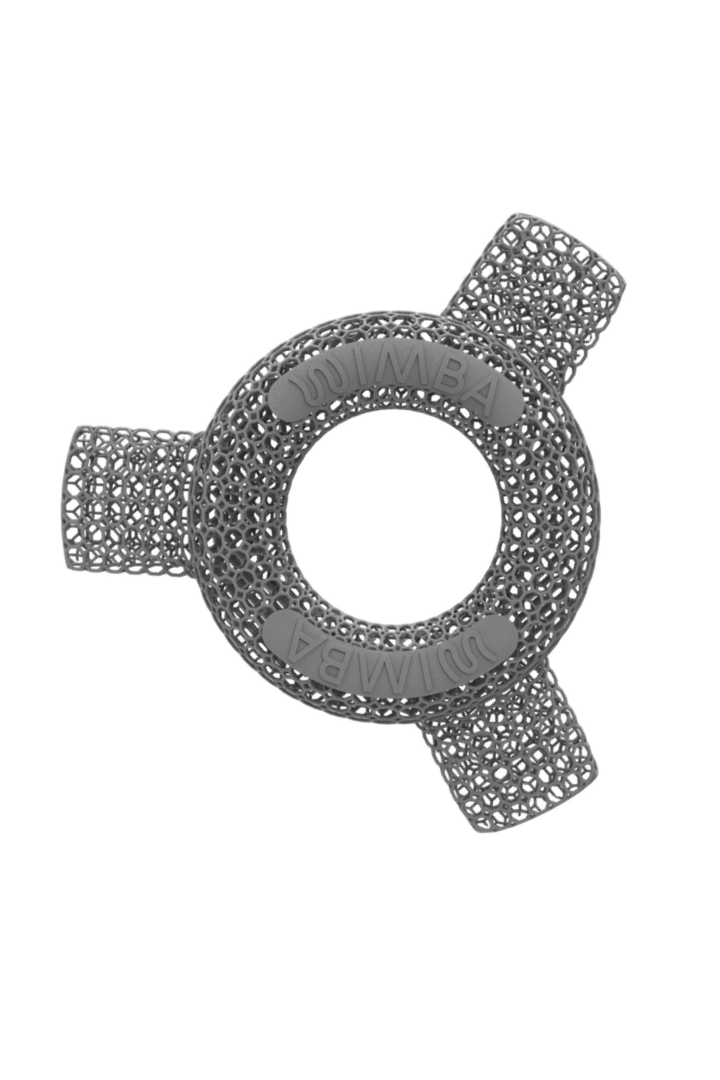
LARGE DONUT WINGS A106
The Large Donut Wings are additional wing elements that, when combined with proper bandaging technique, help keep the large Donut in place. They are especially useful for large dogs that lie directly on the affected area.
Typical applications
Typical applications include round wounds, calluses, sores, and areas over bony prominences to reduce the risk of pressure sores in recumbent, elderly, or sedated pets.
Size
- Height – 20 mm
- Internal dimension – ⌀ 45 mm
- External dimension – ⌀ 85 mm
WIMBA Wound Care
| CARE STICKS
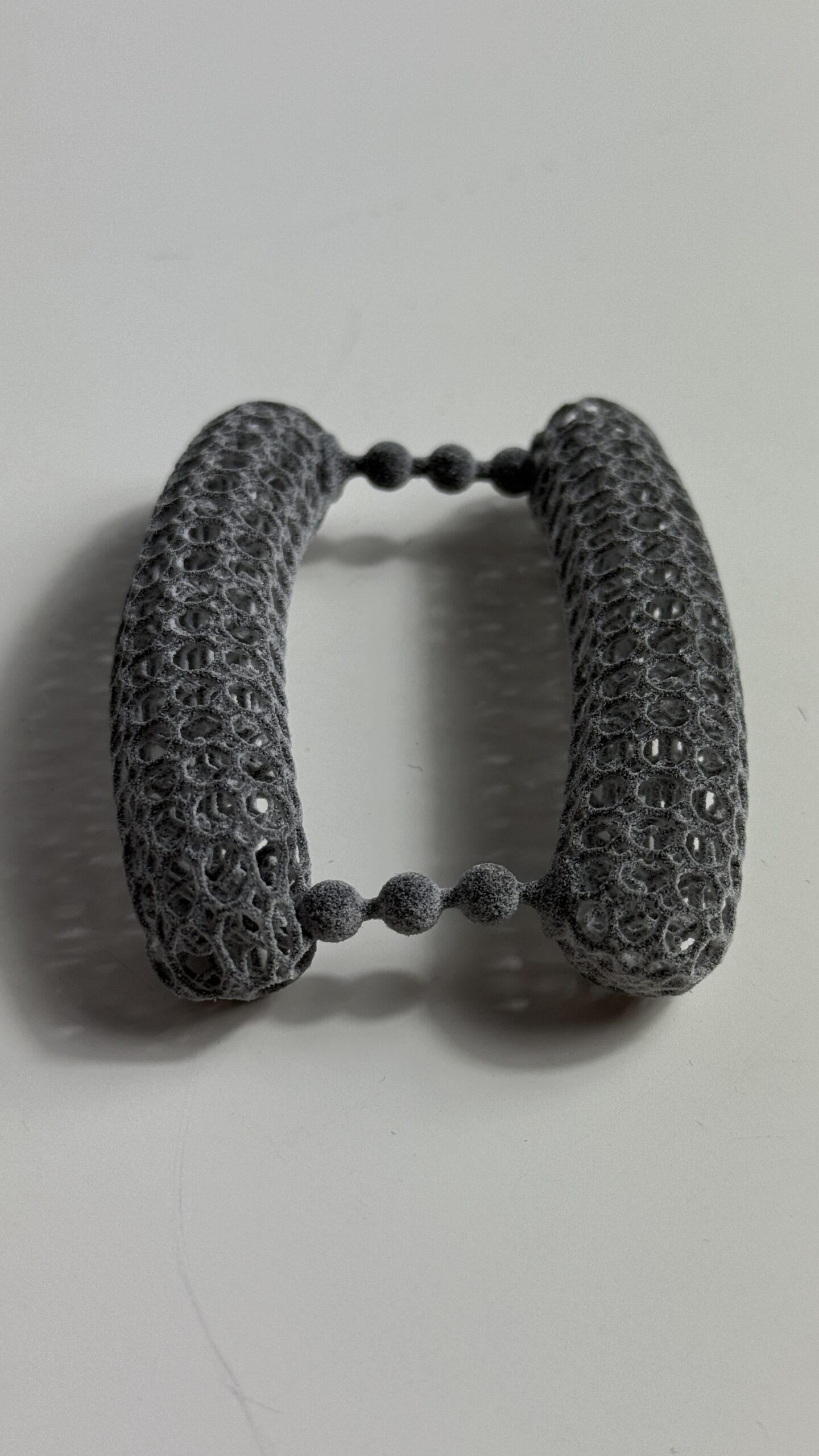
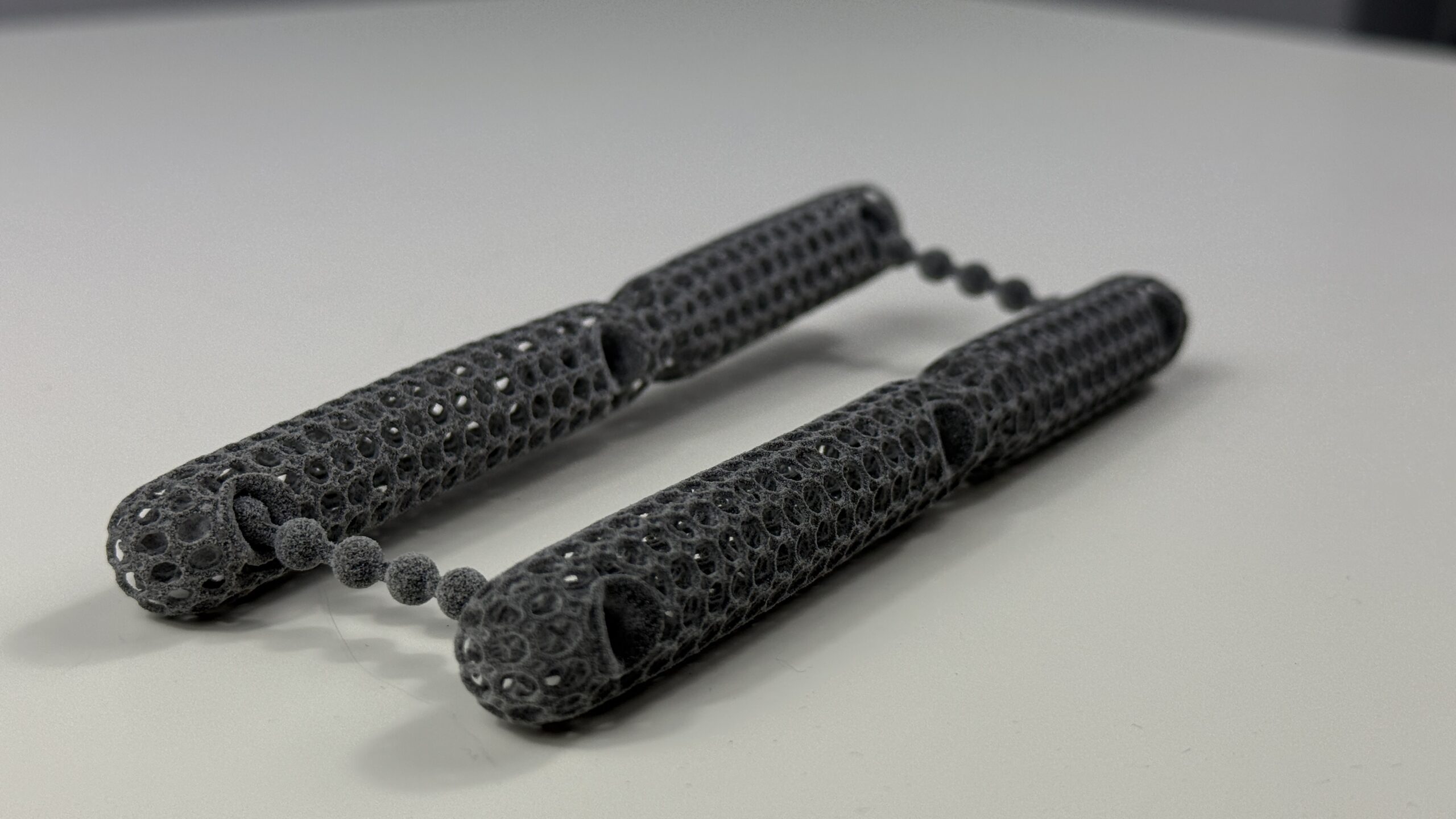
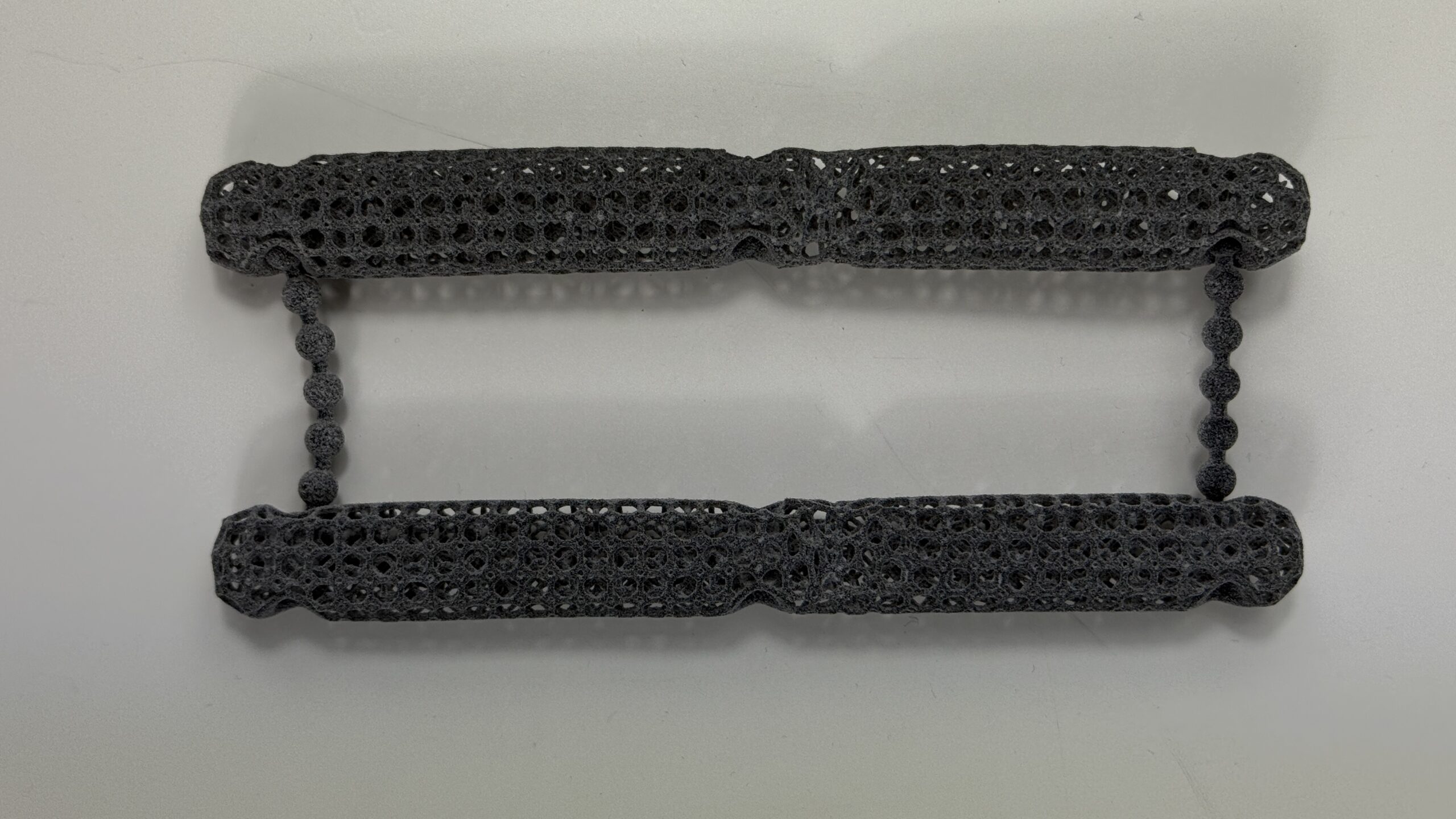
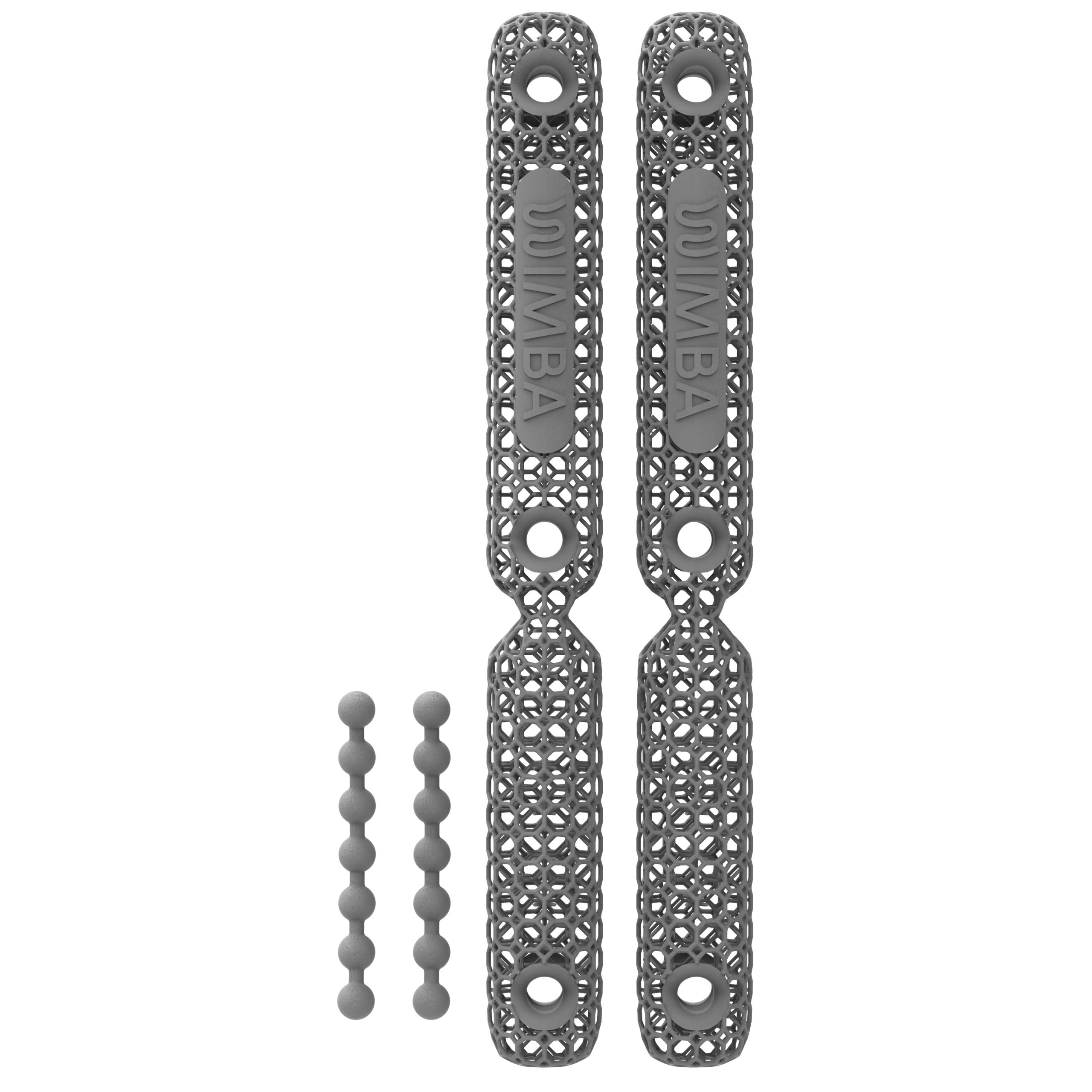
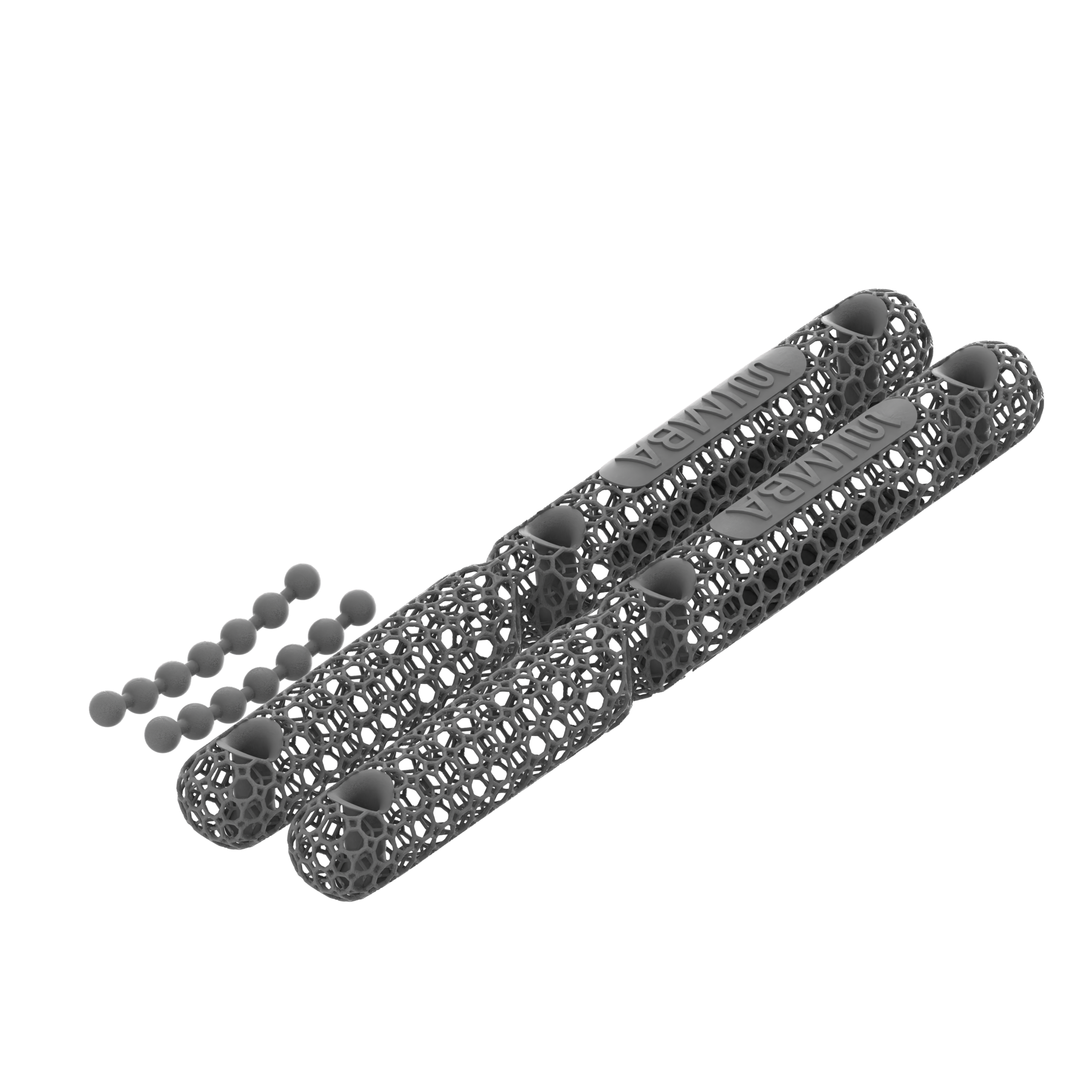
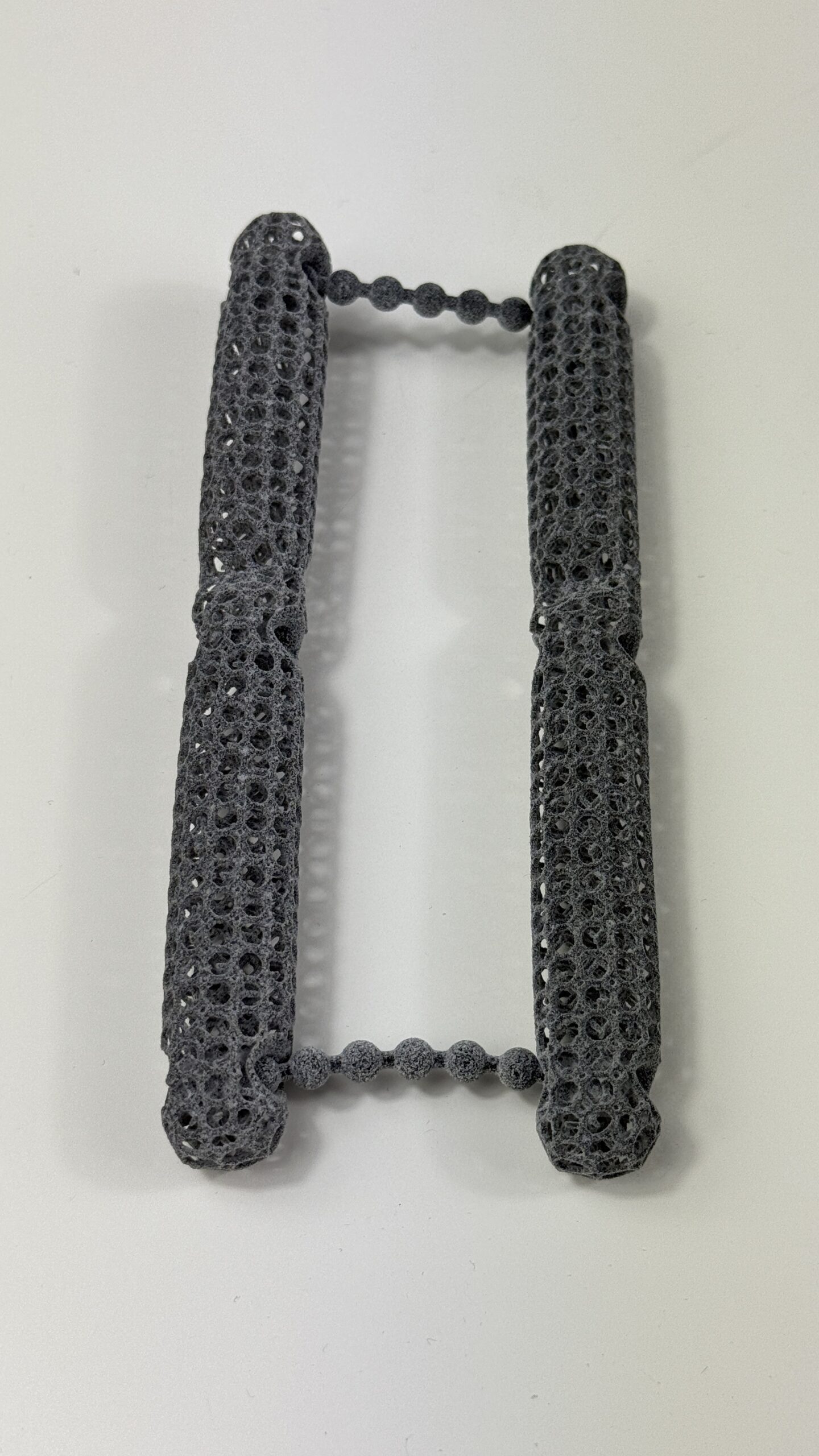
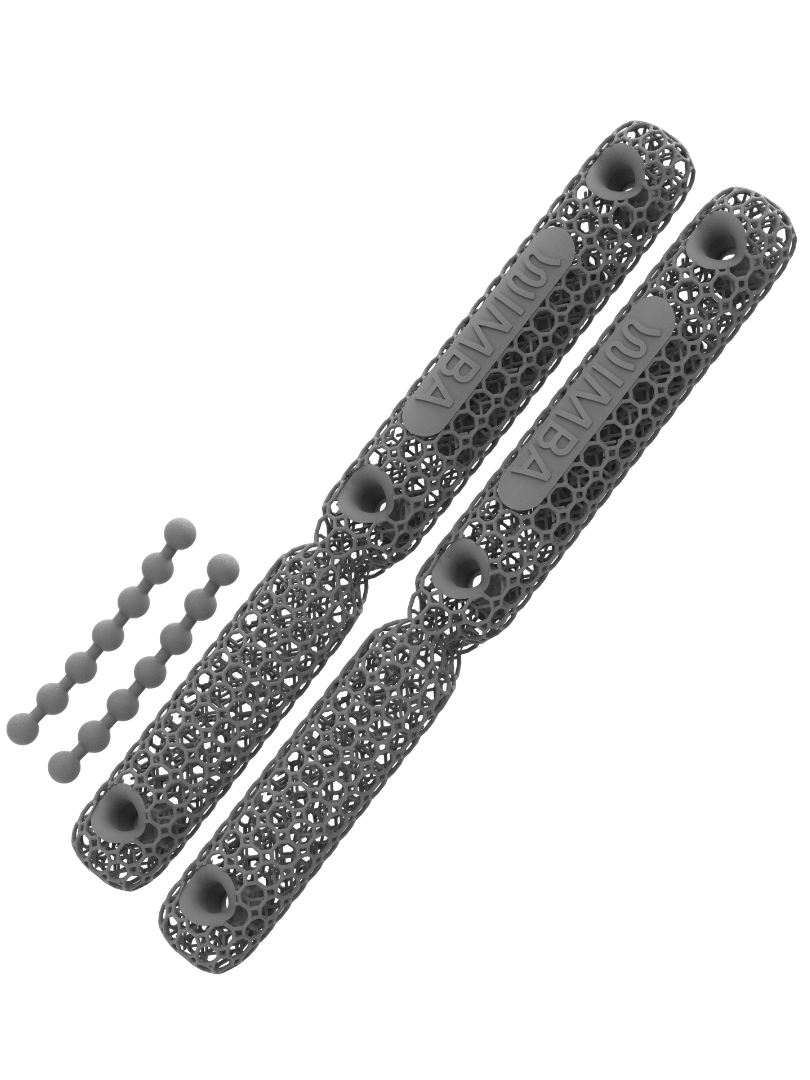
The connector is a separate spacer element that can be shortened to accommodate narrower wounds. Its cylinders may be trimmed at the narrowest point to match the wound’s length.
Typical applications
Typical applications include lacerations, cuts, tears, and stitches.
Size
- Length of the cylinder – 140 mm
- Height of the cylinder – 15 mm
WIMBA Wound Care: Clinical Cases
See how 3D-printed spacers help protect wounds, reduce pressure, and support recovery in everyday veterinary cases.
Nelson
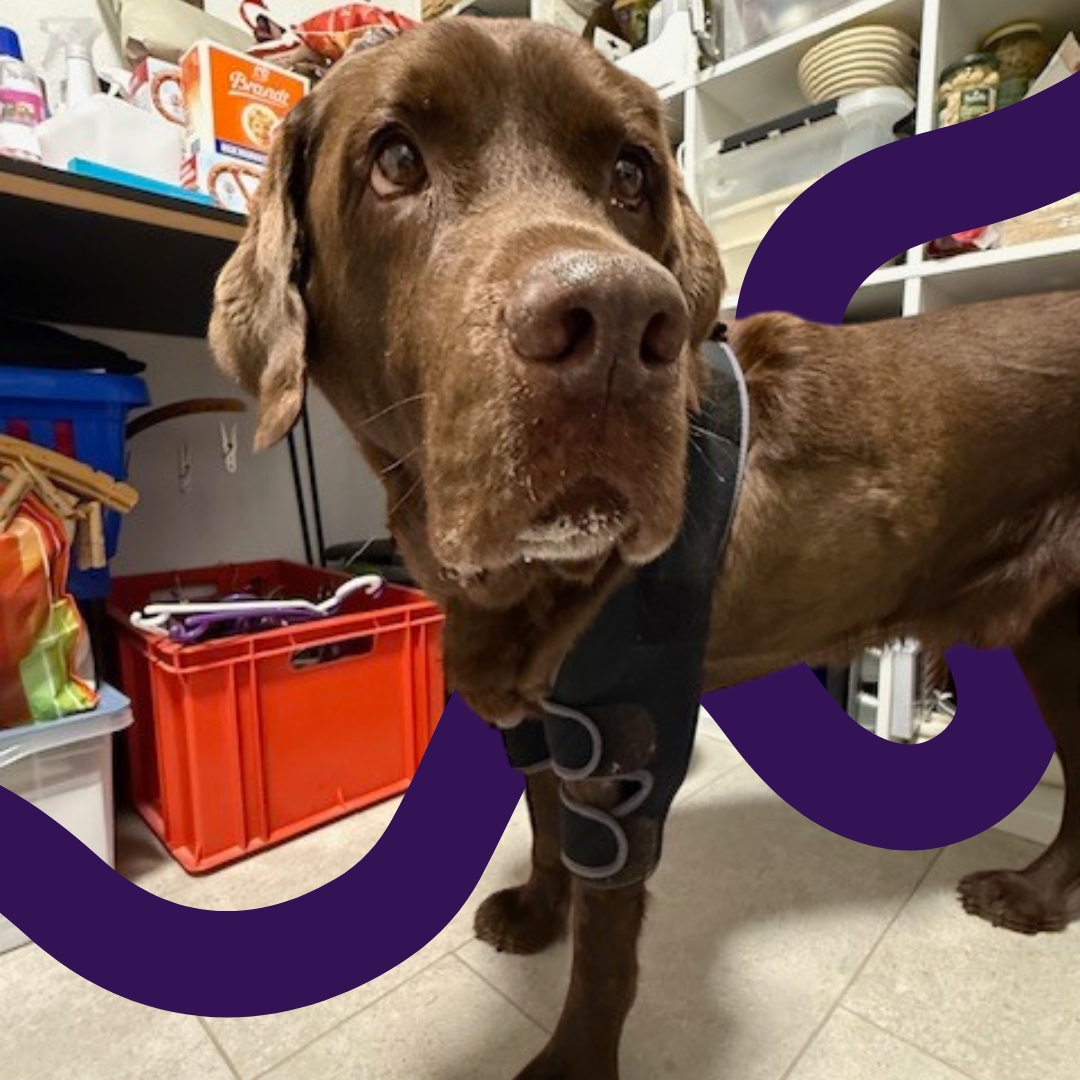
Nelson, a 12.5-year-old Labrador treated for a chronic elbow wound. What initially appeared as redness and a superficial abrasion rapidly progressed into an open wound. Despite early local wound care, bandaging, and suturing, the lesion remained difficult to manage because of its location over the elbow and the repeated pressure placed on the area. A Donut spacer was then integrated into the bandage to reduce direct pressure and contact over the affected elbow.
Bruno
Bruno, a 9-year-old Alaskan Malamute, was treated for bilateral elbow pressure sores caused by repeated pressure and mechanical irritation during rest. Both elbows were affected, with one additionally complicated by a deep fistula with purulent discharge. WIMBA Wound Care was incorporated into his wound management plan to support pressure offloading, protect the primary dressing, and help maintain more stable conditions between dressing changes.

How to Use WIMBA Wound Care
The support is applied over a standard wound cover and secured with a bandage wrap. Its 3D lattice structure spreads external forces across a larger area, reducing direct pressure on the wound. At the same time, the open design allows airflow, helping regulate temperature and supporting a healthier recovery.
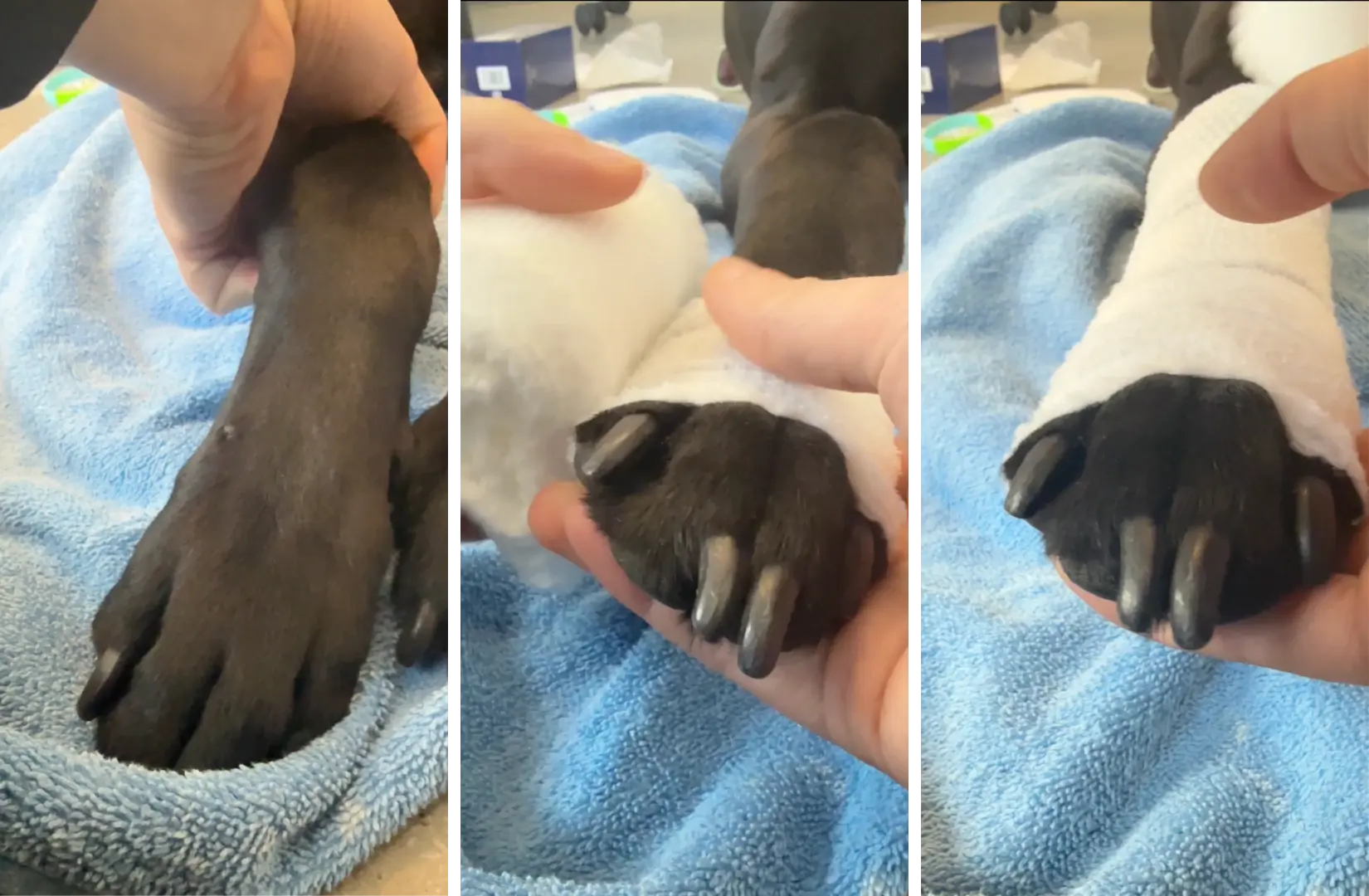
Apply the first protective bandage layer directly over the limb to create a clean, even base for further dressing application.
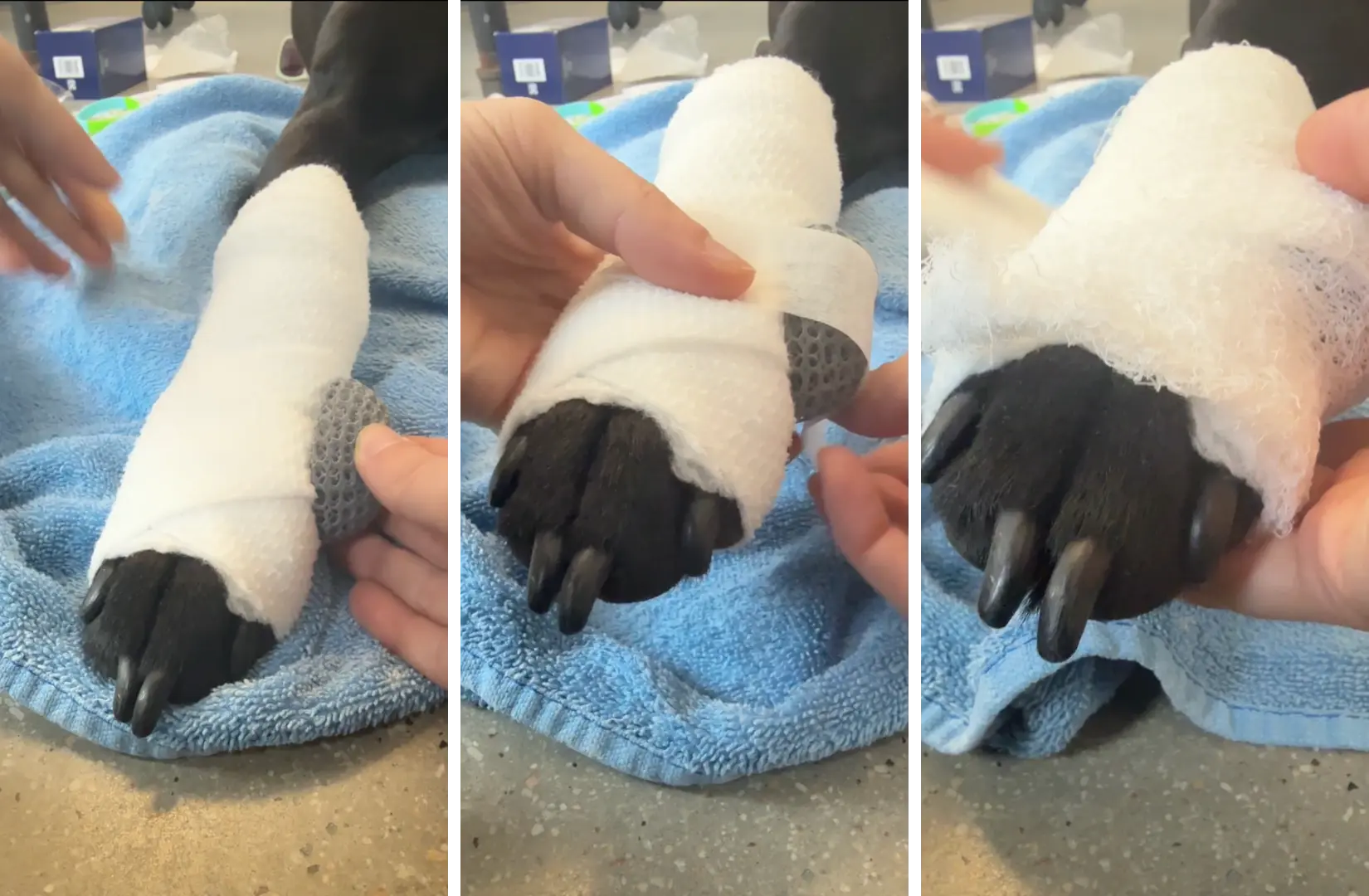
Position the WIMBA Wound Care over the selected area and secure it in place, ensuring appropriate fit, stability, and pressure offloading.
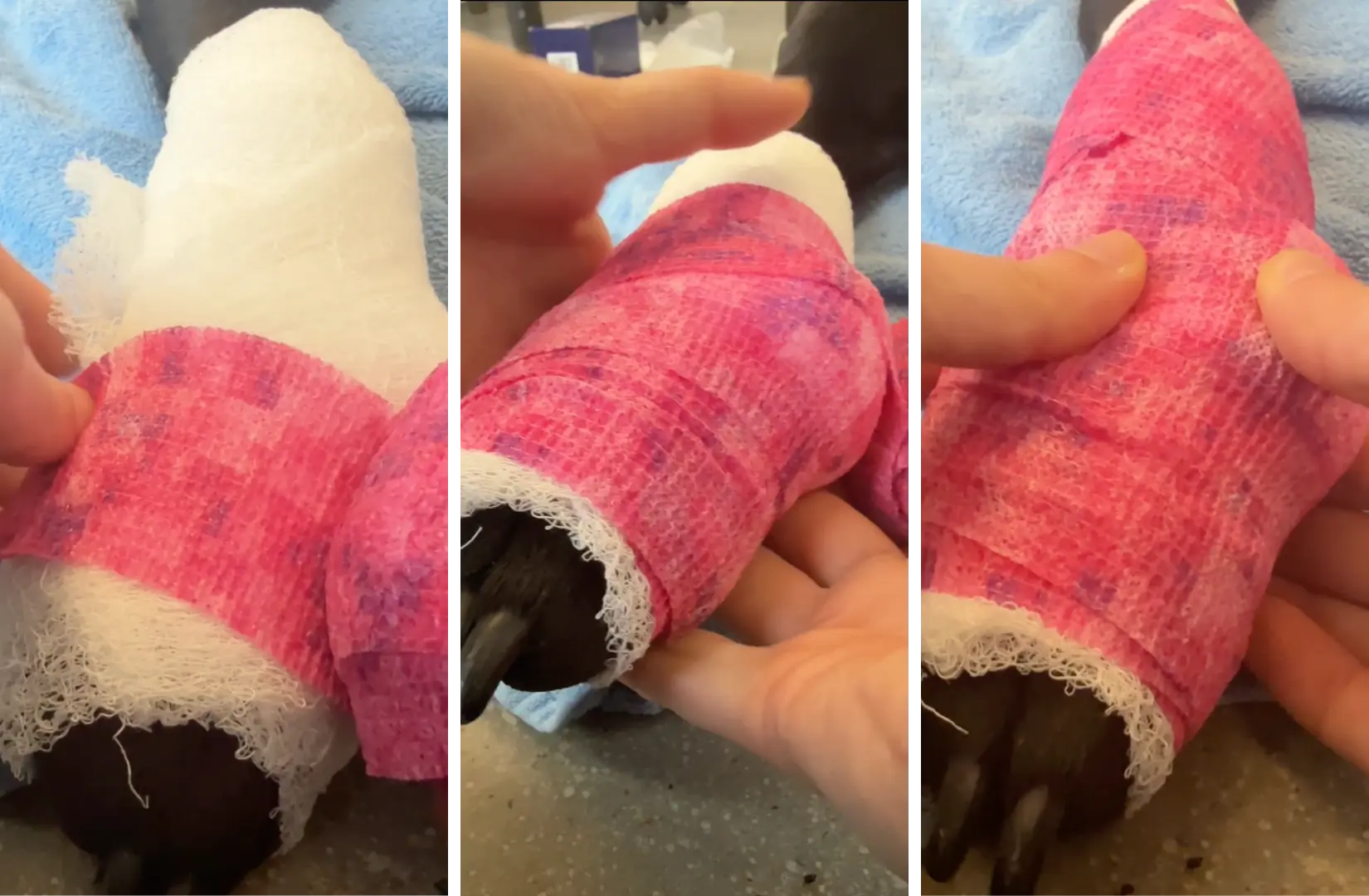
Cover the WIMBA Wound Care with the outer bandage layer to stabilise the dressing and complete the protective bandage construct.
Key Benefits of WIMBA Wound Care
Our product line is designed to support healing by shielding wounds, stitches, and pressure-sensitive areas from impact and irritation. By creating a gentle barrier, it may help reduce exposure to contamination and supports recovery in a more stable, protected environment.
What Makes WIMBA’s 3D-Printed Wound Protective Spacers Different?
Breathable & flexible
Printed with 3D technology ensuring breathable and flexible properties.
Versatile application
Designed for diverse applications, supporting recovery across different wound types.
Lightweight & durable
Durable design for comfort and reliability.
Optimized healing environment
Improves thermoregulation when used with a primary wound dressing.
Pressure relief
Absorbs and redistributes forces across a larger surface area.

Designed to support healing
Using advanced 3D technology, the dressing offers precise adaptation to primary dressings and aids the healing process.

Faster dressing application
The Wimba Wound Care line supports clinicians in wound management by simplifying dressing application and, thanks to its properties, accelerates the healing process.

Water-resistant and easy to clean
Hand-clean with lukewarm water and surgical or mild, pH-neutral soap, air-dry, and reuse up to 5 times.
The Clinical Challenge
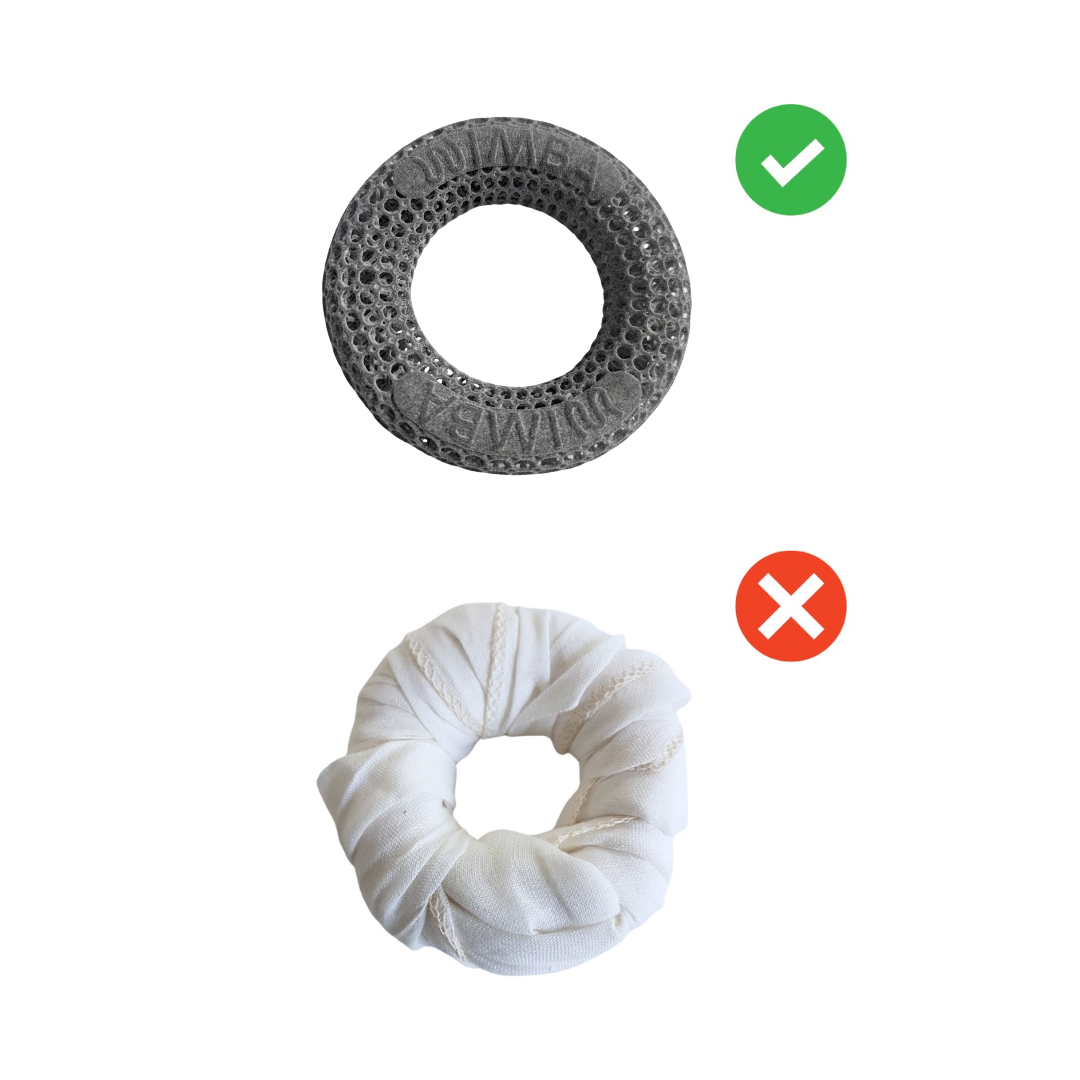
Why wound management is difficult?
One of the key challenges in veterinary medicine is ensuring consistent wound healing. Mechanical forces, such as constant or repetitive pressure that may lead to pressure sores, can compromise blood flow and oxygen delivery to the wound site. Additional factors including temperature and moisture regulation, infection, and excess exudate can further interfere with the recovery process.
The WIMBA Approach
The WIMBA Wound Care Solution
A breathable, flexible barrier designed to protect sensitive areas during recovery. By creating a safe distance between the wound and the surrounding environment, the pads limit direct contact while absorbing and distributing pressure across a wider surface area. The lightweight lattice structure improves breathability and comfort for the patient.
WIMBA Wound Care in clinical use
See how a veterinary professional applies WIMBA Wound Care during routine treatment to protect the wound and reduce pressure in high-risk areas. The spacer is positioned over the affected site and secured using standard bandaging techniques, creating a protective barrier while maintaining airflow.
This approach helps reduce direct pressure on the wound, supports the healing process, and integrates seamlessly into everyday clinical workflows — without adding complexity or extra preparation.
Source: briansbandages, aint.doin.right
Wound protection, clearly explained.
Practical answers about external pressure offloading, correct placement, spacer selection, cleaning and veterinary use.
WIMBA Wound Care is an external protective adjunct. Wound assessment, primary dressing selection, bandaging and follow-up remain veterinary decisions.
Can WIMBA Wound Care protective spacers be sterilized?
The current instructions describe cleaning and limited reuse, not a validated sterilisation process. Spacers may be hand-cleaned with lukewarm water and surgical or mild, pH-neutral soap, then air-dried and reused up to five times. Reuse is appropriate only while the component remains clean, intact, correctly shaped and clinically suitable. A contaminated or damaged spacer should not be reused.
What is WIMBA Wound Care used for?
WIMBA spacers are designed to protect covered wounds, surgical incisions, calluses, pressure sores and other pressure-sensitive areas from direct external contact. Positioned over a primary dressing, the 3D lattice structure creates clearance and helps distribute pressure, friction or impact across a broader area. The spacer supports mechanical protection but does not itself treat infection or guarantee wound closure.
Can a spacer be placed directly on the wound?
No. The wound must first be covered with an appropriate primary dressing selected by the veterinary professional. The WIMBA spacer is positioned over that dressing and secured within the outer bandage construct. It is an external protective element and is not intended to enter the wound, fill surgical dead space or contact uncovered tissue.
Does WIMBA Wound Care replace a primary dressing or wound treatment?
No. The spacer is one mechanical component of a broader wound management plan. It does not replace wound assessment, debridement, lavage, infection control, analgesia, primary dressing selection, repositioning, nutrition, surgery or treatment of underlying disease when these are indicated. The complete bandage and wound should be reassessed at intervals set by the treating veterinary team.
Which WIMBA Wound Care spacer should be selected?
Selection depends on wound shape, size and location, the surrounding tissue, expected pressure direction and how the bandage will retain the spacer. Donuts suit many focal or approximately round areas, Domes provide protective coverage, Gradient Domes add a stiffness gradient, Donut Wings assist retention of the Large Donut, and Care Sticks are intended for linear sites. The veterinary professional should confirm the final configuration.
Can I buy WIMBA Wound Care products for my own pet?
WIMBA Wound Care is intended for use by, or on the order of, a licensed veterinarian. Pet owners should ask their veterinary clinic whether a protective spacer is suitable for the wound and bandage plan. This ensures that the wound is assessed, the correct product is selected and application and follow-up are professionally supervised.
Ready to order WIMBA Wound Care?
Are you a pet owner looking for WIMBA Wound Care?
WIMBA Wound Care spacers are available through veterinary clinics. Ask your vet about protective wound care spacers — or find a WIMBA provider near you.
Ready to order WIMBA Wound Care?
Use the order form to submit your request quickly and easily.
Clinical reading: Dog Orthotics for Post-Surgical Recovery