 Skip to content


Bilateral Elbow Pressure Sores in Dogs (Case Study Bruno)

A 9-year-old Alaskan Malamute with pressure-related wounds on both elbows, supported with WIMBA Wound Care as part of wound protection and pressure offloading management.
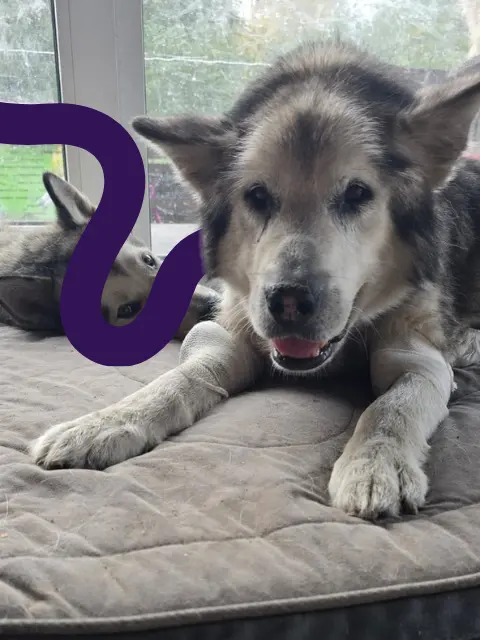
Case presentation
This case study Bruno highlights the challenges of dog elbow wound care when pressure sores develop over weight-bearing areas. Because both elbows were affected, Bruno required more than topical treatment alone. Effective wound protection and pressure offloading for dog wounds were needed to reduce ongoing compression, minimize mechanical irritation, and support stable conditions between dressing changes.
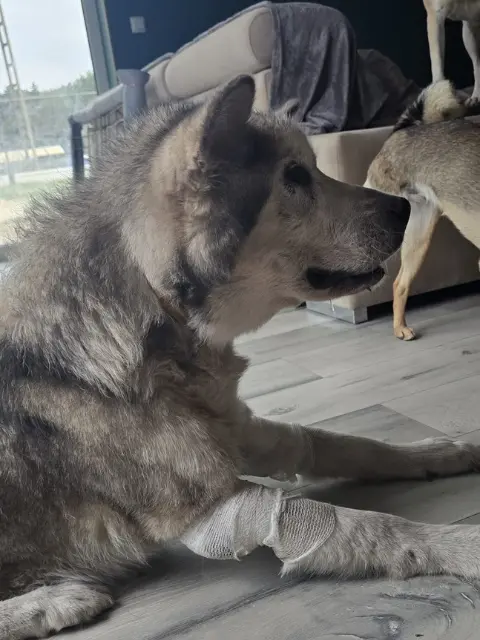
- Name: Bruno
- Age: 9 years
- Breed: Alaskan Malamute
- Diagnosis: Bilateral elbow pressure sores and calluses, with one elbow additionally complicated by a deep fistula with purulent discharge
- Clinic: Centrum Weterynaryjne MysLovet
Medical Examination
Prior to introducing WIMBA Wound Care, the wounds were managed under veterinary supervision with routine wound care, including dressing changes and topical therapies. Despite these measures, healing remained challenging because the wounds were located directly over weight-bearing areas that were repeatedly exposed to pressure during rest.
A common challenge in managing elbow pressure sores in dogs is reducing mechanical stress at the wound site while maintaining protection of the underlying dressing. In Bruno’s case, the treatment objective was to minimize pressure and friction over both elbows while creating a protected space around the affected tissue.
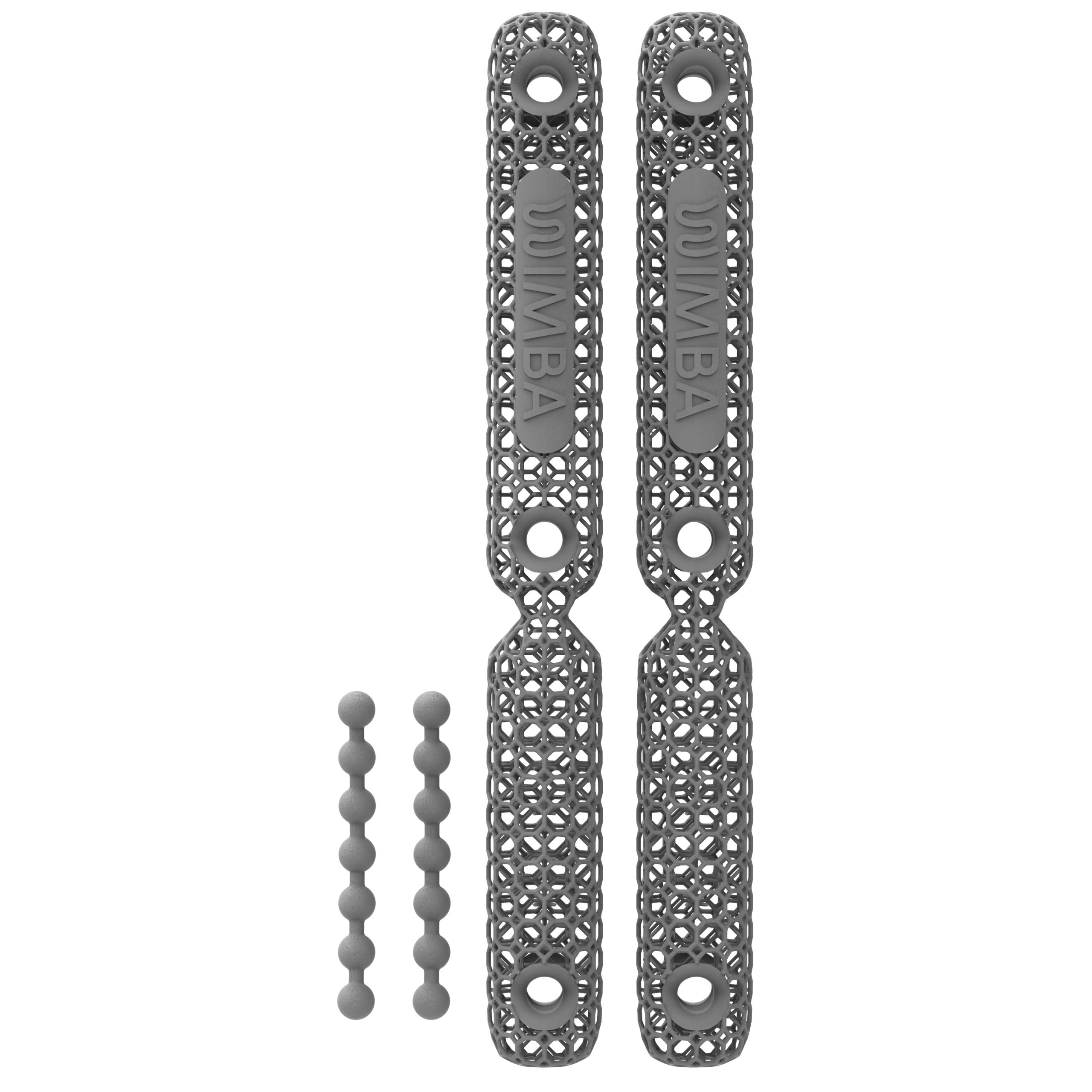
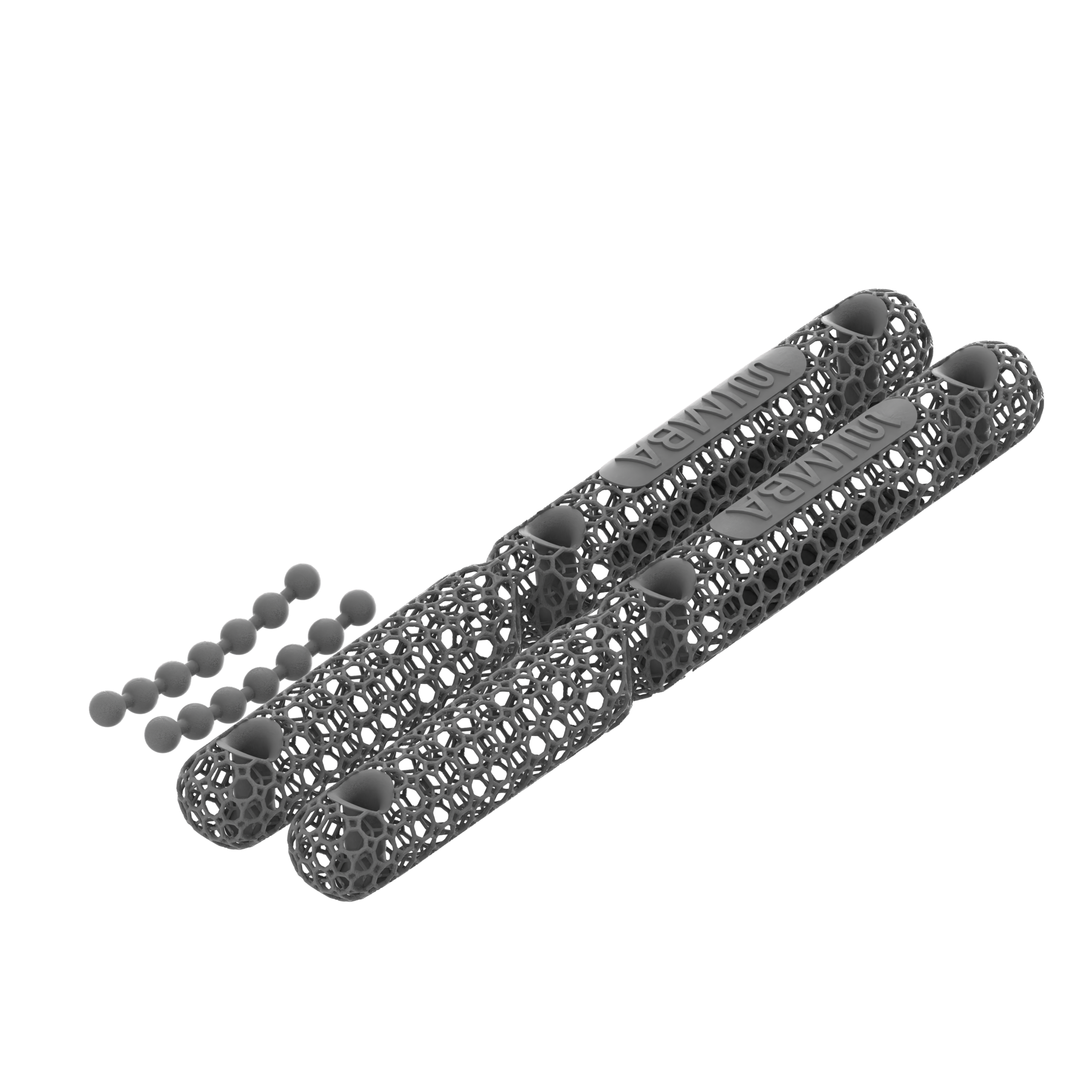
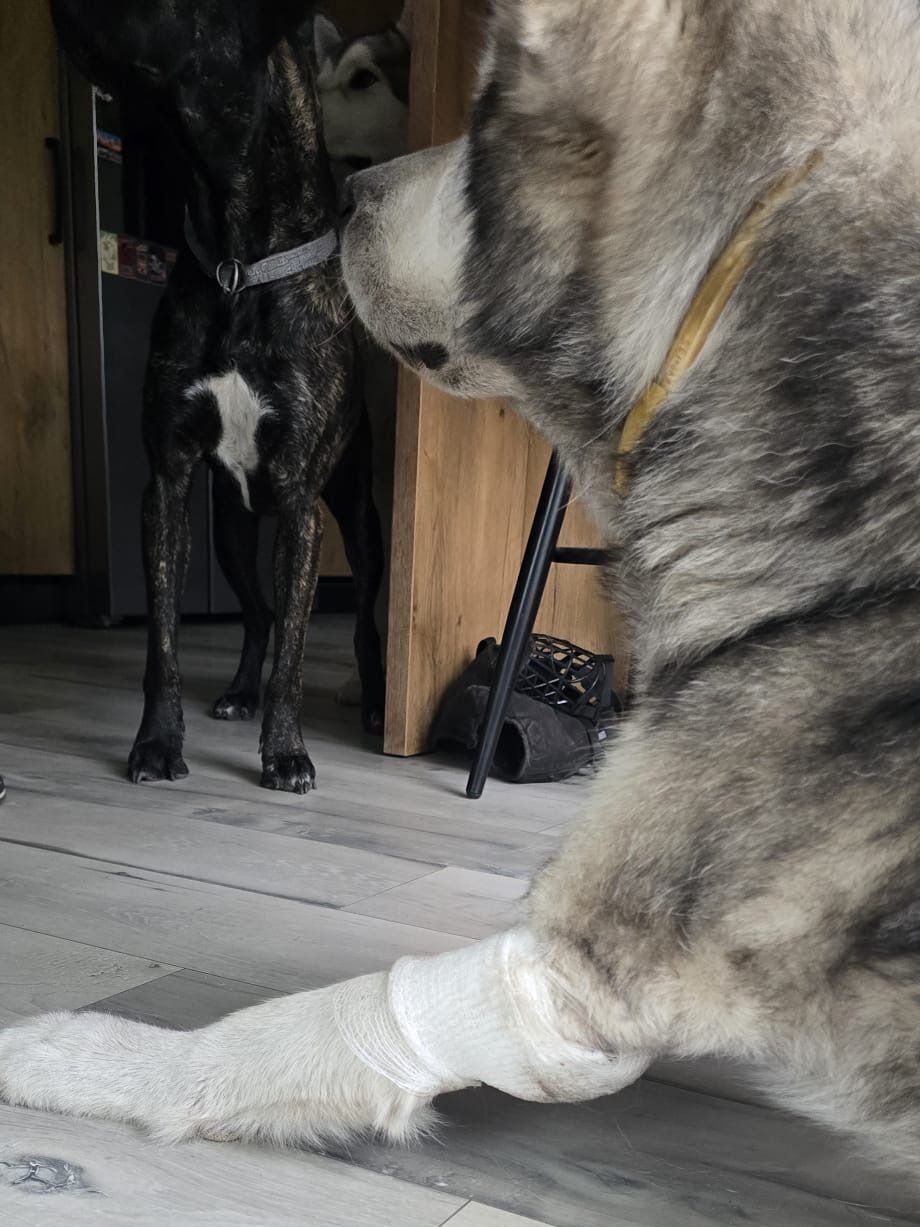
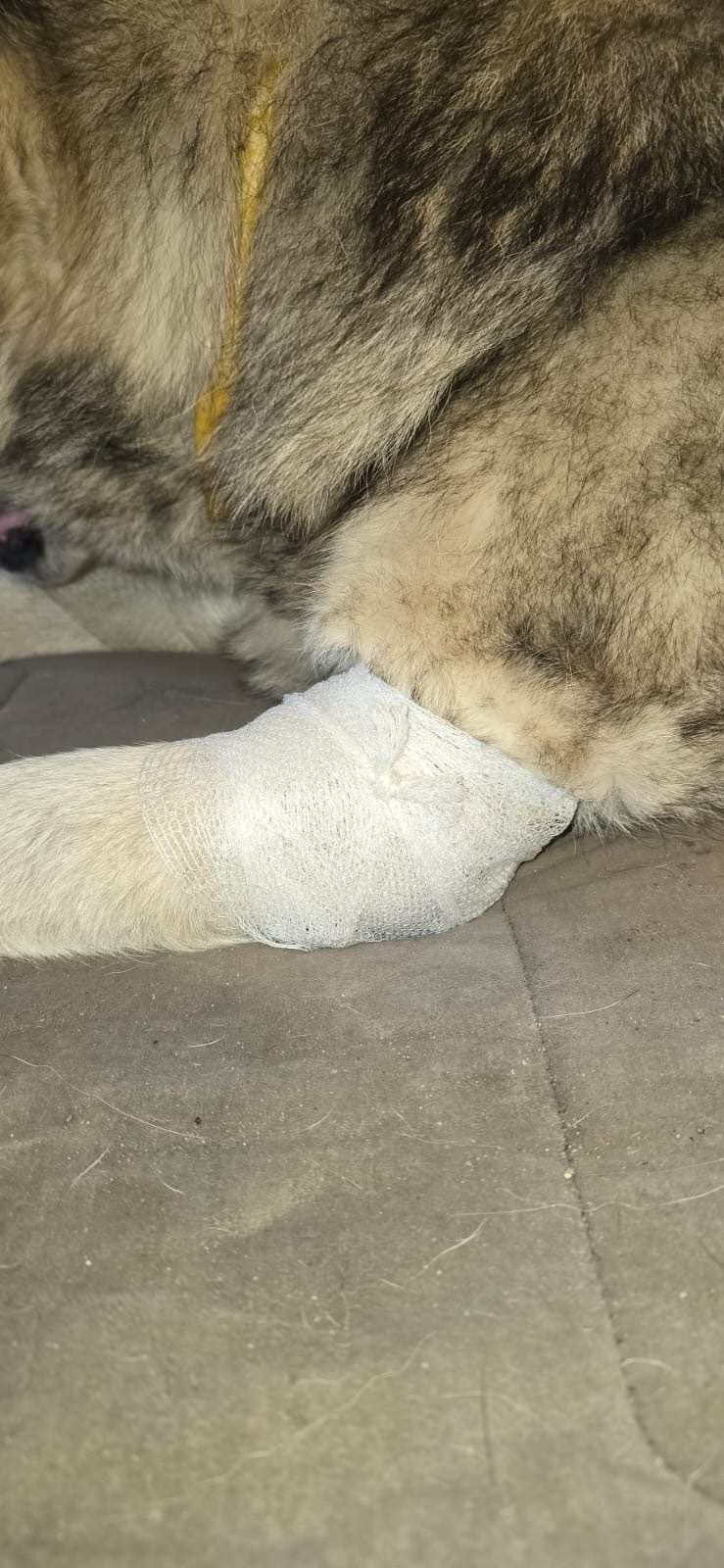
Before implementation, Bruno remained under veterinary supervision and no contraindications to use were identified. The wounds were covered with appropriate primary dressings, and WIMBA Wound Care was applied externally as a pressure-relief and protective spacer device.
WIMBA Wound Care Therapy and Results
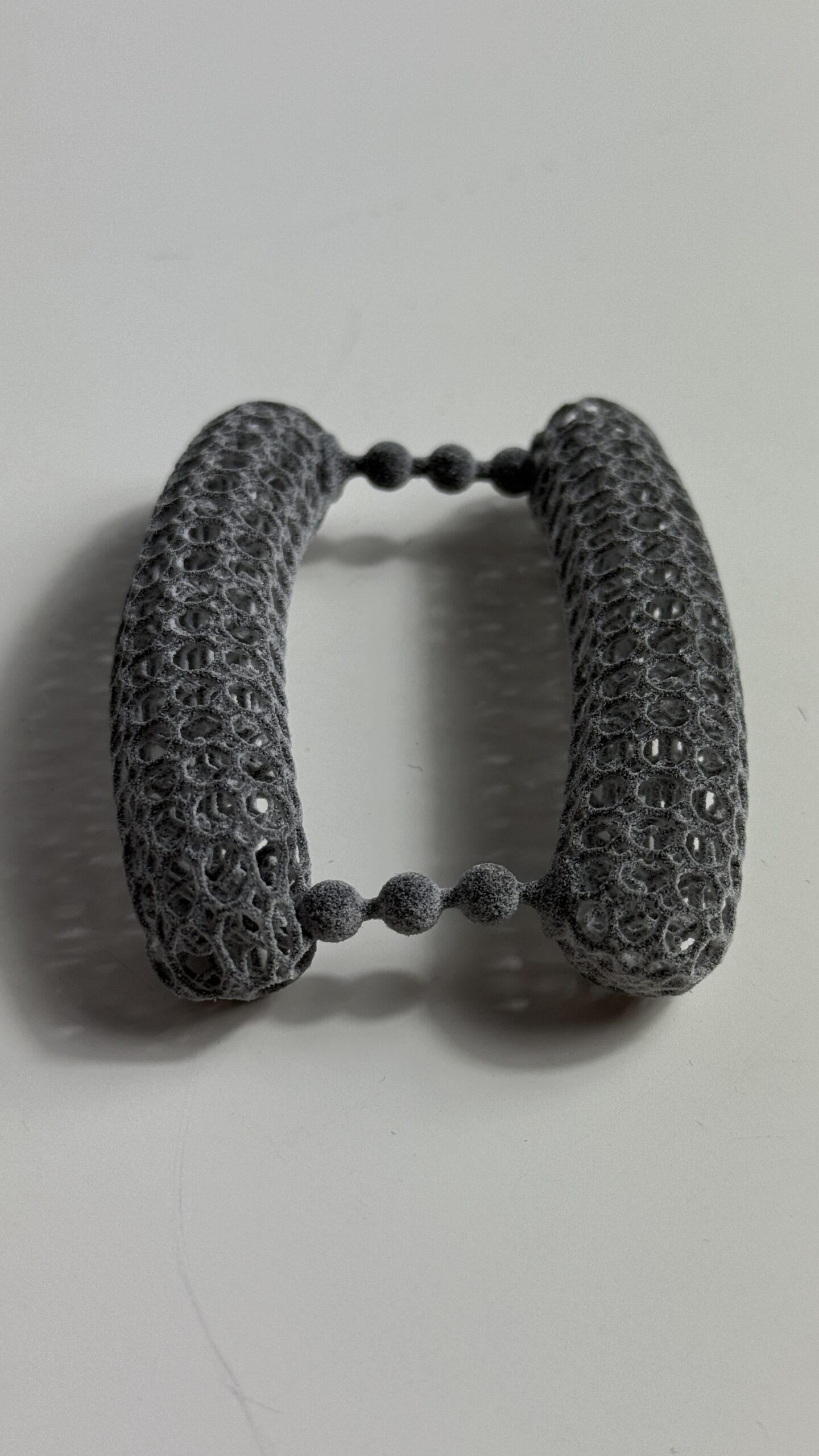
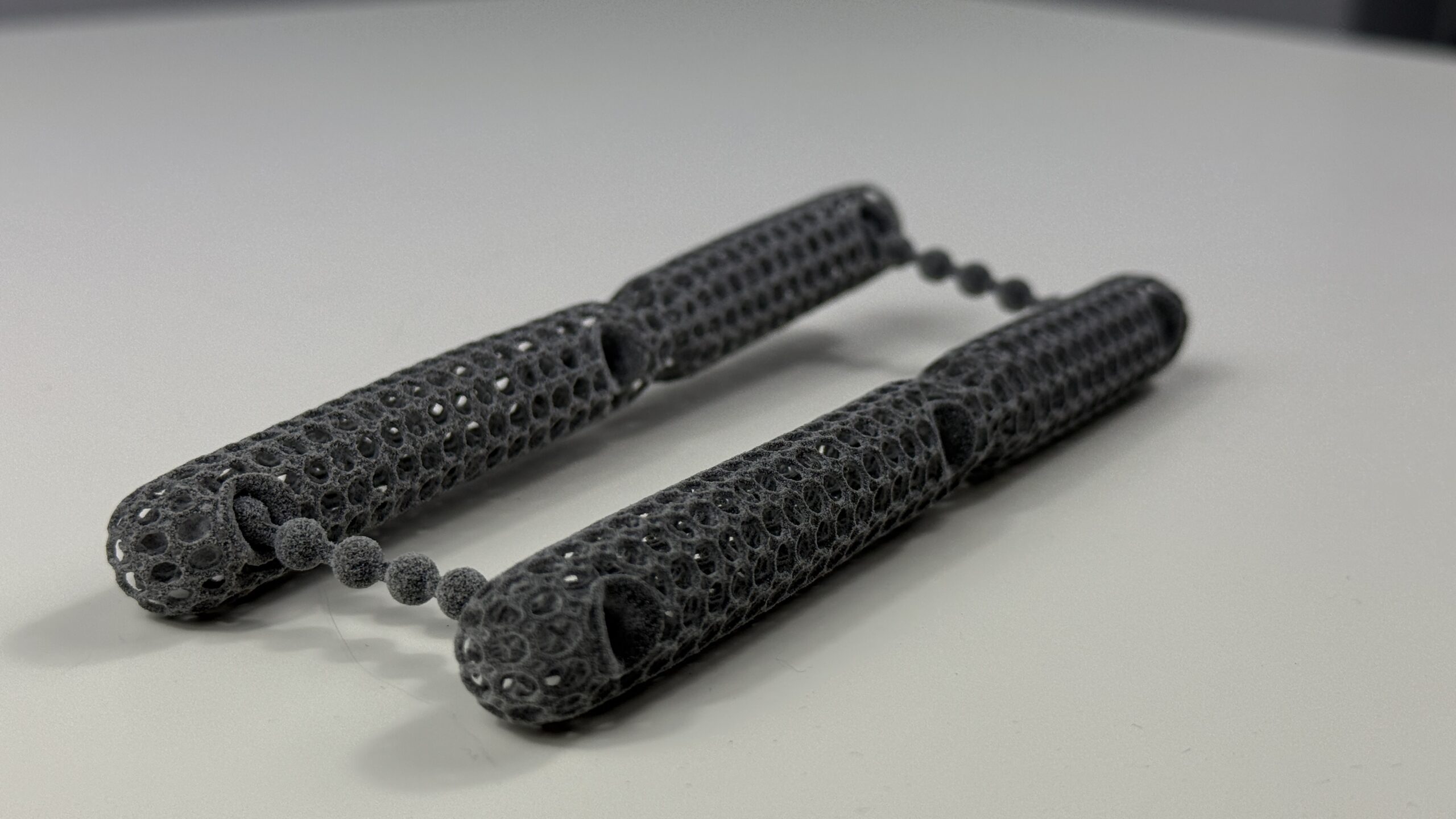
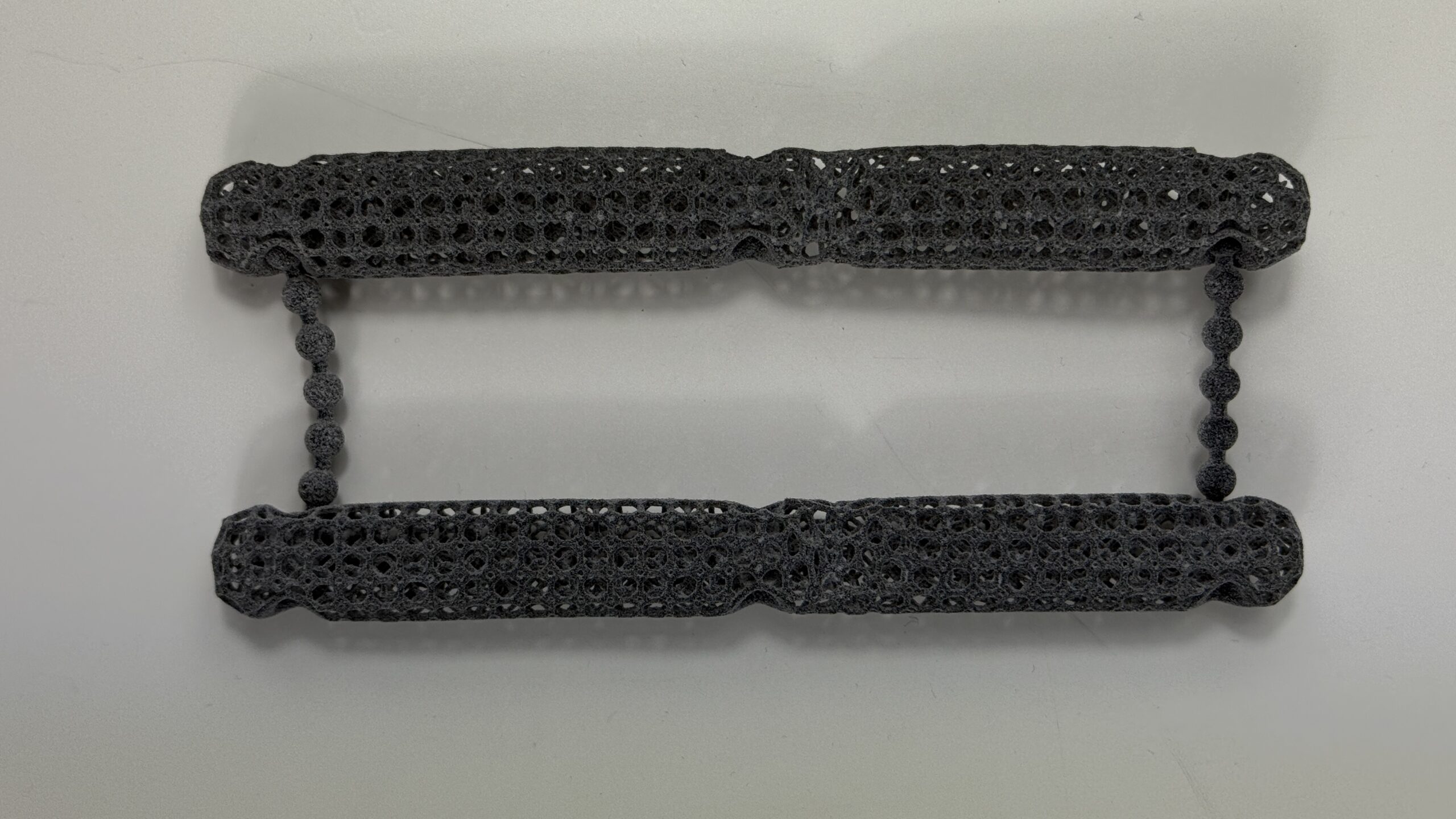
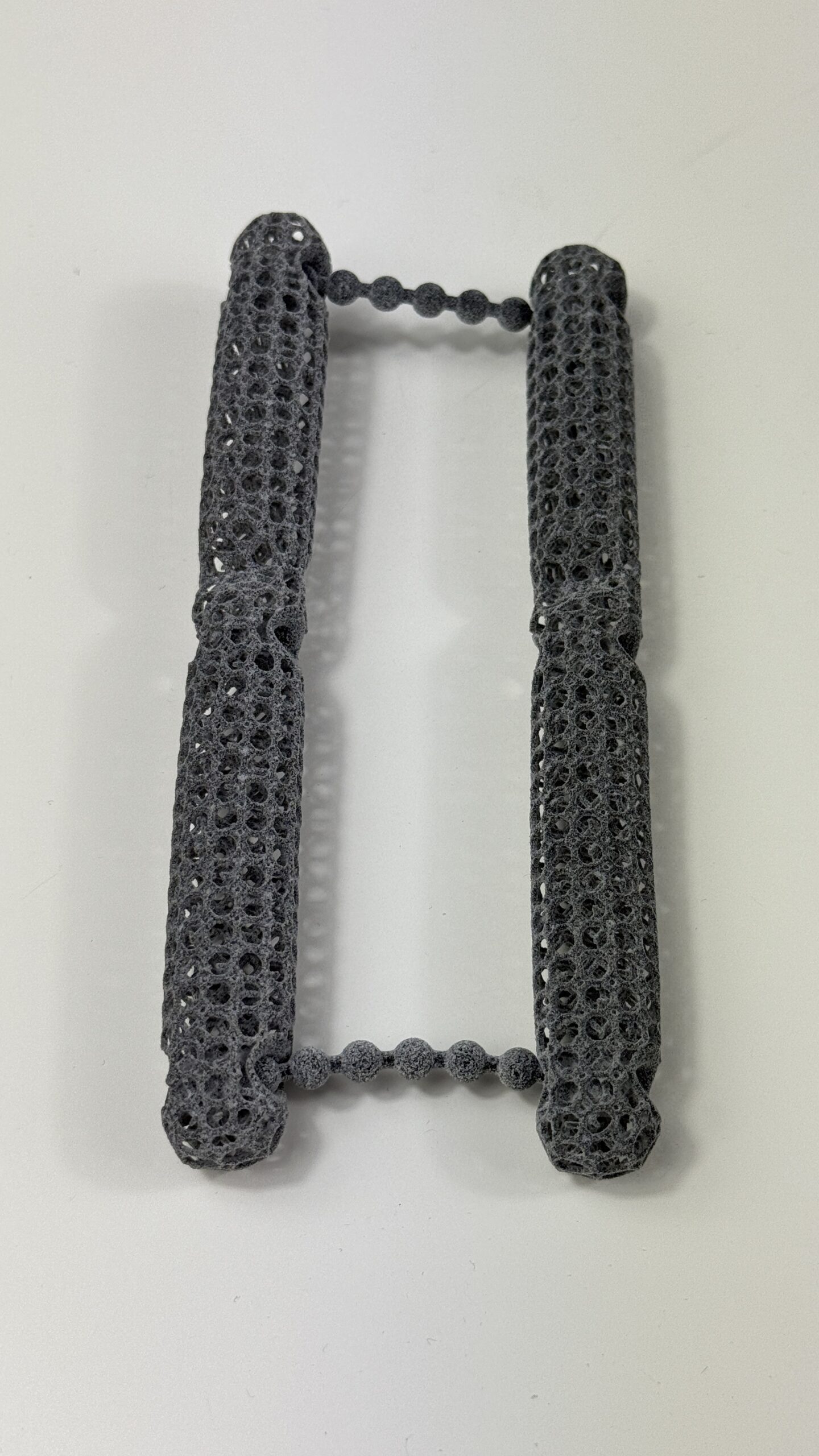
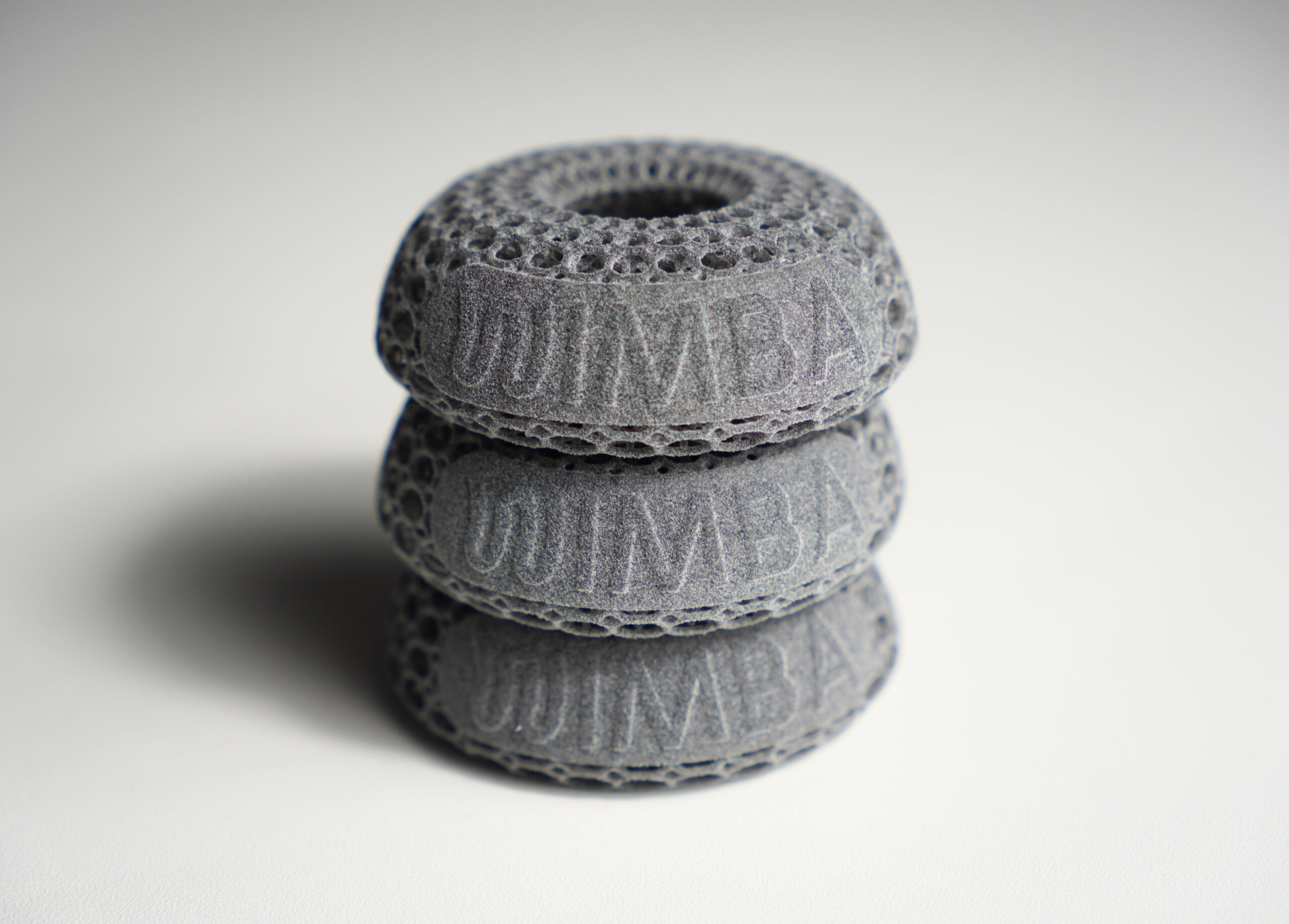
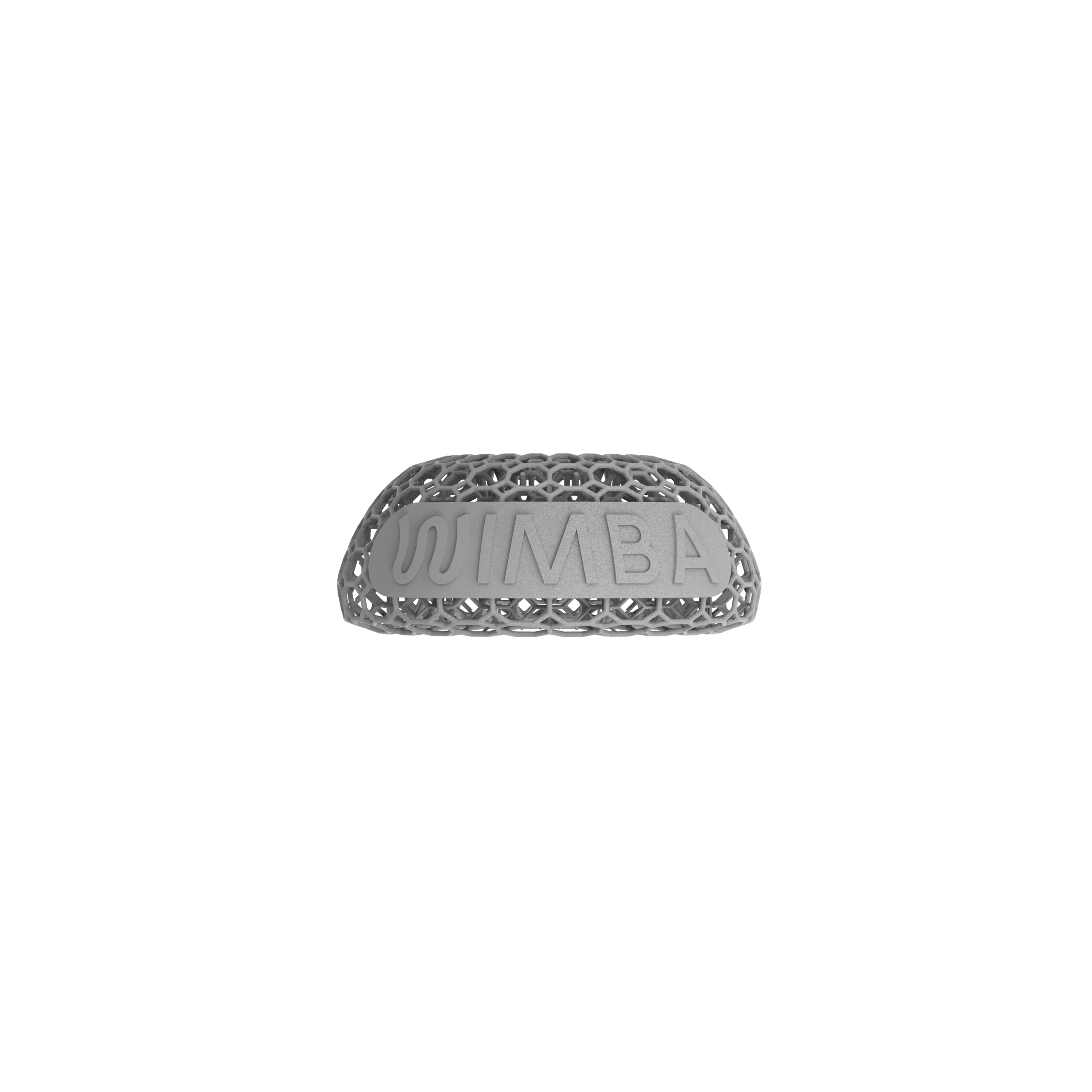
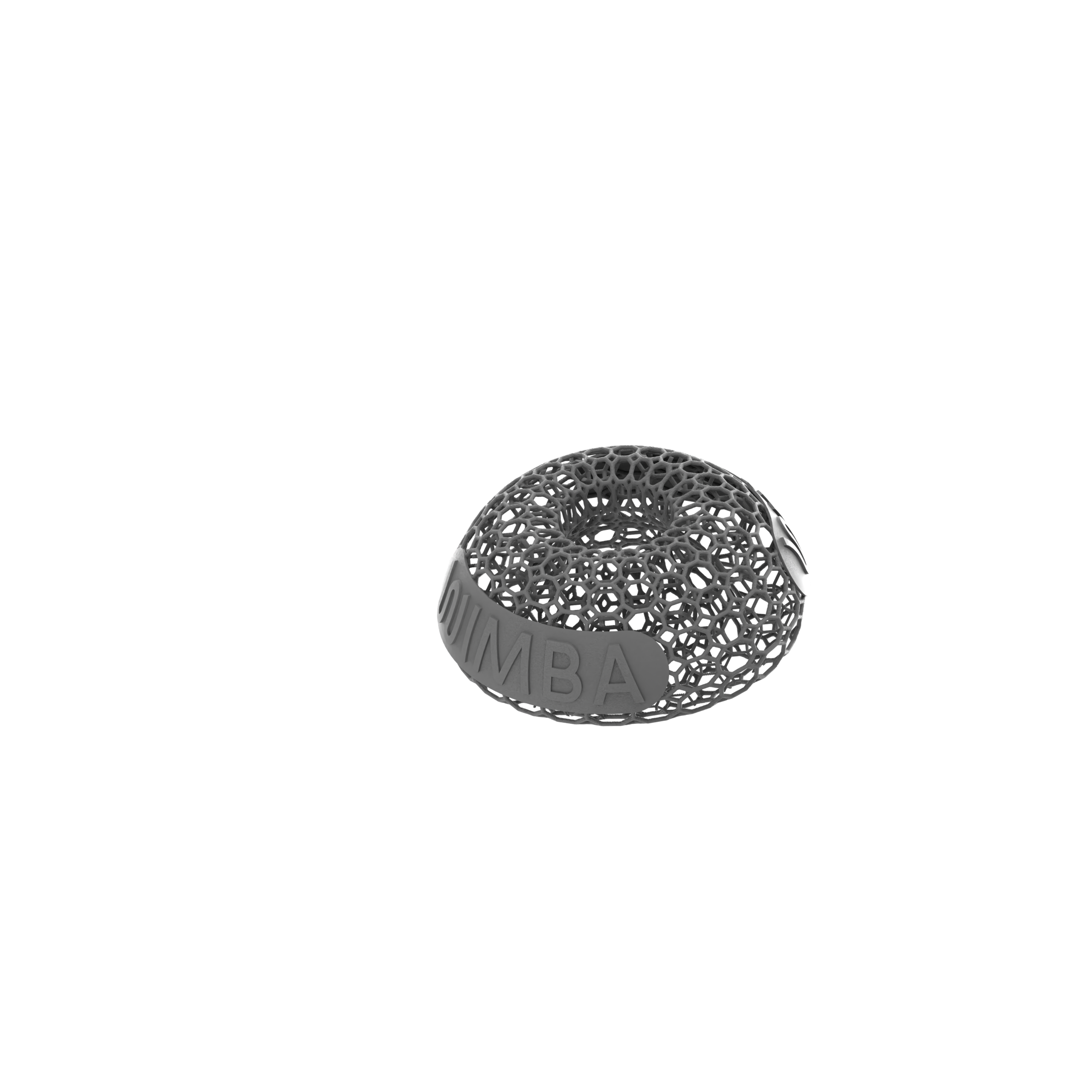
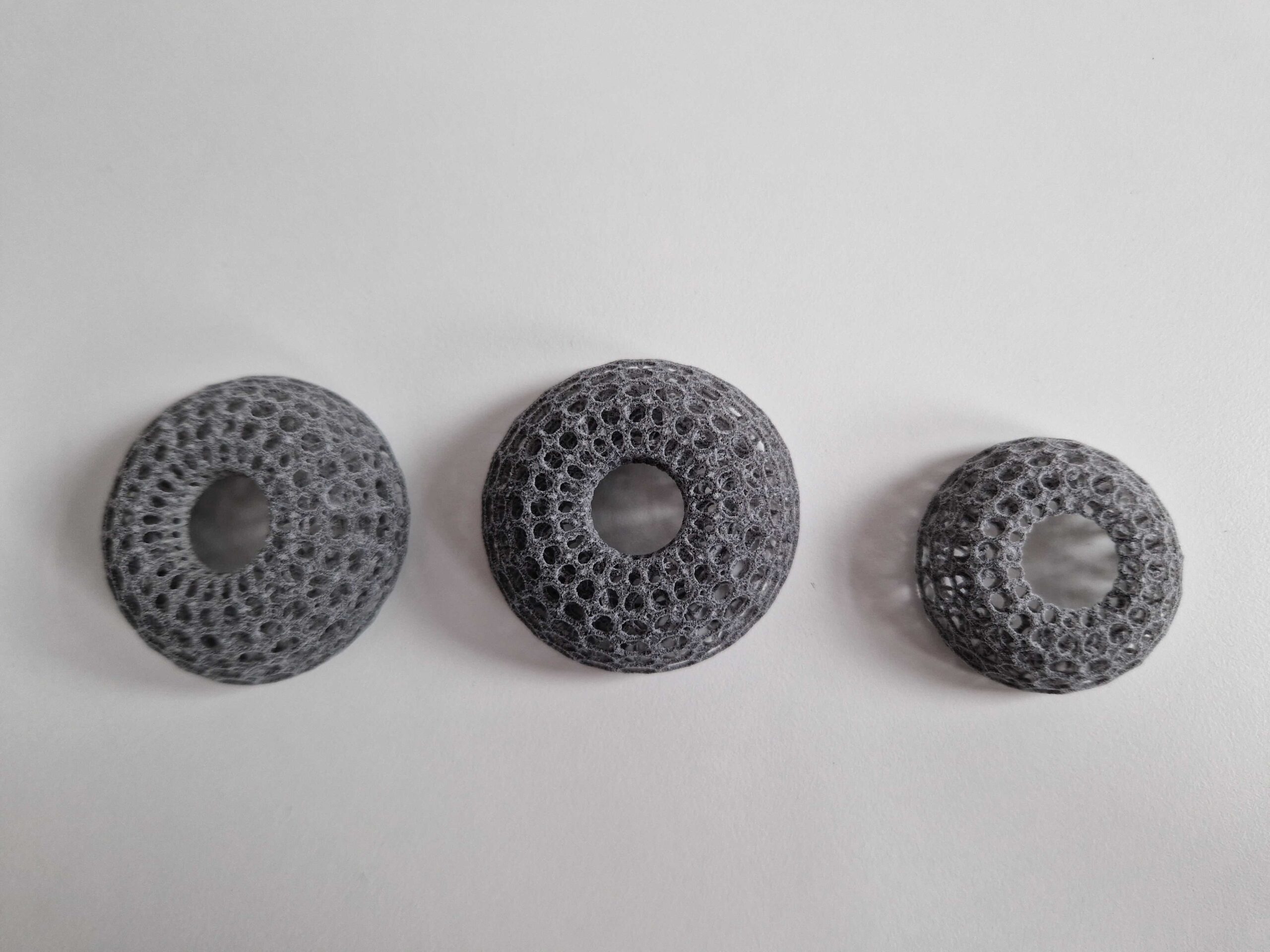
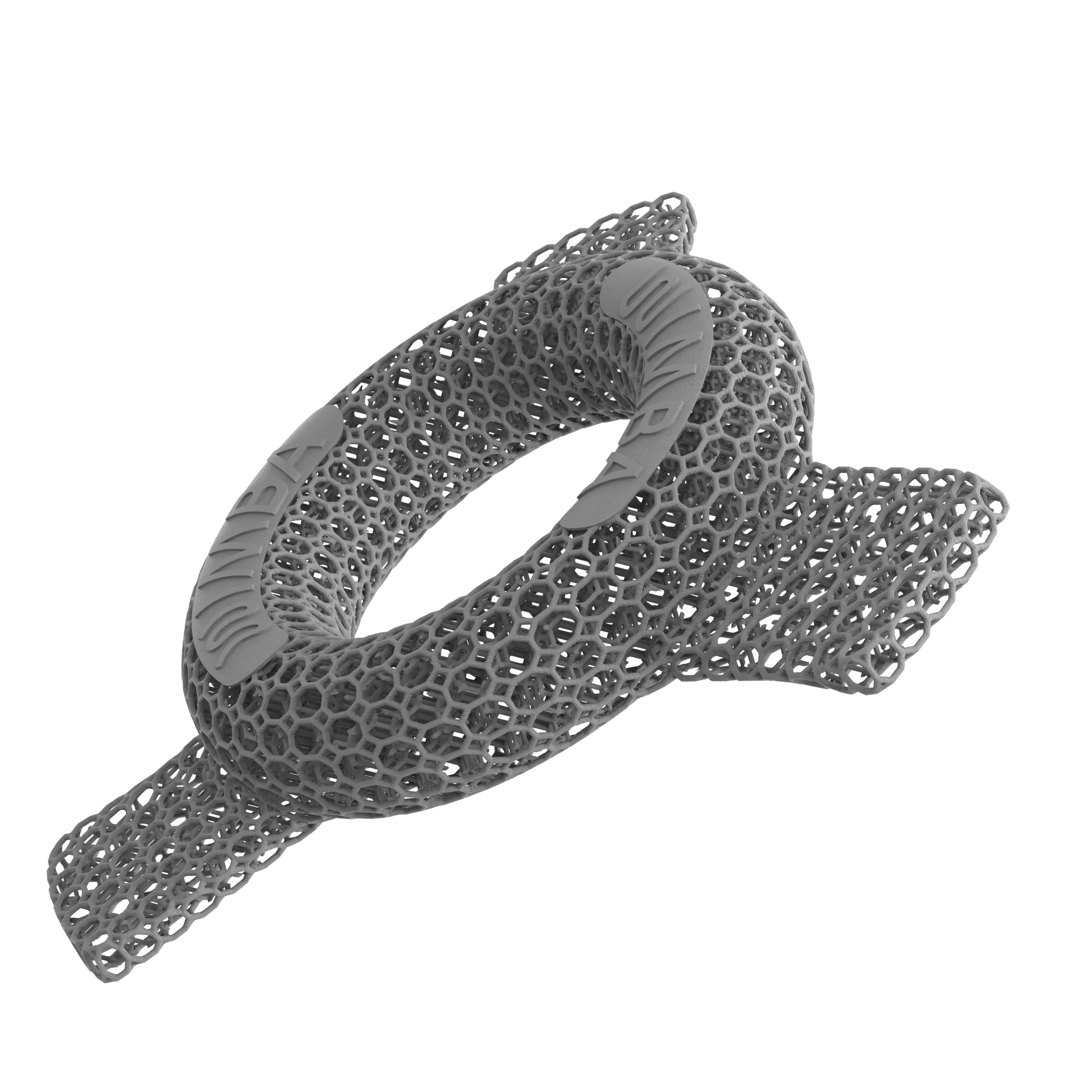
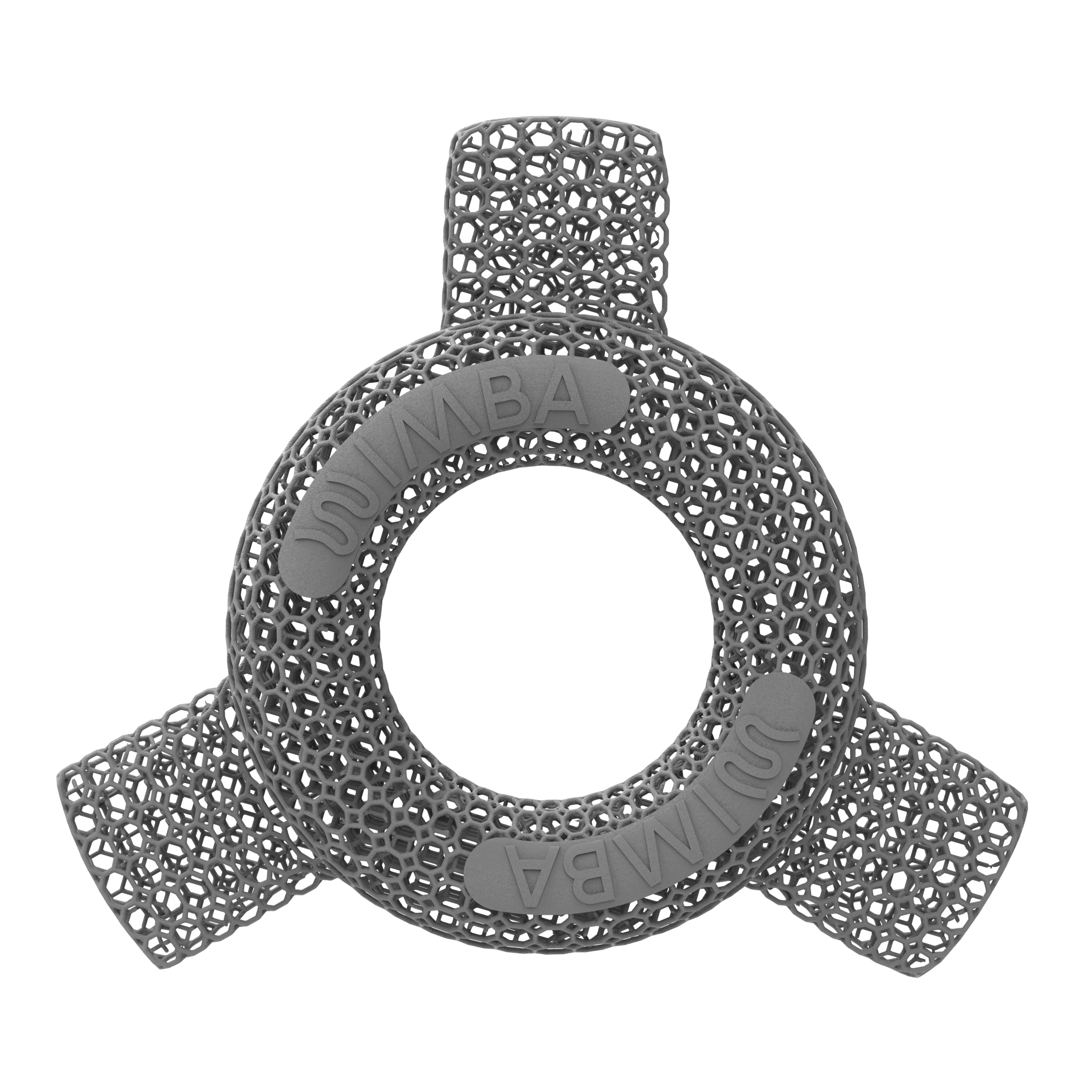
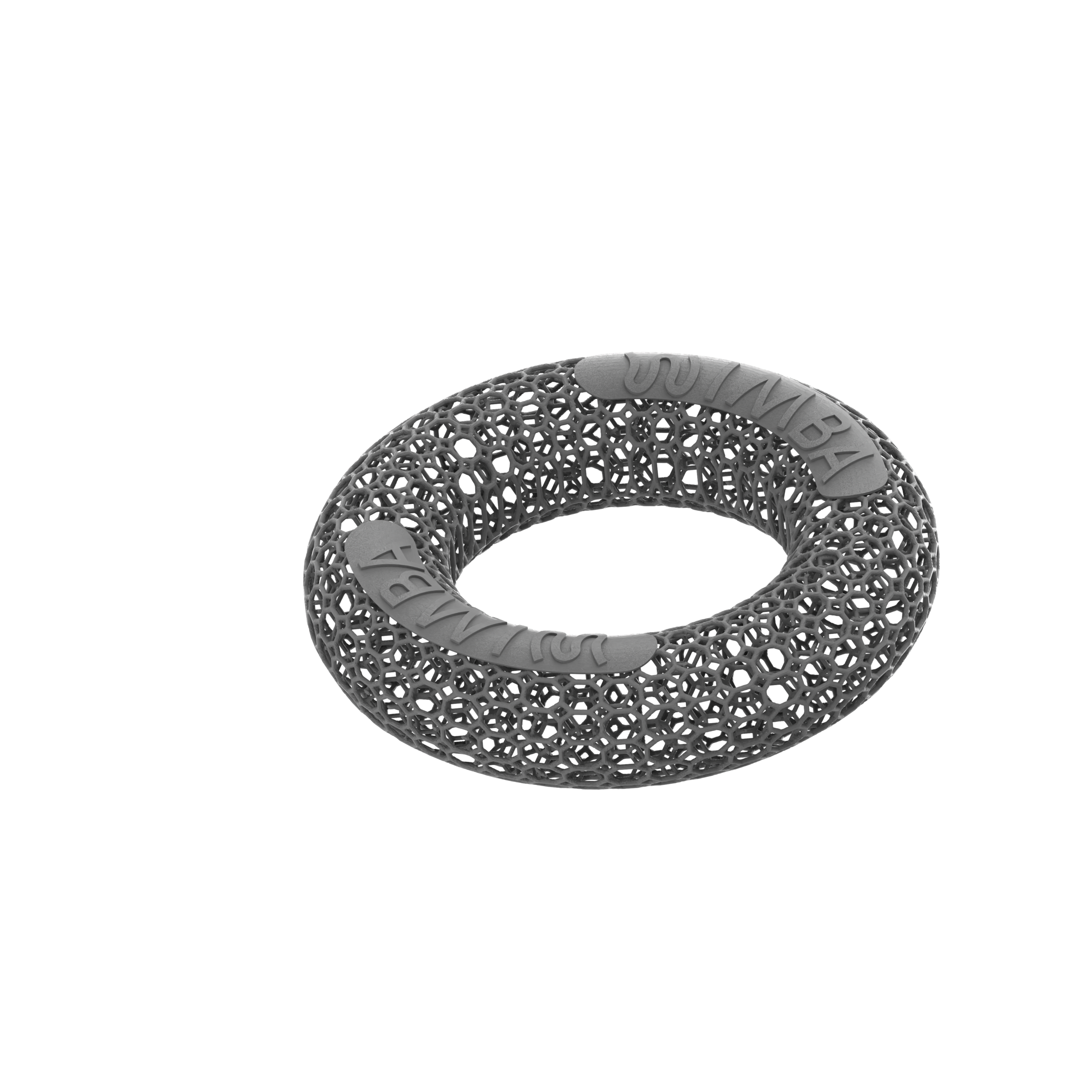
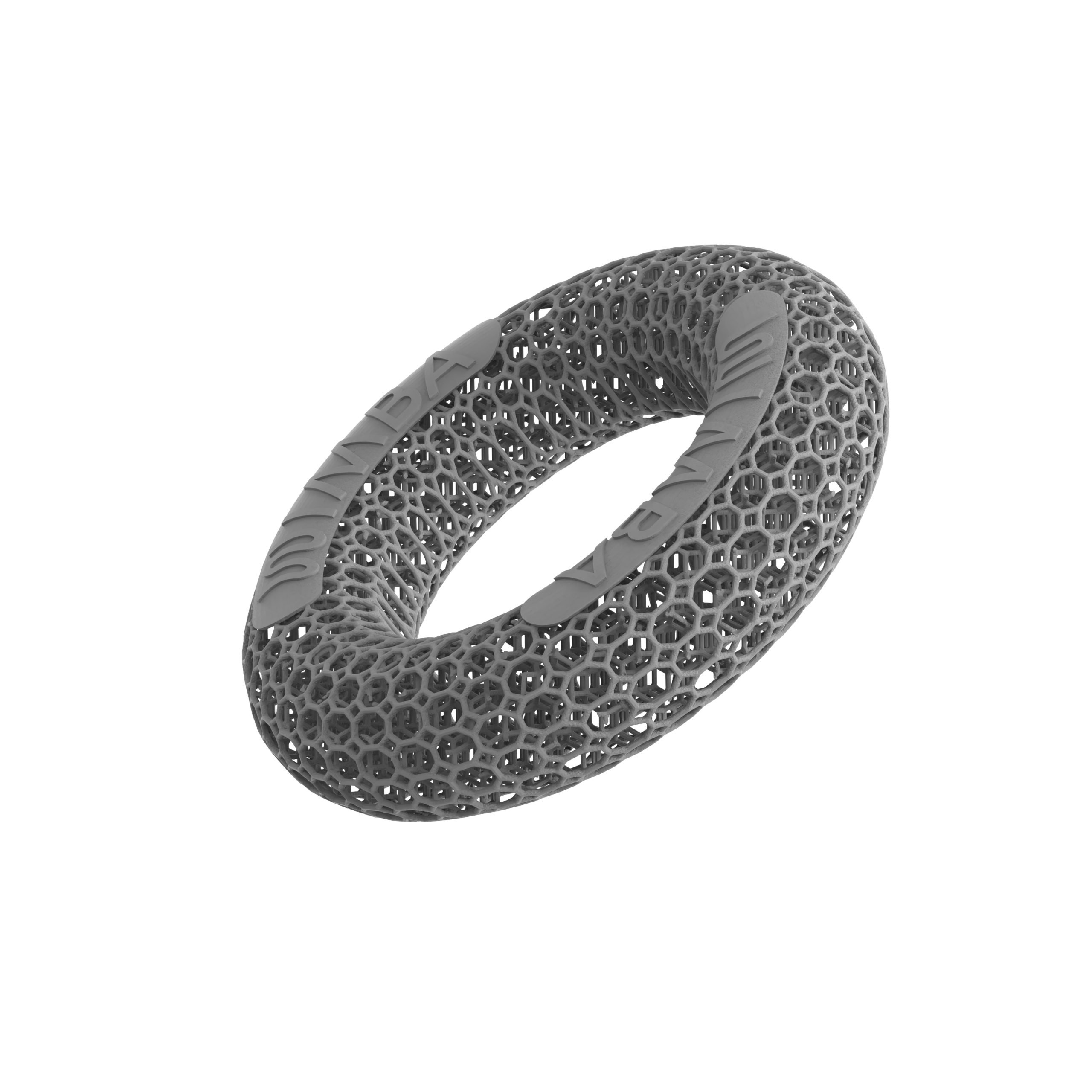
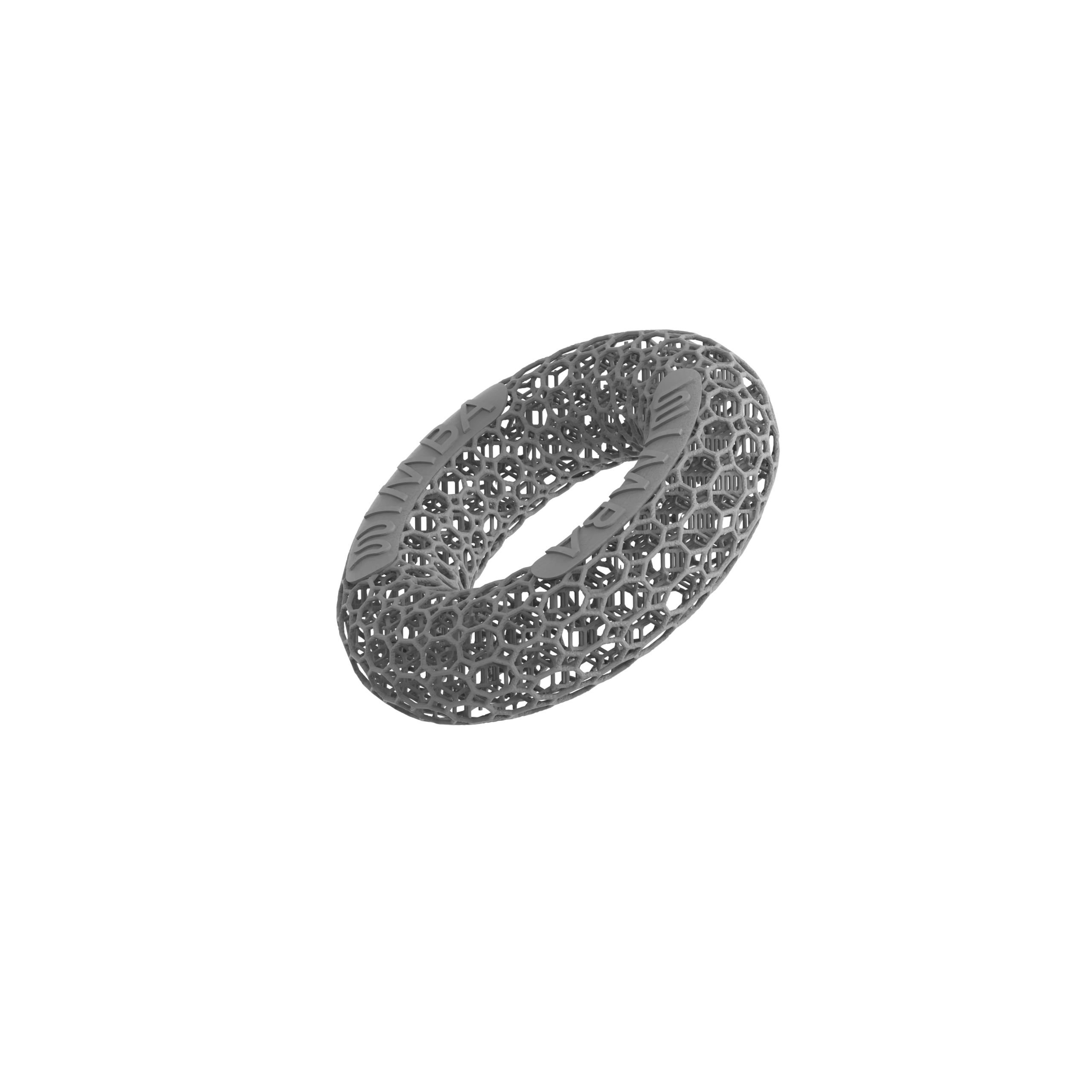
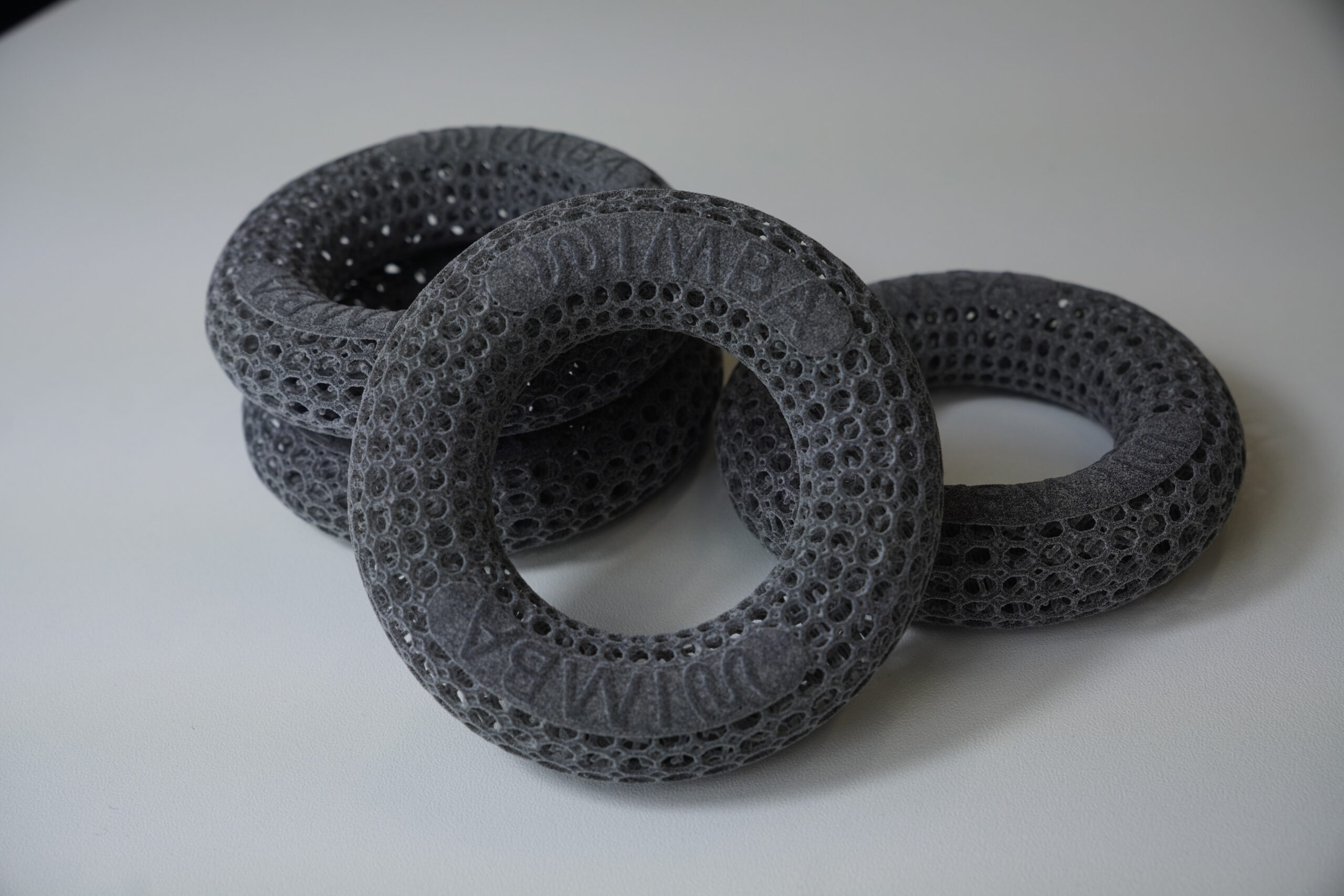
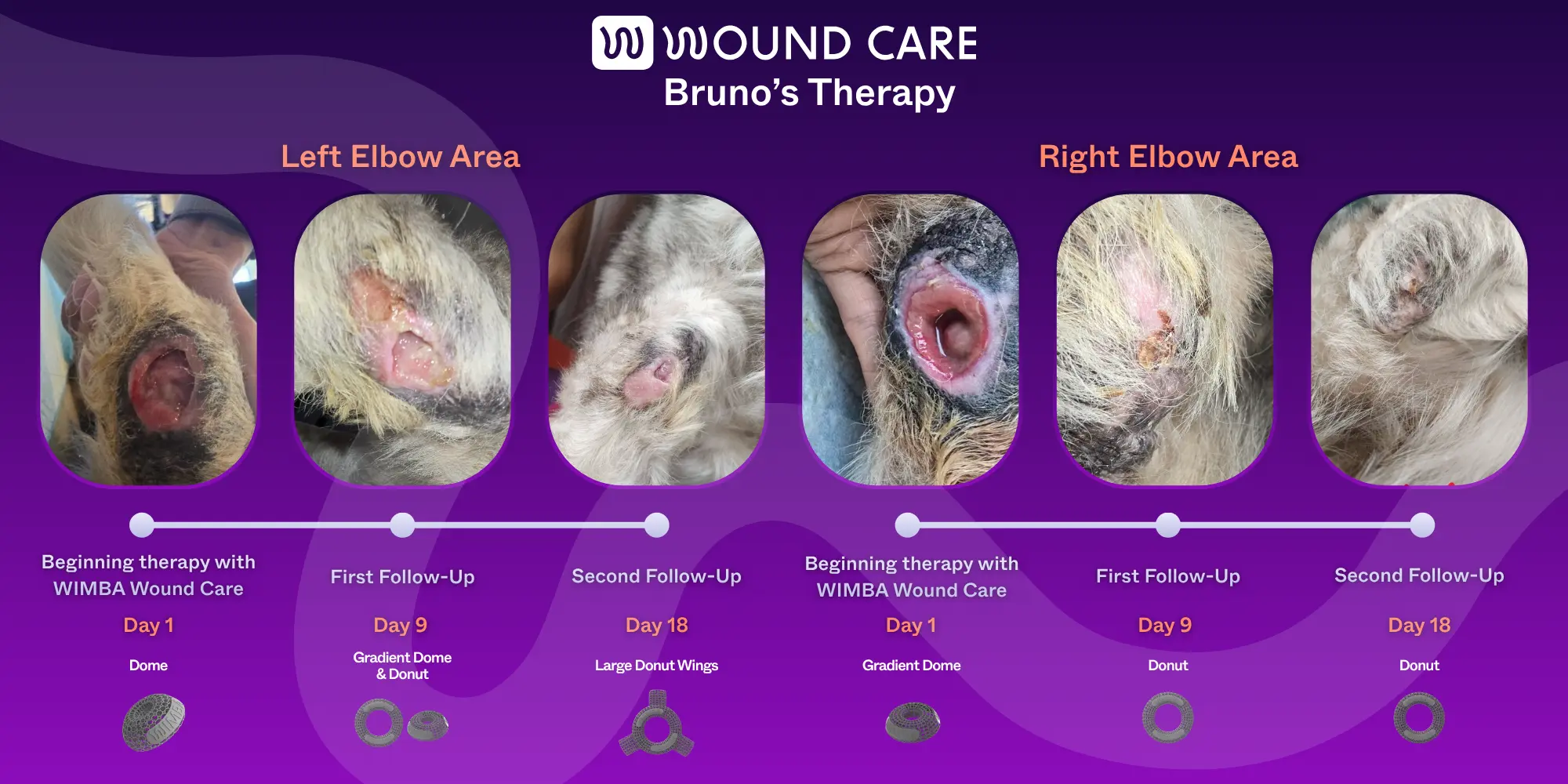
Initial use included Dome and Gradient Dome configurations. As treatment progressed, Donut-based configurations were introduced to improve retention and maintain more consistent positioning over the affected areas. Compared to the earlier configurations, the Donut design appeared to provide improved stability during changes in position and weight shifting.
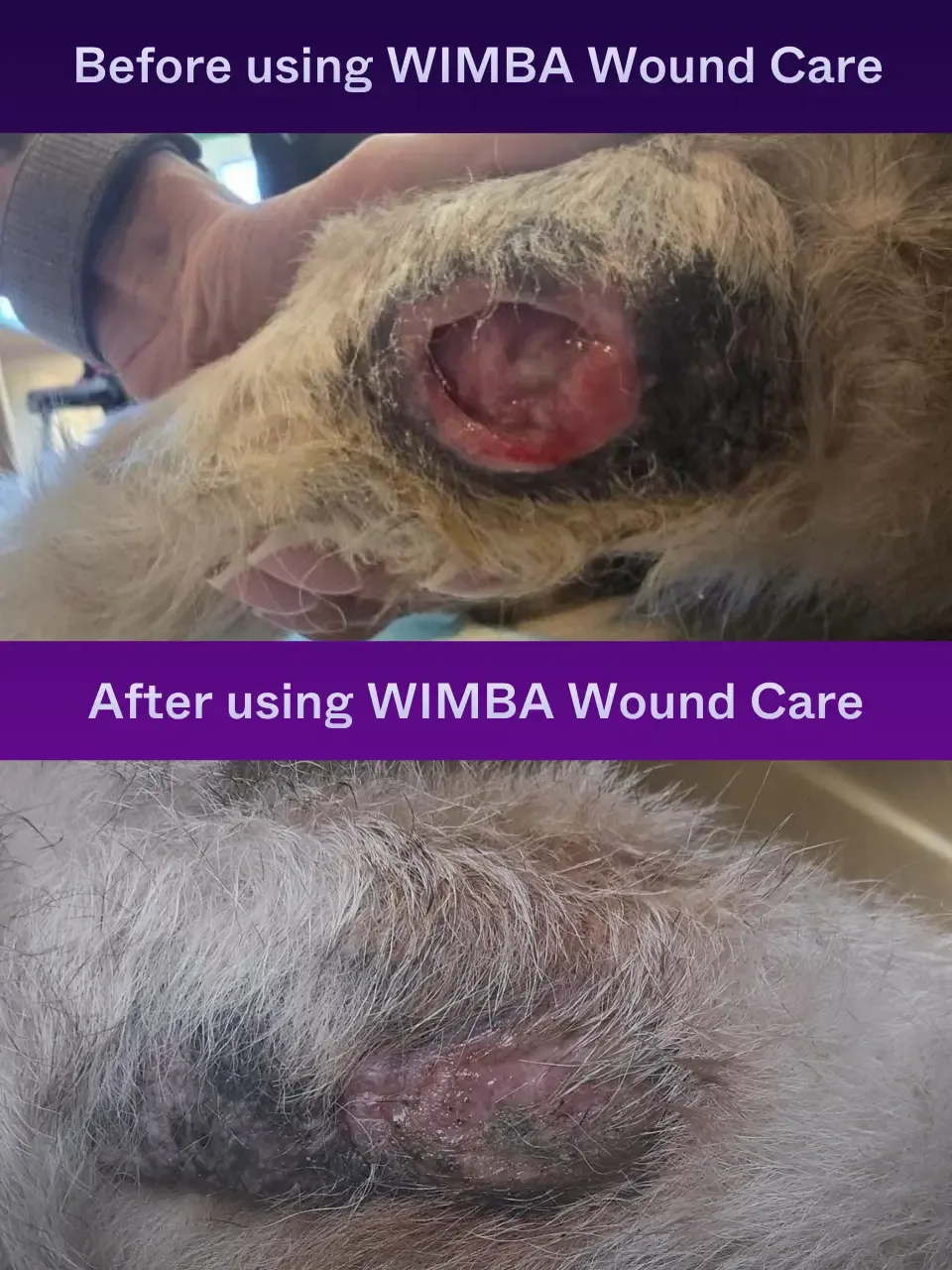
At the first recheck on 20 August 2025, the wound on one elbow had decreased in size and a scab was present on the other elbow. By 29 August 2025, further improvement was documented, with continued reduction of the wound area and progression of scab formation.
At the final evaluation on 11 September 2025, both elbow wounds were reported as healed. Throughout the treatment period, wound management remained focused on protecting the affected tissue, maintaining dressing coverage, and reducing repeated pressure on the elbows during rest.
This case study Bruno should be understood as an observational case example. WIMBA Wound Care was used as part of a broader wound management plan, and progressive improvement was observed during the period of use. The case does not prove direct causation, but it illustrates how protective spacers may support dog elbow wound care by helping with wound protection and pressure offloading for dog wounds.
Application challenges and product adjustments
Caregiver feedback was used to evaluate different configurations throughout the treatment period. Lower-profile Donut-based designs appeared to provide improved retention and stability compared to earlier configurations. The caregiver reported that the most practical spacer combined sufficient cushioning with enough structural support to maintain separation from the wound area during use.
Later Donut-based designs also improved positioning around the elbow, resulting in more consistent placement during rest. This was especially relevant for bilateral elbow pressure sores in dogs, where both sides require protection and the patient’s resting position can quickly affect dressing stability.
This case highlights the importance of considering factors beyond wound location alone when selecting a protective spacer. Device retention, patient positioning, bandaging technique, and ease of application all influenced day-to-day use and overall practicality throughout treatment.
How Bruno Responded to WIMBA Wound Care
Bruno tolerated WIMBA Wound Care well during the treatment period. No adverse reactions were reported, and he did not attempt to remove or interfere with the applied wound-care spacers. He was able to rest comfortably on the affected areas, and the solution did not interfere with daily handling or routine care.
This was important in Bruno’s dog pressure sore treatment, because any protective spacer must be practical enough for consistent use in real daily conditions. In this case, tolerance, comfort, and caregiver usability were key factors in maintaining protection around both elbow areas.
Bruno’s case illustrates how complex dog elbow wound care can become when pressure sores are located over weight-bearing areas. Even when wounds are covered with appropriate primary dressings, repeated compression, friction, and patient positioning may continue to interfere with stable wound management.
In this case, WIMBA Wound Care was used as part of the treatment plan to support wound protection and pressure offloading for dog wounds. During the period of use, progressive improvement was documented, and both elbow wounds were reported as healed at the final evaluation.
The purpose of this case is not to claim that WIMBA Wound Care directly caused wound closure. Instead, it presents an observed clinical progression in which protective spacer use was incorporated into broader dog pressure sore treatment under veterinary supervision.
WIMBA Case Studies & Reports
See How WIMBA Wound Care Was Used to Support Bilateral Elbow Pressure Sores
Think your dog might have a similar condition? Let’s see how we can help.
If your dog is experiencing elbow pressure sores, chronic elbow wounds, opening calluses, or wounds caused by pressure and mechanical irritation, we’re here to support you.
Fill out a short form to tell us more about your pet’s case, including your contact details and your vet’s information. Our team will review it and let you know whether WIMBA Wound Care may be suitable as part of your dog’s wound protection and pressure offloading plan.