 Skip to content


Dog Carpus Brace After Forelimb Amputation (Case Study Bennie)

A 10-year-old Labradoodle after left forelimb amputation due to osteosarcoma, supported with WIMBA Carpus Orthosis GO to protect the remaining carpus and improve mobility.

Case Presentation
Meet Bennie, a brave 10-year-old Labradoodle adjusting to life after left forelimb amputation due to osteosarcoma. After losing a front limb, Bennie needed to rely more heavily on his remaining limbs, especially the remaining carpus on the opposite forelimb. This increased load created muscle tightness, discomfort during movement, and a greater need for controlled support during daily activity.
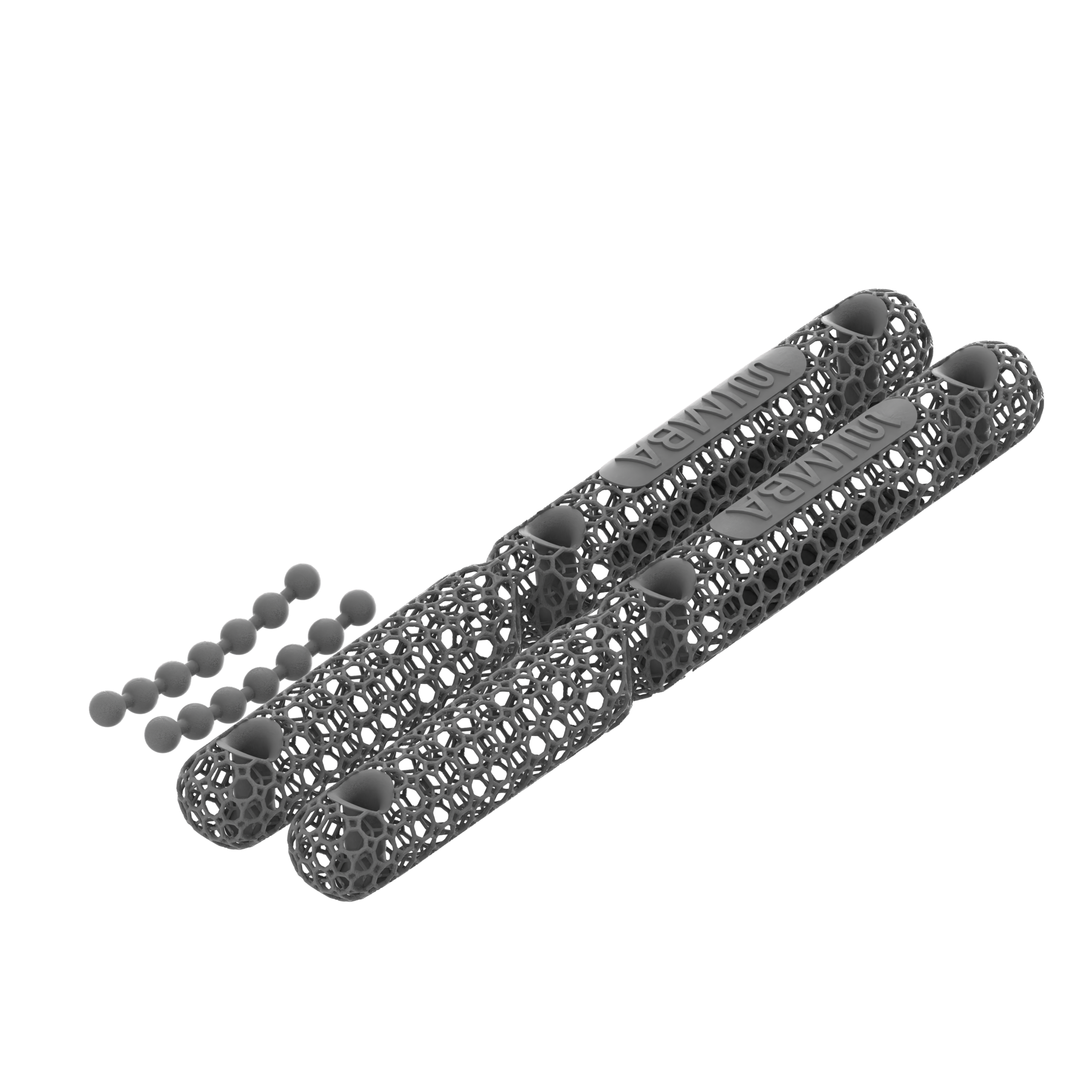
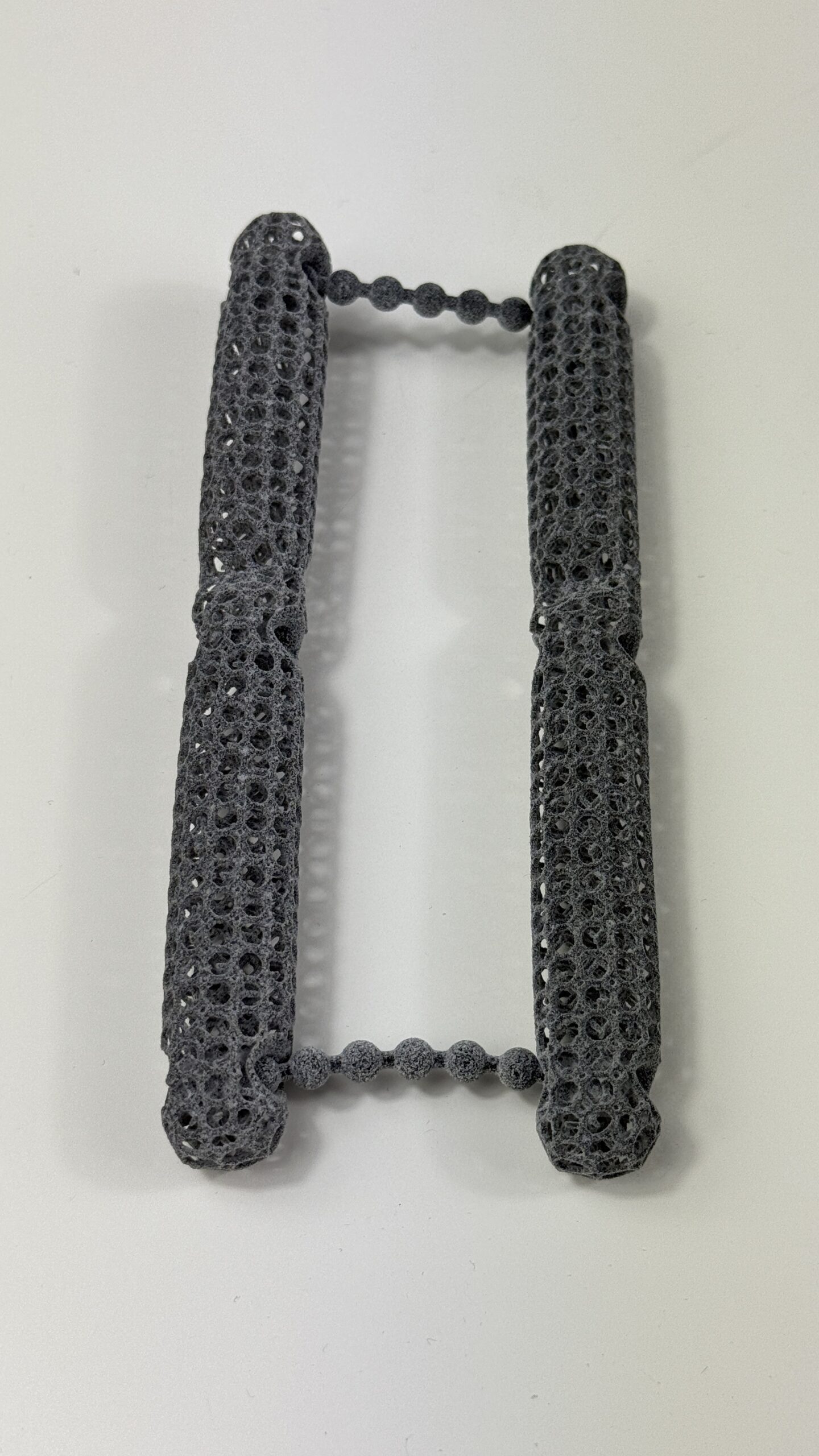
This case shows how a dog carpus brace after forelimb amputation can help support mobility, comfort, and confidence in a dog adapting to life after cancer-related limb loss. With WIMBA Carpus Orthosis GO, Bennie received targeted remaining carpus support to help reduce strain, protect the joint, and make everyday movement easier.

- Name: Bennie
- Age: 10 years
- Sex: Male
- Weight: 26 kg
- Medical condition: Osteosarcoma (left forelimb amputated), muscle tightness, and groaning during movement.
Medical Examination
Bennie is a 10-year-old Labradoodle. He was diagnosed with Osteosarcoma last fall, and as a part of his treatment, his left forelimb was amputated in September. Following the amputation, Bennie was started on an experimental vaccine therapy, which has proven to be successful in managing his condition.
Following the left forelimb amputation, Bennie’s owners noticed muscle tightness and groaning when he was getting up and lying down. These signs suggested that his remaining limbs were working harder to compensate for the missing forelimb. In dogs after amputation, this type of compensation can place additional stress on the remaining carpus and increase the risk of strain or hyperextension injury.
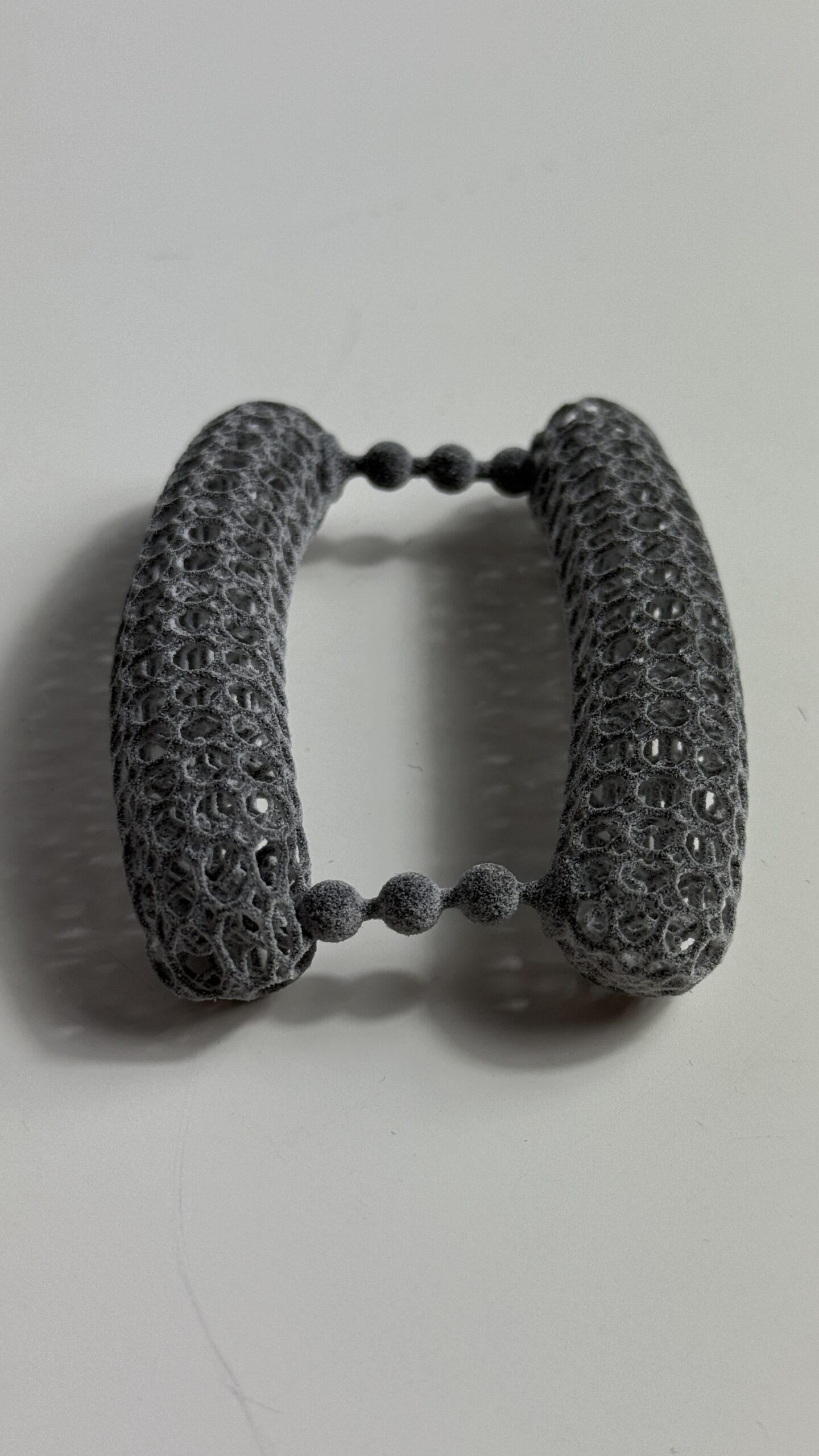
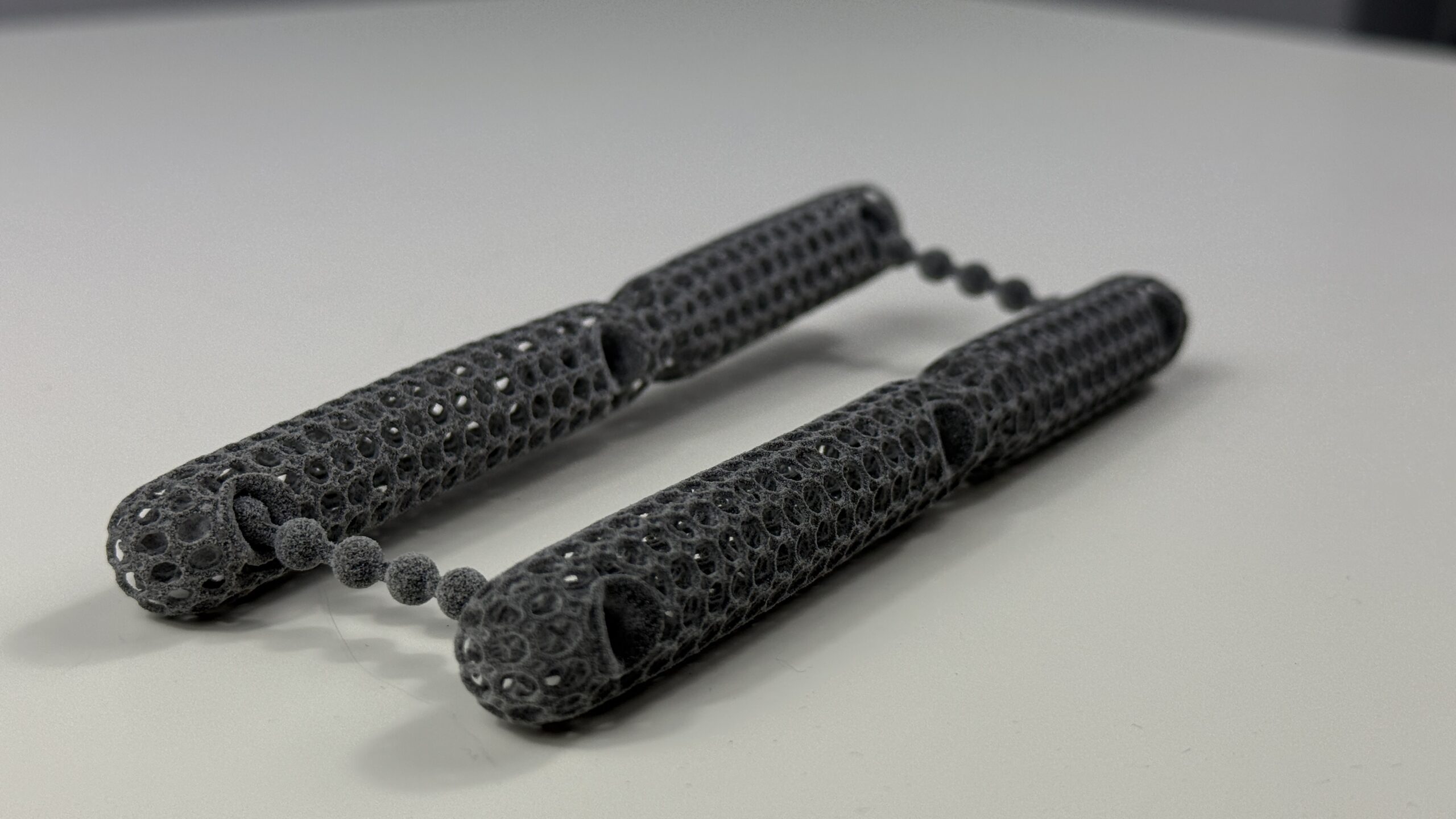
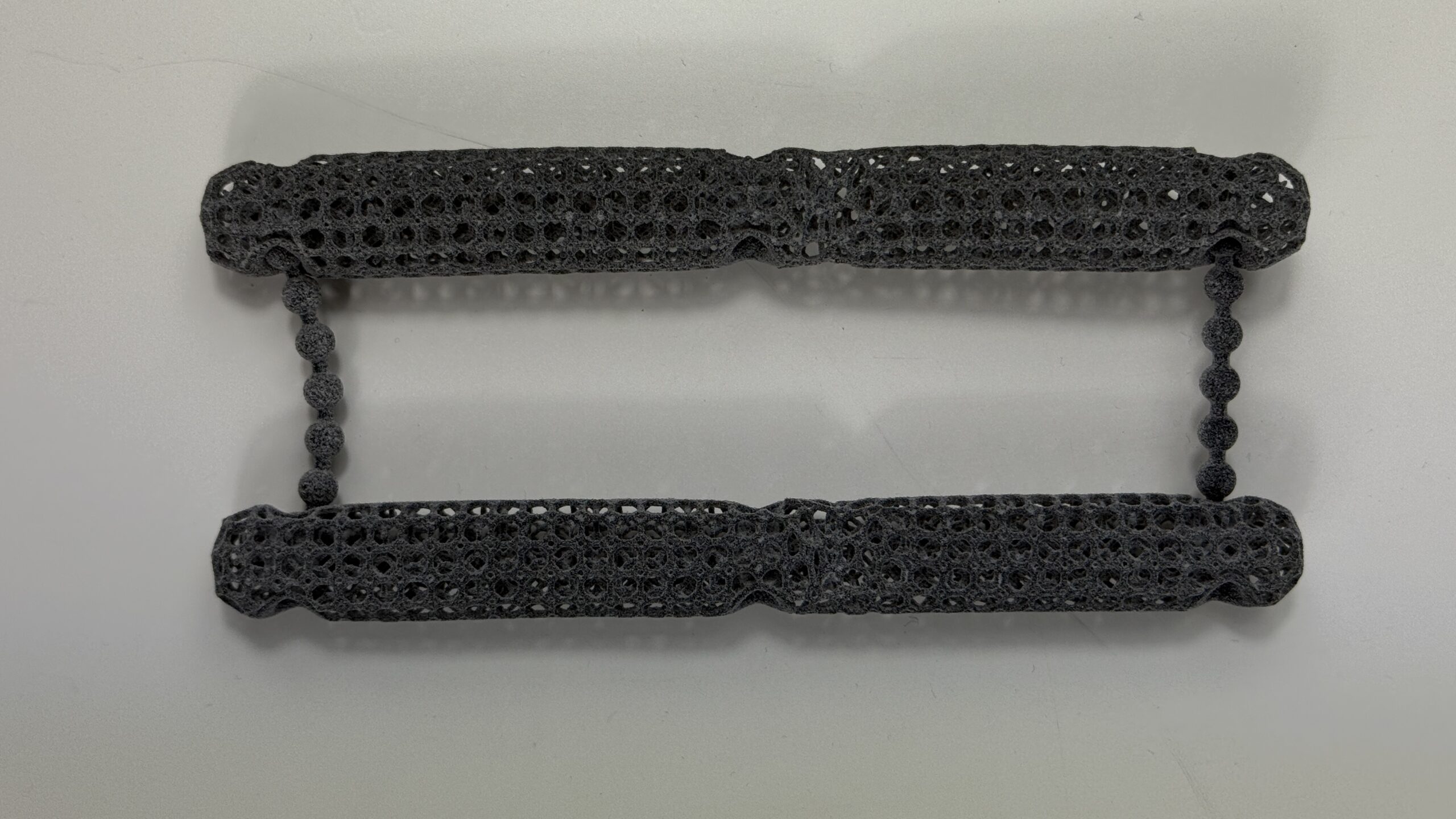
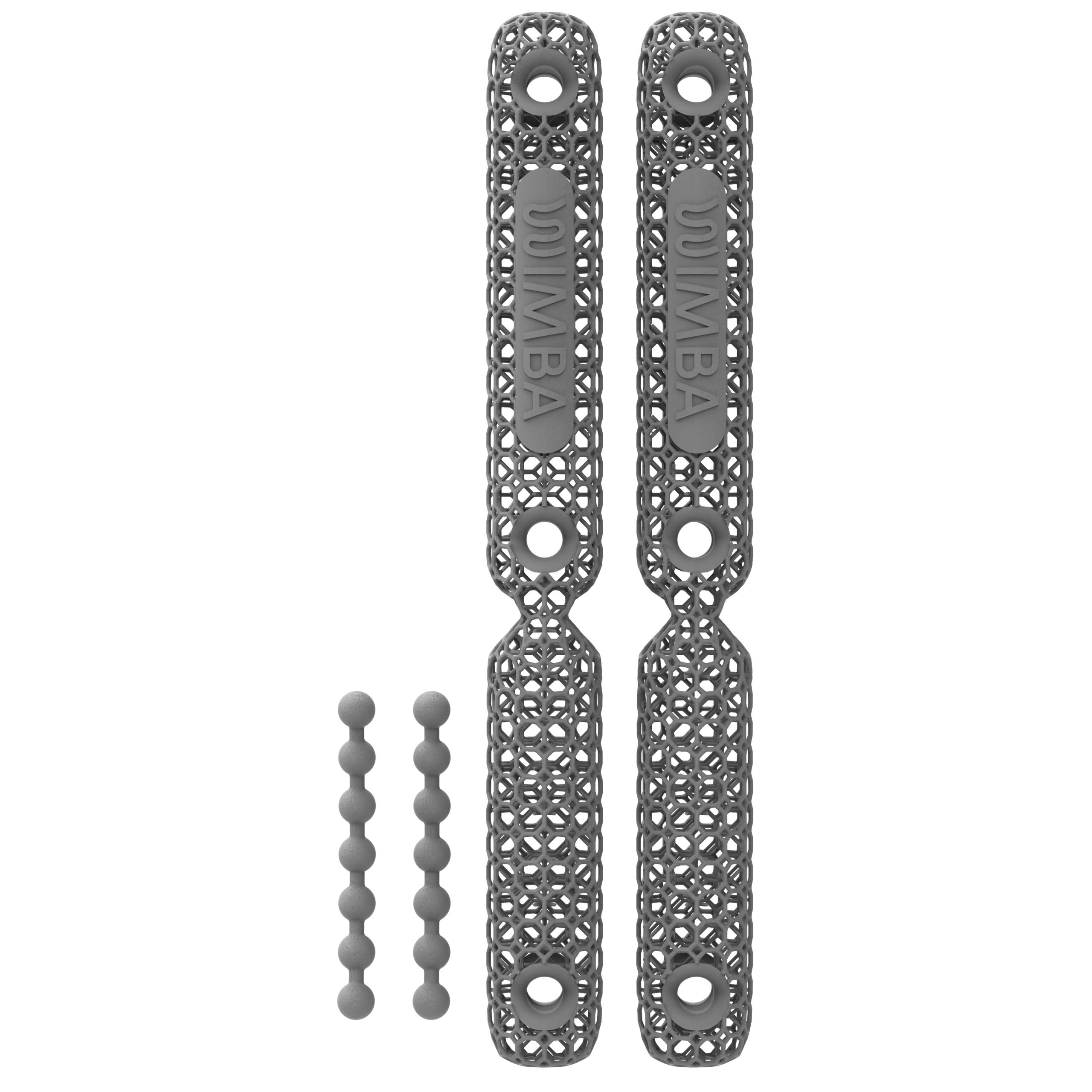
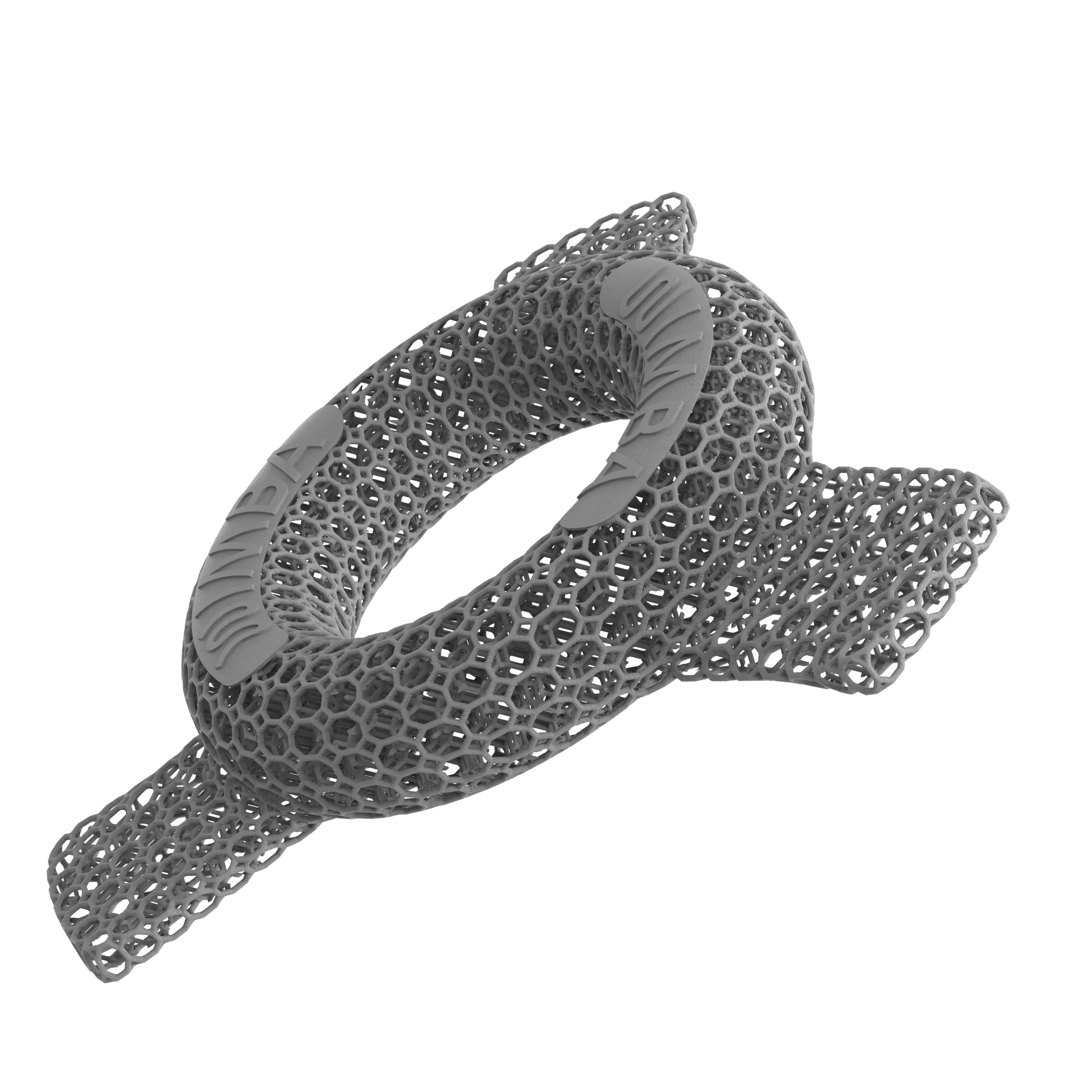
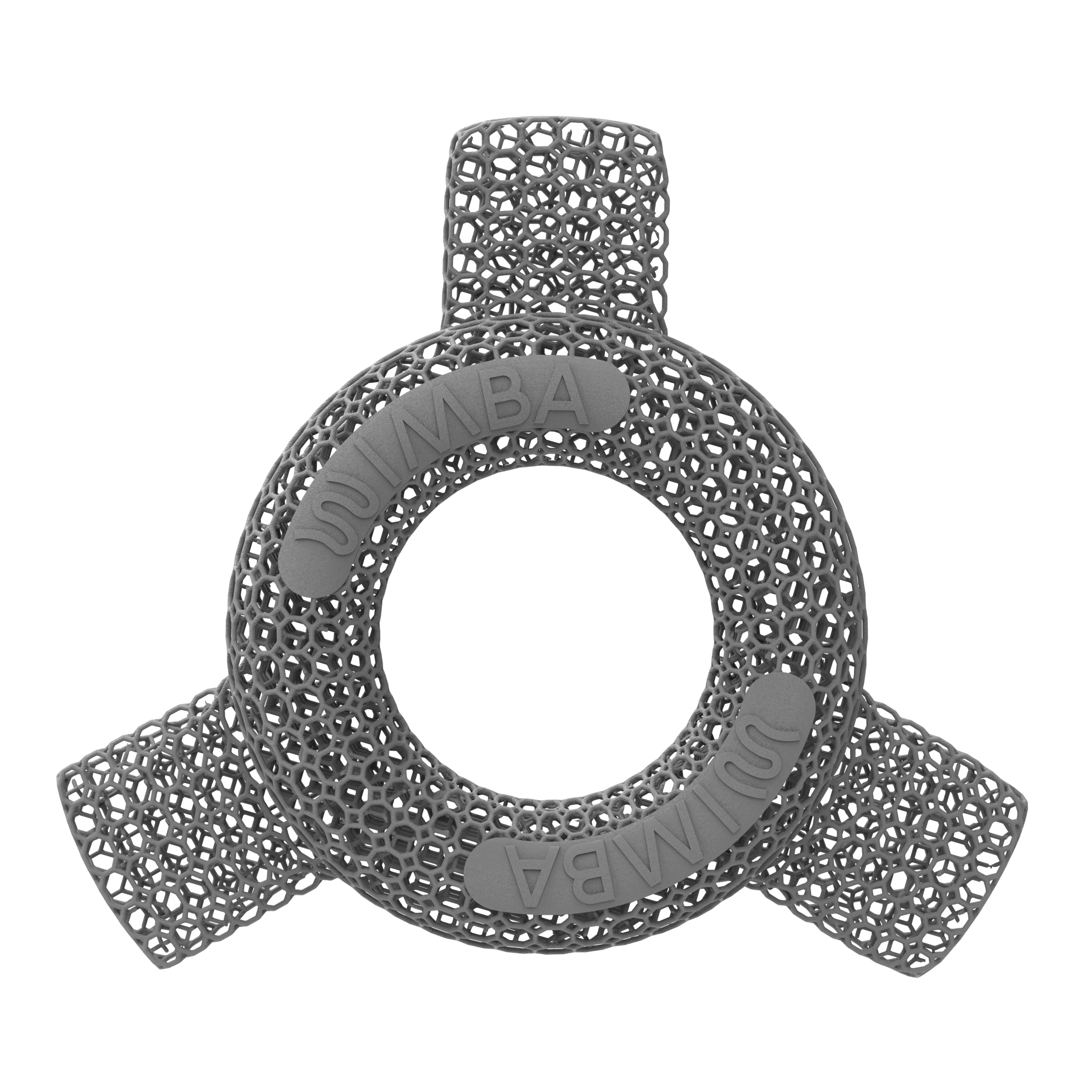
To support Bennie’s rehabilitation and improve his quality of life, a custom dog orthosis after amputation was recommended. WIMBA Carpus Orthosis GO was selected to provide external stability for the remaining carpus while allowing Bennie to continue moving, exercising, and participating in activities with his family.
Diagnosis
- Osteosarcoma (resolved by amputation).
- Muscle tightness and discomfort in the remaining limbs.
Recommendations
- Rehabilitation Program: Bennie should continue with the rehabilitation program tailored to his specific needs. The program should focus on building muscle strength and flexibility in his remaining limbs, helping him adapt to his amputated limb, and improving overall mobility and comfort.
- Regular Monitoring: Bennie should be closely monitored during rehabilitation to track his progress and make any necessary adjustments to the rehabilitation program or treatment plan.
- Proper Usage of the WIMBA Orthosis: The owners should ensure the correct usage of the WIMBA Carpal brace during rehabilitation exercises and physical activities. Proper fitting and function of the orthosis are essential to provide the needed support and prevent strain on his remaining carpus.
Remaining carpus support: Due to Bennie’s left forelimb amputation, the remaining forelimb required additional support during rehabilitation and physical activity. WIMBA Carpus Orthosis GO was recommended as a dog carpus brace after forelimb amputation to help reduce strain, support joint alignment, and prevent hyperextension injury.
WIMBA Therapy and Results
WIMBA orthotics should be used according to the veterinarian’s medical recommendations; WIMBA is not responsible for misuse or activities beyond veterinary advice.
WIMBA Case Studies & Reports
See How WIMBA Orthoses Are Supporting Pets and Enhancing Mobility
Think Your Dog Might Have a Similar Condition? Let’s See How We Can Help
Submit Your Pet’s Details to See If WIMBA Can Help
If your dog has undergone forelimb amputation, is recovering after osteosarcoma in dogs, or needs additional remaining carpus support, we’re here to help. Fill out a short form to tell us more about your pet’s case — including your contact details and your vet’s information. Our team will review it and let you know whether a dog carpus brace after forelimb amputation, such as WIMBA Carpus Orthosis GO, may be suitable for your dog.