 Skip to content

Carpal hyperextension in tripod dogs can develop as a result of compensatory overload following limb amputation.

Carpal Hyperextension in a Tripod Dog (Case Study Maia)

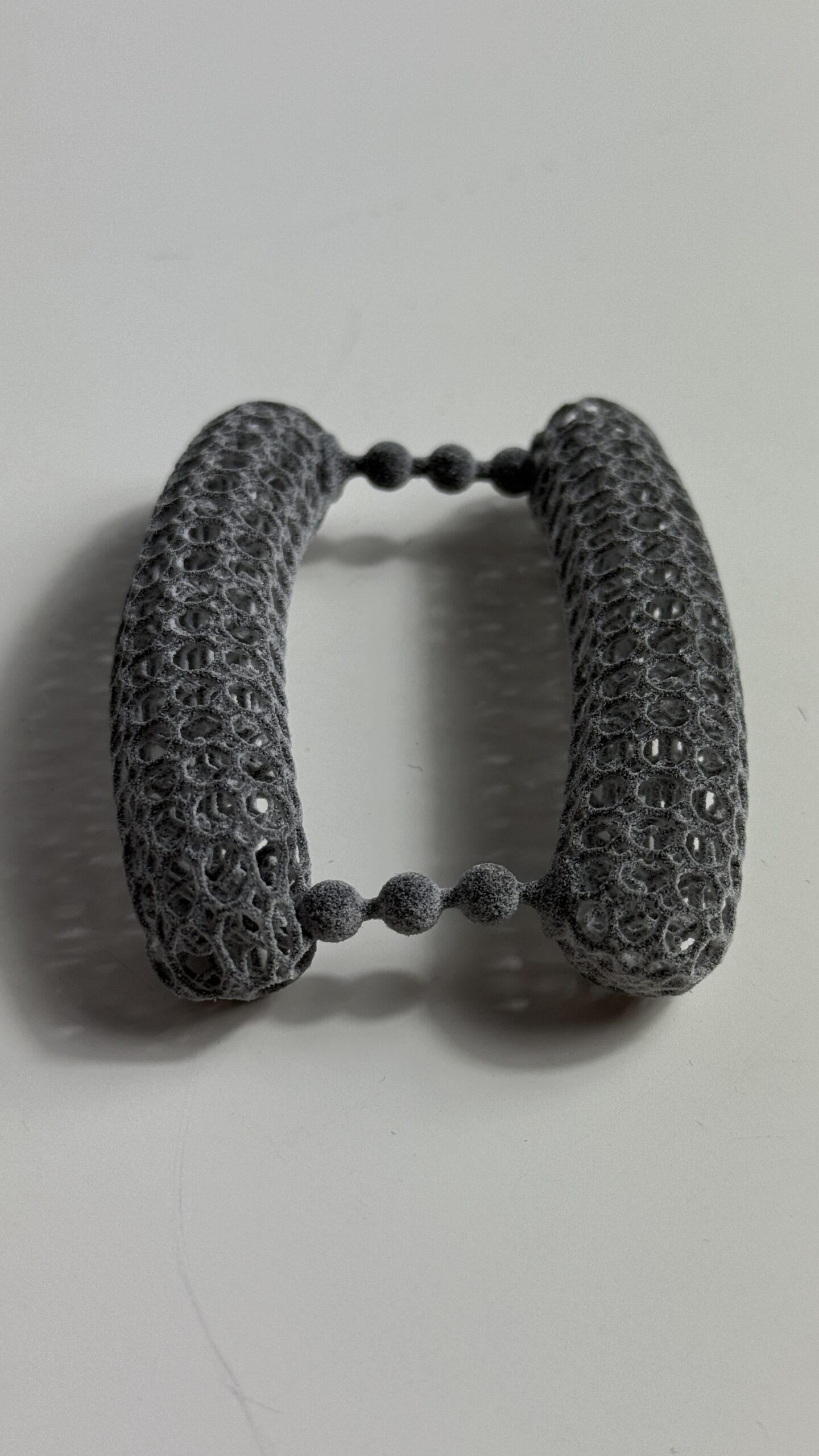
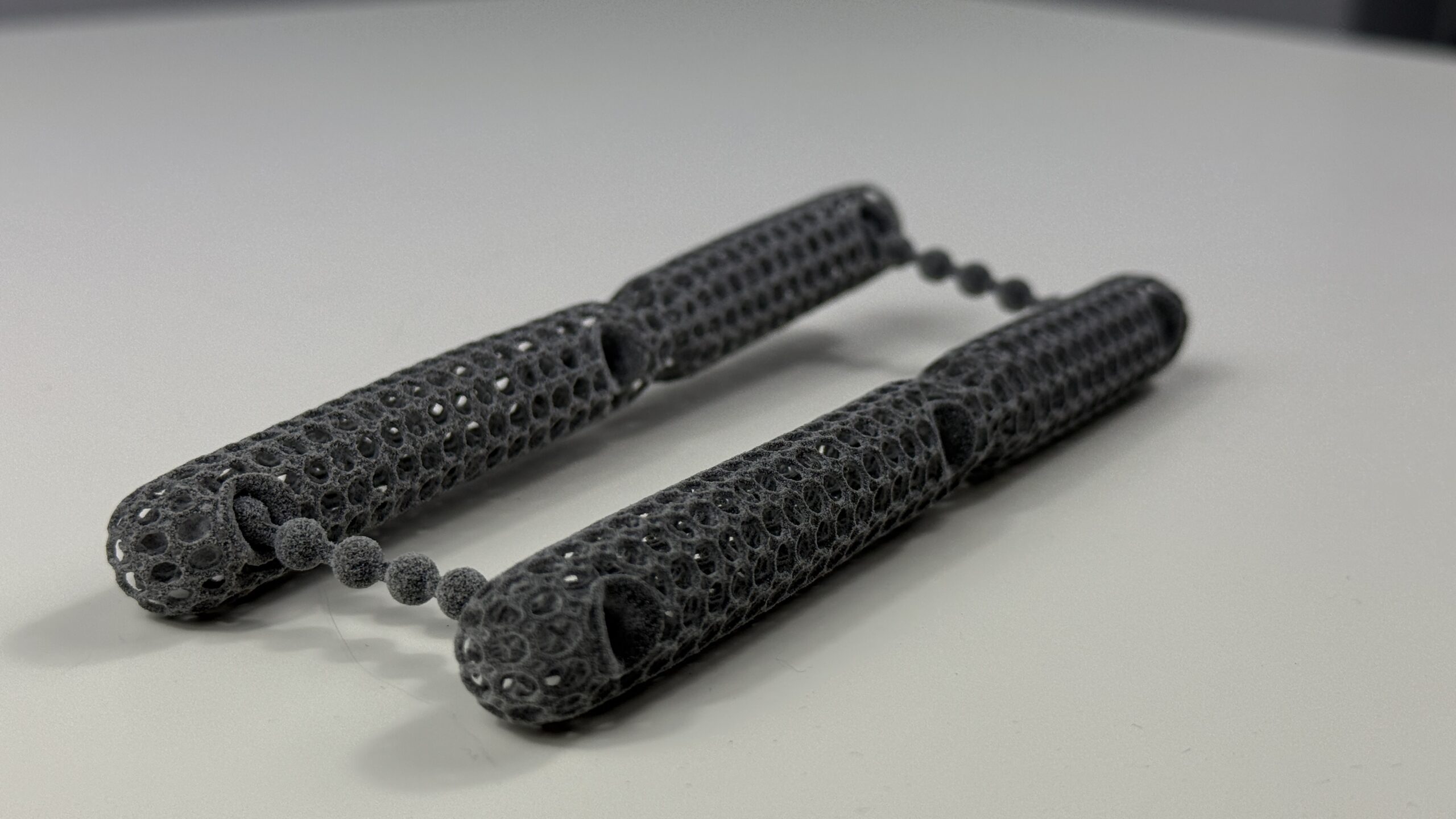
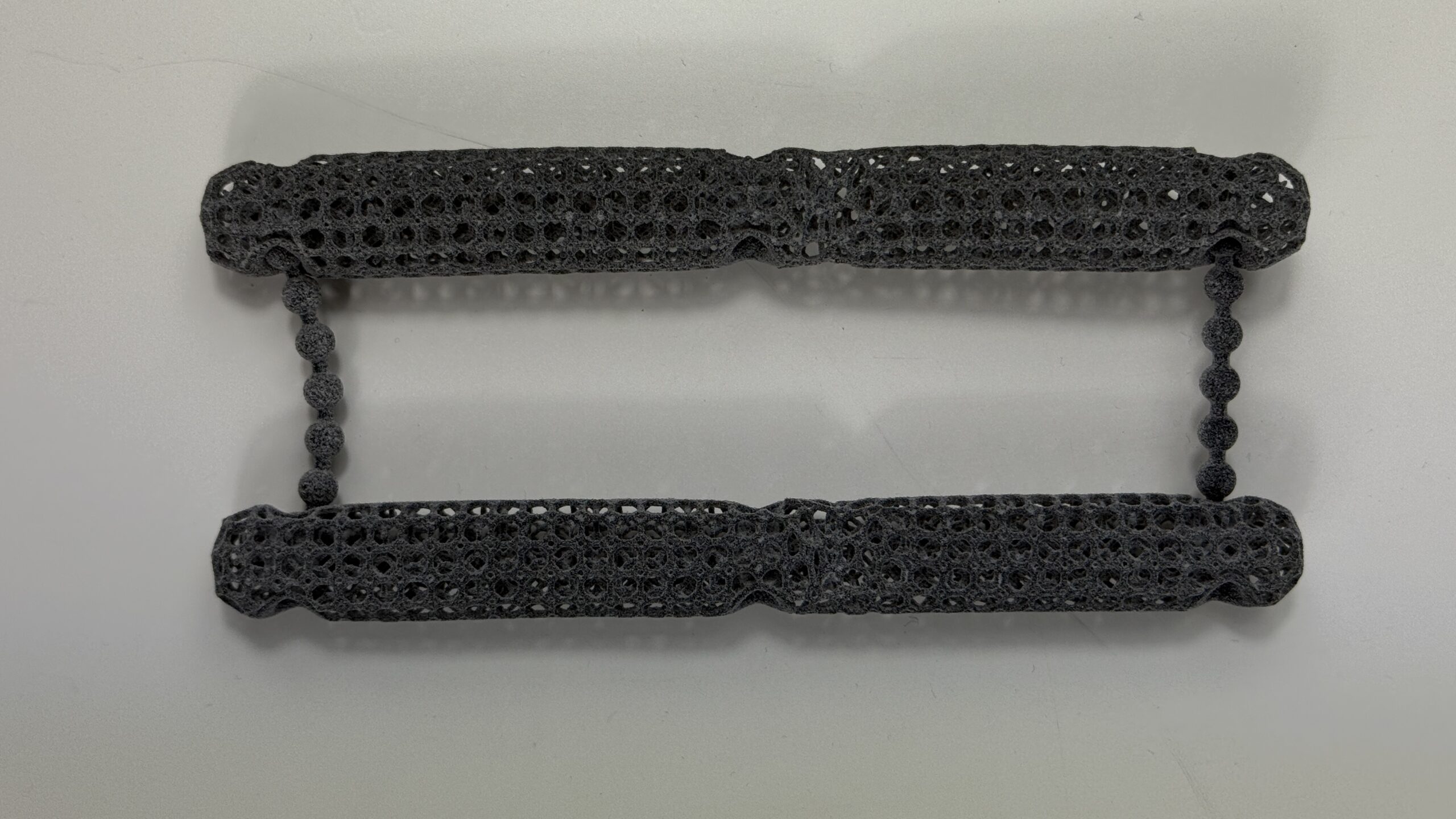
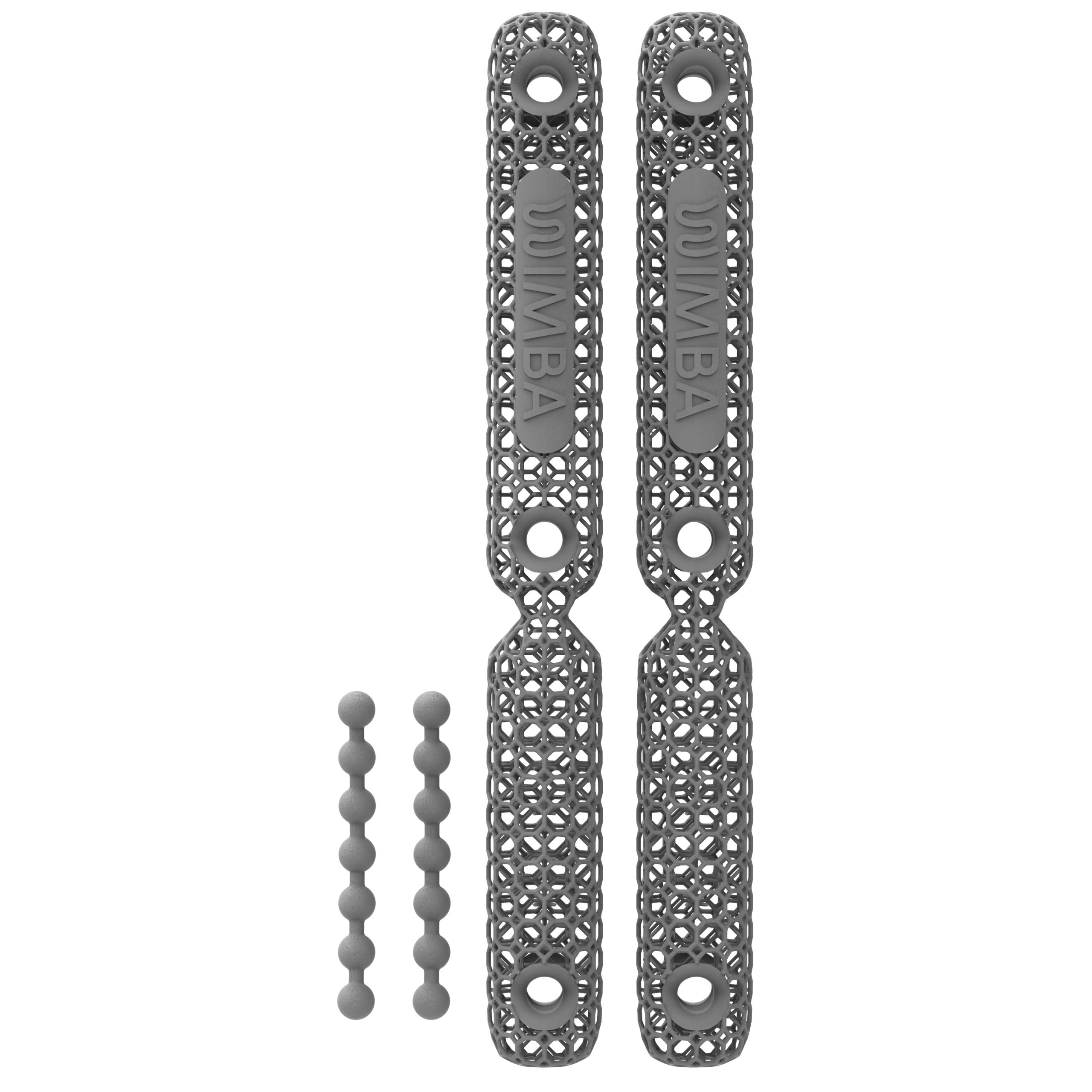
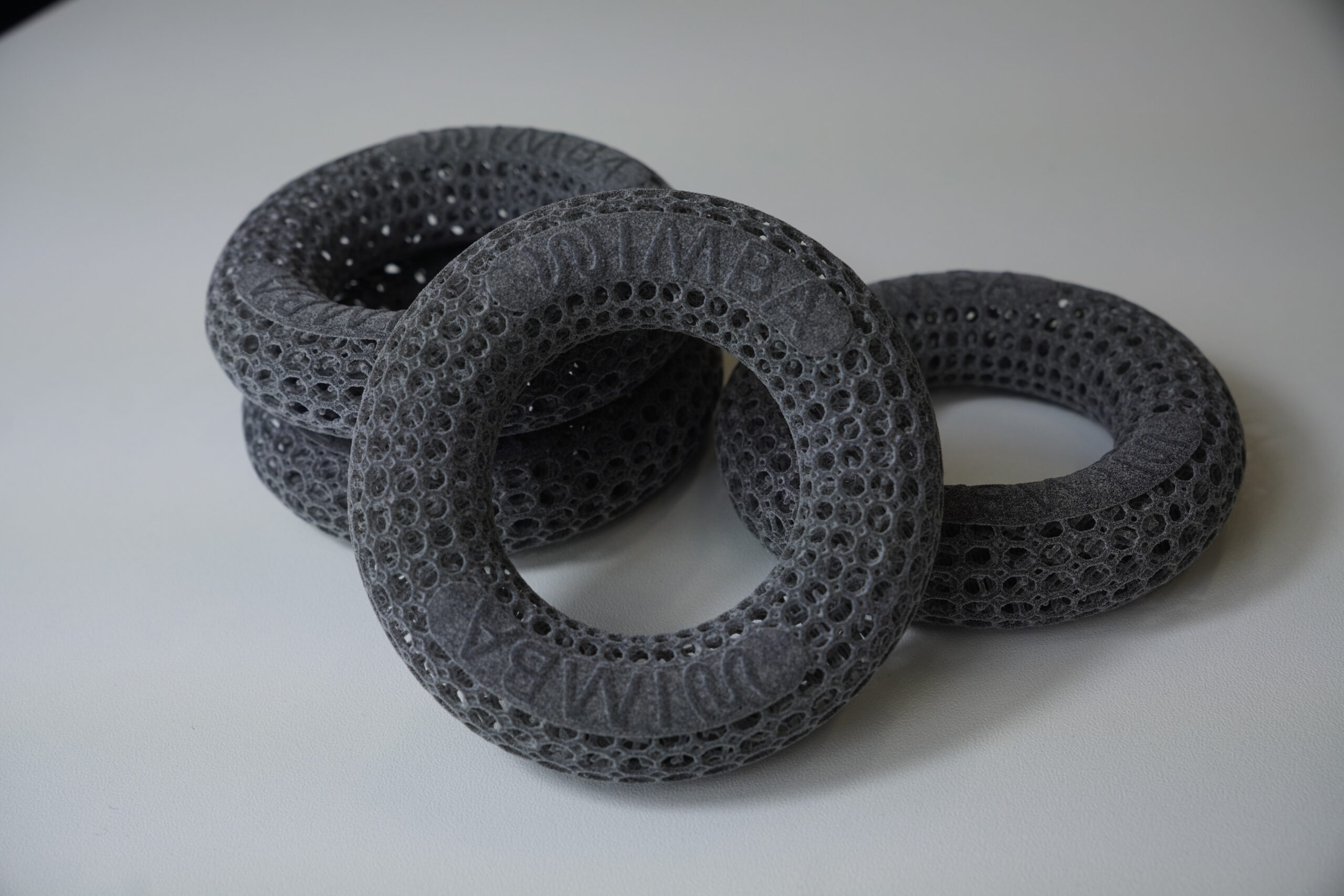
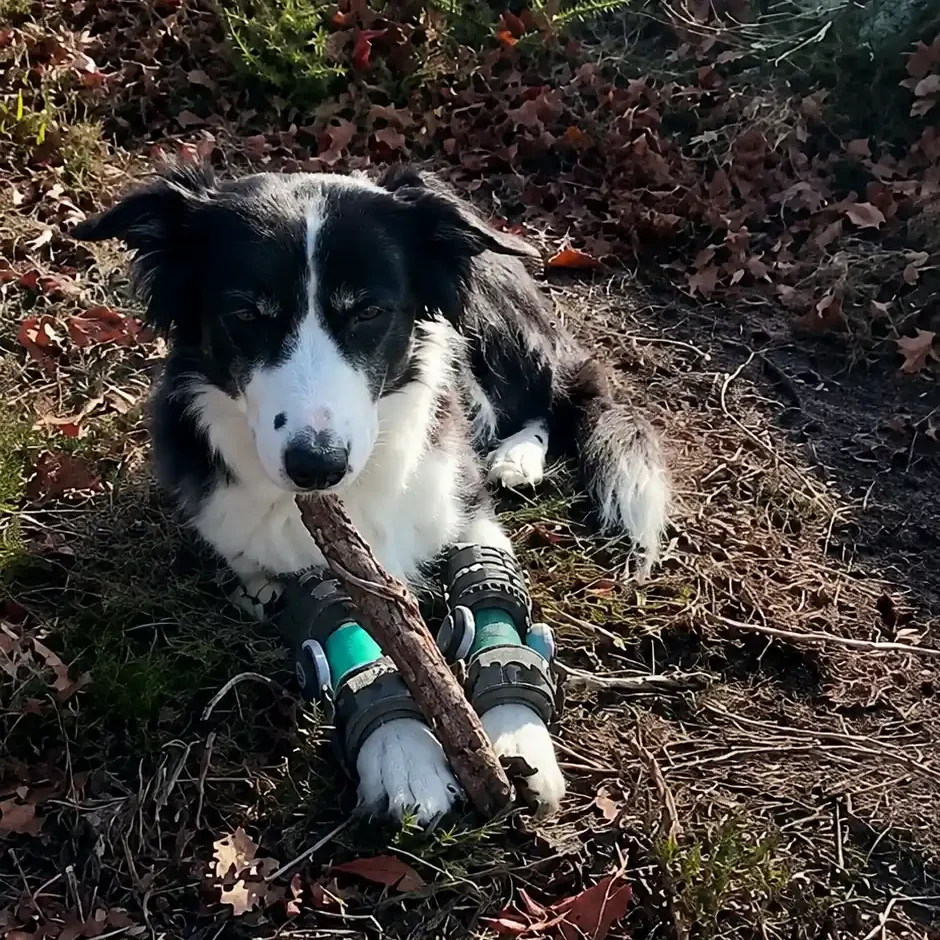
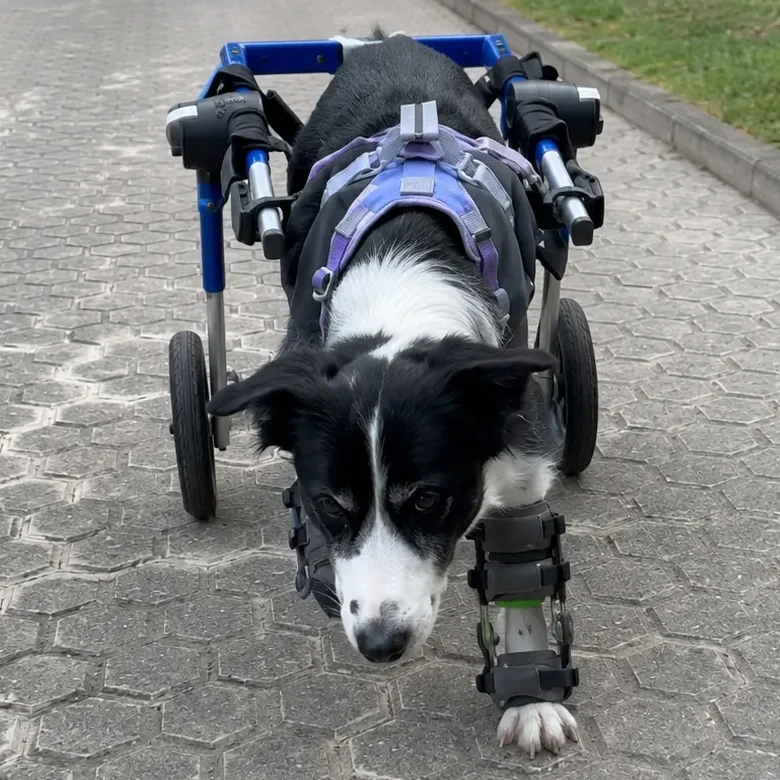
Bilateral WIMBA dog carpal braces supporting a tripod dog with carpal hyperextension.
Case Presentation
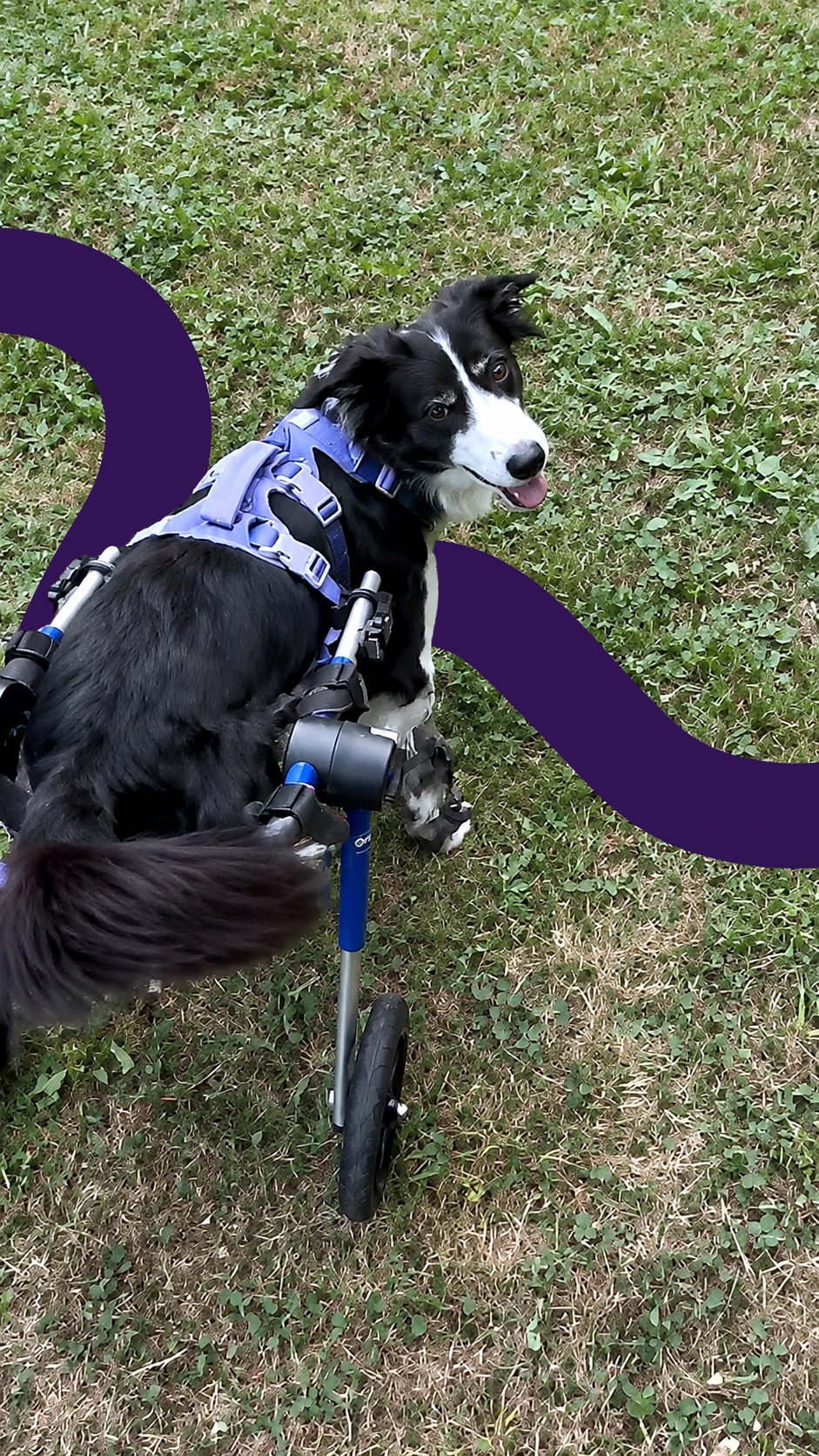
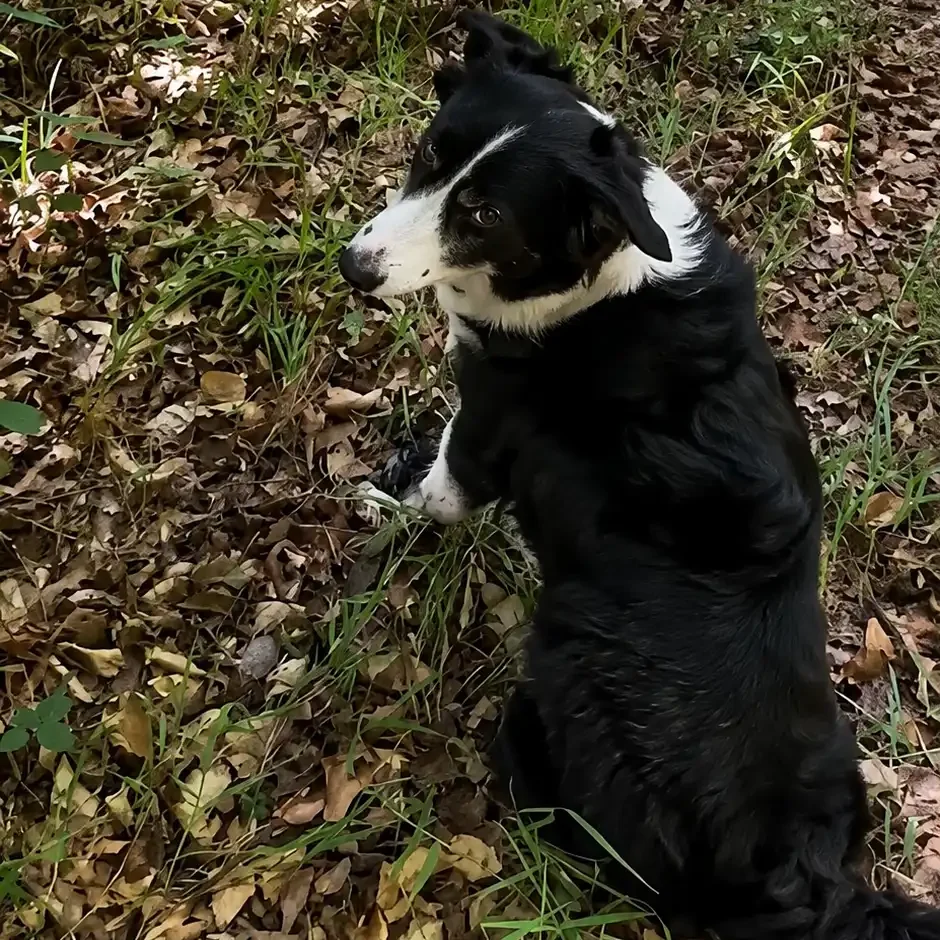
Maia is an energetic Border Collie, and this Carpal Hyperextension in a Tripod Dog case study shows how a dog carpal brace can support long-term rehabilitation. She underwent a right hind limb amputation after rehabilitation, medication, and conservative treatment were unable to preserve the affected limb.
She initially adapted well to life as a tripod. Nearly one year after surgery, however, the increased workload placed on her remaining limbs led to progressive forelimb overload and left carpal hyperextension. This type of Carpal Hyperextension in a Tripod Dog may create a need for a tripod dog brace or a dedicated front leg brace for dogs. Compensatory postural changes also became increasingly noticeable during longer walks.
Maia’s family remained closely involved throughout her rehabilitation, consistently following the home exercise and daily management recommendations. The clinical priority was to protect her overloaded forelimbs, limit progression of the carpal hyperextension, and help her continue enjoying walks and travel with the best possible comfort and independence.
- Name: Maia
- Weight: 20 kg
- Age: Approximately 11 years
- Breed: Border Collie
- Presenting complaint: Progressive overload of the remaining limbs following right hind limb amputation
- Diagnosis: Compensatory forelimb overload with left carpal hyperextension
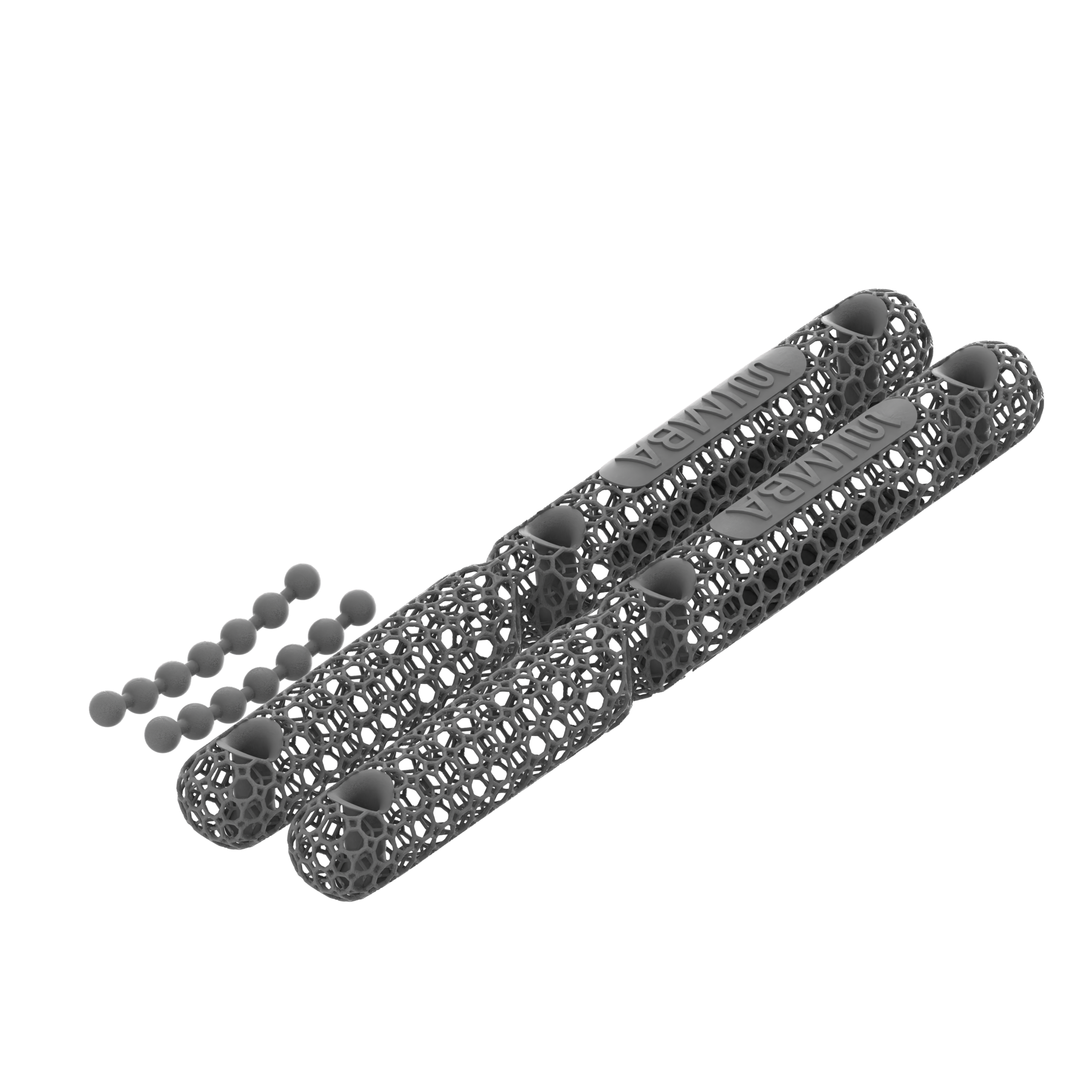
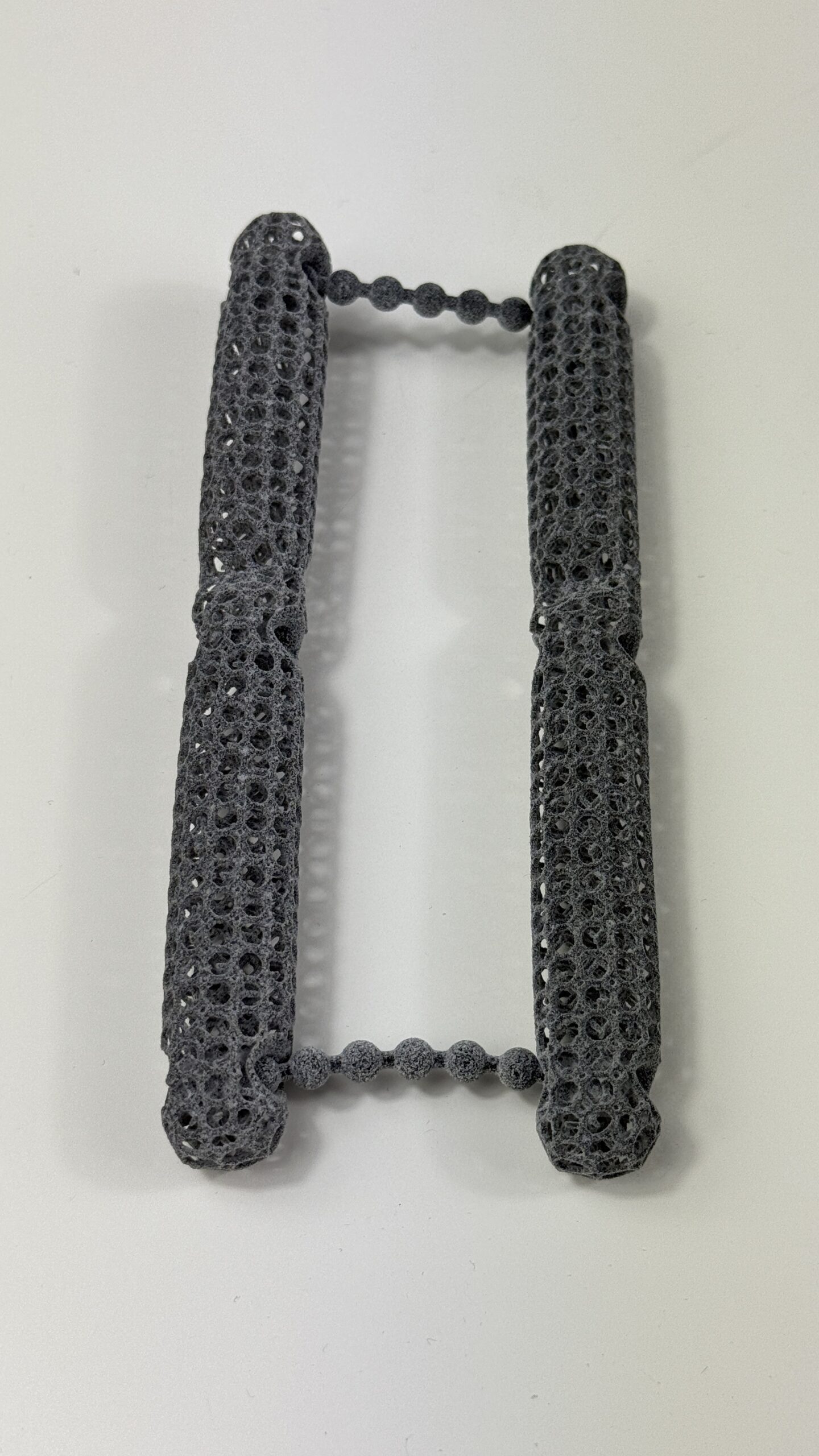
- Device: Bilateral WIMBA Carpus Orthoses GO
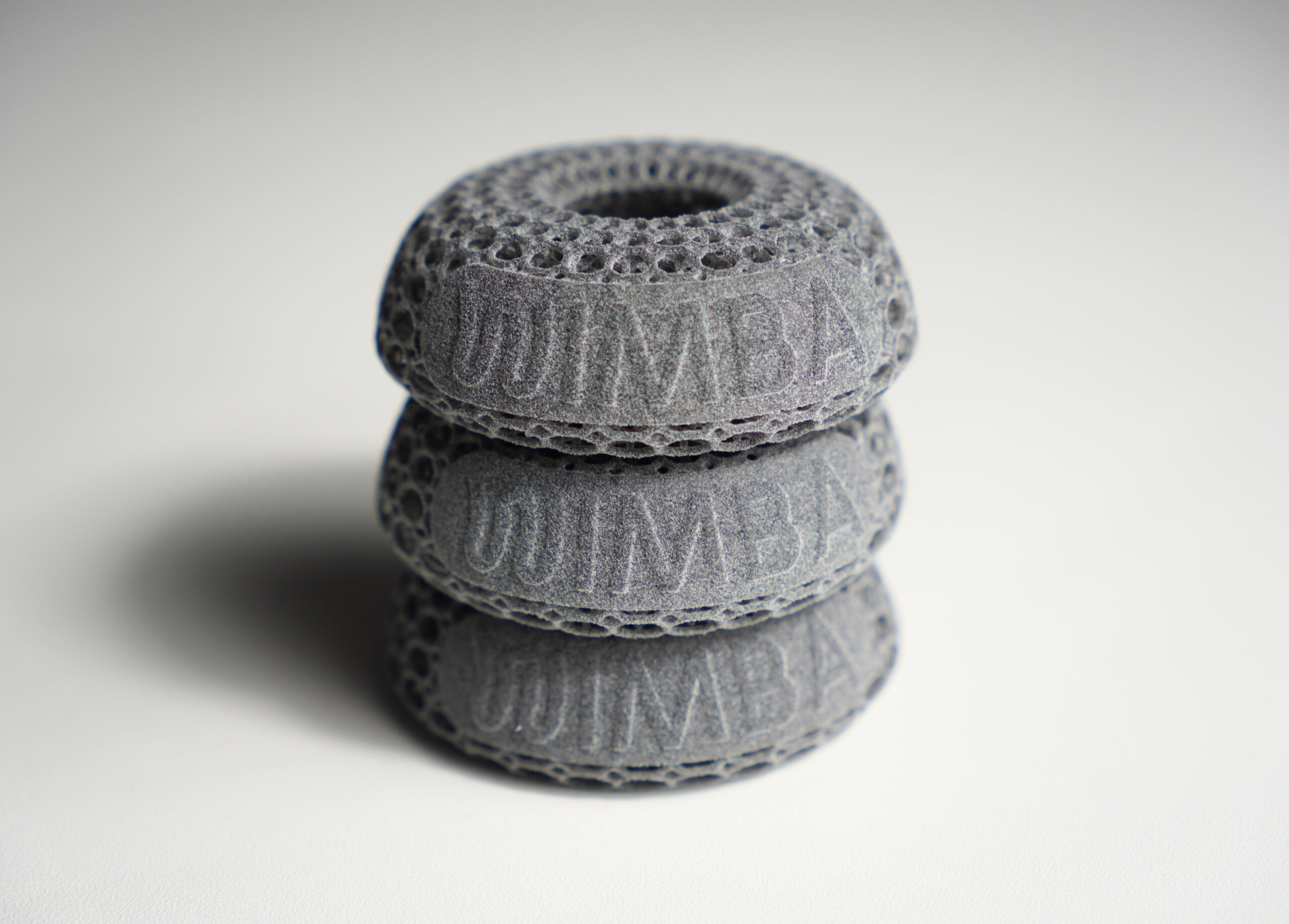
- WimbaTHERAPY: Up to 190° controlled ROM using light blue tokens
- WIMBA Provider: Ainhoa Molpeceres, VOR3D Veterinary Orthotics 3D
Medical Examination
Maia’s medical history included a right hind limb amputation following unsuccessful attempts to preserve the limb with rehabilitation, NSAIDs, antibiotics, and conservative management. After post-surgical stabilisation, she continued attending periodic rehabilitation sessions to manage secondary compensatory changes.
The most significant clinical problems became apparent nearly one year after surgery. Assessment identified progressive overload of the forelimbs, left carpal hyperextension associated with tripod gait, and postural compensation during prolonged activity and longer walks.
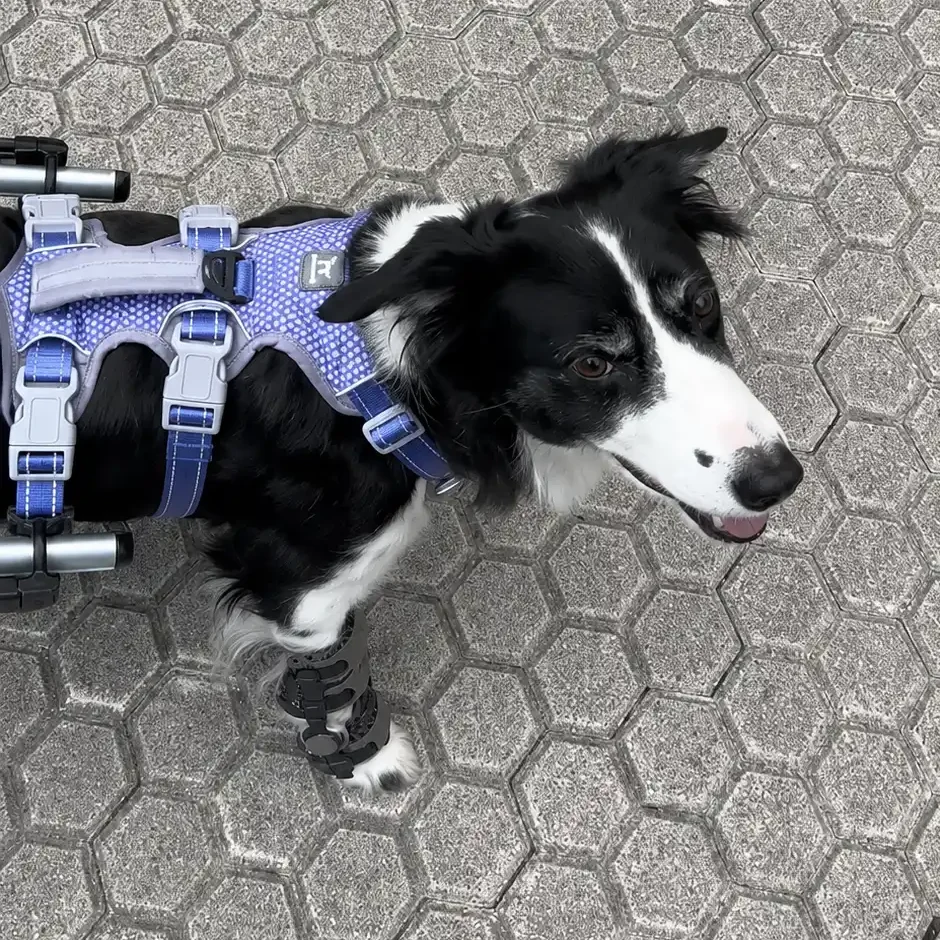
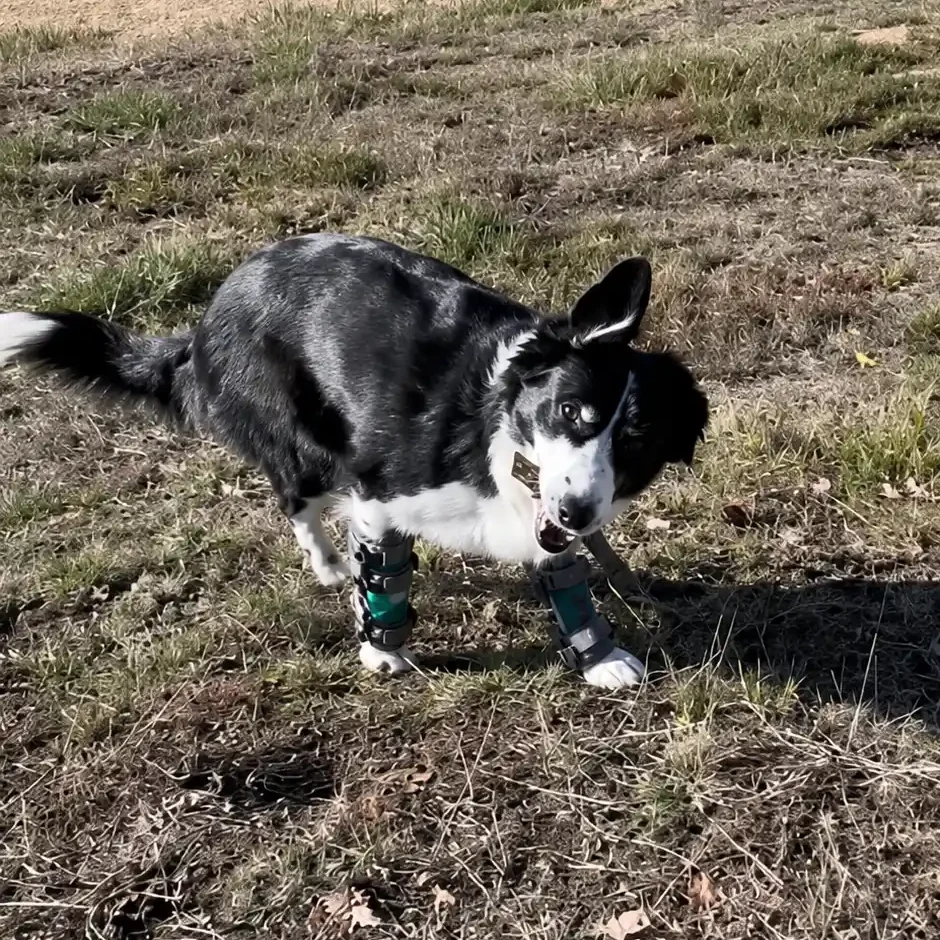
Bilateral support was selected because, as a tripod dog, Maia transfers additional load to both forelimbs. A properly fitted tripod dog brace can help distribute forces across the limb, while each front leg brace for dogs supports the vulnerable carpal joints. The goal was to improve limb alignment, reduce abnormal loading during walking, and protect the left carpus without unnecessarily restricting her active lifestyle.
Physiotherapy Goals in Compensatory Overload Management
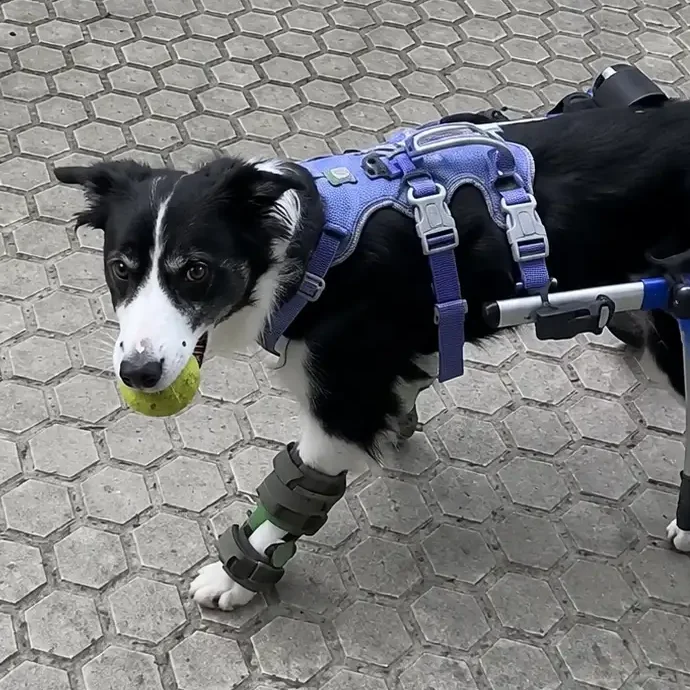
Because compensatory changes after amputation can affect the entire movement pattern, Maia’s management plan extended beyond the braces. Regular physiotherapy, functional reassessment, home exercises, weight management, a carefully selected harness, and a hind limb wheelchair for longer walks were combined to support posture, spinal alignment, and quality of life.
Key objectives included:
- preventing progression of left carpal hyperextension,
- protecting both overloaded forelimbs,
- reducing compensatory biomechanical changes,
- improving comfort during daily activity, walks, and travel,
- maintaining mobility and independence,
- preserving the best possible quality of life.
Treatment Timeline & Clinical Evolution
WIMBA consultation and fitting: Following rehabilitation assessment, bilateral forelimb orthoses were recommended. Measurements were completed by Ainhoa Molpeceres of VOR3D Veterinary Orthotics 3D, and the braces were first fitted on 20 May 2025.
Adaptation and adjustments: Maia’s immediate response was challenging, but after structured training and a gradual adaptation period she became comfortable wearing both braces. A follow-up appointment a few weeks later was used to optimise the fit and provide a new set of tokens and two inserts.
Results & Feedback from Maia’s Care Team
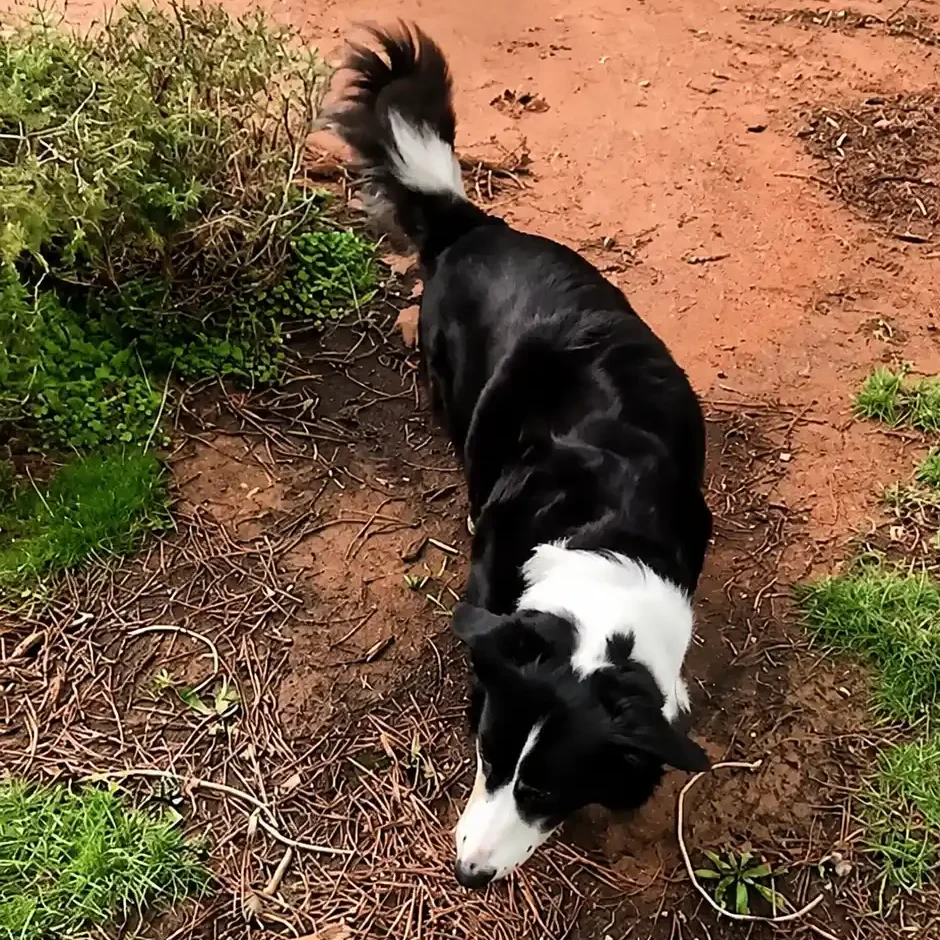
“When Maia got injured and eventually underwent amputation, she was already 9 years old, and even some of the people closest to us believed it was simply ‘her time.’ Now she’ll be turning 11 next month.”
Maia’s family
“Maia is the definition of overcoming adversity after an injury, and this has only been possible thanks to outstanding teamwork between her family, rehabilitation programme, and orthotic management.”
Ainhoa Molpeceres, DVM
VOR3D Veterinary Orthotics 3D
Ainhoa specialises in small animal rehabilitation. Her approach begins with alleviating pain and then selecting the most appropriate mobility aids for each patient, while also helping other veterinary professionals understand and choose suitable solutions.
WIMBA Case Studies & Reports
See How WIMBA Orthoses Are Supporting Pets and Enhancing Mobility
About WIMBA Providers
VOR3D Veterinary Orthotics 3D is a veterinary orthotics provider led by Ainhoa Molpeceres, a veterinarian specialising in small animal rehabilitation. Its approach combines pain management, functional assessment, rehabilitation, and individually selected mobility aids.
As a WIMBA Provider, VOR3D supports patients through the orthotic care pathway — from clinical assessment and measurement to fitting, adaptation, adjustments, and long-term rehabilitation follow-up.

Think Your Dog Might Have a Similar Condition? Let’s See How We Can Help
Submit Your Pet’s Details to See If WIMBA Can Help
If your dog has Carpal Hyperextension in a Tripod Dog, signs of forelimb overload, or reduced tripod dog mobility, a veterinary or rehabilitation assessment can help determine whether a custom front leg brace for dogs or dog carpal brace may be appropriate.
WIMBA orthoses are prescribed through veterinary professionals and rehabilitation providers. Submit your pet’s details and our team will help assess whether a custom brace may be appropriate for your dog’s mobility needs.