 Skip to content

Explore All Orthopedic Conditions ➜
Carpal Hyperextension: Causes, Signs and Treatment
Learn about carpal hyperextension in dogs (or cats), its symptoms and causes, diagnosis, and how WIMBA orthoses can support your pet.
Does Your Pet Have Carpal Hyperextension?


Is It Carpal Hyperextension?
Upload a photo of your pet and your contact info —
we’ll see if your dog or cat may benefit from a custom-fit WIMBA brace.
Understanding Dog Carpal Hyperextension & WIMBA Orthotics Support
Is your dog’s wrist bending abnormally? This could indicate a dog wrist injury. Learn about carpal hyperextension in dogs, its causes, symptoms, diagnosis, and non-surgical treatment options like WIMBA orthoses. Read our carpal hyperextension dog case study examples!

Written by:
Dr. Emily Hall DVM, CCRT, CPAT-KA
What is Carpal Hyperextension?
Your dog’s wrist, called the carpus, is made up of seven small bones that help the paw move and flex. These bones are arranged in rows and connected by several smaller joints. Strong ligaments—like stretchy bands—hold everything in place, both on the front and back of the wrist. In a healthy dog, these ligaments keep the wrist stable and at the right angle while walking or standing.
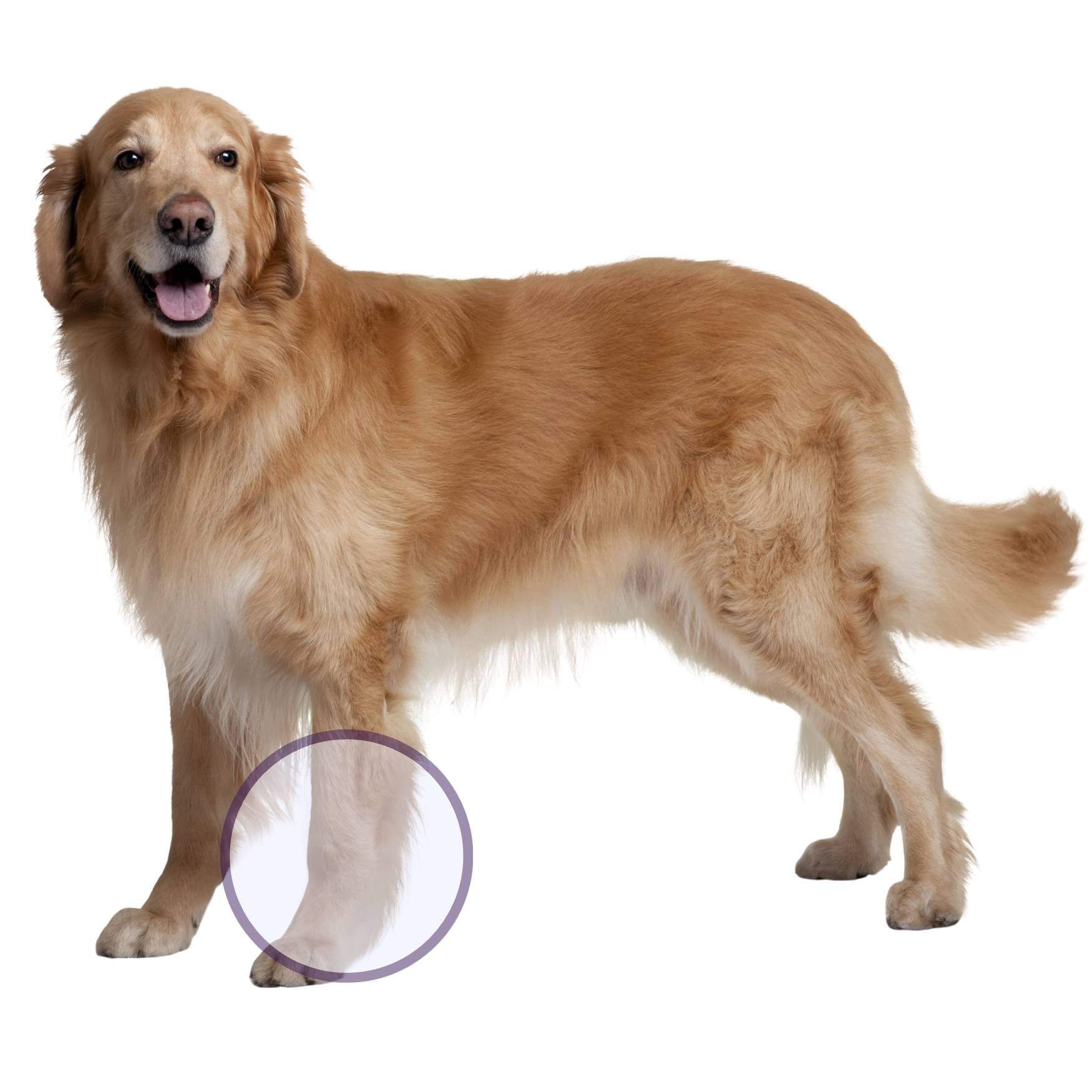
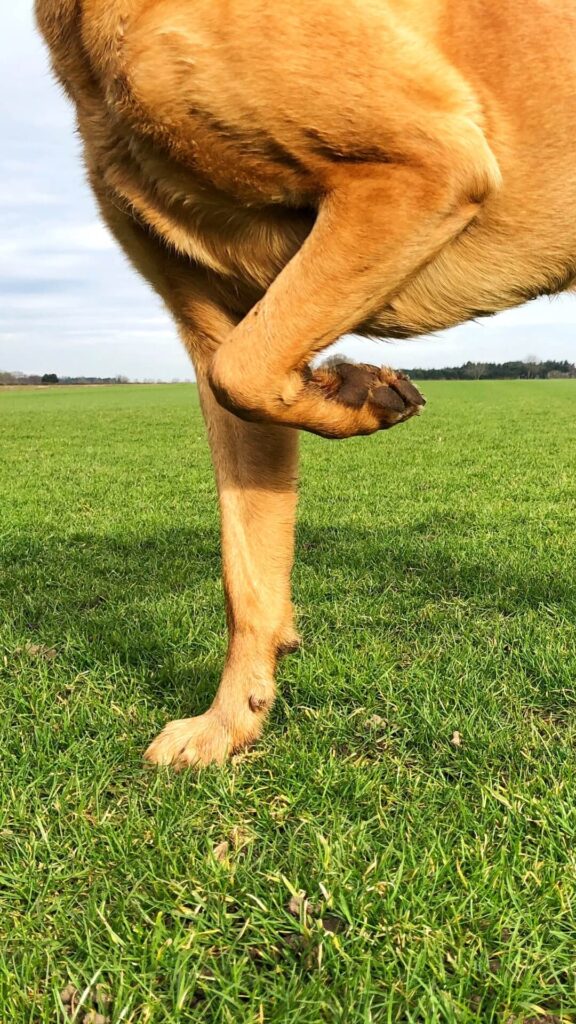
Dog carpal hyperextension happens when those ligaments become damaged. Sometimes they’re just stretched or strained; in more serious cases, they can tear completely. When that support is lost, your dog’s wrist may start to droop or collapse downward when they put weight on it, leading to an abnormal, “bent-back” appearance.
Carpal hyperextension happens when those ligaments become damaged. Sometimes they’re just stretched or strained; in more serious cases, they can tear completely. When that support is lost, your dog’s wrist may start to droop or collapse downward when they put weight on it, leading to an abnormal, “bent-back” appearance.
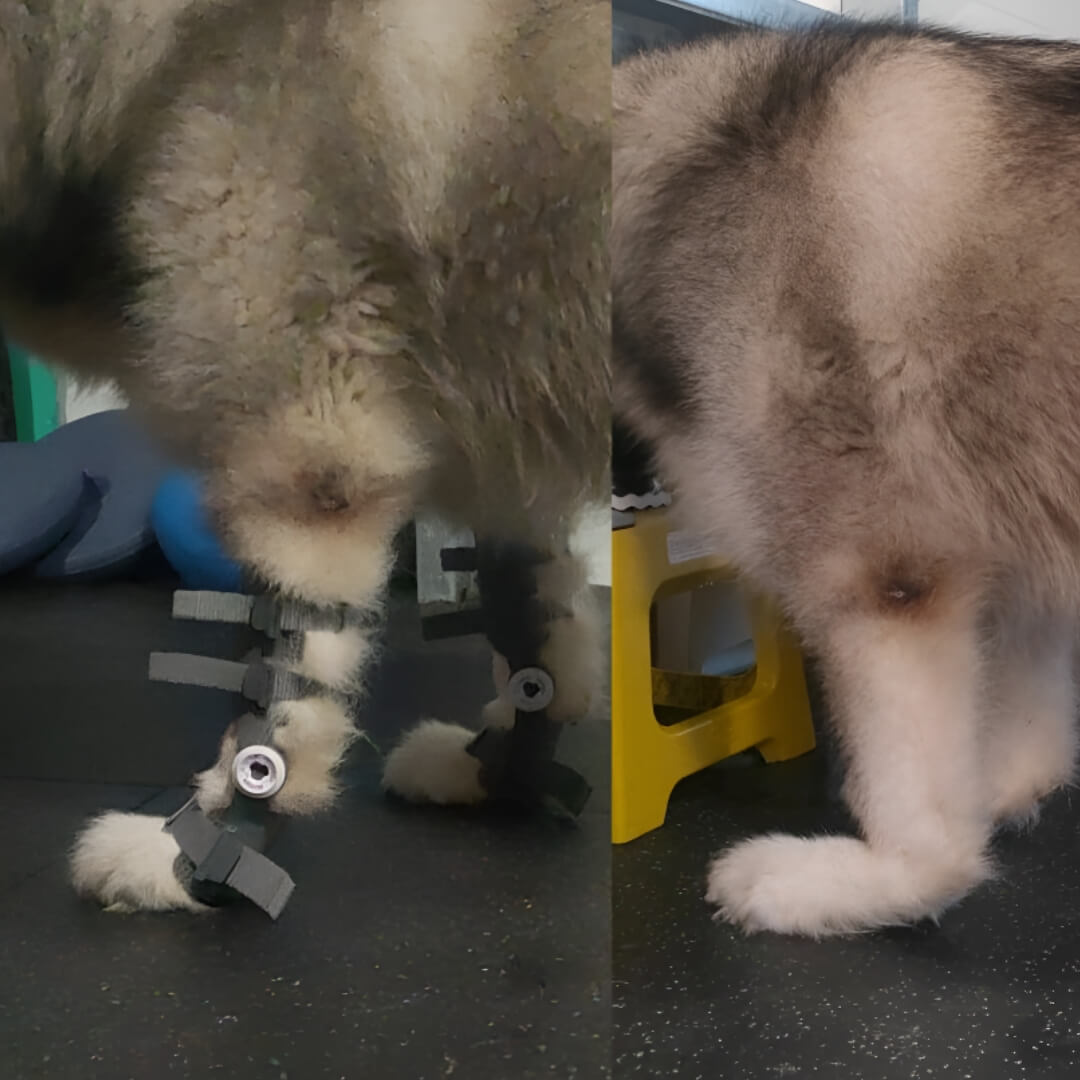
Carpal hyperextension occurs when the carpal joint, similar to the wrist in humans, becomes unstable (dog carpal joint instability) and extends beyond its normal range of motion. This condition can affect dogs of all breeds, sizes, and ages. The carpal joint is crucial for weight-bearing, stability, and proper limb movement, so it’s important to address any issues promptly to prevent further complications. Mild to moderate carpal hyperextension is often managed without surgery, using a veterinarian-guided custom orthosis such as the WIMBA Carpus Orthosis alongside restricted activity and rehabilitation.
Limping isn’t normal.
Tell us more to see if a WIMBA orthosis can help your dog feel better.
What Causes Dog Carpal Hyperextension?
There are a few factors that can lead to wrist hyperextension in dogs, and understanding the causes of carpal hyperextension in dogs is key:
Trauma or Injury
Sudden injuries (carpal bone fracture or ligament/tendon tear) or repeated stress on the carpal joint can cause hyperextension, for example, a sudden fall, a jump from a high surface, or being hit by a car can put too much force on the wrist and damage the ligament, potentially leading to a dog wrist injury.
Genetic Predisposition
Some breeds are more prone to carpal hyperextension because of their body structure or genetic traits. Dogs with long legs and small carpal bones, like Greyhounds or Whippets, may be at higher risk.
Chronic Conditions
Chronic steroid use, immune-mediated polyarthritis (IMPA), severe muscle atrophy can all be underlying causes of carpal hyperextension in dogs
Repetitive strain
Active dogs, especially working or sporting breeds, may develop ligament damage over time from repeated stress on the joints.
Degenerative changes
In older dogs, ligaments can weaken naturally with age, making the wrist more prone to collapsing. This can contribute to orthotics for dog wrist problems being considered.
Underlying medical conditions
Certain joint or connective tissue diseases can also affect ligament strength and joint stability, contributing to carpal hyperextension in dogs.
What Are the Signs and Symptoms of Dog Carpal Hyperextension?
So, how to tell if my dog has carpal hyperextension? Detecting the signs of canine carpal hyperextension early can make a big difference in your dog’s comfort and long-term mobility. Keep an eye out for the signs below; a dog that scuffs or drags the top of the paw may instead be knuckling.
One of the most noticeable signs of carpal hyperextension in dogs is a change in how your dog walks, potentially an abnormal dog gait front leg. Dogs with carpal hyperextension often have a dropped or “sagging” wrist, creating a visible bend at the joint. This forces the lower part of the leg into a flattened, abnormally low position, contributing to an abnormal dog gait front leg.In mild cases, your dog may still run and play fairly normally, just with an unusual gait. In more severe cases, they may appear reluctant to move, walk stiffly, or avoid using the leg altogether.
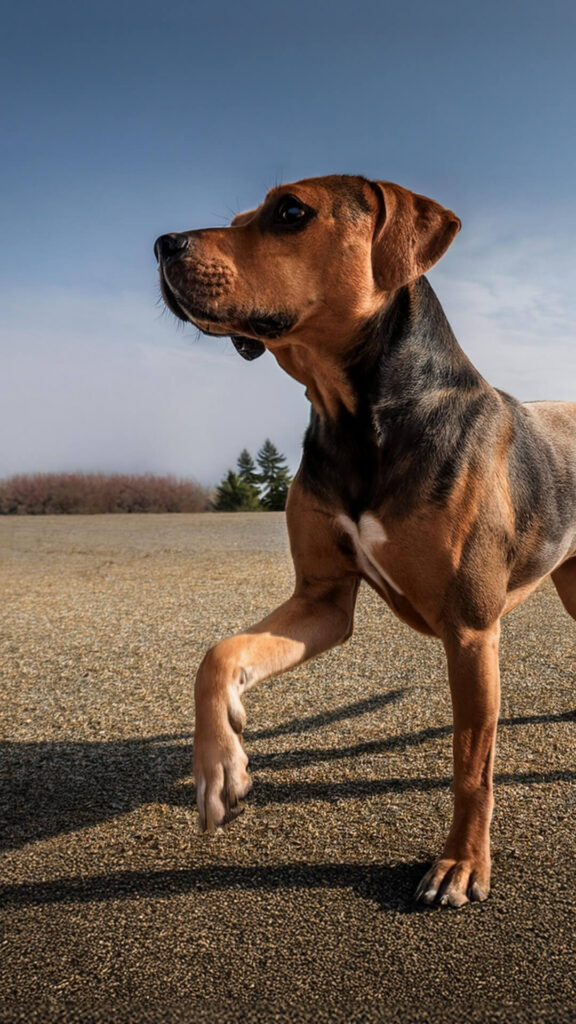
The wrist (carpal joint) may look swollen or unstable, especially after a traumatic injury. You might notice the joint extending more than normal, or “giving out” under your dog’s weight.
While trauma-related cases may involve pain and inflammation, not all dogs with carpal hyperextension will act like they’re in pain—so don’t ignore subtle changes in movement or posture. Why is my dog’s wrist bending backwards? This could be a sign of carpal hyperextension.
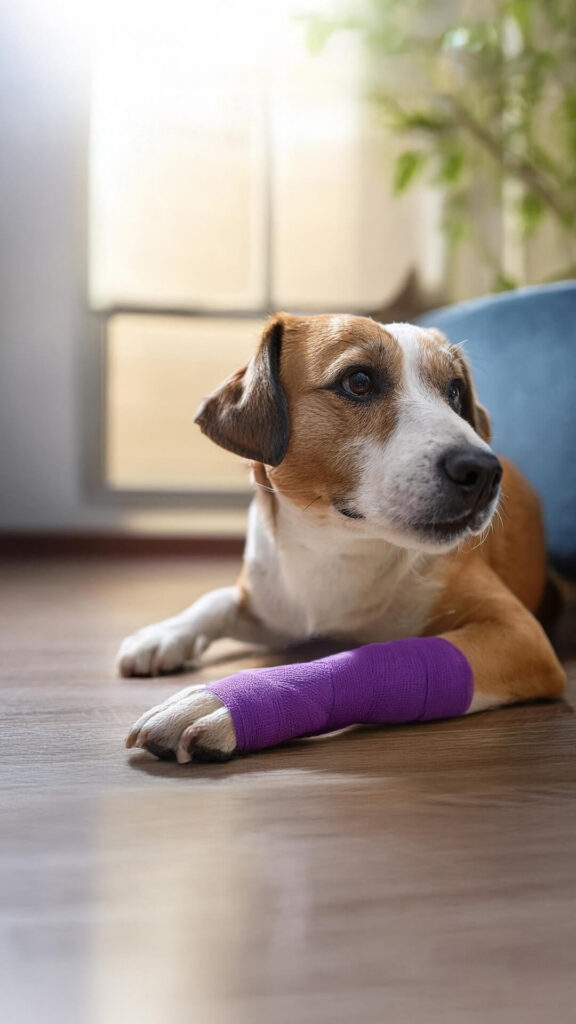
Some dogs may show clear signs of pain, such as limping, whimpering, or avoiding walks and play. They might also be sensitive when you touch the affected leg or wrist.
How to tell if my dog has carpal hyperextension? Observing these pain signs along with gait changes can be indicative.

In cases where the wrist contacts the ground due to the abnormal angle, pressure sores or ulcers can develop.
These can be painful and may lead to your dog licking, chewing, or favoring the area even more. If left untreated, these sores can become infected and make your dog increasingly uncomfortable.
FOR PET OWNERS
Help Your Dog Regain Mobility
Are you a pet owner? Fill out our form with your pet’s details and vet’s diagnosis for a WIMBA assessment to help your dog with carpal hyperextension.
How is Carpal Hyperextension in Dogs Diagnosed?
Diagnosing dog carpal hyperextension involves a careful combination of physical examination and advanced imaging to fully understand the extent of the joint instability and identify any underlying injuries.
The process usually starts with a thorough orthopedic exam. A veterinary specialist will observe how your dog stands and moves, assess weight-bearing on each limb, and gently examine the wrist (carpus) for signs of pain, abnormal movement, or instability. This is a crucial step in canine carpal hyperextension diagnosis.
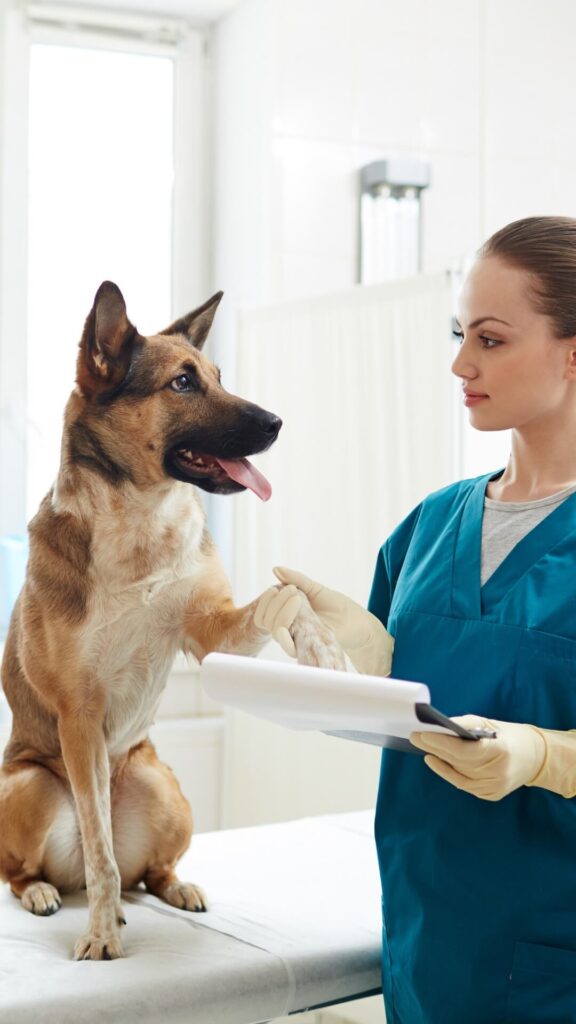
To get a clearer picture of what’s happening inside the joint, your dog will typically undergo radiographs (x-rays) under sedation or general anesthesia. Sedation helps keep your dog relaxed and still, allowing for high-quality images while ensuring their comfort.
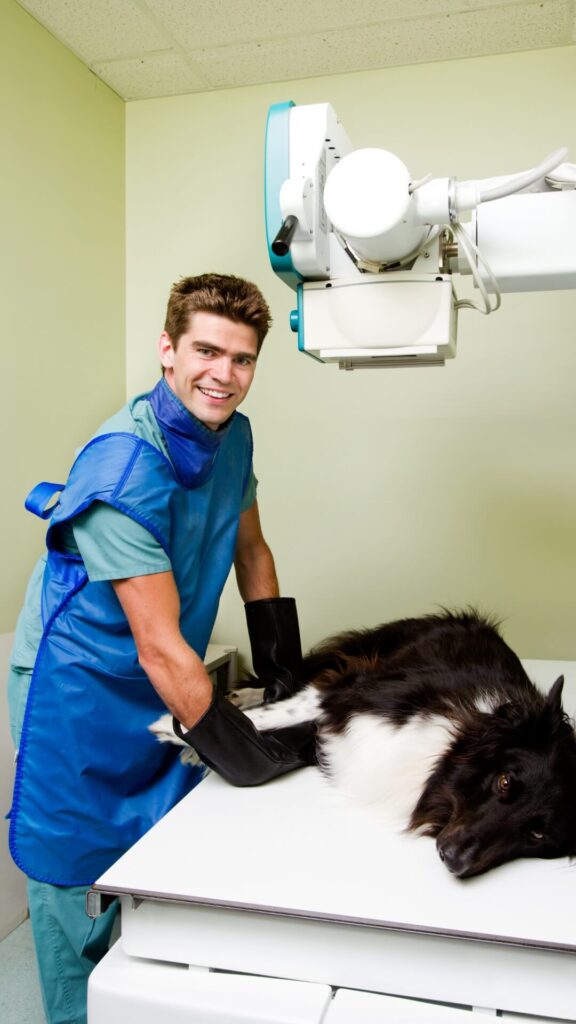
Although ligaments themselves don’t show up on standard x-rays, special images known as “stress views” can provide important clues about ligament damage. In these views, the wrist is gently manipulated into different positions—particularly mimicking a full weight-bearing stance—to assess how stable or unstable the joint is. If the joint appears to hyperextend or collapse abnormally in these positions, it often indicates injury to the supporting ligaments. X-rays are also helpful for checking for fractures or bone abnormalities in the small bones of the carpus, which sometimes occur alongside ligament damage, especially in traumatic cases.
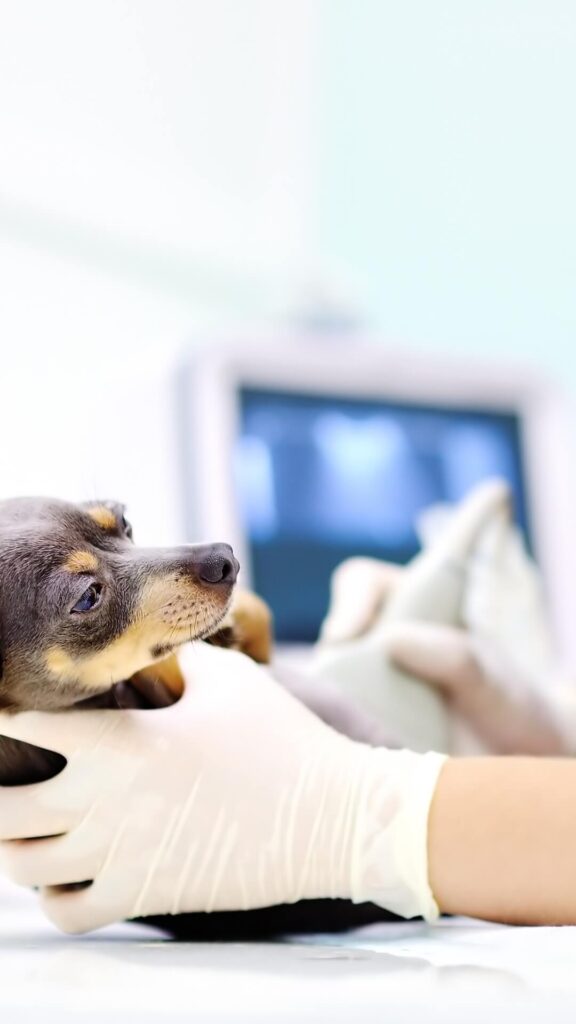
In many cases, further imaging is needed to fully confirm the diagnosis and pinpoint exactly which ligaments or soft tissue structures are affected. Your veterinarian may recommend a referral to a specialist for a CT scan (to view bones in more detail) or an MRI (which offers a closer look at the ligaments, tendons, and other soft tissues that don’t appear well on x-rays).
Check if your dog needs an orthosis.
Fill in a short form to check if an orthosis might be recommended.
What are the Treatment Options for Dog Carpal Hyperextension?
Are you wondering about carpal hyperextension dog treatment? Once a diagnosis is confirmed, your veterinarian will recommend a treatment plan based on the severity of the injury, the underlying cause, and the patient’s overall health and activity level. Treatment may range from conservative care to surgical intervention. Our dog carpal hyperextension treatment guide compares non-surgical and surgical options, and when vets recommend a carpal orthotic explains how candidates are chosen.
Non-Surgical (Conservative) Management
In mild to moderate cases—especially when the injury involves a low-grade ligament strain or developmental hyperextension—non-surgical treatment may be effective. This approach typically includes:
The Importance of Rest
Rest and restricted activity are crucial first steps in managing carpal hyperextension, as they help to reduce strain on the injured joint and allow the healing process to begin.
Canine Rehabilitation Therapy
Dog physiotherapy wrist injury, including techniques like physiotherapy and hydrotherapy, plays a vital role in supporting healing and improving overall joint function and strength in dogs with carpal hyperextension.

Supportive Bracing and Orthotics
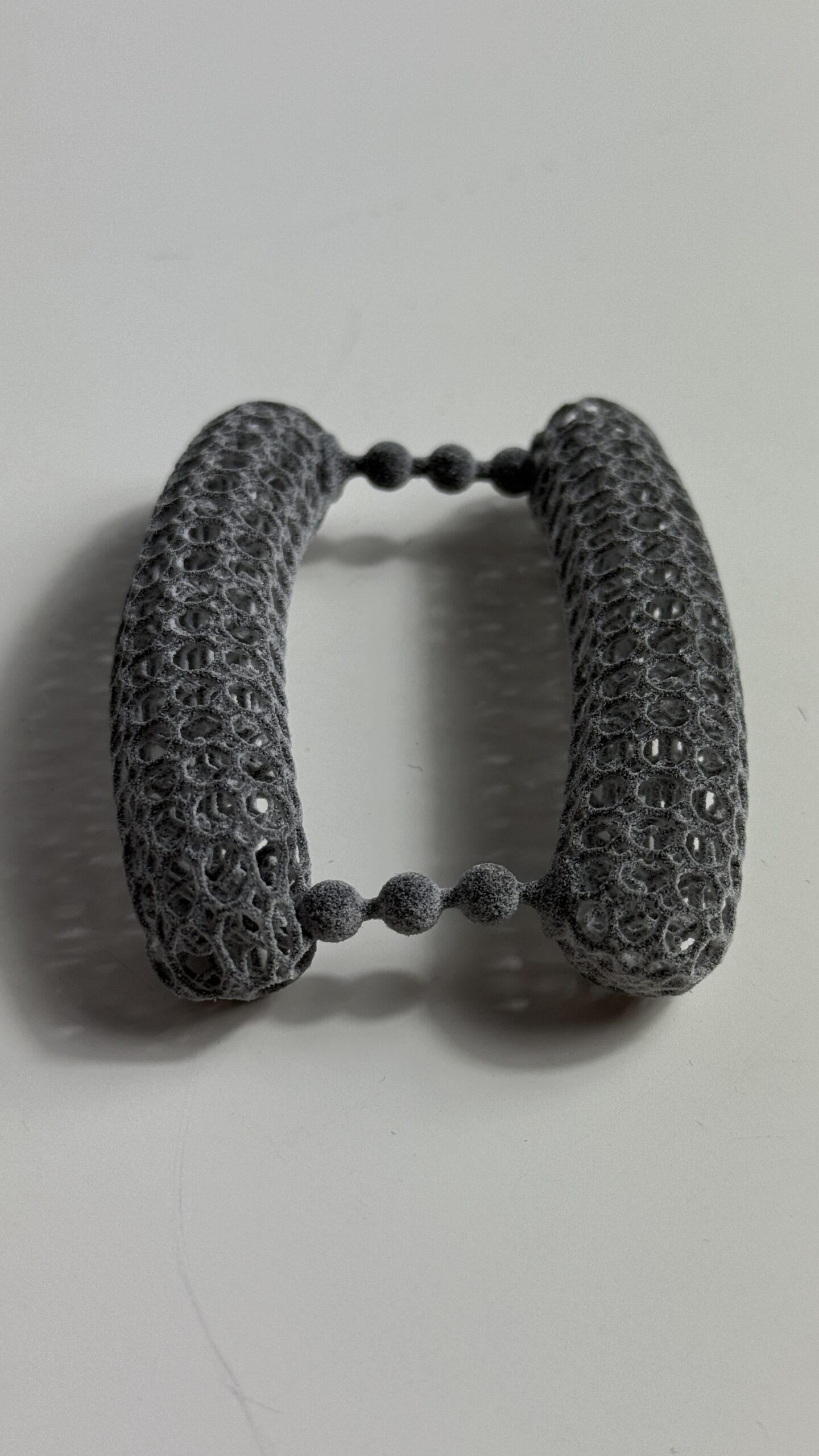
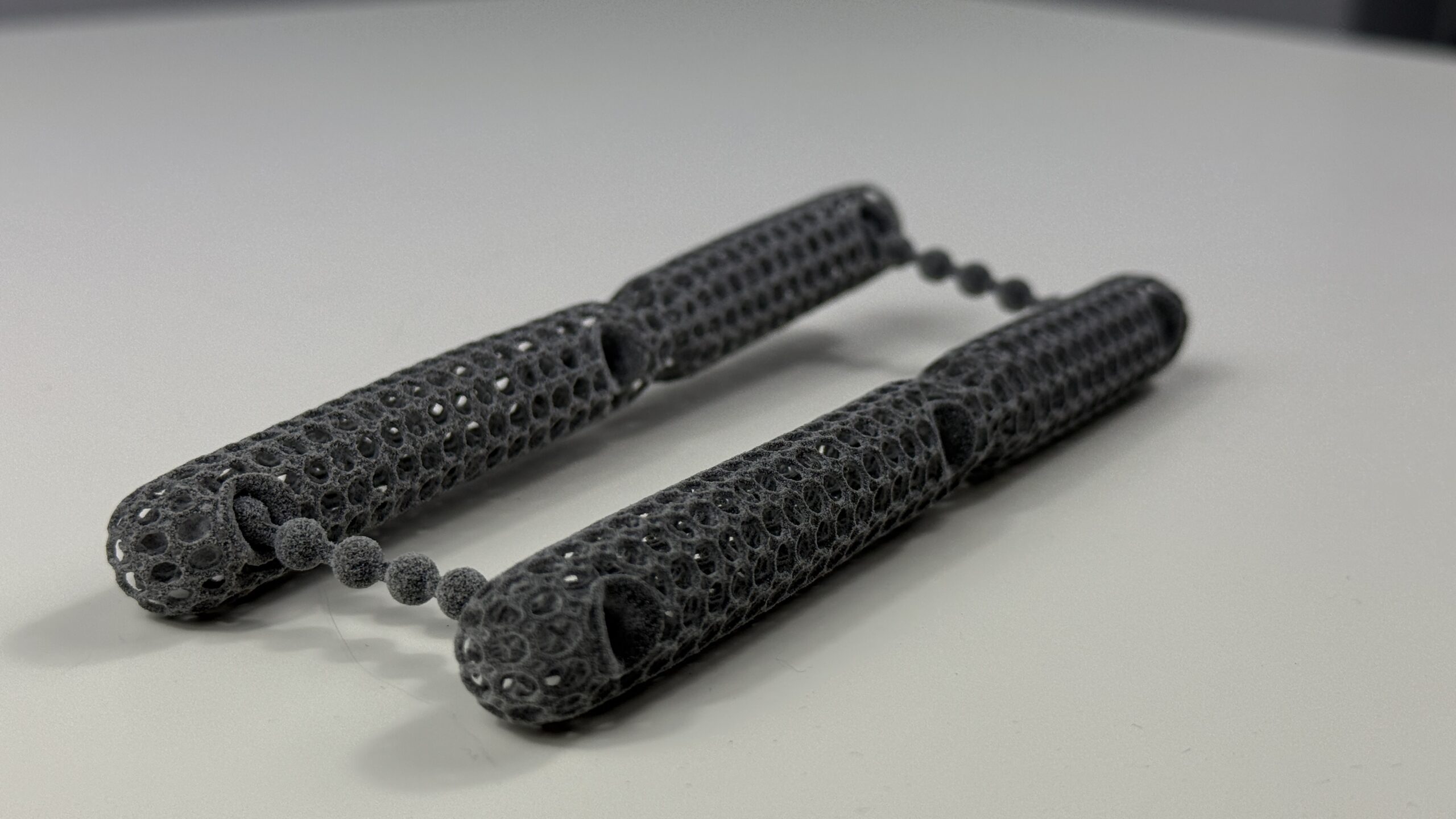
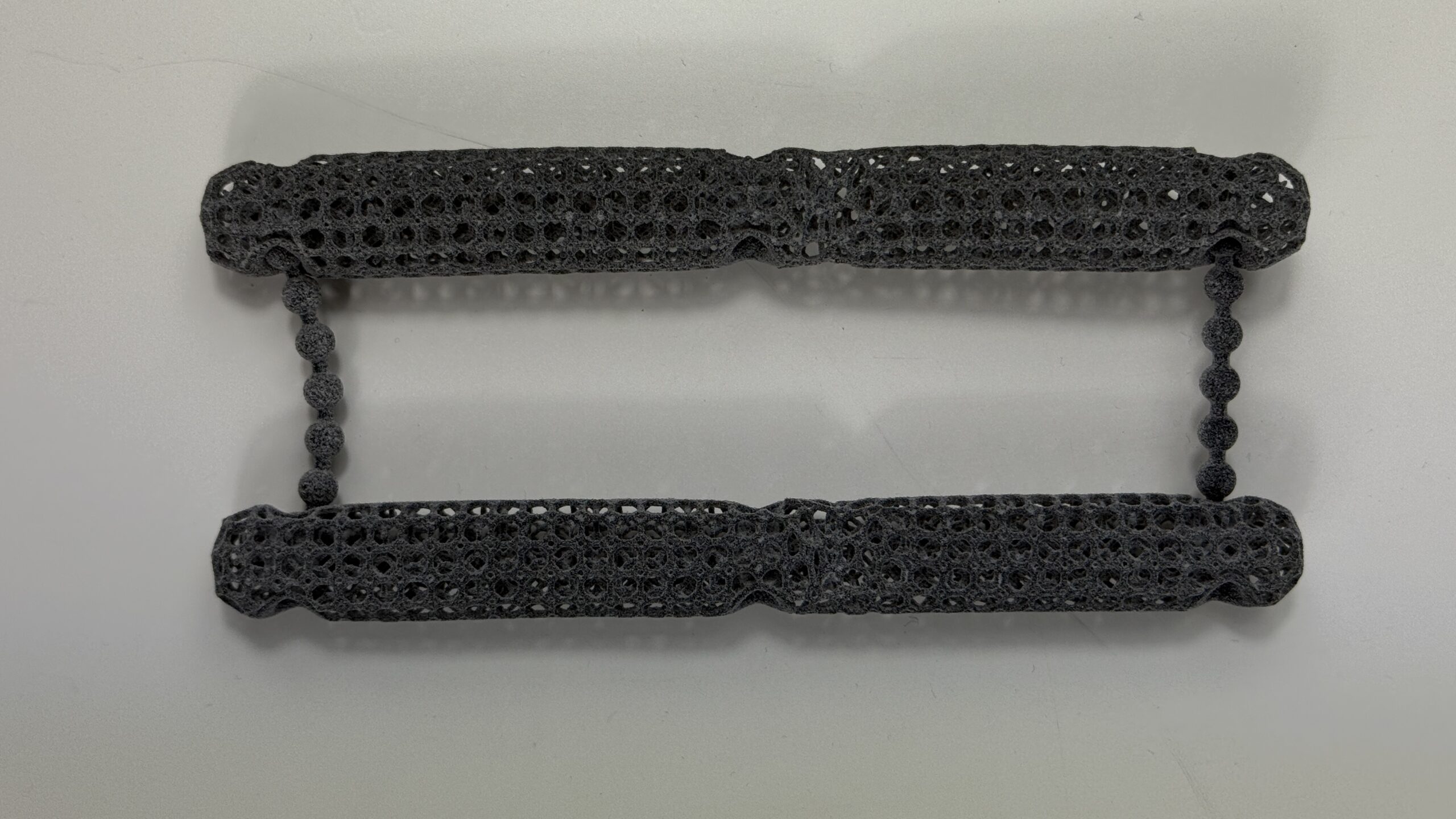
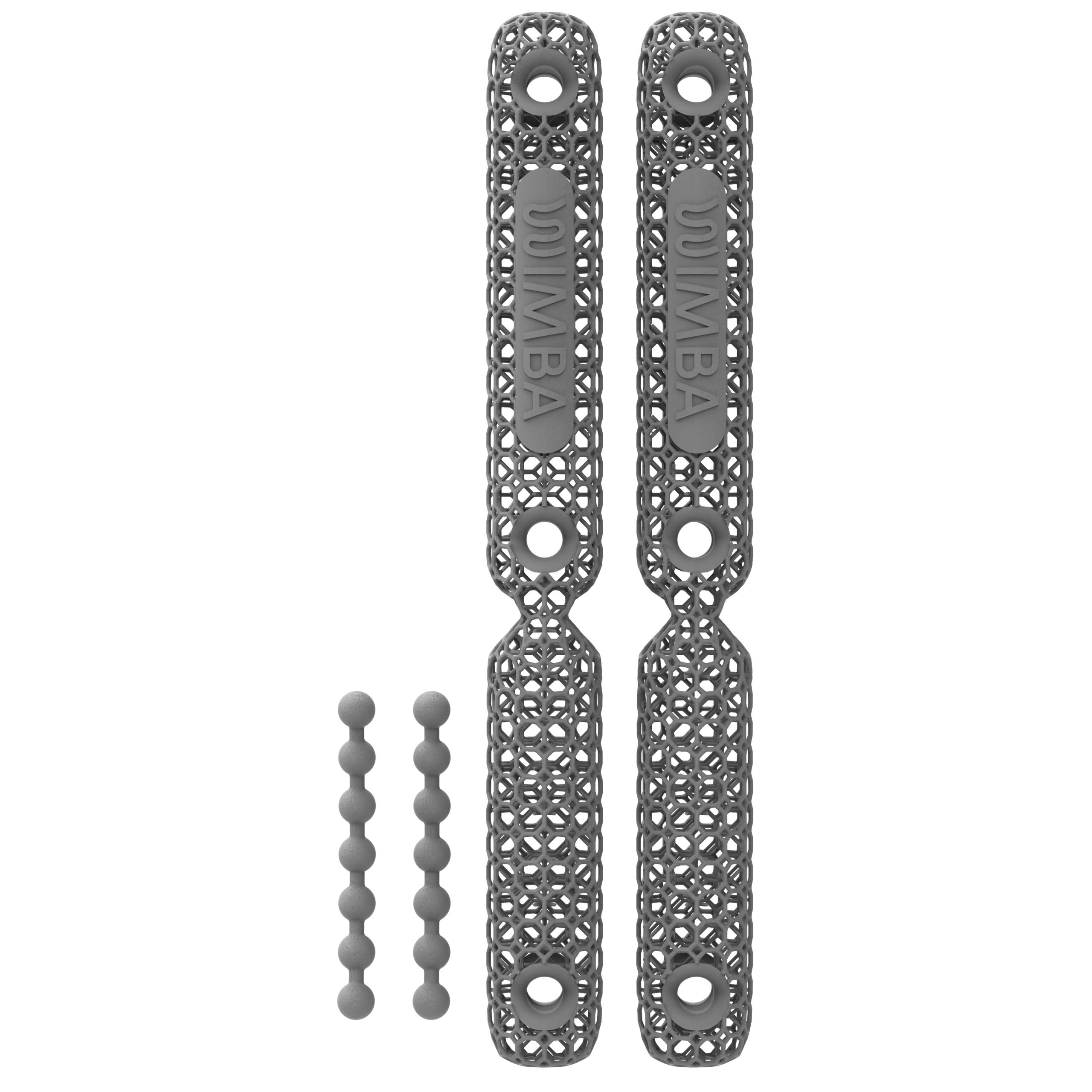
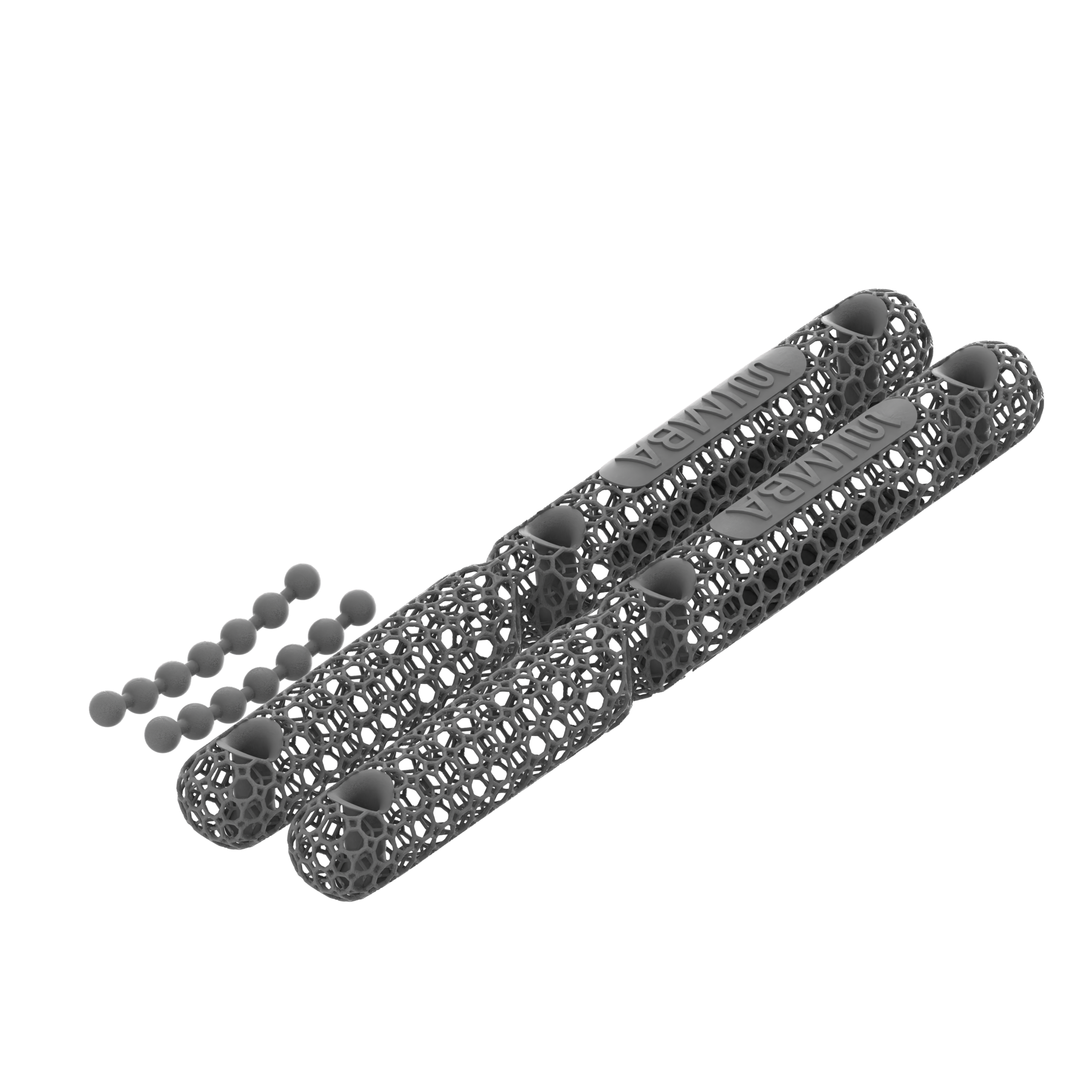
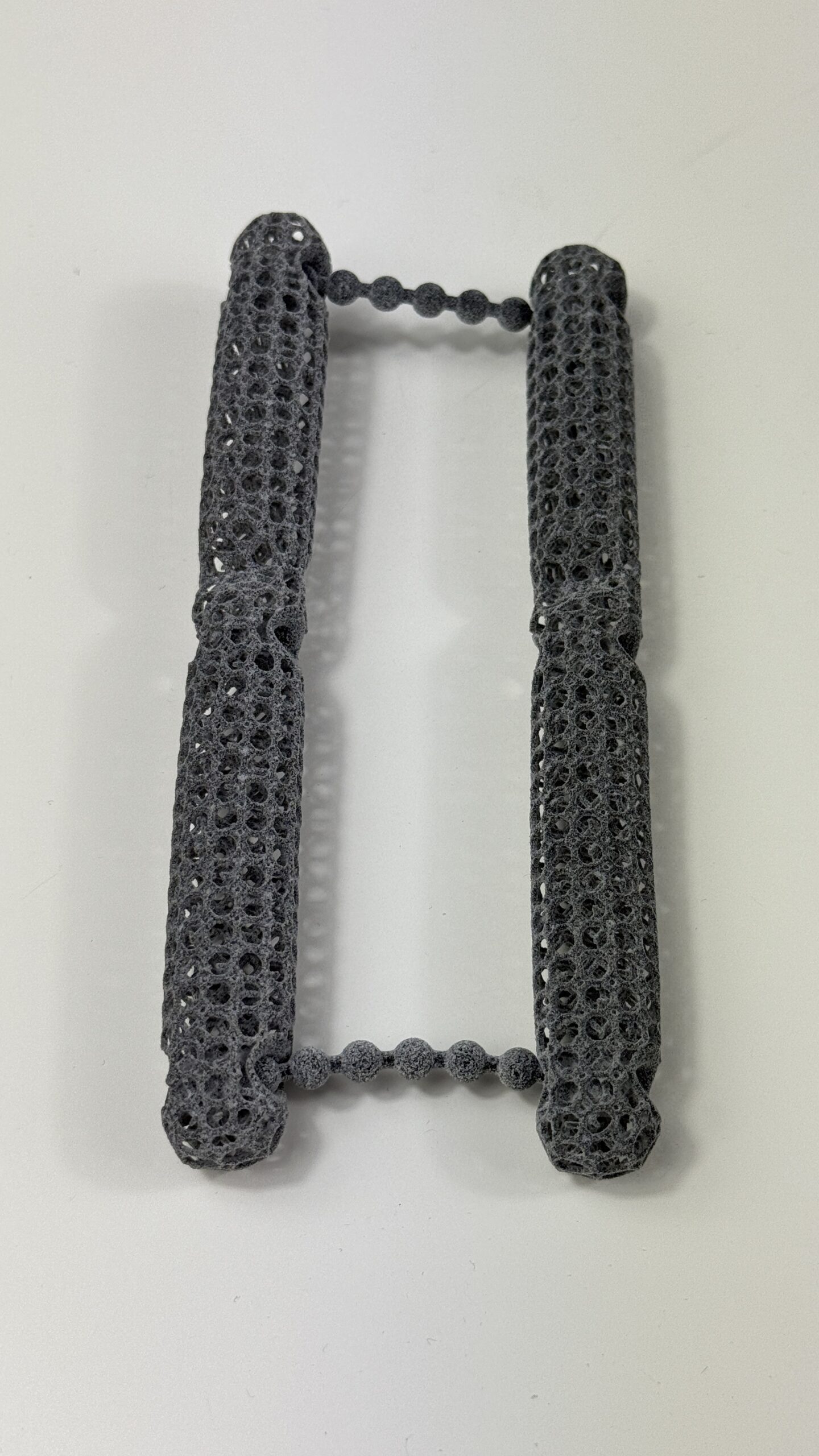
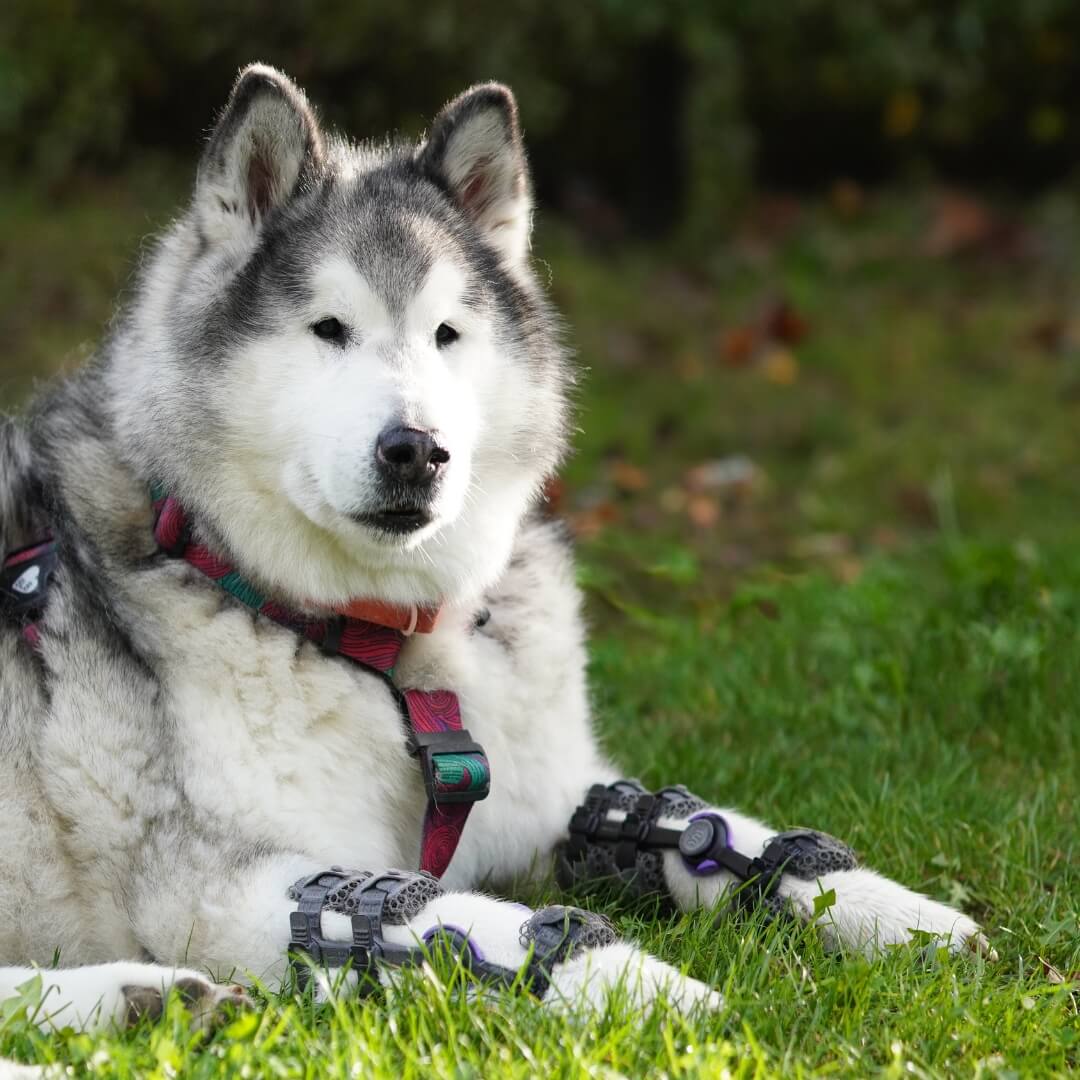
Supportive bracing or custom orthotics are essential for stabilizing the wrist during recovery and daily activity. These aids, such as the WIMBA carpus orthosis for dogs (or cats), are designed for comfort and ease of use while minimizing the risk of pressure sores. Do dog wrist braces help with carpal hyperextension? Yes, they offer significant support and are a key component of conservative management carpal hyperextension dog.
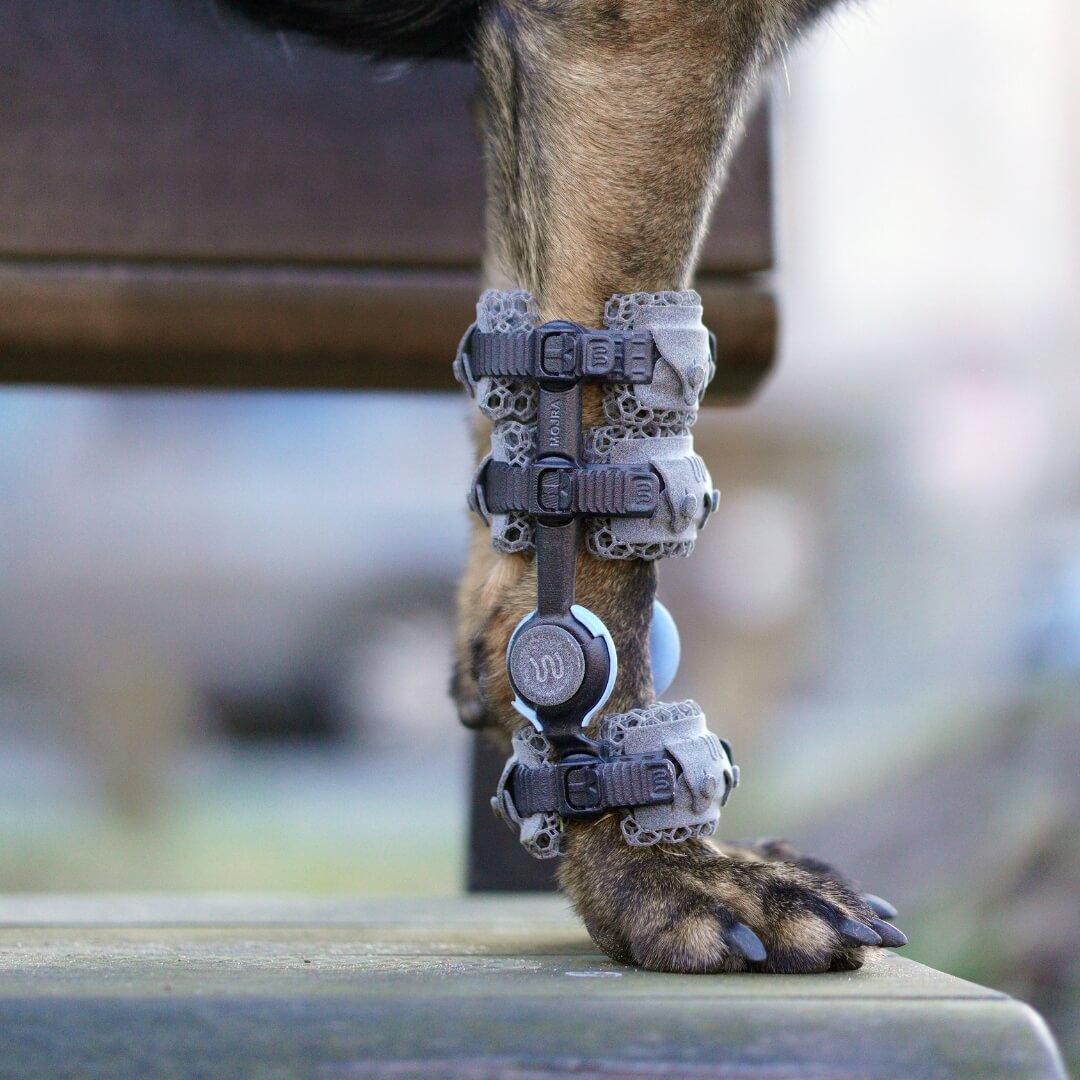
The Role of Dog Wrist Brace for Hyperextension
Orthotics for dog wrist problems, including veterinary orthotics canine limb options like WIMBA, are increasingly recommended by veterinary professionals. As in post surgical situations, rigid splinting with frequent bandage changes may be necessary before graduating to a custom orthosis, like WIMBA Carpus Orthosis Go or Pro.
When is Surgery Necessary for Dog Carpal Hyperextension?
For more serious injuries—such as complete ligament tears, fractures of the carpal bones, or advanced degenerative changes—surgery is often required. If the condition is linked to a fracture, surgical repair of the bone will also help stabilize the joint.In severe sprains or chronic degenerative cases, a procedure called pancarpal arthrodesis may be recommended.
This involves surgically fusing the carpal joint, creating a stable connection between the forearm and paw using specialized plates and screws. While this limits motion in the wrist, it significantly reduces pain and restores function by preventing further collapse.
Next Condition
FOR VETERINARY PROFESSIONALS
Enhance Your Patients’ Recovery with WIMBA
Are you a veterinary professional? Download WimbaAPP to order tailored orthotics for your patients
PET STORIES
WIMBA Orthosis in Action:
Case Studies of Successful Carpal Hyperextension Management
Bilateral Carpal Hyperextension
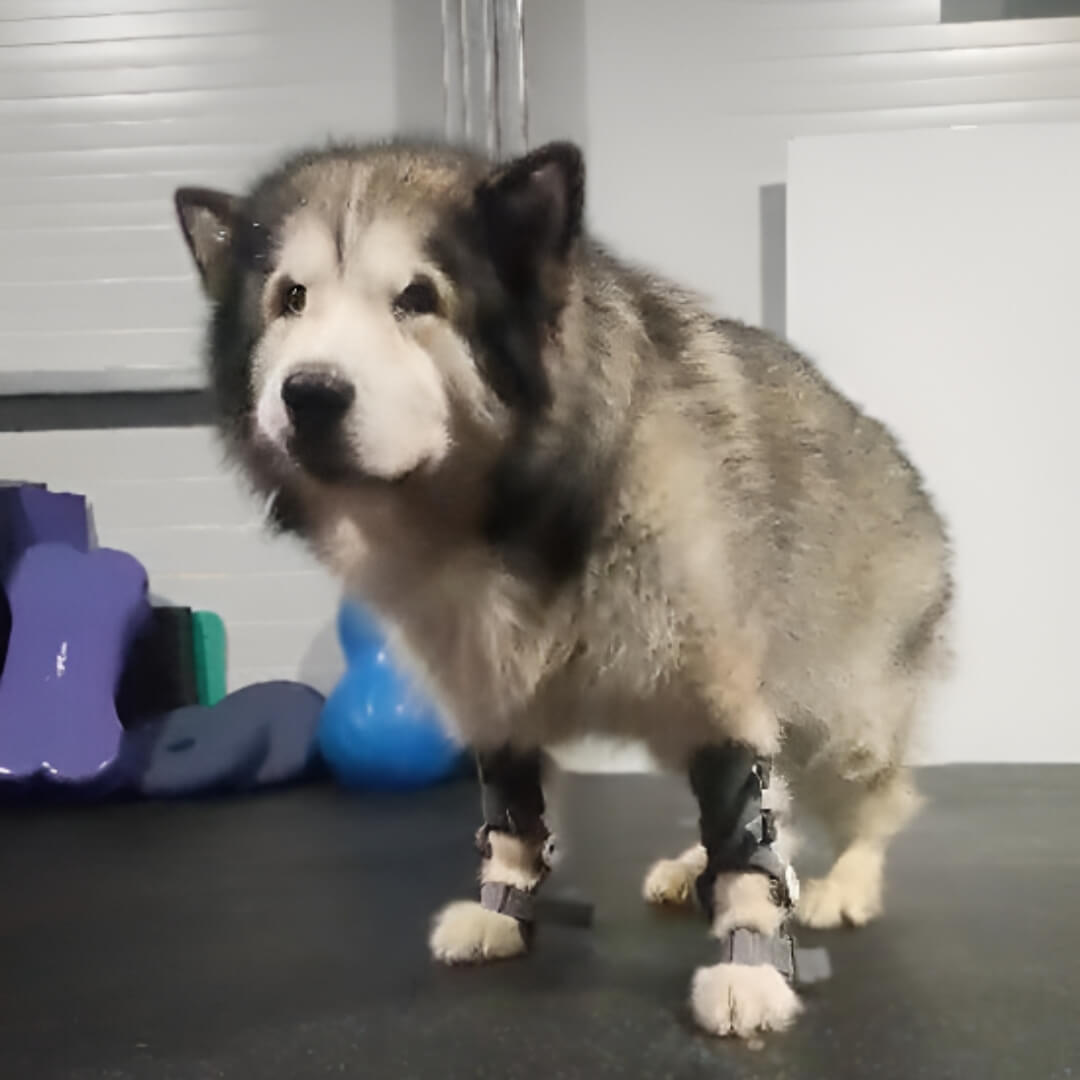
Amidala
Amidala, an 8-year-old Alaskan Malamute weighing 45 kg, grapples with bilateral carpal hyperextension, causing discomfort during extended activity. Utilizing WIMBA orthotics led to decreased NSAID usage and increased walk durations, despite the hyperextension angles remaining unchanged.
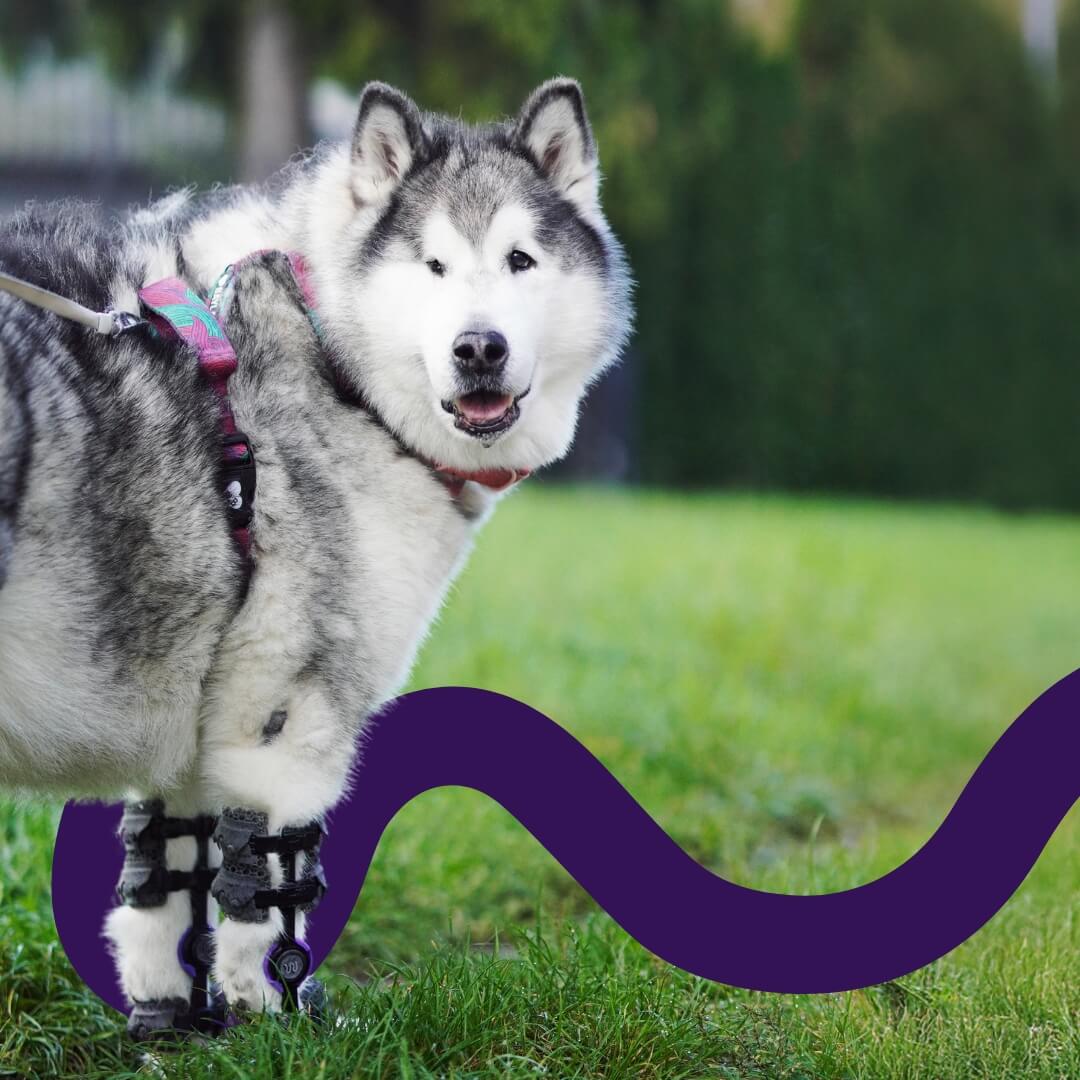
Carpal Joint Hyperextension
Oslo
Meet Oslo, a five-year-old Australian Shepherd who loves exploring the summits of the Haute-Savoie and the Alps. Following surgery, he now experiences carpal hyperextension, which impacts his mobility and overall quality of life. The introduction of the WIMBA orthosis marked a significant turning point in Oslo’s recovery.
“I found out about WIMBA, a company that manufactures custom-fit braces in collaboration with vets, for which lightness and mobility are its main assets. Easy to put on, it has really changed Oslo’s life! I’ve rediscovered my dog, through lots of mountain activities and outdoor sports!”
Flo Vani
Owner of Oslo

Compensatory Carpal Hyperextension Injury
Barry
After suffering a severe carpal hyperextension injury in October 2024, Barry has gone through a lot. Today, in the first part of Barry’s story, we’re sharing a huge milestone – his first steps in his WIMBA Carpus Go brace! This is just the beginning, but seeing him regain mobility and confidence makes every challenge worth it.

WIMBA for Cats Too!
Think your cat might need support? Fill in the form to check!
Intermittent Forelimb Lameness
Bernie
Bernie struggles with intermittent forelimb lameness and a tendency to hyperextend her carpus during activity, especially after exercise. With the newest WIMBA Carpal Orthosis Go set to 185 degrees, Bernie has gained the support she needed to prevent hyperextension, enhance her comfort, and enjoy life.
“Bernie can now enjoy longer walks and play with other dogs without us constantly worrying about pain or having to plan ahead to give her medication. She can finally just be a puppy again, doing what she loves without any repercussions or days of rest afterward. The entire process was easy, and now that Bernie has the brace, it’s truly changed her life.”
Owner of Bernie

Carpal Joint Hyperextension
Bru
Bru, a 17kg Australian Kelpie diagnosed with carpal joint hyperextension. After surgery, her first few steps in the WIMBA brace were not so easy. Her skin was sensitive, so a cohesive bandage was added under the device. With patience and perseverance, she’s gaining strength and confidence every day.
“With the orthosis, my dog feels much safer than without it.”
Owner of Bru
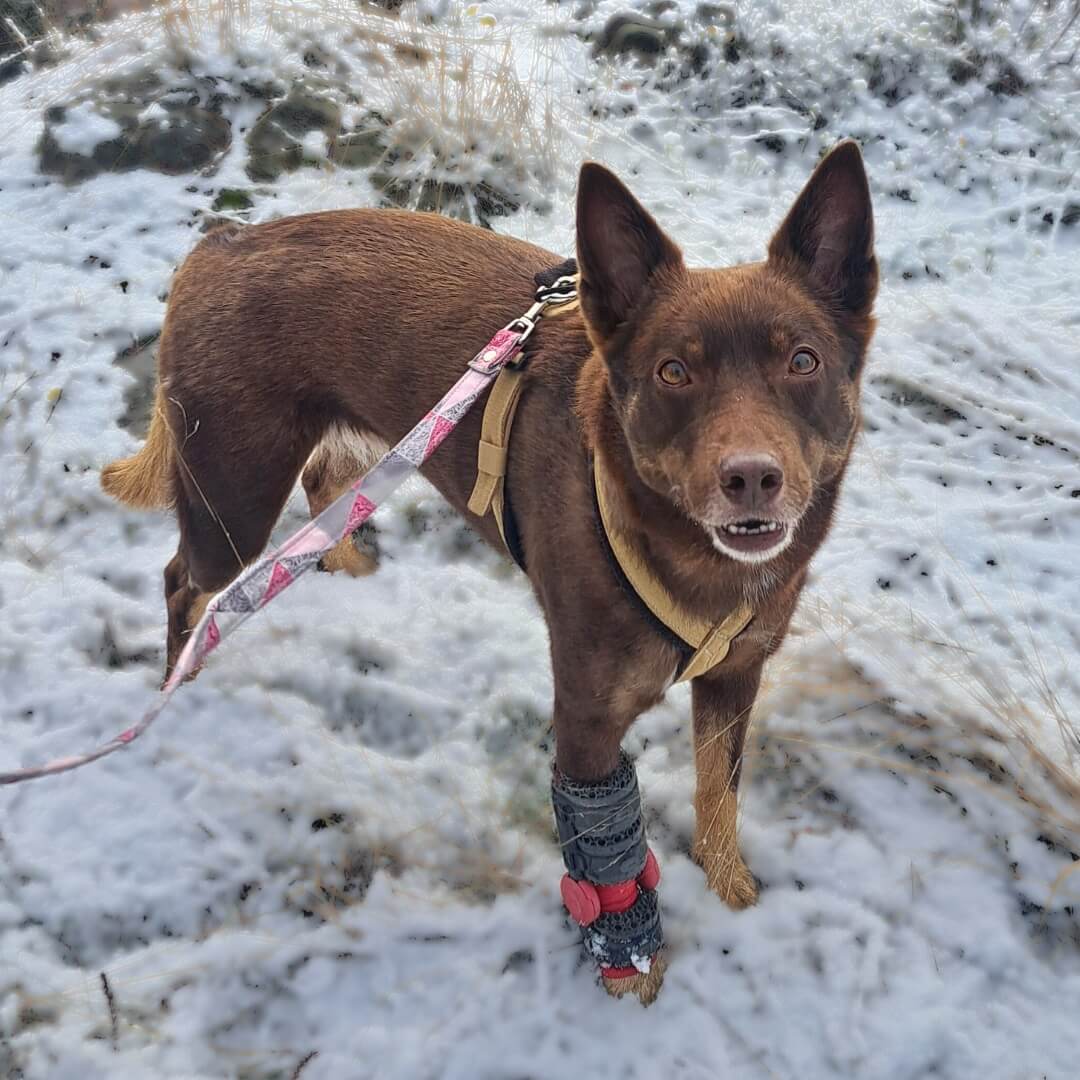
Carpal Joint Hyperextension
Chrupek
Chrupek, the Chow Chow, took an important step toward better mobility and joint support with the help of the 3D scanning technology – WimbaSCAN and his custom 3D-printed wrist orthosis.
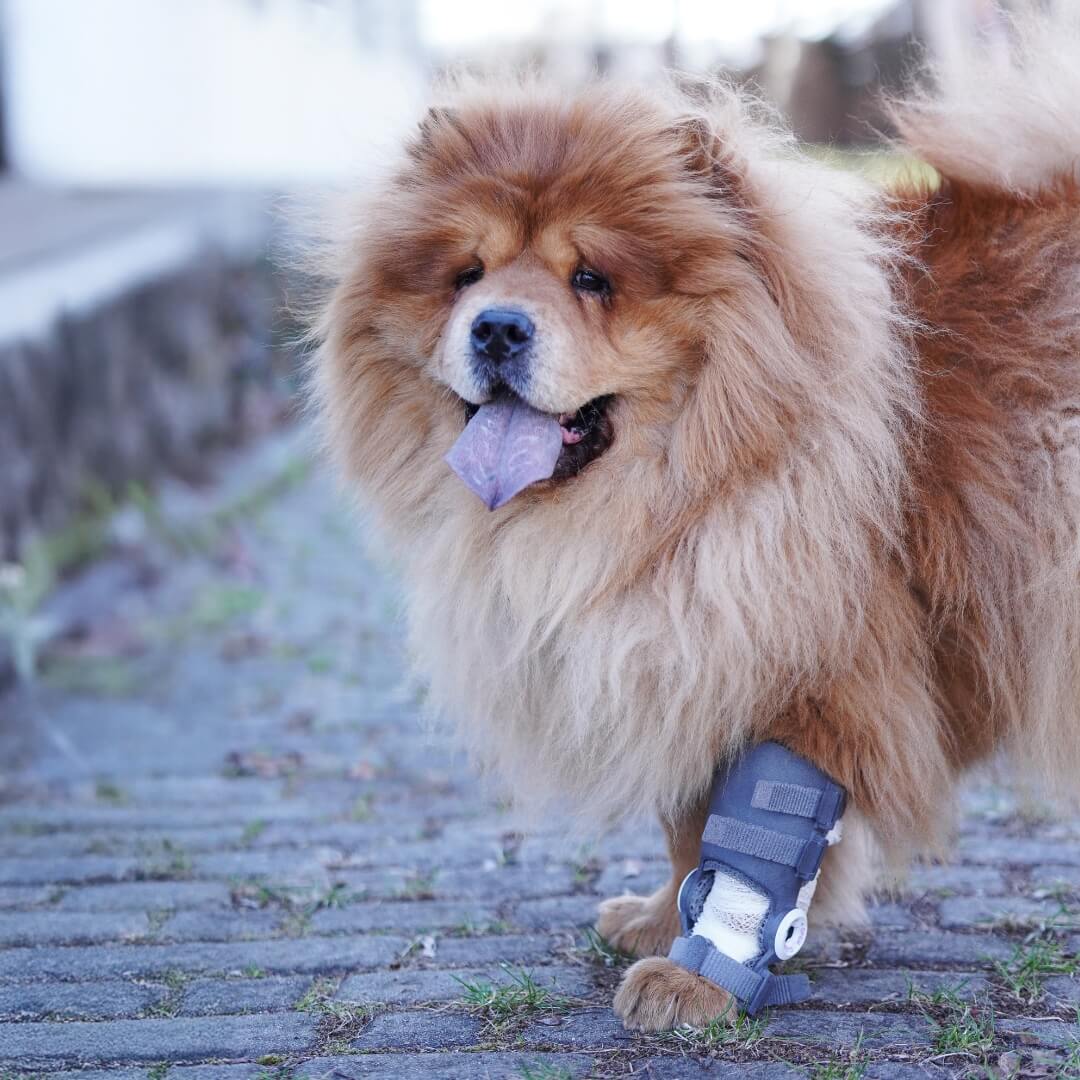
Bilateral Carpal Hyperextension
Loki
Although Loki’s case was ultimately impacted by cancer, using the orthosis showed straighter front paws and significant support from the orthosis. His early progress indicated that the WIMBA orthosis could have been a valuable tool in managing his condition.
“Even though he looks clumsy they did seem to offer a fantastic amount of support. We were all quite surprised with the results. He made a very good attempt at walking right away.”
Deirdre Duggan | Pet Paws Physio
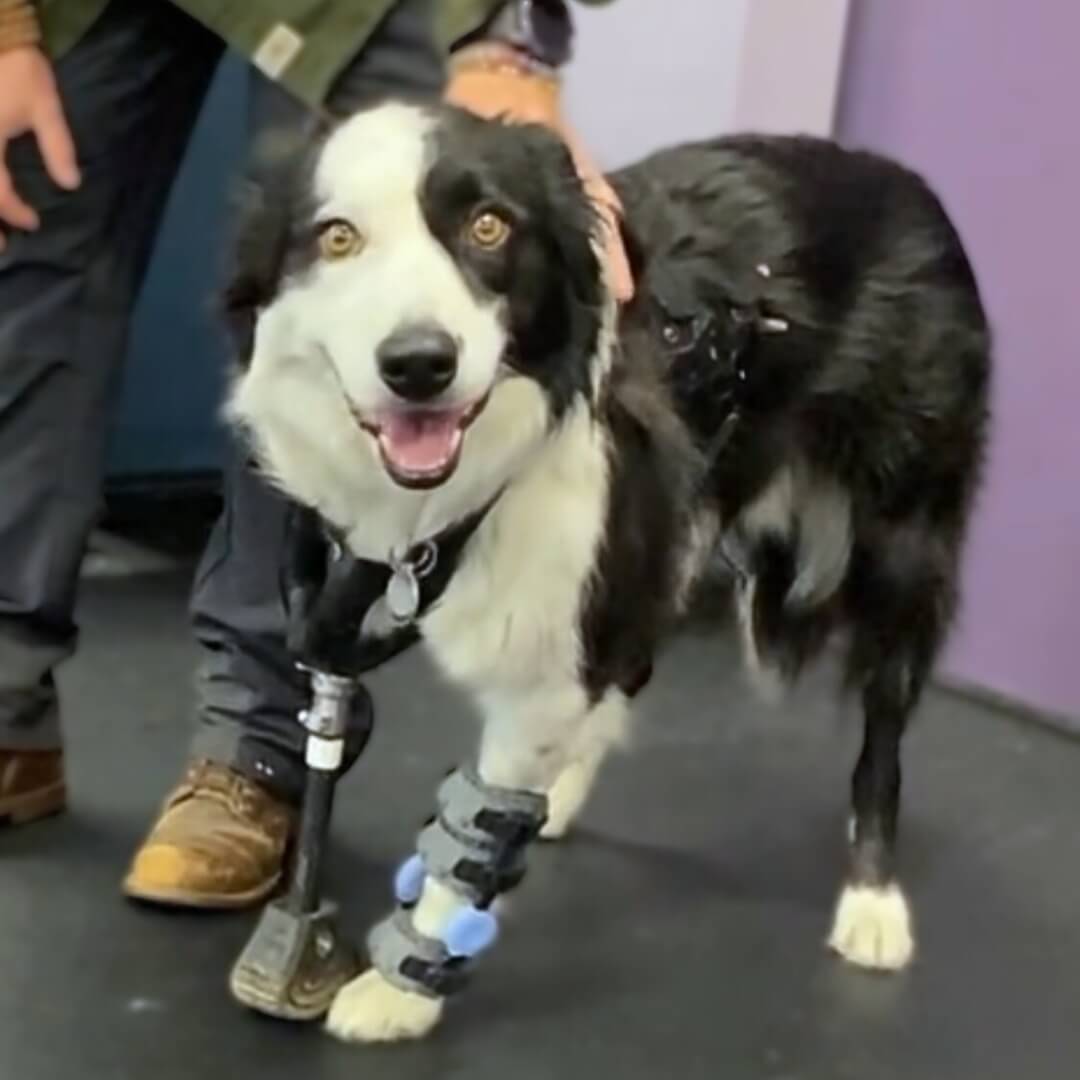
Carpal Joint Hyperextension
Eli
Eli got his custom WIMBA brace, designed just for him! He’s doing so well, even without wearing his prosthetic all the time, proving just how strong and resilient he is! Now, he’s playing and living his best life with confidence!
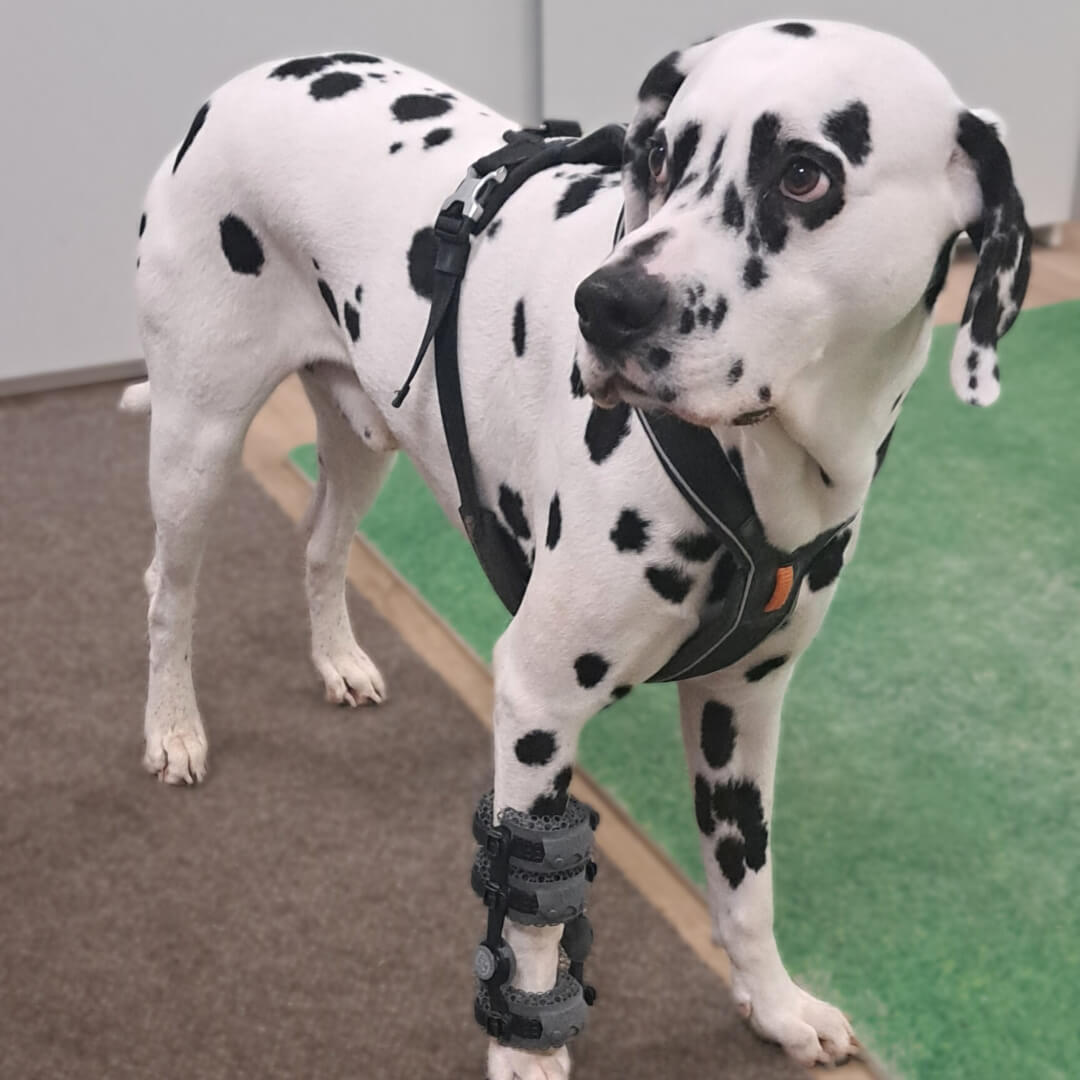
Tendon Issues (Laxity)
Cyril
Cyril, a 7-year-old Dalmatian, recently received a custom carpus orthosis, designed specifically to restrict paw straddling while allowing full wrist mobility in flexion. Thanks to a precise fit and thoughtful design, he can now move more comfortably and confidently!
„It’s not just the orthoses, it’s the precise communication with WIMBA and the technicians to create a comfortable and functional custom orthosis for the dogs. Thank you, WIMBA!” –
Rehabky pro tlapky

Follow WIMBA on Social Media
This blog post is for informational purposes only and should not replace professional veterinary advice. Always consult your veterinarian for an accurate diagnosis and tailored treatment plans for your pet.
Carpal Hyperextension Severity: Grade I, II and III
Veterinary classification of carpal hyperextension severity guides the choice between conservative management (custom orthosis) and surgical intervention. Understanding the grade is essential before selecting a brace or proceeding with surgery.
| Grade | Pathology | Clinical Signs | Recommended Approach |
|---|---|---|---|
| Grade I | Partial palmar fibrocartilage tear; mild instability | Slight carpal drop at weight-bearing; pain on palpation; no joint collapse | Conservative: custom orthotic brace + activity restriction + physiotherapy |
| Grade II | Moderate ligament damage; progressive instability under load | Visible carpal drop; intermittent knuckling; worsens with activity | Custom orthotic brace as primary treatment; surgical consultation if progression continues |
| Grade III | Complete ligament rupture; full joint collapse | Carpus resting on ground; non-weight-bearing or severely impaired gait | Surgical repair (pancarpal or partial arthrodesis); post-operative orthotic support during recovery |
Diagnosis requires radiographic assessment by a veterinary orthopedic specialist. Grade classification may change with clinical progression.
Carpal Hyperextension: Surgery vs Custom Orthosis — How to Choose
The decision between surgical repair and conservative management with a custom orthotic depends on the injury grade, the dog’s age, activity level, and the owner’s treatment goals. The table below outlines the key decision criteria used in veterinary practice.
| Factor | Custom Orthotic Brace (WIMBA) | Surgical Repair (Arthrodesis) |
|---|---|---|
| Best grade | Grade I and II; post-op recovery for Grade III | Grade III (complete rupture); Grade II if conservative management fails |
| Patient profile | Older dogs, dogs with comorbidities or surgical risk, low-activity lifestyle | Young, active, large-breed dogs; complete joint collapse |
| Recovery timeline | Gradual; brace worn daily; improvement seen within weeks | 6–12 weeks strict rest; full return to activity in 3–6 months |
| Long-term management | Ongoing brace use during activity; regular fit checks | Usually definitive; orthotic brace may still be needed post-op |
| Mobility post-treatment | Joint mobility preserved; controlled flexion maintained | Joint fusion; range of motion permanently reduced |
| Key consideration | Fit precision is critical — custom manufacturing is necessary for effective stabilization | Irreversible procedure; anaesthetic and surgical risk |
This table is a general guide. Treatment decisions must always be made by a qualified veterinary professional based on full clinical assessment and imaging.
Frequently Asked Questions: Carpal Hyperextension in Dogs
What is the best brace for carpal hyperextension in dogs?
For moderate-to-severe carpal hyperextension, a custom-made orthotic brace provides superior stabilization compared to off-the-shelf neoprene wraps. WIMBA’s carpal orthosis is a custom 3D-printed device designed specifically for dogs with wrist instability and carpal hyperextension. Unlike generic pet-store braces, it is individually fitted to the dog’s limb by licensed veterinary professionals, ensuring precise joint control and long-term comfort.
Is a custom orthotic brace better than a neoprene brace for carpal hyperextension?
Yes, in most clinical cases. When the carpus is visibly collapsing or the dog needs to wear a brace daily, a custom orthotic provides better mechanical control, more precise fit, fewer pressure sores, and stronger joint stabilization than a neoprene wrap. Off-the-shelf neoprene braces offer light proprioceptive support suitable for mild cases or as a temporary bridge — but for true hyperextension with joint instability, a custom device is the standard recommendation in veterinary rehabilitation.
How does the process of getting a WIMBA carpal orthosis work?
The process is coordinated entirely through veterinary professionals: a licensed vet or certified WIMBA provider evaluates the dog’s condition and takes measurements or a 3D scan of the limb. The custom orthosis is then manufactured from the dog’s individual data and fitted at a dedicated appointment. A personalized wearing schedule is defined based on the dog’s condition and lifestyle. Use the WIMBA Provider Map to find a certified clinic near you.
Can a brace prevent surgery for carpal hyperextension in dogs?
In Grade I and Grade II carpal hyperextension — involving incomplete ligament tears or partial joint instability — conservative management with a custom orthotic can be an effective long-term solution, particularly for older dogs or those with surgical risk factors. Grade III hyperextension (complete ligament rupture with full joint collapse) typically requires surgical repair, though orthotics still support post-operative recovery and rehabilitation. Always confirm the injury grade via X-ray with an orthopedic veterinarian before choosing a treatment approach.
How long should a dog wear a carpal hyperextension brace each day?
The wearing protocol depends on the severity of instability and the dog’s activity level. Dogs with active weight-bearing instability typically wear the brace during all exercise and movement, with rest periods without the device when lying down. Severe cases may require full-day use during initial stabilization. Your vet or certified WIMBA provider will define a personalized schedule — including gradual introduction periods and regular skin checks to monitor fit and comfort.
How do I find a vet who works with WIMBA dog orthotics?
WIMBA works with a global network of certified veterinary providers, including orthopedic surgeons, veterinary physiotherapists, and rehabilitation specialists. Use the WIMBA Provider Map to locate a certified clinic near you. If no provider is listed in your region, the WIMBA team can assist with referral and remote case support. All WIMBA devices are prescribed and fitted exclusively through licensed veterinary professionals.
What part of a dog’s leg does carpal hyperextension affect?
The carpus is your dog’s wrist joint, made up of seven small bones arranged in rows and connected by several smaller joints. Strong ligaments on the front and back of the joint normally hold these bones in place and keep the wrist at a stable, healthy standing angle. Carpal hyperextension develops when those ligaments weaken or are damaged, allowing the wrist to drop and bend backward beyond its normal range. A WIMBA carpal orthosis supports the joint externally to help restore a more normal standing angle.
Can carpal hyperextension affect one leg or both front legs?
It can affect either one front leg or both at the same time. Among the WIMBA case studies on this page, Amidala and Loki were treated for bilateral carpal hyperextension (both front legs), while others, such as Bru and Chrupek, were treated for hyperextension in a single carpal joint. WIMBA orthoses are custom-fitted per leg, so dogs with bilateral involvement typically wear a brace on each affected limb.