 Skip to content

Dog Carpal Hyperextension Treatment Options
Dog carpal hyperextension treatment cannot be chosen from the appearance of a “dropped wrist” alone. A growing puppy with developmental carpal laxity, an older dog with gradual sagittal-plane collapse, and an adult dog that has torn the palmar supporting structures after a fall may stand similarly but need very different care.
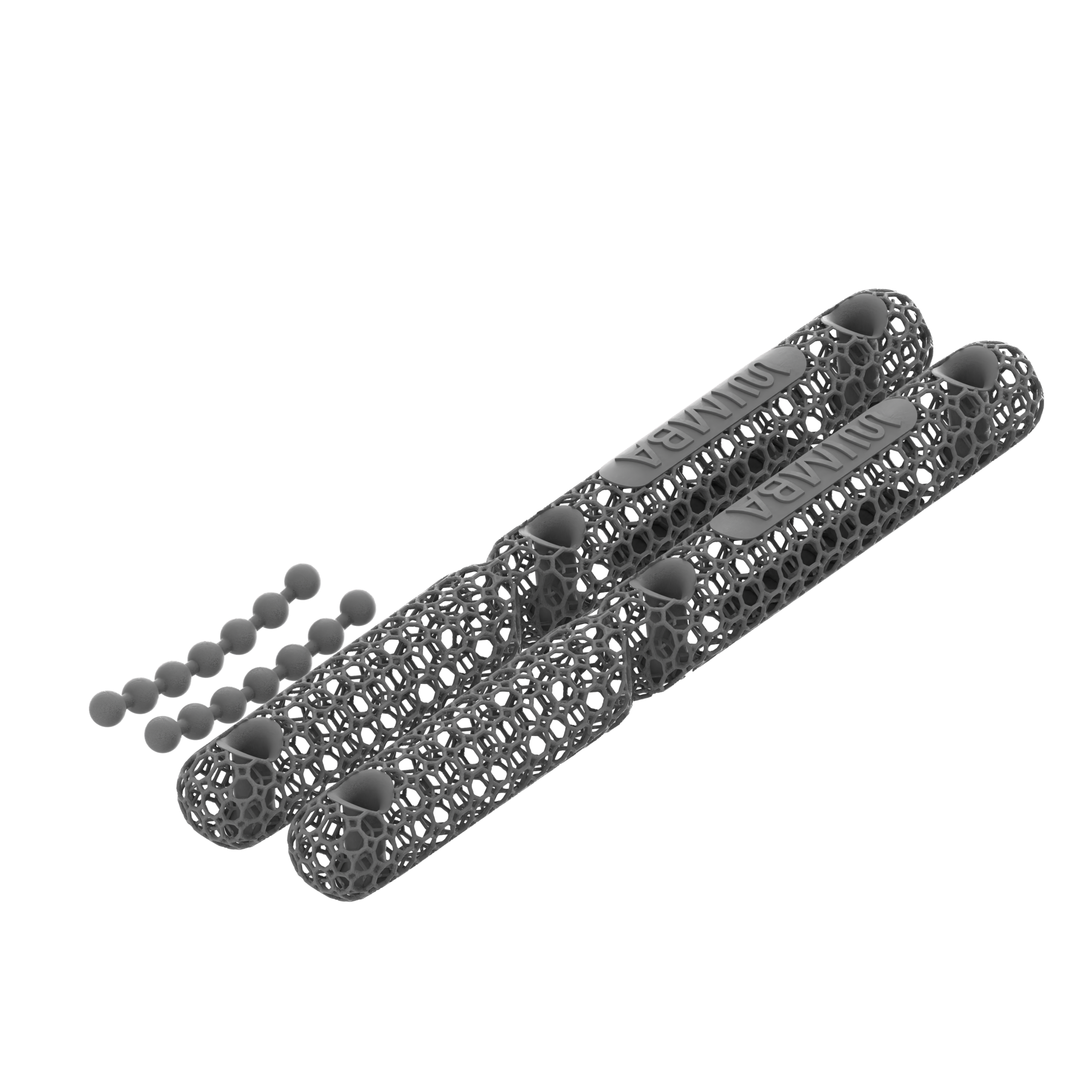
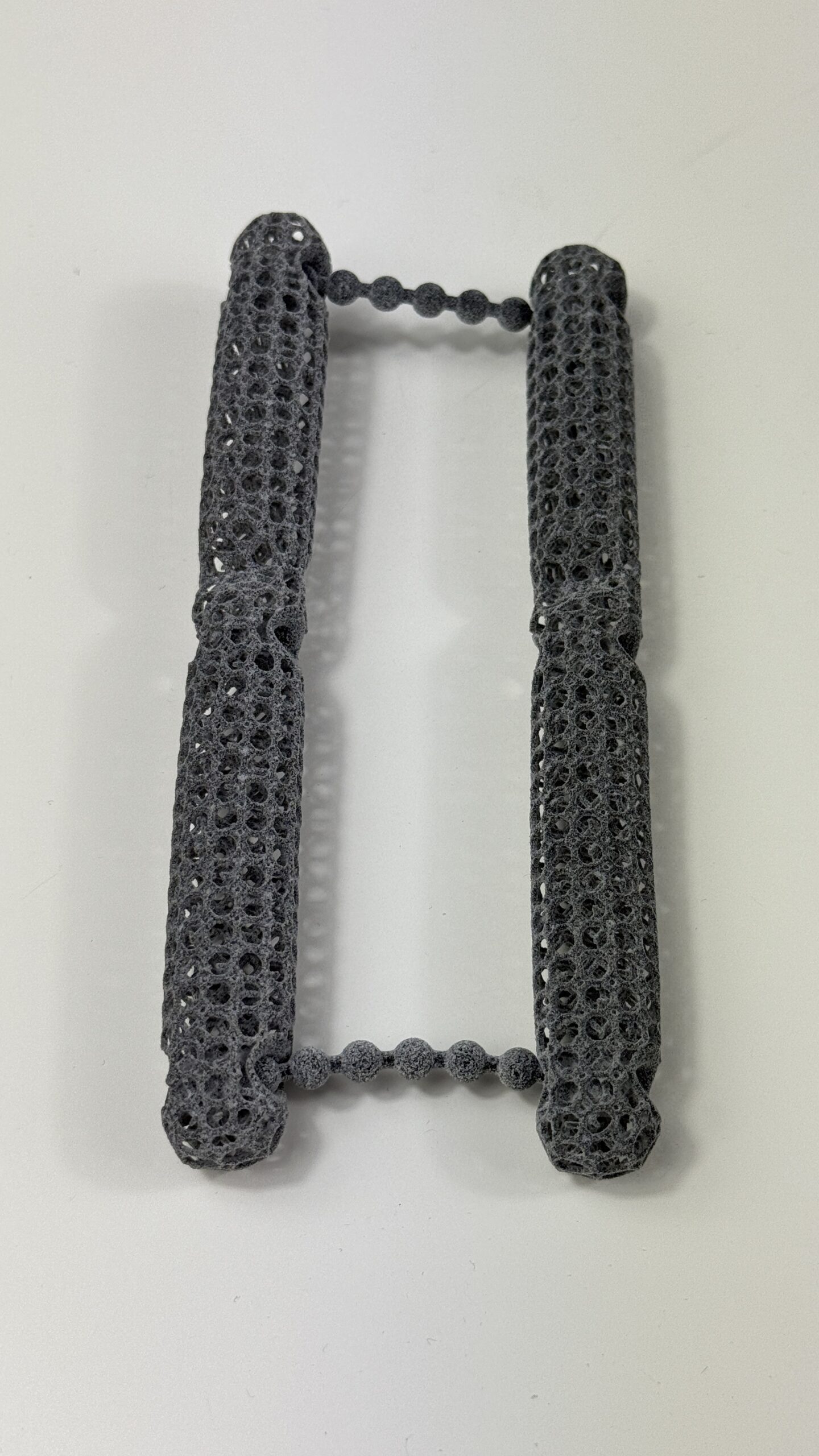
WIMBA makes custom carpal orthoses for dogs, including the WIMBA carpal orthosis in measurement-based GO and scan-based PRO versions. Whether non-surgical care with an orthosis is appropriate for a dog with carpal hyperextension is decided by the veterinarian after diagnosis. A non-surgical plan for dog carpal hyperextension can include activity restriction, rehabilitation, weight management, pain management where needed, and a custom carpal orthosis when the diagnosis supports it.
This guide explains when conservative care for dog carpal hyperextension may be reasonable, what a non-surgical plan can include, where a custom dog carpal brace may fit, and why severe traumatic instability should not automatically be put through a prolonged brace trial before surgical referral.
Carpal hyperextension is a movement pattern, not one diagnosis
The joint can sink because of developmental laxity, mild chronic ligament insufficiency, severe palmar ligament disruption, osteoarthritis, inflammatory disease, neurological weakness, or compensatory overload. Effective dog carpal hyperextension treatment starts by identifying the cause, plane, joint level, severity, and functional goal.
What Is Carpal Hyperextension in Dogs?
The canine carpus is the wrist region between the radius and ulna above and the metacarpal bones below. It is made of several small bones and three main joint levels. Palmar ligaments, fibrocartilage, collateral ligaments, joint capsules, tendons, and surrounding muscles work together to control the carpus during weight-bearing.12
Hyperextension means the carpus opens farther than it should when the limb is loaded. Owners may see the wrist sink, the metacarpus become more horizontal, or the paw appear to flatten toward the floor. The posture may occur in one limb or both, suddenly or gradually. Those details materially change the appropriate dog carpal hyperextension treatment.
| Clinical pattern | Common context | Why it changes the plan |
|---|---|---|
| Developmental laxity | Young puppy, often bilateral, without a major traumatic event | Frequently improves as the puppy develops; nutrition, footing, exercise, and monitoring are central |
| Mild chronic sagittal laxity | Gradual collapse, compensatory overload, ageing, or selected low-demand cases | May be considered for activity control, rehabilitation, weight management, and external support |
| Acute traumatic hyperextension | Fall, jump, collision, swelling, pain, or sudden non-weight-bearing lameness | May represent major palmar ligament and fibrocartilage failure; arthrodesis is commonly required |
| Multiplanar or complex instability | Varus, valgus, rotation, luxation, fracture, or deformity | A simple sagittal support may not control the abnormal motion or treat the damaged structure |
| Systemic or neurological pattern | Multiple joints, weakness, altered reflexes, fever, or other illness | The underlying disease, not the wrist posture alone, must drive treatment |
A photograph can document posture, but it cannot grade ligament damage. Do not force the wrist into extension at home. Stress examination and stress radiographs, when indicated, should be performed by the veterinary team because they are intended to localize instability without causing additional injury.
A Beginner’s Guide to Dog Wrist Hyperextension Care
If you have been told your dog has “carpal hyperextension,” that is the clinical name for what most owners would call wrist hyperextension: the joint most people picture as the dog’s wrist (the carpus, roughly midway down the front leg) drops or flattens toward the ground instead of staying upright when your dog stands or walks. It is not the same as a sprain that will resolve in a few days, and it is not something to diagnose or brace at home.
For a new pet owner, the practical starting point is simple: get a veterinary assessment before trying any product, since treatment depends on the age of the dog, the severity of the drop, and whether the cause is developmental, traumatic, or degenerative. As the sections below explain, many cases are managed conservatively, with a custom carpal orthosis, activity changes, and monitoring, while more severe or non-responsive cases may need a surgical opinion. Wrist hyperextension care is rarely a single product decision; it is a plan that a veterinary team adjusts over time.
Diagnosis Comes Before Dog Carpal Hyperextension Treatment
Before recommending dog carpal hyperextension treatment, the veterinarian needs to determine whether the visible collapse is developmental, traumatic, degenerative, inflammatory, neurological, or compensatory. History and a whole-limb examination matter because pain in the elbow, shoulder, opposite forelimb, or hind limbs may alter weight distribution through the carpus.
- History and onset. The team asks about trauma, age at onset, progression, previous immobilisation, medications such as long-term corticosteroids, activity, and other mobility problems.
- Standing and gait assessment. The dog is observed on a safe surface from the front, side, and behind to identify when the joint collapses and whether the problem is unilateral, bilateral, or multiplanar.
- Orthopaedic and neurological examination. Pain, swelling, range, carpal level, side-to-side stability, muscle function, and the rest of the limb are evaluated.
- Imaging. Standard and controlled stress radiographs can help localise structural instability. Additional imaging or laboratory testing may be required when fracture, tendon injury, immune-mediated polyarthritis, infection, or neurological disease is suspected.
- Functional goal. A comfortable household walk, return to sport, protection during rehabilitation, and strict stabilisation are not interchangeable objectives.
These findings determine whether non-surgical dog carpal treatment is a defensible option, whether a time-limited trial is appropriate, and what would count as success or failure.
Who May Be Considered for Dog Carpal Hyperextension Treatment?
Conservative care for dog carpal hyperextension is not a single protocol and is not automatically the gentler choice. It is a clinician-directed strategy for a defined patient and a defined mechanical problem. The aim of dog carpal hyperextension treatment must be stated before the modalities are selected.
Selected mild or chronic instability
A dog with mild, predominantly sagittal-plane laxity, stable skin, manageable pain, and realistic activity goals may be considered for dog carpal hyperextension treatment without surgery. Degenerative change, gradual compensatory overload, and selected partial ligament problems may fit this category after diagnostic review.
Patients with a meaningful surgical contraindication
Age alone does not rule surgery in or out. However, anaesthetic risk, serious comorbidity, poor tissue condition, bilateral disease, or another patient-specific concern may make surgery inappropriate. In that situation, non-surgical dog carpal treatment may aim to improve comfort and useful mobility rather than restore normal anatomy. The endpoints for dog carpal hyperextension treatment should reflect that palliative or functional goal.
Rehabilitation or postoperative support
External support may sometimes be prescribed during a staged rehabilitation plan or after surgery. The surgeon must define the permitted range of motion, activity, and timing. In this setting, dog carpal hyperextension treatment follows the surgical or rehabilitation protocol. A hinged carpal orthosis for dogs should not be assumed to provide the same immobilisation as a postoperative construct, cast, or splint.
When a conservative trial can delay needed treatment
Severe traumatic hyperextension, marked swelling or pain, fracture or luxation, open injury, major displacement, antebrachiocarpal involvement, or rapidly progressive collapse warrants prompt orthopaedic assessment. In those patients, dog carpal hyperextension treatment may need early surgical planning. Reviews of traumatic carpal hyperextension report that continued loading commonly defeats external coaptation and that partial or pancarpal arthrodesis is often the definitive option.12
Dog Carpal Hyperextension Treatment in Puppies Is Different
Developmental carpal laxity syndrome can produce hyperextension or hyperflexion in young puppies, commonly affecting both forelimbs. Puppy dog carpal hyperextension treatment should not be described as a miniature version of care for an adult traumatic ligament rupture. The puppy still needs veterinary examination to exclude fracture, neurological disease, angular limb deformity, painful disease, and an unbalanced diet.
In a series of 43 puppies, the clinicians recommended exercise and a commercially available balanced diet. All puppies recovered clinically within one to four weeks, and 65.1% recovered by the second week.3 This observational study supports a generally favourable prognosis, but it does not prove that every puppy with a dropped carpus has the same condition.
Do not add calcium, change the diet, or apply a rigid splint without veterinary direction. A complete growth diet is formulated around nutrient balance, and an external device can create pressure injury or restrict normal muscle use if applied to the wrong developmental problem. Puppy dog carpal hyperextension treatment should therefore be based on diagnosis and frequent reassessment, not internet photographs.
What a Conservative Plan Can Include
When the veterinarian selects conservative care for dog carpal hyperextension, the plan normally combines several measures. Their purpose is to manage load, pain, movement, and function. They do not biologically reconstruct a completely torn ligament.
1. Activity and load management
The team may temporarily restrict jumping, sprinting, abrupt turns, rough play, stairs, and slippery flooring. Controlled leash walking is adjusted to pain, stability, and the phase of dog carpal hyperextension treatment. “Rest” should have a defined duration and review point; unrestricted bursts after prolonged inactivity can overload the carpus again.
2. Veterinary pain and disease management
Analgesic or anti-inflammatory medication may be prescribed for a painful patient, while immune-mediated, infectious, neurological, or endocrine disease requires condition-specific care. Medication can improve comfort but should not be used to permit activity that exceeds the mechanical limits set for dog carpal hyperextension treatment. Never give human pain medication unless a veterinarian has specifically prescribed it.
3. Weight management
Every forelimb step transmits load through the carpus. If the dog is overweight, a veterinarian-supervised calorie plan can reduce avoidable load during dog carpal hyperextension treatment. In obese dogs with osteoarthritis at various joints, a clinical study found measurable lameness improvement after approximately 6% body-weight loss.8 That study was not specific to the carpus, so it supports weight management as part of a mobility plan rather than proving a cure for carpal instability.
4. Rehabilitation
A veterinary rehabilitation professional may use controlled strengthening, balance work, gait retraining, and progressive exercise when those activities are safe for the diagnosed lesion. Rehabilitation can improve the dog’s capacity around the joint, but stronger muscles do not reattach completely disrupted palmar ligaments. The programme must match the stage of dog carpal hyperextension treatment.
5. Home and surface changes
Non-slip runners, blocked access to risky stairs, ramps where appropriate, controlled entry and exit from vehicles, supportive bedding, trimmed nails, and good paw traction can reduce avoidable slips and sudden loading. These changes are low-tech, but they make the prescribed activity plan easier to follow consistently.
6. A custom orthosis for a suitable case
A custom dog carpal brace can provide external motion control during prescribed activity. The intended plane and range must match the diagnosis. A carpal orthosis for dogs is therefore one component of dog carpal hyperextension treatment, not a diagnosis, a biological ligament repair, or a universal substitute for arthrodesis.
Evidence for Dog Carpal Hyperextension Treatment With a Brace
The evidence relevant to dog carpal hyperextension treatment is useful but limited. A retrospective series followed 14 athletic dogs treated with a brace plus passive-motion and isometric exercises for unilateral carpal valgus or varus ligament instability. Eleven returned to normal function, including 11 of 12 that returned to agility competition.4
That study did not examine a broad group of dogs with traumatic sagittal hyperextension, and it had no untreated control group. It supports bracing in carefully selected carpal ligament cases; it should not be converted into a claim that 79% of all dogs avoid surgery.
A separate prospective study followed 43 dogs using custom orthoses or prostheses, including 10 with carpal orthoses. Objective weight distribution improved between baseline and the latest available follow-up in five of six carpal patients with complete gait data, but the study lacked a control group and patients also received other therapies.5 It therefore cannot isolate the effect of the device.
Fit and skin tolerance are part of the treatment. In that same study, 9 of 10 dogs with carpal orthoses had at least one reported skin complication during the first three months, usually a minor issue but occasionally a major one; 4 of 10 also had a mechanical problem requiring repair.5 These were not specifically WIMBA devices, but the findings show why gradual introduction, daily skin checks, professional fitting, and prompt adjustment are essential.
WIMBA Carpus GO or Carpus PRO?
WIMBA offers two pathways for selected carpal cases. The choice should follow the plane and severity of instability, limb and paw requirements, skin status, weight, activity, and required control. A convenient measurement pathway should never override the mechanical needs of dog carpal hyperextension treatment.
| WIMBA Carpus Orthosis GO | WIMBA Carpus Orthosis PRO | |
|---|---|---|
| Current role | Selected mild, predominantly sagittal-plane laxity, overload, osteoarthritis, or rehabilitation cases within GO indications | Eligible, more complex cases requiring scan-based geometry and control across additional planes |
| Patient data | Two weight-bearing limb photos plus product-specific manual measurements through WimbaAPP; no WimbaSCAN | WimbaSCAN plus specified manual measurements and clinical case information |
| Configurations | Custom carpal frame with clinician-selected motion-control components | Multiplanar frame options; paw-support version available when distal support is clinically required |
| Standard production target | 10 business days before shipping | 15 business days before shipping |
| Important boundary | Not intended for strict immobilisation, acutely postoperative use, uncontrolled high-impact activity, or instability outside current GO limits | Not a replacement for fracture treatment, ligament reconstruction, or arthrodesis when surgery is indicated |
Current WIMBA guidance places GO within selected mild cases and PRO within more complex multiplanar support.91011 Production targets are separate from shipping time and begin after usable patient data are confirmed.13
Conservative Care for Dog Carpal Hyperextension: Amidala’s Case

Individual Case Report
Amidala: support when arthrodesis was contraindicated
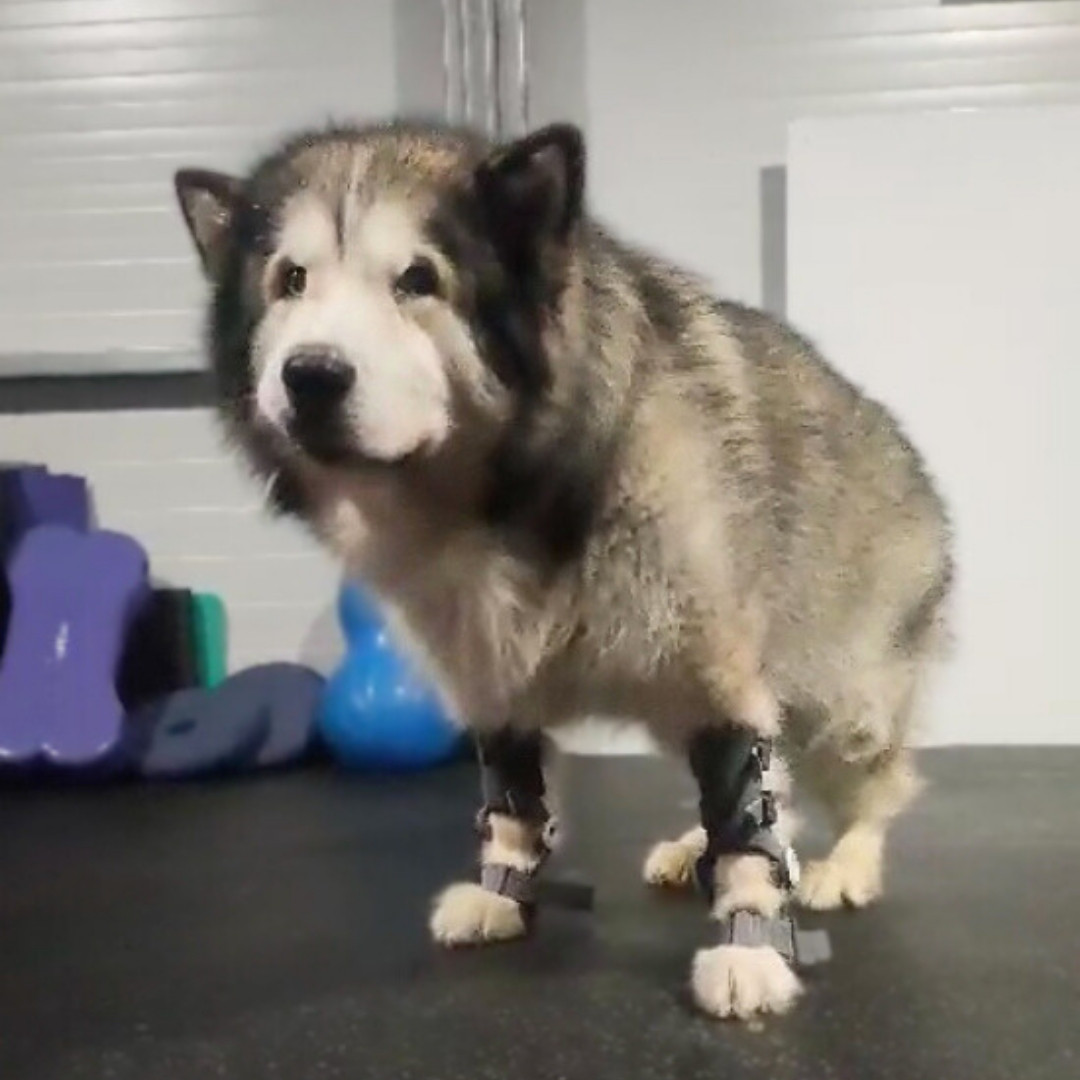
Amidala, an eight-year-old, 45 kg Alaskan Malamute with bilateral carpal hyperextension, was not considered eligible for arthrodesis because of her general condition. Her plan combined bilateral WIMBA Carpus Orthosis GO devices during walks, controlled activity, weight reduction, a lifting harness, follow-up, and veterinarian-directed pain medication. After four months, the carpal angles were unchanged, while her owner reported longer walks and less NSAID use.14
Solution: WIMBA Carpus Orthosis GO
Clinical context: Bilateral hyperextension with a surgical contraindication
This is an observational report about one dog, not proof that a brace caused the reported changes or that the same device suits another 45 kg patient. Current product criteria and individual case review take precedence. Amidala’s story is most useful because it shows a realistic aim for dog carpal hyperextension treatment: supported function within a multimodal plan, without claiming that the joint anatomy was corrected.
Fitting During Dog Carpal Hyperextension Treatment
A custom carpal orthosis for dogs still requires professional fitting. At the first donning, the provider checks that the device is on the correct limb, the joint-control components align with the carpus, the frame does not contact the limb, the inserts are not excessively compressive, and the device does not rotate or slide during gait.12
- Use the prescribed break-in schedule. There is no universal wear time for every dog or every phase of dog carpal hyperextension treatment.
- Supervise use. WIMBA orthoses are not intended for continuous 24-hour wear or unattended activity.
- Check clean, dry skin after every session. Look for redness that persists, hair loss, rubbing, heat, swelling, abrasions, moisture, or sores.
- Watch the device during movement. Stop if it rotates, migrates, places hard material against the limb, or creates a new gait change.
- Recheck fit as the dog changes. Swelling, muscle mass, coat, body weight, activity, and disease progression can alter fit and the required range.
- Do not modify the frame at home. Cutting, heating, drilling, bending, or adding improvised padding can create focal pressure or change motion control.
Remove the dog carpal brace and contact the provider if a sore, persistent redness, new swelling, new pain, device damage, repeated slipping, or worsening lameness appears. A skin problem is not something the dog must “push through” to become accustomed to the orthosis.
How to Know Whether Dog Carpal Hyperextension Treatment Is Working
A conservative plan needs a baseline, review date, and failure criteria. “Wait and see” without measurements can allow progressive collapse to become normalised. The veterinary team may track:
- Pain at rest, during examination, and after prescribed activity
- Weight-bearing and lameness on a consistent surface and at a consistent gait
- Carpal posture during stance and walking, documented with repeat photographs or video
- Distance, duration, and type of activity tolerated without a next-day flare
- Range of motion and the direction of instability measured by the clinician
- Skin tolerance, device position, and the dog’s acceptance of the orthosis
- Body weight, body condition, muscle mass, and changes in compensatory movement
- Imaging findings when healing, arthrodesis, or progression must be assessed structurally
Worsening pain, increasing extension, declining function, repeated skin injury, inability to keep the device positioned, or failure to meet agreed goals should trigger reassessment of dog carpal hyperextension treatment. Continuing the same plan for longer is not always the safest answer.
When Surgery Should Be Discussed
Traumatic failure of the palmar carpal support commonly requires partial or pancarpal arthrodesis. Which joints are fused depends on the level and extent of instability; antebrachiocarpal involvement often makes pancarpal arthrodesis necessary.12
Surgery is a major procedure with potential complications, not an easy fallback. A multicentre retrospective study covering 240 dogs and 261 pancarpal arthrodeses reported postoperative complications in 34% of dogs treated with one plate system and 41% with another; most dogs available at follow-up nevertheless had no or only mild lameness.6 In a later small series of ten UK working dogs, nine owners reported that their dogs returned to all or most duties and nine were satisfied or very satisfied.7
These surgical studies involve selected cases and different techniques, so they do not predict an individual outcome. They do show why the choice is more nuanced than “brace versus surgery.” The correct comparison is the likely function and risk of each option for the diagnosed lesion. If structural failure is severe, delaying referral in pursuit of non-surgical dog carpal treatment may reduce rather than preserve options.
Questions to Ask the Veterinary Team
Before beginning conservative care for dog carpal hyperextension, make the diagnosis, mechanical goal, and reassessment plan explicit.
- What is causing the hyperextension, and which carpal joint level is unstable?
- Is the motion mainly sagittal, or is there varus, valgus, rotation, fracture, or luxation?
- Is this a developmental puppy condition, chronic mild laxity, or traumatic palmar ligament failure?
- Would surgical referral now preserve a better option than a conservative trial?
- If a carpal orthosis for dogs is appropriate, what movement should it restrict and what movement should it allow?
- Does the case fit current WIMBA GO indications, or does it require PRO or another solution?
- What is the prescribed wear, exercise, skin-check, pain-management, and weight plan?
- When is the first recheck, how will progress be measured, and what findings mean the plan has failed?
Frequently Asked Questions
Can dog carpal hyperextension be treated without surgery?
Selected mild, chronic, developmental, or medically non-surgical cases may be managed without an operation using diagnosis-specific activity control, rehabilitation, weight management, pain care, and sometimes an orthosis. Severe traumatic palmar ligament failure, fracture-luxation, or major progressive instability often requires surgical assessment and may need arthrodesis.
How is dog carpal hyperextension treated without surgery?
There is no single non-surgical protocol because developmental carpal laxity in a puppy is different from traumatic ligament failure in an adult dog. Puppy management commonly centres on veterinary monitoring, controlled exercise on safe surfaces, and a complete balanced growth diet; routine rigid bracing is not automatically indicated. Selected mild or chronic adult cases may use activity and load control, veterinary pain care, weight management where relevant, staged rehabilitation, and a professionally fitted orthosis. WIMBA Carpus Orthosis GO may be considered for eligible mild, predominantly sagittal-plane instability, while more advanced or multiplanar instability requires assessment for a different orthotic or surgical pathway. Severe traumatic collapse, fracture or luxation still needs surgical assessment.
Does a puppy with carpal hyperextension need a brace?
Not automatically. Developmental carpal laxity in puppies often has a favourable short-term course with veterinary monitoring, appropriate exercise, safe traction, and a complete balanced growth diet. A brace or rigid splint may be unnecessary or harmful in the wrong case, so fracture, neurological disease, dietary imbalance, and other deformities should be excluded first.
Can a dog carpal brace heal a torn ligament?
No. A dog carpal brace provides external motion control and may support function in a suitable case, but it does not biologically reattach a completely torn palmar ligament or repair damaged joint surfaces. Its role, permitted motion, wear schedule, and rehabilitation plan must be defined by the treating veterinary team.
How long should conservative management be tried?
There is no universal trial length. It depends on the diagnosis, tissue involved, severity, age, pain, functional goal, and whether the joint is stable enough to load safely. The plan should start with a review date and measurable goals; worsening collapse, pain, function, or skin tolerance should trigger earlier reassessment.
When is surgery more likely to be needed?
Surgery is more likely after major trauma with palmar ligament and fibrocartilage disruption, antebrachiocarpal involvement, fracture or luxation, severe multiplanar instability, progressive collapse, or failure of a properly selected conservative plan. Partial or pancarpal arthrodesis may be recommended according to the joint levels involved.
How is a WIMBA carpal orthosis ordered and fitted?
For an eligible GO case, the clinic submits two weight-bearing limb photos and product-specific manual measurements through WimbaAPP. PRO uses WimbaSCAN plus manual measurements for more complex cases. The finished device is delivered to the clinic for professional fitting, gait assessment, owner instruction, and follow-up.
Start With the Type and Severity of the Carpal Instability
Safe dog carpal hyperextension treatment begins with a veterinary diagnosis. Pet owners can find an experienced WIMBA Provider, while veterinary professionals can submit the clinical details when the suitability of GO, PRO, surgery, or another pathway is uncertain.
Medical disclaimer: This article is intended for general educational purposes only and is not a substitute for veterinary examination, diagnosis, or treatment. Do not manipulate an unstable carpus, add nutritional supplements, apply a rigid support, begin rehabilitation exercises, or change prescribed activity without professional direction. Seek prompt veterinary care after significant trauma or if your dog cannot bear weight, has an open injury or obvious deformity, develops rapidly increasing pain or swelling, or shows progressive weakness.
Scientific, Clinical, and Product References
- Beierer LH. Canine Carpal Injuries: From Fractures to Hyperextension Injuries. Veterinary Clinics of North America: Small Animal Practice. 2021;51(2):285–303. doi:10.1016/j.cvsm.2020.12.002.
- Harasen G. Arthrodesis—Part I: The carpus. Canadian Veterinary Journal. 2002;43(8):641–643. Full text.
- Çetinkaya MA, Yardımcı C, Sağlam M. Carpal laxity syndrome in forty-three puppies. Veterinary and Comparative Orthopaedics and Traumatology. 2007;20(2):126–130. doi:10.1160/VCOT-06-06-0051.
- Tomlinson JE, Manfredi JM. Evaluation of application of a carpal brace as a treatment for carpal ligament instability in dogs: 14 cases (2008–2011). Journal of the American Veterinary Medical Association. 2014;244(4):438–443. doi:10.2460/javma.244.4.438.
- Rosen S, Duerr FM, Elam LH. Prospective evaluation of complications associated with orthosis and prosthesis use in canine patients. Frontiers in Veterinary Science. 2022;9:892662. doi:10.3389/fvets.2022.892662.
- Bristow PC, Meeson RL, Thorne RM, et al. Clinical comparison of the hybrid dynamic compression plate and the castless plate for pancarpal arthrodesis in 219 dogs. Veterinary Surgery. 2015;44(1):70–77. doi:10.1111/j.1532-950X.2014.12183.x.
- Higgins J, Hayes G. Owner satisfaction and prognosis for return to work after pancarpal arthrodesis in working dogs in the United Kingdom: a retrospective study (2011–2020). Acta Veterinaria Scandinavica. 2024;66:49. doi:10.1186/s13028-024-00759-5.
- Marshall WG, Hazewinkel HAW, Mullen D, et al. The effect of weight loss on lameness in obese dogs with osteoarthritis. Veterinary Research Communications. 2010;34:241–253. doi:10.1007/s11259-010-9348-7.
- WIMBA. WIMBA Carpus Orthosis GO. Product and ordering information.
- WIMBA Knowledge Base. WIMBA GO Orthotics Indications. Current clinical indications.
- WIMBA. WIMBA Orthotics PRO. Product and ordering information.
- WIMBA Knowledge Base. WIMBA Carpus Orthosis GO—First Donning. Fitting guidance.
- WIMBA Knowledge Base. WIMBA Orthosis Delivery Times. Current production information.
- WIMBA. Carpal Hyperextension Brace for Large Dogs: Case Study Amidala. Individual observational case report.
Related reading: When Do Vets Recommend a Carpal Orthotic for Dogs? · Do Dogs Have Wrists? A Guide to Dog Wrist Anatomy