 Skip to content

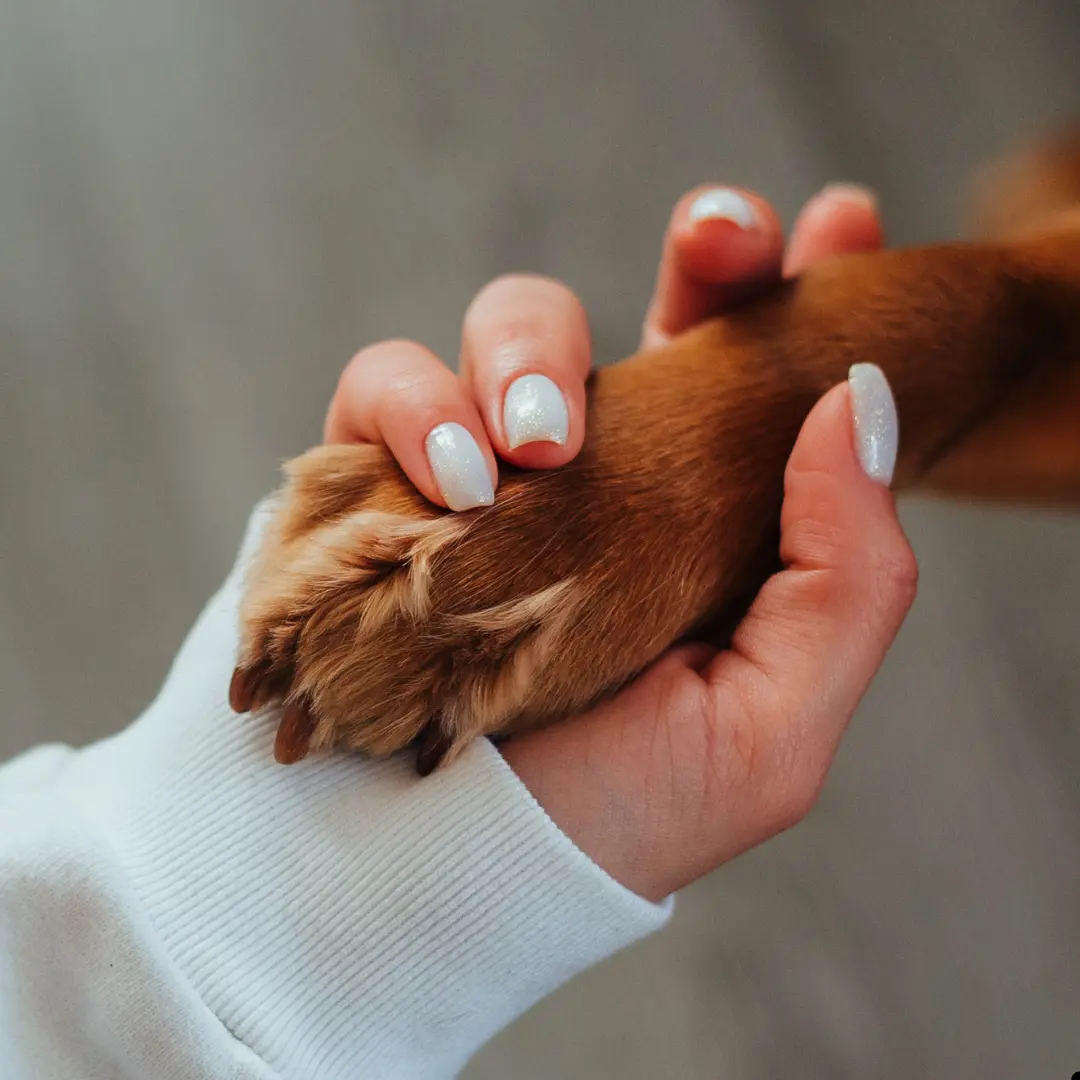
Do dogs have wrists? Yes, in functional and comparative anatomical terms. The small joint region above each front paw is the carpus, which veterinarians often describe as the wrist when speaking with owners. A dog wrist is not identical to a human wrist, but the comparison is useful because both connect the forearm to the structures below.
Understanding the dog wrist makes it easier to recognise changes such as swelling, pain, instability, or an unusual sinking posture. This guide explains where the canine carpus is located, how it supports movement, which problems can affect it, and when veterinary assessment or joint-specific support may be appropriate.
What Is the Dog Wrist?
The anatomical name for the dog wrist is the carpus. It lies on the front limb between the radius and ulna above and the metacarpal bones below. Rather than being one simple hinge, the region contains several small carpal bones arranged across three principal joint levels. These are the antebrachiocarpal, middle carpal, and carpometacarpal joints.[1]
The canine carpus also contains joint capsules, palmar fibrocartilage, collateral and palmar ligaments, tendons, retinacula, blood vessels, and nerves. These structures work together to permit useful flexion and extension while resisting abnormal motion during weight-bearing. A problem in any one of them can produce pain or instability that an owner simply sees as a sore wrist.
Calling this region the dog wrist is therefore reasonable in everyday language. The word carpus is more precise in a medical record because it identifies the complete anatomical region rather than implying that canine and human wrists function in exactly the same way.
Where Is the Dog Wrist Located?
The dog wrist sits on the front leg, above the metacarpus and paw. It is lower than the elbow but higher than many owners expect. Dogs stand and move on their digits rather than placing the whole foot flat on the ground, so the metacarpal region below the carpus can look like part of a long lower leg.
To identify the region without manipulating it:
- Look at a front leg while the dog is standing comfortably
- Find the paw and follow the limb upward
- The first prominent bending region above the metacarpus is the carpus
- The dewclaw may sit near the region, but it is not the wrist joint itself
- Do not force the joint to bend or compare its limits if the dog is painful
The equivalent region on a hind leg is the tarsus, commonly called the hock or ankle. A dog wrist is always on a front limb. Confusing the carpus with the tarsus can lead owners to search for the wrong condition or product, even though both regions may develop instability.
How a Dog Wrist Differs From a Human Wrist
Humans use the wrist to position the hand for grasping and fine manipulation. Dogs use the carpal joint in dogs primarily as part of a weight-bearing limb. That difference changes the mechanical demands placed on the bones, ligaments, tendons, and supporting soft tissues.
- Weight-bearing: the canine forelimb accepts substantial ground reaction force during standing and movement, while a human wrist normally does not support body weight with every step.
- Movement: both regions flex and extend, but the range, orientation, and contribution of their individual joints differ.
- Function below the joint: a human wrist leads to a hand designed for manipulation, while in dogs the carpus leads to weight-bearing metacarpals and digits.
- Loading pattern: speed, turning, landing, surface, body conformation, and pain elsewhere can all change demand through the canine front limb.
The comparison remains helpful for orientation, but human wrist advice should not be transferred directly to a dog. A human splint, improvised wrap, or exercise may place pressure in the wrong area or control the wrong movement in a dog wrist.
Dog Wrist Anatomy: Bones and Joint Levels
The proximal row of carpal bones meets the radius and ulna at the antebrachiocarpal joint. A middle carpal articulation sits between the proximal and distal rows. The carpometacarpal joints connect the distal carpal row to the metacarpal bones. The antebrachiocarpal level contributes most of the visible flexion and extension, but all three levels matter when instability is assessed.[1]
This layered anatomy explains why a radiograph of a dog wrist looks more complex than a single hinge. It also explains why the level of injury matters. A treatment that restricts motion across the whole carpus is not equivalent to one that targets a selected joint level.
The accessory carpal bone projects behind the joint and serves as an important attachment and lever point for soft tissues. It should not be mistaken for an abnormal lump. The carpal joint in dogs is also surrounded by relatively little soft-tissue coverage in some areas, which makes careful palpation and properly positioned support important.
Ligaments, Fibrocartilage, and Tendons Around the Carpus
Palmar ligaments and fibrocartilage on the back-facing surface of the standing limb help resist excessive extension. Collateral ligaments contribute medial and lateral stability. Joint capsules and the arrangement of the carpal bones add further control. When these structures are damaged, the dog wrist may open farther than intended during weight-bearing.
Tendons crossing the dorsal, lateral, medial, and palmar aspects of the canine carpus contribute movement and dynamic stability. A high-resolution ultrasound study described the normal appearance and position of several extensor and flexor tendons in sporting Border Collies, showing how many distinct soft-tissue structures surround this compact region.[2]
Because bones, ligaments, tendons, joint capsules, and nerves can produce overlapping signs, the location of swelling alone does not establish a diagnosis. Pain around the carpal joint in dogs may require radiographs, ultrasound, stress views under professional control, CT, MRI, or another test selected from the examination findings.
Why the Dog Wrist Matters During Movement
During unimpeded walking, approximately 60% of vertical force is reported through the forelimbs, although distribution changes with gait, speed, conformation, head position, pain, and the task being performed.[2] The figure should be understood as a general biomechanical observation, not a fixed percentage for every dog.
The dog wrist flexes during the swing phase and extends as the paw accepts load. At higher speeds and during jump landings, forelimb forces can rise substantially. Research on agility dogs has quantified high loading during landing, which helps explain why technique, conditioning, surface, fatigue, and task design matter for canine athletes.[7]
Normal extension is not the same as pathological hyperextension. The carpal joint in dogs must extend to function. A problem is suspected when the motion exceeds the dog’s normal control, the joint becomes unstable, or the posture is accompanied by pain, swelling, lameness, or declining function.
Problems That Can Affect a Dog Wrist
A low or painful wrist posture does not identify one disease. Conditions affecting the carpal joint in dogs include acute ligament injury, fracture, luxation, shearing trauma, osteoarthritis, tendon disease, developmental laxity, inflammatory disease, neurological weakness, and compensatory loading. A veterinary examination is needed to distinguish them.[1]
Carpal Hyperextension in Dogs
Carpal hyperextension in dogs describes excessive opening of the carpus when the limb is loaded. It is a movement pattern rather than one complete diagnosis. Acute traumatic cases can involve disruption of palmar ligaments and fibrocartilage after a fall, jump, collision, or other high-force event. Gradual sinking can have a different cause and requires a different plan.
Owners may notice that the dog wrist drops toward the floor, the metacarpus becomes more horizontal, or the paw appears flatter during standing or walking. Read the full guide to carpal hyperextension in dogs for causes, severity patterns, and diagnostic questions.
Fractures, Luxations, and Shearing Injuries
Major trauma may damage carpal bones, displace a joint, or injure both bone and soft tissue. These cases can cause sudden non-weight-bearing lameness, swelling, pain, deformity, or an open wound. They require prompt veterinary care. Applying a brace before the anatomy has been imaged can conceal damage or fail to stabilise the required region.
Osteoarthritis and Chronic Joint Disease
Osteoarthritis can affect the carpus after previous trauma, instability, developmental abnormality, or other joint disease. Signs may include stiffness, reduced willingness to exercise, pain, swelling, or a change in range of motion. Not every older dog with a low stance has arthritis, and age alone does not determine whether external support is suitable.
Tendon and Soft-Tissue Conditions
Flexor and extensor tendons cross the carpus and can be affected by trauma, repetitive demand, inflammation, or degeneration. The visible dog wrist posture may remain fairly normal even when one of these structures is painful. Ultrasound can help examine selected tendons, but it should be interpreted with the history and clinical findings.[2]
Developmental Laxity in Puppies
Young puppies can develop carpal laxity syndromes that look different from an adult traumatic injury. Presentation may be bilateral and may involve flexural or extension-related deformity. Nutrition, footing, exercise, growth, and other health factors require veterinary review. An adult treatment pathway should not be copied for a growing puppy.
Signs That a Dog Wrist Needs Veterinary Assessment
- The carpus sinks, flattens, bows, rotates, or changes position under load
- New or recurring front-limb lameness
- Swelling, heat, pain, or sensitivity around the joint
- Reduced willingness to walk, run, jump, use stairs, or land normally
- A wider stance, altered paw placement, or repeated weight shifting
- Rubbing, hair loss, or wounds caused by abnormal contact with the ground
- A difference between the right and left carpus that persists
Seek prompt care after significant trauma or when the dog cannot bear weight, has an open injury, an obvious deformity, rapidly increasing swelling, severe pain, or progressive weakness. Do not repeatedly bend a painful dog wrist to test it at home.
How Veterinarians Assess the Canine Carpus
Assessment starts with the history and a whole-patient examination. The veterinarian may ask whether the change was sudden or gradual, whether one or both limbs are affected, what activity preceded it, and whether the dog has pain or disease elsewhere. Gait observation can show whether the dog wrist changes position only during loading or whether the whole limb is compensating.
The physical examination may assess swelling, pain, range of motion, joint level, medial and lateral stability, muscle condition, paw placement, skin, circulation, and neurological function. Stress testing should be performed by a professional because forceful manipulation can be painful and may worsen an unstable injury.
Standard and stress radiographs can help evaluate bone alignment, fractures, luxation, osteoarthritis, and instability. Ultrasound can examine selected tendons and soft tissues. CT, MRI, arthroscopy, or referral may be appropriate for complex cases. Research has also compared imaging methods for visualising the ligaments of the canine carpus, underscoring that no single view answers every diagnostic question.[3]
Treatment Depends on the Structure and Severity
There is no universal treatment for a painful or unstable dog wrist. The plan may include activity modification, medication, weight management, rehabilitation, temporary immobilisation, a custom orthosis, ligament treatment, fracture repair, partial arthrodesis, pancarpal arthrodesis, or another procedure. These options are not interchangeable.
Severe traumatic hyperextension with major palmar structure failure commonly requires surgical evaluation. Arthrodesis fuses selected carpal joint levels to create stability when useful motion cannot be preserved safely. A 2024 retrospective study of working dogs reported return-to-work and owner-satisfaction outcomes after pancarpal arthrodesis, but those results apply to the studied surgical population and do not make surgery or bracing appropriate for every patient.[6]
Milder or different problems may follow a conservative plan. For carpal hyperextension in dogs, the cause, affected joint level, plane of instability, pain, activity, skin condition, and progression all influence whether conservative management is reasonable. The dog carpal hyperextension treatment guide explains these pathways in more detail.
When a Canine Carpal Orthosis May Help
A canine carpal orthosis is an external medical device designed to influence motion or loading at an existing joint. It may be considered when examination identifies a defined mechanical need that the device can address. It should not be selected from the appearance of the dog wrist alone.
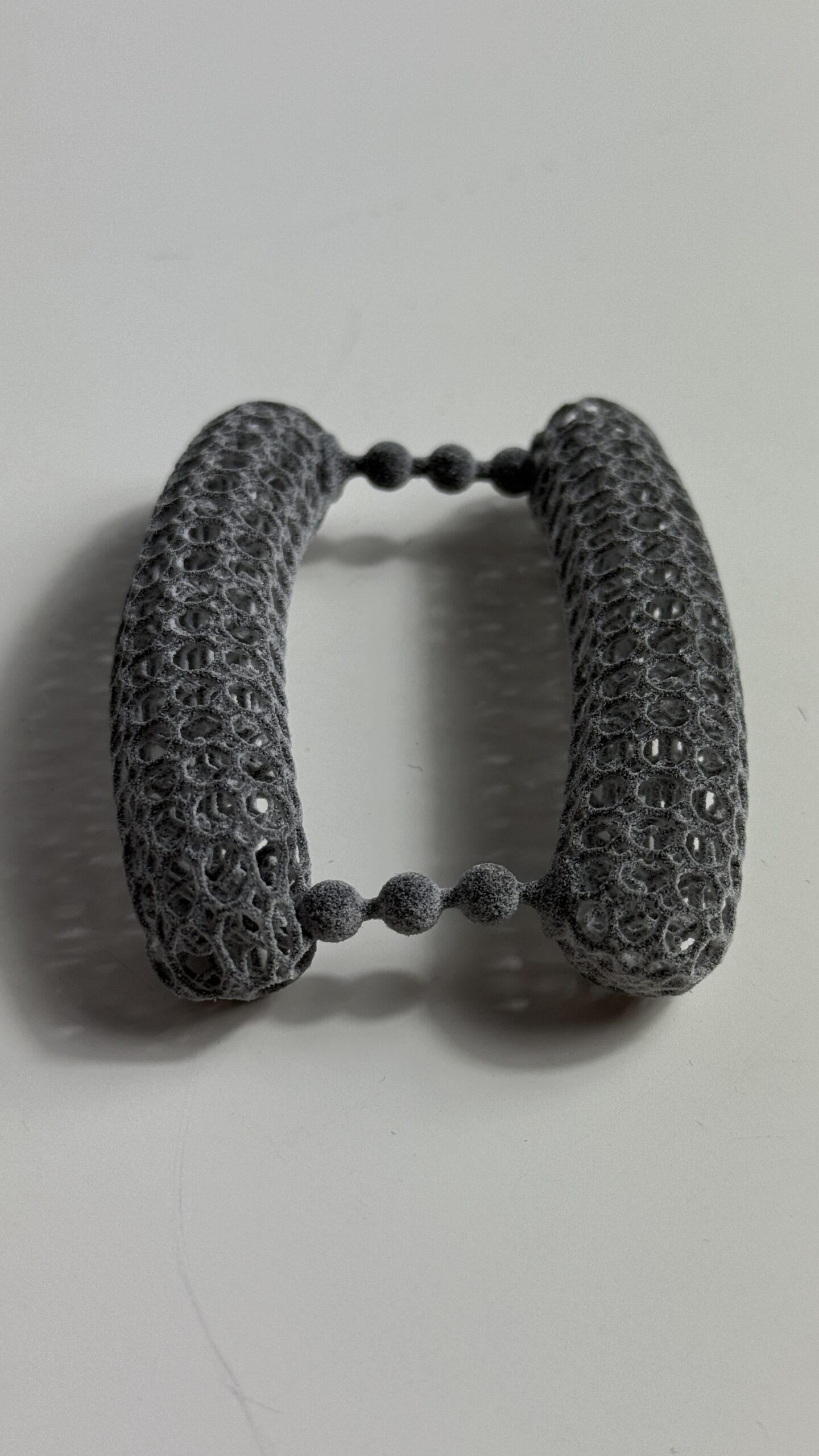
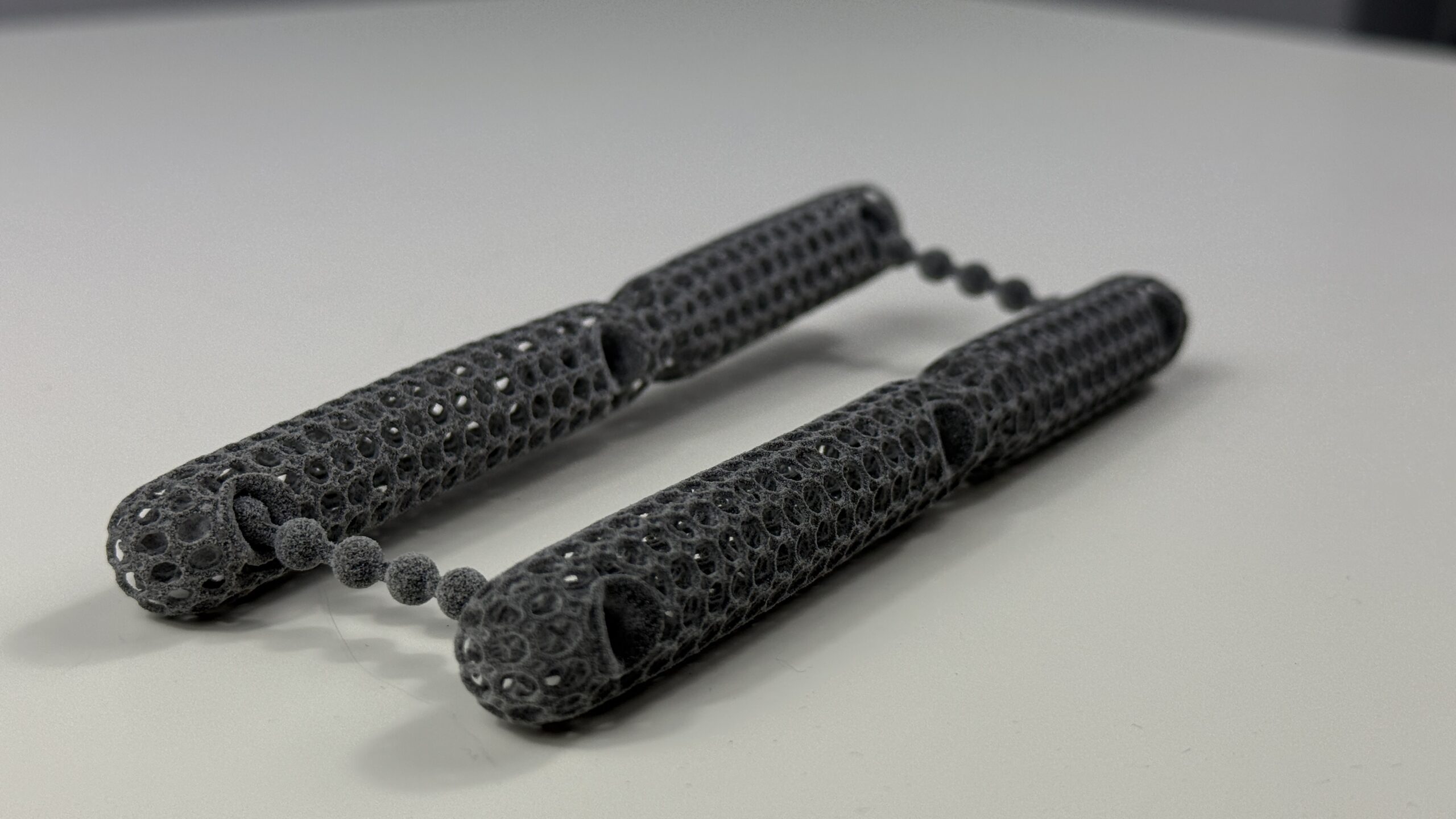
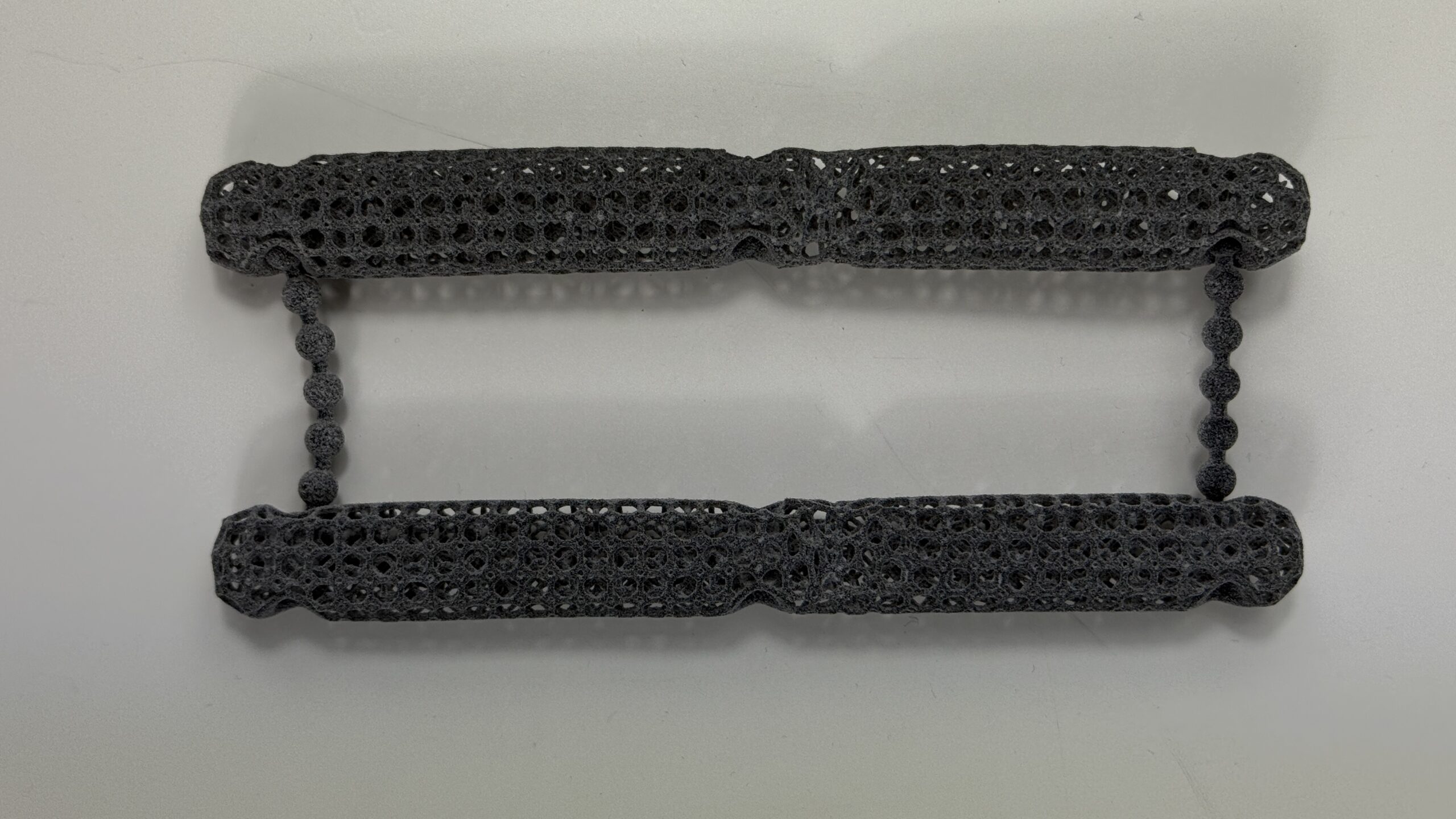
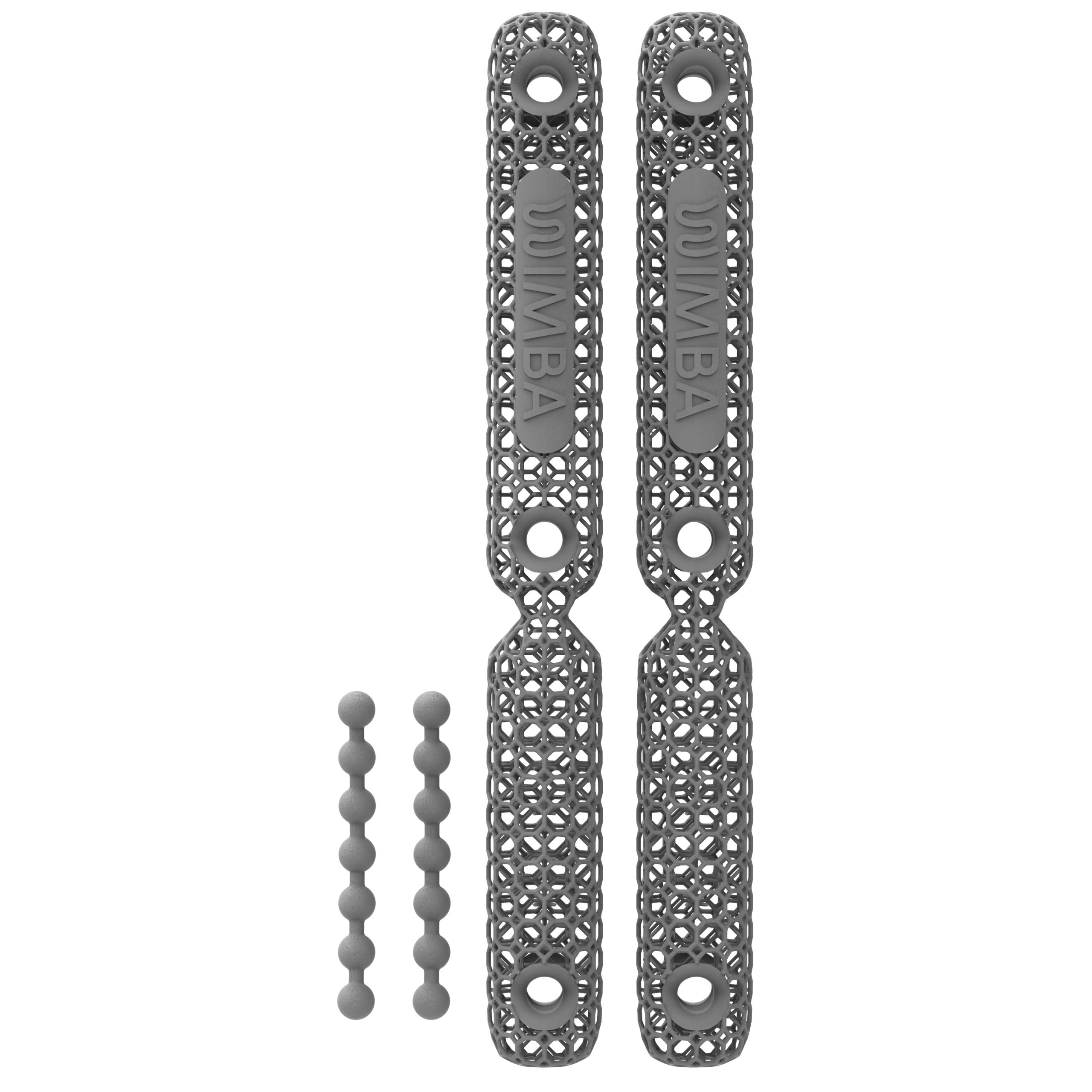
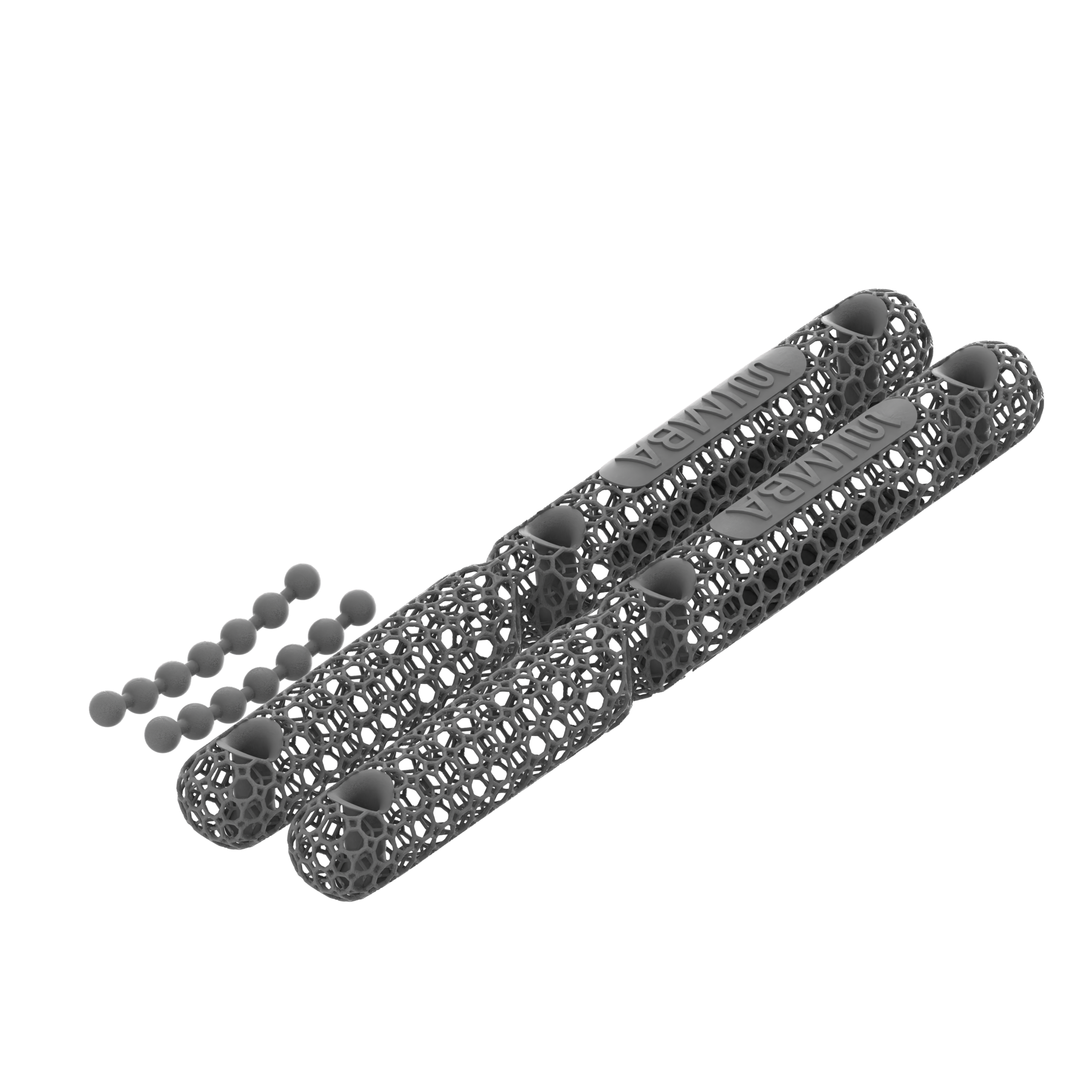
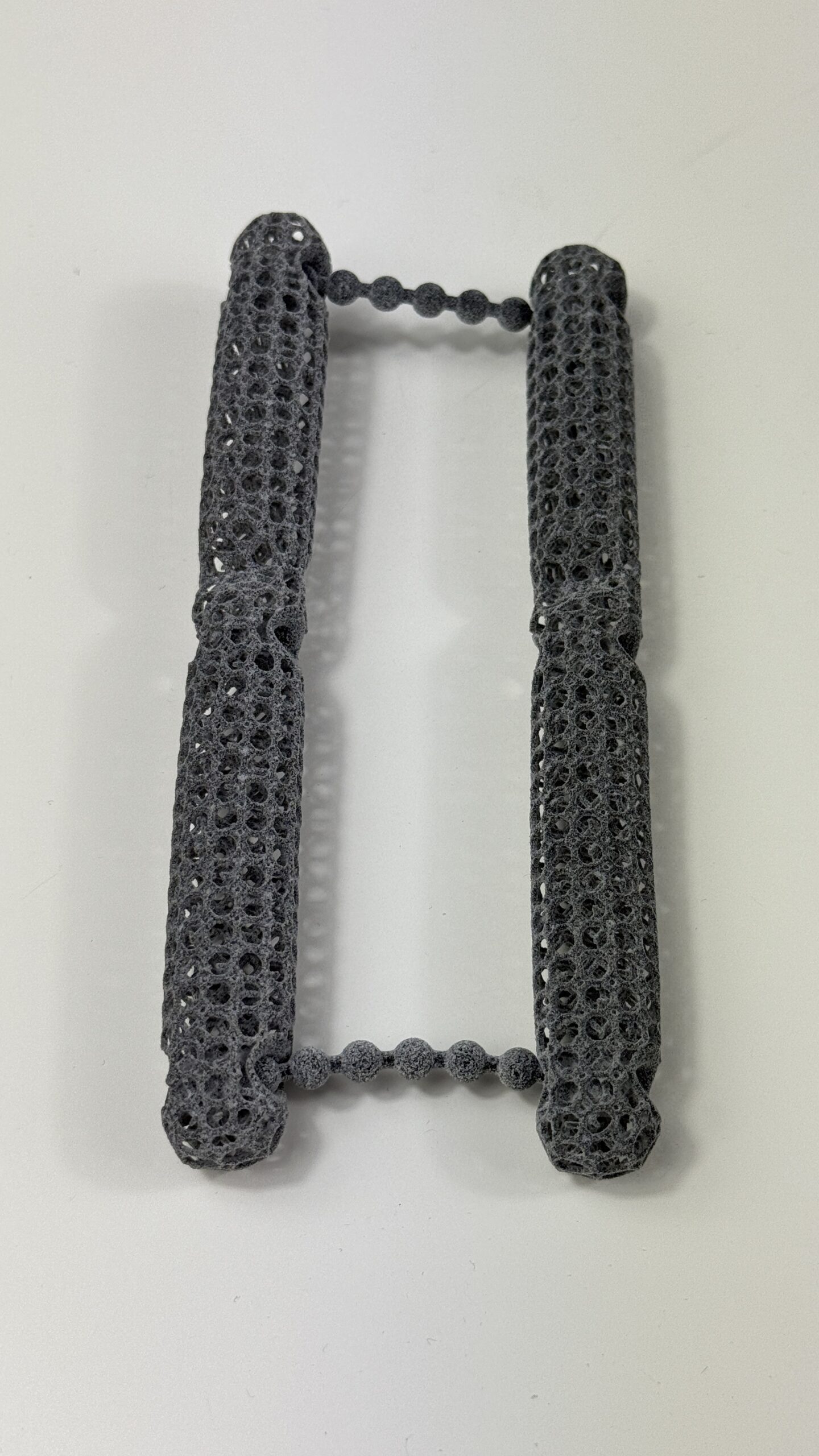
WIMBA Carpus Orthosis GO is intended for eligible mild, predominantly sagittal-plane carpal instability, including selected laxity or hyperextension, carpal osteoarthritis, compensatory overload, and rehabilitation cases. A canine carpal orthosis for a more complex or multiplanar problem may require the WIMBA Pro pathway if the case meets current indications. Review the WIMBA carpal brace page for current pathway information.
A retrospective case series evaluated brace treatment in 14 athletic dogs with unilateral varus or valgus carpal ligament instability. Eleven were reported to return to normal function, but the study was small, had no control group, and addressed a particular instability pattern rather than every painful dog wrist.[4] It should not be used to promise the same result for another diagnosis.
Any canine carpal orthosis requires professional fitting, a gradual introduction schedule, skin inspection, gait observation, cleaning, and planned rechecks. In a prospective study of canine orthoses and prostheses, complications were common and included skin problems, mechanical issues, and patient acceptance challenges.[5] Monitoring is part of treatment, not an optional extra.
A canine carpal orthosis cannot repair a displaced fracture, reconstruct a completely disrupted ligament complex, treat infection, or replace surgery when surgery is indicated. It should also not be used to let a dog return prematurely to sprinting, agility, repetitive jumping, or uncontrolled play. Current WIMBA Go guidance positions the device for controlled activity in selected mild cases.
When carpal hyperextension in dogs falls within an orthotic pathway, success should be defined by a clinical goal such as improved joint control during prescribed walking or rehabilitation. The brace should remain aligned, avoid focal pressure, and support the intended region without creating a new gait problem.
Caring for a Dog Wrist During Daily Activity
For a healthy dog, routine care is simple. Maintain an appropriate body condition, keep nails and paw hair managed, provide safe traction, progress new exercise gradually, and notice persistent changes in gait or stance. There is no need to tape or brace a normal dog wrist for ordinary walks.
For a dog with a diagnosed carpal condition, follow the activity and recheck schedule provided by the treating professional. Check the skin and any device interface after use. Changes in body weight, muscle mass, swelling, coat, activity, or disease can alter fit and function over time.
Remove a prescribed device and contact the clinic if the dog wrist becomes more painful or swollen, the device rotates, persistent redness or abrasion develops, the dog changes gait, or a structural component is damaged. Do not heat, cut, drill, grind, or reshape a custom frame at home.
Questions to Ask About a Carpal Problem
- Which bone, ligament, tendon, joint level, or neurological structure is affected?
- Is the instability sagittal, medial, lateral, rotational, or multiplanar?
- Is the condition developmental, traumatic, degenerative, inflammatory, neurological, or compensatory?
- Does the patient need controlled motion, rigid immobilisation, surgery, rehabilitation, or another plan?
- If external support is proposed, what exact movement should it control?
- How will progress and fit be reassessed?
Clear answers prevent the everyday term dog wrist from hiding a more specific diagnosis. They also help the owner understand why two dogs with a similar-looking stance may need very different treatment.
Frequently Asked Questions About the Dog Wrist
Do dogs have wrists?
Yes. The wrist equivalent on a dog’s front limb is called the carpus. It connects the radius and ulna to the metacarpal region and contains several small bones, three principal joint levels, ligaments, fibrocartilage, tendons, capsules, nerves, and vessels.
What is a dog’s wrist called?
Veterinarians call it the carpus. The everyday word wrist is useful for orientation, but carpus is the more precise anatomical term used in examination findings, diagnoses, and treatment plans.
Where is the wrist on a dog?
It is on the front leg between the radius and ulna above and the metacarpal bones below. It sits higher than many owners expect because dogs stand and move on their digits rather than placing the whole foot flat on the ground.
Is the carpus the same as a dog’s ankle?
No. The carpus is the wrist region on a front limb. The comparable region on a hind limb is the tarsus, also called the hock or ankle. The two regions have different anatomy and require different orthoses.
Why does a dog’s wrist bend backward?
Normal extension occurs during movement. Excessive backward opening under load may reflect palmar ligament or fibrocartilage injury, developmental laxity, chronic instability, neurological weakness, inflammatory disease, or compensatory loading. The cause cannot be identified from posture alone.
Can a carpal injury heal without surgery?
Some mild or selected conditions can be managed conservatively, while severe ligament disruption, fracture, luxation, or complex instability may require surgery. The diagnosis, joint level, severity, patient needs, and progression determine the appropriate pathway.
When may a carpal orthosis be considered?
An orthosis may be considered when veterinary assessment identifies a joint-specific mechanical need that matches the device’s current indications. It must be professionally selected, fitted, introduced, and monitored as one part of the wider treatment or rehabilitation plan.
Medical Disclaimer: All information on this website is intended for instruction and information purposes only. The authors are not responsible for any harm or injury that may result. Significant injury risk is possible if you do not seek suitable professional advice about your dog’s specific situation. No guarantees of specific results are expressly made or implied on this website.
Scientific References
- Beierer LH. Canine carpal injuries: from fractures to hyperextension injuries. Vet Clin North Am Small Anim Pract. 2021, 51(2):285–303. doi:10.1016/j.cvsm.2020.12.002
- Entani MG, Franini A, Barella G, Saleri R, De Rensis F, Spattini G. High-resolution ultrasonographic anatomy of the carpal tendons of sporting Border Collies. Animals. 2022, 12(16):2050. doi:10.3390/ani12162050
- Castelli E, Pozzi A, Klish K, Scotti L, Hoey S, Dennler M. Comparison between high-field 3 Tesla MRI and computed tomography with and without arthrography for visualization of canine carpal ligaments: a cadaveric study. Vet Surg. 2019, 48(4):546–555. doi:10.1111/vsu.13186
- Tomlinson JE, Manfredi JM. Evaluation of application of a carpal brace as a treatment for carpal ligament instability in dogs: 14 cases (2008–2011). J Am Vet Med Assoc. 2014, 244(4):438–443. doi:10.2460/javma.244.4.438
- Rosen S, Duerr FM, Elam LH. Prospective evaluation of complications associated with orthosis and prosthesis use in canine patients. Front Vet Sci. 2022, 9:892662. doi:10.3389/fvets.2022.892662
- Higgins J, Hayes G. Owner satisfaction and prognosis for return to work after pancarpal arthrodesis in working dogs in the United Kingdom: a retrospective study (2011–2020). Acta Vet Scand. 2024, 66:49. doi:10.1186/s13028-024-00759-5
- Pfau T, Garland de Rivaz A, Brighton S, Weller R. Kinetics of jump landing in agility dogs. Vet J. 2011, 190(2):278–283. doi:10.1016/j.tvjl.2010.10.008
Related reading: Recognizing Carpal Hyperextension in Dogs: Custom Orthosis vs. Off-the-Shelf Support