 Skip to content

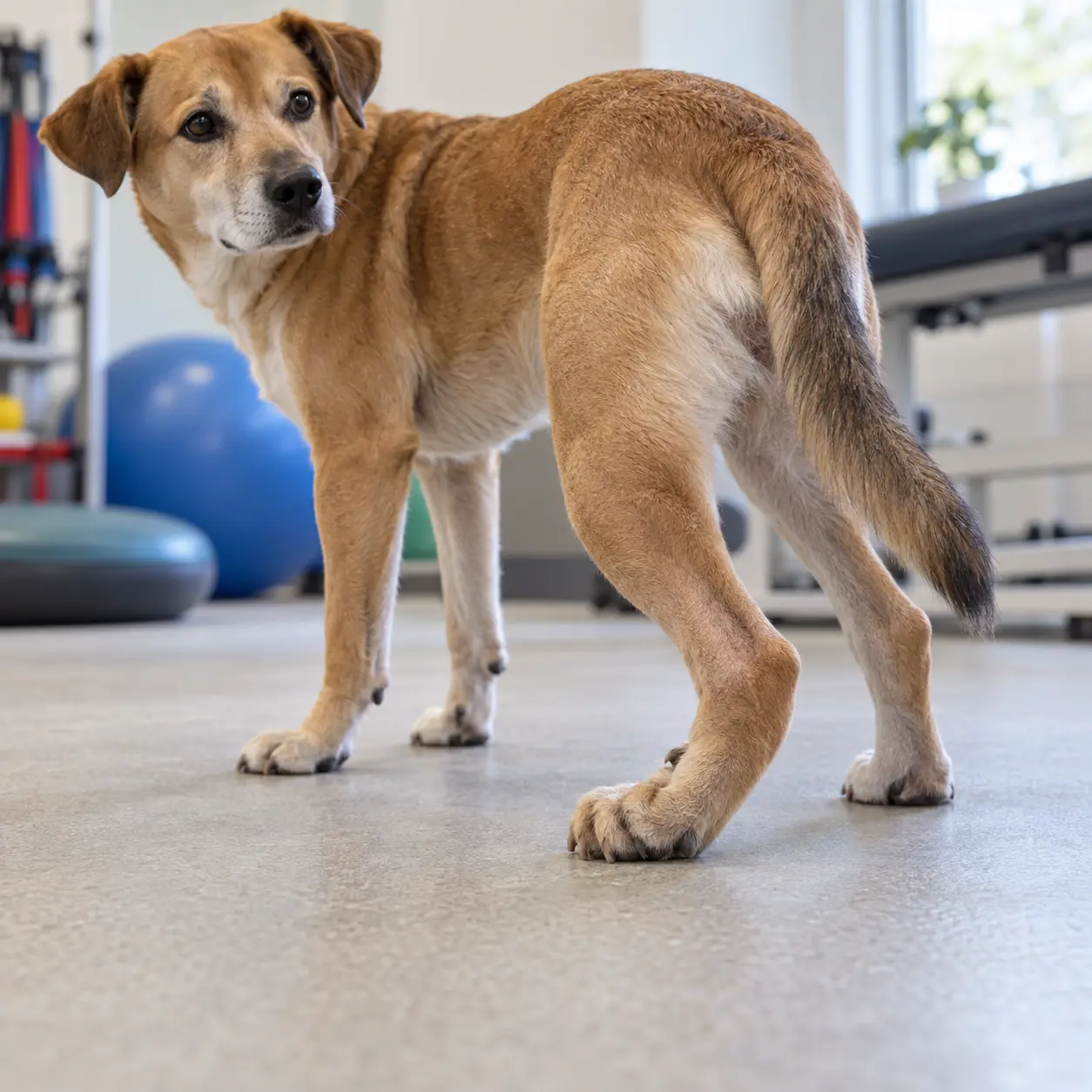
When a dog’s back paw curls under so the top of the foot touches the ground, or the paw scuffs and drags during a walk, owners often notice worn nails first. This sign is commonly described as knuckling in dogs. It can be associated with a problem affecting the spinal cord, peripheral nerves, brain, muscles, or the dog’s ability to move a painful limb. Because the same visible sign can have very different causes, the first step is a veterinary examination rather than choosing a brace.
A dog dragging its back foot may develop abrasions on the top of the paw, damaged nails, loss of balance, and difficulty walking safely. Some cases appear suddenly and require urgent care. Others progress over weeks or months. This guide explains what owners may see, how veterinarians investigate the problem, and where a custom dog orthosis (such as a WIMBA tarsal or carpal orthosis) may have a limited, diagnosis-specific role after the underlying cause is identified.
What Dog Paw Knuckling Looks Like
Knuckling means that a paw is placed with its dorsal surface, or top side, against the ground instead of landing normally on the pads. The paw may also fail to lift fully during the swing phase of the stride. Veterinarians consider these observations together with posture, coordination, strength, reflexes, pain, and the speed at which the problem developed.[1]
Signs owners may notice include:
- The top of one or more paws touching the floor while standing or walking
- Scuffed nails, worn fur, or abrasions on the upper surface of the paw
- A scraping sound as the nails move across a hard floor
- Stumbling, crossing the back legs, swaying, or losing balance
- A paw remaining folded or misplaced after the dog stops
- Difficulty rising, climbing steps, turning, or walking on slippery surfaces
Worn nails alone do not identify the cause. They are a useful clue and a secondary injury risk, but they can also occur because of pain, weakness, abnormal limb mechanics, or another gait change.
When Knuckling Needs Urgent Veterinary Care
A change that begins suddenly, worsens over hours, or follows trauma should not be managed at home. Acute spinal cord disease can progress from an abnormal gait to loss of walking ability. The urgency depends on the examination and the cause, so owners should contact a veterinarian promptly rather than waiting to see whether the paw corrects itself.[2][3]
Seek same-day or emergency veterinary advice if the dog:
- Suddenly cannot stand, walk, or support weight
- Shows severe pain, cries out, trembles, or resists being moved
- Develops weakness in both back legs or deteriorates rapidly
- Loses bladder or bowel control, or cannot urinate normally
- Develops the problem after a fall, collision, or other trauma
- Has an open wound, bleeding nail, or significant paw swelling
A slower, painless change still deserves an appointment. Conditions such as degenerative myelopathy can progress gradually, and early assessment helps the veterinary team rule out treatable causes and plan safe mobility support.
What Causes Knuckling in Dogs?
Correct paw placement requires sensory information to reach the nervous system and a motor response strong enough to reposition the limb. This is why proprioceptive deficits in dogs can point toward neurologic disease, but an abnormal paw response is not a diagnosis by itself. Pain, weakness, joint instability, and limited range of motion can also affect how the paw is placed.
Intervertebral Disc Disease
Intervertebral disc disease can compress or injure the spinal cord and produce back pain, weakness, poor coordination, abnormal paw placement, or paralysis. Signs may be acute or progressive. Dogs with more severe neurologic deficits may require advanced imaging and surgery, while some less severe cases are managed conservatively under veterinary direction.[2][3]
Degenerative Myelopathy
Degenerative myelopathy is a progressive spinal cord disorder most often recognized in older dogs. It commonly begins with slowly worsening, usually painless hind-limb incoordination and weakness. Because other diseases can look similar, diagnosis requires a veterinary work-up and exclusion of other causes.[2]
A retrospective study found longer survival in dogs with suspected degenerative myelopathy that received intensive controlled physiotherapy, but it did not test an orthosis and cannot establish the best program for every patient.[5]
Fibrocartilaginous Embolism
A fibrocartilaginous embolism interrupts blood supply to part of the spinal cord. The change is usually sudden, often asymmetric, and commonly becomes non-progressive after the initial event. Diagnosis requires a neurologic work-up and often MRI to distinguish it from disc disease and other spinal conditions.[2][4]
Trauma and Peripheral Nerve Injury
Injury to the spine, lumbosacral region, sciatic nerve, or branches such as the peroneal nerve can interfere with strength, sensation, and paw positioning. The pattern depends on the location and severity of the lesion. A dog may show muscle weakness, reduced reflexes, altered sensation, or a combination of these findings.[1]
Orthopaedic Pain and Joint Instability
Not every scuffing paw is caused by a neurologic disorder. Pain in the hip, stifle, tarsus, paw, or spine can shorten the stride and reduce foot clearance. Joint instability or restricted movement may also change paw placement. Read more about the broader causes of a dog limping on a back leg. A complete examination is needed because neurologic and orthopedic problems can occur together.
How a Veterinarian Investigates Abnormal Paw Placement
The veterinary team begins with the history and the pattern of onset. A sudden event after exercise suggests a different list of possibilities from slowly progressive dog hind leg weakness. The clinician observes the dog standing, walking, turning, and, when safe, navigating changes in direction or surface.
A neurologic examination assesses posture, gait, postural reactions, spinal reflexes, muscle tone, and pain. During proprioceptive positioning, the clinician briefly places the paw with its top surface against the floor and evaluates whether the dog corrects it. Normal correction requires intact sensory pathways, processing, and motor function. This is why proprioceptive deficits in dogs must be interpreted together with the rest of the examination rather than from one observation alone.[1]
Depending on the findings, the veterinarian may recommend blood tests, radiographs, CT, MRI, or referral to a neurologist or surgeon. Owners should not repeatedly fold the paw over, pinch the toes, or attempt to test deep pain at home. These tests can be misleading and may cause harm in a painful or unstable patient.
What Owners Can Do Before the Appointment
Safe short-term management depends on the severity of the signs. If the dog cannot walk or is in severe pain, minimize movement and ask the clinic how to transport the patient safely. If the dog remains mobile while awaiting a scheduled examination:
- Restrict running, jumping, rough play, and unnecessary stairs
- Use non-slip flooring and keep food, water, and bedding easy to reach
- Inspect the tops of the paws and nails for abrasions after necessary walks
- Record a short gait video only if doing so is safe and does not delay care
- Do not give human pain medication unless a veterinarian specifically directs it
- Do not apply a rigid splint, tight bandage, or online brace without clinical guidance
A video showing the first steps after rising, walking in a straight line, and turning can help document an intermittent change. It does not replace the physical and neurologic examination.
Protecting the Paw During Diagnosis and Rehabilitation
Repeated scuffing can injure nails and skin even when the underlying disorder is not painful. For a dog dragging its back foot, the veterinary team may recommend a protective boot, sock, dressing, sling, harness, rehabilitation plan, or another mobility aid. The choice depends on sensation, skin condition, limb control, walking ability, and the surface the dog uses.
Protection must be checked frequently. A device that twists, traps moisture, creates pressure, or prevents the dog from clearing the ground can add a new problem. Reduced sensation makes skin monitoring particularly important because the patient may not respond normally to rubbing or pressure.
Where a Custom Dog Orthosis May Fit
A custom dog orthosis may be considered when examination identifies a specific mechanical goal in an ambulatory patient. Examples include supporting diagnosed tarsal instability, controlling an indicated range of joint motion, protecting the paw in an eligible configuration, or supporting a concurrent stifle condition. Weakness or abnormal paw placement alone does not define which device is appropriate.[6]
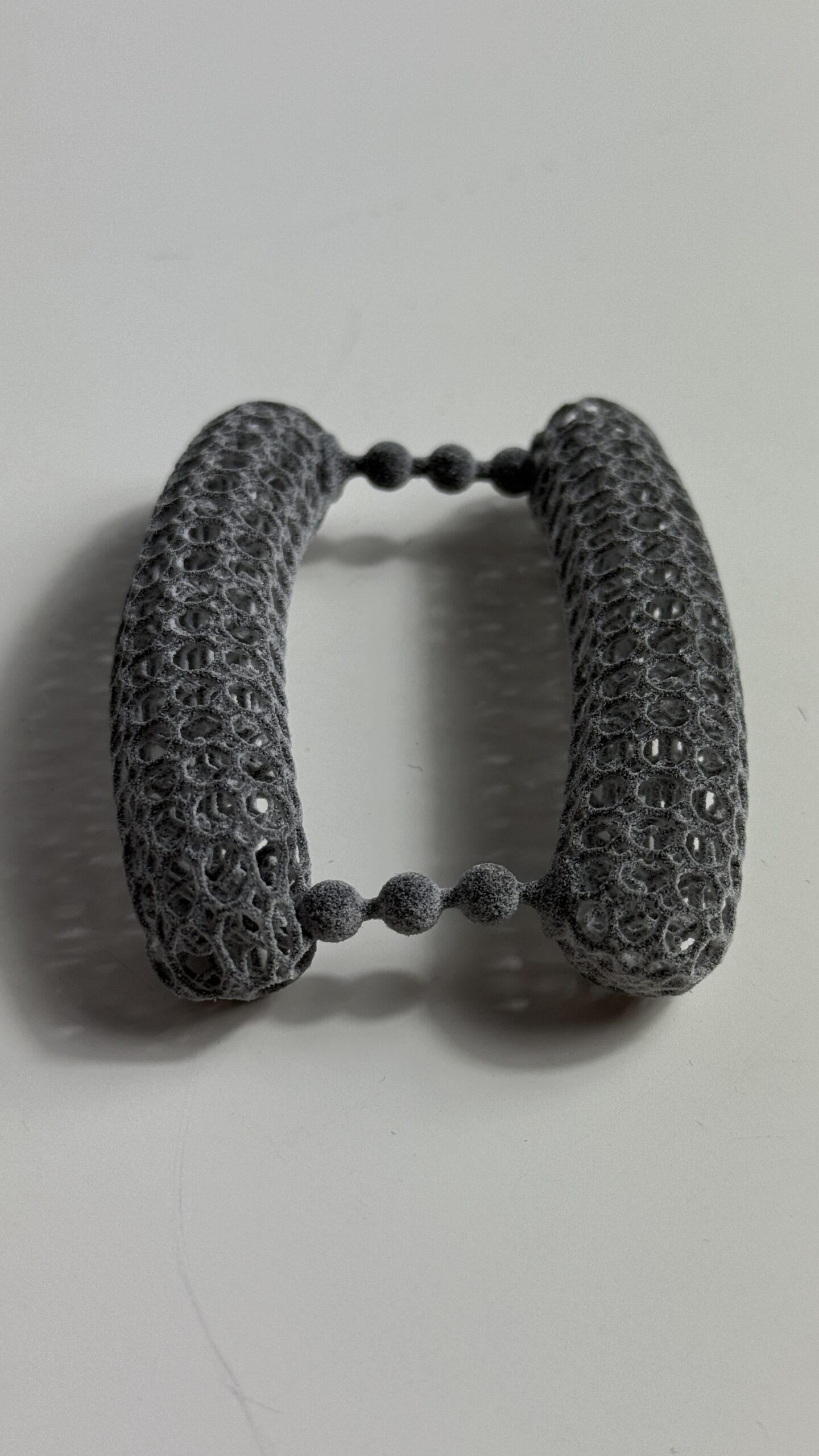
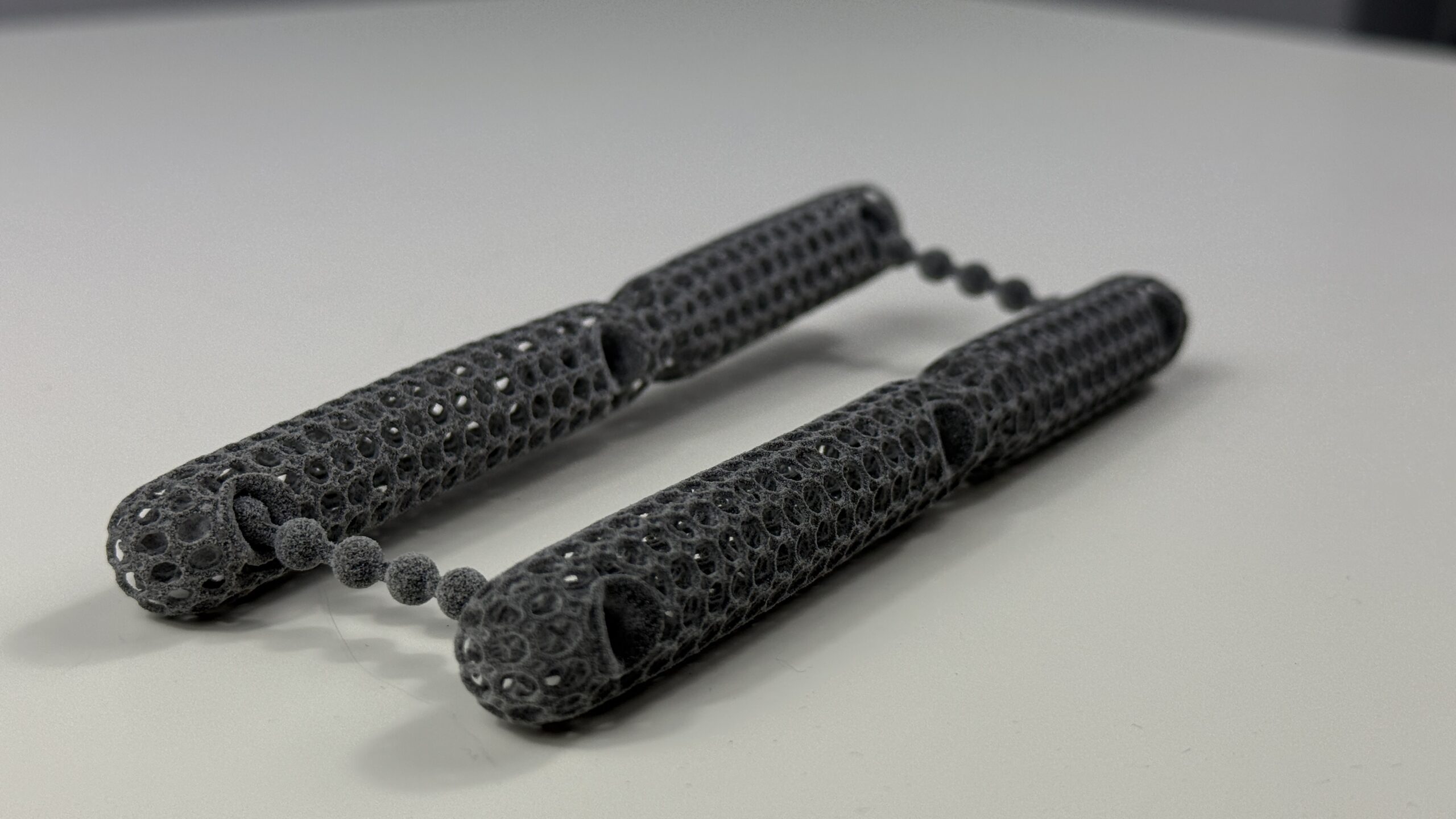
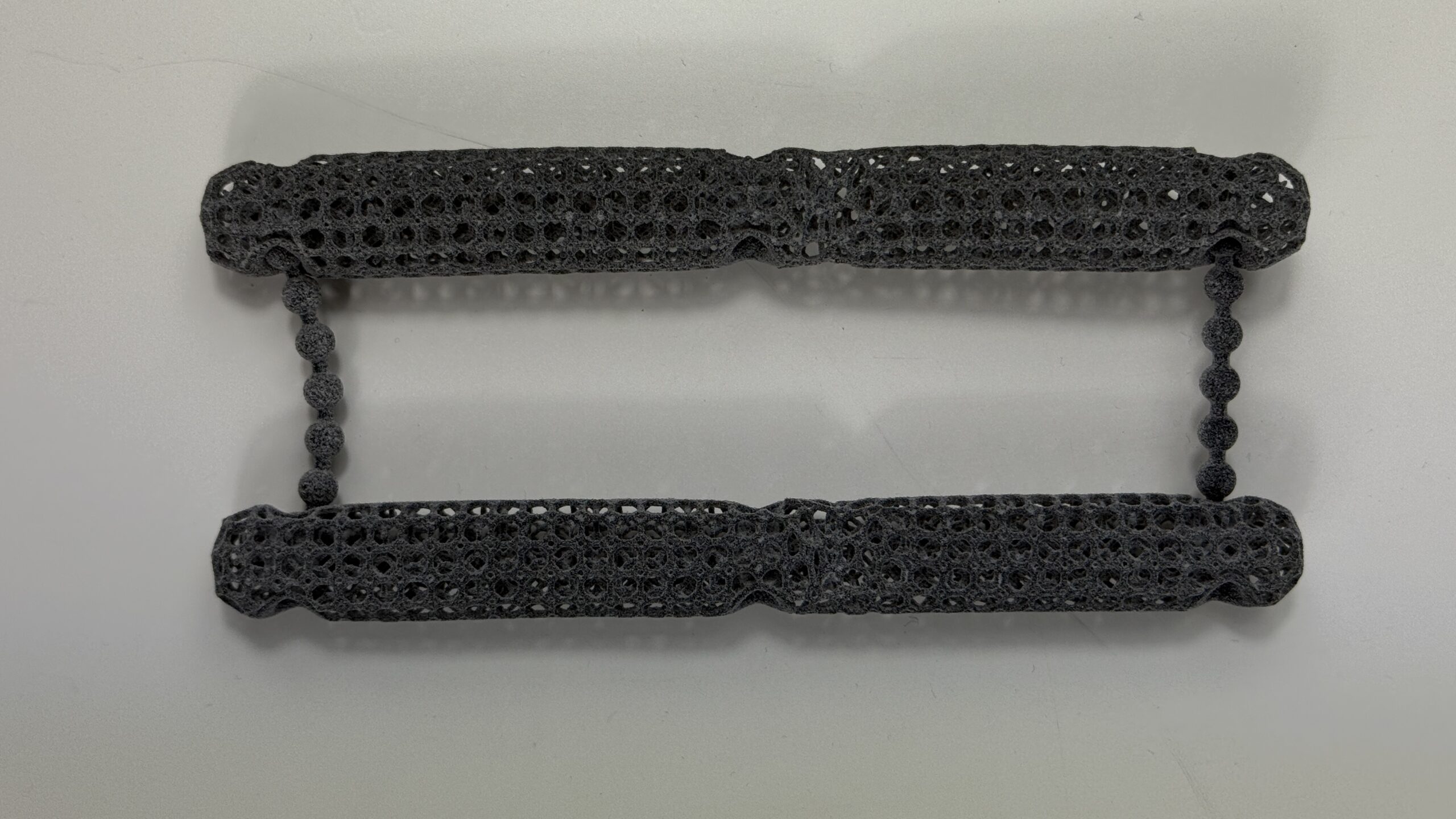
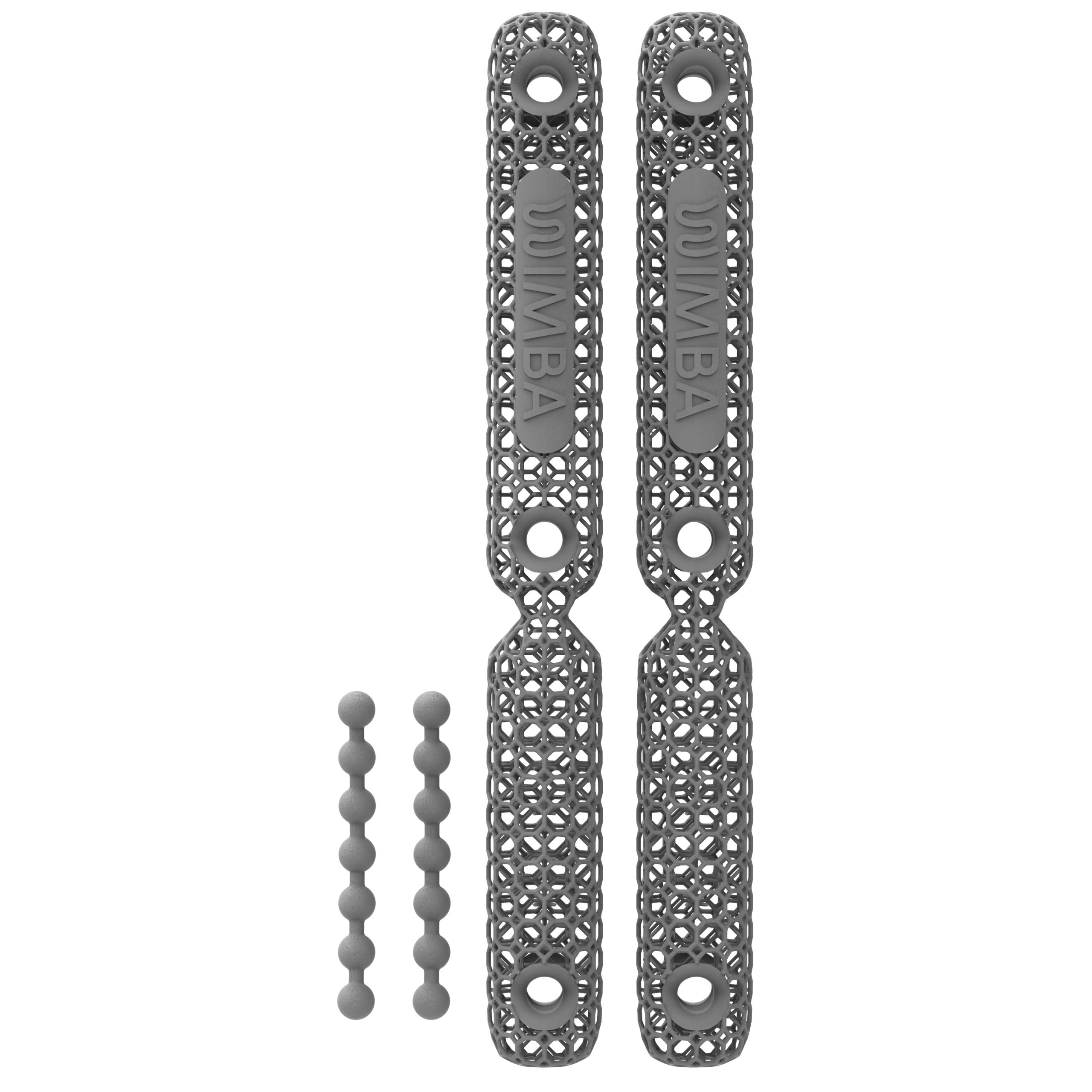
The WIMBA Tarsus Orthosis is designed for eligible tarsal indications. A standard tarsal device should not be presented as a general treatment for paw dragging. More complex cases may need a different configuration or may not be suitable for orthotic management at all. The same principle applies to a stifle orthosis. The diagnosis and the joint requiring mechanical control must guide the prescription.[7]
For an eligible complex case involving both the hind limb and paw, the veterinary team may consider a WIMBA Tarsus Orthosis Pro with Paw Support. Product availability does not make it appropriate for every dog that scuffs or folds a paw. The treating professional and WIMBA Clinical Team must assess the diagnosis, remaining motor function, skin, sensation, gait, and intended mechanical goal.[8]
Read the full guide to dog hind limb orthotics for the differences between tarsal, stifle, and more complex support needs. Veterinary professionals can also submit a case for review before ordering.
What an Orthosis Cannot Do
An orthosis does not decompress the spinal cord, repair an injured nerve, reverse degenerative myelopathy, dissolve a clot, or restore proprioception. It also cannot replace pain management, surgery, rehabilitation, nursing care, or environmental modification when those are indicated.
Custom devices can also cause complications if the patient is unsuitable, the fit changes, or monitoring is inadequate. In a prospective study of 43 dogs using custom orthoses or limb-replacement devices, 39 experienced at least one complication, with skin issues common during the first three months. The study was not specific to knuckling, but it supports gradual introduction, skin checks, professional fitting, and planned reassessment.[9]
A Clinician-Led WIMBA Pathway
WIMBA orthoses are prescribed and supplied through veterinary professionals. Before recommending a device, the team should document the diagnosis, affected limb and joint, direction of instability, skin and sensation, gait, walking ability, and intended functional goal. The selected device must also meet current product indications.
After manufacture, the clinic completes a dynamic fitting and teaches the owner how to apply, remove, and inspect the device. Follow-up should review skin, fit, joint control, gait, comfort, and whether the original goal is being met. Changes in dog hind leg weakness, muscle mass, body weight, or disease progression may require the plan to be adjusted.
Discuss a Diagnosed Hind-Limb Case
Veterinary professionals can submit the diagnosis, gait findings, relevant imaging, and treatment goal for review. Pet owners can use the Provider Map to find a clinic familiar with WIMBA orthoses.
Frequently Asked Questions About Dog Paw Knuckling
Is knuckling in dogs an emergency?
It can be. Seek same-day or emergency veterinary advice if the change is sudden, painful, rapidly worsening, affects both back legs, follows trauma, or leaves the dog unable to stand or walk. A slower change still needs an examination because progressive conditions can begin subtly.
Why is my dog dragging its back foot?
Possible causes include spinal cord disease, peripheral nerve injury, trauma, weakness, joint instability, or pain that changes the stride. The onset, pain level, gait pattern, reflexes, and imaging findings help the veterinarian identify the cause.
Do worn back nails always mean a neurologic problem?
No. Worn nails can result from paw dragging, but they do not identify the cause. Neurologic disease, orthopedic pain, weakness, restricted motion, and abnormal limb mechanics can all reduce paw clearance.
Can intervertebral disc disease cause a paw to knuckle?
Yes. Spinal cord compression or injury from disc disease can affect coordination, strength, and paw placement. Back pain, sudden deterioration, or inability to walk requires prompt veterinary assessment.
Is degenerative myelopathy painful?
Degenerative myelopathy is typically described as a progressive, nonpainful spinal cord disorder. Pain or discomfort may point to another condition or a concurrent problem, so a veterinary work-up is still necessary.
Can a dog brace fix abnormal paw placement?
No brace repairs the spinal cord, restores an injured nerve, or cures the underlying neurologic disease. A veterinarian may prescribe protection or joint-specific support for selected ambulatory dogs after defining a mechanical goal.
When might a WIMBA orthosis be considered?
A WIMBA orthosis may be considered when a veterinary examination identifies an eligible joint-specific indication or another defined mechanical support goal. The patient must be assessed for gait, skin, sensation, fit, and ability to use the device safely.
Medical disclaimer: This article is intended for general educational purposes only and is not a substitute for veterinary examination, diagnosis, or treatment. Seek prompt veterinary care if a dog develops sudden weakness, severe pain, rapid deterioration, loss of walking ability, bladder dysfunction, or signs after trauma. Do not perform deep-pain testing, apply a rigid device, or change a prescribed rehabilitation plan without professional direction.
Clinical and Scientific References
- Merck Veterinary Manual. The Neurologic Examination of Animals. Updated September 2026. View clinical reference
- Merck Veterinary Manual. Disorders of the Spinal Column and Cord in Dogs. Updated September 2024. View clinical reference
- Olby NJ, Moore SA, Brisson B, et al. ACVIM consensus statement on diagnosis and management of acute canine thoracolumbar intervertebral disc extrusion. J Vet Intern Med. 2022;36(5):1570-1596. doi:10.1111/jvim.16480
- Gandini G, Cizinauskas S, Lang J, Fatzer R, Jaggy A. Fibrocartilaginous embolism in 75 dogs: clinical findings and factors influencing the recovery rate. J Small Anim Pract. 2003;44(2):76-80. doi:10.1111/j.1748-5827.2003.tb00124.x
- Kathmann I, Cizinauskas S, Doherr MG, Steffen F, Jaggy A. Daily controlled physiotherapy increases survival time in dogs with suspected degenerative myelopathy. J Vet Intern Med. 2006;20(4):927-932. doi:10.1111/j.1939-1676.2006.tb01807.x
- WIMBA. Dog Hind Limb Orthotics: A Clinical Guide to Stifle and Tarsal Support. Read the WIMBA clinical guide
- WIMBA. Tarsus Orthosis: Current Indications and Product Pathways. View the Tarsus Orthosis page
- WIMBA. WIMBA Orthotics Pro: Advanced Custom Orthotics for Complex Limb Support. View the WIMBA Orthotics Pro range
- Rosen S, Duerr FM, Elam LH. Prospective evaluation of complications associated with orthosis and prosthesis use in canine patients. Front Vet Sci. 2022;9:892662. doi:10.3389/fvets.2022.892662