 Skip to content

Dog Limping on a Back Leg: Causes, Pain Signs, and Vet Care
A dog limping on a back leg may have anything from a sore paw or minor strain to a ligament injury, unstable joint, fracture, or neurological problem. The way the limp looks cannot confirm the cause, and even a dog that still places some weight on the limb may need veterinary care. The safest response depends on how suddenly the problem began, whether it is worsening, and which other signs appear with it.
For anyone researching a dog limping on a back leg, this guide explains the common causes of back leg limping in dogs, how to observe pain and gait safely, when to contact a veterinarian, and when an orthosis may become relevant after a diagnosis. It is designed to help owners recognize urgency—not to diagnose or treat a painful limb at home. If the knee feels wobbly, a veterinary examination should check for a cruciate ligament injury or another unstable joint. Non-surgical care after diagnosis can include activity restriction, pain management, rehabilitation, weight management, and, for selected dogs, a custom WIMBA stifle orthosis.
A limp is a sign, not a diagnosis
A dog limping on a back leg may be responding to orthopedic pain, paw pain, weakness, or altered nerve function. Do not force the limb through its range of motion or test whether a joint is “loose.” Restrict running, jumping, and stairs while arranging appropriate veterinary advice.
Why Is My Dog Limping on a Back Leg?
Back leg limping in dogs—also described clinically as hind leg lameness in dogs—can originate in the paw, muscles, tendons, ligaments, bones, joints, spine, or nerves. Several conditions can produce the same visible “skip” or shortened step, so the location and cause cannot be identified reliably from a video alone.
Paw, pad, toe, or nail injury
A dog limping on a back leg because of paw pain may have a cut, thorn, grass awn, broken nail, pad abrasion, burn, or interdigital inflammation. If the dog is calm and comfortable with handling, visually inspect the paw without squeezing, probing deeply, or pulling on an embedded object. Stop if the dog resists or appears painful.
Muscle, tendon, or ligament strain
If a dog limping on a back leg developed the change after an awkward landing, sudden turn, slip, or intense exercise, soft-tissue injury is one possibility. A mild strain and a more serious tendon or ligament injury can initially look similar. Persistent swelling, pain, reduced weight-bearing, or recurrence after rest means the dog should be examined rather than repeatedly returned to activity.
Cranial cruciate ligament disease
Cranial cruciate ligament disease affects the stifle, or knee, and is an important cause of hind leg lameness in dogs. Signs may appear suddenly after activity or develop intermittently as the ligament degenerates. Dogs may toe-touch, struggle to rise, sit with the affected limb positioned away from the body, or improve temporarily before limping again. Population research confirms that CCL disease is influenced by factors including breed, age, and body condition.1
Patellar luxation
In a dog limping on a back leg intermittently, a luxating patella is one possible cause. The kneecap moves out of its normal groove and may create a skipping or hopping gait. The dog may carry the leg for several steps and then resume apparently normal movement. A large primary-care study found diagnosed patellar luxation across many breeds and showed that clinical management varied with the individual presentation.2 Repeated skipping still warrants examination even when the dog does not vocalize.
Hip dysplasia or osteoarthritis
A dog limping on a back leg after rest may be showing stiffness associated with hip disease or osteoarthritis. Other signs include difficulty rising, shorter walks, and reduced jumping. Signs may involve both hind limbs and appear as weakness rather than a clear one-sided limp. A gradual pattern does not make the condition harmless; chronic pain also deserves veterinary assessment and a multimodal management plan.
Tarsal instability or hyperextension
The tarsus is the hock, or ankle-equivalent joint. Ligament injury, tendon problems, osteoarthritis, or another structural change may allow the joint to sink, overextend, or move abnormally under weight. A dog limping on a back leg with visible hock collapse needs an orthopedic examination; severe or multiplanar instability may require a different treatment pathway from a mild single-plane problem.
Spinal or neurological disease
Nerve and spinal problems can cause weakness, dragging, knuckling, poor paw placement, or an uncoordinated gait that resembles orthopedic limping. Neurological signs may affect one or both back legs and can progress quickly. A dog that cannot stand, drags a limb, loses bladder control, or develops rapidly worsening weakness requires urgent assessment.
Does a Dog Limping on a Back Leg Mean Pain?
Lameness commonly reflects pain, but weakness and neurological dysfunction can also alter gait. Pain cannot be judged from vocalization alone. The AAHA pain guidelines recommend combining behavioral, physical, and contextual information rather than relying on one sign.3 A dog may remain social, eat normally, and still have clinically important pain.
When observing a dog limping on a back leg, focus on what the dog chooses to do rather than trying to provoke a response:
- Watch weight-bearing. Note whether the paw carries normal weight, only touches down briefly, or remains lifted.
- Record a short video. Film a few controlled walking steps from the side, front, and rear on a non-slip surface for the veterinary team.
- Observe everyday choices. Hesitation before rising, stairs, jumping, turning, toileting, or getting into the car may reveal pain more clearly than a straight walk.
- Look at the whole body. Panting at rest, trembling, a hunched posture, restlessness, reduced interaction, or difficulty settling can accompany discomfort.
- Track timing. Record when the limp began, whether an injury was seen, what makes it worse, and whether it returns after activity or rest.
- Avoid painful testing. Do not repeatedly bend, extend, rotate, squeeze, or compare joints by force. Leave orthopedic and neurological testing to the veterinary team.
Do not give human pain medication
Do not give ibuprofen, naproxen, acetaminophen, aspirin, or another medication from your medicine cabinet unless a veterinarian specifically instructs you to do so for this dog. Human pain relievers can cause gastrointestinal, kidney, liver, or blood-related toxicity, and they can interfere with veterinary treatment decisions. The FDA advises speaking with a veterinarian before giving any NSAID to a dog.4
What Are the Signs Your Dog Is Favoring One Back Leg?
A dog favoring one back leg may compensate during standing, sitting, walking, or higher-demand activity. The following patterns are useful observations to share with a veterinarian, but none identifies the diagnosis by itself.
| Sign | What It Can Look Like |
|---|---|
| Toe-touching or skipping gait | Barely touching the paw to the ground, or a brief “hop” over one leg while running |
| Shifting weight while standing | Repeatedly shifting weight off one hind leg, or standing with one leg slightly forward |
| Sitting off to one side | Avoiding a square sit and instead sitting with the hips rotated to one side |
| Reluctance to jump or use stairs | Hesitating before jumping into the car, onto furniture, or climbing stairs |
| Muscle loss in one leg | The thigh muscle on the affected side looks visibly thinner than the other |
| Licking or chewing the leg or paw | Focused attention on one specific limb, sometimes with hair loss or skin irritation |
| Slower on walks | Falling behind on walks that used to be easy, or wanting to turn back early |
When you see a dog favoring one back leg, two or more patterns together strengthen the case for an examination, but a single persistent change is also enough to call the clinic. For a dog limping on a back leg, muscle loss is especially important because it usually reflects a process that has been present longer than the owner first realized.
When Should You See a Vet for Dog Limping on a Back Leg?
Knowing when to see a vet for dog limping depends on trauma, weight-bearing, pain, neurological function, and general health. How quickly a dog limping on a back leg should be examined varies with those findings. If you are uncertain, call a veterinary clinic and describe the signs rather than waiting for an arbitrary deadline.
Seek emergency care now
- the limp followed a vehicle strike, major fall, crush injury, or other significant trauma;
- there is an obvious deformity, exposed bone, deep wound, or bleeding that will not stop;
- the dog cannot stand, collapses, drags a limb, knuckles continuously, or develops rapidly worsening weakness;
- pain is severe, the dog cannot settle, or breathing and behavior are markedly abnormal;
- lameness appears with loss of bladder or bowel control or another acute neurological change.
Contact a veterinarian the same day
- the dog will not place any weight on the limb;
- the limp began suddenly during activity or is clearly worsening;
- there is swelling, heat, a damaged nail, puncture, or painful paw lesion;
- the dog cries out, trembles, pants at rest, or strongly guards the limb;
- lameness occurs with lethargy, reduced appetite, fever, or other signs of illness.
Arrange an examination within 24–48 hours
A very mild, weight-bearing limp may be observed briefly with controlled rest if there was no major trauma and the dog is otherwise comfortable. Book an examination if it has not clearly improved within 24–48 hours, if it returns after activity, or if the dog repeatedly favors the same leg. Recurring hind leg lameness in dogs is not “just aging” and should not be masked with unprescribed medication.
What Might the Veterinary Examination Include?
Evaluating back leg limping in dogs begins with the history and physical examination. The veterinary team will usually ask when the limp began, whether trauma occurred, how activity affects it, and which medications the dog receives. The examination may include gait observation, paw inspection, palpation, joint stability and range-of-motion testing, muscle comparison, and a neurological assessment. These tests should be performed by trained professionals because pain and guarding can make unsupervised manipulation unsafe and misleading.
Depending on the findings, the next step may involve radiographs, ultrasound, advanced imaging, joint sampling, or blood tests. A dog limping on a back leg may also need sedation for safe positioning or a referral to an orthopedic surgeon, neurologist, or rehabilitation professional. The diagnosis determines whether treatment involves controlled rest, medication, rehabilitation, surgery, orthotic support, or another pathway.
When Can Orthotic Support Help?
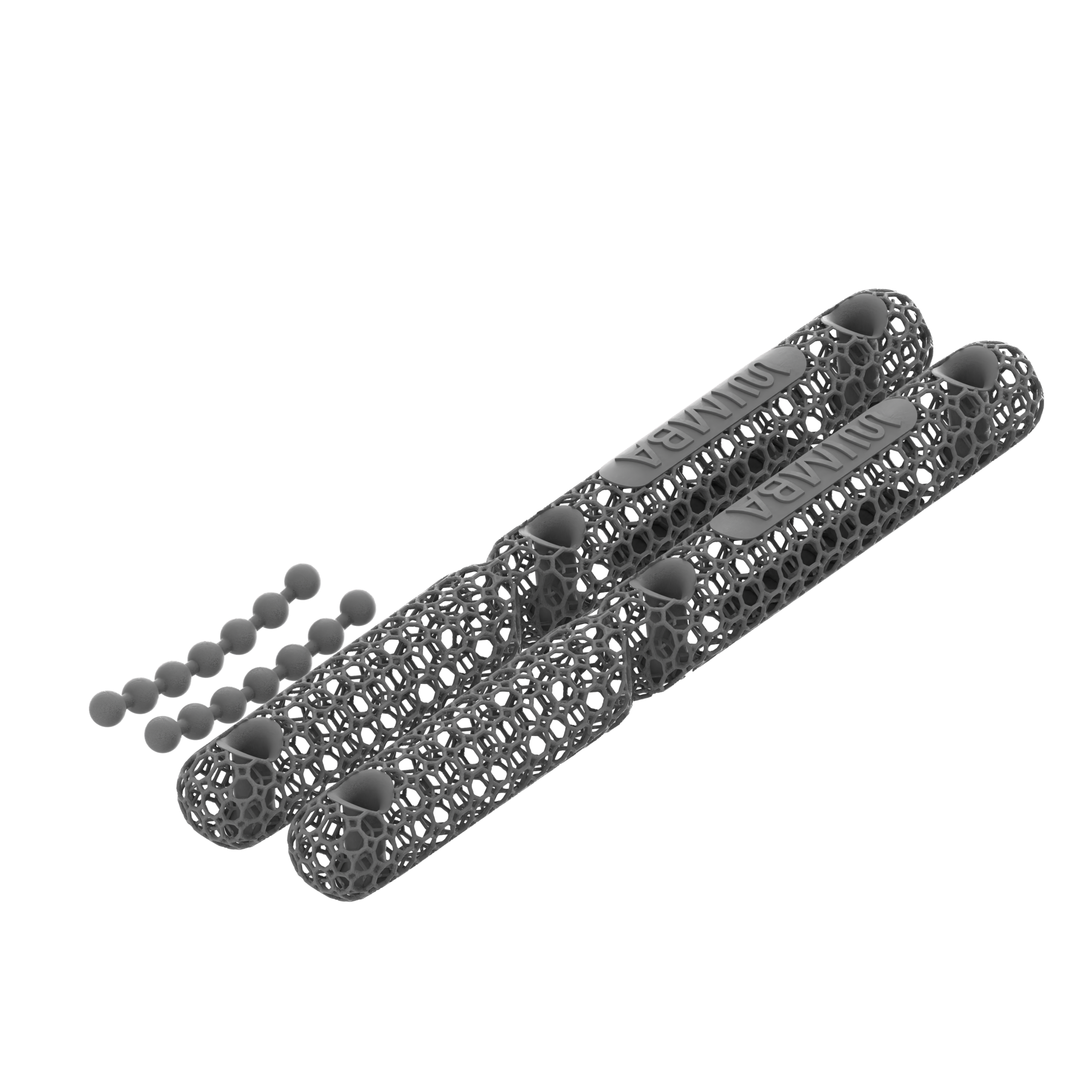
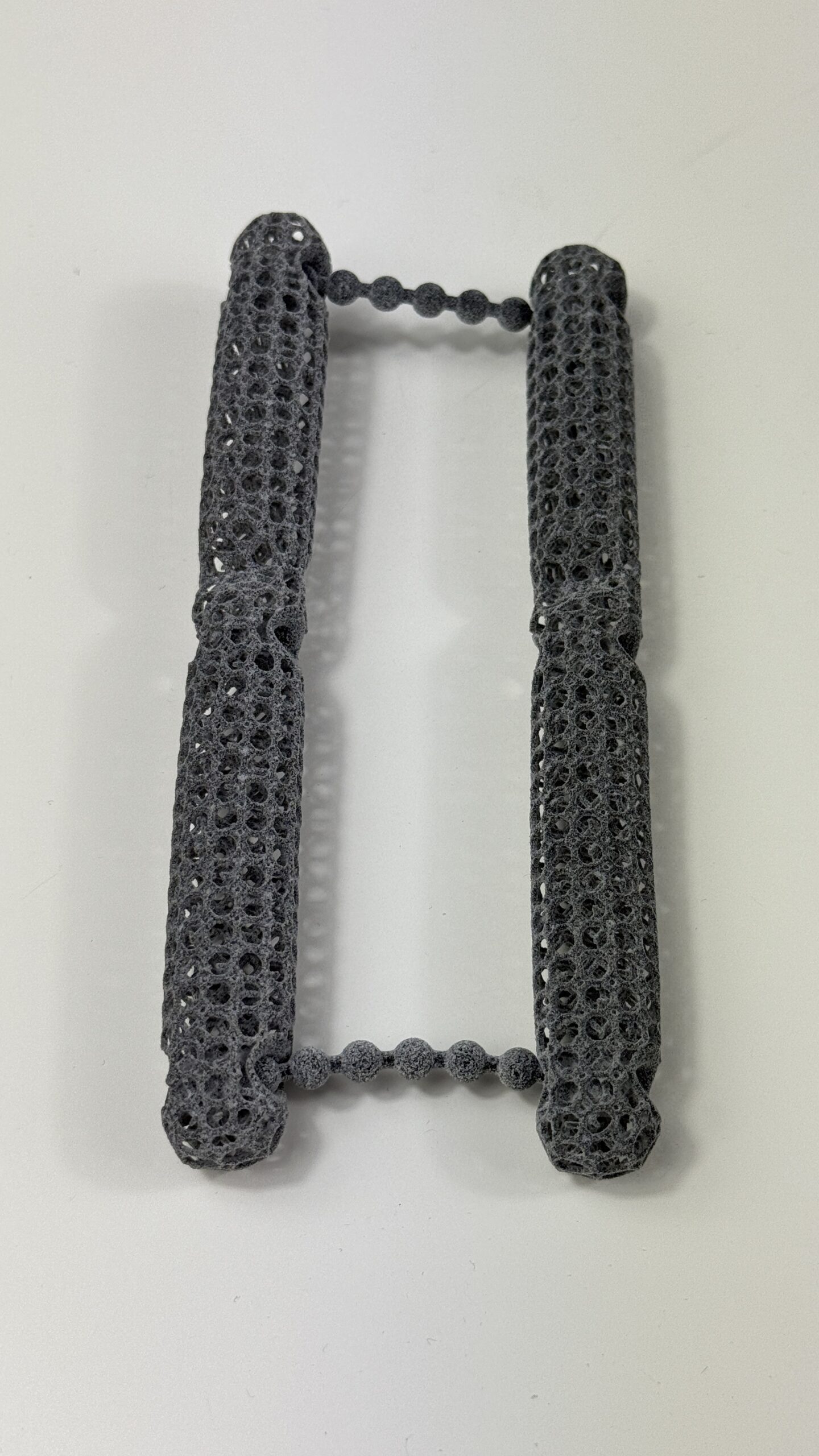
For a dog limping on a back leg, an orthosis is not a first-aid treatment or a substitute for diagnosis. After the painful structure and treatment goal have been identified, a custom device may support selected tarsal or stifle conditions as part of a broader plan. It will not treat paw wounds, hip dysplasia, patellar luxation, fractures, infection, or neurological disease simply because those conditions also make a dog limp.
WIMBA Tarsus Orthosis GO
The WIMBA Tarsus Orthosis GO may be considered for selected mild single-plane tarsal instability, tarsal hyperextension, tarsal osteoarthritis, rehabilitation, or mild Achilles/common calcaneal tendon injury without a complete tear. The prescribing clinician determines suitability. GO is ordered through WimbaAPP using two photos and guided manual measurements; it does not require WimbaSCAN.
WIMBA Stifle Orthosis PRO
The WIMBA Stifle Orthosis PRO may support selected dogs with cranial cruciate ligament deficiency, stifle instability requiring range-of-motion control, conservative management when surgery is not appropriate, or post-operative rehabilitation. PRO cases use manual measurements plus WimbaSCAN. A surgeon or treating veterinarian should decide whether bracing, surgery, or another strategy best fits the diagnosed stifle problem. Veterinarians can submit a case for a WIMBA device recommendation, and pet owners can find a WIMBA provider or contact the team.
The orthosis evidence is promising but limited
A small retrospective study of ten dogs with unilateral CCL insufficiency reported improved affected-limb weight-bearing after custom stifle orthosis use.5 A computer-model study also found improved biomechanics in an orthosis-managed CCL-deficient stifle.6 These studies do not establish that a brace replaces surgery or works for every dog. Separate prospective research identified skin problems, mechanical issues, and device non-acceptance as relevant risks, making gradual introduction and follow-up essential.7
Frequently Asked Questions
Why is my dog limping on a back leg?
Possible causes include a paw or nail injury, soft-tissue strain, cranial cruciate ligament disease, patellar luxation, hip or tarsal disease, fracture, infection, or a spinal or neurological problem. Because different conditions can create similar gait changes, a veterinary examination is the reliable way to identify the source.
How can I tell whether the limp is painful?
Watch for reduced weight-bearing, toe-touching, difficulty rising, reluctance to jump or use stairs, panting at rest, trembling, guarding, reduced activity, or difficulty settling. Lack of crying does not rule out pain. Do not bend or squeeze the limb to test it yourself.
Should I wait to see whether my dog’s limp goes away?
Do not wait after major trauma, severe pain, deformity, neurological signs, inability to stand, or an open wound. Contact a veterinarian the same day if the dog will not bear weight or the limp is worsening. A very mild weight-bearing limp may be observed with controlled rest, but arrange an examination if it is not clearly improving within 24–48 hours or if it returns.
When is a back leg limp an emergency?
Seek emergency care after significant trauma or when there is an obvious deformity, exposed bone, uncontrolled bleeding, inability to stand, limb dragging, rapidly worsening weakness, severe unrelenting pain, loss of bladder or bowel control, or another major neurological change.
Can a brace help a dog limping on a back leg?
Sometimes, but only after diagnosis. A custom orthosis may support selected tarsal instability or stifle conditions within a veterinarian-directed plan. A brace is not appropriate for every cause of limping and should not be applied to an undiagnosed, fractured, infected, or neurologically weak limb.
Can I give my limping dog a human pain reliever?
No medication from a human medicine cabinet should be given unless a veterinarian specifically directs you to use it for that dog. Ibuprofen, naproxen, acetaminophen, aspirin, and medication combinations can cause serious toxicity or interfere with veterinary treatment.
Start With a Diagnosis, Then Choose Support
A dog limping on a back leg needs the painful or weak structure identified before any device is selected. If your veterinarian diagnoses a tarsal or stifle condition that may benefit from external support, explore the relevant WIMBA device or locate a trained provider.
Medical disclaimer: This article is intended for general educational purposes only and is not a substitute for veterinary examination, diagnosis, or treatment. Do not give medication or apply an orthosis without veterinary direction. Seek prompt professional care if your dog has severe pain, cannot bear weight, has experienced significant trauma, shows neurological changes, or is otherwise unwell.
Scientific and Clinical References
- Witsberger TH, Villamil JA, Schultz LG, Hahn AW, Cook JL. Prevalence of and risk factors for hip dysplasia and cranial cruciate ligament deficiency in dogs. Journal of the American Veterinary Medical Association. 2008;232(12):1818–1824. doi:10.2460/javma.232.12.1818
- O’Neill DG, Meeson RL, Sheridan A, Church DB, Brodbelt DC. The epidemiology of patellar luxation in dogs attending primary-care veterinary practices in England. Canine Genetics and Epidemiology. 2016;3:4. doi:10.1186/s40575-016-0034-0
- Gruen ME, Lascelles BDX, Colleran E, et al. 2022 AAHA Pain Management Guidelines for Dogs and Cats. Journal of the American Animal Hospital Association. 2022;58(2):55–76. doi:10.5326/JAAHA-MS-7292
- U.S. Food and Drug Administration. Get the Facts about Pain Relievers for Pets. Updated September 29, 2022. View FDA guidance
- Carr BJ, Canapp SO, Meilleur S, Christopher SA, Collins J, Cox C. The use of canine stifle orthotics for cranial cruciate ligament insufficiency. Veterinary Evidence. 2016;1(1). doi:10.18849/ve.v1i1.10
- Bertocci GE, Brown NP. Biomechanics of an orthosis-managed cranial cruciate ligament-deficient canine stifle joint predicted by use of a computer model. American Journal of Veterinary Research. 2017;78(1):27–35. doi:10.2460/ajvr.78.1.27
- Rosen S, Duerr FM, Elam LH. Prospective evaluation of complications associated with orthosis and prosthesis use in canine patients. Frontiers in Veterinary Science. 2022;9:892662. doi:10.3389/fvets.2022.892662
Related reading: Achilles Tendon Injury in Dogs: Signs, Treatment, and Orthotic Support · 3D-Printed Dog Hind Limb Orthotics: Fit, Use, and Evidence