 Skip to content

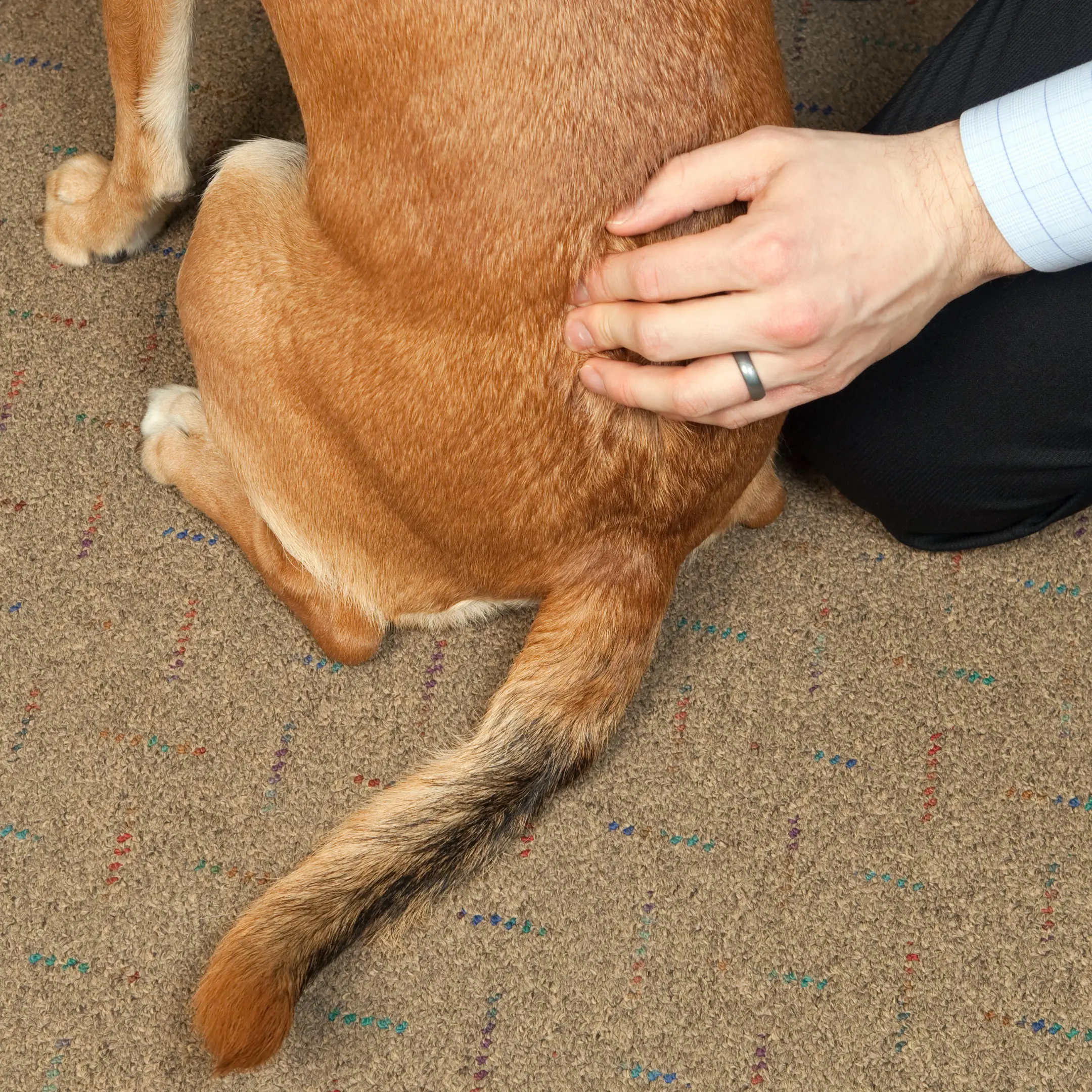
Degenerative myelopathy in dogs is a progressive neurological disease that gradually affects coordination and strength, usually beginning in the hind limbs. The condition is typically not painful by itself, but other painful spinal or orthopedic disorders can cause similar signs. A veterinary assessment is therefore essential before weakness, paw dragging, or an unsteady gait is attributed to DM.
This guide explains common degenerative myelopathy symptoms, how a degenerative myelopathy diagnosis is reached, and what is known about degenerative myelopathy treatment and rehabilitation. It also defines the limited role of an orthosis for degenerative myelopathy. A device may address a specific mechanical problem, but it cannot treat the spinal cord disease or stop its progression.
What Is Degenerative Myelopathy in Dogs?
Degenerative myelopathy in dogs, often shortened to DM, is a chronic disease in which nerve pathways within the spinal cord progressively deteriorate. Early signs commonly reflect dysfunction in the thoracolumbar spinal cord. Affected dogs may remain able to walk at first but show proprioceptive ataxia, which means poor awareness and control of paw and limb position, together with weakness of the pelvic limbs.
Degenerative myelopathy in dogs often starts asymmetrically and later affects both hind limbs. As it advances, a dog can lose independent walking ability and may develop weakness farther forward in the body. The rate and pattern differ between patients, so a published average should not be used as a countdown for an individual dog.
Degenerative myelopathy in dogs is generally described as non-painful. Pain, spinal sensitivity, or an abrupt decline should raise concern for another condition or a concurrent problem. In a 2025 cohort of dogs with a SOD1 mutation and compatible signs, concurrent intervertebral disc protrusion was identified in some patients, showing why an older dog can have more than one cause of neurological difficulty.[5]
Why Early Veterinary Assessment Matters
Early degenerative myelopathy symptoms can resemble intervertebral disc disease, lumbosacral disease, spinal tumors, inflammatory disease, peripheral nerve disorders, hip or stifle disease, and other causes of hind-limb weakness. Several alternatives may be painful, treatable, or time-sensitive. Assuming DM from a dog’s breed, age, or genetic result can delay the correct investigation.
Seek prompt veterinary assessment when a dog develops:
- Sudden weakness or inability to stand
- Back or neck pain, crying, guarding, or spinal sensitivity
- Rapid deterioration over hours or days
- Loss of bladder control with an acute change in walking
- One limb that becomes suddenly non-weight-bearing
- Trauma, collapse, breathing difficulty, or marked distress
These findings do not exclude degenerative myelopathy in dogs, but they are not the classic slowly progressive, non-painful presentation. The immediate priority is to identify a cause that may require different treatment.
What Causes Degenerative Myelopathy in Dogs?
Research has linked many cases of degenerative myelopathy in dogs to variants in the superoxide dismutase 1 gene, usually written as SOD1. A landmark genome-wide association study identified a SOD1 mutation associated with DM and showed pathological similarities to some forms of human amyotrophic lateral sclerosis.[1]
Genetic testing for degenerative myelopathy in dogs indicates risk, not a clinical diagnosis. In a study of more than 33,000 dogs from 222 breeds, the common SOD1 risk allele was widely distributed. Dogs homozygous for the variant had a higher risk, yet not every genetically at-risk dog developed clinical disease. Histopathologically confirmed cases were also reported in a small number of heterozygous dogs.[2]
This incomplete penetrance is why a DNA test cannot tell an owner whether signs are caused by DM, when they will begin, or how quickly they will progress. It is also why screening a healthy dog and evaluating a symptomatic dog are different clinical questions.
Degenerative Myelopathy Symptoms
The earliest degenerative myelopathy symptoms are often subtle and may be mistaken for normal aging. In degenerative myelopathy in dogs, they usually involve gradual changes in rear-limb coordination rather than a sudden loss of function.
- Scuffing the nails or dragging the top of a rear paw
- Knuckling or delayed correction of paw position
- A swaying or uncoordinated hind-limb gait
- Crossing the hind limbs or stepping too narrowly
- Difficulty rising, turning, or maintaining balance
- Uneven wear on rear toenails
- Progressive loss of independent walking
Owners can help the clinical team by recording short videos on the same level surface every few weeks. A side view and a view from behind can document changes that are difficult to remember from day to day. Video does not replace a neurological examination, but it can make gradual change easier to discuss.
How the Disease May Progress
The course of degenerative myelopathy in dogs is progressive, but the timetable is variable. In a recent retrospective cohort of 39 dogs with compatible signs, a SOD1 mutation, and spinal MRI, the median time from the onset of signs to non-ambulatory status was nine months. The study population was small, the diagnosis remained presumptive, and the result should not be treated as a prediction for every dog.[5]
Later changes in degenerative myelopathy in dogs can include severe hind-limb weakness, loss of independent walking, muscle loss, and difficulties with toileting or positioning. Some dogs eventually develop weakness in the front limbs. Regular reassessment helps the veterinary team adapt exercise, home access, nursing care, and mobility equipment before a crisis occurs.
How a Degenerative Myelopathy Diagnosis Is Reached
There is no single test that confirms degenerative myelopathy in dogs during life. A degenerative myelopathy diagnosis is presumptive and depends on a compatible history and neurological examination together with an investigation for other causes. Definitive confirmation requires examination of spinal cord tissue after death.
The work-up for degenerative myelopathy in dogs may include blood tests, orthopedic assessment, spinal imaging, cerebrospinal fluid analysis, electrodiagnostic testing, and SOD1 testing. The exact sequence depends on the examination and the diseases considered most likely. In a 2023 international survey, most responding neurologists used SOD1 testing, and many also required MRI for a presumptive diagnosis. The authors emphasized that the genetic test is inadequate as a stand-alone test because the mutation has incomplete penetrance.[3]
A careful degenerative myelopathy diagnosis matters because a positive SOD1 result can coexist with disc disease, arthritis, or another neurological condition. Finding and managing a concurrent problem may improve comfort or function even when DM remains part of the clinical picture.
Degenerative Myelopathy Treatment and Management
There is currently no proven cure or disease-modifying degenerative myelopathy treatment. Management aims to preserve safe activity and participation, maintain muscle and joint range where possible, protect the skin and paws, support toileting, and help the family respond to change. The plan should be individualized rather than based on a fixed stage chart.
- Veterinary rehabilitation with exercises selected for the dog’s current neurological status
- Regular, controlled activity that avoids exhaustion and repeated falls
- Weight management and adequate nutrition
- Non-slip flooring, ramps, secure footing, and reduced access to unsafe stairs
- Harnesses, slings, paw protection, carts, or other mobility aids when indicated
- Skin, nail, bladder, bowel, and pressure-area care as mobility declines
- Planned quality-of-life discussions and clear criteria for urgent review
Medication may still be needed when degenerative myelopathy in dogs occurs alongside a painful condition, but it should not be described as treating DM unless evidence supports that specific use. Families should discuss supplements and experimental interventions with their veterinarian because safety, cost, and evidence vary.
What Research Shows About Rehabilitation
Rehabilitation is widely used in the management of degenerative myelopathy in dogs, but the evidence base is limited. A retrospective 2006 study evaluated 50 dogs with suspected DM and compared survival in 22 dogs receiving different amounts of physiotherapy. The nine dogs in the intensive group remained ambulatory longer and had a longer mean survival than dogs receiving moderate or no physiotherapy.[4]
The study was small, retrospective, and used presumptive diagnoses. A 2025 retrospective cohort did not find a statistically meaningful association between physiotherapy and survival, although the authors noted the small sample and lack of standardized treatment.[5] These findings support an individualized rehabilitation plan, not a promise that exercise will slow the disease or extend life for every patient.
Appropriate goals may include safer transfers, maintained strength, controlled gait practice, comfortable range of motion, and helping the dog continue valued activities. The rehabilitation professional should adjust frequency and intensity as fatigue, balance, and mobility change. This is the practical role of degenerative myelopathy treatment planning even when the underlying disease cannot be reversed.
Mobility Aids for Dogs With DM
No single mobility aid is suitable throughout the course of degenerative myelopathy in dogs. A rear-support harness may help with stairs or toileting while a dog still bears some weight. Paw protection can reduce abrasion from scuffing. A cart may support longer mobility when walking without assistance is no longer safe. The team should consider strength, coordination, front-limb function, skin health, home layout, caregiver capacity, and the dog’s response.
Equipment should solve a defined problem. Adding several devices at once can make it difficult to determine what helps and can increase handling demands. Introduce one change at a time when the clinical situation allows, then reassess gait, fatigue, skin, toileting, and participation.
Where an Orthosis for Degenerative Myelopathy May Fit
An orthosis for degenerative myelopathy is not prescribed to treat the spinal cord. It may be considered when the veterinary team identifies a specific mechanical objective in a limb that still has enough function to use the device safely. Possible objectives include supporting a tarsal joint with concurrent instability, improving control of a defined motion, or protecting and positioning a paw that repeatedly drags.
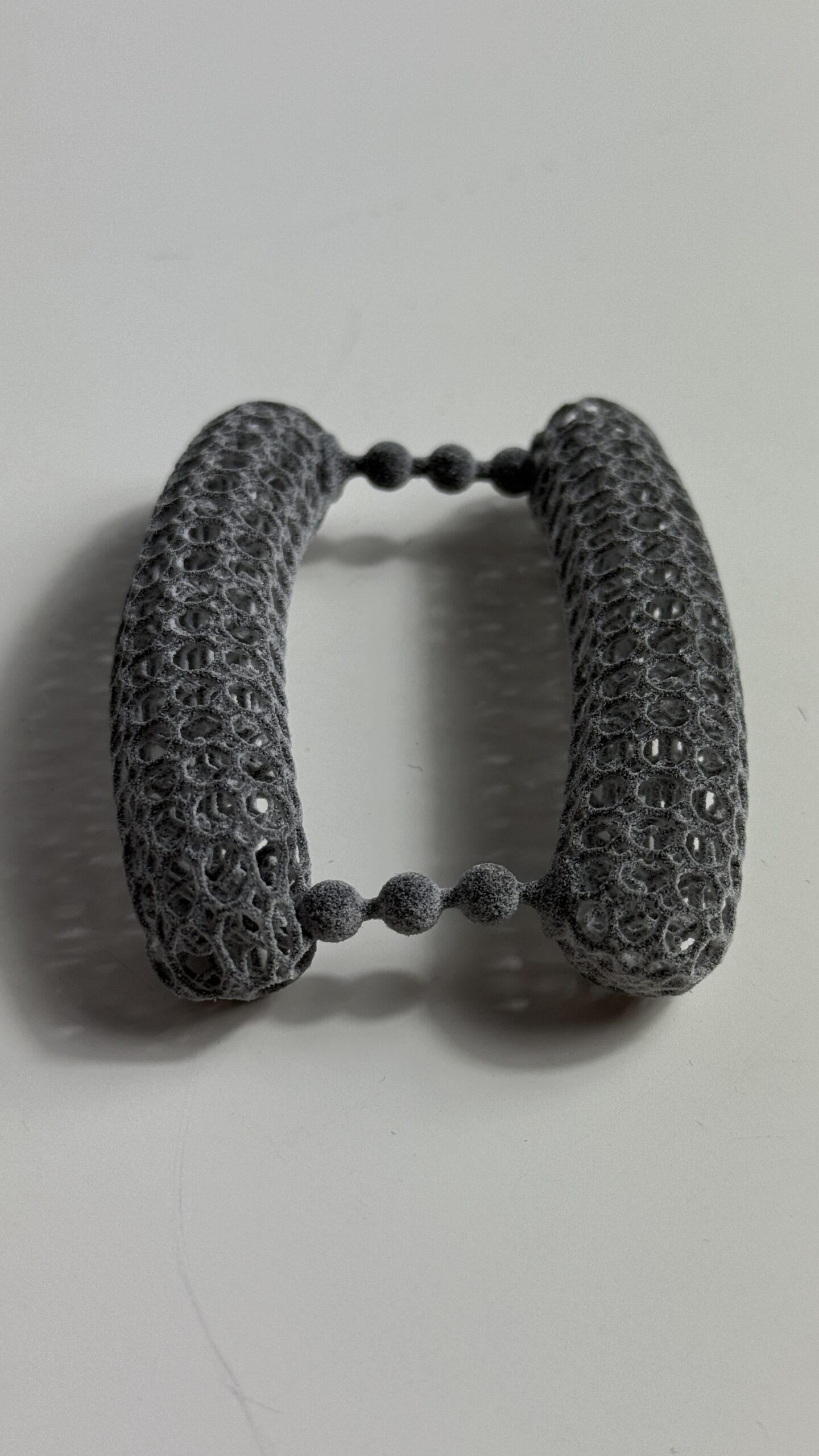
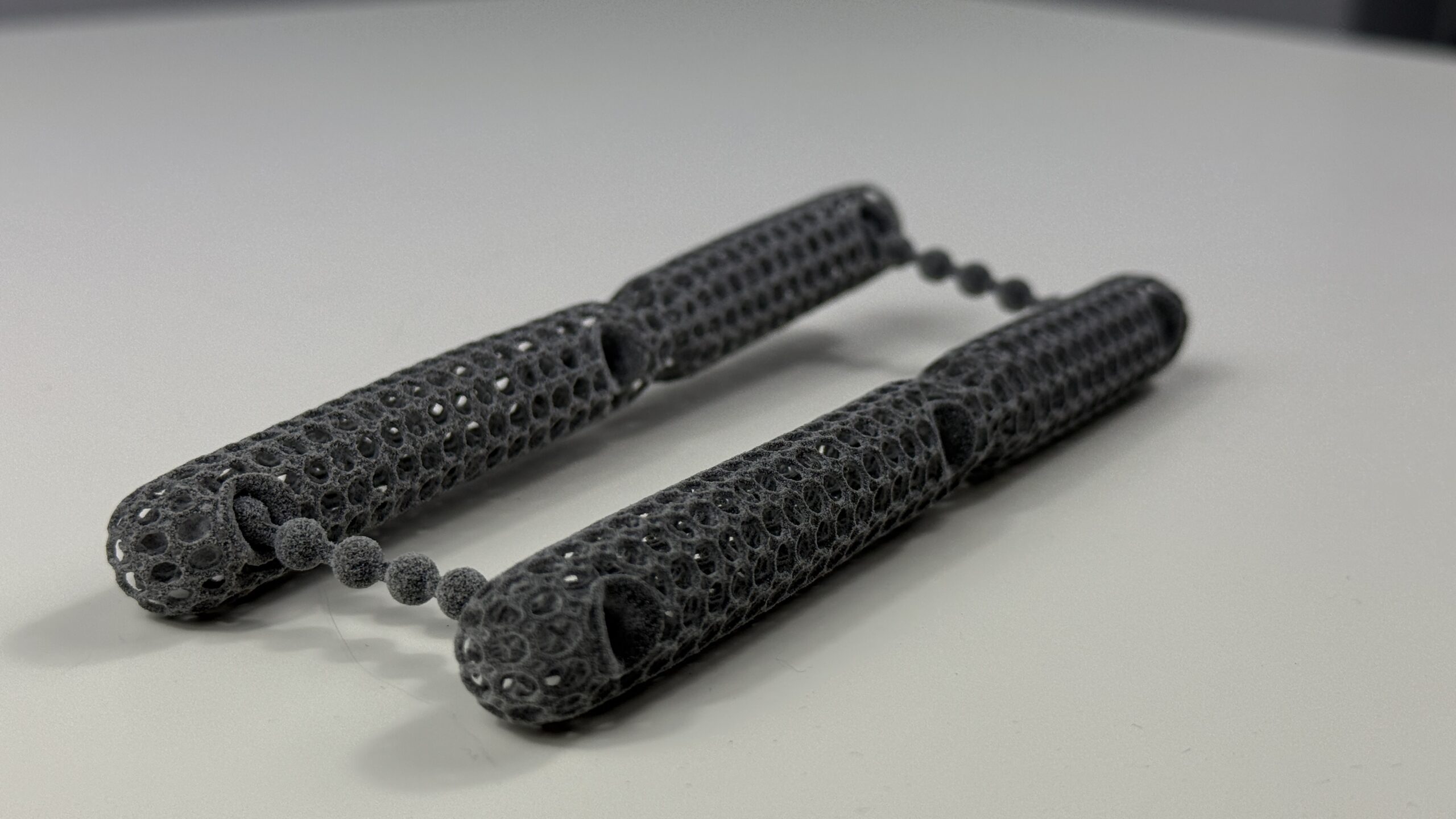
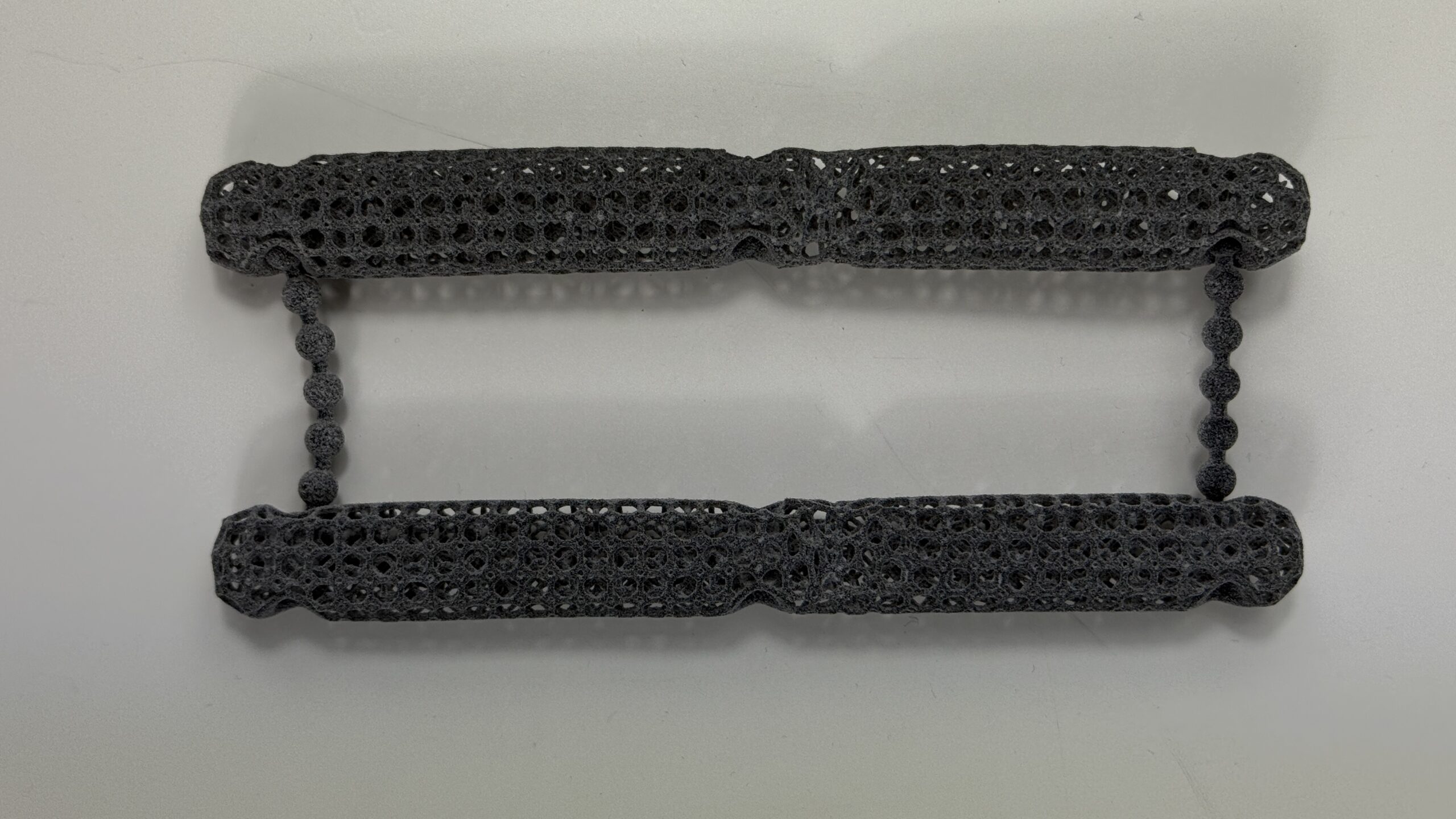
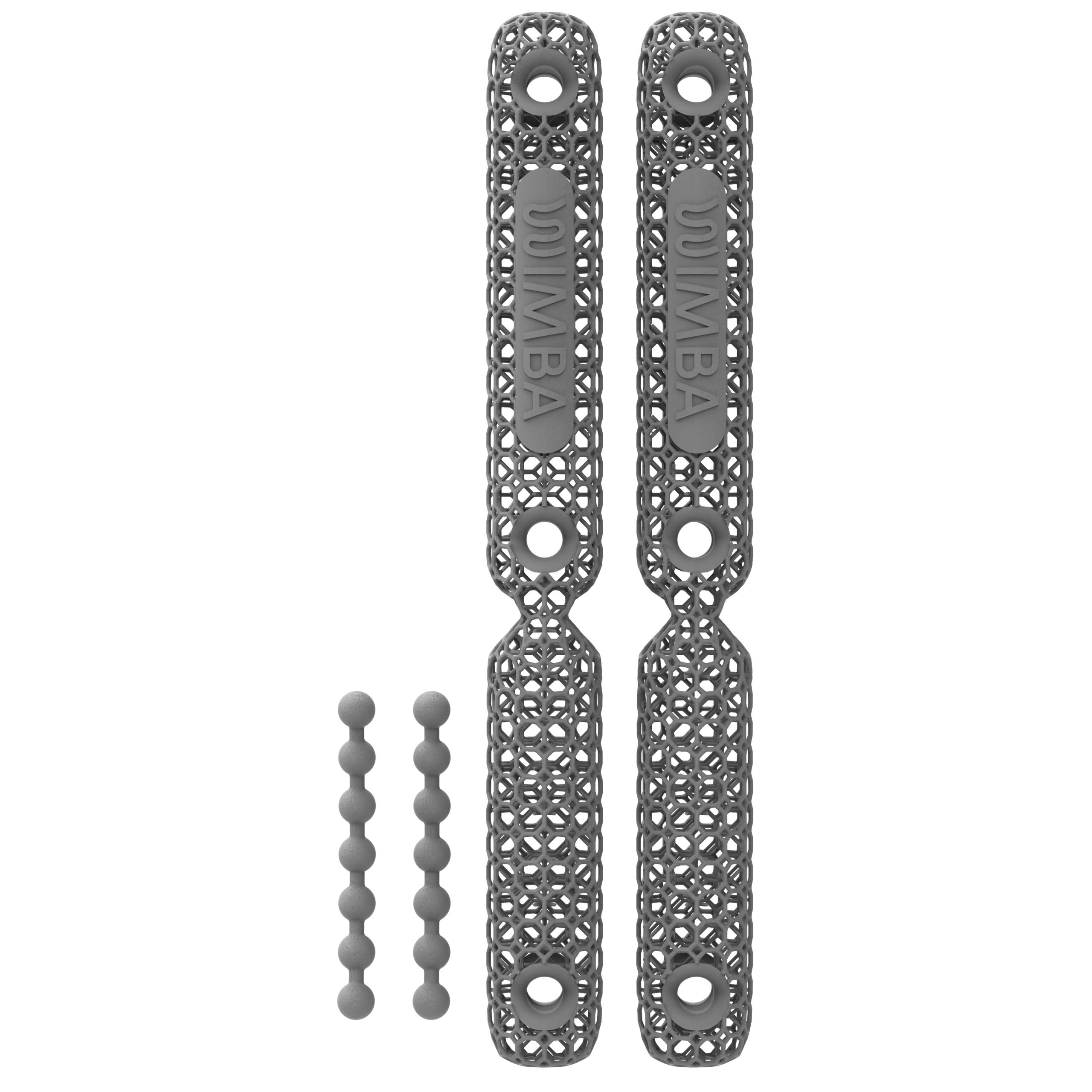
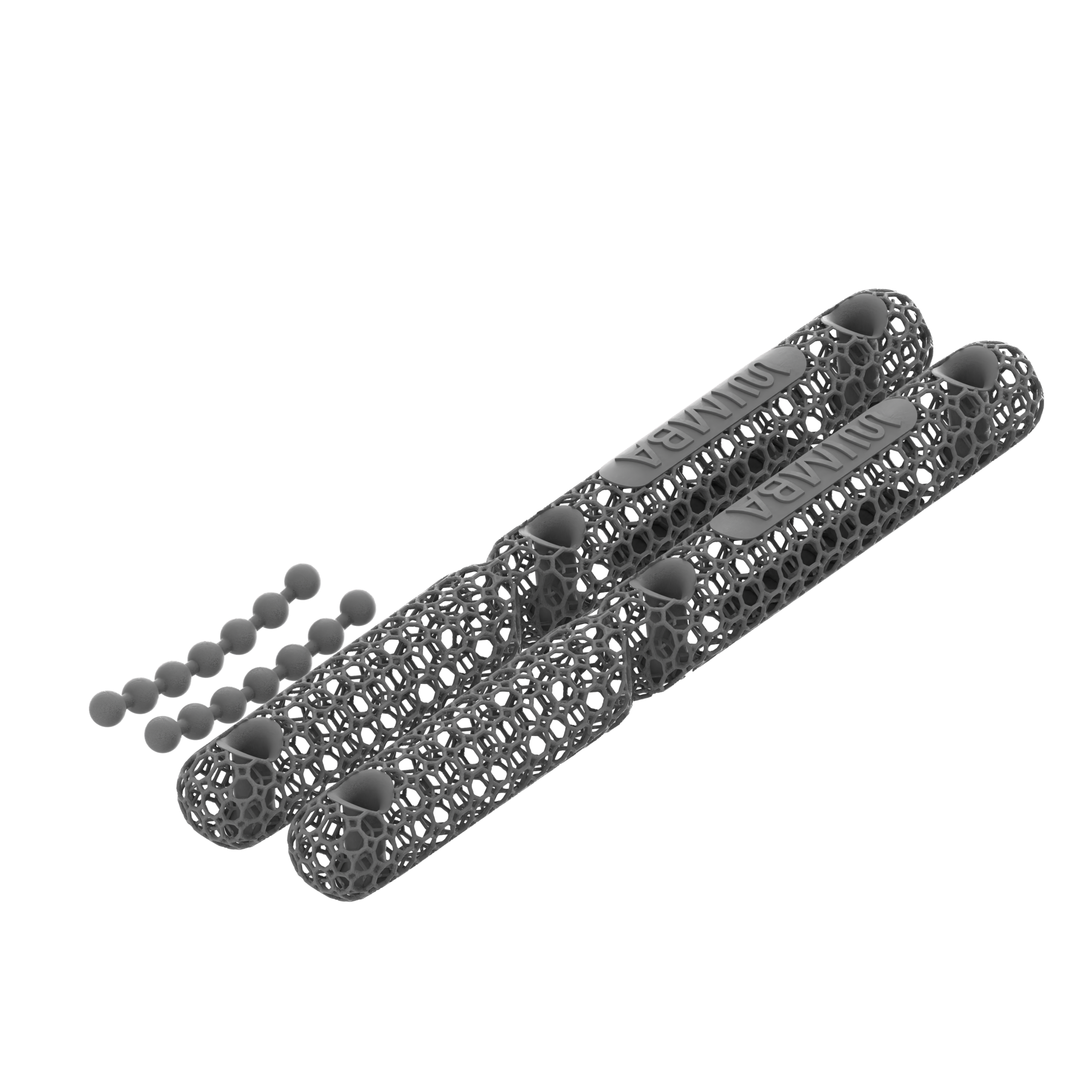
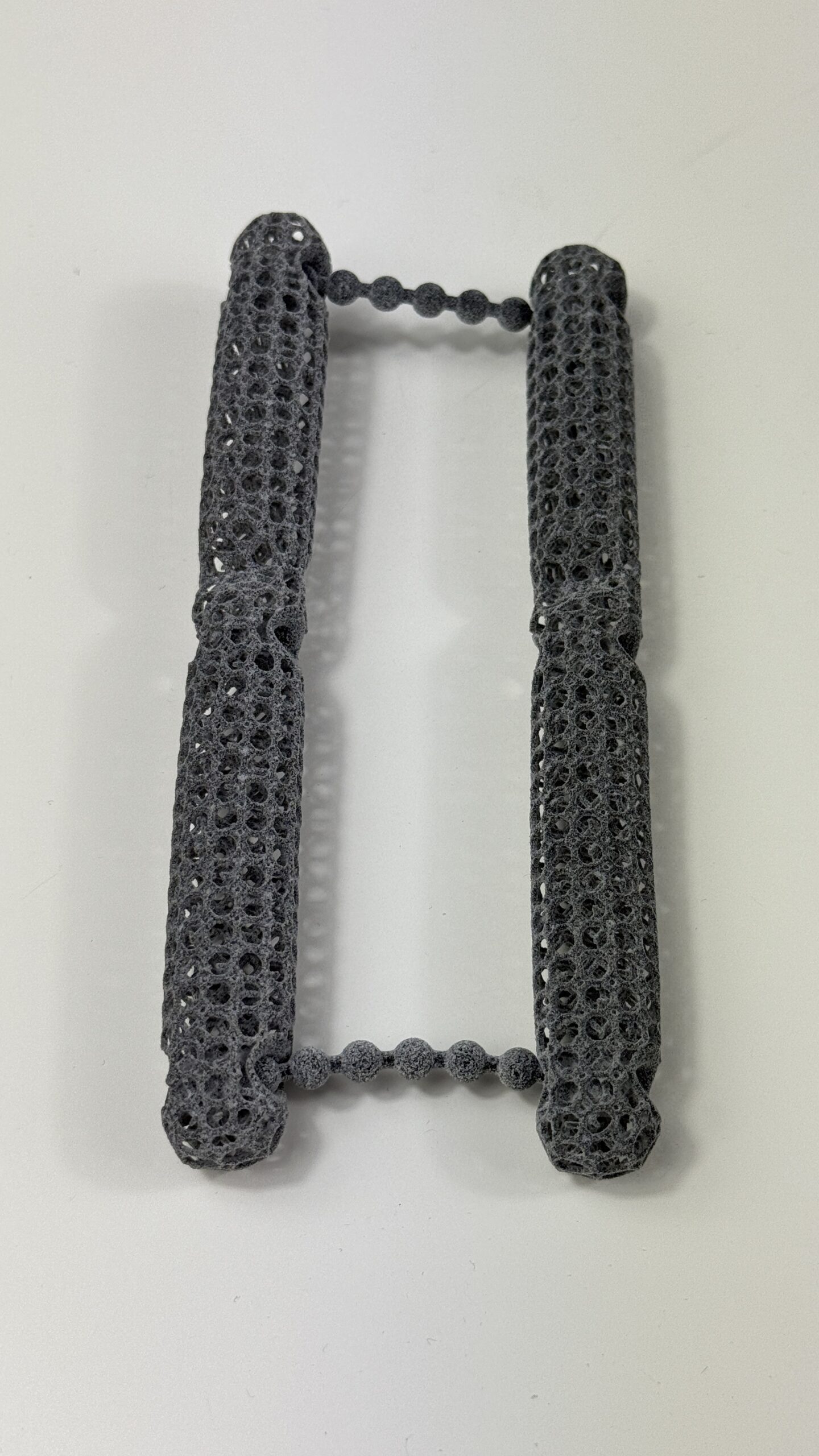
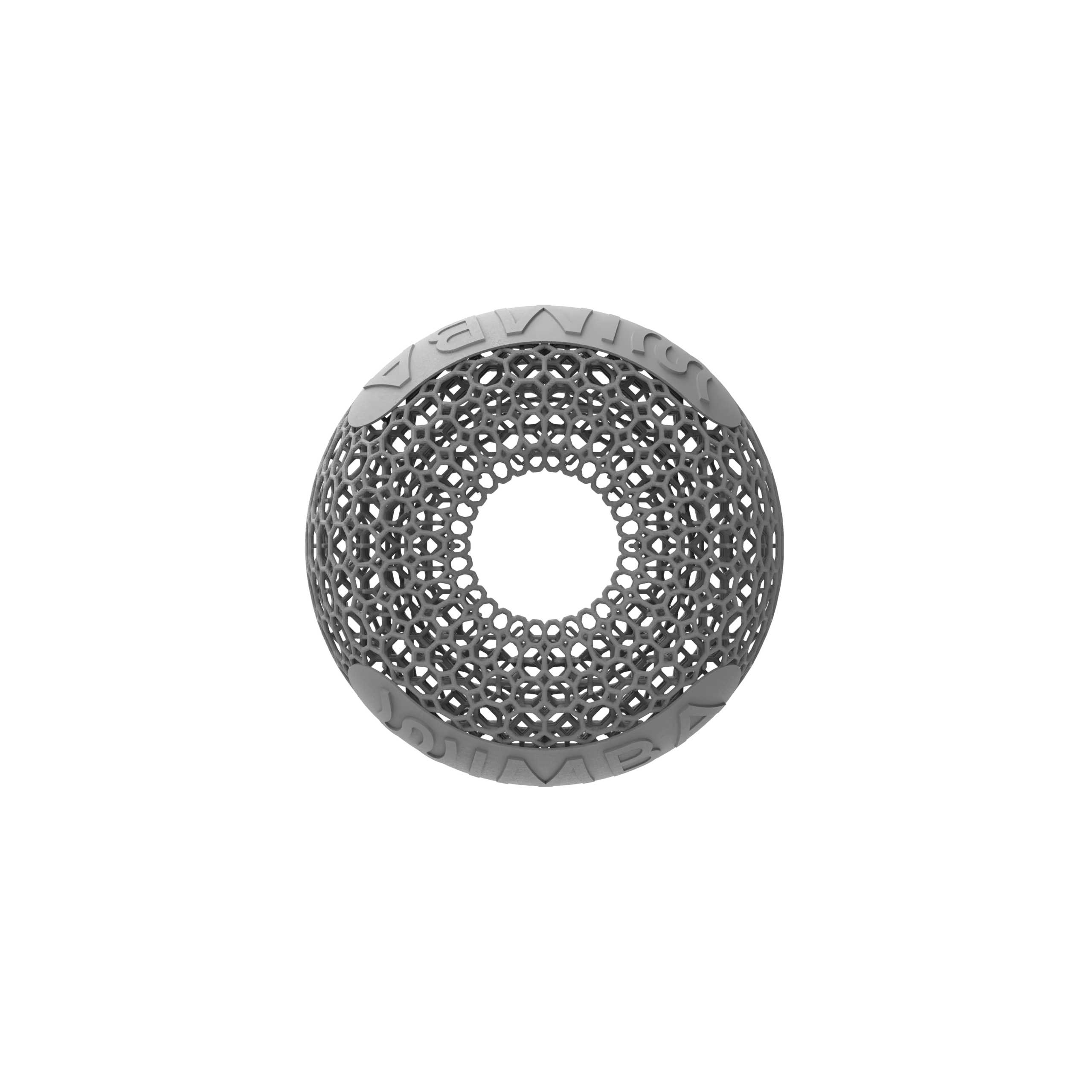
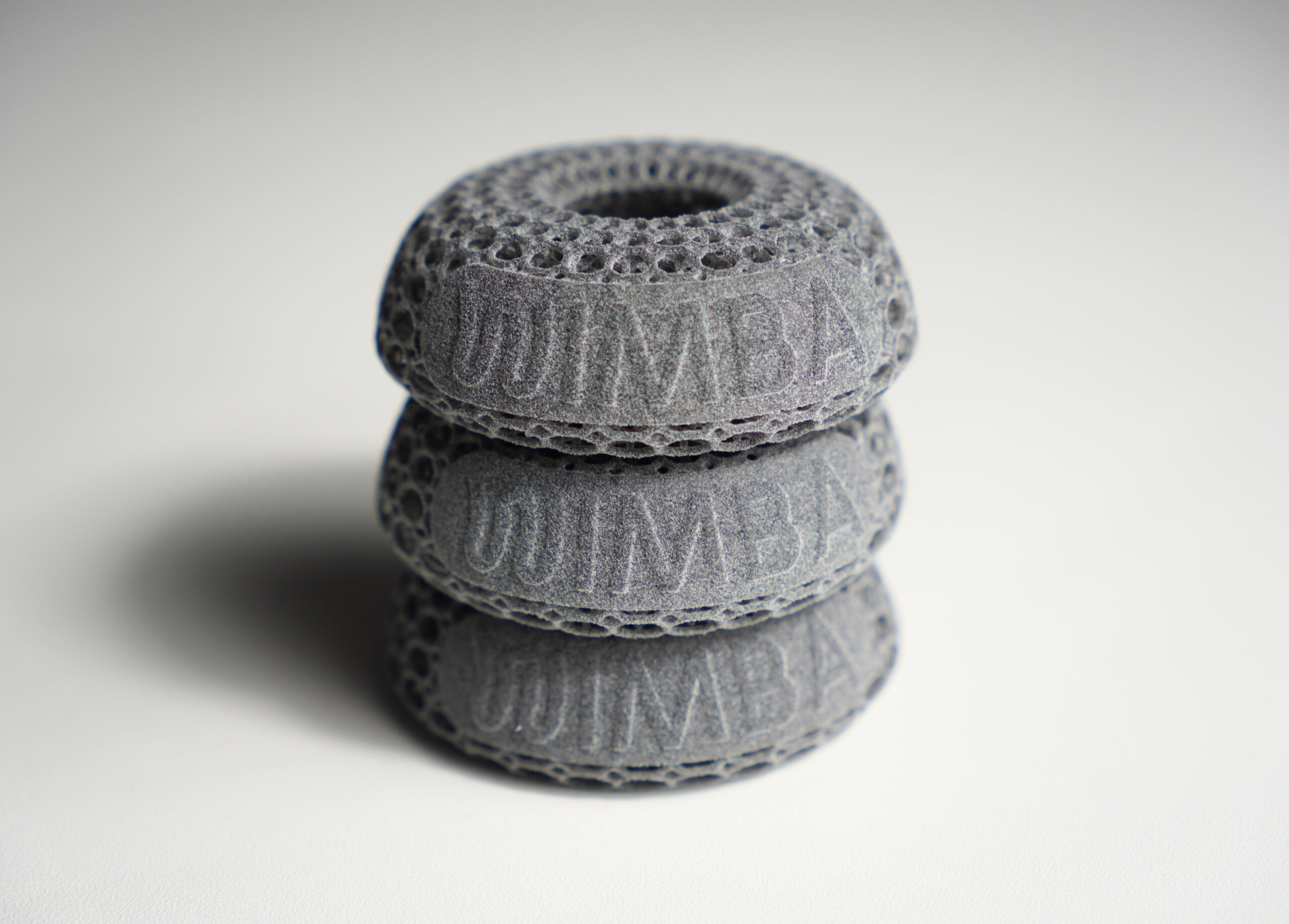
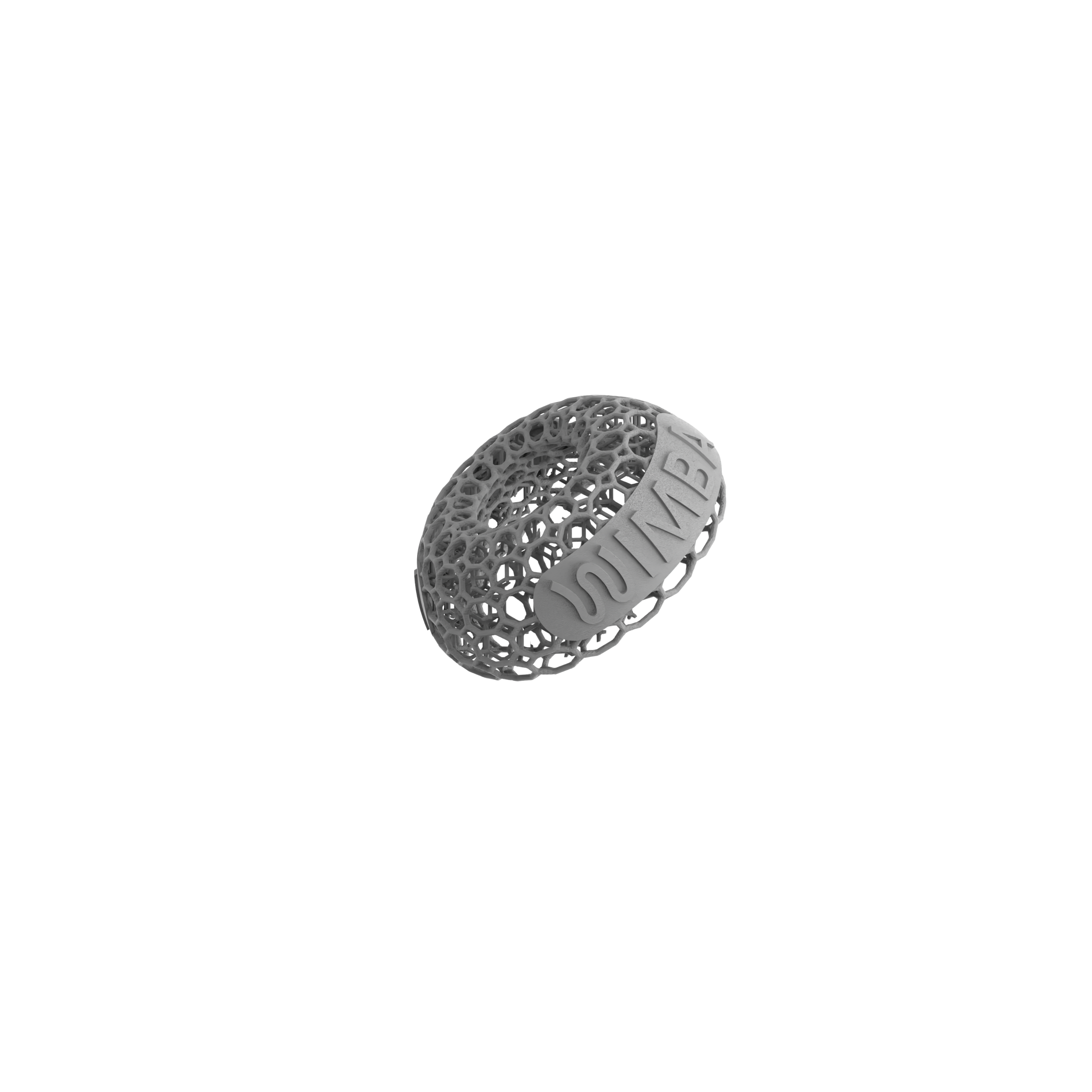
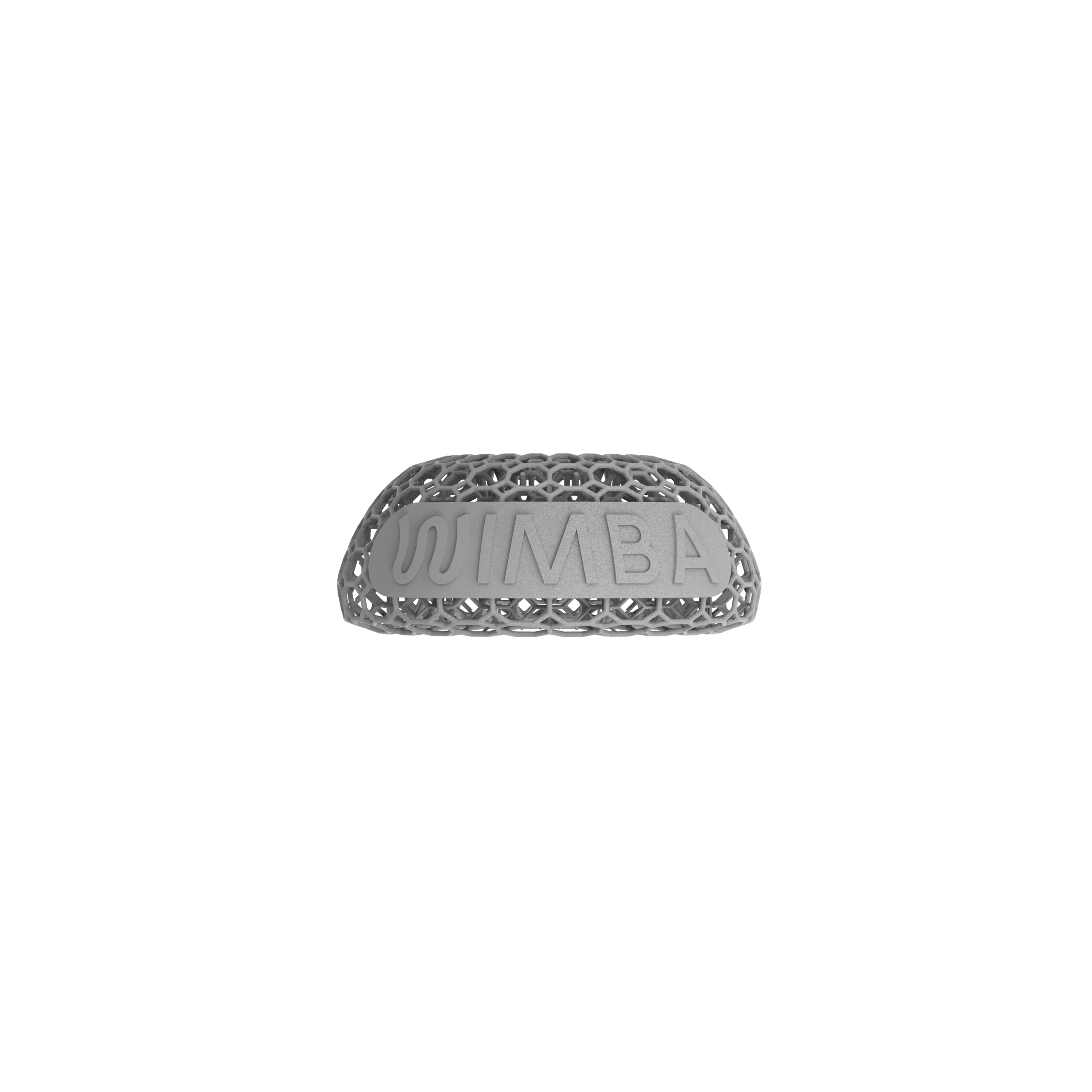
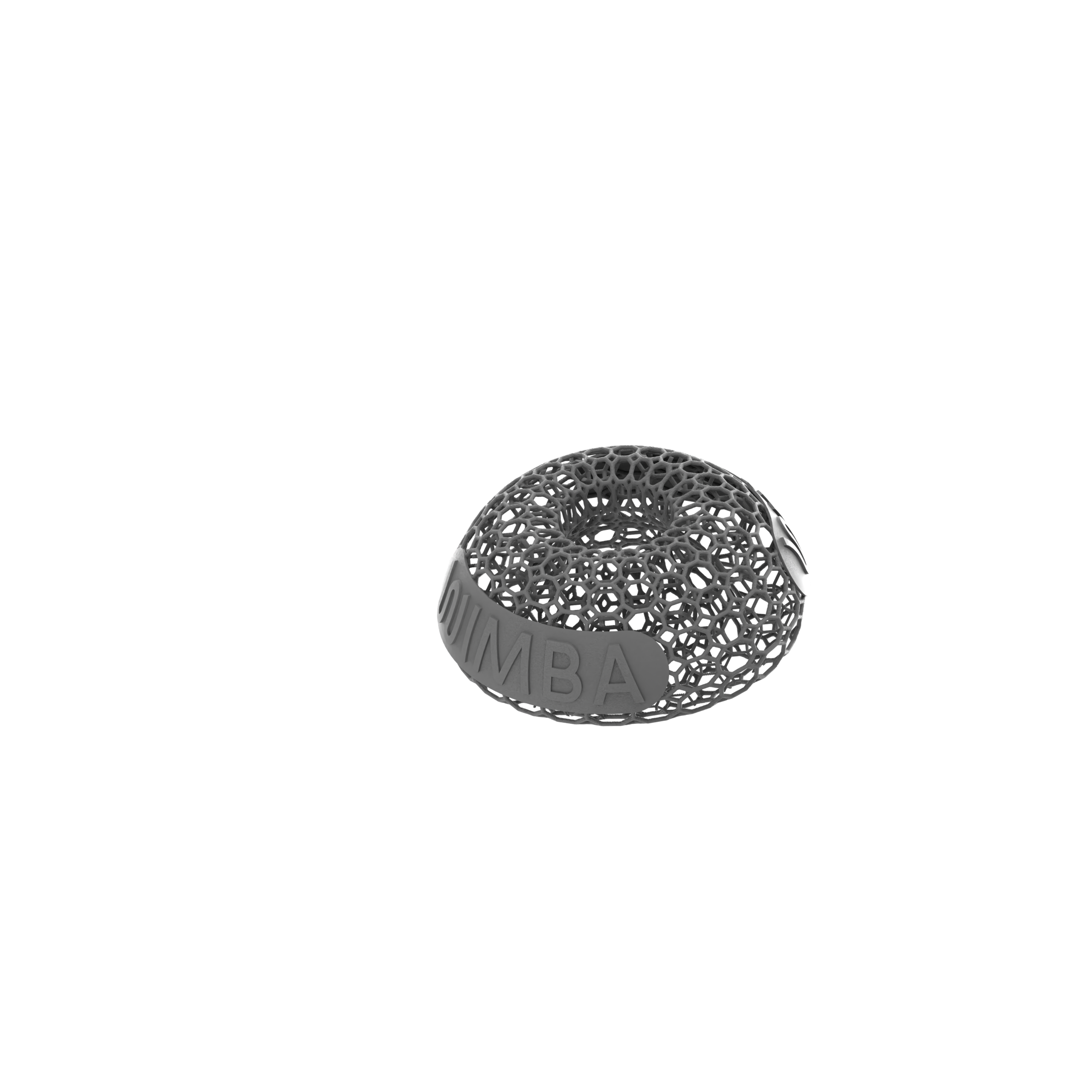
WIMBA Pro includes patient-specific carpal and tarsal configurations with Paw Support. These devices are designed for complex limb and paw support, with clinician-selected range-of-motion control.[6] This product availability does not mean every patient with degenerative myelopathy in dogs is a candidate. The WIMBA Clinical Support Team reviews the diagnosis, functional goal, limb condition, photographs, imaging where relevant, and the treating professional’s prescription before a pathway is selected.
The expected outcome should be observable and limited. For example, the team may assess whether an orthosis for degenerative myelopathy improves paw clearance during a controlled walk, reduces abrasion, or supports a concurrently unstable joint. It should not be presented as a way to restore normal proprioception, rebuild damaged spinal pathways, prevent paralysis, or delay neurological progression.
When an Orthosis May Not Be Appropriate
As degenerative myelopathy in dogs progresses, weakness can reach a point at which the dog cannot advance the limb, tolerate the weight of a device, or place the paw safely. Marked muscle loss, changing limb volume, poor skin condition, uncontrolled rotation, frequent falls, advanced front-limb weakness, or inability to monitor the device can also change candidacy.
An orthosis may also be the wrong tool when the primary need is trunk support, assistance with transfers, or full rear-limb unloading. A harness, sling, cart, environmental modification, or nursing plan may address that goal more directly. Choosing not to use an orthosis can be the correct clinical decision.
Fitting Skin Checks and Follow-Up
If a device is prescribed, the first fitting should be dynamic. The provider should check frame position, joint and hinge alignment, strap tension, paw clearance, rotational stability, and gait during controlled steps. The owner should receive written instructions for application, removal, wear progression, cleaning, and the signs that require the device to be removed.
Inspect the skin and coat after every session. Persistent redness, rubbing, swelling, moisture, hair loss, abrasions, new reluctance to move, or worsening gait requires provider review. Do not cut, heat, grind, drill, or otherwise reshape the structural frame at home.
Follow-up is particularly important because degenerative myelopathy in dogs changes strength, gait, muscle mass, and caregiver needs over time. A device that met its goal at one stage may need adjustment, reduced use, or retirement later. The working diagnosis should also be revisited if pain, rapid decline, or a new asymmetric deficit appears.
Monitoring Quality of Life
Quality of life with degenerative myelopathy in dogs involves more than whether the dog can walk without help. Monitor appetite, sleep, social engagement, comfort, ability to toilet and remain clean, enjoyment of normal routines, frequency of falls, skin health, and the effort required from the dog and caregiver.
Agreeing on measurable priorities before a crisis can make later decisions clearer. A weekly log or simple good-day and difficult-day record can help the family and veterinary team identify change. The plan should include what support will be added next, which changes require urgent review, and when the burden of care is no longer compatible with the dog’s welfare.
Questions to Ask the Veterinary Team
- Which treatable causes of weakness have been investigated or excluded?
- What does the SOD1 result mean for this dog, and what does it not prove?
- What functional changes should we measure between appointments?
- Which exercises are appropriate now, and which activities should be avoided?
- Would a harness, paw protection, cart, or custom device address the current problem?
- If an orthosis is considered, what exact outcome will define success?
- How often should gait, skin, fit, and quality of life be reassessed?
Start With a Diagnosis and a Defined Goal
The first step for suspected degenerative myelopathy in dogs is a veterinary neurological assessment, not an equipment order. Once the work-up and rehabilitation plan are in place, the team can decide whether a specific mobility aid has a useful role. Veterinary professionals can submit a case for WIMBA review. Pet owners can use the Provider Map to find a clinic experienced with patient-specific orthotic assessment and explore related WIMBA condition resources.
Frequently Asked Questions About Degenerative Myelopathy in Dogs
Is degenerative myelopathy in dogs painful?
DM itself is generally considered non-painful. A dog showing spinal pain, marked sensitivity, or a sudden decline should be assessed for another or additional condition, such as intervertebral disc disease or an orthopedic problem.
What are the early degenerative myelopathy symptoms?
Early signs can include rear nail scuffing, paw dragging, knuckling, a swaying gait, crossing the hind limbs, and difficulty rising or turning. These changes also occur with other diseases, so they require veterinary assessment.
Can a SOD1 test confirm a degenerative myelopathy diagnosis?
No. A SOD1 result identifies genetic risk and can support a presumptive diagnosis, but it cannot prove that current signs are caused by DM. The veterinarian must interpret the result with the history, neurological examination, and investigation for other causes.
Is there a proven degenerative myelopathy treatment?
There is currently no proven cure or therapy that reverses DM. Management commonly includes controlled exercise, veterinary rehabilitation, weight management, home adaptations, mobility aids, skin and paw care, and regular quality-of-life review.
Can an orthosis for degenerative myelopathy stop progression?
No. An orthosis cannot stop or reverse spinal cord degeneration. In selected patients, a custom device may address a defined mechanical problem such as paw dragging, paw protection, or concurrent joint instability.
When might WIMBA Pro with Paw Support be reviewed?
A veterinary team may request review when a dog has a specific hind-limb or paw-support goal and enough remaining function to use a device safely. Candidacy depends on the examination, limb condition, gait, skin, clinical objective, and ability to provide supervised follow-up.
How often should a dog with DM be reassessed?
The schedule is individual, but progressive change requires planned rechecks and earlier review when gait, strength, skin, continence, comfort, equipment fit, or caregiver needs change. The treating team should provide a specific follow-up interval.
Medical Disclaimer: All information on this website is intended for instruction and information purposes only. It is not a substitute for veterinary examination, diagnosis, or treatment. Seek prompt veterinary care for sudden weakness, pain, inability to stand, breathing difficulty, or rapid neurological deterioration. No specific outcome is expressly or implicitly guaranteed.
Evidence and Product References
- Awano T, Johnson GS, Wade CM, et al. Genome-wide association analysis reveals a SOD1 mutation in canine degenerative myelopathy that resembles amyotrophic lateral sclerosis. Proc Natl Acad Sci U S A. 2009;106(8):2794-2799. doi:10.1073/pnas.0812297106
- Zeng R, Coates JR, Johnson GC, et al. Breed distribution of SOD1 alleles previously associated with canine degenerative myelopathy. J Vet Intern Med. 2014;28(2):515-521. doi:10.1111/jvim.12317
- Bouché TV, Coates JR, Moore SA, Faissler D, Rishniw M, Olby NJ. Diagnosis and management of dogs with degenerative myelopathy: a survey of neurologists and rehabilitation professionals. J Vet Intern Med. 2023;37(5):1815-1820. doi:10.1111/jvim.16829
- Kathmann I, Cizinauskas S, Doherr MG, Steffen F, Jaggy A. Daily controlled physiotherapy increases survival time in dogs with suspected degenerative myelopathy. J Vet Intern Med. 2006;20(4):927-932. PMID:16955818
- Sebestyén P, et al. Survival and deterioration time of walking abilities in dogs homozygous for the SOD1 gene mutation with and without thoracolumbar intervertebral disc protrusion. Front Vet Sci. 2025;12:1555889. doi:10.3389/fvets.2025.1555889
- WIMBA. WIMBA Orthotics Pro: advanced custom orthotics for complex limb support. Accessed September 16, 2026. View current product information