 Skip to content

PET BEHAVIOR
WIMBA KNOWLEDGE
Latest articles
-

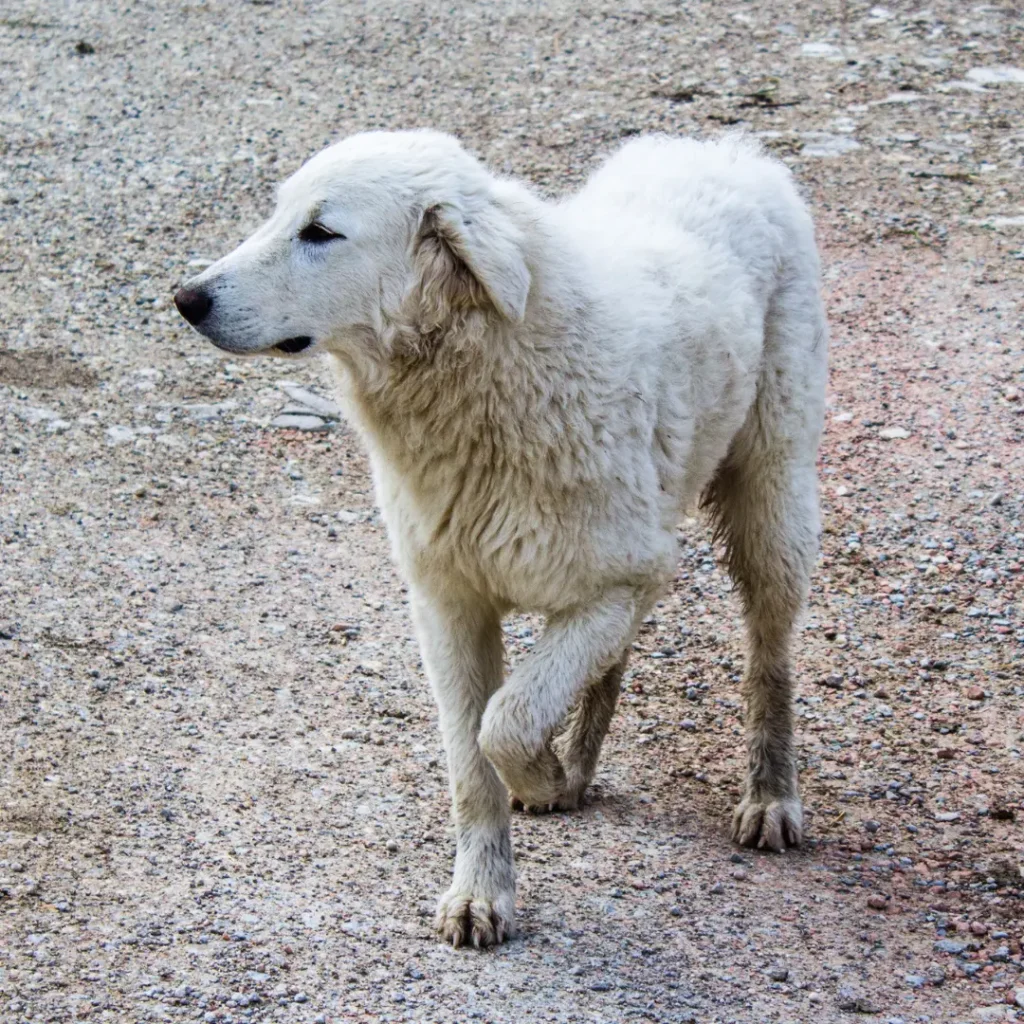
Limping and Gait Changes in Dogs: Reading the Signs Before They Get Worse
Read article →: Limping and Gait Changes in Dogs: Reading the Signs Before They Get WorseDog Gait Changes: What They Can and Cannot Tell You Dog gait changes can be an early clue that movement no longer feels or functions normally.…
-
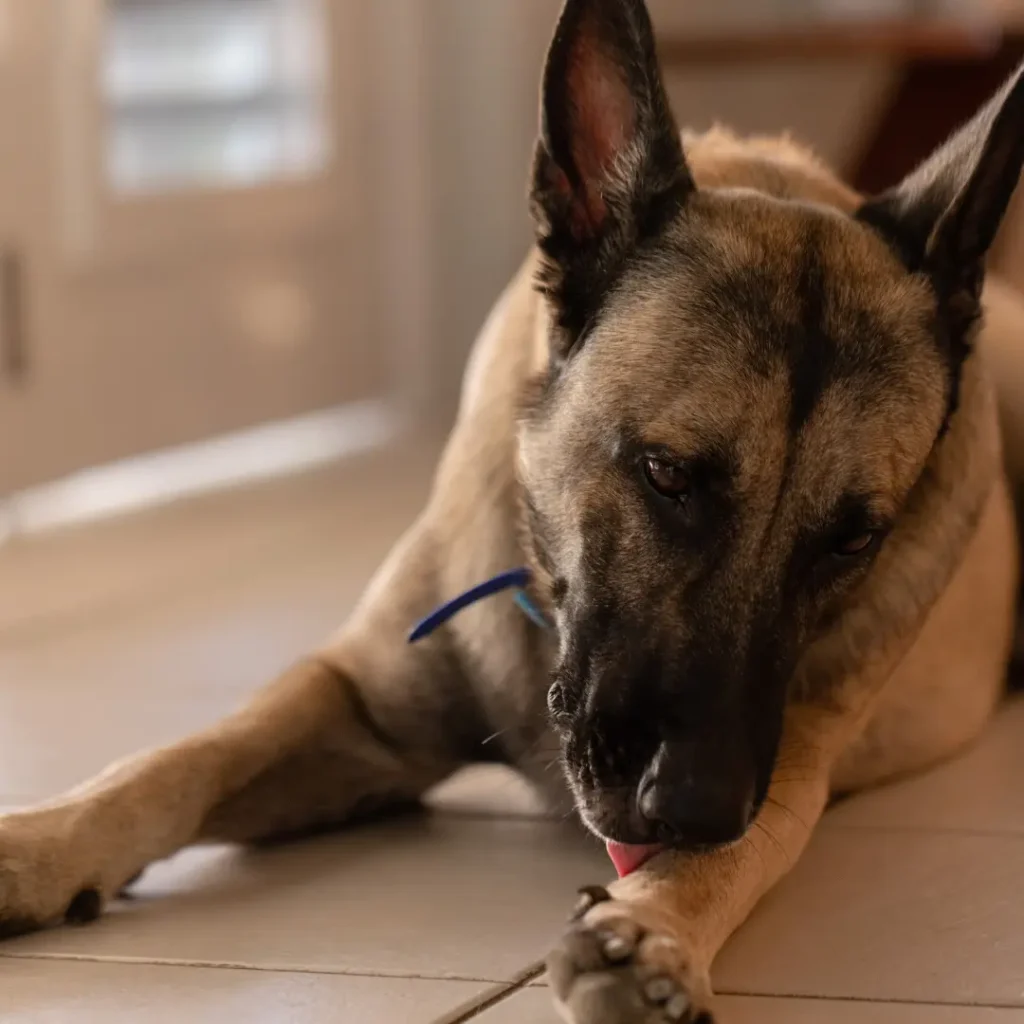
Is My Dog Licking Their Paws Because of Pain?
Read article →: Is My Dog Licking Their Paws Because of Pain?Dog Licking One Paw: Pain Signal or Something Else? Dog licking one paw can be brief, ordinary grooming. When it becomes persistent, repeatedly targets the same…
-

Why Dogs Overload Their “Good” Leg After an Injury
Read article →: Why Dogs Overload Their “Good” Leg After an InjuryCompensatory Overload in Dogs: Protecting the “Good” Leg After Injury When a dog injures one leg, owners naturally focus on the painful limb. A few days…
-

Turning Your Legs into a Safe, Engaging Space
Read article →: Turning Your Legs into a Safe, Engaging SpaceTurning Your Legs into a Safe Space: Safety Reminder Reminder: Only practice Cave when it is safe for both you and your dog. Consult your veterinarian…
-
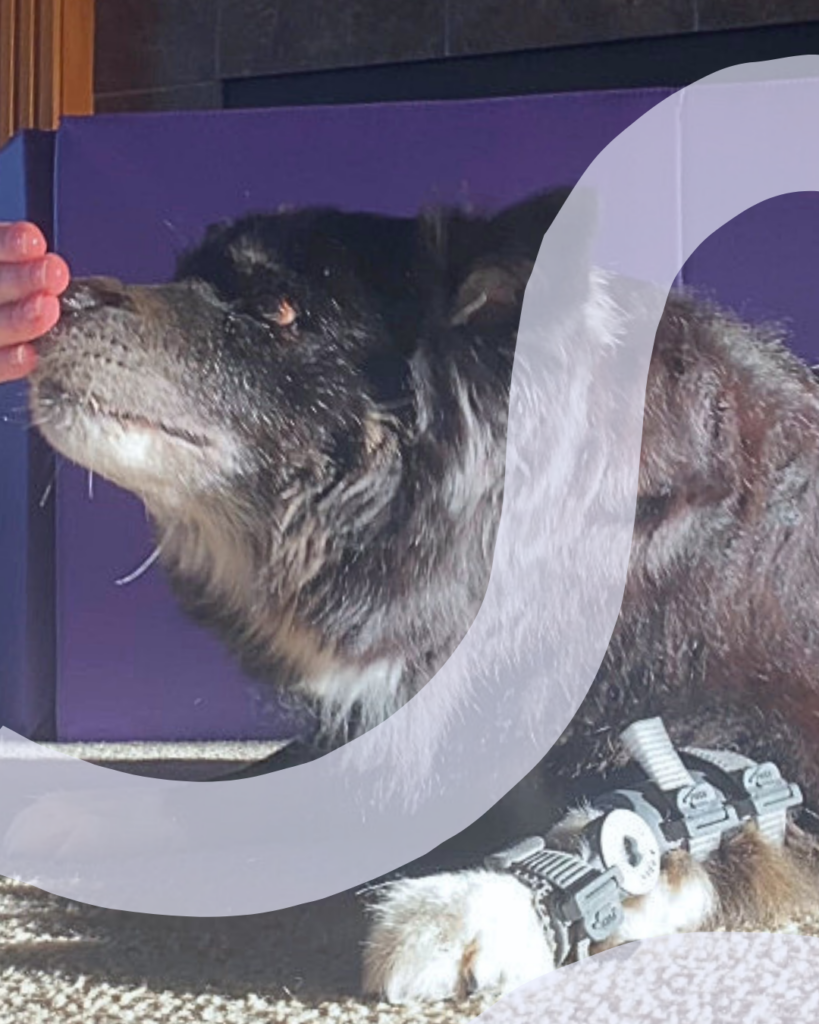
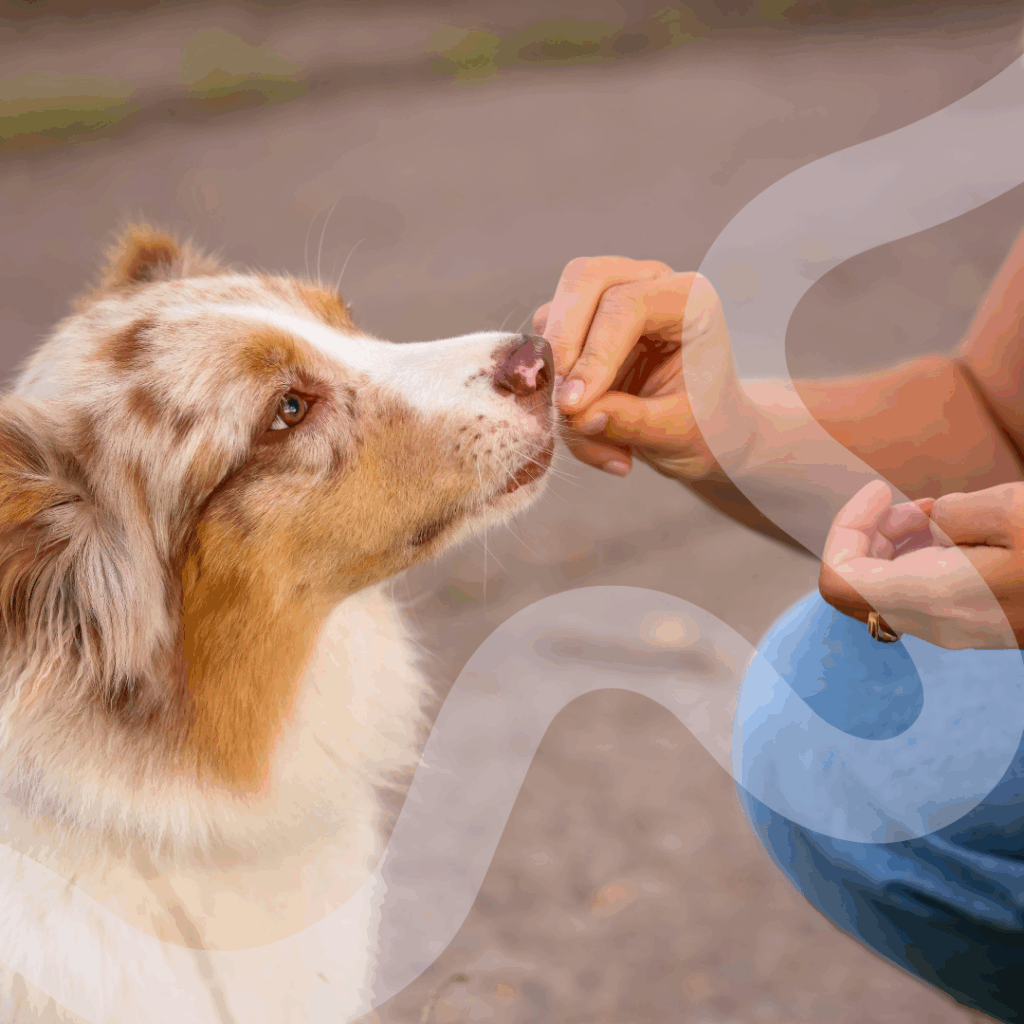
Nose-To-Hand Target
Read article →: Nose-To-Hand TargetWritten by: Dr. Emily Hall DVM, CCRT, CPAT-KA What is Nose-to-hand target (hand targeting)? Hand targeting teaches your dog to touch your hand with their nose…
-
Classical Conditioning for Dogs: Build Positive Associations
Read article →: Classical Conditioning for Dogs: Build Positive AssociationsPart of the WIMBA Behavior Skill-Up Series: How Classical Conditioning for Dogs and consistent cues help patients stay calm and cooperative during handling, scanning, and wound-care…
-
Operant Conditioning for Dogs: Reward-Based Cooperative Care
Read article →: Operant Conditioning for Dogs: Reward-Based Cooperative CarePart of the WIMBA Behavior Skill-Up Series: Operant Conditioning for Dogs to shape voluntary, cooperative behavior during handling, device donning, and gait practice. See also Classical…
-
Silent Pain in Dogs: 7 Signs of Silent Pain in Dogs Every Pet Parent Should Know
Read article →: Silent Pain in Dogs: 7 Signs of Silent Pain in Dogs Every Pet Parent Should KnowSilent Pain in Dogs is common—dogs can be incredibly stoic. Many will continue to walk, play, and even wag their tails despite significant pain. For pet…




Keep exploring WIMBA
Browse more practical resources or explore WIMBA solutions designed to support veterinary mobility and rehabilitation.