 Skip to content

Dog Gait Changes: What They Can and Cannot Tell You
Dog gait changes can be an early clue that movement no longer feels or functions normally. A shorter step, altered weight-bearing, intermittent skip, paw scuff, wider stance, or reluctance to use stairs may appear before an owner describes an obvious limp. However, gait is influenced by pain, weakness, joint instability, restricted motion, neurologic dysfunction, speed, surface, conformation, and learned movement. The pattern is useful evidence, but it is not a diagnosis.12
This research-based guide explains how to observe dog gait changes without overinterpreting them, why visual assessment can miss subtle lameness in dogs, what objective canine gait analysis has taught us about compensation, and when a veterinary diagnosis may lead to discussion of custom WIMBA orthotic support.
The short answer
A change in gait deserves context, not a label from appearance alone. Studies comparing visual lameness scores with force-platform measurements found low agreement between observers and poor agreement with objective limb function, particularly when lameness was not severe.34 When you notice a dog walking differently, record when and how it happens, avoid provocative home tests, and let a veterinary examination determine whether the problem is orthopedic, neurologic, systemic, or another cause.
Why Dog Gait Changes May Be an Early Sign
Lameness is an alteration in gait or posture associated with impaired use of one or more limbs. It may reflect pain, but gait can also change because of weakness, loss of coordination, altered proprioception, mechanical restriction, or compensation for another body region.12 For that reason, dog gait changes should be treated as functional observations rather than a direct pain meter.
A dog can reduce force on an uncomfortable limb, change stance time, shorten stride, alter joint angles, or shift the center of mass. Some dog gait changes are obvious; others occur across several limbs and are difficult to see in real time. Conversely, acute trauma can cause immediate severe lameness without a long period of subtle warning. It is therefore inaccurate to claim that every obvious limp must have been building unnoticed for weeks.
| Observation | What it describes | What it cannot establish |
|---|---|---|
| Gait change | Any alteration in timing, limb placement, stride, loading, coordination, posture, or movement strategy | That pain is the only cause |
| Lameness | Abnormal limb use or gait that may involve reduced loading, altered motion, or both | The exact tissue, diagnosis, or severity from appearance alone |
| Ataxia | Impaired coordination that may produce swaying, crossing, variable foot placement, or instability | Which neurologic lesion is present without examination |
| Compensation | A redistribution of movement or loading away from an impaired limb or body region | That a second injury has already occurred |
The distinction is especially important when dog gait changes involve paw dragging, knuckling, crossing limbs, weakness, or loss of balance. Reviews of gait assessment emphasize that orthopedic and neurologic disorders can overlap in appearance, so both systems may need to be examined.25
What Can Different Dog Gait Changes Suggest?
Timing and appearance help organize veterinary questions, but they do not create a one-to-one map of dog limping causes. The same disease can produce different patterns in different dogs, while different diseases can produce similar movement. Speed, excitement, fatigue, surface, and whether the dog is walking or trotting can also change what is visible.111
| Pattern you may notice | Reasonable clinical questions | What the pattern does not prove |
|---|---|---|
| Sudden non-weight-bearing or toe-touching | Was there trauma, a paw or nail injury, fracture, joint injury, severe soft-tissue pain, or an acute neurologic problem? | Which structure is damaged or whether surgery is required |
| Stiffness after rest or slower transitions | Could joint pain, osteoarthritis, muscle pain, spinal pain, or another mobility disorder be contributing? | Arthritis based on “warming out” alone |
| Intermittent skip on a pelvic limb | Could patellar luxation or another intermittent mechanical problem be present? | Patellar luxation; the diagnosis requires palpation and clinical assessment.9 |
| Both pelvic limbs move together while running | Is this the dog’s chosen running gait, or is hip, stifle, spinal, or other discomfort altering limb timing? | Hip dysplasia. “Bunny hopping” is not a diagnostic test, and studies have not identified one unique kinematic signature for hip dysfunction.8 |
| Paw scuffing, knuckling, or uneven nail wear | Is there altered paw placement, weakness, reduced joint motion, pain, or neurologic dysfunction? | That the nail or paw is the primary problem |
| Lameness seems to move between limbs | Is this true shifting-leg lameness, a polyarticular or inflammatory problem, or changing compensation? | A single developing orthopedic injury. Immune-mediated polyarthritis is one important differential, particularly with stiffness or systemic illness.10 |
| Shorter stride or reduced push-off | Is the dog reducing loading, joint excursion, propulsion, or speed because of pain, weakness, restriction, or caution? | The affected joint or muscle from stride length alone |
This table is designed to improve the history you give your veterinarian. It should not be used to choose a brace, medication, exercise, or diagnosis. When you notice a dog walking differently, the movement pattern is one part of the case alongside pain, physical findings, neurologic status, and diagnostic testing.
Why Is Subtle Lameness in Dogs Easy to Miss?
Visual observation remains clinically useful, but research shows its limits. In a study of 21 dogs assessed after tibial osteotomy, agreement among three veterinarians was generally low for numerical and visual analogue lameness scores. When the most severely lame dogs were excluded, the subjective scores did not show significant relationships with force-platform results.3
A second blinded study used experimentally induced lameness in 24 dogs. Subjective assessments varied greatly between observers and agreed poorly with objective measures; even averaging the experienced surgeons’ estimates did not solve the problem.4 These findings show why visual interpretation of dog gait changes is imperfect and why subtle lameness in dogs may be missed, assigned to the wrong limb, or judged differently by different people.
What objective gait analysis measures
Objective canine gait analysis can measure forces, impulses, pressure distribution, stride timing, joint motion, or body movement using force platforms, pressure walkways, motion capture, video-based methods, or inertial sensors. Ground-reaction-force asymmetry indices have detected unilateral pelvic-limb lameness under research conditions.6 These tools quantify selected aspects of function; they do not replace history, examination, imaging, or clinical reasoning.
Even instrumented results need standardized collection. Velocity, morphology, gait, trial repetition, and individual dog effects contribute to variation in ground-reaction forces.11 A slow walk in the kitchen, a fast trot at the clinic, and a run on grass are not interchangeable observations of dog gait changes.
How Can Dog Gait Changes Affect Loading Across the Body?
Studies confirm that dog gait changes can involve more than the visibly lame limb. In dogs with naturally occurring elbow osteoarthritis, researchers found reduced loading of the affected forelimb and redistribution toward the opposite forelimb and a diagonal pelvic limb.7
In eight Beagles with reversible induced pelvic-limb lameness, force shifted within the pelvic limbs and toward the forelimbs, with changes in stance duration and center-of-mass position.8 A separate kinematic study in eight dogs found adaptations in all four limbs after induced pelvic-limb lameness, although the greatest changes occurred in and around the affected pelvic limb.12
This is evidence of compensation, not proof that every compensating limb will be injured. It also does not show that applying any brace will prevent a future problem. Interpreting dog gait changes responsibly means assessing the full gait and addressing the primary disorder, current loading, activity, strength, body condition, and follow-up rather than focusing only on the limb that looks abnormal.
What the evidence does not establish
Research on load redistribution does not support a universal claim that dog gait changes inevitably cause arthritis in another limb, that a diagonal limb is always the one at risk, or that external support automatically normalizes whole-body movement. Compensation depends on which limb and structure are affected, severity, speed, gait, duration, and the individual dog.
What Should You Record About Dog Gait Changes at Home?
Owner observations are valuable because some dog gait changes are intermittent or appear only at home. Peer-reviewed pain guidelines recommend incorporating owner information and repeated assessment rather than relying on one clinic snapshot.1314 A useful record describes function without trying to provoke or diagnose the problem.
- Film normal movement if it is safe. Record several steps from the side, front, and behind on a level, non-slip surface. Do not make a severely lame dog trot.
- Preserve the context. Note the surface, speed, time of day, recent activity, duration of the episode, and whether the pattern appears after rest or exercise.
- Record function. Include rising, sitting, lying down, turning, stairs, jumping, play, walk duration, and recovery after activity when these happen naturally and safely.
- Do not force localization. It is acceptable to say “the back end looks different” or “the step changes after five minutes.” Owners and observers can misidentify the limb in subtle lameness in dogs.
- Track recurrence and progression. Note whether the episode is new, improving, persistent, more frequent, moving between limbs, or associated with appetite, sleep, behavior, fever, weakness, or skin and paw changes.
For dogs with a diagnosed chronic joint condition, a validated owner questionnaire may help monitor pain and functional interference over time. Research supports instruments including the Canine Brief Pain Inventory and Liverpool Osteoarthritis in Dogs scale for appropriate osteoarthritis populations.15 These tools complement rather than replace canine gait analysis and veterinary examination.
When Do Dog Gait Changes Need Veterinary Care?
There is no evidence-based rule that every mild limp should simply be watched for a fixed number of days. Contact your veterinary clinic for case-specific advice when dog gait changes are new, recurrent, persistent, worsening, or affecting normal activity. Until assessed, avoid vigorous exercise, jumping, forced stretching, and human pain medication.
Seek prompt or emergency veterinary assessment
- The dog cannot bear weight, cannot stand, or the change followed significant trauma.
- There is severe pain, obvious deformity, major swelling, active bleeding, an open wound, or a damaged nail with substantial pain.
- Movement is worsening quickly or appears with collapse, profound weakness, knuckling, dragging, loss of balance, or loss of bladder or bowel control.
- Shifting or multi-limb lameness appears with fever, marked lethargy, reduced appetite, joint swelling, or generalized illness.
- A postoperative patient has an unexpected deterioration or stops using the operated limb.
These signs broaden the possible dog limping causes beyond a minor strain. Acute orthopedic injury, neurologic disease, infection, inflammatory disease, and systemic illness can require timely investigation. Do not test joint stability, squeeze a painful area, manipulate the spine, or apply a homemade splint.
How Do Veterinarians Investigate Dog Gait Changes?
The aim is to localize the dysfunction and identify its cause, not to name a disease from a video. Because orthopedic and neurologic dog gait changes can look similar, examination may need to evaluate gait, posture, pain, joints, muscles, paws, the spine, proprioception, reflexes, and coordination.25
| Clinical step | What it may contribute | Why one step is not enough |
|---|---|---|
| History and home video | Timing, recurrence, activity relationship, home function, associated illness, and progression | The affected limb and cause may still be unclear |
| Gait observation | Weight-bearing, stride, posture, paw placement, coordination, and differences between walking, trotting, turning, and transitions | Visual assessment is less reliable for mild or complex lameness.34 |
| Orthopedic examination | Pain localization, swelling, range of motion, stability, muscle condition, and paw or nail disease | Pain may be referred, multi-site, or difficult to localize |
| Neurologic examination | Proprioception, reflexes, strength, sensation, coordination, and lesion localization | Neurologic and orthopedic disease may coexist |
| Imaging or laboratory tests | Structural, inflammatory, infectious, or other diagnoses selected from the clinical findings | Imaging abnormalities do not automatically explain the functional severity |
| Objective gait measurement | Quantifies selected loading, timing, symmetry, or motion variables and can support follow-up | Results depend on protocol and do not independently distinguish dog limping causes |
Repeated assessment matters. A single visit can miss intermittent dog gait changes, while improvement in pain does not always mean that loading, strength, coordination, and joint function have fully normalized. The follow-up plan should therefore use outcomes appropriate to the diagnosed condition.
How WIMBA Orthotic Support May Fit After Dog Gait Changes
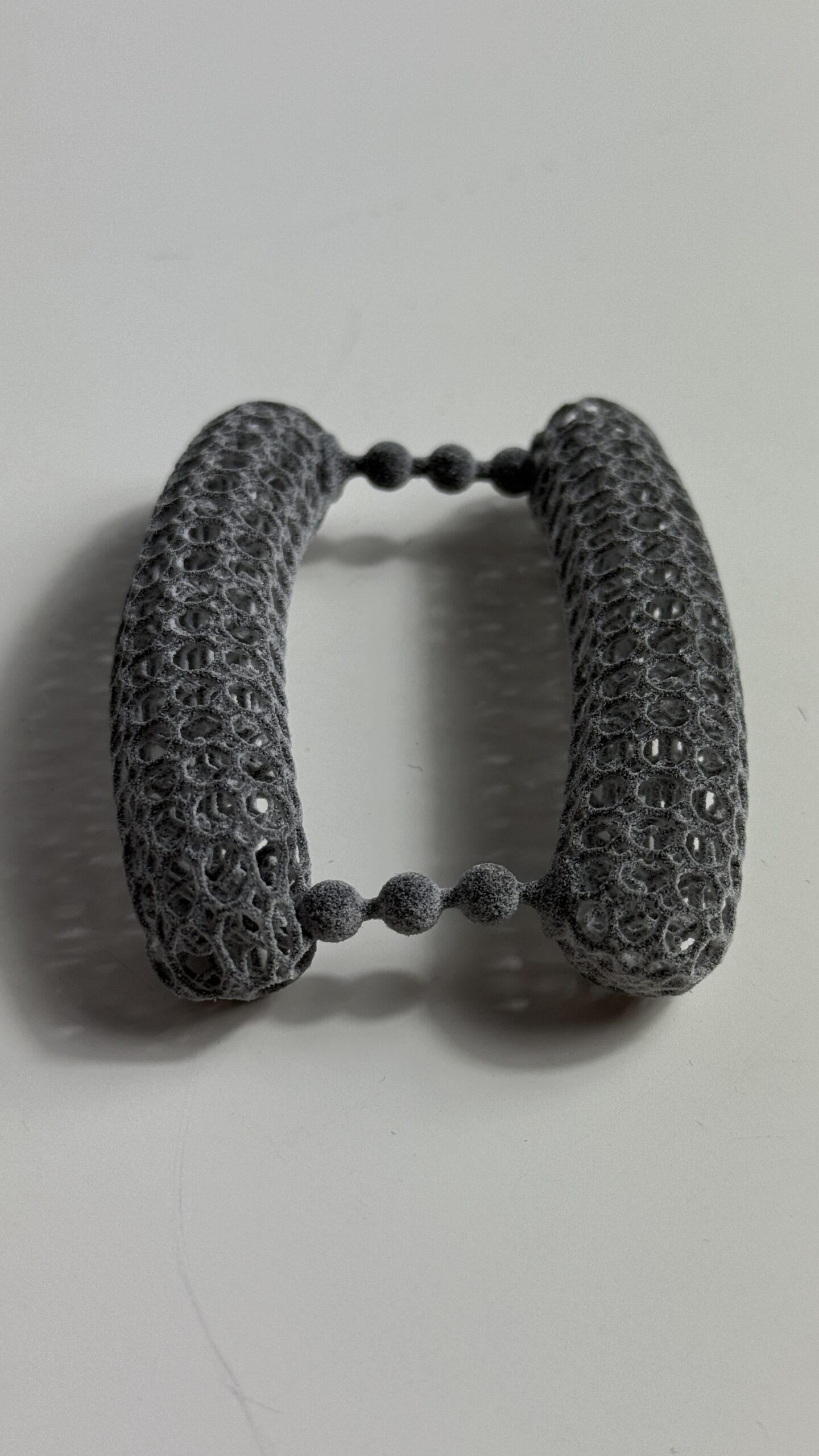
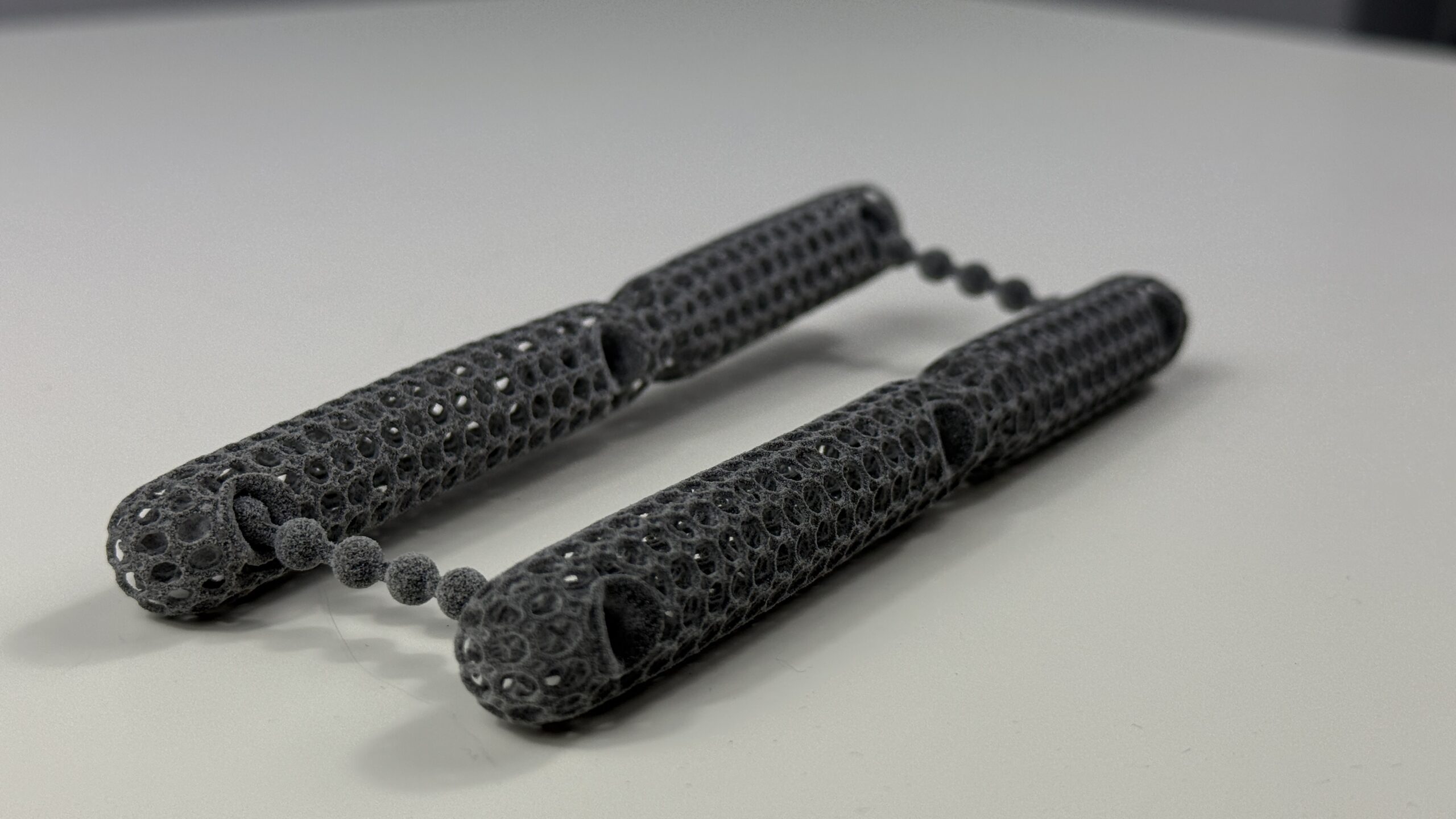
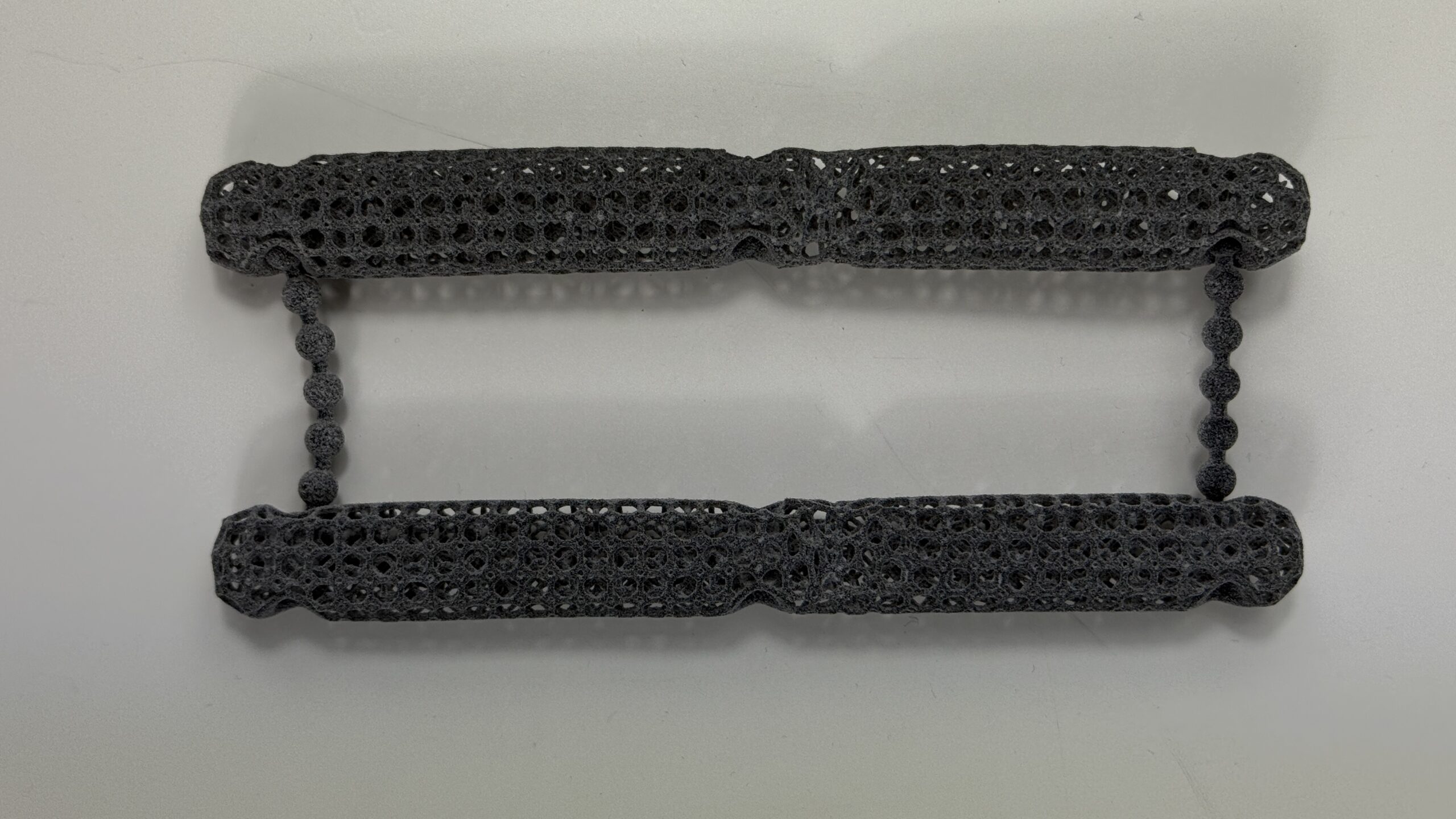
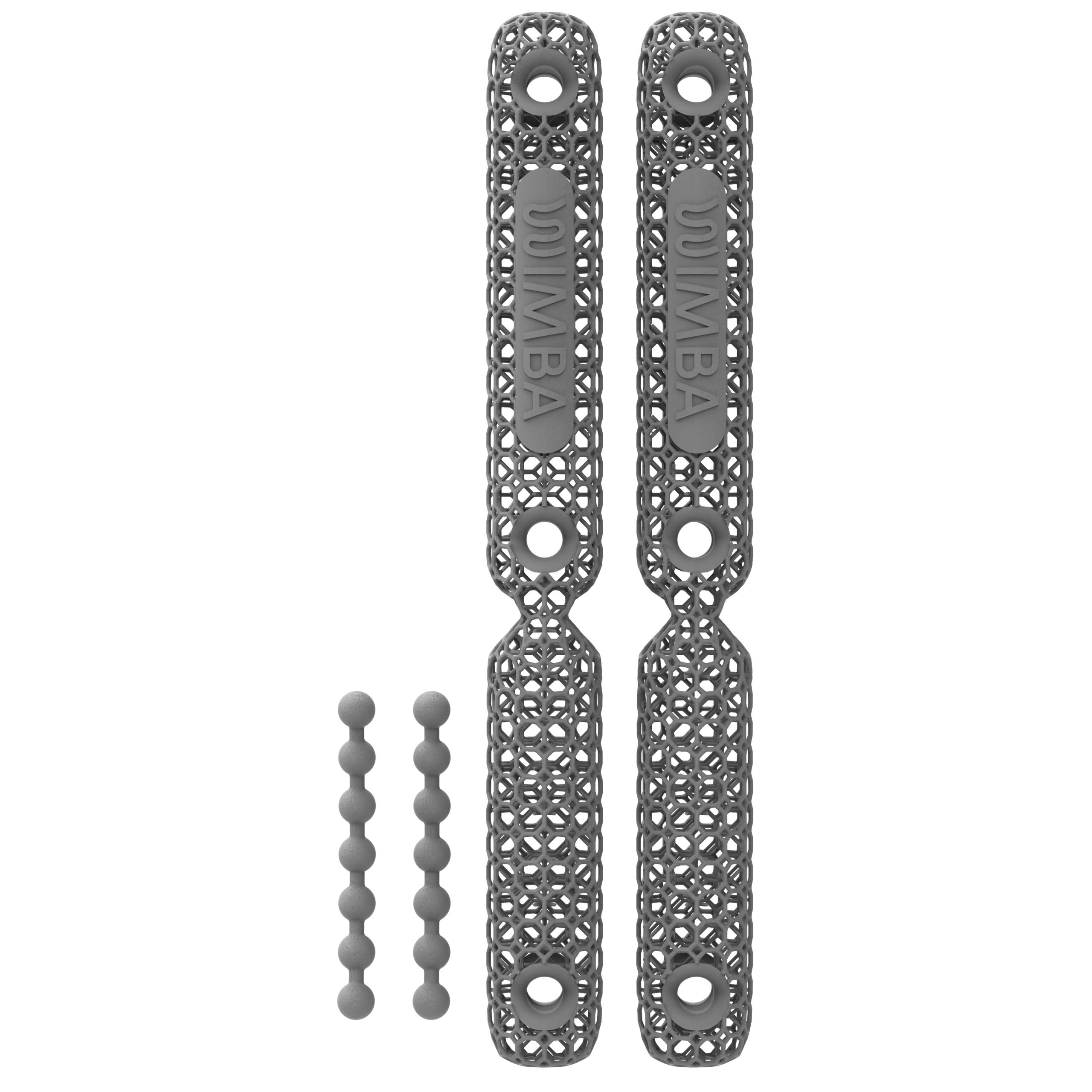
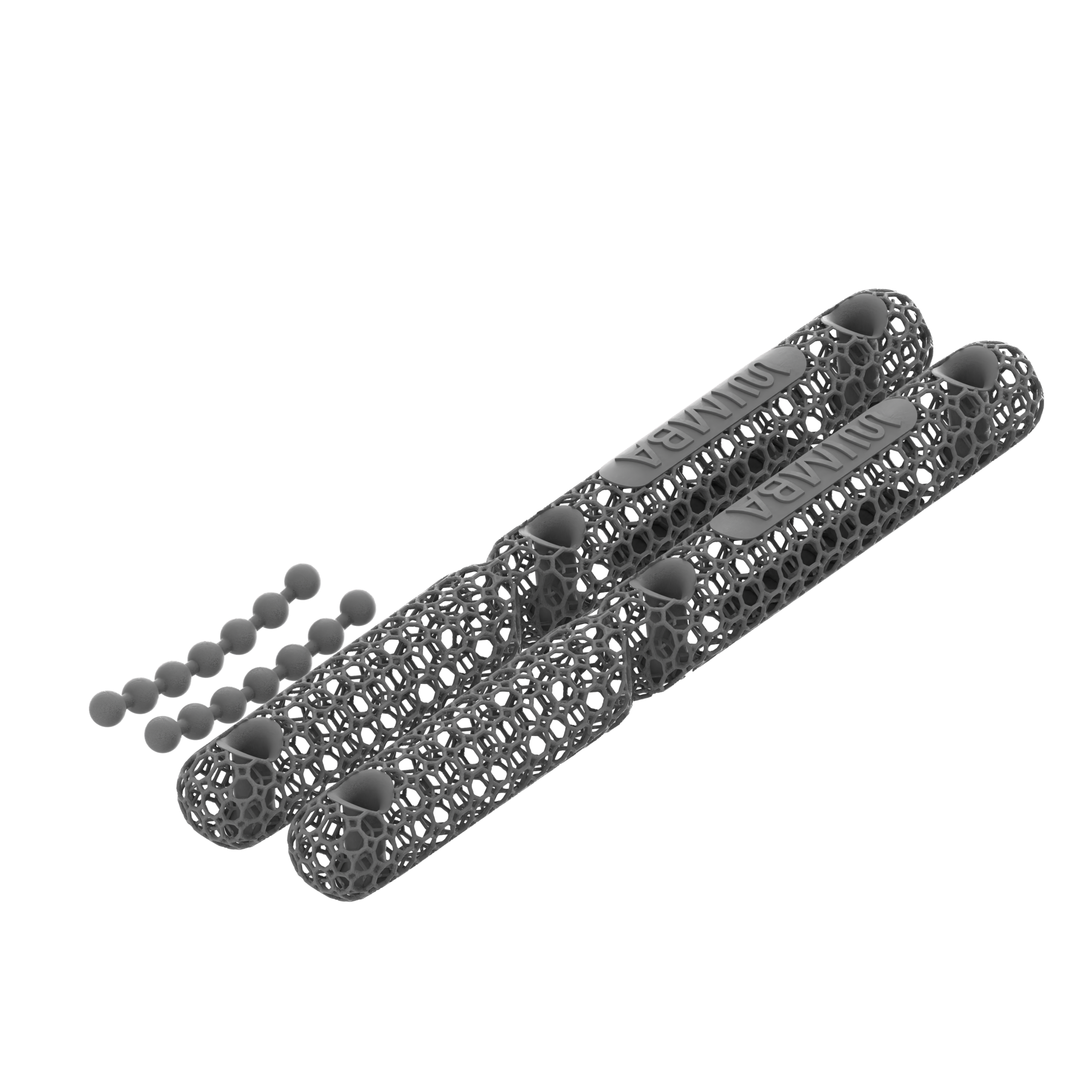
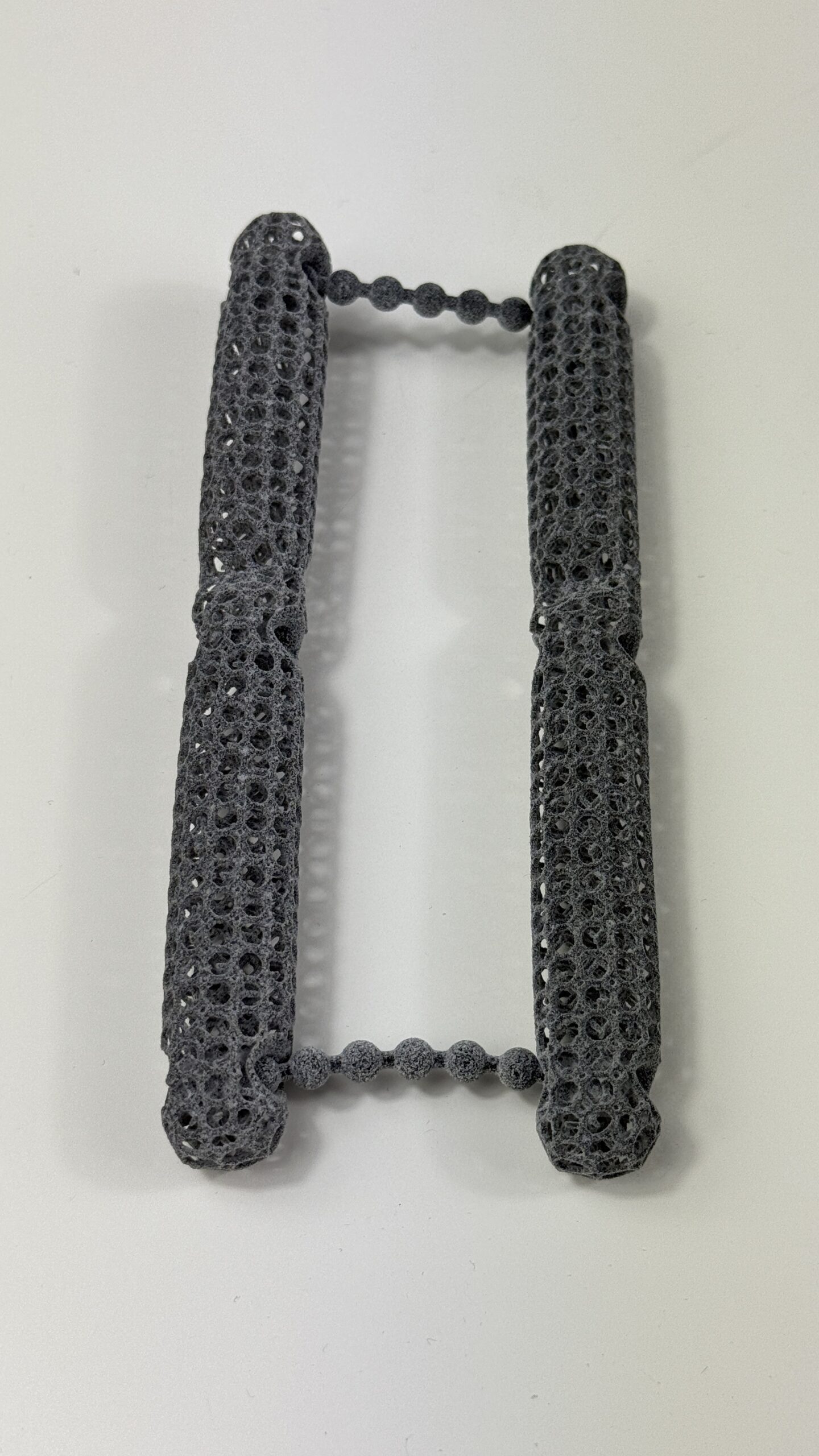
A WIMBA orthosis is not a general treatment for dog gait changes. It does not diagnose the cause, treat systemic or neurologic disease, repair every ligament or tendon injury, or replace surgery when surgical stabilization is indicated. Its role begins only after a veterinary professional identifies a supported mechanical problem and defines what movement should be limited, guided, or supported.
When dog gait changes arise from a selected carpal, tarsal, or stifle condition, the clinical goal may involve controlling excessive motion or supporting a joint during a structured rehabilitation and activity plan. The appropriate device and range of motion depend on the diagnosis, severity, skin condition, sensation, body shape, activity, and follow-up capacity. A gait that looks more symmetrical after fitting can be useful clinical information, but appearance alone does not prove that joint loading has normalized.
What orthosis evidence supports
A retrospective series of 14 athletic dogs with unilateral carpal ligament instability reported lower lameness scores and return to normal function in 11 dogs during management that combined a carpal brace with rehabilitation.16 The study was small, uncontrolled, limited to a selected diagnosis, and did not evaluate WIMBA devices or all dog gait changes.
A prospective study of custom veterinary orthoses and prostheses documented skin complications, mechanical problems, and device non-acceptance.17 For orthotic patients, those findings support professional fitting, gradual introduction, daily skin checks, and reassessment. WIMBA currently provides custom orthotic support and does not offer prosthetic devices.
The evidence-based route to WIMBA is therefore: document the dog gait changes, obtain a veterinary diagnosis, define a mechanical objective, and then decide whether a custom orthosis belongs in the broader treatment plan. A brace should never be selected only because a video “looks like” another dog’s condition. Veterinarians can submit a case for a WIMBA device recommendation, and pet owners can find a WIMBA provider or contact the team.
Related Reading About Dog Gait Changes
For behavioral and functional changes that may accompany pain, read 7 Signs of Silent Pain in Dogs. If stiffness, reduced activity, or altered loading is the main concern, continue with Joint Pain in Dogs: Signs, Causes, and Mobility Support. Both guides reinforce that dog gait changes require clinical context rather than self-diagnosis.
Frequently Asked Questions
Why is my dog walking differently?
A dog may walk differently because of pain, paw or nail disease, joint instability, muscle or tendon injury, restricted motion, weakness, neurologic dysfunction, systemic illness, or compensation for another area. Speed, surface, excitement, and fatigue can also alter gait. Persistent, recurrent, worsening, or function-limiting change should be assessed by a veterinarian.
Can a gait pattern show which condition my dog has?
No gait pattern confirms a diagnosis by itself. An intermittent skip may occur with patellar luxation, stiffness may occur with joint pain, and paw scuffing may accompany altered placement, but these signs have overlapping orthopedic and neurologic causes. Diagnosis requires history, examination, localization, and any imaging or laboratory tests indicated by the findings.
What are subtle signs of lameness in dogs?
Possible observations include a shorter step, reduced push-off, altered weight-bearing, slower rising, repeated posture changes, hesitation on stairs, reduced jumping, paw scuffing, or less tolerance for normal activity. None is specific to one disease, and visual observation can miss mild lameness, so record the pattern and discuss persistent or recurring change with a veterinarian.
When is a dog’s gait change urgent?
Seek prompt veterinary care if the dog cannot bear weight or stand, has severe pain, deformity, major swelling, an open wound, significant trauma, collapse, rapid deterioration, knuckling, limb dragging, loss of balance, or loss of bladder or bowel control. Multi-limb or shifting lameness with fever, lethargy, poor appetite, or swollen joints also needs timely assessment.
How do veterinarians assess dog gait changes?
Veterinarians combine history and home video with gait observation, orthopedic and neurologic examination, pain localization, and diagnostics selected from the findings. Objective tools such as force platforms or pressure walkways may quantify selected loading or timing variables. No single visual or instrumented measure replaces the complete clinical assessment.
Can a WIMBA orthosis improve my dog’s gait?
A WIMBA orthosis may be considered only when a veterinary examination confirms a supported mechanical joint problem and defines a specific movement-control goal. It does not treat gait change as a diagnosis or replace surgery, medication, or rehabilitation when these are indicated. Professional fitting, gradual introduction, skin checks, and follow-up are essential.
Dog Gait Changes Need Assessment, Not a Guessed Device
If your dog is walking differently, record the change and ask your veterinary team to identify the cause. When the assessment confirms a mechanical carpal, tarsal, or stifle problem within WIMBA’s range, a WIMBA provider can determine whether custom orthotic support belongs in the wider treatment and rehabilitation plan.
Medical disclaimer: This article is intended for general educational purposes only and is not a substitute for veterinary examination, diagnosis, or treatment. Do not force your dog to walk or trot for testing, manipulate a painful joint or spine, give human medication, apply a homemade splint, or begin using an orthosis without veterinary direction. Seek prompt professional care for severe or rapidly worsening pain, non-weight-bearing lameness, major trauma, deformity, an open wound, collapse, or neurological change.
Scientific References
- DeCamp CE. Kinetic and kinematic gait analysis and the assessment of lameness in the dog. Veterinary Clinics of North America: Small Animal Practice. 1997;27(4):825–840. doi:10.1016/S0195-5616(97)50082-9
- Carr BJ, Levine D, Marcellin-Little DJ. Gait changes resulting from orthopedic and neurologic problems in companion animals: a review. Advances in Small Animal Care. 2023;4:1–20. doi:10.1016/j.yasa.2023.05.001
- Quinn MM, Keuler NS, Lu Y, Faria MLE, Muir P, Markel MD. Evaluation of agreement between numerical rating scales, visual analogue scoring scales, and force plate gait analysis in dogs. Veterinary Surgery. 2007;36(4):360–367. doi:10.1111/j.1532-950X.2007.00276.x
- Waxman AS, Robinson DA, Evans RB, Hulse DA, Innes JF, Conzemius MG. Relationship between objective and subjective assessment of limb function in normal dogs with an experimentally induced lameness. Veterinary Surgery. 2008;37(3):241–246. doi:10.1111/j.1532-950X.2008.00372.x
- Kerwin SC, Taylor AR. Assessment of orthopedic versus neurologic causes of gait change in dogs and cats. Veterinary Clinics of North America: Small Animal Practice. 2021;51(2):253–261. doi:10.1016/j.cvsm.2020.11.001
- Fanchon L, Grandjean D. Accuracy of asymmetry indices of ground reaction forces for diagnosis of hind limb lameness in dogs. American Journal of Veterinary Research. 2007;68(10):1089–1094. doi:10.2460/ajvr.68.10.1089
- Bockstahler BA, Vobornik A, Müller M, Peham C. Compensatory load redistribution in naturally occurring osteoarthritis of the elbow joint and induced weight-bearing lameness of the forelimbs compared with clinically sound dogs. The Veterinary Journal. 2009;180(2):202–212. doi:10.1016/j.tvjl.2007.12.025
- Fischer S, Anders A, Nolte I, Schilling N. Compensatory load redistribution in walking and trotting dogs with hind limb lameness. The Veterinary Journal. 2013;197(3):746–752. doi:10.1016/j.tvjl.2013.04.009
- Harasen G. Patellar luxation: pathogenesis and surgical correction. Canadian Veterinary Journal. 2006;47(10):1037–1039. PMID:17078257
- Johnson KC, Mackin A. Canine immune-mediated polyarthritis: part 2: diagnosis and treatment. Journal of the American Animal Hospital Association. 2012;48(2):71–82. doi:10.5326/JAAHA-MS-5756
- Hans EC, Zwarthoed B, Seliski J, Nemke B, Muir P. Variance associated with subject velocity and trial repetition during force platform gait analysis in a heterogeneous population of clinically normal dogs. The Veterinary Journal. 2014;202(3):498–502. doi:10.1016/j.tvjl.2014.09.022
- Goldner B, Fischer S, Nolte I, Schilling N. Kinematic adaptions to induced short-term pelvic limb lameness in trotting dogs. BMC Veterinary Research. 2018;14:183. doi:10.1186/s12917-018-1484-2
- Gruen ME, Lascelles BDX, Colleran E, et al. 2022 AAHA Pain Management Guidelines for Dogs and Cats. Journal of the American Animal Hospital Association. 2022;58(2):55–76. doi:10.5326/JAAHA-MS-7292
- Monteiro BP, Lascelles BDX, Murrell J, Robertson S, Steagall PVM, Wright B. 2022 WSAVA guidelines for the recognition, assessment and treatment of pain. Journal of Small Animal Practice. 2023;64(4):177–254. doi:10.1111/jsap.13566
- Alves JC, Santos A, Jorge P, Lavrador C, Carreira LM. Evaluation of four clinical metrology instruments for the assessment of osteoarthritis in dogs. Animals. 2022;12(20):2808. doi:10.3390/ani12202808
- Tomlinson JE, Manfredi JM. Evaluation of application of a carpal brace as a treatment for carpal ligament instability in dogs: 14 cases (2008–2011). Journal of the American Veterinary Medical Association. 2014;244(4):438–443. doi:10.2460/javma.244.4.438
- Rosen S, Duerr FM, Elam LH. Prospective evaluation of complications associated with orthosis and prosthesis use in canine patients. Frontiers in Veterinary Science. 2022;9:892662. doi:10.3389/fvets.2022.892662