 Skip to content

Compensatory Overload in Dogs: Protecting the “Good” Leg After Injury
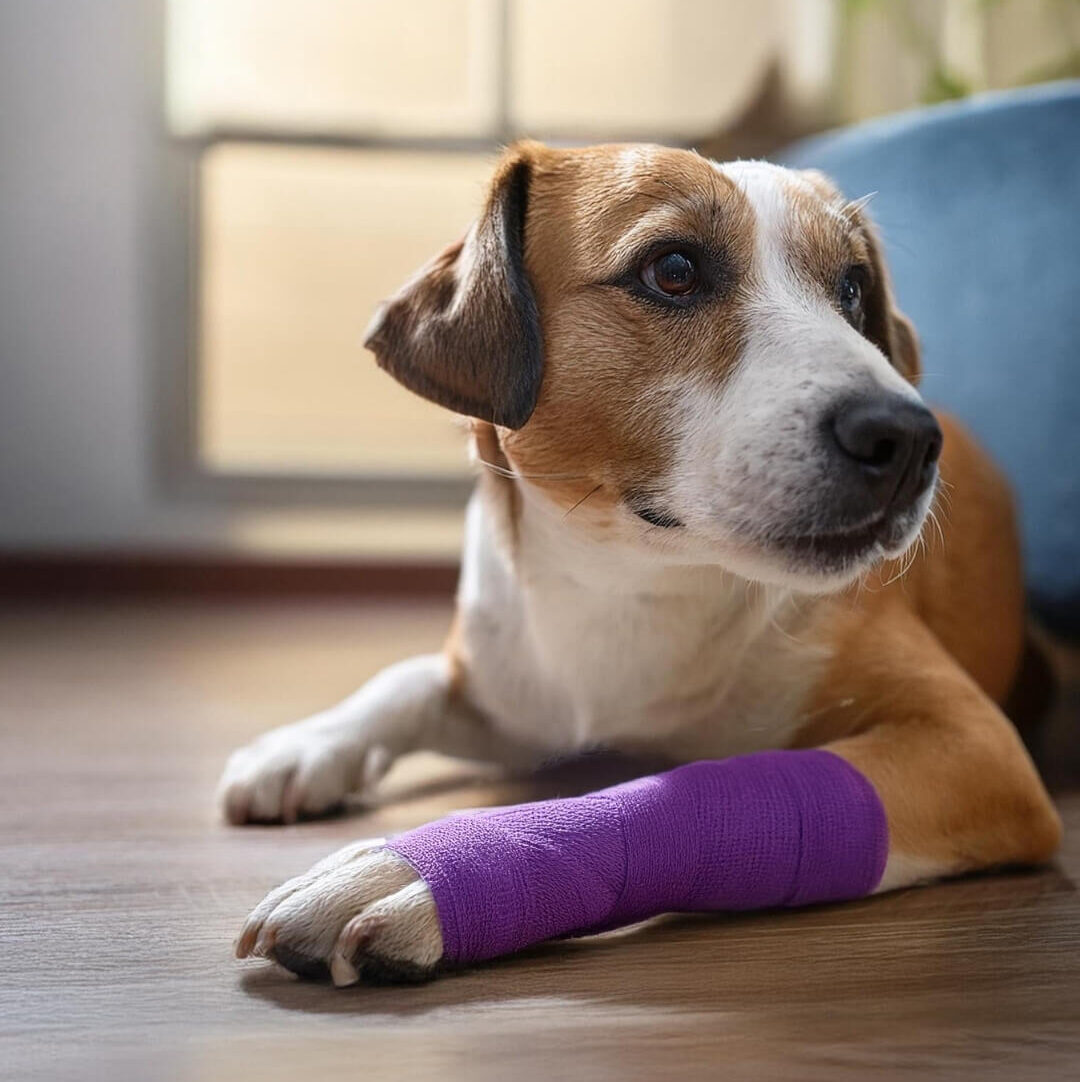
When a dog injures one leg, owners naturally focus on the painful limb. A few days or weeks later, however, the “good” leg may begin to look stiff, sore, or weak. Compensatory overload in dogs is one possible reason: the dog changes how weight, braking, and propulsion are shared across the body while protecting the original injury.
WIMBA makes custom orthoses for dogs, including carpal, tarsal and stifle devices. There is no high-quality controlled evidence that bracing a healthy opposite leg prevents injury, but a veterinarian may consider an orthosis when a specific joint problem and support goal have been identified.
This guide explains why a dog may overload the opposite leg, what the well-known bilateral cruciate statistics actually mean, which changes deserve a veterinary recheck, and how to support recovery without accidentally doing too much. The central message is reassuring but important: compensatory overload in dogs is real and measurable, yet a second injury is not inevitable—and altered loading is rarely the only explanation when the other leg develops a problem.
If a new limp is your main concern, start with WIMBA’s guide to a Dog Limping on a Back Leg. For gradual stiffness, difficulty rising, or reduced activity, see Joint Pain in Dogs.
Extra load is a clue—not a complete diagnosis
Compensatory overload in dogs can fatigue tissues, reveal a previously quiet problem, or prolong an uneven gait. It does not prove that the original injury directly “caused” damage in the opposite limb. Dogs may also have bilateral joint disease, generalized osteoarthritis, neurological weakness, poor traction, or loss of conditioning. A veterinarian should assess the whole dog rather than assuming the new problem is simple overuse.
What Is Compensatory Overload in Dogs?
Compensation is the body’s short-term strategy for staying mobile when movement is painful, unstable, or weak. A dog may shorten stance time on the affected leg, lean toward the sound side, shift the center of mass forward, or use the diagonal limb differently. Force-platform research confirms that unilateral lameness changes loading across more than one limb.2,3
Healthy weight distribution is not perfectly equal to begin with. In a study of 552 standing dogs, the forelimbs supported an average of 60.4% of body mass and the hindlimbs 39.6%, with meaningful variation among individuals and conformations.1 Therefore, compensatory overload in dogs depends on which limb is affected, the dog’s build, speed, surface, pain level, and duration of recovery—not a universal “25% per leg” rule.
Hindlimb pain
Dogs commonly shift weight forward and toward the unaffected side. The opposite hindlimb and both forelimbs may all change their contribution.
Forelimb pain
Load may move toward the opposite forelimb and a diagonal hindlimb, while the head, neck, and trunk help rebalance the gait.
A dog overloading the opposite leg may also load the front end
In dogs with unilateral cranial cruciate ligament rupture, researchers found less loading of the affected hindlimb together with greater loading on the unaffected half of the body and a forward, sideways shift in the center of mass.2 This is why watching only the opposite leg can miss part of the pattern. Compensatory overload in dogs is a whole-body movement change.
Why Compensatory Overload in Dogs Can Make the “Good” Leg Painful
Opposite leg pain in dogs can develop through several overlapping pathways. The following possibilities explain why a new symptom needs assessment rather than an automatic label of compensatory overload in dogs.
1. More work with less recovery
The sound limbs may accept more force, take longer steps, or remain loaded for more of each stride. If this persists while walks, stairs, or play continue at the previous level, muscles and soft tissues can fatigue. This redistribution is one form of compensatory overload in dogs. Research in dogs with elbow osteoarthritis found redistribution toward the opposite forelimb and a diagonal hindlimb, illustrating how a painful joint can change several loading pathways.3
2. A previously quiet problem becomes visible
The “good” leg may not be completely normal. Early osteoarthritis, low-grade tendon disease, subtle instability, or a partial ligament problem can be present before the owner sees a limp. Increased demand may reveal that limited reserve. In this situation, compensatory overload in dogs is a contributor or trigger for symptoms—not necessarily the original disease.
3. Both sides share an underlying disease process
Some orthopedic diseases commonly affect both sides. Cranial cruciate ligament disease is the classic example: inflammation and early degeneration may already exist in the clinically stable knee.6 Hip dysplasia, elbow dysplasia, and generalized osteoarthritis can also be bilateral. This distinction matters when discussing compensatory overload in dogs: a contralateral leg injury in dogs may reflect shared biology as well as changed movement.
4. Deconditioning changes the safety margin
Rest may be essential for healing, but prolonged inactivity also reduces strength, balance, and endurance. When activity returns too quickly, neither the recovering limb nor the compensating limbs may be ready for the demand. A veterinary rehabilitation plan can rebuild function progressively without inventing exercises that do not fit the diagnosis.
5. Footing and body weight amplify demand
Slippery floors force repeated balance corrections, while excess body weight increases the mass every limb must manage. In a small prospective study of obese dogs with osteoarthritis, weight reduction was associated with improved lameness, although the result should not be generalized into a single target for every dog.7 A veterinarian can set a safe body-condition and nutrition plan.
Compensatory Overload in Dogs and Bilateral CCL Rupture: What Does 54% Mean?
Cranial cruciate ligament (CCL, also called CrCL) disease provides the best-known example of a problem appearing in the opposite leg. Compensatory overload in dogs may be part of the clinical picture, but the study outcome must not be interpreted as proof of a single cause. In a longitudinal study of 380 dogs that initially had unilateral, non-contact CCL rupture, 204 dogs—54%—subsequently ruptured the contralateral ligament during the study period. Median survival of that ligament was 947 days, or 2.59 years.4
380 dogs
with initially unilateral non-contact CCL rupture formed the baseline population.
54%
developed a subsequent rupture in the opposite stifle during follow-up.
947 days
was the median contralateral ligament survival time—about 2.59 years.
The study does not prove that overload caused the second rupture
Bilateral CCL rupture in dogs is better understood as a multifactorial problem. Altered loading may matter, but joint conformation, inflammation, ligament degeneration, age, neuter status, and other patient factors also influence risk. Synovitis has been found in stable stifles with incipient disease, and radiographic effusion and osteophytes in the opposite knee have been associated with later rupture.5,6 Calling every second rupture an overload injury would therefore oversimplify the evidence.
The practical lesson is not to fear normal movement. It is to include both stifles in examinations and rechecks, maintain a lean body condition, follow a progressive recovery plan, and investigate new opposite leg pain in dogs promptly. These steps support early detection; none can guarantee prevention of bilateral CCL rupture.
Signs of Compensatory Overload in Dogs
Early compensatory overload in dogs may look less dramatic than the original injury. A dog overloading the opposite leg may also shift forward, rotate the trunk, or change a diagonal limb. Watch the whole movement sequence—standing up, walking away, turning, using stairs, and settling again—rather than waiting for a severe limp.
Changes while standing
- Repeatedly shifting weight away from one leg
- Placing one paw farther forward or outward
- A widened stance, trembling muscles, or difficulty standing square
- Leaning through the shoulders after a hindlimb injury
Changes during movement
- A new shortened stride, hop, head movement, or sideways trunk swing
- Scuffing a paw, slipping more often, or taking wider turns
- Hesitation on stairs, at curbs, or before jumping into the car
- Starting a walk normally but losing gait quality as fatigue develops
Changes after activity or rest
- Stiffness in the previously sound leg after sleep
- New licking around a paw or joint
- Difficulty rising, sitting to one side, or changing position at night
- Reduced enthusiasm, shorter walks, irritability, or longer recovery after exercise
Use short videos to make gradual change visible
Once or twice a week, record the dog walking toward, away from, and across the camera on the same non-slip surface. Add a brief standing view and note the date, activity, medication timing, and whether the dog is fresh or tired. Videos cannot diagnose a contralateral leg injury in dogs, but they can help the veterinary team compare function over time. Do not force extra walking simply to film a limp.
When Compensatory Overload in Dogs Needs a Veterinary Check
Mild asymmetry can occur during recovery, but a new or worsening change deserves attention. Persistent opposite leg pain in dogs should not be dismissed as an expected part of compensatory overload in dogs. Do not wait for the next routine appointment if your dog is suddenly unable to use a limb or seems systemically unwell.
Emergency care
Major trauma, collapse, pale gums, breathing difficulty, uncontrolled bleeding, an obvious deformity, or sudden inability to stand requires emergency assessment.
Prompt or same-day advice
Call promptly for new non-weight-bearing lameness, marked swelling or heat, severe pain, a wound, rapidly worsening weakness, paw dragging, poor coordination, or a sudden setback after surgery.
Arrange a recheck
Book a review when stiffness, asymmetry, or reduced activity persists, returns, or gradually increases—even if the dog still bears weight and does not cry.
Keep home checks gentle
Look at the paws and nails only if your dog is comfortable and it is safe to do so. Do not repeatedly flex a painful joint, perform drawer or tibial-thrust tests, or “test” the leg by encouraging running or jumping. Do not give ibuprofen, naproxen, acetaminophen, aspirin, or another human pain reliever unless a veterinarian specifically directs its use for your dog; the FDA explains why pet pain medication requires veterinary guidance.
Managing Compensatory Overload in Dogs: Protecting a Dog’s Good Leg
Protecting a dog’s good leg does not mean eliminating all compensation or keeping the dog inactive for months. The goal is to treat the original problem, avoid unnecessary load spikes, and restore safe, symmetrical function as far as the diagnosis allows. A plan for compensatory overload in dogs should be individualized by the treating team.
- Confirm the original diagnosis. A paw injury, fracture, CCL disease, tendon problem, neurological deficit, and postoperative limb all need different restrictions and timelines.
- Follow the prescribed activity plan. Short, controlled outings are usually safer than long walks followed by days of soreness, but the exact plan belongs to the veterinary team.
- Use secure footing. Place stable runners or rubber-backed mats along everyday routes and block unsupervised access to slippery stairs.
- Maintain a lean body condition. Ask for a body-condition score and feeding target rather than guessing from the scale alone.
- Include rehabilitation when appropriate. In one prospective CCL surgery study, dogs receiving postoperative rehabilitation had better limb-function measurements at six months than exercise-restricted dogs.8 That protocol should not be copied without professional guidance.
- Recheck the whole movement system. Ask the clinician to assess both sides, muscle symmetry, paws, spine, and gait—not only the structure treated first.
- Progress one variable at a time. Increase duration, pace, terrain, or complexity separately so a setback is easier to identify.
Protecting a dog’s good leg is also about timing. If gait quality deteriorates during a walk or stiffness is worse later that day or the next morning, report that pattern and ask whether the workload should change. When managing compensatory overload in dogs, more exercise is not automatically better and complete inactivity is not automatically safer.
Can Orthotic Support Reduce Compensatory Overload in Dogs?
Sometimes—but only after the affected structure and mechanical goal are clear. Orthotic planning for compensatory overload in dogs should begin with the injured or unstable joint, not an assumption that every sound limb needs bracing. A custom orthosis may support a diagnosed joint, which can improve use of that limb in selected patients and potentially reduce the need for extreme compensation. A small retrospective study of ten dogs with unilateral CCL insufficiency found improved affected-limb weight bearing after custom stifle orthosis use.9 The study had no control group and did not test prevention of injury in the opposite leg. Dogs living on three legs are a common example of extra load on the remaining limbs; see our guide to tripod dog orthotics and mobility support and the tripod dog resources.
For a diagnosed stifle problem
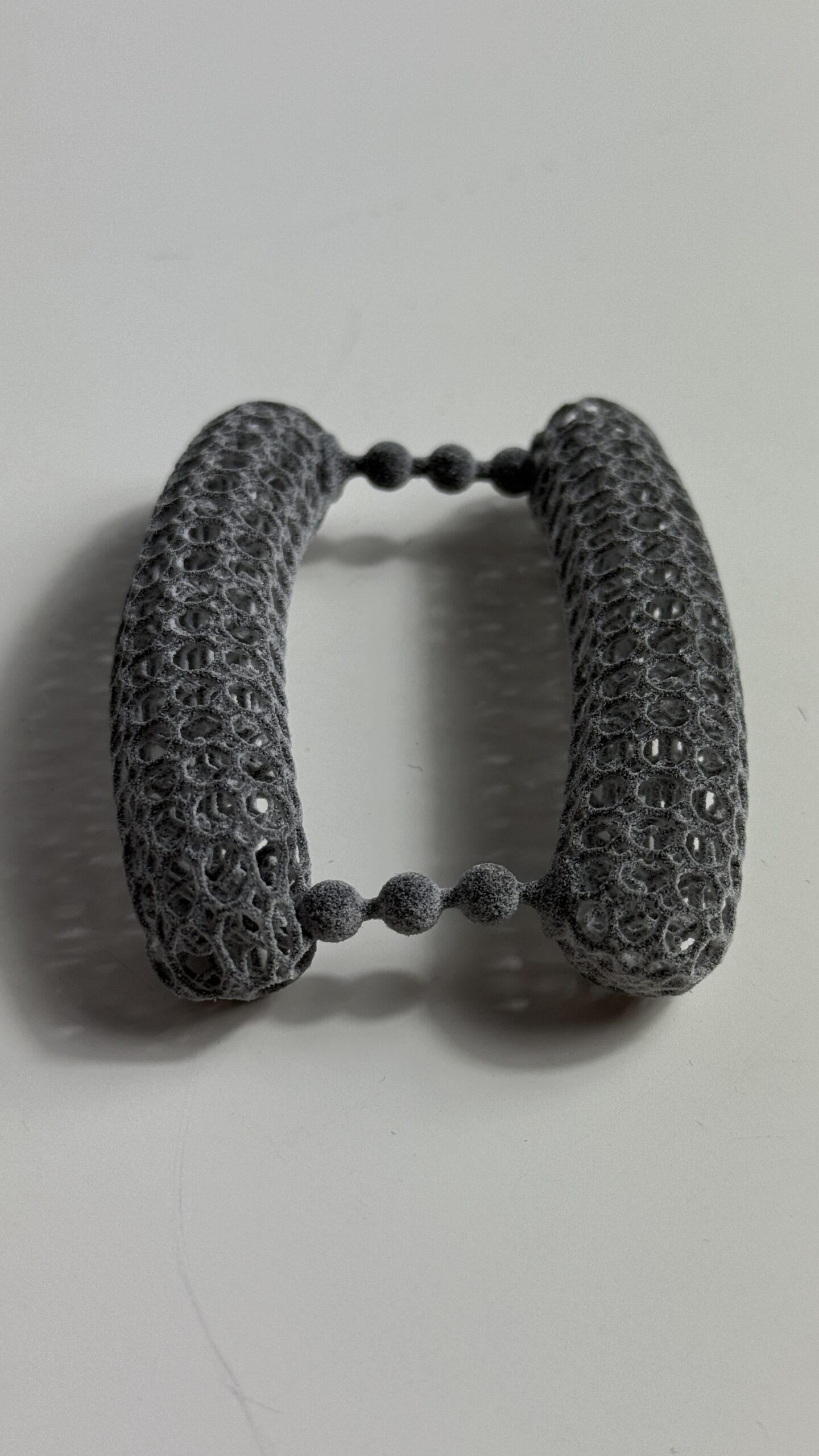
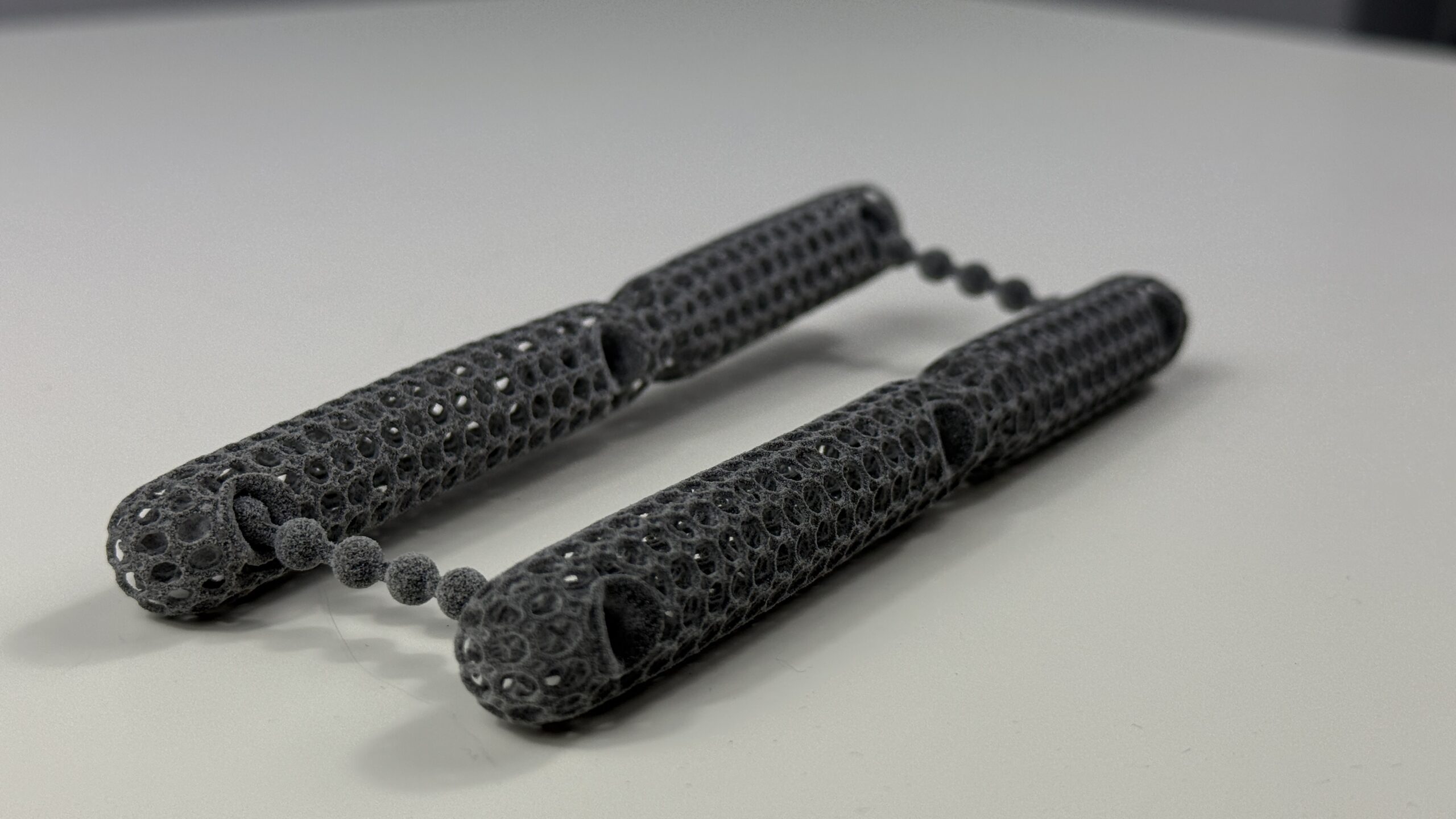
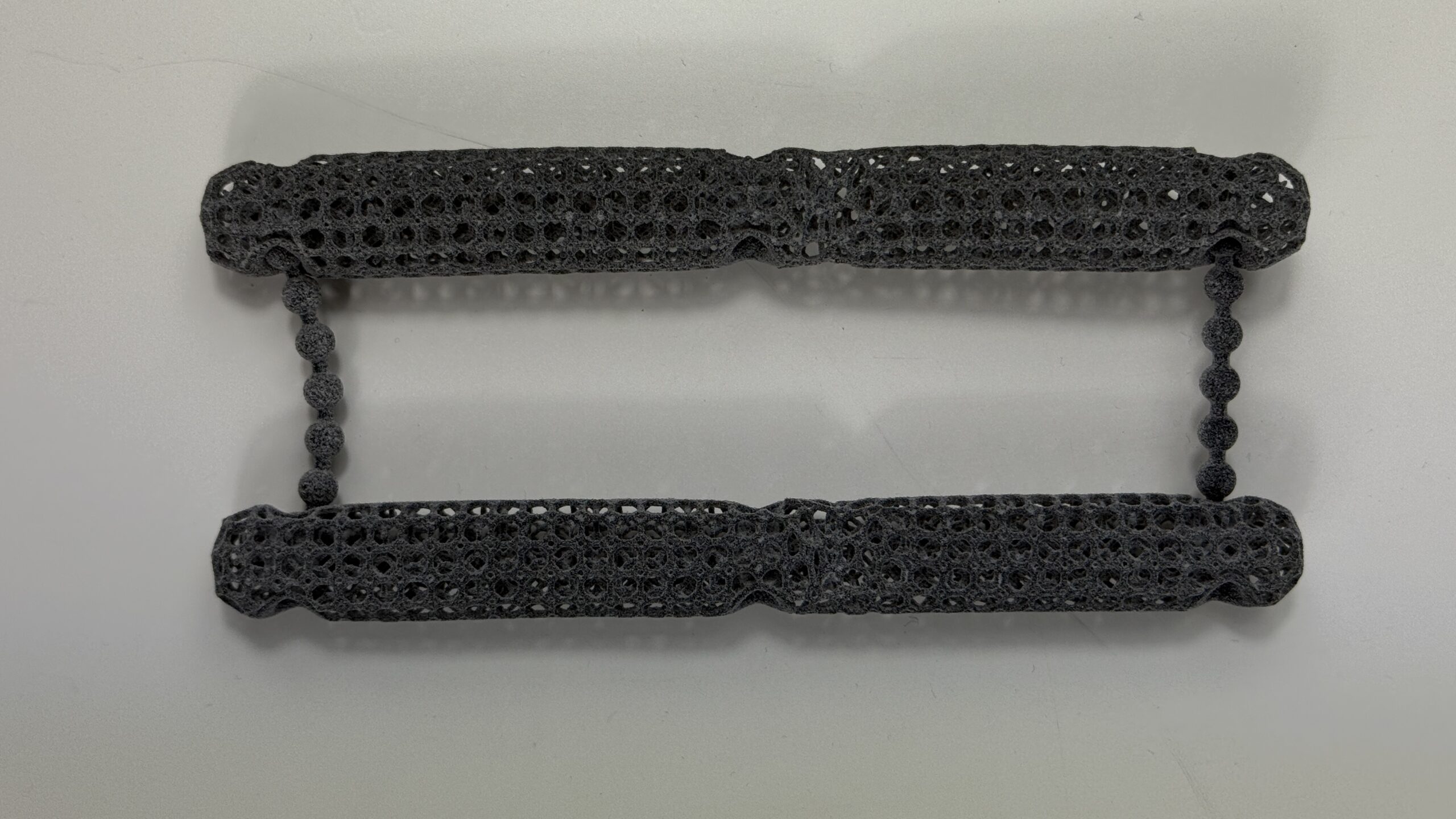
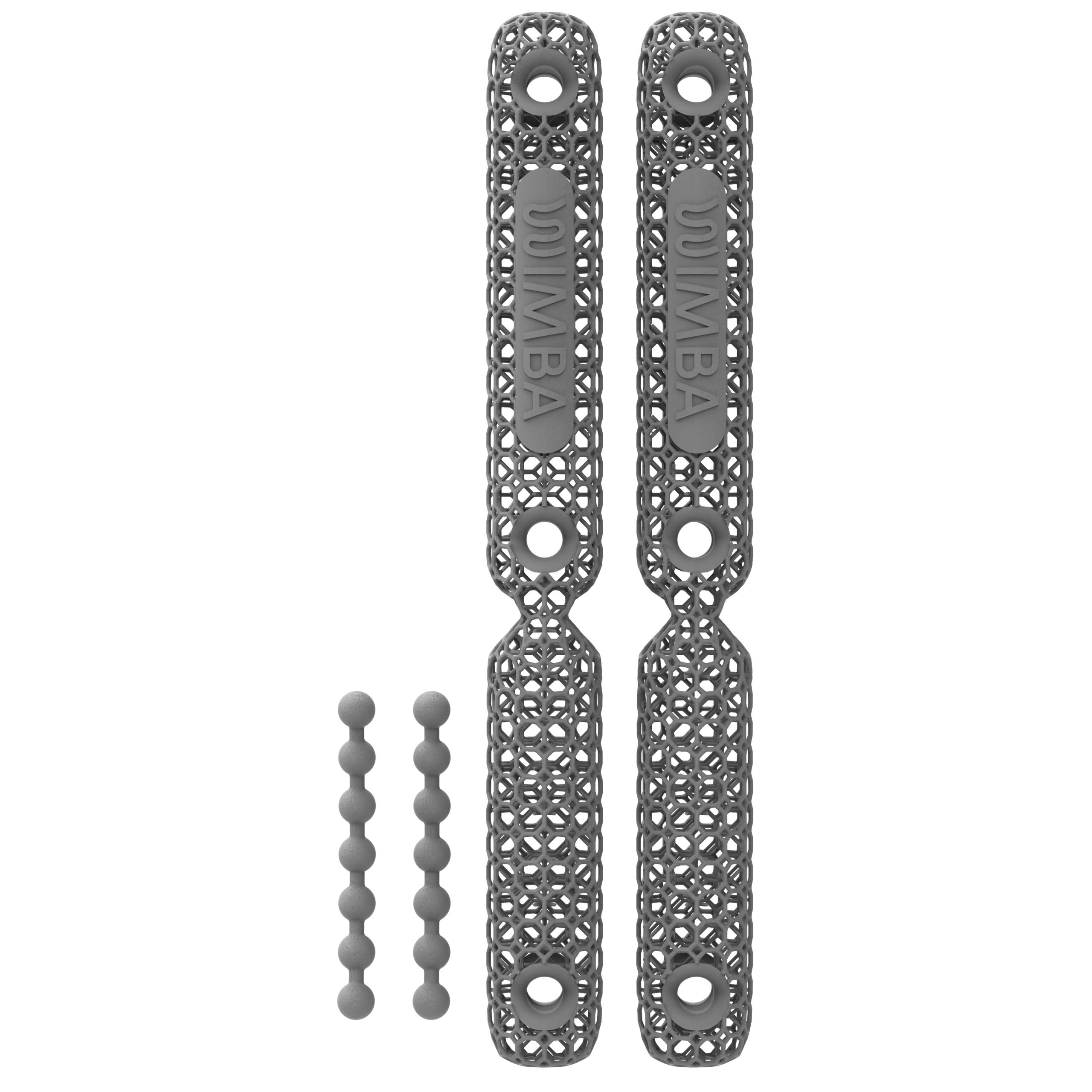
The WIMBA Stifle Orthosis PRO may be considered by veterinary professionals for selected CrCL-deficient or unstable stifles, conservative management when surgery is not appropriate, or postoperative protection and rehabilitation. The PRO ordering pathway uses manual measurements plus WimbaSCAN, and adjustable tokens allow range-of-motion control according to the clinician’s plan.
For a diagnosed carpal or tarsal problem
When the issue is a suitable carpal or tarsal instability, a clinician may instead consider WIMBA Carpus Orthosis GO or WIMBA Tarsus Orthosis GO. The GO pathway uses guided patient photos and manual measurements rather than WimbaSCAN. Joint, direction of instability, skin health, activity goal, and ability to follow a wear schedule all matter.
Do not brace a healthy opposite leg by default
Some clinicians may consider bilateral support in a carefully selected case, but there is no high-quality controlled evidence showing that prophylactically bracing a clinically healthy limb prevents contralateral injury or bilateral CCL rupture in dogs. A second brace should have its own diagnosis, risk assessment, and functional goal. It should not replace surgical stabilization when surgery is indicated or create a false sense that unrestricted activity is safe.
Break-in, fit reviews, and skin checks are part of treatment
Canine orthoses can cause abrasions, hair loss, sores, mechanical problems, or non-acceptance.10 Follow the prescribed acclimation and wear schedule, inspect the skin after use, and remove the device if persistent redness, a wound, movement of the brace, breakage, chewing, or worse gait develops. Contact the fitting team rather than padding or modifying the device independently.
Compensatory Overload in Dogs: Frankie’s Diagnosed Stifle Support
Frankie’s story illustrates how an orthosis can fit into management of the diagnosed limb. It does not show that a brace prevents compensatory overload in dogs or protects every opposite limb from future injury.

Frankie: external support for a complex, unstable stifle
Frankie, an eight-year-old German Shepherd, had advanced osteoarthritis and severe stifle instability after a complex history that included surgery and recurrent joint infection. His veterinary and rehabilitation team used a custom WIMBA Stifle Orthosis PRO to support the affected joint during daily movement. The published case report describes owner- and clinician-observed improvements, along with fitting adjustments; it is an individual clinical story, not a controlled prevention study.
Frequently Asked Questions
What is compensatory overload in dogs?
Compensatory overload in dogs is a change in weight distribution and movement that occurs when pain, weakness, or instability makes a dog protect one limb. Other limbs and the trunk take on different roles. This response helps the dog stay mobile, but persistent or excessive compensation can contribute to fatigue, reveal existing disease, or create new pain.
Why can a dog overload or develop pain in its “good” leg after another leg is injured?
When pain, weakness, or instability makes a dog protect one limb, weight distribution and gait change across the body. The opposite limb, a diagonal limb, or the forelimbs may then take on different forces and roles. This can contribute to fatigue or reveal a previously quiet problem, but it does not prove that compensatory overload alone caused a second injury. Bilateral joint disease, osteoarthritis, an existing partial injury, neurological weakness, or a separate new problem may also be responsible. A veterinary examination is needed to identify the cause.
Why do some dogs rupture the CCL in both knees?
Bilateral CCL rupture in dogs is multifactorial. Changed loading after the first rupture may be relevant, but canine CCL disease often includes inflammation and degeneration in both stifles, together with anatomical and patient-specific risk factors. In one 380-dog study, 54% developed a later contralateral rupture, but that result does not prove overload alone caused it.
What are signs that my dog is overloading the opposite leg?
Watch for new stiffness, repeated weight shifting, a widened stance, a shorter stride, slipping, difficulty rising, reluctance to use stairs, reduced endurance, or licking around the previously sound limb. Record short videos and arrange a veterinary recheck if the change persists, recurs, or worsens.
How can I protect my dog’s good leg during recovery?
Protecting a dog’s good leg includes treating the original injury, maintaining a lean body condition, providing non-slip footing, following activity restrictions, progressing exercise gradually, using professional rehabilitation when appropriate, and asking for both sides to be assessed at rechecks. No plan can remove all risk, but it can reduce avoidable stress and help detect change early.
Can a brace prevent injury in a healthy opposite leg?
There is no high-quality controlled evidence that routinely bracing a clinically healthy opposite leg prevents injury. An orthosis may help a selected dog when a veterinarian identifies a specific joint problem and support goal. Bracing should not replace diagnosis, rehabilitation, pain management, or surgery when surgery is indicated.
Support the Injured Limb—and Monitor the Whole Dog
Managing compensatory overload in dogs starts with an accurate diagnosis, a realistic recovery plan, secure footing, lean body condition, and reassessment of every limb. If your veterinary professional identifies a mechanical support need, WIMBA can help them explore a custom orthotic pathway and fitting plan.
Medical disclaimer: This article is intended for general educational purposes only and is not a substitute for veterinary examination, diagnosis, treatment, postoperative instructions, or rehabilitation planning. Do not give medication, perform joint-stability tests, start exercises, or apply an orthosis without veterinary direction. Seek prompt professional care for new non-weight-bearing lameness, major trauma, severe pain, deformity, rapidly worsening weakness or coordination, collapse, breathing difficulty, or a sudden postoperative setback.
Scientific and Clinical References
- Fish FE, Sheehan MJ, Adams DS, Tennett KA, Gough WT. A 60:40 split: Differential mass support in dogs. The Anatomical Record. 2021;304(1):78–89. doi:10.1002/ar.24407
- Wagmeister P, Steigmeier-Raith S, Reese S, Meyer-Lindenberg A. Compensatory changes in ground reaction forces in small and large breed dogs with unilateral hindlimb lameness in comparison to healthy dogs. Veterinary and Comparative Orthopaedics and Traumatology. 2022;35(2):105–111. doi:10.1055/s-0041-1736218
- Bockstahler BA, Vobornik A, Müller M, Peham C. Compensatory load redistribution in naturally occurring osteoarthritis of the elbow joint and induced weight-bearing lameness of the forelimbs compared with clinically sound dogs. The Veterinary Journal. 2009;180(2):202–212. doi:10.1016/j.tvjl.2007.12.025
- Muir P, Schwartz Z, Malek S, et al. Contralateral cruciate survival in dogs with unilateral non-contact cranial cruciate ligament rupture. PLOS ONE. 2011;6(10):e25331. doi:10.1371/journal.pone.0025331
- Chuang C, Ramaker MA, Kaur S, et al. Radiographic risk factors for contralateral rupture in dogs with unilateral cranial cruciate ligament rupture. PLOS ONE. 2014;9(9):e106389. doi:10.1371/journal.pone.0106389
- Bleedorn JA, Greuel EN, Manley PA, et al. Synovitis in dogs with stable stifle joints and incipient cranial cruciate ligament rupture: a cross-sectional study. Veterinary Surgery. 2011;40(5):531–543. doi:10.1111/j.1532-950X.2011.00841.x
- Marshall WG, Hazewinkel HAW, Mullen D, De Meyer G, Baert K, Carmichael S. The effect of weight loss on lameness in obese dogs with osteoarthritis. Veterinary Research Communications. 2010;34(3):241–253. doi:10.1007/s11259-010-9348-7
- Marsolais GS, Dvorak G, Conzemius MG. Effects of postoperative rehabilitation on limb function after cranial cruciate ligament repair in dogs. Journal of the American Veterinary Medical Association. 2002;220(9):1325–1330. doi:10.2460/javma.2002.220.1325
- Carr BJ, Canapp SO, Meilleur S, Christopher SA, Collins J, Cox C. The use of canine stifle orthotics for cranial cruciate ligament insufficiency. Veterinary Evidence. 2016;1(1). doi:10.18849/ve.v1i1.10
- Rosen S, Duerr FM, Elam LH. Prospective evaluation of complications associated with orthosis and prosthesis use in canine patients. Frontiers in Veterinary Science. 2022;9:892662. doi:10.3389/fvets.2022.892662
Related reading: Overuse Injuries in Dogs: Early Signs, Prevention and Recovery