 Skip to content

Not every canine injury begins with a fall, collision, or obvious bad landing. Overuse injuries in dogs can develop more quietly when repeated activity exceeds a tissue’s current capacity to recover. The first clue may be a shorter stride after training, stiffness the next morning, or reluctance to repeat a movement the dog previously performed with ease.
Early recognition matters, but subtle lameness should not be diagnosed at home. Many joint, tendon, muscle, paw, spinal, and neurological problems can look similar. This evidence-aware guide explains how overuse injuries in dogs may develop, which changes deserve attention, how veterinary teams investigate them, and where rehabilitation or a carefully prescribed orthosis may fit.
What Are Overuse Injuries in Dogs?
Overuse injuries in dogs are gradual-onset problems associated with repeated loading and insufficient recovery. A repetitive strain injury in dogs is another common way to describe this pattern, although veterinarians may use a more specific diagnosis once the affected structure is identified. The relevant issue is not movement itself. Healthy tissue needs appropriate loading. Difficulty arises when the type, frequency, intensity, or duration of activity exceeds what that dog can currently tolerate.
Overuse injuries in dogs can involve muscle, tendon, ligament, joint, bone, paw, or another structure. Repeated loading may aggravate a pre-existing condition that had not yet caused obvious signs. It may also expose a problem with technique, conditioning, surface, equipment, recovery time, or training progression. For that reason, overuse injuries in dogs are better understood as a load-capacity mismatch than as one single disease.
The term does not reveal which tissue is painful or whether a partial tear, osteoarthritis, spinal disorder, or another condition is present. A veterinarian must still establish a diagnosis. Calling every exercise-related limp a repetitive strain injury in dogs can delay the imaging or treatment needed for a different problem.
Acute Injury, Overuse, or Compensatory Overload?
An acute injury follows a recognisable event, such as a collision, slip, awkward landing, or sudden turn. Signs may begin immediately. A repetitive strain injury in dogs develops over repeated sessions, although the owner may notice it only after one particular walk or training day. The moment signs become visible is not always the moment the tissue problem began.
Compensatory overload is related but distinct. It occurs when a dog changes posture or gait to protect a painful, weak, unstable, or missing limb and transfers more demand to another part of the body. Overuse can occur without a known injury elsewhere. In practice, the two patterns can overlap, which is why a complete gait and orthopaedic assessment is more useful than examining only the limb that appears sore. Read more about why dogs overload another limb after injury.
Sudden and gradual problems also require different questions about training history. For suspected overuse injuries in dogs, the clinician may need to know what changed over the previous days or weeks, not just what happened during the final session.
What the Evidence Shows About Active Dogs
Research on overuse injuries in dogs is limited and does not give a reliable prevalence for this specific injury pattern. Many studies of canine sport and work group acute trauma, chronic conditions, recurrent injury, and gradual-onset signs together. Most are retrospective owner or handler surveys, so they can identify patterns and associations but cannot prove that a particular training factor caused an injury.
In an international survey of 3,801 agility dogs, handlers reported at least one injury in 32% of dogs. The shoulder, back, neck, and digits were among the frequently reported regions.[1] A later survey of 4,701 agility dogs reported an injury that prevented participation for more than one week in 41.7% of dogs, with the shoulder region and iliopsoas muscle among the most common locations.[3] These figures describe broader canine sports injuries and should not be read as the prevalence of overuse injuries in dogs.
A Finnish study of 864 competition-level agility dogs found that previous agility injury and training more than twice weekly were associated with injury during the study period.[4] Earlier analysis of the 3,801-dog survey also found a strong association with previous injury.[2] Association does not mean that a simple weekly threshold applies to every dog. Session content, total load, recovery, prior diagnosis, age, anatomy, surface, and conditioning all matter.
Studies of working and utility dogs also report substantial musculoskeletal burden. A survey of active working dogs recorded injuries in 45.5% of respondents, most often described as mild muscular trauma.[6] A longitudinal study of New Zealand working farm dogs documented musculoskeletal abnormalities over time, reinforcing the importance of routine observation in dogs that work through discomfort or excitement.[7] Neither study isolated overuse injuries in dogs as a separate diagnostic category.
The responsible conclusion is that active dogs can be injured and that previous problems deserve attention. These studies do not establish one universal training limit or prove that a particular warm-up, supplement, surface, or brace prevents overuse injuries in dogs.
Which Dogs May Be at Greater Risk?
Overuse injuries in dogs can affect pets, athletes, and working animals. Risk may become more relevant when workload changes faster than physical capacity, or when a dog continues to train with unresolved pain or weakness. Dogs that deserve closer monitoring include:
- Agility, flyball, dock-diving, disc, canicross, and other sport dogs performing repeated acceleration, turning, jumping, landing, or pulling
- Herding, detection, search-and-rescue, service, military, police, hunting, sled, and farm dogs with sustained occupational demands
- Dogs returning after injury, surgery, illness, enforced rest, or a seasonal break
- Dogs beginning a new running, hiking, daycare, or training routine
- Dogs with previous injury, chronic joint disease, excess body weight, reduced conditioning, or movement asymmetry
- Dogs that are quiet on most weekdays but perform long or intense activity on occasional days
Breed, age, size, conformation, and motivation can influence how a dog moves, but they do not determine outcome on their own. The practical focus should be the individual dog’s health, current ability, training history, and response to load. Tracking those factors supports better management of canine sports injuries without treating every active dog as fragile.
Body Regions Commonly Reported in Active Dogs
Survey research repeatedly identifies the shoulder, iliopsoas region, digits and paws, spine, and stifle among locations reported in agility and other active dogs.[1][3][5] These regions can be involved in overuse injuries in dogs, but a shorter stride does not prove a shoulder injury and difficulty jumping does not automatically indicate iliopsoas pain. Similar outward signs can originate from different tissues and even different anatomical regions.
A suspected repetitive strain injury in dogs may also sit alongside osteoarthritis, tendon degeneration, nail or pad damage, spinal pain, or neurological disease. Owners should note where and when a change appears, but avoid forcefully testing a joint or repeatedly asking the dog to recreate a painful movement for a video.
Early Warning Signs of Overuse Injuries in Dogs
Arrange an assessment when you notice a new or recurring change such as:
- Lameness or an uneven stride during activity, after activity, or after rest
- Stiffness on rising, a slower warm-up, or reduced range of motion
- Reluctance to jump, climb stairs, turn tightly, pull, retrieve, or repeat a familiar exercise
- A change in speed, accuracy, foot placement, take-off, landing, or working enthusiasm
- Repeated licking of a joint, paw, nail, or muscle region
- Local swelling, heat, tenderness, or a consistent reaction to handling
- A change that improves with rest but returns when normal activity resumes
Signs of overuse injuries in dogs may be intermittent, which makes video useful. Record the dog walking in a straight line from the front, side, and rear on a safe, non-slip surface, but only if this does not require strenuous activity. Note the date, surface, exercise, duration, and point at which signs appeared. A simple log can make patterns in overuse injuries in dogs easier for the veterinary team to interpret.
When Veterinary Assessment Should Not Wait
Possible overuse injuries in dogs still require veterinary triage. Stop training and seek prompt advice when a dog develops new lameness that persists, repeatedly returns, or changes normal function. More urgent assessment is appropriate when the dog cannot bear weight, has sudden severe pain, rapidly increasing swelling, an open wound, a visibly abnormal limb position, neurological signs, fever, marked lethargy, or a known traumatic event.
Do not mask pain so the dog can continue working, and do not use human pain medication unless a veterinarian has specifically prescribed it for that patient. Continuing high-load activity while waiting to see whether a suspected repetitive strain injury in dogs settles can worsen some conditions and make the original gait pattern harder to evaluate.
How a Gradual-Onset Problem Is Diagnosed
Investigating overuse injuries in dogs begins with a detailed history. The veterinarian or rehabilitation professional may ask about recent changes in frequency, distance, speed, jump height, surface, rest days, footwear or protective equipment, body weight, diet, medication, prior injury, and performance. For canine sports injuries, a training calendar and videos from before and after the change may reveal more than a single description of the last session.
The examination may include observation at rest and in motion, palpation, joint range of motion, muscle assessment, neurological screening, and tests selected for the suspected structure. Radiographs, ultrasound, CT, MRI, arthroscopy, laboratory testing, or referral may be appropriate in some cases. No one test is required for every dog.
Rest alone does not identify the diagnosis. Temporary improvement after reduced activity can support a load-related pattern, but many conditions improve when demand falls. A clear diagnosis gives dog exercise recovery a safer direction and helps the team decide whether the dog needs protection, progressive loading, pain management, surgery, or another intervention.
Managing Load During Dog Exercise Recovery
Treatment for overuse injuries in dogs depends on the affected tissue, severity, duration, and the dog’s wider health. Complete inactivity is not automatically the answer. Some conditions require strict restriction, while others benefit from carefully dosed movement. The veterinary team should define what the dog may do, what it should avoid, and which signs require the plan to change.
A structured plan may include temporary modification of sport or work, controlled leash activity, medication, weight management, therapeutic exercise, physiotherapy, hydrotherapy, environmental changes, and scheduled reassessment. The goal of dog exercise recovery is not simply to wait until the dog looks less lame. It is to restore enough capacity for the intended task without repeatedly provoking symptoms.
Progress one variable at a time where practical. For example, increase duration before speed, or restore straight-line work before tight turns and repeated jumping. A dog that appears comfortable during a session may still show stiffness later that day or the next morning, so monitoring must continue beyond the activity itself.
Plans for dog exercise recovery should also account for enthusiasm. Highly motivated dogs may continue despite discomfort and may not self-limit reliably. Objective measures such as session duration, repetitions, gait video, circumference, strength testing, and clinician-defined functional tasks can be more useful than energy level alone.
Reducing the Risk of Overuse Injuries in Dogs
No routine can prevent every case of overuse injuries in dogs. Risk reduction means improving the match between demand and the dog’s current capacity, then noticing when that relationship changes. Practical steps include:
- Progress gradually: avoid large, simultaneous jumps in distance, speed, frequency, jump volume, surface difficulty, and technical complexity.
- Plan recovery: alternate demanding and easier work, and adjust the schedule after travel, illness, competition, or an unusually hard session.
- Condition for the task: build strength, endurance, balance, and movement skills appropriate to the dog’s job or sport under qualified guidance.
- Use a progressive warm-up and cool-down: prepare the dog for the movements ahead and return activity toward baseline without treating these routines as a guarantee against injury.
- Vary appropriate movement: avoid unnecessary repetition of one demanding pattern when the training objective can be reached another way.
- Check the environment: consider traction, holes, temperature, equipment setup, jump spacing, and fatigue-related changes in technique.
- Maintain the whole dog: monitor body condition, nails, paw pads, coat, sleep, nutrition, and chronic disease with the veterinary team.
- Act on small changes: pause demanding work and seek assessment when performance or gait repeatedly changes.
Research on canine sports injuries is still developing, and many commonly recommended prevention practices have not been tested in controlled canine trials. That uncertainty is a reason to individualise the program and monitor outcomes, not a reason to ignore sensible load management.
When Orthotic Support for Dogs May Be Considered
Orthotic support for dogs is not a general treatment for fatigue, soreness, or suspected overuse injuries in dogs. An orthosis supports an existing joint or limb segment. It should be selected only after assessment identifies a specific anatomical and mechanical need, such as instability at the carpus, tarsus, or stifle that falls within the device’s current indications.
In a suitable patient, the clinical objective may be to restrict a defined movement, maintain a prescribed joint position, or support controlled loading within rehabilitation. The device does not diagnose the cause of lameness, heal every tendon or ligament problem, replace required surgery, or make unrestricted sport safe. Read the clinical guide to veterinary orthotic devices for joint-specific selection principles.
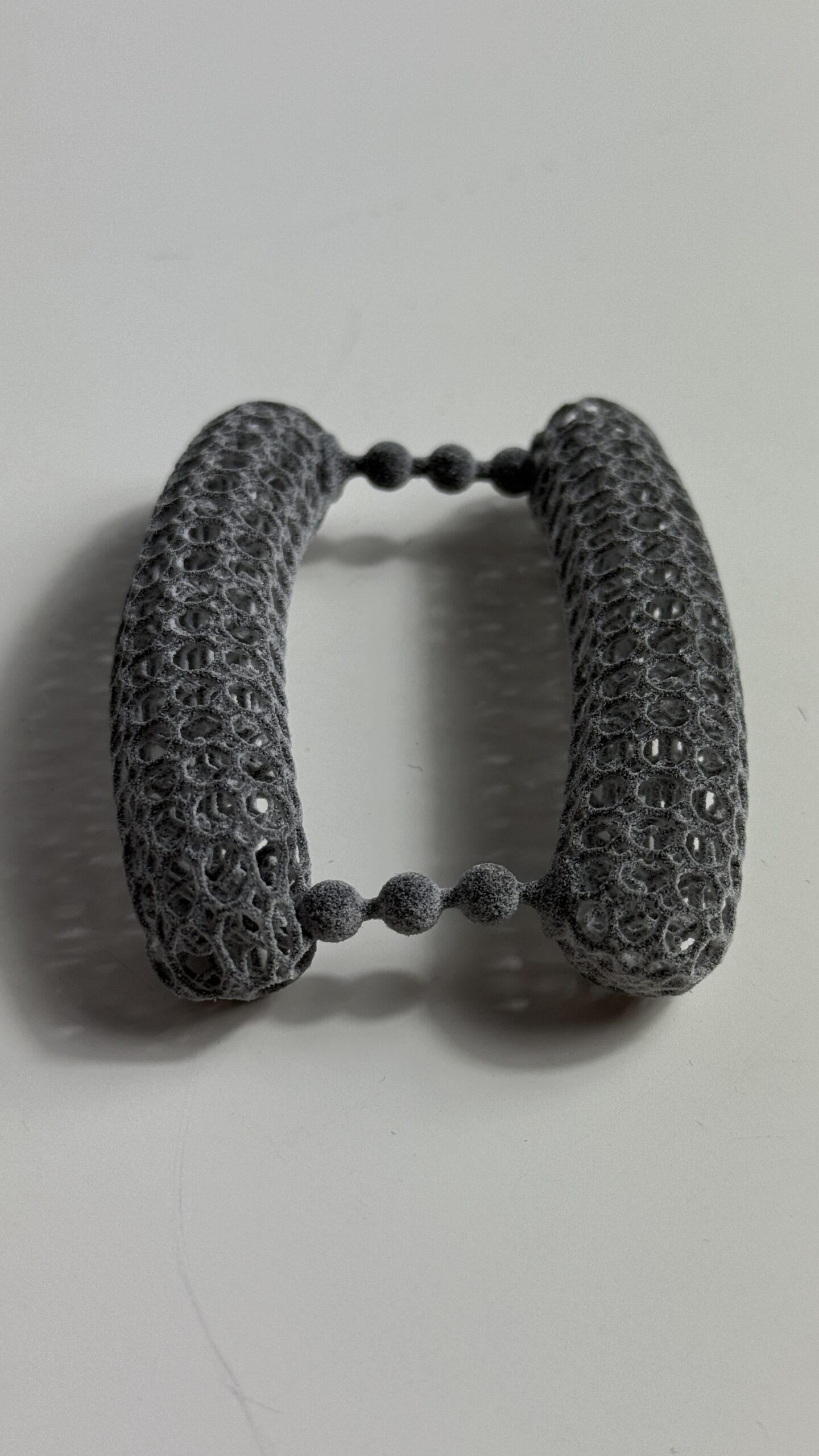
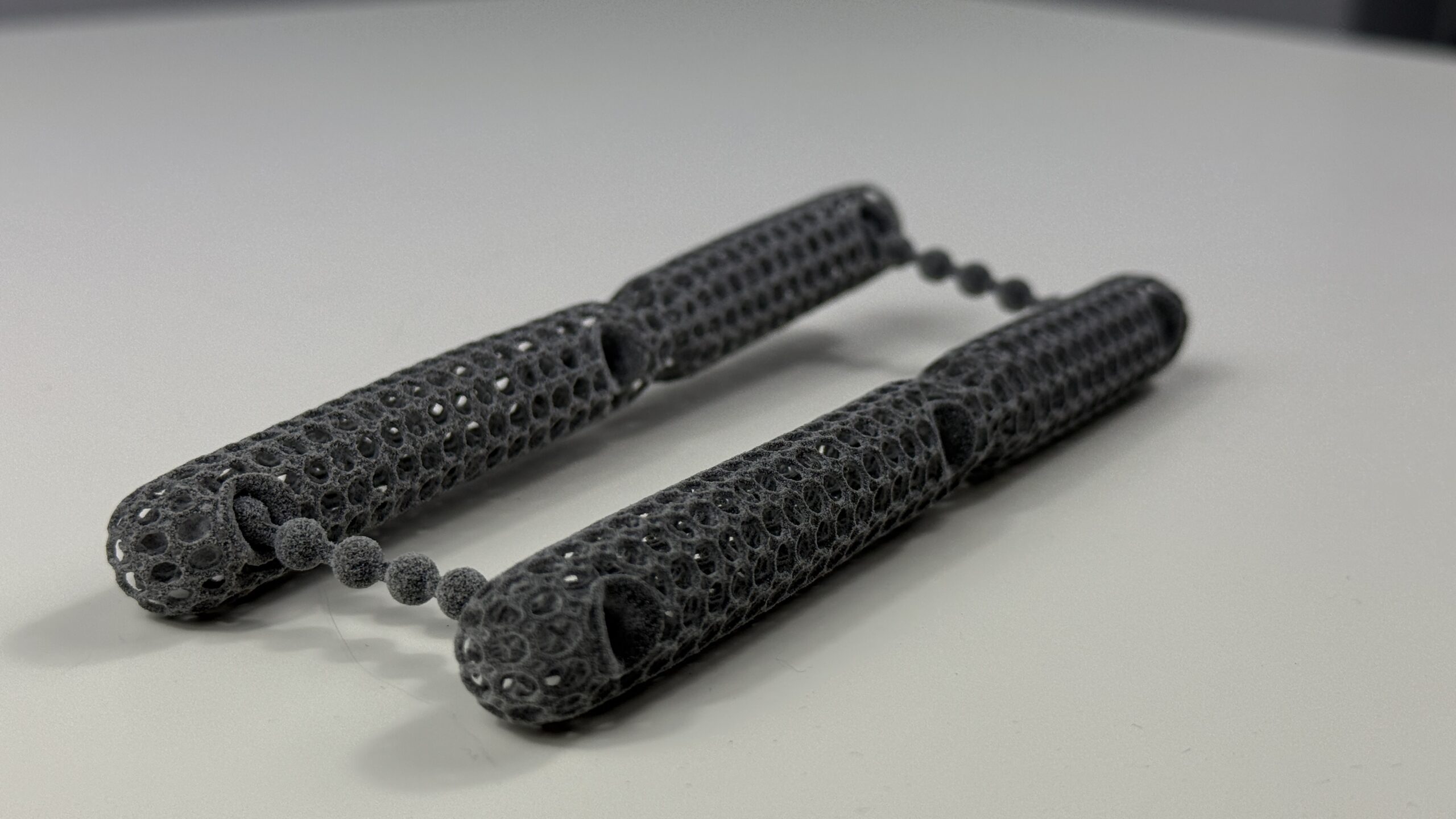
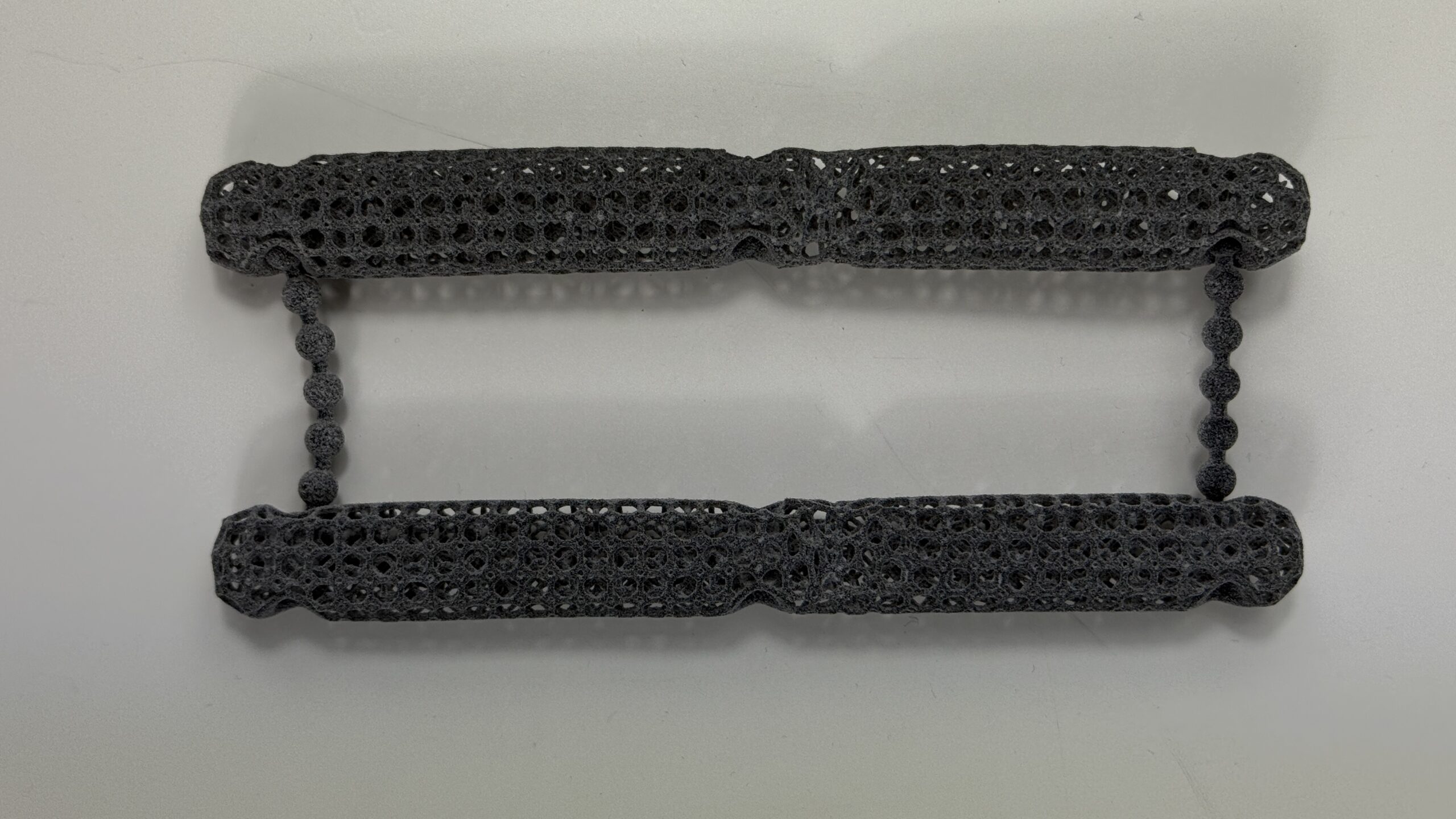
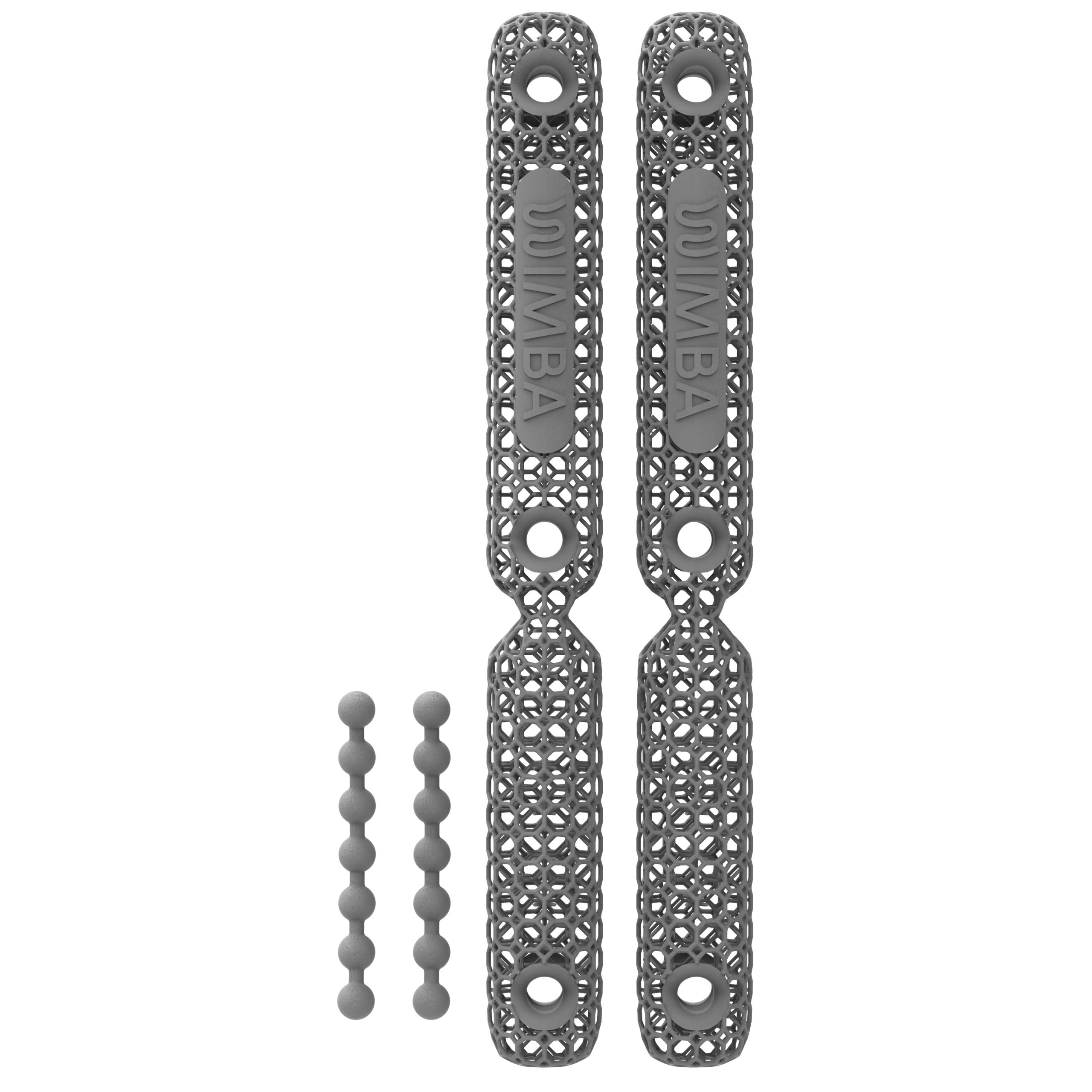
When orthotic support for dogs is clinically indicated, WIMBA Go carpal and tarsal orthoses are intended for eligible mild cases and controlled activities such as prescribed exercise, walking, or hydrotherapy. Current Go guidance excludes agility exercises, sprinting, repetitive jumping, acute postoperative use, and strict immobilisation. More complex cases may require assessment for a WIMBA Pro pathway or a different treatment. Product criteria should always be confirmed for the individual case.
If orthotic support for dogs is prescribed, the veterinary professional remains responsible for diagnosis, device selection, fitting, wear schedule, rehabilitation integration, and follow-up. Skin, gait, joint alignment, device position, and the original treatment objective should be reviewed. New rubbing, swelling, pain, altered gait, rotation, or device damage requires the orthosis to be removed and the clinic contacted.
There is no evidence that routinely bracing a healthy joint prevents overuse injuries in dogs. Preventive marketing should not replace case selection. When the problem is training load without diagnosed instability, modifying activity and investigating the cause are more appropriate starting points than buying a brace.
For a diagnosed mechanical problem, orthotic support for dogs can be one component of a wider plan that may also involve medication, therapeutic exercise, weight management, and environmental modification. Success should be measured against a defined function rather than the mere presence of the device.
Returning to Sport, Work, or Longer Walks
A return plan after overuse injuries in dogs should be based on diagnosis and function, not a fixed number of rest days. Before higher-demand activity resumes, the veterinary team may look for comfortable daily movement, acceptable joint range, improved strength, stable gait, and tolerance of progressive exercises. Different tissues recover at different rates, and symptoms may settle before capacity is fully restored.
Reintroduce the specific demands of the activity in stages. A sport dog may need straight-line conditioning before acceleration, turns, low technical work, and then greater jump or competition demand. A working dog may need progressively longer search, scent, terrain, or load tasks. A pet dog may move from controlled walks to hills, off-leash activity, and longer outings.
During dog exercise recovery, monitor the dog during activity, several hours later, and the following morning. Recurring lameness, stiffness, avoidance, slower performance, or loss of movement quality means the current step may be too demanding or the diagnosis and plan need review.
Previous injury is repeatedly associated with future injury in agility surveys.[2][4] This does not make reinjury inevitable. It supports careful rehabilitation, honest readiness criteria, and continued monitoring of overuse injuries in dogs after apparent improvement.
Questions to Ask the Veterinary or Rehabilitation Team
- Which structure is suspected or confirmed to be affected?
- Which activities are safe now, and which should stop temporarily?
- What change in pain, gait, swelling, or behaviour should trigger an earlier recheck?
- How will progress be measured beyond the absence of an obvious limp?
- Which strength, endurance, or task-specific criteria should be met before progression?
- If a brace is being considered, what exact movement and joint should it control?
- When is the next reassessment, and who should adjust the plan?
These questions turn a vague recommendation to rest into a measurable plan for overuse injuries in dogs. They also help owners distinguish evidence-based management from products or programs that promise to prevent all canine sports injuries.
Frequently Asked Questions About Overuse Injuries in Dogs
What is an overuse injury in a dog?
An overuse injury is a gradual-onset problem associated with repeated loading that exceeds a tissue’s current capacity to recover. It is a pattern, not a complete diagnosis. Veterinary assessment is needed to identify whether muscle, tendon, ligament, joint, bone, paw, spine, or another structure is affected.
Which dogs are most likely to develop a gradual-onset injury?
Sporting, working, and highly active dogs may face repeated physical demands, especially after a rapid change in training or an incomplete return after injury. Risk is individual and also depends on health, prior injury, conditioning, body condition, task, surface, recovery, and the content of each session.
What early warning signs should owners watch for?
Watch for recurring lameness, stiffness after rest, a shorter stride, reluctance to jump or turn, altered foot placement, reduced performance, repeated licking, or a change that improves with rest and returns with activity. Sudden severe signs or inability to bear weight require prompt veterinary assessment.
How are overuse injuries in dogs diagnosed?
Diagnosis combines the activity and symptom history with gait observation and a physical examination. Depending on the findings, the veterinarian may recommend radiographs, ultrasound, CT, MRI, arthroscopy, laboratory testing, or referral. Improvement with rest alone does not identify the affected tissue.
How long does recovery take?
There is no universal timeline. Recovery depends on the tissue involved, severity, duration, treatment, concurrent disease, and the activity the dog needs to resume. Progress should be based on veterinary reassessment and functional criteria rather than a fixed number of rest days.
Can a brace prevent an overuse injury?
There is no evidence that routinely bracing a healthy joint prevents gradual-onset injury. An orthosis may be appropriate when examination identifies a joint-specific mechanical need within the device’s indications. It should be prescribed, fitted, introduced, and monitored by the veterinary team.
When can a dog return to sport or work?
Return when the treating team confirms that the dog has met appropriate clinical and functional criteria. Activity should be rebuilt in stages, with monitoring during the session, later that day, and the following morning. Recurring pain, lameness, stiffness, or reduced movement quality requires review.
Medical Disclaimer: All information on this website is intended for instruction and information purposes only. The authors are not responsible for any harm or injury that may result. Significant injury risk is possible if you do not seek suitable professional advice about your dog’s specific situation. No guarantees of specific results are expressly made or implied on this website.
Scientific References
- Cullen KL, Dickey JP, Bent LR, Thomason JJ, Moëns NMM. Internet-based survey of the nature and perceived causes of injury to dogs participating in agility training and competition events. J Am Vet Med Assoc. 2013, 243(7):1010–1018. doi:10.2460/javma.243.7.1010
- Cullen KL, Dickey JP, Bent LR, Thomason JJ, Moëns NMM. Survey-based analysis of risk factors for injury among dogs participating in agility training and competition events. J Am Vet Med Assoc. 2013, 243(7):1019–1024. doi:10.2460/javma.243.7.1019
- Pechette Markley A, Shoben AB, Kieves NR. Internet-based survey of the frequency and types of orthopedic conditions and injuries experienced by dogs competing in agility. J Am Vet Med Assoc. 2021, 259(9):1001–1008. doi:10.2460/javma.259.9.1001
- Inkilä L, Hyytiäinen HK, Hielm-Björkman A, Junnila J, Bergh A, Boström A. Part II of Finnish Agility Dog Survey: agility-related injuries and risk factors for injury in competition-level agility dogs. Animals. 2022, 12(3):227. doi:10.3390/ani12030227
- Essner A, Kjellerstedt C, Hesbach AL, Igelström H. Injuries and associated factors in Swedish sporting and utility trial dogs: a cross-sectional study. Animals. 2024, 14(3):398. doi:10.3390/ani14030398
- Spinella G, Valentini S, Lopedote M. Internet-based survey on physical activity and incidence of injury in active working dogs. Animals. 2023, 13(10):1647. doi:10.3390/ani13101647
- Isaksen KE, Linney L, Williamson H, Cave NJ, Norman EJ, Cogger N. TeamMate: a longitudinal study of New Zealand working farm dogs. II. Occurrence of musculoskeletal abnormalities. Front Vet Sci. 2020, 7:624. doi:10.3389/fvets.2020.00624
Related reading: Limping and Gait Changes in Dogs: Reading the Signs Before They Get Worse · Is My Dog Licking Their Paws Because of Pain? · Wind-Up Pain in Dogs: What It Really Means · Thriving on Three Legs: The Emotional Journey of Canine Amputation Recovery