 Skip to content


Wind-Up Pain in Dogs: What It Really Means
Wind-up pain in dogs is often used online to describe chronic pain that seems to become more intense or widespread. In pain science, however, wind-up has a narrower meaning: it is a short-lived, frequency-dependent increase in the response of spinal cord neurons during repeated stimulation. It is related to—but not the same as—central sensitization.12
This distinction matters. A dog cannot be diagnosed with wind-up from restlessness, touch sensitivity, limping, or a strong reaction to handling. Those changes can be important signs of chronic pain in dogs, but they are not specific evidence of one nervous-system mechanism. This guide explains what research actually shows about wind-up pain in dogs, what scientists mean by central sensitization in dogs, how veterinary teams assess persistent pain, and where WIMBA orthotic support may fit when a diagnosed mechanical joint problem is part of the pain source.
The short answer
Wind-up is a measurable experimental phenomenon, not a diagnosis that an owner can make at home. In research relevant to wind-up pain in dogs, repeated input from certain pain-sensing fibers can temporarily amplify spinal neuron responses. Central sensitization is a broader increase in the responsiveness of central pain pathways and may persist beyond the triggering input. Research supports the biological plausibility of canine pain sensitization, particularly in osteoarthritis, but current tests do not provide a simple, reliable clinical label for an individual dog.1367
What Wind-Up Pain in Dogs Actually Describes
The scientific history behind wind-up pain in dogs began with recordings from neurons in the dorsal horn of the spinal cord. When incoming C-fiber signals were repeated at a sufficient frequency, the response to each successive stimulus became larger even though the stimulus itself had not increased. Reviews describe wind-up as an amplification process within spinal nociceptive processing.24
That definition is more precise than the everyday phrase wind-up pain in dogs. Wind-up develops during a train of repeated inputs and fades when that conditioning input stops. Central sensitization can involve longer-lasting changes in excitability and synaptic effectiveness, reduced activation thresholds, enlarged receptive fields, and enhanced responses to input. Wind-up may contribute to processes that initiate or demonstrate sensitization, but the two terms should not be substituted for one another.134
| Term | What it means in pain research | What it does not mean |
|---|---|---|
| Wind-up | A progressive, frequency-dependent increase in dorsal horn neuron responses during repeated C-fiber input; the phenomenon is short-lived after the stimulus train ends.12 | A diagnosis made from a dog’s behavior, or a synonym for every form of persistent pain |
| Temporal summation | An increasing perceptual or behavioral response to repeated stimuli; it is used experimentally as a correlate of facilitatory pain processing. | Proof that a naturally occurring behavior is caused by wind-up |
| Central sensitization | Increased responsiveness of nociceptive neurons in the central nervous system to normal or subthreshold input; it can outlast the initiating input.3 | A conclusion that all pain is now “in the brain,” imaginary, permanent, or independent of ongoing disease |
| Peripheral sensitization | Increased responsiveness and reduced thresholds of peripheral nociceptors around injured or inflamed tissue. | The same process as increased central nervous-system responsiveness |
For pet owners, the practical lesson is not to attach a laboratory mechanism to a behavior. The useful question is whether the dog’s pain, function, and response to ordinary activity are changing. That information can guide a veterinary assessment even when the exact contribution of central sensitization in dogs cannot be measured in routine practice.
How Repeated Pain Input Can Change Processing
When discussing wind-up pain in dogs, it helps to remember that pain is not a direct meter of tissue damage. Nociceptors detect potentially harmful events and send signals into the spinal cord, while the central nervous system integrates those signals with inhibitory and facilitatory processes. Wind-up illustrates that the output of a spinal neuron can grow during repeated input even when each incoming stimulus is unchanged.2
Experimental work links wind-up with glutamatergic signaling, including NMDA-receptor-dependent mechanisms, as well as other neurotransmitter and ion-channel systems.24 Central sensitization is broader. It reflects activity-dependent plasticity in central nociceptive pathways and can produce pain hypersensitivity such as increased responses to painful input or pain in response to input that would not normally hurt.3
This biology explains why wind-up pain in dogs should not be reduced to the phrase “untreated pain gets louder forever.” Ongoing inflammation, tissue injury, abnormal joint loading, or nerve disease may maintain nociceptive input, but dogs differ, pain mechanisms can overlap, and persistent pain does not establish that wind-up or central sensitization is present. Nor does the absence of a dramatic response to touch mean the dog is comfortable.
A mechanism is not the same as a cause
A dog may have osteoarthritis, ligament injury, instability, spinal disease, peripheral nerve disease, inflammation, or another condition generating pain. Wind-up and sensitization describe how nociceptive information may be processed; they do not identify which disease is present. Effective dog pain management therefore starts by investigating the source and the effect on function.
What Studies Show About Wind-Up Pain in Dogs
The evidence behind wind-up pain in dogs and altered somatosensory processing in canine chronic pain is developing, not settled. Studies use quantitative sensory testing (QST) to apply controlled mechanical or thermal stimuli and record thresholds or behavioral responses. QST can explore canine pain sensitization at group level, but the results depend on the protocol, test site, dog, handler, environment, and feasibility of completing the assessment.67
2016: evidence of widespread sensitivity in canine osteoarthritis
Knazovicky and colleagues compared 31 dogs with chronic osteoarthritis-associated pain with 23 control dogs. Mechanical, heat, and cold testing at the affected joint and remote sites found widespread somatosensory sensitivity in the osteoarthritis group. The authors interpreted the pattern as likely indicative of central sensitization.5 This supports a biological basis for central sensitization in dogs, but it was an observational group comparison, not a diagnostic threshold for an individual patient.
2024–2025: major limits and inconsistent findings
A 2024 systematic review found substantial heterogeneity across canine musculoskeletal QST studies. The investigators could not perform the planned meta-analysis and called for standardized methods.6 In 2025, Hunt and colleagues tested 30 control dogs, 51 dogs with osteoarthritis pain, and 31 dogs with osteoarthritis pain receiving NSAIDs. Osteoarthritis status was not a major determinant for most QST outcomes, group separation was small, and only 56% of first sessions had acceptable feasibility. The authors concluded that their methods could not currently be recommended for evaluating central sensitization in individual dogs.7
2026: an early temporal-summation feasibility study
A 2026 feasibility study tested repeated mechanical stimulation in four healthy dogs and 31 dogs with osteoarthritis. Under one protocol, the osteoarthritis group tolerated 50% fewer stimuli than the controls, and the authors described the result as temporal summation reflecting spinal hyperexcitability.8 The work is directly relevant to research on wind-up pain in dogs, but the control group contained only four dogs, the healthy dogs were younger, several protocols were explored, and further inter-rater and treatment-response validation is still needed.
Taken together, these studies do not show that wind-up pain in dogs is fictional. They show something more nuanced: altered processing is plausible and can be explored in research populations, but canine methods remain heterogeneous and are not equivalent to a routine clinical test that confirms sensitization in one dog.5678
Are There Signs of Wind-Up Pain in Dogs?
There is no validated owner checklist for wind-up pain in dogs. A lower tolerance for touch, a stronger reaction to handling, pain away from an affected joint, or increasing response to repeated activity may be compatible with altered pain processing, but none is specific enough to identify wind-up or central sensitization. Anxiety, fear, learning, skin disease, neurologic disease, acute injury, progression of the primary condition, and the testing context can change the same responses.
When owners worry about wind-up pain in dogs, what they can observe reliably is change over time. Peer-reviewed veterinary pain guidelines recommend combining behavior, function, physical examination, owner input, and reassessment instead of depending on a single sign.910 Patterns that can justify a chronic pain in dogs assessment include:
- Declining function: shorter walks, slower rising, difficulty with stairs, reduced play, reluctance to jump, or less willingness to move.
- Changed movement: limping, stiffness, shorter steps, altered weight-bearing, repeated posture changes, or difficulty settling comfortably.
- Changed response to contact: withdrawal, guarding, freezing, vocalization, or avoidance during previously tolerated grooming or handling.
- Sleep and behavior change: nighttime restlessness, reduced social interaction, irritability, or loss of interest in normal routines.
- A changing pattern: discomfort appears more often, recovery after activity takes longer, or a previously effective plan no longer maintains function.
These are reasons to investigate pain; they are not signs unique to canine pain sensitization. Avoid deliberately repeating a painful touch to see whether the reaction escalates. A home “wind-up test” is neither validated nor necessary and may cause avoidable distress.
Seek prompt veterinary care
Do not assume a sensitization mechanism if pain changes suddenly. Non-weight-bearing lameness, major trauma, marked swelling, an open wound, rapidly worsening pain, collapse, weakness, knuckling, loss of coordination, difficulty urinating or defecating, or severe neck or back pain requires prompt veterinary assessment. A new structural or neurologic problem must be considered before the pattern is described as wind-up pain in dogs.
How Veterinarians Assess Wind-Up Pain in Dogs
In routine practice, the veterinary team usually assesses the pain condition and its functional impact rather than attempting to prove a single mechanism. Evaluation of suspected wind-up pain in dogs may start with a detailed history, gait and posture observation, orthopedic and neurologic examination, pain localization, and diagnostics selected from the findings.
| Assessment | What it contributes | Important limitation |
|---|---|---|
| Owner history and videos | Shows change in mobility, sleep, activity, transitions, and behavior in the dog’s normal environment | Cannot identify wind-up or separate central from peripheral mechanisms by itself |
| Clinical examination | Helps localize orthopedic, neurologic, skin, or other disease and evaluates gait, pain, stability, muscle condition, and function | A calm or stoic response does not exclude pain, and one visit may not reflect the dog’s usual day |
| Validated clinical metrology instruments | Owner-completed tools such as the Canine Brief Pain Inventory can quantify pain severity and interference and track change in appropriate conditions.11 | They measure the pain experience and function, not the cellular mechanism |
| Imaging and other diagnostics | May identify structural disease or rule in and out different causes when clinically indicated | Imaging severity and pain severity do not always align, so results must be interpreted with the examination |
| QST or specialist testing | Can characterize responses to controlled sensory input in research and selected specialist settings | Canine protocols are heterogeneous and currently do not provide a reliable routine diagnostic test for central sensitization in one dog.67 |
A treatment trial and planned reassessment may also contribute to clinical reasoning. Improvement after an intervention supports the value of that plan, but it does not retrospectively prove that the dog had wind-up. Good dog pain management measures outcomes that matter—comfort, mobility, sleep, participation, and quality of life—without claiming more mechanistic certainty than the evidence allows.
Can Wind-Up Pain in Dogs Be Reversed?
It is more accurate to say that pain sensitivity and function can change than to promise that wind-up pain in dogs can be “reset.” Wind-up itself is transient by definition. Central sensitization can be reversible in experimental contexts, but its course in an individual dog depends on the underlying disease, duration, ongoing input, nervous-system changes, treatment response, and other biological and environmental factors.13
For suspected wind-up pain in dogs, peer-reviewed veterinary guidelines support individualized, multimodal pain care rather than one intervention for every patient.910 Depending on the diagnosis, dog pain management may combine veterinarian-prescribed medication, treatment of the primary disease, weight and activity management, rehabilitation, environmental modification, surgery when indicated, and a supportive device when there is a defined mechanical objective.
What early recognition can realistically achieve
Early assessment can shorten the time a dog spends with an unidentified or inadequately managed pain source and create a baseline for follow-up. It does not guarantee prevention of central sensitization or a return to a previous nervous-system state. The evidence-based goal is timely diagnosis, appropriate treatment, and repeated measurement of meaningful clinical outcomes—not a promise to erase a mechanism.
Where WIMBA Fits in a Pain Management Plan
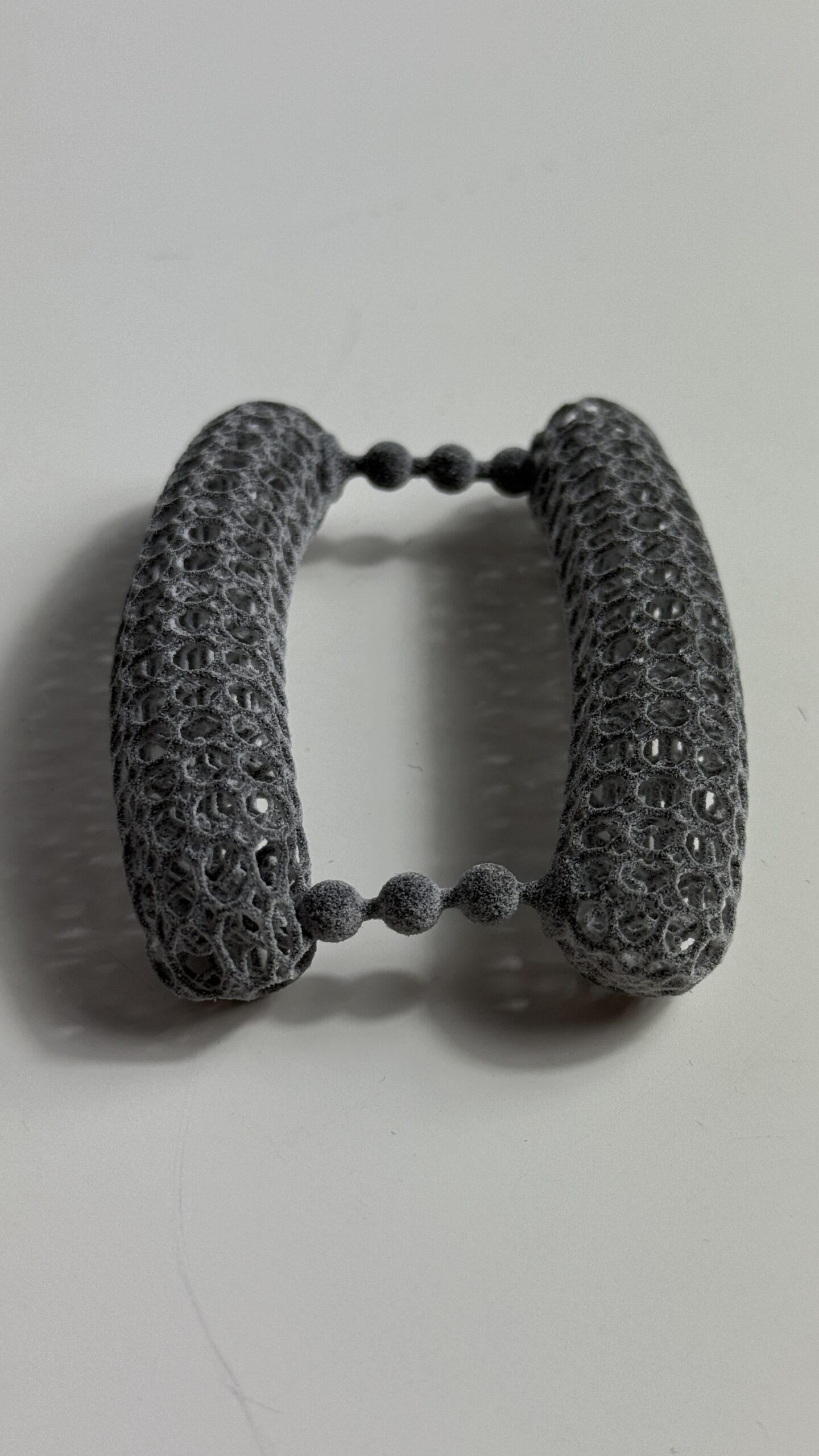
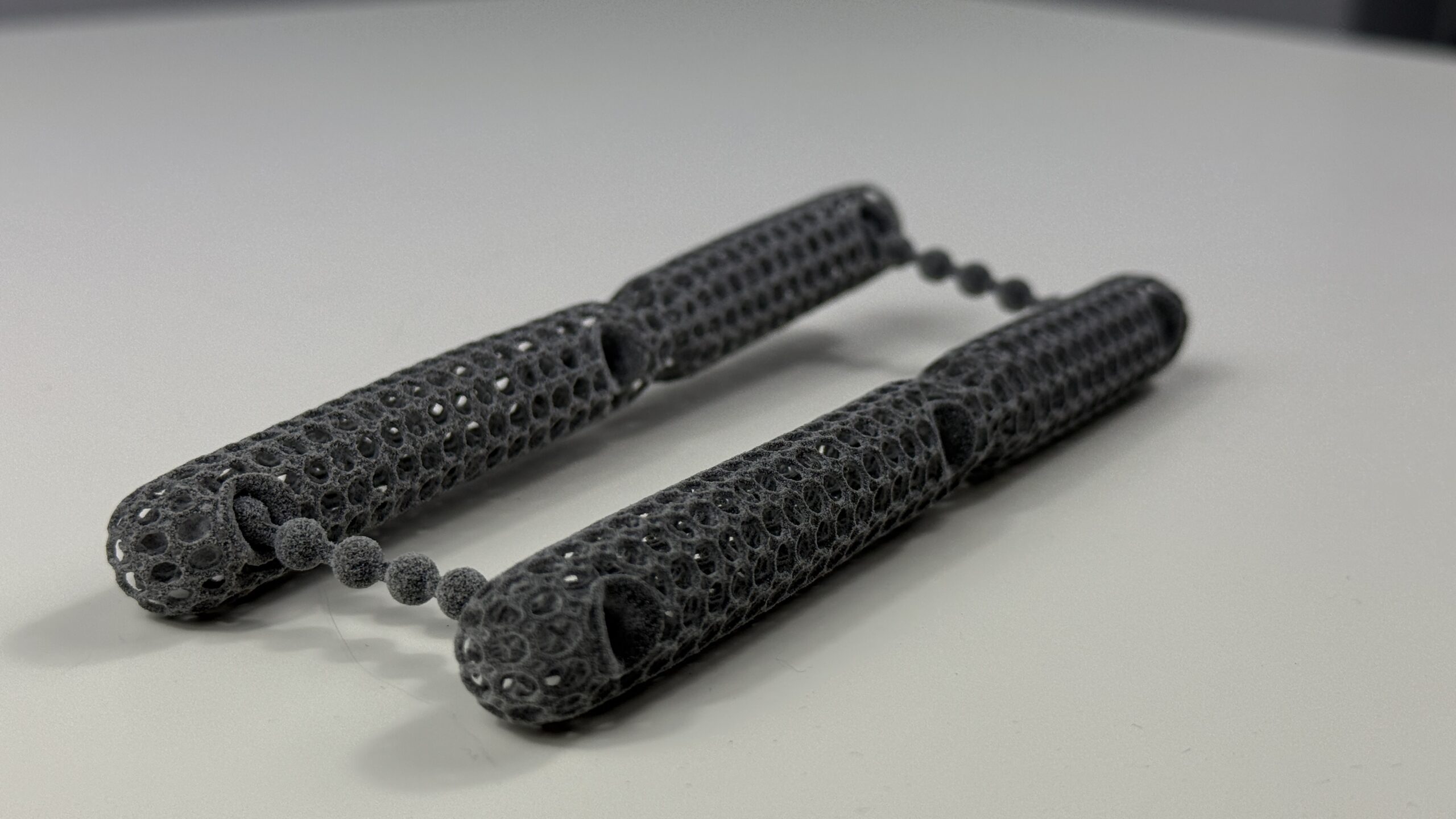
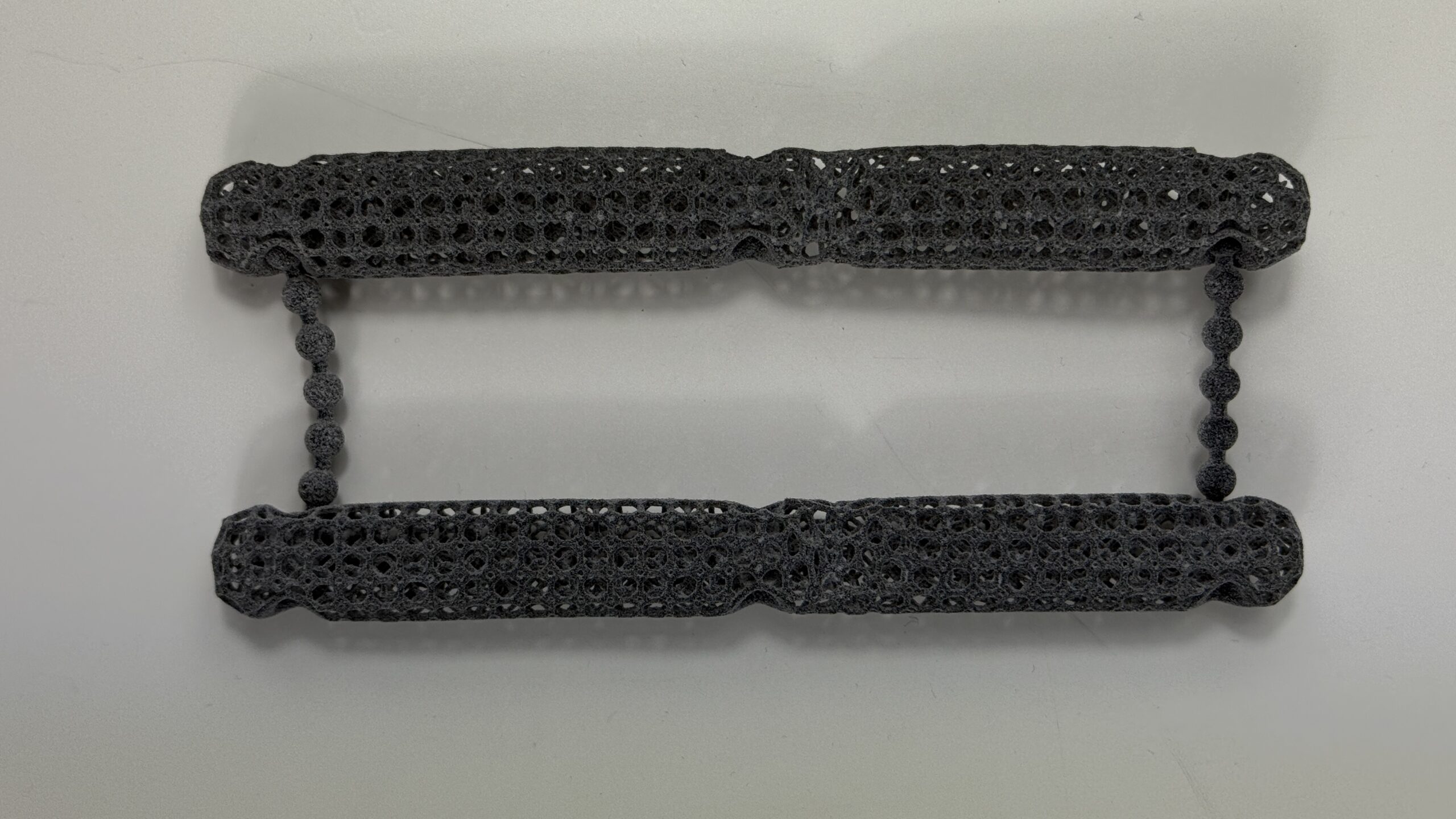
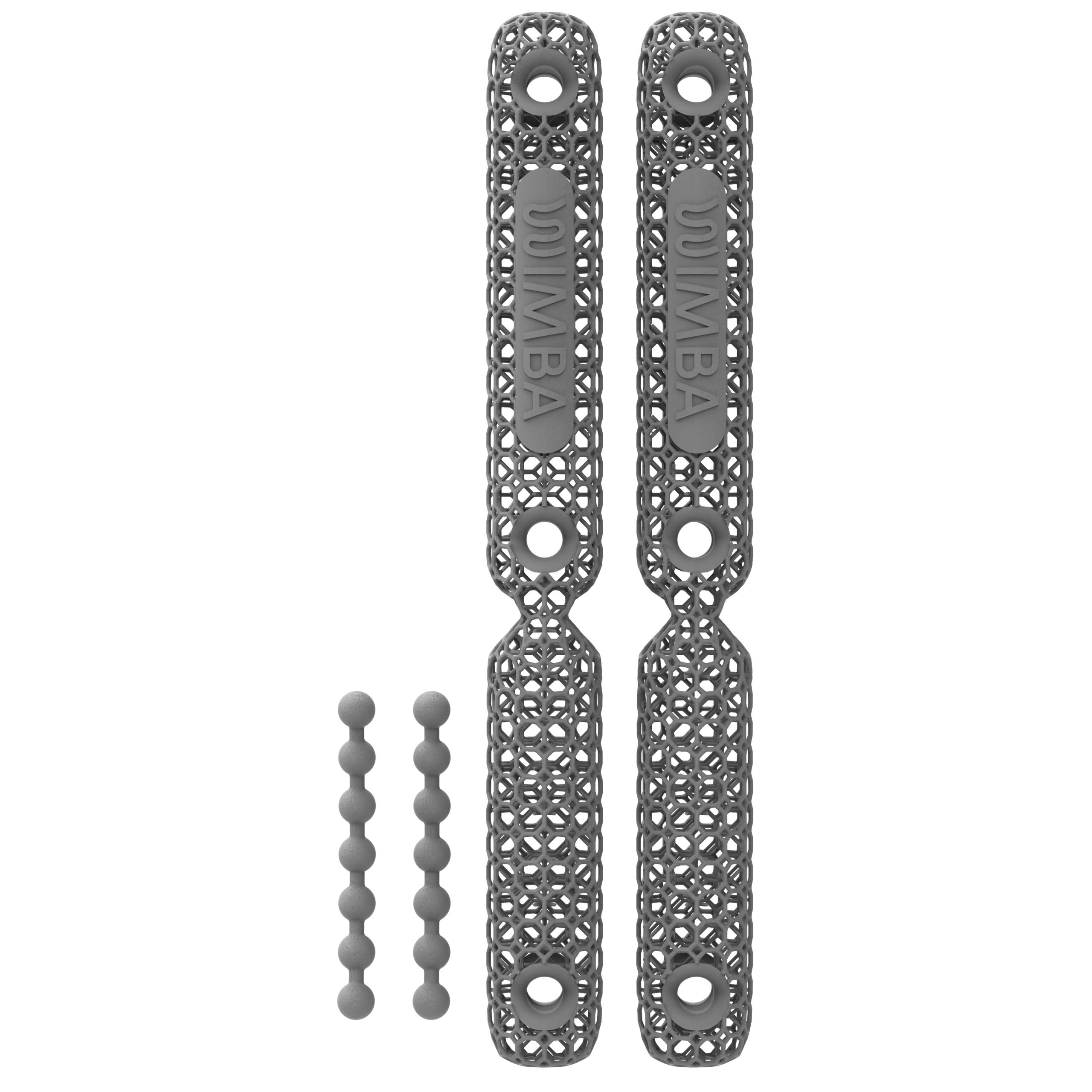
A WIMBA orthosis does not treat wind-up, central sensitization, or chronic pain in dogs as a diagnosis. Its possible role is mechanical. If a veterinary examination identifies a condition within the supported orthotic range—such as selected carpal, tarsal, or stifle instability—the clinician may define a goal such as limiting a harmful direction of movement, supporting a joint, or improving controlled limb use.
That can create an evidence-conscious pathway from wind-up pain in dogs to WIMBA: investigate the persistent pain, identify the structure and movement involved, treat the wider pain condition, then decide whether custom support could reduce a relevant mechanical contributor. The orthosis remains one part of a multimodal plan; it is not evidence that sensitization was present and it does not replace analgesia, rehabilitation, surgery when indicated, or follow-up.
What orthosis research can—and cannot—support
A retrospective series evaluated 14 athletic dogs with unilateral carpal ligament instability managed with a brace and rehabilitation. Eleven returned to normal function, and lameness scores decreased during follow-up.12 This small uncontrolled study supports the possibility of functional benefit in a carefully selected mechanical condition. It did not study WIMBA devices, wind-up pain in dogs, central sensitization, osteoarthritis as a whole, or orthoses as a substitute for comprehensive pain care.
A prospective study of custom veterinary orthoses and prostheses documented skin problems, mechanical complications, and device non-acceptance among clinically important adverse outcomes.13 For orthotic patients, that evidence supports professional case selection, correct fitting, gradual introduction, daily skin monitoring, and scheduled reassessment. WIMBA’s current focus is custom orthotic support; WIMBA does not offer prosthetic devices.
If pain appears linked to a mobility change, start with WIMBA’s evidence-based guide to joint pain in dogs. Veterinary professionals can then review clinical indications for dog orthotics to decide whether a supported mechanical diagnosis has a clear orthotic objective.
Related Reading
The behavior changes associated with pain are broader than any proposed mechanism. See 7 Signs of Silent Pain in Dogs for patterns owners may notice, then use Joint Pain in Dogs: Signs, Causes, and Mobility Support to understand the diagnosis-first route from reduced function to treatment. Neither guide should be used to self-diagnose wind-up pain in dogs.
Frequently Asked Questions
What is wind-up pain in dogs?
Wind-up is a short-lived, frequency-dependent increase in the response of spinal cord neurons during repeated input from pain-sensing fibers. The online phrase wind-up pain in dogs is often used more broadly, but behavior alone cannot confirm this mechanism. It is a research concept, not a stand-alone diagnosis made from ordinary handling or activity.
Is wind-up the same as central sensitization?
No. Wind-up occurs during repeated stimulation and fades after that input stops. Central sensitization is a broader increase in the responsiveness of central nociceptive pathways and can outlast the initiating input. The processes can share mechanisms, and wind-up may contribute to sensitization, but scientific reviews explicitly caution that they are not equivalent.
Can I tell at home whether my dog has central sensitization?
No home observation can confirm central sensitization. Touch avoidance, worsening function, restlessness, or a strong pain response can justify a veterinary assessment, but those changes also occur with progression of the underlying disease, acute injury, fear, learning, skin disease, and neurologic conditions. Current canine sensory tests are not reliable routine diagnostic tools for individual dogs.
Can wind-up pain in dogs be reversed?
Wind-up itself is transient, while longer-lasting sensitization is a different process. Pain sensitivity and function may improve when the underlying condition and contributing factors are managed, but no article can promise that a dog’s nervous system will reset or return to baseline. Prognosis depends on the diagnosis, duration, ongoing input, and response to an individualized treatment plan.
How do veterinarians manage suspected pain sensitization?
Veterinarians first investigate and treat the pain source, then monitor comfort and function over time. Depending on the diagnosis, a multimodal plan may include prescribed medication, weight and activity management, rehabilitation, environmental changes, surgery, or mechanical support. The plan is individualized, and response to treatment does not by itself prove a specific sensitization mechanism.
Can a WIMBA orthosis help a dog with chronic pain?
A WIMBA orthosis does not treat wind-up or central sensitization. It may be considered when a veterinary examination confirms a supported mechanical joint problem and defines a specific movement-control goal. The device should form part of the wider pain and rehabilitation plan and requires professional fitting, gradual introduction, skin checks, and follow-up.
If Pain Is Changing, Assess the Cause Before Choosing Support
Do not wait for a home diagnosis of wind-up pain in dogs. If your dog is becoming less active, more sensitive, stiffer, or less comfortable, ask your veterinary team for a complete pain and mobility assessment. When that assessment identifies a mechanical joint problem within WIMBA’s orthotic range, a WIMBA provider can determine whether custom support belongs in the wider treatment plan.
Medical disclaimer: This article is intended for general educational purposes only and is not a substitute for veterinary examination, diagnosis, or treatment. Do not test your dog’s pain response, give human medication, change prescribed medication, apply an orthosis, or begin rehabilitation exercises without veterinary direction. Seek prompt professional care for severe or rapidly worsening pain, non-weight-bearing lameness, major trauma, an open wound, marked swelling, collapse, or neurological change.
Scientific References
- Woolf CJ. Windup and central sensitization are not equivalent. Pain. 1996;66(2–3):105–108. doi:10.1097/00006396-199608000-00001
- Herrero JF, Laird JMA, López-García JA. Wind-up of spinal cord neurones and pain sensation: much ado about something? Progress in Neurobiology. 2000;61(2):169–203. doi:10.1016/S0301-0082(99)00051-9
- Woolf CJ. Central sensitization: implications for the diagnosis and treatment of pain. Pain. 2011;152(3 Suppl):S2–S15. doi:10.1016/j.pain.2010.09.030
- Mendell LM. The path to discovery of windup and central sensitization. Frontiers in Pain Research. 2022;3:833104. doi:10.3389/fpain.2022.833104
- Knazovicky D, Helgeson ES, Case B, Gruen ME, Maixner W, Lascelles BDX. Widespread somatosensory sensitivity in naturally occurring canine model of osteoarthritis. Pain. 2016;157(6):1325–1332. doi:10.1097/j.pain.0000000000000521
- Monteiro BP, Otis C, Nitulescu R, Troncy E. Quantitative sensory testing in canine musculoskeletal pain: findings from a systematic review, meta-analysis feasibility assessment, and limitations. The Veterinary Journal. 2024;304:106102. doi:10.1016/j.tvjl.2024.106102
- Hunt JR, Knazovicky D, Goff M, et al. Quantitative sensory testing in dogs with spontaneous osteoarthritis. Frontiers in Pain Research. 2025;6:1518725. doi:10.3389/fpain.2025.1518725
- Delsart A, Barbeau-Grégoire M, Moreau M, et al. Evoked temporal summation in dogs to assess pain central sensitization and modulation—a feasibility study. PLOS ONE. 2026;21(6):e0349863. doi:10.1371/journal.pone.0349863
- Gruen ME, Lascelles BDX, Colleran E, et al. 2022 AAHA Pain Management Guidelines for Dogs and Cats. Journal of the American Animal Hospital Association. 2022;58(2):55–76. doi:10.5326/JAAHA-MS-7292
- Monteiro BP, Lascelles BDX, Murrell J, Robertson S, Steagall PVM, Wright B. 2022 WSAVA guidelines for the recognition, assessment and treatment of pain. Journal of Small Animal Practice. 2023;64(4):177–254. doi:10.1111/jsap.13566
- Brown DC, Boston RC, Coyne JC, Farrar JT. Ability of the Canine Brief Pain Inventory to detect response to treatment in dogs with osteoarthritis. Journal of the American Veterinary Medical Association. 2008;233(8):1278–1283. doi:10.2460/javma.233.8.1278
- Tomlinson JE, Manfredi JM. Evaluation of application of a carpal brace as a treatment for carpal ligament instability in dogs: 14 cases (2008–2011). Journal of the American Veterinary Medical Association. 2014;244(4):438–443. doi:10.2460/javma.244.4.438
- Rosen S, Duerr FM, Elam LH. Prospective evaluation of complications associated with orthosis and prosthesis use in canine patients. Frontiers in Veterinary Science. 2022;9:892662. doi:10.3389/fvets.2022.892662