 Skip to content

Dog Licking One Paw: Pain Signal or Something Else?
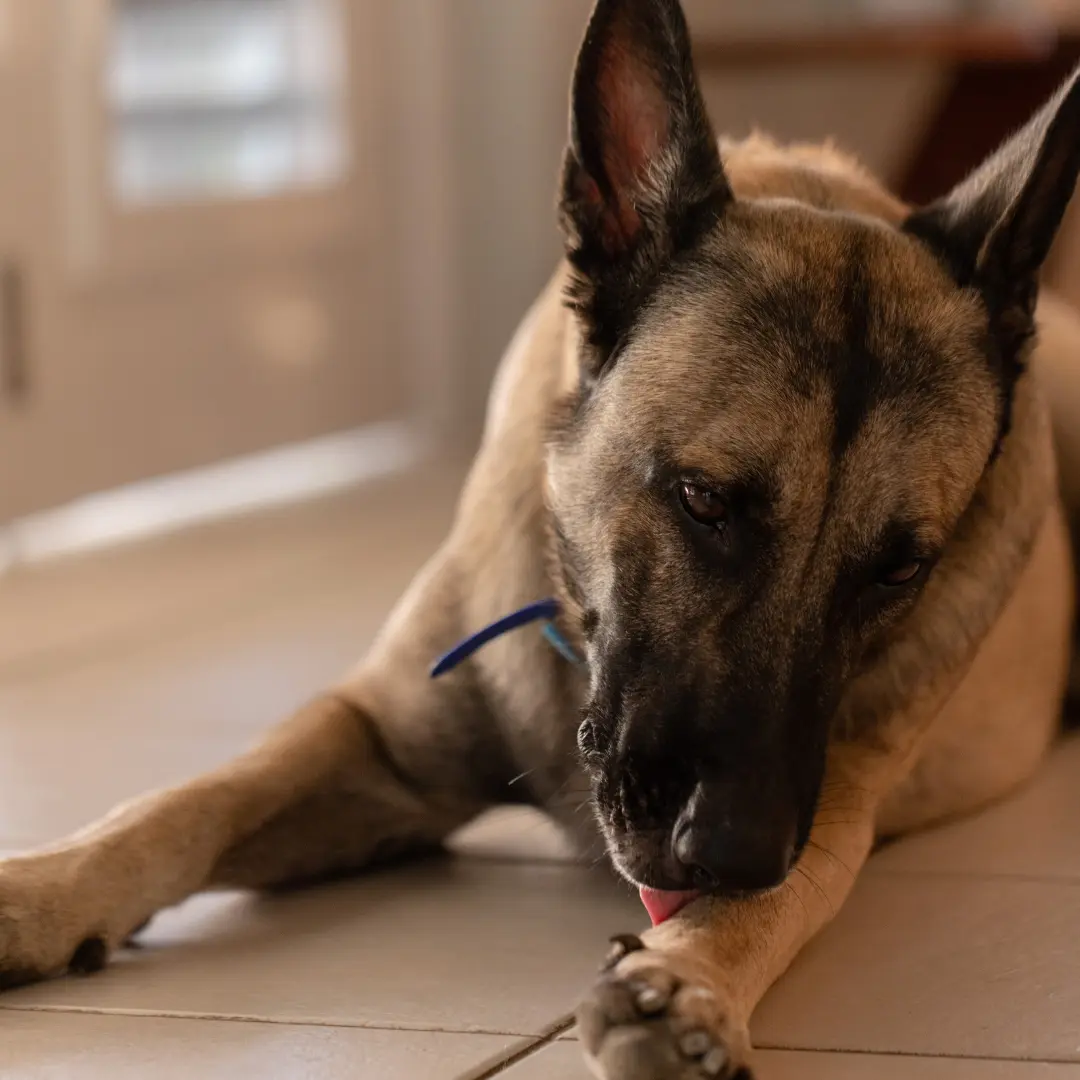
Dog licking one paw can be brief, ordinary grooming. When it becomes persistent, repeatedly targets the same paw, damages the skin, or appears with limping or another mobility change, it may signal itch, local injury, infection, pain, altered sensation, or a compulsive disorder. Licking alone cannot identify which explanation is correct.
This evidence-based guide explains what scientific studies say about dog licking paw due to pain, why skin disease still has to be considered, how to interpret paw licking and joint pain together, and when a diagnosed orthopedic problem may justify discussing custom orthotic support with a veterinary professional. The question behind dog licking one paw needs this wider clinical context.
The short answer
Yes, pain can contribute to a dog licking one paw—but the behavior is not specific to pain. Peer-reviewed pain guidelines include attention to a painful area among behaviors that may matter during assessment, while dermatology research also links paw licking and chewing with pruritus. The safest interpretation is therefore “possible discomfort that needs context,” not “proof of joint pain.”123
What Research Says About a Dog Licking One Paw
No validated test diagnoses pain from licking alone. Scientific pain guidance recommends combining owner observations with posture, gait, behavior, response to handling, clinical examination, and the wider medical context.12 This matters because dog licking one paw can begin through different biological pathways.
In a prospective study of 314 apparently healthy dogs, paw licking and chewing correlated positively with an owner-assessed pruritus score.3 That finding does not mean every dog licking one paw has an allergy. It does show why licking should not automatically be relabeled as orthopedic pain simply because the behavior is focused on a limb.
A review of canine acral lick dermatitis—the chronic skin lesion created by repeated focal licking—identified allergic, orthopedic, neurologic, parasitic, infectious, neoplastic, and psychogenic disorders among the possible primary drivers.6 A separate report described six dogs with lick-dermatitis-like lesions caused by conditions as different as an orthopedic implant, deep bacterial skin disease, and neoplasia.7
| Pattern you may notice | Reasonable clinical questions | What the pattern cannot prove |
|---|---|---|
| Sudden focus on one paw | Is there a pad, nail, interdigital, foreign-body, traumatic, or painful limb problem? | The exact tissue involved or whether the cause is skin, orthopedic, or neurologic |
| Several paws plus scratching or ear signs | Is a pruritic skin disease contributing? | A specific allergy or allergen |
| Licking with limping or altered weight-bearing | Is there pain, instability, soft-tissue injury, or another mobility disorder? | That the paw itself is the source or that a brace is indicated |
| A thickened, hairless, moist, or ulcerated patch | Has repeated licking created acral lick dermatitis and secondary infection? | That the original cause was behavioral |
| Repetitive licking around stressful events | Could behavior be contributing after medical causes are investigated? | A primary anxiety or compulsive diagnosis |
These patterns help a veterinarian organize the examination; they are not home diagnostic rules. Framing dog licking one paw by timing, distribution, skin change, and mobility may guide the work-up. If a dog keeps licking the same paw, the recurrence still does not identify the trigger.
Possible Causes of Dog Licking One Paw
Excessive paw licking in dogs is a clinical sign, not a diagnosis. In a case of dog licking one paw, pododermatitis is also a reaction pattern with multiple possible primary, predisposing, and perpetuating factors.45 The following categories can overlap, so more than one may be present in the same patient.
1. A local paw, pad, nail, or interdigital problem
Inflammation can involve the spaces between the toes, footpads, nail folds, nails, or several of these structures. Trauma, friction, foreign material, deep inflammation, infection, abnormal weight distribution, and neoplasia all appear in the scientific differential diagnosis for pedal disease.5 A sudden dog licking one paw therefore warrants a careful paw examination rather than an assumption about behavior.
2. Itch and inflammatory skin disease
Canine atopic dermatitis is a pruritic inflammatory disease, but its diagnosis is clinical and requires exclusion of other disorders with overlapping signs.4 Paw involvement can occur with allergic disease, parasites, bacterial or fungal infection, and other dermatologic conditions. Dog licking one paw does not make skin disease less important simply because the behavior is focal.
3. Orthopedic or other musculoskeletal pain
Pain can change behavior as well as gait and activity. Reviews of pain-related behavior in dogs describe musculoskeletal disease as an important, sometimes under-recognized contributor to behavioral change.8 The possible relationship between paw licking and joint pain becomes more relevant when dog licking one paw occurs with limping, stiffness, shortened steps, weight shifting, reluctance to jump, reduced play, or lower exercise tolerance. A dog licking paw due to pain still requires examination because none of those signs identifies the affected structure.
4. Neurologic disease or altered sensation
Neurologic disorders are included among the reported drivers of focal licking and acral lick dermatitis.6 Abnormal sensation can be difficult to distinguish from itch or pain based on owner observation alone, so dog licking one paw can also require neurological localization. Knuckling, paw dragging, loss of coordination, weakness, or rapid neurological change makes a veterinary neurologic assessment especially important.
5. A compulsive or learned component
Repetitive licking can become part of a self-perpetuating cycle, and compulsive disorders belong in the differential diagnosis. Research does not support declaring a dog licking one paw “anxiety” before dermatologic, painful, orthopedic, neurologic, infectious, and neoplastic causes have been investigated.678
When Dog Licking One Paw May Be a Pain Signal
Scientific pain guidelines emphasize that no single behavior should be interpreted in isolation. Dog licking one paw becomes more relevant to a pain assessment when the behavior appears with a repeatable change in movement, function, posture, or response to normal activity.12 If a dog keeps licking the same paw, these accompanying changes make dog licking paw due to pain a hypothesis worth investigating—not a diagnosis made at home.
- Lameness or altered weight-bearing: the dog shortens a step, lifts the paw, shifts weight, or avoids loading the limb.
- A clear activity relationship: licking and mobility difficulty recur after a walk, play, stairs, jumping, or another consistent load.
- Stiffness or transition difficulty: the dog is slower to rise, sit, lie down, or begin moving after rest.
- Reduced function: the dog stops jumping, avoids stairs, walks less, plays less, or hesitates on surfaces that were previously manageable.
- Pain-related behavior in context: guarding, withdrawal, restlessness, disrupted sleep, or a changed response to handling appears alongside the limb-focused behavior.
Even this cluster does not prove that a dog licking one paw has a specific joint injury. Painful pedal skin disease can also occur with lameness.5 The clinical task is to localize the problem rather than infer it from the spot the tongue reaches.
What the evidence does not establish
There is no evidence-based rule that licking after exercise equals arthritis, that focused licking reliably locates the painful tissue, or that difficulty interrupting the behavior distinguishes pain from itch or compulsion. Those shortcuts have therefore been excluded from this article.
What to Do About Dog Licking One Paw
If a dog keeps licking the same paw, the goal is not simply to suppress the behavior. Excessive paw licking in dogs can create hair loss, thickening, erosion, ulceration, and secondary infection, while the original trigger remains untreated.6
- Observe without provoking pain. Note which paw and surface is targeted, when licking occurs, and whether walking, rising, jumping, play, appetite, sleep, or behavior has changed.
- Look at the visible paw. If your dog allows it comfortably, compare pads, nails, nail folds, and interdigital skin with the opposite paw. Do not squeeze a painful area, dig for a foreign body, or force a joint through motion.
- Record a short video. Film the licking episode and the dog walking on a safe, non-slip surface. Owner observations are an important part of chronic pain assessment.1
- Prevent further self-trauma using veterinary advice. A veterinarian may recommend a temporary barrier while the cause is assessed. Do not apply a tight homemade bandage, cream, pain medication, or brace without direction.
- Arrange an examination. Persistent, recurrent, focal, or skin-damaging excessive paw licking in dogs deserves assessment even if the dog is still walking.
Seek prompt veterinary care
Do not wait for a routine appointment if the dog cannot bear weight, has major swelling, a deep or bleeding wound, an obviously damaged nail, discharge or marked odor, rapidly worsening pain, sudden weakness, knuckling, loss of coordination, or a known traumatic or chemical exposure. Acute and severe pain requires timely assessment and treatment.12
How a Veterinarian Investigates Dog Licking One Paw
The diagnostic pathway for dog licking one paw depends on the history and examination. Because pruritus, pain, and repeated self-trauma can coexist, a complete assessment may need to examine skin, paw structures, the full limb, gait, joints, muscles, and the nervous system rather than focusing only on the visibly licked spot.
| Assessment area | What the veterinary team may evaluate | Why it matters |
|---|---|---|
| Dermatologic | Distribution of lesions, parasites, cytology, infection, allergy pattern, and other tests selected from the findings | Atopic dermatitis and other pruritic diseases require exclusion of mimicking conditions rather than diagnosis from licking alone.4 |
| Paw and nail | Pads, interdigital spaces, nail folds, nails, focal swelling, drainage, trauma, and foreign material | Pedal inflammation can involve one structure or several and has a broad differential diagnosis.5 |
| Orthopedic | Gait, weight-bearing, pain localization, joint stability, range of motion, muscle condition, and imaging when indicated | This separates a general pain suspicion from a defined mechanical or structural diagnosis. |
| Neurologic | Proprioception, reflexes, strength, sensation, coordination, and lesion localization | Altered sensation and neurologic disease can contribute to focal licking.6 |
| Behavioral | Triggers, environment, repetition, reinforcement, and behavior outside licking episodes | A behavioral diagnosis is considered in relation to—not instead of—medical investigation.8 |
Diagnosis may require staged testing rather than one appointment. Treating secondary infection or stopping access to the skin may be necessary, but neither step proves why the dog licking one paw behavior began.
From a Possible Pain Signal to WIMBA: Diagnosis First
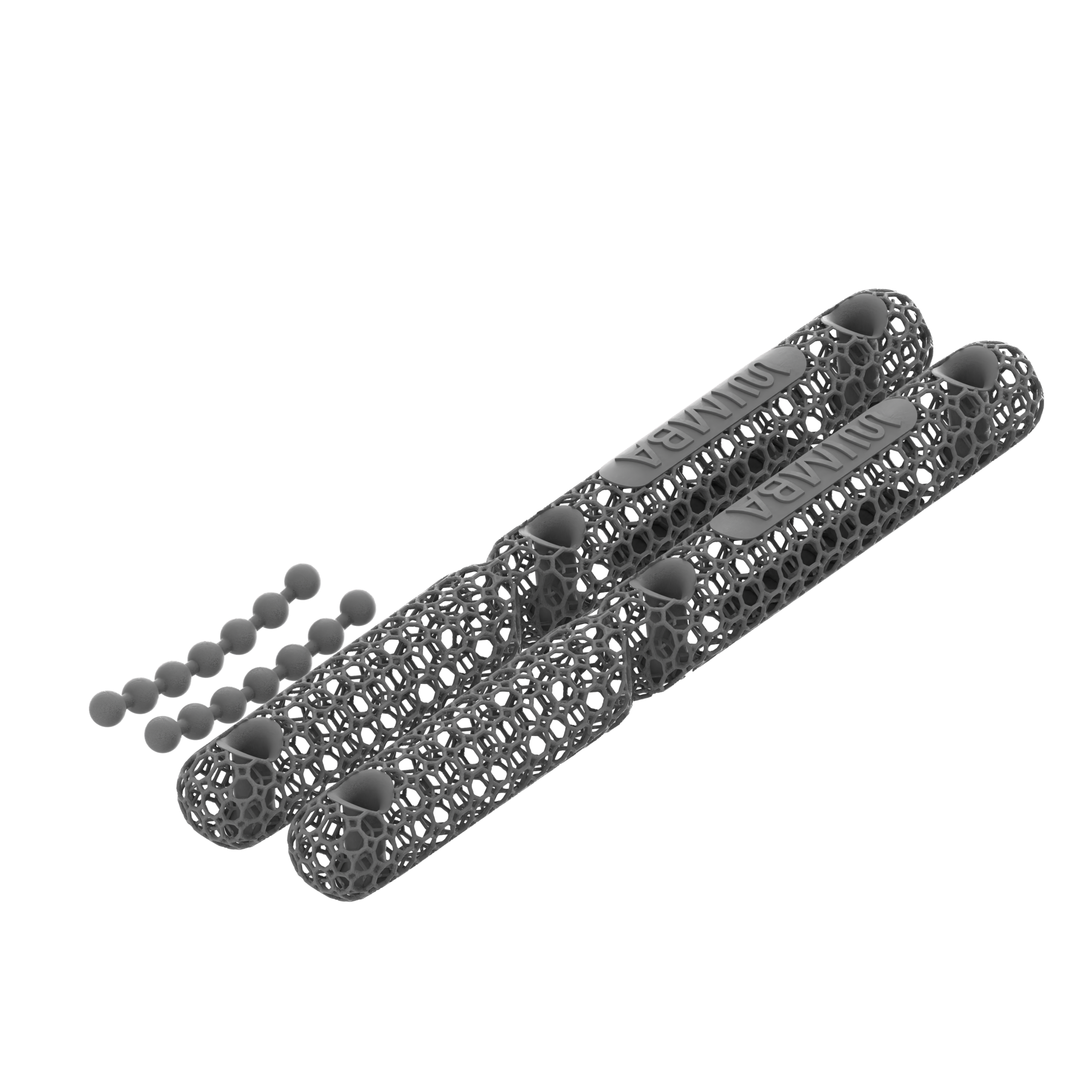
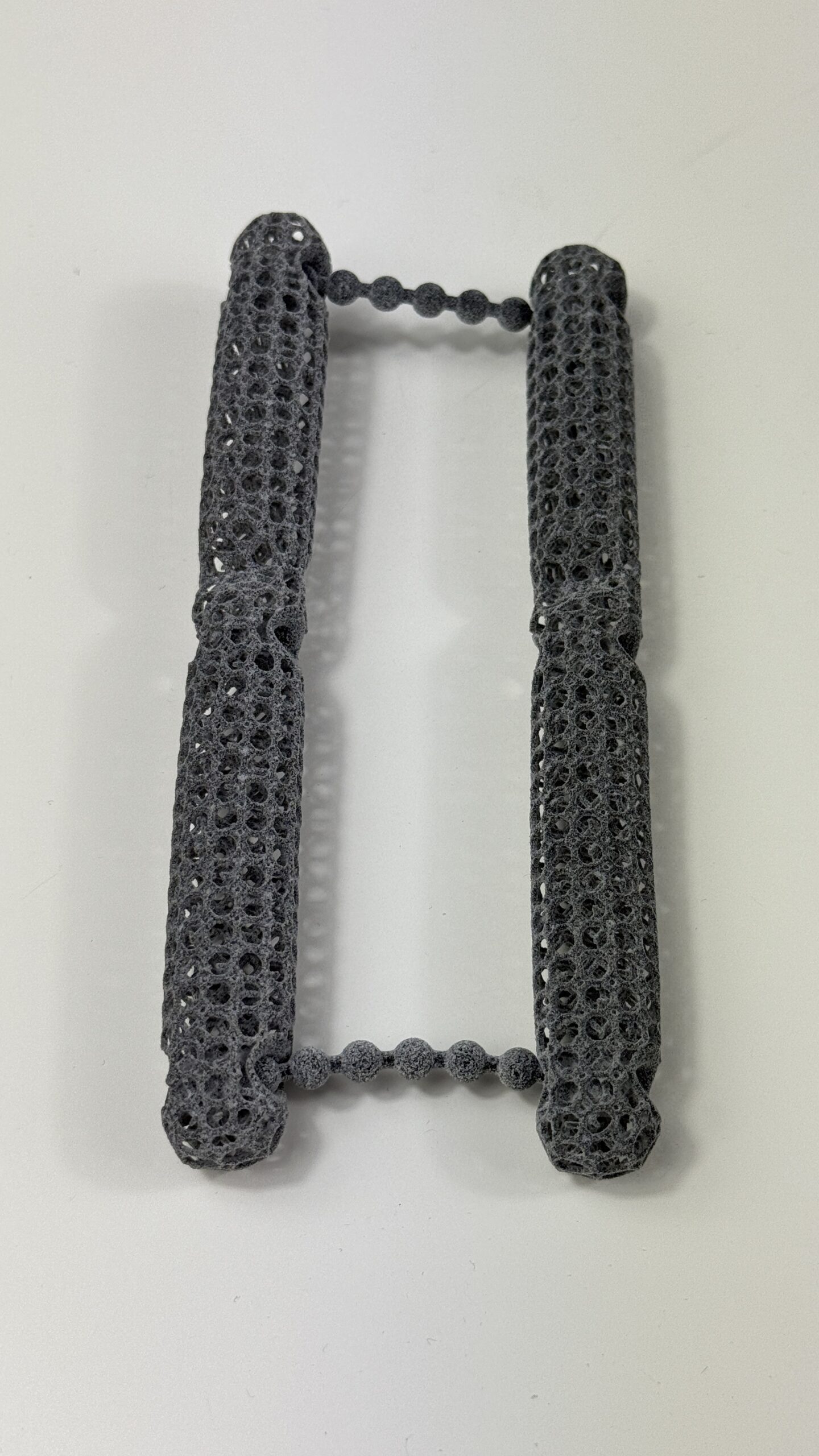
The pain pathway to WIMBA begins with a veterinary diagnosis, not with the licking behavior. Paw licking and joint pain should lead to a complete mobility assessment before any device discussion. If the examination identifies allergy, infection, a wound, foreign material, nail disease, neoplasia, or a primarily behavioral disorder, an orthosis is not the treatment for that cause.
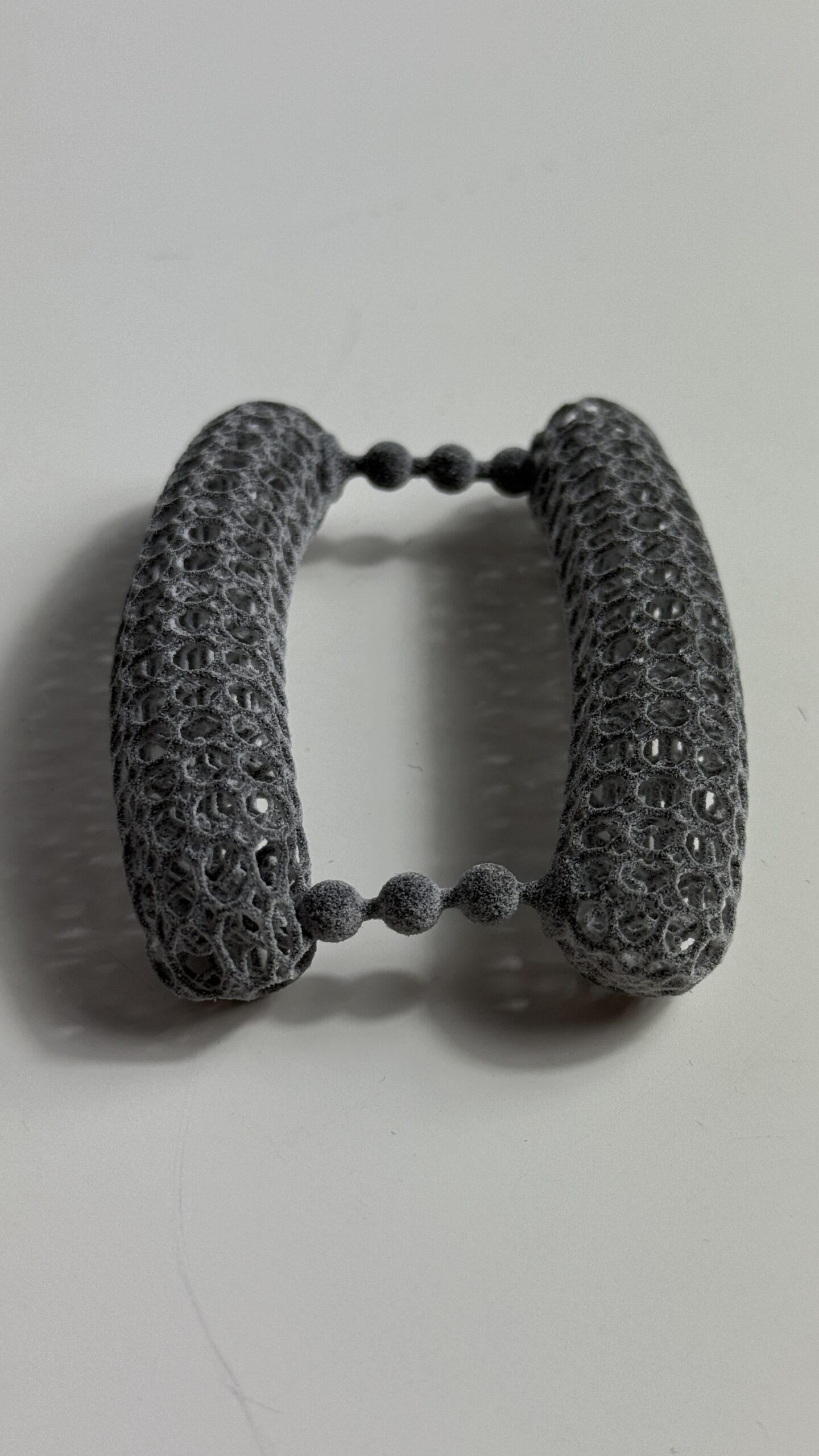
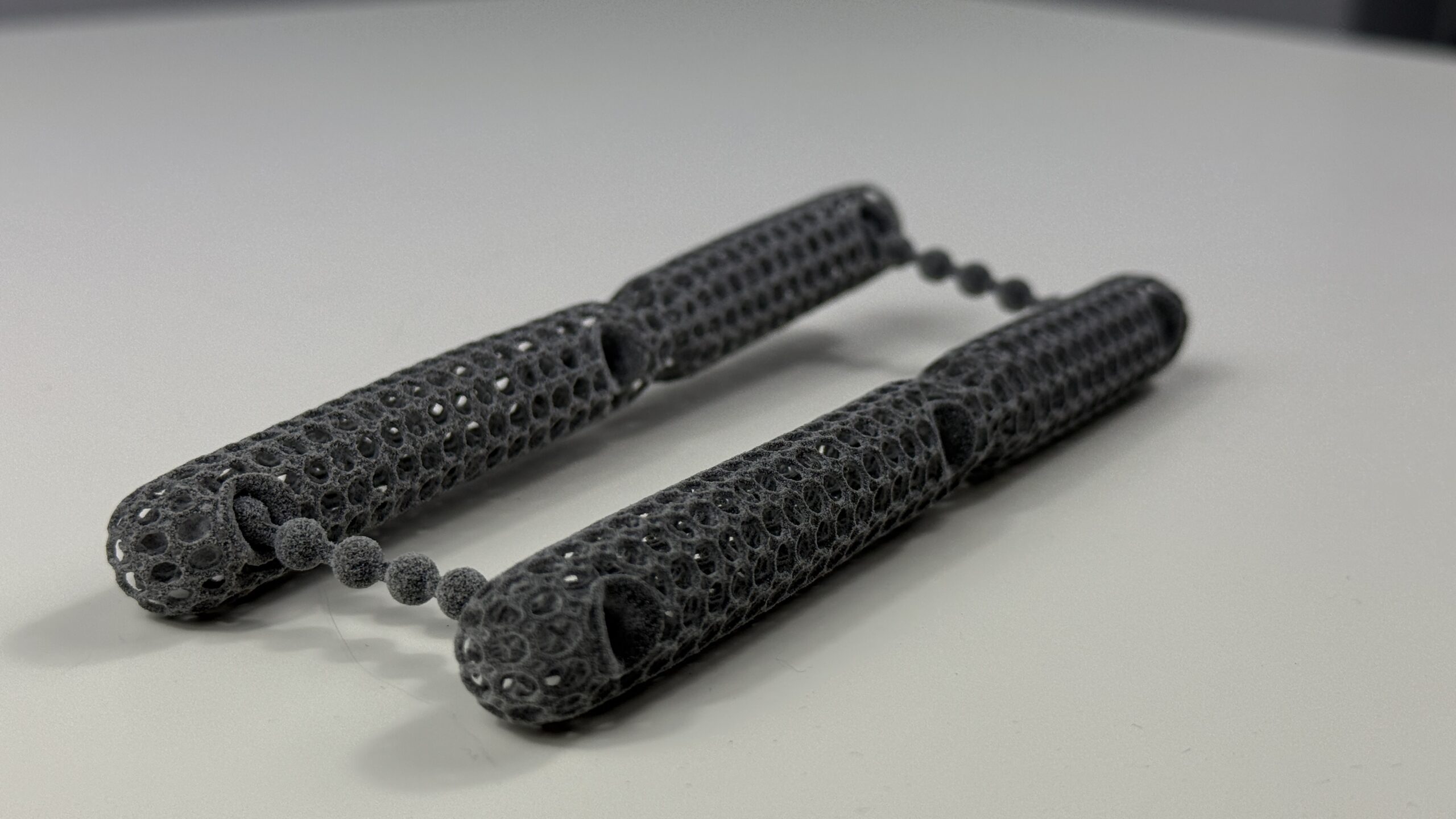
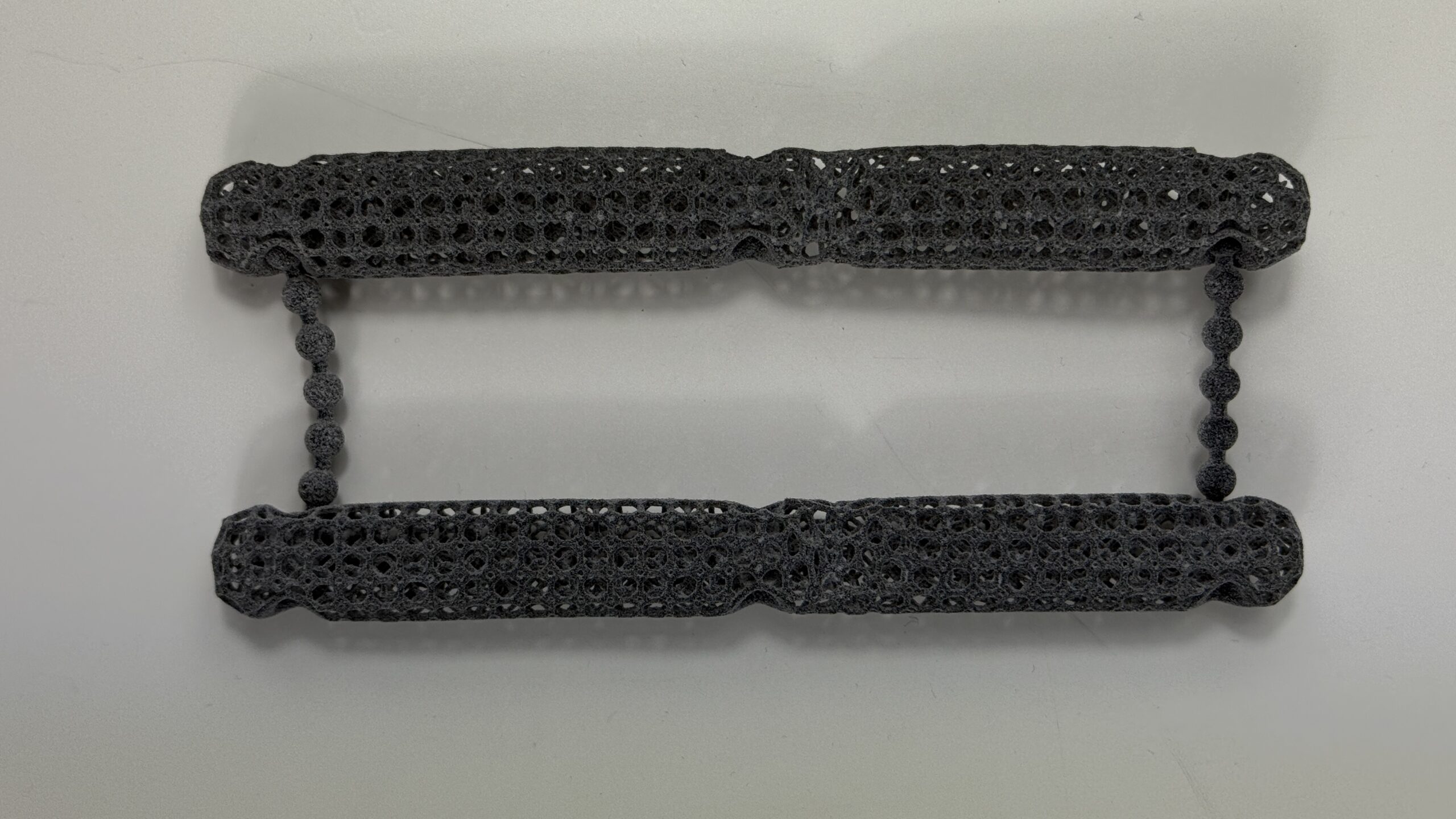
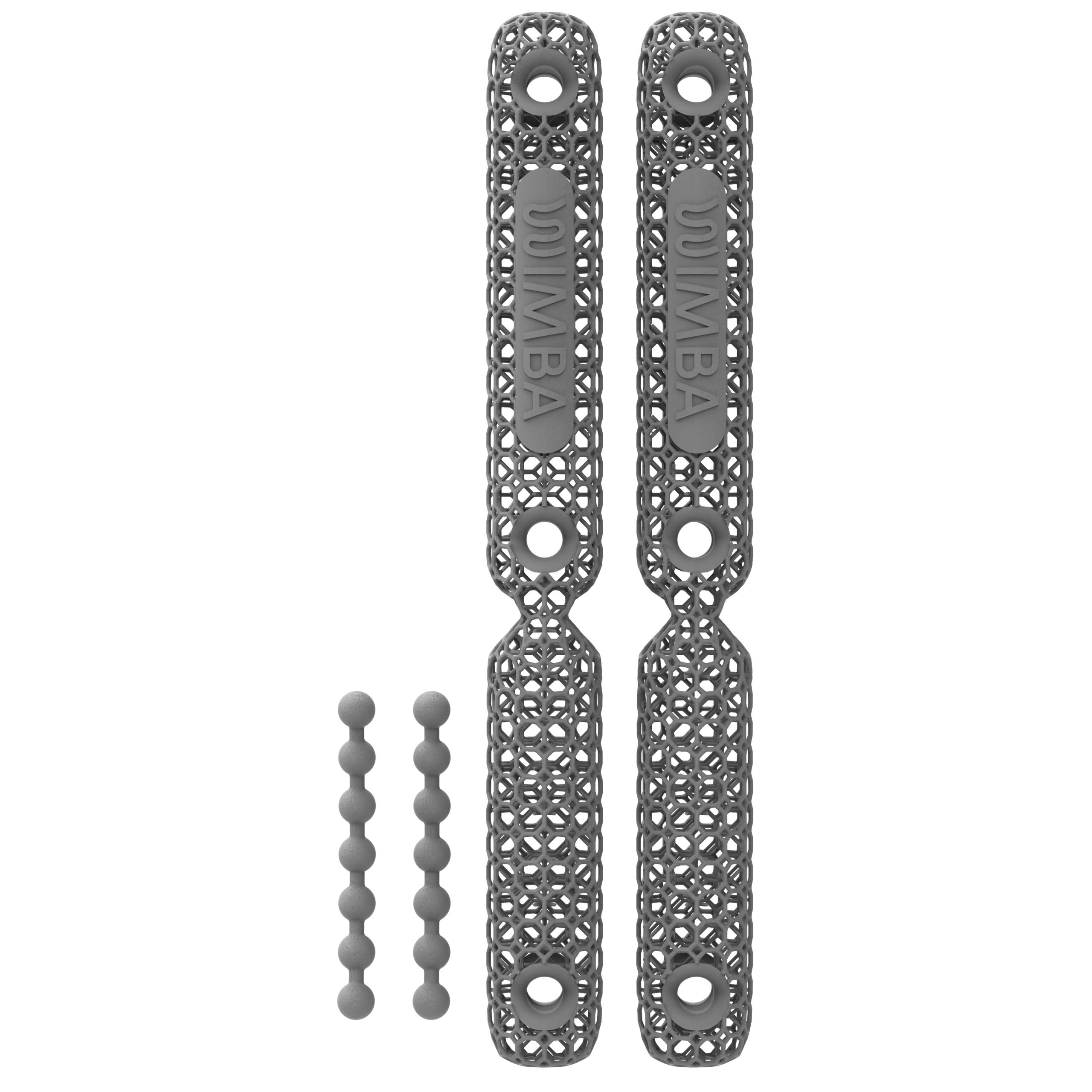
If dog licking paw due to pain appears alongside a mobility change and the veterinary team confirms a suitable mechanical problem—such as selected carpal, tarsal, or stifle instability—custom orthotic support may be considered as one part of a wider pain and mobility plan.910 The clinical objective must specify which joint and movement require support. An orthosis does not diagnose pain, treat itch or infection, heal an open wound, or guarantee that licking will stop.
What orthosis research can—and cannot—support
A retrospective series of 14 athletic dogs with unilateral carpal ligament instability reported lower lameness scores and return to normal function in 11 dogs during a program that combined a carpal brace with rehabilitation exercises.9 This small, uncontrolled study evaluated a specific diagnosed condition; it did not study paw licking, all causes of limb pain, or WIMBA devices.
A prospective study of custom veterinary orthoses and prostheses identified skin complications, mechanical problems, and device non-acceptance as important adverse outcomes.10 That evidence supports professional fitting, gradual introduction, daily skin checks, and follow-up rather than self-selecting a brace for a dog licking one paw.
For a broader evidence-based overview of pain-related mobility changes, read Joint Pain in Dogs: Signs, Causes, and Mobility Support. Veterinary teams can also review WIMBA’s clinical indications and case-selection guide before deciding whether a defined mechanical goal falls within the current orthotic range.
Related Reading
Licking is only one possible behavioral change. For the wider context, see 7 Signs of Silent Pain in Dogs. If the main concern is stiffness, lameness, or reduced function, continue with WIMBA’s guide to joint pain in dogs.
Frequently Asked Questions
Why is my dog licking one paw?
Brief licking may be normal grooming, but persistent focus on one paw can occur with itch, pad or nail disease, a foreign body, trauma, infection, pain, altered sensation, neoplasia, or a compulsive disorder. The behavior does not diagnose the cause, so recurrent or skin-damaging licking should be assessed by a veterinarian.
Can pain cause a dog to lick one paw?
Yes. Attention to a painful area can form part of a dog’s pain-related behavior, especially when licking appears with limping, stiffness, altered weight-bearing, reduced activity, or another functional change. However, paw licking is also associated with pruritus and skin disease, so pain cannot be confirmed from licking alone.
How can I tell whether paw licking is caused by allergies or pain?
You usually cannot distinguish them reliably at home. Several affected paws, scratching, or recurrent ear and skin signs may raise suspicion of pruritus, while limping, stiffness, and an activity-linked mobility change may raise suspicion of pain. The patterns overlap, and a veterinary examination is needed to determine which tests are appropriate.
When is paw licking urgent?
Seek prompt veterinary care if your dog cannot bear weight, has major swelling, a deep or bleeding wound, an obviously damaged nail, discharge or marked odor, severe or rapidly worsening pain, weakness, knuckling, loss of coordination, or known traumatic or chemical exposure. Persistent or recurrent licking without these signs still warrants a routine examination.
Can repeated paw licking create a wound?
Yes. Persistent focal licking can cause hair loss, thickened inflamed skin, erosions, and ulcerated plaques, and secondary infection can perpetuate the itch-lick cycle. Preventing access to the area may protect the skin temporarily, but the underlying dermatologic, painful, neurologic, neoplastic, or behavioral driver still needs investigation.
Can a WIMBA orthosis stop a dog from licking its paw?
A WIMBA orthosis is not a treatment for licking, allergy, infection, a foreign body, an open wound, or compulsive behavior. It may be considered only when a veterinary examination confirms a suitable mechanical problem in a supported joint and defines a clear movement-control goal. It should be professionally fitted and monitored because orthoses can also cause skin or mechanical complications.
If Licking Comes With a Mobility Change, Start With Pain Assessment
A dog licking one paw may be showing itch, local disease, pain, or more than one problem at the same time. If licking appears with limping, stiffness, altered loading, or reduced activity, ask your veterinary team for a complete pain and mobility assessment. If that assessment identifies a supported mechanical joint problem, a WIMBA provider can determine whether custom orthotic support fits the wider treatment plan.
Medical disclaimer: This article is intended for general educational purposes only and is not a substitute for veterinary examination, diagnosis, or treatment. Do not give medication, apply a bandage or orthosis, or begin rehabilitation exercises without veterinary direction. Seek prompt professional care for severe or rapidly worsening pain, non-weight-bearing lameness, major trauma, an open wound, marked swelling, bleeding, or neurological change.
Scientific References
- Gruen ME, Lascelles BDX, Colleran E, et al. 2022 AAHA Pain Management Guidelines for Dogs and Cats. Journal of the American Animal Hospital Association. 2022;58(2):55–76. doi:10.5326/JAAHA-MS-7292
- Monteiro BP, Lascelles BDX, Murrell J, Robertson S, Steagall PVM, Wright B. 2022 WSAVA guidelines for the recognition, assessment and treatment of pain. Journal of Small Animal Practice. 2023;64(4):177–254. doi:10.1111/jsap.13566
- Stetina KM, Marks SL, Griffin CE. Owner assessment of pruritus and gastrointestinal signs in apparently healthy dogs with no history of cutaneous or noncutaneous disease. Veterinary Dermatology. 2015;26(4):246-e54. doi:10.1111/vde.12219
- Hensel P, Santoro D, Favrot C, Hill P, Griffin C. Canine atopic dermatitis: detailed guidelines for diagnosis and allergen identification. BMC Veterinary Research. 2015;11:196. doi:10.1186/s12917-015-0515-5
- Bajwa J. Canine pododermatitis: a complex, multifactorial condition. Canadian Veterinary Journal. 2023;64(5):489–492. PMID:37138722
- Shumaker AK. Diagnosis and treatment of canine acral lick dermatitis. Veterinary Clinics of North America: Small Animal Practice. 2019;49(1):105–123. doi:10.1016/j.cvsm.2018.08.010
- Denerolle P, White SD, Taylor TS, Vandenabeele SI. Organic diseases mimicking acral lick dermatitis in six dogs. Journal of the American Animal Hospital Association. 2007;43(4):215–220. doi:10.5326/0430215
- Mills DS, Demontigny-Bédard I, Gruen M, et al. Pain and problem behavior in cats and dogs. Animals. 2020;10(2):318. doi:10.3390/ani10020318
- Tomlinson JE, Manfredi JM. Evaluation of application of a carpal brace as a treatment for carpal ligament instability in dogs: 14 cases (2008–2011). Journal of the American Veterinary Medical Association. 2014;244(4):438–443. doi:10.2460/javma.244.4.438
- Rosen S, Duerr FM, Elam LH. Prospective evaluation of complications associated with orthosis and prosthesis use in canine patients. Frontiers in Veterinary Science. 2022;9:892662. doi:10.3389/fvets.2022.892662