 Skip to content

Tripod Dog Orthotics and Mobility Support in 2026
This article looks specifically at the research evidence behind tripod dog orthotics: what published outcome data actually shows about load redistribution after limb amputation, and where a brace fits once that evidence is weighed against a dog’s individual biomechanics. Every step after amputation redistributes weight, braking force, propulsion, and balance across the three remaining limbs, and the evidence below explains why that matters clinically.
This guide to three-legged dog mobility explains what research shows about post-amputation loading, which changes deserve closer monitoring, and where tripod dog orthotics may fit within long-term rehabilitation. It also describes the current WIMBA Carpus Orthosis GO workflow and three real patients—Juri, Maia, and Kalina—whose treatment plans illustrate different patterns of remaining-limb overload.
Adaptation is not the same as protection
Most owners in a 64-dog outcome study reported a complete or nearly complete return to quality of life after amputation.1 That is encouraging, but it does not show that the remaining joints are exposed to normal forces. A confident gait can coexist with measurable load redistribution, so monitoring should continue even when a tripod dog appears comfortable and active.
Looking for something more specific? This guide focuses on WIMBA patient stories and the current ordering process. For the step-by-step veterinary assessment and fitting process, see Three-Legged Dog Mobility Support. For a joint-by-joint guide and a clear explanation of how orthoses differ from prostheses, see Orthotics for Three-Legged Dogs.
Why Tripod Dog Mobility Changes After Amputation
A four-legged dog can distribute load across two forelimbs and two hindlimbs. After amputation, the remaining limbs assume new roles in weight support, braking, propulsion, and balance. The exact pattern depends on whether a forelimb or hindlimb was removed, the level of amputation, speed, body conformation, pre-existing disease, and the dog’s chosen gait strategy.
Forelimb amputees generally place greater demand on the remaining forelimb and redistribute part of the load to the hindlimbs. Hindlimb amputees rely more heavily on both forelimbs and the contralateral hindlimb. These are population-level patterns rather than a formula for an individual patient. Tripod dog orthotics should be matched to the individual loading pattern, which is why tripod dog mobility support should follow examination and gait assessment rather than assumptions based only on the missing limb.
14% more weight
was distributed to the remaining forelimb while trotting after forelimb amputation in a 2013 force-plate study.2
Largest static increase
was measured in the contralateral forelimb after both forelimb and hindlimb amputation in a 20-dog standing study.3
50.7–55.5%
of body weight was carried by the contralateral forelimb in two forelimb-amputation groups within a 39-dog walkway study.4
What the Biomechanical Evidence Shows
Research consistently shows altered forces and movement after amputation. In dogs with a missing forelimb, investigators recorded greater vertical and braking forces, increased paw pressure, and changed paw placement compared with four-legged controls.5 The 2013 thoracic-limb study also identified changes at the remaining carpus, hindlimb joints, and several spinal regions.2
After hindlimb amputation, dogs showed altered braking and propulsive forces, increased motion at the remaining tarsus, and compensatory spinal movement.6 Together, these studies support proactive observation of the full movement chain. They do not, however, prove that every tripod will develop pain or arthritis, and they do not establish that tripod dog orthotics prevent future joint disease.
What has not yet been proven
No controlled clinical trial has shown that prophylactic tripod dog orthotics prevent osteoarthritis in an otherwise healthy remaining limb. Current use is based on biomechanics, the individual orthopedic problem, clinician judgment, rehabilitation goals, and patient response. This distinction keeps expectations realistic and prevents a supportive device from being presented as a guaranteed preventive treatment.
Common Signs of Compensatory Overload
Secondary concerns do not always begin with obvious lameness. Owners may first notice shorter walks, stiffness after rest, slower recovery after activity, altered paw placement, or reluctance to use stairs. Before tripod dog orthotics are considered, these changes deserve assessment because early tripod dog mobility support is most useful when it is linked to a defined problem rather than added automatically.
Carpal or tarsal instability
A joint may begin to sink or extend farther under load, particularly during longer walks or when the dog is tired. Carpal hyperextension can become especially important when the affected limb is the only remaining forelimb. A carpal brace for tripod dogs may be considered when examination confirms mild instability, hyperextension, osteoarthritis, or a rehabilitation need that matches the device’s intended use.
Soft-tissue fatigue or soreness
Repeated loading can make tendons, muscles, and other periarticular tissues clinically important even when radiographs do not explain every symptom. Licking one limb, delayed soreness, reduced endurance, or a recurring limp after high-demand activity should prompt examination rather than simply reducing exercise indefinitely.
Postural and spinal compensation
Tripod gait can alter trunk motion, neck position, pelvic movement, and the timing of each step. Uneven muscle development or a progressively rotated posture may signal that the dog is solving a limb problem by shifting demand elsewhere. Tripod dog orthotics cannot correct the entire movement chain on their own, so rehabilitation and reassessment remain essential.
A reduced-activity cycle
Pain or fatigue can reduce activity, which may contribute to muscle loss and weight gain, further increasing demand on the remaining limbs. The goal is not unlimited exercise or permanent rest. A veterinary rehabilitation plan should identify a sustainable level of activity and adjust it as strength, body condition, and joint comfort change.
How Tripod Dog Orthotics May Help
Tripod dog orthotics support a diagnosed joint on a remaining limb; they do not replace the missing limb. Depending on the device, configuration, and clinical objective, an orthosis may limit excessive extension, improve external stability, protect a vulnerable joint during selected activities, or provide controlled motion within a veterinarian-defined range. The value of tripod dog orthotics depends on matching those functions to the patient’s actual examination findings.
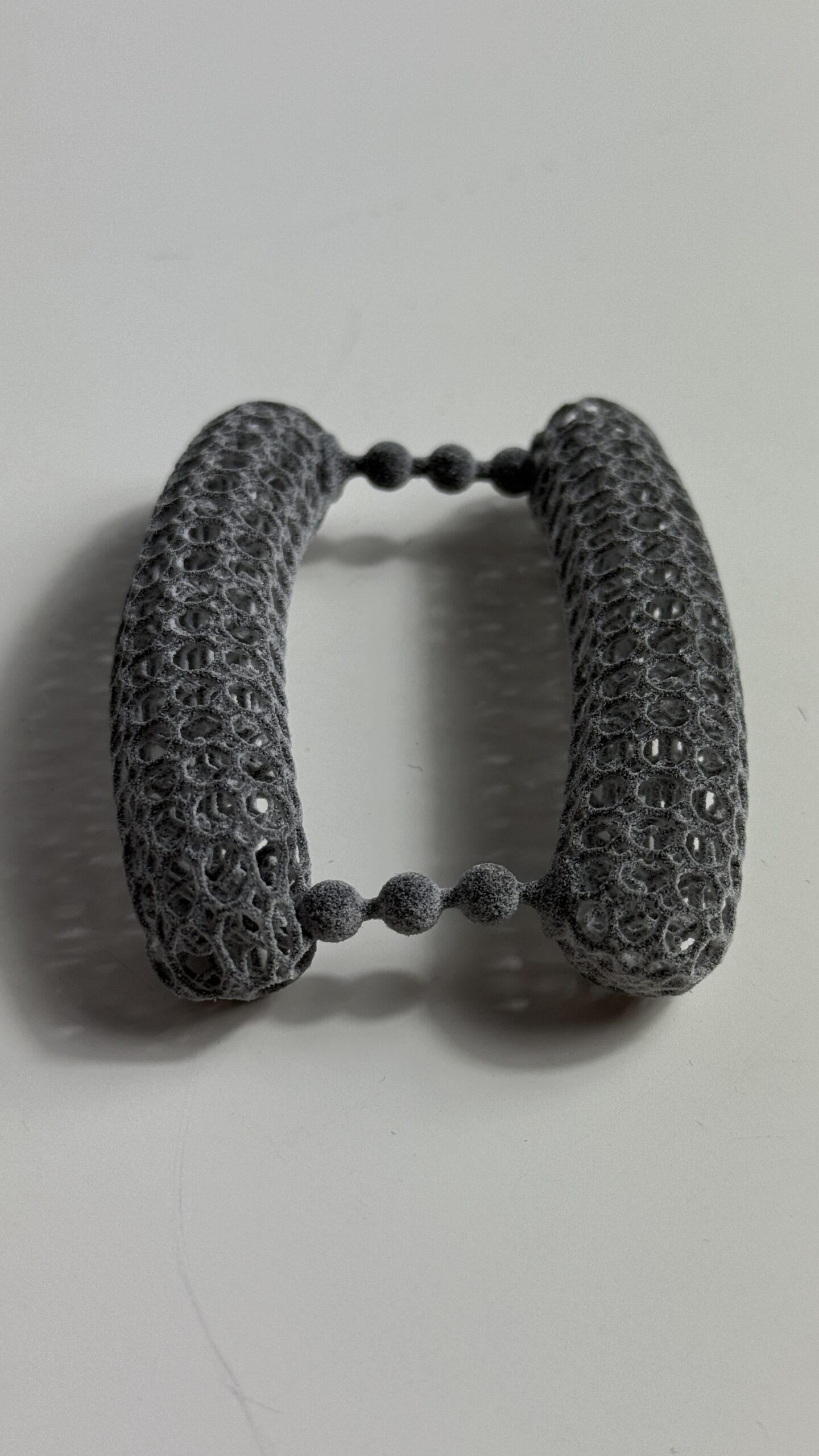
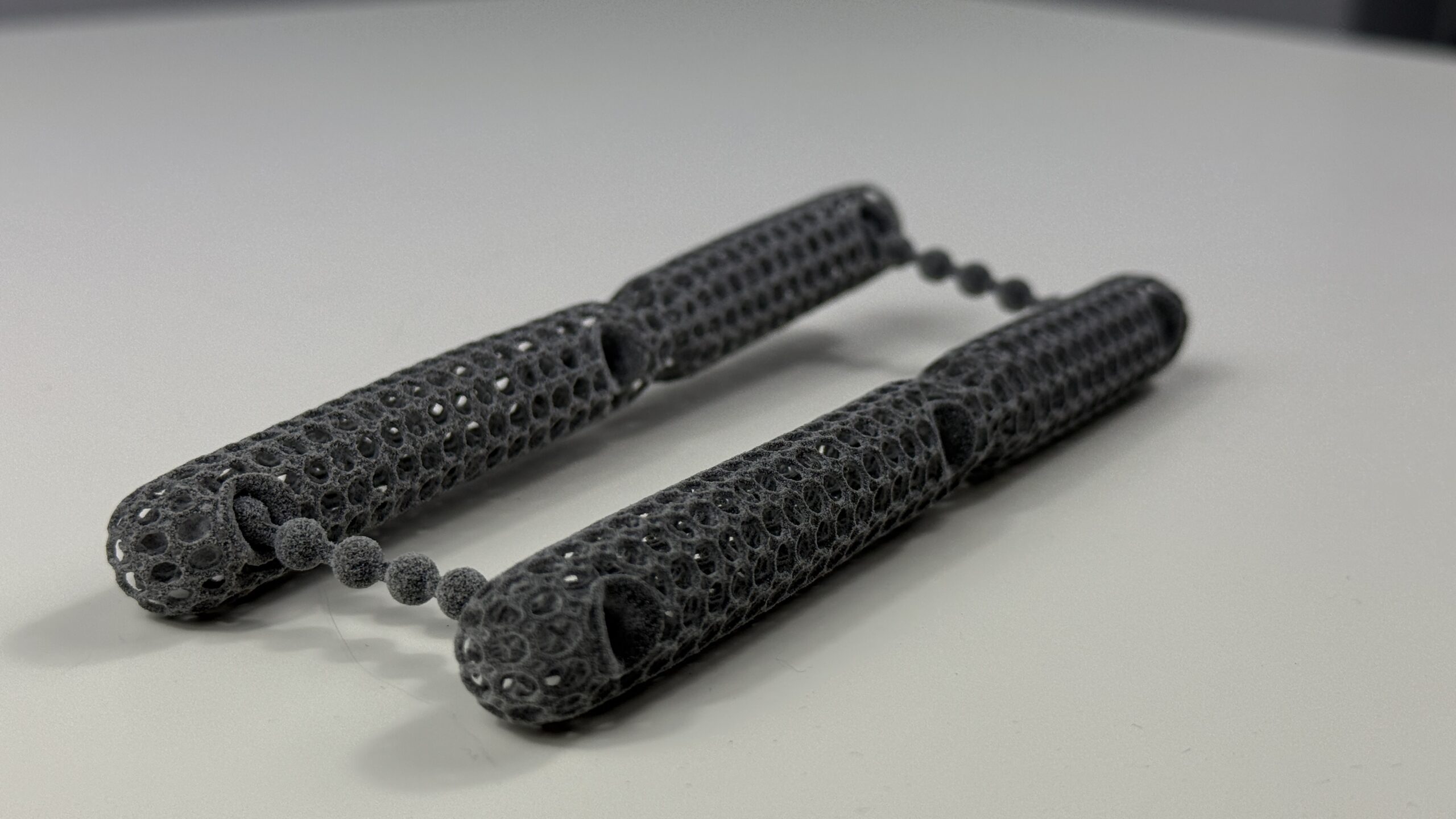
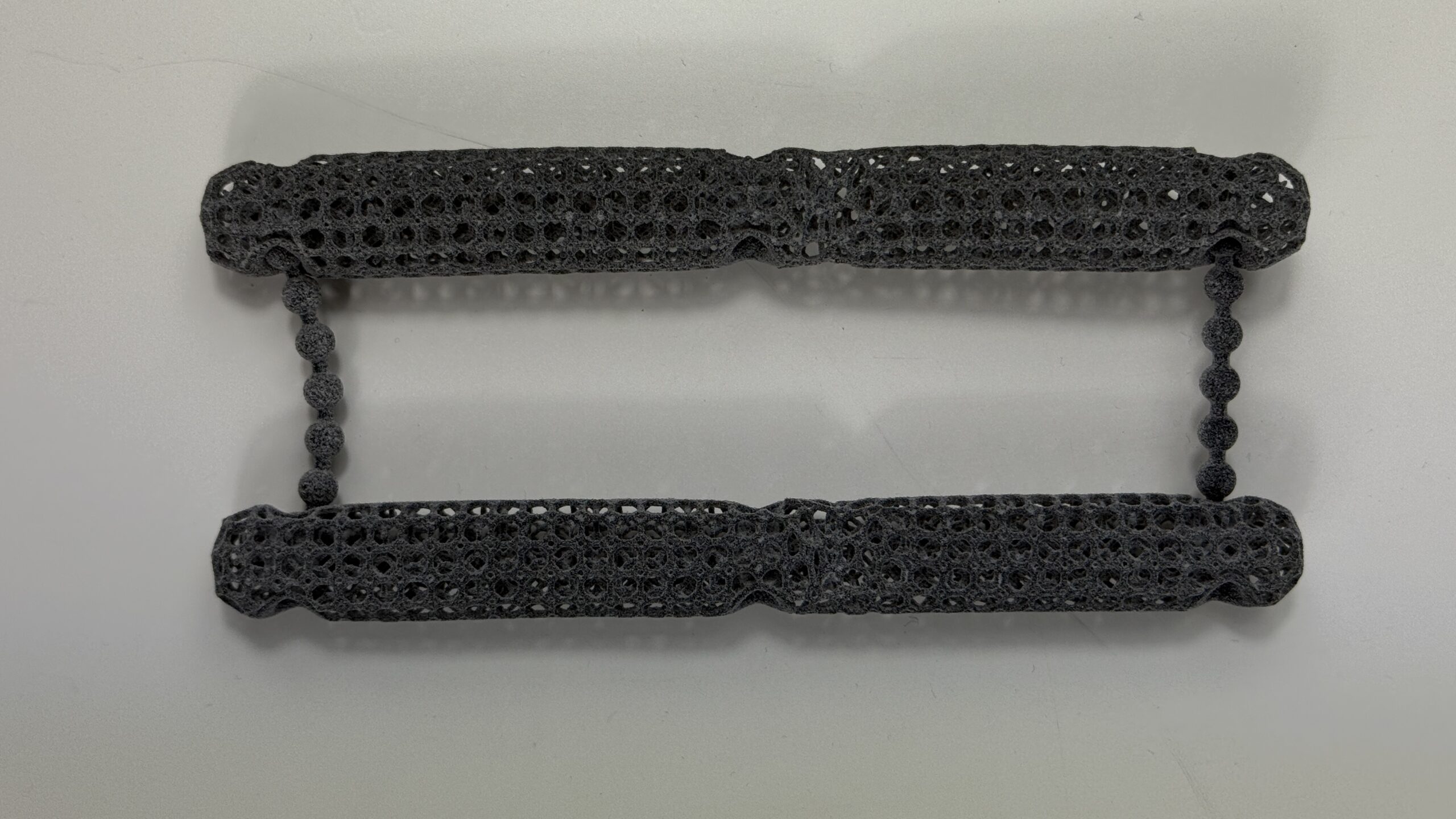
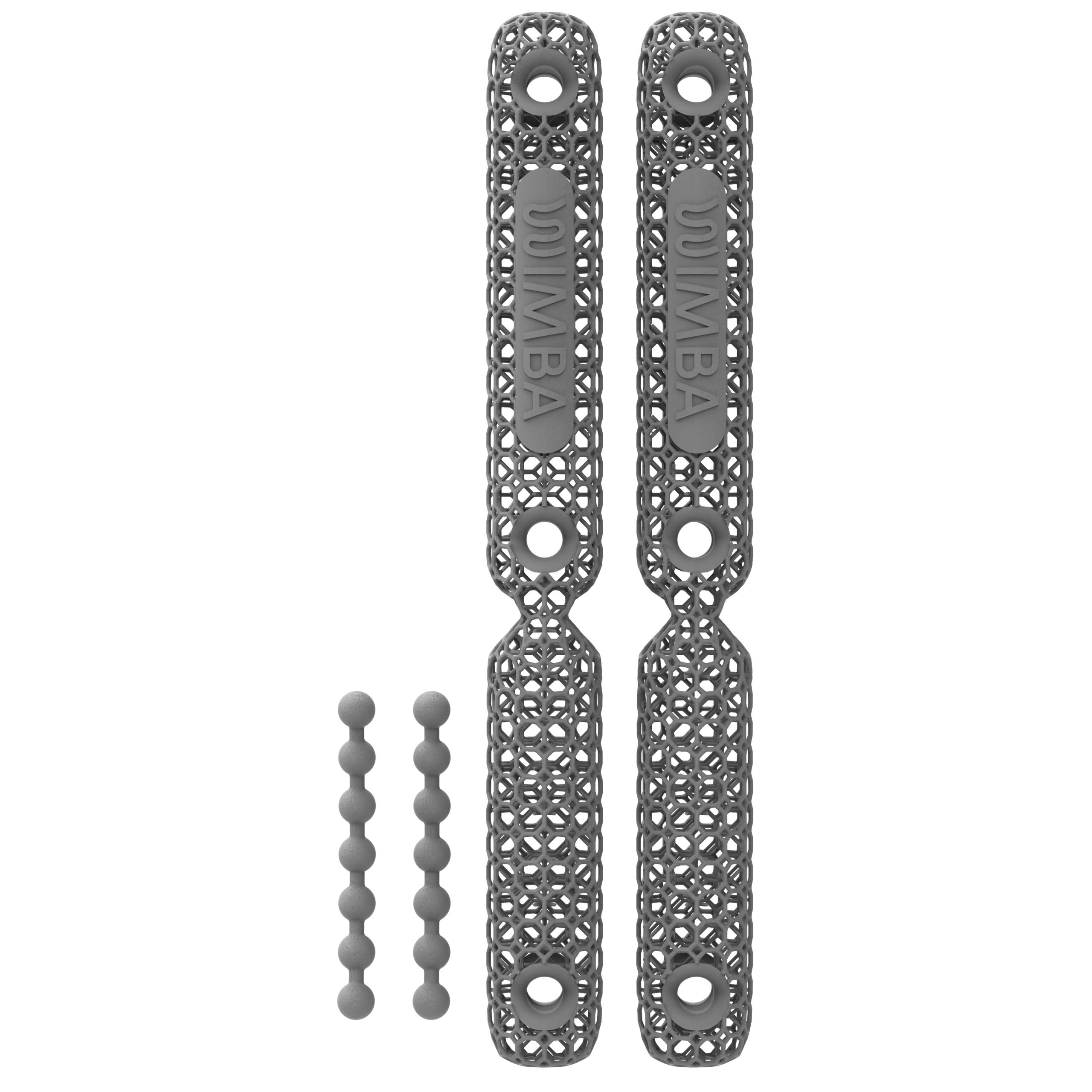
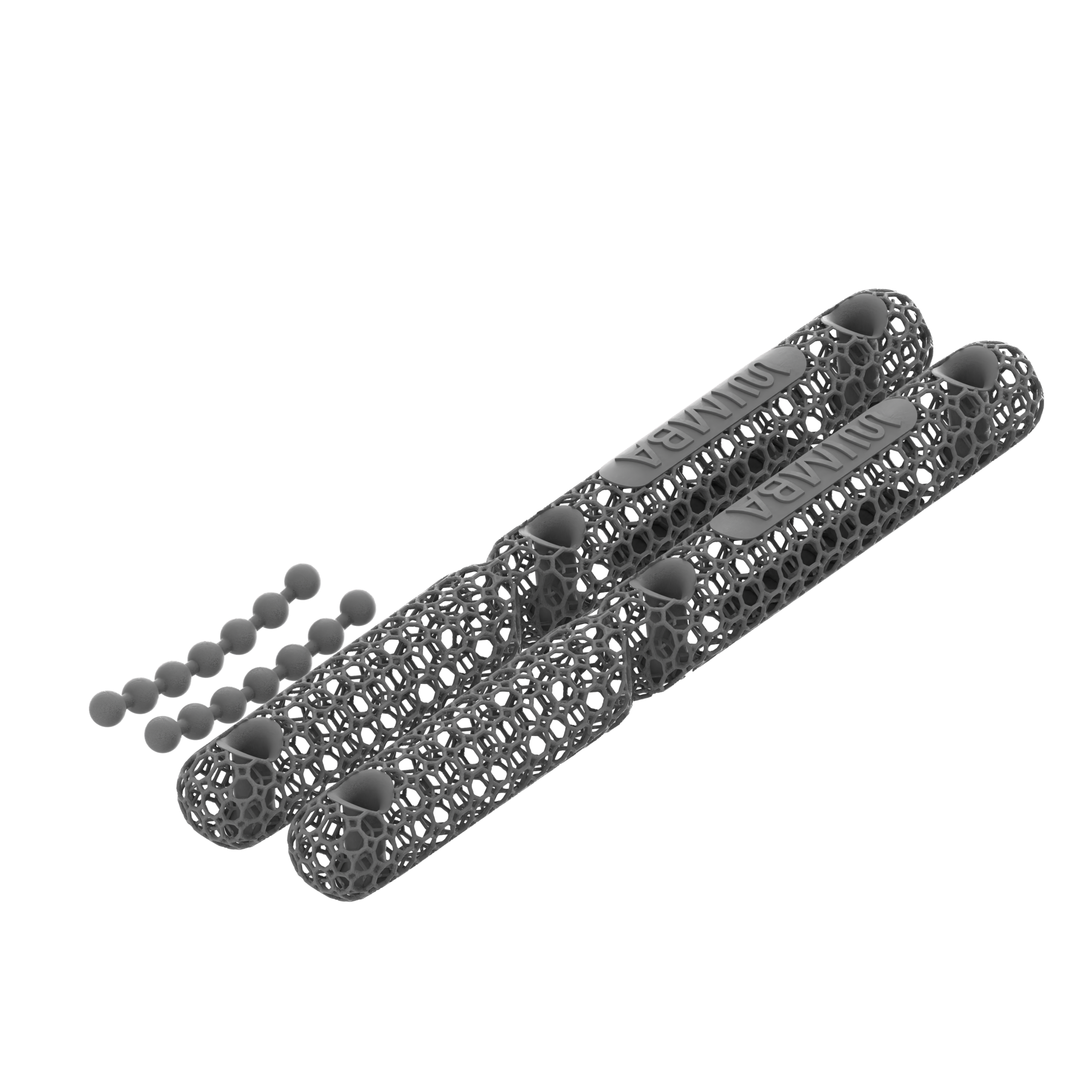
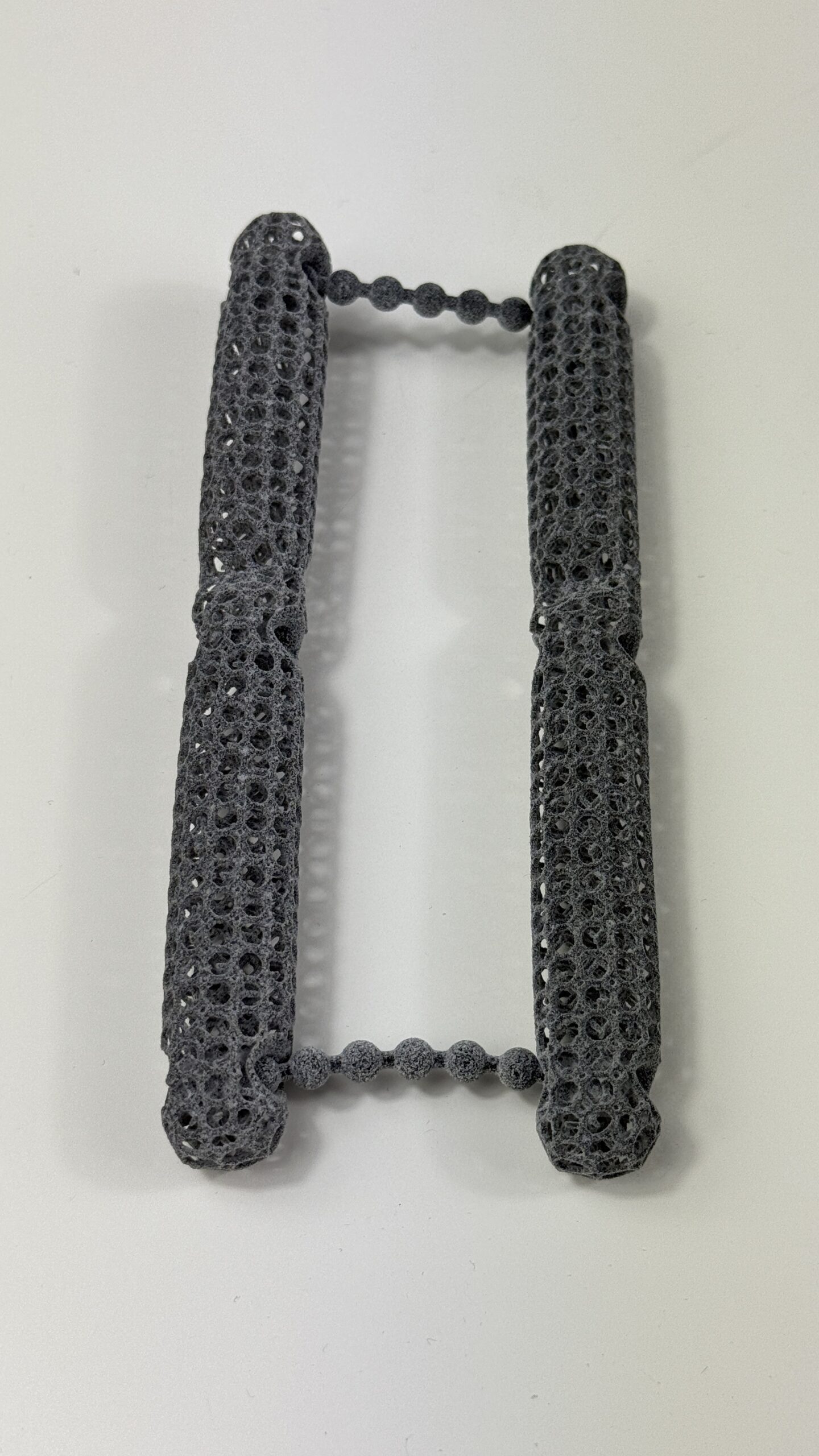
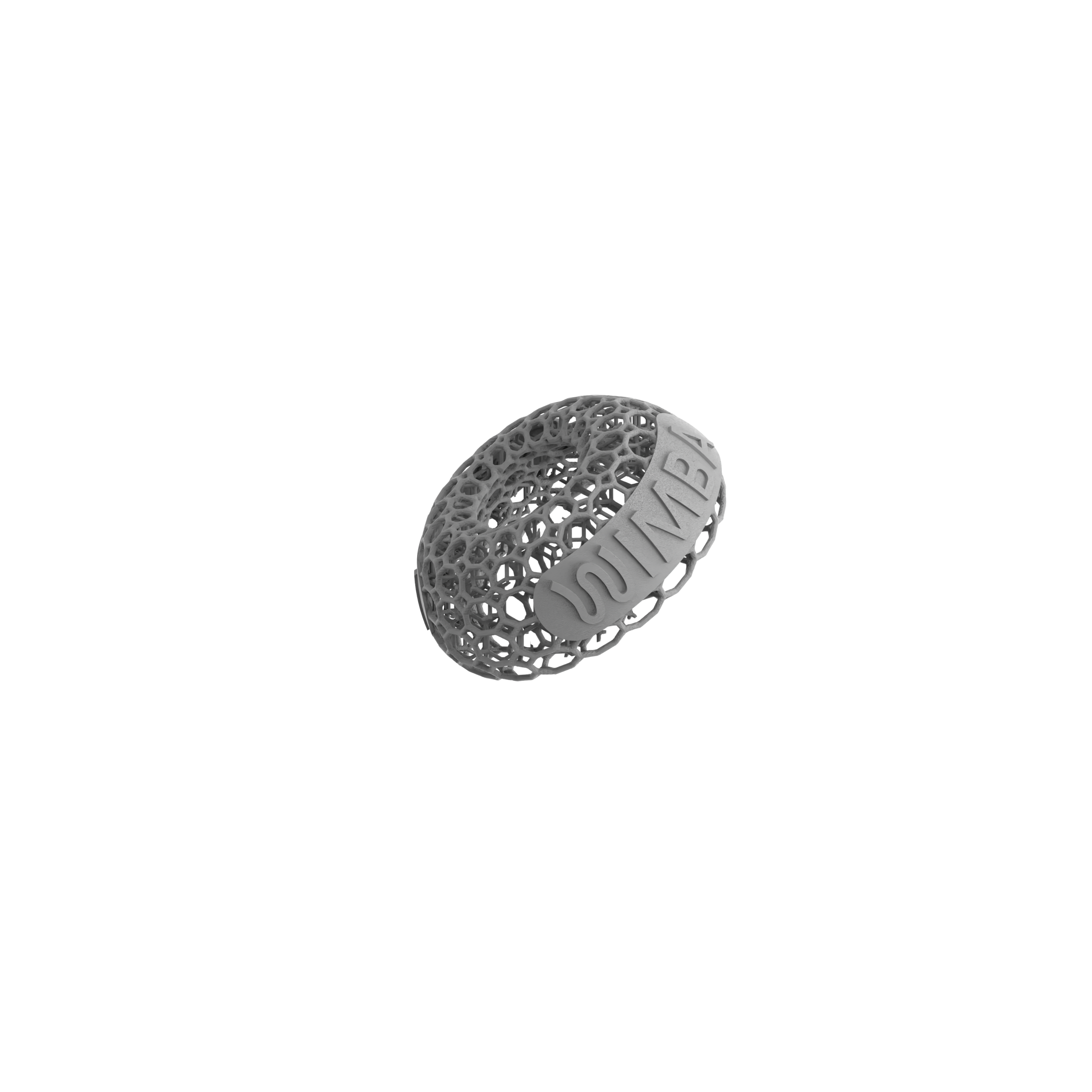
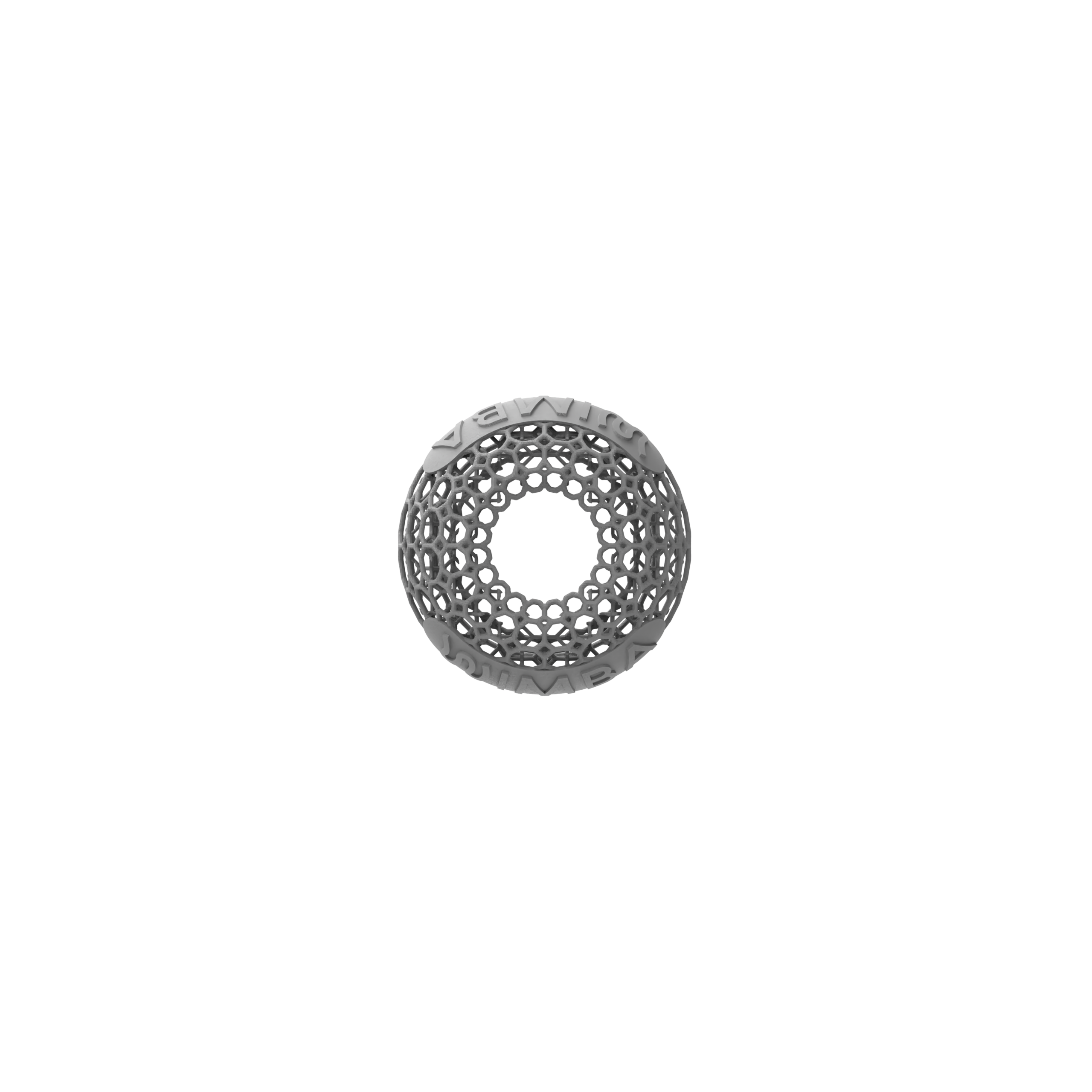
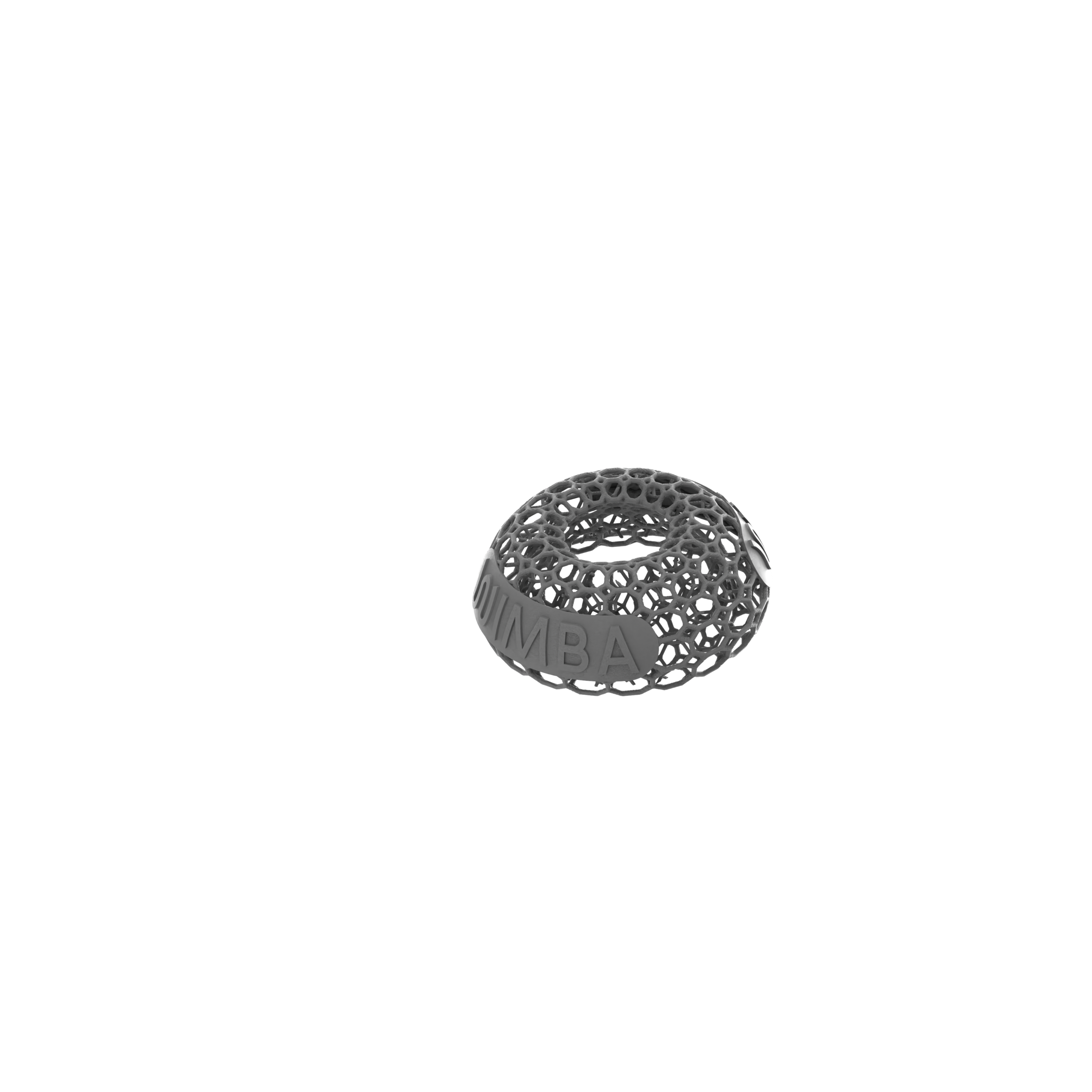
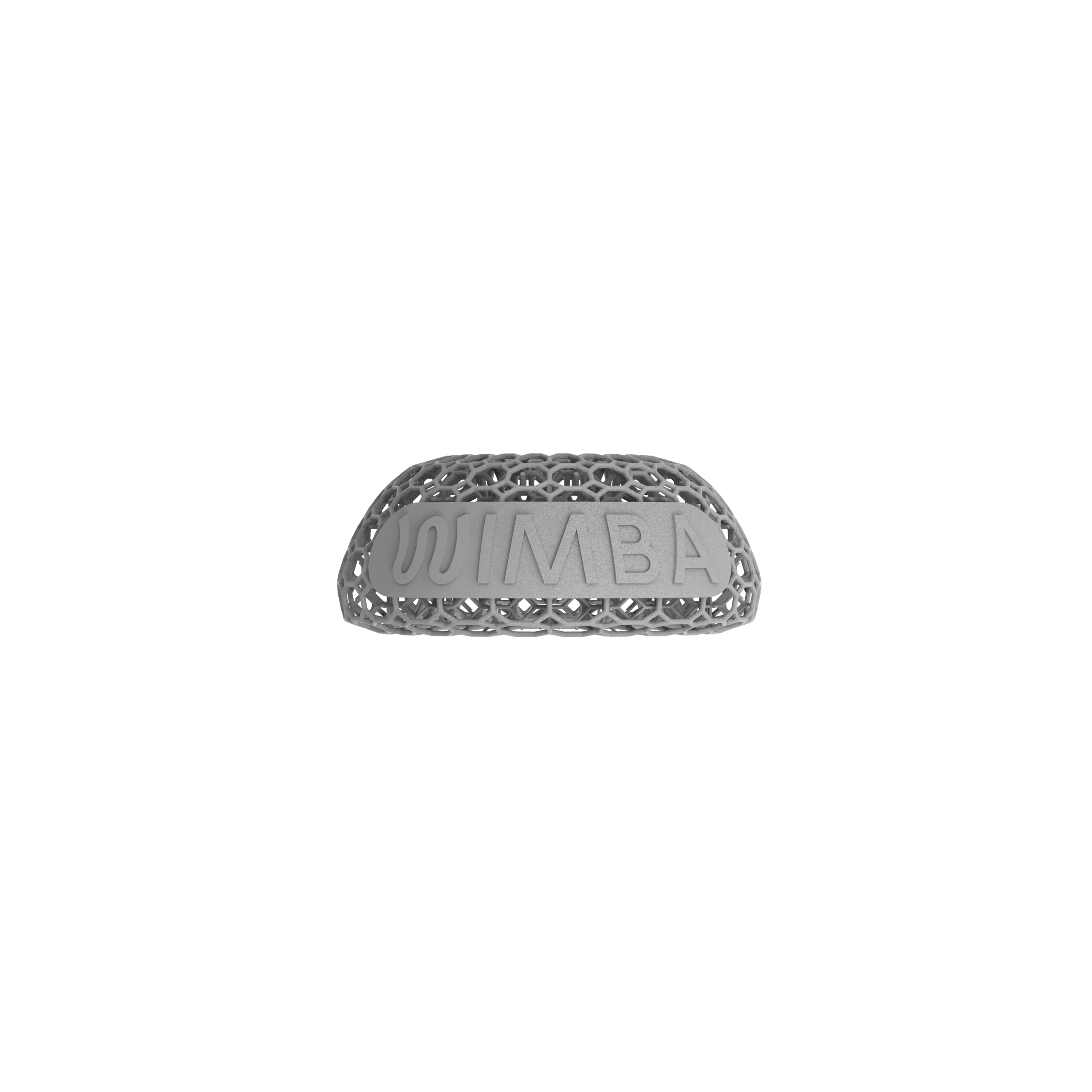
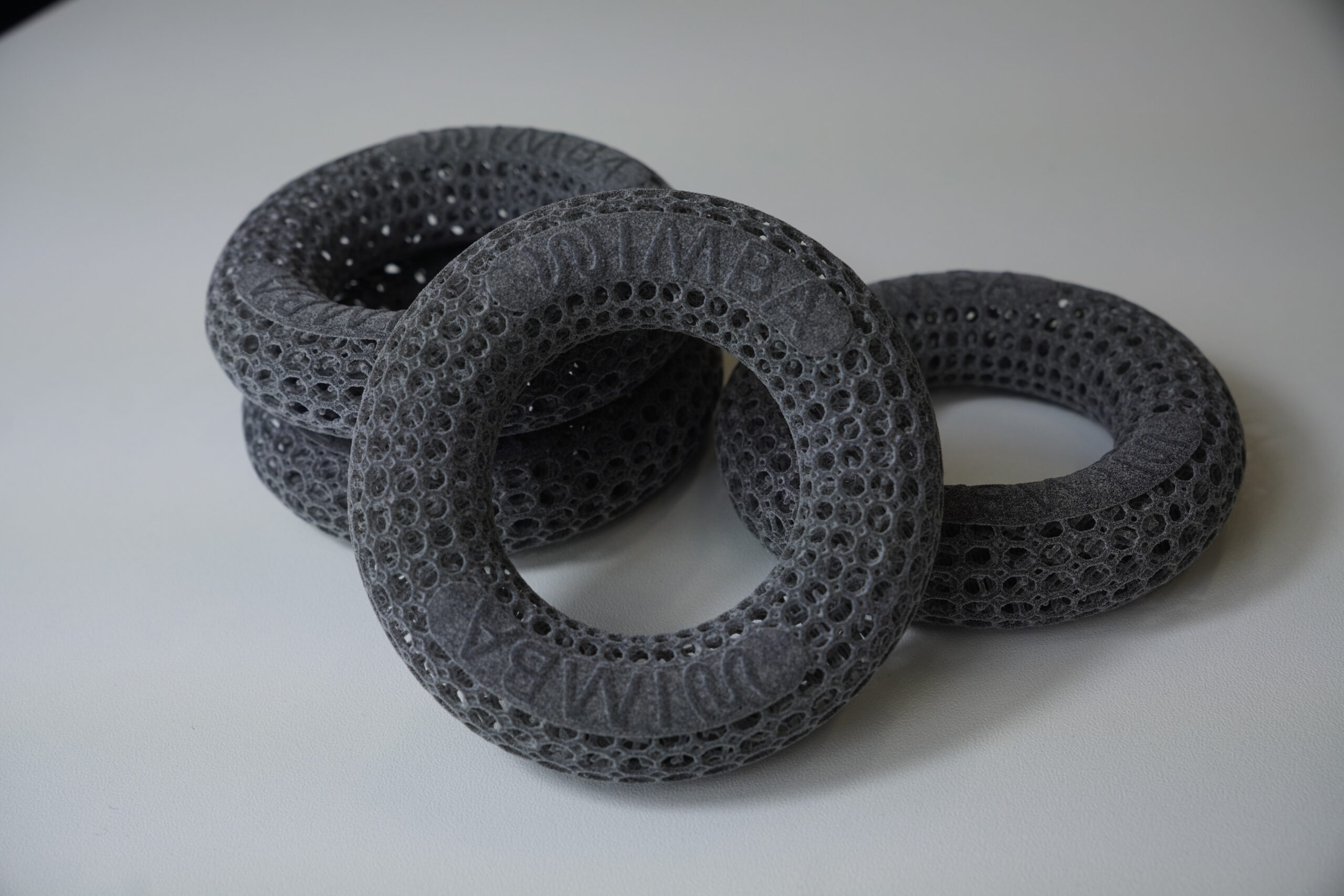
For example, a WIMBA Carpus Orthosis GO may be considered for mild carpal hyperextension, carpal osteoarthritis, selected rehabilitation needs, or another indication chosen by the prescribing clinician. A tripod dog brace should address a defined joint and functional goal. In a tripod patient, the purpose may be remaining limb support during walks or rehabilitation—not full immobilization and not a promise that degeneration will stop.
A specific tool for a specific joint
- Mechanical objective: define which movement or loading pattern the device is intended to influence.
- Functional objective: decide whether support is needed for daily walks, rehabilitation, higher-load activity, or another specific situation.
- Wear objective: establish when the orthosis is worn and when it is removed for rest and skin recovery.
- Review objective: measure comfort, gait, skin condition, and function rather than judging success only by whether the dog accepts the device.
Assessment Before Fitting Tripod Dog Orthotics
Assessment for tripod dog orthotics begins by asking whether a device is needed at all. Not every three-legged dog needs a brace, and not every remaining limb problem is appropriate for GO-level support. Choosing a tripod dog brace requires a primary-care veterinarian, surgeon, or rehabilitation professional to determine whether the change comes from the joint, soft tissues, spine, neurological system, pain elsewhere, or an unsuitable activity plan.
- Amputation pattern: forelimb and hindlimb amputees redistribute load differently, and high versus partial amputation may also affect strategy.
- Orthopedic and neurological examination: pain, range of motion, laxity, muscle condition, reflexes, and joint integrity help localize the problem.
- Existing disease: osteoarthritis, carpal hyperextension, CCL disease, spinal change, or pathology in the sole remaining forelimb materially changes the plan.
- Gait and activity: video at several speeds, surface types, fatigue levels, and daily activities can reveal changes that are absent during a brief clinic walk.
- Body condition: weight management is a central part of tripod dog mobility support because every extra kilogram is carried by three limbs.
- Measurable goals: the team should define what improvement would look like and when the fit and treatment plan will be reviewed.
Tripod Dog Orthotics in Real WIMBA Cases
These patient stories show why case selection must remain individual. They combine tripod dog orthotics with rehabilitation, activity modification, weight management, medical care, or other mobility aids. The reported outcomes are observational and should not be interpreted as controlled proof that another patient will respond in the same way.
Juri: protecting the only remaining forelimb
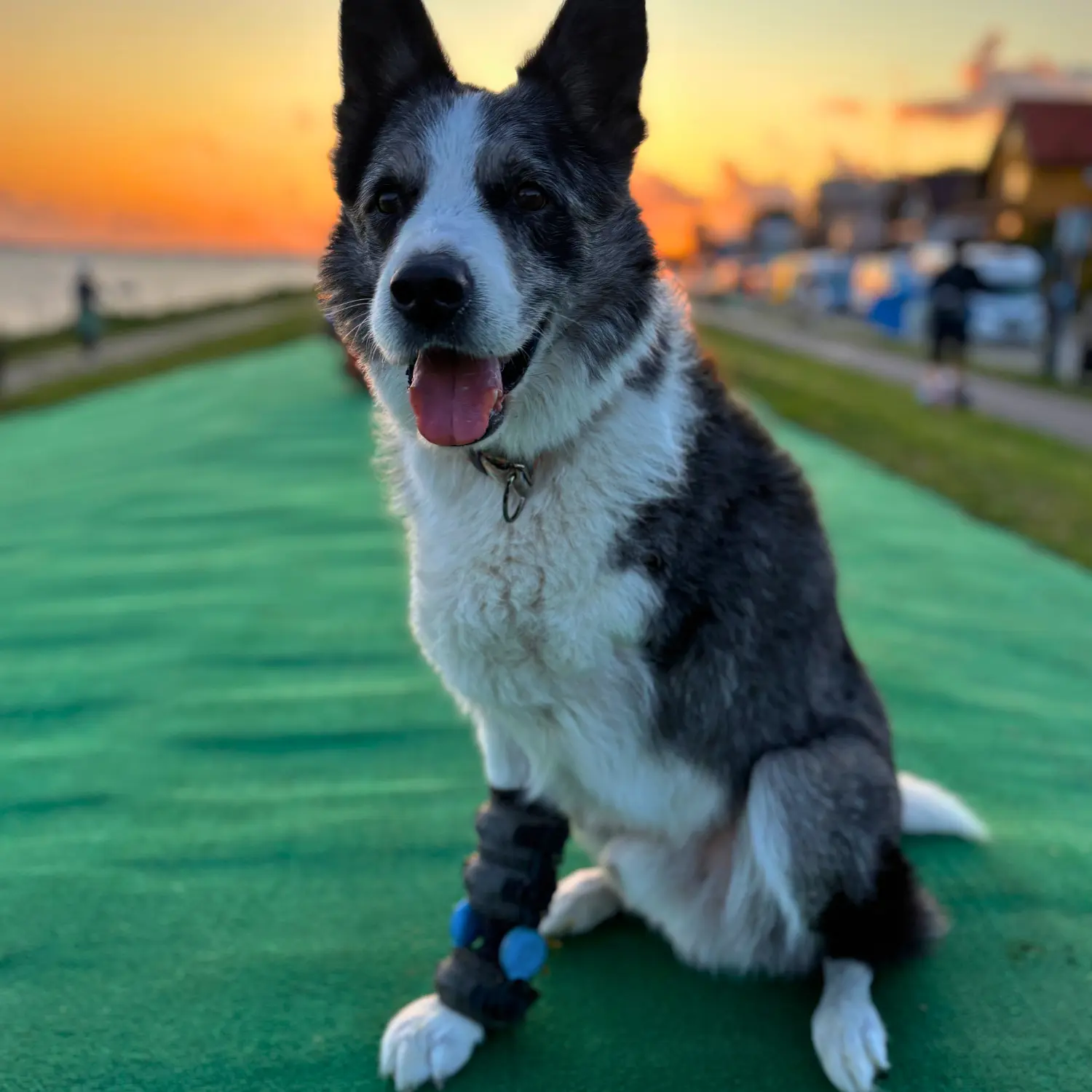
Juri underwent high amputation of the left forelimb after severe carpal disease and osteomyelitis. His right carpus already showed degenerative change and a tendency to hyperextend, so WIMBA Carpus Orthosis GO was fitted for activity support. In his case, a carpal brace for tripod dogs supports the only remaining forelimb during selected activity. His plan also includes controlled exercise, rehabilitation, hydrotherapy, routine skin checks, and ongoing monitoring as that limb continues to carry increased demand.
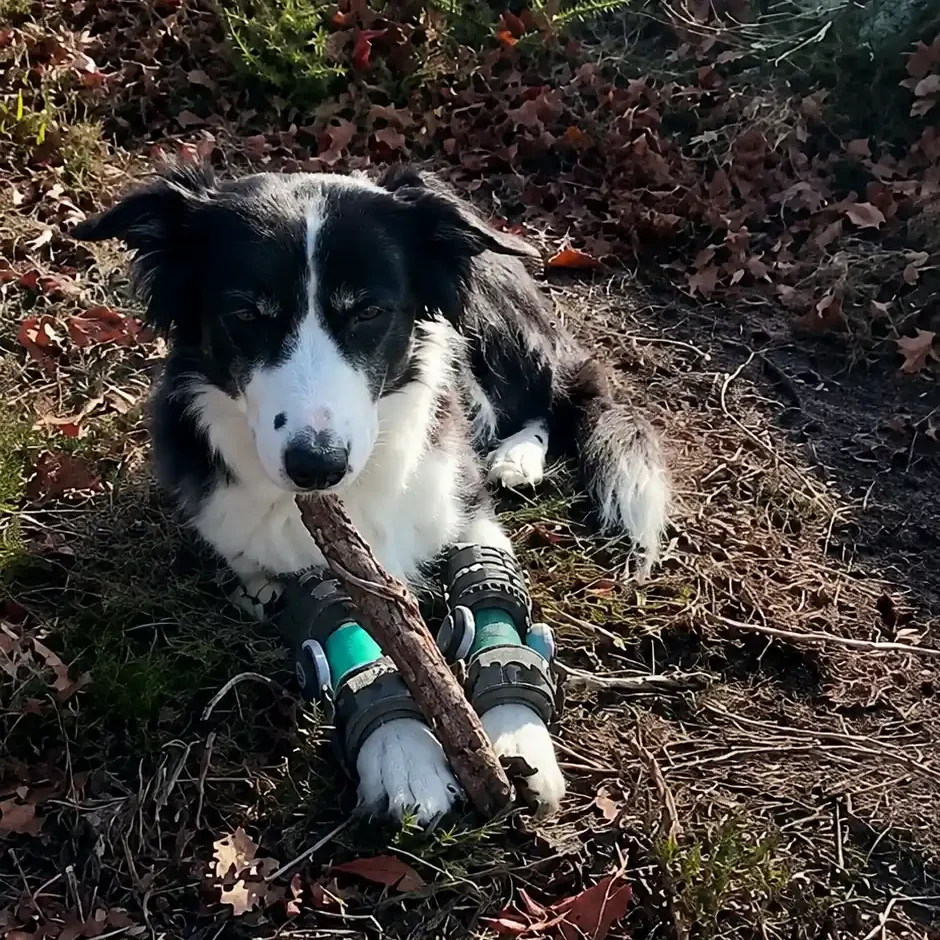
Maia: bilateral forelimb support after hindlimb amputation
Nearly one year after right hindlimb amputation, Maia developed progressive forelimb overload and left carpal hyperextension. Her team selected bilateral WIMBA Carpus Orthoses GO, combined with physiotherapy, home exercises, weight management, a suitable harness, and a wheelchair for longer walks. A gradual introduction and follow-up adjustments were needed before she became comfortable in both braces.
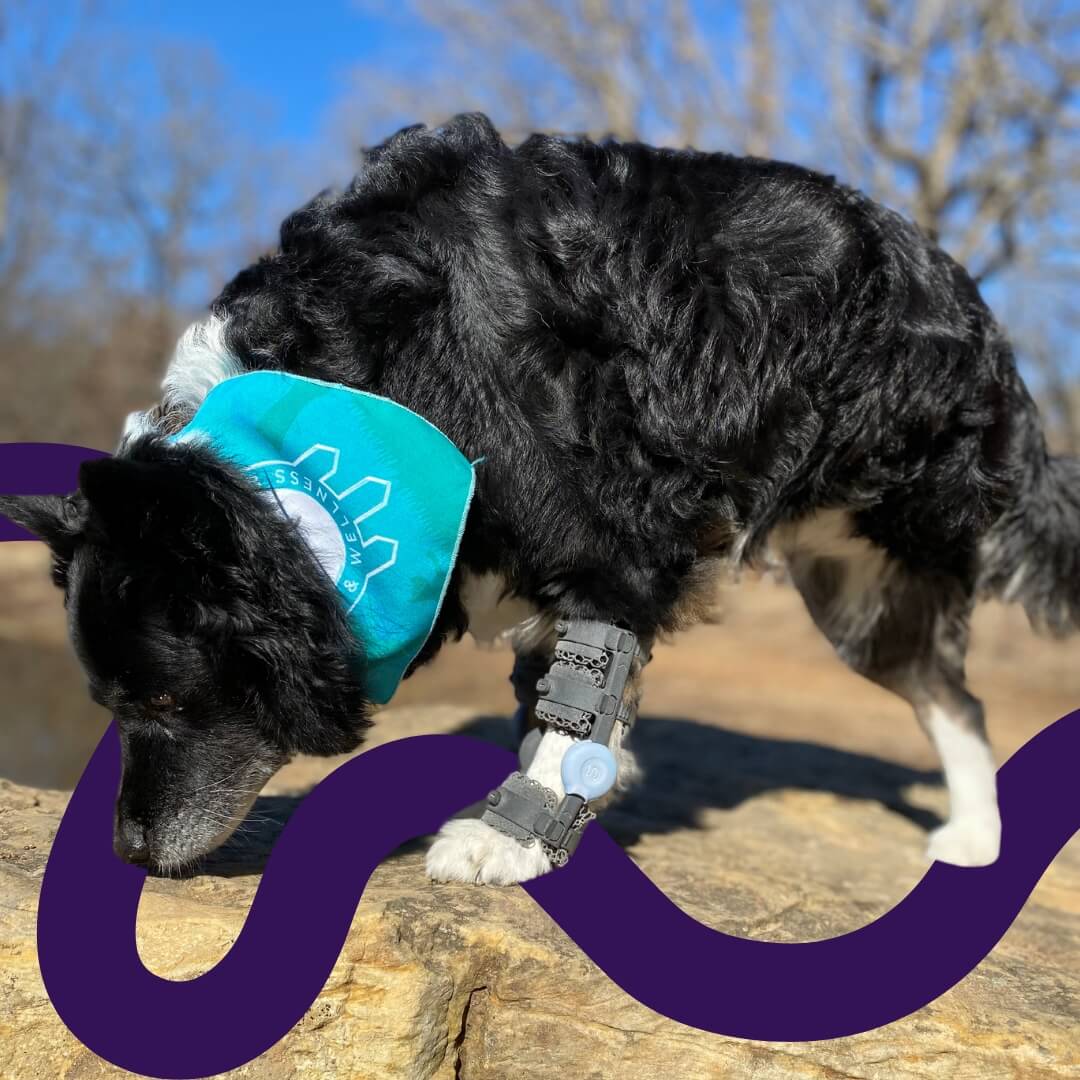
Kalina: long-term compensatory overload
Kalina lost her left hindlimb as a young adult and later developed multiple orthopedic problems, including osteoarthritis, CCL rupture, and bilateral carpal hyperextension. Bilateral WIMBA Carpus Orthoses GO were incorporated into her wider care plan. Her case shows how a carpal brace for tripod dogs may be used bilaterally and how tripod dog orthotics can support a plan involving several remaining joints and movement compensations.
Current WIMBA GO Ordering Process
Ordering tripod dog orthotics through the WIMBA Carpus Orthosis GO workflow no longer requires WimbaSCAN. A veterinary professional orders the device in WimbaAPP using two patient photos and the required guided manual measurements. WimbaSCAN is reserved for selected WIMBA PRO cases. This distinction matters because tripod dog orthotics should be described according to the actual device pathway rather than as one universal scanning process.
- Assess the patient. Identify the joint, diagnosis, loading concern, and clinical objective for the device.
- Consult the case when appropriate. A free case consultation is recommended for a team’s first tripod cases or when suitability is uncertain.
- Collect two photos and the required measurements. WimbaAPP guides the veterinary team through the required patient data.
- Upload and confirm the order. The case information and selected WIMBA Carpus Orthosis GO configuration are submitted in the app.
- Design, production, and quality validation. The device is prepared and manufactured using HP Multi Jet Fusion technology.
- Fit and follow up. The veterinary team checks alignment, comfort, skin contact, function, and the dog’s response before setting the wear plan.
Break-in and skin checks are part of treatment
A prospective canine orthosis study identified skin complications, mechanical device problems, and non-acceptance as important risks; more than half of patients in each device group experienced at least one skin complication during the first three months.7 Tripod dog orthotics therefore require gradual introduction, routine skin inspection, cleaning, fit checks, and prompt review if rubbing, sores, device damage, distress, or worsening gait appears.
Frequently Asked Questions
Does every tripod dog need an orthosis?
No. Many tripod dogs remain comfortable with appropriate exercise, weight management, rehabilitation, and regular veterinary monitoring. Tripod dog orthotics are considered when assessment identifies a specific joint problem or support objective that an orthosis can reasonably address.
What does the research evidence actually show about orthotic bracing in tripod dogs?
Published outcome data, including a 64-dog study, shows that most owners report a good return to quality of life after amputation, but a confident gait can still coexist with measurable load redistribution onto the remaining limbs. That is the evidence base this article works from: bracing decisions should follow biomechanical assessment, not just how a dog appears to be moving.
Can tripod dog orthotics prevent arthritis?
No orthosis can guarantee that arthritis will not develop or progress. A device may support a diagnosed joint and help manage selected movement or loading concerns, but long-term protection also depends on body condition, activity, rehabilitation, existing disease, and regular reassessment.
When should a tripod dog have a mobility assessment?
A baseline assessment after surgical recovery can help document gait, joint health, muscle condition, body weight, and activity goals. Arrange an earlier review if the dog develops stiffness, fatigue, licking, a shortened walk, altered paw placement, hyperextension, lameness, pain, or reluctance to perform familiar activities.
How is WIMBA Carpus Orthosis GO ordered?
A veterinary professional uses WimbaAPP to submit two patient photos and the required guided manual measurements. GO cases do not require WimbaSCAN; scanning is used for selected WIMBA PRO cases. The veterinary team then fits the finished device and manages the wear and follow-up plan.
What problems should I watch for during brace use?
Check for redness, rubbing, hair loss, sores, swelling, moisture, odor, strap or component damage, device movement, refusal to walk, or a worsening gait. Remove the device and contact the veterinary team if any concern appears rather than adjusting the treatment plan independently.
Build a Long-Term Mobility Plan for Your Tripod
Tripod dog orthotics are most useful when they answer a defined clinical need and remain part of a broader plan for weight, strength, activity, comfort, and follow-up. A thoughtful tripod dog brace pathway supports three-legged dog mobility without replacing rehabilitation or routine care. Veterinary teams can request a case review, while owners can explore the WIMBA Tripods pathway or find a trained provider.
Medical disclaimer: This article is intended for general educational purposes only and is not a substitute for veterinary examination, diagnosis, treatment, or rehabilitation planning. WIMBA orthotic devices are selected, fitted, and monitored by qualified veterinary professionals according to the individual patient’s condition. Contact your veterinarian if a tripod dog develops pain, lameness, swelling, skin injury, reduced activity, or a change in gait.
Scientific References
- Dickerson VM, Coleman KD, Ogawa M, et al. Outcomes of dogs undergoing limb amputation, owner satisfaction with limb amputation procedures, and owner perceptions regarding postsurgical adaptation: 64 cases (2005–2012). Journal of the American Veterinary Medical Association. 2015;247(7):786–792. doi:10.2460/javma.247.7.786
- Jarvis SL, Worley DR, Hogy SM, et al. Kinematic and kinetic analysis of dogs during trotting after amputation of a thoracic limb. American Journal of Veterinary Research. 2013;74(9):1155–1163. doi:10.2460/ajvr.74.9.1155
- Cole GL, Millis D. The effect of limb amputation on standing weight distribution in the remaining three limbs in dogs. Veterinary and Comparative Orthopaedics and Traumatology. 2017;30(1):59–61. doi:10.3415/VCOT-16-05-0075
- Filho TG, Rahal SC, Kano WT, et al. Gait analysis of amputee dogs using a pressure-sensitive walkway. Veterinary and Comparative Orthopaedics and Traumatology. 2024;37(4):189–195. doi:10.1055/s-0044-1779727
- Rodríguez O, Regueiro-Purriños M, Figueirinhas P, et al. Dynamic and postural changes in forelimb amputee dogs: a pilot study. Animals. 2024;14(13):1960. doi:10.3390/ani14131960
- Hogy SM, Worley DR, Jarvis SL, et al. Kinematic and kinetic analysis of dogs during trotting after amputation of a pelvic limb. American Journal of Veterinary Research. 2013;74(9):1164–1171. doi:10.2460/ajvr.74.9.1164
- Rosen S, Duerr FM, Elam LH. Prospective evaluation of complications associated with orthosis and prosthesis use in canine patients. Frontiers in Veterinary Science. 2022;9:892662. doi:10.3389/fvets.2022.892662