 Skip to content

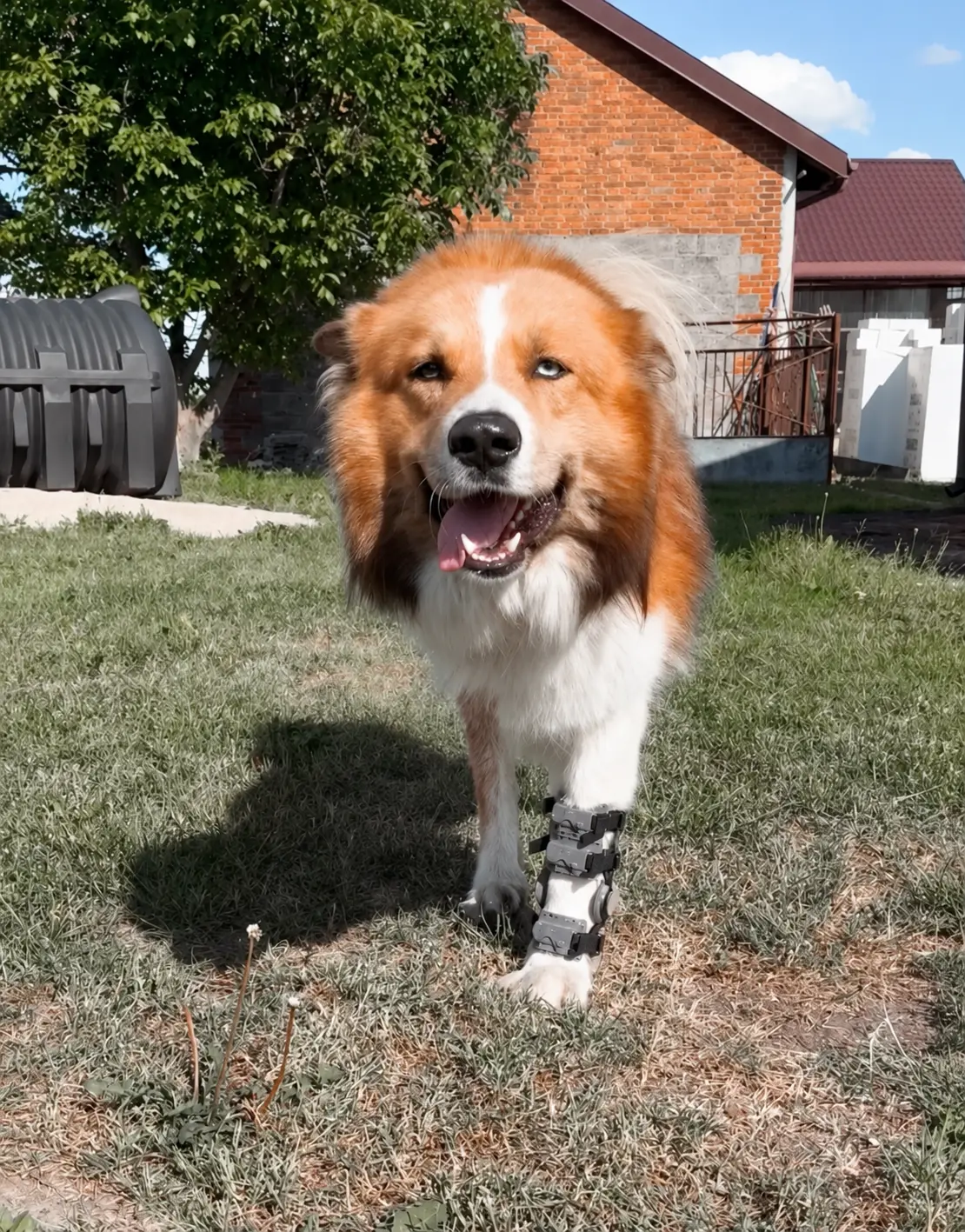
Not every tripod dog needs the same orthosis, because not every tripod dog overloads the same joint. This guide works through orthotics for three-legged dogs joint by joint: which remaining limb and which specific joint (carpus, tarsus, stifle, or spine) is affected after a given amputation, and which device actually addresses that. A veterinary assessment can identify early instability, altered loading, or fatigue before these changes have a greater effect on daily mobility, and the right orthosis follows from that assessment rather than a one-size-fits-all choice.
This clinical guide explains what gait research shows, when orthotics for three-legged dogs may be considered, and how a carpal brace for tripod dogs can support the remaining front limb. It also outlines WIMBA’s clinician-led ordering, fitting, and monitoring pathway for patient-specific devices manufactured with HP Multi Jet Fusion technology.
Looking for something more specific? This guide explains joint-specific orthotic options for three-legged dogs. For the step-by-step veterinary assessment and fitting process, see Three-Legged Dog Mobility Support. For WIMBA patient stories and the current ordering process, see Tripod Dog Orthotics and Mobility Support.
What Are Orthotics for Three-Legged Dogs?
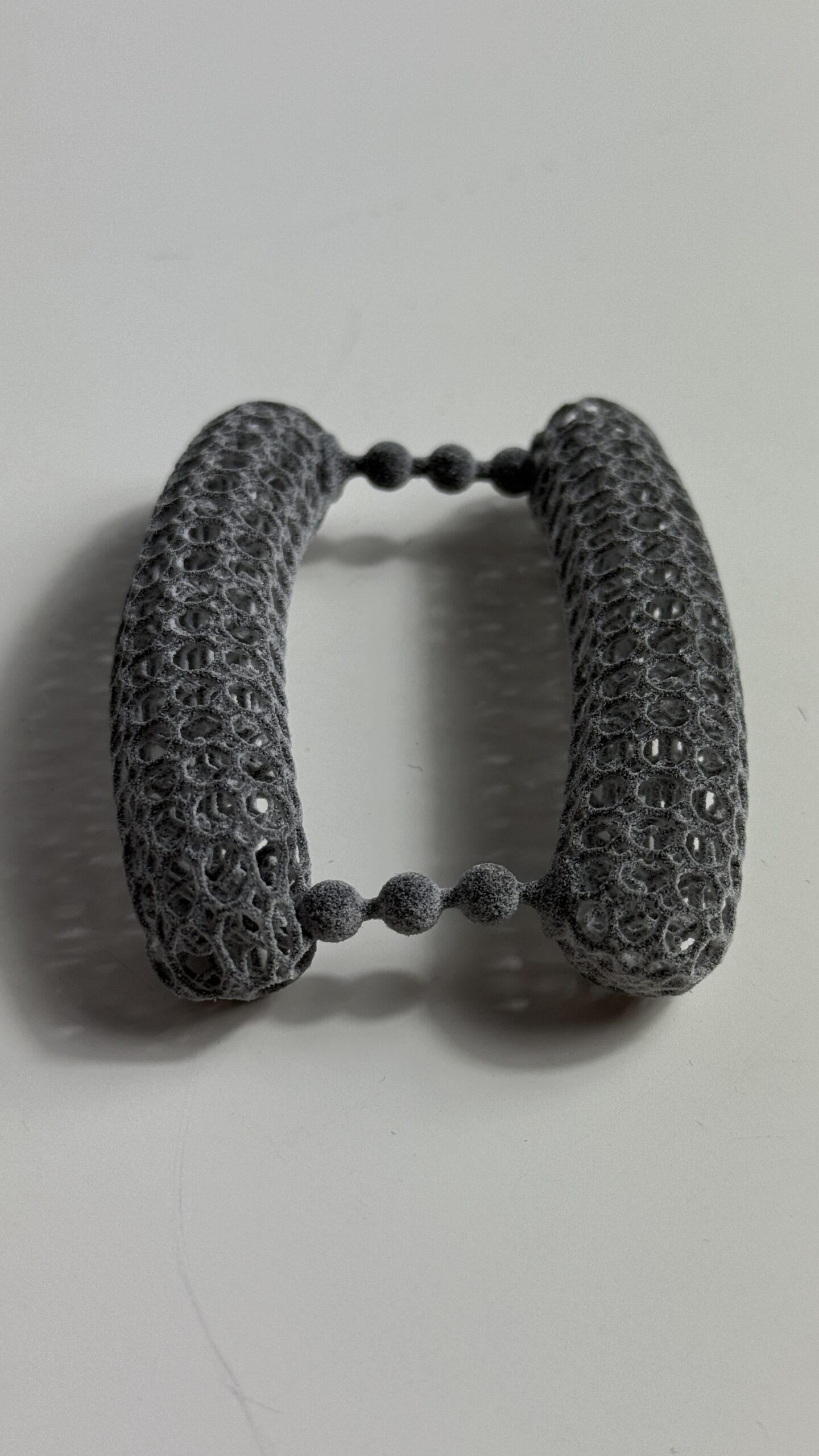
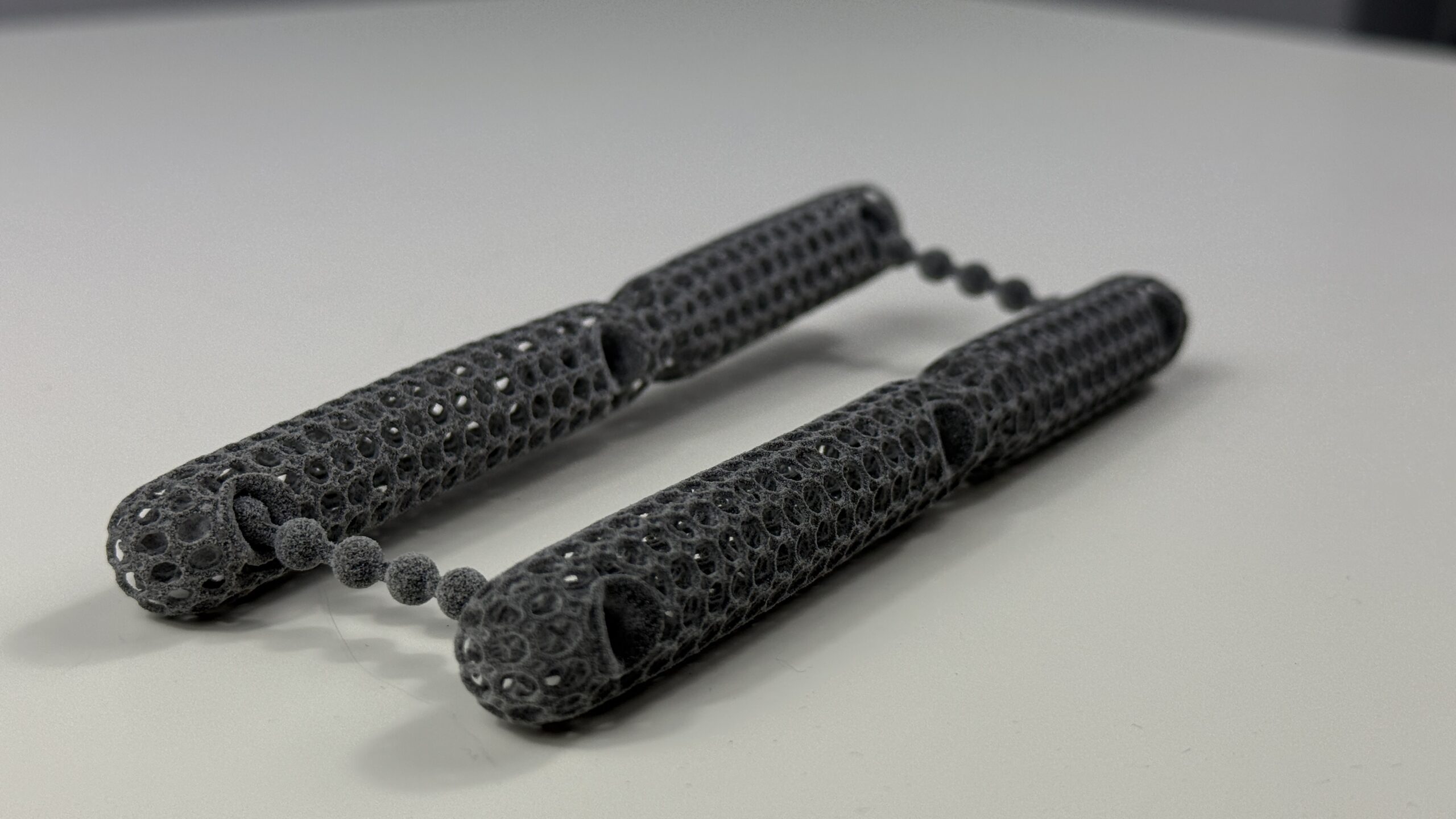
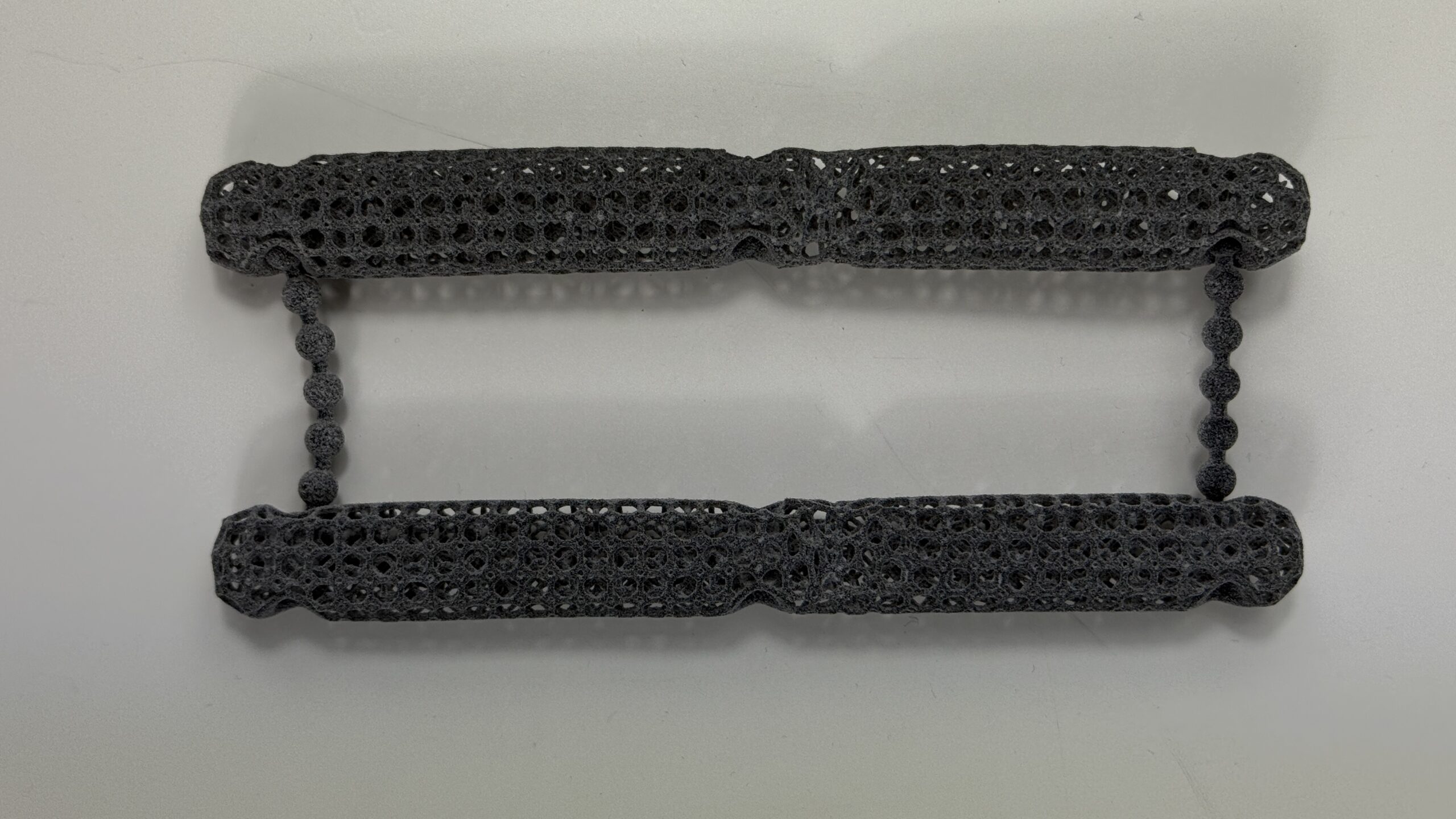
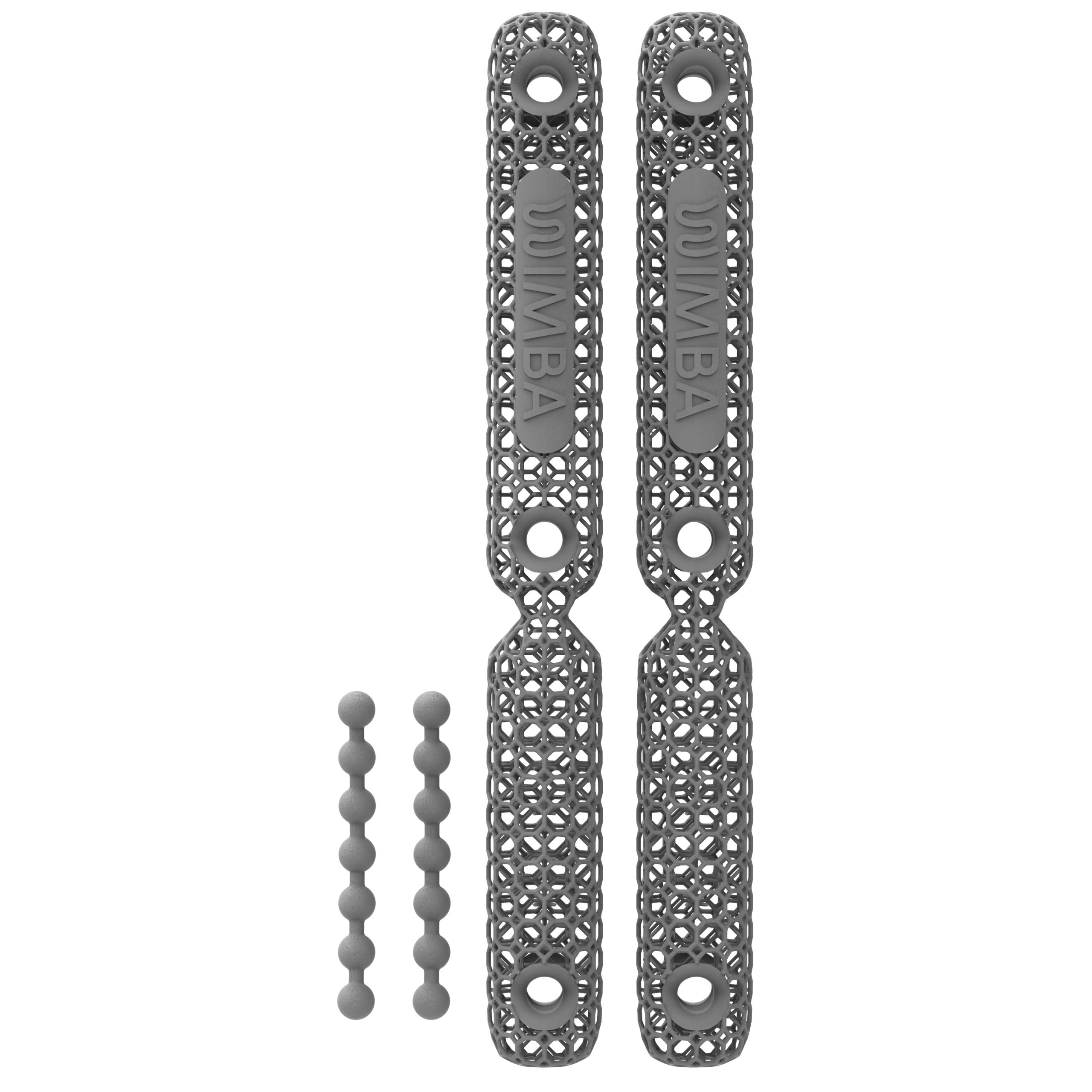
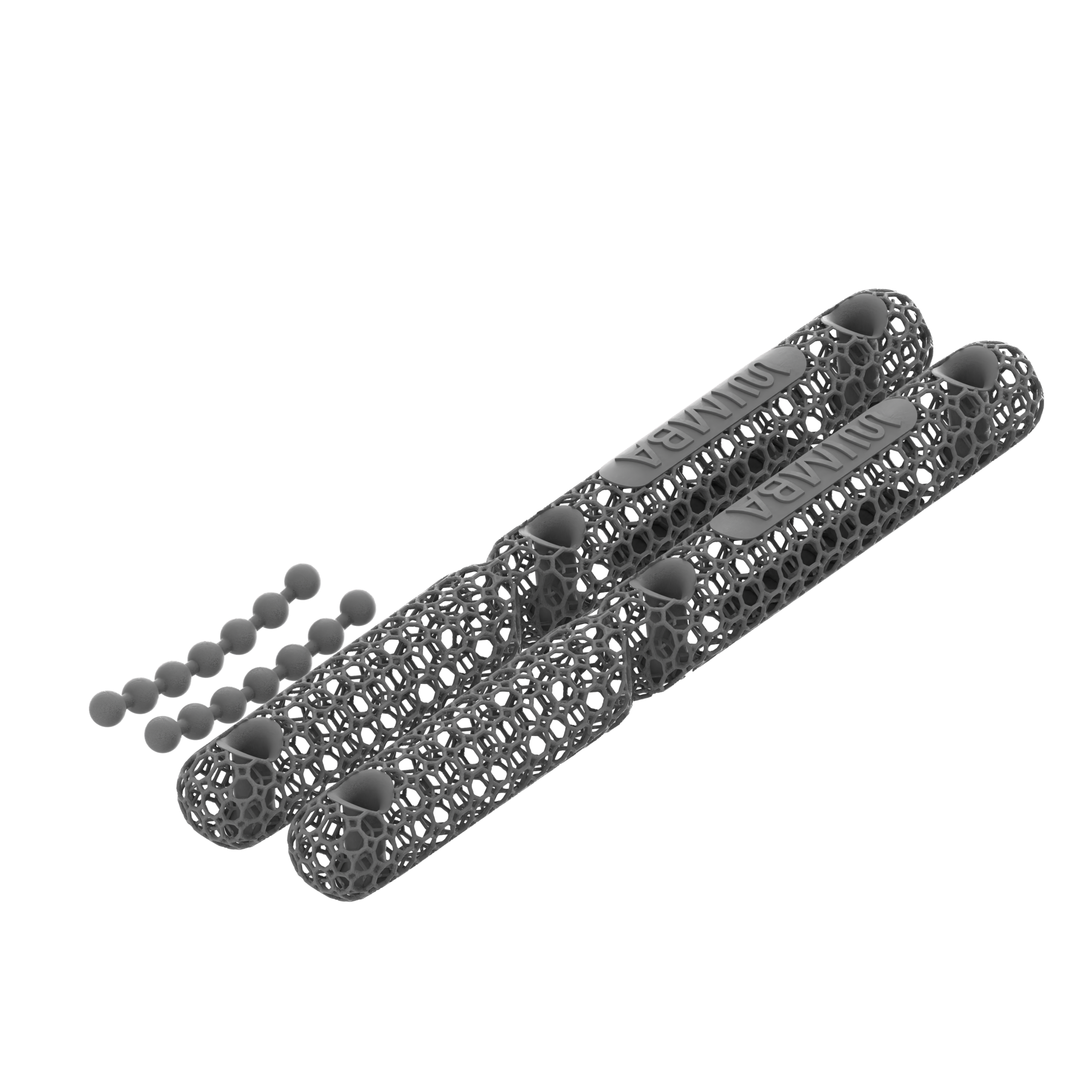
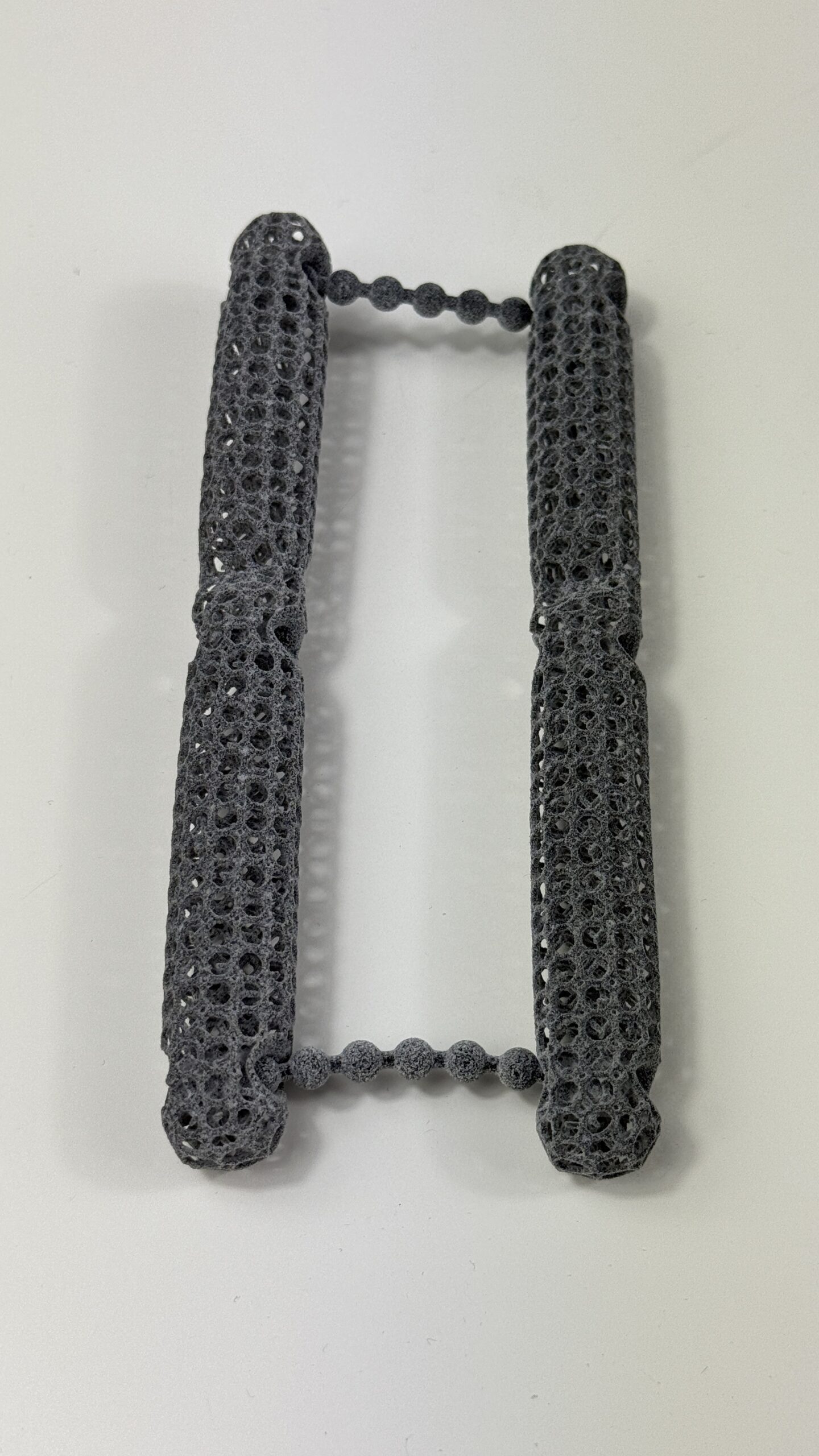
Orthotics for three-legged dogs are external medical devices applied to an existing limb. They do not replace the amputated limb. Instead, an orthosis can support a specific joint, limit movement in a prescribed plane, or guide controlled motion during selected activities. The target may be the carpus, tarsus, or stifle, depending on the diagnosis and the movement that requires control.
A custom orthosis for three-legged dogs is created from individual patient data rather than selected only by body weight or a generic size chart. Patient-specific design can account for limb circumference, segment length, joint position, contact areas, and the required range of motion. Customisation does not remove the need for a fitting appointment, gradual introduction, skin checks, and outcome-based follow-up.
Orthotic support for tripod dogs may help the clinical team to:
- Support a carpal, tarsal, or stifle joint with documented instability
- Limit excessive movement in a defined plane during controlled activity
- Introduce external support when subtle compensation or fatigue is identified
- Integrate joint protection with a structured rehabilitation programme
- Monitor a measurable goal such as joint position, gait quality, or activity tolerance
An orthosis cannot reverse cartilage loss, repair a ruptured ligament, or guarantee prevention of future disease. The purpose of orthotics for three-legged dogs is to address an identified mechanical need while supporting comfortable, controlled movement. Surgical assessment should not be delayed when surgery is the recommended treatment.
How Limb Amputation Changes Canine Gait
Dogs can adapt remarkably well to life on three limbs, but adaptation requires measurable changes in weight distribution, stance time, joint motion, and spinal movement. These changes differ after front limb and hind limb amputation. They also vary with amputation level, body size, conformation, speed, surface, concurrent disease, and time since surgery. For this reason, planning orthotics for three-legged dogs begins with the individual gait pattern.
In a force-platform study of 16 dogs after thoracic limb amputation, weight distribution during trotting increased by 14% on the remaining front limb and by a combined 17% on the pelvic limbs compared with four-limbed controls. The remaining carpus also showed greater flexion during stance.[1] This provides a biomechanical rationale for monitoring the remaining carpus and considering a carpal brace for tripod dogs when examination identifies instability or a need for additional control.
After pelvic limb amputation, another study found increased propulsive forces and impulses in the remaining hind limb, increased braking force in the contralateral front limb, and greater range of motion at the remaining tarsal joint.[2] Therefore, orthotics for three-legged dogs should be selected according to the patient’s individual compensation pattern rather than from the location of the missing limb alone.
What the Evidence Shows About Tripod Patients
Standing weight distribution was evaluated in ten dogs with a previous front limb amputation and ten with a previous hind limb amputation. In both groups, the contralateral front limb showed the largest mean increase in weight-bearing. The authors concluded that proactive monitoring of orthopaedic disease in this limb may be advisable.[3] This finding is directly relevant when assessing orthotics for three-legged dogs after either amputation pattern.
A 2024 pilot study compared five French Bulldogs following front limb amputation with five four-limbed controls. The amputee group showed altered vertical and braking forces, paw pressure, and paw placement. Because the sample was small and breed-specific, the results should not be treated as universal thresholds, but they add evidence that apparently well-adapted dogs can retain distinct loading patterns.[4]
A further 2024 study evaluated 39 amputee dogs with a pressure-sensitive walkway. After front limb amputation, the contralateral front limb carried 50.7% of body weight in the high-amputation group and 55.5% in the low-amputation group during the study’s walking trials.[5] These figures describe the studied populations and should not be assumed for every patient receiving orthotics for three-legged dogs.
Together, these studies support regular assessment and an individual plan for orthotics for three-legged dogs. They do not prove that routine bracing prevents osteoarthritis, CCL rupture, or another future injury. The evidence supports the loading problem; the decision to prescribe tripod dog orthotics still depends on examination, diagnosis, and a defined functional goal.
When to Assess a Tripod Dog for an Orthosis
Assessment can begin before amputation when the condition and surgical plan allow, establishing the health of the remaining limbs and identifying pre-existing joint disease. After surgery, planned rechecks create opportunities to recognise changes in posture, limb position, strength, and activity tolerance. There is no evidence-based rule that every patient should receive orthotics for three-legged dogs at a fixed number of weeks or months.
Consider a focused orthotic assessment when a tripod patient shows:
- Visible carpal hyperextension, tarsal drop, or mediolateral instability
- New or recurrent lameness in a remaining limb
- Shorter walks, earlier fatigue, stiffness, or reluctance during usual activities
- A changed stance, altered paw placement, or progressive weight shifting
- A diagnosed carpal, tarsal, or stifle condition requiring external control
- A rehabilitation goal that requires joint-specific support during activity
Subtle changes are clinically relevant because the remaining limbs have less capacity to compensate for a new painful or unstable joint. Early evaluation can identify patients suitable for orthotic support for tripod dogs while the condition is still mild. It can also reveal problems that require imaging, medication, surgery, or modification of the rehabilitation plan instead. This diagnostic step keeps orthotics for three-legged dogs tied to a clear clinical indication.
Joint-Specific Orthotics for Three-Legged Dogs
The most suitable device is determined by the joint and plane of instability, not simply by the fact that the patient is a tripod. WIMBA offers Go and Pro pathways with different data requirements and indications. A custom orthosis for three-legged dogs should match the current WIMBA product criteria as well as the treating professional’s prescription.
Carpal Brace for Tripod Dogs
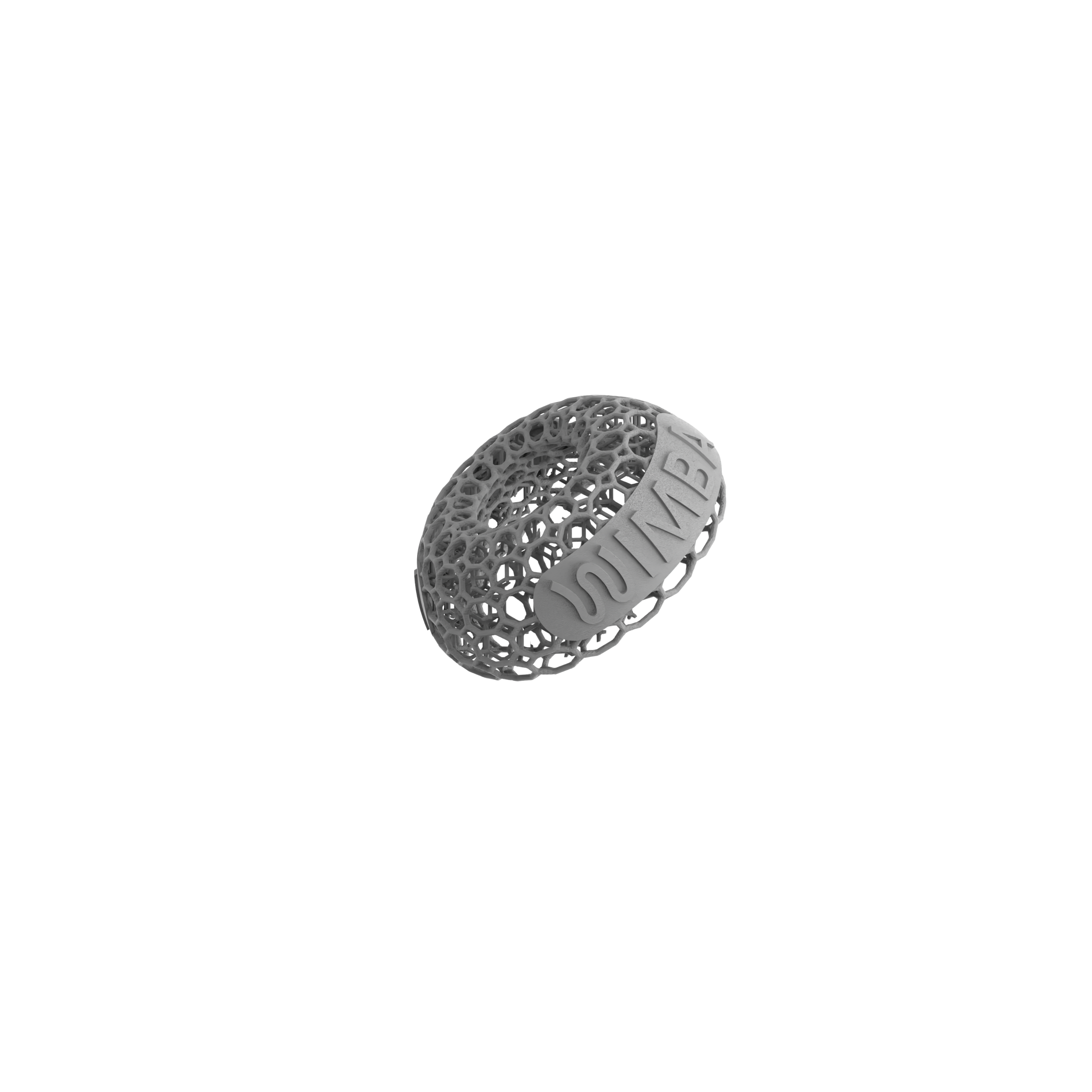
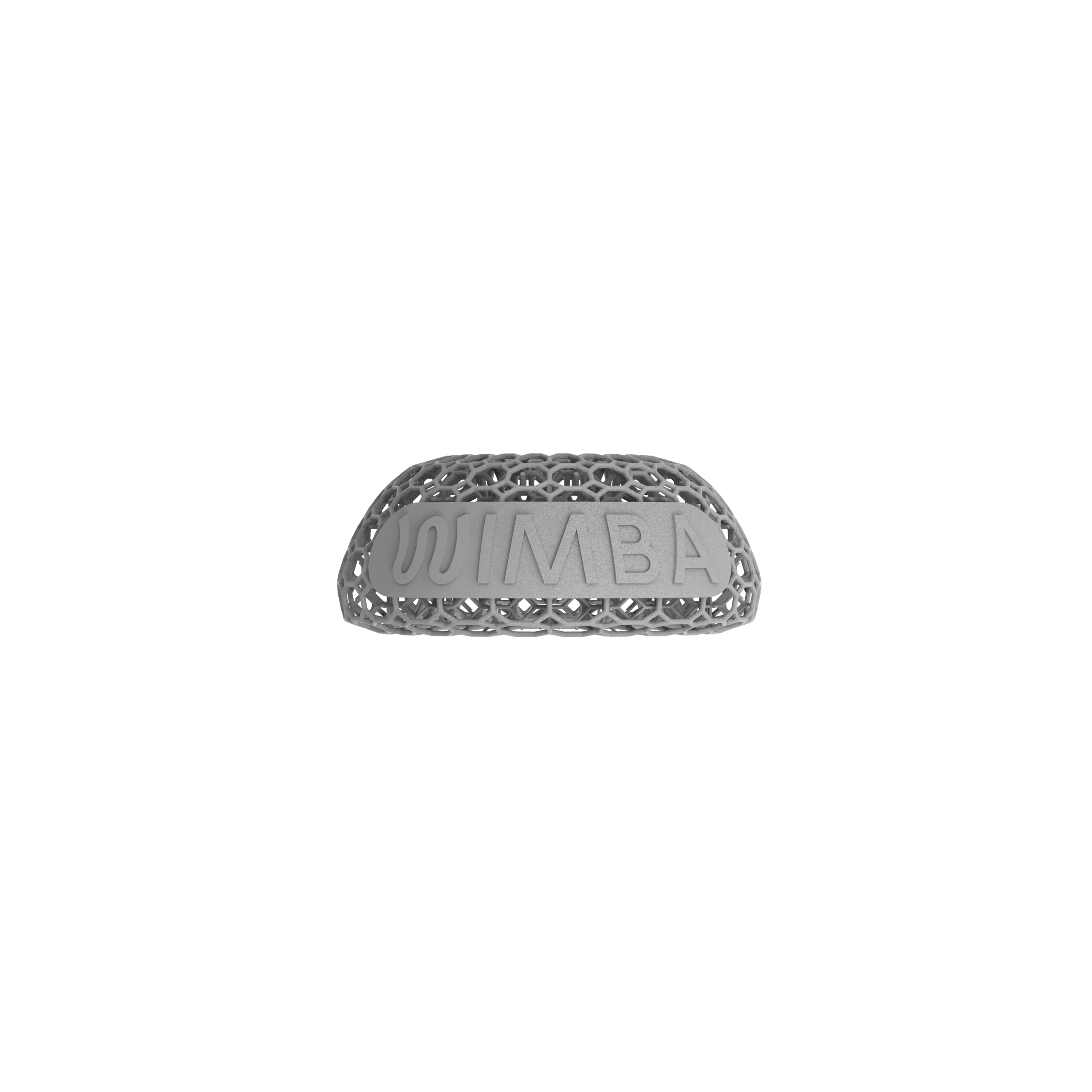
A carpal brace for tripod dogs is particularly relevant after front limb amputation because the remaining front limb assumes a greater share of weight-bearing. The WIMBA Carpus Orthosis GO is intended for eligible mild sagittal-plane instability and can be considered when the examination identifies carpal laxity, early hyperextension, fatigue, or a need for additional support during controlled activity.
The aim is to support carpal stability and control excessive motion, not to immobilise a normal joint or guarantee prevention of future disease. The carpal orthosis should remain stable during walking, align with the intended joint region, and avoid focal pressure. More complex or multiplanar instability may require a Pro pathway or another treatment strategy.
Tarsal Orthosis for the Remaining Hind Limb
After hind limb amputation, the remaining pelvic limb can show greater propulsive demand and increased tarsal range of motion.[2] A tarsal orthosis may be considered when the patient has diagnosed sagittal laxity, hyperextension, hyperflexion, or another instability covered by current device indications. This is one joint-specific application of orthotics for three-legged dogs.
WIMBA Tarsus Orthosis GO is designed for eligible mild sagittal instability, including selected tripod and compensatory-overload cases. Tarsus Pro is intended for more complex cases within its published criteria. As with other orthotics for three-legged dogs, the diagnosis must identify which movement should be limited and whether the goal is activity support, controlled rehabilitation, or longer-term joint management.
Stifle Orthosis for Diagnosed Instability
A stifle orthosis may be considered when a remaining limb has a confirmed stifle indication, such as cranial cruciate ligament disease, and the veterinary team has selected conservative management or clinician-directed rehabilitation. Tripod status alone is not a diagnosis of stifle instability.
For these cases, orthotic support for tripod dogs should be coordinated with the surgeon or rehabilitation professional. A stifle device can alter joint mechanics, but it should not be presented as equivalent to surgical stabilisation or as a preventive treatment for an otherwise normal stifle.
Proactive Orthotics for Three-Legged Dogs Without Overpromising
A proactive approach means assessing the remaining limbs, documenting change, and discussing options before instability becomes advanced. In selected patients, orthotics for three-legged dogs may be introduced when there is mild laxity, early hyperextension, subtle fatigue, or a clear activity-related support goal. This is different from prescribing a device solely because a limb has been amputated.
The plan should define how success will be measured. Relevant outcomes may include more controlled joint position, improved stance, reduced visible collapse, greater tolerance of prescribed activity, or better gait symmetry. Claims that a custom orthosis for three-legged dogs will prevent arthritis, stop ligament degeneration, or avoid surgery are not supported by current clinical trials.
Reassessment is essential because body weight, muscle mass, activity, disease progression, and limb geometry can change. The prescription for tripod dog orthotics should evolve with the patient rather than remain fixed after the initial fitting.
Orthotics for Three-Legged Dogs and Prosthetics Solve Different Problems
An orthosis supports an existing limb or joint. A prosthesis replaces part of a missing limb and requires suitable residual anatomy, specialist assessment, socket management, and a separate rehabilitation pathway. The appropriate option depends on the individual anatomy and clinical objective; the terms are not interchangeable.
WIMBA focuses on orthotics for three-legged dogs and does not manufacture prosthetic limbs. Its tripod pathway is designed around the remaining limbs, especially carpal support after front limb amputation, with the veterinary team responsible for diagnosis, prescription, fitting, and follow-up.
Combining Orthotics with Tripod Rehabilitation
Orthotics for three-legged dogs work within a wider mobility plan. Rehabilitation may address strength, balance, endurance, controlled loading, environmental access, and the movement compensations identified during assessment. Exercise selection should reflect the amputation level, supported joint, concurrent disease, and stage of recovery.
Appropriate activities may include controlled leash walking, selected weight-shifting exercises, appropriately configured cavaletti, underwater treadmill work, and progressive conditioning. The rehabilitation professional should decide which activities are suitable. This keeps orthotic support for tripod dogs aligned with the rehabilitation objective. WIMBA Go and Pro orthoses are not intended for sprinting, repetitive jumping, or unrestricted agility work.
During therapy, the team should observe whether orthotics for three-legged dogs remain aligned, whether the patient shortens the stride or circumducts the limb, and whether pressure develops at the device interface. These observations help distinguish a rehabilitation challenge from a fit, configuration, or candidacy problem.
Fitting and Monitoring Orthotics for Three-Legged Dogs
A first fitting should assess frame position, joint alignment, strap tension, rotational stability, paw clearance where relevant, and contact during standing and controlled walking. Because a remaining limb carries a critical functional role, a custom orthosis for three-legged dogs should be reviewed promptly if the patient resists movement or changes gait after application.
A typical WIMBA introduction schedule for orthotics for three-legged dogs begins with up to 15 minutes of controlled leash walking, no more than three times daily. Wearing time can then increase by 15 minutes every two days if the skin, gait, behaviour, and device position remain acceptable, unless the treating veterinarian or physiotherapist prescribes another schedule. The device should not be worn 24 hours a day, and the dog must remain supervised.
Skin checks are essential. In a prospective study of 43 dogs using custom orthoses or prostheses, 39 experienced at least one complication, and skin issues were common during the first three months.[6] Although this was not a tripod-specific trial, it supports gradual introduction and planned rechecks for all orthotics for three-legged dogs.
Remove the device and contact the clinic if persistent redness, abrasion, swelling, pain, worsening lameness, device rotation, damaged parts, or reluctance to move is observed. Hand-clean WIMBA devices with lukewarm water and mild soap, then allow them to air-dry. Do not heat, cut, drill, grind, or otherwise reshape the structural frame.
How Clinics Order WIMBA Tripod Dog Orthotics
WIMBA provides a clinician-led pathway for orthotics for three-legged dogs. Veterinary professionals can request a free case consultation with the diagnosis, relevant history, patient photographs, imaging where appropriate, and the intended functional goal. The WIMBA Clinical Team reviews whether the current Go or Pro indications match the case.
- Assess the patient: identify the affected remaining joint, direction of instability, skin condition, gait changes, and treatment objective.
- Submit the case: share the clinical information needed to review candidacy before ordering.
- Select the pathway: eligible Carpus Orthosis GO cases use two required photographs and seven guided measurements without casting or WimbaSCAN. Selected Pro cases use WimbaSCAN and additional measurements.
- Place the order: verified veterinary professionals order eligible Go devices through WimbaAPP. Pro devices require the Provider Pro pathway.
- Fit and introduce the device: complete a dynamic fitting, teach the owner to apply and remove the orthosis, and provide the prescribed wear schedule.
- Monitor the outcome: review skin, fit, joint control, gait, activity tolerance, and the original clinical objective.
WIMBA manufactures the selected device using HP Multi Jet Fusion and patient-specific digital design. A Carpus Orthosis GO ordered through this pathway has a published production target of ten working days before shipping. Current timing and case eligibility should be confirmed when the order is placed.
Pet owners can use the WIMBA Provider Map to find a veterinary clinic. WIMBA devices are supplied through veterinary professionals so that orthotic support for tripod dogs remains connected to assessment, fitting, rehabilitation, and follow-up.
Frequently Asked Questions About Orthotics for Three-Legged Dogs
What are orthotics for three-legged dogs used for?
Orthotics for three-legged dogs support a diagnosed mechanical need in a remaining limb. Depending on the joint and prescription, a device may control carpal, tarsal, or stifle instability, guide range of motion, or provide additional support during selected activities and rehabilitation.
How do I choose the right orthosis for the joint that is actually affected?
The right choice depends on which limb was amputated and which remaining joint is showing signs of overload: a carpal brace for the front limb after hindlimb amputation, a tarsal or stifle device when the hindlimb is compensating, or spinal support in select cases. That joint-by-joint decision, rather than a single generic “tripod brace,” is what this guide works through.
When should a tripod dog be assessed for orthotic support?
Remaining limbs can be assessed before amputation and reviewed throughout recovery. New lameness, fatigue, stiffness, altered stance, carpal hyperextension, tarsal drop, or a diagnosed unstable joint should prompt focused evaluation. Early assessment helps identify suitable candidates for tripod dog orthotics before instability becomes advanced.
Can a carpal brace support a tripod before advanced collapse?
In selected cases, yes. A carpal brace for tripod dogs may be considered when a veterinarian identifies mild carpal laxity, early hyperextension, subtle fatigue, or a defined need for support during activity. The brace should be prescribed for an identified clinical goal rather than as a guarantee against future disease.
Does every WIMBA tripod case require WimbaSCAN?
No. Eligible Carpus Orthosis GO cases use two required photographs and seven guided measurements without casting or WimbaSCAN. Selected Pro cases require WimbaSCAN and additional measurements. The WIMBA Clinical Team can help determine the appropriate pathway.
How long should a tripod dog wear an orthosis?
The schedule is individual. A typical WIMBA introduction begins with controlled 15-minute sessions up to three times daily, followed by gradual increases if the skin, gait, and device position remain acceptable. A custom orthosis for three-legged dogs should not be worn continuously for 24 hours, and the patient must remain supervised.
Does WIMBA manufacture prosthetic limbs?
No. WIMBA manufactures custom orthoses that support existing limbs and joints. It does not manufacture prosthetic limbs. WIMBA’s pathway for orthotics for three-legged dogs focuses on joint-specific support for the remaining limbs under veterinary supervision.
How can a veterinary clinic submit a tripod case to WIMBA?
Veterinary professionals can submit the diagnosis, history, relevant photographs, imaging where appropriate, and the intended functional goal through WIMBA’s free case consultation. Eligible Go devices can then be ordered through WimbaAPP, while Pro devices require the Provider Pro pathway.
Can an orthosis prevent future joint problems in a tripod dog?
This cannot currently be promised. Studies show that amputation changes gait and loading, but they do not establish that an orthosis prevents osteoarthritis or other future joint disease in tripod dogs. An orthosis may be considered when a veterinary examination identifies a joint-specific problem such as instability or hyperextension in a remaining limb. Tripod status alone is not an indication for routine bracing, and fit, skin health, gait, and the clinical goal require planned follow-up.
Medical Disclaimer: All information on this website is intended for instruction and information purposes only. The authors are not responsible for any harm or injury that may result. Significant injury risk is possible if you do not seek suitable professional advice about your patient’s specific situation. No guarantees of specific results are expressly made or implied on this website.
Scientific References
- Jarvis SL, Worley DR, Hogy SM, Hill AE, Haussler KK, Reiser RF II. Kinematic and kinetic analysis of dogs during trotting after amputation of a thoracic limb. Am J Vet Res. 2013;74(9):1155–1163. doi:10.2460/ajvr.74.9.1155
- Hogy SM, Worley DR, Jarvis SL, Hill AE, Reiser RF II, Haussler KK. Kinematic and kinetic analysis of dogs during trotting after amputation of a pelvic limb. Am J Vet Res. 2013;74(9):1164–1171. doi:10.2460/ajvr.74.9.1164
- Cole GL, Millis D. The effect of limb amputation on standing weight distribution in the remaining three limbs in dogs. Vet Comp Orthop Traumatol. 2017;30(1):59–61. doi:10.3415/VCOT-16-05-0075
- Rodríguez O, Regueiro-Purriños M, Figueirinhas P, et al. Dynamic and postural changes in forelimb amputee dogs: a pilot study. Animals. 2024;14(13):1960. doi:10.3390/ani14131960
- Filho TG, Rahal SC, Kano WT, et al. Gait analysis of amputee dogs using a pressure-sensitive walkway. Vet Comp Orthop Traumatol. 2024;37(4):189–195. doi:10.1055/s-0044-1779727
- Rosen S, Duerr FM, Elam LH. Prospective evaluation of complications associated with orthosis and prosthesis use in canine patients. Front Vet Sci. 2022;9:892662. PMC9372342