 Skip to content

A post-surgical dog brace should be selected for a defined clinical purpose, not from a feature list alone. The diagnosis, operation, repaired tissue, healing stage, required plane of control, skin condition, and surgeon’s restrictions all come before material, appearance, or convenience. A device that is appropriate later in rehabilitation may be unsuitable during the first days after surgery.
Once the veterinary team confirms that external support fits the plan, several design and service features become important. This guide explains how to evaluate fit, range-of-motion control, skin contact, cleaning, owner handling, modularity, and follow-up when considering a post-surgical dog brace.
Start With the Surgical Plan, Not the Product
“Post-surgical” describes a time period, not a single mechanical need. One dog may require strict immobilisation to protect a tendon repair. Another may need controlled flexion and extension later in rehabilitation. A third may need support during prescribed walks after a joint procedure. These goals are not interchangeable, and the same post-surgical dog brace cannot safely meet all of them by default.
The surgeon or rehabilitation professional should define which structure needs protection, which movement must be limited, how much movement is permitted, when weight-bearing can increase, and which activities remain prohibited. A post-operative dog orthosis supports this prescription while it is worn. It does not repair tissue, replace pain management, determine when healing is complete, or make unrestricted activity safe.
Before discussing device features, document:
- The operation performed and tissue currently healing
- The required level and plane of mechanical control
- Whether the patient needs strict protection or controlled movement
- Incision, wound, swelling, skin, and sensation status
- Permitted activity and current rehabilitation stage
- The review date and criteria for changing the plan
Veterinary reviews of companion-animal orthoses emphasise that device design, fitting, training, maintenance, and rehabilitation are linked parts of one clinical process.[1] Choosing a dog brace after surgery without this process risks applying the right-looking product to the wrong mechanical problem.
1. Patient-Specific Fit With the Correct Data Pathway
Fit is one of the main determinants of whether a post-surgical dog brace remains aligned and transfers force through the intended regions. A loose device may migrate, rotate, rub, or fail to control the target movement. Excessive strap tension may create focal pressure, swelling, pain, or reduced tolerance. Postoperative changes in limb volume can alter both problems over time.
Off-the-shelf products use a limited size range and depend on straps or padding to accommodate variation. A custom dog orthotic is designed from patient-specific data, but “custom” does not always mean “3D scanned.” The method must be described accurately because WIMBA Go and Pro use different data pathways.
Eligible WIMBA Carpus Orthosis GO and Tarsus Orthosis GO cases use the required weight-bearing photographs and product-specific manual measurements submitted through WimbaAPP. WIMBA Pro uses WimbaSCAN plus manual measurements and the required clinical data. The Pro pathway is therefore scan-based, while GO is not.[6]
A veterinary orthotic fitting still has to confirm the finished result. Patient-specific manufacture cannot guarantee perfect first placement, compensate for inaccurate data, or eliminate the effects of changing swelling and muscle mass. The clinic must assess alignment, retention, pressure, joint control, and gait before the post-surgical dog brace goes home.
2. Prescribed Range of Motion, Not Generic Compression
The most important adjustable feature is often range of motion rather than “compression.” Straps retain and position a post-surgical dog brace. They should not be tightened as an improvised compression treatment. Progressive tightening can create point loading without providing the joint control the surgical plan requires.
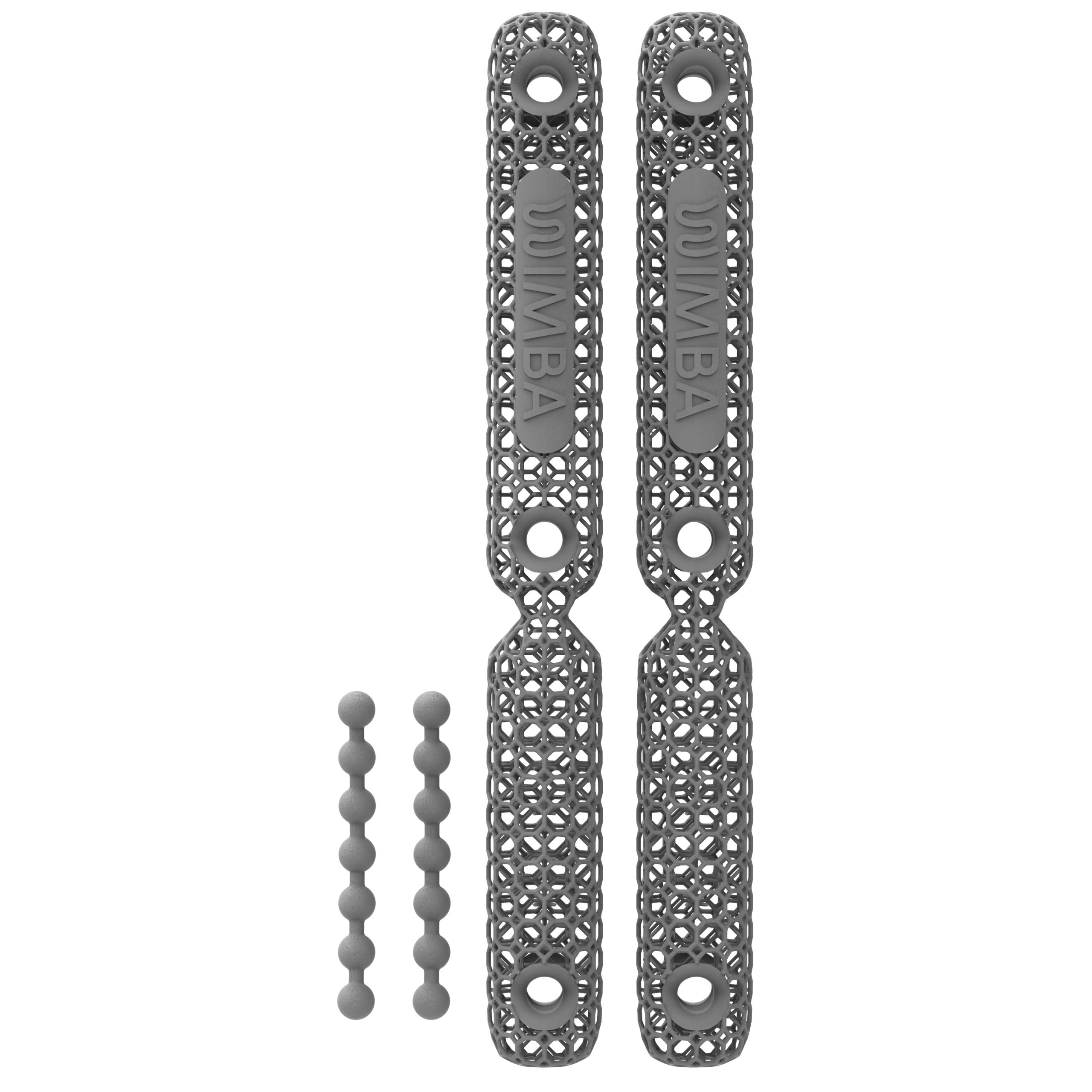
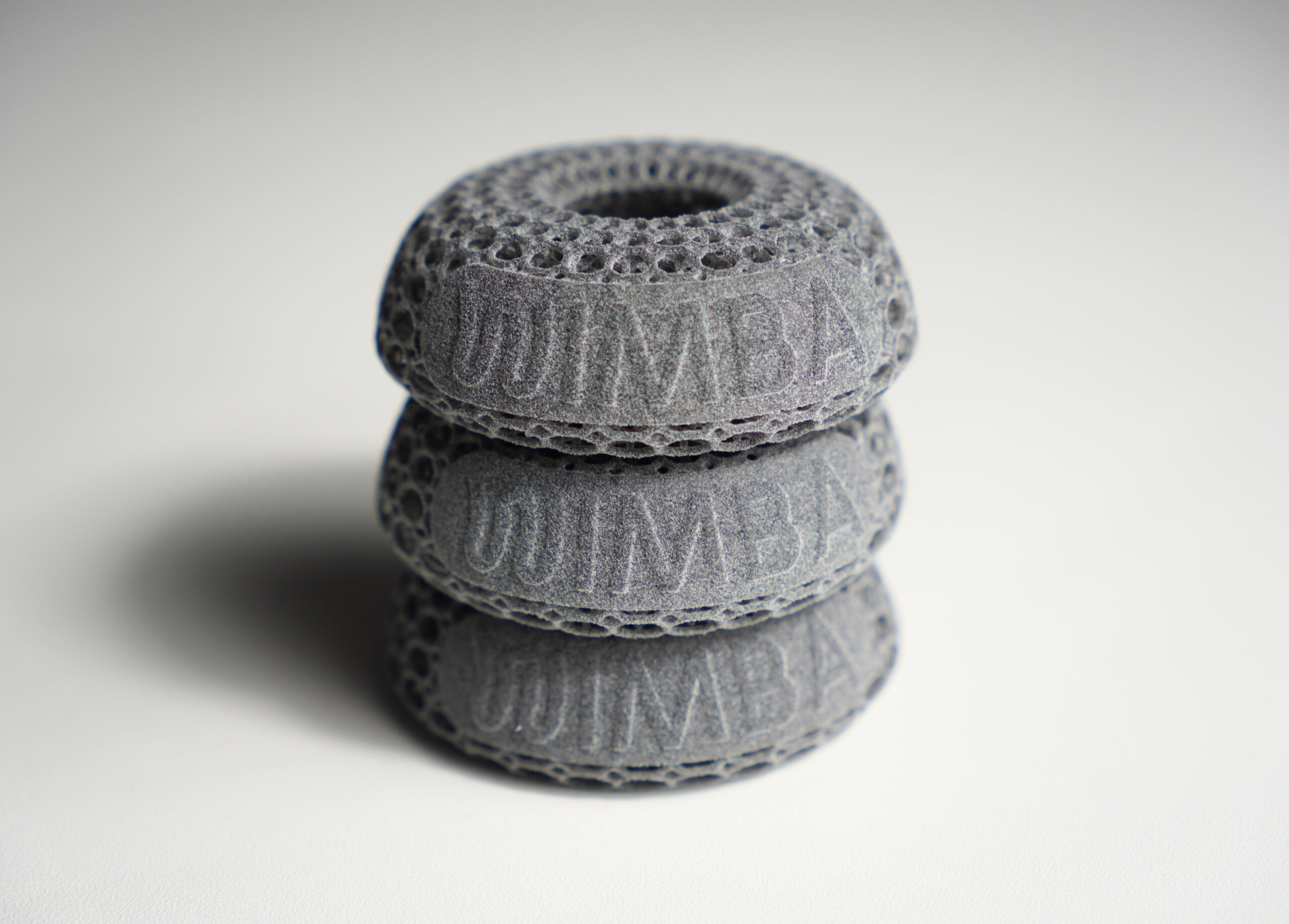
WIMBA Tokens are interchangeable components within the hinges that determine how much movement the orthosis permits. Depending on the product and prescription, a Token may provide fixed support, set a movement limit, or allow a controlled range. The veterinarian or rehabilitation professional selects and changes the setting as the patient progresses.[7]
This adjustability can be valuable when a dog brace after surgery is used across more than one rehabilitation stage, but progression is not automatic. More movement is not always better, and a restrictive setting is not always safer. Tissue healing, imaging, clinical examination, pain, gait, and the surgeon’s protocol should determine any change.
A well-designed post-operative dog orthosis should make the prescription reproducible. The team should record the installed setting, intended activity, wear schedule, and next review rather than relying on the owner to judge how freely the joint ought to move.
3. A Safe Interface With Skin, Swelling, and the Incision
A post-surgical dog brace transfers force through skin and soft tissue, so the interface is a clinical feature rather than a comfort extra. The frame should clear the incision, wounds, dewclaw, bony prominences, and sensitive tissue. Hard components should not contact the limb at any point during standing or walking.
Active wounds, infection, fragile skin, marked swelling, reduced sensation, and changing postoperative oedema can make external support unsafe or require a modified plan. Current WIMBA manuals advise against routine use over affected skin and instruct owners to remove the device if swelling or skin damage develops.[8]
The risk is not theoretical. In a prospective study of 43 dogs using custom orthoses or limb-replacement devices, 39 experienced at least one complication. During the first three months, at least one skin complication was reported in 58% of dogs with stifle orthoses, 90% with carpal orthoses, and 60% with tarsal orthoses.[2] These figures came from other custom devices and should not be treated as WIMBA-specific rates, but they show why a veterinary orthotic fitting must include skin monitoring and owner education.
Inspect the skin after every session during introduction. Persistent redness, hair loss, abrasion, an open sore, moisture damage, swelling, heat, new pain, or a marked gait change warrants removal and contact with the clinic. Continuing through irritation can interrupt use of the post-surgical dog brace and complicate recovery.
4. Cleanable Materials and Managed Airflow
Material claims should be specific. “Breathable” does not mean that moisture, heat, and friction can be ignored. A post-surgical dog brace still needs to be removed for inspection, cleaned after contamination, and fully dried before the next use. The skin and incision must follow the surgical team’s care instructions.
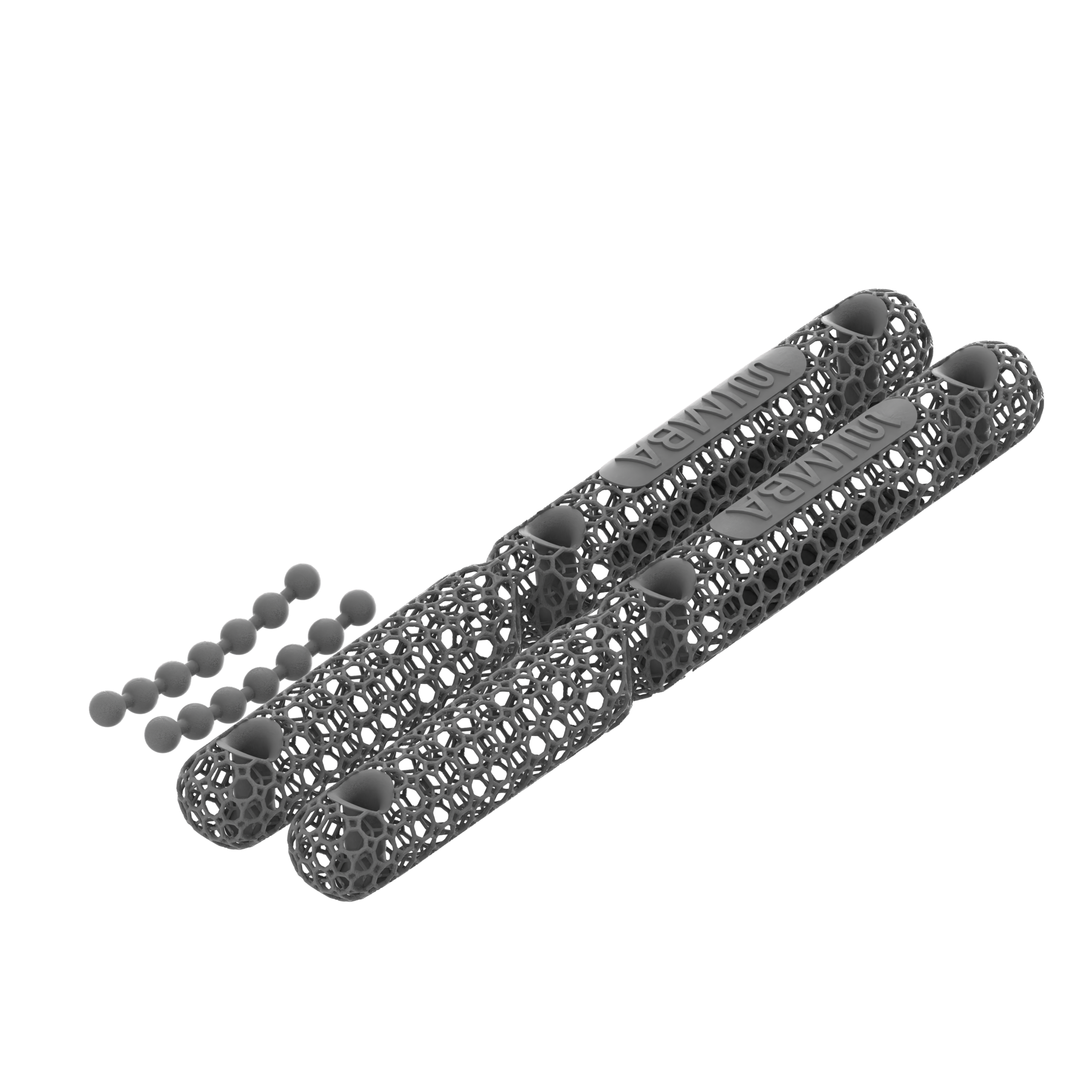
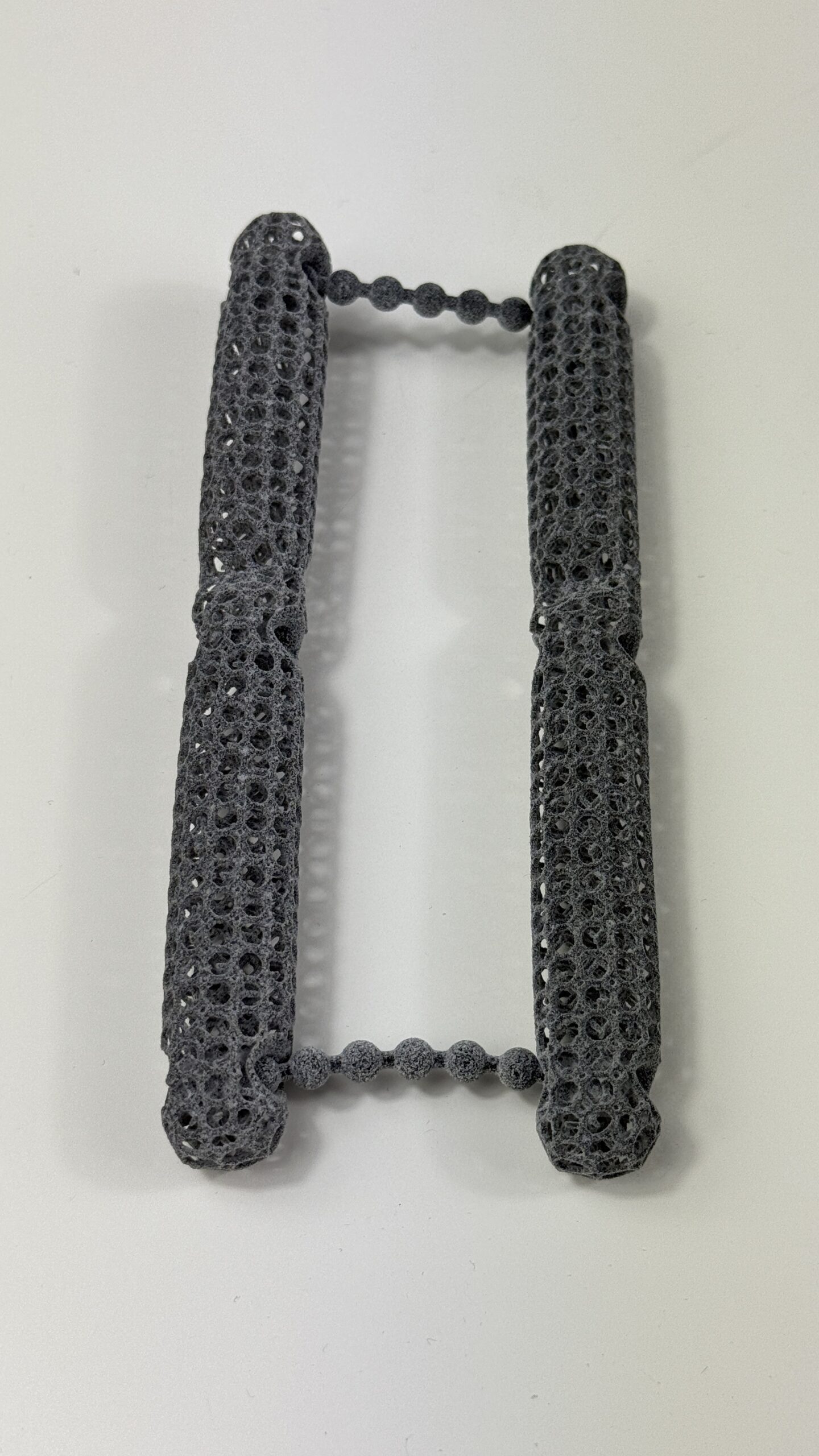
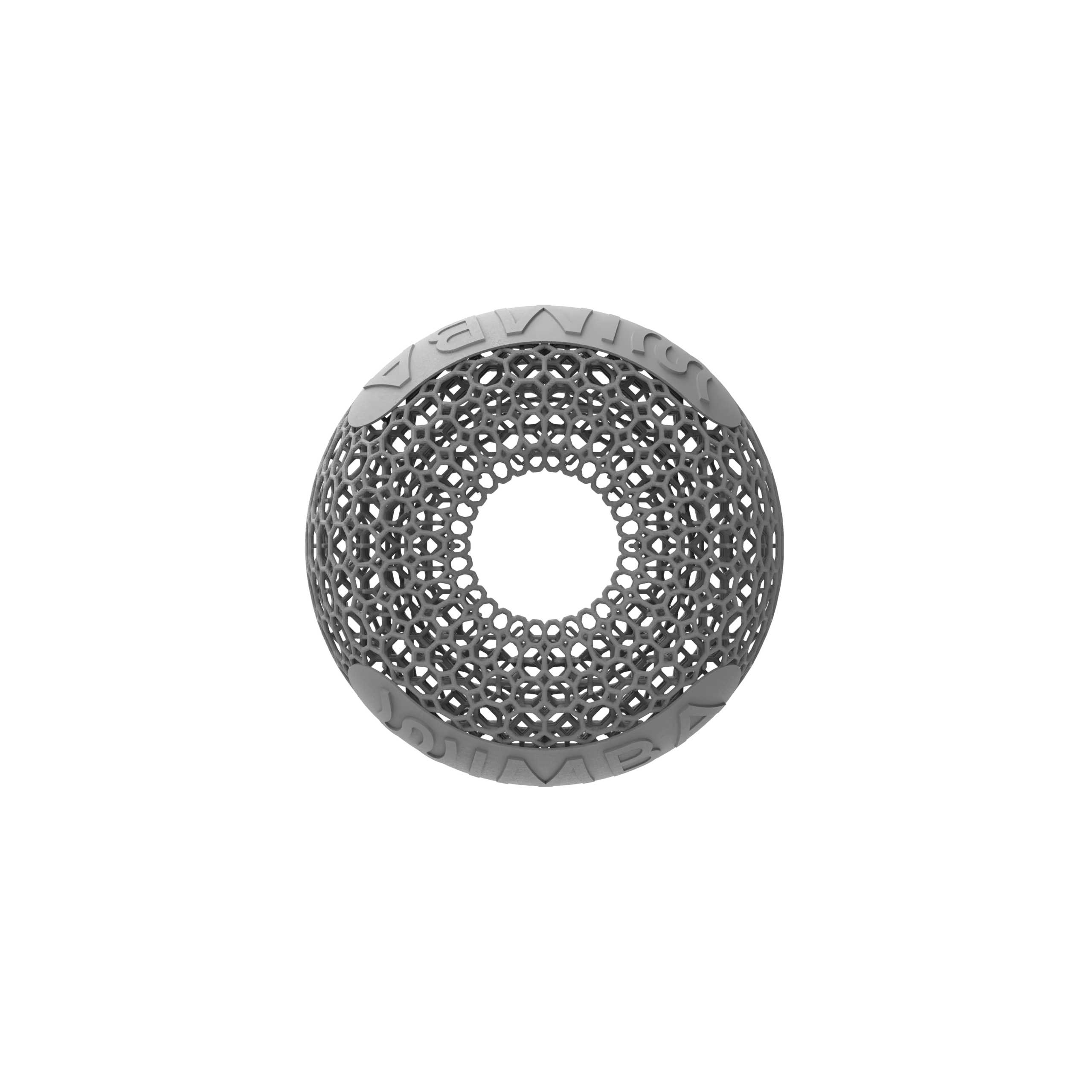
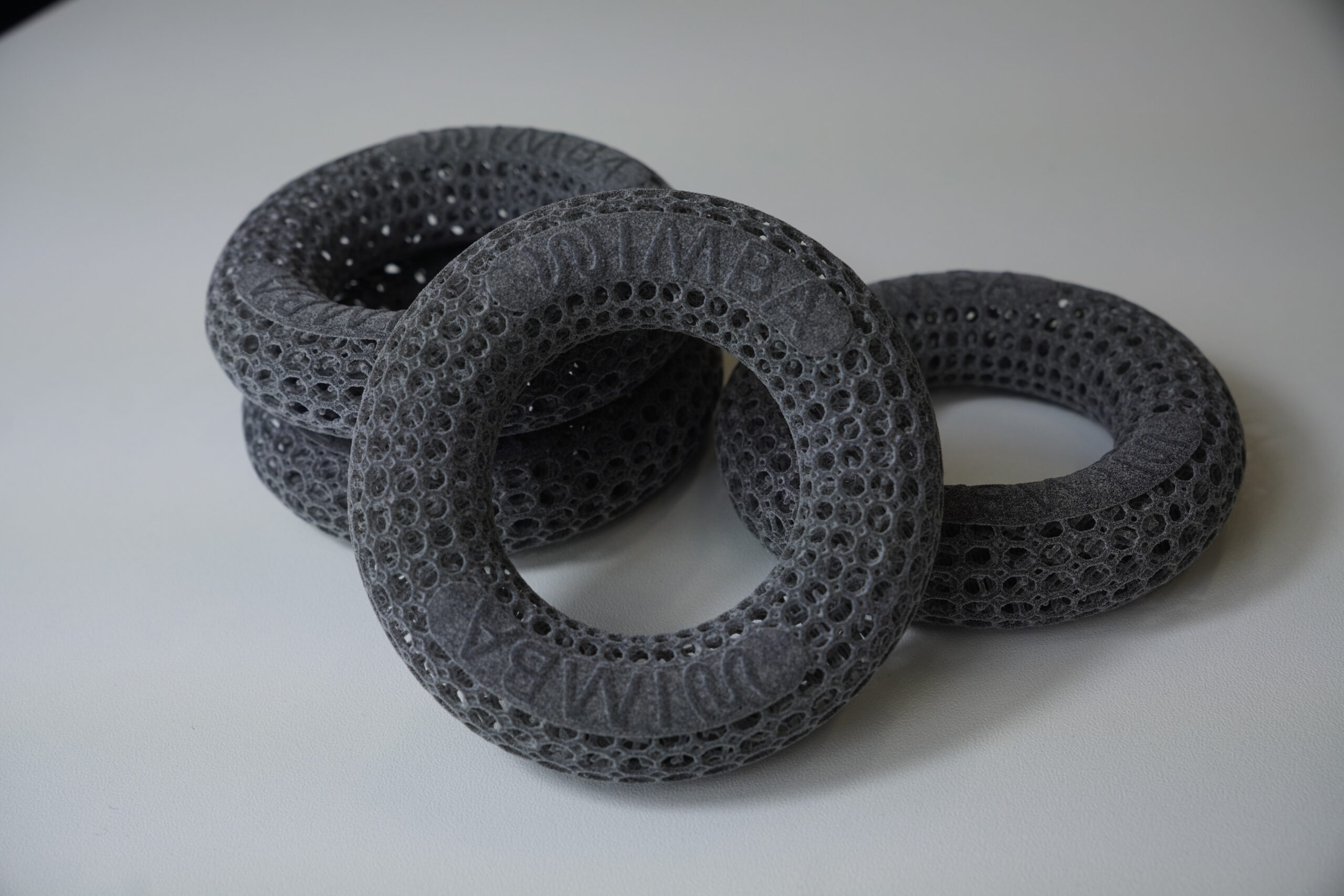
WIMBA Pro devices use non-absorbent TPU straps and lattice-structure inserts designed to support pressure distribution, airflow, and adaptation to limb-volume differences. The modular design also allows selected components to be replaced.[7] These features support maintenance, but they do not make the device self-cleaning or appropriate over an unprotected incision.
Current WIMBA care instructions call for hand-cleaning with lukewarm water and mild soap, followed by complete air-drying. The device should not be machine washed, tumble dried, or dried with a hair dryer. Structural parts must not be heated or reshaped. The owner should receive the exact manual for the prescribed post-surgical dog brace, since components differ between products.
Ask how the post-surgical dog brace should be cleaned after mud, sand, salt water, chlorine, snow, or another contaminant. Also ask whether any underlayer is prescribed. An incorrectly applied bandage or wrap can create constriction and swelling, so it should not be improvised.
5. Owner-Friendly Donning Without Compromising Control
A post-surgical dog brace must be applied consistently to reproduce its intended alignment. Easy handling matters because a recovering dog may be painful, anxious, weak, or reluctant to stand. Convenience, however, cannot come at the cost of an ambiguous orientation or uncontrolled strap tension.
The first appointment should teach the owner how to identify the correct limb and orientation, position the hinges, seat the shells, fasten straps evenly, and confirm that no hard element contacts the body. The owner should apply and remove the device independently while the provider observes. Written or video instructions can reinforce the demonstration.
WIMBA orthoses use product-specific snap-fit or clip systems rather than a universal hook-and-loop design. Some components are removable or replaceable. A veterinary orthotic fitting should cover the exact fasteners, straps, inserts, hinges, and Tokens supplied with that model, not a generic donning method.
Positive reinforcement, desensitisation, and calm handling can help a dog accept the post-surgical dog brace. If the patient freezes, refuses to walk, repeatedly bites at the device, or becomes more distressed with each session, the response should be reassessment. Restraint and progressively tighter straps are not solutions to poor tolerance.
6. Modular Parts, Inspection, and a Repair Pathway
Recovery may last long enough for straps, inserts, fasteners, Tokens, or other components to need review. A durable post-surgical dog brace should tolerate its prescribed daily use, but no medical device is chew-proof or maintenance-free. Biting, high-impact activity, heat, unauthorised modification, and continued use after damage can compromise function.
WIMBA Pro uses a modular design with replaceable components, while available parts vary by model.[7] Before discharge, the clinic and owner should know who inspects a damaged device, how replacement parts are requested, whether the orthosis must be returned, and what support is used while it is unavailable.
Research supports discussing this before a problem occurs. In the 43-dog prospective cohort, mechanical problems requiring repair were reported in several orthosis groups, including four of ten carpal devices and four of ten tarsal devices.[2] Those rates cannot be transferred directly to a current WIMBA orthosis, but they show why a repair pathway belongs in the treatment plan.
Before each use, check that the dog brace after surgery is clean, correctly assembled, and free from cracks, deformation, loose fasteners, worn straps, damaged inserts, or rough edges. Do not drill, grind, glue, heat, or bend structural parts at home.
7. Planned Follow-Up and Measurable Outcomes
A post-surgical dog brace should leave the clinic with a review plan. Healing tissue, swelling, muscle mass, body weight, coat, joint range, gait, and permitted activity can all change. A fit that was acceptable at the first appointment may need adjustment as the patient progresses.
The team should define success before ordering the device. Useful measures may include joint position, migration during gait, lameness score, weight-bearing symmetry, range of motion, limb circumference, tolerance of a prescribed walk, skin condition, owner application accuracy, and progress toward a rehabilitation task.
A veterinary orthotic fitting is therefore not a one-time handover. Reassessment may lead to different inserts, strap positioning, a new Token prescription, revised wear time, repeated measurements, manufacturer review, rehabilitation changes, surgical review, or discontinuation of the post-surgical dog brace.
Evidence also supports realistic consent. In an owner survey comparing custom stifle orthoses with TPLO for cranial cruciate ligament disease, skin lesions were reported by 46% of responding orthosis owners, 7% reported that the dog never tolerated the device, and 11% reported later surgery.[3] This was a condition-specific survey with important limitations, not a study of every post-operative dog orthosis. It nevertheless shows why tolerance, complications, and a possible change of treatment must be discussed.
Custom Fit Does Not Guarantee the Right Clinical Choice
Published studies describe selected uses of custom devices, including a 14-dog retrospective series involving carpal ligament instability and a single case report involving progressive tarsal support for gastrocnemius tendon strain.[4][5] These reports support professional case selection and follow-up, but they do not prove that a post-surgical dog brace is suitable after every operation.
A precisely manufactured device can still be wrong for an unstable fracture, active infection, open wound, severe multiplanar collapse, poorly protected repair, or patient that cannot tolerate handling. A custom dog orthotic should be judged first by whether its mechanical role matches the surgeon’s plan, then by fit and features.
Acute Protection and Later Rehabilitation Are Different Stages
Current WIMBA GO criteria exclude acutely postoperative cases and situations requiring strict immobilisation.[9] Current Carpus and Tarsus PRO criteria also require product-specific case selection. The WIMBA Stifle Orthosis PRO pathway includes selected post-operative protection and rehabilitation, but the timing and purpose remain decisions for the surgical team.
This distinction prevents a post-surgical dog brace from being presented as an automatic replacement for a cast, splint, bandage, internal fixation, or surgeon-selected external fixation. The required construct depends on the procedure and healing stage. A hinged orthosis that permits controlled movement later may not provide the strict protection required earlier.
Owners should ask for a written start date, wear schedule, activity list, motion setting, skin-check routine, and review date. If the surgeon has not cleared external orthotic support, purchasing a device independently can delay reassessment or expose healing tissue to unintended motion.
WIMBA GO and PRO Use Different Customisation Pathways
WIMBA does not use one universal workflow for every post-surgical dog brace. The selected joint, severity, plane of instability, anatomy, intended range, activity, and current product indications determine whether GO, PRO, or another treatment is appropriate.
| Feature | WIMBA GO | WIMBA PRO |
|---|---|---|
| Typical mechanical scope | Selected mild, mainly sagittal-plane cases within current indications | More complex support, including multiplanar control where the selected product is indicated |
| Patient data | Required photographs and product-specific manual measurements | WimbaSCAN plus manual measurements and required clinical data |
| Range control | Product-specific WIMBA Tokens, including custom settings when prescribed | Interchangeable product-specific WIMBA Tokens |
| Post-surgical role | Not for acute postoperative use or strict immobilisation | Product and stage specific, with clinician-led case review |
| First fitting | Completed by the veterinary provider with gait and skin assessment | Completed by the veterinary provider with gait and skin assessment |
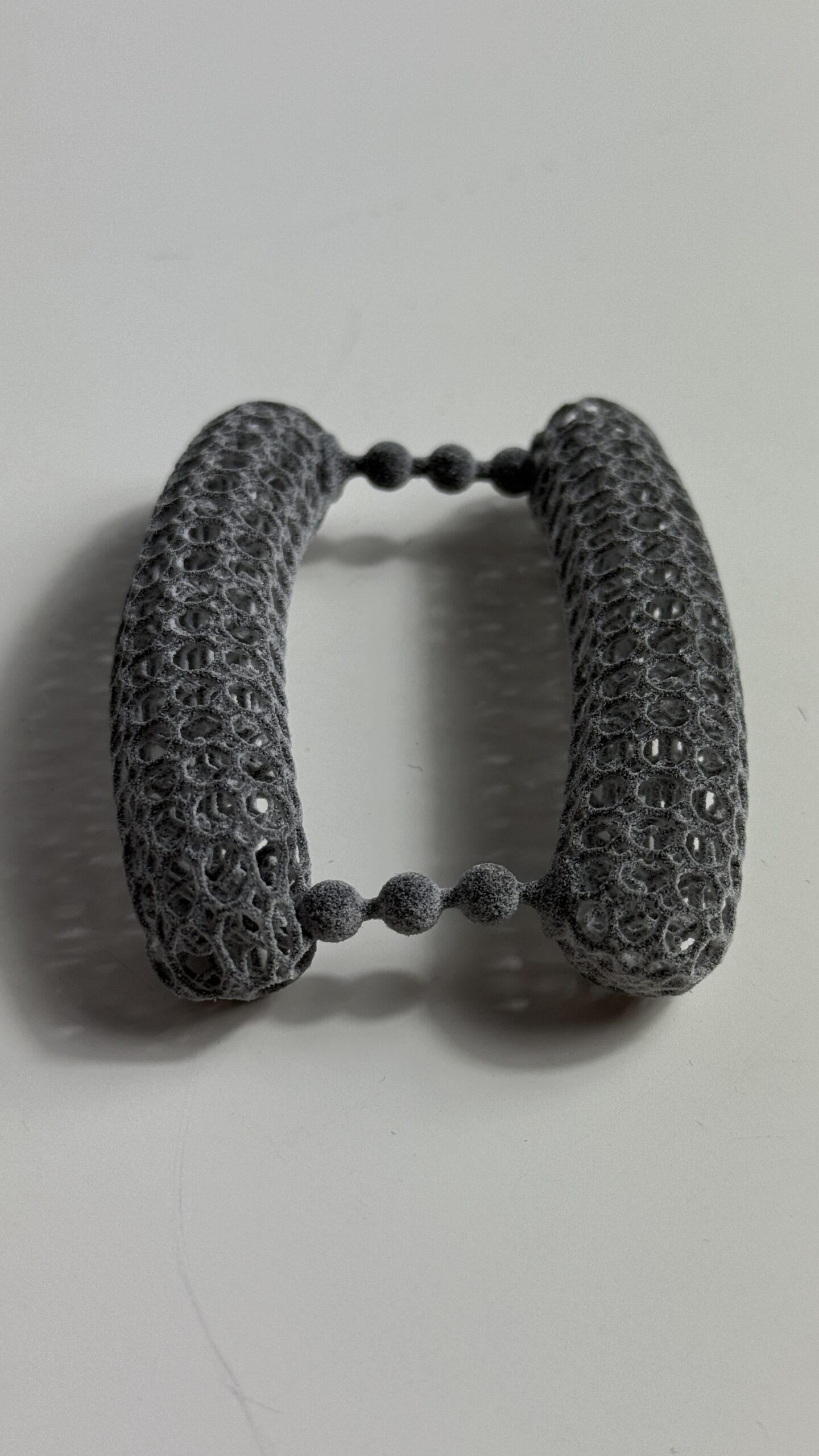
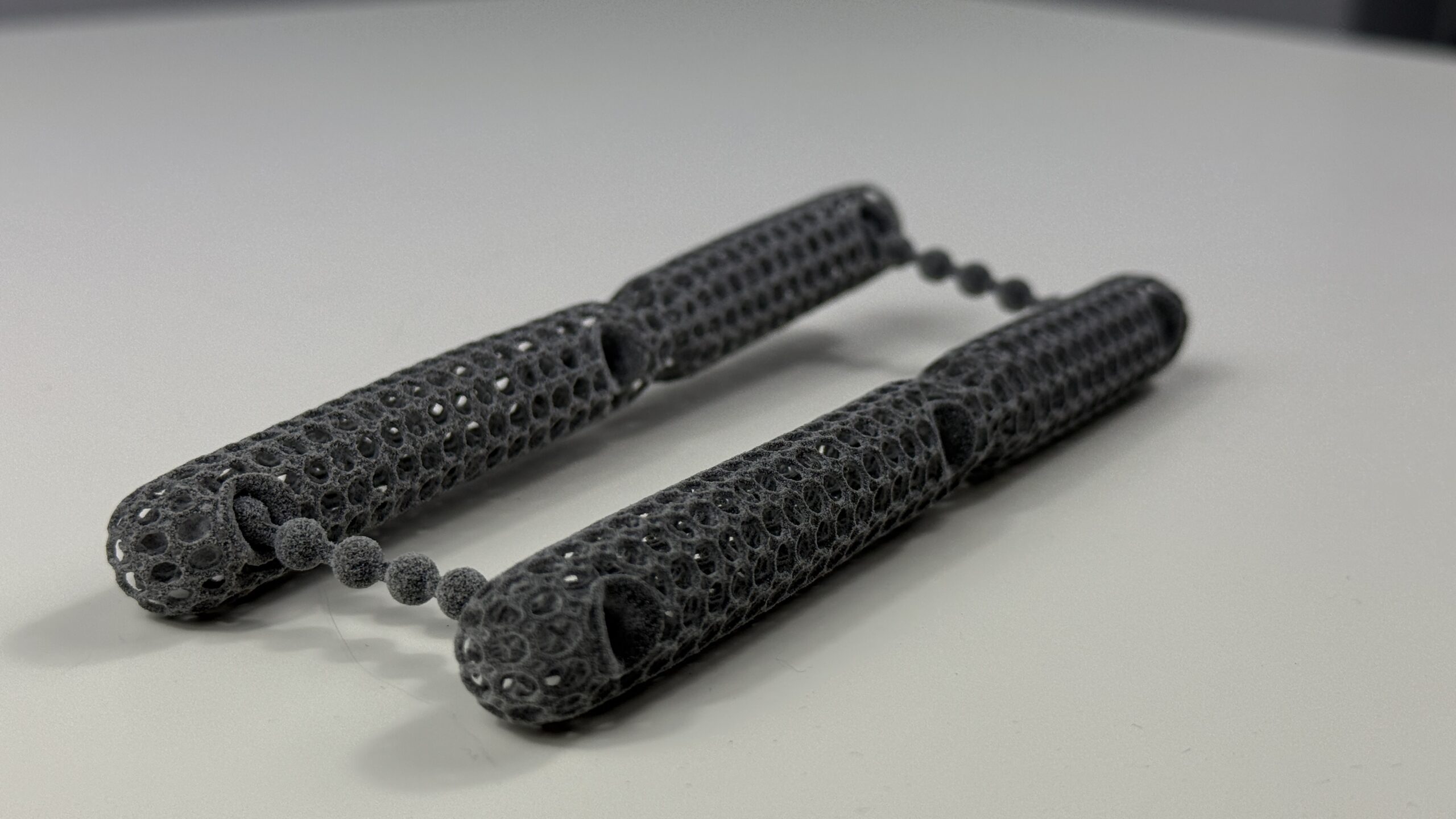
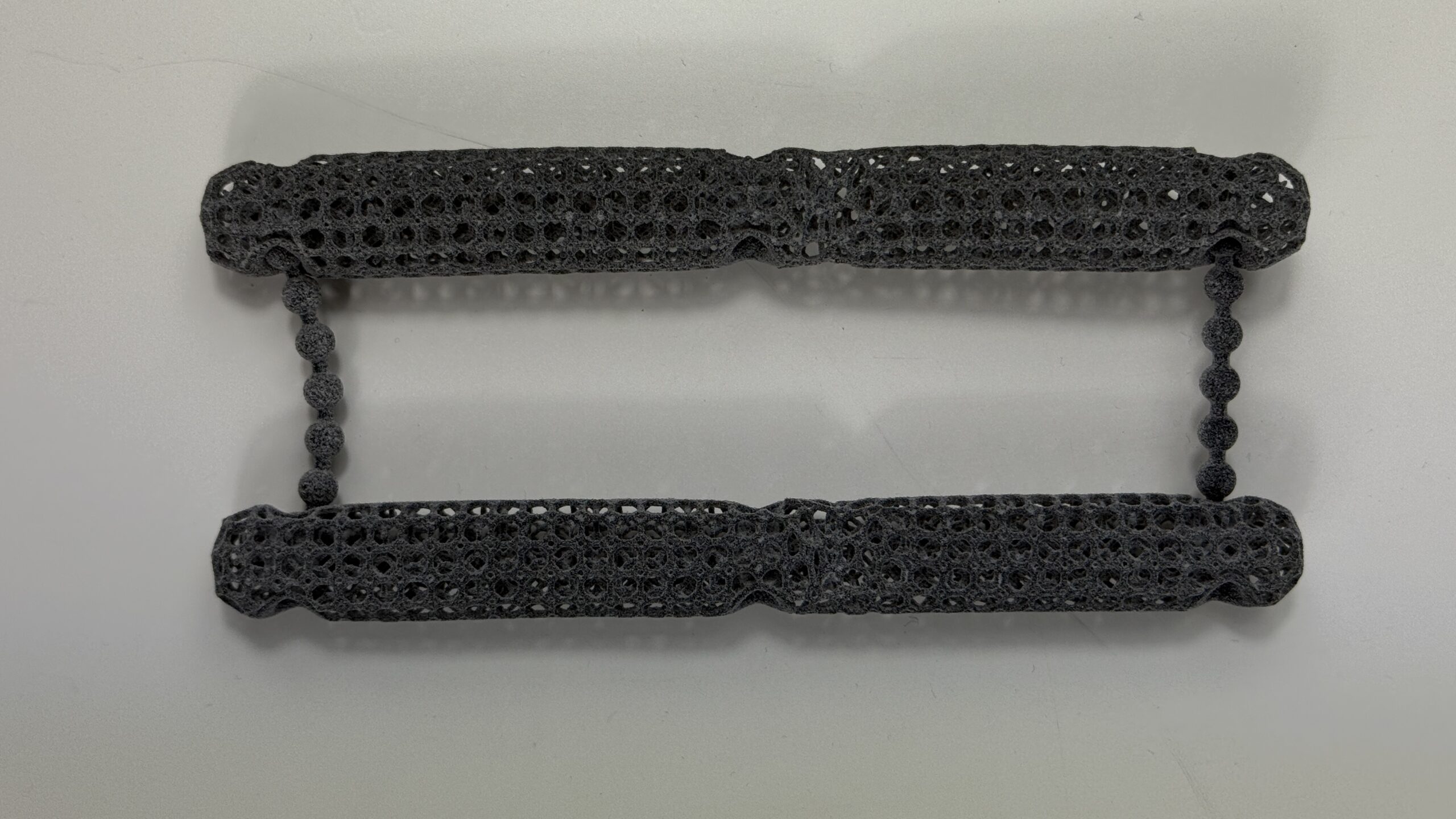
WIMBA Pro frames are manufactured using HP Multi Jet Fusion from patient-specific digital designs. Pro devices combine a lightweight rigid frame with modular components, non-absorbent TPU straps, lattice inserts, and range-of-motion Tokens.[7] These features should be connected to a prescription rather than treated as proof that the product is appropriate for every operation.
Veterinary professionals can submit uncertain cases before ordering. The review should include the diagnosis, operation, relevant imaging, healing stage, skin and incision status, current restrictions, gait information, and the intended function of the post-surgical dog brace.
First Fitting and Gradual Introduction
At the first fitting, check frame and hinge position, strap tension, rotational stability, skin clearance, prescribed range, and behaviour. Observe standing, controlled walking, turning, and transitions that are permitted at that rehabilitation stage. A post-surgical dog brace should remain aligned without significant twisting or migration.
Current WIMBA manuals use a general acclimatisation schedule that begins with up to 15 minutes of controlled leash walking, no more than three times daily, followed by increases of 15 minutes every two days when skin, gait, behaviour, and device position remain acceptable.[8] The treating professional may modify this schedule for the individual post-surgical dog brace, especially when surgery changes the permissible load or movement.
WIMBA orthoses are not intended for continuous 24-hour use, and the dog must remain supervised while wearing one. The owner should not extend sessions because the dog appears comfortable, nor shorten the prescribed plan permanently without informing the clinic. Progression requires clinical context.
Questions to Ask Before the Device Goes Home
- What exact structure and movement is the device intended to protect?
- Why is this device appropriate at the current healing stage?
- Was the custom dog orthotic created through the correct GO or PRO data pathway?
- Which Token or range setting is installed, and who may change it?
- How should the device be applied, removed, cleaned, dried, and inspected?
- Which activities, surfaces, stairs, and exercises are permitted?
- Which skin, gait, pain, or device changes require immediate removal?
- When is the next veterinary orthotic fitting review?
A clear answer to these questions is more useful than a claim that a post-surgical dog brace is simply comfortable, adjustable, or durable. The features matter because they support a defined recovery plan and make changes visible to the clinical team.
Discuss Post-Surgical Orthotic Support
Veterinary professionals can submit the procedure, diagnosis, healing stage, imaging, gait information, and support goal for case review. Pet owners can find a WIMBA Provider to discuss whether a post-surgical dog brace belongs in the recovery plan.
Frequently Asked Questions About Post-Surgical Dog Braces
These answers are general. The surgeon and rehabilitation team must determine whether external support is appropriate for an individual patient and healing stage.
Does every dog need a post-surgical dog brace?
No. A post-surgical dog brace is appropriate only when the veterinary team identifies a mechanical goal that an external orthosis can safely address. Some procedures require another form of protection, while others do not require bracing. Diagnosis, repair, healing stage, skin, anatomy, gait, and owner compliance all influence the decision.
Is every custom dog orthotic made from a 3D scan?
No. An eligible WIMBA GO custom dog orthotic uses required photographs and product-specific manual measurements. WIMBA PRO combines WimbaSCAN with manual measurements and required clinical information. Both are patient-specific pathways, but only PRO is scan-based.
Can a dog brace after surgery replace a cast or splint?
Not automatically. A dog brace after surgery may allow controlled movement, while a cast, splint, or fixation construct may be selected for stricter protection. The surgeon must decide whether an orthosis provides the required control at that stage. WIMBA GO is not intended for acute postoperative use or strict immobilisation.
Do adjustable straps provide therapeutic compression?
Straps are used to retain and position the orthosis. They should not be tightened as an improvised compression treatment. WIMBA Tokens within the hinges control the permitted range of motion. Strap tension and Token settings should follow the provider’s fitting and prescription.
How soon after surgery can a dog wear an orthosis?
There is no universal start date. Timing depends on the operation, repaired tissue, stability, incision, swelling, required protection, and surgeon’s protocol. Some WIMBA pathways exclude acute postoperative use, while selected stifle cases may include clinician-directed postoperative protection or rehabilitation.
How long should a post-operative dog orthosis be worn?
The schedule for a post-operative dog orthosis is individual. Current WIMBA manuals use a general introduction beginning with supervised sessions of up to 15 minutes, no more than three times daily, followed by gradual increases. The prescribing professional may change this schedule. The device is not intended for continuous 24-hour wear.
Which signs mean the orthosis should be removed?
Remove the device and contact the clinic if persistent redness, abrasion, an open sore, swelling, new pain, worsening lameness, marked reluctance, slipping, rotation, hard-component contact, or structural damage appears. Do not solve a fit problem by tightening, reshaping, or extending wear time.
Medical Disclaimer: All information on this website is intended for instruction and information purposes only. The authors are not responsible for any harm or injury that may result. Significant injury risk is possible if you do not seek suitable professional advice about your patient’s specific situation. No guarantees of specific results are expressly made or implied on this website.
Scientific and Clinical References
- Marcellin-Little DJ, Drum MG, Levine D, McDonald SS. Orthoses and exoprostheses for companion animals. Vet Clin North Am Small Anim Pract. 2015, 45(1):167-183. doi:10.1016/j.cvsm.2014.09.009
- Rosen S, Duerr FM, Elam LH. Prospective evaluation of complications associated with orthosis and prosthesis use in canine patients. Front Vet Sci. 2022, 9:892662. doi:10.3389/fvets.2022.892662
- Hart JL, May KD, Kieves NR, et al. Comparison of owner satisfaction between stifle joint orthoses and tibial plateau leveling osteotomy for the management of cranial cruciate ligament disease in dogs. J Am Vet Med Assoc. 2016, 249(4):391-398. doi:10.2460/javma.249.4.391
- Tomlinson JE, Manfredi JM. Evaluation of application of a carpal brace as a treatment for carpal ligament instability in dogs: 14 cases (2008-2011). J Am Vet Med Assoc. 2014, 244(4):438-443. doi:10.2460/javma.244.4.438
- Case JB, Palmer R, Valdes-Martinez A, Egger EL, Haussler KK. Gastrocnemius tendon strain in a dog treated with autologous mesenchymal stem cells and a custom orthosis. Vet Surg. 2013, 42(4):355-360. doi:10.1111/j.1532-950X.2013.12007.x
- WIMBA. How to Order WIMBA Devices for Your Pet. Current GO and PRO ordering pathways. View current ordering guidance
- WIMBA. WIMBA Orthotics PRO: Features, Devices, and Ordering. View current WIMBA PRO information
- WIMBA Knowledge Base. WIMBA Stifle Orthosis PRO User Manual. View current user manual
- WIMBA Knowledge Base. WIMBA GO Orthotics Indications. Updated June 8, 2026. View current GO indications
Related reading: Patient Care After Orthopaedic Surgery · How 3D-Printed Orthotics Support Better Rehab Outcomes in Dogs and Cats · What To Know Before Considering a Veterinary Orthotic or Prosthetic for Your Pet · Dog Prosthetics vs Orthotic Support After Amputation · custom dog brace