 Skip to content

A dog knee brace for ligament injury may be considered when a veterinary examination confirms cranial cruciate ligament disease and identifies a mechanical goal that external support can address. Hind-limb lameness alone is not an indication. Diagnosis, stifle stability, meniscal status, pain, anatomy, activity level, skin health, and the owner’s ability to follow a monitored plan all influence the decision. Does a stifle brace help a dog with a ligament injury? For selected dogs with confirmed cranial cruciate ligament disease, a custom hinged brace can provide controlled support during prescribed activity within a monitored plan, but it does not repair torn fibres or replace the ligament, and it sits beside surgical referral rather than replacing it.
WIMBA makes custom stifle orthoses for dogs, including the WIMBA stifle orthosis, designed to a dog’s measurements and 3D-printed. A veterinarian may consider it for selected dogs with cranial cruciate ligament disease, with follow-up and skin checks.
This clinical guide explains where a dog knee brace for ligament injury may fit beside surgical referral, rehabilitation, weight management, and pain control. It also outlines the current evidence, candidacy criteria, WIMBA Stifle Orthosis PRO workflow, fitting requirements, and follow-up responsibilities for veterinary clinics.
A Clinical Decision, Not a Default Alternative to Surgery
A dog knee brace for ligament injury is an external orthosis designed to influence movement at the canine stifle. A custom hinged device can provide controlled support during prescribed activity, but it does not replace the cranial cruciate ligament, repair torn fibres, eliminate osteoarthritis, or diagnose a meniscal lesion.
The clinical question is therefore not simply whether a brace exists. The team must decide whether the selected canine stifle orthosis can influence the patient’s actual instability without delaying a more appropriate intervention. A dog knee brace for ligament injury is useful only when that answer is clear. For many dogs, especially active medium-sized and large dogs with functionally important instability, surgical stabilisation remains an important and often preferred treatment pathway.
Before recommending a stifle device, define:
- The confirmed diagnosis and severity of cranial cruciate ligament disease
- Whether the tear is partial or complete and whether meniscal disease is suspected
- The degree and direction of stifle and tarsal instability
- Why surgery is not currently selected, available, or appropriate
- Which activity the orthosis will support and which activities remain prohibited
- How gait, skin tolerance, pain, and function will be reassessed
Understanding Cranial Cruciate Ligament Disease
In dogs, cranial cruciate ligament disease is usually a progressive, multifactorial degenerative process rather than the direct equivalent of a healthy human athlete tearing an ACL in one isolated event. Genetics, conformation, body condition, inflammation, age-related tissue change, and altered joint biology can contribute to weakening and eventual structural failure.[1]
The cranial cruciate ligament helps limit cranial tibial translation and internal rotation. Once deficient, the joint can become painful and mechanically unstable. A dog knee brace for ligament injury attempts to influence this abnormal movement from outside the limb, but external control is not identical to the function of an intact ligament or a surgical stabilisation procedure.
Clinical signs may include variable lameness, difficulty rising, an asymmetric sit, reduced willingness to jump, stifle swelling, loss of thigh muscle, reduced range of motion, and a click that can be associated with meniscal injury. Partial disease may appear intermittent before progressing. These patterns explain why choosing a CCL brace for dogs from an online symptom description is unsafe.
Diagnosis Comes Before a Dog Knee Brace for Ligament Injury
Assessment begins with history, gait observation, palpation, and comparison of both pelvic limbs. Cranial drawer and tibial compression testing can demonstrate instability, although sedation may be needed when pain or muscle tension masks movement. The clinician should also assess patellar tracking, hip and tarsal function, neurological status, limb alignment, skin, body condition, and the contralateral stifle. Choosing a dog knee brace for ligament injury before completing this assessment reverses the correct clinical order.
Radiographs do not show the ligament itself, but they can document joint effusion, osteoarthritis, alignment, and other bone or joint disease. Additional imaging, arthroscopy, or surgical exploration may be required when meniscal injury or another diagnosis remains a concern. A custom dog knee brace should follow the diagnostic workup rather than serve as a trial used to discover whether the knee is unstable.
The prescription should state the functional target. Examples include supporting controlled leash walking during conservative management, limiting a defined range during rehabilitation, or assisting a selected patient later in recovery. Without this target, a dog knee brace for ligament injury risks becoming an expensive sleeve rather than a monitored medical device.
Surgical and Non-Surgical Treatment Pathways
Surgical options include osteotomy-based procedures such as TPLO and TTA, as well as extracapsular techniques in selected patients. The appropriate technique depends on the dog, anatomy, surgeon, activity demands, concurrent disease, and treatment goals. Surgery aims to provide lasting control of instability through altered biomechanics or stabilising constructs, although no procedure restores a normal native ligament.
In a randomised study of 40 overweight dogs, both treatment groups received weight management, rehabilitation, and anti-inflammatory medication, while one group also underwent TPLO. The probability of a successful outcome was higher in the surgical group at 12, 24, and 52 weeks, with the clearest separation at 24 weeks.[2] This supports a frank surgical discussion before a dog knee brace for ligament injury is presented as the plan.
Conservative management remains relevant when surgery is not appropriate, must be delayed, or is declined after informed discussion. A complete plan may include activity restriction, appropriate analgesia, weight reduction where needed, progressive rehabilitation, environmental changes, and selected use of a stifle brace for dogs. A dog knee brace for ligament injury supports this plan rather than replacing its other components. Age alone does not make a patient unsuitable for surgery. Anaesthetic risk, comorbidities, lesion severity, expected benefit, and owner goals require individual assessment.
What the Evidence Shows About Canine Stifle Bracing
The evidence base for a dog knee brace for ligament injury is smaller and less mature than the surgical literature. Published studies include owner surveys, retrospective case series, computational modelling, and mixed-device cohorts. These designs can inform case selection and follow-up, but they cannot prove that bracing is equivalent to surgery for every patient.
A 2016 owner survey compared custom stifle orthoses with TPLO in medium-sized and large dogs. Reports of mild or no lameness and favourable ratings were significantly more common after TPLO. At least 85% of respondents in both groups said they would choose the selected treatment again. In the orthosis group, 46% reported device-associated skin lesions, 11% reported subsequent surgery, and 7% reported that the dog never tolerated the device.[3] These findings belong in the consent discussion for a dog knee brace for ligament injury.
A retrospective study of ten dogs with unilateral cranial cruciate ligament insufficiency found improved affected-limb weight bearing after at least 90 days of custom orthotic management.[4] The sample was small, had no randomised control group, and included only dogs that complied with the orthotic programme. It supports further use of a canine stifle orthosis in selected cases, not a guaranteed outcome.
A computer model predicted that an orthosis could improve some biomechanical measures in a cranial cruciate ligament-deficient stifle and that hinge stiffness changed tibial translation and rotation.[5] This is useful mechanical evidence, but a model is not a clinical trial. It does not establish that every CCL brace for dogs controls instability adequately during real-world movement.
Together, the studies support discussing a dog knee brace for ligament injury as a monitored option for a defined population. They also support clear consent regarding persistent lameness, skin injury, device intolerance, repairs, and possible later surgery.
When a Dog Knee Brace for Ligament Injury May Be Considered
A veterinary team may consider a dog knee brace for ligament injury when cranial cruciate ligament deficiency has been confirmed and the patient has a realistic external-support goal. The decision should follow discussion of the benefits, limitations, costs, monitoring burden, and surgical alternatives.
- Conservative management when surgery is not appropriate or is declined
- Controlled support while a patient waits for a planned referral, if the surgeon agrees
- A selected rehabilitation goal requiring prescribed range-of-motion control
- Longer-term support during controlled activity for an eligible chronic case
- Selected post-operative rehabilitation after the acute phase, when authorised by the surgeon
A custom dog knee brace should not be described as non-invasive and therefore risk-free. It transfers force through the skin and soft tissues, alters gait, and requires owner handling several times a day. A patient that cannot tolerate application, supervision, or repeated skin checks may not be a practical candidate even when the diagnosis appears suitable.
When Bracing Is Not Enough
A dog knee brace for ligament injury does not treat every cause of stifle pain. Marked instability, uncontrolled pain, suspected displaced meniscal injury, fracture, luxation, severe angular deformity, active infection, open wounds, or progressive neurological dysfunction require diagnosis and the appropriate medical or surgical pathway.
Acute postoperative protection must follow the surgeon’s protocol. Current WIMBA Stifle Orthosis PRO criteria do not position the device for acutely postoperative patients. A hinged orthosis is not automatically equivalent to a cast, bandage, or another construct selected to protect healing tissue. A dog knee brace for ligament injury may be considered later only when the surgical and rehabilitation teams define its purpose and timing.
If a dog becomes more lame, develops a new click, loses weight bearing, or remains painful despite an apparently stable stifle brace for dogs, the response should be reassessment rather than tighter straps or a longer wear schedule. The original diagnosis, meniscus, contralateral limb, hip, tarsus, and device fit may all need review.
Current WIMBA Stifle Orthosis PRO Candidacy
WIMBA Stifle Orthosis PRO is a canine stifle orthosis intended for eligible dogs requiring support of the stifle and tarsus in the sagittal and medial planes. Current published criteria include non-operative CCL cases and therapeutic use during controlled activities such as prescribed walks, rehabilitation exercises, or hydrotherapy. A dog knee brace for ligament injury must also meet the current anatomical and activity requirements.
Current published WIMBA criteria identify these limits:
- Designed for dogs up to 45 kg
- Not indicated for listed chondrodystrophic breeds
- Not indicated for medial patellar luxation grade 2 out of 4 or higher
- Not intended for agility, sprinting, or repetitive jumping
- Not intended for acute postoperative use
- Requires more than 4 cm from the joint centre to just proximal to the lateral palpable metatarsal heads and a minimum circumference of 9 cm
Straight hind-limb angulation, severe bow-legged conformation, marked medial-plane instability, dewclaws in the fitting region, skin disease, weight outside the indicated range, and very high activity can increase fit or device risk. Previous failed surgery and impaired or absent contralateral-limb function are complex situations requiring case review, not automatic assumptions. Clinics should use the current WIMBA Stifle Orthosis PRO information and submit uncertain cases before ordering a CCL brace for dogs or another stifle brace for dogs.
How WIMBA Stifle Orthosis PRO Works
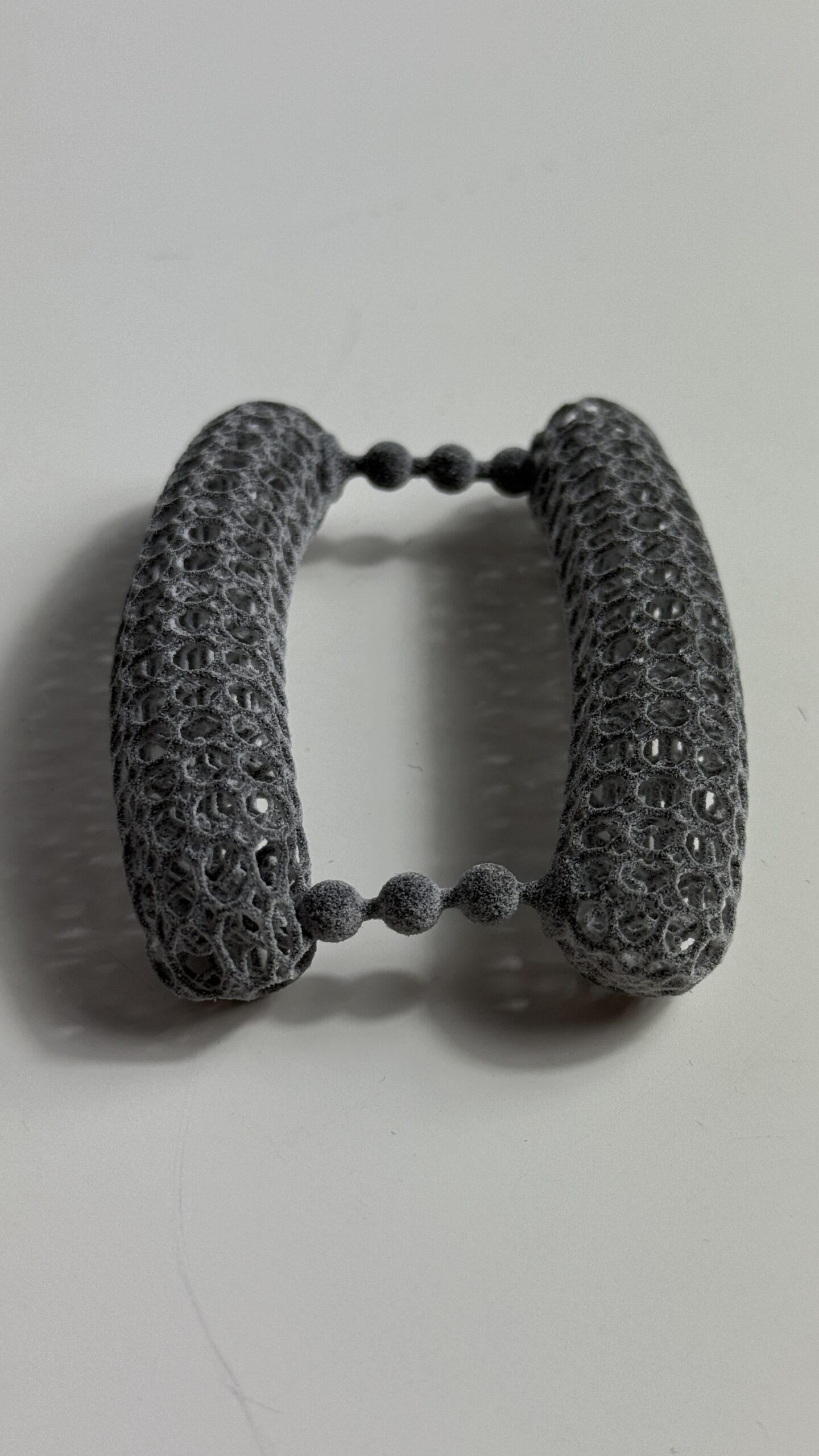
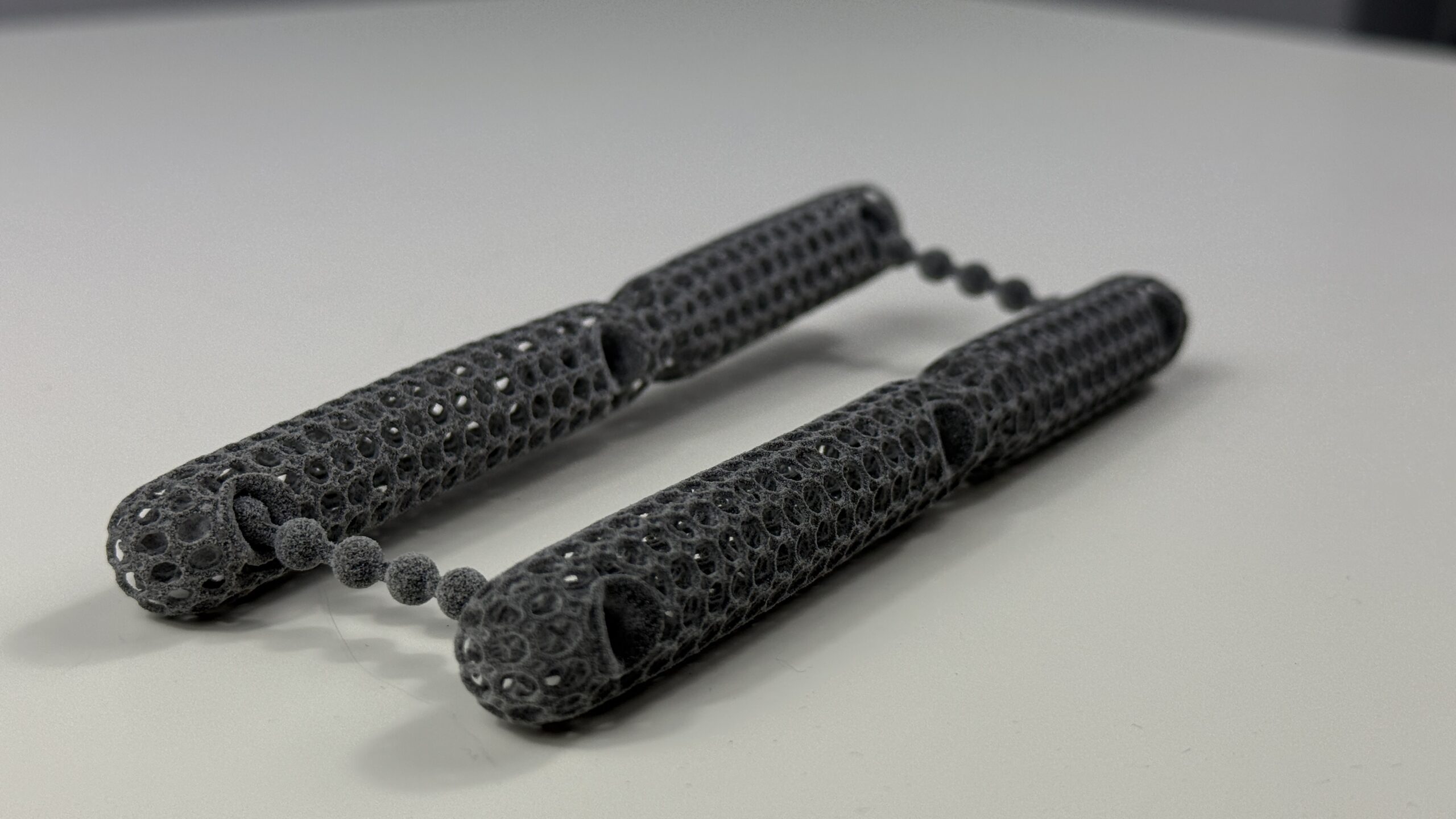
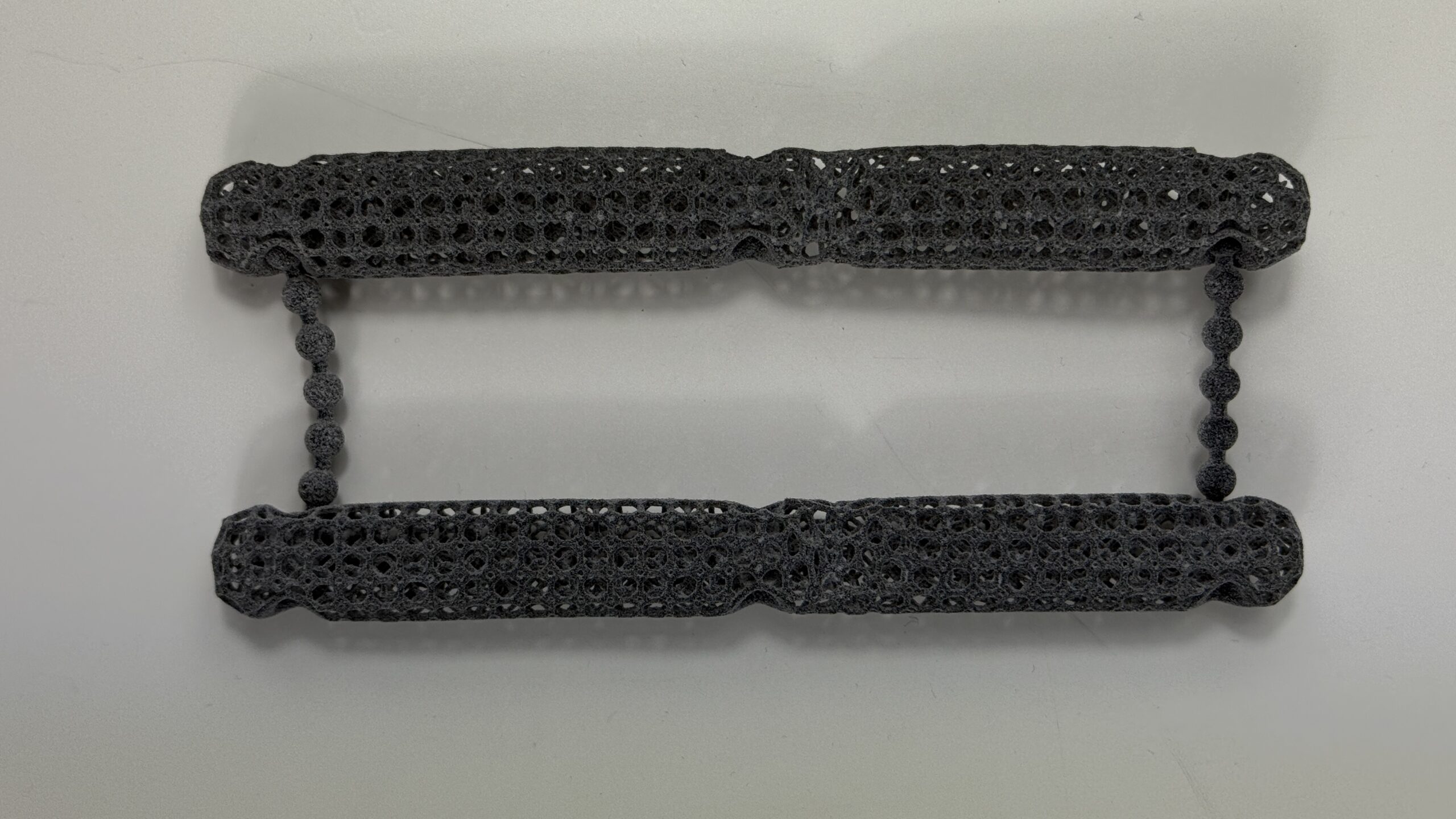
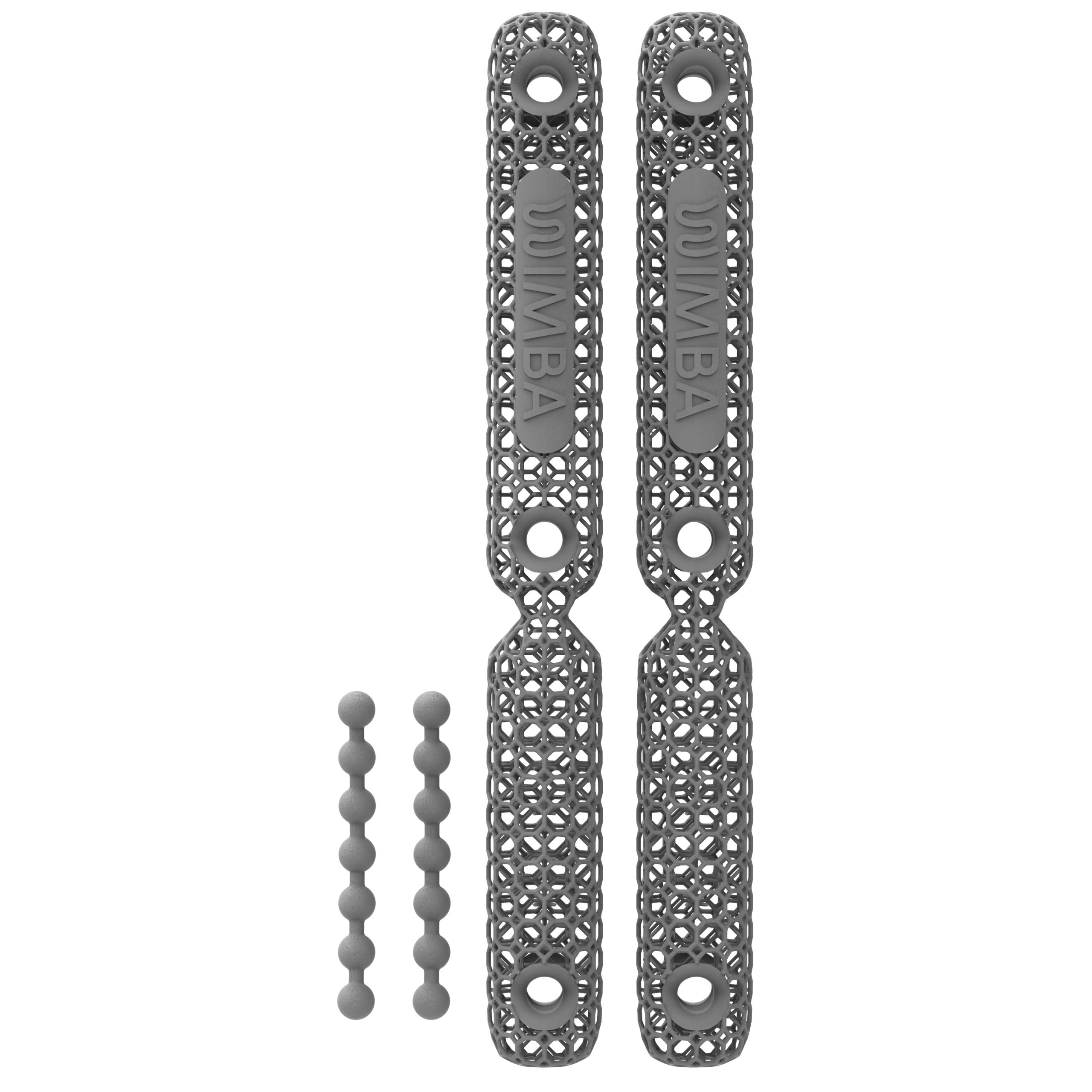
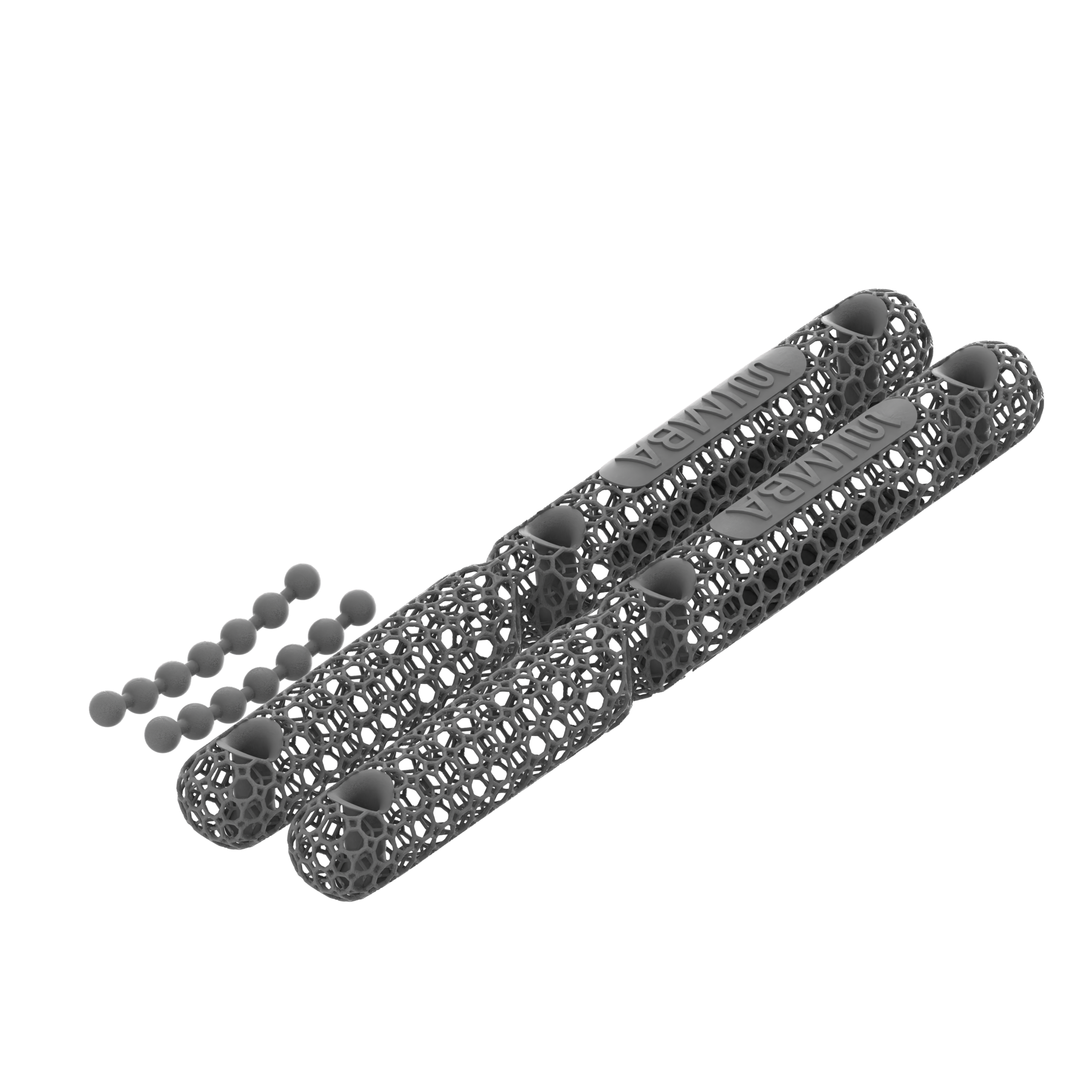
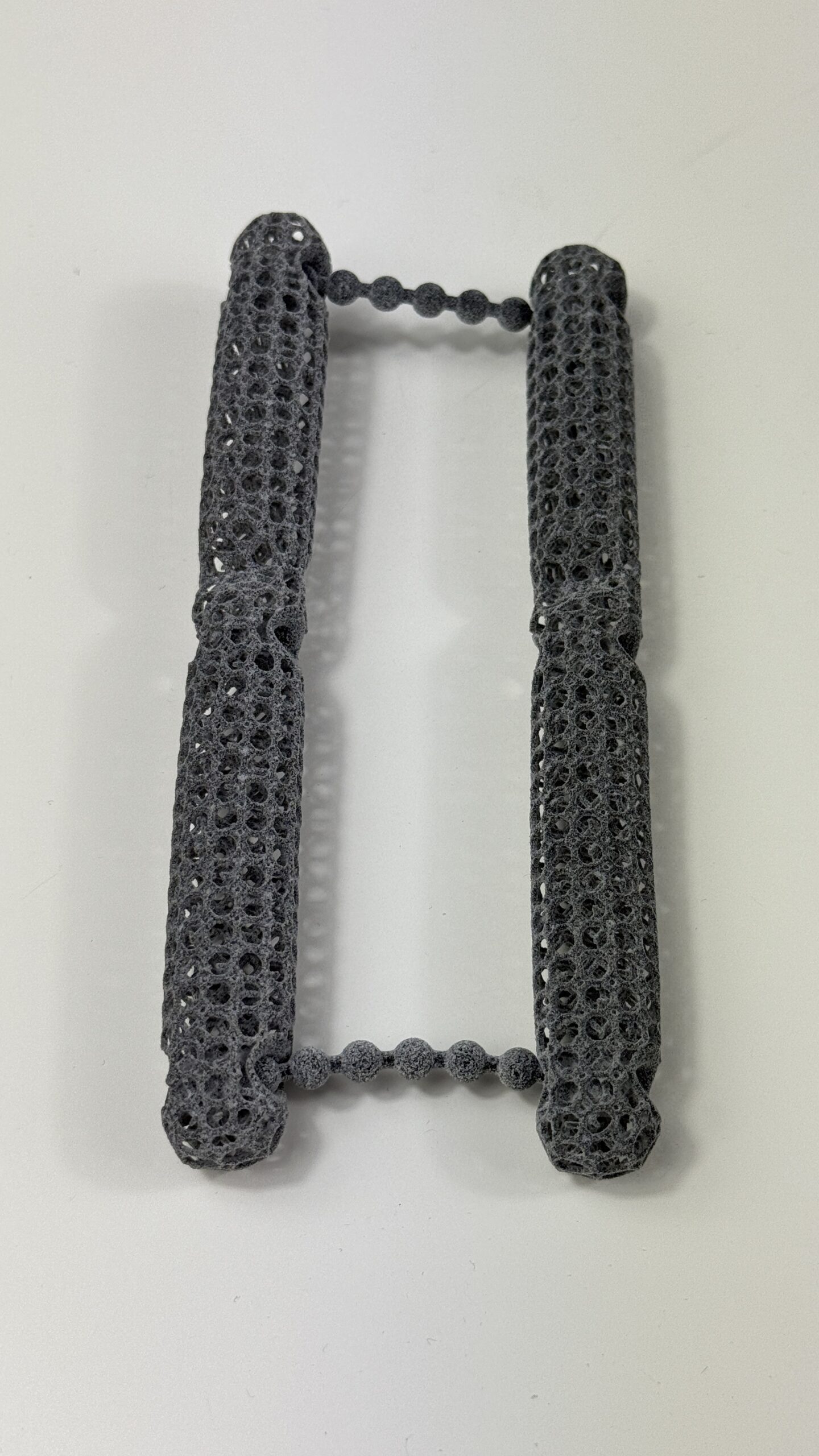
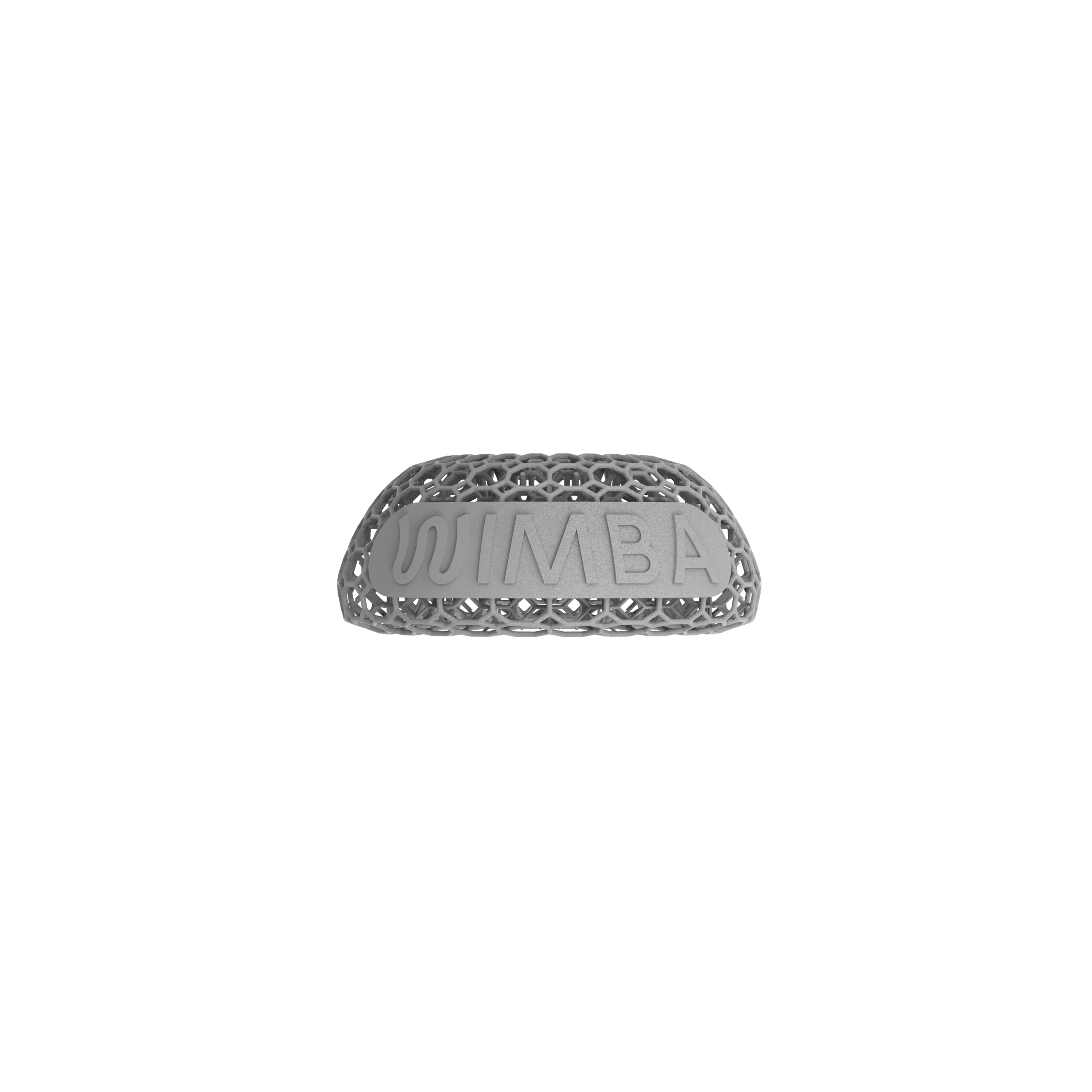
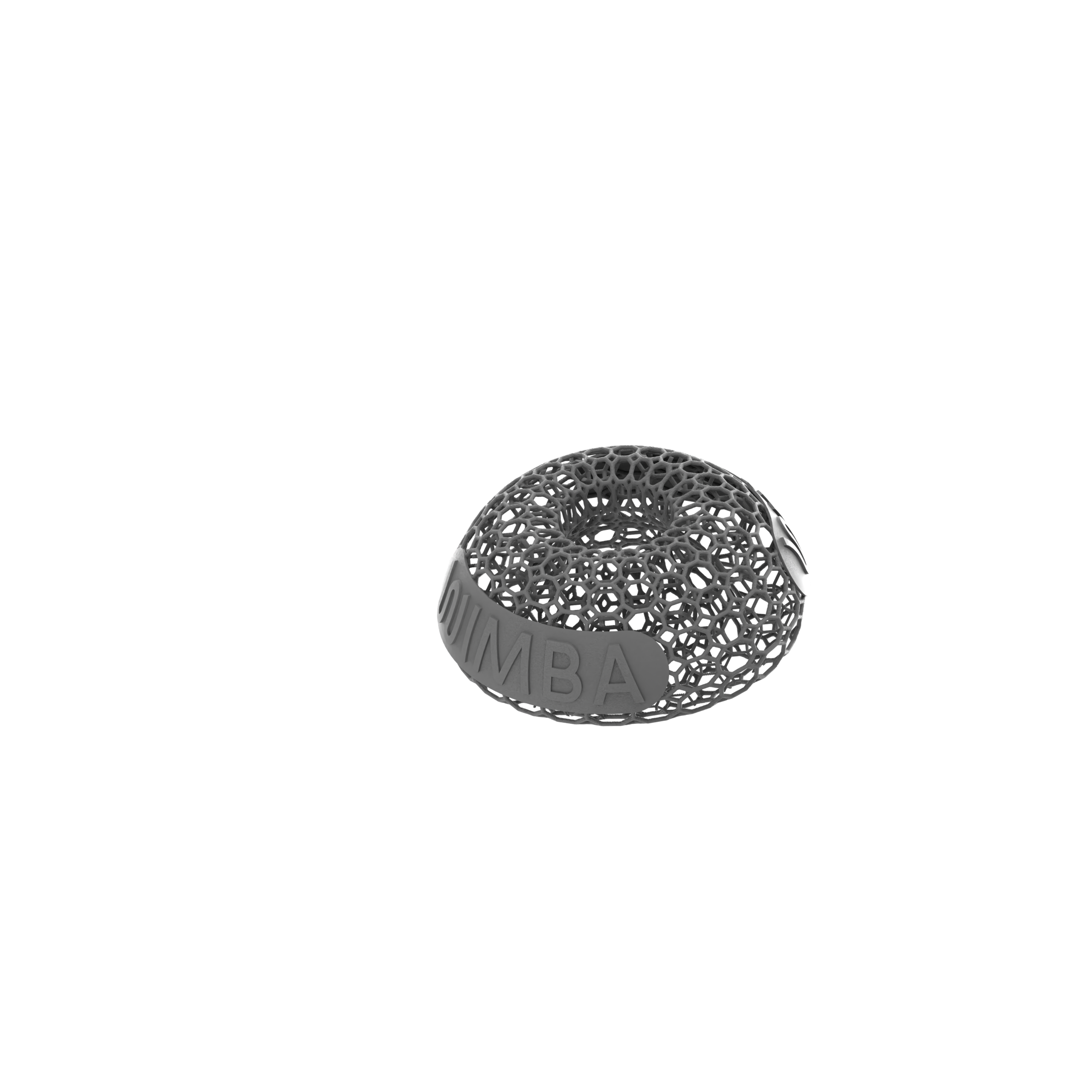
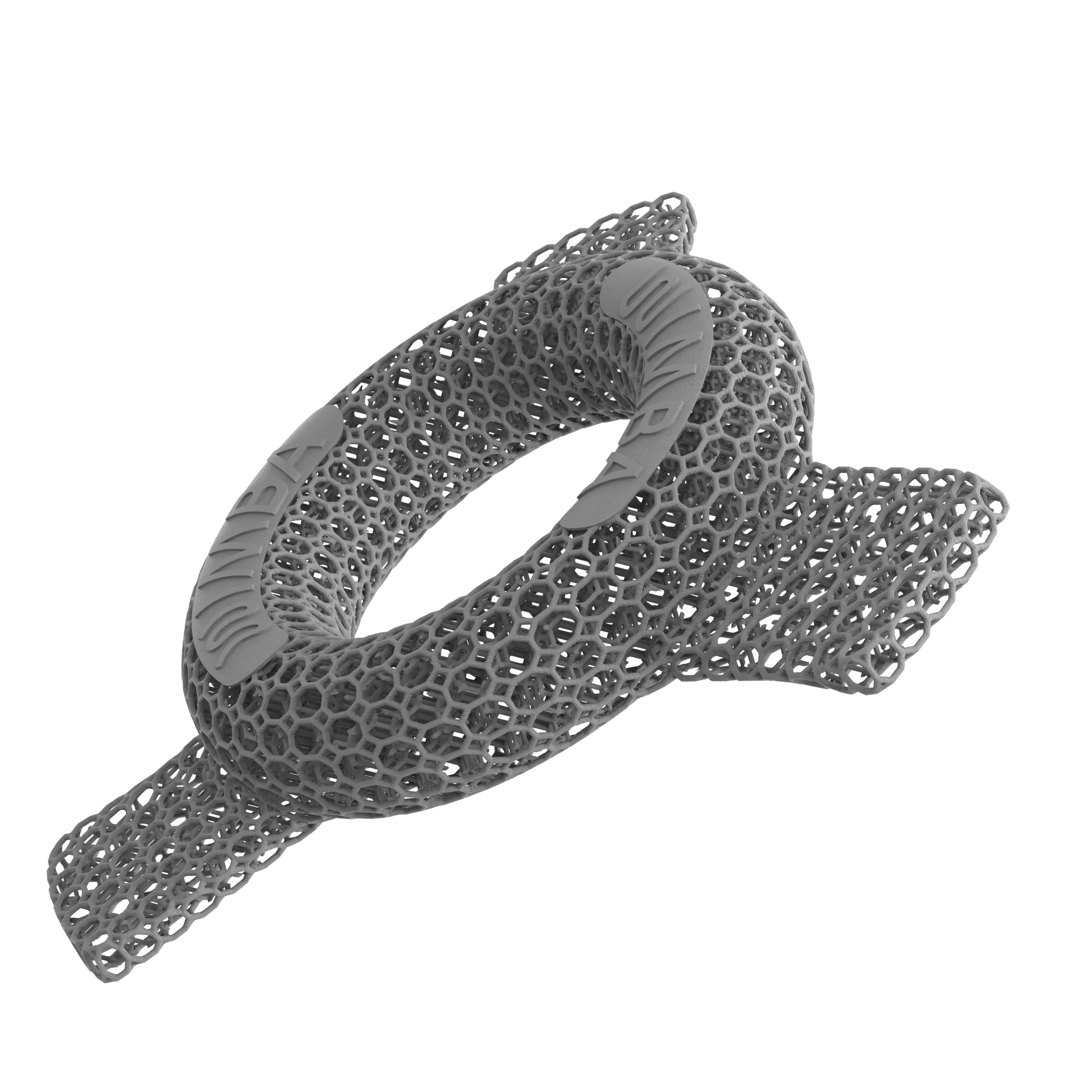
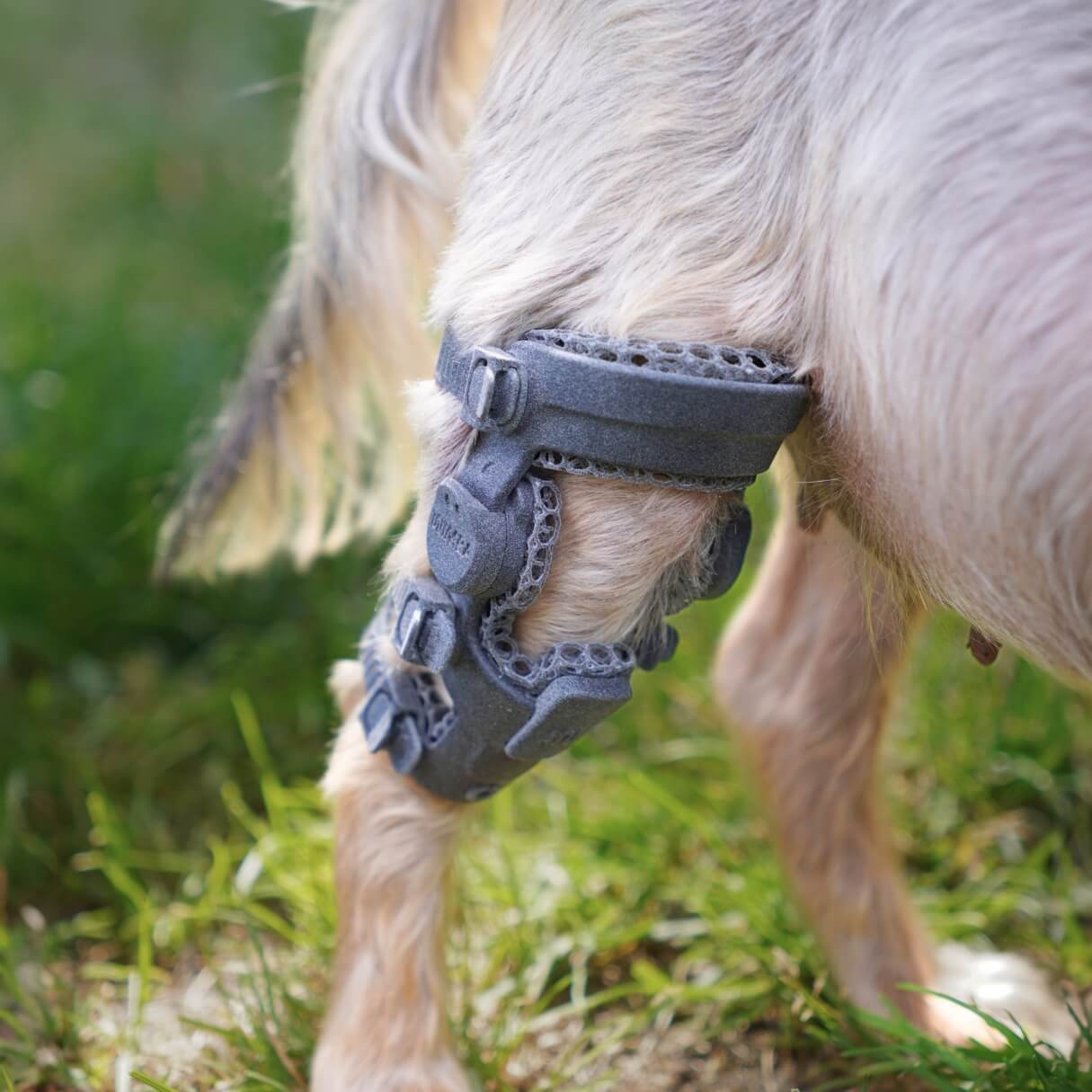
WIMBA Stifle Orthosis PRO is a patient-specific, 3D-printed device with proximal, middle, and distal shells connected by detachable hinges. The configuration supports the stifle and tarsus. Adjustable WIMBA Tokens determine how much movement the applicable hinges permit, allowing the treating professional to prescribe fixed support or a controlled range according to the device options and clinical goal. This makes the dog knee brace for ligament injury part of a defined mechanical prescription.
Tokens influence mechanical range but do not cure cranial cruciate ligament disease. They should be selected and changed by the veterinary or rehabilitation team. Owners should never make a dog knee brace for ligament injury more restrictive or more mobile without direction because the change alters the prescription.
The frame is designed from patient data rather than a generic size chart. This can improve anatomical matching, but “custom” does not guarantee a perfect first fit or eliminate migration and skin risk. Every custom dog knee brace still requires dynamic fitting, gait observation, owner training, and scheduled reassessment.
WimbaSCAN, Measurements, and Ordering
The current PRO workflow combines WimbaSCAN with product-specific manual measurements, goniometry, required radiographs, and clinical information. It is not a choice between scanning and measurements. The WimbaSCAN capture records the wrapped pelvic limb and relevant anatomy, while the additional inputs help the design team interpret scale, joint position, and the prescribed configuration.
Before collecting data for a dog knee brace for ligament injury, the clinic should confirm candidacy and become familiar with the current scanning protocol. Poor wrapping, limb movement, missing anatomy, an incorrectly positioned patellar marker, or inaccurate measurements can compromise the model and delay the case.
- Assess the patient: confirm diagnosis, joint findings, skin condition, conformation, activity, and treatment objective.
- Review candidacy: compare the case with current WIMBA indications and submit complex cases for consultation.
- Collect required data: complete WimbaSCAN captures, measurements, goniometry, radiographs, and the requested clinical materials.
- Order through WimbaAPP: upload complete data and select the prescribed configuration.
- Fit at the clinic: assess alignment, pressure, migration, joint control, and gait before owner use begins.
- Monitor the plan: review skin, tolerance, function, device condition, and the original clinical goal.
This clinician-led pathway distinguishes a medical canine stifle orthosis from a sleeve selected by circumference alone. Veterinary professionals can submit a stifle case when the diagnosis is established but device candidacy remains uncertain.
First Fitting and Gradual Introduction
The first fitting should be dynamic. Check that the shells sit at the intended levels, the hinges align with the joints, straps apply even tension, and no hard component contacts the limb during standing or walking. The dog knee brace for ligament injury should remain positioned without significant rotation or distal migration through a controlled gait assessment. Every custom dog knee brace must pass this functional check before home use.
Current WIMBA guidance starts with up to 15 minutes of controlled leash walking, no more than three times daily during the first week. Wearing time may then increase by about 15 minutes every two days when skin, behaviour, gait, and device position remain acceptable. This is a general introduction schedule. The prescribing professional may modify it for the individual stifle brace for dogs.
The device is not intended for continuous 24-hour use, and the dog must remain supervised. A thin breathable layer or correctly applied veterinary wrap may be recommended to reduce rubbing, but an incorrectly applied wrap can itself cause swelling or injury. The provider should demonstrate the exact method rather than leave the owner to improvise.
Skin, Gait, and Device Monitoring
Skin checks are a central part of treatment, not a minor aftercare detail. In a prospective study of 43 dogs using custom orthoses or limb-replacement devices, 39 developed at least one complication. Skin problems, mechanical problems, and device non-acceptance were the main categories. All 11 dogs with stifle orthoses improved affected-limb weight distribution at the latest follow-up without the device, but the mixed cohort and observational design limit broad conclusions.[6]
Remove the dog knee brace for ligament injury and contact the provider if persistent redness, abrasion, hair loss, swelling, new pain, worsening lameness, marked reluctance, slipping, rotation, damaged parts, or repeated hard-component contact appears. Do not solve migration by progressively tightening straps without checking alignment and limb condition.
Do not heat, drill, grind, bend, or reshape the structural frame. Body weight, muscle mass, swelling, coat, joint position, and activity can change over time. A custom dog knee brace may need professional adjustment, replacement components, new data, redesign, or replacement rather than a home modification.
The Contralateral Stifle Needs Assessment Too
Cranial cruciate ligament disease frequently becomes bilateral over time. Research supports a substantial risk of later contralateral rupture, reflecting the systemic and degenerative nature of the disease rather than load shift alone.[7] The opposite stifle should therefore be examined and monitored when a dog knee brace for ligament injury is prescribed for one limb.
That risk does not prove that routine bilateral bracing prevents rupture. There is no clinical trial showing that a prophylactic CCL brace for dogs protects a clinically normal contralateral ligament. A second device should be based on documented findings, a defined goal, and careful assessment of the dog’s ability to rise, balance, and adapt to bilateral equipment.
Existing dysfunction or amputation of the opposite limb makes the case more complex because the supported limb may be the dog’s only reliable weight-bearing option. Current WIMBA guidance recommends case review in this situation. It should not be treated as a routine indication or an automatic exclusion.
Define Success Before the Device Is Ordered
The outcome of a dog knee brace for ligament injury should be measured against a patient-specific baseline. Useful measures may include lameness score, weight-bearing symmetry, stance time, thigh circumference, range of motion, sit-to-stand performance, tolerance of a prescribed walk, validated pain or mobility questionnaires, and owner ability to apply the device correctly.
A successful plan does not have to mean normal high-impact activity. It may mean safer controlled walking, improved loading during rehabilitation, or acceptable daily mobility when surgery is not possible. The expected result, review date, and stopping criteria should be documented before the canine stifle orthosis leaves the clinic.
Reassessment may lead to continued use, a different Token prescription, rehabilitation changes, repeat diagnostics, device modification by the authorised pathway, surgical referral, or discontinuation. A dog knee brace for ligament injury is most useful when the plan can change in response to evidence from the patient.
Discuss a Stifle Case With WIMBA
Veterinary professionals can submit the diagnosis, history, radiographs, gait information, and intended functional goal to review whether a dog knee brace for ligament injury matches the case. Pet owners can find a WIMBA Provider for assessment and fitting.
Frequently Asked Questions About Dog Knee Braces for Ligament Injury
These answers summarise the general decision pathway. They cannot confirm candidacy for an individual patient without veterinary examination and review of current product criteria.
Can a dog knee brace for ligament injury replace TPLO?
Not automatically. Surgical stabilisation is often preferred for dogs with clinically important CCL instability, especially active medium-sized and large patients. A dog knee brace for ligament injury may contribute to conservative management when surgery is not appropriate, must be delayed, or is declined after informed discussion, but it does not repair the ligament or reproduce a surgical procedure.
Which dogs may be considered for a stifle orthosis?
Selected dogs with confirmed cranial cruciate ligament deficiency may be considered when there is a defined support goal and a monitored veterinary plan. Current WIMBA criteria also consider weight, breed, limb measurements, conformation, patellar stability, skin health, concurrent disease, and intended activity.
Does a CCL brace heal the ligament or treat a meniscal tear?
No. A CCL brace for dogs provides external mechanical support. It does not regenerate a deficient cranial cruciate ligament and does not treat a displaced or damaged meniscus. New clicking, worsening pain, or reduced weight bearing requires veterinary reassessment.
How is WIMBA Stifle Orthosis PRO measured and ordered?
The current PRO pathway combines WimbaSCAN with manual measurements, goniometry, required radiographs, and clinical information submitted through WimbaAPP. WIMBA designs and 3D prints the patient-specific device, and the veterinary provider completes the first fitting and owner training.
How long should a dog wear a stifle brace each day?
The schedule for a stifle brace for dogs is individual. Current WIMBA guidance commonly begins with controlled sessions of up to 15 minutes, no more than three times daily, followed by gradual increases when skin, gait, behaviour, and device position remain acceptable. The orthosis is not intended for continuous 24-hour wear, and the dog must remain supervised.
What complications should the clinic and owner monitor?
Monitor for persistent redness, abrasion, hair loss, swelling, new pain, worsening lameness, reluctance to move, slipping, rotation, hard-component contact, and damaged parts. Remove the device and contact the provider if these occur rather than tightening, reshaping, or continuing through the problem.
Can a stifle orthosis be used after CCL surgery?
Only when the surgeon or rehabilitation professional prescribes it and defines the timing and purpose. Current WIMBA criteria exclude acute postoperative use. A device may be considered later for a selected rehabilitation goal, but a hinged orthosis should not be assumed to replace the surgeon’s required protection.
Medical Disclaimer: All information on this website is intended for instruction and information purposes only. The authors are not responsible for any harm or injury that may result. Significant injury risk is possible if you do not seek suitable professional advice about your patient’s specific situation. No guarantees of specific results are expressly made or implied on this website.
Scientific References
- Niebauer GW, Restucci B. Etiopathogenesis of canine cruciate ligament disease: a scoping review. Animals. 2023, 13(2):187. doi:10.3390/ani13020187
- Wucherer KL, Conzemius MG, Evans R, Wilke VL. Short-term and long-term outcomes for overweight dogs with cranial cruciate ligament rupture treated surgically or nonsurgically. J Am Vet Med Assoc. 2013, 242(10):1364–1372. doi:10.2460/javma.242.10.1364
- Hart JL, May KD, Kieves NR, et al. Comparison of owner satisfaction between stifle joint orthoses and tibial plateau leveling osteotomy for the management of cranial cruciate ligament disease in dogs. J Am Vet Med Assoc. 2016, 249(4):391–398. doi:10.2460/javma.249.4.391
- Carr BJ, Canapp SO, Meilleur S, Christopher SA, Collins J, Cox C. The use of canine stifle orthotics for cranial cruciate ligament insufficiency. Vet Evid. 2016, 1(1). doi:10.18849/ve.v1i1.10
- Bertocci GE, Brown NP, Mich PM. Biomechanics of an orthosis-managed cranial cruciate ligament-deficient canine stifle joint predicted by use of a computer model. Am J Vet Res. 2017, 78(1):27–35. doi:10.2460/ajvr.78.1.27
- Rosen S, Duerr FM, Elam LH. Prospective evaluation of complications associated with orthosis and prosthesis use in canine patients. Front Vet Sci. 2022, 9:892662. doi:10.3389/fvets.2022.892662
- Muir P, Schwartz Z, Malek S, et al. Contralateral cruciate survival in dogs with unilateral non-contact cranial cruciate ligament rupture. PLoS One. 2011, 6(10):e25331. doi:10.1371/journal.pone.0025331
Related reading: The role of physiotherapy in canine orthopaedic rehabilitation, where place for orthoses · How 3D-Printed Orthotics Support Better Rehab Outcomes in Dogs and Cats · custom dog brace