 Skip to content

Dog Hock Brace: When It Helps, How It Fits, and What the Evidence Says
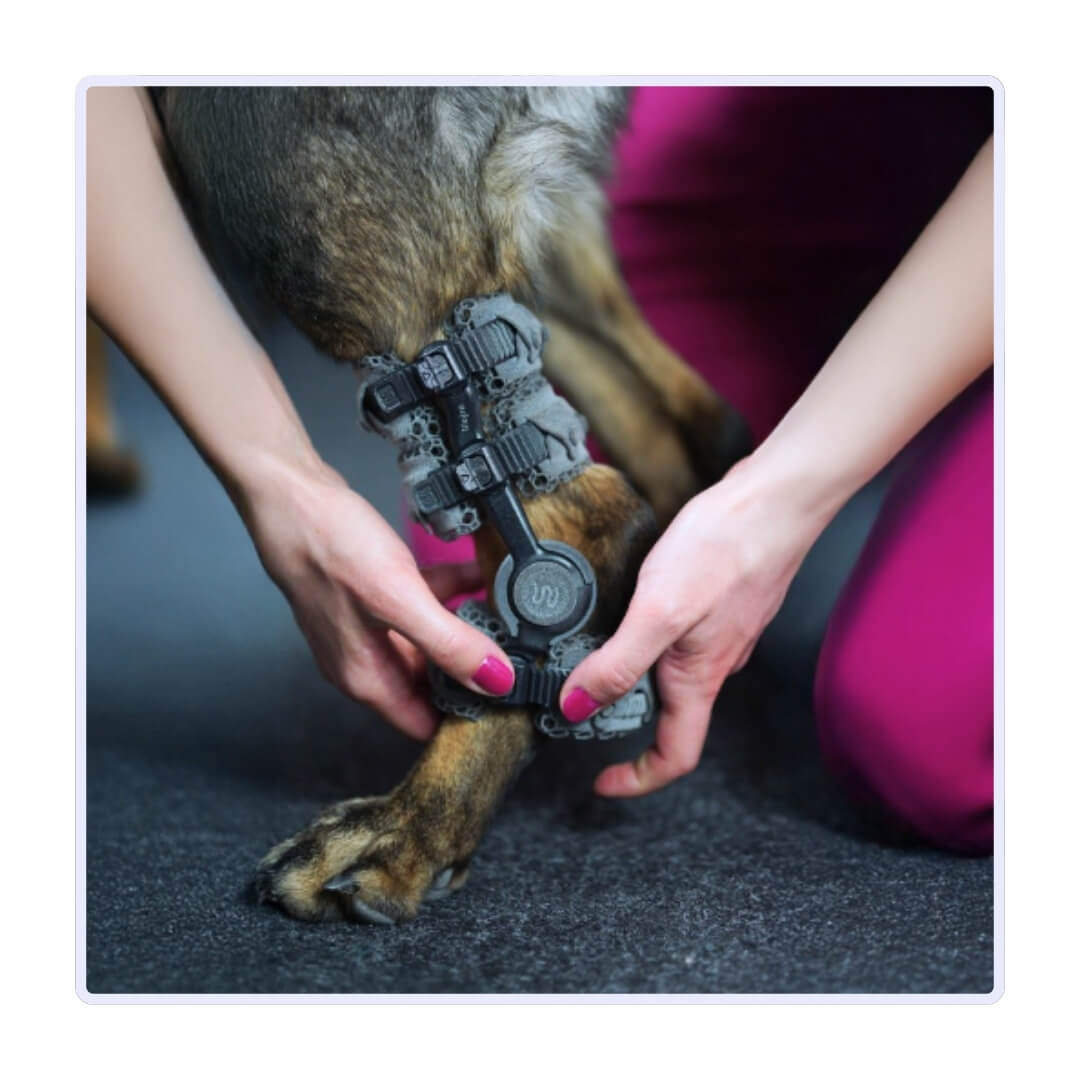
A dog hock brace can provide external support to the tarsal joint when a veterinarian has identified a motion pattern that should be controlled. It may help selected dogs with mild single-plane instability, tarsal osteoarthritis, partial common calcaneal tendon injury, or a defined rehabilitation need—but it is not a universal alternative to surgery and it does not repair a torn tendon or ligament.
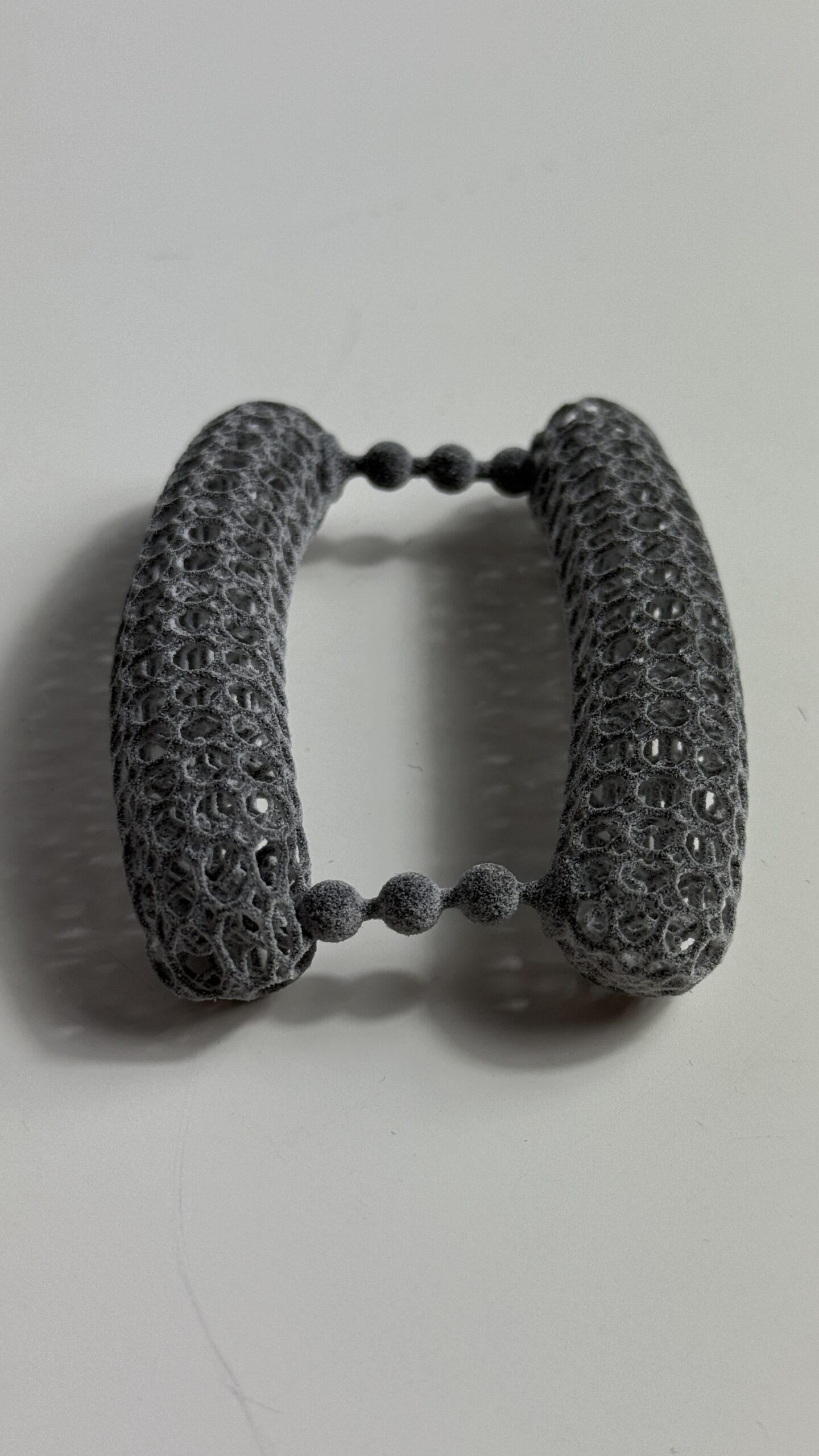
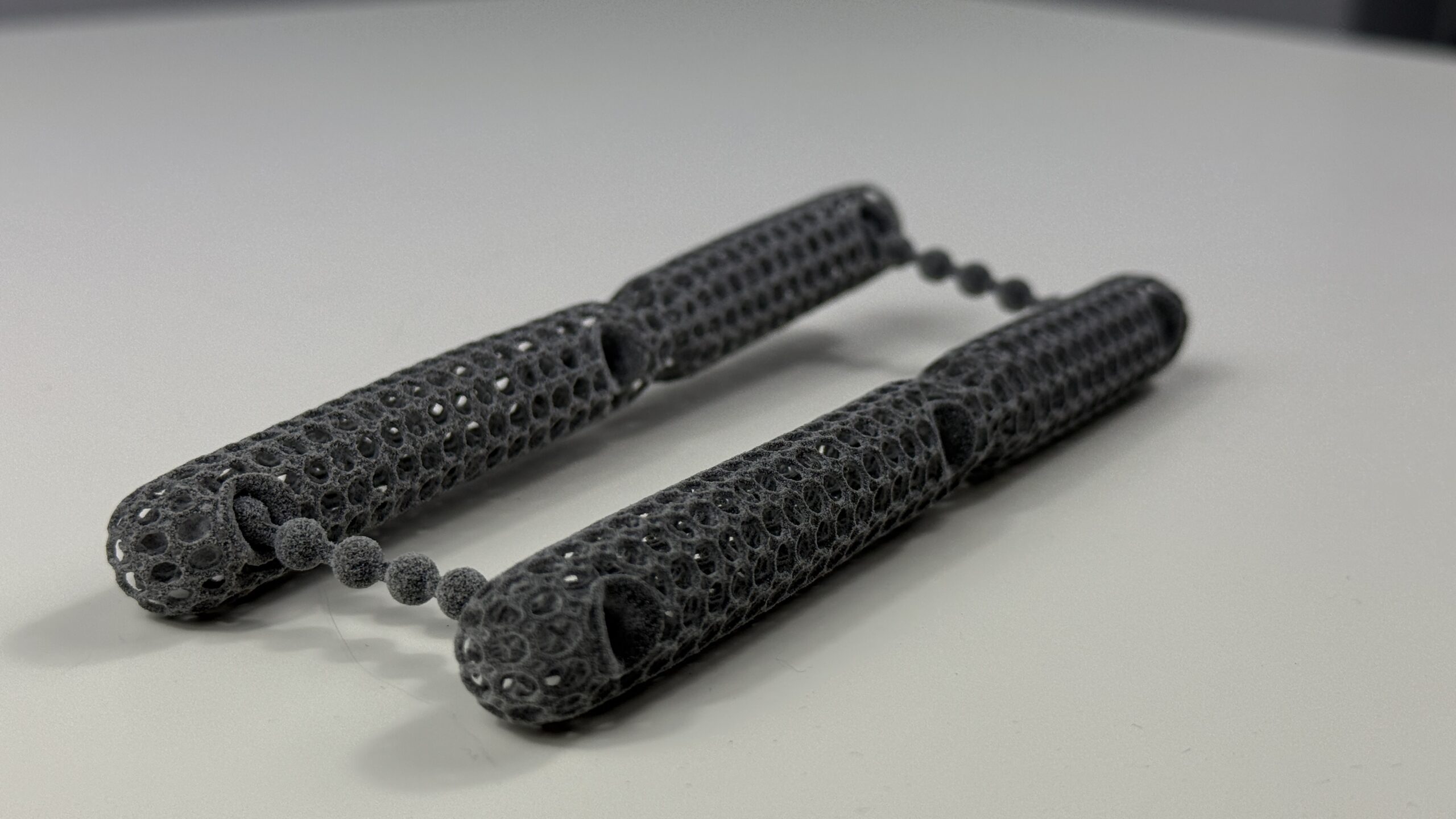
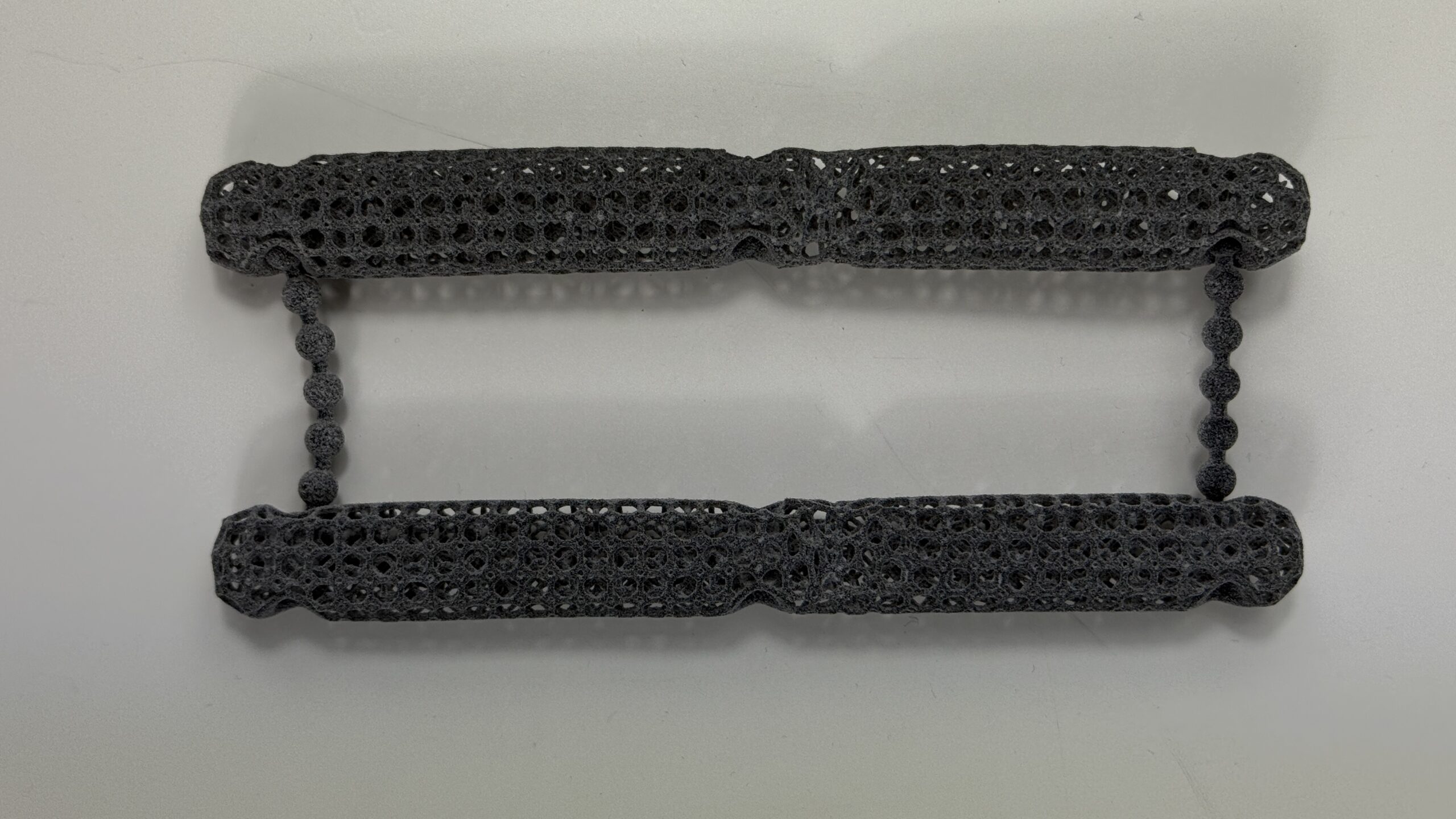
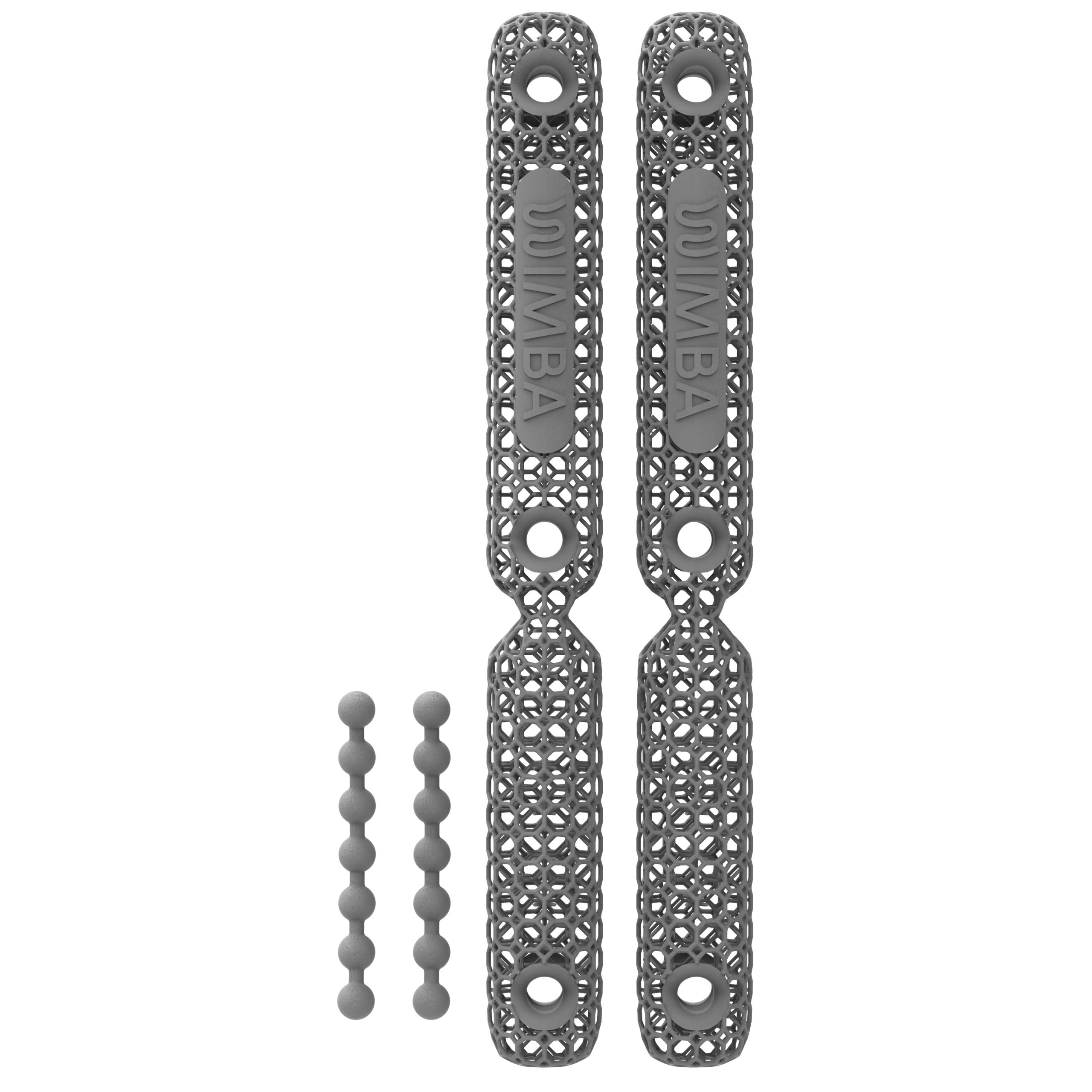
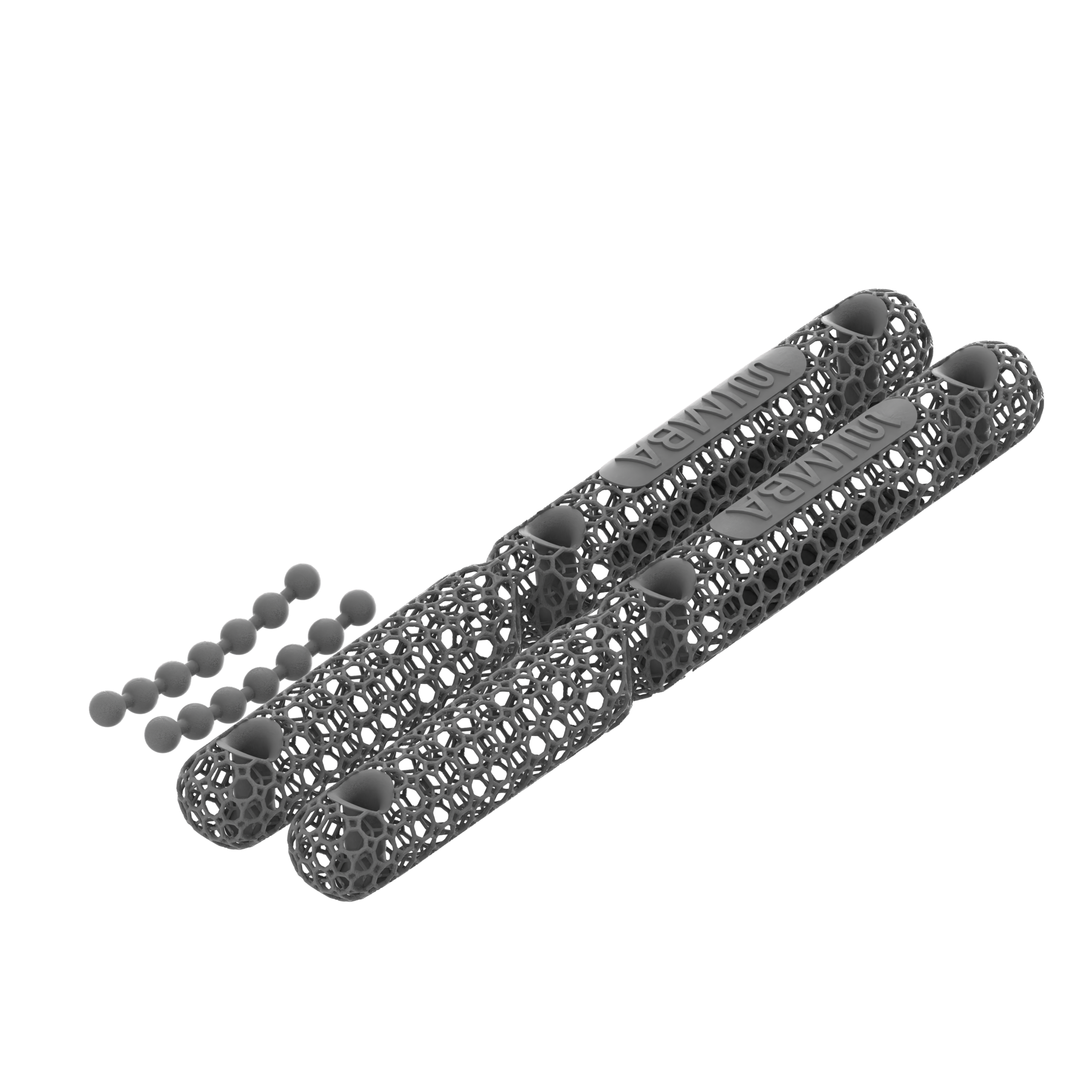
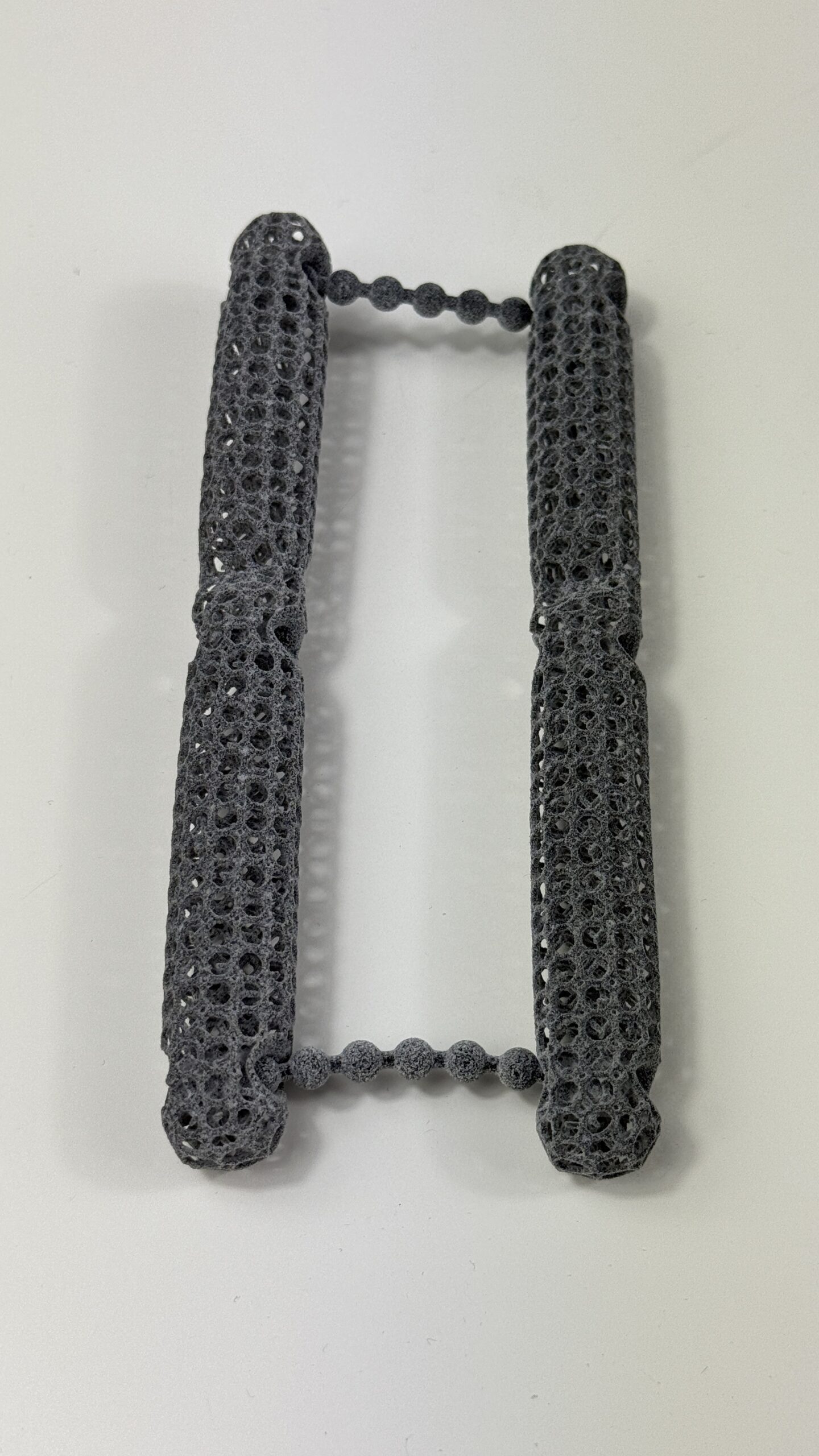
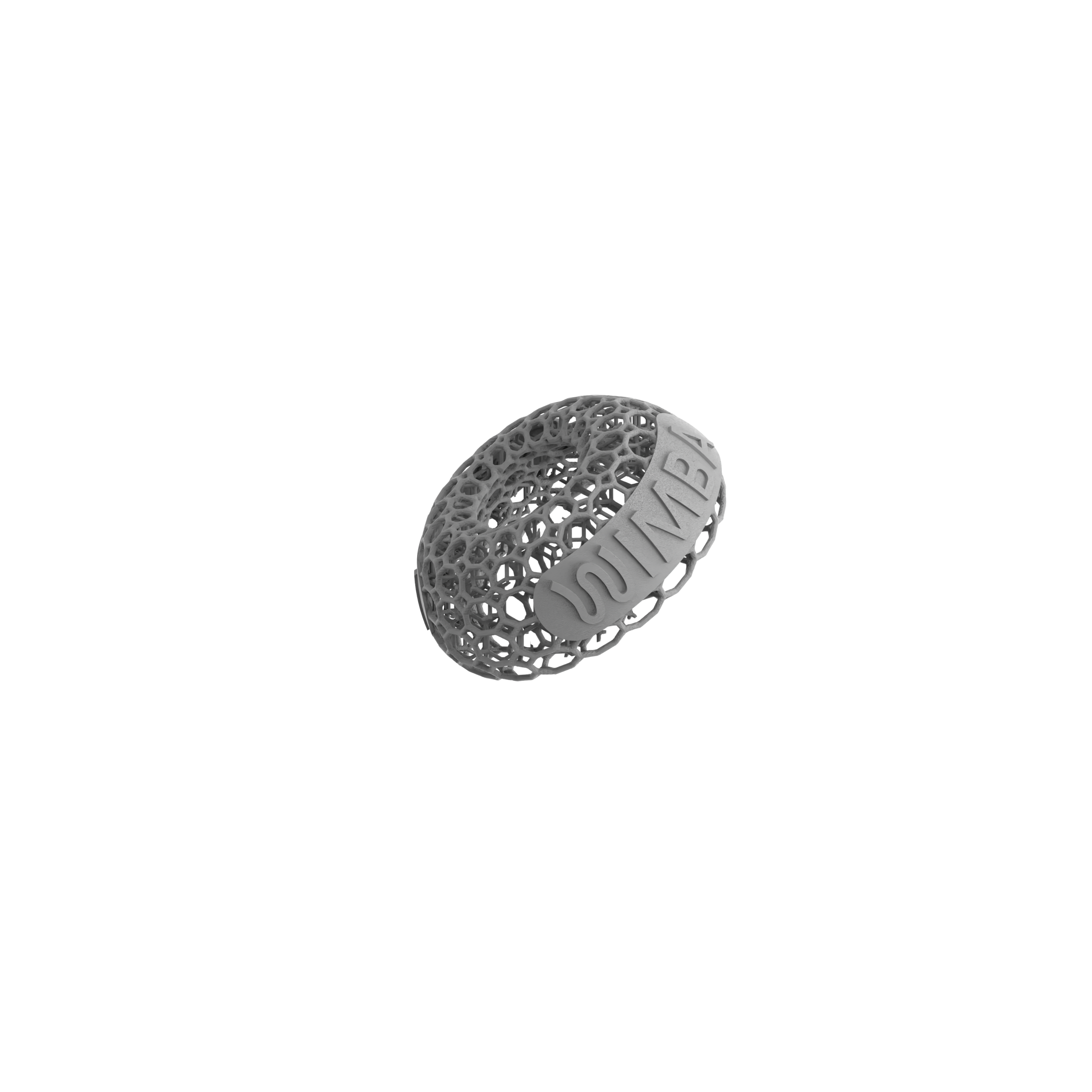
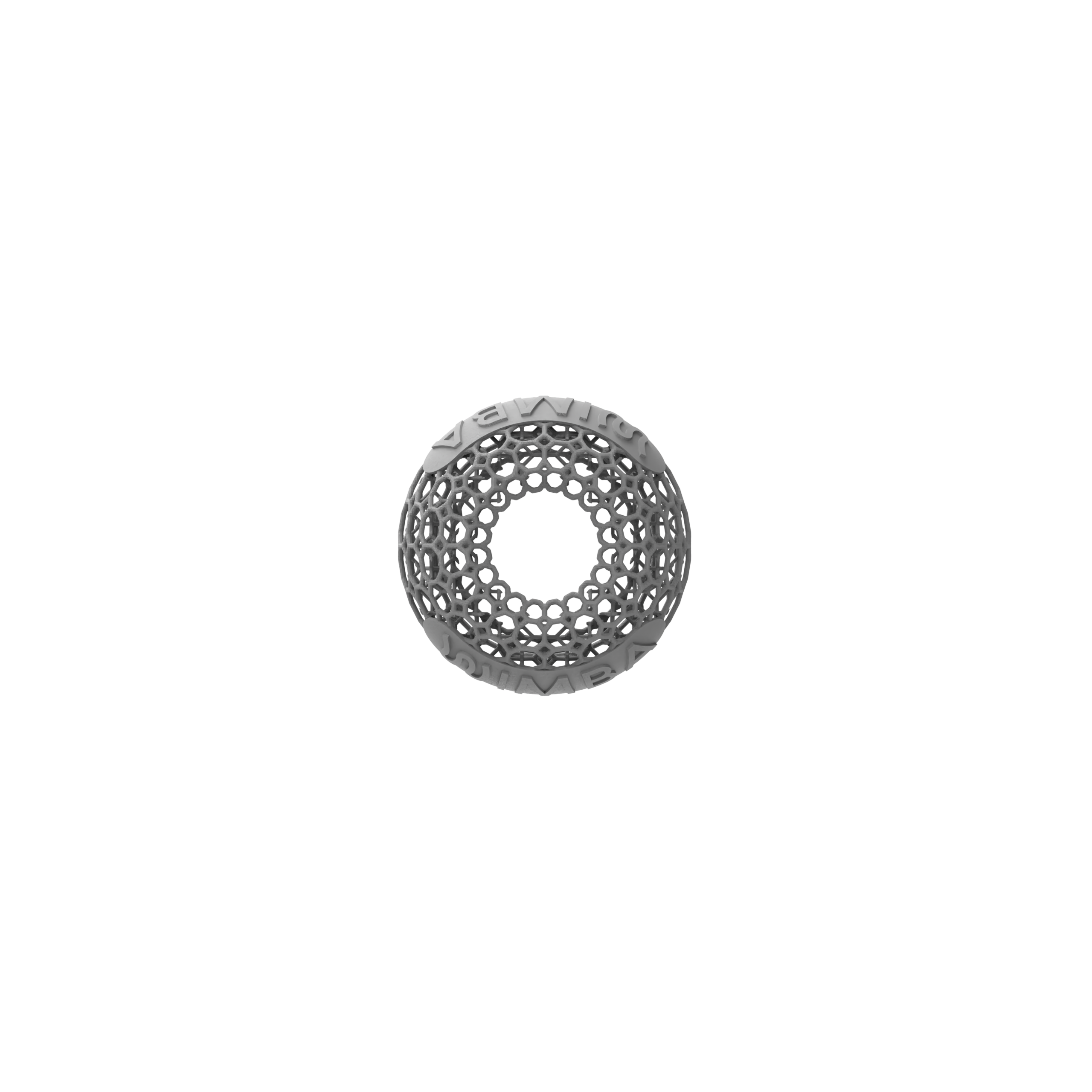
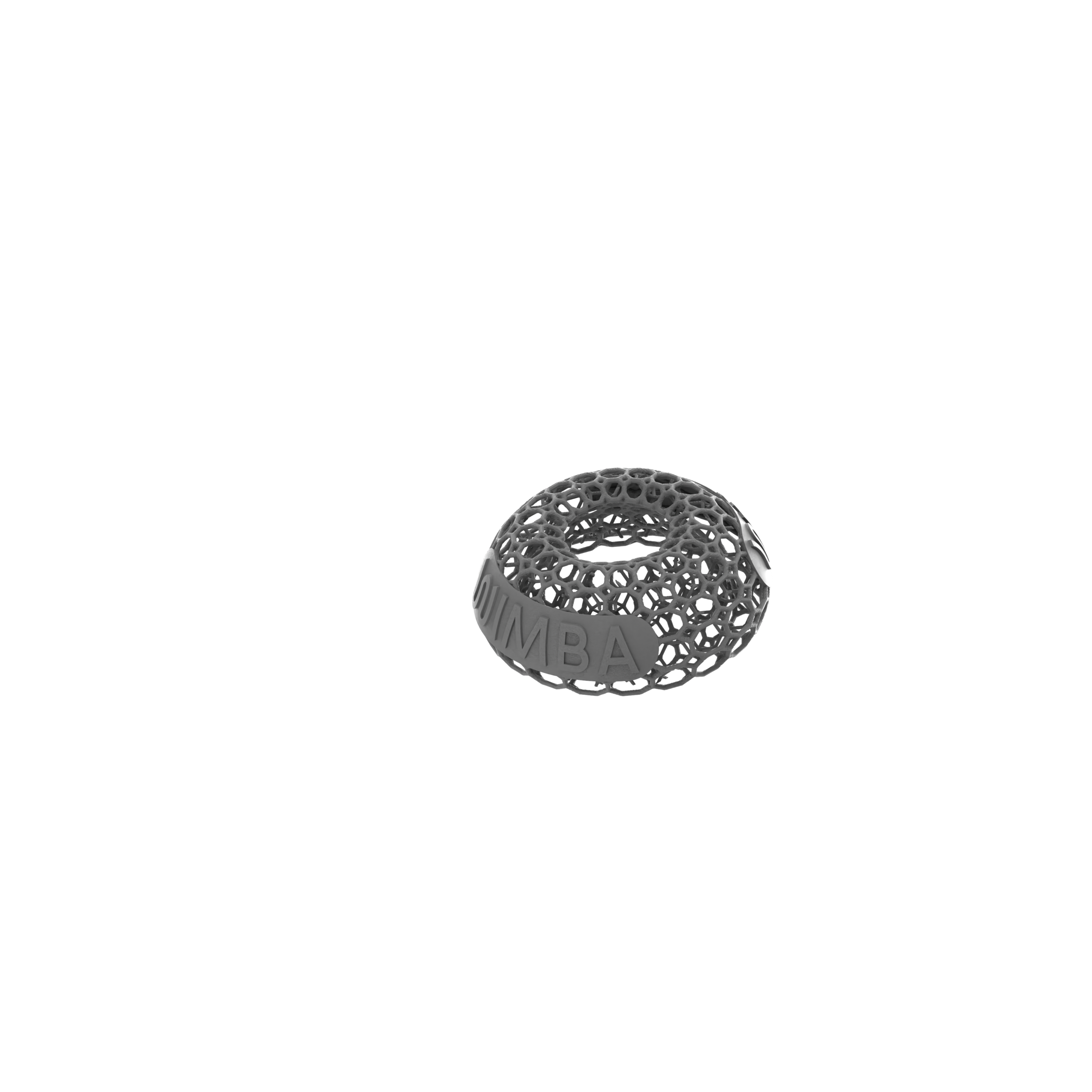
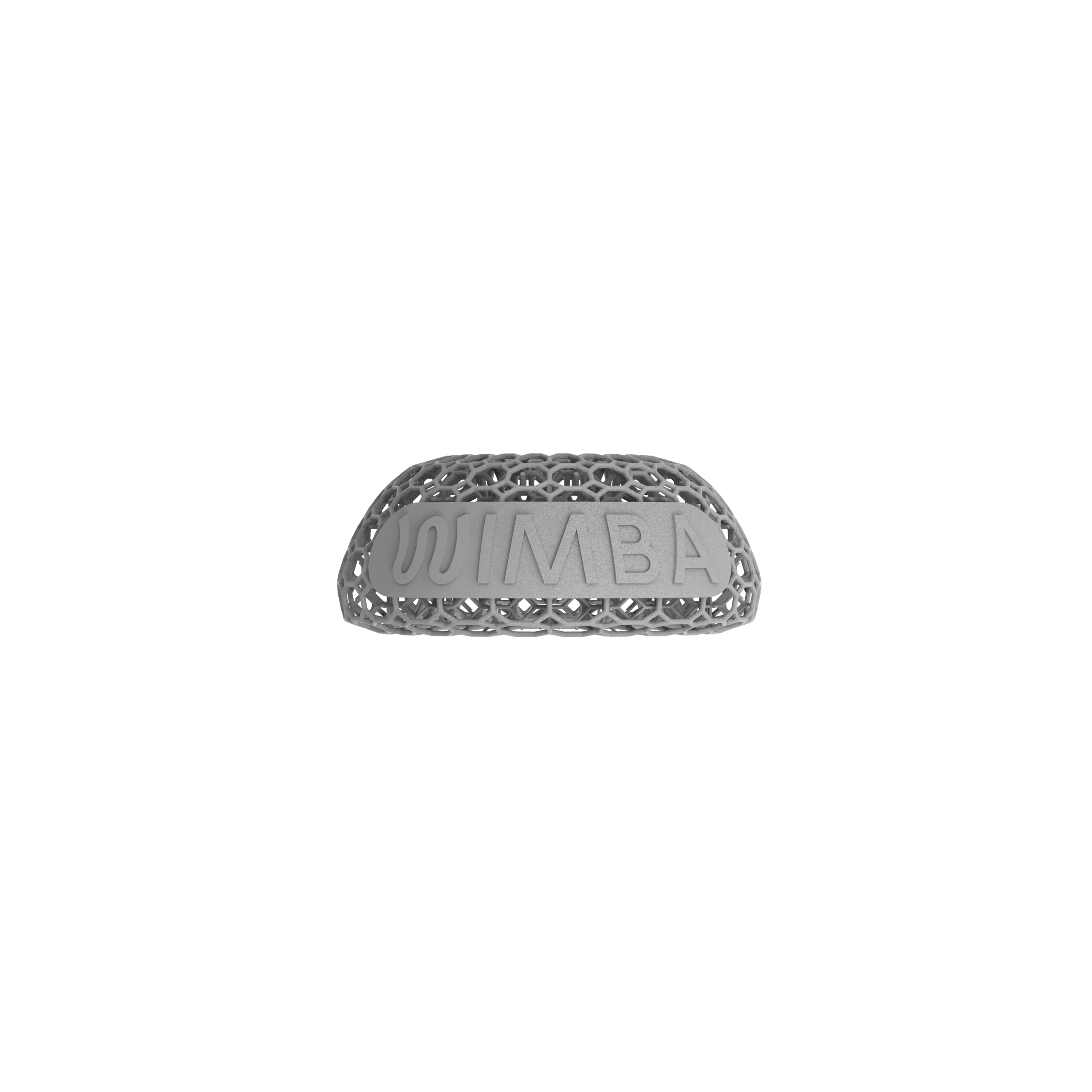
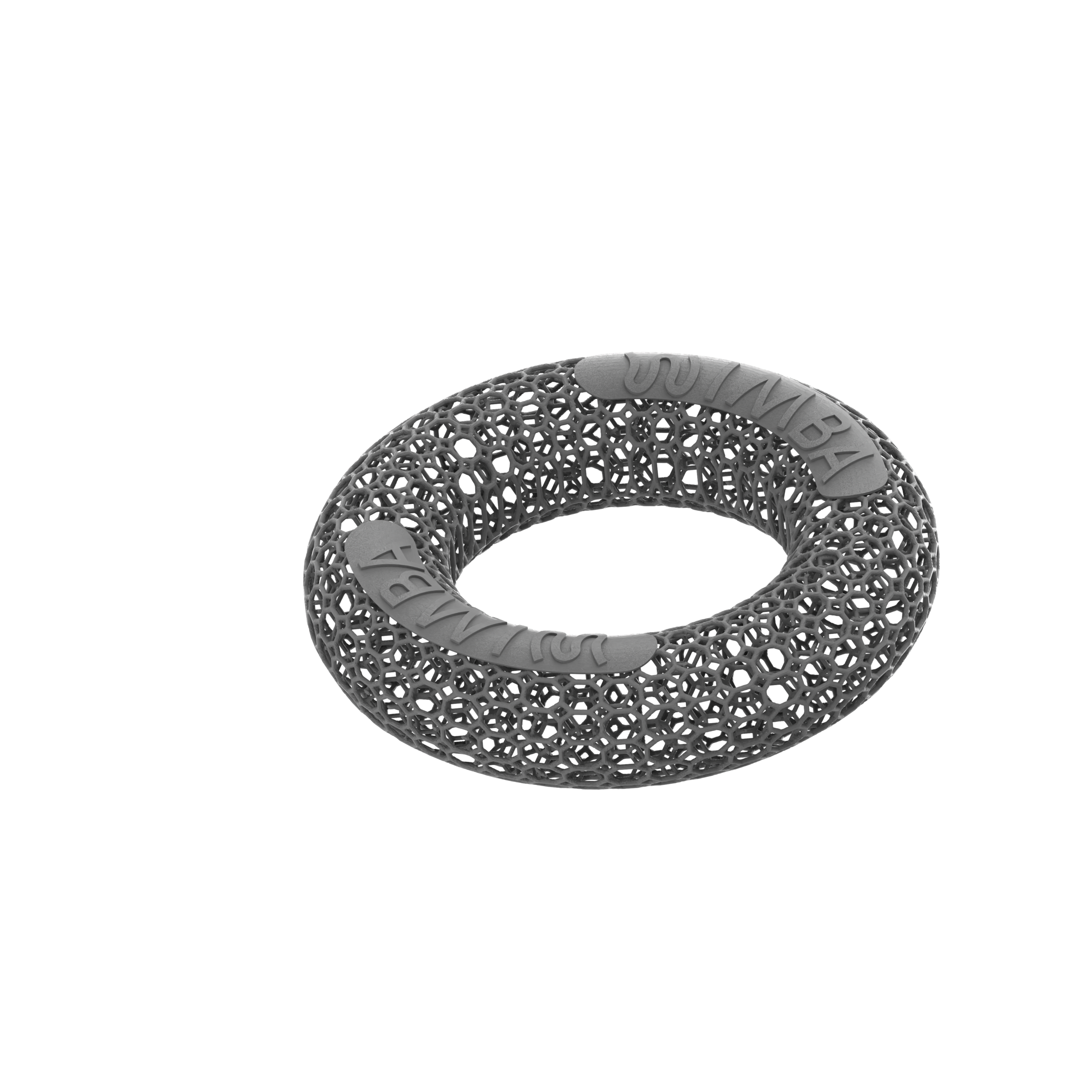
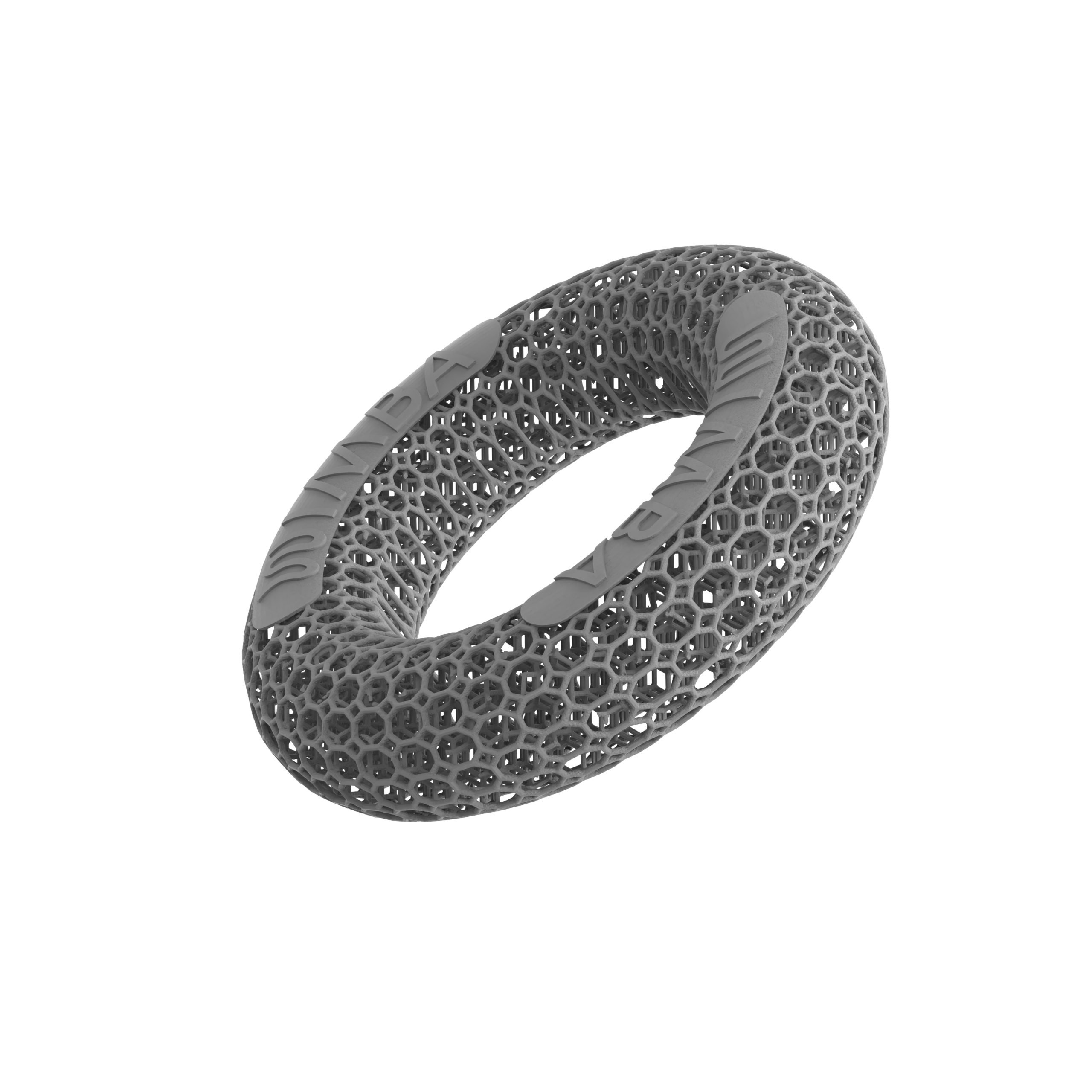
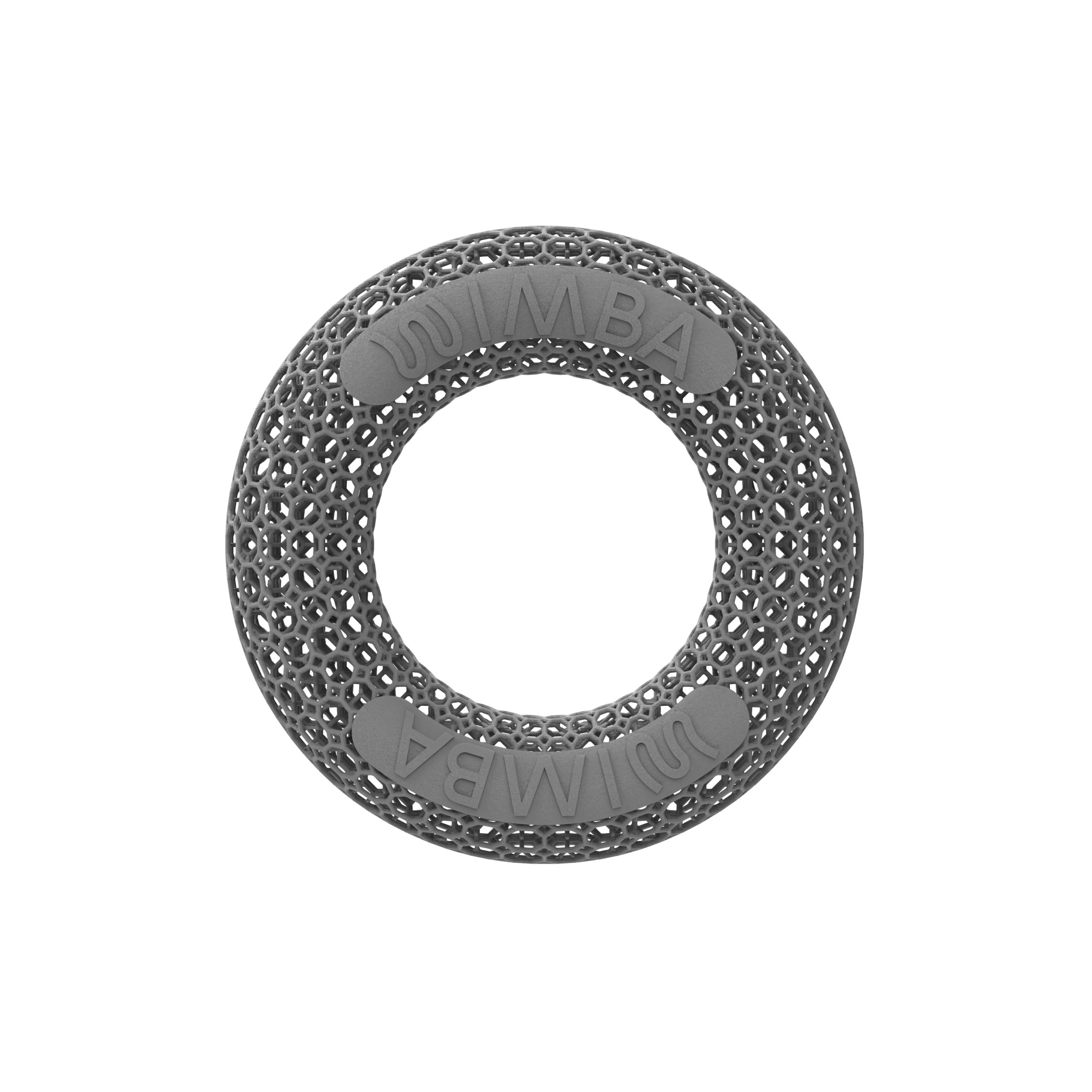
WIMBA makes custom orthoses for the hock, including the WIMBA tarsal orthosis, designed to a dog’s measurements and 3D-printed. Whether a hock brace suits a particular dog is a decision for the treating veterinarian. A brace is one option for helping a dog with hock instability walk more comfortably, alongside veterinary diagnosis, activity restriction, pain management, rehabilitation, and surgery when a tendon, ligament, or fracture needs repair.
This guide focuses on the practical decision behind a hock brace for dogs: which movement needs support, whether the case is suitable for orthotic management, how custom fitting works, and what owners and clinicians should monitor after fitting. It also presents three real WIMBA patients—Thanos, Lola, and Bono—whose published case pages show very different reasons for using a canine tarsal brace.
The visible hock position does not identify the injury
A hock that appears to “drop” may be extending too far because plantar supporting structures have failed, or flexing too far because the common calcaneal tendon complex is injured. Side-to-side deviation, fracture, luxation, neurological weakness, and compensation for a problem higher in the limb can look different again. A dog hock brace should therefore follow diagnosis, not a photograph or home range-of-motion test.
What Is the Hock Joint?
The canine hock, or tarsus, is the joint region between the lower leg and the metatarsus. Owners often compare it with the human ankle, but the canine tarsus is a complex arrangement of seven small bones and several joint levels. Capsules, collateral and plantar ligaments, the common calcaneal tendon complex, and surrounding muscles coordinate stability and movement.12
During stance and propulsion, these structures resist collapse and transfer force between the tibia and paw. A dog ankle brace is therefore not supporting one simple hinge. The required device depends on the affected joint level, direction of instability, integrity of the paw and metatarsus, skin condition, body size, activity, and treatment objective.
| Movement pattern | Structures or conditions to investigate | Orthotic implication |
|---|---|---|
| Excessive extension | Plantar ligament failure, intertarsal or tarsometatarsal injury, compensatory posture | Sagittal extension control may be considered only after the cause and severity are defined |
| Excessive flexion | Partial or complete common calcaneal tendon complex injury | A partial injury may be eligible for controlled flexion limits; a complete tear needs surgical assessment |
| Medial-lateral or rotational movement | Collateral ligament injury, fracture, luxation, multiplanar instability | A basic single-plane dog hock brace may not provide enough control |
| Paw or metatarsal involvement | Neurological deficit, digital injury, distal instability, altered paw placement | A device with paw support or a different treatment pathway may be required |
Common calcaneal tendon injury usually produces excessive tarsal flexion rather than hyperextension. In an ultrasound series of 43 dogs, 39 had partial injury and four had complete disruption of all three tendon components; abnormalities were bilateral in 21 dogs at presentation.3 The “crab-claw” toe posture sometimes seen when the superficial digital flexor component remains intact is a clinical clue, not a substitute for examination and imaging.4 A dog hock brace can only be planned responsibly after that distinction is made.
The tarsus may also look unstable when the primary problem is elsewhere. A 2026 case report described bilateral weight-bearing hyperextension associated with stifle pathology that resolved after the stifles were stabilized, without direct treatment of the tarsi.5 One case cannot define a general rule, but it shows why the whole hindlimb and neurological system should be assessed before prescribing a tarsal orthosis for dogs or a dog hock brace.
Understanding Dog Hock Orthotics for Instability
Hock instability is different from general hock weakness or soreness: it means the joint moves further, or in a direction, than it should under normal loading, most often through hyperextension, hyperflexion, or collateral (side-to-side) laxity. A dog hock orthosis for instability is built to restrict that specific excess movement while still allowing the motion the joint needs for normal walking, which is why the brace is selected and adjusted around the instability pattern rather than sold as one generic shape.
Instability can follow trauma, calcaneal tendon injury, chronic overload from compensating for another limb, or osteoarthritis, and each of these can call for a different level of rigidity or range-of-motion control. This is why hock instability should be diagnosed and classified by a veterinary team before an orthosis is fitted, rather than assumed from symptoms alone.
What a Dog Hock Brace Can—and Cannot—Do
The purpose of a tarsal orthosis for dogs is mechanical: to influence the range or direction of movement while the device is being worn. Depending on its design and configuration, it may limit excessive extension, restrict flexion to a clinician-selected angle, add external stability during controlled activity, or support a postoperative or rehabilitation plan.
A dog hock brace may
- limit a defined unwanted movement during wear;
- provide external support during controlled walks or rehabilitation;
- protect a selected motion range after surgery when prescribed;
- offer a non-surgical management option for an appropriately selected patient;
- allow the support plan to be reviewed as function changes.
A dog hock brace cannot
- identify which tendon, ligament, bone, or joint is injured;
- repair a complete tendon rupture or reconstruct failed ligaments;
- stabilize every fracture, luxation, or severe multiplanar injury;
- eliminate all common calcaneal tendon strain simply by limiting hock motion;
- replace pain management, rehabilitation, surgery, or follow-up when these are indicated.
This boundary matters because a biomechanical study in six dogs found that tarsal immobilization reduced but did not eliminate strain in the common calcaneal tendon.7 Even a carefully selected dog hock brace is one component of a treatment plan, not proof that an injured structure is unloaded or healed.
When a Hock Brace for Dogs May Be Considered
Suitability for a dog hock brace is determined by the diagnosis, severity, plane of instability, clinical goals, and the dog’s ability to tolerate and safely use a device. The following situations are examples for discussion with the treating veterinary team, not self-prescribing criteria.
Mild sagittal-plane instability or hyperextension
When examination confirms mild instability mainly in flexion and extension, a dog hock brace may be configured to limit the unwanted range during selected activities. Significant side-to-side laxity, rotation, fracture, or luxation requires a different level of control and may change the treatment entirely.
Selected partial common calcaneal tendon injuries
A partial injury can allow excessive tarsal flexion. Current WIMBA GO indications include selected hyperflexion cases in which no complete tear is present and custom motion-control Tokens are prescribed.10 Complete rupture, open injury, marked plantigrade stance, or rapid deterioration warrants surgical evaluation rather than an owner-selected dog ankle brace.
Tarsal osteoarthritis or chronic joint compromise
External support may be considered when tarsal osteoarthritis or chronic joint change produces a defined functional problem during activity. The plan still needs appropriate analgesia, body-condition management, exercise modification, and reassessment. A canine tarsal brace does not reverse cartilage loss or establish that the tarsus is the only source of pain.
Veterinarian-directed postoperative or rehabilitation support
A surgeon or rehabilitation clinician may introduce a dog hock brace after repair, casting, splinting, or another stage of protection to control motion during a gradual return to activity. Timing and permitted range cannot be generalized: the operation, tissue healing, wound, swelling, implant security, and imaging findings all influence when external support is appropriate.
When a Dog Hock Brace Is Not Enough
Severe tarsal trauma can require primary surgical stabilization, tendon repair, or partial or pantarsal arthrodesis. The decision depends on which joint level and structures are damaged, whether the injury is acute or chronic, and whether stable reconstruction is possible.1 A 2026 retrospective study of 89 procedures in 80 dogs treated surgically for common calcaneal tendon pathology also reported substantial postoperative complications, showing that these injuries can be difficult even with specialist care.6
Seek prompt veterinary care if you see
- non-weight-bearing lameness after trauma;
- an open wound, marked deformity, suspected fracture, or joint luxation;
- sudden plantigrade stance or curling of the toes;
- rapidly increasing swelling, heat, bruising, or pain;
- progressive weakness, poor coordination, or changes affecting more than one limb;
- skin damage, swelling, or worsening gait after a device is applied.
Do not repeatedly flex, extend, or twist a painful hock to test it at home. Do not improvise a rigid dog hock brace around an acutely swollen or injured limb. Incorrect pressure or inadequate control can add skin injury, swelling, or movement at a lesion that needs urgent stabilization.
What Does Research Say About a Dog Hock Brace?
The direct evidence for orthotic treatment of canine tarsal disease is limited. Published literature includes biomechanical work, individual case reports, and mixed cohorts of dogs using orthoses or prostheses. It does not provide a large randomized trial showing that one dog hock brace design is superior or that bracing reliably replaces surgery.
One 2013 case report described a dog with gastrocnemius tendon strain treated with autologous mesenchymal stem cells and a custom orthosis.8 Because several treatments were used in one patient, it cannot establish the independent effect of the orthosis. Likewise, the small tarsal subgroup within a prospective study of veterinary orthotic and prosthetic devices cannot support broad effectiveness claims.9
That prospective study is still useful for safety: skin sores, mechanical problems, and device repairs occurred across the mixed device cohort.9 It supports structured fitting, acclimation, skin checks, and rechecks. It does not justify saying that every custom dog hock brace will be comfortable immediately or produce a more normal gait.
Evidence-based expectation
A tarsal orthosis for dogs has a plausible and measurable mechanical role, but clinical benefit must be judged in the individual patient. Useful outcomes include stable device position, intact skin, acceptable comfort, improved task performance, a veterinarian-defined gait change, and progress toward rehabilitation goals. Improvement in one case does not predict the result for another.
Choosing WIMBA GO or PRO
WIMBA currently provides two professional pathways for custom tarsal support. The prescribing clinic selects the pathway after assessing the plane and severity of the condition. The goal is to match each dog hock brace to the required motion control; pet owners do not choose or order one directly from measurements taken at home.
| Feature | WIMBA Tarsus Orthosis GO | WIMBA Tarsus Orthosis PRO |
|---|---|---|
| Typical role | Selected mild, mainly sagittal-plane cases that match current GO indications | More advanced support where multiplanar control or a PRO configuration is required |
| Data capture | Two required limb photos plus product-specific manual measurements | WimbaSCAN plus manual measurements and clinical case data |
| Motion support | Clinician-selected WIMBA Tokens control the permitted sagittal range | Patient-specific, multiplanar support with modular range-of-motion options |
| Paw support | Standard tarsal frame without an integrated paw segment | Tarsus PRO is available with or without Paw Support |
| Ordering and fitting | Veterinary professional orders through WimbaAPP; finished device is fitted at the clinic | PRO provider gathers scan and measurements, orders through WimbaAPP, and performs the fitting |
Current GO guidance describes use for mild single-plane tarsal instability, tarsal osteoarthritis, selected hyperextension, and selected hyperflexion associated with Achilles/common calcaneal tendon injury when no complete tear is present.1011 PRO adds support across cranio-caudal and lateral-medial planes and includes Tarsus PRO configurations with or without paw support.12
How a Custom Dog Hock Brace Is Fitted
“Custom” describes a data-driven production process, not a guarantee that the first placement requires no clinical adjustment. Limb volume, hair, dewclaws, joint position, posture during measurement, swelling, muscle change, and the selected motion range all influence how a hock brace for dogs behaves in use.
- Diagnosis and objective: the veterinary team identifies the affected structure, plane of instability, severity, skin status, and functional goal.
- Pathway selection: the clinician determines whether GO, PRO, another form of protection, surgery, or no brace is appropriate.
- Patient data: GO uses required photos and product-specific measurements; PRO uses a WimbaSCAN plus measurements and clinical information.
- Digital design and production: WIMBA creates the prescribed device and motion-control configuration from the submitted case data.
- First fitting: the device is placed at the provider’s clinic. Alignment, hinge position, strap tension, hard-component clearance, skin contact, retention, and gait are checked.
- Owner instruction: the provider demonstrates donning, removal, cleaning, skin inspection, supervision, and the patient-specific wear schedule.
- Reassessment: comfort, skin, device position, gait, limb volume, and treatment goals are reviewed; components or the plan may need adjustment.
WIMBA’s first-donning guidance requires the initial application at the provider facility and asks the clinician to confirm that the device is not too high, low, or rotated; that the hinges align with the joint; that the brace does not twist or slide during gait; and that hard components do not contact the limb.13 These checks are central to fitting a dog hock brace, not an optional step after delivery.
Dog Hock Brace in Real WIMBA Cases
These dedicated WIMBA case pages illustrate three different clinical contexts. Each dog hock brace case is an observational report, not a comparative trial. Every patient also received veterinary care, rehabilitation, surgery, medication, activity modification, or another intervention, so the reported result cannot be attributed to the orthosis alone.
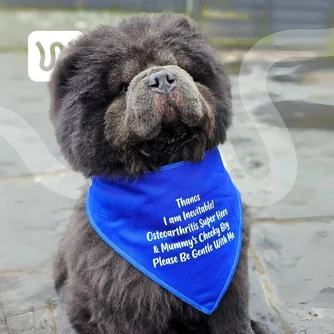
Thanos: tarsal hyperextension within a complex mobility picture
Thanos is a three-year-old, 21.6 kg Chow Chow with tarsal hyperextension alongside elbow dysplasia, bilateral hip dysplasia, disc protrusion, and spondylosis. His team selected WIMBA Tarsus Orthosis GO with motion-control Tokens. The case shows why a dog hock brace must be considered within the whole movement chain; it does not establish how much of his response came from the orthosis rather than the wider care plan.14

Lola: adapting the fit as postoperative swelling changed
Lola is an 11-year-old, 22 kg Lurcher fitted with Tarsus Orthosis GO two months after Achilles tendon surgery. Swelling caused discomfort at the first fitting, so her team initially used the top and bottom straps and removed the strap near the tendon insertion. A third strap was added as swelling and wound size reduced. Her case demonstrates that postoperative fit is dynamic and must be monitored by the treating team.15

Bono: orthotic support alongside medical management
Bono is a 6.5-year-old, 36 kg Golden Retriever with a benign proliferative lesion around the tarsal joint. His published plan combines low-dose steroids with WIMBA Tarsus Orthosis GO during walks. The page reports approximately 80% regained mobility and avoidance of amputation, but these are observations from combined treatment—not evidence that the dog ankle brace independently caused either outcome.16
Adjustment, Wear Time, and Skin Checks
There is no evidence-based promise that every dog adapts within one or two weeks. Acclimation to a dog hock brace varies with pain, sensitivity, behavior, limb shape, swelling, skin health, device configuration, and the treatment goal. WIMBA’s current Tarsus GO manual provides a starting schedule of up to 15 minutes during controlled leash walking, no more than three times daily during the initial period, followed by staged increases; it explicitly states that the timeframe can vary and should be modified only by the veterinarian or therapist.17
A dog hock brace should not be worn 24 hours a day or left on an unattended dog. Before and after each session, check the skin, dewclaw region, pads, coat, and limb for redness, abrasion, moisture, swelling, unusual warmth, or pressure. Also confirm that the frame remains aligned, the hinges sit at joint level, the device has not rotated or slipped, and gait has not worsened.
Remove the device and contact the provider if
- redness does not settle promptly after removal;
- an abrasion, sore, blister, swelling, or discharge appears;
- the device twists, slides, creates hard-component contact, or repeatedly catches the dewclaw;
- the dog becomes more lame, painful, anxious, or reluctant to move;
- limb volume or postoperative swelling changes the fit;
- any part of the orthosis is damaged.
Hand-clean the orthosis with lukewarm water and mild soap and allow it to air-dry. Do not machine-wash, heat, drill, cut, bend, or reshape the frame. Motion-control components should be changed only as directed by the provider because altering the permitted range changes the clinical function of the canine tarsal brace.
Questions to Ask Before Ordering a Dog Hock Brace
- Which structure and tarsal joint level are affected?
- Is the abnormal motion extension, flexion, medial-lateral movement, rotation, or compensation from elsewhere?
- Is there a complete tear, fracture, luxation, neurological deficit, wound, or other reason bracing is unsuitable?
- What exact motion should the device limit or allow?
- Does the case match GO indications, require PRO support, or need a different treatment?
- When will the first fitting and subsequent rechecks occur?
- What wear schedule, exercises, activity limits, and skin checks apply to this patient?
- How will success be measured—pain, gait, stability, task performance, imaging, or another outcome?
Frequently Asked Questions
How do I know whether my dog needs a hock brace?
A veterinarian must first determine why the hock is painful or unstable and which movement needs control. Mild single-plane instability, selected partial common calcaneal tendon injury, tarsal osteoarthritis, or a defined rehabilitation need may be suitable. Complete tears, fractures, luxations, severe multiplanar instability, wounds, or neurological disease may require a different treatment.
Can a dog hock brace heal a torn Achilles tendon?
No. A brace can restrict a prescribed range of motion while it is worn, but it does not reconnect a ruptured tendon. Selected partial injuries may be managed with external support as part of a veterinary plan. A complete common calcaneal tendon rupture generally requires prompt surgical assessment and structured protection.
Is a custom dog hock brace better than an off-the-shelf brace?
Patient-specific geometry can help match the device to an individual limb and treatment objective, but comparative veterinary trials have not established that every custom device produces better clinical outcomes than every stock brace. Whichever design is used, correct diagnosis, motion control, professional fitting, skin monitoring, and follow-up remain essential.
How long does a dog take to adjust to a hock brace?
There is no universal one- or two-week adaptation period. The schedule depends on the diagnosis, pain, behavior, skin, swelling, device design, and rehabilitation goal. Introduce the orthosis according to the provider’s written plan, supervise every session, inspect the skin, and ask for a recheck if the device slips, rubs, or changes gait adversely.
Can a dog wear a hock brace all day or overnight?
Not by default. WIMBA Tarsus Orthosis GO is not intended for 24-hour use, and a dog must not be left unattended while wearing it. Wear time should follow the prescribing veterinarian’s or therapist’s schedule. Remove the device for skin inspection and contact the provider if redness, swelling, sores, slipping, damage, or worsening discomfort occurs.
How is a WIMBA tarsal orthosis fitted?
For an eligible GO case, the clinic submits two required limb photos and product-specific manual measurements through WimbaAPP. PRO uses WimbaSCAN plus manual measurements and clinical data for more complex support. The finished device is delivered to the clinic, where the provider checks alignment, retention, strap tension, skin clearance, gait, and owner handling.
What can help a dog with hock (ankle) instability walk more comfortably?
Comfortable walking starts with identifying the cause and the movement that needs to be controlled. Depending on the diagnosis, a veterinary plan may include prescribed activity restriction, pain management, rehabilitation, surgical treatment, or external support. WIMBA Tarsus Orthosis GO may be considered for selected mild sagittal-plane instability, tarsal osteoarthritis, or an incomplete common calcaneal tendon injury; hyperflexion cases require clinician-selected flexion limits. More advanced or multiplanar instability needs separate assessment and may require a PRO orthosis or surgery, depending on the damaged structure. A brace supports a defined movement while it is worn but cannot repair a complete tendon or ligament rupture, fracture, or luxation.
Start With a Veterinary Hock Assessment
A dog hock brace is useful only when its mechanical role matches the diagnosis. Pet owners can find a WIMBA Provider for assessment, while veterinary professionals can submit an uncertain or complex case for clinical review before ordering.
Medical disclaimer: This article is intended for general educational purposes only and is not a substitute for veterinary examination, diagnosis, or treatment. Do not manipulate a painful or unstable hock, improvise a rigid device, change a prescribed range of motion, or begin rehabilitation without professional direction. Seek prompt veterinary care after significant trauma or if your dog cannot bear weight, has an open injury or obvious deformity, develops severe swelling or pain, or shows progressive weakness or poor coordination.
Scientific, Clinical, Product, and Case References
- Harasen G. Arthrodesis—Part II: The tarsus. Canadian Veterinary Journal. 2002;43(10):806–808. Full text.
- Abako J, Holak P, Głodek J, Zhalniarovich Y. Usefulness of Imaging Techniques in the Diagnosis of Selected Injuries and Lesions of the Canine Tarsus: A Review. Animals. 2021;11(6):1834. doi:10.3390/ani11061834.
- Gamble LJ, Canapp DA, Canapp SO. Evaluation of Achilles Tendon Injuries With Findings From Diagnostic Musculoskeletal Ultrasound in Canines—43 Cases. Veterinary Evidence. 2017;2(3). doi:10.18849/ve.v2i3.92.
- American College of Veterinary Surgeons. Achilles’ Tendon Injuries. Clinical resource.
- Jung W, Kim HM, Son SJ, Kim HY. Bilateral Functional Tarsal Hyperextension Associated with Stifle Pathology Improved Following Stifle Stabilization in a Dog: A Case Report. Veterinary Sciences. 2026;13(6):518. doi:10.3390/vetsci13060518.
- Wylie S, Piana F, Montgomery P, et al. Complications and outcomes following surgical management of common calcaneal tendon pathology in 80 dogs. Veterinary Surgery. 2026;55(2):437–447. doi:10.1111/vsu.70053.
- Lister SA, Renberg WC, Roush JK. Efficacy of immobilization of the tarsal joint to alleviate strain on the common calcaneal tendon in dogs. American Journal of Veterinary Research. 2009;70(1):134–140. doi:10.2460/ajvr.70.1.134.
- Case JB, Palmer R, Valdes-Martinez A, Egger EL, Haussler KK. Gastrocnemius tendon strain in a dog treated with autologous mesenchymal stem cells and a custom orthosis. Veterinary Surgery. 2013;42(4):355–360. doi:10.1111/j.1532-950X.2013.12007.x.
- Rosen S, Duerr FM, Elam LH. Prospective evaluation of complications associated with orthosis and prosthesis use in canine patients. Frontiers in Veterinary Science. 2022;9:892662. doi:10.3389/fvets.2022.892662.
- WIMBA. WIMBA Tarsal Orthotics GO. Current product and ordering information.
- WIMBA Knowledge Base. WIMBA GO Orthotics Indications. Current clinical indications.
- WIMBA. WIMBA Orthotics PRO. Current product and ordering information.
- WIMBA Knowledge Base. WIMBA Tarsus Orthosis GO—First Donning. Fitting guidance.
- WIMBA. Tarsal Hyperextension in Dogs: Case Study Thanos. Individual observational case report.
- WIMBA. Achilles Tendon Injury in Dogs: Case Study Lola. Individual observational case report.
- WIMBA. Dog Ankle Brace for Joint Lesion: Case Study Bono. Individual observational case report.
- WIMBA Knowledge Base. WIMBA Tarsus Orthosis GO—User Manual. Wear, care, and safety guidance.