 Skip to content


Dog Ankle Brace for Joint Lesion (Case Study Bono)

A 6.5-year-old Golden Retriever with a benign proliferative lesion in the ankle joint area, supported with WIMBA Tarsus Orthosis GO to improve mobility and help avoid amputation.

Case Presentation
Meet Bono, a 6.5-year-old Golden Retriever diagnosed with a proliferative lesion in the ankle joint area. Before receiving orthotic support, Bono struggled with reduced comfort, limited mobility, and difficulty using the affected limb during daily walks. His condition created an ongoing challenge for both Bono and his caregivers, especially because previous treatment attempts did not bring the expected improvement.
This case shows how a dog ankle brace for joint lesion support can help protect a compromised tarsal joint and improve everyday function. Bono’s case was not a simple mobility issue. The benign proliferative lesion affected the ankle joint area, creating mechanical stress and discomfort during movement. For a large, active dog, this type of joint problem can quickly reduce quality of life and make normal walking more difficult.
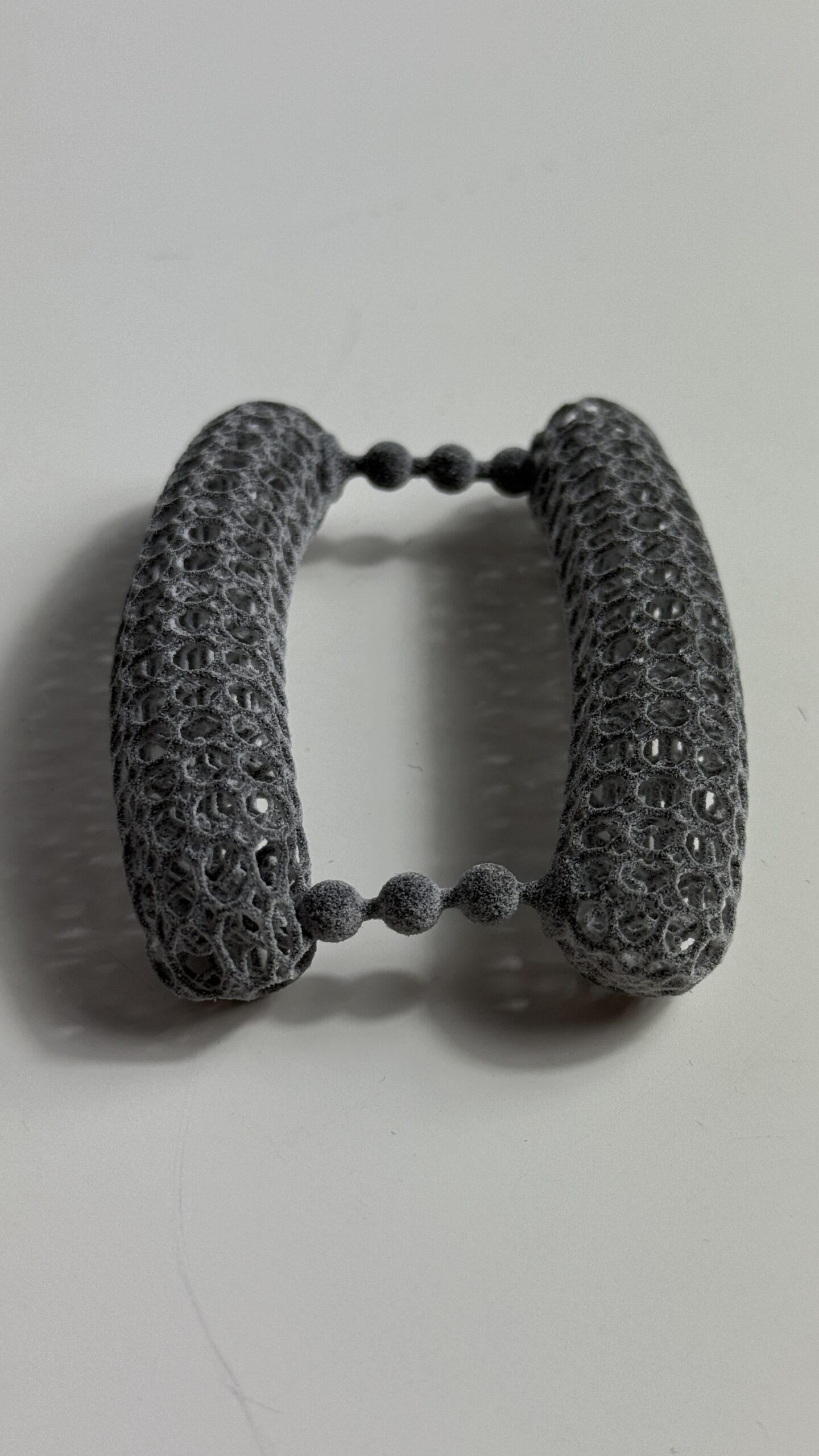
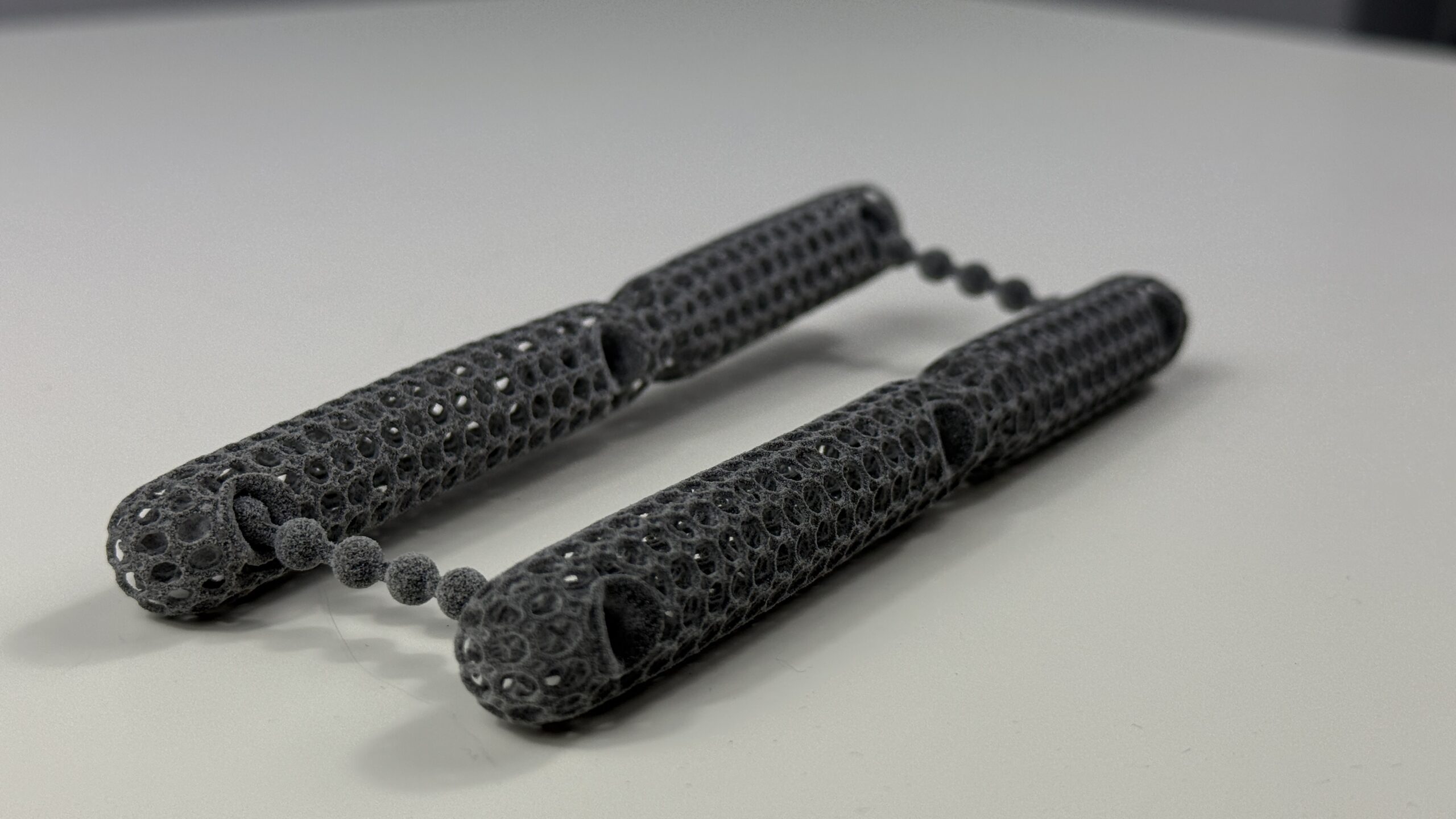
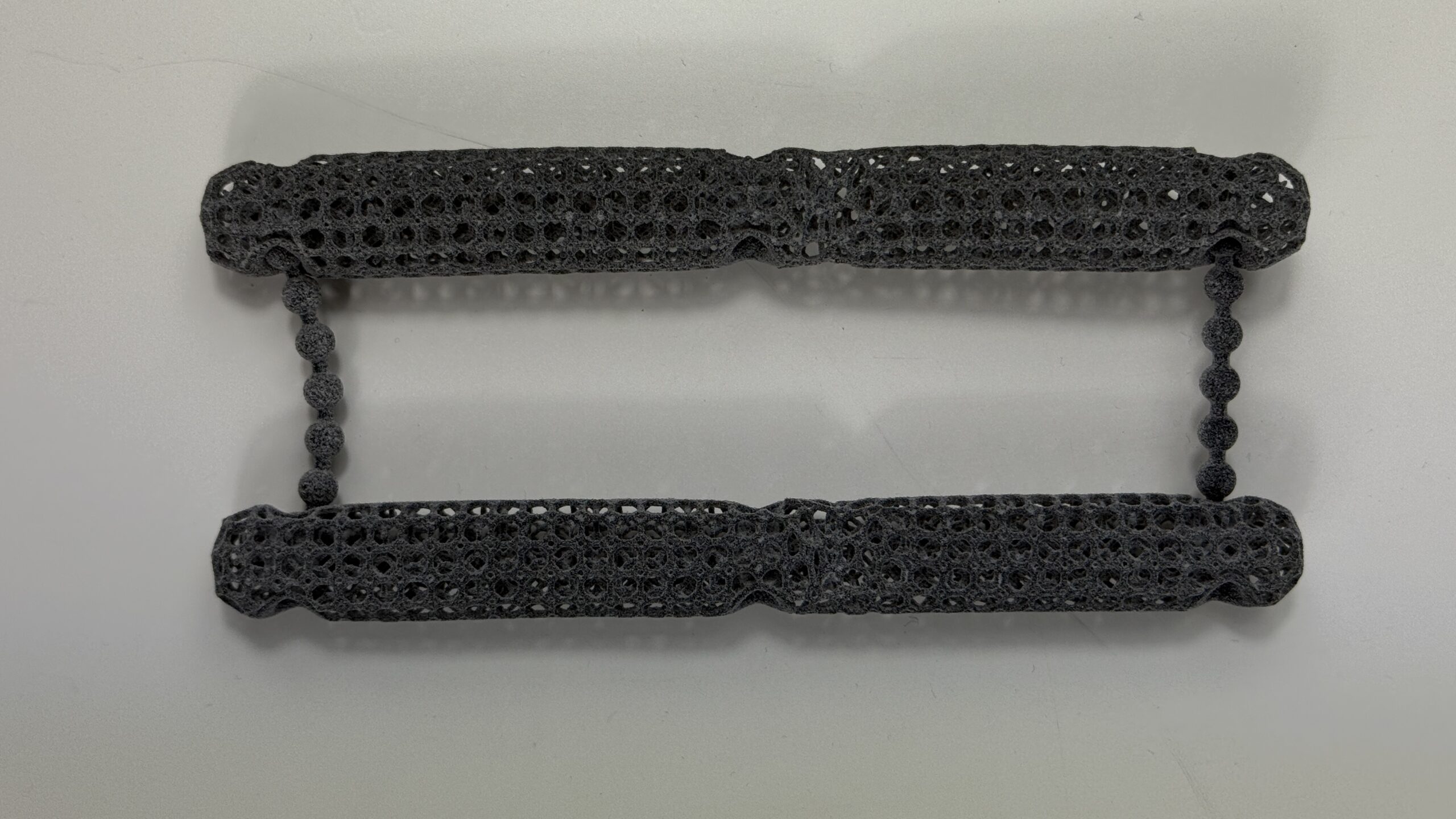
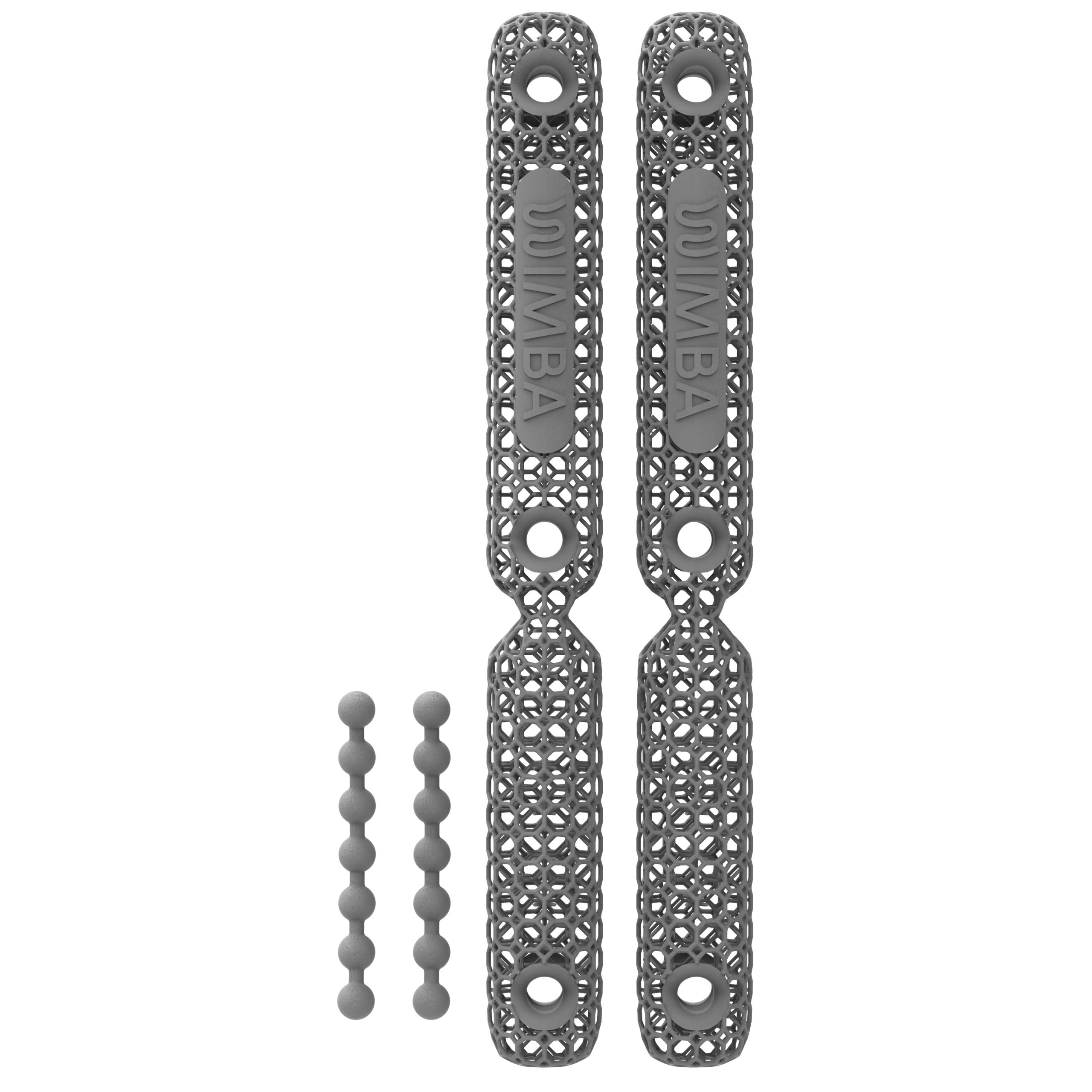
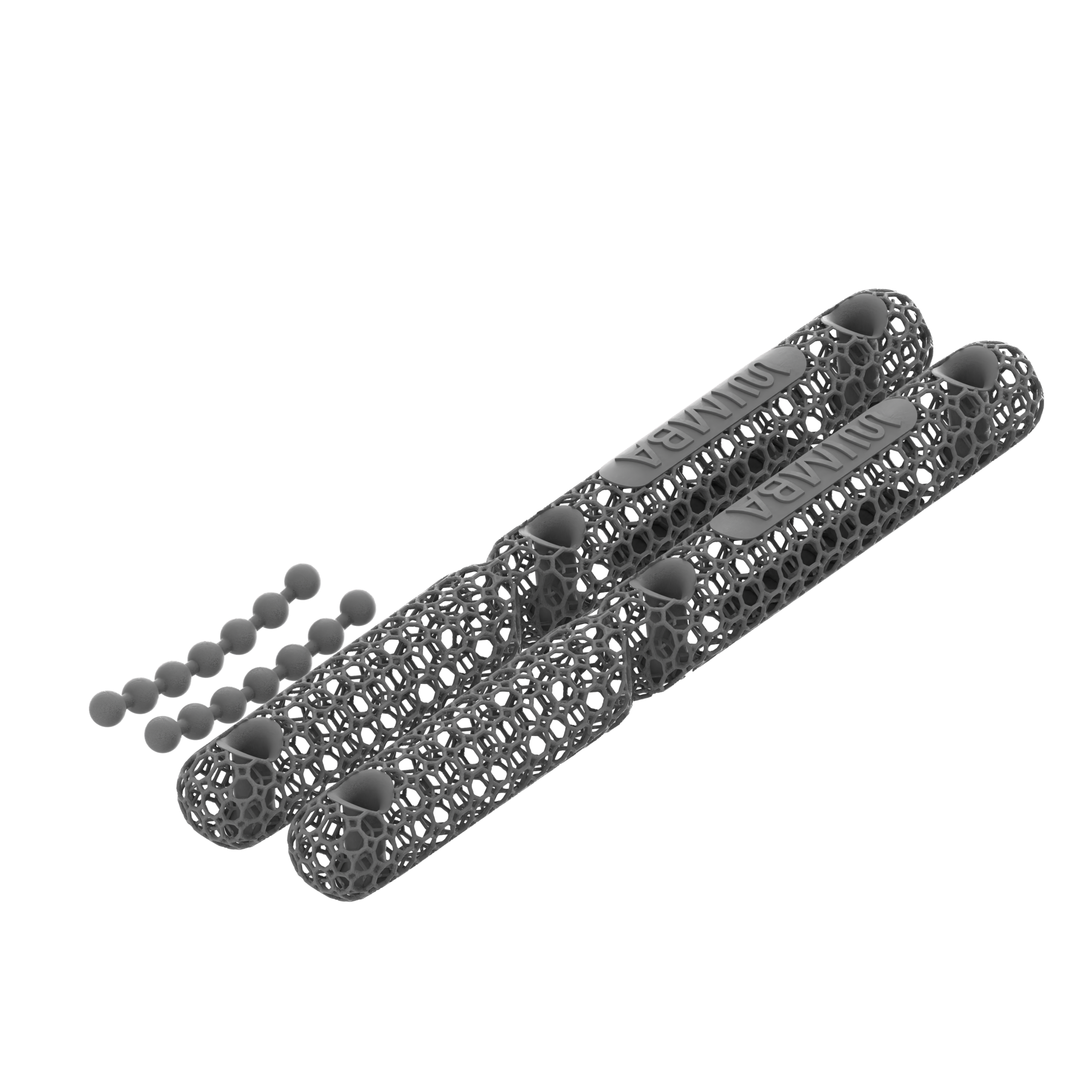
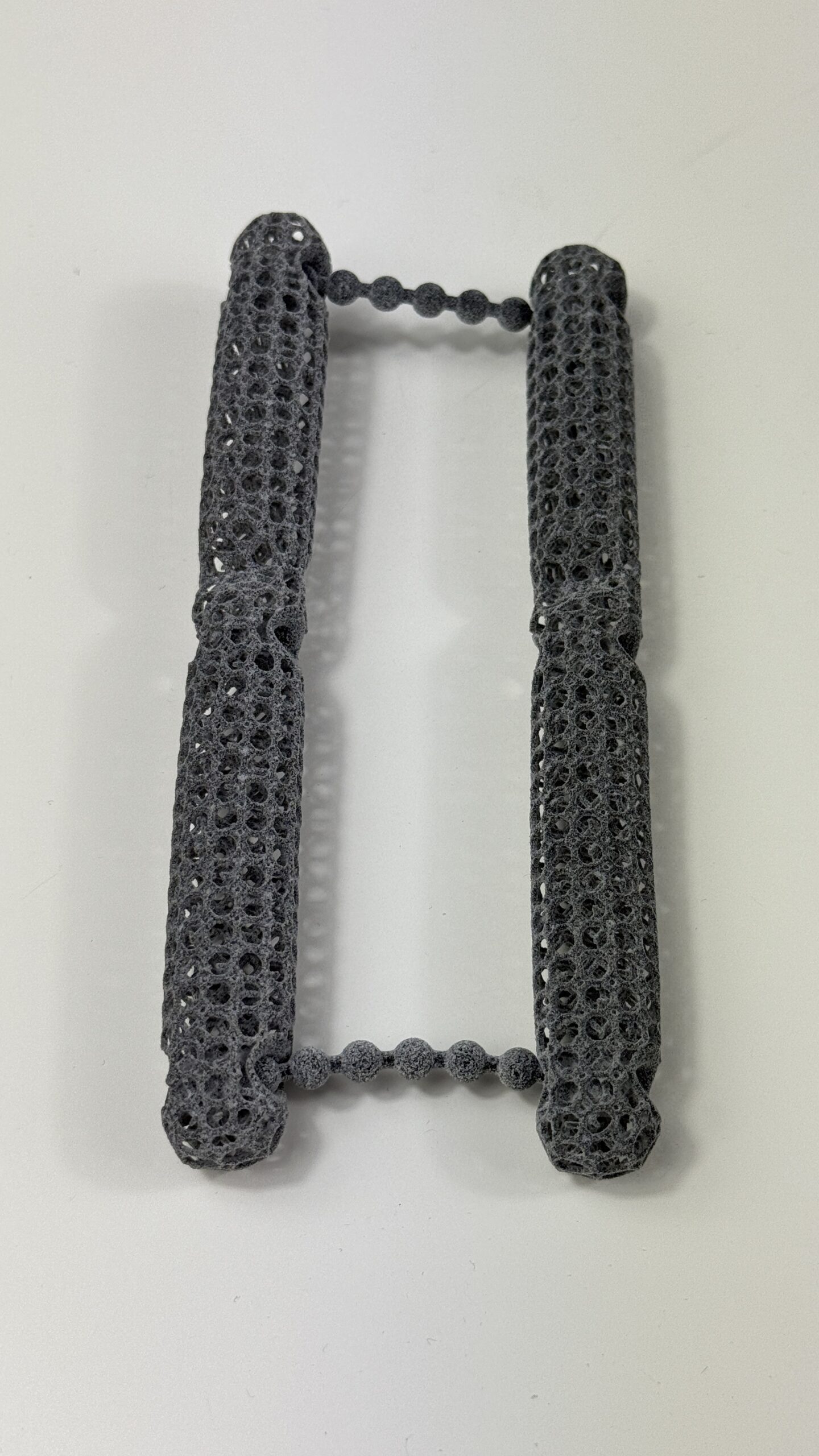
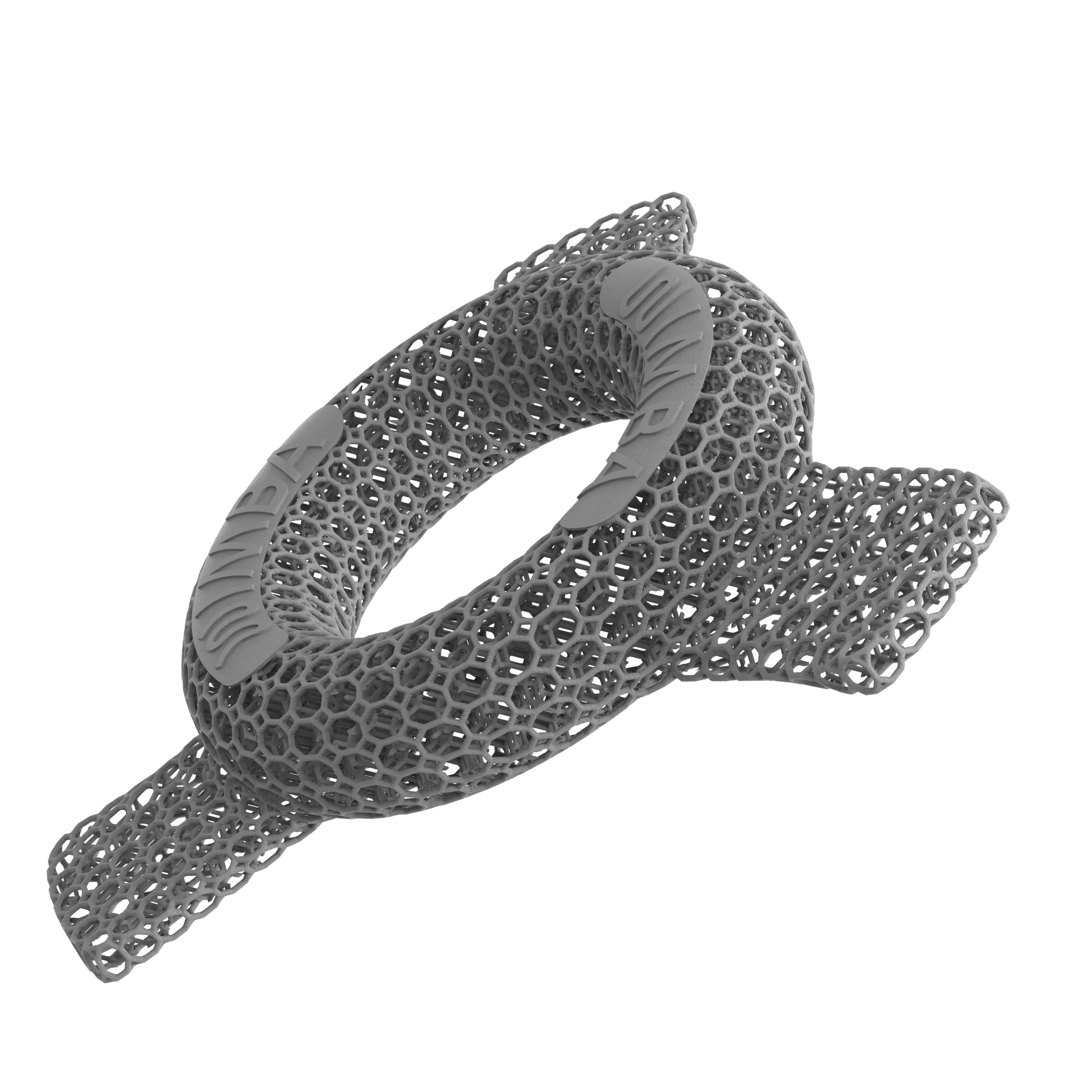
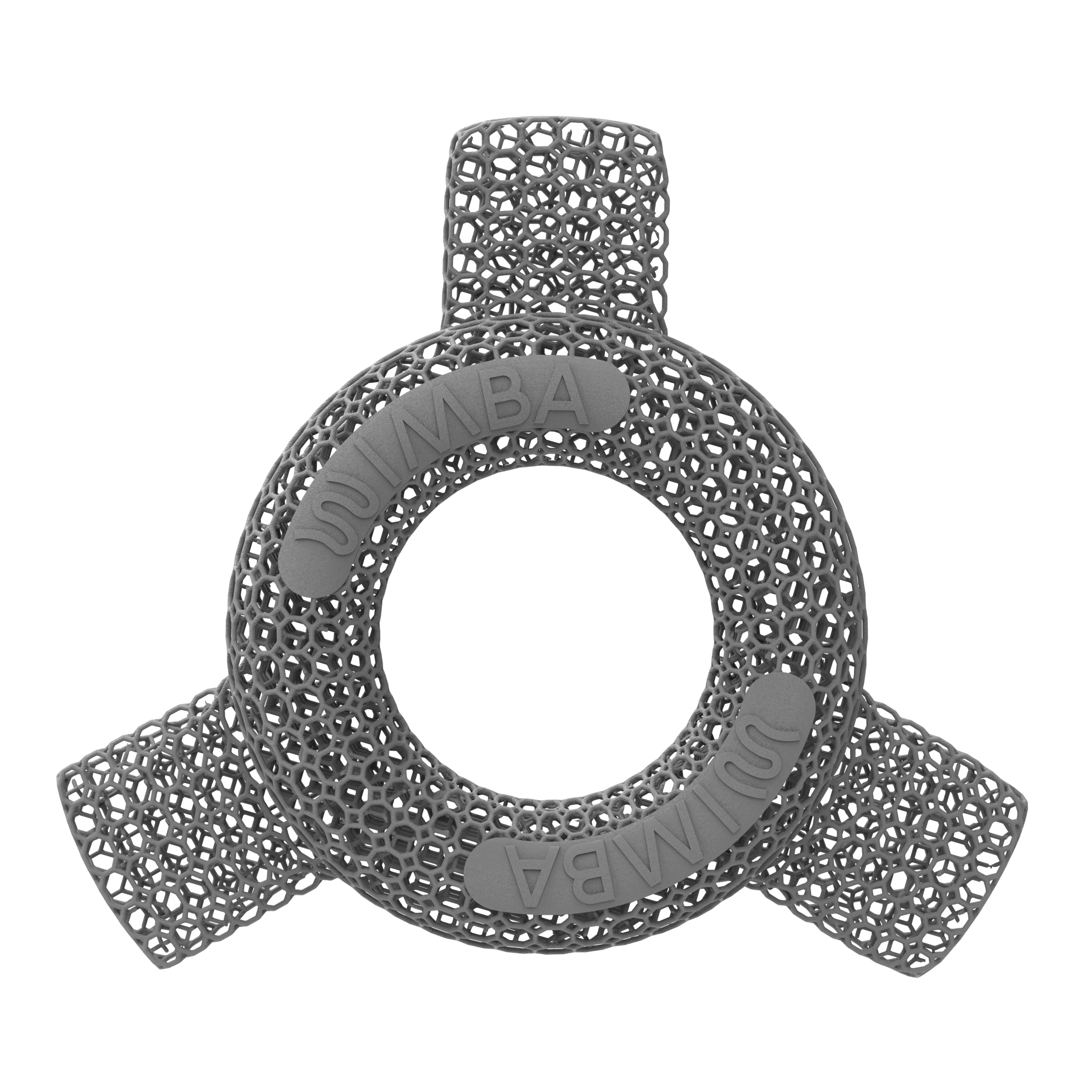
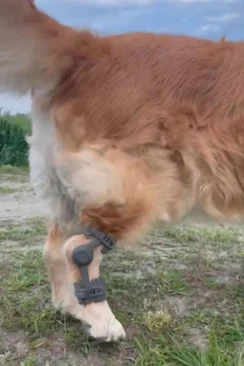
With WIMBA Tarsus Orthosis GO, Bono received a customized dog tarsus brace designed to support the ankle joint during controlled activity. The goal was to reduce stress on the affected joint, improve comfort, and help Bono remain mobile without placing excessive strain on the degenerated area. Instead of focusing only on symptom management, the orthosis became part of a broader plan to support Bono’s mobility and protect the limb over time.
- Name: Bono
- Age: 6,5 years
- Sex: Male
- Weight: 36 kg
- Diagnosis: Proliferative lesion in the ankle joint area.
Medical Examination
In August 2022, Bono sustained an injury in an accident that was not diagnosed immediately. By October of the same year, he was examined by a veterinarian, who identified a lesion in the ankle joint area. Despite initial treatment, Bono continued to show mobility limitations and discomfort, which suggested that the affected joint required further evaluation and more structured support.
After ongoing treatment and no satisfactory improvement, Bono was referred to another facility for a more detailed diagnosis. Further examination revealed a benign proliferative lesion in the ankle joint area. In cases of proliferative lesion in dogs, the affected tissue may interfere with normal joint function, increase discomfort, and make weight-bearing more difficult. Bono’s condition was especially challenging because the lesion affected a joint that plays an important role in stability during walking.
Treatment with antibiotics and steroids was attempted, but the results were not sufficient to restore Bono’s comfortable mobility. Because the joint remained compromised, the clinical team introduced an ankle orthosis for dogs with physiological angle restriction in February 2023. This approach was designed to provide external support while still allowing controlled movement. The aim was not to immobilize Bono completely, but to reduce harmful strain on the ankle joint and help him move in a safer, more stable way.
For Bono, WIMBA Tarsus Orthosis GO was selected as a dog ankle brace for joint lesion management. The orthosis provided targeted support to the tarsal area, helping reduce excessive stress during walks and daily activity. This was particularly important because the affected joint needed protection without removing Bono’s ability to stay active and engaged in normal life.
Therapy and Results
Bono remains under the continuous care of his attending veterinarian. His joint condition is currently stable, and the lesion is not growing. He continues to receive low-dose steroids and uses WIMBA Tarsus Orthosis GO as support during walks. This combination of medical management and orthotic support helped create a more sustainable plan for Bono’s mobility.
As a dog tarsus brace, WIMBA Tarsus Orthosis GO helps alleviate stress on the degenerated ankle joint during movement. The orthosis supports the joint externally, helping Bono walk with greater stability and reducing the functional impact of the benign proliferative lesion. For dogs with a joint lesion in the ankle area, this type of support can be especially valuable when the goal is to maintain mobility, comfort, and limb use for as long as possible.
With the use of steroids and the orthosis, Bono has regained around 80% of his mobility. This improvement allowed him to move more comfortably and continue daily walks with better support. The dog ankle brace for joint lesion support helped reduce mechanical strain on the affected area, while the veterinary treatment helped manage the underlying inflammatory component of his condition. Together, these elements gave Bono a better chance to remain active and avoid more invasive intervention.
One of the most important outcomes in Bono’s case was that limb amputation was avoided. While every case of proliferative lesion in dogs requires individual veterinary assessment, Bono’s response shows how an ankle orthosis for dogs may support mobility when the joint is compromised but still functional. The orthosis did not replace veterinary treatment, but it added an important layer of mechanical support that helped protect the affected limb during everyday use.
Bono’s case highlights the role of WIMBA Tarsus Orthosis GO in supporting dogs with complex ankle joint conditions. For a large breed dog with a benign proliferative lesion, maintaining comfort and stability can make a major difference in quality of life. By reducing stress on the affected joint and improving support during walks, the orthosis helped Bono regain function, preserve mobility, and continue enjoying daily activity with his family.
WIMBA orthotics should be used according to the veterinarian’s medical recommendations; WIMBA is not responsible for misuse or activities beyond veterinary advice.
WIMBA Case Studies & Reports
See How WIMBA Orthoses Are Supporting Pets and Enhancing Mobility
Think Your Dog Might Have a Similar Condition? Let’s See How We Can Help
Submit Your Pet’s Details to See If WIMBA Can Help
If your dog is experiencing a similar issue, we’re here to support you. Fill out a short form to tell us more about your pet’s case — including your contact details and your vet’s information. Our team will review it and let you know how we can help you and your pet. It’s the first step toward restoring your dog’s comfort and mobility.