 Skip to content


Tarsal Hyperextension in Dogs (Case Study Thanos)

A 3-year-old Chow Chow with tarsal hyperextension, elbow dysplasia, bilateral hip dysplasia, disc protrusion, and spondylosis supported with WIMBA Tarsus Orthosis GO.
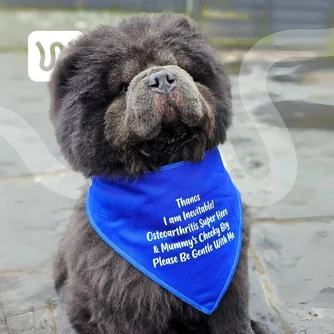
Case Presentation
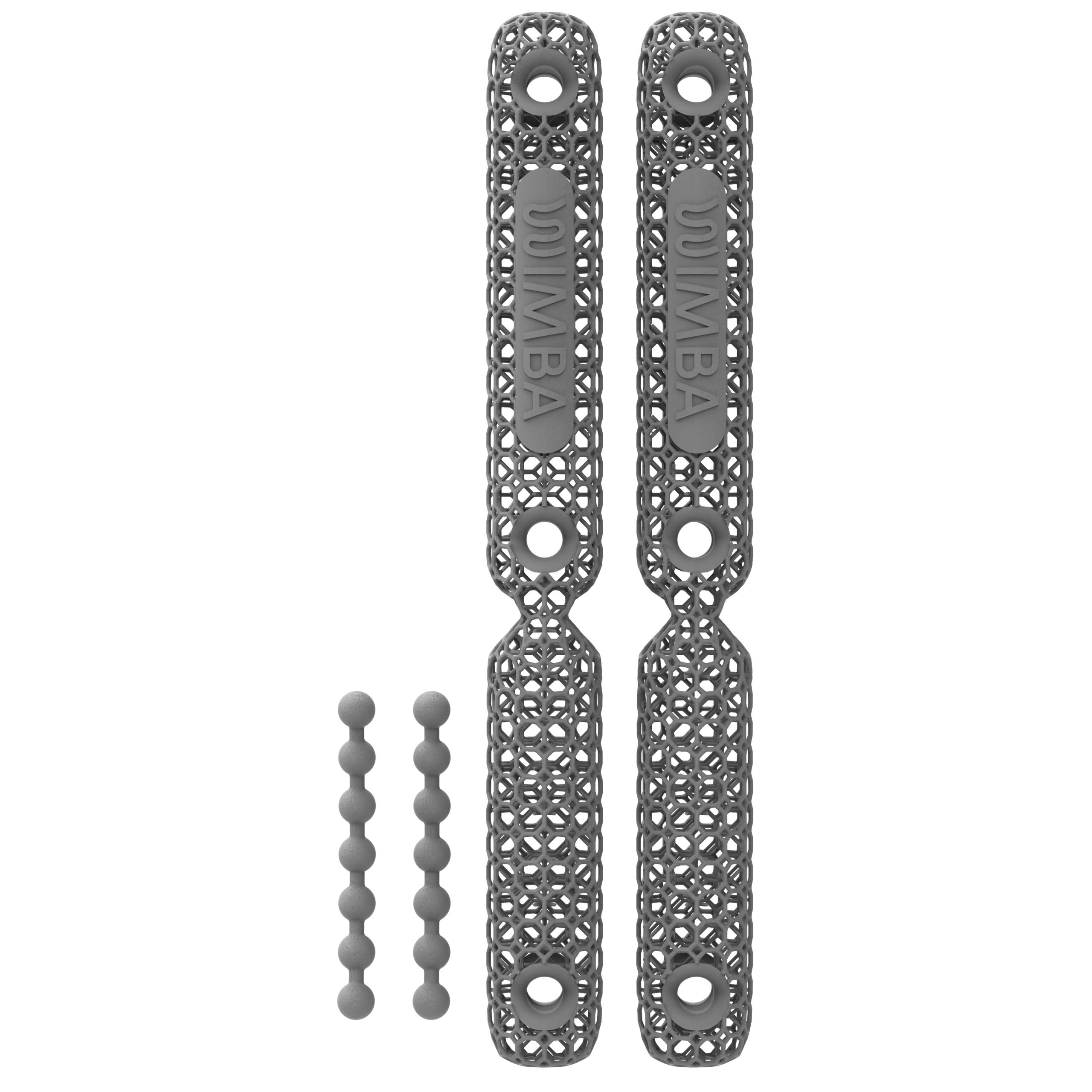
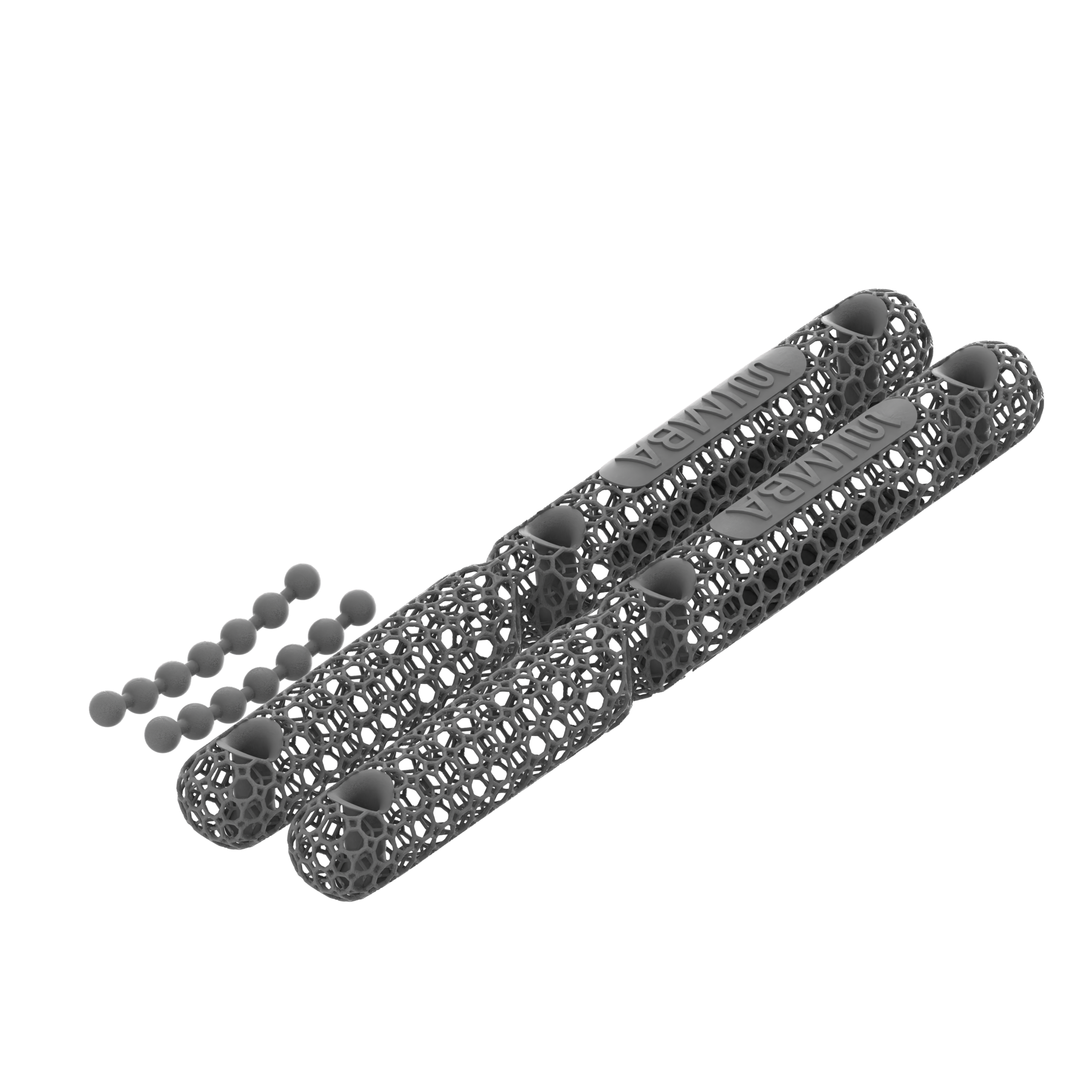
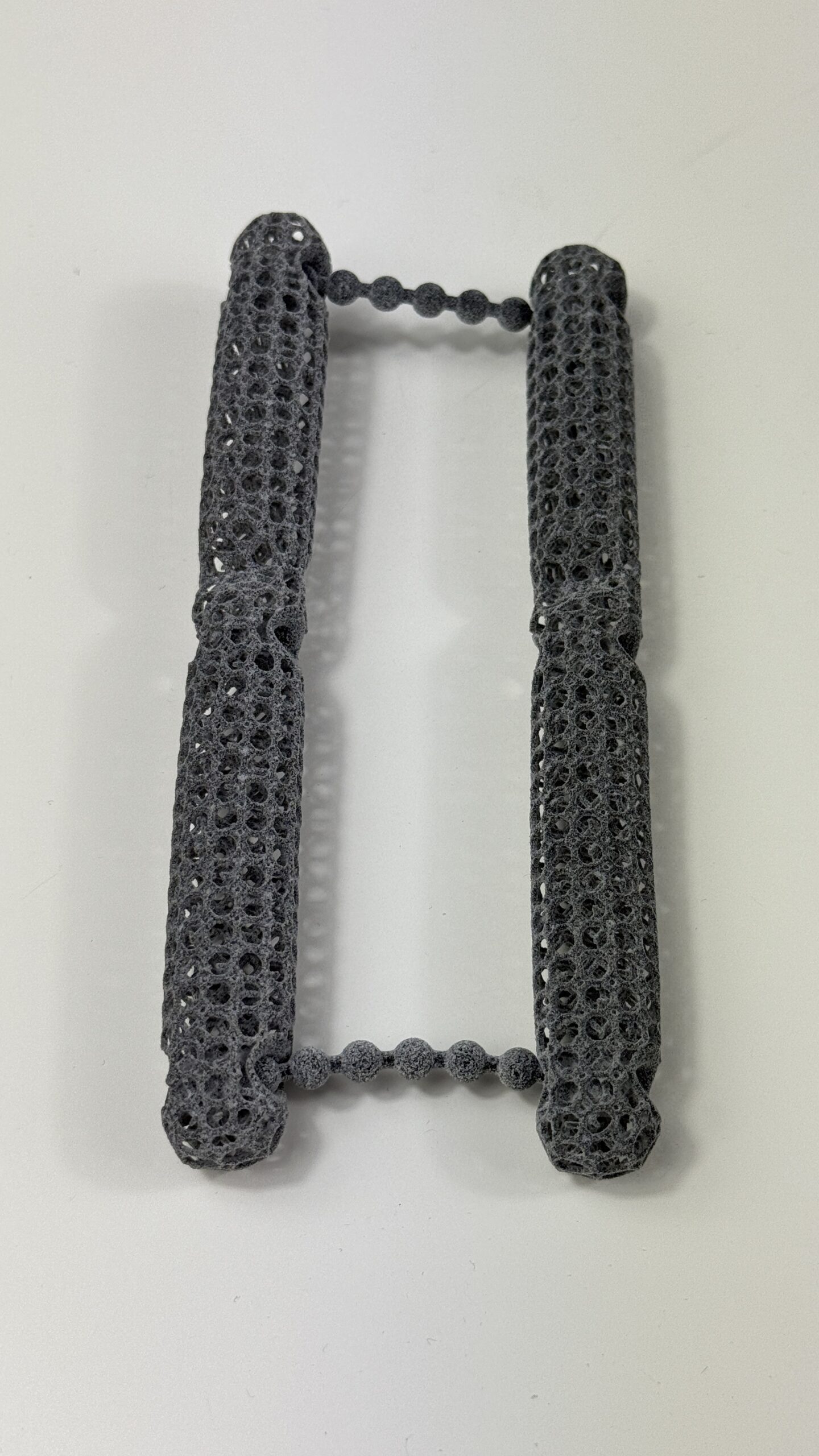
Weighing 21.6 kg, Thanos has been diagnosed with elbow dysplasia, bilateral hip dysplasia, disc protrusion, spondylosis, and tarsal hyperextension. This case study Thanos shows how Tarsal Hyperextension in Dogs can be managed with a personalized WIMBA Therapy plan and selected motion-control tokens. With WIMBA Tarsus Orthosis GO, Thanos receives targeted hock support to improve stability, protect compromised joints, and help him stay active and comfortable.
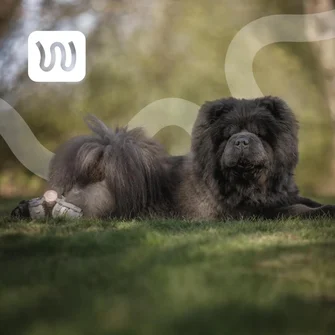
- Name: Thanos
- Age: 3 years
- Sex: Male
- Weight: 21,6 kg
- Breed: Chow Chow
- Medical Condition: Elbow dysplasia and bilateral hip dysplasia, disc protrusion and spondylosis and tarsal hyperextension
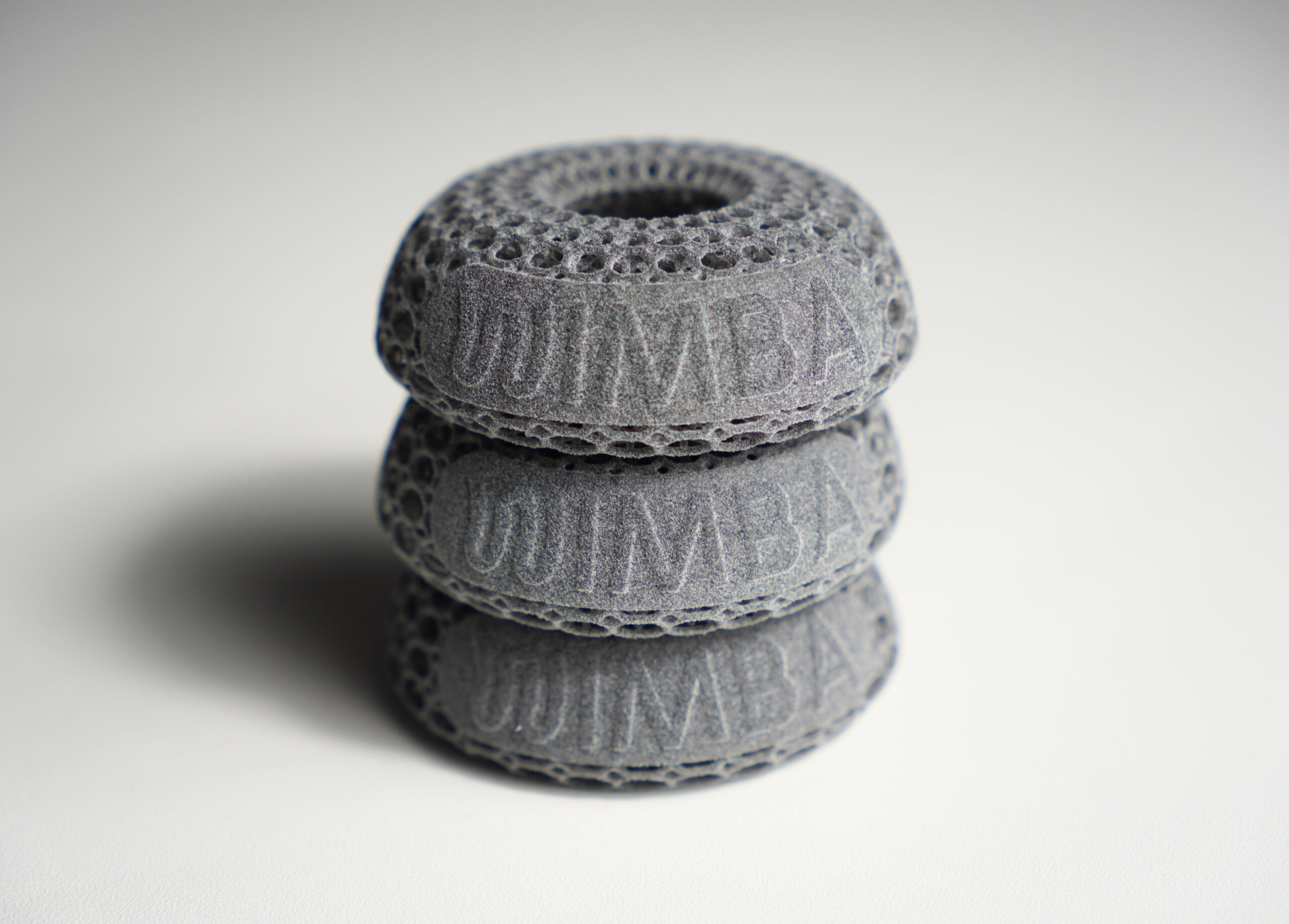
- WimbaTHERAPY: Selected Tokens: Beige up to 160°, Light blue up to 150°, Blue up to 140°
Medical Examination
Thanos became lame at 12 months old, and a CT scan revealed multiple orthopedic and neurological issues, including bilateral elbow dysplasia, OCD lesions, medial coronoid disease, secondary synovial disease, degenerative joint disease, supraspinatus calcific tendinitis, degenerative lumbosacral stenosis with spondylosis and osteoarthritis, disc protrusion with nerve compression, bilateral hip dysplasia in dogs, and bilateral hock hyperextension. Because hock hyperextension in dogs can increase instability and strain during movement, Thanos needed external support that could improve alignment without limiting his ability to move.

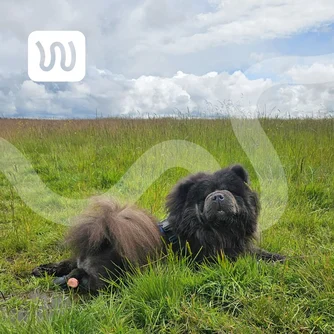
Meet Thanos supported by WIMBA Tarsus Orthotics Go
Veterinarian’s Goals
The primary goal of WIMBA Tarsus Orthosis GO was to provide hock stability while supporting Thanos’ spine and hips. As a dog hock brace, the orthosis was selected to help manage Tarsal Hyperextension in Dogs, improve hock alignment, and preserve mobility without forcing fusion of the joint. The plan also had to account for bilateral hip dysplasia in dogs, elbow dysplasia, and spinal changes, making controlled support essential for reducing further strain on Thanos’ joints.

Pet Parent’s Feedback
“The one thing we wanted to do was stabilize Thanos’s spine and hips without having to fuse his hocks, WIMBA has made that possible and given him the gift of mobility, Thanos will require a second Hock brace in the near future for his left rear leg and may possibly require further orthotics as his diseases progress. Thank you for helping my little Hero.”
“Massive milestone today in Thanos’s treatment. He was fitted with his WIMBA brace by his favourite lady Kate Outram Veterinary Physiotherapy instantly the difference is amazing it really positions his hock and supports him. I’m impressed with the design. It’s incredibly light and comfortable. These braces really will change the lives of so many dogs. I will be building him up to wearing it and the left hock will also be braced in the future. For now one happy mum and one happy Thanos.
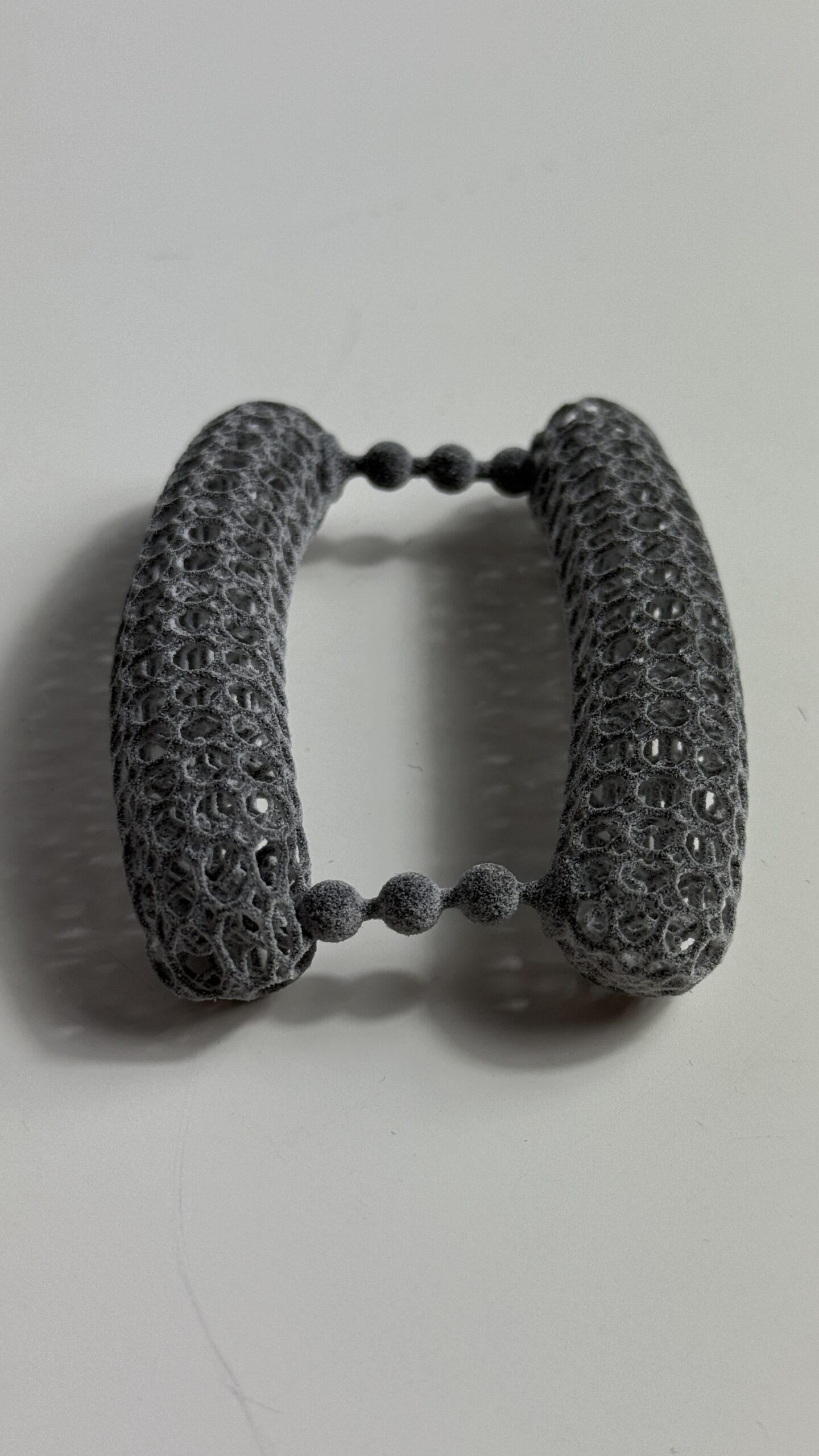
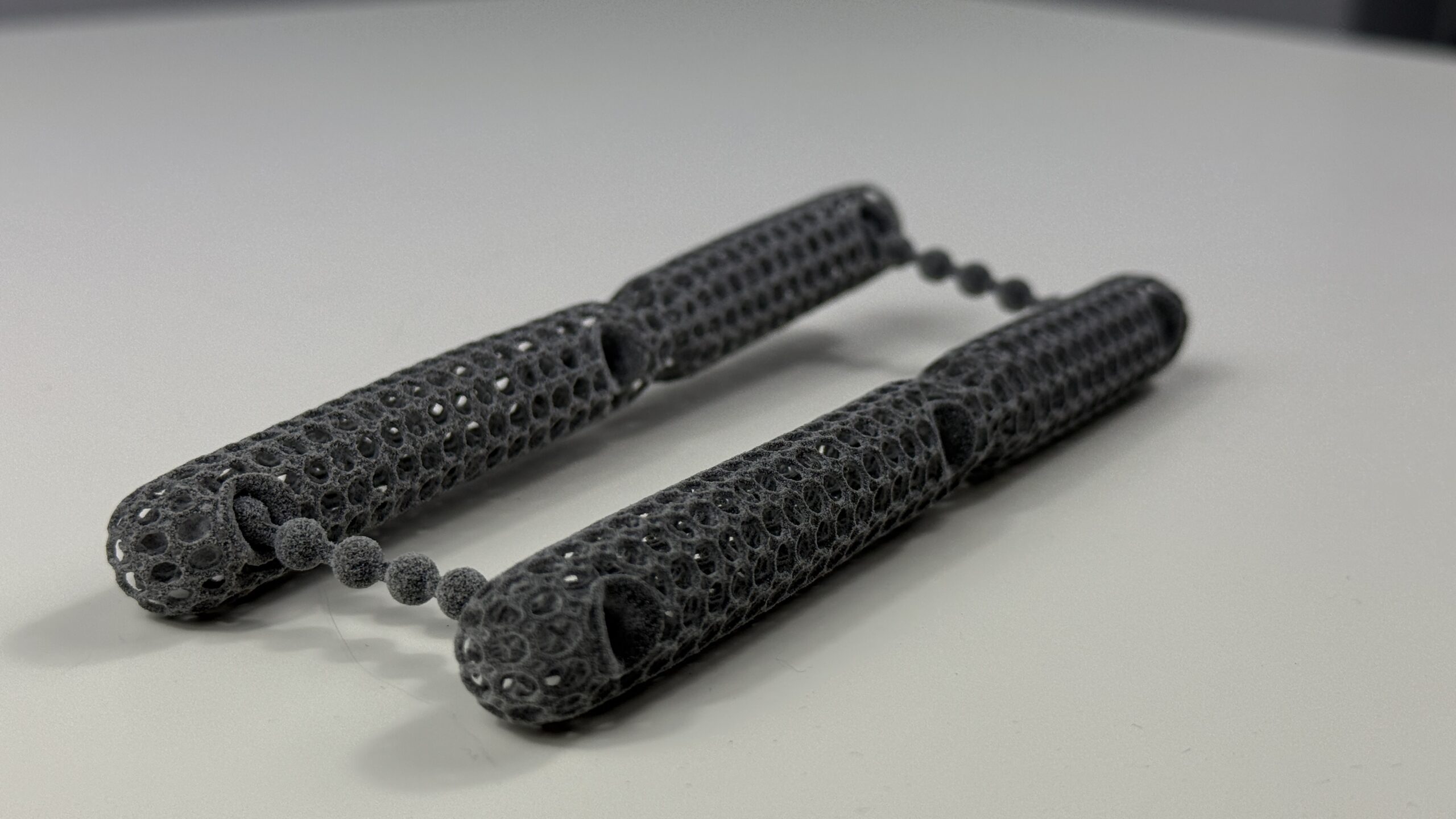
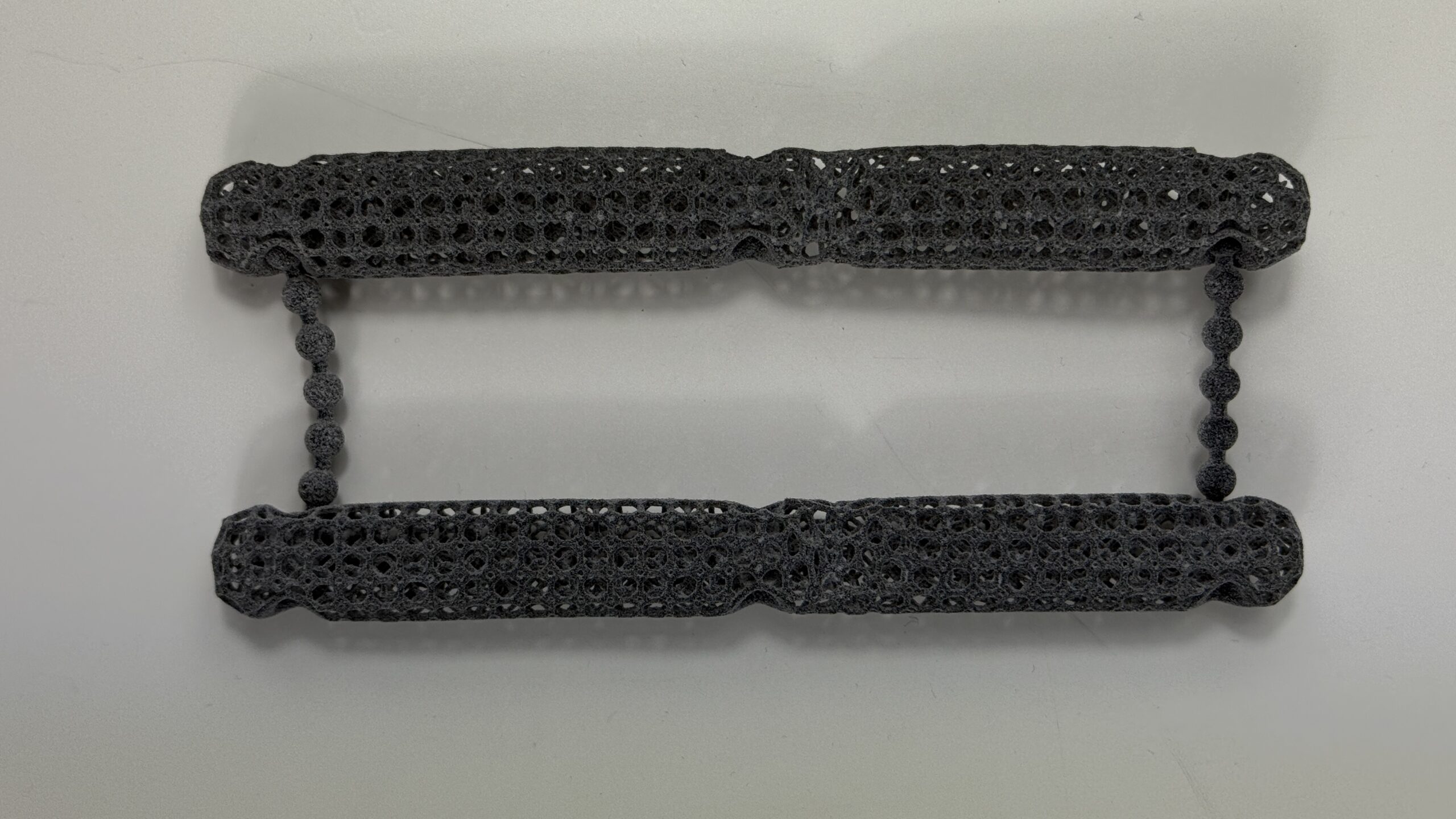
Massive thanks to Kate for going above and beyond ensuring my baby boy gets the best care possible and keeping him on all 4 feet. Emotional step in his journey today. And massive thanks to WIMBA for life changing orthotics that will pave the way forward for Thanos and dogs alike plus for my very cool keyring of his leg.“
Melanie Barker, Pet Parent of Thanos
The WIMBA Orthosis Impact
WIMBA orthotics should be used according to the veterinarian’s medical recommendations; WIMBA is not responsible for misuse or activities beyond veterinary advice.
WIMBA Case Studies & Reports
See How WIMBA Orthoses Are Supporting Pets and Enhancing Mobility
About WIMBA Providers
Kate Outram, BSc (Hons), PgD Veterinary Physiotherapy, MNAVP, AHPR Registered, is a fully qualified practitioner registered with both the AHPR and NAVP. She holds a Master’s degree in Veterinary Physiotherapy from Harper Adams University and is currently pursuing a Level 4 Certificate in Canine Hydrotherapy. Based in Cheshire, she runs a small animal veterinary physiotherapy practice, specializing in Osteoarthritis Management, Pre/Post-operative Rehabilitation, Neurological Issues, Musculoskeletal Injury and Disease, as well as Fitness and Conditioning for working and sporting animals.

Think Your Dog Might Have a Similar Condition? Let’s See How We Can Help
Submit Your Pet’s Details to See If WIMBA Can Help
If your dog is experiencing tarsal hyperextension, hock hyperextension in dogs, bilateral hip dysplasia in dogs, or another mobility-limiting orthopedic condition, we’re here to support you. Fill out a short form to tell us more about your pet’s case — including your contact details and your vet’s information. Our team will review it and let you know whether a dog hock brace, such as WIMBA Tarsus Orthosis GO, may be suitable for your dog.