 Skip to content

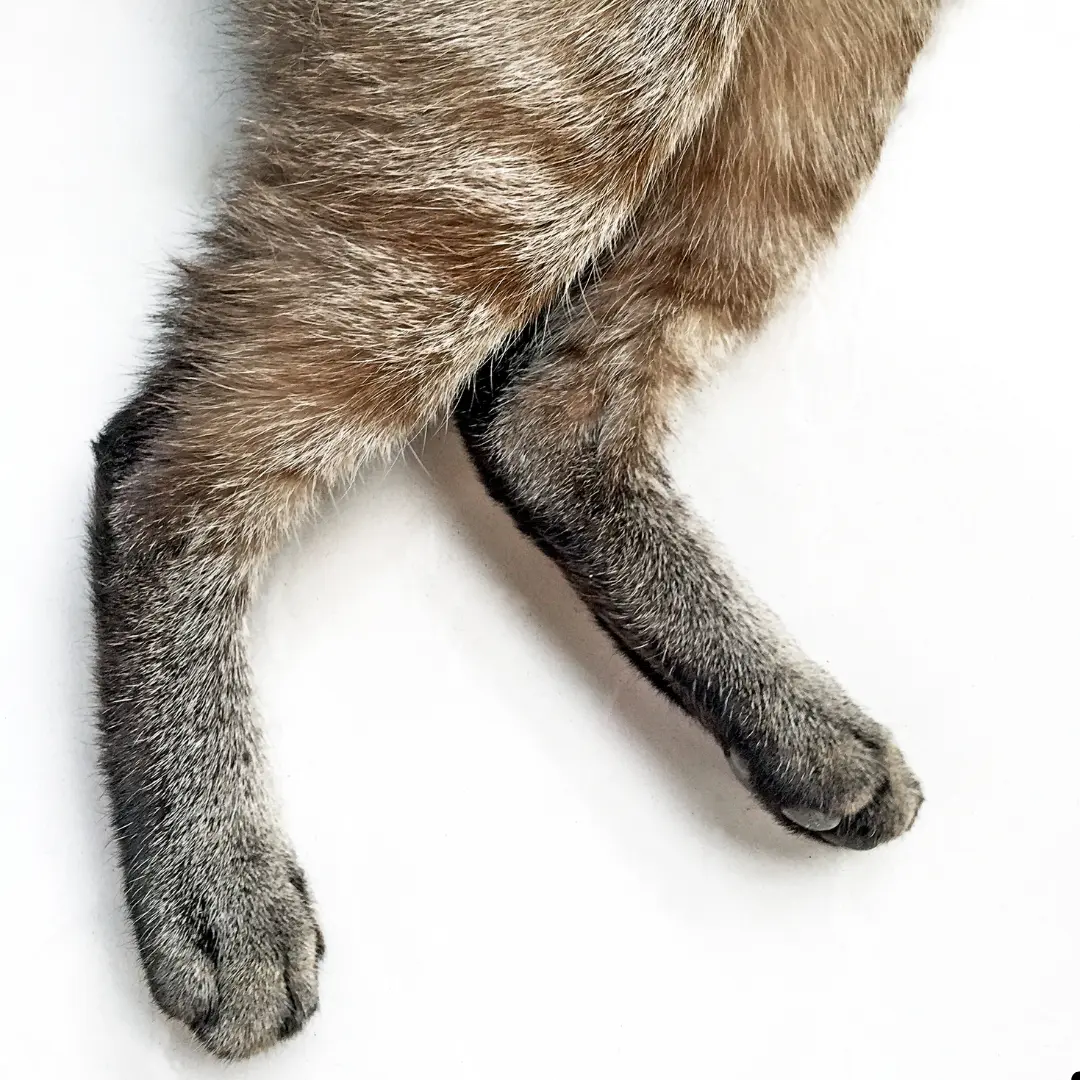
A cat dragging its back leg needs a veterinary assessment before anyone chooses a brace, exercise, or home treatment. The sign can appear with a painful arterial blood clot, spinal or peripheral nerve injury, trauma, joint disease, or diabetic neuropathy. Some causes require emergency care within hours, while others develop gradually and need a planned diagnostic work-up.
The most useful first questions are whether the change began suddenly, whether one or both hind limbs are affected, whether the paw feels cold, and whether the cat is in pain or breathing abnormally. This guide explains how to recognise urgent warning signs, what different movement patterns may mean, and where a custom orthosis (see WIMBA orthoses for cats) may fit after the cause of a cat dragging its back leg has been diagnosed and stabilised.
Cat Dragging Its Back Leg: Is It an Emergency?
It can be. The first priority for a cat dragging its back leg is triage. Sudden cat back leg paralysis, severe pain, a cold hind paw, pale or bluish paw pads, collapse, open-mouth breathing, or complete inability to stand warrants immediate veterinary care. Do not wait for the sign to improve overnight and do not spend time shopping for a device. Call the nearest veterinary clinic or emergency hospital, describe the onset and signs, and transport the cat as directed.
Seek emergency veterinary care now if you notice:
- Sudden loss of movement in one or both hind limbs
- Severe pain, crying, panting, agitation, or collapse
- A hind paw that is clearly colder than the front paws
- Pale, grey, blue, or purple paw pads
- Fast, laboured, or open-mouth breathing
- Loss of bladder control, inability to urinate, or major trauma
A video can help the veterinarian understand what happened, but recording one should never delay departure when the signs are severe. A cat dragging its back leg after a fall, road accident, door injury, or other trauma also needs prompt assessment even if the cat remains quiet. Cats can hide pain, and a calm appearance does not rule out a fracture, dislocation, spinal injury, or internal injury.
What Does Dragging a Back Leg Actually Look Like?
Owners use “dragging” to describe several different movement patterns. A cat dragging its back leg may trail the whole limb behind the body, turn the paw under so the top of the toes scrapes the floor, or place the foot normally but avoid taking weight through it. A fourth pattern is a low, flat-footed stance in which the hock approaches or touches the ground. These observations point to different possible systems, but they do not establish a diagnosis at home.
- True dragging: the cat cannot advance the limb normally and the paw or claws scrape the surface.
- Knuckling: the paw folds so the cat bears weight on its upper surface, which can indicate impaired paw-position awareness or motor control.
- Non-weight-bearing lameness: the cat carries the limb because loading is painful, despite retaining the ability to move it.
- Plantigrade stance: the heel or hock is lowered toward the ground, a pattern associated with conditions including diabetic neuropathy.
Note whether the problem affects one limb or both, whether the cat can move the hip, stifle, hock, and toes, and whether the paw is placed upside down. Also note changes in jumping, litter-box use, tail movement, urination, appetite, thirst, and breathing. This information helps the clinician localise the problem when examining a cat dragging its back leg.
Aortic Thromboembolism: The Critical Cause to Rule Out
For a cat dragging its back leg with a sudden and painful onset, feline arterial thromboembolism is a critical possibility. Often called an aortic thromboembolism or saddle thrombus, it occurs when a blood clot blocks arterial blood flow. The clot commonly originates in an enlarged left atrium associated with cardiomyopathy, although the event can occur without previously recognised heart disease. A large clot may lodge near the end of the aorta and abruptly reduce blood supply to both hind limbs. A smaller clot can affect only one limb.[1]
The classic findings include a sudden onset, extreme pain at first, absent femoral pulses, pale or purple pads, and cold hind limbs. In a large general-practice study of 250 affected cats, arterial thromboembolism was frequently the first recognised sign of cardiac disease, which means a cat does not need a known heart diagnosis for this emergency to occur.[2]
This is why a cat dragging its back leg suddenly should not be assumed to have pulled a muscle. Comparing limb temperature or pad colour can identify a warning sign, but owners should not try to confirm pulses, massage the limb, warm it aggressively, give aspirin, or administer any human pain medicine. Diagnosis and treatment belong in a veterinary hospital.
Spinal Cord and Peripheral Nerve Causes
The brain, spinal cord, nerve roots, and peripheral nerves all contribute to controlled limb movement. A neurological problem in a cat dragging its back leg can cause weakness, poor paw placement, knuckling, or paralysis. Merck notes that hind-limb paralysis is commonly associated with injury to nerve roots in the lower back or tail base, or with injury to the femoral, sciatic, peroneal, or tibial nerves.[3]
Spinal or Tail-Base Injury
A fall, road accident, crush injury, or forceful pull on the tail can damage vertebrae, the spinal cord, or lumbosacral nerve roots. Depending on the location, a cat dragging its back leg may show back pain, reduced tail movement, weakness in one or both limbs, altered reflexes, or bladder and bowel dysfunction. Sudden cat back leg paralysis with trauma, loss of deep sensation, or inability to urinate requires urgent assessment and careful handling.
Not every spinal problem follows an observed accident. Disc disease, inflammation, infection, vascular injury, and masses can also affect the spinal cord or nerve roots. The speed of onset, pain pattern, symmetry, and neurological examination guide the next tests. An owner cannot reliably localise these conditions by watching gait alone.
Peripheral Nerve Injury
A peripheral nerve injury can leave a cat dragging its back leg alert and otherwise comfortable while one limb hangs, knuckles, or fails to bear weight. The veterinarian evaluates posture, gait, muscle tone, spinal reflexes, pain sensation, and which joints the cat can flex or extend. Muscle loss can begin within days after loss of nerve input, and electrodiagnostic testing may be considered after the injury has had time to produce measurable changes.[3]
Recovery varies with the site and severity of the damage and whether the nerve remains anatomically continuous. Some injuries improve over weeks or months, while complete disruption may have a poor functional outlook or require surgery. The presence of sensation, voluntary movement, and improving reflexes can help the veterinary team monitor a cat dragging its back leg, but these findings must be tested professionally.
Orthopaedic Pain Can Resemble Neurological Dragging
A fracture, dislocation, torn ligament, paw wound, damaged claw, severe arthritis, or painful hip, stifle, or hock can make a cat carry a limb or take a shortened step. A cat dragging its back leg because of pain may still retain normal nerve control. Conversely, reduced sensation can allow the paw to scrape without an obvious pain response. Both patterns need examination because the treatments are very different.
Orthopaedic assessment includes palpation, joint range of motion, stability, swelling, pain, and imaging when indicated. Neurological assessment tests paw positioning, reflexes, muscle tone, sensation, and localisation. A cat dragging its back leg may need both assessments during the same visit rather than an assumption that the problem belongs to only one system.
Cat Walking on Its Hocks: Consider Diabetic Neuropathy
A cat walking on its hocks has a plantigrade stance. This is not necessarily the same pattern as a cat dragging its back leg. Instead of standing high on the paws, the cat lowers the hocks toward the floor. Diabetic neuropathy is an important cause, particularly when the change is gradual and affects both hind limbs. Other clues to diabetes can include increased thirst, increased urination, weight loss, altered appetite, reduced jumping, and general weakness.
Prolonged hyperglycaemia can damage peripheral nerves. Reported signs include weakness, ataxia, muscle loss, reduced reflexes, and unilateral or bilateral tibial nerve dysfunction. A study of 19 diabetic cats identified plantigrade posture as the most notable severe neurological impairment, and current feline diabetes guidance also recognises diabetic neuropathy as a complication of prolonged hyperglycaemia.[4][5]
This pattern is not the same as an arterial clot and should not be diagnosed from posture alone. A cat walking on its hocks needs a veterinary examination and laboratory testing, including assessment for diabetes. Partial or complete neurological improvement can occur in some cats when diabetes is treated, but the response and timeline vary.[6]
Other Causes of Cat Hind Leg Weakness
Cat hind leg weakness is broader than dragging and can arise from muscle disease, electrolyte disturbances, anaemia, systemic illness, medication effects, toxin exposure, cancer, or severe deconditioning. A cat dragging its back leg may have a focal problem, while generalised weakness may affect all four limbs. Some conditions are most obvious in the hindquarters because jumping and rising require substantial pelvic-limb strength.
Low potassium, for example, can cause weakness in cats and may occur with kidney disease or other disorders. Neuromuscular disease can produce a low stance and reduced reflexes. Cancer near a nerve root can affect a single limb. These possibilities are one reason a cat dragging its back leg needs a full history and examination rather than treatment based on an online symptom list.
The urgency still depends on presentation. Rapid progression, inability to stand, breathing changes, altered consciousness, severe pain, suspected toxin exposure, or loss of bladder function should be treated as urgent. A slow change in cat hind leg weakness is not automatically harmless, since progressive neurological or metabolic disease can be easier to address when investigated early.
How a Veterinarian Investigates the Problem
The diagnostic pathway for a cat dragging its back leg starts with timing and localisation. The veterinarian will ask exactly when the change began, whether it was sudden or progressive, whether there was trauma, and whether appetite, thirst, urination, breathing, jumping, or litter-box habits changed. If possible, bring a short video recorded before transport and a list of medications, supplements, and recent health events.
- Circulatory assessment: limb temperature, pad colour, femoral pulses, heart and lung examination, and Doppler assessment when arterial obstruction is suspected.
- Neurological examination: gait, posture, paw placement, reflexes, muscle tone, pain sensation, tail function, and bladder status.
- Orthopaedic examination: bones, joints, soft tissues, paws, claws, swelling, pain, stability, and range of motion.
- Laboratory testing: blood glucose, kidney values, electrolytes, blood cell counts, and other tests selected from the findings.
- Imaging and specialist tests: radiographs, ultrasound, echocardiography, CT, MRI, or electrodiagnostic tests when clinically indicated.
No single test is required for every cat dragging its back leg. A cat with cold limbs and absent pulses follows a different pathway from a stable diabetic cat with a gradual plantigrade stance. Testing should answer the questions raised by the examination rather than follow a generic package.
What to Do Before the Veterinary Visit
Keep the cat in a small, quiet, non-slip area while arranging care. Prevent jumping, climbing, and access to stairs. For transport, use a secure carrier with a firm padded base and move the body as one unit if trauma or spinal injury is possible. Follow the receiving clinic’s instructions if the cat is distressed or difficult to handle.
- Place food, water, bedding, and a low-sided litter tray within a few steps.
- Do not give human painkillers, aspirin, or medication prescribed for another animal.
- Do not force the limb through exercises, massage it, or apply heat before the cause is known.
- Do not apply a tight bandage, improvised splint, sock, or purchased brace.
- Prevent licking or chewing only with a safe method recommended by the clinic.
- Record onset, progression, trauma, temperature difference, pad colour, and whether one or both limbs are involved.
Once a diagnosis has been made, the veterinary team may prescribe handling, range-of-motion work, massage, skin protection, or rehabilitation. The important distinction is that these measures are selected for a known condition. They are not universal first aid for a cat dragging its back leg.
Where a Cat Leg Orthosis May Fit
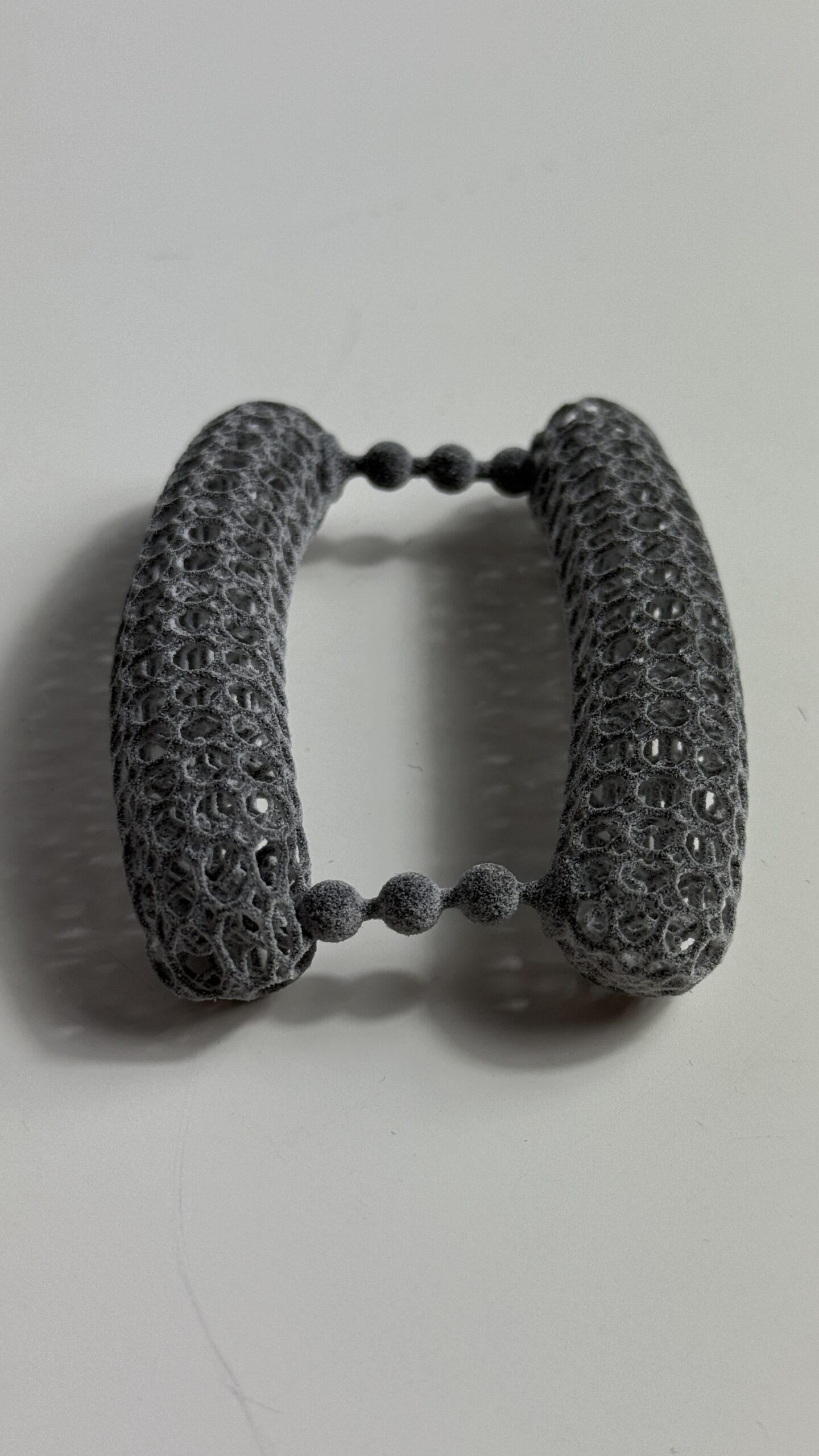
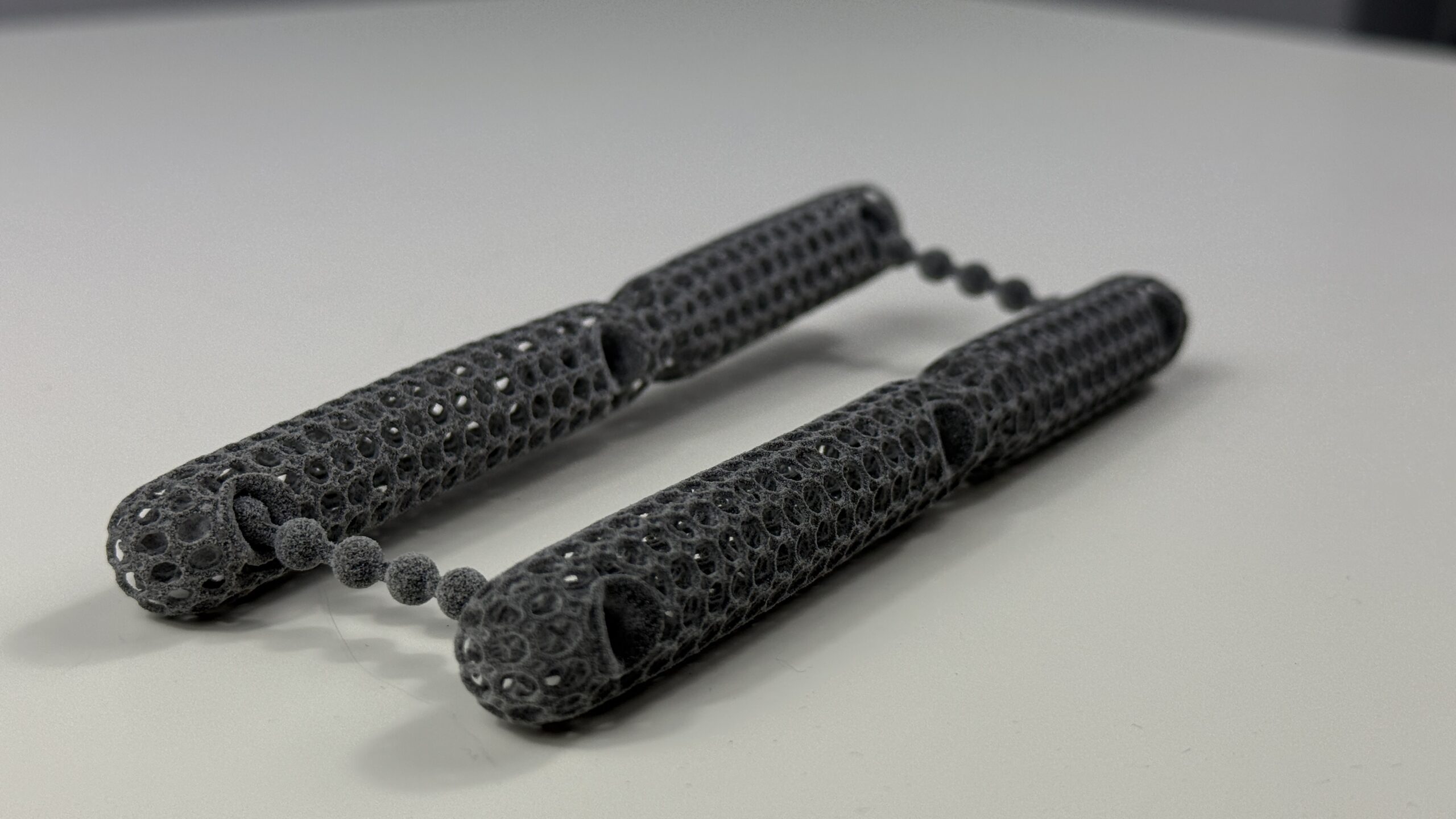
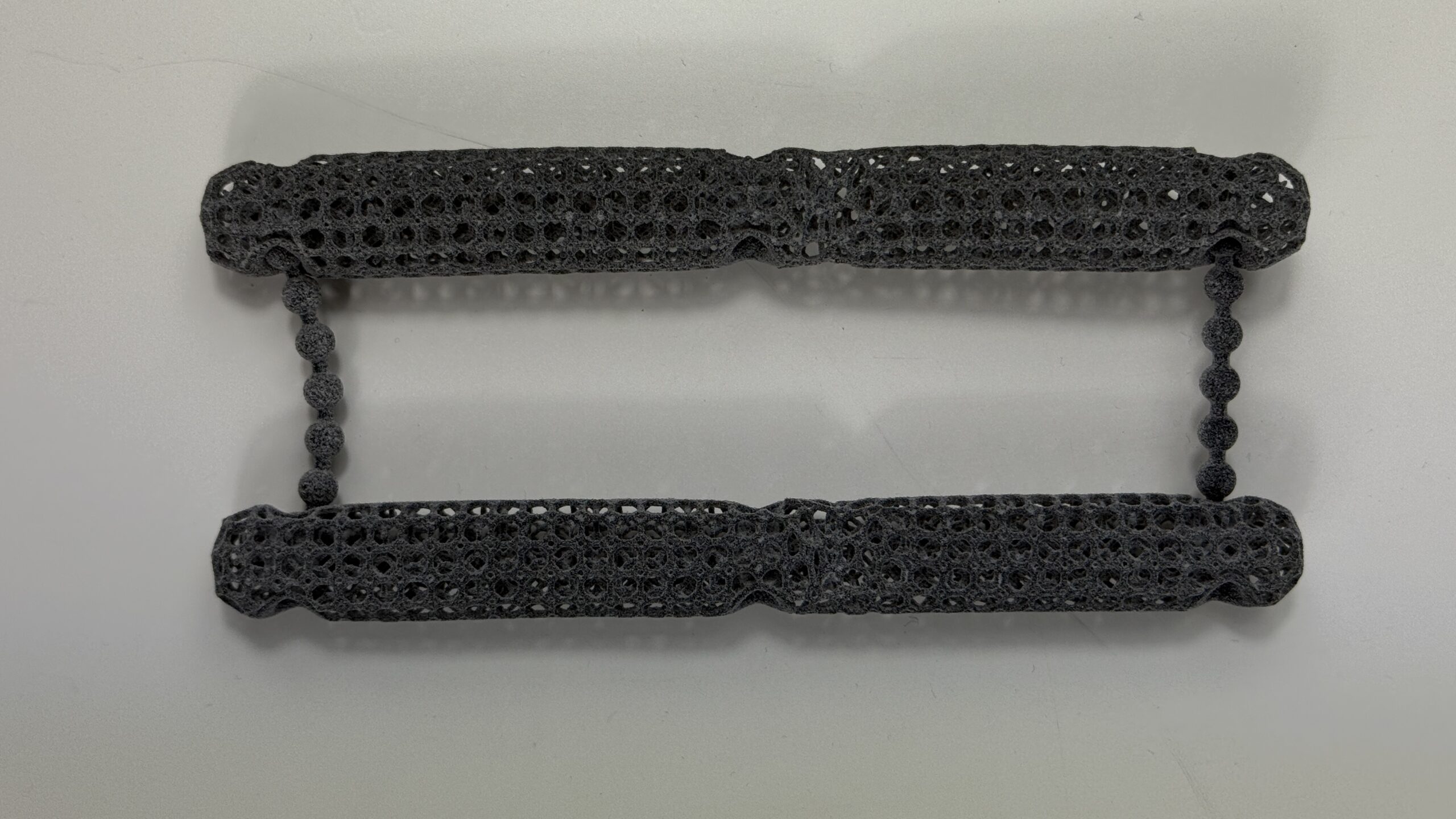
A cat leg orthosis is an externally applied device intended to influence the position or movement of an existing limb or joint. For a cat dragging its back leg, it does not dissolve a blood clot, restore arterial circulation, decompress the spinal cord, repair a severed nerve, stabilise every fracture, or control diabetes. The underlying cause must be diagnosed and medically stable before orthotic candidacy is assessed.
In a selected neurological case, an orthosis may help protect a limb, support joint position, or reduce a specific unwanted movement while the broader condition is managed. In an orthopaedic case, the goal might be to control mild tarsal instability. The prescription must define the joint, plane of instability, required range of motion, skin risks, functional objective, and review schedule. “Dragging” by itself is not a sufficient indication.
Published evidence for feline orthotic outcomes is much smaller than the canine evidence base. WIMBA’s detailed guide to cat orthotics for mobility problems explains that current case selection relies on diagnosis, individual clinical judgement, feline anatomy, temperament, and close follow-up. This caution is particularly important for a cat dragging its back leg, because the symptom can originate far above the joint that appears abnormal.[7]
When WIMBA Tarsus Orthosis Go May Be Considered
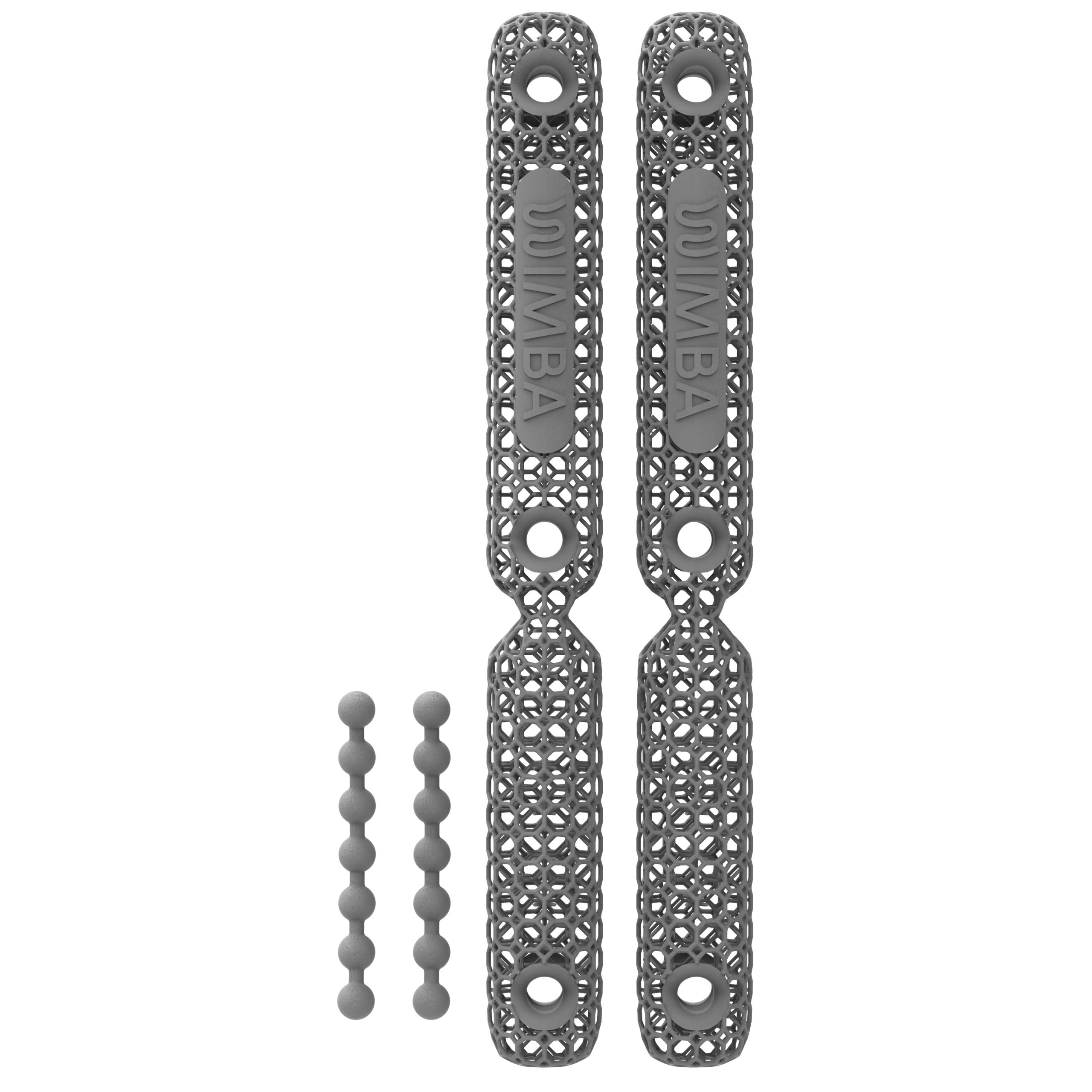
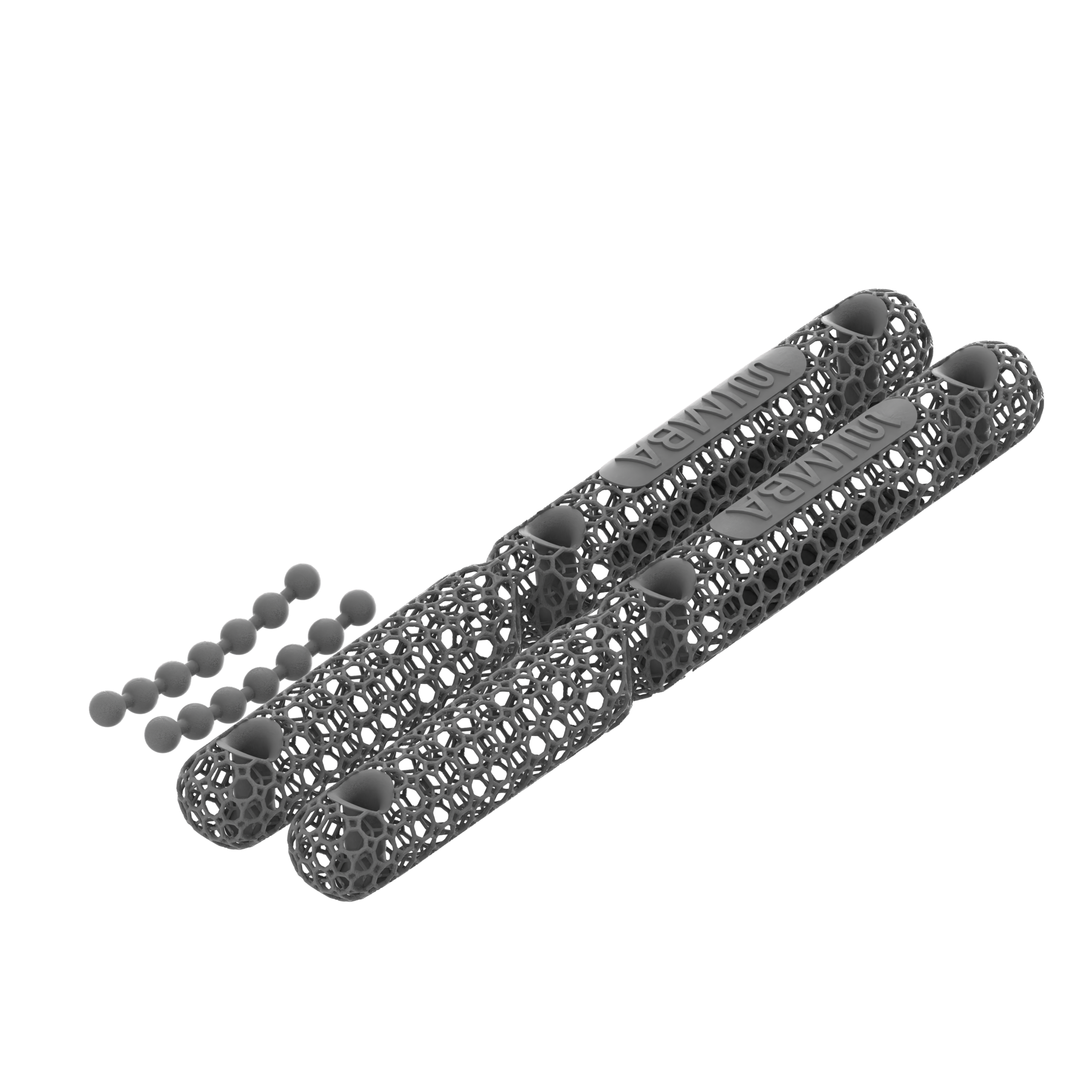
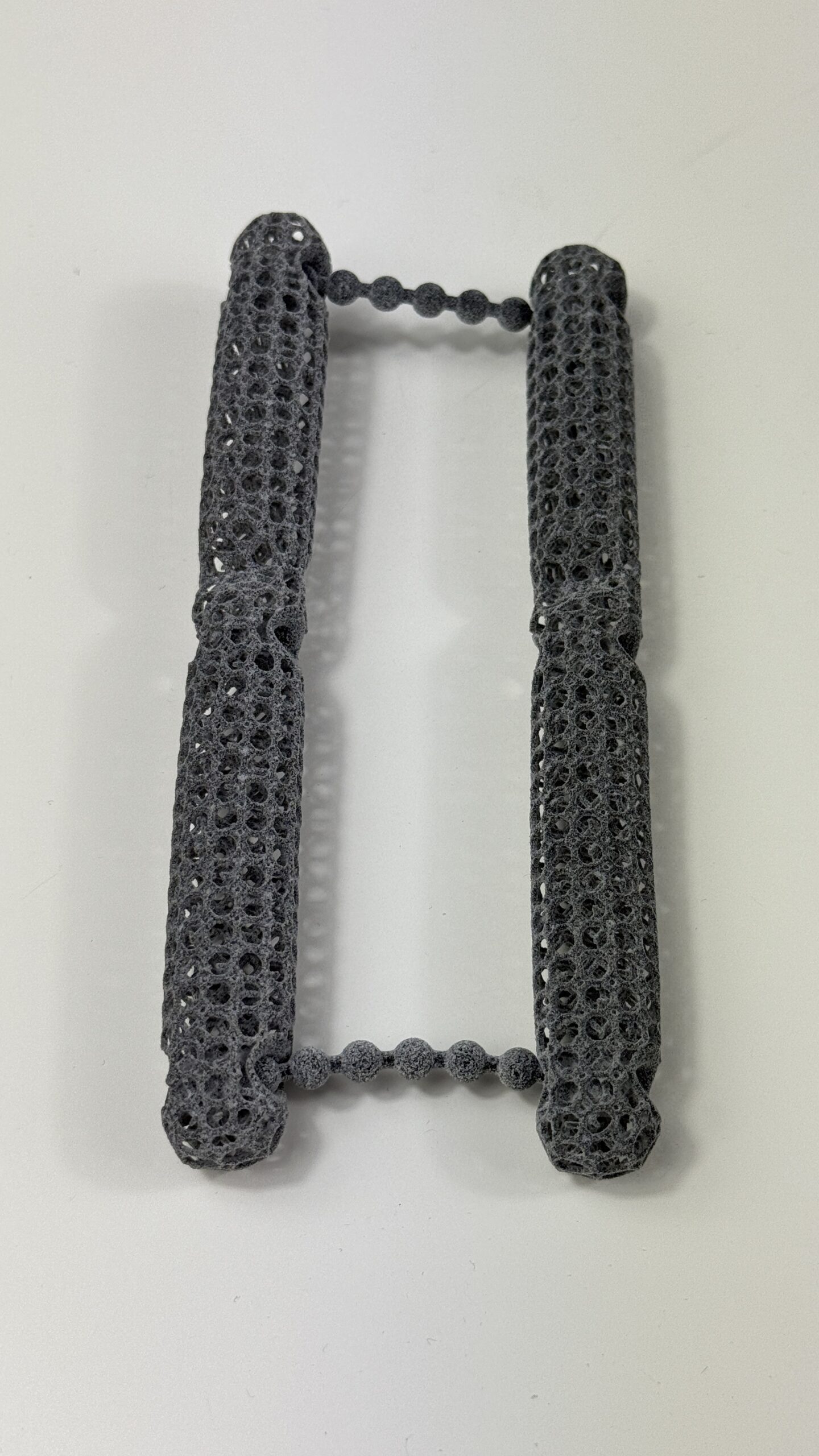
Current WIMBA information lists Tarsus Orthosis Go for selected dogs and cats with eligible mild, predominantly sagittal-plane tarsal instability. The pathway uses two required weight-bearing photographs and product-specific manual measurements submitted by the veterinary provider through WimbaAPP. It does not require WimbaSCAN. The device is then custom designed and manufactured using HP Multi Jet Fusion.[8]
This pathway is not a general solution for cat back leg paralysis. It is not intended for instability in other planes, problems centred in the paw or metatarsal region, acute postoperative use, or strict immobilisation. A standard tarsal device also cannot correct every form of knuckling or prevent all toe scuffing. The clinical team must decide whether the mechanical target sits within the device’s current indication.
Feline tolerance deserves equal attention. A cat leg orthosis must remain aligned without excessive pressure, allow the prescribed movement, and be accepted during supervised activity. The provider should examine the skin, coat, joint position, and gait at fitting, then introduce wear gradually. Redness, abrasion, swelling, device movement, distress, or worsening gait requires removal and reassessment. Canine complication data cannot be converted into feline rates, but it reinforces the need for active monitoring.[9]
Questions to Ask Before Bracing a Feline Patient
- What is the confirmed diagnosis and is the condition medically stable?
- Is the observed problem weakness, pain, knuckling, paralysis, or joint instability?
- Which joint or limb segment needs support, and in which plane?
- What measurable functional goal should the device achieve?
- Does the cat’s anatomy, skin, sensation, and temperament permit safe wear?
- How will wear be introduced and which signs require immediate removal?
- When will gait, fit, skin, and the original goal be reviewed?
A veterinarian can submit the history, diagnosis, relevant imaging, photographs, gait video, and intended functional goal through WIMBA Case Consults. This service supports clinical device selection and pathway planning. It does not replace the treating veterinarian’s examination or responsibility for a cat dragging its back leg.
Discuss Orthotic Support for a Diagnosed Feline Case
Veterinary professionals can submit a diagnosed and stabilised case for clinical review. Pet owners concerned about a cat dragging its back leg should contact a veterinarian first, then use the provider map if orthotic assessment becomes part of the plan.
Frequently Asked Questions About a Cat Dragging Its Back Leg
Is a cat dragging its back leg an emergency?
It can be. A cat dragging its back leg suddenly, especially with severe pain, a cold limb, pale or blue pads, breathing difficulty, collapse, major trauma, or inability to urinate, needs immediate veterinary care. These signs can occur with arterial thromboembolism, spinal injury, or another serious condition.
What does a cold back paw mean in a cat?
A distinctly cold hind paw combined with sudden weakness, paralysis, pain, or discoloured pads may indicate reduced arterial blood flow from a clot. This is an emergency. Do not massage or heat the limb and do not give aspirin unless a veterinarian has specifically prescribed it for that cat.
Why is my cat walking on its hocks?
A cat walking on its hocks has a plantigrade stance. Diabetic neuropathy is an important cause, especially if the cat also drinks or urinates more, loses weight, or has difficulty jumping. Other neurological or musculoskeletal problems can look similar, so examination and laboratory testing are required.
What can cause cat hind leg weakness?
Cat hind leg weakness can result from arterial thromboembolism, spinal or peripheral nerve disease, trauma, orthopaedic pain, diabetic neuropathy, electrolyte abnormalities, muscle disease, systemic illness, or a mass. The onset, symmetry, pain, circulation, reflexes, and test results help distinguish these causes.
Can cat back leg paralysis improve?
The outlook for cat back leg paralysis depends entirely on the cause, severity, sensation, circulation, and response to treatment. Some nerve injuries and cases of diabetic neuropathy improve over weeks or months. Other conditions have a guarded prognosis. Early diagnosis gives the veterinary team the best chance to select appropriate care.
Can a cat leg orthosis stop paw dragging?
A cat leg orthosis may help selected diagnosed cases by supporting a joint, protecting a limb, or influencing a specific movement. It cannot treat a blood clot, spinal compression, diabetes, or every nerve injury. Paw and metatarsal problems also fall outside current WIMBA Tarsus Orthosis Go indications, so candidacy must be reviewed individually.
How is a WIMBA orthosis fitted for a cat?
For an eligible WIMBA Tarsus Orthosis Go case, the veterinary provider takes two required weight-bearing photographs and product-specific manual measurements, then submits them through WimbaAPP. WimbaSCAN is not required for this pathway. The provider performs the first fitting and manages gradual introduction and follow-up.
Medical Disclaimer: All information on this website is intended for instruction and information purposes only. The authors are not responsible for any harm or injury that may result. Significant injury risk is possible if you do not seek suitable professional advice about your patient’s specific situation. No guarantees of specific results are expressly made or implied on this website.
Scientific and Clinical References
- Kittleson MD. Arterial Thromboembolism in Dogs and Cats. Merck Veterinary Manual. Full review January 2023, updated May 2025. View veterinary reference
- Borgeat K, Wright J, Garrod O, et al. Arterial thromboembolism in 250 cats in general practice: 2004-2012. J Vet Intern Med. 2014, 28(1):102-108. doi:10.1111/jvim.12249
- Schubert T. Leg Paralysis in Cats. Merck Veterinary Manual. Full review August 2018, updated September 2024. View veterinary reference
- Mizisin AP, Shelton GD, Wagner S, Rusbridge C, Powell HC. Neurological complications associated with spontaneously occurring feline diabetes mellitus. J Neuropathol Exp Neurol. 2002, 61(10):872-884. PMID:12387453
- Taylor S, Cannon M, Church D, et al. 2025 iCatCare consensus guidelines on the diagnosis and management of diabetes mellitus in cats. J Feline Med Surg. 2025, 27(11):1098612X251399103. doi:10.1177/1098612X251399103
- Thomas WB. Metabolic Disorders of the Peripheral Nerves and Neuromuscular Junction in Animals. Merck Veterinary Manual. Full review May 2021, updated September 2024. View veterinary reference
- WIMBA. Understanding Cat Orthotics for Mobility Problems. Updated September 3, 2026. View current feline orthotics guidance
- WIMBA. WIMBA Tarsal Orthotics Go: Current indications, data collection, and ordering pathway. View current Tarsus Orthosis Go information
- Rosen S, Duerr FM, Elam LH. Prospective evaluation of complications associated with orthosis and prosthesis use in canine patients. Front Vet Sci. 2022, 9:892662. doi:10.3389/fvets.2022.892662