Skip to content


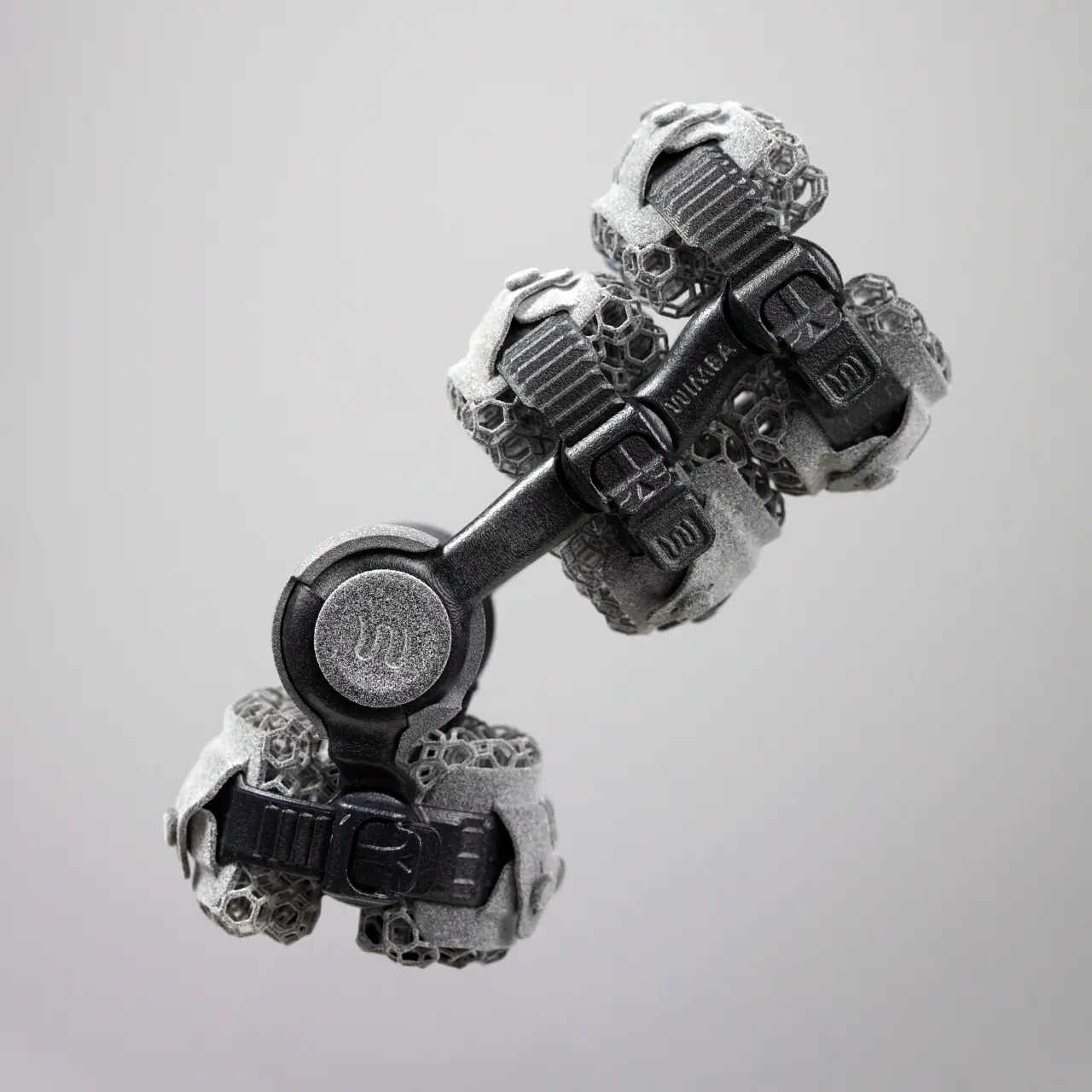
Range of motion control in dog orthoses means deliberately defining how far a supported joint can flex or extend while the device is worn. It is a clinical prescription, not a comfort setting. The appropriate limit depends on the diagnosis, structure at risk, plane of instability, stage of healing, gait, and goal set by the veterinary team.
A device may provide firm fixed-angle support, block excessive movement in one direction, or permit movement within a defined arc. Understanding ROM control in dog braces helps clinicians prescribe the mechanical behavior they need and helps owners understand why strap tension must never be used as a substitute for the correct hinge setting. This guide explains how an adjustable dog orthosis is configured, fitted, monitored, and reassessed.
What Range of Motion Control Actually Means
Every joint moves through a normal arc. After injury, surgery, or chronic instability, part of that arc may place unacceptable load on a healing or insufficient structure. Excessive extension can overload one tissue, excessive flexion can challenge another, and uncontrolled movement in a frontal or rotational plane may require a different device design altogether.
A hinged orthosis uses its frame, joint alignment, and motion-control component to manage movement mechanically. Straps retain and position the device on the limb. Padding distributes contact pressure. Neither is intended to create a new movement limit by being tightened. Excessive strap tension can increase focal pressure without providing the directional control prescribed for the joint.
The permitted movement of the device is also not identical to the biological movement of the joint beneath it. Soft-tissue movement, frame position, hinge alignment, and gait all influence what occurs during walking. A small experimental study in six healthy dogs found that a stifle orthosis changed motion at the stifle and adjacent joints, while the motion of the orthosis was not fully transferred to the underlying joint.[1] This supports dynamic fitting and gait observation rather than relying on the component label alone.
Three Mechanical Strategies for Joint Motion
These categories describe the intended mechanical behavior of the orthosis. The available angles, component design, and safe application depend on the selected product and the individual patient.
Fixed-Angle or Blocker Support
A blocker holds the orthotic hinge at a selected angle and provides the firmest restriction available within that device. It may be considered when the clinical plan calls for very limited movement. WIMBA documentation notes that small inherent micromovements can still occur, so a blocker must not be described as equivalent to a cast, surgical fixation, or absolute immobilization.[2]
Directional Movement Limitation
The device permits useful movement but limits the direction associated with the diagnosed instability. One example is restricting excessive carpal extension while retaining enough flexion for paw clearance during the swing phase. This is not a universal setting for every dropped carpus. The cause, joint level, severity, and plane of instability must be established first.
Movement Within a Defined Arc
A clinician may prescribe lower and upper limits that allow functional movement while avoiding positions considered unsafe for the current stage. A wider arc is not automatically better, and a narrower arc is not automatically more protective. The correct choice is the one that matches the current tissue-healing and functional objective.
Why Range of Motion Control in Dog Orthoses Is a Prescription
The same joint can require very different support in different patients. A mild chronic sagittal instability, a severe traumatic disruption, a postoperative repair, and an arthritic joint are not interchangeable indications. Before selecting a limit, the veterinary team should identify which structure requires protection, which movement is abnormal, and what the dog needs to do safely while wearing the device.
A useful ROM prescription should answer:
- What is the diagnosis and which structure is being protected?
- Which joint and plane of movement require control?
- Should flexion, extension, or both be limited?
- Is the goal protection, controlled rehabilitation, activity support, or longer-term management?
- What gait or examination finding will determine whether the setting changes?
- When is the next planned recheck?
For postoperative cases, the operating surgeon’s restrictions take priority. A setting should not be widened because a fixed number of days has passed. Reviews of canine postoperative rehabilitation emphasize progression based on tissue healing, strength, examination, and functional goals, while the wider evidence base still contains important limitations.[3][4]
Matching Motion Control to the Supported Joint
The examples below illustrate clinical questions rather than prescribing settings. Exact angles must come from the veterinarian or rehabilitation professional responsible for the case.
Carpal Motion Control
In selected cases of carpal hyperextension, the mechanical objective may be to limit excessive extension during weight bearing while preserving functional flexion. Severe traumatic palmar ligament disruption, fracture, luxation, or multiplanar instability may require surgical assessment rather than a prolonged orthotic trial. See the full guide to dog carpal hyperextension treatment.
Tarsal Motion Control
A tarsal prescription may focus on excessive extension, excessive flexion, or another diagnosed sagittal-plane problem. The clinician must determine whether the affected level and plane match the selected device. Read more about tarsal instability in dogs and the role of a dog hock brace.
Stifle Motion Control
Stifle mechanics are multiplanar and cannot be reduced to one hinge angle. A stifle orthosis may be configured to limit a prescribed arc, but it does not reproduce the cranial cruciate ligament or guarantee control of every abnormal translation or rotation. Candidacy, conservative management, and postoperative use should be coordinated with the veterinary team. See the clinical guide to dog knee braces for ligament injury.
How WIMBA Tokens Set the Mechanical Limit
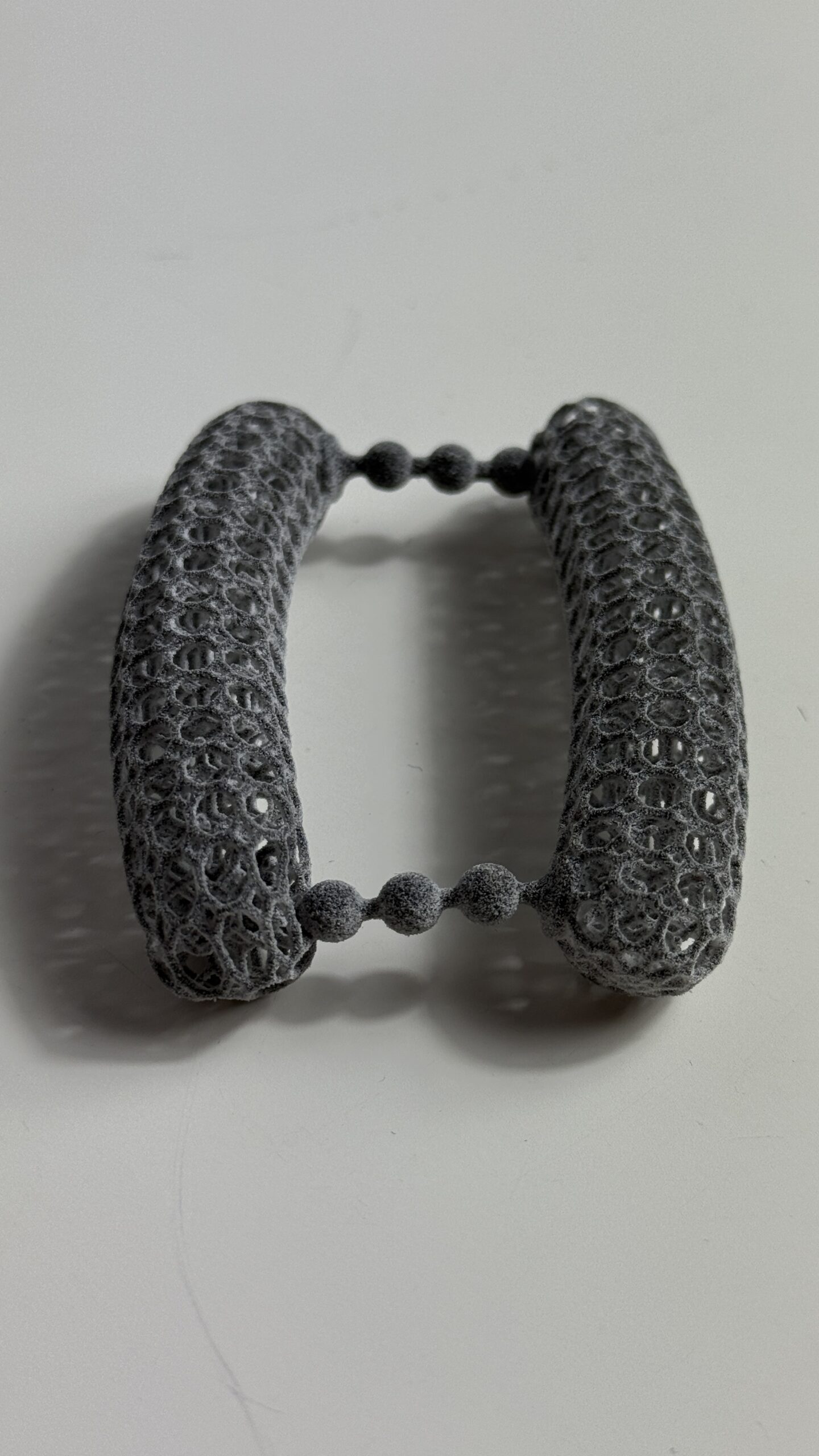
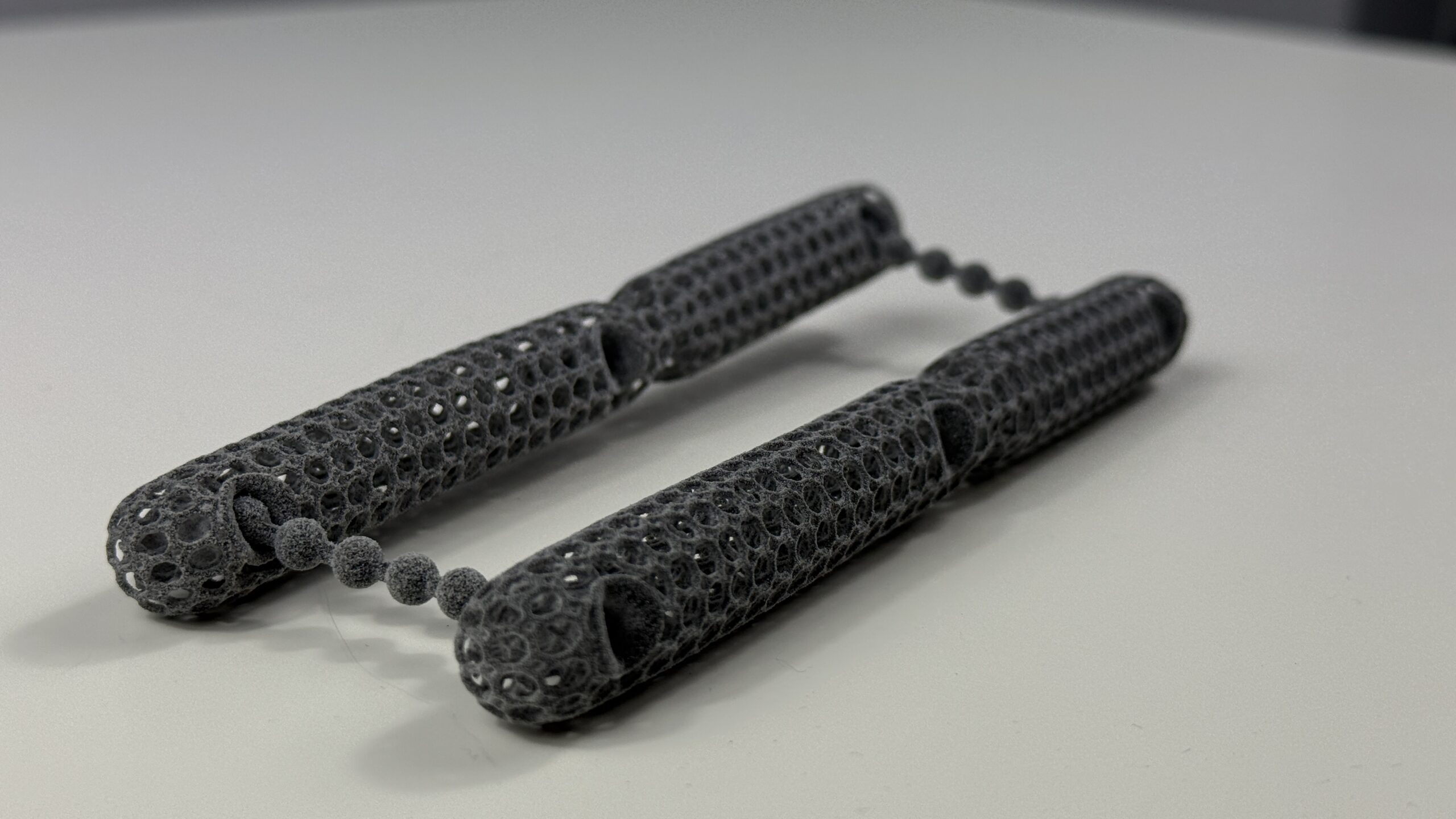
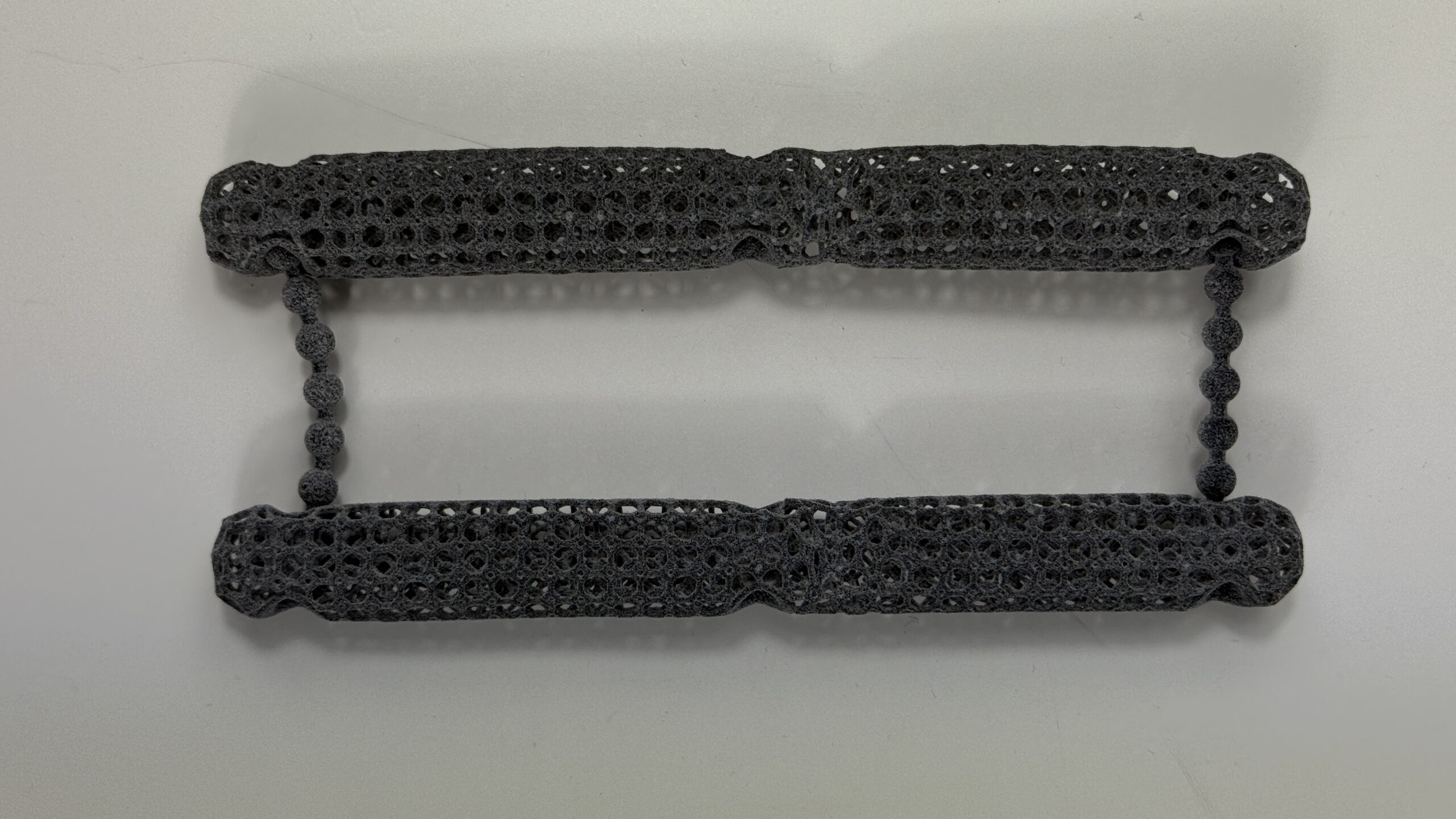
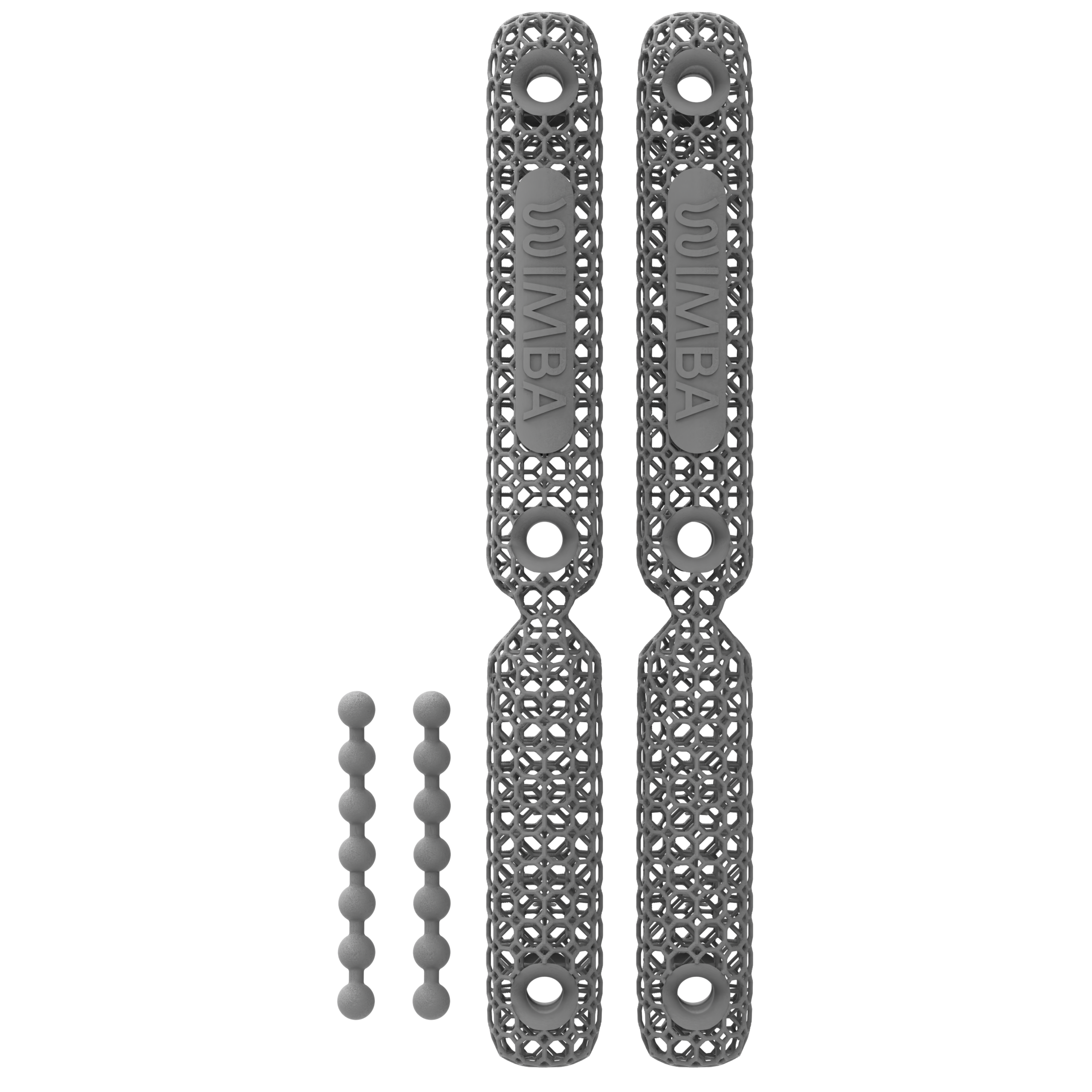
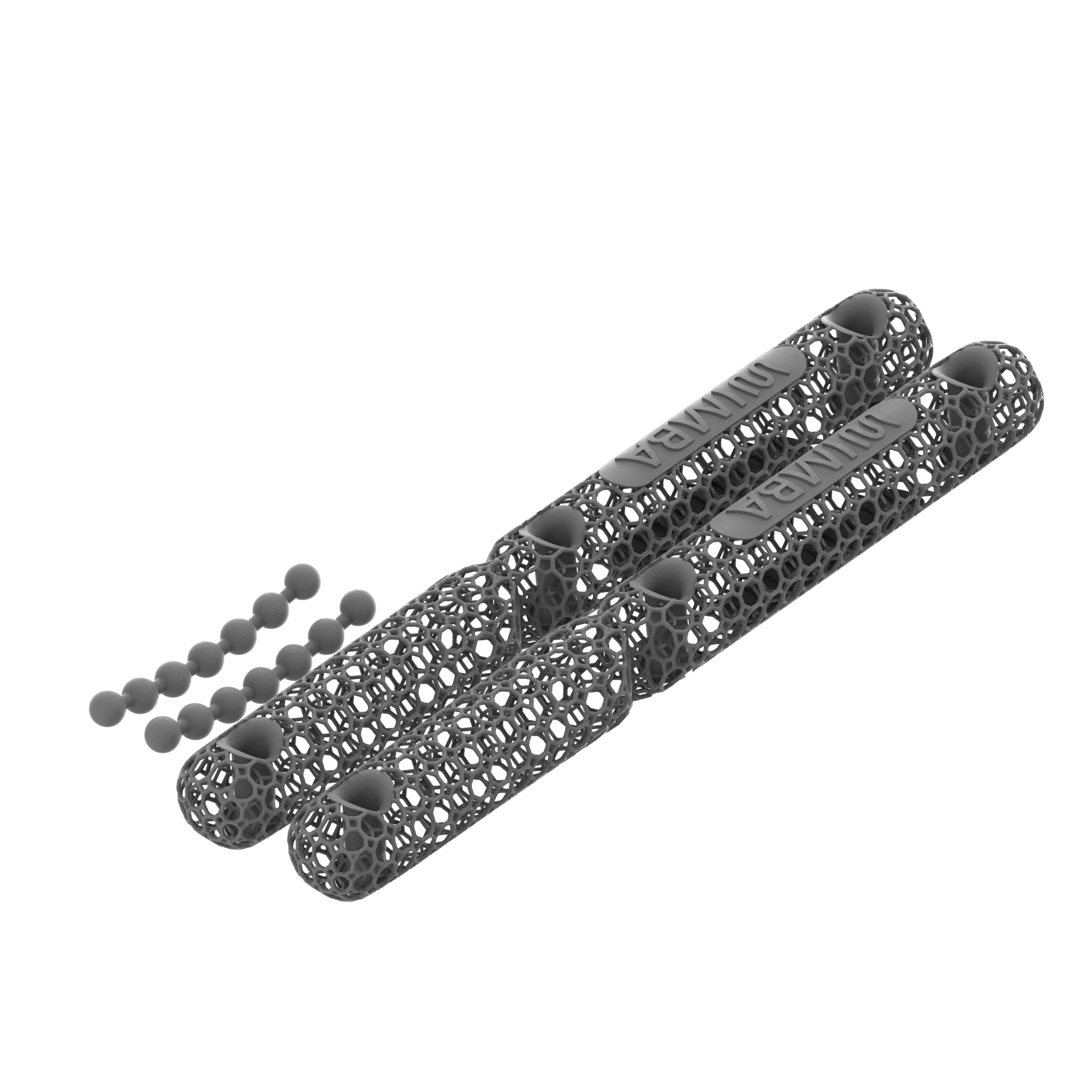
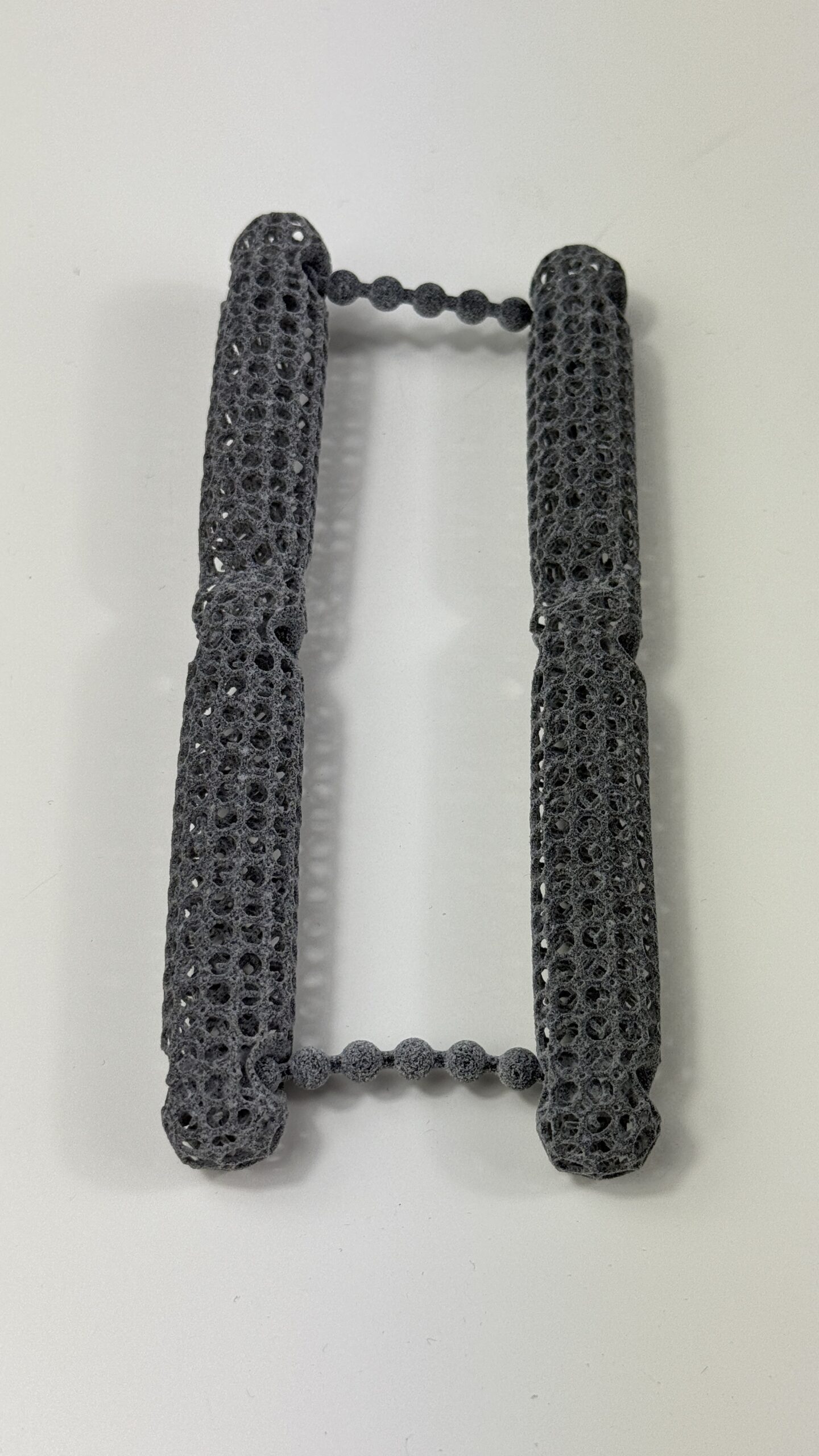
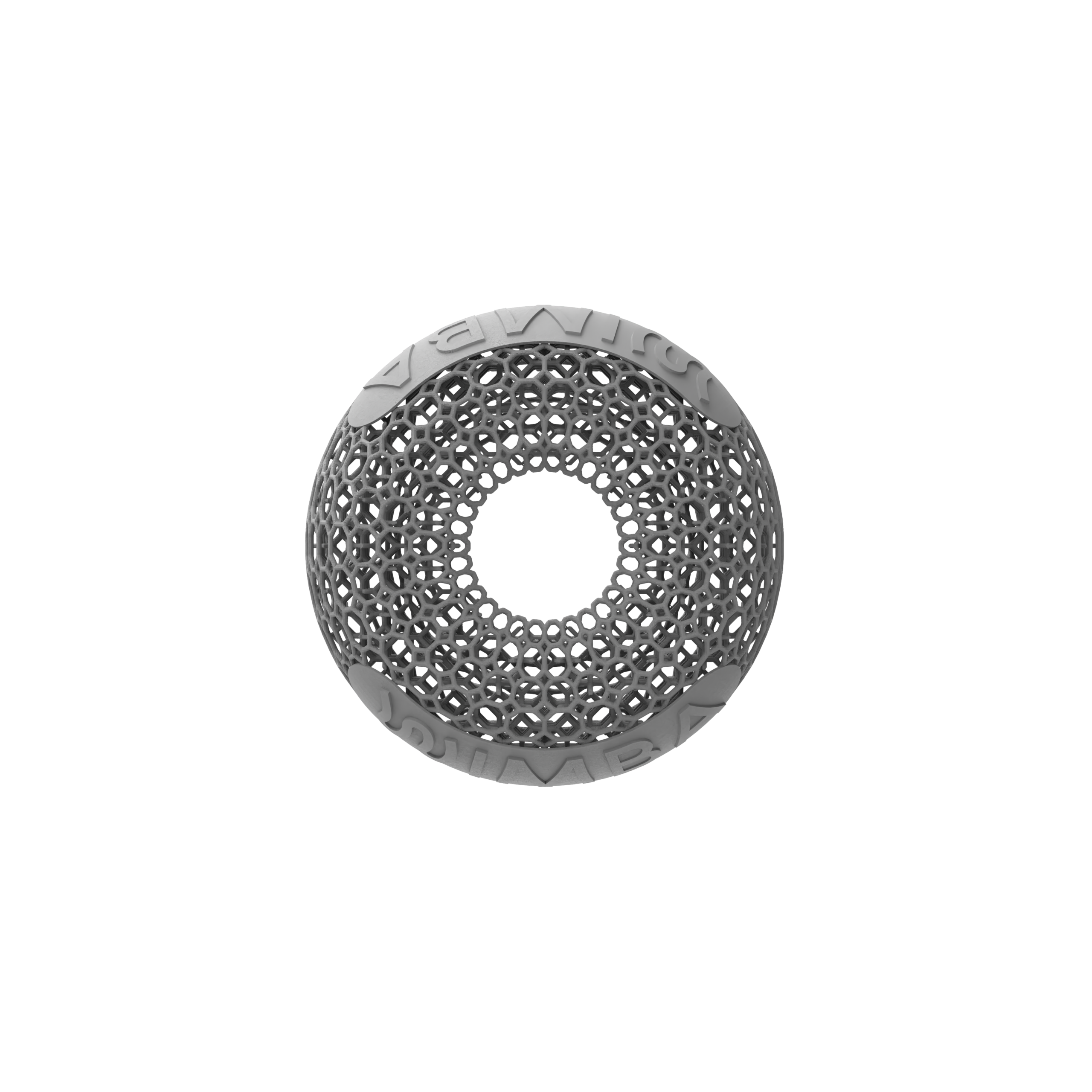
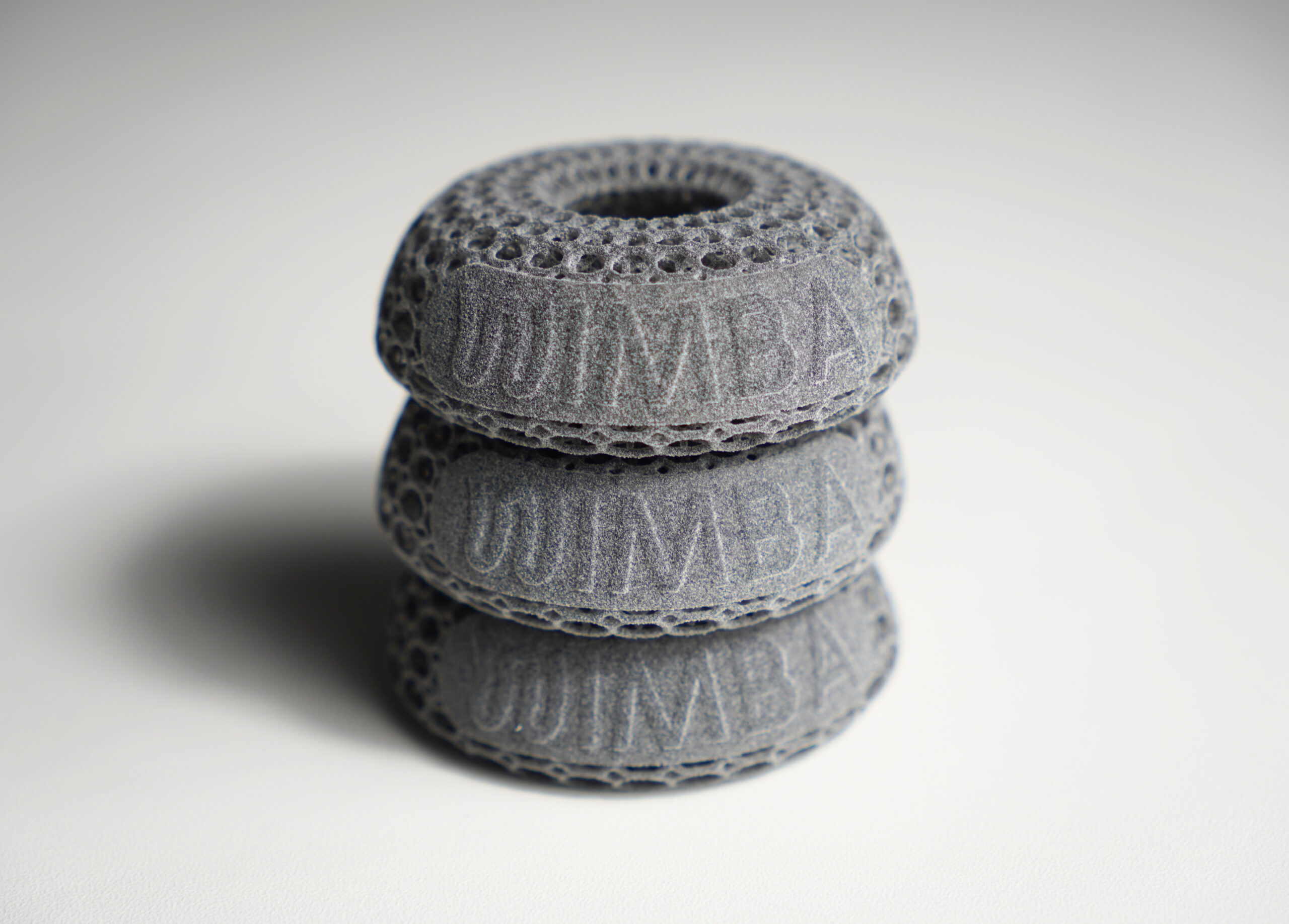
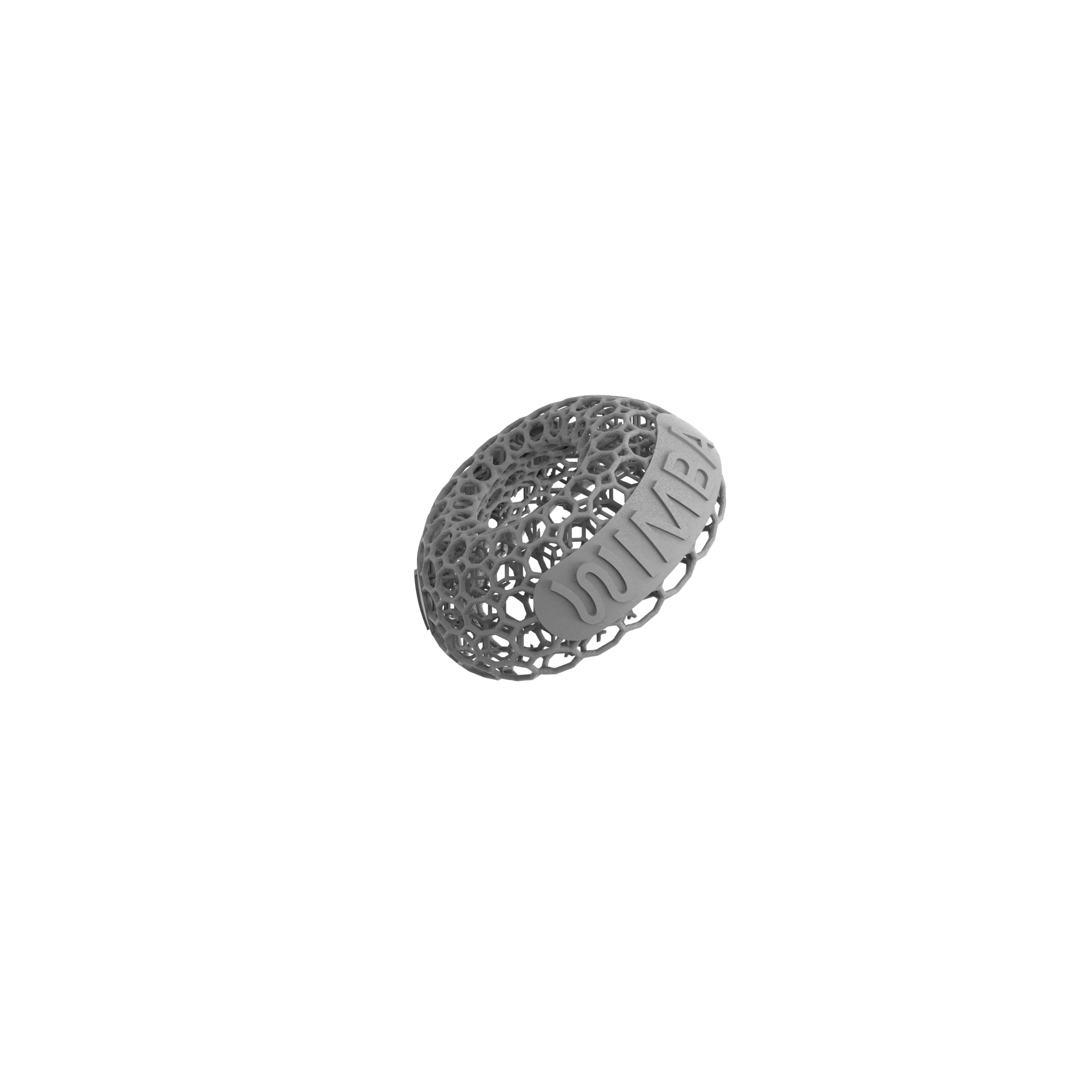
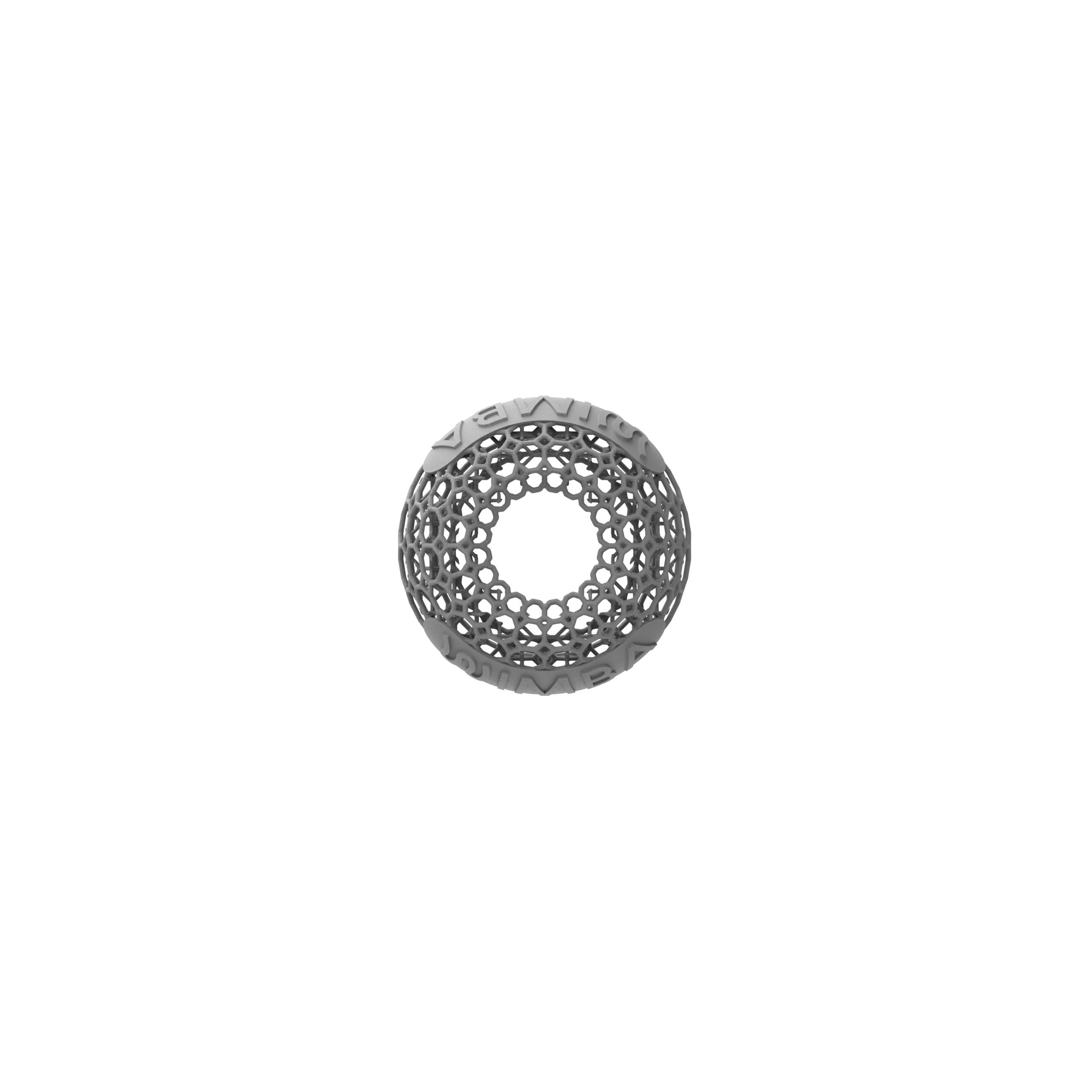
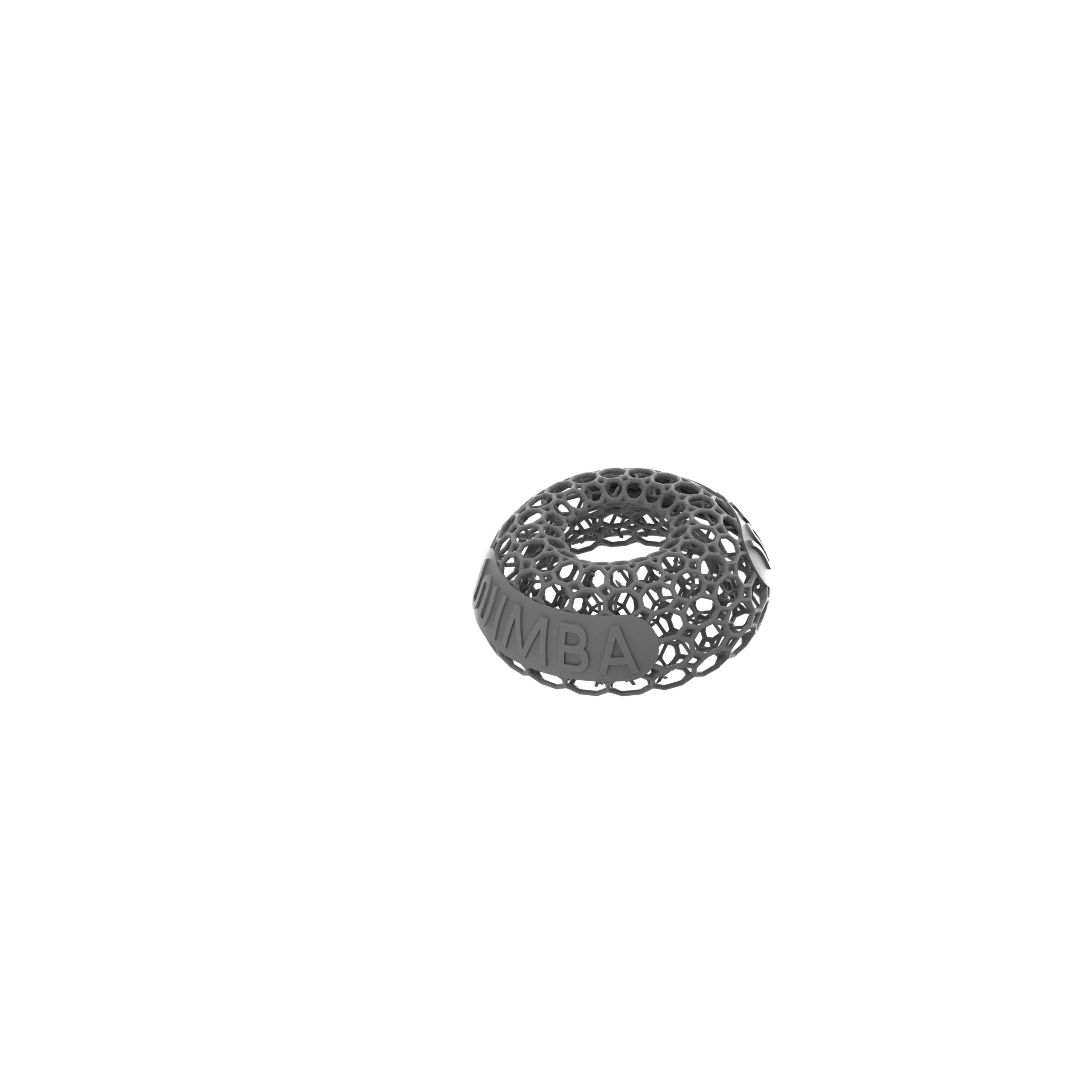
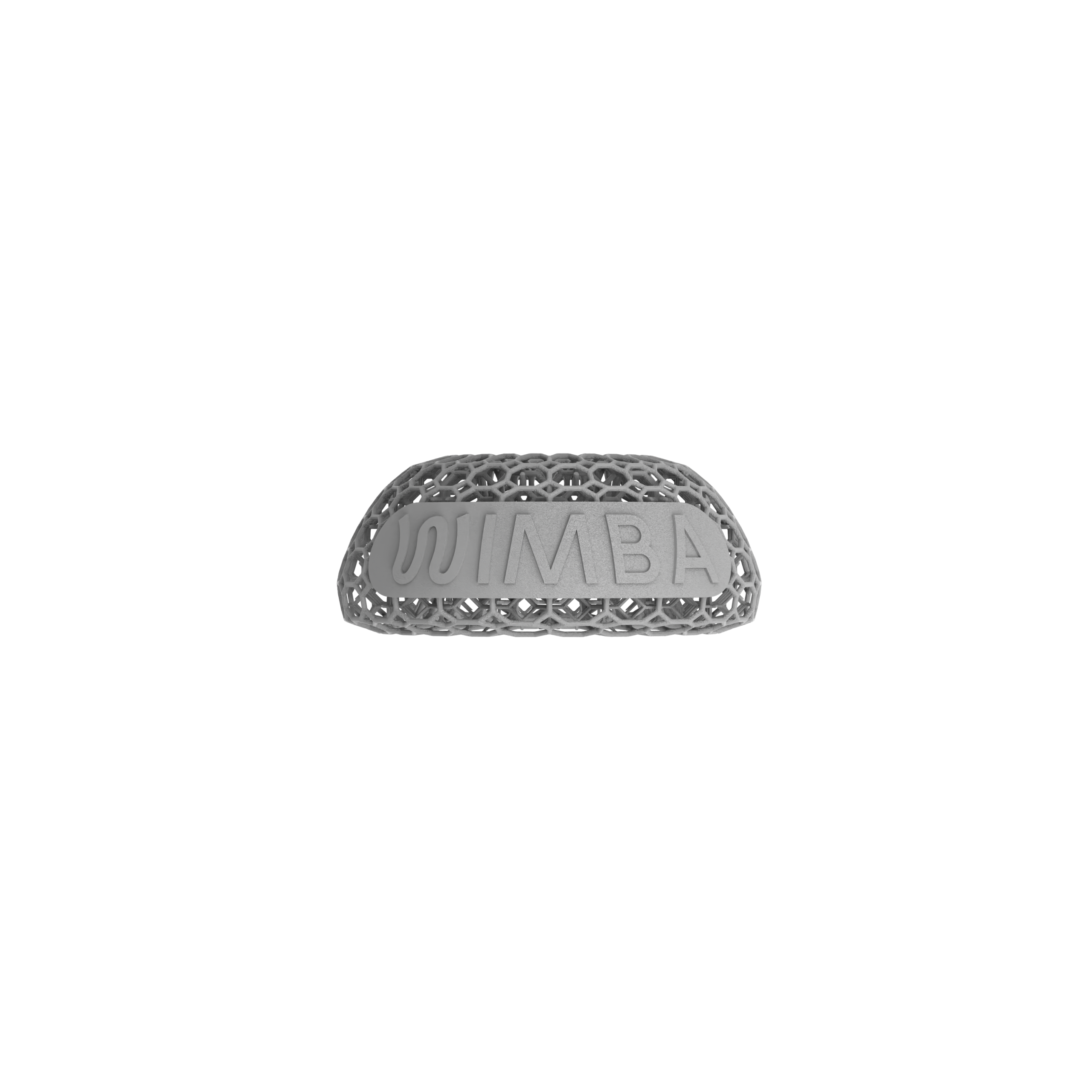
WIMBA Tokens are interchangeable components placed within the orthotic hinge. Depending on the product and selected component, they can provide a fixed-angle blocker, a predefined movement limit, or a custom clinician-defined angle or range. Token selection is based on the pathology, biomechanics, and rehabilitation plan. Tokens control what the device permits mechanically. They do not correct the underlying disease by themselves.[2]
Current WIMBA documentation distinguishes between GO and PRO Token formats. In current GO guidance, the displayed value represents the maximum extension permitted by the component, not the total biological movement of the joint. PRO components may display a fixed angle or a defined range. The treating professional should confirm the meaning of the marking for the exact device rather than applying one interpretation across the entire range.[2][5]
Important: a number printed on a Token should not be described as the patient’s measured joint ROM. It identifies the mechanical setting of the relevant component. Actual joint movement must be evaluated on the patient during fitting and follow-up.
The veterinary professional selects the prescribed components and explains whether an owner will ever need to exchange them. Owners should not change Tokens independently. If a change has been prescribed for home implementation, the clinic should identify the correct pair, demonstrate the procedure, verify orientation, and document when the new setting begins.[6]
How Orthotic Range of Motion Is Checked at Fitting
The first fitting should confirm more than whether the frame closes around the limb. A dynamic assessment should evaluate:
- Hinge position relative to the anatomical joint
- Proximal and distal frame alignment
- Even strap tension without frame rotation
- Clearance from skin folds, prominences, paw, and dewclaw
- Whether the device reaches its intended stop during standing and walking
- Whether the dog compensates by shortening the stride, circumducting, hiking the pelvis, or unloading the limb
- Skin response after a short controlled walking trial
If the hinge axis does not remain appropriately aligned, the limb and device can move against each other. Tightening the straps is not a reliable correction. The clinic should reassess positioning, fit, component selection, and whether the patient remains a suitable candidate.
Patient Data and Device Selection
WIMBA uses product-specific patient data rather than one universal acquisition method. Eligible GO cases use guided photographs and manual measurements. PRO cases use the current scan-based workflow plus the additional information required for the selected device. The clinic should follow the current instructions in WimbaAPP or the relevant measurement card. See how to order WIMBA devices for the complete pathway.
Patient-specific geometry is essential for frame contact and hinge placement, but custom manufacture does not select the prescription. The clinical team still needs to specify the diagnosis, affected joint, plane of instability, desired orthotic range of motion, intended activities, and review plan.
Changing the Setting During Rehabilitation
An adjustable dog orthosis can support more than one rehabilitation stage, but adjustability is not permission to follow a generic calendar. The decision to maintain, widen, narrow, or fix the permitted arc may depend on pain, swelling, tissue healing, imaging, joint stability, active control, gait, and adherence to activity restrictions.
A useful progression note records the current component, the reason for the change, allowed activities, wear schedule, review date, and stop criteria. The article on post-surgical dog braces explains why support level, fit, and skin monitoring must evolve with recovery.
Widening the permitted arc is not the only possible progression. Some patients need the same setting for longer, a temporary return to greater restriction, a redesign, or discontinuation of the device. New pain, instability, swelling, or deterioration should trigger reassessment rather than an unscheduled component change.
Common ROM Control Errors
- Using strap tension as the setting. Straps position the orthosis. They do not replace the prescribed hinge component.
- Reading the printed number incorrectly. A component marking may indicate maximum extension, a fixed angle, or a defined range depending on the model.
- Changing both sides inconsistently. Paired hinge components must match and be installed in the correct orientation.
- Ignoring hinge alignment. A technically correct component cannot compensate for a device that is rotated or positioned too high or low.
- Leaving the setting undocumented. The clinic and owner should know which component is fitted, why it was chosen, and when it will be reviewed.
- Progressing by date alone. Calendar time does not confirm tissue healing, joint control, or safe gait.
- Assuming more restriction is harmless. Any setting can alter gait and loading, so the whole patient must be observed.
These errors explain why ROM control in dog braces belongs within a clinician-led fitting and follow-up process rather than a consumer adjustment menu.
Monitoring Skin, Gait, and Device Function
ROM is only one part of safe orthotic use. Owners should follow the prescribed introduction schedule and inspect the limb after every session during the adaptation period. Persistent redness, abrasion, swelling, pain, worsening lameness, device rotation, unusual noise, damaged components, or reluctance to move should prompt removal of the device and contact with the clinic.
A prospective study followed 43 dogs using custom orthoses or limb-replacement devices. Thirty-nine experienced at least one complication, with skin problems, mechanical issues, and patient non-acceptance among the main categories.[7] The study was not specific to WIMBA or to one ROM setting, but it supports planned rechecks and careful monitoring for every custom orthosis.
What the Evidence Can and Cannot Tell Us
Published canine orthosis research is still limited and heterogeneous. Small studies show that an orthosis can change gait and joint kinematics, but the mechanical setting of the device does not translate perfectly to biological joint motion.[1] A case series of 14 dogs with carpal ligament instability reported improvement after a brace-based programme, but it did not establish one ideal motion limit for every carpal patient.[8]
Similarly, a systematic review of rehabilitation after canine cranial cruciate ligament surgery found support for rehabilitation interventions while noting substantial risk of bias and a lack of Class I evidence.[4] Current evidence supports individualized prescription, objective reassessment, and conservative claims. It does not support a universal Token setting or a standard progression schedule for all diagnoses.
How Clinics Can Plan a WIMBA ROM Case
- Diagnose the condition: identify the affected structure, joint, level, plane, severity, and relevant concurrent disease.
- Define the mechanical goal: state which movement must be limited or permitted and why.
- Select the pathway: confirm that the current GO or PRO indications and data requirements match the case.
- Choose the component: select the appropriate standard Token, custom Token, or blocker for the prescribed device.
- Fit dynamically: check alignment, skin contact, frame stability, permitted motion, and gait during controlled walking.
- Document the plan: record the fitted components, wear schedule, activity limits, warning signs, and review date.
- Reassess the outcome: compare gait, comfort, stability, skin, and function with the original objective before changing the setting.
If the diagnosis, device pathway, or movement goal is uncertain, veterinary professionals can use WIMBA case consults before placing an order.
Plan ROM Control for Your Patient
Submit the diagnosis, affected joint, movement goal, relevant imaging, and rehabilitation plan for review by the WIMBA Clinical Team.
Frequently Asked Questions About ROM Control in Dog Orthoses
These answers are general. The treating veterinarian or rehabilitation professional must determine the appropriate device and setting for each patient.
Who should prescribe range of motion control in dog orthoses?
The treating veterinarian or rehabilitation professional should define the movement goal and select the setting. Postoperative limits must follow the operating surgeon’s protocol. Owners should not independently widen, narrow, or fix the permitted range.
What is the difference between a Token and a strap?
A Token controls the permitted movement of the orthotic hinge. Straps retain and position the device on the limb. Tightening straps does not create a clinically defined movement limit and can increase pressure on the skin.
Does a blocker completely immobilize the joint?
A blocker provides the firmest fixed-angle restriction available within the orthosis, but small inherent micromovements may remain. It should not be assumed to provide the same immobilization as a cast, surgical fixation, or another rigid postoperative construct.
Does the number on a Token equal the dog’s joint ROM?
No. The marking identifies the mechanical setting of the relevant Token. Depending on the model, it may indicate maximum extension, a fixed angle, or a defined range. Actual joint movement must be assessed on the patient.
Can an owner change the Token setting at home?
Owners should never change the prescribed range independently. If the clinic directs an owner to exchange a Token, it should first identify the correct components, demonstrate orientation and installation, and document when the change should occur.
Is more movement always a sign of progress?
No. A wider arc may be appropriate at a later stage for some patients, but progression depends on diagnosis, tissue healing, examination, gait, and the surgeon’s or rehabilitation professional’s plan. Some patients need continued restriction or a different strategy.
When should the orthosis and ROM setting be rechecked?
The clinic should schedule rechecks according to the diagnosis and treatment stage. An earlier review is needed if the device rotates, rubs, becomes damaged, creates swelling, changes the gait, or no longer appears to control the intended movement.
Medical disclaimer: This article is intended for general educational purposes only and is not a substitute for veterinary examination, diagnosis, prescription, or postoperative instructions. Do not select or change an orthotic range-of-motion setting without direction from the treating veterinarian or rehabilitation professional. Remove the device and contact the clinic if it causes persistent redness, abrasion, swelling, pain, worsening lameness, rotation, or reluctance to move.
Clinical and Scientific References
- Torres BT, Fu YC, Sandberg GS, Budsberg SC. Pelvic limb kinematics in the dog with and without a stifle orthosis. Vet Surg. 2017;46(5):642-652. doi:10.1111/vsu.12634
- WIMBA Knowledge Base. WIMBA Tokens: Range of Motion System. Updated May 26, 2026. View the Token guide
- Kirkby Shaw K, Alvarez L, Foster SA, et al. Fundamental principles of rehabilitation and musculoskeletal tissue healing. Vet Surg. 2020;49(1):22-32. doi:10.1111/vsu.13270
- Alvarez LX, Repac JA, Kirkby Shaw K, Compton N. Systematic review of postoperative rehabilitation interventions after cranial cruciate ligament surgery in dogs. Vet Surg. 2022;51(2):233-243. doi:10.1111/vsu.13755
- WIMBA Knowledge Base. Carpus Orthosis Go Measurement Chart and Token Selection. View the measurement card
- WIMBA Knowledge Base. WIMBA Tarsus Orthosis Go User Manual. View the user manual
- Rosen S, Duerr FM, Elam LH. Prospective evaluation of complications associated with orthosis and prosthesis use in canine patients. Front Vet Sci. 2022;9:892662. doi:10.3389/fvets.2022.892662
- Tomlinson JE, Manfredi JM. Evaluation of application of a carpal brace as a treatment for carpal ligament instability in dogs: 14 cases (2008-2011). J Am Vet Med Assoc. 2014;244(4):438-443. doi:10.2460/javma.244.4.438