Skip to content


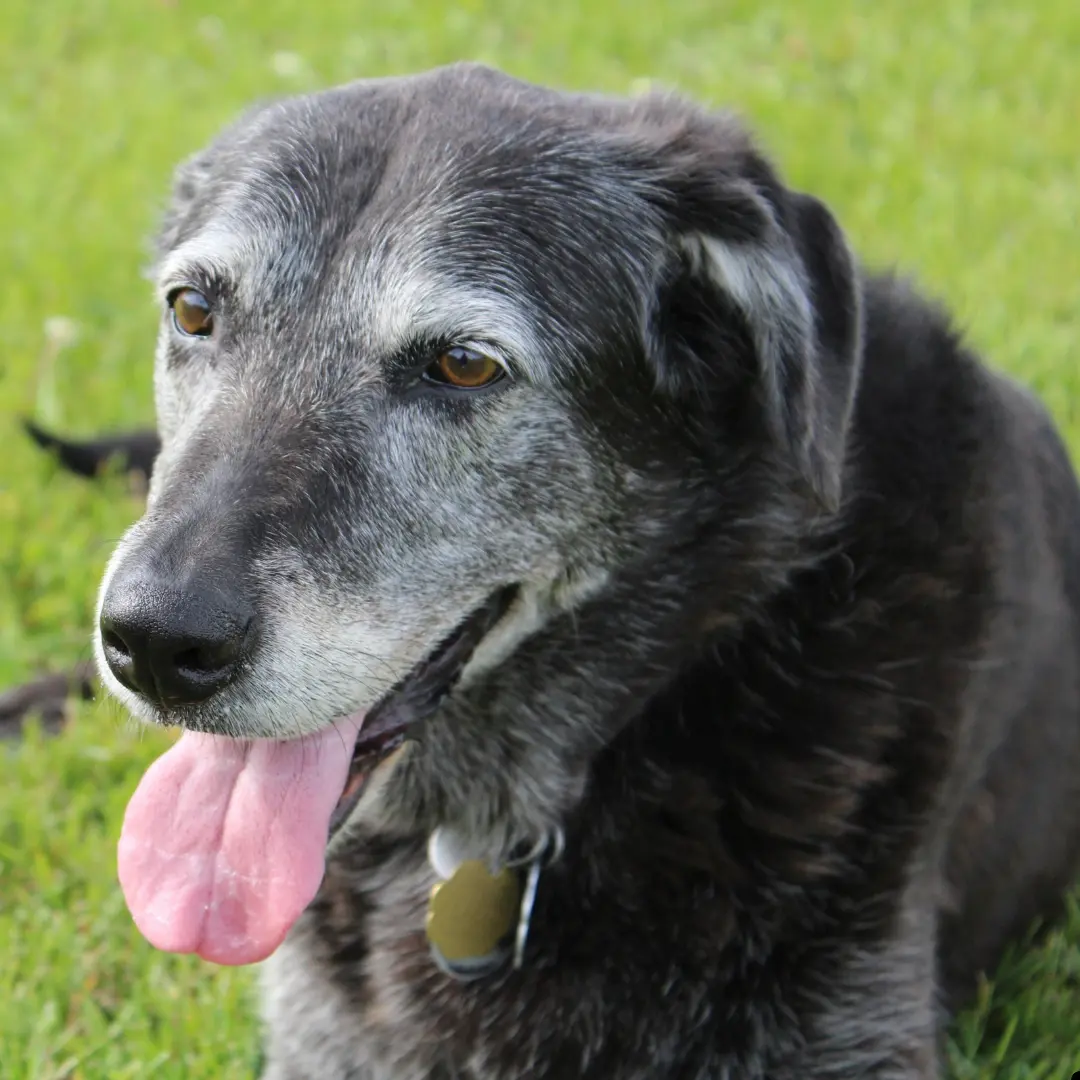
A senior tripod dog needs a mobility plan that protects the three remaining limbs while accounting for age-related changes in joints, muscles, balance, and endurance. The priorities are a veterinary assessment, appropriate pain treatment, a lean body condition, secure footing, and regular exercise matched to the individual dog. A custom orthosis may be considered when examination identifies a specific unstable joint that can benefit from external support.
Many dogs adapt well to life on three legs, but an older three-legged dog may have less physical reserve when arthritis, muscle loss, or another health condition develops. This guide explains practical remaining limb care, warning signs to report, and the role of veterinary rehabilitation in tripod dog mobility. It also explains why age or amputation alone is not a reason to prescribe a brace.
Why Aging Changes Movement After Limb Amputation
Limb loss changes how a dog distributes weight and moves. In a standing-weight study of ten dogs with a previous front limb amputation and ten with a previous hind limb amputation, the contralateral front limb showed the largest mean increase in weight bearing in both groups.[1] This finding supports proactive monitoring, but it does not mean that every dog will develop the same problem.
Trotting studies also found different adaptations after front and hind limb amputation. Dogs missing a front limb placed greater demand on the remaining front limb, while dogs missing a hind limb changed braking and propulsion across the remaining limbs.[2][3] These studies describe group patterns, not a prediction for one patient. Individual posture, amputation level, body size, other disease, and activity all influence tripod dog mobility.
For an older three-legged dog, the same compensation may occur alongside osteoarthritis, reduced muscle condition, neurologic disease, or lower cardiovascular endurance. A complete examination should therefore include all remaining limbs, the spine, body condition, muscle mass, paw placement, and the activities that matter to the dog and owner. Read more about the wider movement pattern in our guide to compensatory overload in dogs.
Mobility Priorities for a Senior Tripod Dog
A useful plan begins with function rather than age alone. The veterinary team should identify what has changed, whether pain or instability is present, and which daily tasks are becoming difficult. Priorities commonly include:
- keeping pain and chronic disease under veterinary management
- maintaining a lean body condition and adequate muscle mass
- providing secure footing and reducing unnecessary jumping
- using consistent, appropriate exercise instead of sudden activity spikes
- monitoring every remaining limb for pain, joint collapse, or altered paw placement
- setting measurable goals such as easier rising, a steadier stance, or a comfortable prescribed walk
These goals should be reviewed over time. A plan that worked a year ago may need to change after weight loss, muscle loss, progression of arthritis, a new diagnosis, or a change in the home environment.
Changes Owners Should Report
Mobility decline is not always dramatic. A short phone video of standing, rising, turning, and walking can help the clinic compare movement over time. Contact the veterinary team if you notice:
- stiffness after rest or more effort when standing up or lying down
- a shorter stride, new limp, repeated weight shifting, or reduced walking tolerance
- slipping, stumbling, paw scuffing, or knuckling
- a carpus that drops backward or a tarsus that appears lower or less stable
- licking one joint or paw, sensitivity to touch, swelling, or unusual warmth
- reluctance on stairs, at the curb, or when entering a vehicle
- visible muscle loss or a change in posture
Sudden inability to stand, refusal to bear weight, severe pain, a rapidly swollen limb, breathing difficulty, collapse, or a new loss of bladder or bowel control requires prompt veterinary attention. Slower changes still deserve an appointment because pain, orthopedic disease, and neurologic disease can look similar at home. Related guides include dog gait changes, knuckling in dogs, and dog licking one paw.
Make the Home Easier to Navigate
Good remaining limb care includes changing the environment before a fall or repeated slip creates another problem. Observe the routes between the bed, water, door, and favorite resting places from the dog’s height and remove avoidable obstacles.
- Add secure footing. Use stable runners or nonslip mats on smooth floors. Make sure edges do not curl and create a trip hazard.
- Control stairs. Use a gate when unsupervised and follow the clinic’s advice about assisted stair use.
- Reduce jumping. A stable ramp may help with vehicles or furniture when the dog can use it safely. Introduce it at a shallow angle with guidance.
- Choose supportive bedding. Provide a dry, padded resting area that the dog can enter and leave without a high step.
- Maintain paws and nails. Overgrown nails and long hair between the pads can reduce traction. Ask the clinic for help if handling is painful.
- Use assistance correctly. A well-fitted harness or sling may help with rising, stairs, or toilet breaks. It should not lift or twist the dog in a way that changes breathing or causes discomfort.
Equipment should solve a defined access problem. A ramp, harness, cart, or orthosis has a different purpose, and one does not automatically replace another. Ask a veterinarian or rehabilitation professional to match the aid to the dog’s strength, balance, and home layout.
Body Weight, Exercise, and Rehabilitation
Body condition matters because each remaining limb shares the dog’s weight. In a small prospective study of 14 obese dogs with osteoarthritis, weight reduction was associated with a significant reduction in lameness.[4] That study does not establish one target for every amputee, so ask the clinic to record body weight, body condition score, muscle condition, and an individual feeding target.
Exercise should be regular and appropriate to current ability. Several shorter, controlled walks may be easier for some dogs than one long outing, but distance, pace, surface, and recovery time should be individualized. Sudden increases in running, jumping, rough play, or ball chasing can exceed the capacity of aging tissues. A rehabilitation professional can prescribe strengthening, balance, controlled weight shifting, and endurance work for tripod dog mobility.
Current canine osteoarthritis guidance supports individualized, multimodal management rather than relying on one intervention.[5] Medication, weight management, exercise planning, rehabilitation, home modification, and surgery may each have a role. The correct combination depends on the diagnosis and the dog’s response.
Pain and Whole-Patient Health Come First
Pain can change stance, stride, sleep, appetite, behavior, and willingness to move. A dog may transfer weight away from one painful joint and create additional demand elsewhere, but the compensation pattern cannot identify the cause by itself. Examination and, when indicated, imaging or laboratory testing are needed before treatment is changed.
Keep a simple weekly record of walking tolerance, ease of rising, stair use, sleep, appetite, and any medication effects. Never give a human pain medicine unless a veterinarian has specifically prescribed it for that dog. Our guide to joint pain in dogs explains common signs and what a clinic may assess.
When a Custom Orthosis May Be Appropriate
Orthotics for three-legged dogs should address a diagnosed mechanical problem in a limb the dog still has. Examples may include carpal hyperextension, selected tarsal instability, or a stifle condition for which the veterinary team has chosen an orthotic pathway. The goal might be to limit a specific excessive movement, improve joint control during prescribed activity, or support a rehabilitation phase.
The strongest evidence in amputee dogs shows altered loading, not that routine bracing prevents arthritis or another injury. For that reason, orthotics for three-legged dogs should not be prescribed solely because a dog has three legs or has reached a certain age. The clinician should identify the joint, direction of instability, required range of motion, skin condition, functional goal, and plan for reassessment.
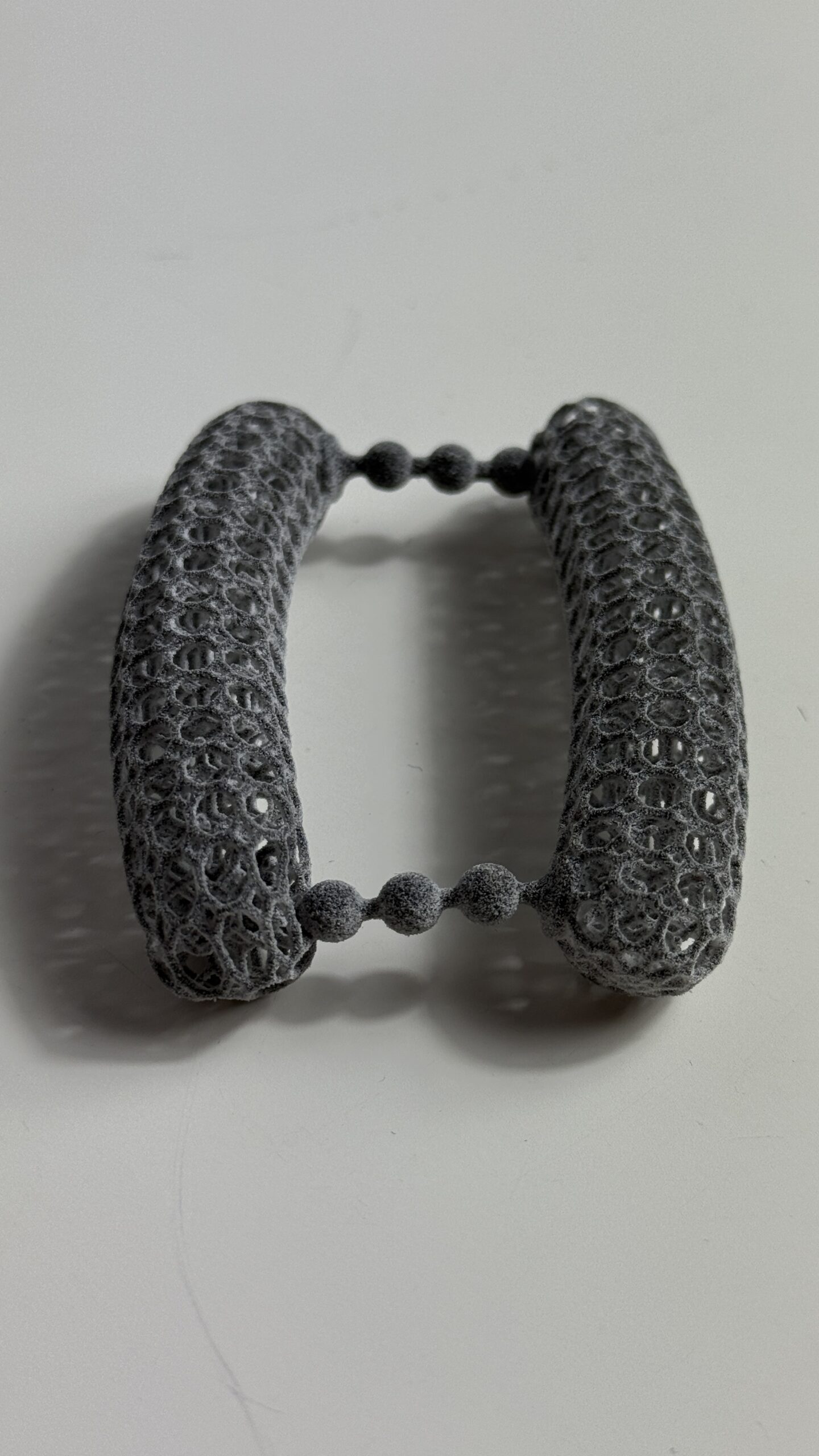
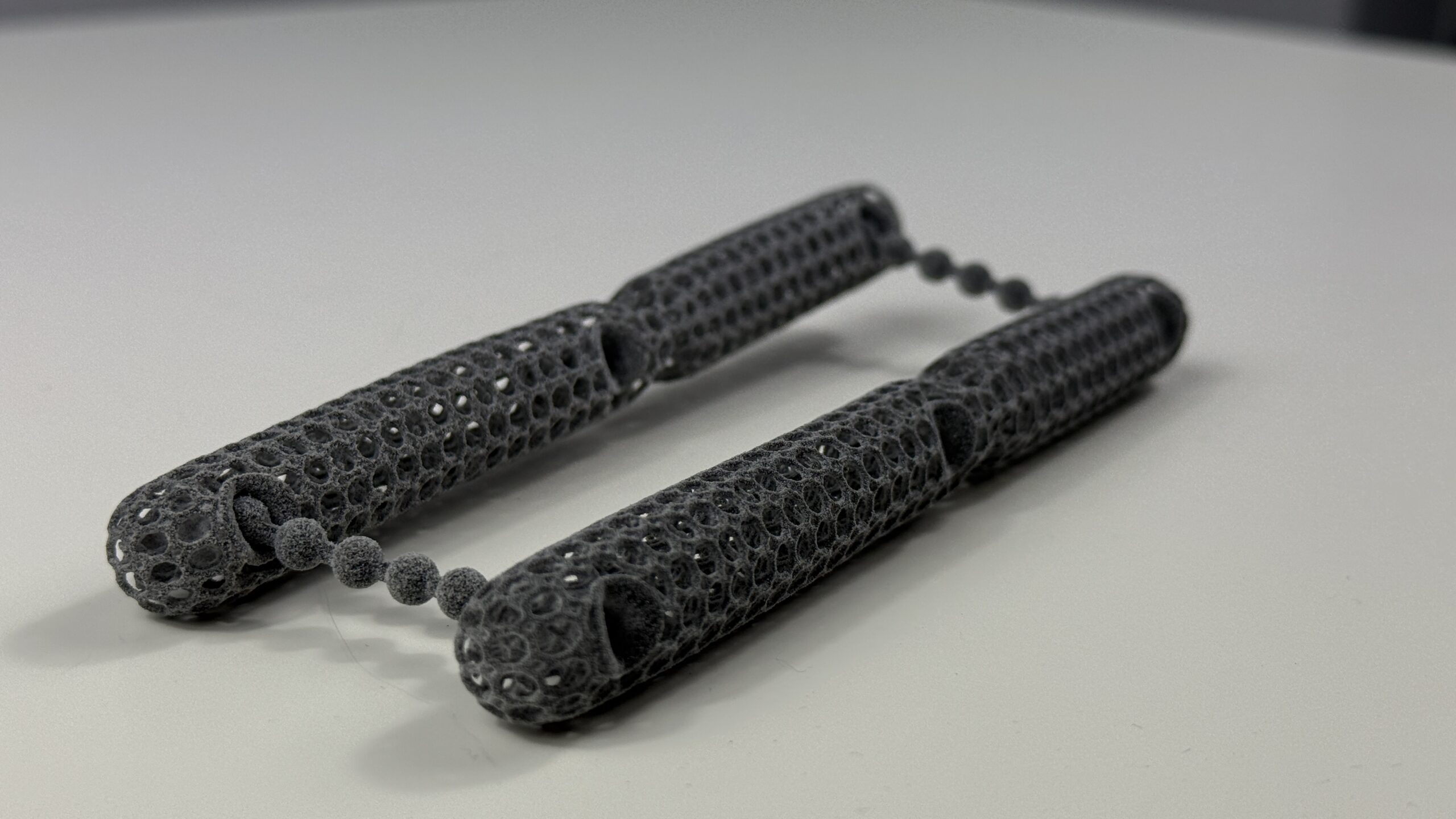
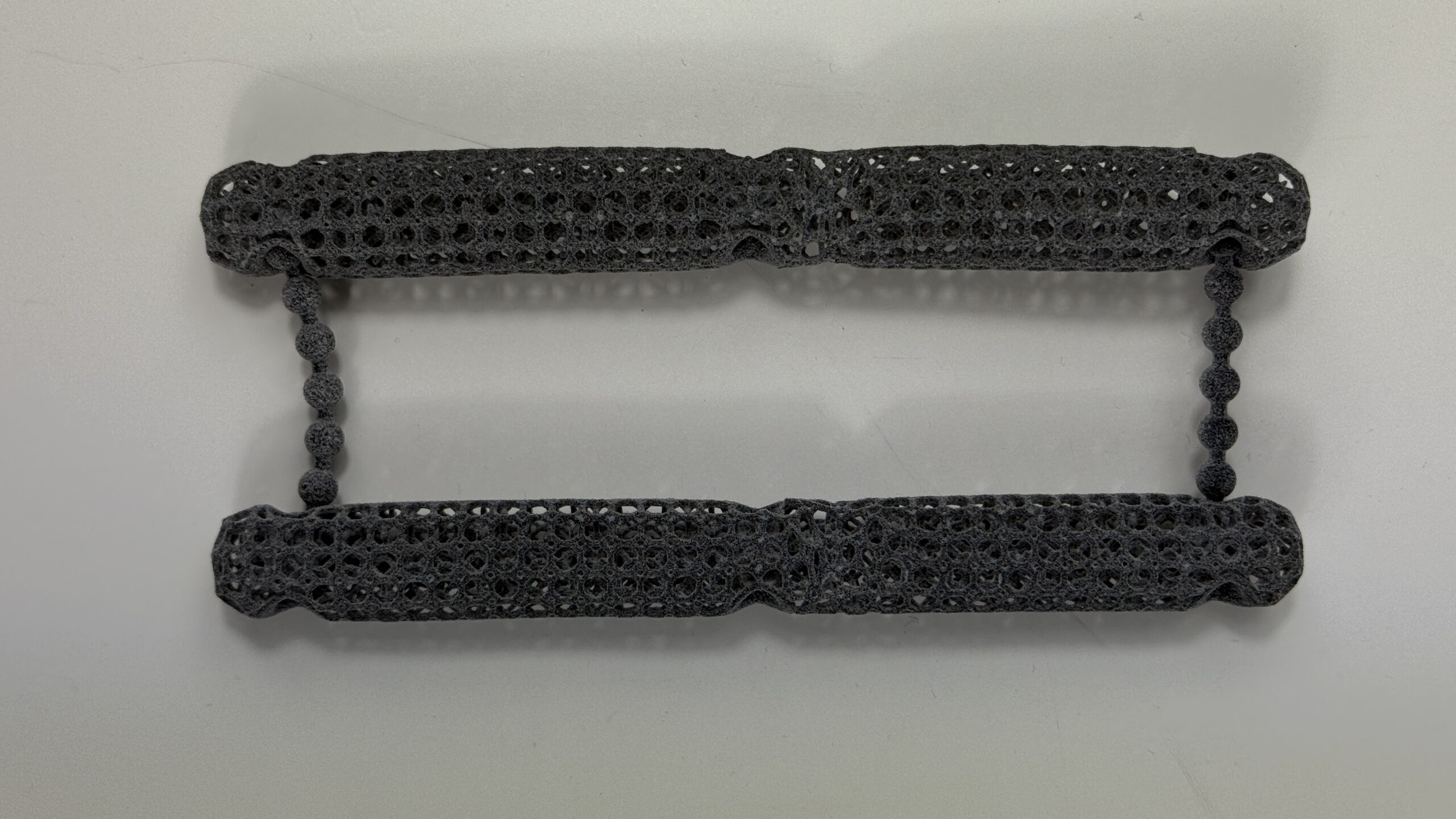
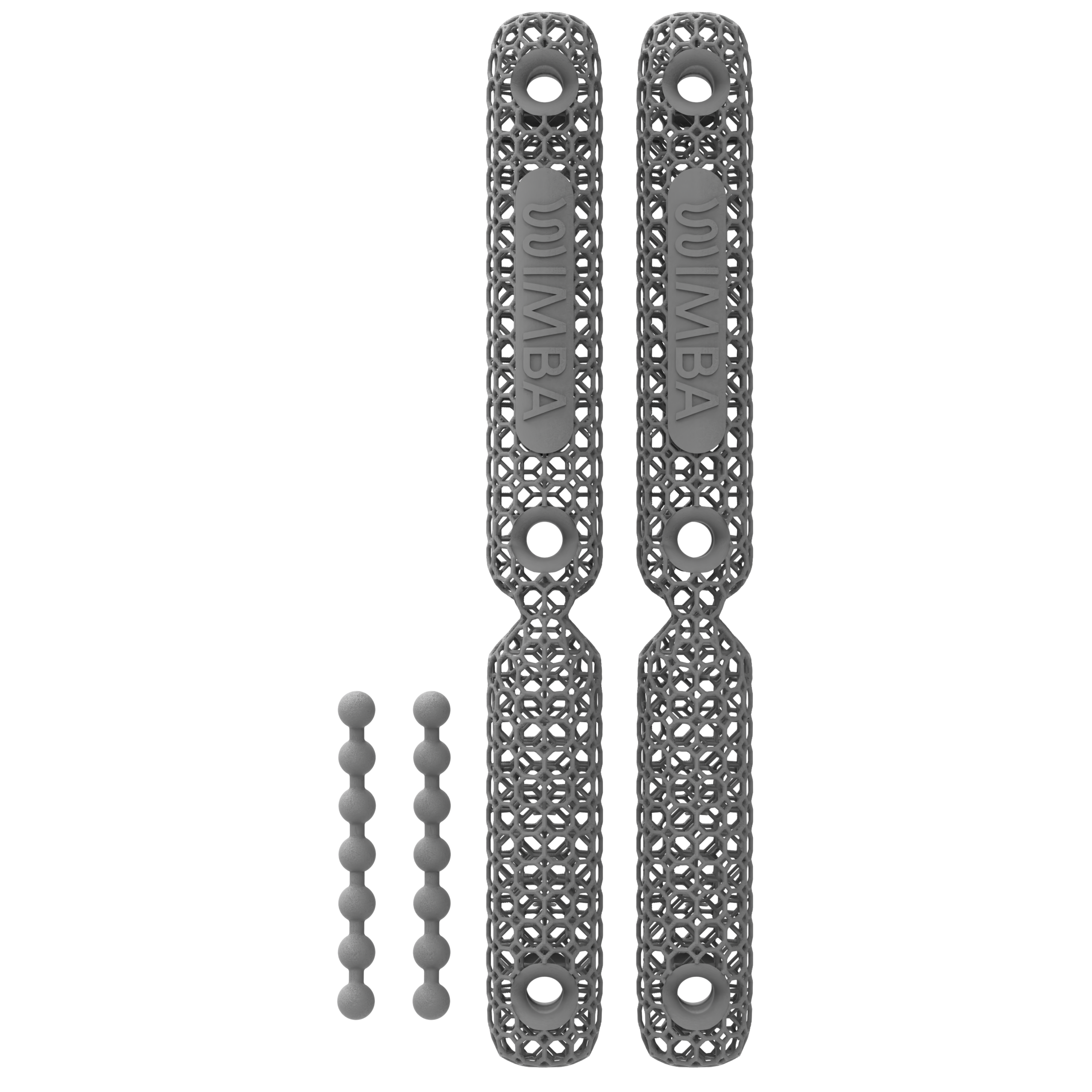
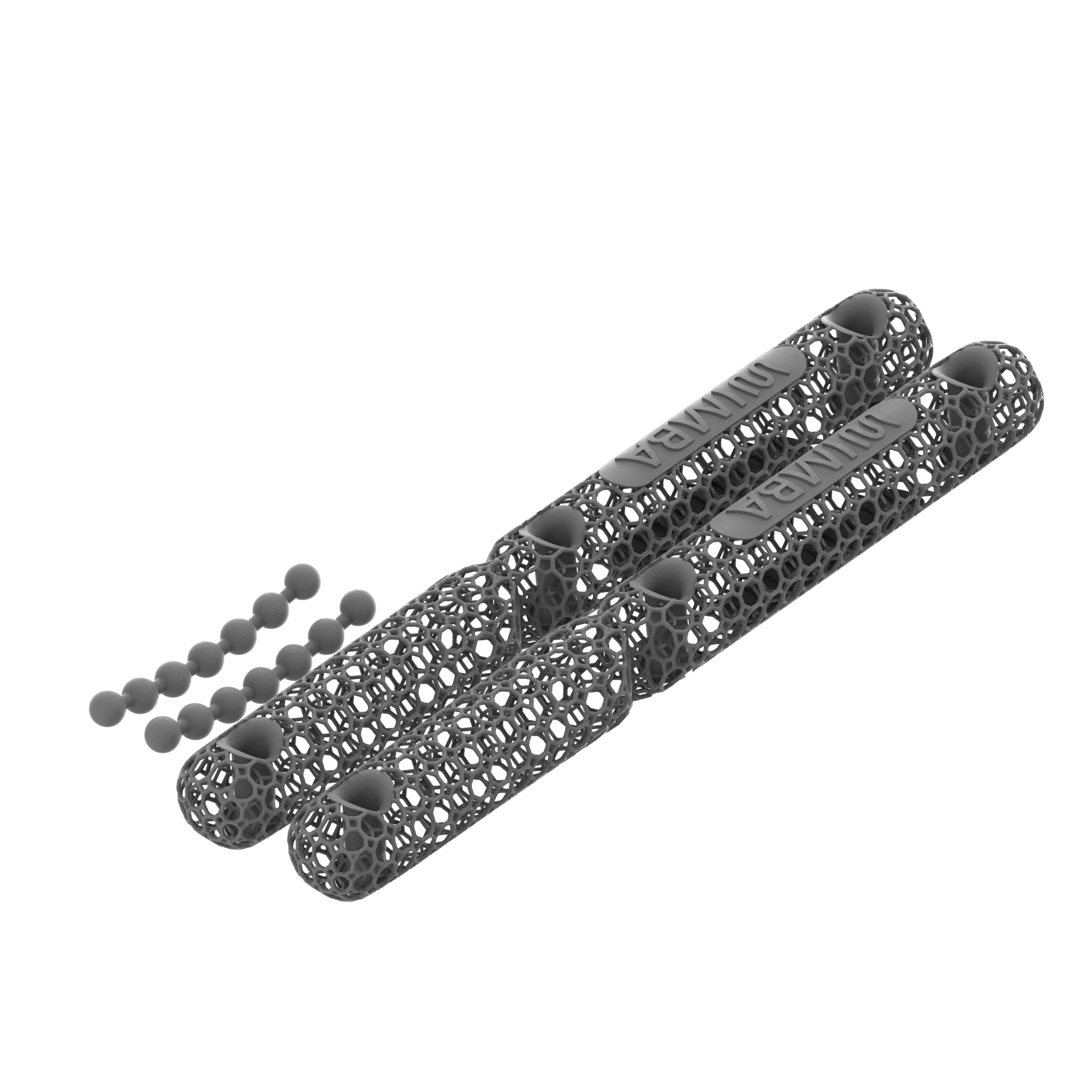
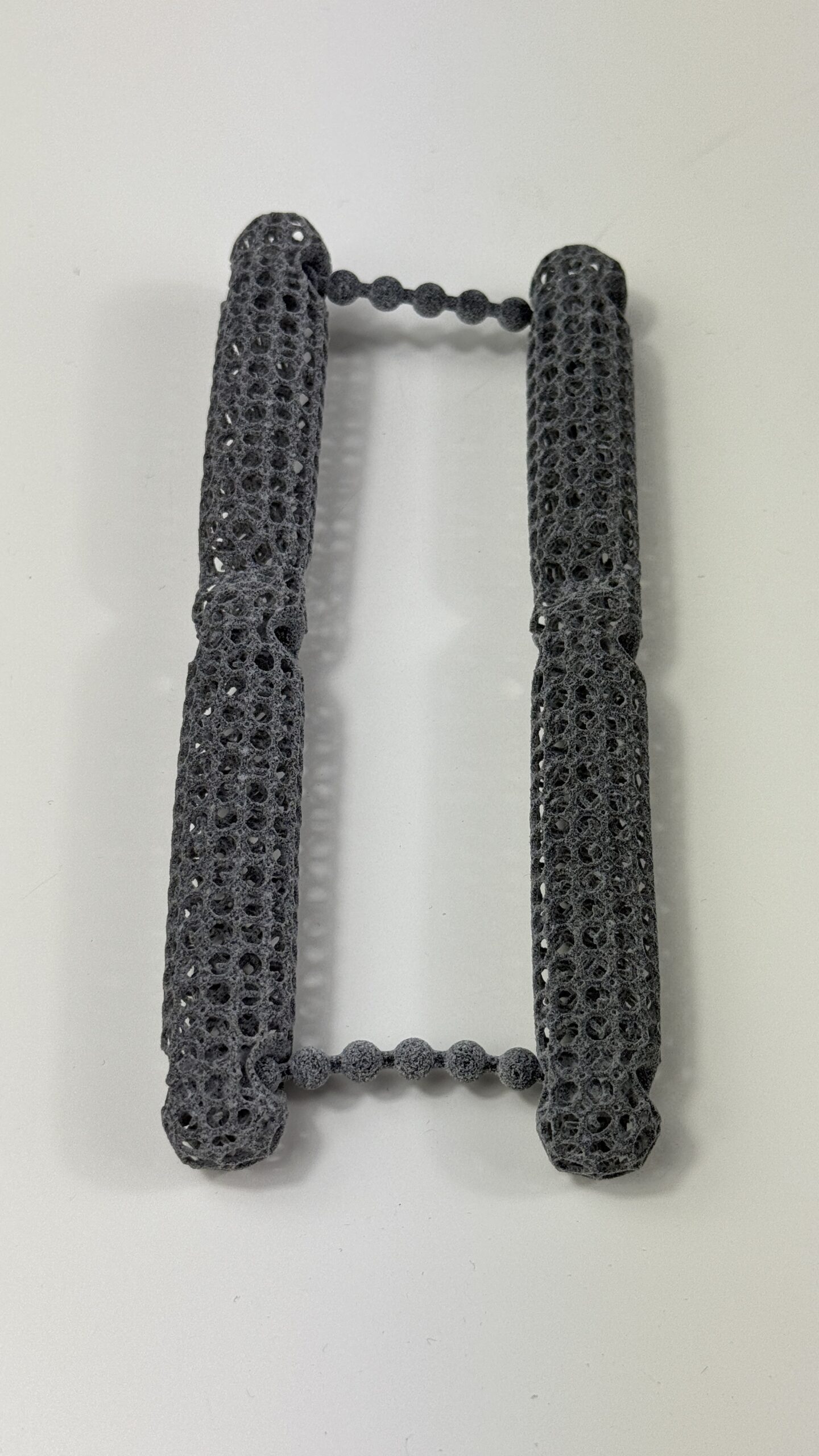
WIMBA provides joint-specific custom orthoses for selected carpal, tarsal, and stifle cases. Eligible mild, mainly sagittal-plane carpal cases may fit the WIMBA Carpus Orthosis GO pathway. More complex geometry, paw involvement, multiplanar control, or selected stifle cases may require a scan-based PRO pathway or another treatment strategy. Veterinary professionals can request a WIMBA case consultation when candidacy or product selection is uncertain.
An orthosis supports an existing limb or joint. It does not reverse osteoarthritis, rebuild muscle, remove pain, or replace medication, rehabilitation, weight management, or surgery when those are indicated. Read the broader clinical overview of joint-specific support for tripod patients and the owner guide to mobility aids for three-legged dogs.
Fitting, Introduction, and Follow-Up
The first fitting should include standing and controlled walking. The clinic checks joint alignment, frame position, strap tension, rotation, clearance around the paw and dewclaw, skin contact, and whether the dog develops a new gait deviation. The owner should be able to apply and remove the device correctly before taking it home.
Follow the wear schedule provided for the individual patient. Introduction is usually gradual and supervised, with skin and gait checked before, during, and after use. Remove the device and contact the clinic if persistent redness, abrasion, swelling, worsening lameness, pain, reluctance to move, device rotation, or damaged parts appear. Do not tighten straps to create more support, change motion-control components, or reshape the structural frame at home.
Rechecks matter in long-term care because body weight, muscle mass, coat, joint position, activity, and disease can change. A device that fitted well initially may require professional adjustment, new limb data, or replacement later. Success should be judged against the original goal, not simply by whether the dog tolerates wearing the device.
Questions to Take to the Veterinary Appointment
Bring videos and a short activity record. These questions can make remaining limb care more specific:
- Is the change most consistent with pain, weakness, instability, a neurologic problem, or more than one issue?
- What body condition and muscle condition should we aim for?
- Which exercise, surface, distance, and recovery pattern are appropriate now?
- Would rehabilitation, a harness, a ramp, or another mobility aid address the current problem?
- Does any remaining joint have a braceable instability, and what movement would an orthosis control?
- How will we measure progress, and when should the next recheck happen?
Plan the Next Step With the Veterinary Team
Good care starts with the cause of the change, then combines medical treatment, an appropriate environment, exercise, and equipment only where it has a clear role. Pet owners can use the WIMBA Provider Map to find a clinic, while veterinary professionals can submit a case for review when joint-specific support may fit the plan.
Frequently Asked Questions About Aging Tripod Care
These answers are general. A veterinarian must examine the individual dog before diagnosing a problem or recommending treatment.
Can an older dog live well on three legs?
Many can. An older three-legged dog benefits from regular veterinary review, a lean body condition, secure footing, appropriate exercise, and early attention to pain or instability in any remaining limb.
How can I tell normal aging from pain or mobility decline?
You cannot always tell at home. Stiffness, slower rising, shortened walks, altered posture, licking, slipping, or a changed stride can reflect pain or disease and should be discussed with a veterinarian rather than dismissed as age.
How much exercise does a senior tripod dog need?
There is no universal distance or duration. The plan should reflect pain control, strength, endurance, surface, other disease, and recovery after activity. Consistent controlled exercise is often preferable to occasional intense activity, but the veterinary team should set the starting level.
Does every three-legged dog need a brace?
No. A brace is considered when examination identifies a joint-specific mechanical problem and a clear functional goal. Amputation, age, or arthritis without a suitable instability is not enough on its own.
Can an orthosis prevent overload problems in the remaining limbs?
Current evidence does not show that routine orthotics for three-legged dogs prevent arthritis or every future injury. An orthosis may support a diagnosed instability, while monitoring, weight management, pain control, rehabilitation, and home changes address the wider mobility plan.
Can a harness, ramp, or mobility cart be used with an orthosis?
Sometimes, but each aid has a different purpose and the combination must be assessed. The team should check that equipment does not interfere with the orthosis, alter gait adversely, create pressure, or make transfers unsafe.
How can my clinic discuss a tripod case with WIMBA?
Veterinary professionals can submit the diagnosis, history, relevant images, limb information, and intended functional goal through WIMBA’s case consultation pathway. The clinical team can then review whether a current GO or PRO indication matches the case.
Medical Disclaimer: This article is intended for general educational purposes only and is not a substitute for veterinary examination, diagnosis, or treatment. Do not begin, stop, or change medication, exercise, rehabilitation, or orthosis use without professional direction. Seek prompt veterinary care for sudden inability to stand, severe pain, refusal to bear weight, rapid swelling, collapse, breathing difficulty, or a new loss of bladder or bowel control.
Scientific References
- Cole GL, Millis D. The effect of limb amputation on standing weight distribution in the remaining three limbs in dogs. Vet Comp Orthop Traumatol. 2017;30(1):59-61. doi:10.3415/VCOT-16-05-0075
- Jarvis SL, Worley DR, Hogy SM, Hill AE, Haussler KK, Reiser RF II. Kinematic and kinetic analysis of dogs during trotting after amputation of a thoracic limb. Am J Vet Res. 2013;74(9):1155-1163. doi:10.2460/ajvr.74.9.1155
- Hogy SM, Worley DR, Jarvis SL, Hill AE, Reiser RF II, Haussler KK. Kinematic and kinetic analysis of dogs during trotting after amputation of a pelvic limb. Am J Vet Res. 2013;74(9):1164-1171. doi:10.2460/ajvr.74.9.1164
- Marshall WG, Hazewinkel HAW, Mullen D, De Meyer G, Baert K, Carmichael S. The effect of weight loss on lameness in obese dogs with osteoarthritis. Vet Res Commun. 2010;34(3):241-253. doi:10.1007/s11259-010-9348-7
- Cachon T, Frykman O, Innes JF, et al. COAST Development Group’s international consensus guidelines for the treatment of canine osteoarthritis. Front Vet Sci. 2023;10:1137888. doi:10.3389/fvets.2023.1137888