 Skip to content

As a devoted dog owner, ensuring your furry friend’s well-being is a top priority. Recognizing signs of pain in dogs can be challenging, but being attentive to their behavior is essential for maintaining their health. Whether it’s subtle changes in their movements or shifts in their mood, understanding these indicators can help you take proactive steps. Read on to learn more about how to identify the signs of pain in your dog and ensure their overall well-being.
Looking for something more specific? This guide covers the most common, generally recognizable signs of pain in dogs. If your dog seems outwardly normal — still walking, playing, and eating — but you suspect subtle or hidden discomfort, see Silent Pain in Dogs: 7 Signs of Silent Pain in Dogs Every Pet Parent Should Know.
1. Loss of Mobility in Dogs
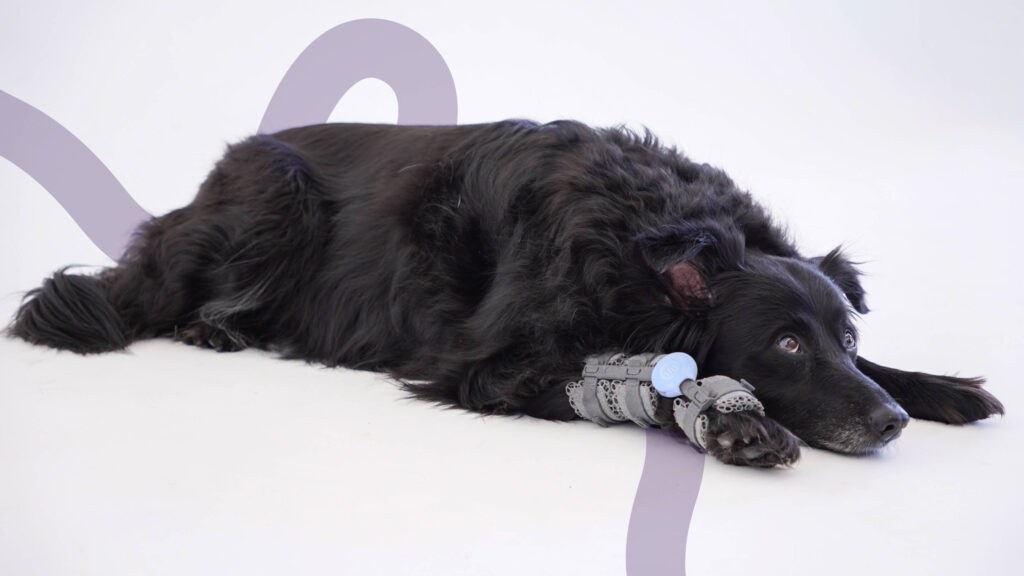
Did you notice that your dog is more eager to walk, run, or jump? Have they typically enjoyed lounging on the couch but recently started choosing the carpet instead?
Don’t simply assume they’ve become lazy or that their behavior has changed without reason. Such shifts in activity levels and preferences can often be the first signs your dog is in pain. Joint discomfort may lead to a reluctance to engage in previously loved activities, impacting their overall mobility and quality of life. It’s crucial to pay attention to these subtle changes, as they can indicate underlying orthopedic issues that require prompt attention. Recognizing these signs early can help you seek appropriate care and ensure your furry friend remains happy and active.
2. Dog Isn’t Playful Anymore
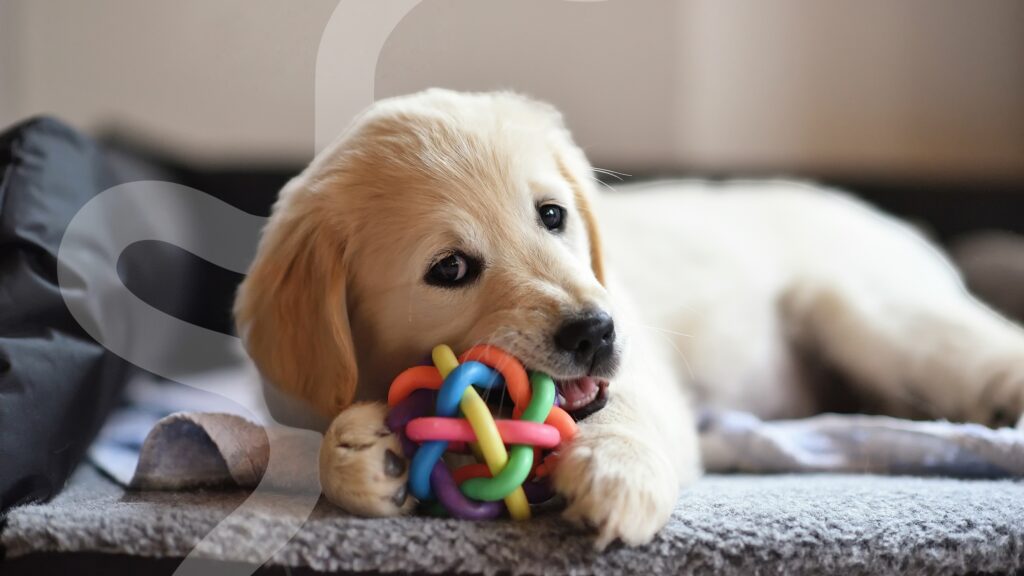
If your dog is in pain, he may be less likely to play — even their favorite toys or chasing a ball won’t wake up their spirits. His unwillingness to be active doesn’t always indicate health problems, but it is one of the key dog pain symptoms that should prompt you to pay closer attention to your dog’s health.
If you notice decreased interest in toys and having fun, watch out, as it’s likely the dog’s body is aching. If you notice a decreased interest in toys, playtime, or having fun, it’s essential to take note, as this behavior often suggests that your dog’s body is aching. Pay close attention to any changes in their activity levels, as well as any signs of pain, such as limping, whimpering, or excessive panting. Early detection is crucial in addressing potential orthopedic issues or other health concerns, ensuring that your furry friend receives the care they need to maintain their well-being.
3. Dog Licking Paws
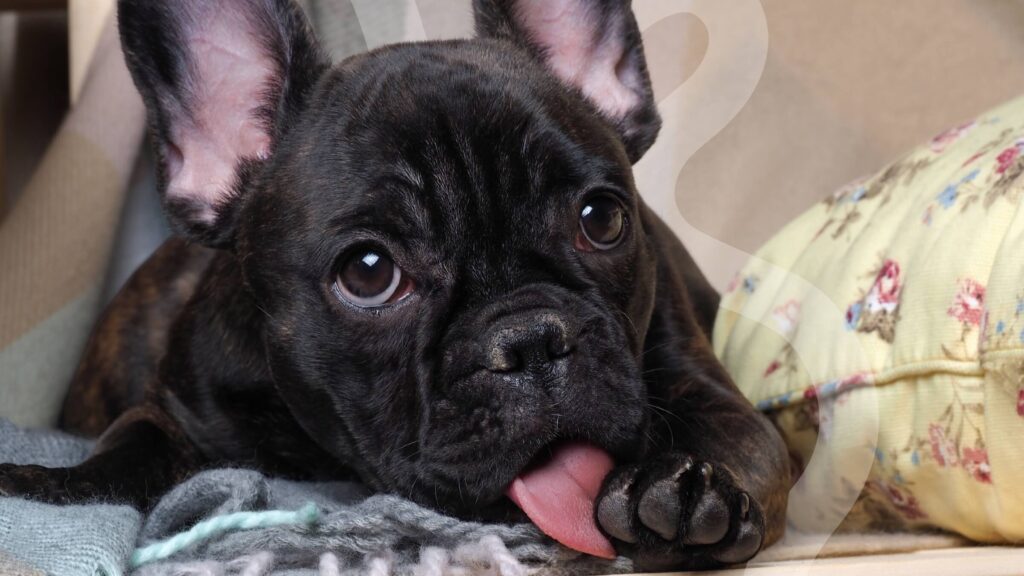
If you’re wondering how to stop your dog from licking its paws, it’s important to first understand that excessive paw licking is often a sign of pain or discomfort. Excessive paw licking in dogs is a common sign that something may be wrong, often indicating pain or discomfort. If your dog spends a lot of time licking or chewing their paws, it could be due to underlying issues within their musculoskeletal system, such as joint pain, arthritis, or even early orthopedic problems. Dogs instinctively try to soothe discomfort by licking the affected area, making it important for pet owners to pay close attention to these behaviors.
For pet owners who may not always be around to observe the actual licking, there are other signs your dog is in pain to watch for. Wet paws, irritated skin, or injured areas around the paws can indicate persistent licking. Additionally, check for wet spots or stains on the couch or dog bed, which can be a sign of your dog’s licking behavior. Addressing these issues early on with veterinary guidance is crucial for maintaining your dog’s orthopedic health and preventing further damage to their joints.
4. Dog Has Trouble Getting Up
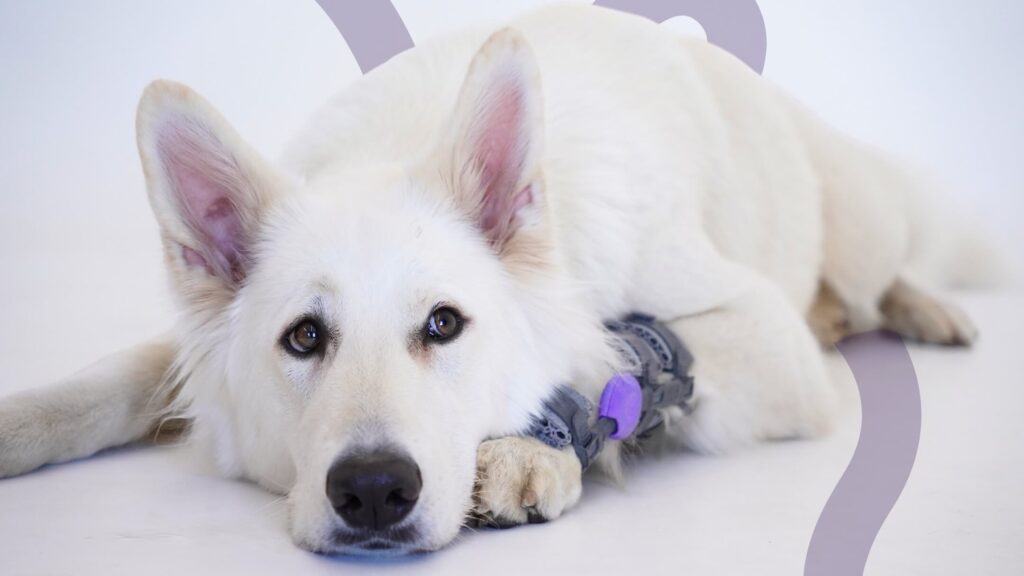
If your dog has trouble getting up, especially in the mornings, on colder days, or on slippery surfaces, it could be an early sign of an underlying orthopedic issue. These difficulties often manifest in the hind legs, making it appear as though your dog’s back end is too heavy to lift. In some cases, the front legs may also shake or slide, causing your dog to struggle to find stability. While this may seem like a minor issue, these signs of pain in dogs can indicate the onset of joint problems, arthritis, or other musculoskeletal conditions.
It’s important not to dismiss these signs of pain in dogs. Instead of finding humor in your dog’s unsteady movements or even posting them on TikTok, consult with a veterinarian. They can assess the situation and help determine if your pet is developing orthopedic problems. Early intervention, such as physiotherapy or the use of orthopedic braces, can make a significant difference in your dog’s mobility and quality of life. Taking proactive steps when you notice your dog struggling to get up can prevent further complications and help maintain your pet’s long-term health.
5. Muscle Stiffness, Especially When Asymmetrical, as a Sign of Pain in Dogs
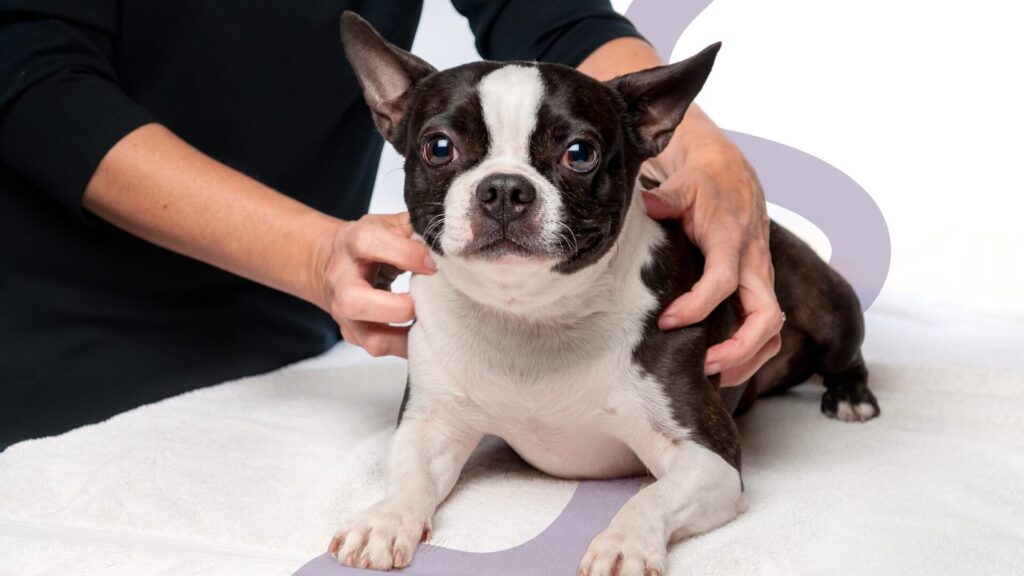
While petting your dog (and we know you both enjoy it!), it’s essential to check for signs of muscle stiffness, which could indicate discomfort or pain. Start by gently palpating your dog’s muscles to see if you can move the skin freely over their back and limbs. If the muscles feel tighter or more rigid than usual, especially along the back or legs, it may be one of the subtle signs your dog is in pain. Is the back more tense than the front? Or perhaps the muscles in the left limb are thinner than in the right?
What is muscle stiffness in dogs? Muscle stiffness occurs when muscles become tight or inflexible, often due to overuse, strain, or an underlying orthopedic issue. Stiffness can make it difficult for your dog to move comfortably, causing them to feel pain or discomfort during activities like walking, running, or even getting up from a resting position.
Dogs experiencing muscle stiffness may adjust their posture to avoid pain, which could worsen the problem if left untreated. For example, stiffness in the hind legs can lead to increased strain on the front legs, further stressing your dog’s joints and muscles.
Recognizing muscle stiffness early can help prevent more severe mobility issues later on. Regular exercise, stretching, and proper joint care are crucial in maintaining your dog’s muscle health. If you notice persistent stiffness, consult your veterinarian for guidance—these can be common dog pain symptoms, and early intervention with treatments like massage, physiotherapy, or orthopedic support devices can provide much-needed relief and improve your dog’s quality of life.
6. Abnormal Leg Positioning in Dogs
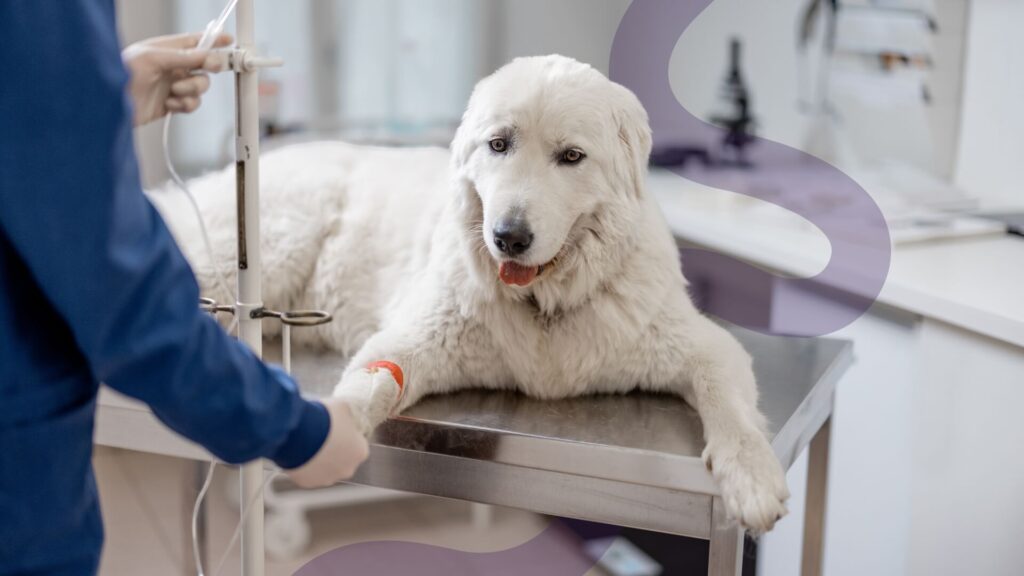
Abnormal leg positioning in dogs is a vast topic encompassing various issues that can impact their mobility and overall health. You may observe your dog’s legs appearing crooked, varus, or positioned widely on the ground. Additionally, you might notice their carpuses rotating sideways, knees bending too much, or, conversely, not bending at all. These irregularities can be clear signs of pain in dogs and often point to underlying orthopedic conditions.
It’s essential to pay attention to these changes, even though it can be challenging to spot them. After all, who knows your dog better than YOU? Who knows those cute little legs of Max or Charlie as well as you do?
If you notice anything that makes you anxious or seems off about your dog’s leg positioning, don’t hesitate to consult your veterinarian. Early detection and intervention are key to preventing further complications, such as joint strain or injury. Remember, better safe than sorry—many dog pain symptoms start subtly, and addressing concerns proactively can lead to a healthier and happier life for your beloved pet.
7. Limping as One of the Signs of Pain in Dogs

Limping is a clear indicator that something is wrong with your dog’s health. It often signifies pain or discomfort stemming from various issues, ranging from minor injuries to serious orthopedic conditions.
Ignoring a limp won’t make it go away, and simply observing your dog isn’t a viable solution. Delaying a vet visit can lead to chronic pain or long-term mobility issues.
If you notice your dog limping, it’s essential to consult your veterinarian promptly. Early intervention can help determine the root cause, whether it’s joint problems, ligament injuries, or other orthopedic concerns, ensuring your furry friend stays active and healthy.
Recognizing Signs of Pain in Dogs is Essential for Prompt Care and Enhanced Well-Being
It’s essential to be attuned to your dog’s physical well-being, as small changes can indicate underlying issues. From shifts in mobility and play behavior to subtle signs like excessive paw licking and unusual leg positions, recognizing these indicators is crucial for your pet’s health. By identifying these early signs of pain in dogs, you can take proactive steps to address orthopedic concerns promptly, ensuring your pet remains active and happy.
By recognizing these early signals, you can take informed steps to address orthopedic concerns promptly. Whether your dog is a playful puppy or a senior companion, this guide offers practical tips and advice to enhance your ability to care for their orthopedic health at home.
Frequently Asked Questions About Signs of Pain in Dogs
What are the most common signs of pain in dogs?
The seven most common signs of pain in dogs include loss of mobility and reluctance to use stairs or jump, decreased interest in play, excessive paw licking, difficulty getting up (especially in the morning or on cold days), asymmetrical muscle stiffness, abnormal leg positioning, and visible limping. Any combination of these signs warrants a veterinary assessment, as they can indicate joint disease, orthopedic injury, or soft tissue problems.
Is limping always a sign of pain in a dog?
Limping is one of the clearest indicators that a dog is experiencing pain or discomfort, though the underlying cause can range from a minor injury to a serious orthopedic condition such as cruciate ligament rupture, hip dysplasia, or bone disease. Limping should never be ignored or monitored without veterinary assessment — delaying a visit increases the risk of chronic pain and long-term mobility loss.
Why is my dog suddenly less playful or energetic?
A sudden drop in playfulness or energy in a dog that previously enjoyed activity is a significant behavioral signal that should not be dismissed as laziness or aging. Dogs in chronic pain often stop engaging with activities they once loved because movement causes discomfort. This is particularly common in dogs with early-stage joint disease, where pain is present but not yet severe enough to produce visible limping.
Why does my dog keep licking its paws?
Excessive paw licking in dogs is often a response to pain or discomfort in the musculoskeletal system. Dogs instinctively lick areas that hurt as a self-soothing mechanism. If the paws themselves appear healthy (no cuts, parasites, or obvious irritation), the licking may be a compensatory behavior pointing to joint pain, arthritis, or early orthopedic problems. Watch for damp fur, discoloration, or skin irritation around the paws as secondary indicators.
What does asymmetrical muscle stiffness in a dog indicate?
When one side of a dog’s body is noticeably tighter or more muscular than the other, it often points to an underlying orthopedic issue. The dog compensates for pain on one side by offloading weight onto the other, causing muscles on the favored side to overdevelop while the painful side weakens. Asymmetrical stiffness detected during gentle palpation along the back, shoulders, or limbs is a clinically meaningful signal that warrants veterinary investigation.
Can orthopedic braces help dogs showing signs of pain?
For dogs with joint instability, hyperextension, or soft tissue injuries, custom orthotic braces can reduce the mechanical load on the affected area and provide stability that allows more comfortable movement. They are typically recommended as part of a broader treatment plan including pain management and rehabilitation therapy, and may be used short-term during recovery or long-term for chronic conditions.
Curious about revolutionizing your dog’s orthopedic care?
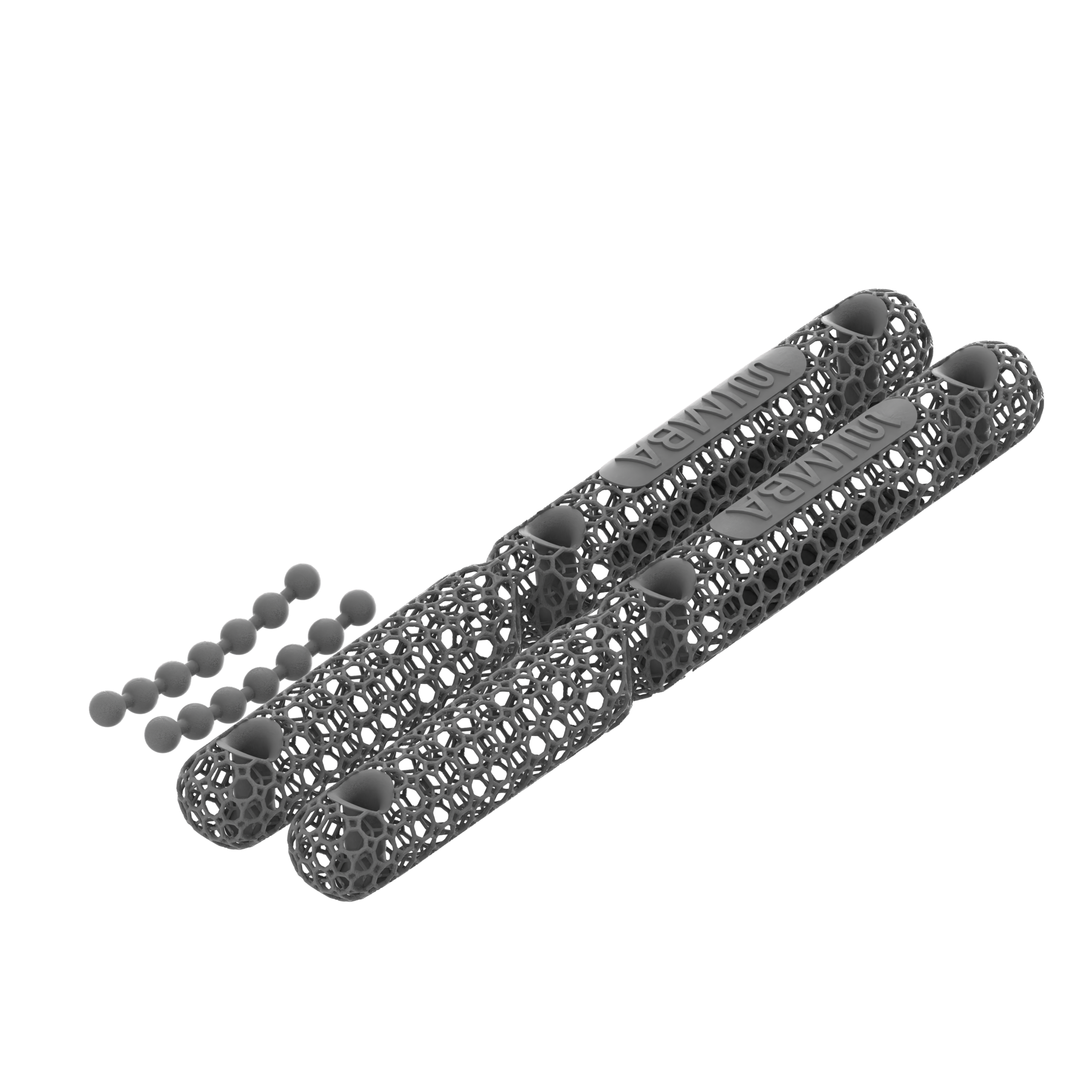
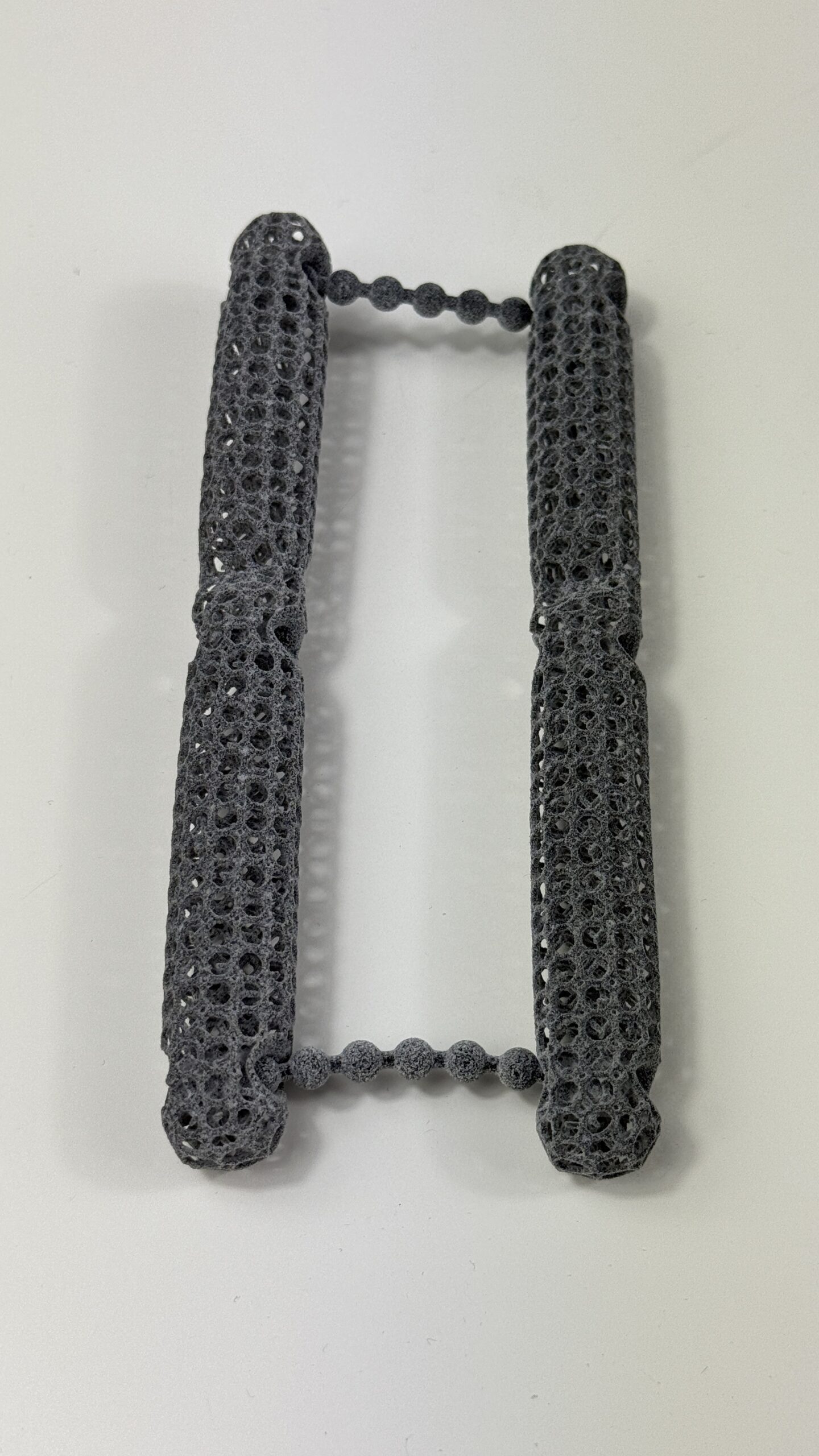
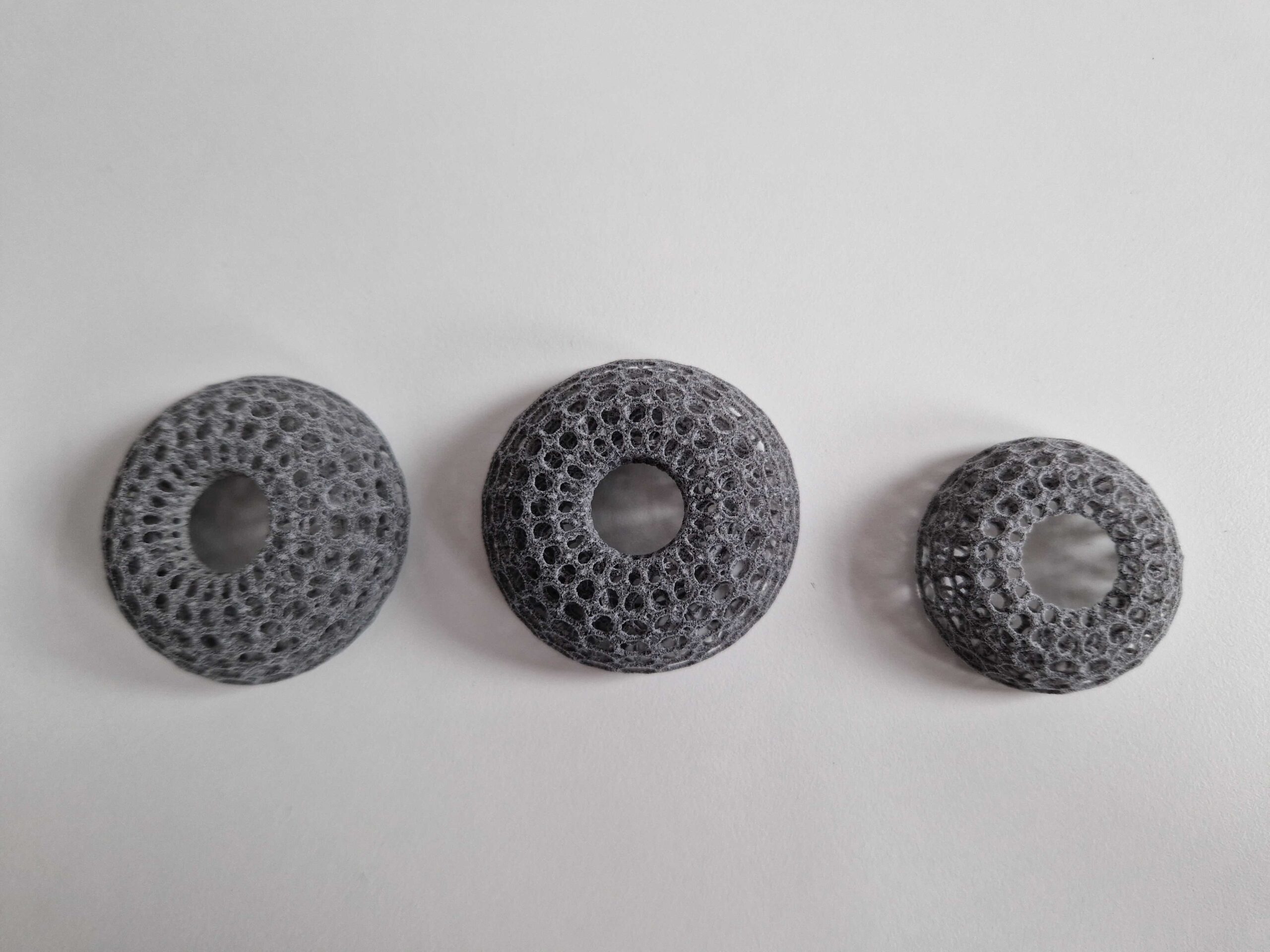
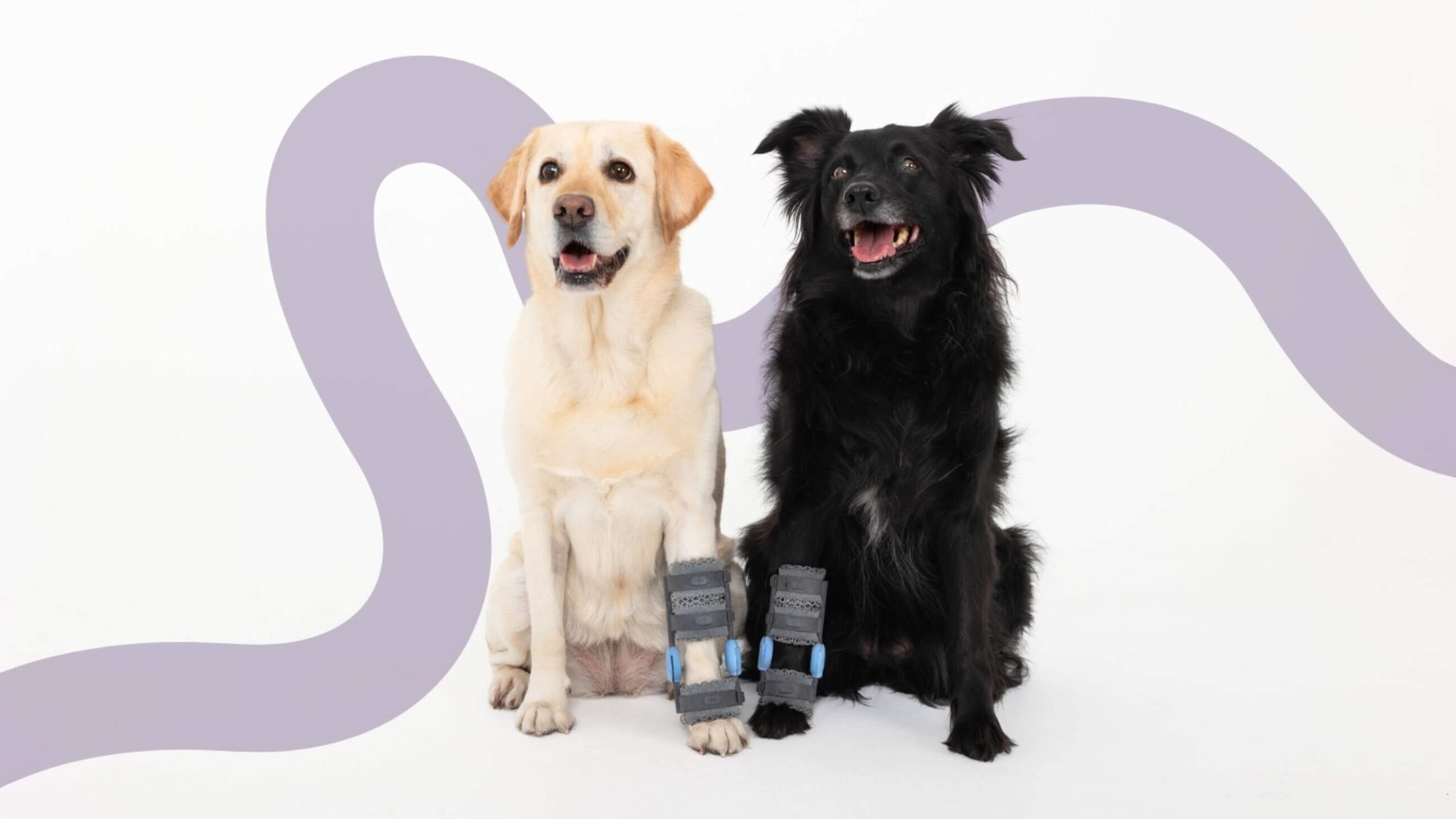
Discover how WIMBA’s 3D-printed orthotic solutions can transform their mobility and well-being!
Scientific References
- Mills DS, Demontigny-Bédard I, Gruen M, et al. Pain and Problem Behavior in Cats and Dogs. Animals. 2020;10(2):318. PMID 32085528
- Lopes Fagundes AL, Hewison L, McPeake KJ, et al. Noise Sensitivities in Dogs: An Exploration of Signs in Dogs with and without Musculoskeletal Pain. Front Vet Sci. 2018;5:17. PMID 29487858
- Testa B, Reid J, Scott ME, Murison PJ, Bell AM. The Short Form of the Glasgow Composite Measure Pain Scale in Post-operative Analgesia Studies in Dogs: A Scoping Review. Front Vet Sci. 2021;8:751949. PMID 34660773
If your dog is showing signs of chronic pain, hind limb weakness may be a contributing factor. Learn how custom orthotics can help: Custom Dog Orthotics for Hind Limb Weakness →
Related reading: Custom Dog Orthotics for Arthritis: When Can a Brace Help? · Limping and Gait Changes in Dogs: Reading the Signs Before They Get Worse · Is My Dog Licking Their Paws Because of Pain?