 Skip to content

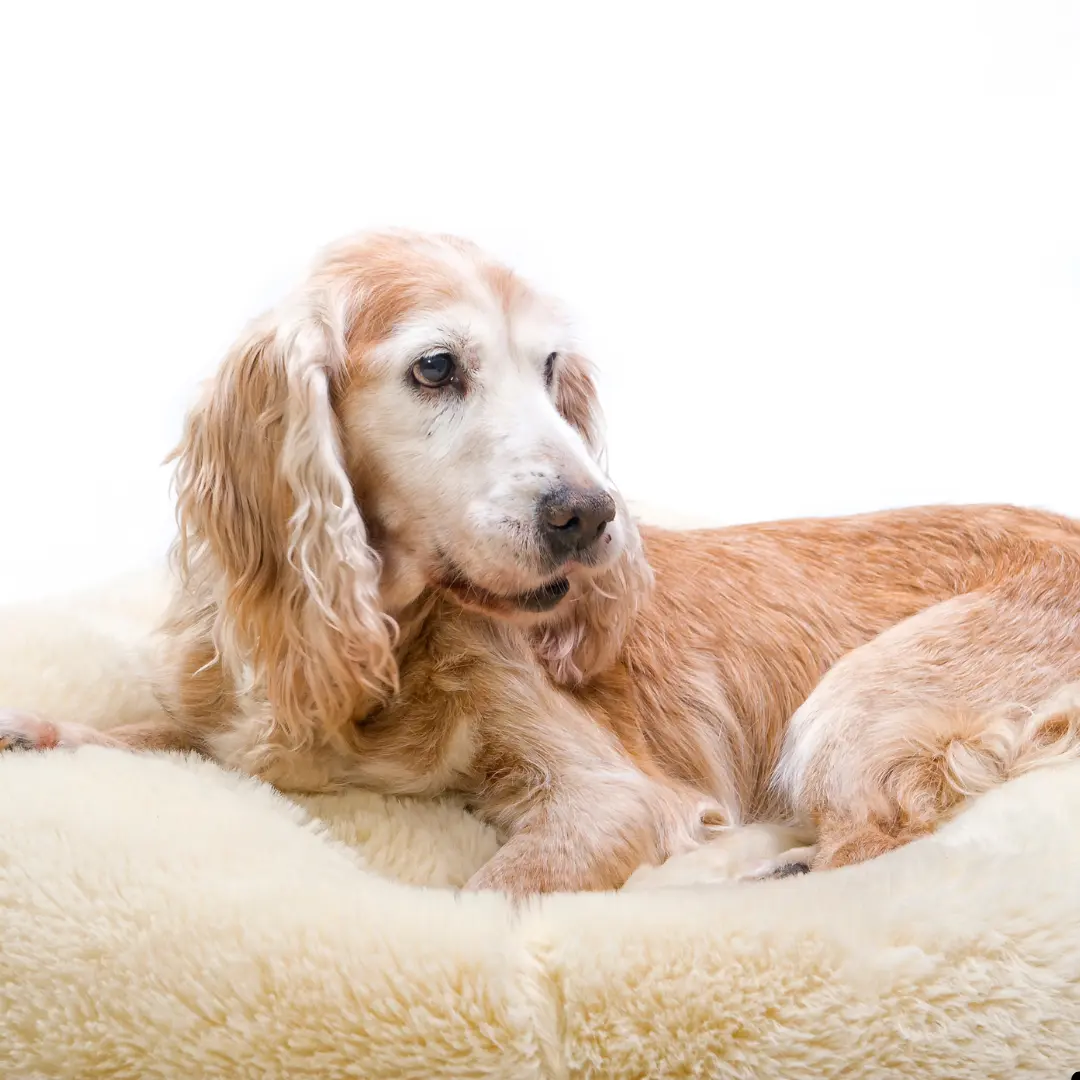
Dogs with osteoarthritis often change how they stand, rise, turn, and walk. They may shorten a stride, reduce loading through a painful joint, or rely more heavily on other limbs. Custom dog orthotics can provide joint-specific external support for selected patients, but arthritis alone does not make every dog or every joint suitable for a brace. So, can a joint brace help a dog with arthritis? In selected cases, yes: a properly fitted, joint-specific orthosis may support a joint when a veterinarian has identified instability or another mechanical problem, but it does not cure or reverse arthritis, and it is not suitable for every joint, including the hip.
WIMBA makes custom orthoses for dogs, including carpal, tarsal and stifle devices that can support selected joints affected by arthritis. They are used under veterinary guidance, as one part of a wider management plan.
The useful question is not simply whether a dog has arthritis. It is whether veterinary assessment has identified a mechanical problem that an orthosis can address safely. This guide explains how custom dog orthotics fit into canine osteoarthritis management, which WIMBA pathways may be relevant, and why diagnosis, fitting, monitoring, and measurable goals remain essential.
Why Arthritis Changes the Orthotic Question
Canine osteoarthritis is a chronic, progressive disorder of synovial joints. It can involve pain, low-grade inflammation, structural change, reduced function, and a decline in quality of life. Current consensus guidance describes an individual, stage-led approach that combines foundational care with additional treatments selected for the patient rather than relying on one intervention.[1] It is common: in a UK study of 455,557 dogs under primary veterinary care, the annual prevalence of diagnosed appendicular osteoarthritis was 2.5% (Scientific Reports, 2018), a figure that counts only dogs with a recorded diagnosis.
That chronic course matters when considering custom dog orthotics. A device may be used repeatedly during daily activity, so its clinical purpose, alignment, skin interface, motion setting, and review schedule all matter. An orthosis that looks acceptable while a dog is standing can still rotate, migrate, restrict the wrong movement, or alter gait once the dog begins walking.
A dog arthritis brace should therefore be prescribed for a defined joint and a defined mechanical objective. Examples include controlling documented sagittal-plane laxity at the carpus or tarsus, limiting an excessive range during selected activity, or supporting a diagnosed stifle instability when the treating team has chosen an orthotic pathway. General stiffness, age, or radiographic change without a matching functional indication is not enough.
What Custom Dog Orthotics Can and Cannot Do
Custom dog orthotics are external medical devices that act on an existing limb or joint. Depending on the design and prescription, custom dog orthotics may guide motion, resist movement in a selected plane, provide external stability, or support a rehabilitation goal during controlled activity. These are mechanical aims, not claims that the device changes the underlying biology of osteoarthritis.
A realistic orthotic plan may aim to:
- Improve control of a diagnosed unstable joint during prescribed activity
- Limit a specific excessive movement identified during examination
- Support a joint while strength, coordination, or endurance is addressed in rehabilitation
- Help the clinical team monitor a defined outcome such as joint position, gait quality, or walking tolerance
Custom dog orthotics do not regenerate cartilage, reverse arthritis, remove inflammation, guarantee pain relief, or prevent every future injury. A custom dog brace also does not replace analgesia, weight management, rehabilitation, environmental changes, or surgery when any of those are indicated. It should occupy a specific role inside the treatment plan rather than become the whole plan.
The evidence base for canine orthoses remains limited and diagnosis-specific. For example, a retrospective case series reported improved stability and reduced lameness in 14 athletic dogs treated with a carpal brace for unilateral ligament instability.[2] That result is relevant to carpal instability, but it is not a controlled trial of every arthritic joint and should not be used to promise a universal outcome.
Assessment Before an Arthritis Orthosis Is Prescribed
Good case selection for custom dog orthotics begins with the dog, not the device catalogue. The veterinary team should identify the painful or unstable joint, determine whether osteoarthritis is primary or secondary to another condition, and look for concurrent disease. Radiographs may help confirm structural change, but clinical signs, function, pain, and the owner’s observations all contribute to canine osteoarthritis management.[1]
A whole-patient assessment for custom dog orthotics may include gait observation, standing posture, joint palpation, range of motion, direction and severity of instability, muscle condition, body weight, neurological function, skin health, paw placement, home environment, usual activity, and the owner’s ability to apply and monitor the device. Imaging or referral may be needed when the diagnosis or mechanical target is uncertain.
The team should then state the intended outcome in measurable terms. “Help the arthritis” is too vague. “Reduce visible carpal collapse during a ten-minute controlled walk without causing skin irritation or a new gait deviation” gives the clinic something specific to review. This discipline also reveals when orthotic support for dogs is not the most appropriate next step.
Questions to answer before ordering:
- Which joint and which plane of movement require support?
- Is instability present, or is pain occurring without a braceable mechanical problem?
- Is the goal support during walking, a rehabilitation phase, postoperative protection, or longer-term management?
- Does the condition match current WIMBA GO or PRO indications?
- How will fit, skin, gait, comfort, and function be reassessed?
Joint-Specific WIMBA Pathways for Dogs With Arthritis
WIMBA does not offer one universal arthritis device. Its limb orthoses are joint-specific, and the current product range supports selected carpal, tarsal, and stifle cases. The diagnosis, direction of instability, required motion control, limb geometry, and clinical goal determine whether custom dog orthotics are appropriate and which pathway should be considered.
Carpal Osteoarthritis and Instability
The carpus is the wrist region of the front limb. WIMBA Carpus Orthosis GO may be considered for eligible mild, predominantly sagittal-plane cases that match current indications, including selected carpal osteoarthritis, laxity, hyperextension, compensatory overload, and rehabilitation needs. More complex or multiplanar presentations may require a PRO pathway or another treatment strategy. This keeps custom dog orthotics tied to the diagnosed movement problem.
A dog arthritis brace for the carpus should be chosen because the examination identifies motion or instability that can be influenced externally. It should not be prescribed solely because a radiograph shows osteoarthritis. Severe traumatic instability, fracture, luxation, infection, marked deformity, or a surgical indication can change the treatment pathway.
Tarsal Osteoarthritis and Hock Support
The tarsus, commonly called the hock, contributes to stance and propulsion. WIMBA Tarsus Orthosis GO is intended for selected mild cases within its published criteria, including tarsal osteoarthritis, sagittal-plane laxity, and some hyperextension or hyperflexion presentations. PRO options are used when scan-based geometry or more complex control is required. The chosen custom dog orthotics must match the required plane and degree of support.
Effective orthotic support for dogs with tarsal disease depends on knowing which motion should be limited and why. Achilles or common calcaneal tendon disease, postoperative restrictions, paw involvement, frontal-plane instability, and complete rupture each require separate consideration. An arthritis label must not hide a more specific tendon or ligament problem.
Stifle Osteoarthritis and Cranial Cruciate Disease
Stifle osteoarthritis is often secondary to conditions such as cranial cruciate ligament disease. WIMBA Stifle Orthosis PRO is a scan-based device for selected cases in which the veterinary team has chosen conservative management, rehabilitation support, postoperative protection, or another role covered by current indications. It should not be presented as equivalent to surgical stabilisation.
Experimental work in six healthy dogs showed that a stifle orthosis altered gait at the stifle and adjacent joints, while the motion restriction set at the device was not transferred completely to the underlying joint.[3] This small study did not test osteoarthritic patients, but it demonstrates why custom dog orthotics require dynamic fitting and gait review rather than an assumption that brace angle equals joint angle.
Arthritis in the Hip, Elbow, Shoulder, or Spine
Not every arthritic joint is covered by a WIMBA limb orthosis. WIMBA does not currently manufacture a hip brace, and a carpal, tarsal, or stifle device should not be repurposed for the elbow, shoulder, hip, or spine. Dogs with disease in these regions still need a complete veterinary plan, but their treatment may involve medication, weight management, exercise modification, rehabilitation, environmental changes, or surgery rather than custom dog orthotics.
Contralateral Limb Loading Without Overpromising Prevention
When one limb is painful, dogs may redistribute force across the other limbs. In a study comparing 23 dogs with elbow osteoarthritis and 22 healthy dogs, the affected group showed lower loading in the lame forelimb and altered loading in regions of the contralateral forepaw and both hind paws.[4] The exact pattern depends on the affected joint, gait, severity, and individual compensation.
This evidence supports examining the whole dog and monitoring the opposite and remaining limbs. It does not prove that applying custom dog orthotics to a clinically normal limb prevents arthritis, ligament disease, or another future injury. “Protection” should mean surveillance and management of a documented problem, not a guarantee.
If the contralateral limb develops laxity, hyperextension, altered joint position, pain, or another condition that matches current indications, the veterinary team can assess it on its own merits. A second custom dog brace may be reasonable in a selected bilateral case, but compensatory loading alone is not an automatic prescription.
Owners should report new lameness, reduced endurance, changed paw placement, reluctance on stairs, difficulty rising, or a shift in stance. The article on compensatory overload in dogs explains why these changes deserve reassessment and why the visible “good leg” is not always mechanically normal.
How WIMBA Builds an Individual Orthosis
WIMBA uses two data pathways for eligible limb cases. GO devices use required weight-bearing photographs and product-specific manual measurements submitted through WimbaAPP. The exact fields depend on the device, so GO should not be described as one universal measurement count. PRO devices use WimbaSCAN, additional measurements, and clinical case information to support scan-based modelling.
These workflows help create custom dog orthotics around the submitted limb data, but “custom” does not mean self-fitting. The clinic remains responsible for diagnosis, candidacy, accurate data capture, prescription, the first fitting, gait assessment, owner education, wear instructions, and follow-up. A production model cannot account for poor positioning during measurement or changes that occur after data collection.
The selected custom dog brace must match both the joint and the problem. GO is intended for eligible mild, mainly single-plane carpal or tarsal cases. PRO is used for selected cases requiring scan-derived geometry, more complex control, a paw-support configuration, or the stifle pathway. Veterinary professionals can use WIMBA’s free case consultation when the diagnosis or pathway is uncertain.
Range-of-Motion Tokens and Clinical Configuration
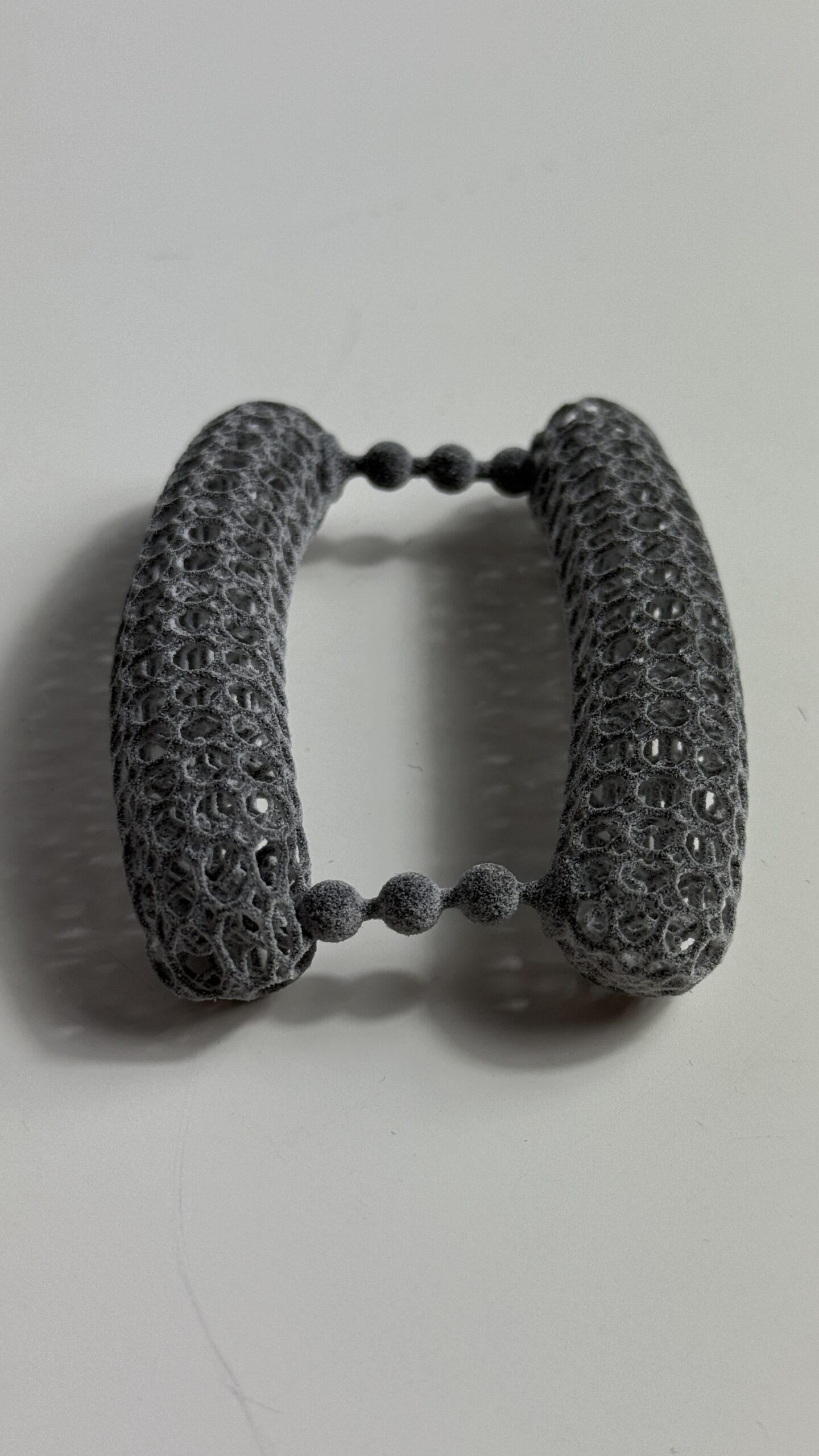
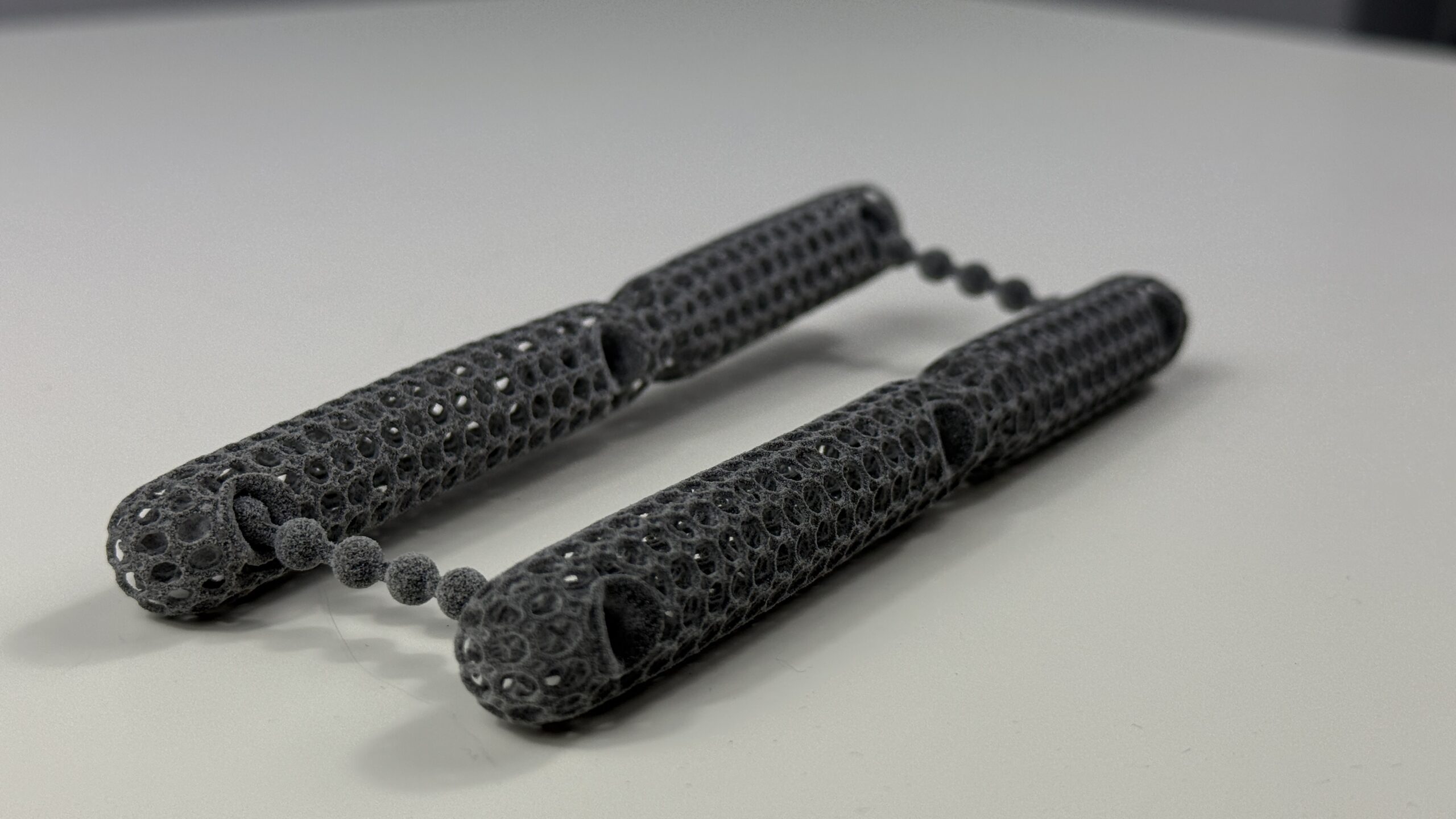
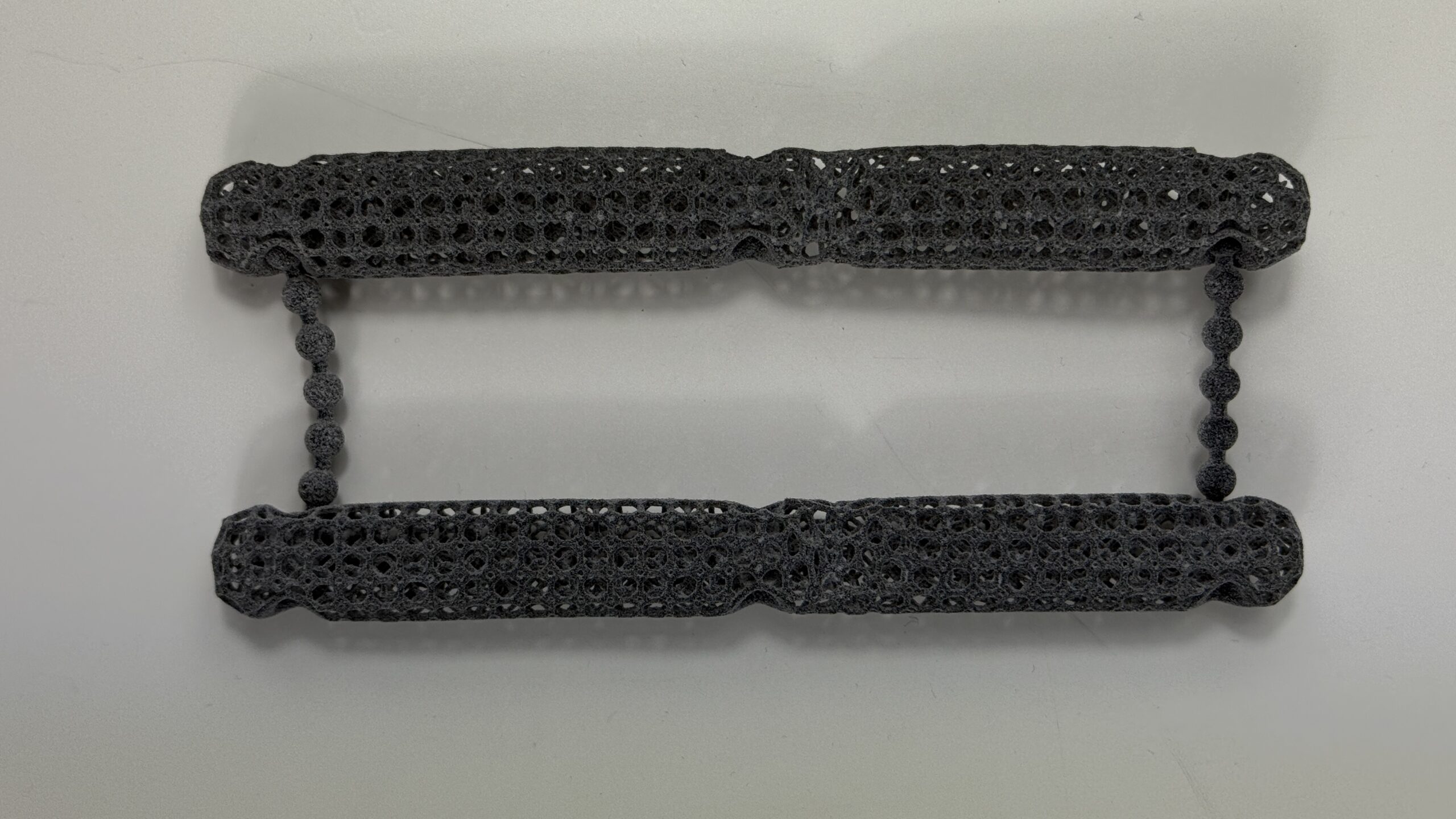
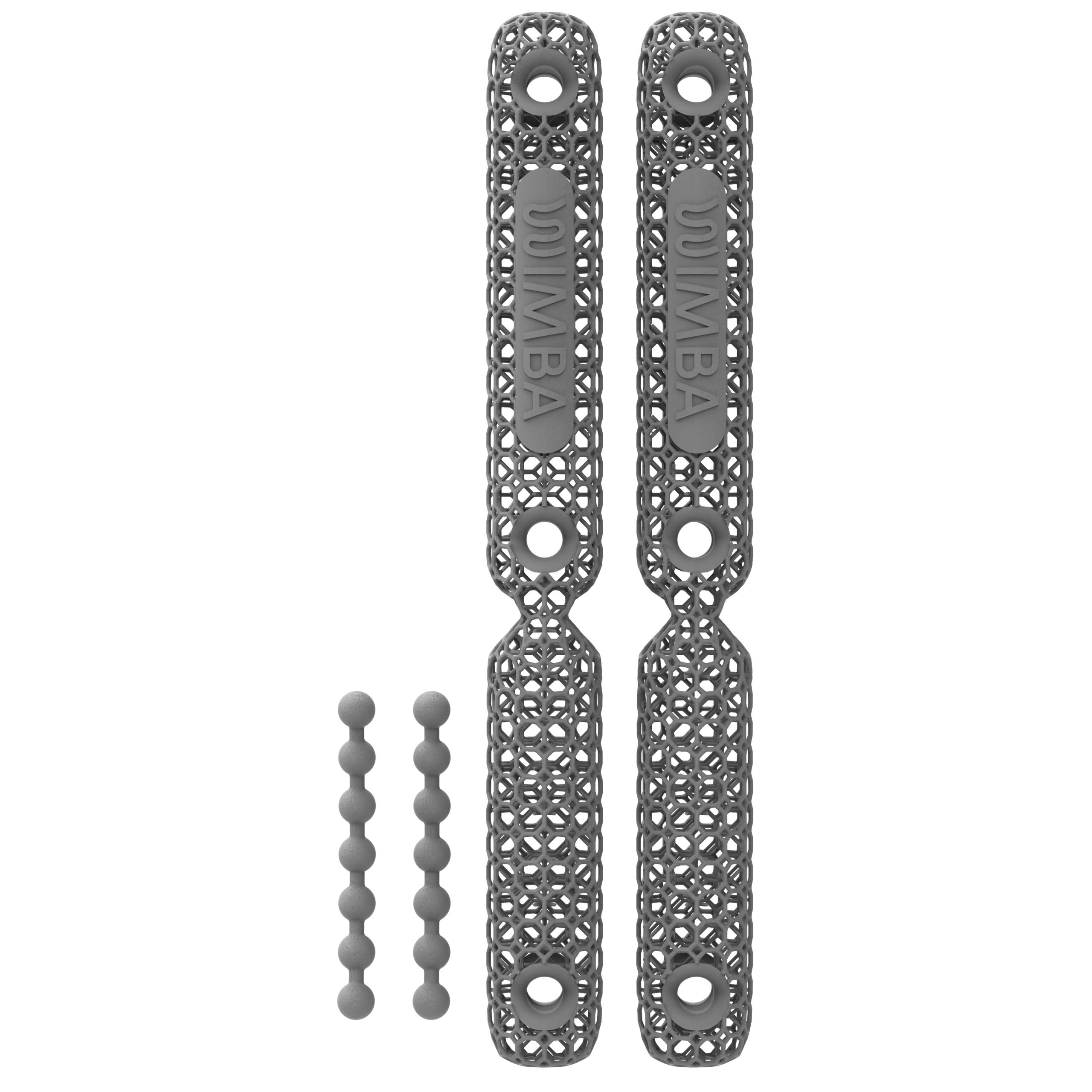
WIMBA Tokens are modular motion-control components used with applicable custom dog orthotics. The treating professional selects the configuration to match the pathology, desired support, and rehabilitation stage. A Token may provide firmer support or a prescribed movement limit, depending on the model and clinical plan.
The owner should not independently change the permitted range because a different Token changes how custom dog orthotics behave. Any progression should follow the clinician’s instructions and be reviewed against skin response, gait, comfort, joint control, and tissue-healing requirements. More movement is not always progress, and less movement is not always safer.
Configurability is useful during long-term care, but it does not make the frame infinitely adaptable. Strap tension, approved components, and prescribed Tokens may be adjusted within the product pathway. A meaningful change in body weight, swelling, muscle mass, coat, joint position, or limb geometry may require new measurements, refitting, redesign, or replacement rather than an improvised alteration to the existing custom dog brace.
Fitting, Introduction, and Skin Monitoring
The first fitting of custom dog orthotics should be dynamic. The clinic checks joint alignment, frame position, strap tension, rotation, migration, clearance around the paw and dewclaw, contact from hard components, and the dog’s response during standing and controlled walking. The gait should be compared with the baseline rather than judged only by whether the device stays attached.
A common WIMBA manual starting pattern is up to 15 minutes of controlled leash walking, no more than three times daily, followed by increases of about 15 minutes every two days when skin, gait, behaviour, and device position remain acceptable. This is not a universal arthritis protocol. The veterinarian or rehabilitation professional may prescribe a different schedule for the individual dog arthritis brace.
Continuous 24-hour wear is not recommended, and the dog must remain supervised while wearing the device. Skin should be checked before, during, and after use. In a prospective study of 43 dogs using custom orthoses or limb-replacement devices, 39 experienced at least one complication. Common categories included skin problems, mechanical issues, and patient non-acceptance.[5]
Remove the orthosis and contact the provider if you notice:
- Persistent redness, hair loss, abrasion, a sore, swelling, discharge, or unusual heat
- Worsening lameness, pain, anxiety, licking, or reluctance to move
- Rotation, slipping, repeated dewclaw contact, or pressure from a hard component
- A damaged strap, fastener, Token, hinge, frame, or other structural part
- A change in limb shape or body condition that alters fit
Do not heat, cut, drill, grind, bend, or reshape the structural frame at home. Clean and dry the device according to its manual. Safe orthotic support for dogs depends on early review of a fit problem rather than continuing use and hoping the skin or gait will adapt. Continuing an uncomfortable device defeats the purpose of custom dog orthotics.
Orthotics Within Multimodal Osteoarthritis Care
Consensus guidance supports individual, multimodal care because osteoarthritis affects pain, movement, activity, body condition, and quality of life in different ways.[1] Depending on the patient, canine osteoarthritis management may include veterinary pain treatment, weight and nutrition planning, controlled exercise, rehabilitation, home modification, caregiver education, monitoring, and surgery.
Weight management deserves specific attention. In a small prospective trial of 14 obese dogs with clinical and radiographic osteoarthritis, weight reduction was associated with a significant decrease in lameness, with changes observed after modest weight loss in the studied population.[6] This does not prescribe one target for every dog, but it shows why custom dog orthotics should not distract from body-condition assessment.
Rehabilitation can address strength, balance, endurance, controlled joint motion, and activity planning. The exercise programme must reflect the affected joint, severity, pain control, other disease, and device configuration. A dog arthritis brace should not be used to justify unrestricted running, repetitive jumping, rough play, or a rapid increase in workload.
Home changes may include secure footing, ramps where appropriate, controlled access to stairs, a supportive resting area, and routines that avoid sudden activity spikes. These measures are part of canine osteoarthritis management and can improve daily function even when orthotic support for dogs is not indicated. Whether or not custom dog orthotics are used, the environment should match the dog’s current ability. Read the broader guide to osteoarthritis in dogs for the condition-level overview.
Measuring Success and Reassessing the Plan
Success with custom dog orthotics should be evaluated against the original goal. Useful observations may include joint position during stance, visible collapse during walking, symmetry, stride length, prescribed walking tolerance, ease of rising, owner-reported function, skin condition, patient acceptance, and whether the device remains aligned.
A good first response does not remove the need for rechecks. Osteoarthritis can progress, pain treatment can change, muscle mass and body weight can shift, and straps or other components can wear. Reassessment allows the team to decide whether the configuration, schedule, rehabilitation plan, or broader canine osteoarthritis management strategy should change.
If function worsens, the answer is not automatically a tighter strap or more restrictive Token. The patient may need repeat examination, imaging, medication review, rehabilitation modification, a different device, or surgical consultation. Custom dog orthotics are most useful when the team remains willing to revise the plan rather than forcing the patient to fit the original prescription.
Discuss Arthritis Bracing for Your Patient
Veterinary professionals can submit the diagnosis, case history, imaging where relevant, limb data, and functional goal for review. Pet owners can find a WIMBA Provider for examination, fitting, and follow-up.
Frequently Asked Questions About Custom Dog Orthotics for Arthritis
These answers summarise the main decision points. They cannot determine candidacy for an individual dog without a veterinary examination.
Can custom dog orthotics cure arthritis?
No. An orthosis cannot regenerate cartilage or reverse osteoarthritis. It may provide joint-specific mechanical support for a selected patient when a veterinary examination identifies a suitable goal. It remains one part of a broader treatment plan.
Which arthritic joints can WIMBA support?
WIMBA provides joint-specific carpal, tarsal, and stifle orthoses for selected cases that match current indications. It does not currently provide a hip brace, and arthritis in the elbow, shoulder, hip, or spine should not be treated by repurposing another WIMBA limb device.
Does every dog with arthritis need a brace?
No. A dog arthritis brace is considered when the affected joint and mechanical problem match the device’s indications and the team can define a realistic functional goal. Many dogs need pain management, weight control, exercise modification, rehabilitation, environmental support, surgery, or a combination without an orthosis.
Should the opposite limb be braced preventively?
Not routinely. Pain can change loading across the other limbs, so they should be examined and monitored. There is no clinical evidence that routinely bracing a normal opposite limb prevents arthritis or future injury. A device may be considered if that limb develops its own diagnosed mechanical indication.
How is a WIMBA orthosis fitted?
Eligible GO cases use required weight-bearing photographs and product-specific manual measurements submitted through WimbaAPP. PRO cases use WimbaSCAN, additional measurements, and clinical information. The finished custom dog brace is delivered for professional fitting, gait assessment, owner instruction, and follow-up.
How long can a dog wear an arthritis orthosis?
The schedule is individual. Current WIMBA manuals commonly start with short, supervised controlled walks and gradual increases when fit, skin, gait, and behaviour remain acceptable. The device is not intended for uninterrupted 24-hour wear, and the treating professional should direct any schedule changes.
When should an orthosis be removed and the clinic contacted?
Remove it and contact the provider if persistent redness, abrasion, swelling, pain, worsening lameness, reluctance to move, device rotation, repeated hard-component contact, or damaged parts occur. Safe orthotic support for dogs requires review rather than continued use through discomfort.
Medical Disclaimer: All information on this website is intended for instruction and information purposes only. The authors are not responsible for any harm or injury that may result. Significant injury risk is possible if you do not seek suitable professional advice about your dog’s specific situation. No guarantees of specific results are expressly made or implied on this website.
Scientific References
- Cachon T, Frykman O, Innes JF, et al. COAST Development Group’s international consensus guidelines for the treatment of canine osteoarthritis. Front Vet Sci. 2023, 10:1137888. doi:10.3389/fvets.2023.1137888
- Tomlinson JE, Manfredi JM. Evaluation of application of a carpal brace as a treatment for carpal ligament instability in dogs: 14 cases (2008–2011). J Am Vet Med Assoc. 2014, 244(4):438–443. doi:10.2460/javma.244.4.438
- Torres BT, Fu YC, Sandberg GS, Budsberg SC. Pelvic limb kinematics in the dog with and without a stifle orthosis. Vet Surg. 2017, 46(5):642–652. doi:10.1111/vsu.12634
- Braun L, Tichy A, Peham C, Bockstahler B. Comparison of vertical force redistribution in the pads of dogs with elbow osteoarthritis and healthy dogs. Vet J. 2019, 250:79–85. doi:10.1016/j.tvjl.2019.06.004
- Rosen S, Duerr FM, Elam LH. Prospective evaluation of complications associated with orthosis and prosthesis use in canine patients. Front Vet Sci. 2022, 9:892662. doi:10.3389/fvets.2022.892662
- Marshall WG, Hazewinkel HAW, Mullen D, De Meyer G, Baert K, Carmichael S. The effect of weight loss on lameness in obese dogs with osteoarthritis. Vet Res Commun. 2010, 34(3):241–253. doi:10.1007/s11259-010-9348-7
Related reading: Understanding and Managing Hip Dysplasia in Dogs · How the WIMBA Process Works: A Step-by-Step Guide for Pet Owners · dog brace for arthritis