 Skip to content

Veterinary Wound Care Spacers for Complex Orthopedic Cases
Complex orthopedic wounds are rarely difficult for one reason alone. A post-surgical incision, chronic pressure sore, opening callus, or wound over the elbow or hock may be affected by pressure, friction, movement, moisture, infection, tissue viability, and the patient’s ability to reposition. Veterinary wound care spacers can address one part of that problem by protecting a covered site and redistributing selected external forces within a professionally constructed bandage.
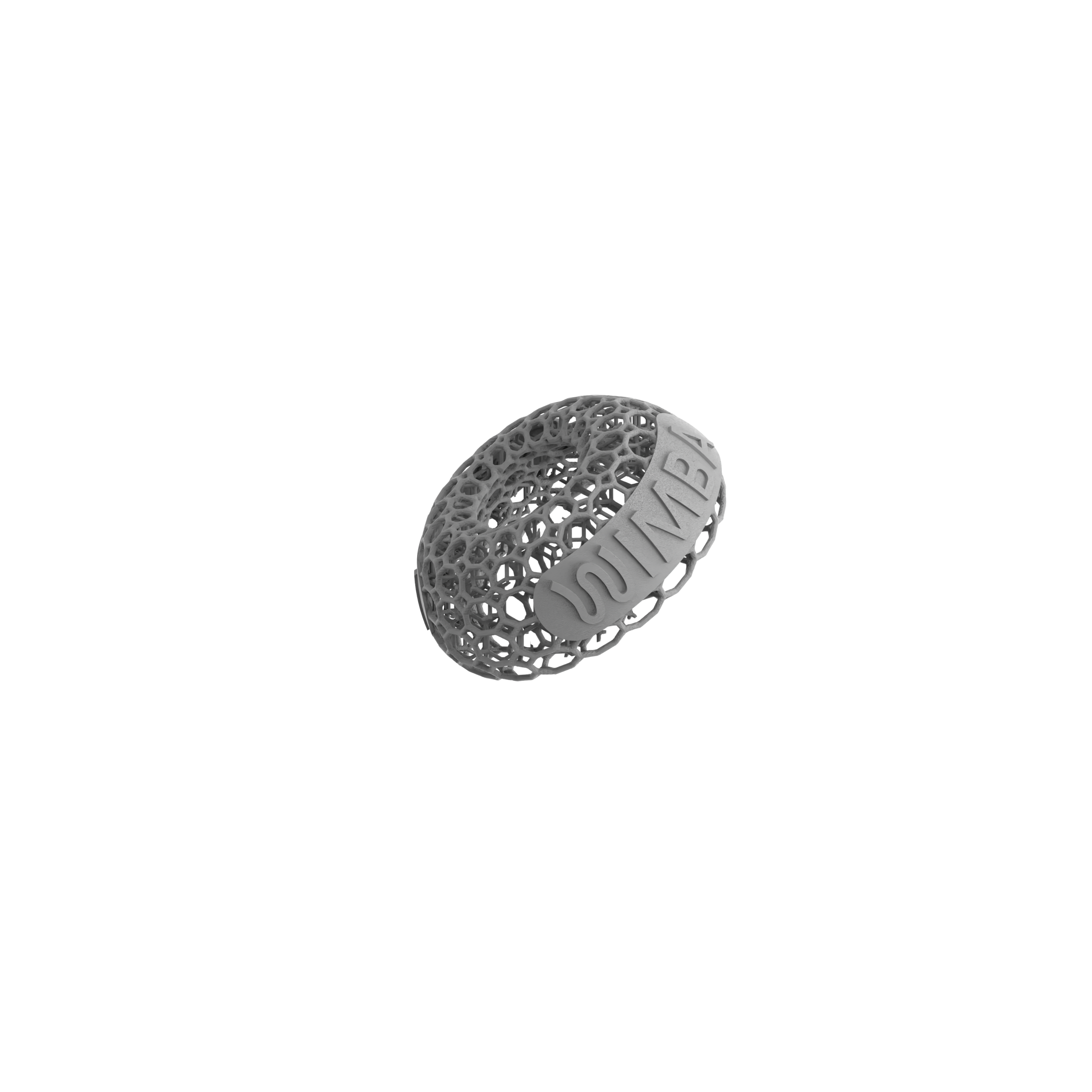
WIMBA provides ready-to-use, 3D-printed wound care spacers for veterinary clinics. They are external protective adjuncts, not primary dressings, implanted devices, or substitutes for wound assessment and treatment. This clinical overview explains how veterinary wound care spacers fit into complex wound management, how the five WIMBA forms differ, what monitoring is required, and what can and cannot be concluded from current evidence and individual cases.
Clinical boundary
Veterinary wound care spacers may create clearance and support pressure redistribution around a covered wound. They do not debride tissue, control infection, absorb exudate, restore perfusion, close dehiscence, stabilise an implant, or replace repositioning and a suitable primary dressing. Every layer still requires a defined purpose and direct veterinary supervision.1,9
Why Complex Wounds Need Mechanical Assessment
Normal wound healing progresses through overlapping inflammatory, repair, and maturation phases. A stalled wound should be assessed systematically for tissue condition, inflammation or infection, moisture balance, and wound-edge progression, then interpreted alongside pressure, pain, perfusion, mobility, nutrition, systemic disease, and existing treatment.1 Choosing veterinary wound care spacers before identifying the mechanical problem risks adding another layer without a measurable objective.
Pressure and perfusion
Sustained loading over a bony prominence can impair local perfusion, especially when tissue coverage is limited or the patient cannot reposition. In a canine cadaver study, pressure-relieving mats lowered measured pressure in recurrent risk zones, but static support alone did not consistently maintain the proposed safe level. The authors still recommended frequent repositioning.2 This supports a multimodal approach to pressure offloading for dog wounds.
Friction, shear, and movement
Surface rubbing and deeper tissue distortion may continue when a patient changes position, walks, or repeatedly rests on the affected area. A spacer may reduce direct contact at a selected site, but it cannot correct a slipping bandage, poor retention, unsuitable activity, or motion at an unstable orthopedic structure.
Moisture and exudate
A controlled moist environment can support repair, while unmanaged exudate and prolonged wetness can damage surrounding skin. The open lattice of 3D-printed wound care spacers permits airflow around the protected construct, but the wound-contact layer, absorbent materials, and change schedule remain responsible for fluid management.
Infection, tissue, and patient factors
Discharge, odour, delayed healing, or wound breakdown cannot be attributed to pressure alone. Infection, necrotic tissue, foreign material, neoplasia, vascular compromise, endocrine disease, immunosuppression, medication, nutrition, and self-trauma may require separate diagnostics and treatment. Veterinary wound care spacers do not release antibiotics or establish whether infection is present.
What Veterinary Wound Care Spacers Actually Do
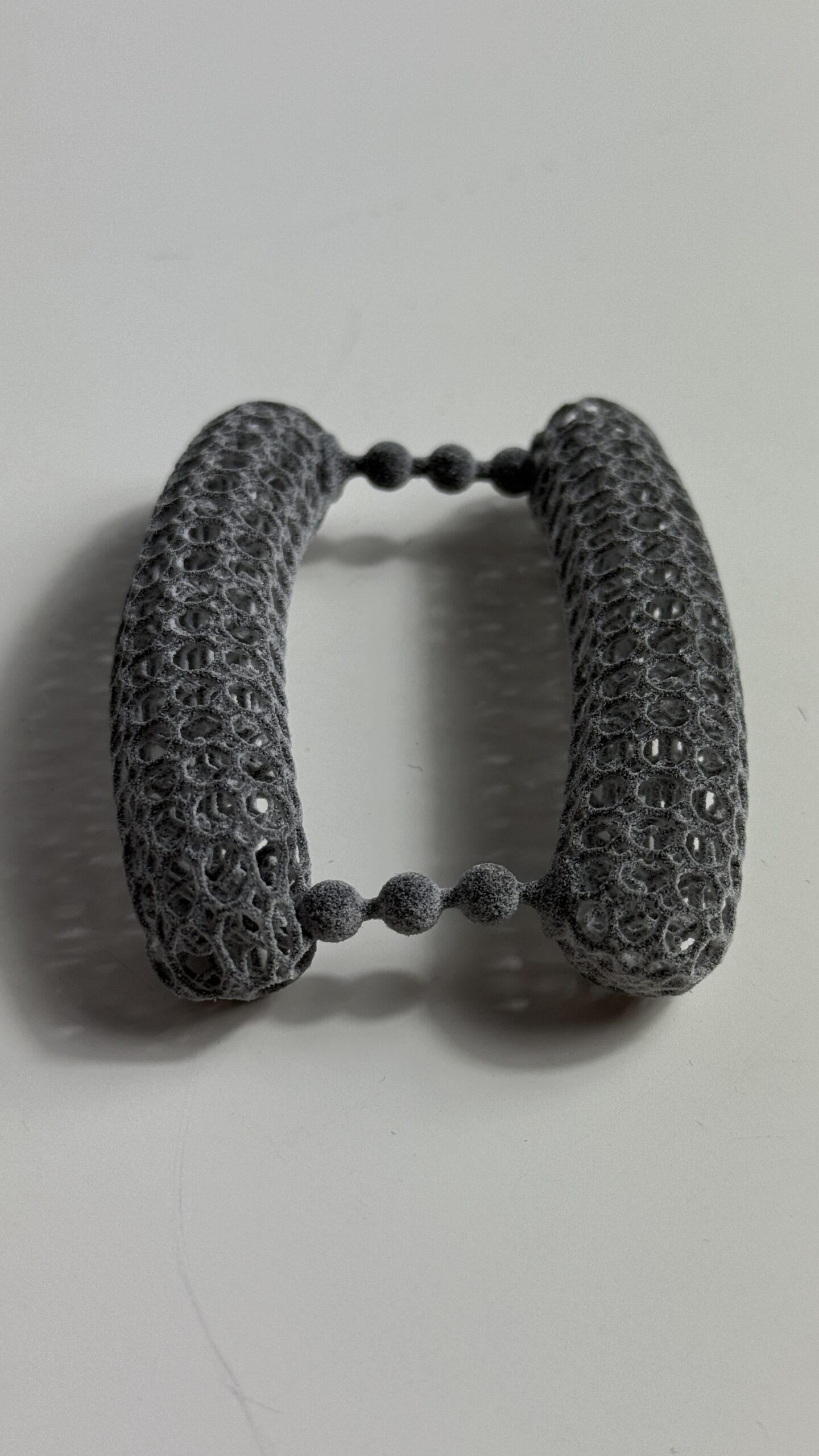
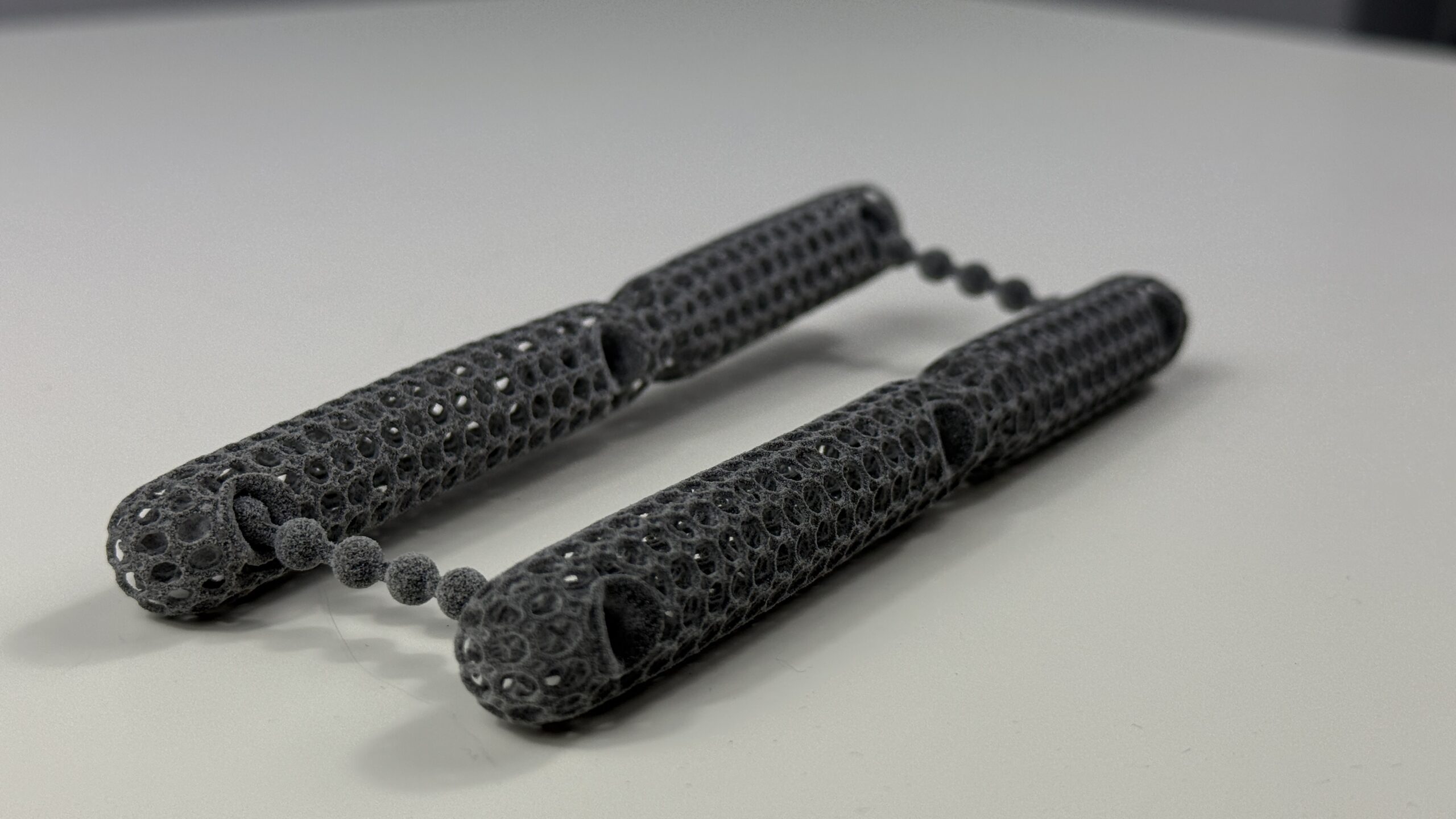
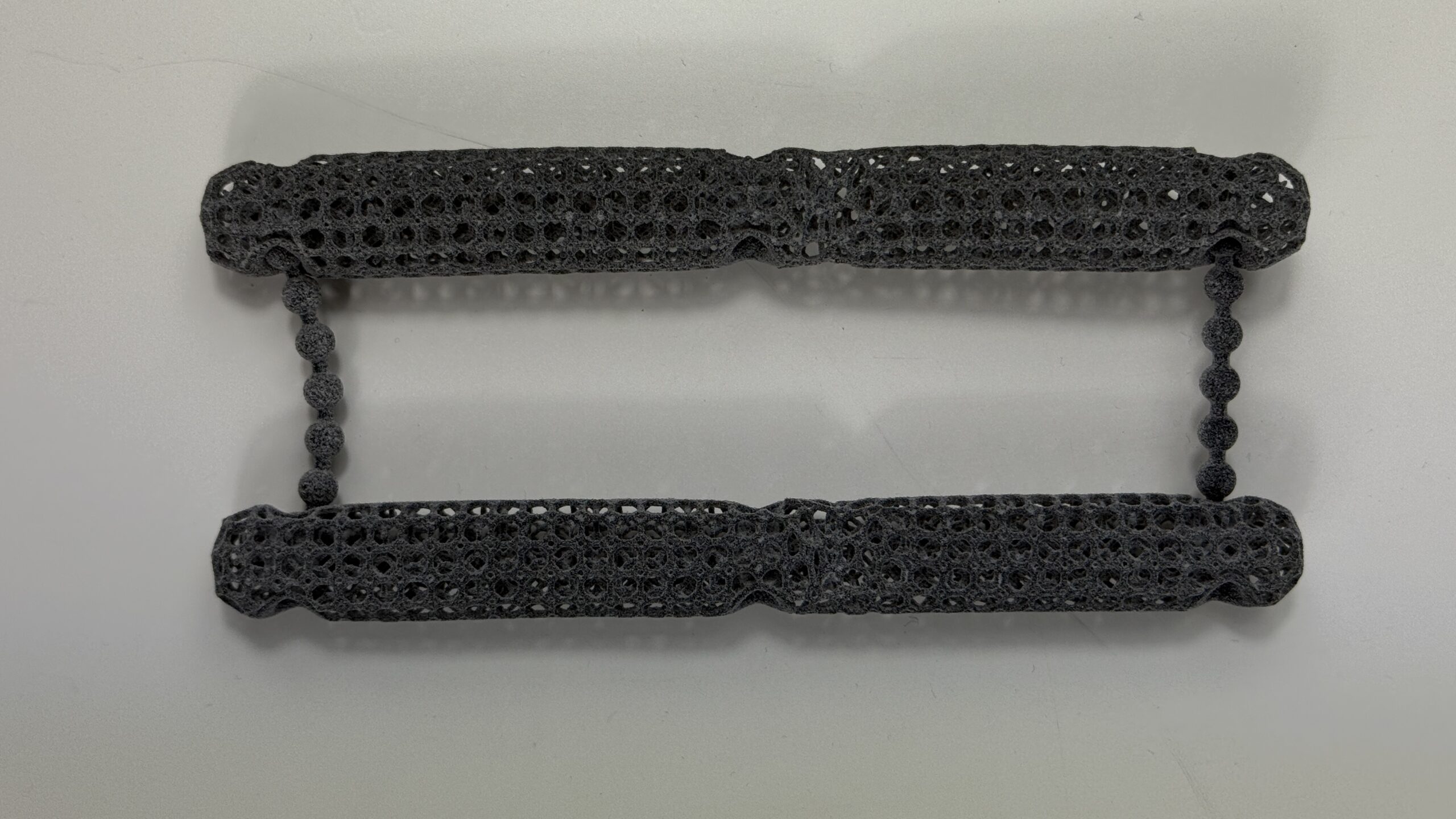
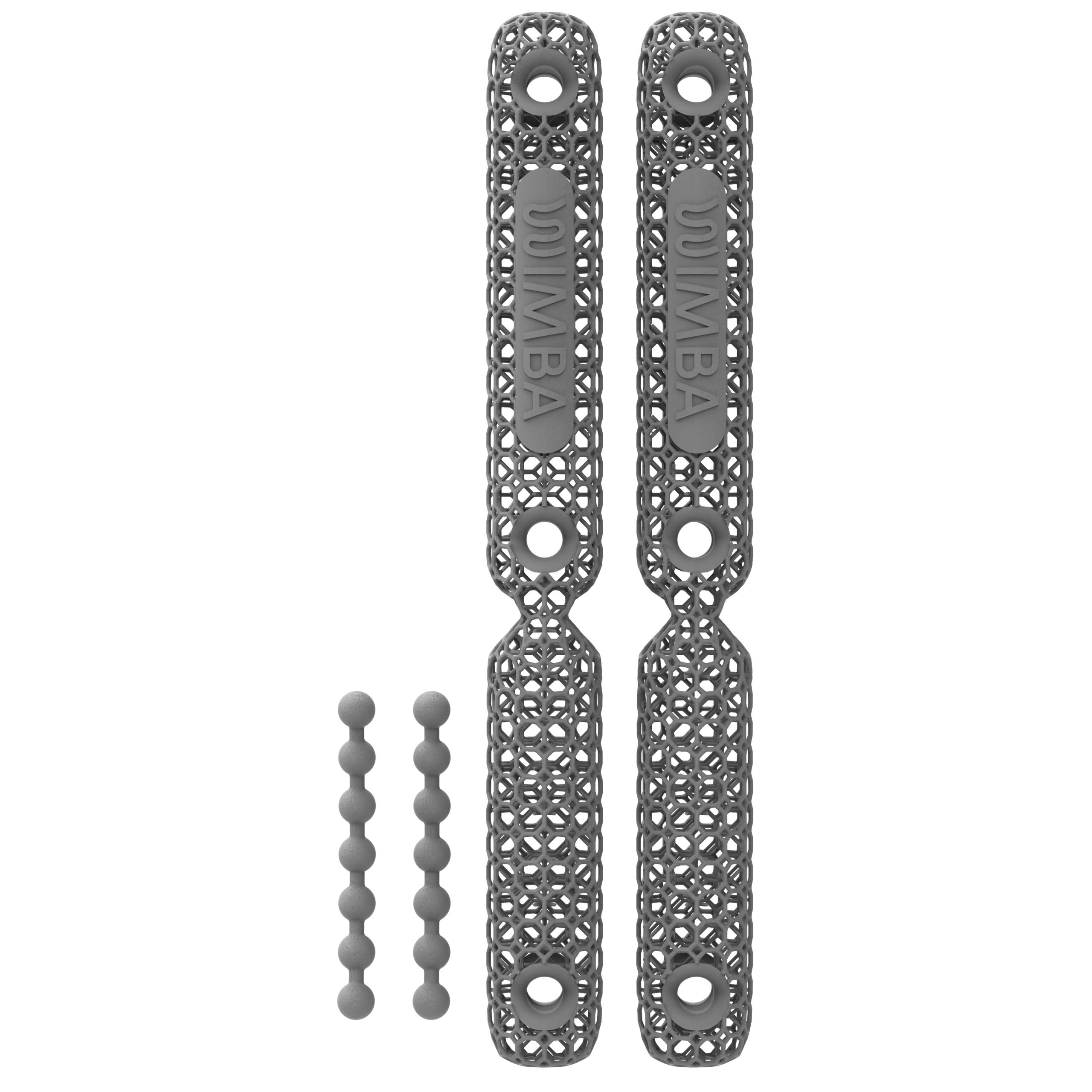
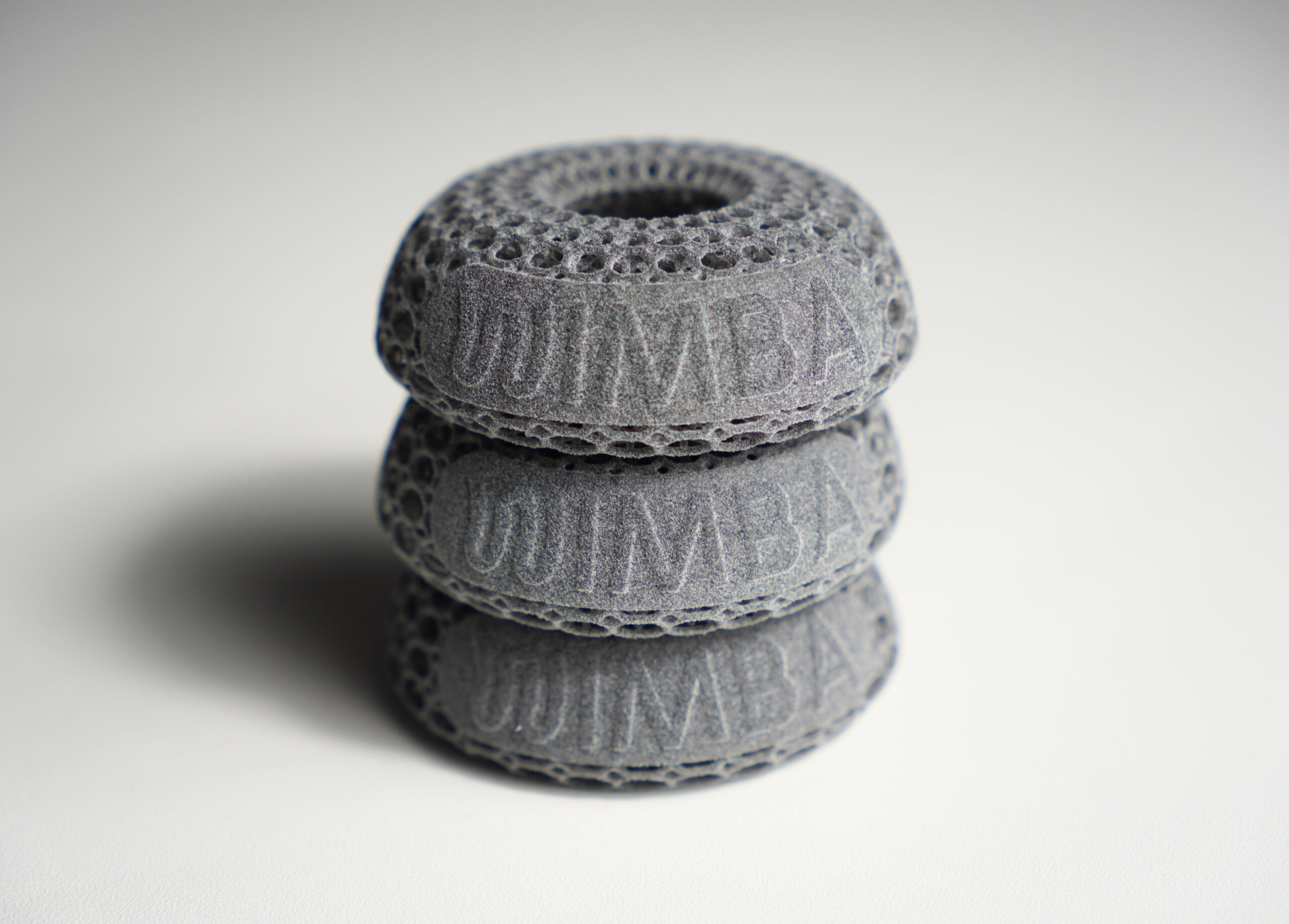
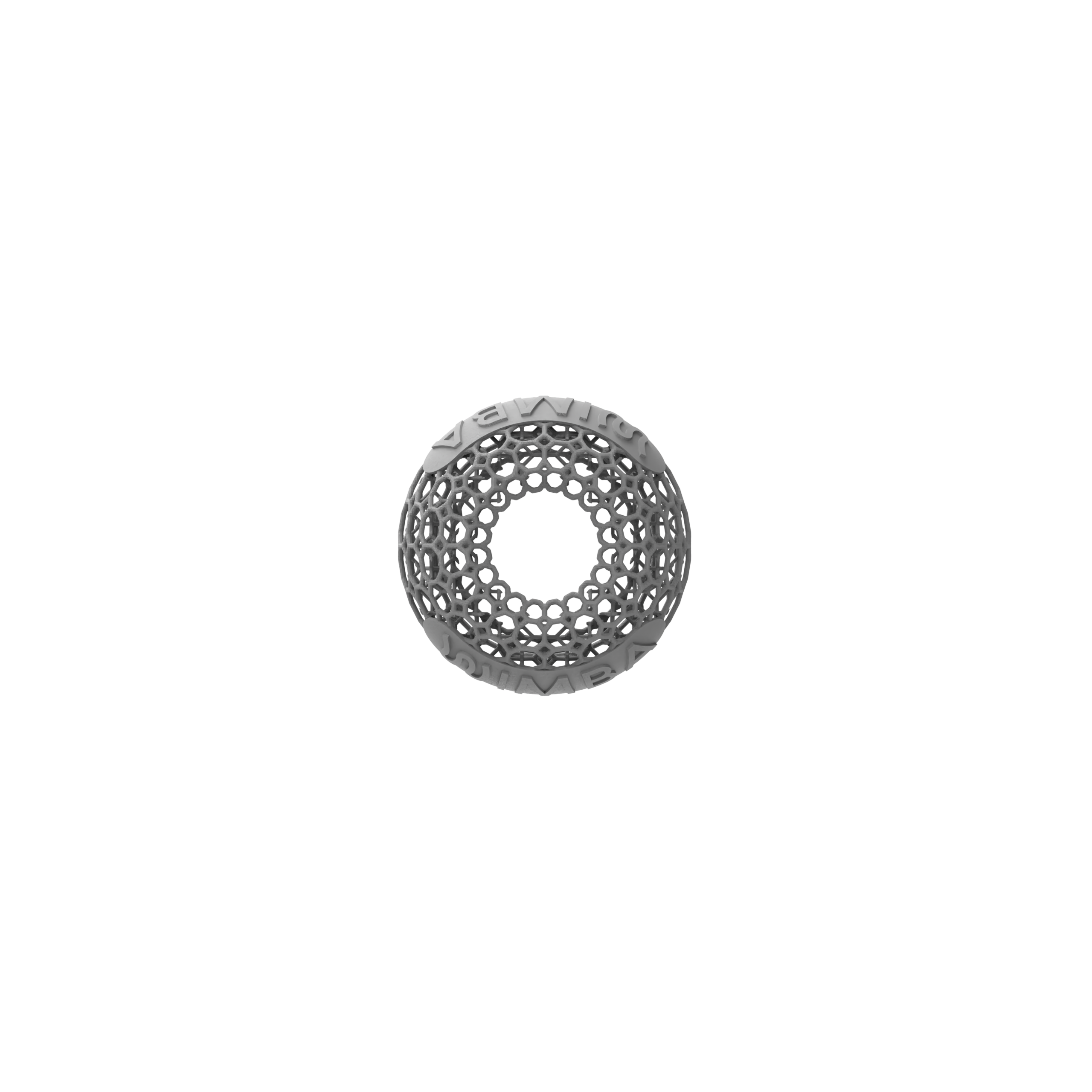
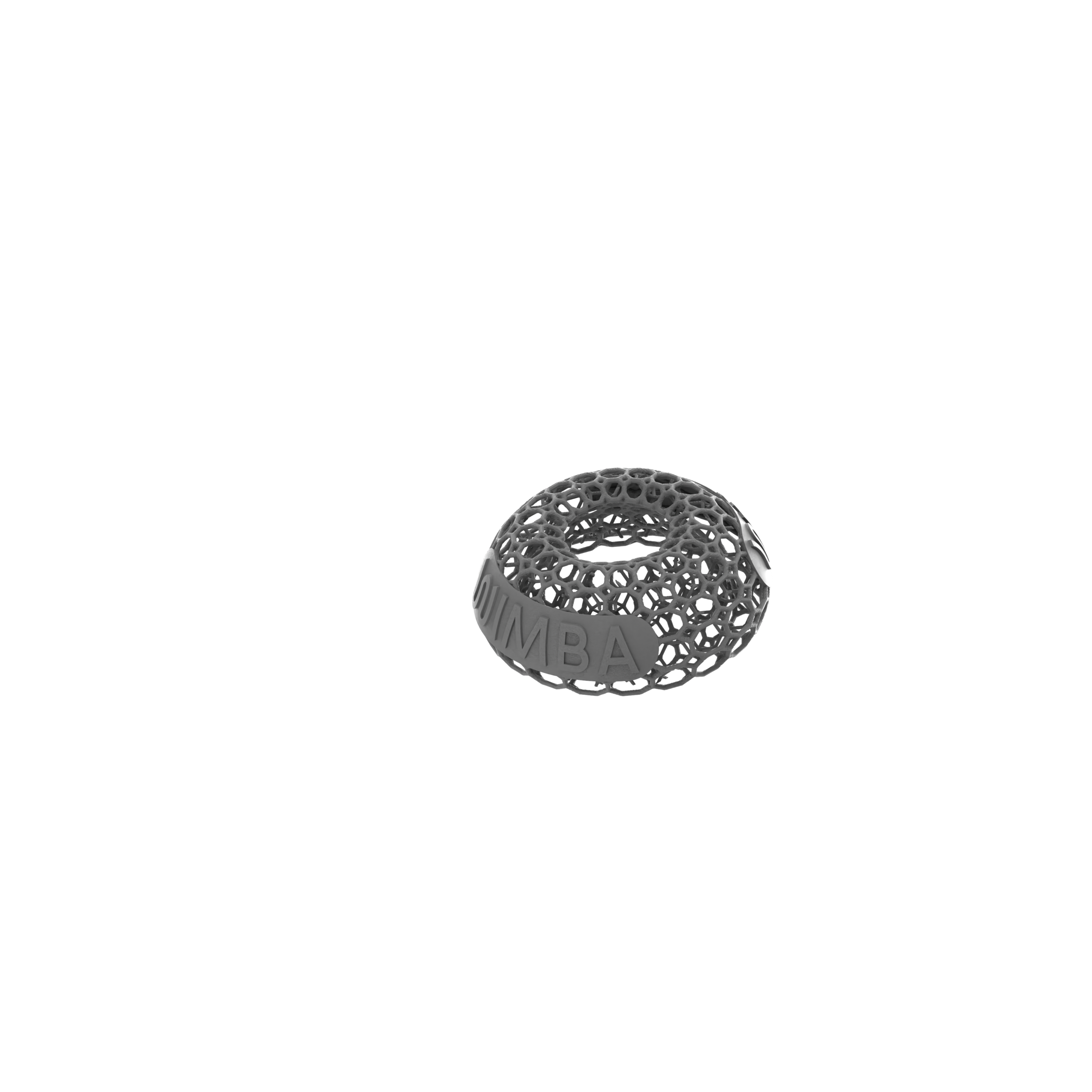
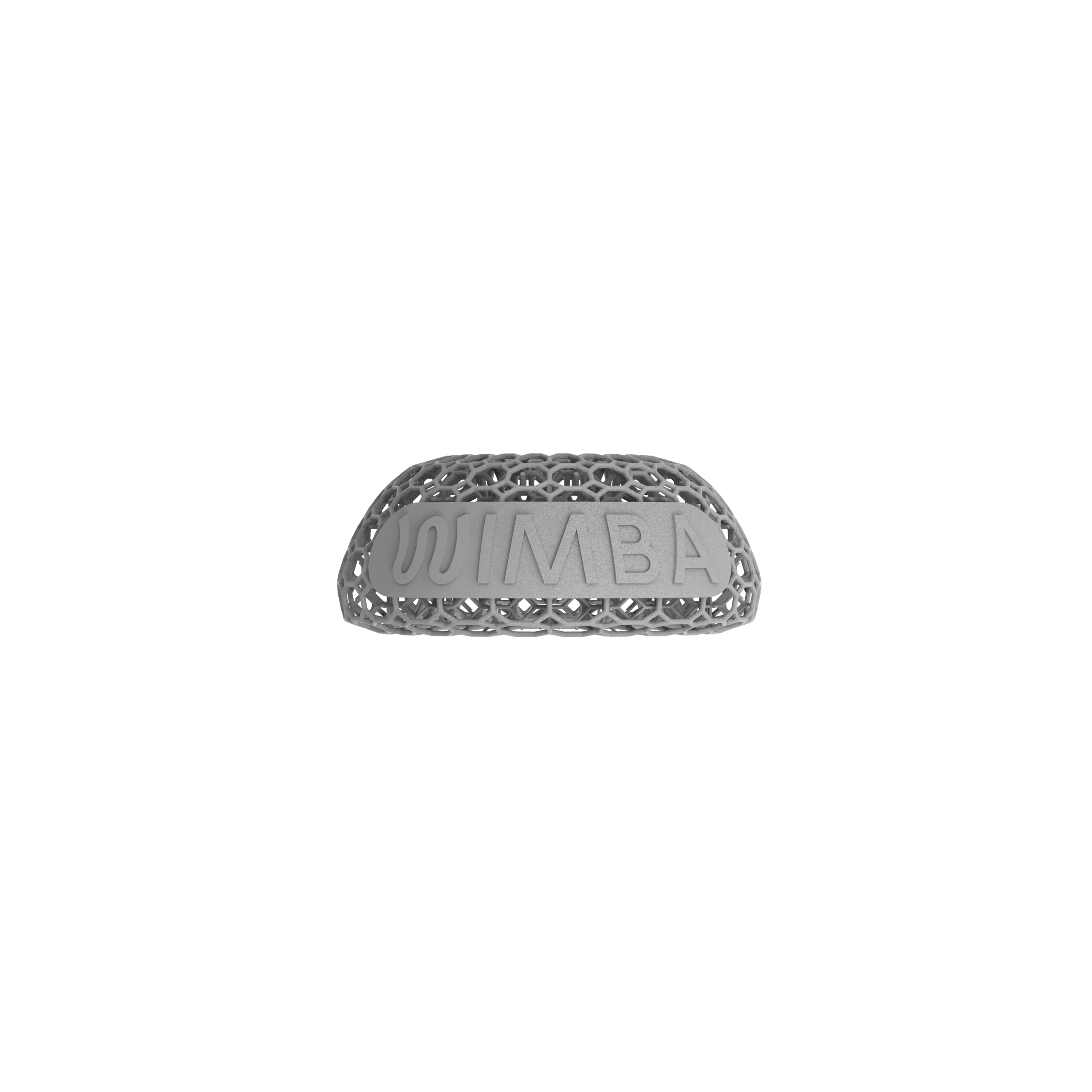
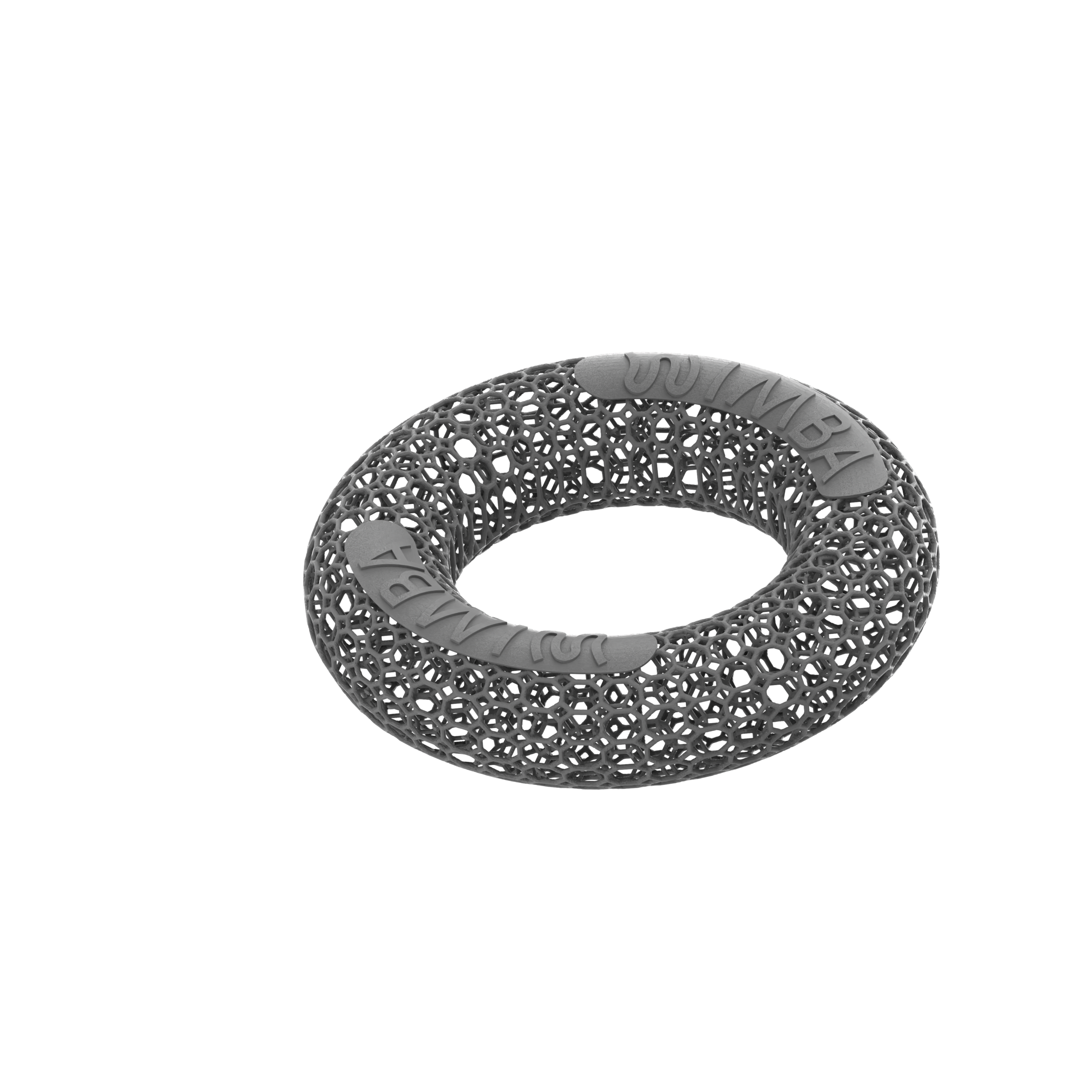
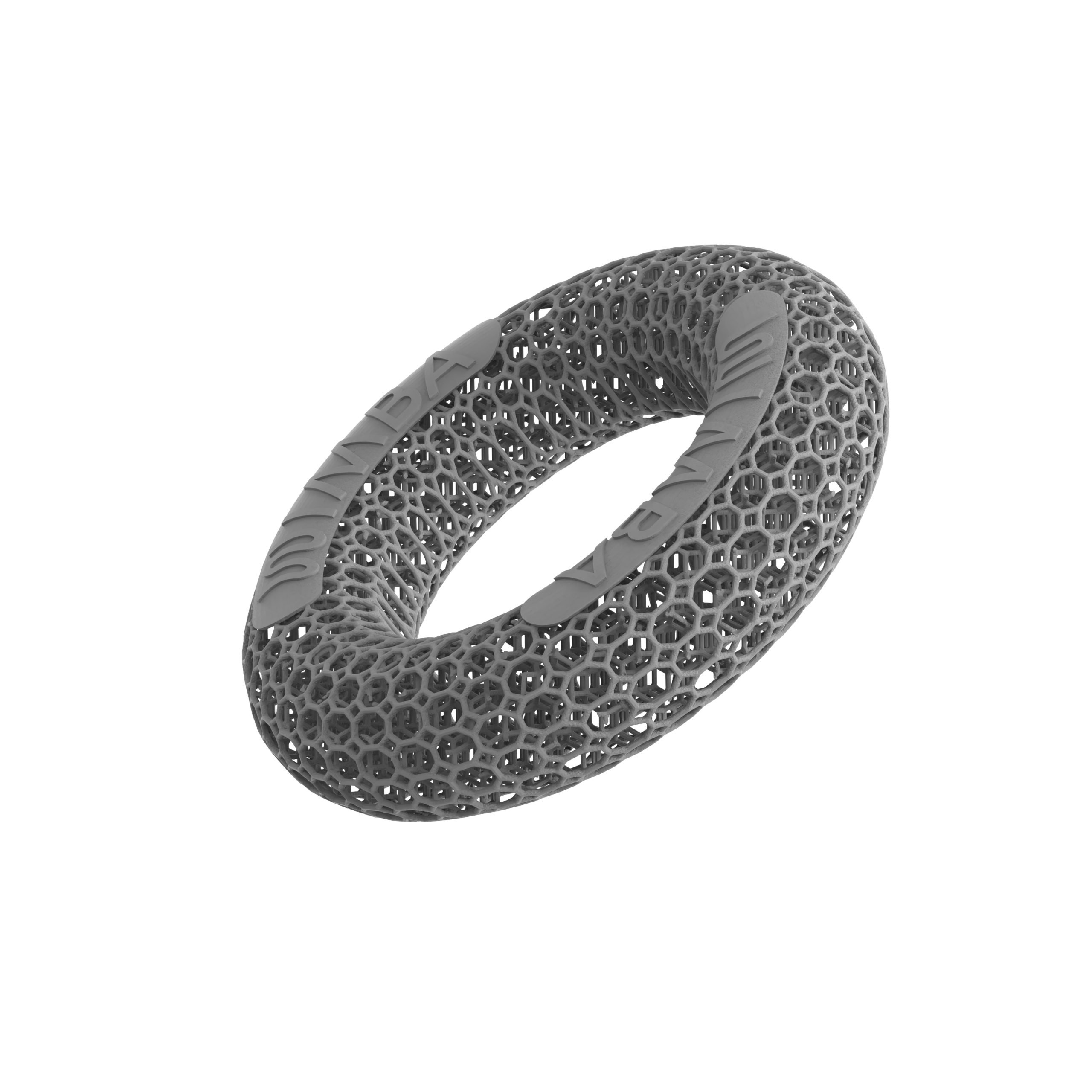
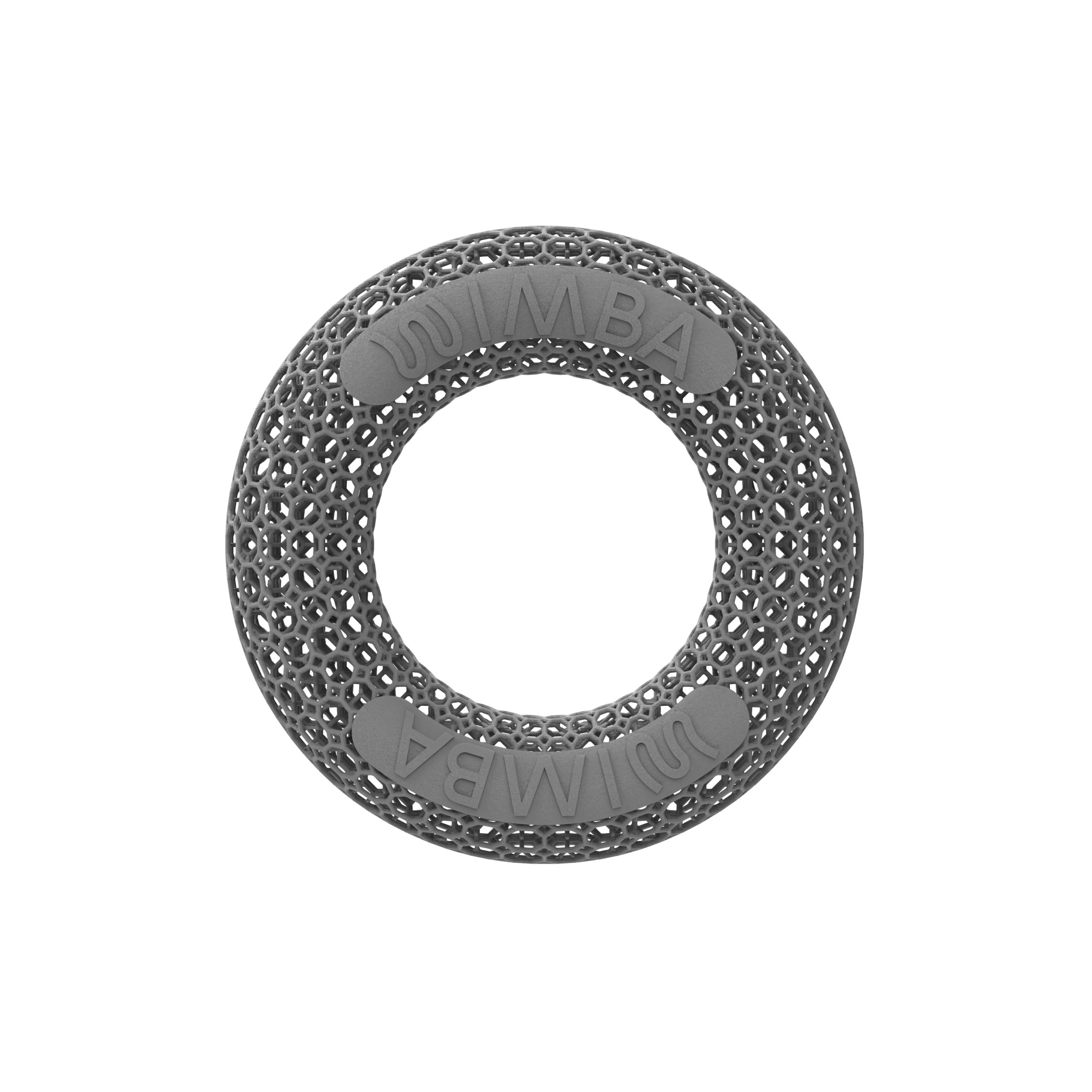
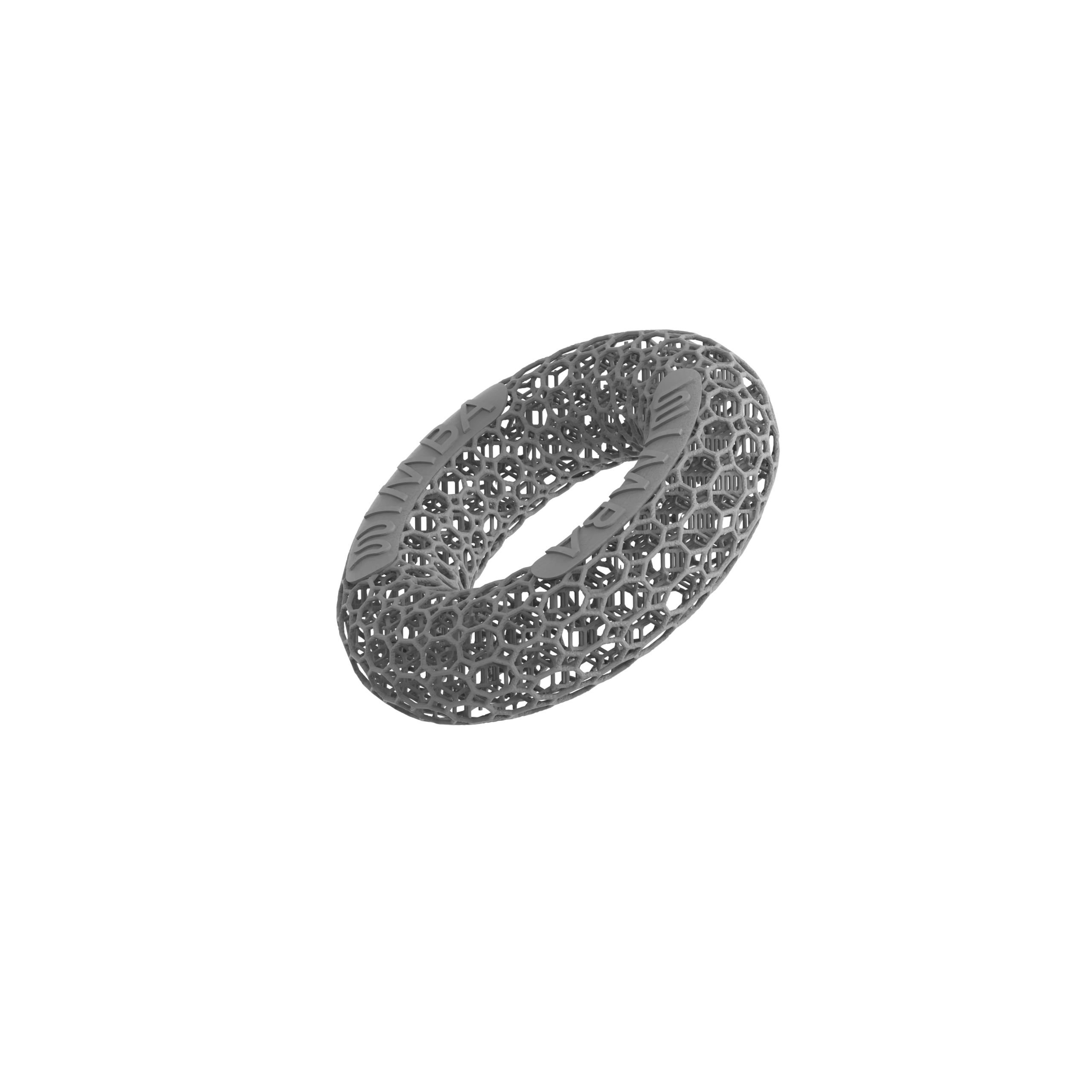
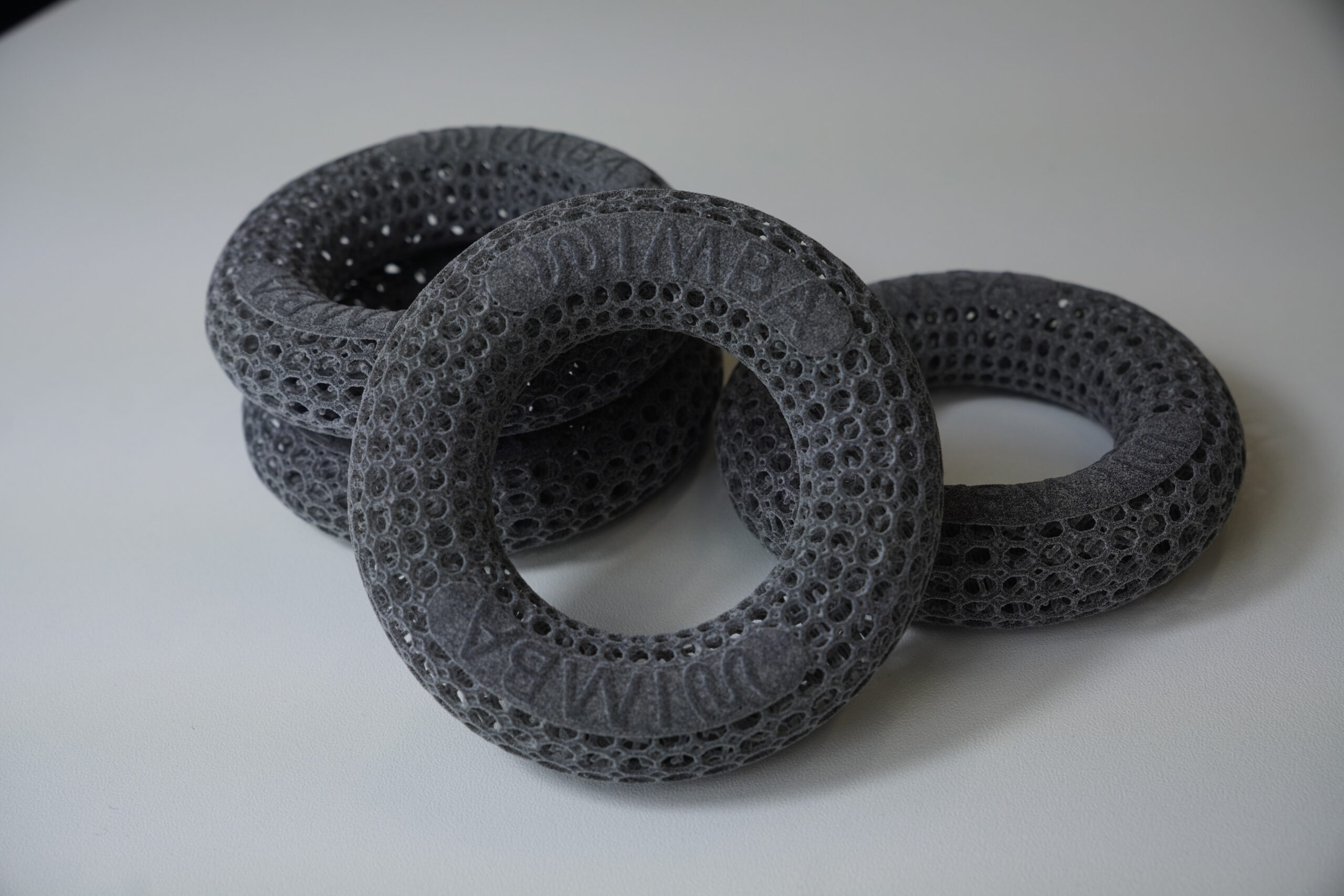
Veterinary wound care spacers are external protective components positioned over a suitable primary dressing and secured within the outer bandage. Their purpose is to create clearance around a selected covered site and distribute external pressure or friction across a broader area. The WIMBA range is 3D-printed as lightweight, flexible lattice structures for wounds, sutures, calluses, pressure sores, and pressure-sensitive areas.8
Unlike patient-specific WIMBA orthoses, these veterinary wound care spacers are not made from a scan or a custom digital model. Clinics select from defined forms and sizes. No WimbaSCAN or WimbaAPP custom manufacturing submission is required. This distinction matters in complex orthopedic cases because external wound protection and joint stabilisation are separate clinical goals.
Choosing WIMBA Spacers for Pressure Offloading for Dog Wounds
Selection should begin with wound shape, dimensions, location, surrounding tissue, expected direction of force, patient position, mobility, and the planned bandage. The following map summarises the current WIMBA range. It supports product orientation, but it does not replace examination or competent bandaging.8,9
| Spacer | Primary mechanical role | Typical clinical use | Important selection point |
|---|---|---|---|
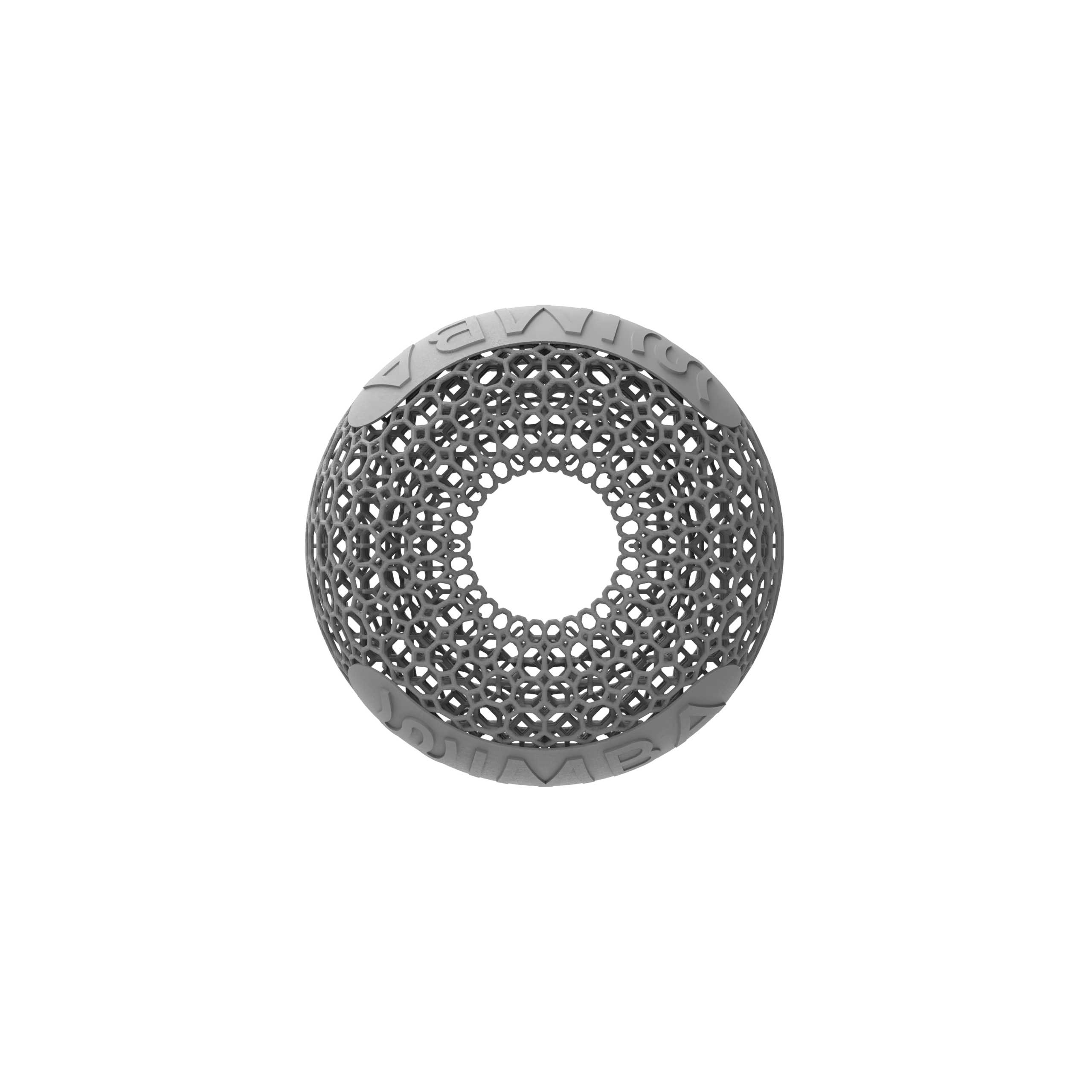
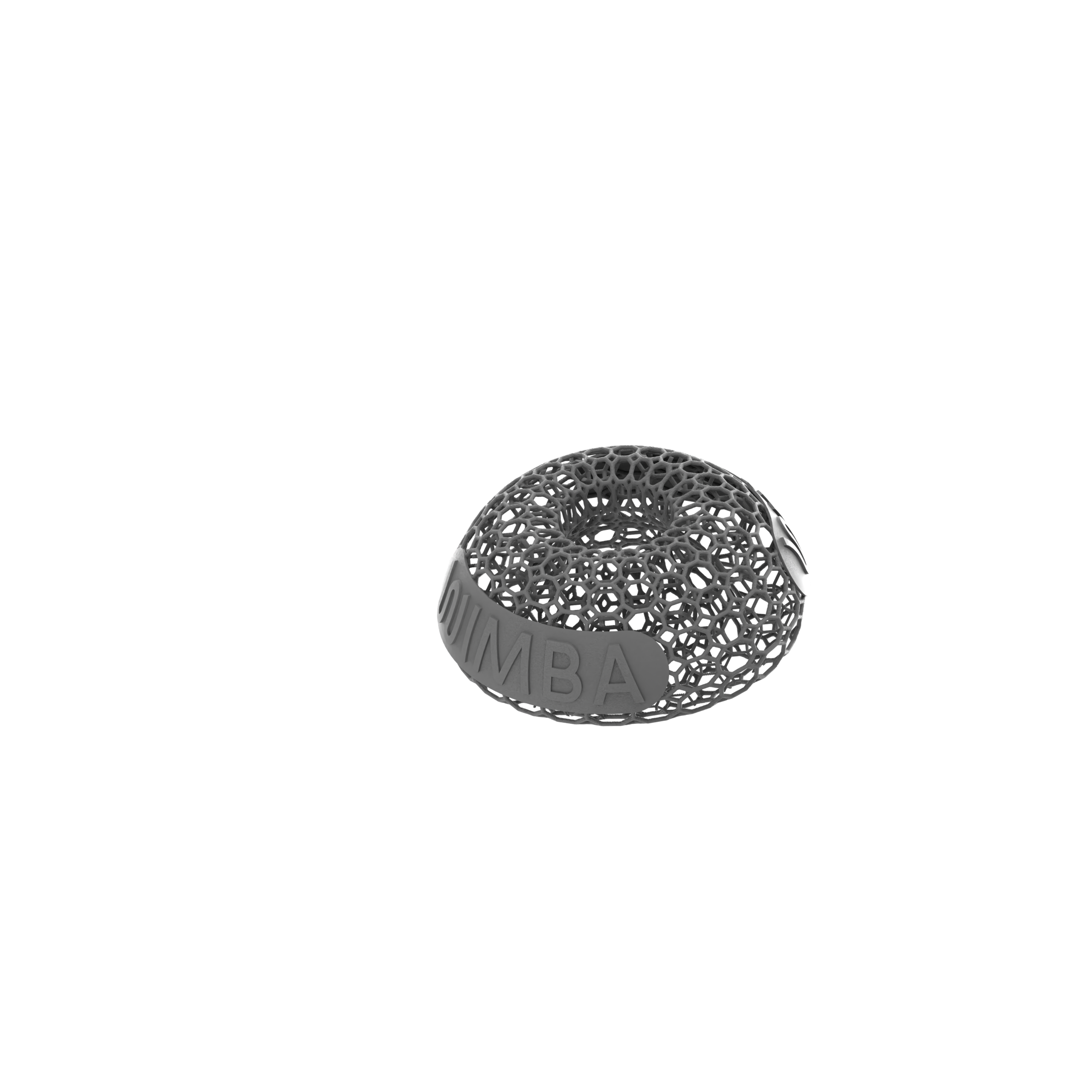
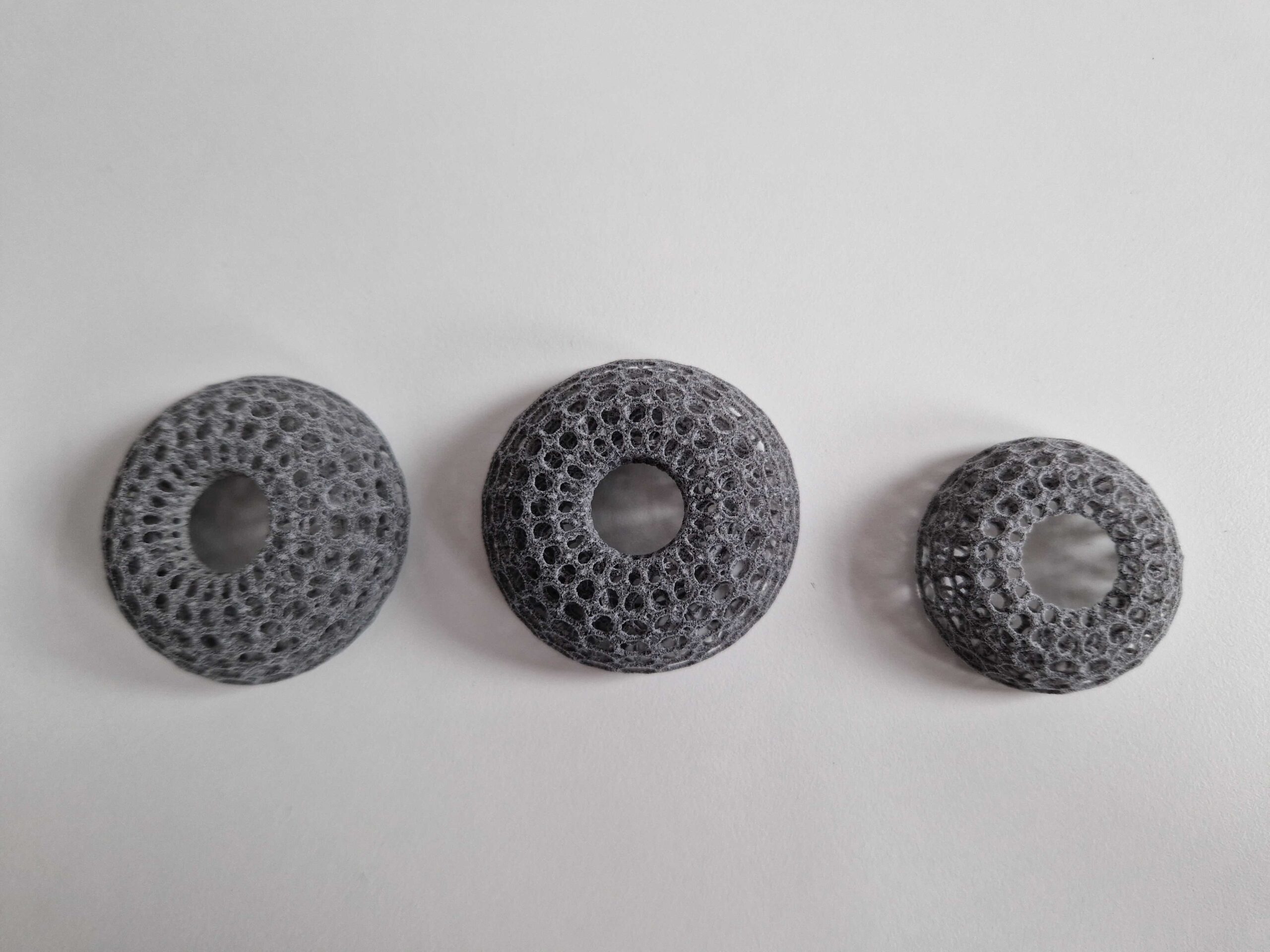
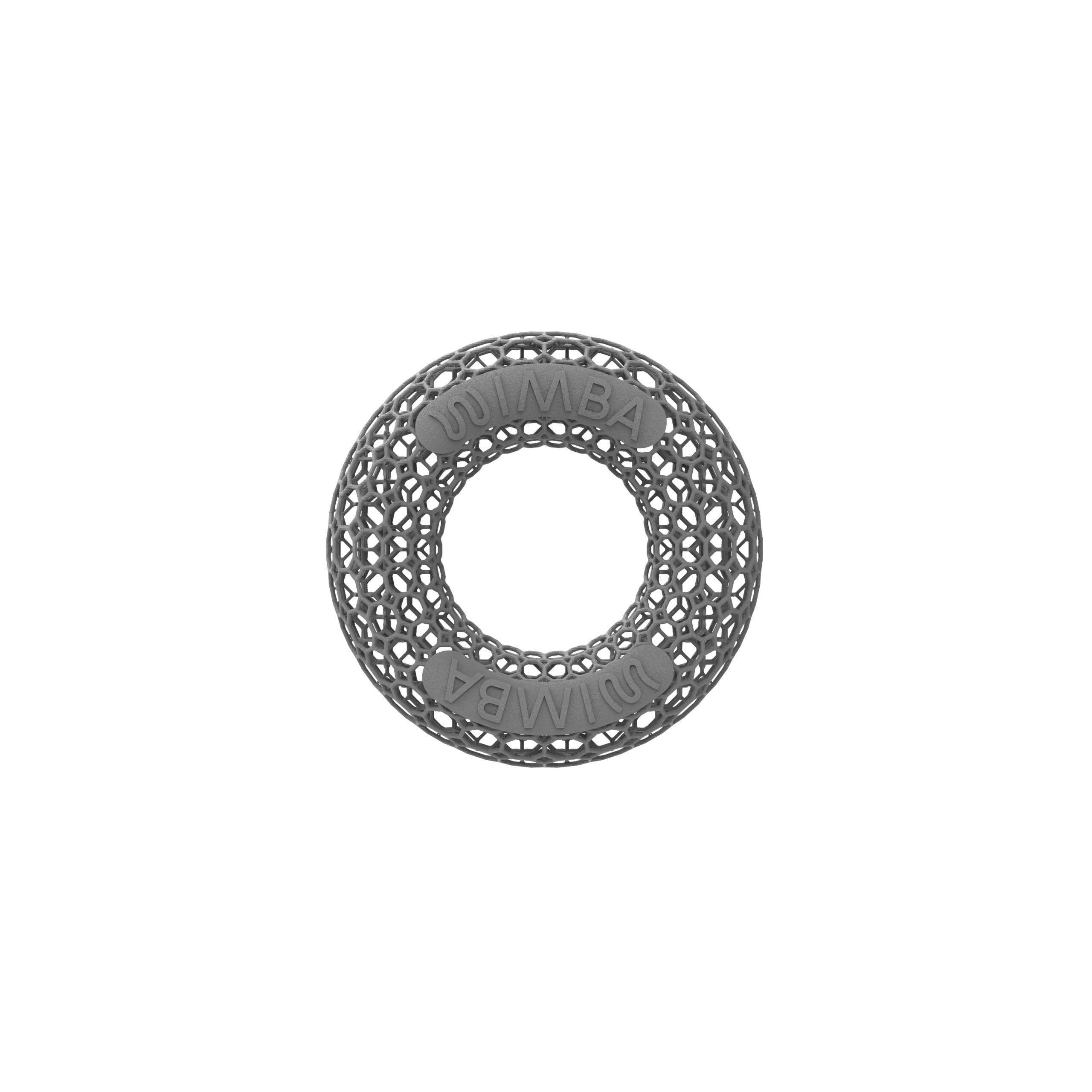
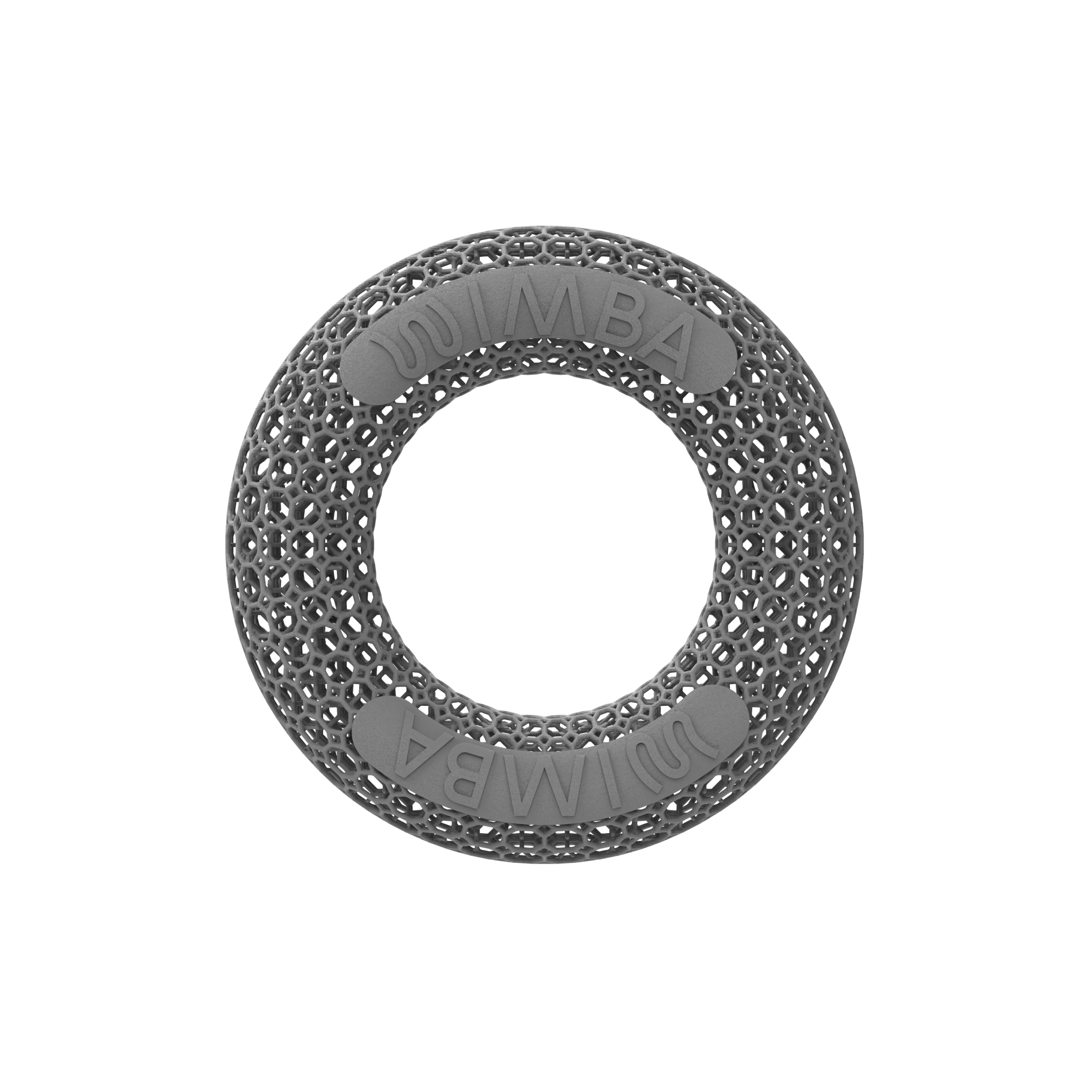
| Donut | Ring-shaped clearance with controlled compression | Focal, round, oval, or elongated wounds; calluses; pressure sores; bony prominences | Available in Standard and Large sizes; the force direction and internal clearance must suit the site |
| Dome | Uniform protective coverage | Focal covered wounds, sores, calluses, and pressure-sensitive prominences | The construct must protect the site without transferring excessive force to the dome edge |
| Gradient Dome | Protective coverage with a stiffness gradient | Focal areas surrounded by more delicate tissue | Useful when a gradual transition is clinically preferable to uniform stiffness |
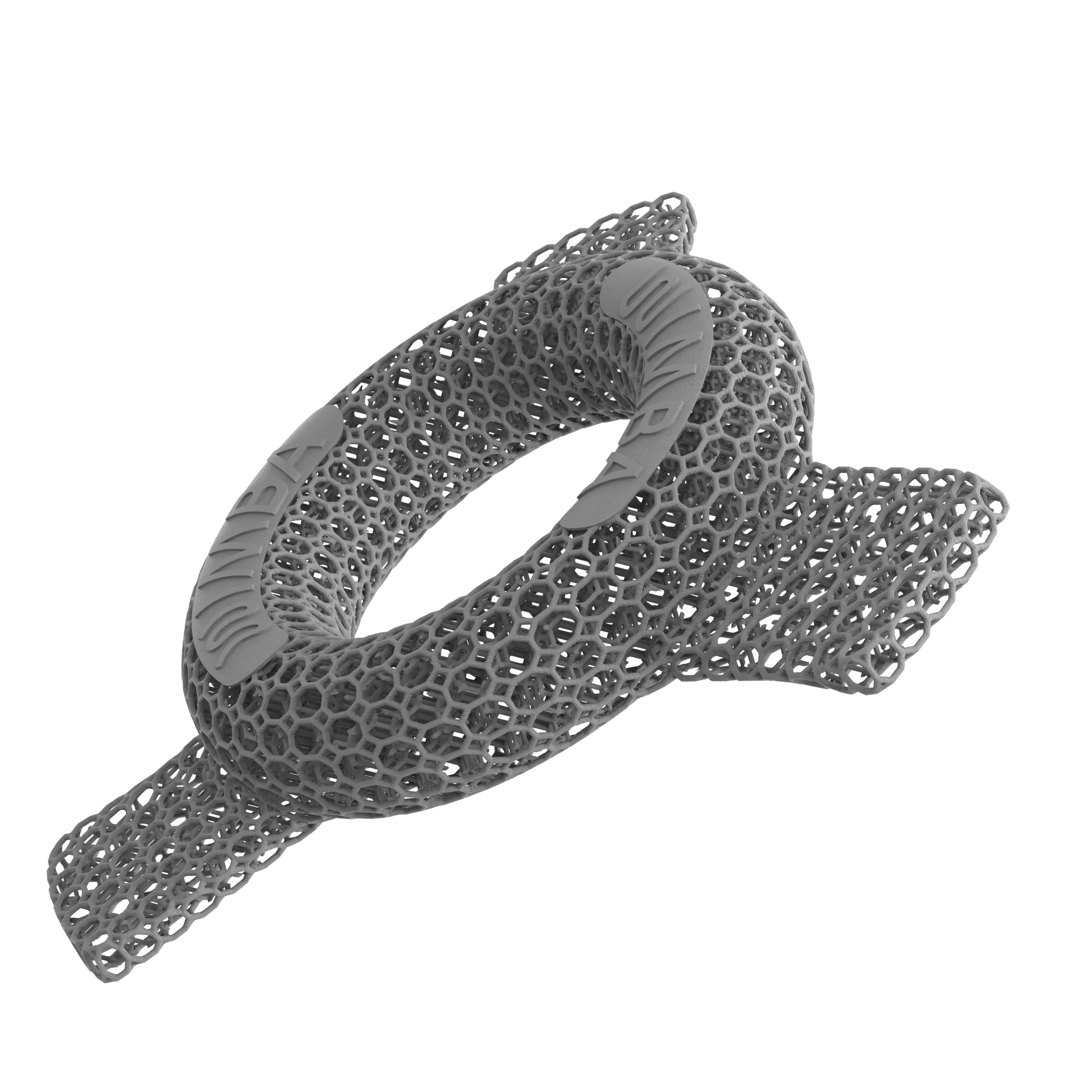
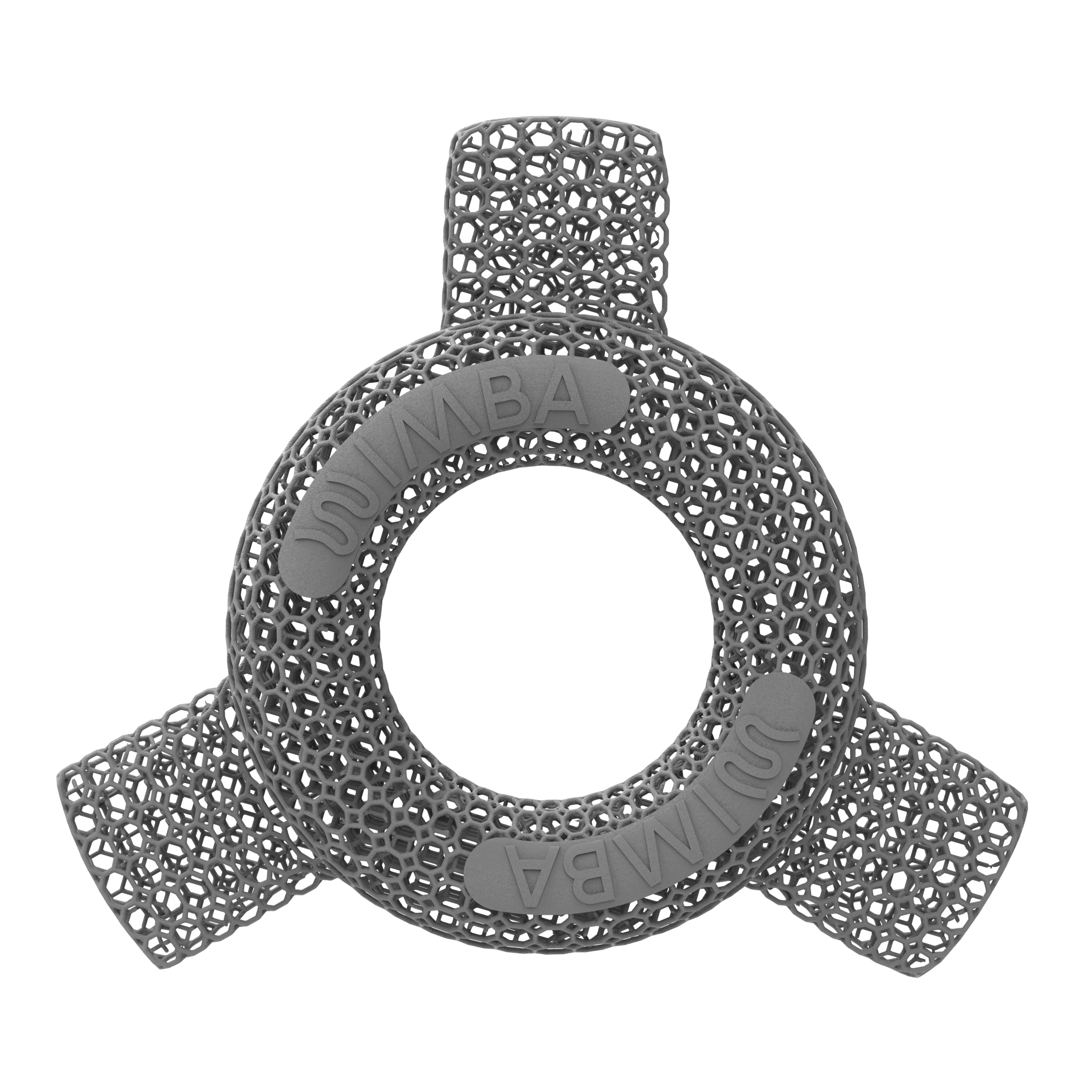
| Donut Wings | Additional retention for the Large Donut | Large patients or areas where resting position makes spacer migration more likely | Wings assist retention only when combined with an appropriate bandage technique |
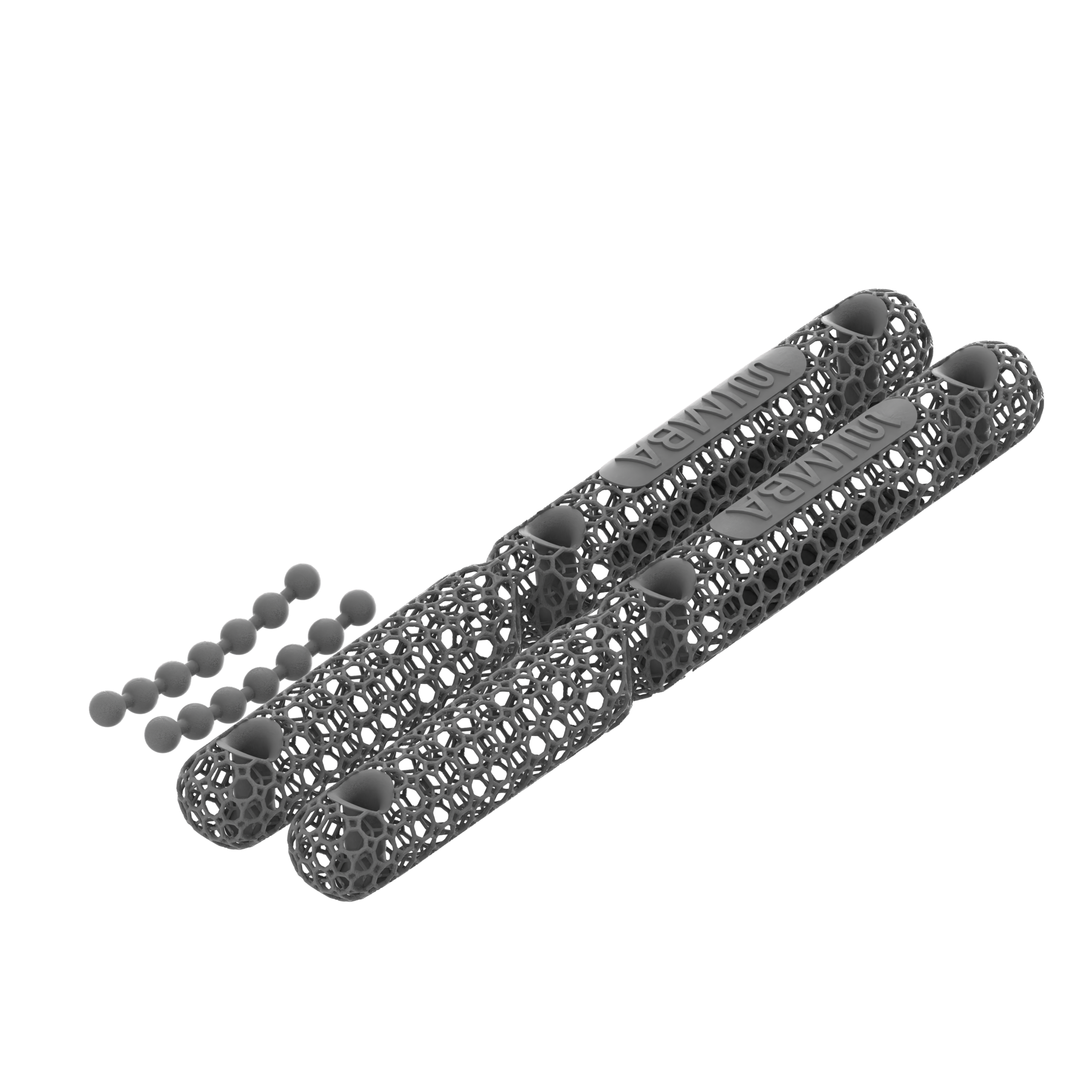
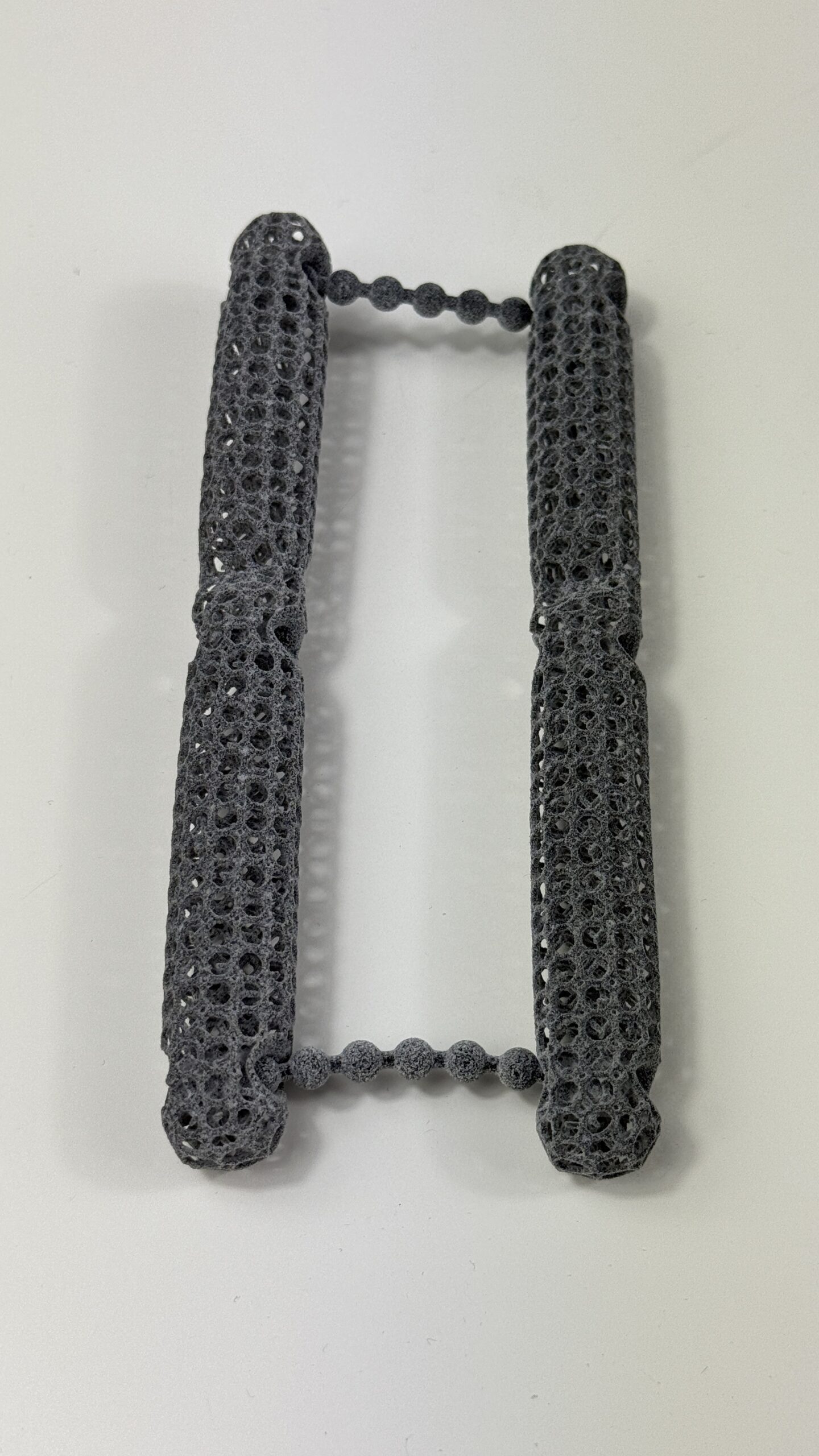
| Care Sticks | Linear clearance | Incisions, lacerations, tears, cuts, and suture lines | May be shortened only at designated narrow points and under professional direction |
The smallest or softest-looking component is not automatically the safest choice. Effective pressure offloading for dog wounds depends on clearance, edge loading, retention, outer-layer tension, patient position, and whether the spacer remains aligned between rechecks. If the mechanical objective changes, the spacer or complete bandage plan may also need to change.
Applying Veterinary Wound Care Spacers Within a Bandage
The treating veterinary professional determines whether a bandage is appropriate, selects the wound-contact layer, and decides how veterinary wound care spacers should be secured. The intended sequence is simple, but each stage requires clinical judgement.
1. Assess and cover
Examine, clean, and treat the wound as indicated. Apply the primary dressing selected for tissue contact and exudate management. A WIMBA spacer must not touch an uncovered wound.
2. Position the spacer
Place the selected component over the protected site. Confirm intended clearance, edge position, stability, and compatibility with anatomy, movement, and the planned outer layers.
3. Secure and reassess
Complete the bandage without concentrating pressure at the spacer edge or compromising circulation. Observe the patient in relevant positions, then set the inspection and change schedule.
Bandage pressure is not reliably reproduced by appearance alone. Studies of canine external coaptation have documented soft-tissue injury, severe ischaemic complications, pressure changes after reapplication, and location-specific peaks beneath rigid constructs.4,5,6,7 These studies did not test WIMBA products, but they explain why adding veterinary wound care spacers never removes the need for direct inspection.
Monitoring and Urgent Review
Document wound dimensions, depth, tissue type, exudate, odour, pain, surrounding skin, patient position, and bandage condition at repeatable intervals. Veterinary wound care spacers should remain correctly positioned, intact, and clean while the covered site and distal limb remain clinically acceptable.
Review the wound or bandage urgently for:
- Increasing pain, heat, swelling, discharge, bleeding, or malodour
- Fever, lethargy, reduced appetite, or another systemic change
- Wound separation, tissue discolouration, or visible implant material
- Cold, swollen, discoloured, or painful digits distal to a limb bandage
- Strike-through, wetness, slippage, rotation, spacer migration, or a damaged construct
- Sudden reduction in limb use or a new neurological or orthopedic deficit
Do not add padding or tighten the bandage to conceal a fit problem. The complete construct and underlying wound should be reviewed by the treating team.
What the Evidence Shows and What It Does Not
Veterinary evidence supports pressure management as a real clinical concern. Research has identified high-pressure zones in recumbent dogs, chronic canine decubital ulcers, and complications associated with external coaptation.2,3,4 It also shows that patient condition, geometry, position, and reapplication can change tissue loading.
However, these studies are not comparative efficacy trials of WIMBA veterinary wound care spacers. Direct prospective evidence showing that the products accelerate closure, prevent infection, stop dehiscence, or improve limb-sparing outcomes is not currently available. The defensible clinical role is adjunctive mechanical protection around a covered site, followed by wound-specific treatment and reassessment.
Individual reports can show feasibility and clinical progression, but they cannot isolate causation. A successful dog pressure sore treatment plan may combine wound-bed preparation, infection control when indicated, a suitable dressing, pressure redistribution, soft bedding, repositioning, analgesia, nutrition, patient handling, and caregiver adherence. The spacer is one observable component within that wider plan.
Veterinary Wound Care Spacers in Practice
Case Report
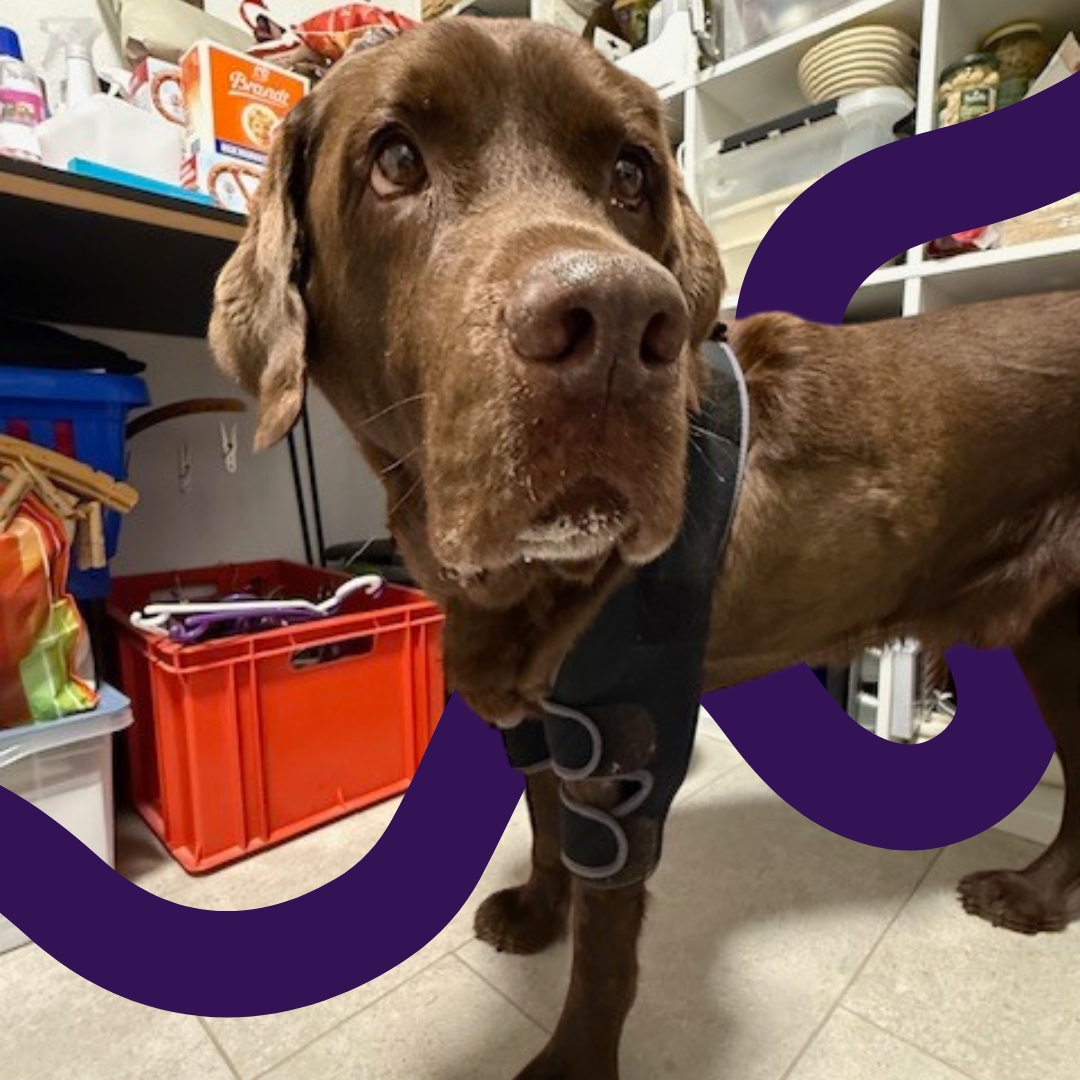
Nelson: a chronic pressure-related elbow wound
Nelson, a 12.5-year-old Labrador, had a persistent elbow wound after earlier local care, bandaging, antibiotics, and repeat suturing. A Donut was incorporated into a broader dog pressure sore treatment plan. The wound progressively closed over approximately eight weeks, but the observational report cannot assign the outcome to the spacer alone.10
Provider: Tierklinik Aarau West, Switzerland
Solution: WIMBA Wound Care Donut
Case Report
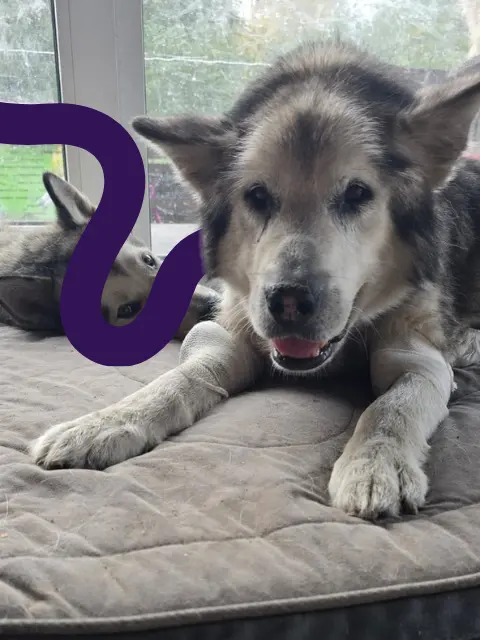
Bruno: bilateral elbow pressure sores
Bruno, a 9-year-old Alaskan Malamute, had pressure sores on both elbows, with one complicated by a deep fistula and purulent discharge. Several spacer configurations were evaluated before lower-profile Donut-based designs improved practical retention. Both wounds were reported healed at final review within a broader, supervised dog pressure sore treatment plan.11
Provider: Centrum Weterynaryjne MysLovet
Solution: WIMBA Wound Care
Post-Surgical Wound Protection in Orthopedic Cases
Selected orthopedic patients may need post-surgical wound protection when a covered incision or pressure-sensitive site is exposed to contact or friction. Care Sticks may create linear clearance over an appropriately dressed incision, while a Donut, Dome, or Gradient Dome may be considered for a focal covered area. The surgeon must first decide whether bandaging is appropriate and whether a spacer can be secured without adding new pressure points.12
After limb-sparing surgery, veterinary wound care spacers remain external. They do not fill a surgical cavity, deliver antibiotics, support an endoprosthesis, or treat deep infection. Dehiscence, implant exposure, drainage, increasing pain, or loss of function requires surgical reassessment rather than more dressing layers. Appropriate post-surgical wound protection should never conceal progression.
Custom WIMBA orthoses may have a separate role when a diagnosed joint or limb requires mechanical stabilisation. The presence of a wound does not automatically make an orthosis appropriate, and an orthosis should not be placed over a vulnerable surgical site unless the treating team has assessed skin protection, fit, loading, and the rehabilitation goal.
Cleaning, Reuse, and Clinical Ordering
Current WIMBA instructions allow veterinary wound care spacers to be hand-cleaned with lukewarm water and surgical or mild pH-neutral soap, air-dried, and reused up to five times.8 Five uses is a maximum, not an entitlement. Replace the component sooner if cleanliness, integrity, shape, retention, or protective function is compromised. Cleaning is not the same as validated sterilisation.
The spacers are ready-to-use products ordered by clinics or through authorised distributors in available regions. They do not use the patient-scanning and custom-order workflow for WIMBA orthoses. Pet owners should not independently select or apply a spacer because safe use depends on wound diagnosis, primary dressing choice, bandage construction, follow-up timing, and caregiver instruction.
Frequently Asked Questions
What are veterinary wound care spacers?
Veterinary wound care spacers are external protective components positioned over a suitable primary dressing and secured within a bandage. They create clearance around a covered wound and help distribute selected external pressure or friction across a broader area. They do not touch the open wound or replace wound treatment.
Are WIMBA wound care spacers custom-made?
No. The WIMBA Wound Care range consists of ready-to-use Donut, Dome, Gradient Dome, Donut Wings, and Care Sticks components in defined forms and sizes. The clinic selects the appropriate option for the wound and bandage plan. No patient scan or custom WimbaAPP manufacturing submission is required.
Can a veterinary wound care spacer be placed directly on a wound?
No. The wound must first be covered with a suitable primary dressing selected by the veterinary professional. The spacer is positioned over that protected site and secured with the outer bandage layers. Direct contact with an uncovered wound is not the intended use.
Which WIMBA spacer should a veterinary clinic choose?
Selection depends on wound shape, size, location, surrounding tissue, expected pressure, patient position, and bandage retention. Donuts suit focal or approximately round sites, Domes provide protective coverage, Gradient Domes add a stiffness gradient, Donut Wings assist Large Donut retention, and Care Sticks suit linear wounds or suture lines.
Can 3D-printed wound care spacers treat infection?
No. WIMBA spacers do not release antibiotics, remove devitalised tissue, drain a cavity, or diagnose infection. Suspected infection requires veterinary assessment and may require culture, lavage, debridement, drainage, antimicrobial treatment, surgery, or implant management according to the diagnosis.
How many times can WIMBA Wound Care be reused?
Current instructions allow hand-cleaning with lukewarm water and surgical or mild pH-neutral soap, air-drying, and reuse up to five times. The product should be replaced earlier if it is contaminated, damaged, misshapen, unstable, or no longer clinically suitable. Cleaning does not mean that the product has been sterilised.
Add Protection Without Losing Sight of the Wound
Veterinary wound care spacers are most useful when the mechanical problem, product choice, bandage technique, and inspection plan are clearly defined. Explore the current range, order a starter pack for your clinic, or find an experienced WIMBA provider for an individual patient.
Medical and product disclaimer: This article is intended for veterinary professional education and general product information. It does not replace patient-specific examination, diagnosis, wound-bed preparation, infection control, primary dressing selection, competent bandaging, surgery, analgesia, repositioning, nutrition, emergency care, or the current product instructions. No wound-closure time, infection outcome, limb-sparing result, or other clinical outcome is guaranteed. Product forms, sizes, cleaning limits, instructions, and availability may change.
Scientific and Clinical References
- Lux CN. Wound healing in animals: a review of physiology and clinical evaluation. Veterinary Dermatology. 2022;33(1):91–e27. doi:10.1111/vde.13032
- Caraty J, De Vreught L, Cachon T, et al. Comparison of the different supports used in veterinary medicine for pressure sore prevention. Journal of Small Animal Practice. 2019;60(10):623–630. doi:10.1111/jsap.13061
- Tambella AM, Attili AR, Dini F, et al. Autologous platelet gel to treat chronic decubital ulcers: a randomized, blind controlled clinical trial in dogs. Veterinary Surgery. 2014;43(6):726–733. doi:10.1111/j.1532-950X.2014.12148.x
- Meeson RL, Davidson C, Arthurs GI. Soft-tissue injuries associated with cast application for distal limb orthopaedic conditions: a retrospective study of sixty dogs and cats. Veterinary and Comparative Orthopaedics and Traumatology. 2011;24(2):126–131. doi:10.3415/VCOT-10-03-0033
- Anderson DM, White RAS. Ischemic bandage injuries: a case series and review of the literature. Veterinary Surgery. 2000;29(6):488–498. doi:10.1053/jvet.2000.17847
- Thibodaux B, Eginton K, Gordon-Evans W. Sub-bandage pressure changes in canine hindlimbs after re-application of custom rigid fiberglass splints. BMC Veterinary Research. 2024;20:574. doi:10.1186/s12917-024-04437-6
- Iodence AE, Olsen AM, McGilvray KC, Duncan CG, Duerr FM. Use of pressure mapping for quantitative analysis of pressure points induced by external coaptation of the distal portion of the pelvic limb of dogs. American Journal of Veterinary Research. 2018;79(3):317–323. doi:10.2460/ajvr.79.3.317
- WIMBA. WIMBA Wound Care: 3D-Printed Protective Dressings for Dogs. Accessed August 25, 2026. Current range, application, cleaning, and reuse information.
- WIMBA. Wound Complications in Dogs and Pressure Relief. Updated August 7, 2026. Clinical guide to pressure assessment and spacer selection.
- WIMBA. Dog Elbow Pressure Sore: Wound Treatment and Protection, Case Study Nelson. Individual observational case report.
- WIMBA. Bilateral Elbow Pressure Sores in Dogs, Case Study Bruno. Individual observational case report.
- WIMBA. Veterinary Wound Care Spacers After Limb-Sparing Surgery. Updated August 7, 2026. Clinical guide to adjunctive external protection after limb-sparing procedures.
Related reading: Instruction for Use WIMBA Wound Care