 Skip to content

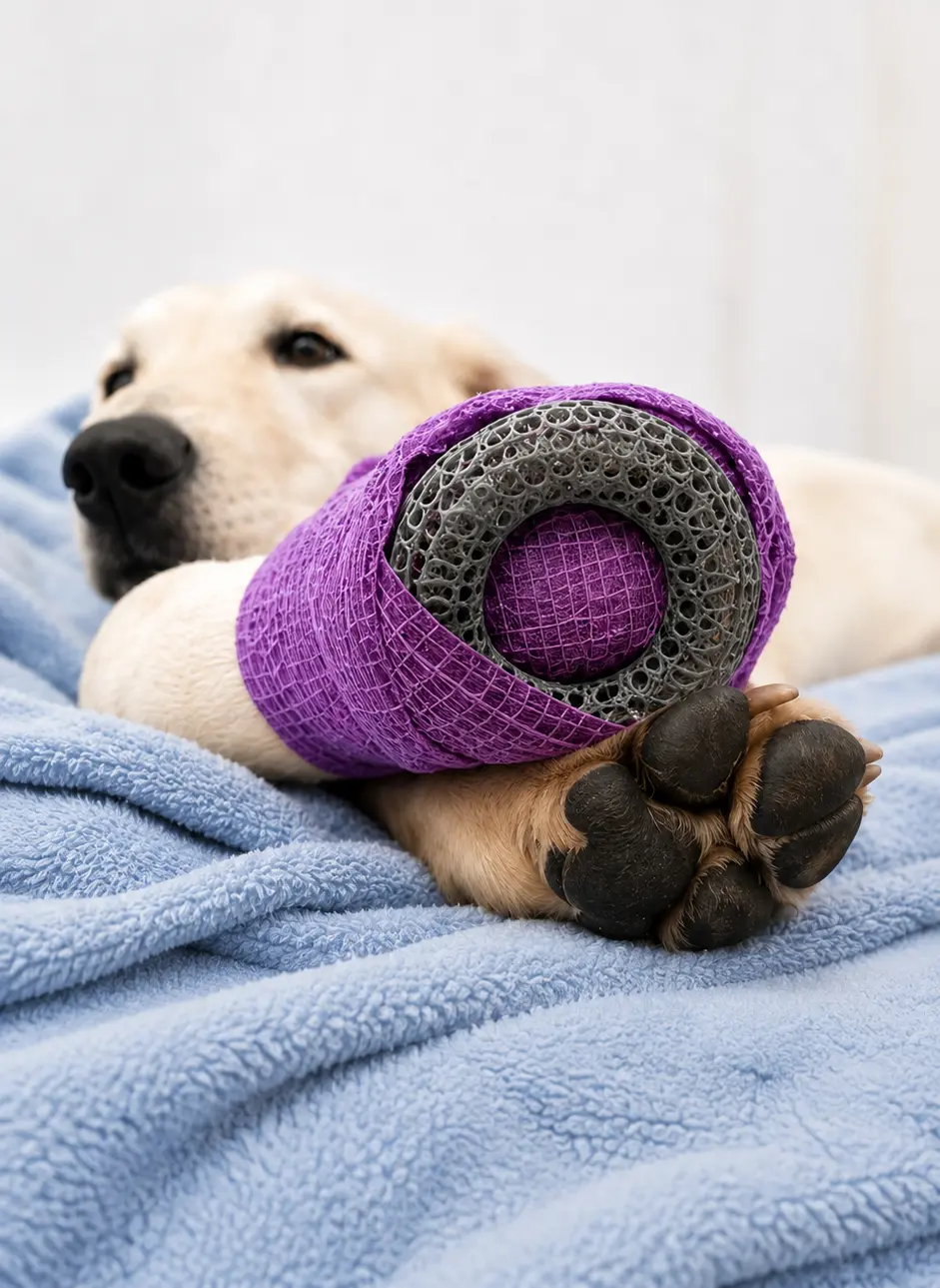
Veterinary wound care spacers can provide an additional layer of external protection for selected wounds and surgical incisions after complex orthopaedic and oncological procedures. Following limb-sparing surgery, their role is to protect the primary dressing and help reduce direct pressure, friction, or contact around a vulnerable external wound area.
It is important to distinguish these external wound care spacers for dogs from implantable antibiotic carriers used inside a surgical cavity. WIMBA products are applied over a primary dressing as part of a veterinarian-directed bandage. They do not enter the wound, fill surgical dead space, release medication, or replace infection management. This guide explains where they may contribute to postoperative wound protection and where specialist treatment remains essential.
Wound Care Challenges After Limb-Sparing Surgery in Dogs
Canine limb-sparing surgery is most often discussed in connection with appendicular bone tumours, particularly distal radial osteosarcoma. The affected bone segment is removed and the limb is reconstructed using a technique selected by the specialist surgical and oncology team. The goal is local tumour control while retaining a functional limb in a carefully selected patient.
These procedures create a demanding postoperative environment. The incision may lie over an implant or reconstructed bone, soft-tissue coverage may be limited, and the patient may require chemotherapy or repeated bandaging. Published complication rates vary substantially between techniques and study populations. In a prospective comparison of cortical allografts and endoprostheses in 20 dogs, the overall limb-salvage rate was 85%, while postoperative infection and construct failure remained important recorded outcomes.[1]
Another study of 47 dogs treated with limb-salvage surgery and chemotherapy for distal radial osteosarcoma recorded postoperative wound infection in 32 dogs.[2] This was an older, procedure-specific cohort and should not be used as a universal infection rate. It does demonstrate why wound surveillance, aseptic technique, implant assessment, and rapid investigation of complications are central to the care pathway.
Postoperative priorities may include:
- Monitoring the incision, surrounding skin, implant region, and limb function
- Managing exudate with a primary dressing selected for the wound phase
- Reducing avoidable external pressure and friction around vulnerable areas
- Maintaining an appropriately fitted and regularly inspected bandage
- Investigating suspected infection, dehiscence, necrosis, or implant exposure promptly
Internal Antibiotic Spacers and External Protective Spacers Are Different
The word “spacer” is used for different medical products. In orthopaedic surgery, an internal spacer or carrier may be placed surgically to occupy dead space or deliver a locally selected antimicrobial. Examples include polymethylmethacrylate or calcium sulphate products. Their selection, antibiotic compatibility, preparation, and placement are surgical decisions.
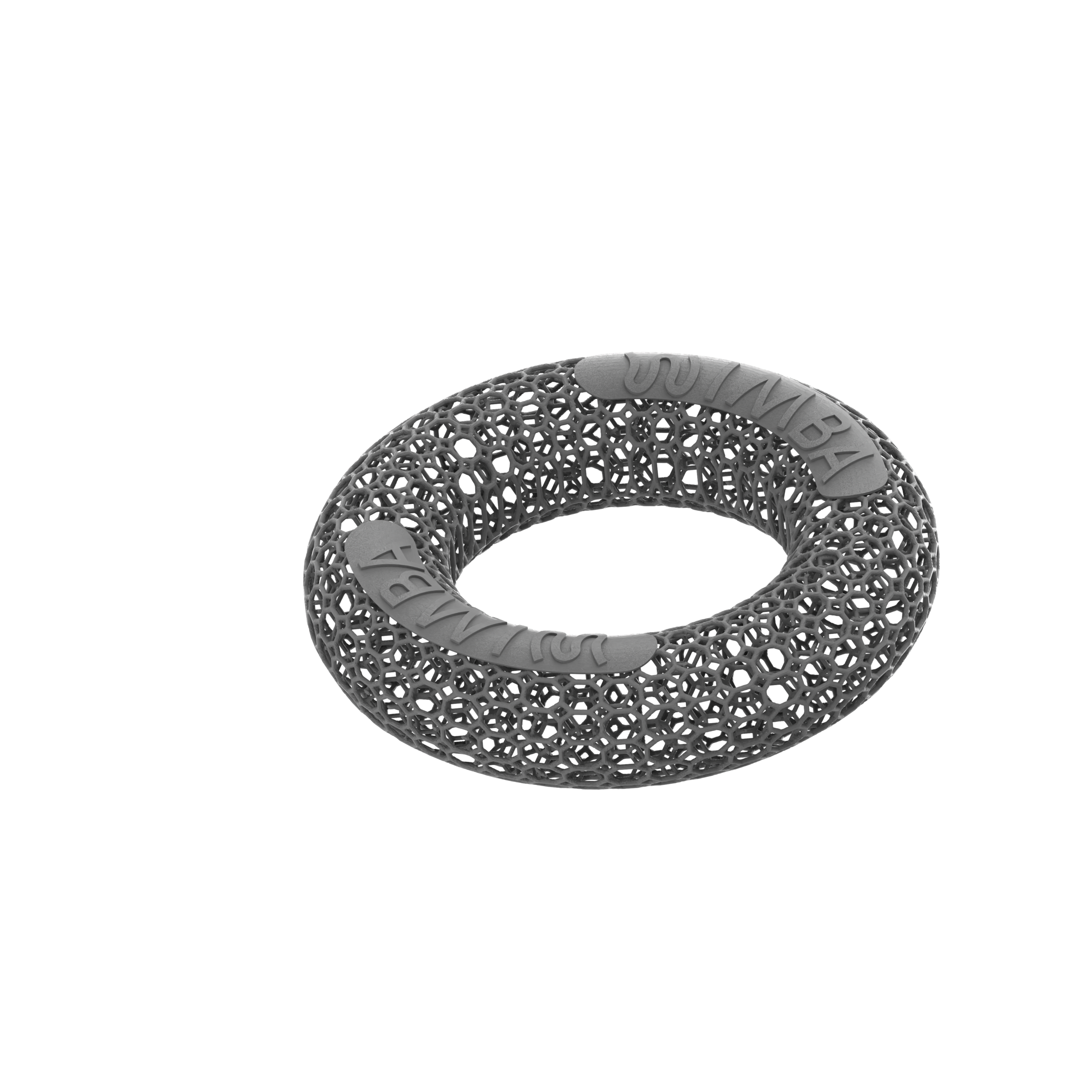
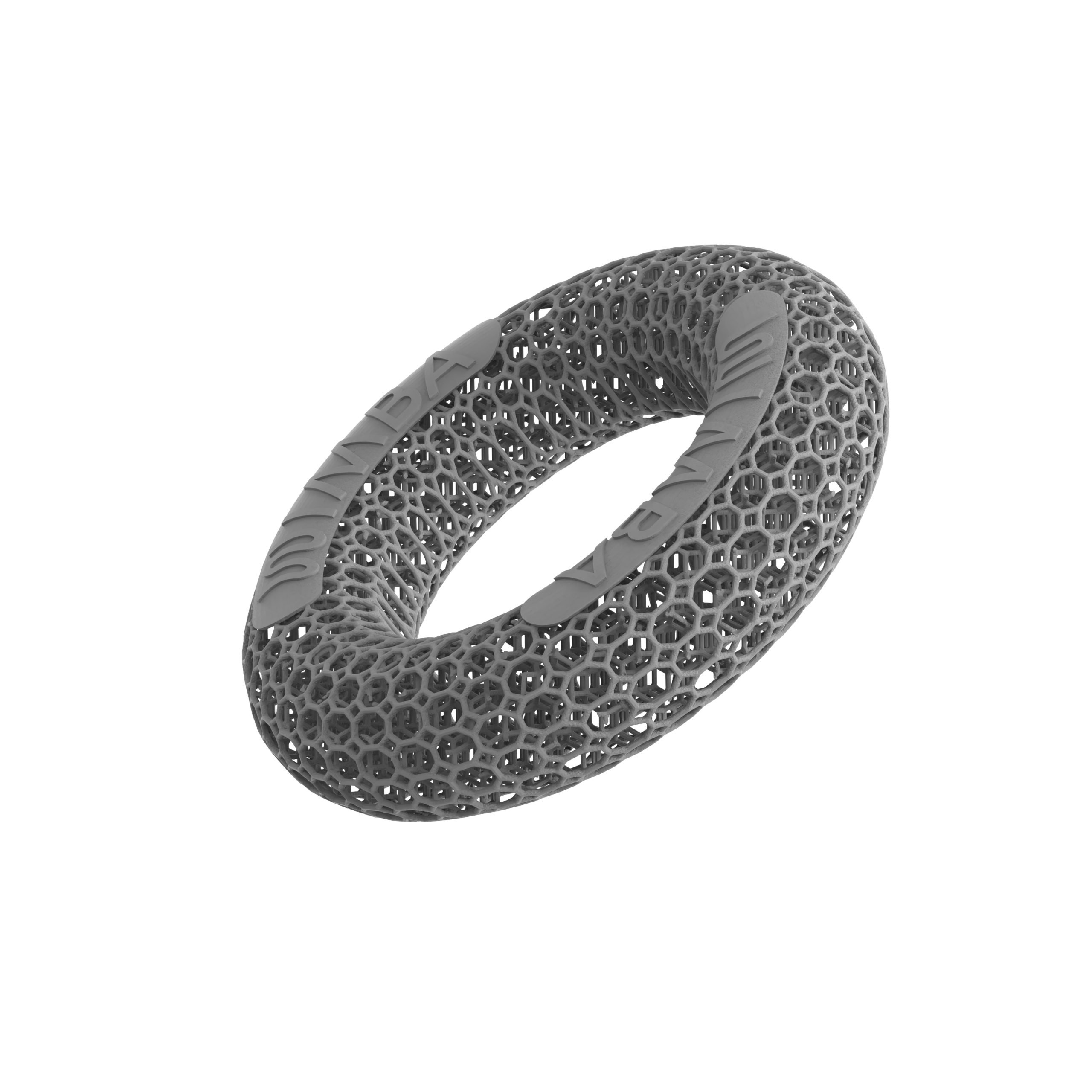
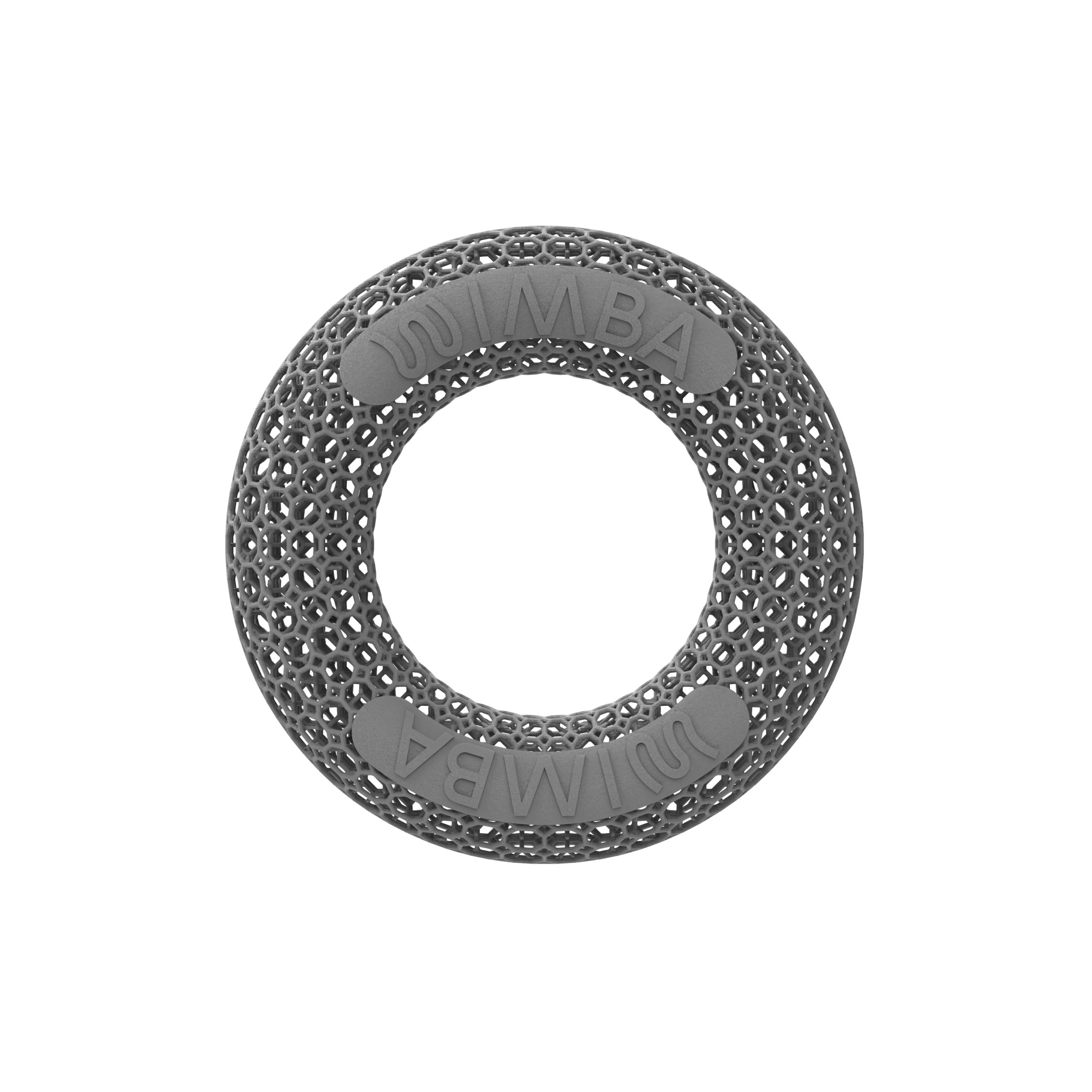
External veterinary wound care spacers have a separate function. They sit outside the primary dressing and create protective clearance around the covered area. Their mechanical role is to distribute external forces across a broader surface and reduce direct contact with the wound location. They are not implanted and are not a scaffold for bone or soft-tissue ingrowth.
WIMBA Wound Care products:
- Are positioned over a primary wound dressing
- Are secured as part of an external bandage construct
- Provide mechanical protection rather than antimicrobial treatment
- Do not replace drains, debridement, culture, imaging, systemic therapy, or revision surgery
- Must not be placed directly against an uncovered wound
What Veterinary Wound Care Spacers Can Do
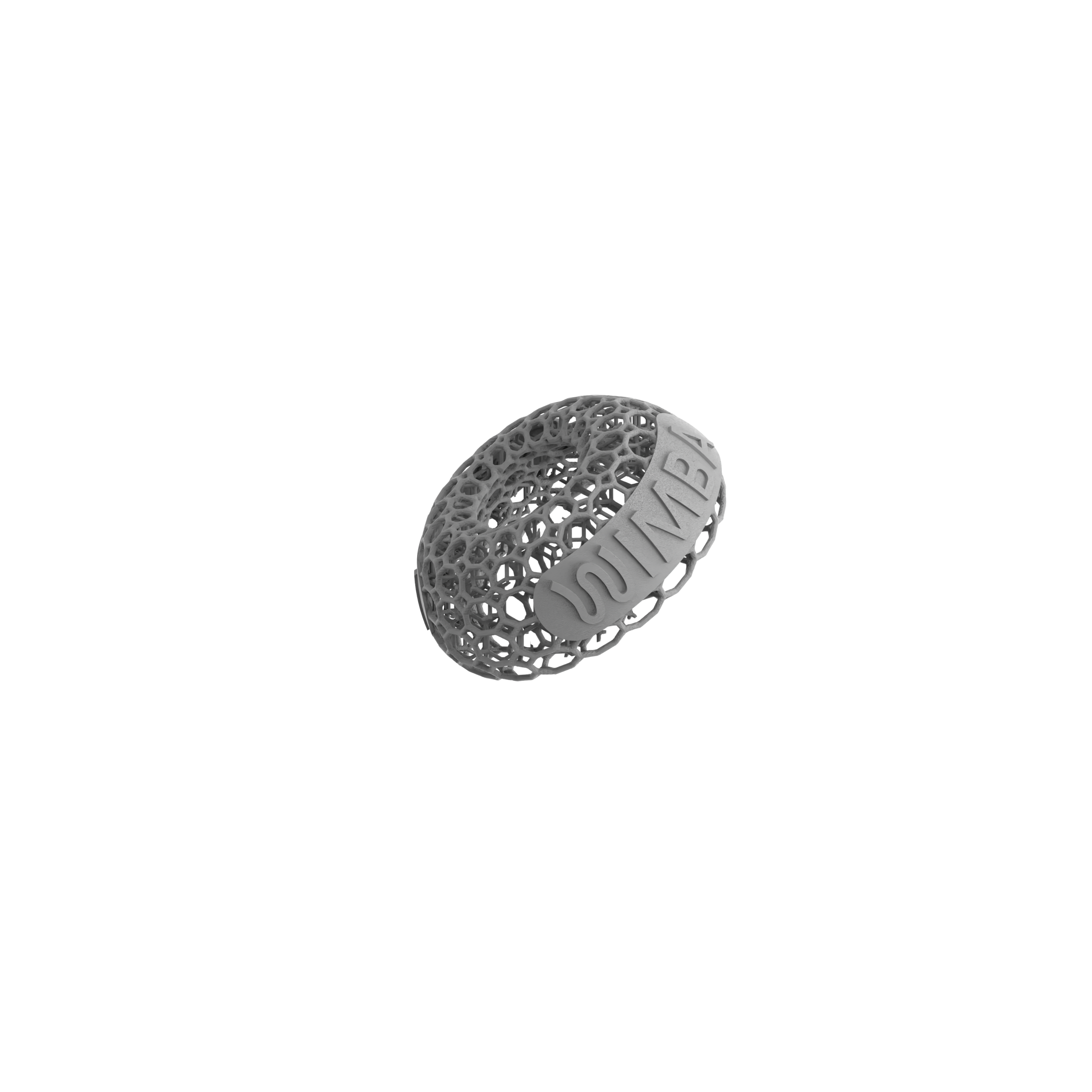
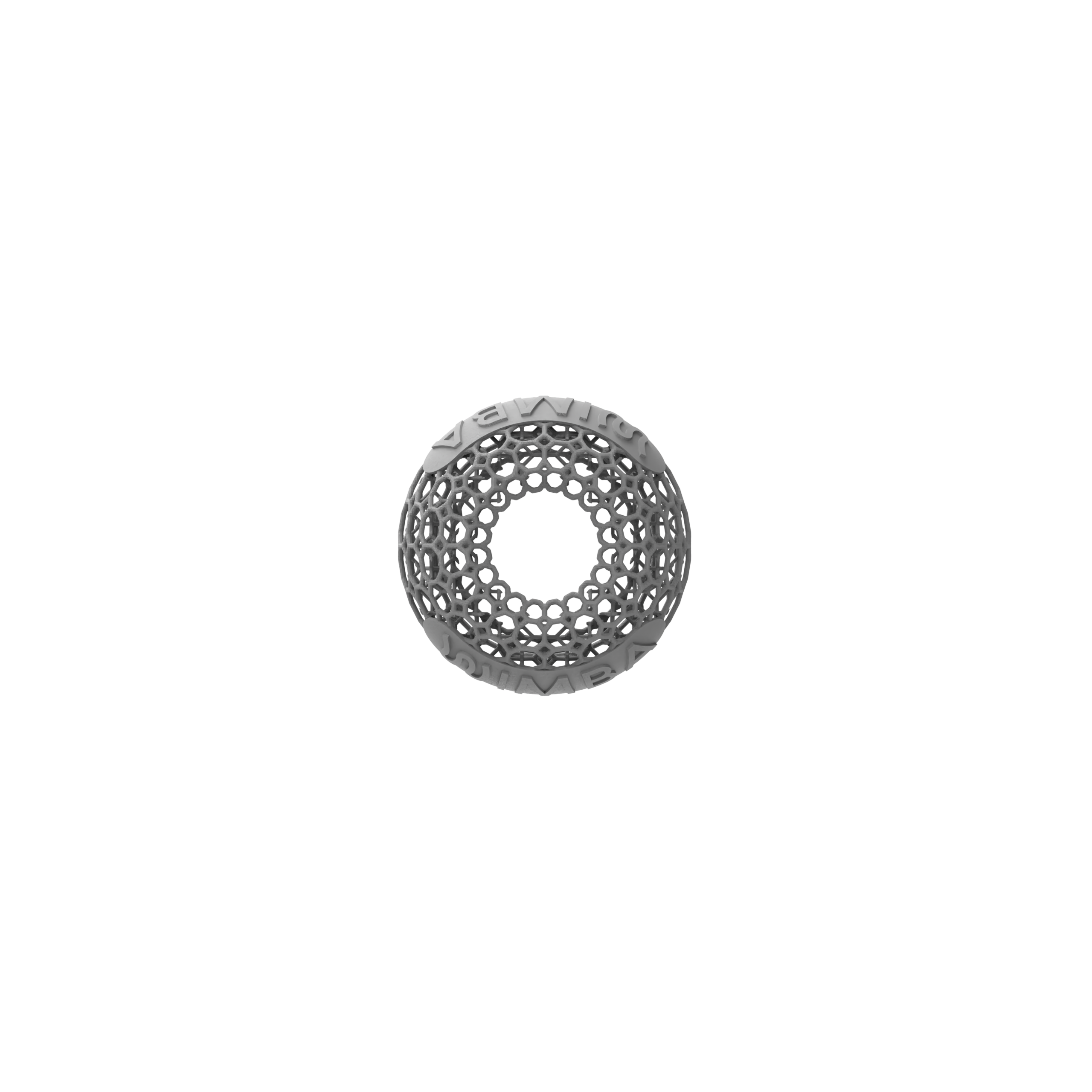
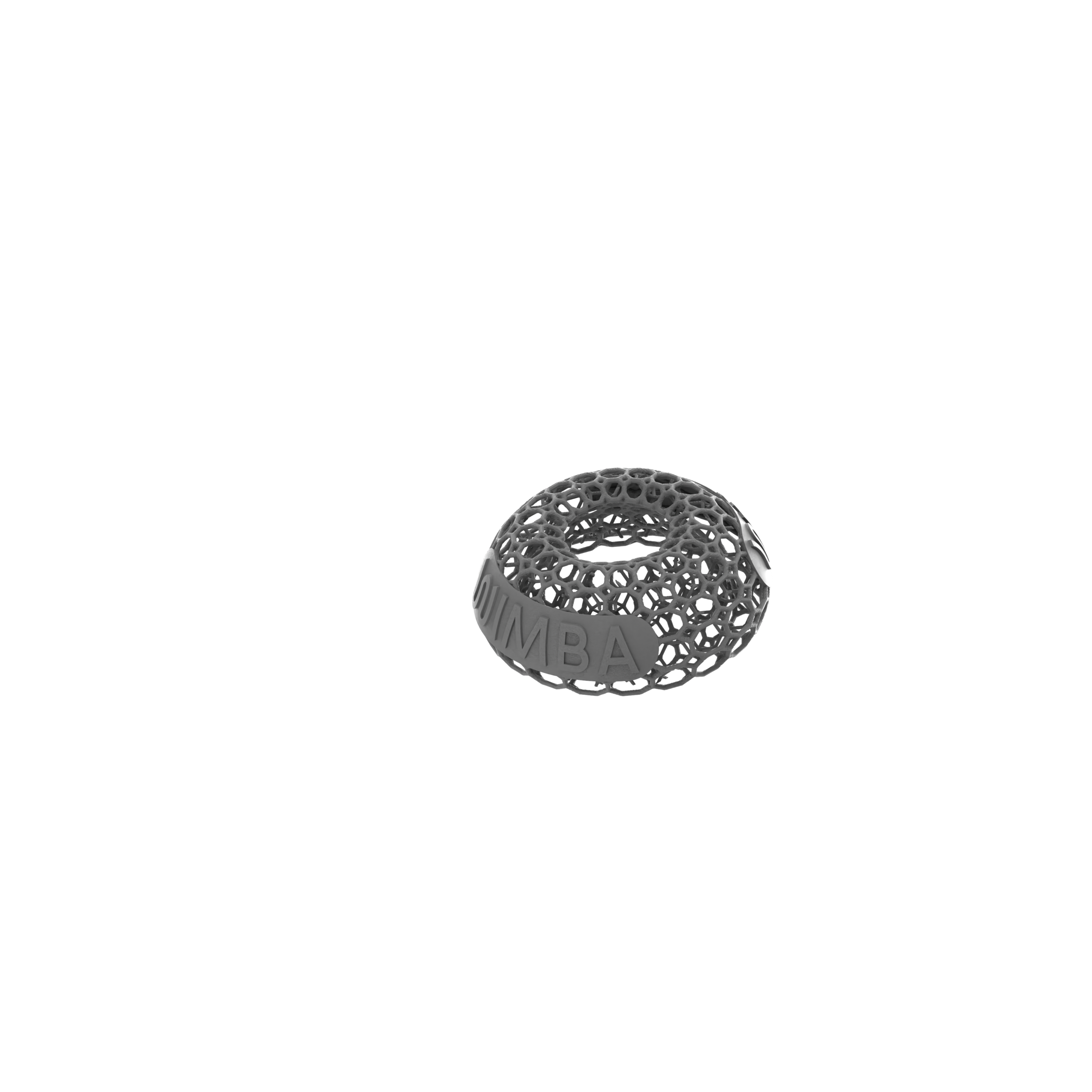
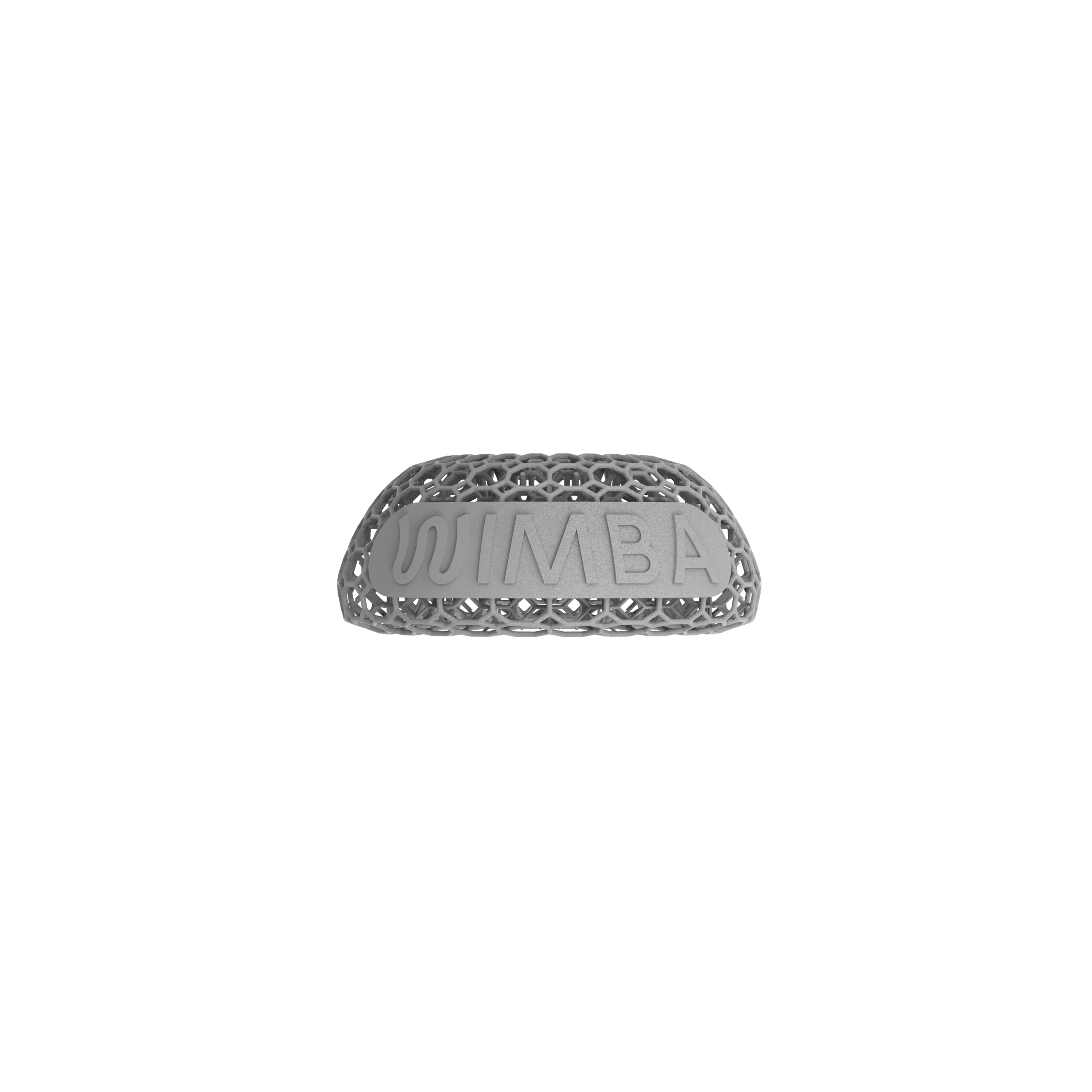
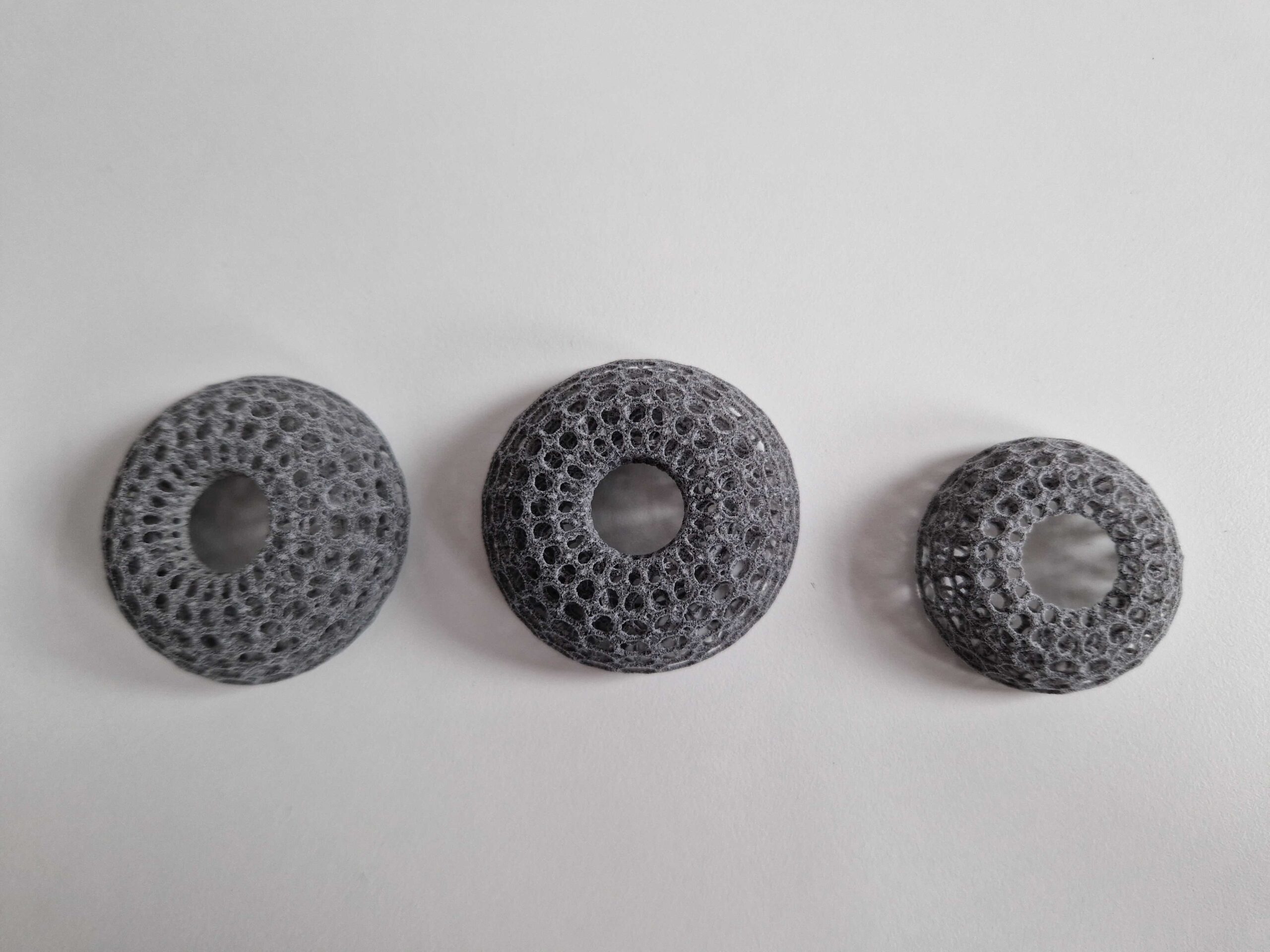
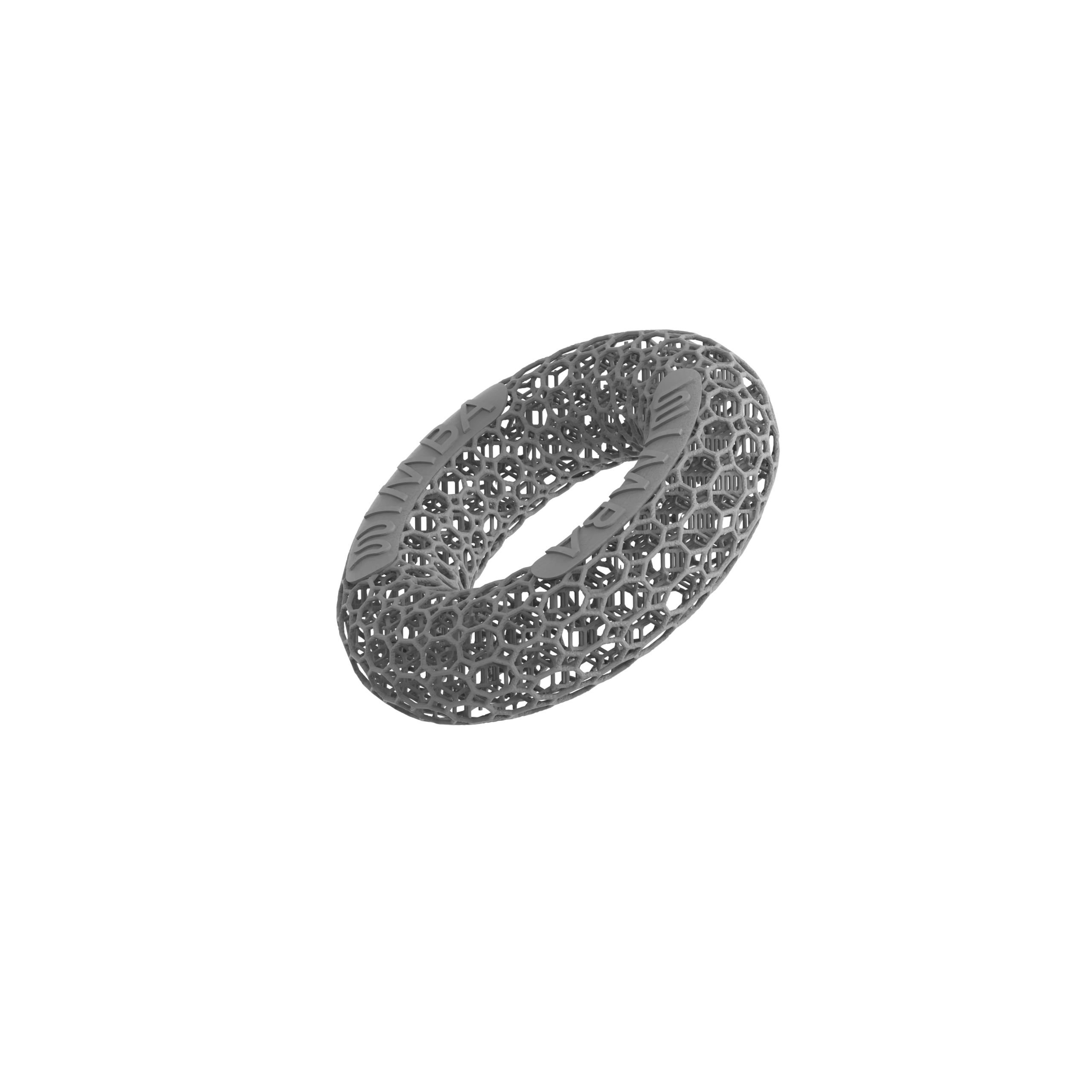
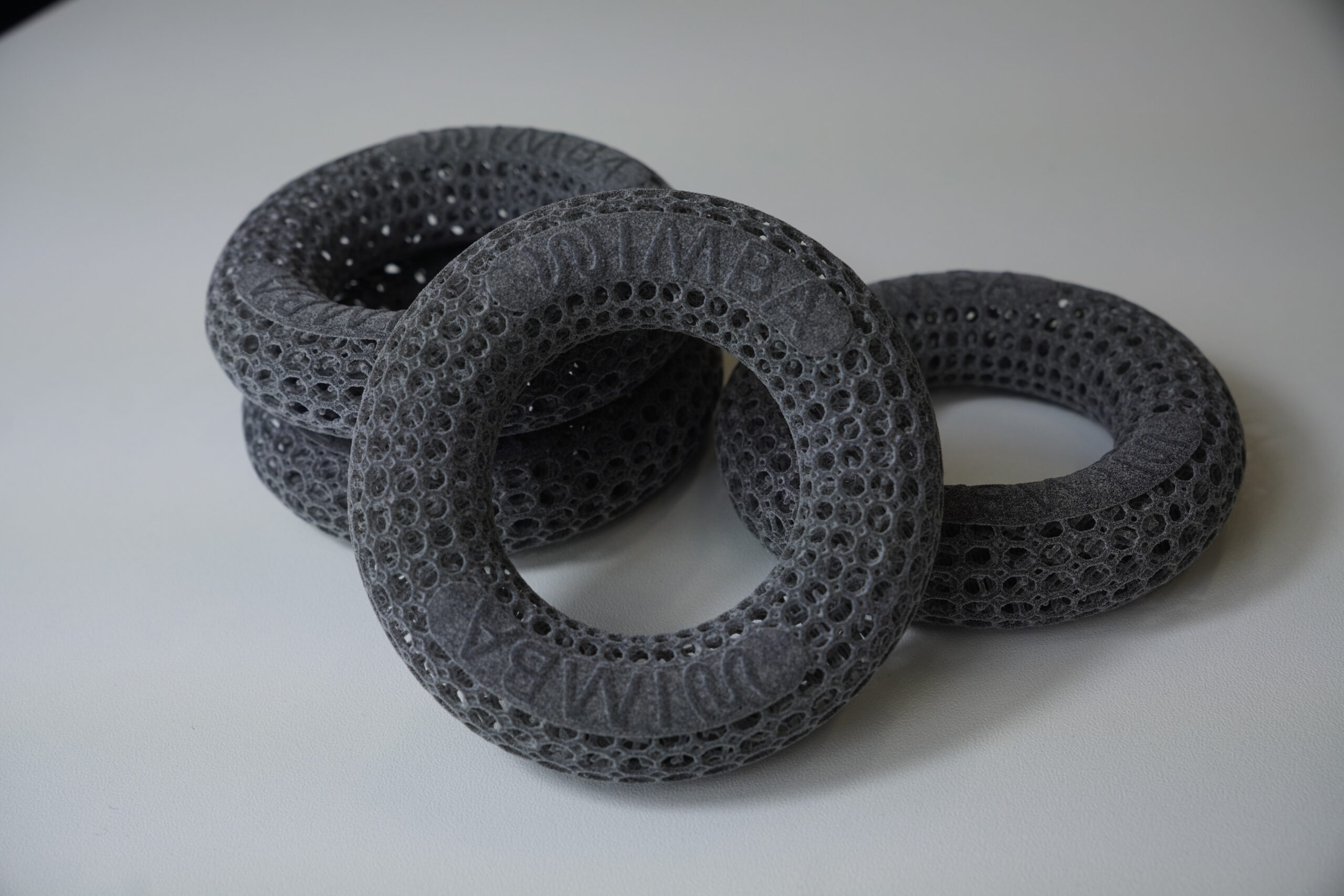
3D-printed wound care spacers can be shaped to protect a focal, rounded, or linear area while leaving clearance above the covered wound. Their open lattice architecture is lightweight and allows air movement within the spacer itself. The temperature, moisture, and airflow of the complete dressing still depend on the primary dressing, padding, outer layers, exudate, and frequency of bandage changes.
The most defensible clinical role is mechanical. A correctly selected spacer may help reduce direct pressure from lying on the area, accidental impact, or contact between an outer bandage and a sensitive site. It may also help protect the primary dressing from being compressed directly into a focal wound or incision.
These functions can be relevant to postoperative wound protection, but they do not establish that the wound will heal faster or that deep surgical-site infection will be prevented. The surgical team must continue to manage wound biology, contamination, perfusion, exudate, pain, implant stability, and oncological treatment.
Where Wound Care Spacers for Dogs May Fit in Limb-Sparing Cases
Protecting a Linear Surgical Incision
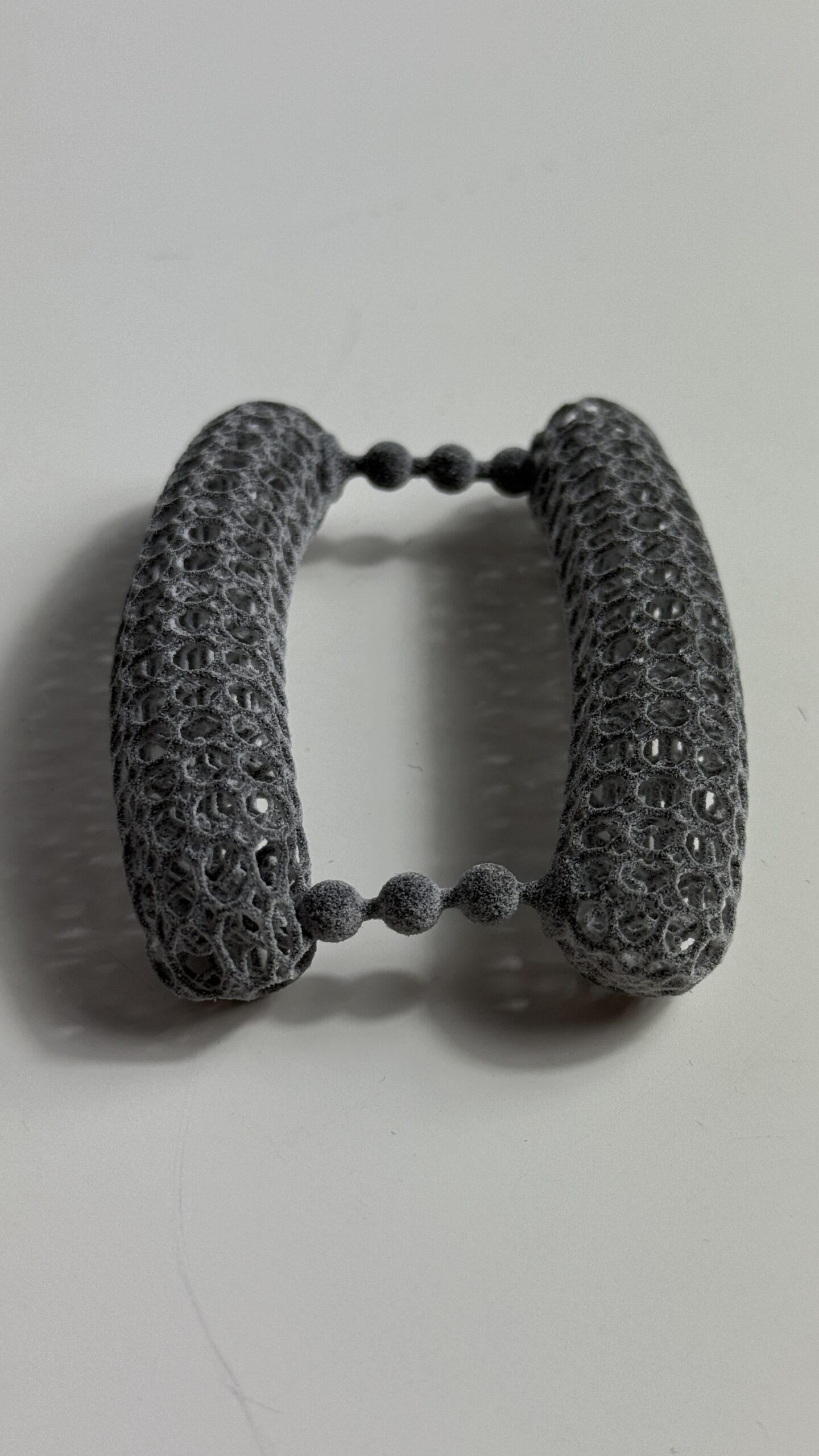
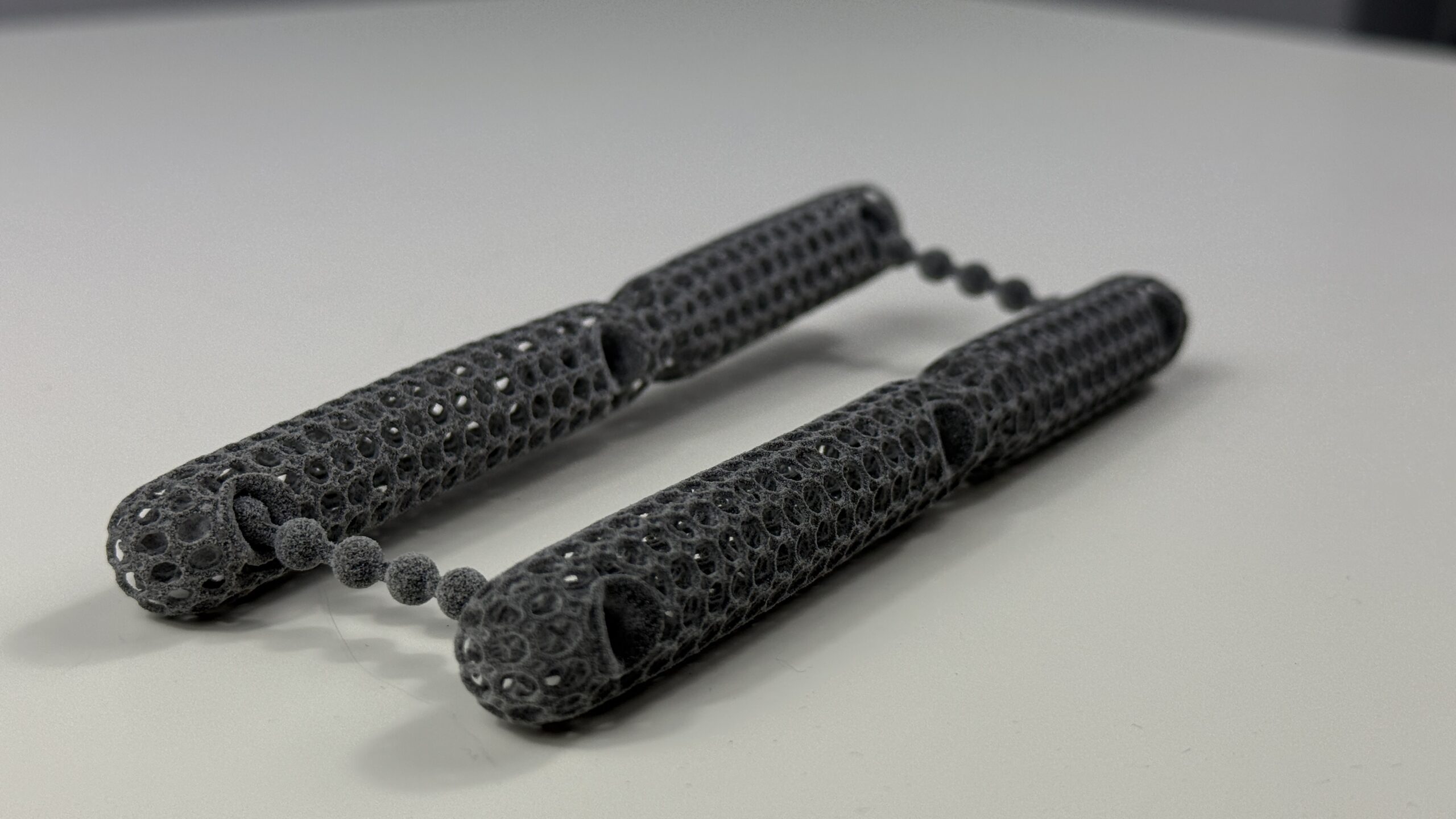
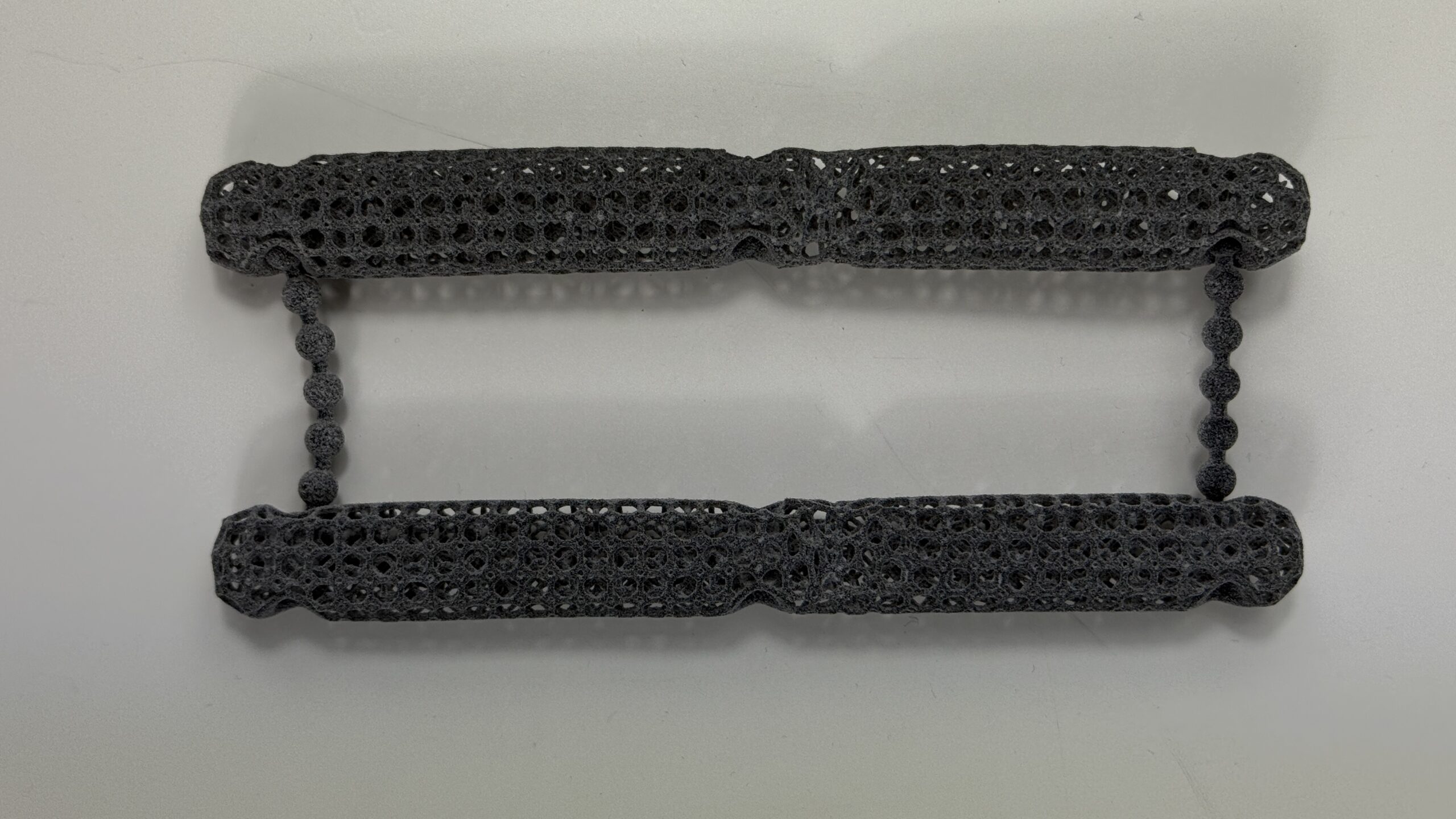
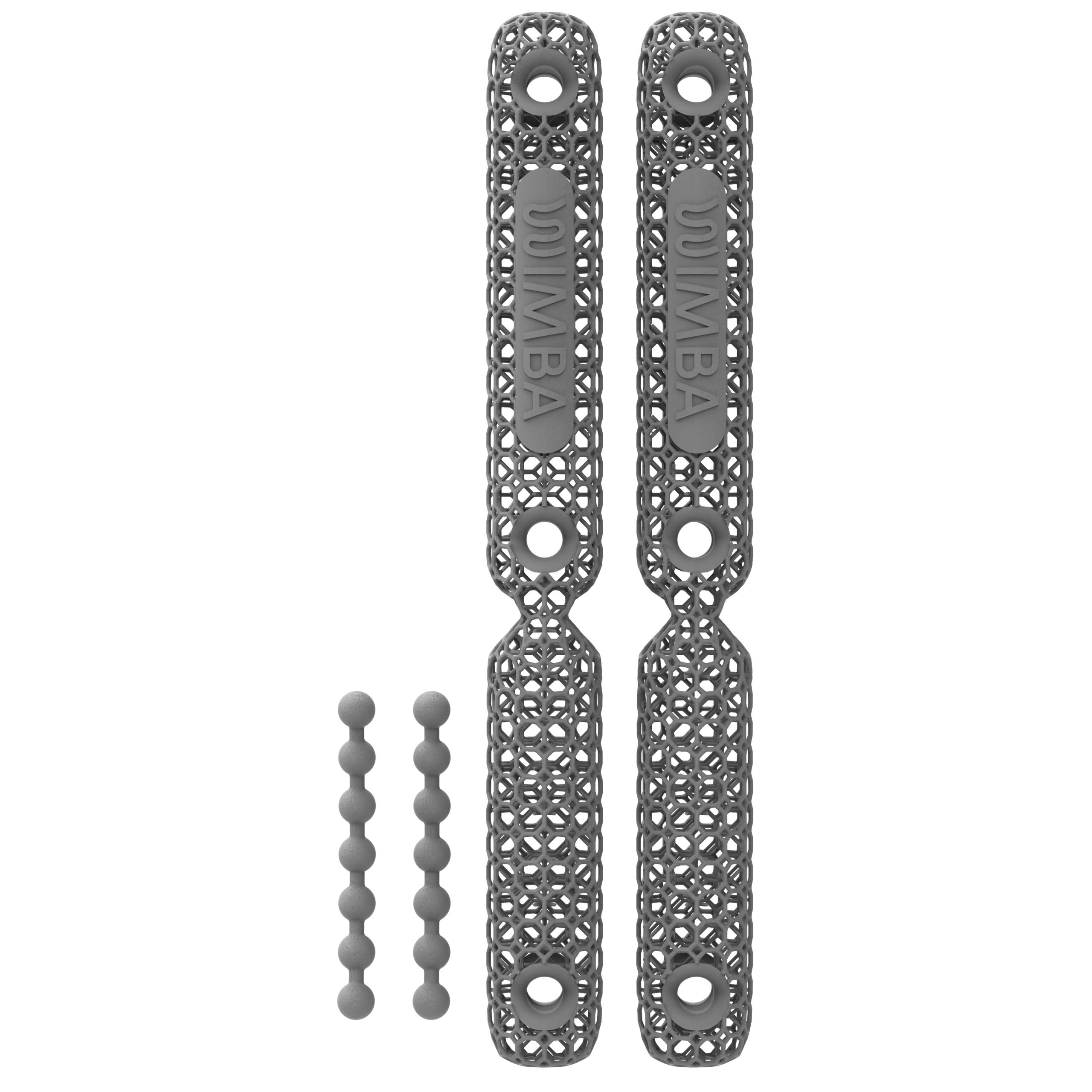
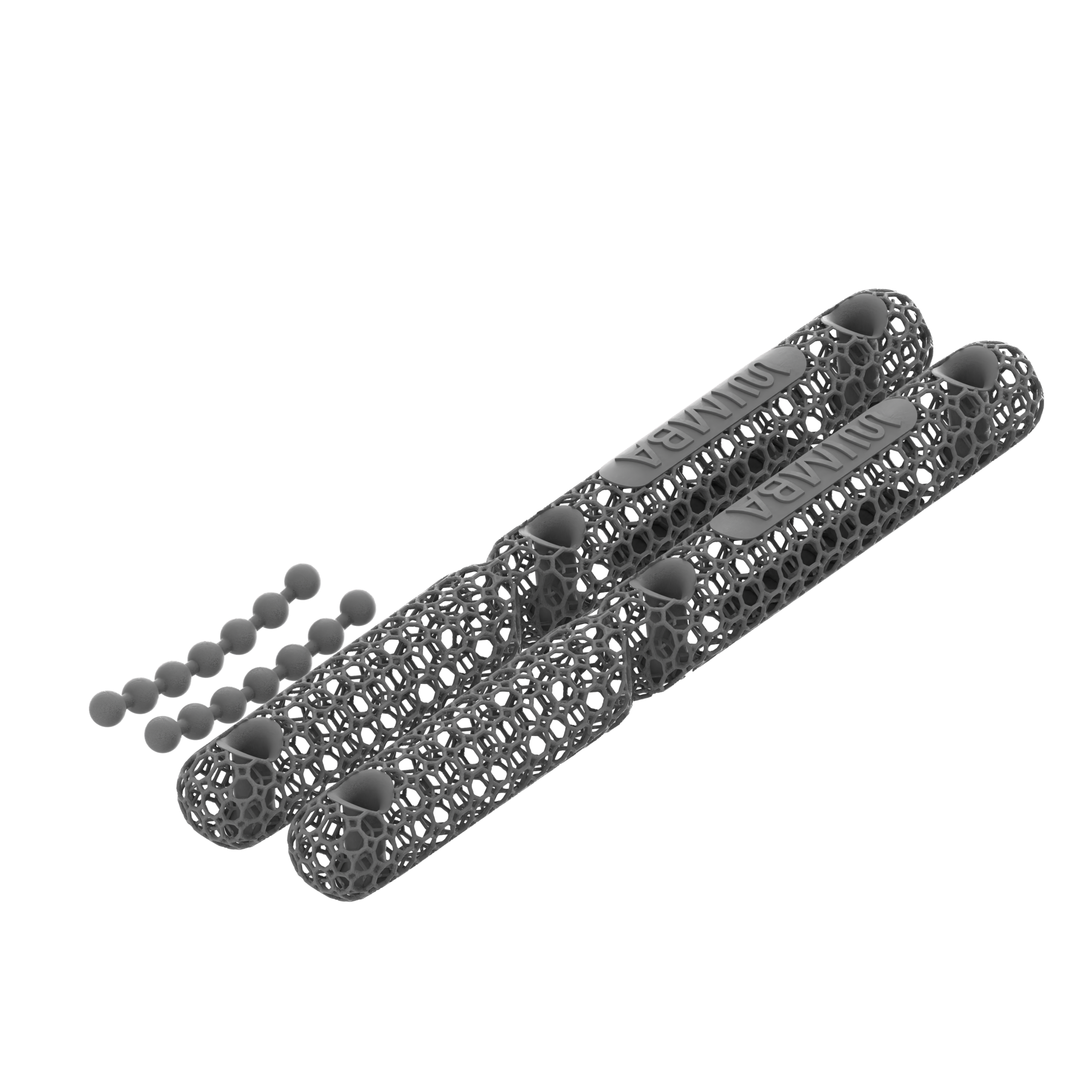
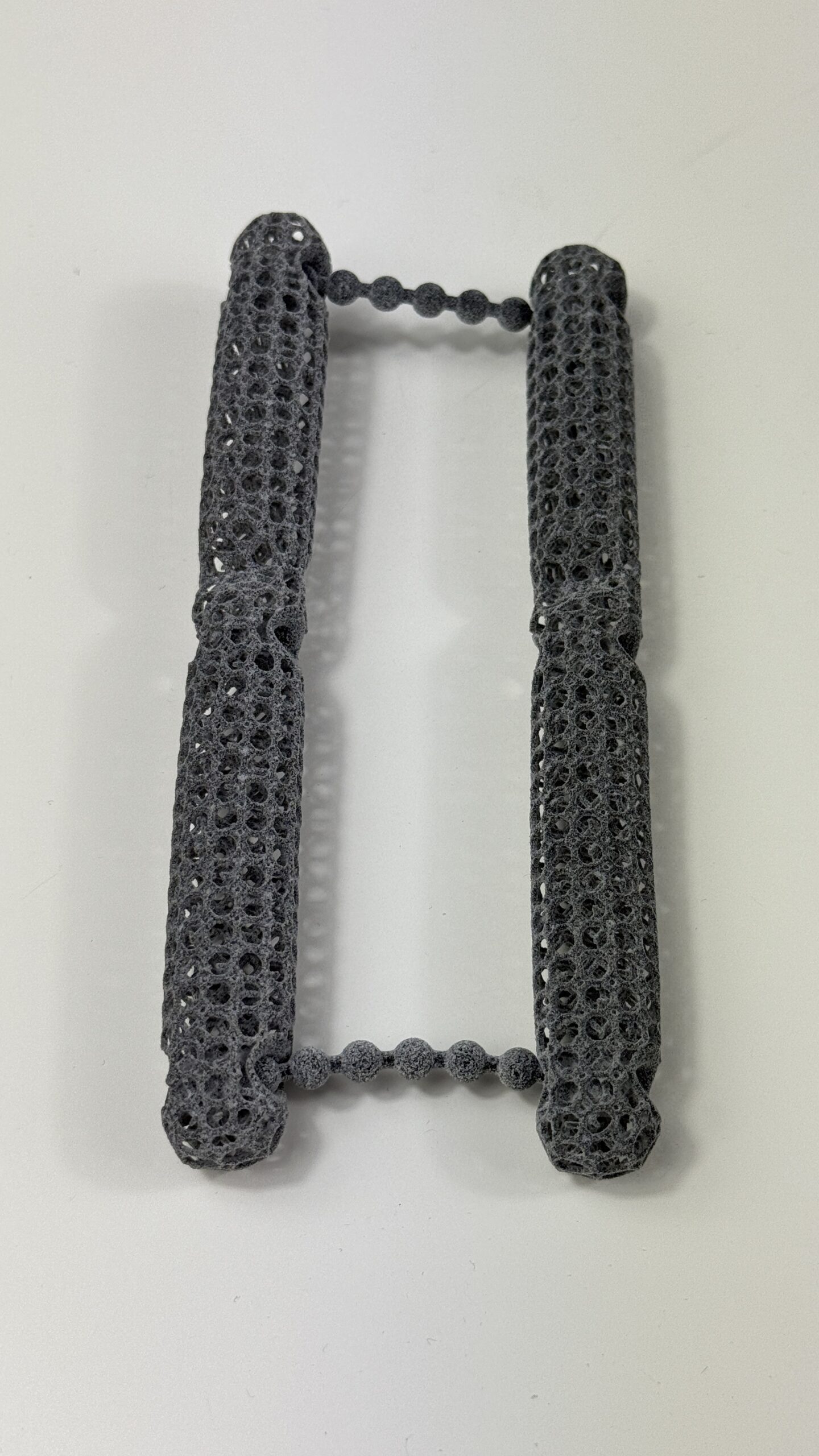
When a closed incision or covered linear wound lies beneath a bandage, Care Sticks may create clearance along the vulnerable line and spread external forces across the surrounding construct. The clinician must first decide whether the incision should be bandaged, which primary layer is appropriate, and whether the added spacer can be secured without creating new pressure points.
Protecting a Focal Wound or Pressure-Sensitive Area
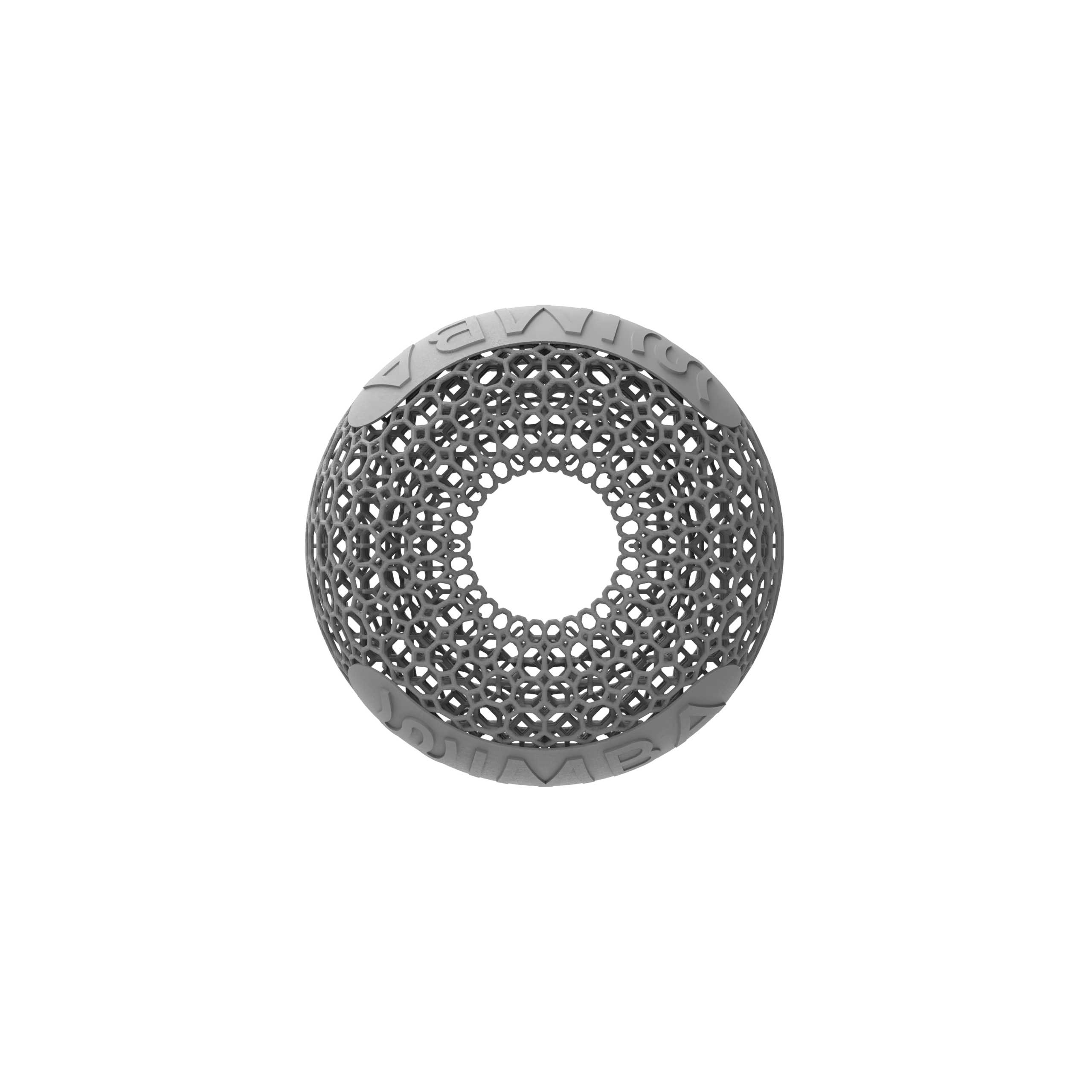
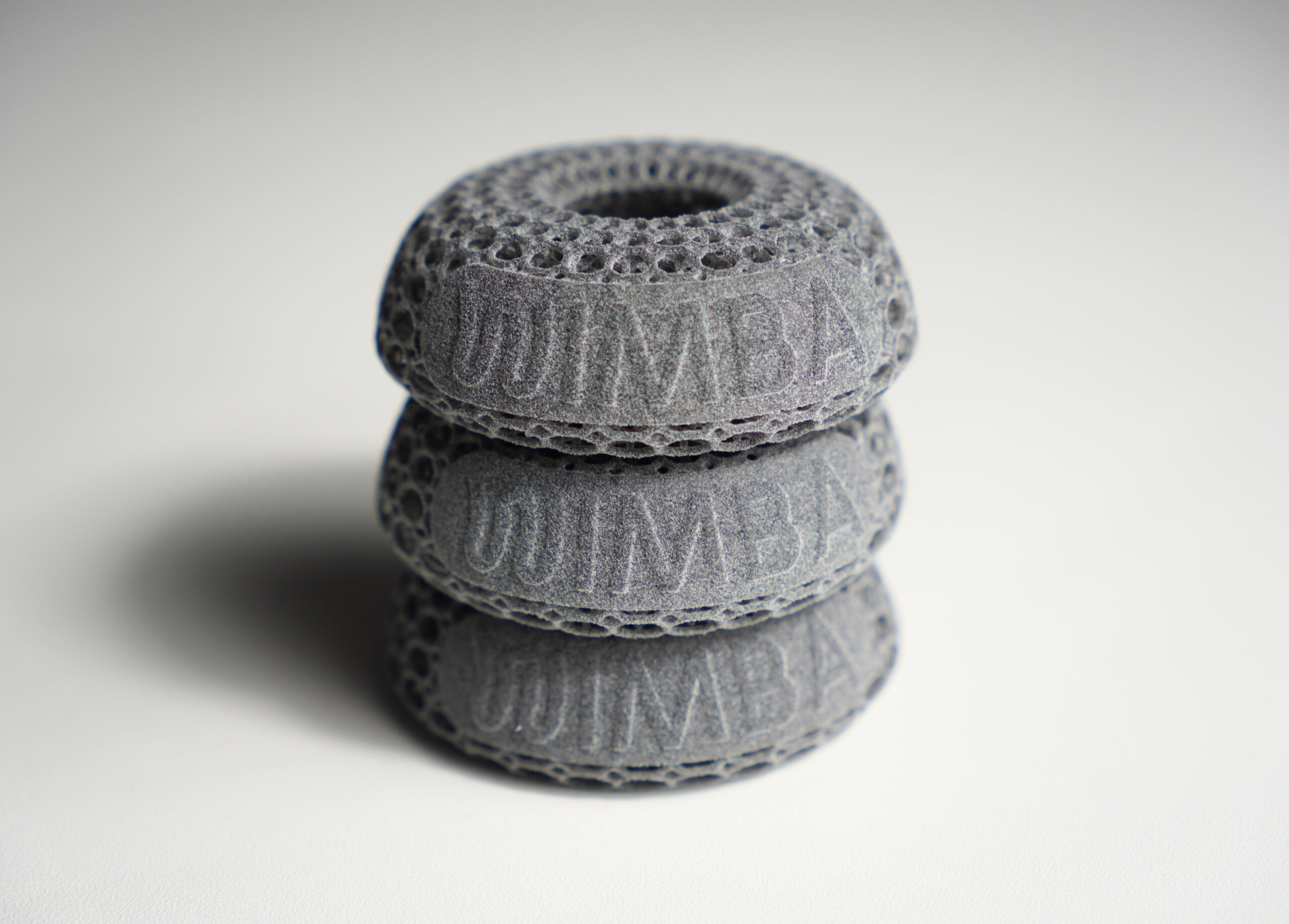
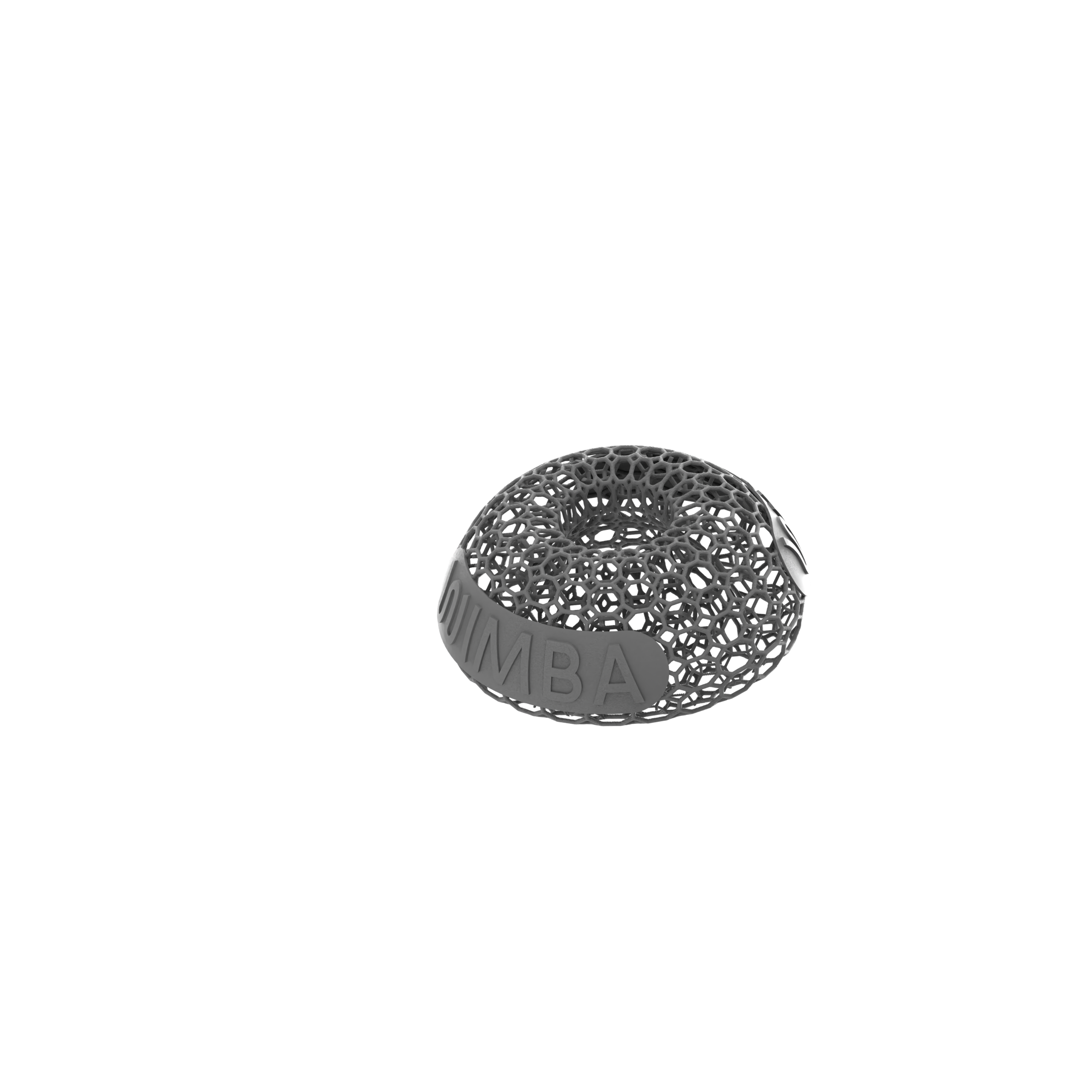
A Donut, Dome, or Gradient Dome may be considered when a focal covered area needs clearance from external contact. This may be relevant when the patient rests repeatedly on the affected side or when a bony prominence sits near the treatment area. Selection depends on wound dimensions, surrounding tissue, bandage stability, and the direction of expected force.
Supporting Protection During Repeated Bandage Changes
Repeated bandage replacement can change pressure distribution. In a preliminary study of 11 canine hind limbs, reapplication of the same rigid fibreglass splint by a second clinician produced a pressure change greater than 20 mmHg at one or more measured locations in 10 of 11 bandages.[6] The study evaluated splints rather than WIMBA products, but it illustrates why the entire bandage must be reassessed after every application.
External wound care spacers for dogs must therefore be treated as one component of a dynamic dressing. Limb swelling, patient position, padding, spacer migration, activity, and the tension of outer layers can all alter local conditions after the patient leaves the treatment table.
Choosing a Spacer for Postoperative Wound Protection
Product selection should follow wound geometry and the required direction of protection. The shape with the greatest coverage is not automatically the safest choice. The clinician must consider how the spacer will sit over the primary dressing, where its edges will transfer force, and whether it will remain stable when the dog stands, walks, and lies down.
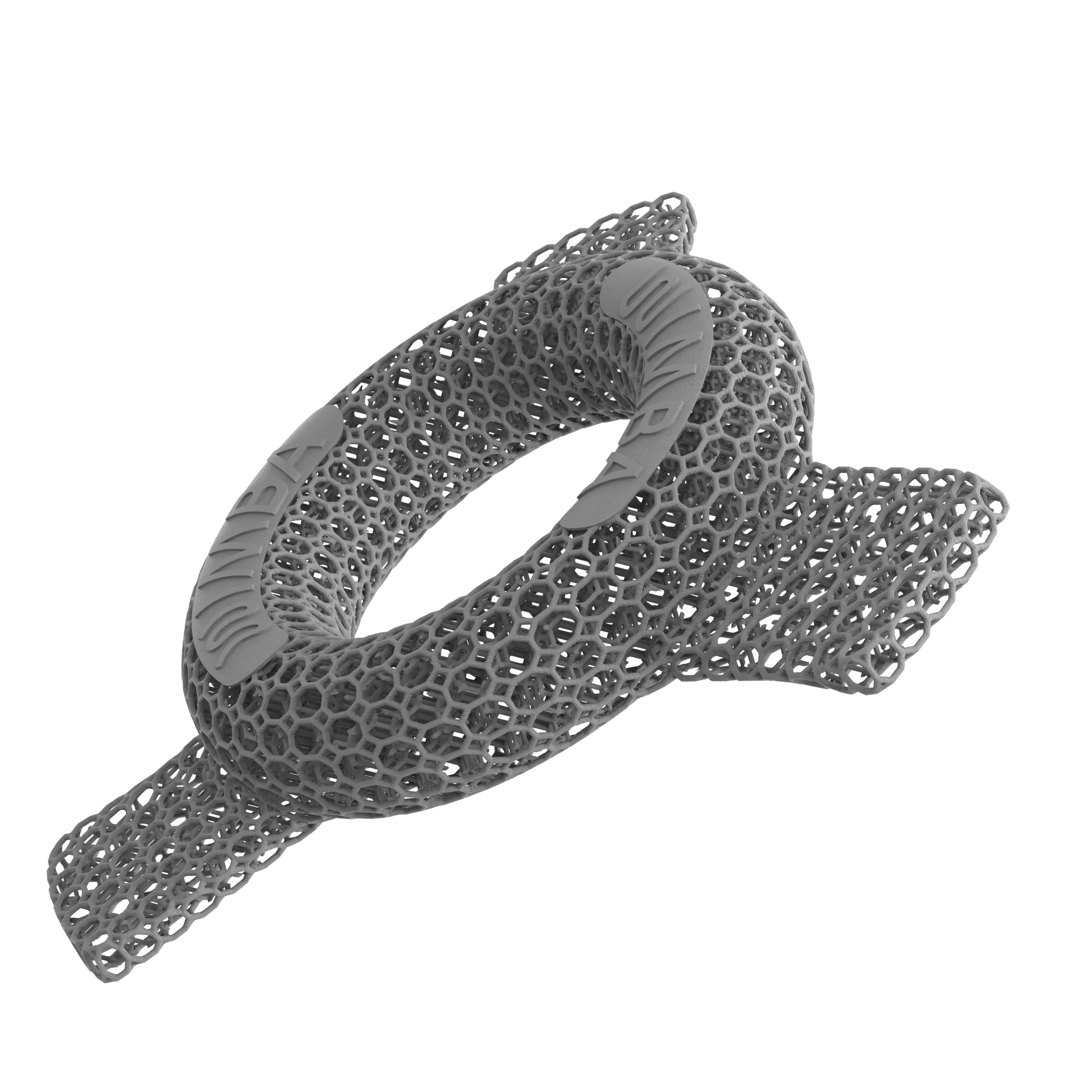
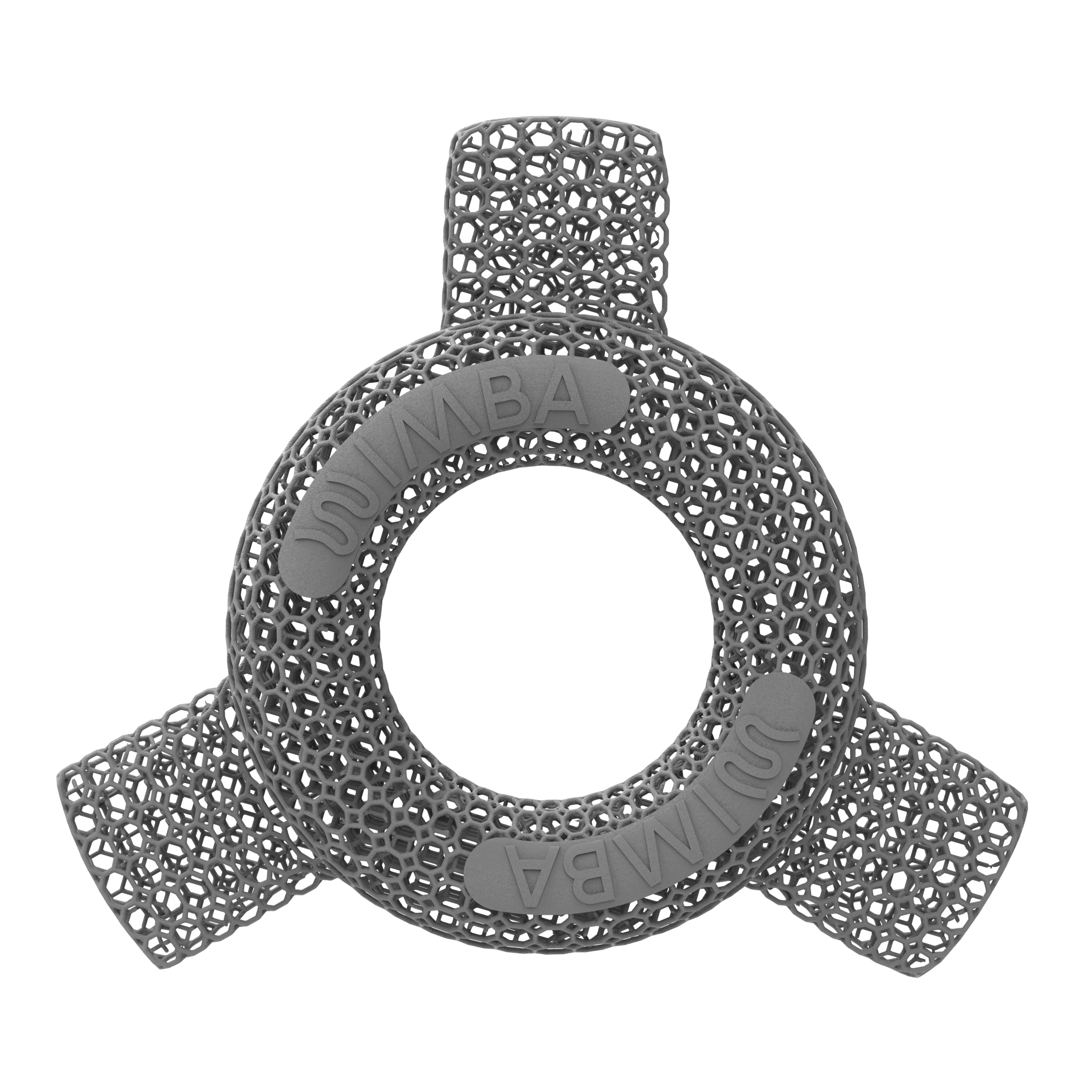
- Donut: focal round or oval wounds, calluses, pressure sores, and areas over bony prominences
- Dome: uniform external protection above a focal covered wound
- Gradient Dome: focal protection with a stiffness gradient around more delicate surrounding tissue
- Donut Wings: additional retention support for the Large Donut within an appropriately constructed bandage
- Care Sticks: linear wounds, incisions, lacerations, tears, or suture lines
The available 3D-printed wound care spacers are ready-to-use shapes rather than patient-specific internal implants. Care Sticks can be shortened at their designated narrow points to suit a narrower linear area. Any modification and application must follow the product instructions and the treating veterinary professional’s plan.
Applying Veterinary Wound Care Spacers Within a Bandage
Application in limb-sparing cases is shaped by what lies underneath the dressing: a fresh osteotomy, an allograft or endoprosthesis construct, and sometimes a surgical drain. The spacer should sit clear of drain exit sites and should not be relied upon to splint or stabilise the construct itself; implant stability is managed surgically, not by the external bandage. Positioning is chosen to protect the incision line and any adjacent portal sites from direct pressure or rubbing against the outer bandage layers, while leaving the surgical team’s chosen primary dressing undisturbed.
These patients carry a different risk profile from a routine orthopaedic wound. Reported postoperative wound infection rates after limb-sparing surgery for osteosarcoma are substantial, with one series recording infection in 32 of a cohort of dogs treated with cortical allograft or endoprosthesis reconstruction.[2] Concurrent or planned chemotherapy can further slow healing and mask early signs of infection, so a spacer used in this setting should never be treated as a reason to extend the interval between bandage changes or clinical rechecks.
Because bandaging itself is not risk-free, the complete construct still needs the same close inspection expected of any coaptation. A retrospective study of 60 dogs and cats treated with casts found soft-tissue injury in 63%, with injuries ranging from mild to severe.[4] Those data concern casts rather than protective spacers, but given how often limb-sparing wounds go on to need a secondary procedure,[3] owners should be given written instructions on activity restriction, keeping the bandage clean and dry, the scheduled change interval, and the signs that warrant an urgent recheck: swelling above or below the bandage, cold or discoloured digits, increasing pain, chewing at the bandage, odour, strike-through, slippage, or a sudden change in limb use.
What the Evidence Does and Does Not Show
The literature confirms that complications following limb-sparing surgery in dogs can include infection, implant failure, local recurrence, and secondary amputation. In a retrospective dataset of 192 dogs, 31 underwent secondary amputation, with local recurrence and surgical-site infection among the most common reasons.[3]
The literature also demonstrates that external coaptation can create clinically meaningful and unpredictable pressure points.[5][6] These findings provide a rationale for careful pressure management, dressing protection, and frequent inspection. They do not prove that an external spacer prevents deep infection, implant failure, dehiscence, or secondary amputation.
Direct prospective comparative evidence for WIMBA products specifically after limb-sparing procedures is not currently available. Their role should therefore be described as adjunctive external wound protection. Outcomes remain dependent on the underlying procedure, tumour biology, implant, wound condition, infection control, bandaging technique, patient behaviour, and follow-up.
When External Protection Is Not Enough
A protective spacer cannot correct wound dehiscence, remove devitalised tissue, drain a deep cavity, stabilise a failing implant, or treat infection. Increasing discharge, malodour, heat, swelling, fever, pain, loss of limb function, visible implant material, or separation of the incision requires prompt surgical assessment.
Culture, imaging, debridement, drainage, antimicrobial therapy, implant revision, reconstruction, or secondary amputation may be required depending on the diagnosis. Adding further dressing layers without identifying the cause can conceal progression and delay definitive care.
WIMBA Wound Care for Veterinary Teams
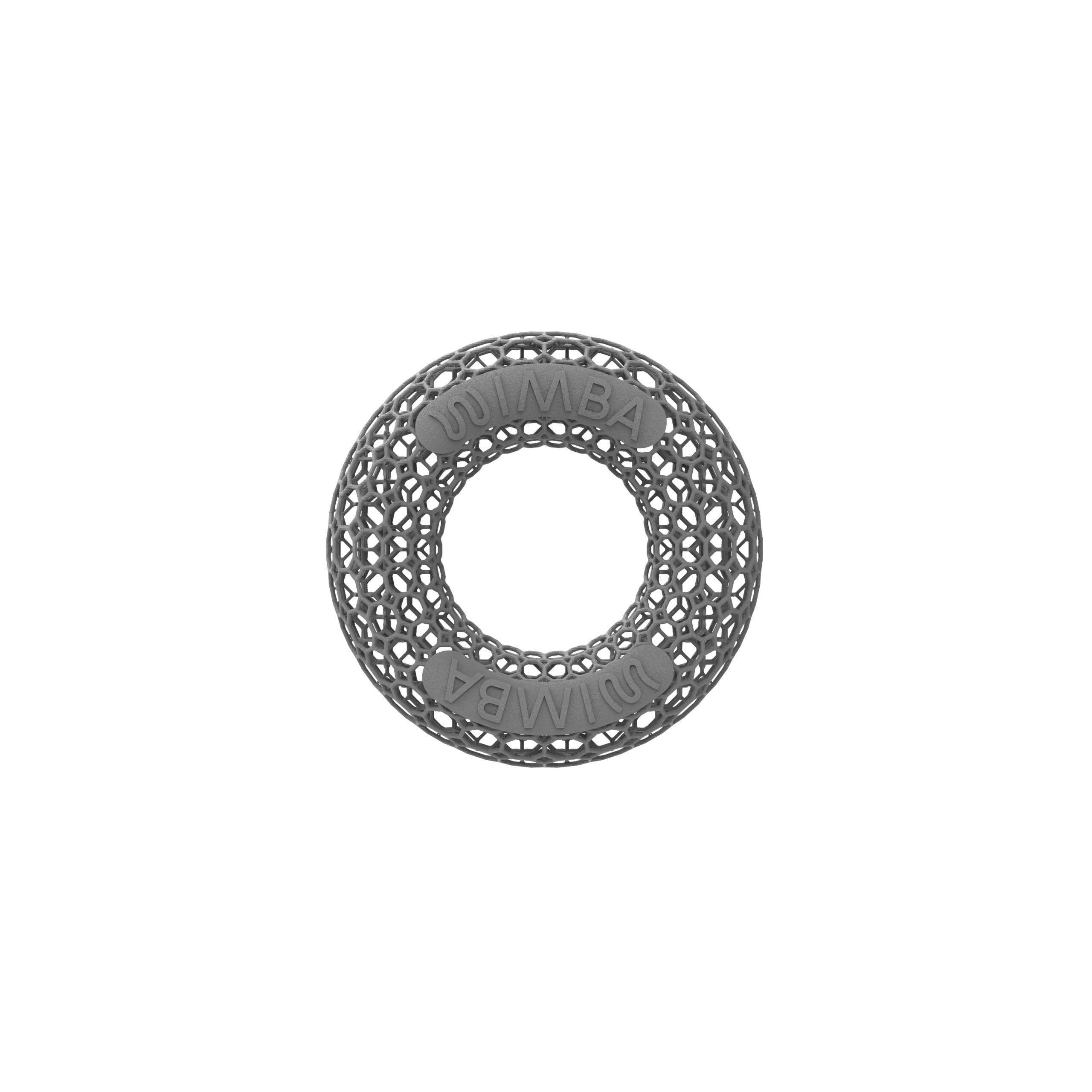
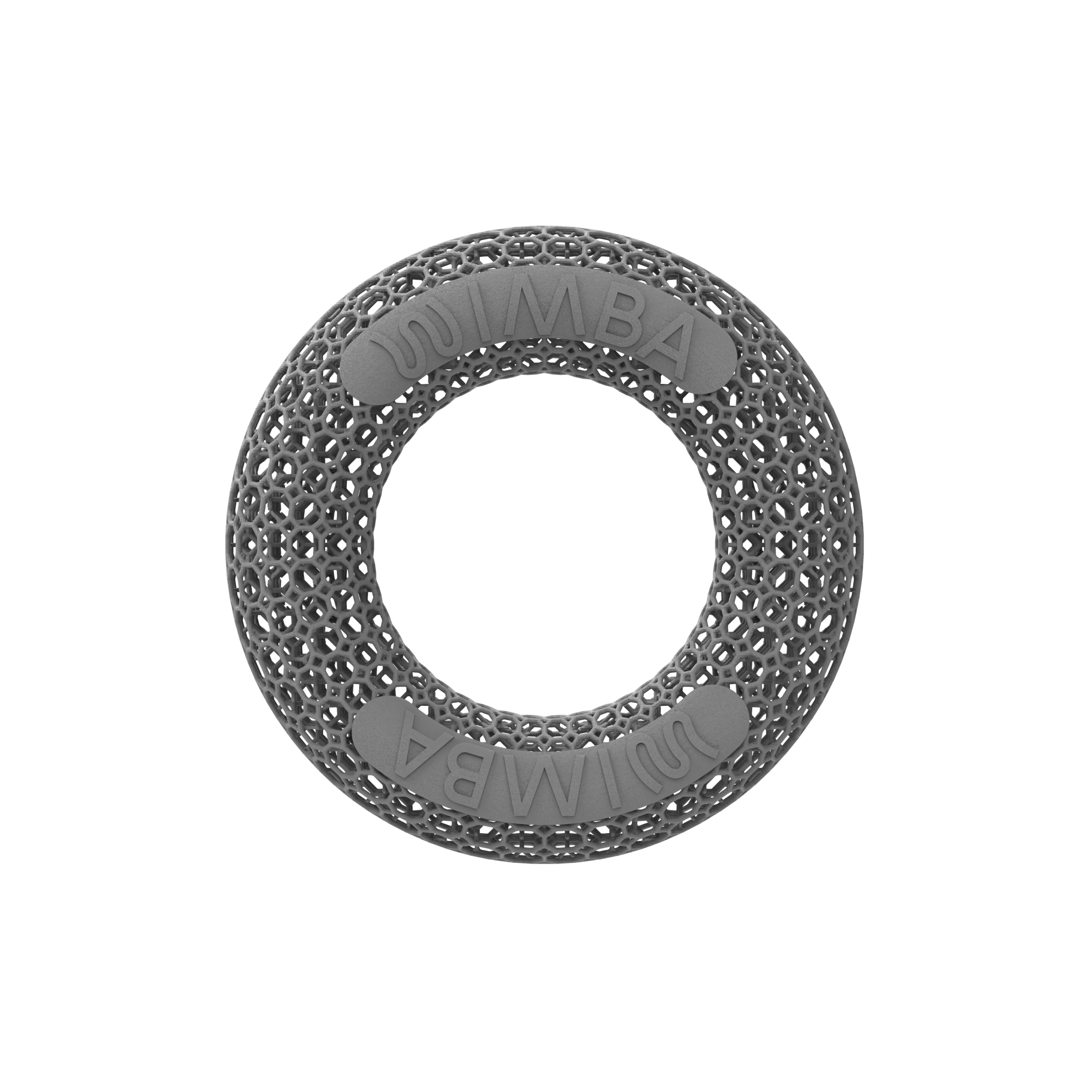
WIMBA offers reusable veterinary wound care spacers designed to work over primary dressings. The Donut, Dome, Gradient Dome, Donut Wings, and Care Sticks provide different shapes and levels of external protection for wounds, sutures, calluses, pressure sores, and pressure-sensitive areas.
WIMBA’s 3D-printed wound care spacers are lightweight, flexible, and available for clinical use without patient scanning. According to the product instructions, they may be hand-cleaned with lukewarm water and surgical or mild pH-neutral soap, air-dried, and reused up to five times. The clinician should replace a product earlier if its integrity, cleanliness, fit, or protective function is compromised.
For selected patients recovering from canine limb-sparing procedures, the team can evaluate whether external protection adds value around a covered incision or wound. Product choice and bandage technique remain the responsibility of the treating veterinary professional.
Frequently Asked Questions About Veterinary Wound Care Spacers
What are veterinary wound care spacers?
Veterinary wound care spacers are external protective elements positioned over a primary dressing and secured within a bandage. They create clearance around a covered wound and help distribute external pressure or friction across a broader area. They are not implanted into the patient.
Can a WIMBA spacer be placed directly on a wound?
No. The wound must first be covered with a primary dressing selected by the veterinary professional. The WIMBA spacer is placed over that dressing and stabilised with the outer bandage layers. Direct placement against an uncovered wound is not the intended use.
Do wound care spacers for dogs release antibiotics?
WIMBA wound care spacers for dogs do not release antibiotics and do not replace internal PMMA, calcium sulphate, or another surgically selected carrier. Their function is external mechanical protection. Suspected infection requires diagnostic and treatment decisions from the surgical team.
How may spacers help after limb-sparing surgery in dogs?
After limb-sparing surgery in dogs, an external spacer may be incorporated when a covered incision or wound needs protection from direct contact, pressure, or friction. It does not treat deep infection, fill the surgical cavity, or support the implant. The surgeon determines whether external bandaging and spacer use are appropriate.
Which spacer can provide postoperative wound protection?
The appropriate shape depends on the wound and expected force. Care Sticks are intended for linear wounds and suture lines, while Donuts and Domes protect focal areas. Effective postoperative wound protection also depends on the primary dressing, padding, outer bandage, stability, and inspection schedule.
Are 3D-printed wound care spacers patient-specific?
WIMBA 3D-printed wound care spacers are ready-to-use products available in defined shapes and sizes. They are not produced from CT data or implanted into a resection cavity. Care Sticks can be shortened at designated points to better match a narrower linear area.
When should a wound or bandage be reviewed urgently?
Urgent review is appropriate for increasing pain, swelling, heat, discharge, odour, fever, wound separation, visible implant material, cold or discoloured digits, bandage slippage, strike-through, or sudden reduction in limb use. The spacer and bandage should not conceal a deteriorating surgical site.
Medical Disclaimer: All information on this website is intended for instruction and information purposes only. The authors are not responsible for any harm or injury that may result. Significant injury risk is possible if you do not seek suitable professional advice about your patient’s specific situation. No guarantees of specific results are expressly made or implied on this website.
Scientific References
- Liptak JM, Dernell WS, Ehrhart N, Lafferty MH, Monteith GJ, Withrow SJ. Cortical allograft and endoprosthesis for limb-sparing surgery in dogs with distal radial osteosarcoma: a prospective clinical comparison of two different limb-sparing techniques. Vet Surg. 2006;35(6):518–533. doi:10.1111/j.1532-950X.2006.00185.x
- Lascelles BDX, Dernell WS, Correa MT, et al. Improved survival associated with postoperative wound infection in dogs treated with limb-salvage surgery for osteosarcoma. Ann Surg Oncol. 2005;12(12):1073–1083. doi:10.1245/ASO.2005.01.011
- Wustefeld-Janssens BG, Séguin B, Ehrhart NP, Worley DR. Analysis of outcome in dogs that undergo secondary amputation as an end-point for managing complications related to limb salvage surgery for treatment of appendicular osteosarcoma. Vet Comp Oncol. 2020;18(1):84–91. doi:10.1111/vco.12513
- Meeson RL, Davidson C, Arthurs GI. Soft-tissue injuries associated with cast application for distal limb orthopaedic conditions: a retrospective study of sixty dogs and cats. Vet Comp Orthop Traumatol. 2011;24(2):126–131. doi:10.3415/VCOT-10-03-0033
- Iodence AE, Olsen AM, McGilvray KC, Duncan CG, Duerr FM. Use of pressure mapping for quantitative analysis of pressure points induced by external coaptation of the distal portion of the pelvic limb of dogs. Am J Vet Res. 2018;79(3):317–323. doi:10.2460/ajvr.79.3.317
- Thibodaux B, Eginton K, Gordon-Evans W. Sub-bandage pressure changes in canine hindlimbs after re-application of custom rigid fiberglass splints. BMC Vet Res. 2024;20:574. doi:10.1186/s12917-024-04437-6