




Using a WIMBA orthosis or prosthesis is a meaningful investment in your dog’s health, but it does require daily involvement, consistency, and a bit of patience. In this article, we’ll walk you through what daily use really looks like and what to know before getting a pet orthotic, so you can support your dog with confidence from day one.
Daily Application of Your WIMBA Device
You’ll be responsible for putting the device on (donning) and taking it off (doffing) regularly. It can feel awkward at first, but most pet parents get the hang of it quickly. Video guides and written instructions are always available to support you.
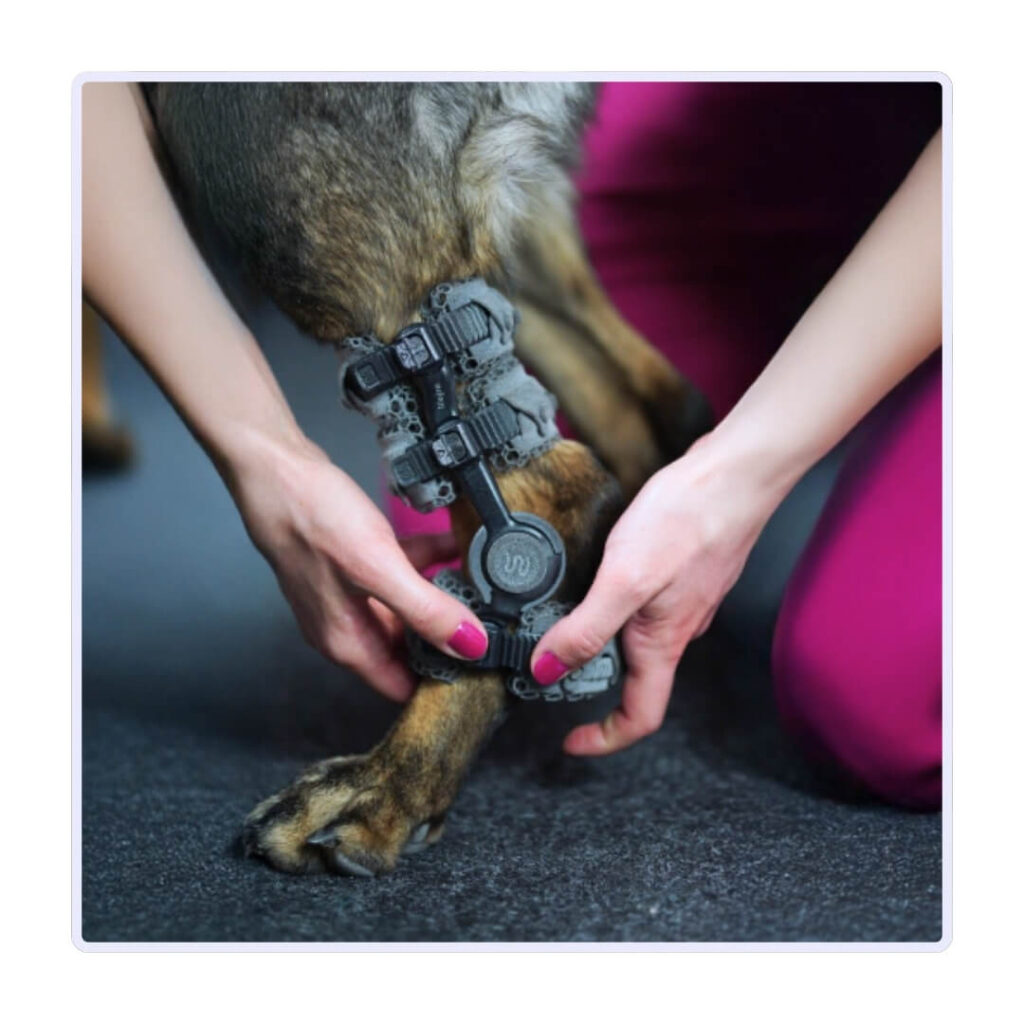
Use & Training
Orthotic success isn’t just about putting the device on — it’s about how you support your dog’s overall experience with it. A big part of that is positive reinforcement. Reward-based training builds trust and helps your dog adjust more easily to wearing their brace. In addition to training, long-term success often includes things like rehab exercises, medications, activity modifications, and regular check-ins with your vet. All of these pieces work together to keep your dog comfortable, confident, and moving well.
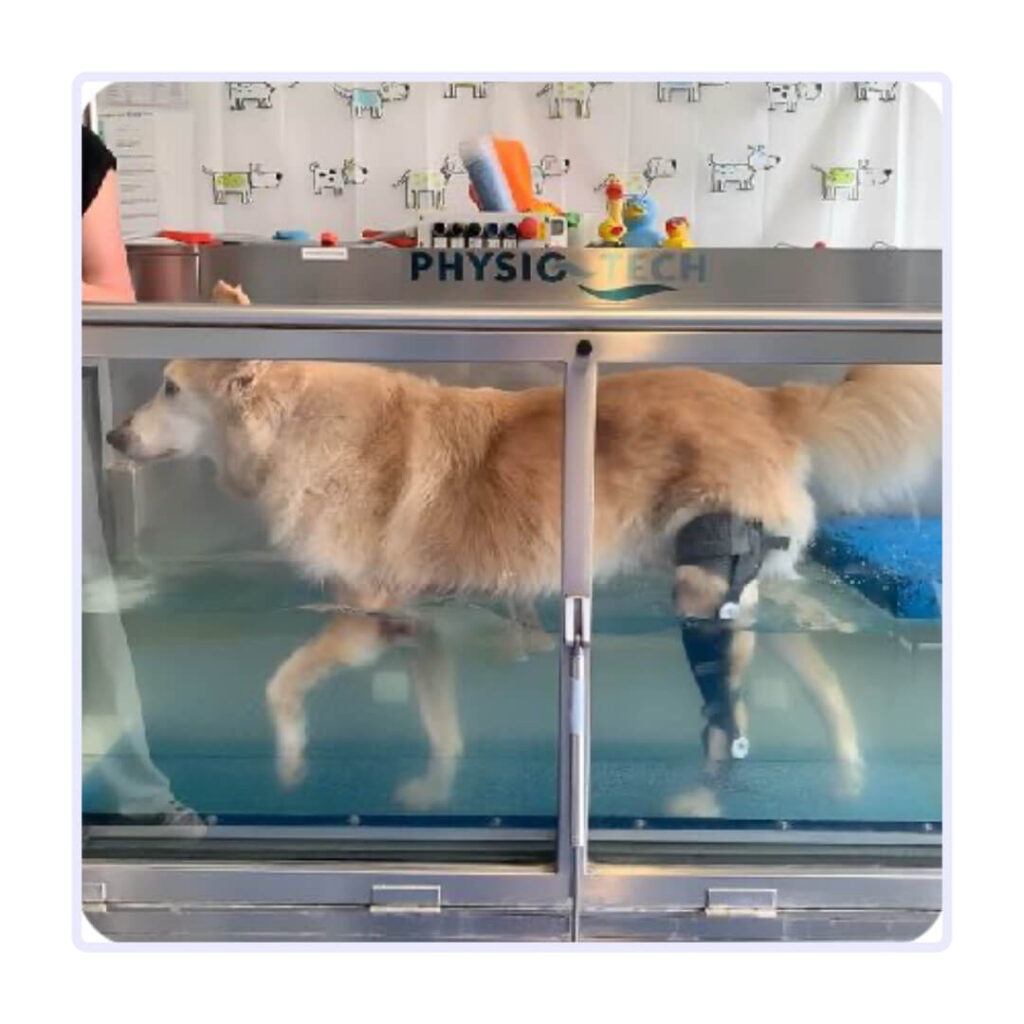
What is your pets activity level?
This helps your veterinary team determine which type of support device may be most appropriate for your pet’s mobility, comfort, and long-term success.
| Activity Level | Examples | Why It Matters |
|---|---|---|
| Very Low | Potty breaks only, minimal movement | May indicate significant mobility challenges. A WIMBA Pro may be recommended for maximum support. |
| Mild / Strictly Controlled | Short, structured walks only (e.g., during post-op or injury recovery) | A WIMBA Pro or WIMBA Go may help support healing and protect affected joints during controlled movement. |
| Moderate | Regular leash walks, casual hikes, light off-leash play | A WIMBA Pro or WIMBA Go may be recommended if your pet is recovering or managing a chronic orthopedic concern. |
| Moderate to High | Jogging, off-trail hikes, rough play, low-impact fetch | For pets with early orthopedic changes or recovery needs, a WIMBA Go or WIMBA Pro may provide added protection. Reasonable caution and increased wear should be expected. |
| High / Sporting | Agility, flyball, field work, distance running, high-impact jumping | If your dog is cleared for intense activity, a brace is likely not needed unless recommended preventively by a vet. WIMBA does not recommend this level of activity for their products. |
Ongoing Fit & Care
Even with a custom brace, regular checks are essential. A poor fit can lead to skin irritation, pressure sores, or discomfort if rubbing or shifting goes unnoticed. Braces also experience normal wear over time — straps or padding may need replacing, and some devices may require refurbishment. Staying in touch with your veterinary team and monitoring your dog’s comfort helps ensure the brace continues to provide safe, effective support.
Behavioral Considerations
If your dog has a history of chewing on or swallowing non-food items, this may affect their ability to safely use a brace. Your veterinary team may recommend behavioral support before moving forward in those cases. Additionally, patients with anxiety or other behavioral health concerns may need support from a veterinary behaviorist or properly credentialed animal behavior professional.
Why are these questions so important?
Has your pet been seen by a veterinarian for the current problem or concern?
A current veterinary exam is essential. Identifying the underlying issue helps determine which V-OP device, if any, is appropriate for your pet. These are medical devices that must be prescribed and overseen by your pet’s veterinarian.
If prescribed, are you and your dog, as a team, going to be able to put on (donning) and take off (doffing) a medical device like an orthosis or prosthesis?
Daily application and removal are part of the process. It may take practice, but your involvement is critical to ensure proper fit, comfort, and hygiene. Helping your dog adjust also requires patience and consistency. Using positive reinforcement such as treats, praise, and calm handling can make the process smoother and build trust, which improves the chances of long-term success.
Do you understand the long-term responsibilities involved with using an orthosis or prosthesis?
Every dog is different, and even a well-fitted device can lead to complications like skin irritation, pressure sores, or behavioral challenges. These are medical devices that require consistent monitoring and care. Over time, parts like straps or padding may wear down and need to be replaced. Understanding the potential risks and long-term upkeep helps you make an informed decision and prepare for what ongoing care may look like.
Can you confidently say your dog does not struggle with chewing or eating non-food items?
Dogs that chew or swallow non-food items may destroy parts of the device or ingest something dangerous. This can pose serious health risks and often makes them poor candidates for V-OP solutions.
Are you able to follow a treatment plan or exercise routine, if indicated as necessary by a veterinary professional?
Braces work best when paired with a plan. This may include exercises, medication, or additional training. A household that can support these routines helps improve outcomes and minimize complications.
Does your dog weigh between 10 lb (4,5 kg) and 100 lb (45 kg)?
WIMBA V-OP devices are designed to function safely and effectively within this weight range. Dogs outside of it may place too much repetitive stress or impact on the device, increasing the risk of failure. These limits help ensure both the safety of your pet and the durability of the device.
Do you understand the timeline involved with getting a V-OP device for your pet (orthotics 2–4 weeks, prosthetics 2–3 months)?
These devices are custom made, which means the process involves several steps between you, your veterinary team, and the WIMBA team. Knowing the expected timeline helps you plan accordingly and avoid delays or unrealistic expectations.
How Your Dog’s WIMBA Orthotic is Made
Step 1 – Veterinary Visit – Measurement Acquisition
First it is important to have a full examination by a licensed veterinary professional for diagnosis and functional assessment of your companion’s condition
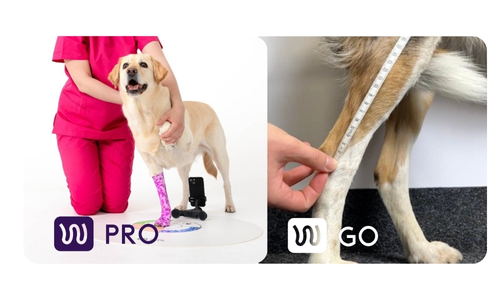
For mild cases: WIMBA Go devices require just two clear photos and a few simple measurements taken by your vet.
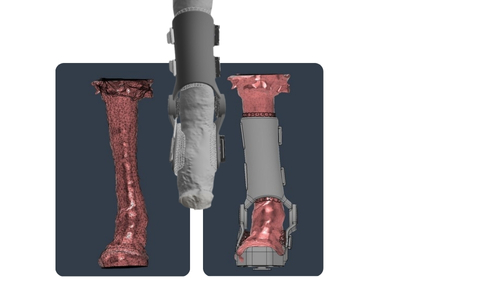
For moderate to severe cases: WIMBA Pro devices offer a fully customized solution. Your vet will capture a precise 3D scan of your pet’s affected limb using a smartphone, a calibration mat, and the WIMBA Autodolly.

Step 2 – Custom Design Process
Using the submitted images or 3D scan, our experts create a custom-fit orthosis tailored to your pet’s unique anatomy, ensuring maximum comfort and functionality.
Step 3 – Fabrication & Delivery
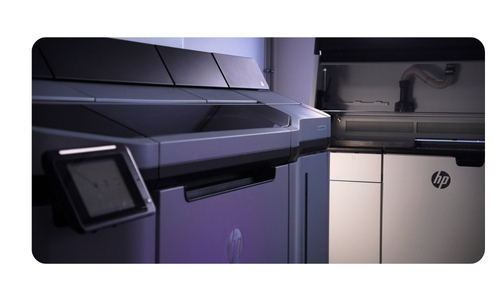
Our advanced 3D printing facility crafts each device with precision and high- quality materials.
WIMBA Go: Production takes 10 business days (Shipping: EU 1-3 days, UK & USA 3-10 days).
WIMBA Pro: The production time is longer for Pro devices; we’ll provide details during the process.
Step 4 – Professional Donning
Once your orthotic is ready, your WIMBA Provider will ensure a proper fit for maximum support and comfort.

Step 5 – Pet Parent Guide
To ensure the best experience, read our Pet Parent Guide to learn how to properly use and maintain your pet’s device.

Pairing Positive Reinforcement: What to Know Before Getting a Pet Orthotic
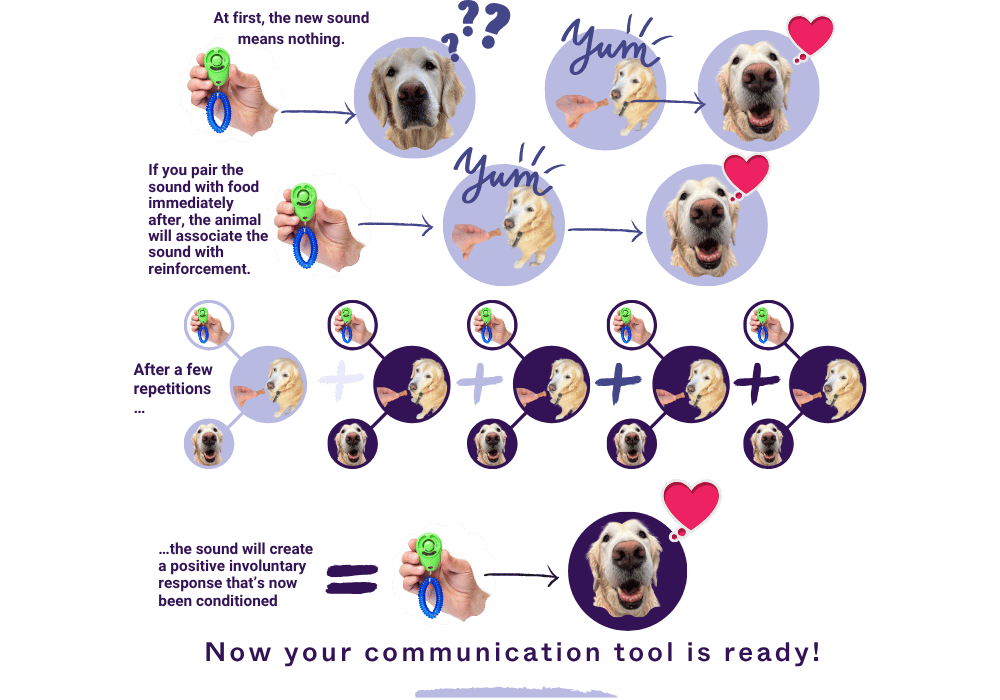
This is how you communicate more clearly with your pet while training and can use it to help them have a positive association with something. It can be a communication tool to mark and reward the exact moment they did a behavior you would like to see again (like taking a step in their WIMBA brace or staying still for donning/doffing).
You can use a clicker or a one word syllable like “Yes” or “Thanks” said in the same tone each time. This is not the same as praise like “good boy/girl” that is a type of reinforcement, and you can use it in that way.
Save This Article as a PDF
Prefer to read this article offline? Download the PDF version here.
Is WIMBA Right for Your Pet?
Upload a veterinary diagnosis of your pet, including photos, diagnostic images, or videos of the affected limb(s) and share your contact info — our team will review and let you know if a custom-fit WIMBA orthotic could help support your pet’s mobility.
Medical Disclaimer: All information on this website is intended for instruction and information purposes only, The authors are not responsible for any harm or injury that may result. Significant injury risk is possible if you do not follow the due diligence and seek suitable professional advice about your dog’s specific situation. No guarantees of specific results are expressly made or implied on this website.