



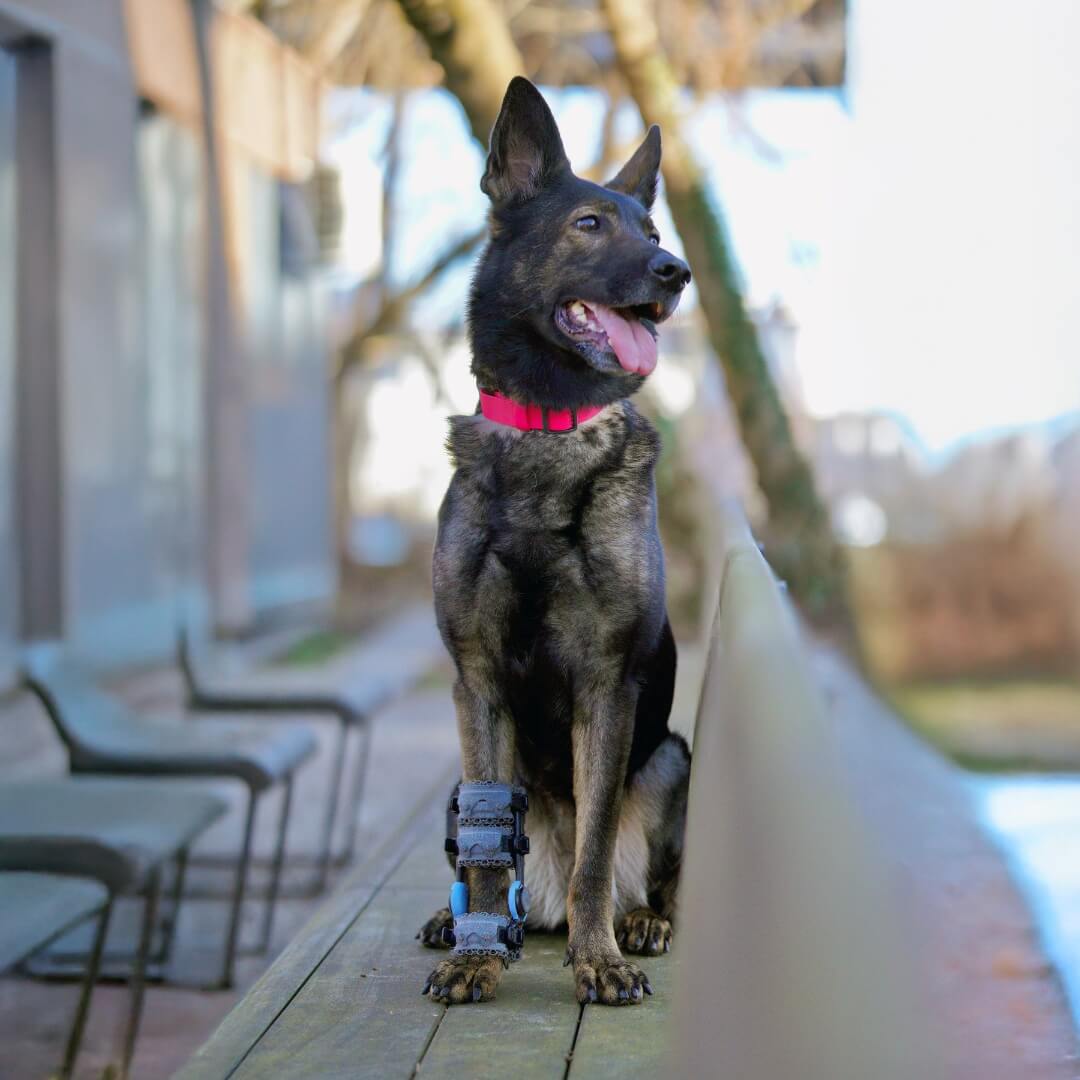
German Shepherds are loyal, intelligent, and remarkably driven dogs. Their athletic build and sharp focus make them exceptional partners — not only for active families but also in demanding roles like police work, military service, and search and rescue. With the right guidance, preventive care, and support from your veterinarian, German Shepherds can thrive both physically and mentally well into their senior years.
While this guide offers helpful insight into breed-specific traits and orthopedic conditions, it’s not a substitute for professional care. Always consult your veterinarian if you notice changes in your dog’s movement, behavior, or comfort level. Early conversations with your vet can make a meaningful difference in long-term mobility and quality of life.
German Shepherd Breed Overview: Traits, Temperament, and Exercise Needs
German Shepherds were originally bred for herding and protection, and that instinct remains strong today. They are confident, highly trainable, and loyal to their people — often forming tight bonds with one or two individuals in the home. They are quick learners and do best with consistent structure and clear communication.
This breed requires both physical and mental stimulation. Without a “job” to do, German Shepherds can become bored or anxious, leading to undesirable behaviors like chewing, barking, or reactivity. Obedience training, tracking games, agility, and scent work are all great ways to meet their needs.
- Size: Males typically weigh 65–90 pounds and stand 24–26 inches tall. Females are slightly smaller at 50–70 pounds and 22–24 inches tall.
- Energy level: High — expect 1.5 to 2 hours of structured activity daily.

Common Orthopedic Conditions in German Shepherds
While German Shepherds are known for their agility and strength, their conformation and size put significant stress on the joints — especially the hips and elbows. Many orthopedic conditions in this breed are either genetic or develop due to wear and tear over time.
Hip Dysplasia in German Shepherds
Hip dysplasia in dogs is one of the most common orthopedic conditions in large-breed dogs, including German Shepherds. It develops when the ball and socket of the hip joint fail to align or form properly. Instead of smooth, stable movement, the bones rub against each other, causing progressive damage to the joint over time.
While this condition is strongly influenced by genetics, other factors like rapid growth, poor nutrition, excessive weight, and inappropriate exercise during puppyhood can contribute to its severity and onset. Some dogs show signs early, while others may not be diagnosed until arthritis is more advanced.

Early signs may include:
- Hesitation when rising from rest
- Reluctance to jump, use stairs, or play
- A “bunny-hopping” gait when running
- Shifting weight forward or postural changes
- Loss of muscle in the hind limbs
As the condition progresses, you may also notice decreased range of motion, sensitivity around the hips, and secondary compensation elsewhere in the body — such as tension in the shoulders, curvature in the spine, or instability in the wrists or stifles.
Diagnosis typically involves a physical exam, gait assessment, and radiographs. In some cases, PennHIP or OFA screening may be recommended, especially in young dogs, to evaluate joint laxity and risk before arthritis develops.
Treatment Options Hip Dysplasia in German Shepherds
Treatment options depend on your dog’s age, activity level, and overall health include:
- Weight management
- Anti-inflammatory medications and pain-modifying therapies
- Joint supplements and regenerative options
- Physical rehabilitation to maintain strength and limit compensation
- Surgery in moderate to severe cases (FHO, total hip replacement, or DPO/TPO in young dogs)
Important note:
There are currently no veterinary-supported braces designed to treat hip dysplasia directly. However, some dogs with long-term compensation may benefit from supportive bracing of other joints, such as the stifles or carpi, if instability or overload occurs. This should only be considered in coordination with your veterinary team and used as part of a broader, individualized plan.
By catching early signs and working closely with your veterinarian and rehabilitation team, many dogs with hip dysplasia can remain mobile, comfortable, and active for years.
Elbow Dysplasia in German Shepherds
Elbow dysplasia is another common orthopedic condition in German Shepherds. It results from abnormal development in the elbow joint, which is made up of three bones: the humerus, radius, and ulna. When these bones don’t align or grow properly, uneven joint loading causes friction, cartilage damage, and eventual arthritis.
While this condition is genetic, environmental factors — such as rapid growth or repetitive impact during puppyhood — can influence how and when symptoms appear. Some dogs show signs early, while others may compensate for years before arthritis sets in.

Signs of Elbow Dysplasia in German Shepherds
Signs of elbow dysplasia in German Shepherds may include:
- Lameness after activity that doesn’t fully resolve with rest
- A shortened or altered gait, often with outward elbow rotation
- Head bobbing when walking or trotting (a sign of favoring one front limb)
- Stiffness, reduced front limb range of motion, or swelling at the joint
- Pain during full extension or flexion of the elbow
Diagnosis typically involves a thorough orthopedic exam and radiographs. In many cases, advanced imaging such as CT or arthroscopy is used to confirm the diagnosis, assess severity, and guide treatment decisions. Dogs may be diagnosed as early as 4 to 6 months of age, though some are not identified until middle age.
Treatment Options of Elbow Dysplasia in German Shepherds
Treatment varies depending on severity and individual needs:
- Weight management to reduce joint strain
- Anti-inflammatory medications and pain-modifying therapies
- Physical rehabilitation to preserve mobility and limit compensation
- Surgery to remove bone fragments or improve joint alignment in more severe cases
Important note:
There are no veterinary-endorsed braces that treat elbow dysplasia itself. Braces marketed for the elbow may be more appropriate for conditions like hygromas (fluid buildup), soft tissue injuries, or post-surgical support. They are not designed to address the structural incongruity or cartilage defects seen in elbow dysplasia. However, in cases where instability or overload develops in other joints due to compensation, supportive orthotics may play a role when prescribed and fit by a veterinary professional.

Cranial Cruciate Ligament (CCL) Tears in German Shepherd
Cranial cruciate ligament (CCL) disease in dogs is one of the most common causes of hind limb lameness in dogs. It affects the stifle (knee) joint and can lead to pain, instability, and long-term arthritis if left untreated.
Unlike in people, where ACL injuries are usually traumatic, canine CCL tears are most often the result of degenerative ligament disease. The ligament weakens gradually over time until it eventually tears — sometimes partially, sometimes fully. Pet parents often notice a sudden limp, but the breakdown has usually been happening behind the scenes for months or even years.
Large breed dogs like German Shepherds are at higher risk, but CCL disease can affect dogs of all sizes. About half of dogs who tear the CCL in one knee will go on to develop the same issue in the opposite leg, not because of the surgery, but because the underlying disease process is often present in both stifles.
Signs of CCL Disease in German Shepherds
Signs of Cranial Cruciate Ligament (CCL) Tears in German Shepherds may vary depending on whether the tear is partial or complete. They include:
- Limping or toe-touching on one hind leg
- Difficulty rising or reluctance to jump
- Sitting with the leg extended out to the side
- Clicking or popping sounds from the knee
- Decreased activity or stiffness after rest
In partial tears, dogs may appear to improve temporarily before worsening again — especially if the meniscus becomes damaged.

Treatment Options of Cranial Cruciate Ligament in German Shepherds
Cranial cruciate ligament (CCL) disease is one of the most common causes of hind limb lameness in dogs. It affects the stifle (knee) joint and can lead to pain, instability, and long-term arthritis if left untreated.
Unlike in people, where ACL injuries are usually traumatic, canine CCL tears are most often the result of degenerative ligament disease. The ligament weakens gradually over time until it eventually tears — sometimes partially, sometimes fully. Pet parents often notice a sudden limp, but the breakdown has usually been happening behind the scenes for months or even years.
Large breed dogs like German Shepherds are at higher risk, but CCL disease can affect dogs of all sizes. About half of dogs who tear the CCL in one knee will go on to develop the same issue in the opposite leg, not because of the surgery, but because the underlying disease process is often present in both stifles.

Signs of CCL Disease in German Shepherds
Signs may vary depending on whether the tear is partial or complete. They include:
- Limping or toe-touching on one hind leg
- Difficulty rising or reluctance to jump
- Sitting with the leg extended out to the side
- Clicking or popping sounds from the knee
- Decreased activity or stiffness after rest
In partial tears, dogs may appear to improve temporarily before worsening again — especially if the meniscus becomes damaged.
Treatment Options of CCL Disease in German Shepherds
The best approach depends on your dog’s age, size, activity level, and overall health.
Surgical treatment is the gold standard for large or active dogs. Techniques like TPLO (tibial plateau leveling osteotomy) or TTA (tibial tuberosity advancement) stabilize the knee by changing its mechanics. In smaller or less active dogs, extracapsular suture stabilization may also be considered.
Conservative management can be a reasonable option for dogs who aren’t good surgical candidates. The primary goal is to build enough compensatory strength and scar tissue to support the joint.
This typically includes:
- Weight management
- Pain and anti-inflammatory medications
- Joint supplements
- Physical rehabilitation
Physical rehabilitation is considered the most effective non-surgical approach. The goal is to build strength and support joint stability while minimizing discomfort. With time and consistency, scar tissue may form to provide a degree of stabilization, though this process is variable and doesn’t replace the function of the original ligament. Rehabilitation is also integral in post-operative healing, helping dogs regain mobility, reduce pain, and rebuild strength safely.

About Stifle Braces for German Shepherds
Stifle orthoses — like those offered by WIMBA — are sometimes used in non-surgical CCL cases. These custom-fitted braces aim to reduce joint movement, offer external support, and provide pain relief while the body forms internal scar tissue. They may also serve a supportive role during the rehab process.
That said, stifle braces are not a substitute for surgery in dogs who need surgical stabilization, and they are not a first-line treatment. Evidence on their long-term effectiveness is still emerging. Some dogs may initially show changes in gait or posture while adjusting to brace use, and proper fit, oversight, and monitoring are essential to avoid complications like pressure sores or muscle imbalances.
Bracing can be a helpful tool for select patients, especially when combined with a structured rehabilitation plan. It is best viewed as part of a broader strategy — not a standalone solution.

Other Health Concerns to Be Aware Of
While orthopedic problems are among the most common in German Shepherds, several other conditions are worth watching for:
- Degenerative Myelopathy: A progressive spinal cord disease that causes hind limb weakness and eventual paralysis.
- Bloat (Gastric Dilatation-Volvulus): A life-threatening emergency where the stomach fills with gas and twists, cutting off blood supply.
- Allergies: Environmental or food-related sensitivities that may cause itchy skin, ear infections, or digestive upset.
- Exocrine Pancreatic Insufficiency (EPI): A condition where the pancreas doesn’t produce enough digestive enzymes, leading to weight loss and poor nutrient absorption.
- Heart Disease: Includes conditions like dilated cardiomyopathy and valve disorders, which can lead to reduced heart function.
- Pannus: An autoimmune eye disease that can cause inflammation and vision loss if not managed.
- Cancer: German Shepherds are at higher risk for certain cancers, including:
- Hemangiosarcoma: An aggressive cancer of blood vessels, often affecting the spleen or heart.
- Osteosarcoma: A painful bone cancer often seen in the limbs.
- Mammary Cancer: More common in unspayed females, affecting the mammary glands.
- Mast Cell Tumors: Skin tumors that vary in appearance and behavior.
- Melanoma: Often found in the mouth or on the skin, and can be aggressive.
- Urothelial Carcinoma: A bladder cancer that can cause blood in the urine or difficulty urinating.
- Lymphoma: A cancer of the lymphatic system, often presenting with enlarged lymph nodes and lethargy.
- Hemangiosarcoma: An aggressive cancer of blood vessels, often affecting the spleen or heart.
Other conditions to be aware of include epilepsy, arthritis, lumbosacral disease, and degenerative disc disease.
Responsible Breeding and Genetic Health
Many of these conditions are influenced by genetics. That’s why screening matters — responsible breeders use tools like OFA (Orthopedic Foundation for Animals) and PennHIP to evaluate breeding dogs for issues such as hip and elbow dysplasia, heart disease, thyroid problems, and other inherited risks.
If you’re adopting or purchasing a German Shepherd, ask for health screening results. A breeder who can provide OFA certifications or other relevant evaluations is more likely to prioritize health and longevity.
Even with screening, not all orthopedic issues are avoidable — especially those influenced by activity, injury, or aging. But early detection and support can make a significant difference.

How Orthotic Support Can Help German Shepherds and Other Breeds
Orthopedic bracing can play a meaningful role in managing joint instability and supporting mobility — especially when used as part of a broader treatment plan. While surgery is often the gold standard for many orthopedic conditions, bracing may be appropriate in select non-surgical cases or for dogs who aren’t ideal surgical candidates due to age, cost, or other health concerns.
In addition to supporting an injured or unstable joint, bracing can also help reduce compensatory strain on other parts of the body. When a dog shifts weight away from a painful limb, the added load on the remaining legs can increase the risk of secondary injury. Targeted bracing may help distribute weight more evenly and protect vulnerable joints over time.
How WIMBA Orthotics Can Help German Shepherds
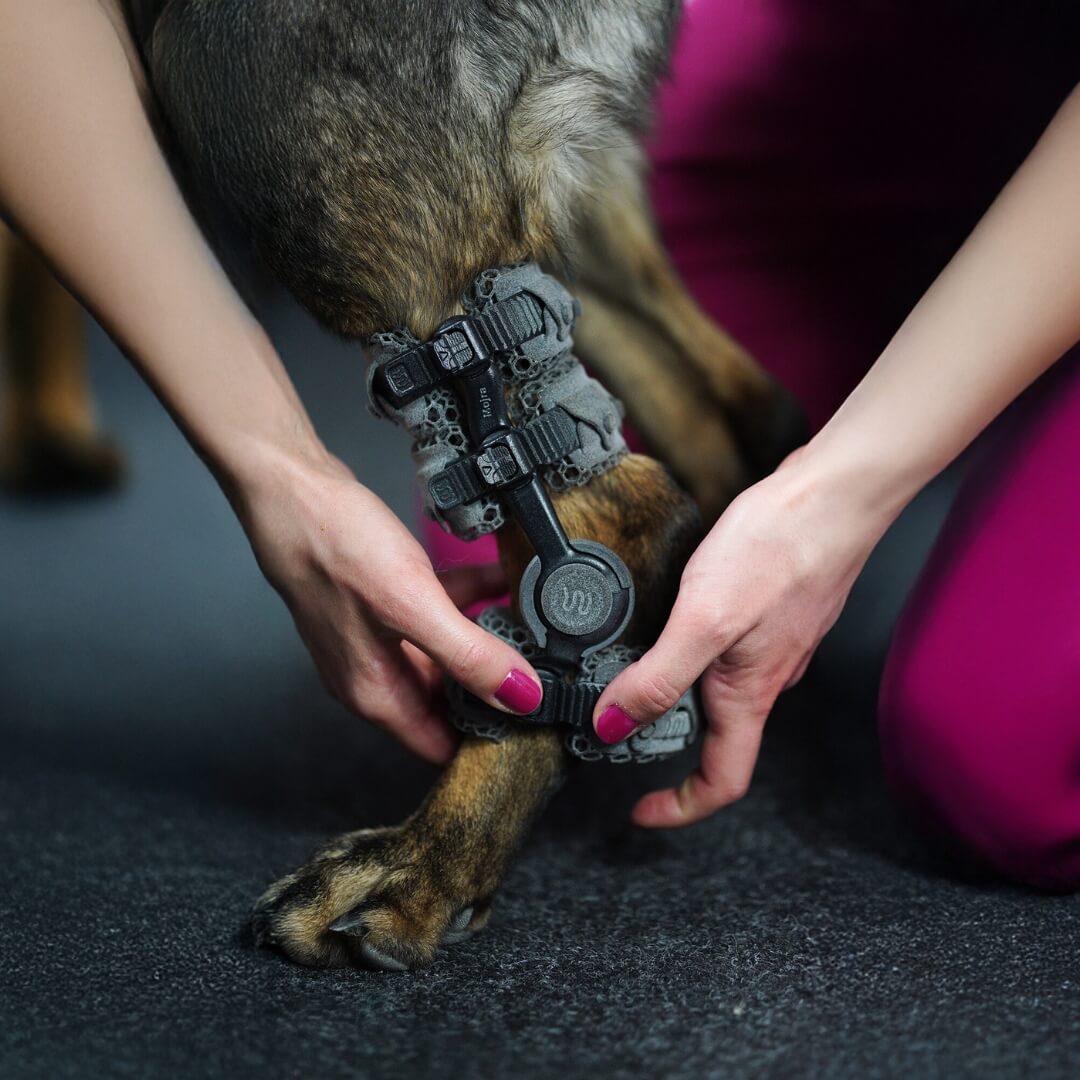
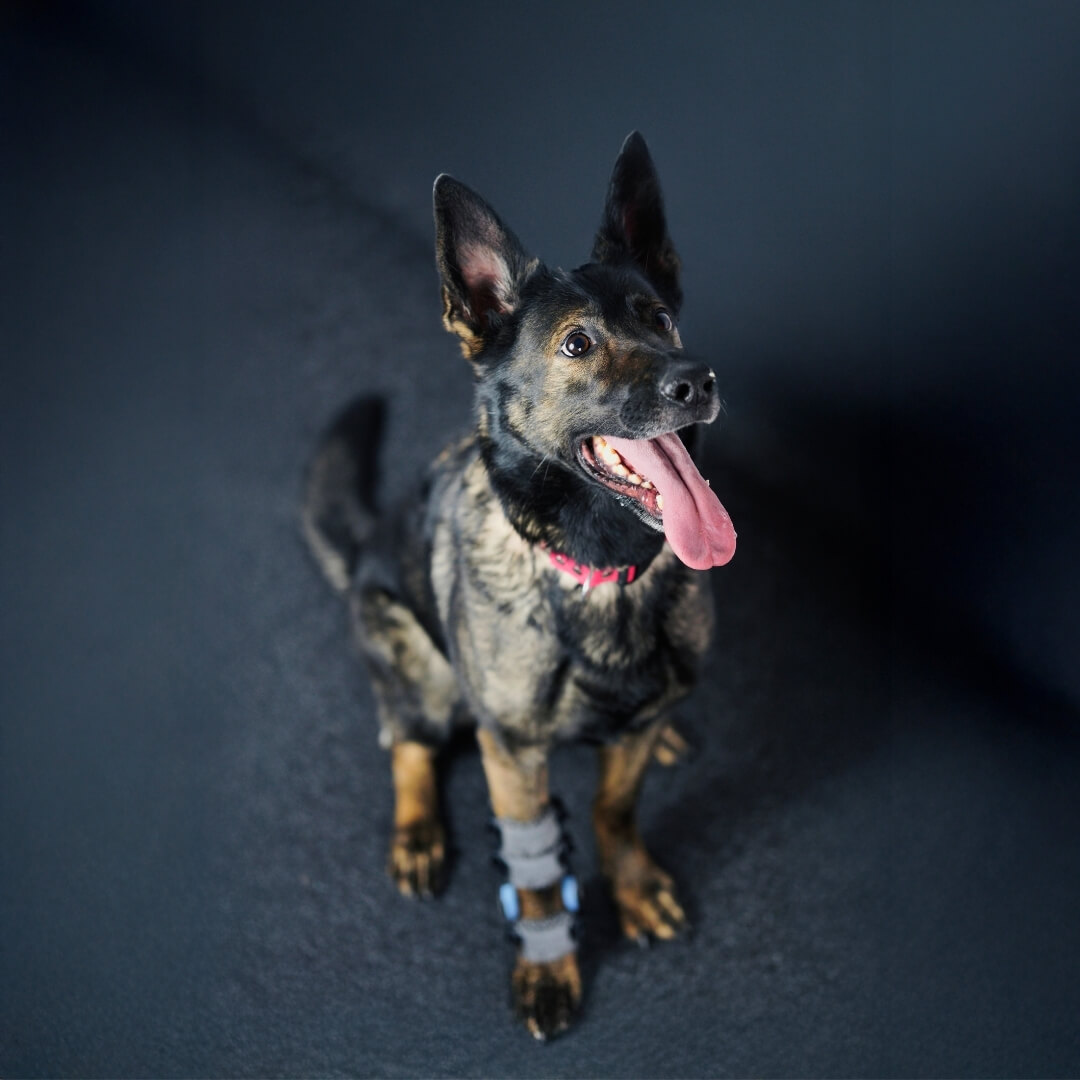
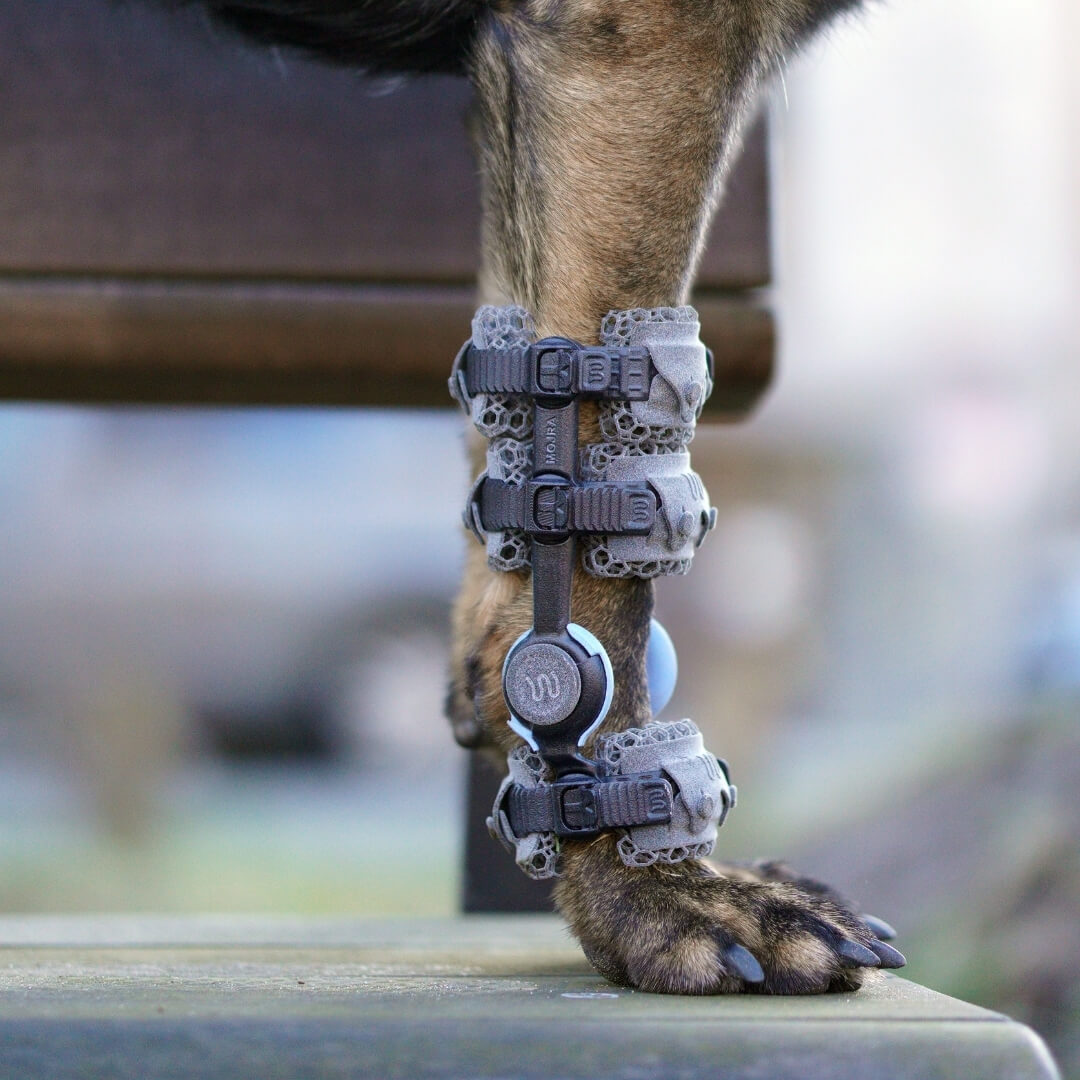
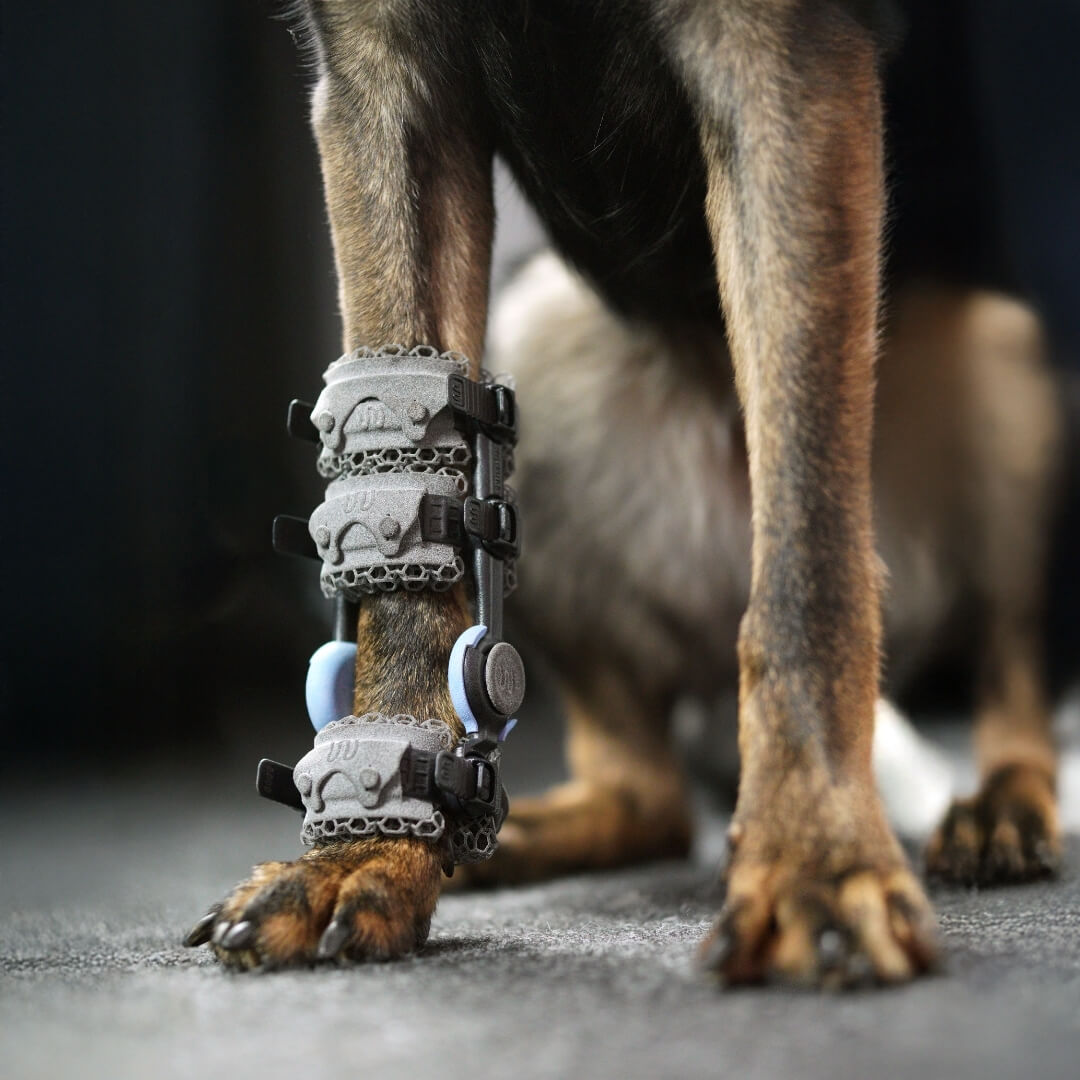
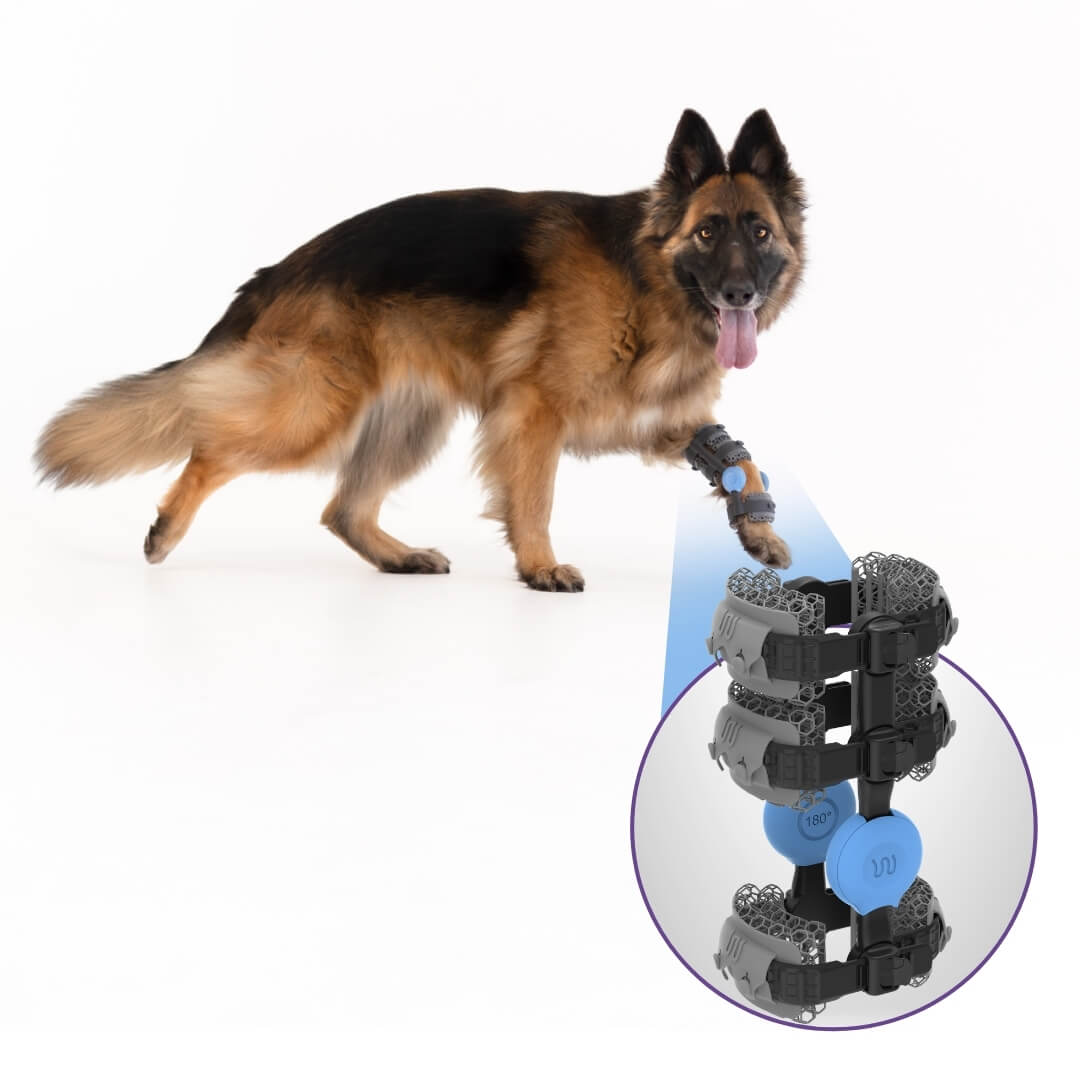
WIMBA creates custom-fit, 3D-printed veterinary orthotics and prosthetics (V-OP) designed to support dogs with orthopedic challenges. These lightweight, waterproof braces are tailored to your dog’s anatomy using digital scans or precise measurements, making them ideal for real-world use.
Orthotic support may help:
- Stabilize joints in cases like CCL injuries or carpal hyperextension
- Reduce compensatory strain on other limbs
- Improve comfort and mobility in dogs who aren’t ideal surgical candidates
- Support recovery and long-term function following surgery
Bracing is most effective when integrated into a complete care plan that includes veterinary guidance, diagnostics, and rehabilitation. If your German Shepherd is showing signs of instability or discomfort, talk with your vet about whether a WIMBA orthotic could be part of their treatment plan.
When to Talk to Your Vet About Mobility Support
Reach out to your veterinarian if you notice:
- Limping, stiffness, or reluctance to exercise
- Difficulty standing or lying down
- Muscle loss in the hind legs
- Behavioral changes that may be pain-related
A full orthopedic exam, along with imaging like X-rays or CT, can help determine the cause and guide treatment options — including whether conservative support with bracing is a good fit.
Final Thoughts
German Shepherds are celebrated for their intelligence, loyalty, and drive — traits that make them exceptional companions in both working roles and family life. But their impressive physical abilities also come with increased risk for orthopedic and mobility issues.
By staying proactive, choosing responsible breeders, and involving your veterinarian early when concerns arise, you can help your dog stay active and comfortable well into their senior years.
Custom orthopedic solutions from WIMBA are designed to support dogs dealing with joint instability, mobility challenges, or recovery from injury. If your German Shepherd is showing signs of pain or difficulty getting around, your veterinarian can help determine whether bracing should be part of a broader treatment approach.
Is WIMBA Right for Your German Shepherd?
Upload a veterinary diagnosis of your dog, including photos, diagnostic images, or videos of the affected limb(s) and share your contact info — our team will review and let you know if a custom-fit WIMBA orthotic could help support your pet’s mobility.
Medical Disclaimer: All information on this website is intended for instruction and information purposes only, The authors are not responsible for any harm or injury that may result. Significant injury risk is possible if you do not follow the due diligence and seek suitable professional advice about your dog’s specific situation. No guarantees of specific results are expressly made or implied on this website.