 Skip to content


Choosing an orthosis or prosthesis for your dog is an important decision that requires veterinary guidance, daily involvement, consistency, and patience. A WIMBA veterinary orthotic, sometimes described by pet owners as a custom dog brace, supports an existing limb or joint. A prosthesis replaces all or part of a missing limb. This guide explains what daily life with these devices looks like, how a dog orthosis is fitted and monitored, and what to consider before getting a pet orthotic.
Daily Application of an Orthosis or Prosthesis
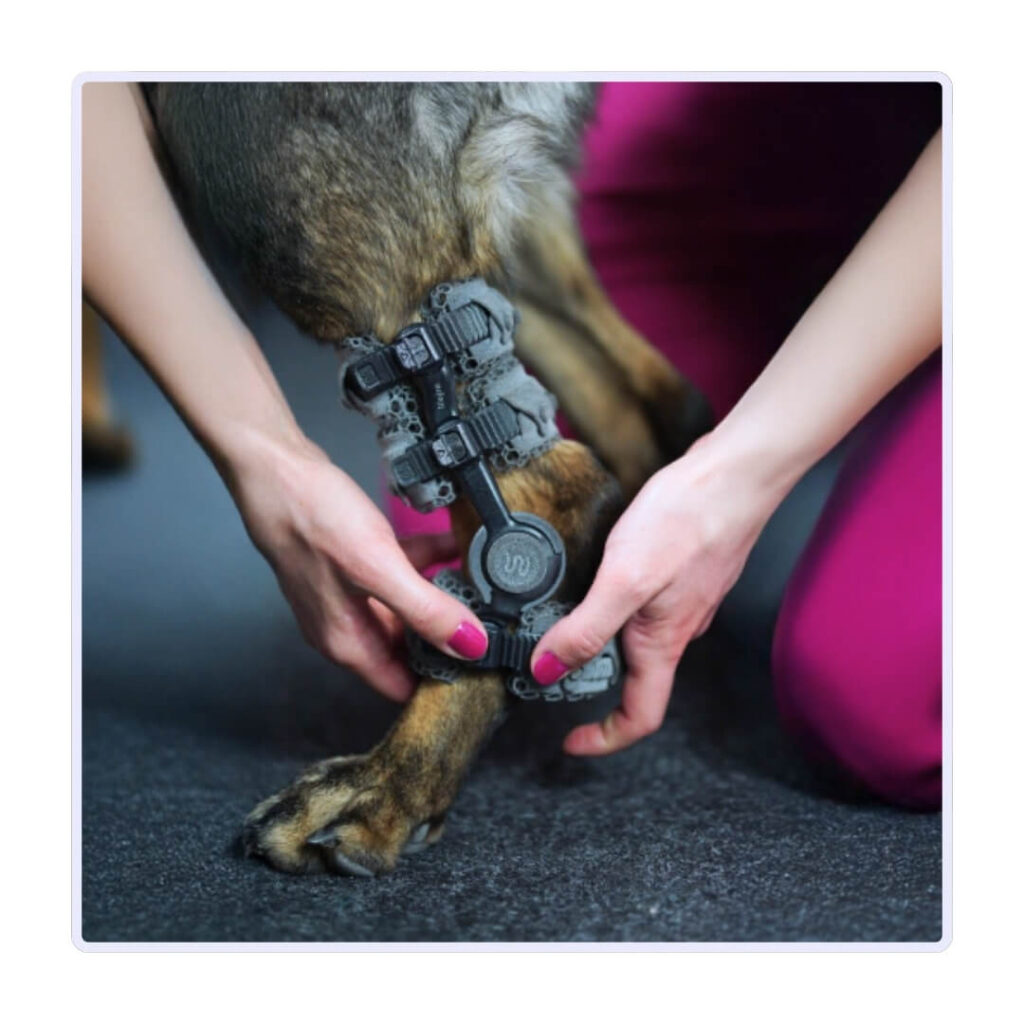
Your dog’s prescribed device must be put on (donning) and taken off (doffing) according to a regular schedule. Applying it can feel awkward at first, but most pet parents become comfortable with the routine quickly, especially with the video guides and written instructions provided with every WIMBA device.
Training & Positive Reinforcement
Success with a prescribed mobility device is not only about getting it on correctly. It is also about supporting your dog’s whole experience with it. Reward-based training is central when introducing a veterinary orthotic. Marking and rewarding the exact moment your dog does something you want to see again — such as taking a step in the custom dog brace or holding still while the device is applied — builds trust and helps the adjustment process.
A simple way to support device training is with a clicker or a consistent one-word cue like “Yes,” said in the same tone each time. This is different from general praise such as “good boy,” which can also be used as a reward. Alongside training, long-term success often involves rehabilitation exercises, medication, activity adjustments, and regular veterinary check-ins — all working together to keep your dog comfortable, confident, and moving well.
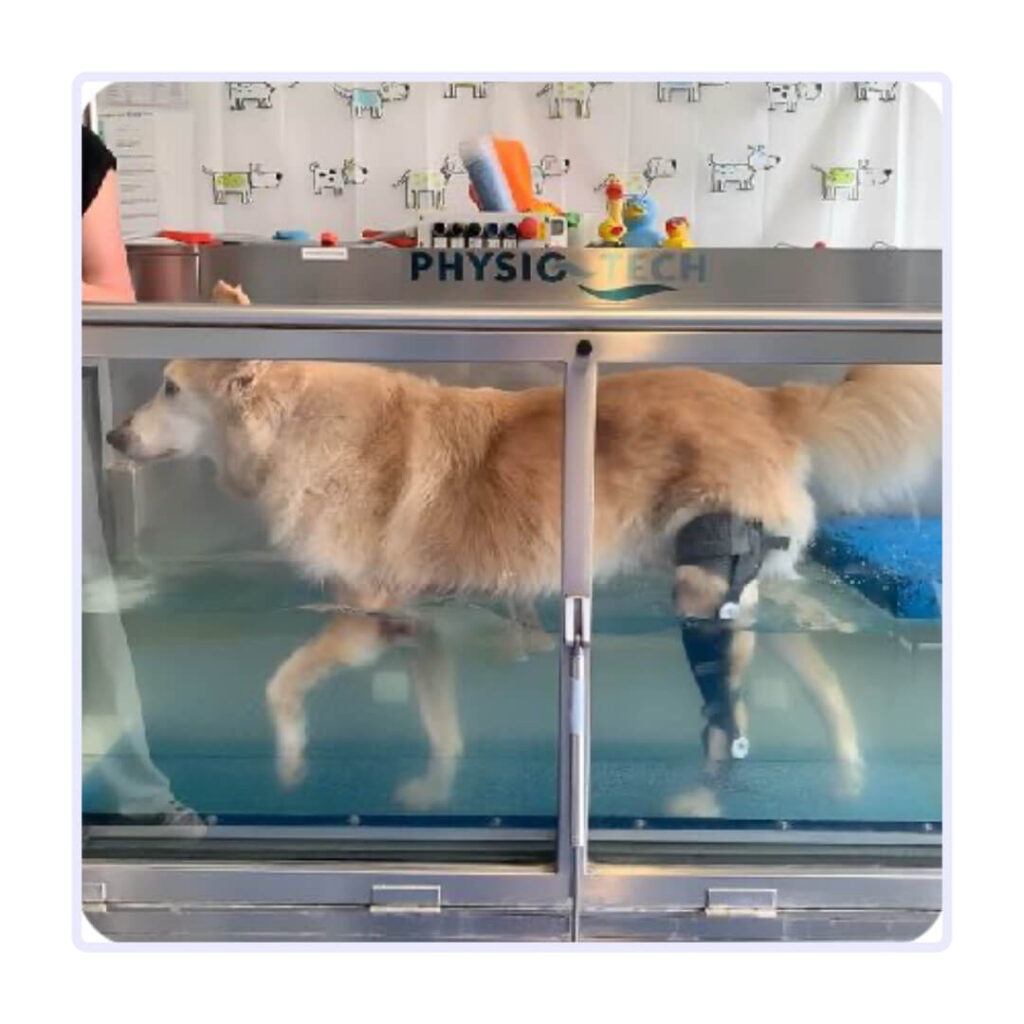
Veterinary rehabilitation literature emphasizes that a comprehensive physiotherapy plan should manage pain, help prevent secondary complications, and support musculoskeletal function during recovery. This is why any mobility device should be treated as one part of a broader, veterinary-led rehabilitation plan rather than as a stand-alone solution.[1]
Activity Level Before Choosing a Dog Orthosis
Before choosing a mobility-support device, your veterinary team will consider your dog’s activity level, diagnosis, mobility, comfort, and long-term needs. This assessment helps determine which type of support is appropriate and what level of stabilization the device should provide. The recommendation should reflect the condition being treated, the dog’s usual routine, the owner’s ability to manage daily care, and any changes expected during rehabilitation, recovery, or long-term follow-up appointments.
Individual assessment matters because chronic osteoarthritis can affect more than the painful joint itself. In a controlled study of 31 dogs with hip or stifle osteoarthritis and 23 dogs without osteoarthritis, affected dogs showed increased sensitivity at the painful joint and at more distant test sites. The authors described these findings as widespread somatosensory sensitivity, likely indicating central sensitization.[2]
| Activity Level | Examples | Why It Matters |
|---|---|---|
| Very Low | Potty breaks only, minimal movement | May indicate significant mobility challenges. A WIMBA Pro may be recommended for maximum support. |
| Mild / Strictly Controlled | Short, structured walks only (e.g. post-op or injury recovery) | A WIMBA Pro or WIMBA Go may support healing and protect affected joints during controlled movement. |
| Moderate | Regular leash walks, casual hikes, light off-leash play | A WIMBA Pro or WIMBA Go may be recommended when recovering or managing a chronic orthopedic concern. |
| Moderate to High | Jogging, off-trail hikes, rough play, low-impact fetch | A WIMBA Go or WIMBA Pro may add protection for early orthopedic changes or recovery. Expect reasonable caution and increased wear. |
| High / Sporting | Agility, flyball, field work, distance running, high-impact jumping | If your dog is cleared for intense activity, a brace is usually not needed unless recommended preventively. WIMBA does not recommend this activity level for its products. |
Ongoing Fit & Care for an Orthosis or Prosthesis
Every fitted device needs regular fit and skin checks. A poor fit can cause irritation, pressure sores, or discomfort if rubbing or shifting goes unnoticed. The device also wears over time: straps or padding may need replacing, and some components may require refurbishment. Staying in touch with your veterinary team and monitoring your dog’s comfort helps keep the support safe and effective.
Behavioral Considerations
If your dog tends to chew or swallow non-food items, this affects whether a prescribed device is safe. The dog may damage its support, swallow a component, or injure itself while trying to remove it. In these cases your veterinary team may recommend behavioral support first. Dogs with anxiety or other behavioral concerns may also benefit from a veterinary behaviorist or credentialed animal behavior professional before moving forward.
How a Custom Orthosis or Prosthesis Is Made
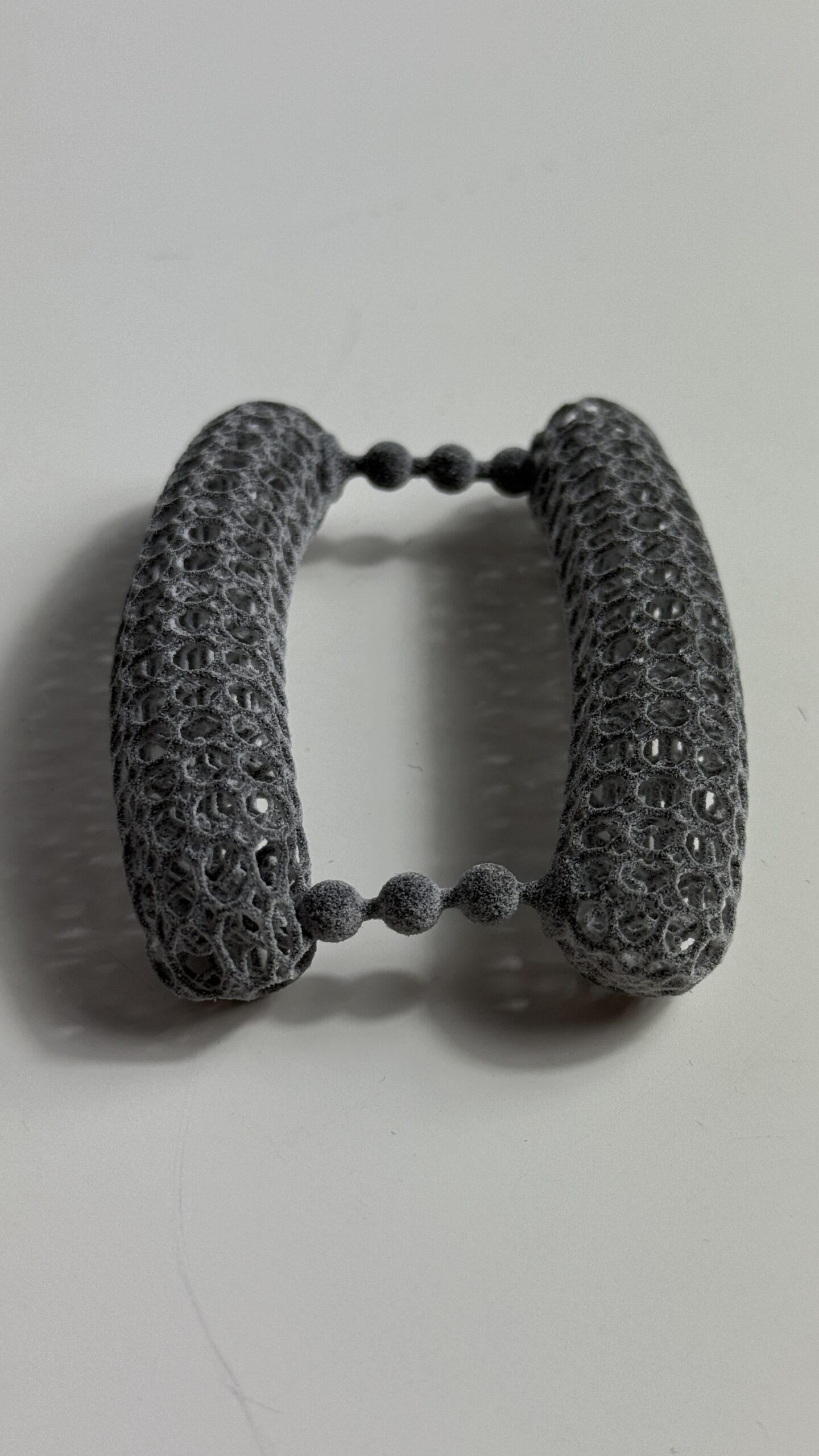
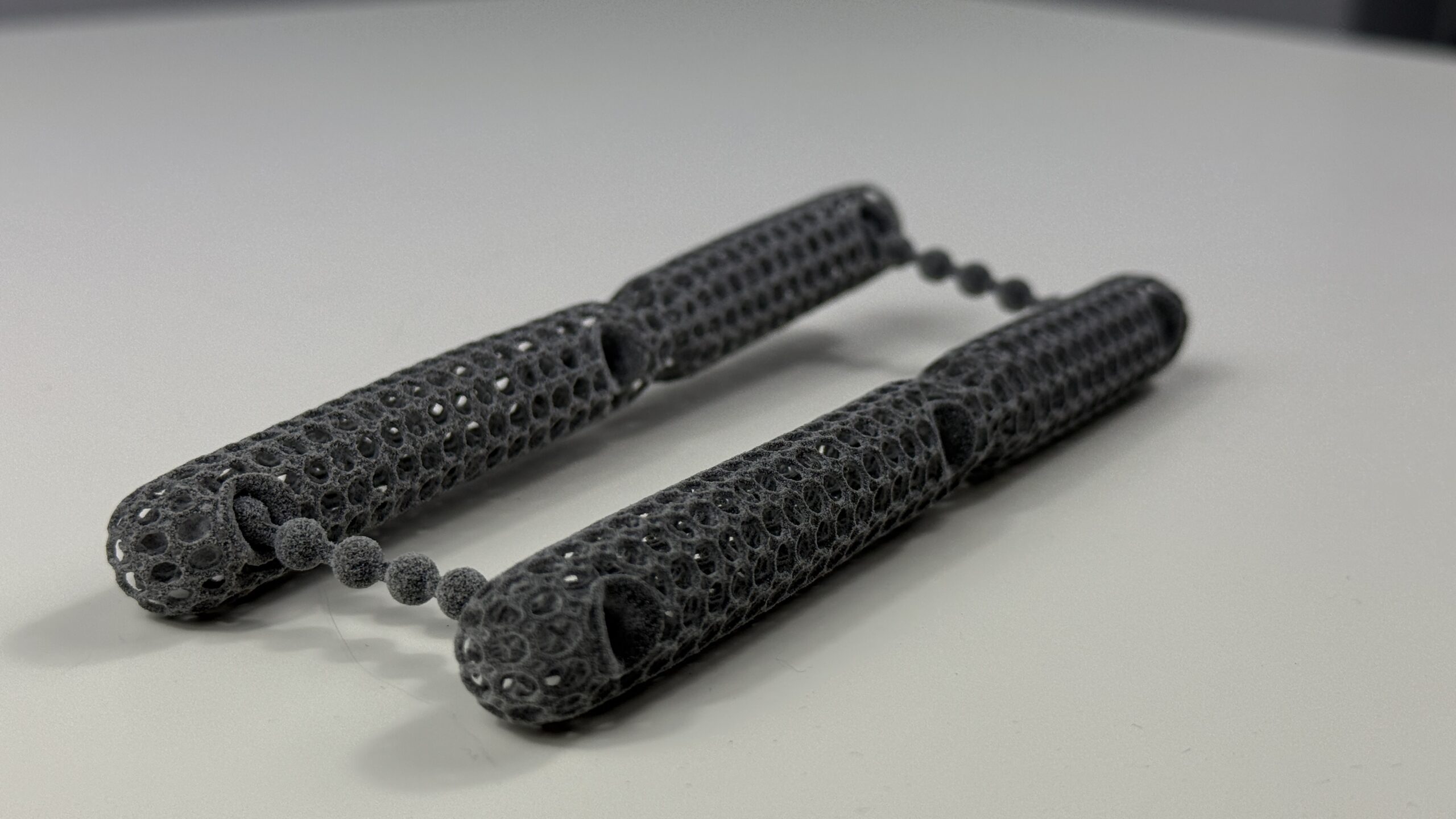
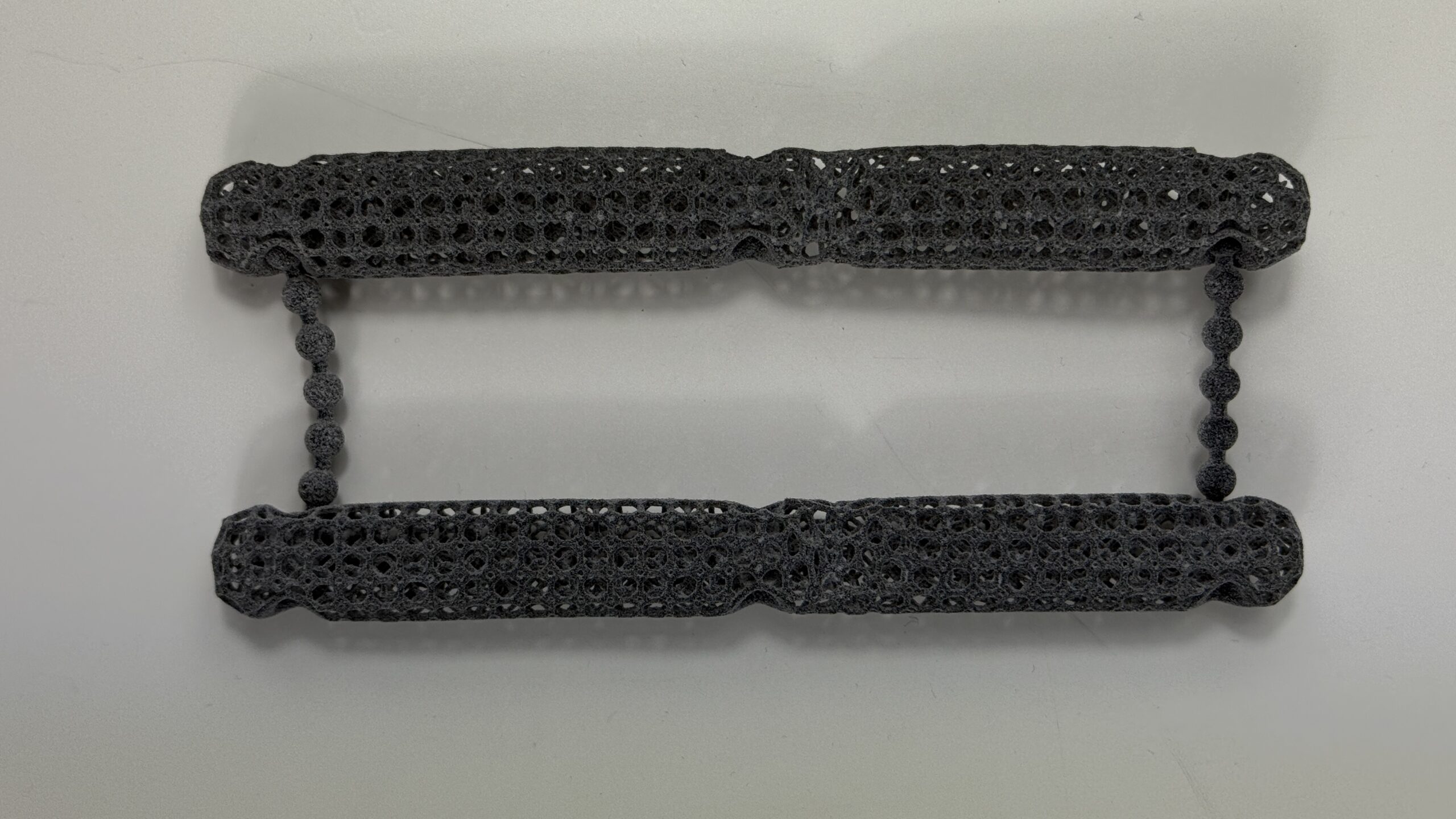
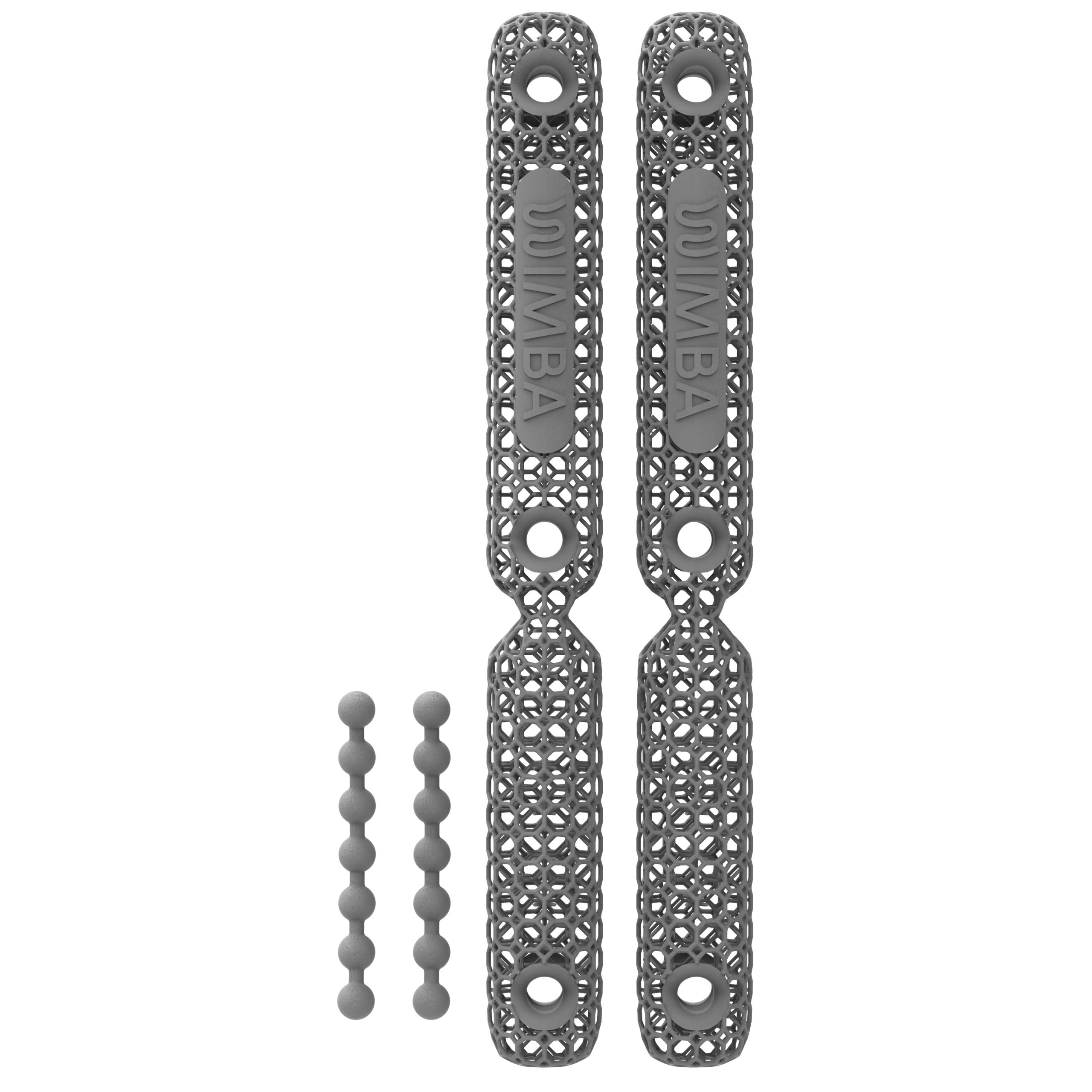
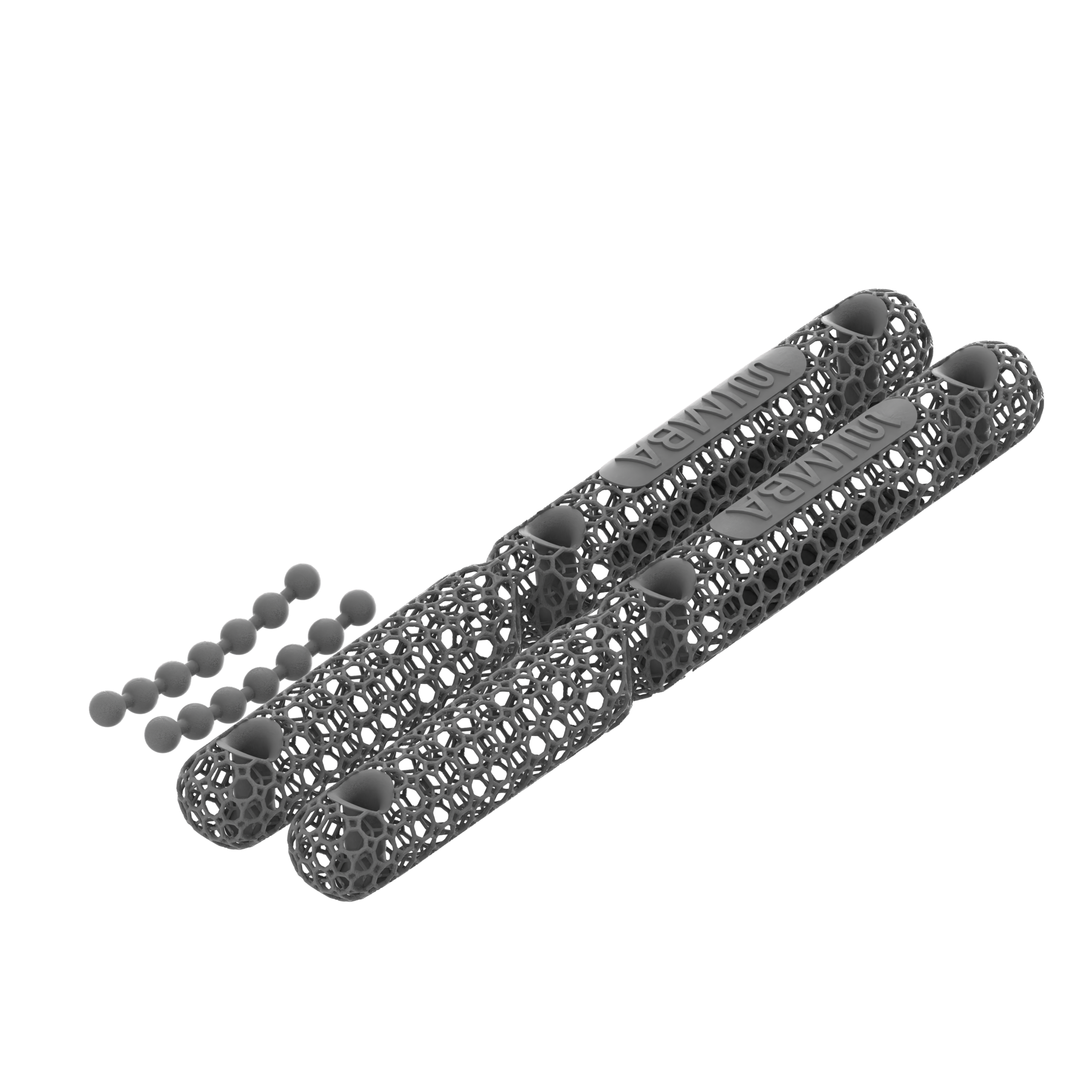
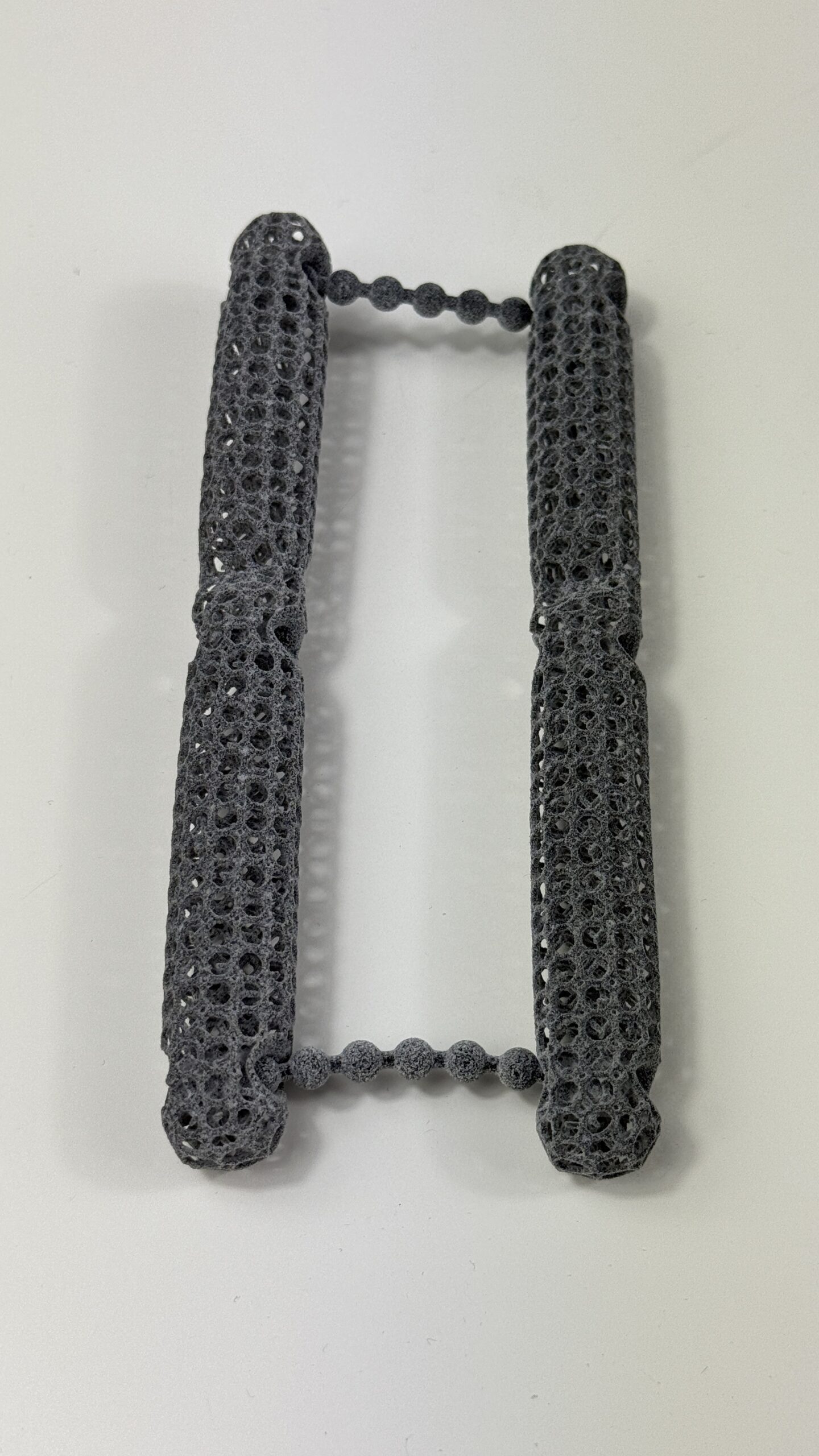
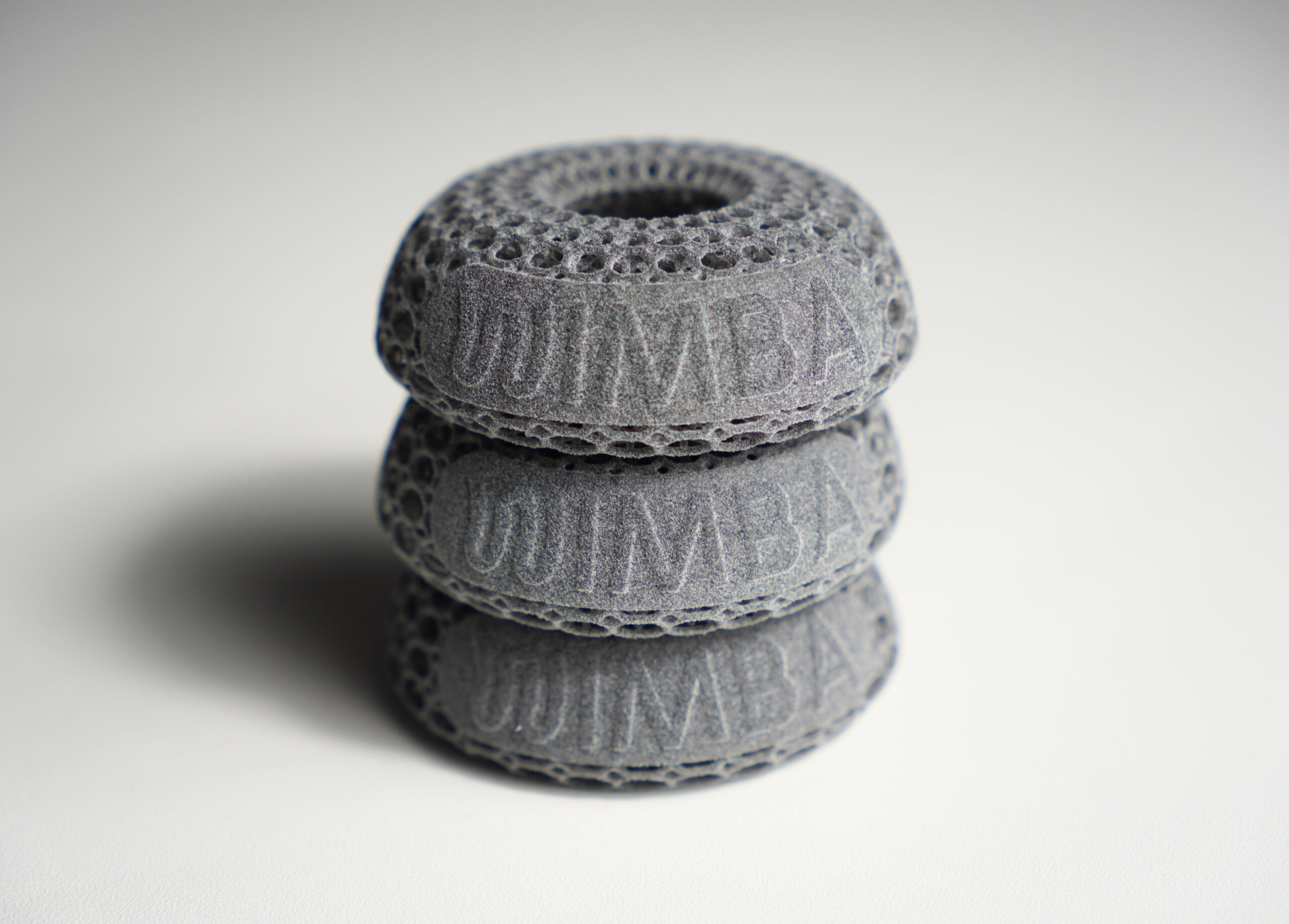
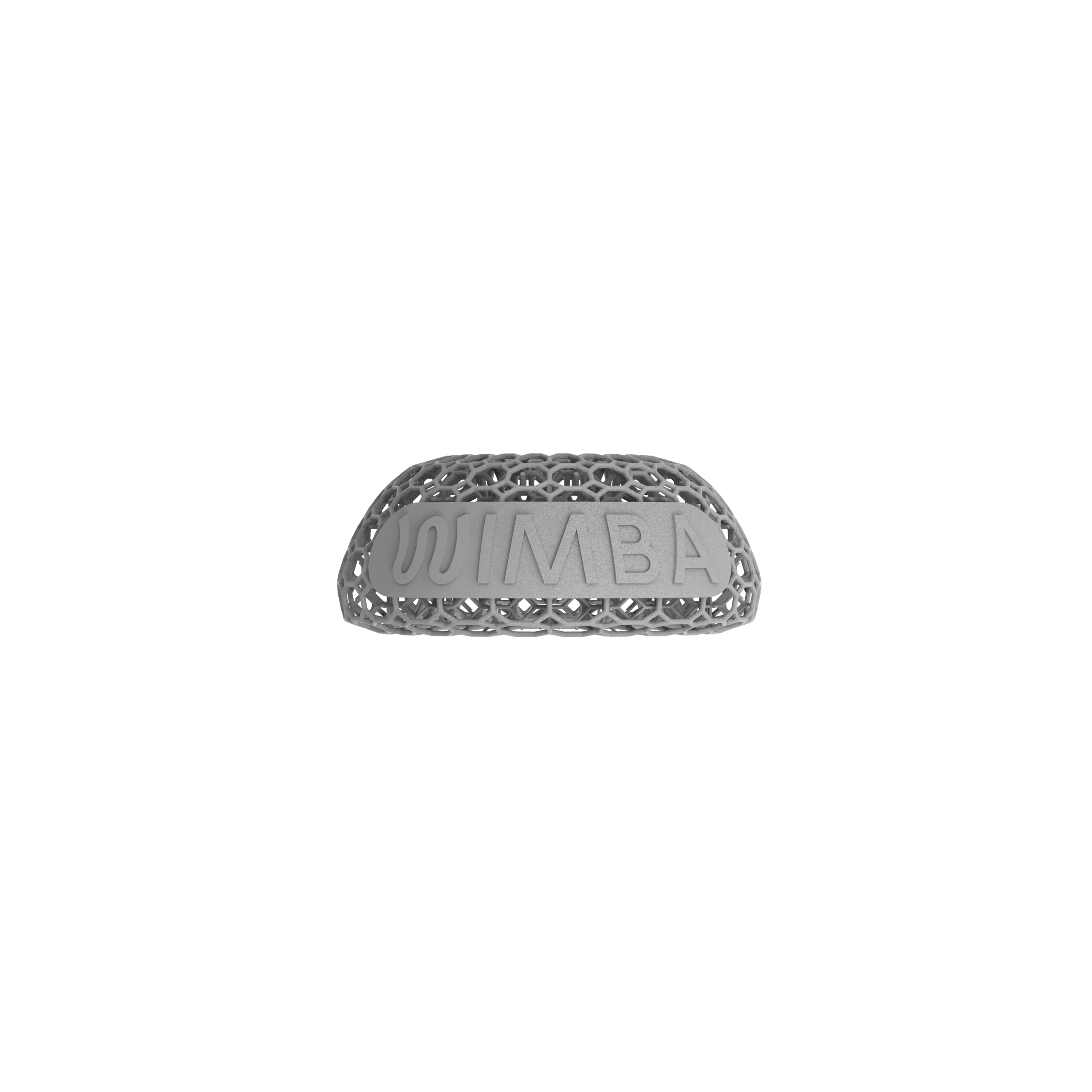
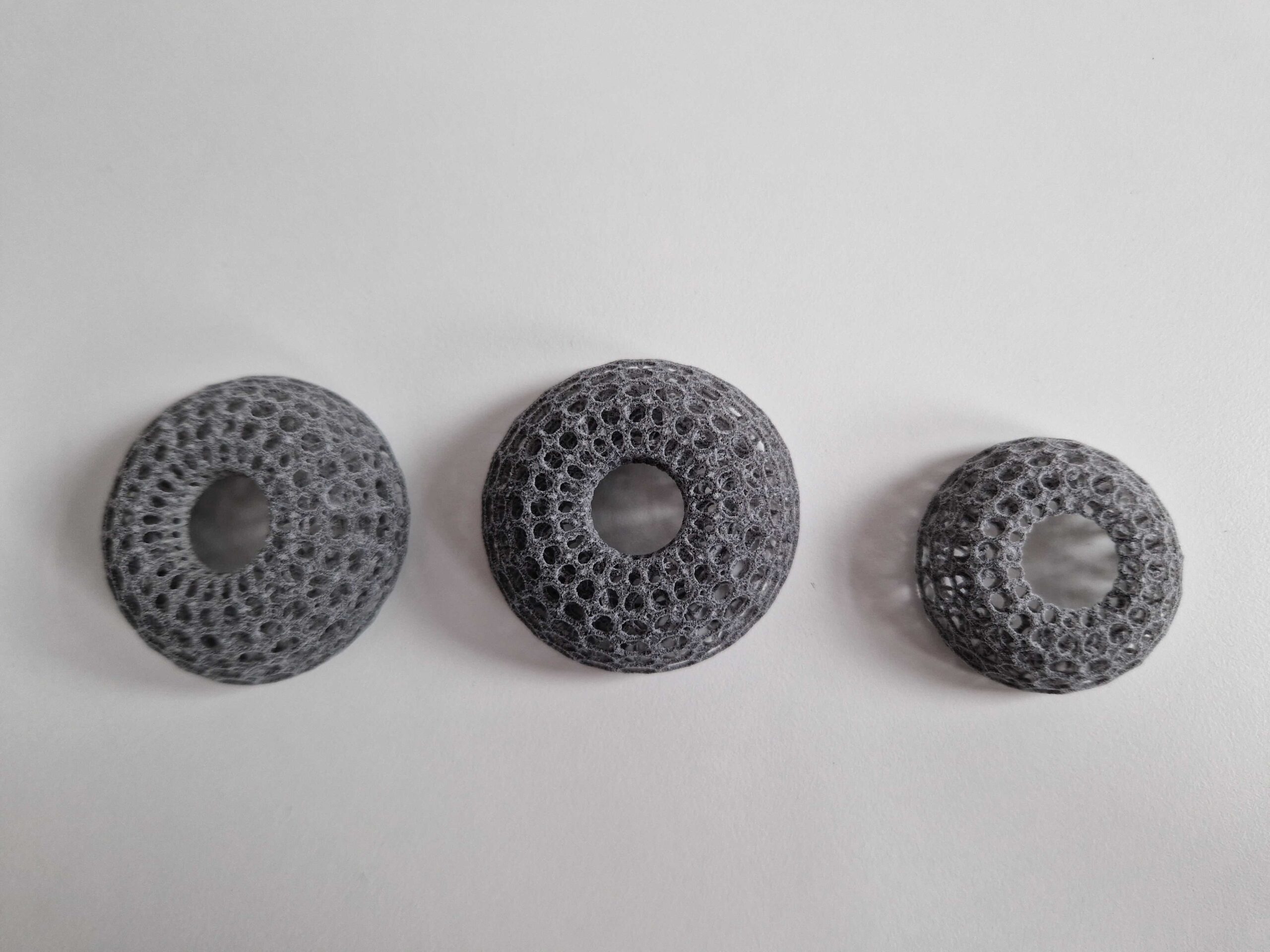
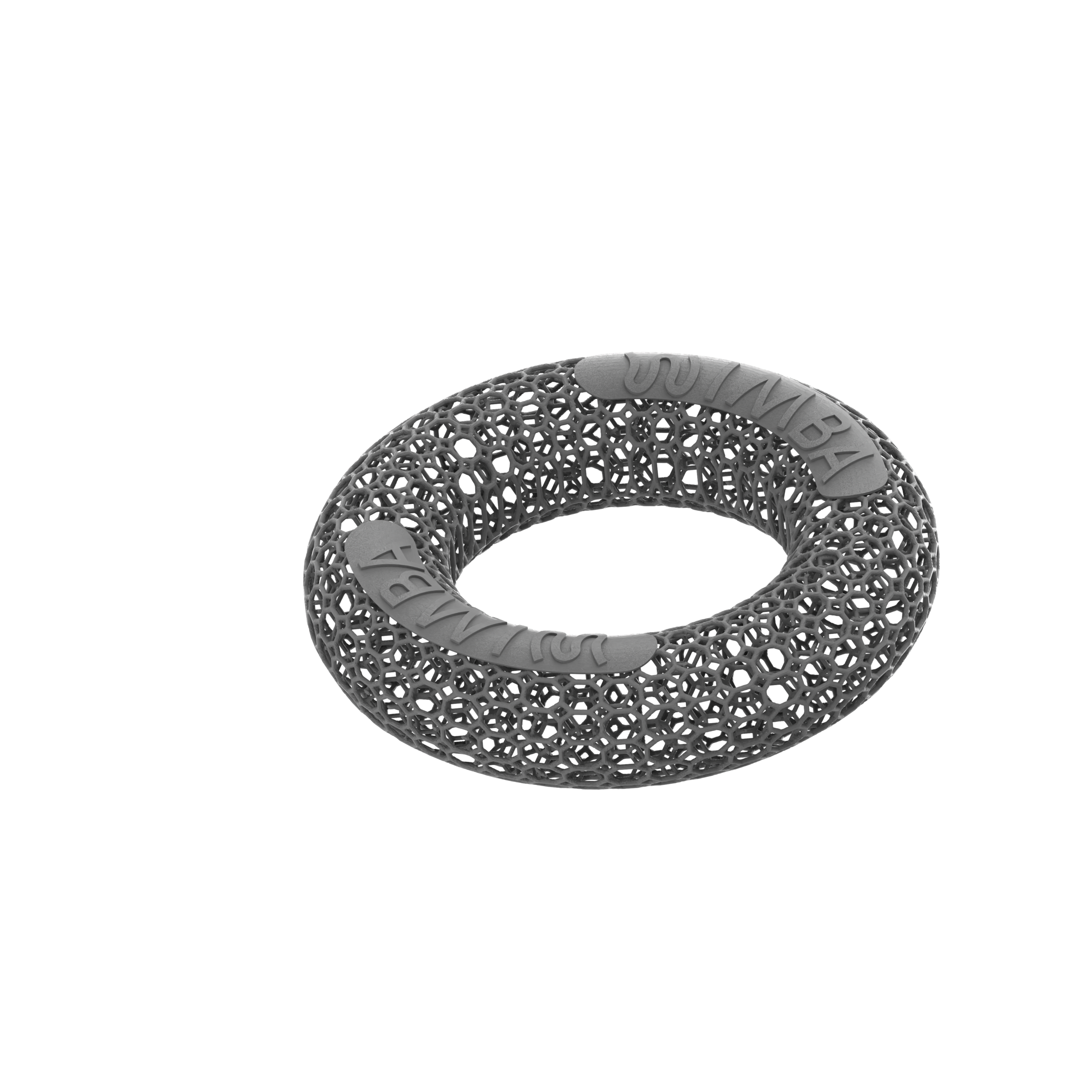
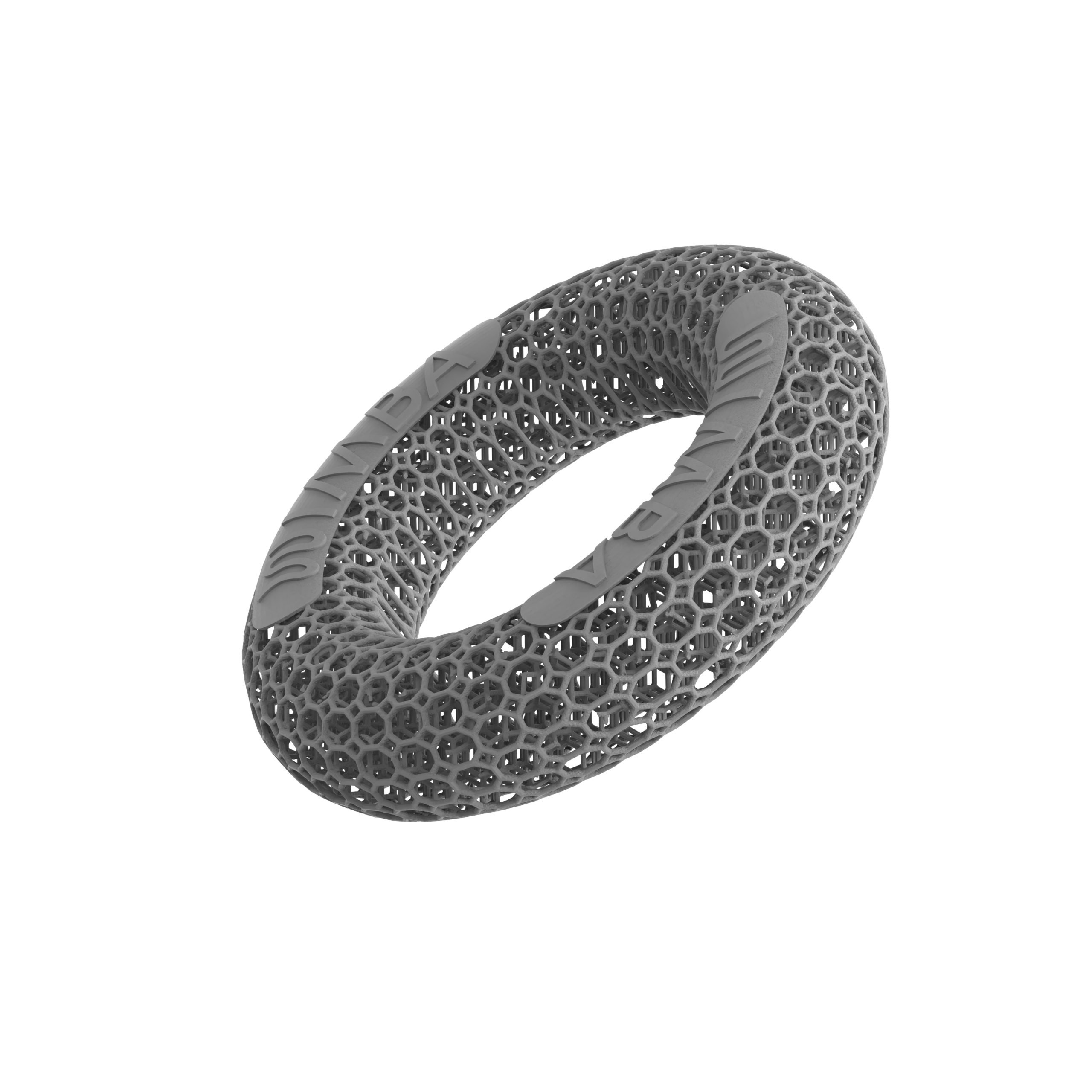
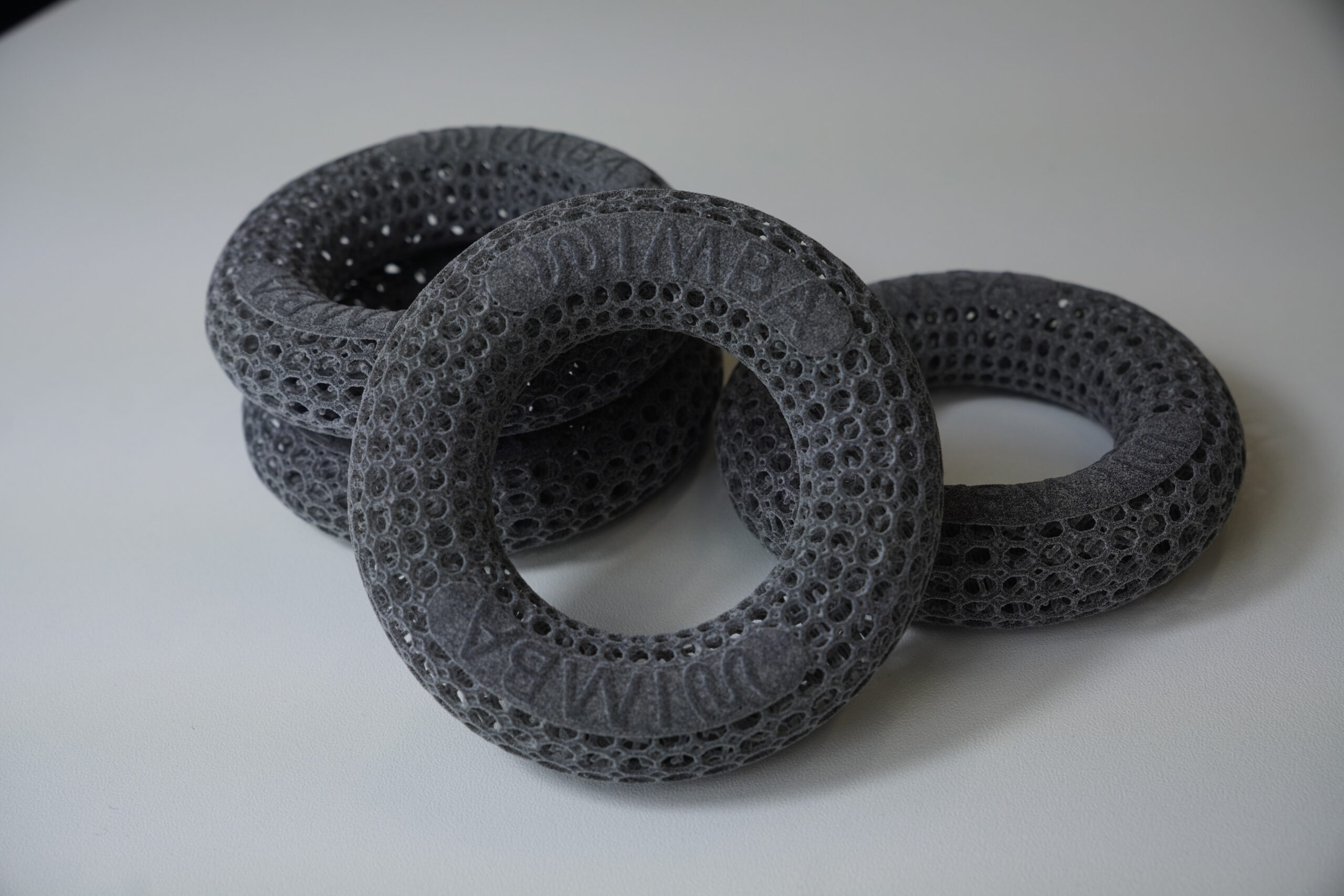
Every WIMBA device is custom made for the dog’s anatomy. The process starts with a full veterinary examination and diagnosis. WIMBA Go devices need two clear photos and several measurements, while WIMBA Pro devices use a precise 3D scan of the affected limb. The WIMBA team then designs and 3D-prints the dog orthosis from high-quality materials, and a WIMBA Provider checks the finished device for proper fit and support. WIMBA orthoses support an existing limb or joint, while prostheses replace a missing part of a limb.
Published veterinary evidence also demonstrates the feasibility of patient-specific 3D-printed prosthetic devices. A 2025 case report described a custom socket-model exoprosthesis for a dog with a partially amputated pelvic limb. After four weeks of gradual, supervised use, the dog had no major difficulties walking or running, and no injuries to the amputated stump were reported. As this was a single case report, it illustrates clinical feasibility rather than proving outcomes across all patients or device categories.[3]
For the full ordering process and to find a provider, see How to Order. Before you begin, the WIMBA Pet Parent Guide explains how to apply, use, clean, and maintain a WIMBA device.

Is a Veterinary Orthotic Right for Your Pet?
The first step in choosing a mobility device always happens at your vet’s office. A WIMBA device requires a diagnosis and prescription from a licensed veterinarian, who oversees the process. Once your pet has been examined, upload the veterinary diagnosis together with photos, diagnostic images, or videos of the affected limb(s) and your contact details. Our team will review the case, let you know whether custom support could help your pet’s mobility, and guide you and your veterinarian on the next steps.
Frequently Asked Questions About an Orthosis or Prosthesis
What is the difference between an orthosis and a prosthesis?
An orthosis supports, aligns, or protects an existing limb or joint. A prosthesis replaces all or part of a missing limb. If you are unsure whether your dog needs an orthosis or prosthesis, a licensed veterinarian should examine the patient, establish a diagnosis, and determine which type of device may be appropriate.
How do I know if my dog needs a veterinary orthotic?
The decision to use a supportive medical device should always be made by a licensed veterinarian after a full examination and diagnosis of the affected limb or joint. Common indications include joint instability, ligament injuries, carpal or tarsal hyperextension, post-surgical recovery, and chronic orthopedic conditions where surgery is not an option. A custom dog brace requires a prescription, professional fitting, and ongoing monitoring rather than a simple online purchase.
How long does it take to get a custom dog orthotic from WIMBA?
A WIMBA Go device for mild to moderate cases needs two photos and simple measurements, with a production time of 10 business days plus shipping of 1–3 days in the EU and 3–10 days to the UK and USA — typically arriving within 2–4 weeks. WIMBA Pro devices for moderate to severe cases require a full 3D scan and have a longer timeline, which the WIMBA team confirms during the process. Production begins once the measurements and required veterinary information have been submitted.
What weight range is suitable for WIMBA orthotic devices?
WIMBA devices are designed for dogs weighing between 10 lb (4.5 kg) and 100 lb (45 kg). Dogs outside this range may place excessive stress on the device, increasing the risk of failure or inadequate support. If your dog falls outside this range, discuss other mobility options with your veterinarian.
What is the daily routine for a dog using a prescribed mobility device?
Daily use involves putting the device on and taking it off at scheduled times, checking the skin for irritation or pressure sores, and following the wearing schedule recommended by the veterinary team. Most pet parents become confident with support from video instructions and the WIMBA Pet Parent Guide. Long-term use usually also includes rehabilitation exercises, activity adjustments, and regular veterinary check-ins.
Is a custom-fitted device the same as a dog brace you can buy online?
No. A WIMBA device is custom made from precise measurements or a 3D scan of the dog’s anatomy. An off-the-shelf brace has a generic fit and cannot reproduce this individual design. A poorly fitting device can cause pressure sores, restrict circulation, and worsen the underlying condition. Professionally provided support requires veterinary prescription, fitting, and ongoing monitoring.
Can my dog use an orthotic if it tends to chew objects?
Dogs that habitually chew or swallow non-food items may be poor candidates, as they can damage the device or ingest dangerous components. Your veterinary team may recommend addressing the chewing behavior with a veterinary behaviorist before fitting any wearable support. The safety of the animal always takes priority over the potential benefit of the device.
Medical Disclaimer: All information on this website is intended for instructional and informational purposes only. The authors are not responsible for any harm or injury that may result. Significant injury risk is possible if you do not exercise due diligence and seek suitable professional advice about your dog’s specific situation. No guarantees of specific results are expressly made or implied on this website.
Scientific References
- Sims C, Waldron R, Marcellin-Little DJ. Rehabilitation and physical therapy for the neurologic veterinary patient. Vet Clin North Am Small Anim Pract. 2015;45(1):123–143. PMID 25440754
- Knazovicky D, Helgeson ES, Case B, et al. Widespread somatosensory sensitivity in naturally occurring canine model of osteoarthritis. Pain. 2016;157(6):1325–1332. PMID 26901805
- de Souza MMN, da Cunha Antonioli M, Dos Santos MHM, et al. 3D exoprosthesis in socket model for dog with amputed pelvic limb: case report. BMC Vet Res. 2025;21(1):113. PMID 40011895