

This FAQ is written for veterinary professionals considering veterinary orthosis and prosthesis (V-OP) for their patients. It covers clinical decision-making, device selection, fitting workflow, and owner management.
Indications and Patient Selection
When should I consider a V-OP instead of surgery?
V-OP is appropriate as primary management when: (1) anaesthetic or surgical risk is prohibitive (cardiac disease, advanced age, severe OA as comorbidity); (2) the owner declines surgery for financial or personal reasons; (3) the condition responds well to conservative bracing (partial carpal hyperextension, partial Achilles tendon injury, Grade I–II CCL); or (4) surgical repair has already been performed and bracing supports the recovery phase. V-OP and surgery are complementary, not competing, approaches.
Is V-OP suitable for cats?
Yes, though feline V-OP is a smaller and more demanding specialty. Cats tolerate braces well when devices are lightweight, correctly fitted, and introduced gradually with positive conditioning. Indications in cats include carpal hyperextension, tarsal injuries, and distal limb prosthetics after amputation. Contact WIMBA for a case consultation if you are evaluating a feline patient.
What makes a patient a poor candidate?
Key exclusion factors: active skin infection, ulceration, or severe dermatitis at the device interface; severe obesity that prevents proper fit or makes the device ineffective; uncontrolled pain that would worsen with mechanical constraint; very short residual limb (for prosthetics); and owners who are unable or unwilling to perform daily device management. Poor owner compliance is the single most common reason for V-OP failure.
Can V-OP be used alongside physiotherapy and hydrotherapy?
Yes — and it is strongly recommended. Physiotherapy and hydrotherapy address muscle atrophy, proprioceptive deficits, and gait compensation that braces alone cannot resolve. The orthosis supports the joint during land exercise; hydrotherapy is often performed without the device (unless waterproof). A collaborative physiotherapist-veterinarian approach yields the best outcomes.
Device and Fitting Process
How is a WIMBA custom device made?
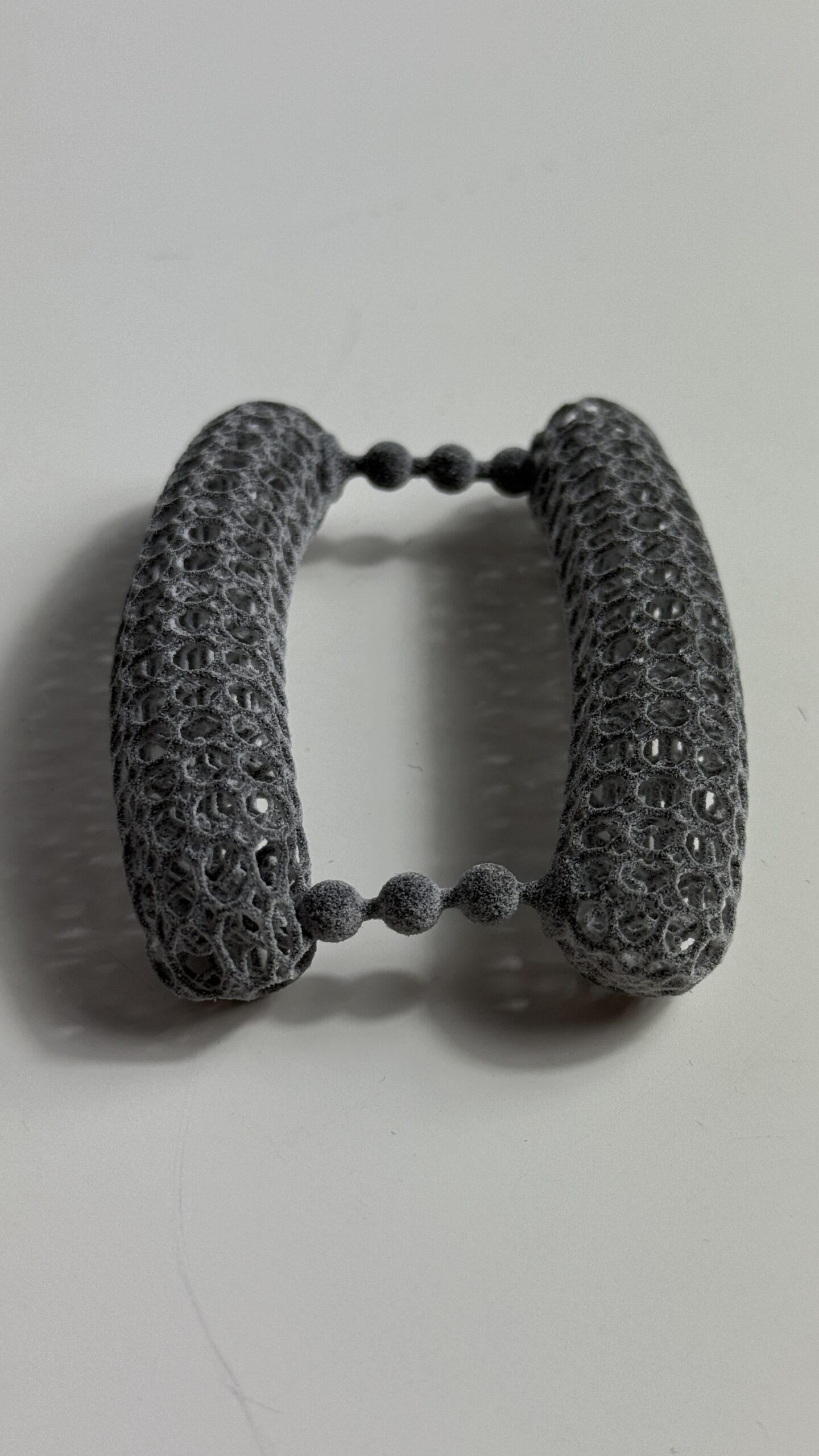
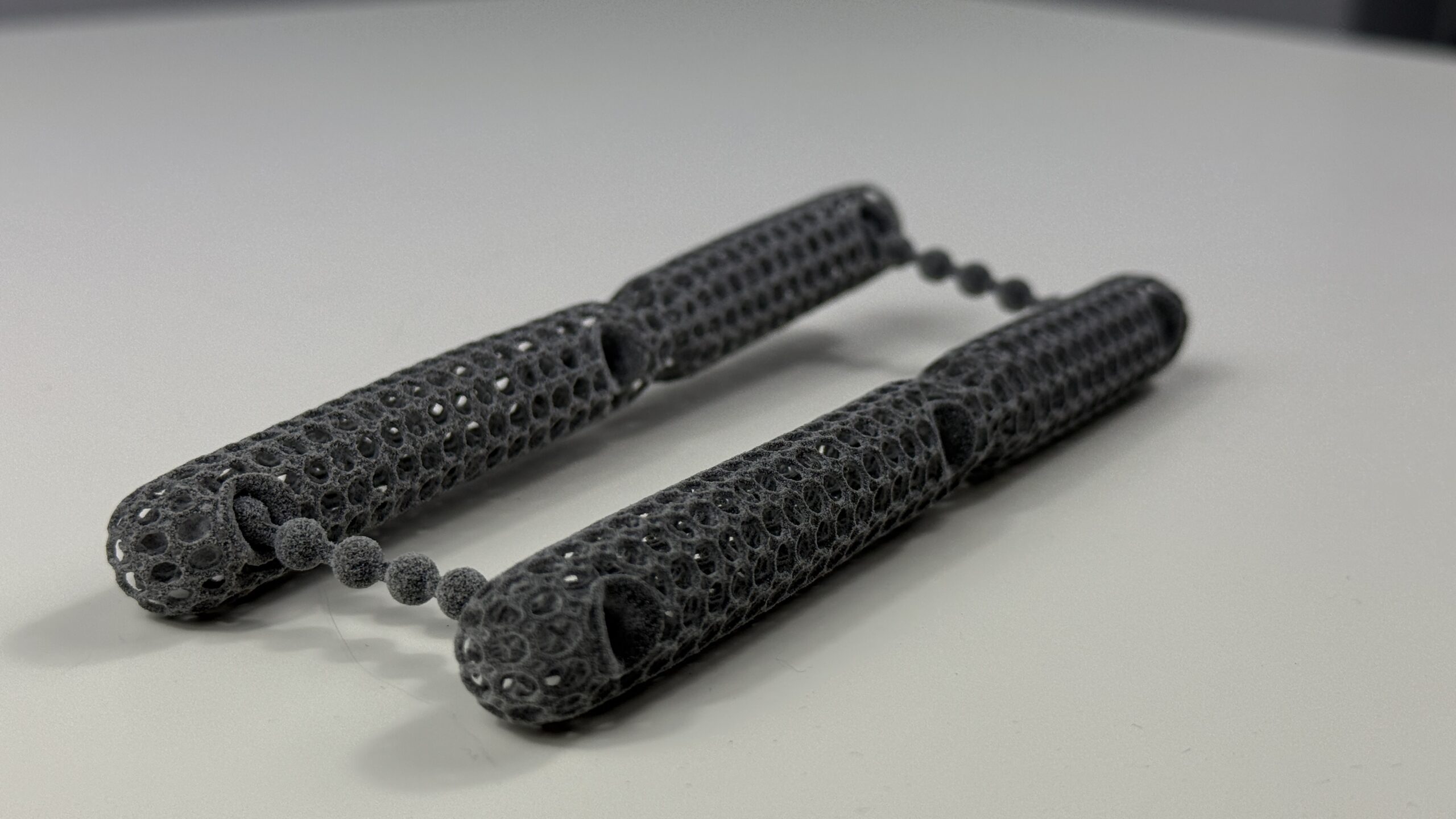
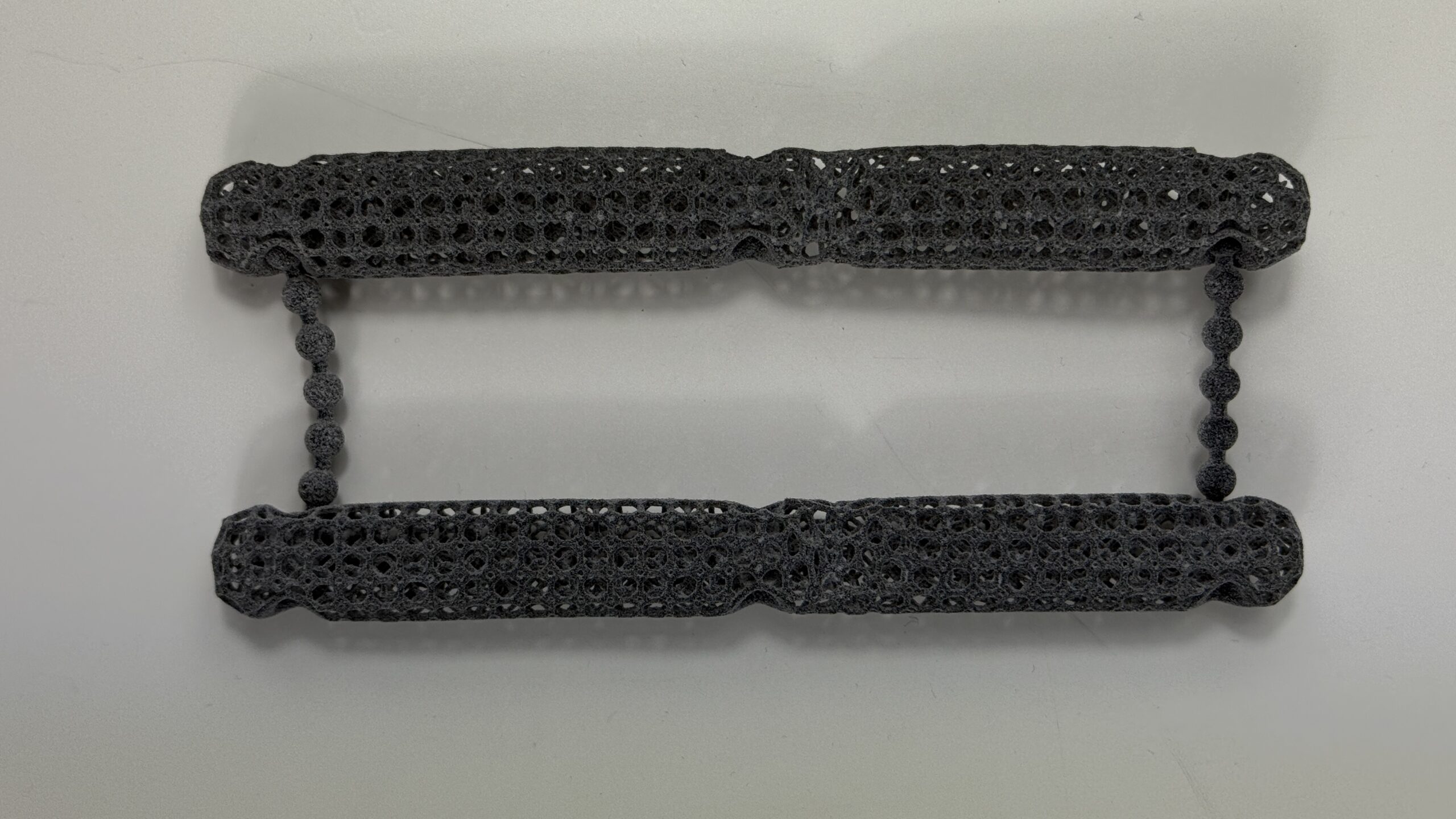
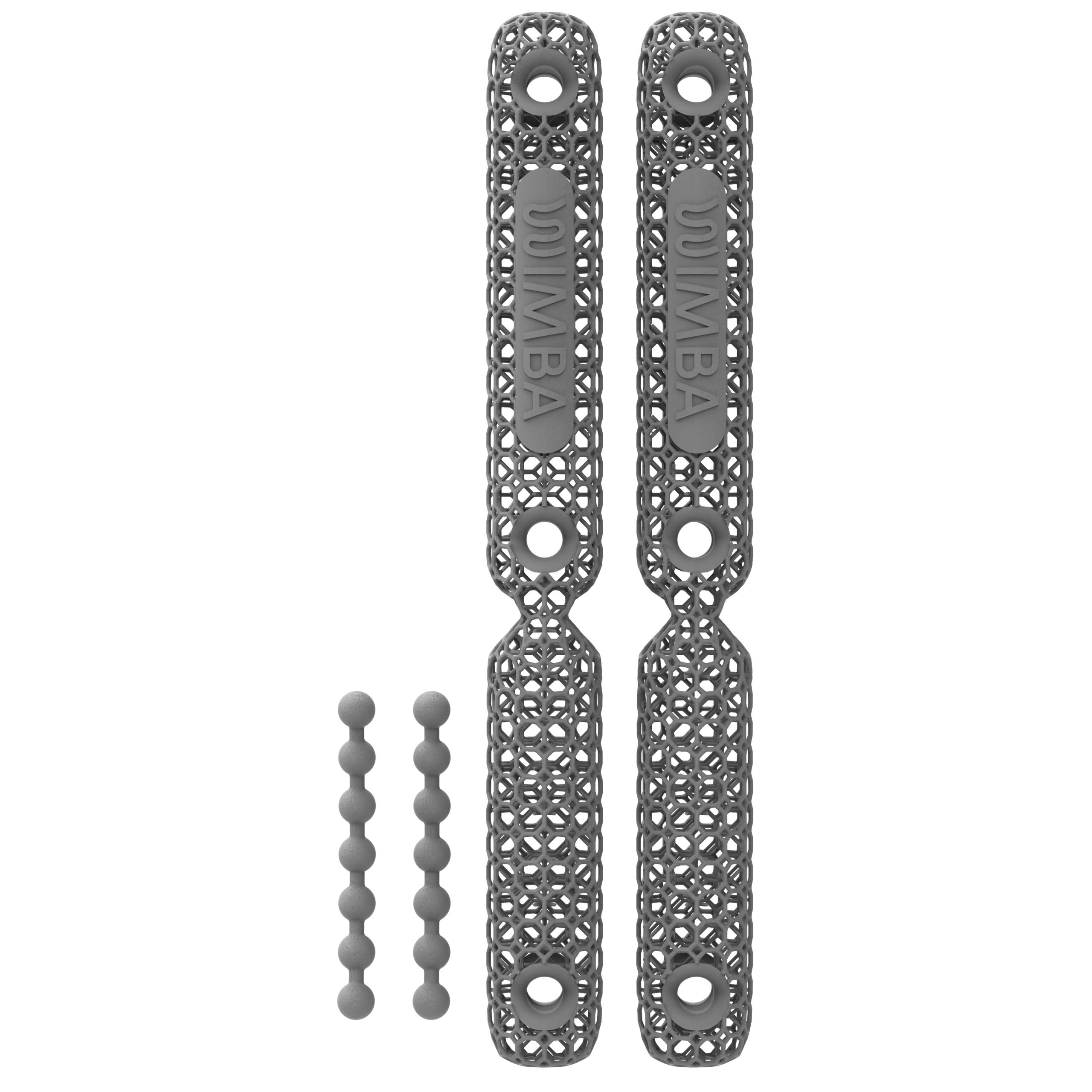
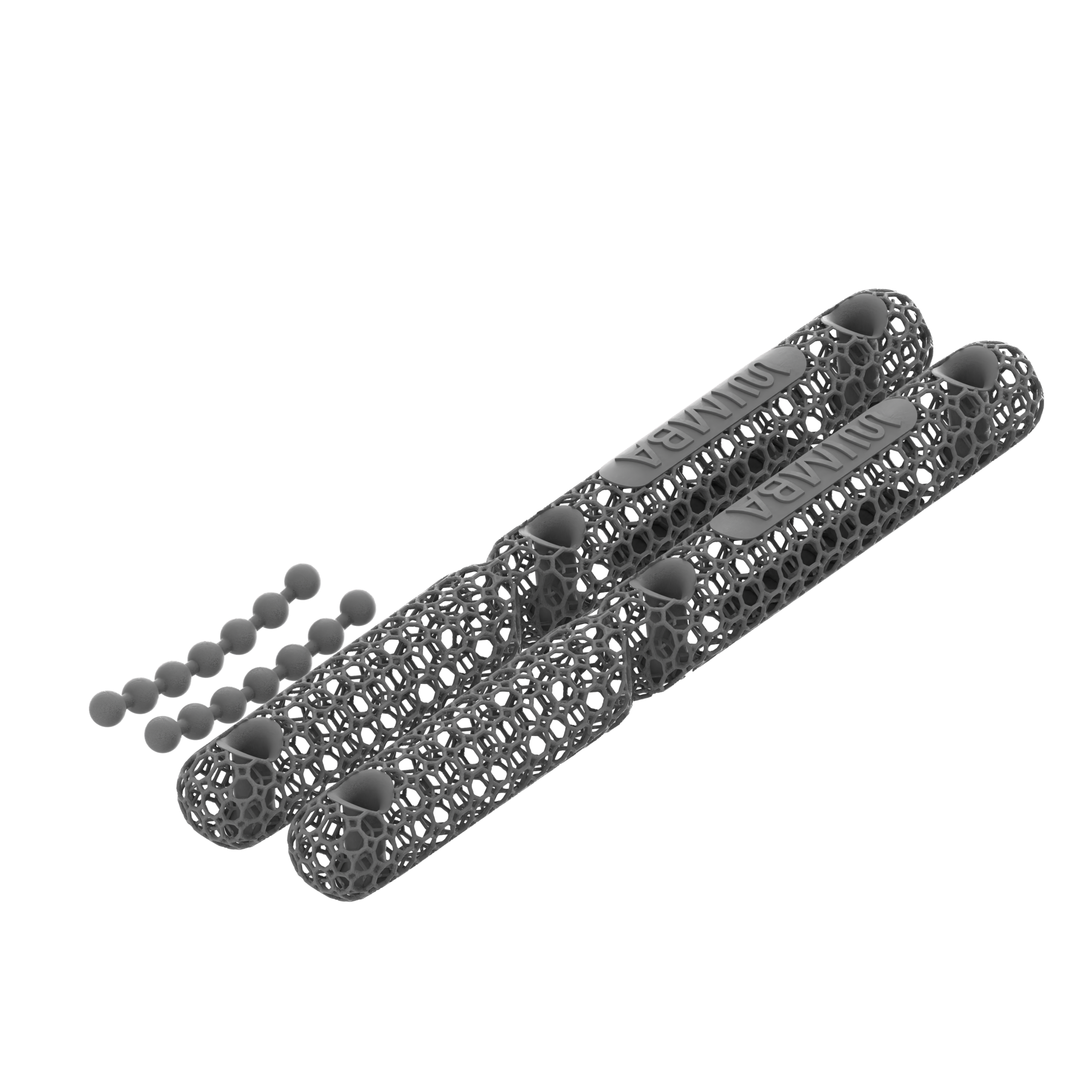
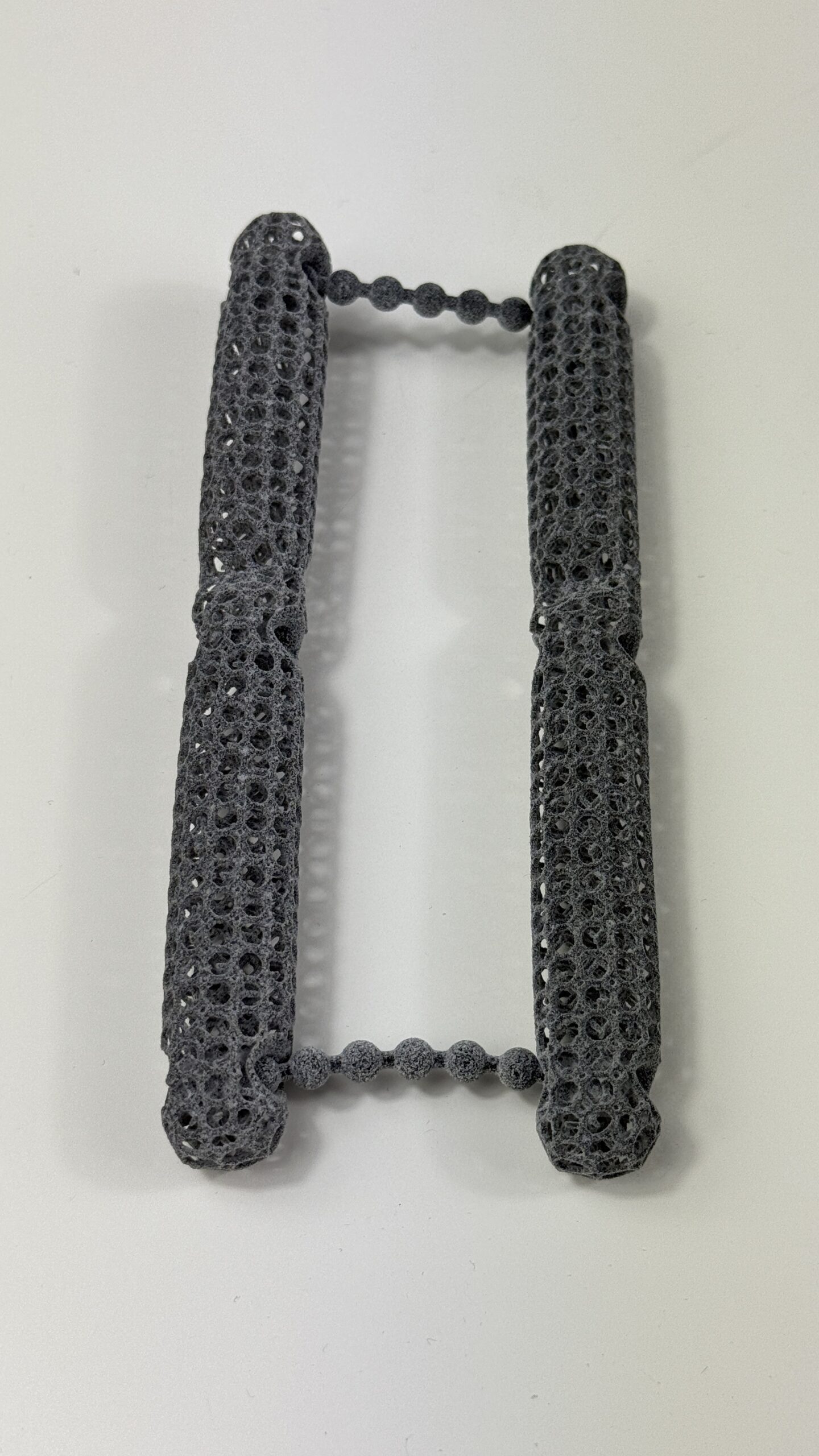
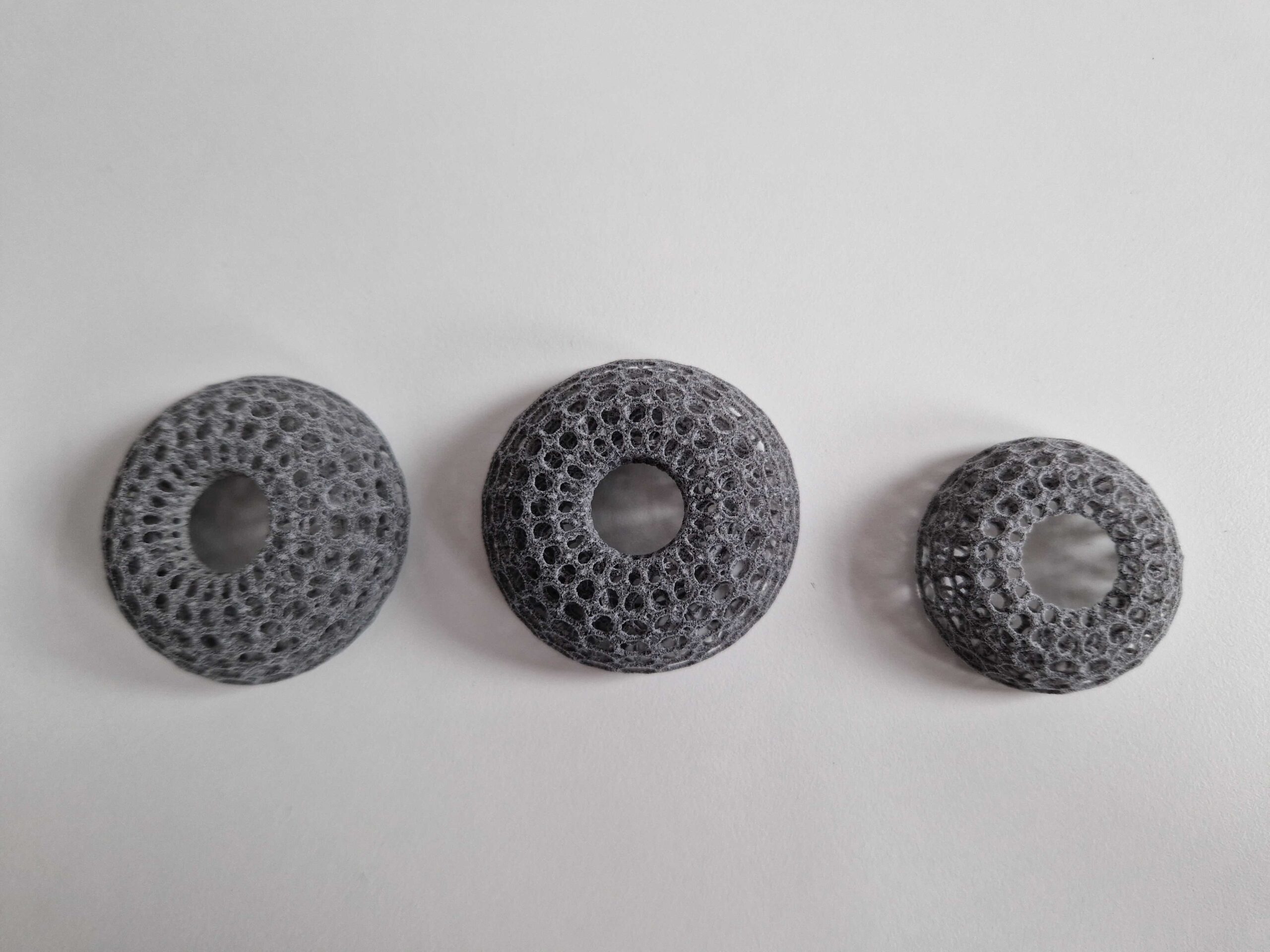
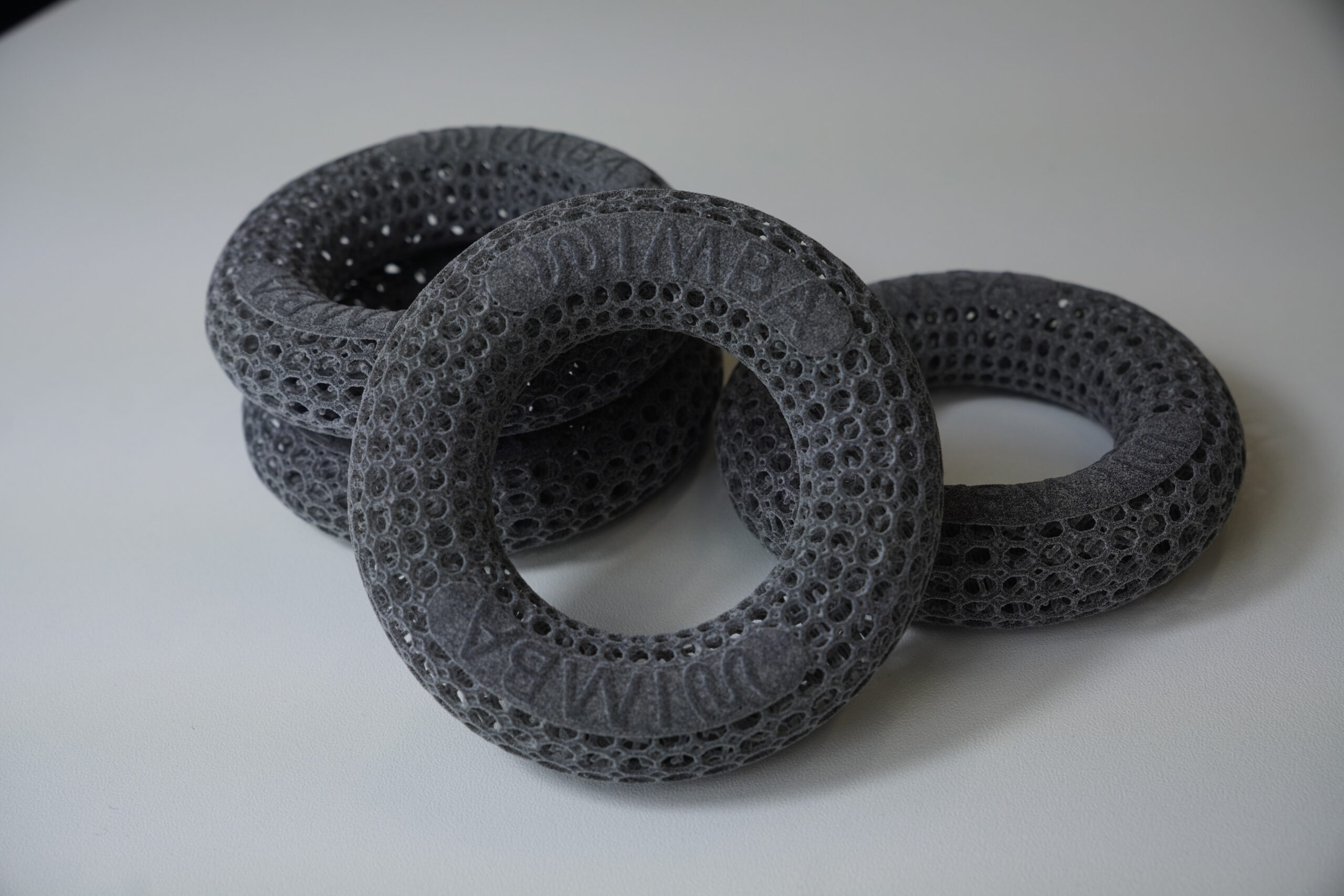
WIMBA uses a fully digital workflow: (1) the referring vet or owner submits a 3D scan of the patient’s limb (WIMBA provides scan instructions and support); (2) WIMBA’s clinical and design team models the device to the scan, incorporating the correct joint angles, padding zones, and closure positions; (3) the device is printed using HP Multi Jet Fusion technology and post-processed; (4) the finished device is dispatched with a fitting guide. Typical turnaround is 5–10 business days from scan receipt.
Does the patient need to be sedated for fitting?
No sedation is required. The 3D scan is performed in a standing or lying awake patient and takes 2–5 minutes. WIMBA provides a scanning protocol and the referring clinic uses a compatible scanning device or smartphone-based scanning app. For very anxious patients, light sedation for the scan improves scan quality but is not routinely necessary.
What if the device doesn’t fit correctly after delivery?
WIMBA offers free adjustments and remakes where fit issues are due to manufacturing or design factors. Fitting is verified remotely via video assessment (WIMBA’s clinical team reviews video of the device in situ). Limb volume changes due to oedema reduction or muscle gain/loss after the scan may require a new scan; this is discussed during the initial case consultation.
How long does a V-OP device last?
Expected lifespan varies by device type, patient size, activity level, and wearing schedule. For orthoses: 12–24 months is typical for medium-to-large dogs with daily use. Padding and closures wear faster than the shell and are user-replaceable. Prosthetics have similar shell longevity; the foot/pylon component may need replacement every 6–12 months in active patients. Growing patients (juvenile dogs) will require device replacement as the limb changes.
Owner Management
What do I tell owners about daily management?
Daily routine: apply device before activity, remove after activity and overnight (unless instructed otherwise); check skin under the device for redness, pressure marks, or wounds at each removal; clean device interior with mild soap weekly; report any behaviour change (reluctance to wear, limping with device on) promptly. The first 2 weeks are a break-in period — wearing time starts at 2 hours per session and increases to full activity tolerance.
Should the device be worn overnight?
For most orthoses, no. The limb benefits from periods without mechanical constraint for tissue perfusion and skin recovery. Exceptions include immediately post-surgical cases where the joint must be immobilized continuously — this is specified in the device prescription. Prosthetics are always removed at night.
How do I set owner expectations for outcome?
Be transparent about what the device can and cannot do. Orthoses manage symptoms and support function — they do not reverse OA, regenerate ligaments, or halt neurological progression. Realistic goals: improved weight-bearing, reduced pain-related gait changes, maintained muscle mass, and extended functional quality of life. Owners who understand this are more compliant and more satisfied with outcomes.
Working with WIMBA
How do I become a WIMBA provider?
Registration is free and open to all licensed veterinary professionals. Registered providers access free case consultation, clinical support during fitting, and priority device turnaround. Register at wimba.vet/how-to-become-a-wimba-provider.
Is the initial case consultation free?
Yes. WIMBA’s clinical team provides free case review for all registered veterinary providers. Send patient history, imaging, and your clinical question — you’ll receive a response within one business day with device recommendations, candidacy assessment, and next steps.