

Veterinary orthoses and prostheses (V-OP) are prescribed for a wide range of neurological, orthopedic, and soft tissue conditions in companion animals. This guide covers the most common clinical indications, helping veterinarians identify suitable candidates and set realistic expectations for owners.
Neurological Conditions
Degenerative Myelopathy (DM)
Degenerative myelopathy is a progressive, non-painful spinal cord disease most common in German Shepherds, Pembroke Welsh Corgis, Boxers, and Chesapeake Bay Retrievers. As hindlimb ataxia advances to paresis, a thoracic-lumbar-sacral orthosis (TLSO) or pelvic limb support brace can help maintain ambulation and quality of life. V-OP does not halt disease progression but meaningfully extends the functional mobility phase. Physical rehabilitation combined with orthotic support is the current gold standard.
Intervertebral Disc Disease (IVDD)
IVDD causes spinal cord compression leading to pain, paresis, or paralysis in chondrodystrophic breeds (Dachshund, Beagle, Shih Tzu) and larger breeds. A thoracolumbar orthosis restricts spinal motion, reduces pain, and supports the trunk during recovery. Bracing is especially valuable for dogs that are not surgical candidates or during post-operative rehabilitation.
Fibrocartilaginous Embolism (FCE)
FCE presents as sudden, non-progressive spinal cord dysfunction. Recovery potential is high in the first 4 weeks. Hindlimb orthoses support ambulation while neurological function returns, preventing disuse atrophy and supporting proprioceptive retraining.
Lumbosacral Stenosis / Cauda Equina Syndrome
Lumbosacral instability causes hindlimb weakness, tail paresis, and incontinence. A lumbosacral orthosis stabilizes the LS junction, reduces nerve root compression, and supports conservative management in mild-to-moderate cases. Post-surgical support after decompressive laminectomy also benefits from bracing.
Orthopedic Conditions
Carpal Hyperextension
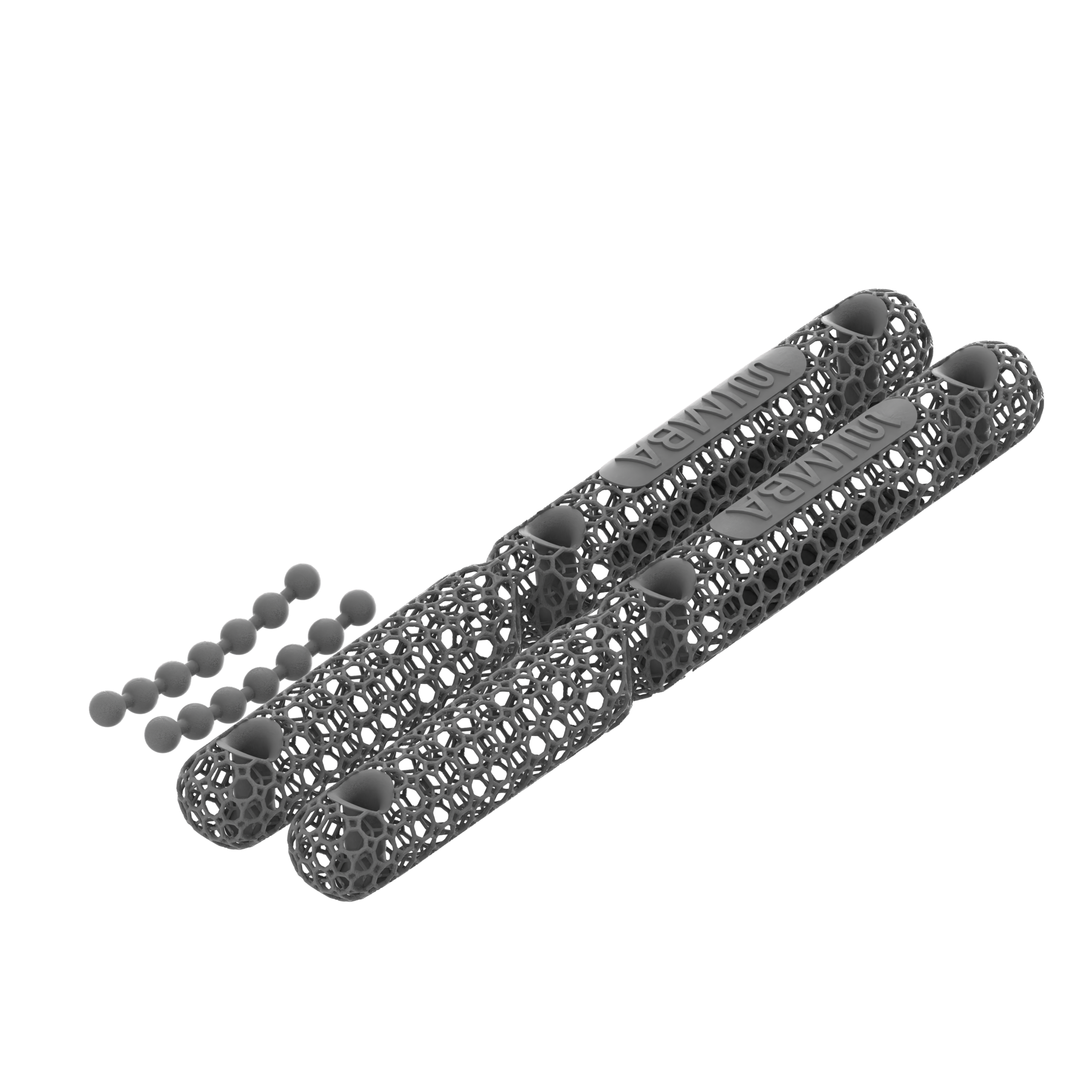
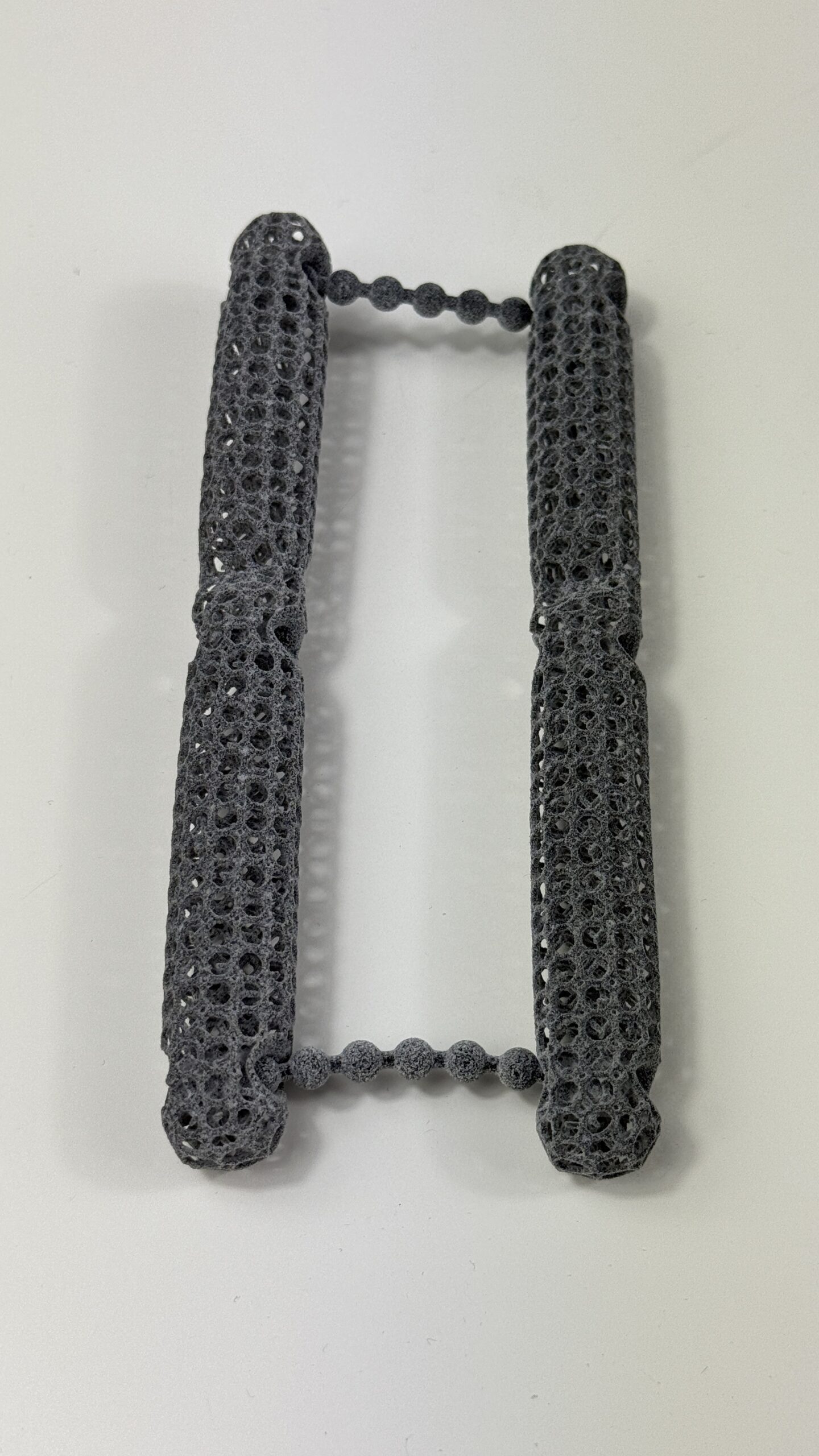
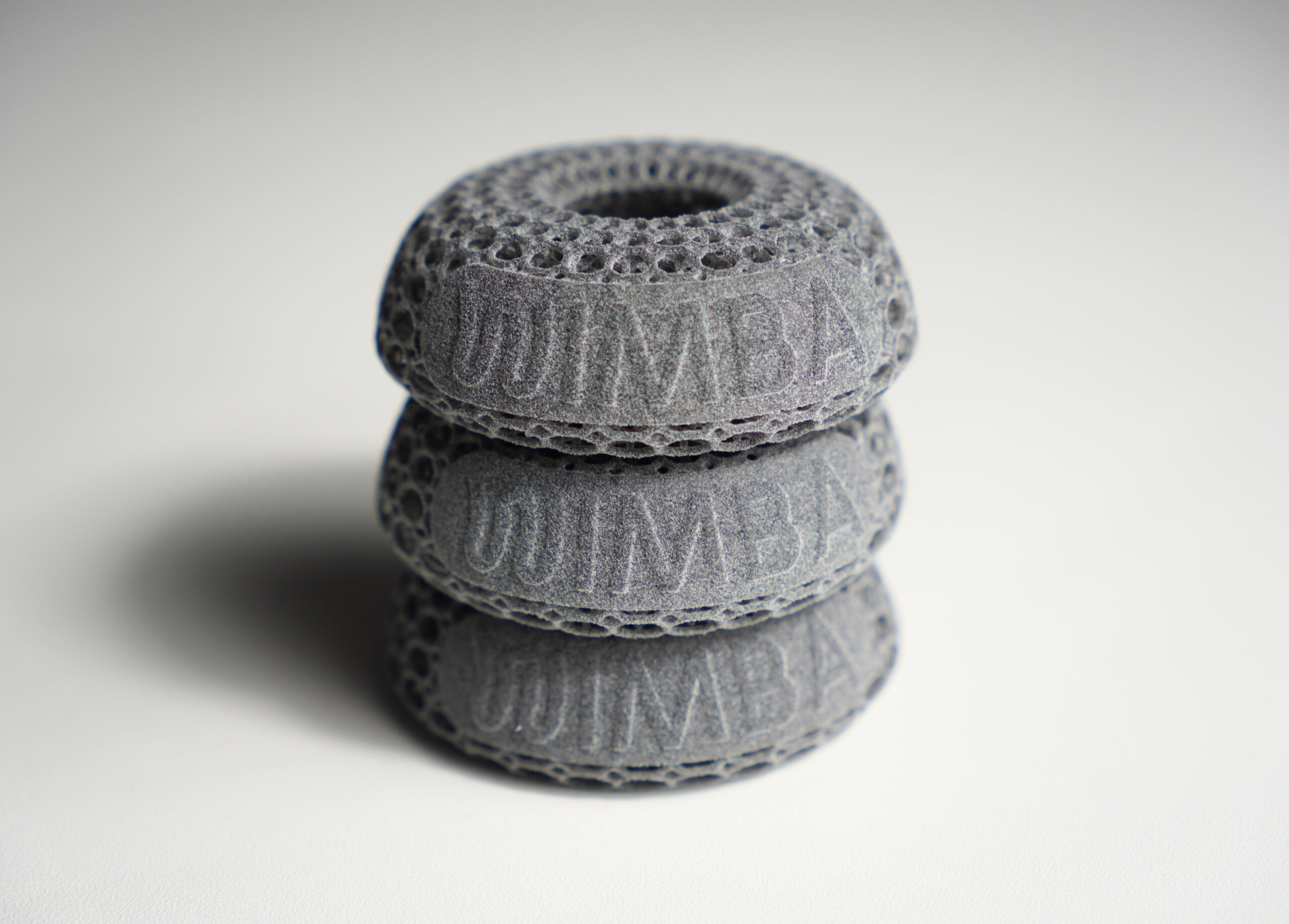
Carpal hyperextension results from trauma to the palmar fibrocartilage complex or chronic ligamentous laxity, presenting as plantigrade forelimb stance. A custom carpal orthosis holds the joint at the correct angle, offloading damaged structures. This is one of the most common forelimb orthosis indications in dogs. Custom 3D-printed orthoses outperform off-the-shelf options significantly due to precise fit.
Tarsal Hyperflexion / Dropped Hock
Tarsal hyperflexion (dropped hock) follows common calcaneal tendon injury, trauma, or congenital laxity. A custom tarsal orthosis maintains normal joint angle, protects soft tissue, and allows weight-bearing during healing. In partial tears, conservative bracing can be curative.
Cranial Cruciate Ligament (CCL) Disease / Stifle Instability
CCL disease is the most common orthopedic problem in dogs. A stifle orthosis serves dogs that are not surgical candidates, those in post-operative rehabilitation, and bilateral cases managed sequentially. A custom stifle brace reduces drawer motion, controls internal rotation, and supports healing.
Hip Dysplasia
Canine hip dysplasia (CHD) involves abnormal hip joint development leading to osteoarthritis. A hip orthosis supplements medical and physiotherapy management in juvenile dogs, post-surgical cases (after TPO or THR), and adult dogs where surgery is declined. The device supports proprioception and reduces pain-related compensatory gait changes.
Elbow Dysplasia
Elbow dysplasia encompasses OCD, UAP, FCP, and elbow incongruity. Elbow braces provide joint stability, reduce range-of-motion to minimize pain, and are used post-arthroscopically or as conservative management in geriatric patients with advanced osteoarthritis.
Limb Amputation and Prosthetics
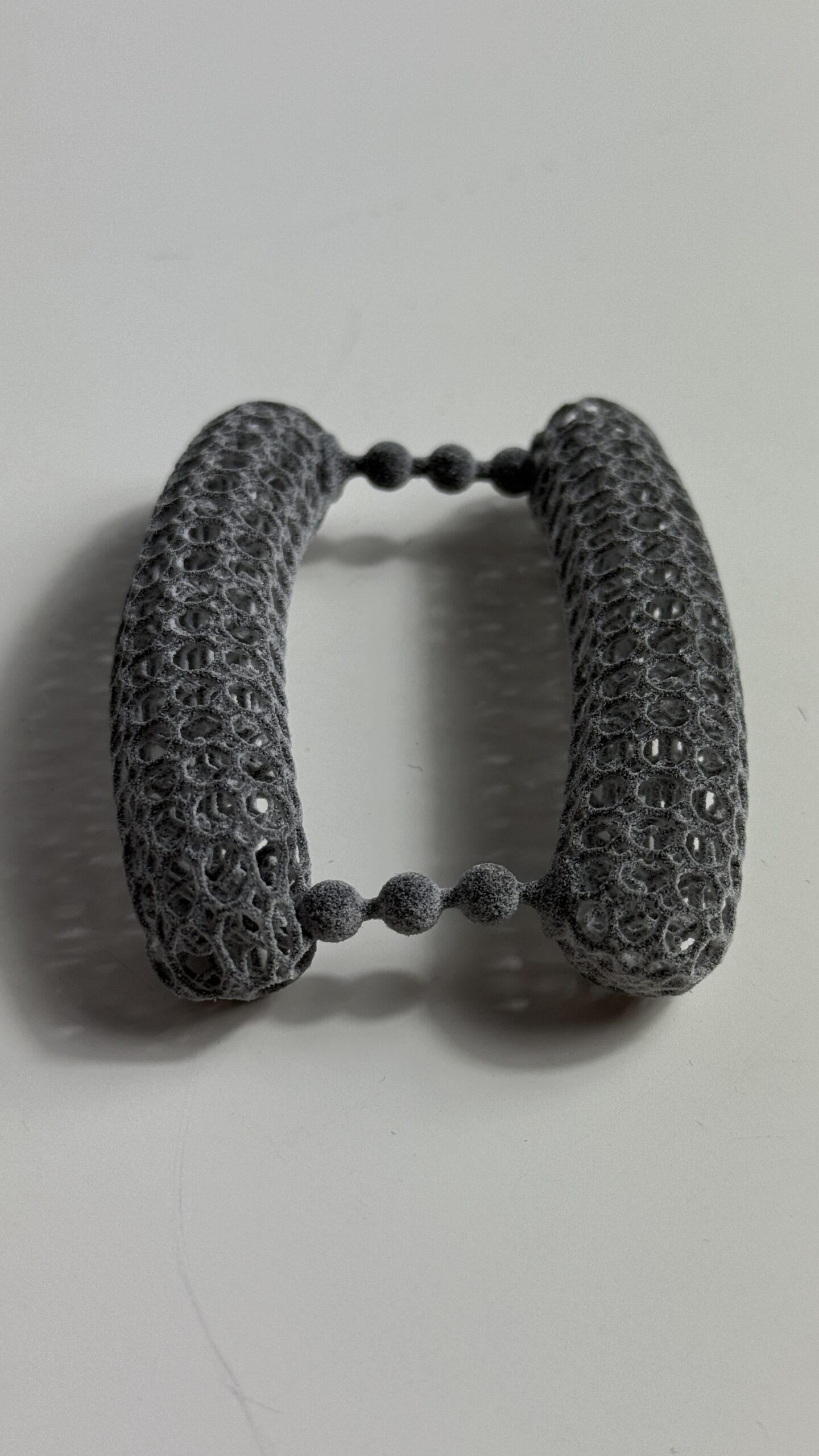
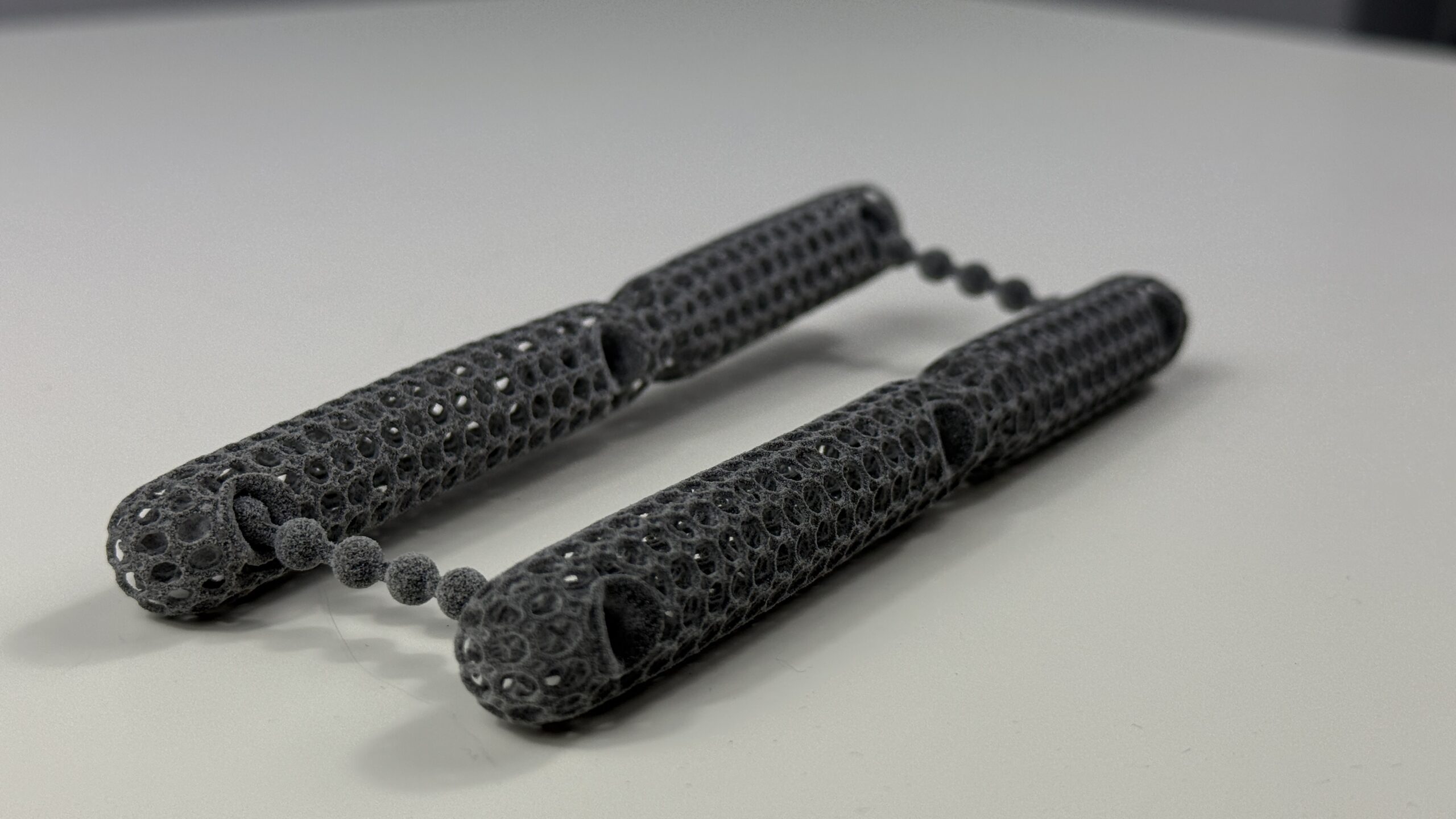
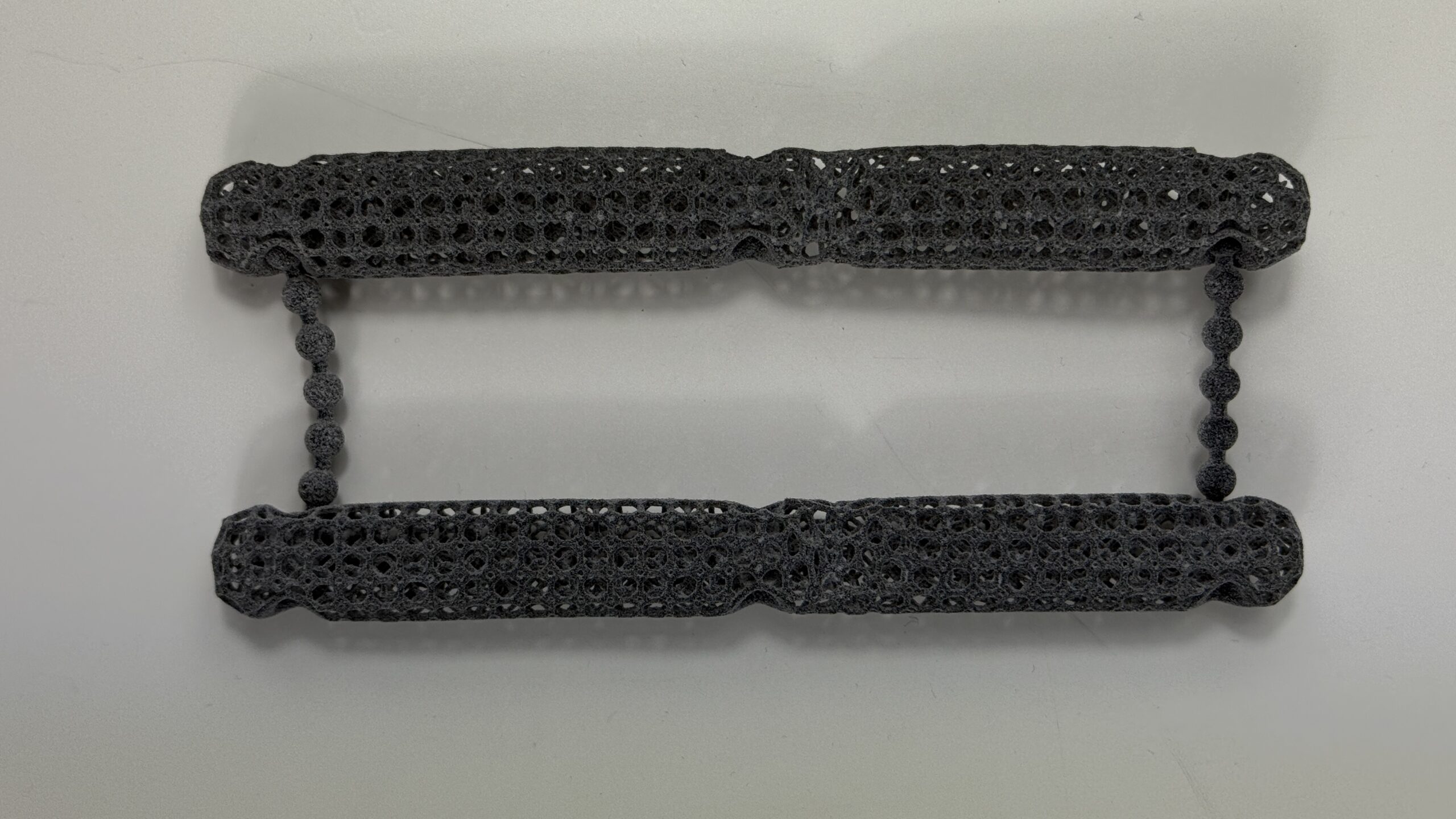
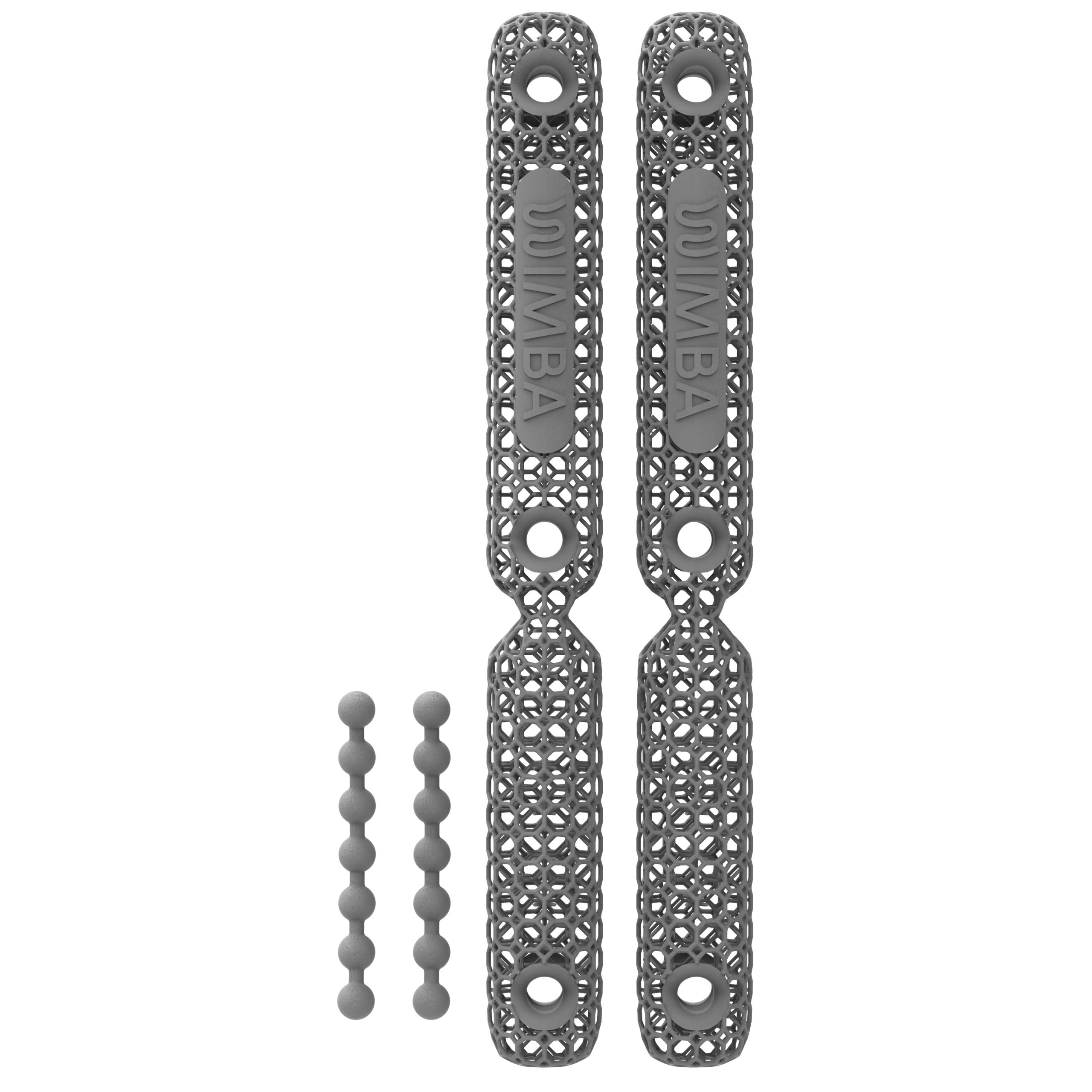
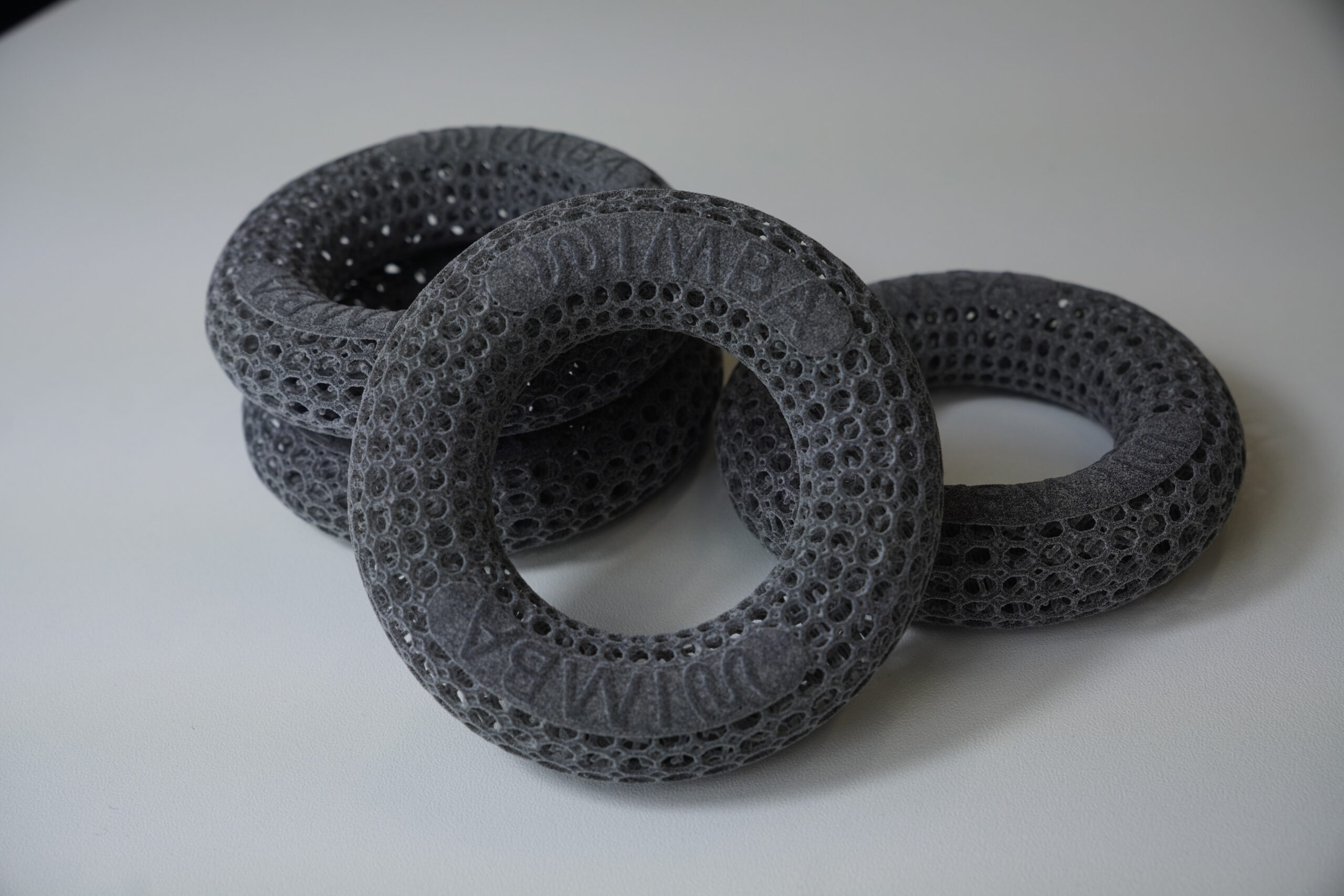
Limb amputation due to osteosarcoma, severe trauma, or vascular compromise may be followed by prosthetic fitting. Candidates are evaluated for stump quality, skin integrity, weight-bearing potential, and temperament. Custom exoprosthetics restore near-normal gait mechanics, reduce compensatory overloading of remaining limbs, and dramatically improve quality of life. WIMBA’s 3D-printed prosthetics are fabricated from digital scans of each patient, ensuring precise fit.
Candidate Selection Criteria
- Skin and coat condition: No active dermatitis or wounds at the device interface
- Body weight: Obesity increases interface pressure; weight management often required before fitting
- Pain control: Uncontrolled pain requires medical management before or alongside V-OP
- Owner compliance: Daily fitting, skin checks, and cleaning are essential
- Disease trajectory: Progressive conditions require clear expectations — bracing is palliative, not curative
Clinical Support from WIMBA
WIMBA provides free case consultations for registered veterinary professionals. Our clinical team reviews imaging, physical exam findings, and treatment history to recommend the most appropriate device. All devices are fabricated using 3D scanning and HP Multi Jet Fusion printing. Become a WIMBA Provider to access case consultation and clinical support for your patients.