 Skip to content


Carpal Hyperextension in Senior Dogs (Case Study Max)

An 11-year-old Rough Collie with bilateral carpal hyperextension supported with WIMBA Carpus Orthosis GO to improve stability, reduce pain, and support longer walks.

Case Presentation
Meet Max, an 11-year-old Rough Collie diagnosed with bilateral carpal hyperextension. As a senior dog, Max began struggling with everyday mobility, including walks, stairs, and longer periods of activity. His owner noticed that he was becoming less willing to move, and simple daily routines were becoming more challenging. This case shows how carpal hyperextension in senior dogs can affect comfort, confidence, and quality of life when the carpal joints are no longer able to provide stable support.
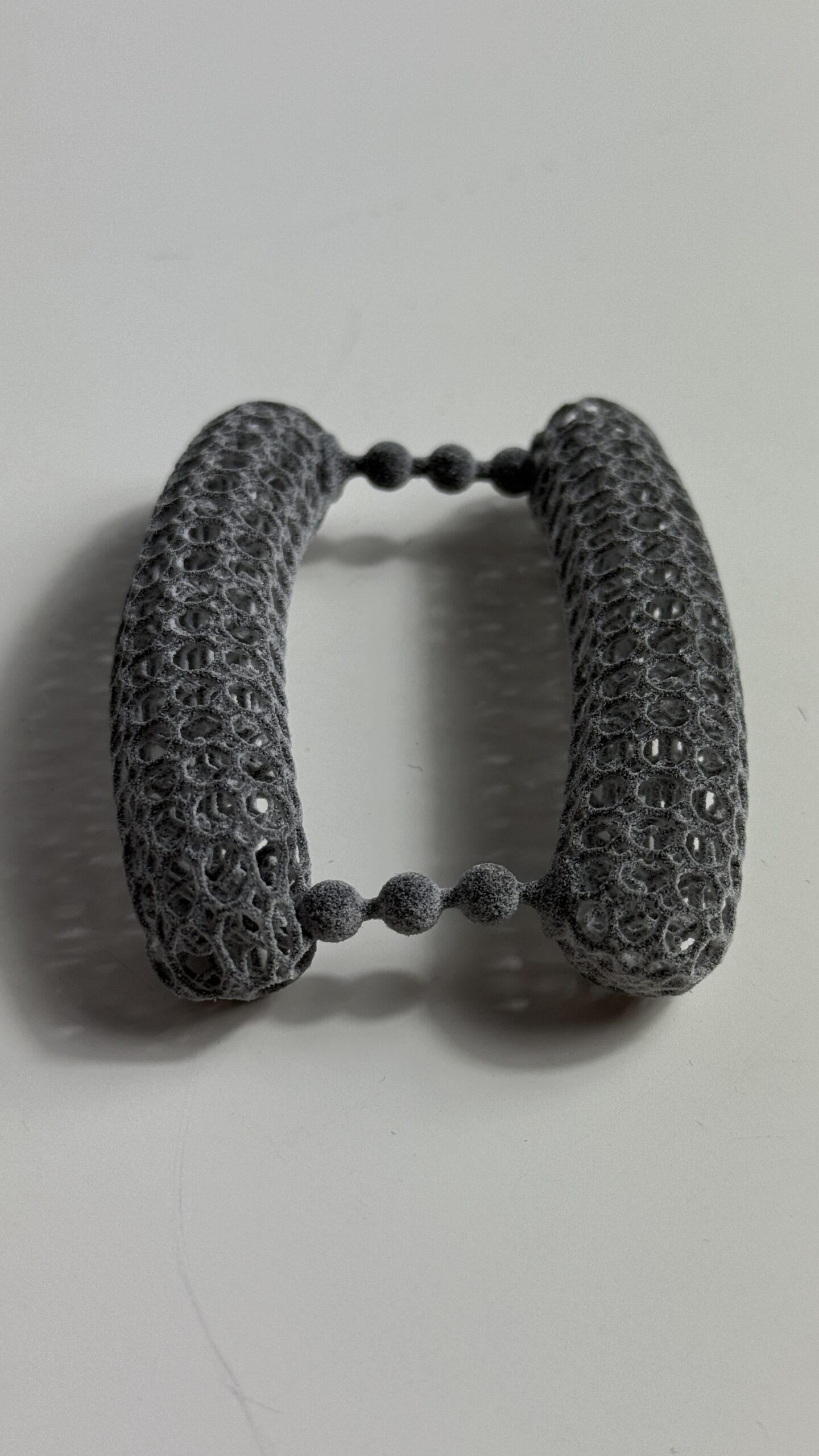
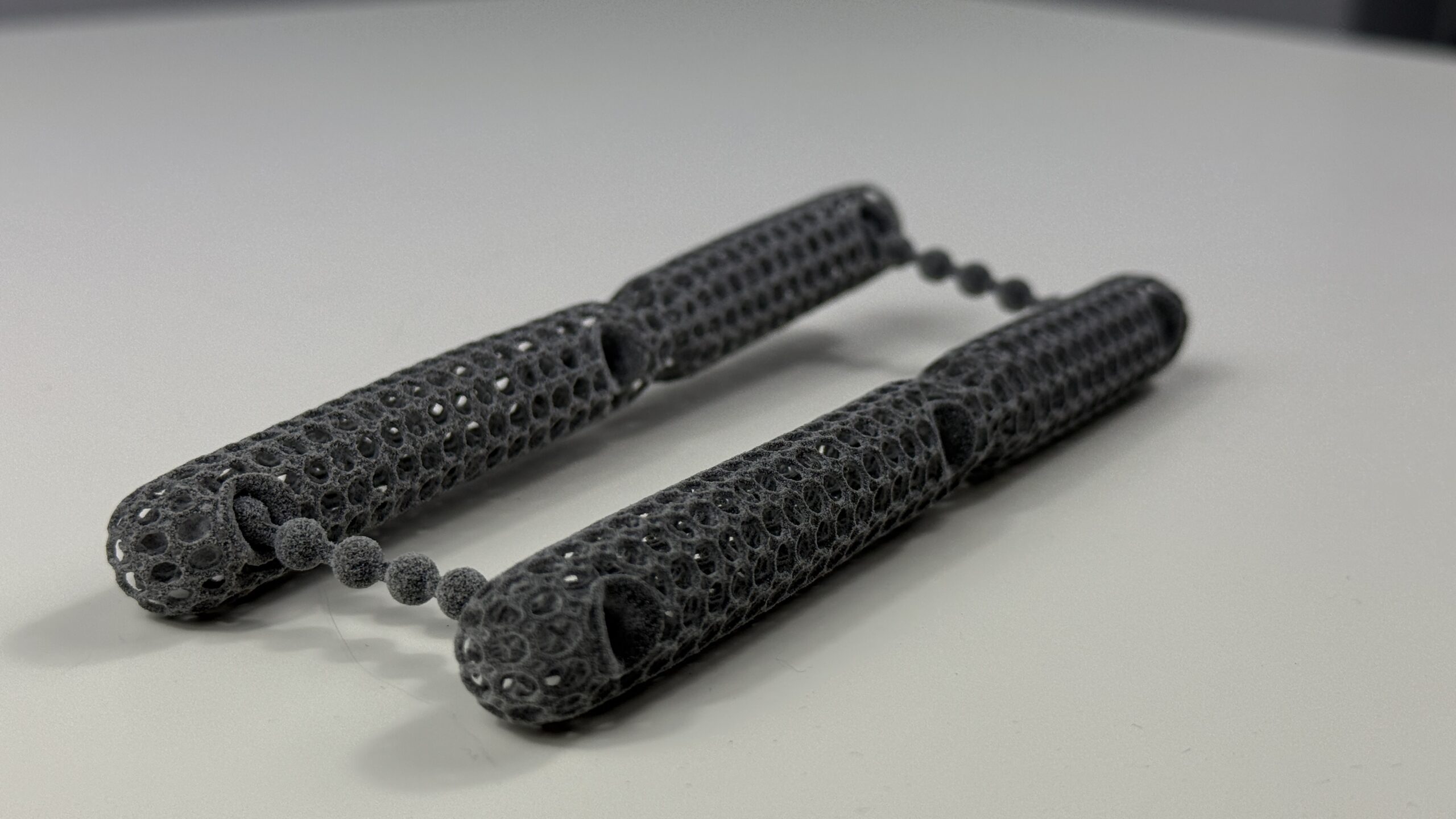
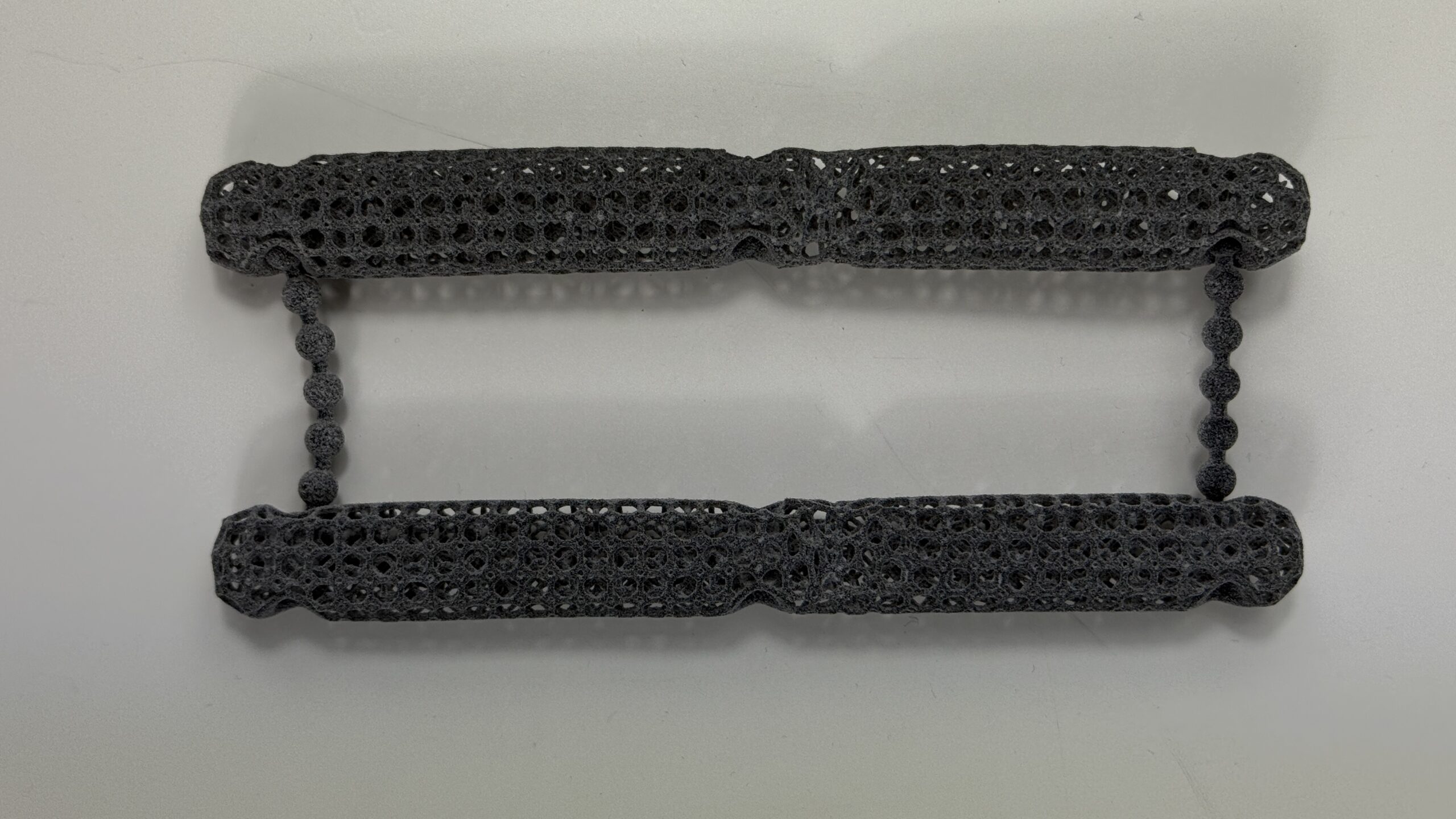
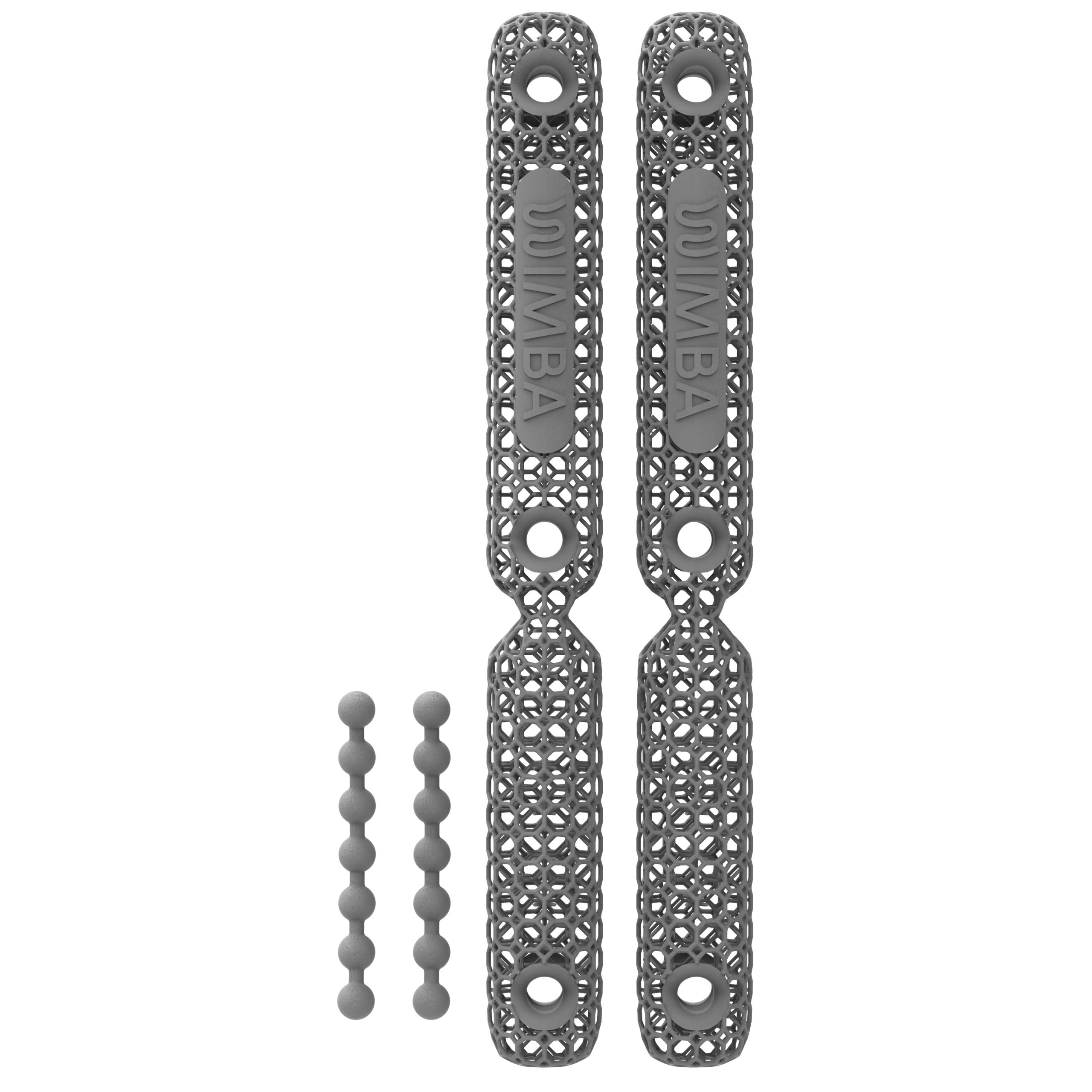
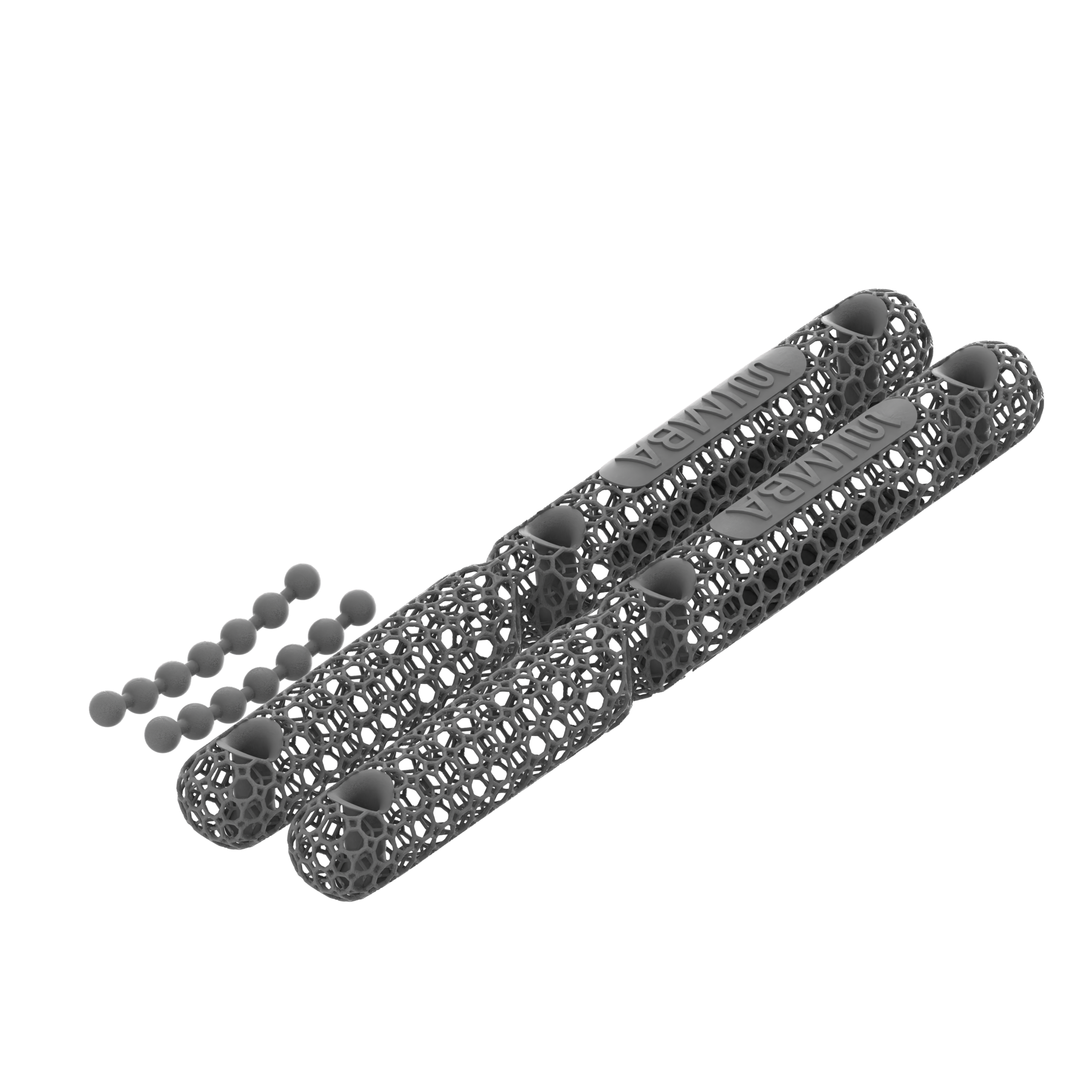
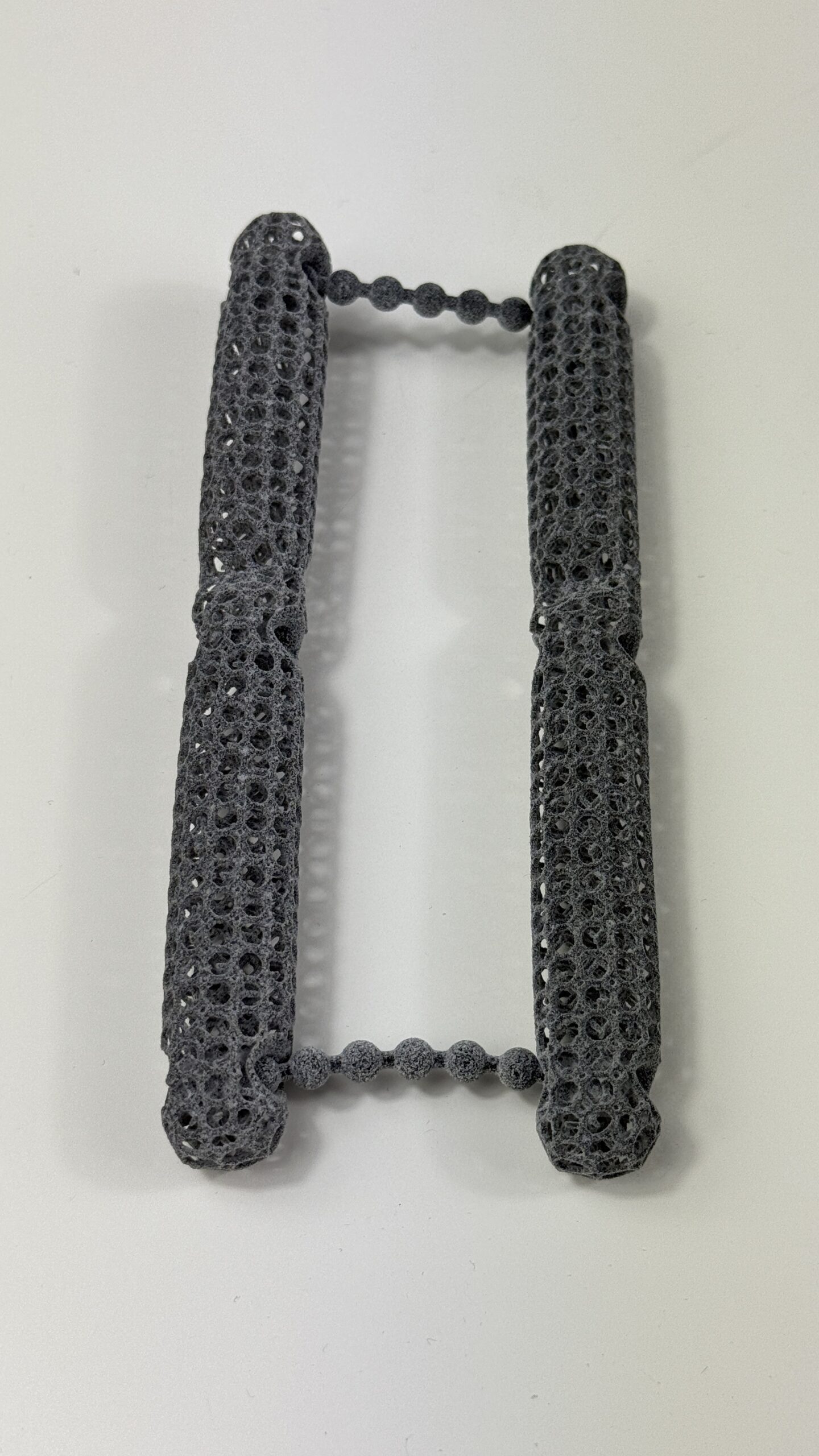
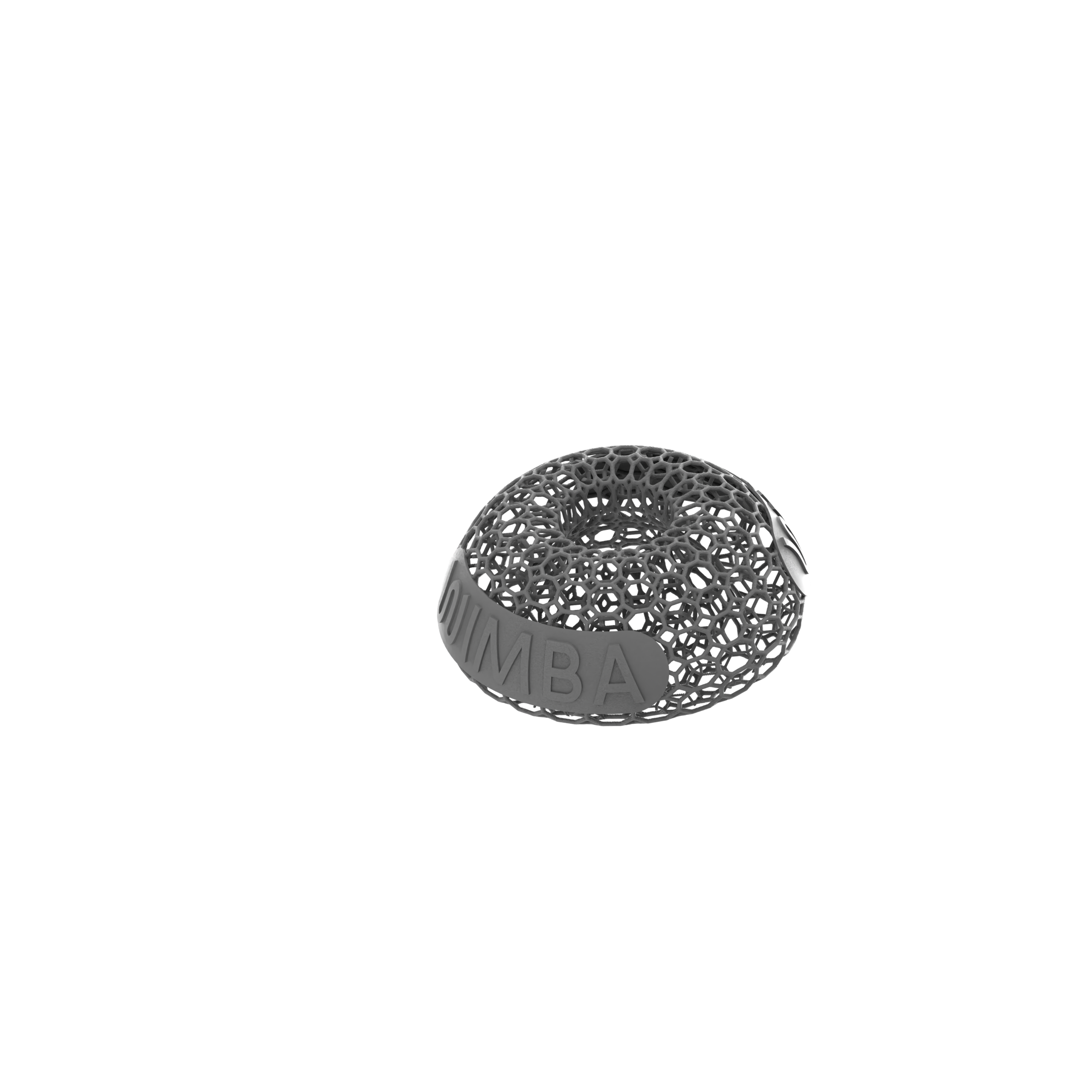
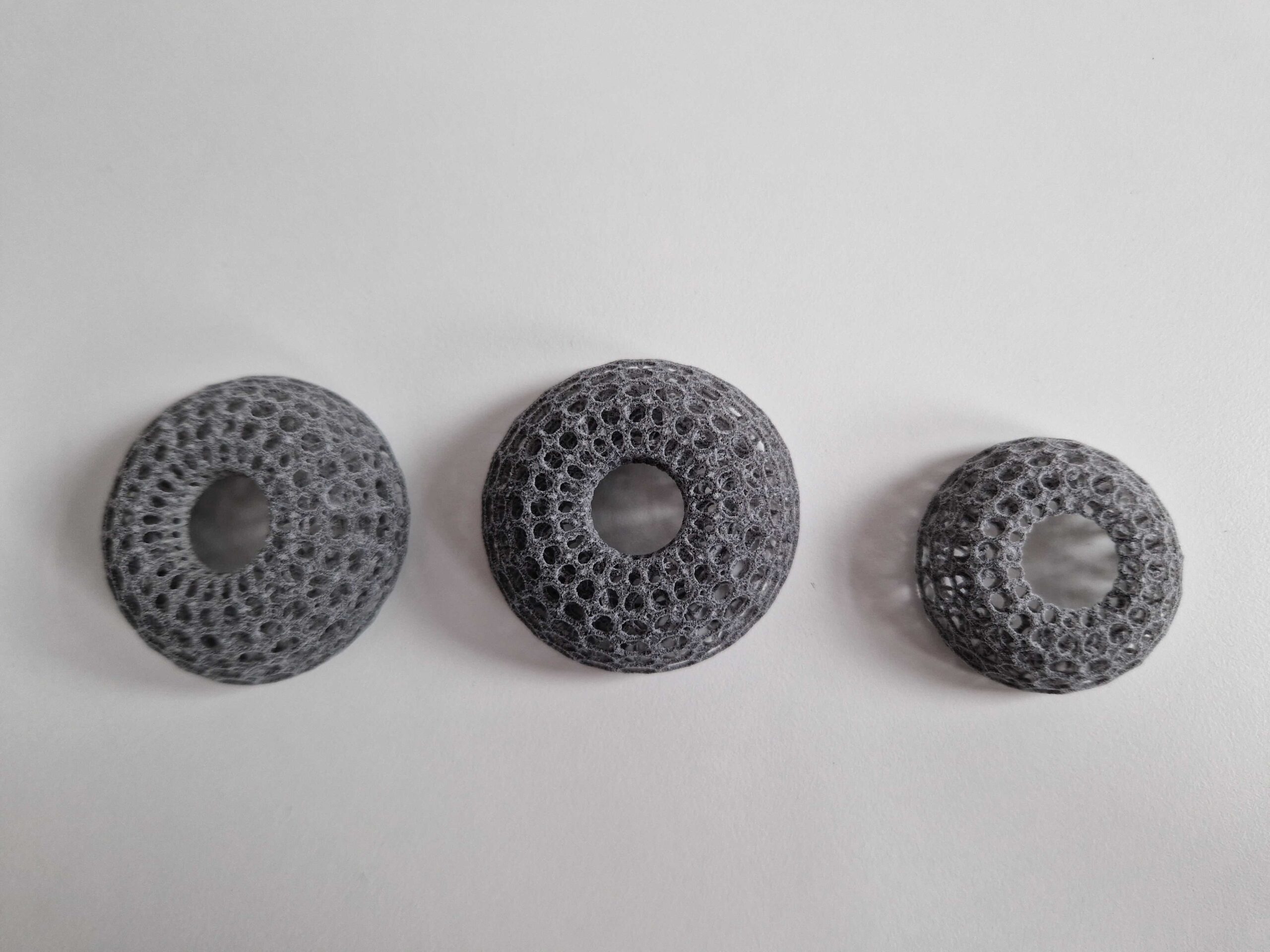
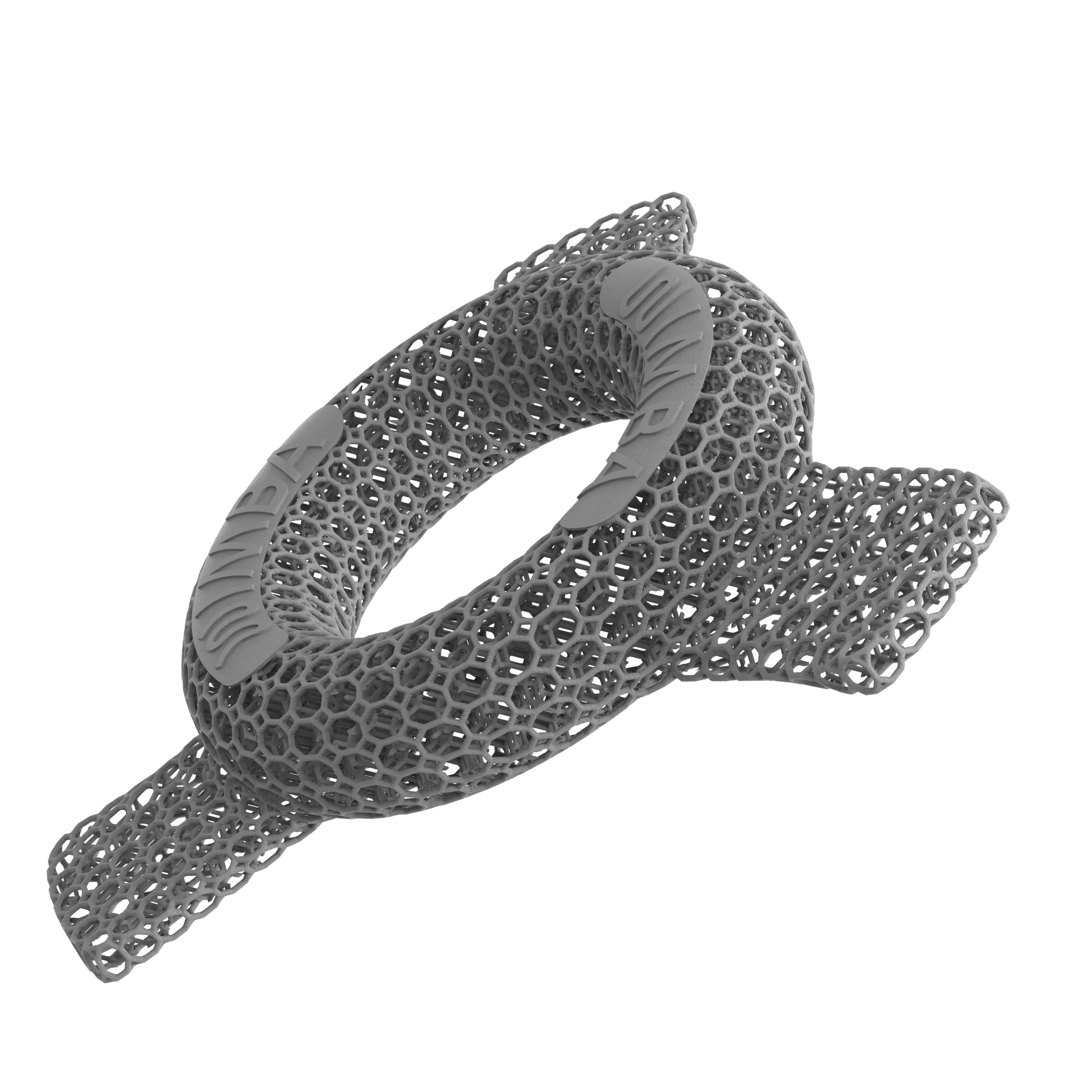
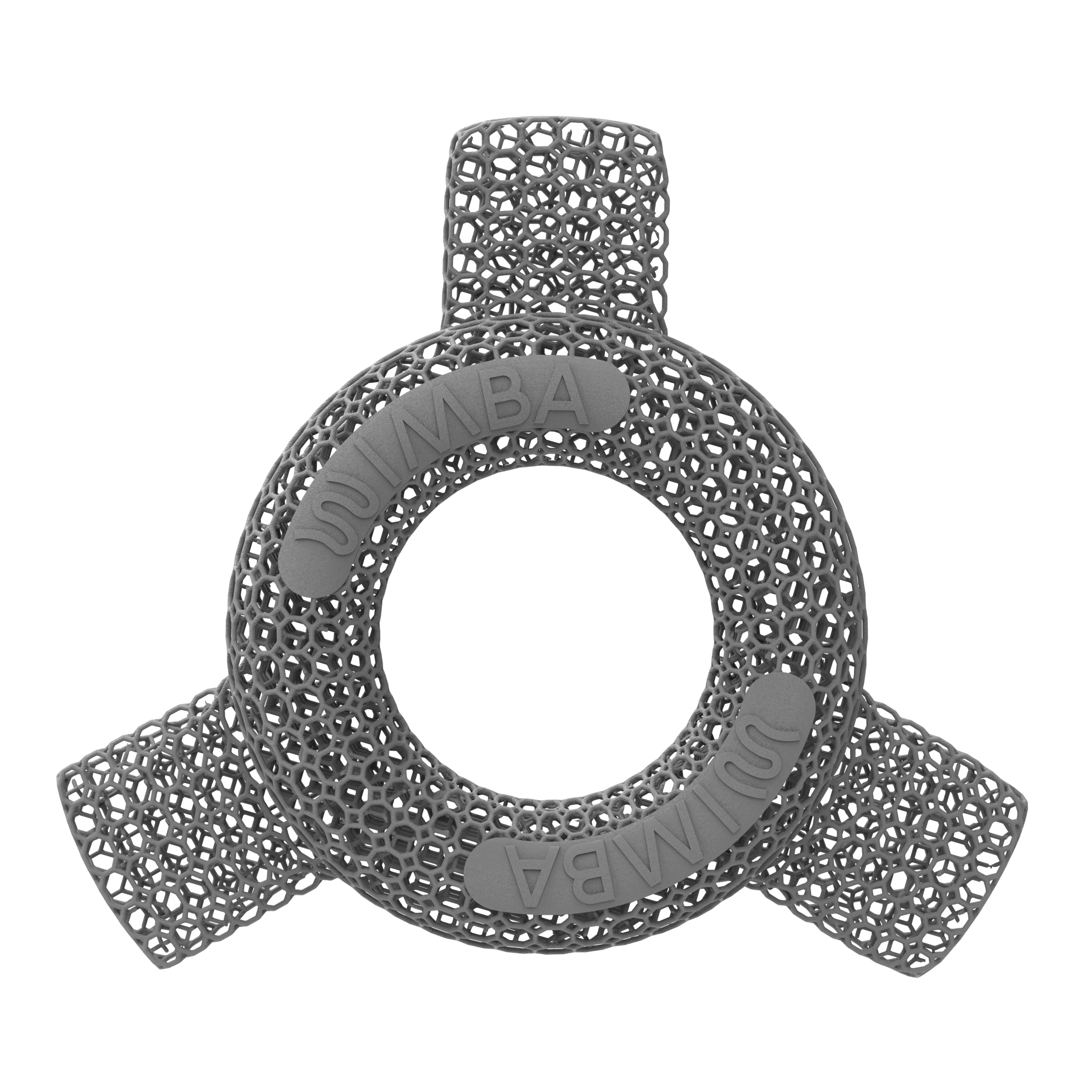
With WIMBA Carpus Orthosis GO, Max received targeted external support designed to improve stability during walking while helping maintain natural movement. The goal was to reduce pain, protect the carpal joints from further overload, and allow Max to stay active without relying only on medication. For dogs like Max, a dog wrist orthosis can become an important part of conservative treatment for carpal hyperextension, especially when surgery is not a suitable option.
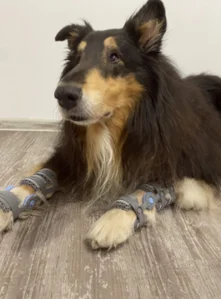
- Name: Max
- Age: 11 years
- Sex: Male
- Weight: 33 kg
- Medical Condition: Bilateral carpal hyperextension
Medical Examination
Max began experiencing mobility problems in November 2021. He became less active, avoided movement, and his owner had difficulty helping him with daily activities such as walking and navigating stairs. Clinical assessment confirmed bilateral carpal hyperextension, meaning that both carpal joints were affected and unable to provide sufficient support during weight-bearing.
In senior dogs, carpal hyperextension can significantly reduce mobility and independence. When the carpus collapses or extends beyond its normal functional range, walking becomes less stable and more tiring. Over time, this can lead to reduced activity, muscle weakness, compensatory strain, and increased discomfort in other areas of the body. In Max’s case, the condition affected not only his ability to walk longer distances, but also his willingness to move throughout the day.
Because Max was 11 years old and already in poor general condition, his treatment options had to be carefully considered. The priority was to support his mobility in a way that was safe, realistic, and manageable for both Max and his owner. A carpal orthosis for dogs was therefore considered as a practical way to provide external joint support, reduce pain during movement, and help preserve daily function.
Recommendations
Weight reduction was recommended to reduce strain on Max’s limbs and improve his overall mobility. Because he was not eligible for arthrodesis due to contraindications related to his poor general condition, conservative treatment for carpal hyperextension became the preferred approach. The aim was not to surgically correct the joint, but to manage the condition by improving support, reducing discomfort, and preventing further deterioration.
Orthopedic support in the form of WIMBA Carpus Orthosis GO was recommended to help stabilize both carpal joints during activity. A special harness was also advised to help the owner lift and assist Max during more demanding movements, especially when using stairs or moving between different surfaces. NSAIDs were administered at the lowest possible dose until orthotic support could be obtained.
This combined approach focused on reducing joint overload from several angles: lowering body weight, limiting excessive strain, supporting the carpus externally, and helping Max move in a safer and more controlled way. For a senior dog with bilateral carpal hyperextension, this type of management can help maintain comfort and mobility while avoiding unnecessary stress on the body.
Therapy and Results
After the orthosis was applied, Max increased the frequency of his walks, reduced body weight, and no longer required NSAIDs. His carpal flexion did not worsen, and the angles were maintained. These results suggest that the orthosis helped provide the support Max needed without restricting him from enjoying regular movement.
Max’s case is a strong example of how carpal hyperextension in senior dogs can be managed conservatively when surgery is not recommended. The use of a carpal orthosis for dogs may help improve limb function, reduce pain, and increase activity levels. In addition, external orthotic support can help prevent further limb deformity and reduce the need for more invasive intervention.
WIMBA orthotics should be used according to the veterinarian’s medical recommendations; WIMBA is not responsible for misuse or activities beyond veterinary advice.
WIMBA Case Studies & Reports
See How WIMBA Orthoses Are Supporting Pets and Enhancing Mobility
Think Your Dog Might Have a Similar Condition? Let’s See How We Can Help
Submit Your Pet’s Details to See If WIMBA Can Help
If your senior dog is experiencing carpal hyperextension, bilateral carpal instability, difficulty walking, or reduced mobility, we’re here to support you. Fill out a short form to tell us more about your pet’s case — including your contact details and your vet’s information. Our team will review it and let you know whether WIMBA Carpus Orthosis GO or another carpal orthosis for dogs may be suitable for your dog.