 Skip to content

Carpal instability in dogs is a common cause of forelimb lameness.

Carpal Degeneration and Early Osteoarthritis in Dogs (Case Study Bernie)

Carpal instability in dogs treated without surgery using a WIMBA orthosis.

Case Presentation
Bernie, a young Bernese Mountain Dog, was presented with intermittent left forelimb lameness that became more noticeable after activity. Clinical assessment raised concern around the carpus, with pain noted on left carpal flexion and a tendency toward carpal hyperextension during movement.
Because Bernie was a young, large-breed dog with recurrent forelimb lameness, CT imaging was performed to assess the shoulders, elbows, and carpus/foot region and identify the primary source of discomfort. The most clinically relevant findings were localised to the carpus, with the left side initially more affected.
The clinical priority was to support Bernie’s carpal joint during activity, reduce excessive extension, and help preserve comfortable daily movement without unnecessarily restricting her function.

- Name: Bernie
- Weight: 44.5 kg
- Age: 1 year
- Breed: Bernese Mountain Dog
- Presenting complaint: Intermittent left forelimb lameness
- Diagnosis: Mild carpal joint degenerative change with joint effusion/synovial proliferation
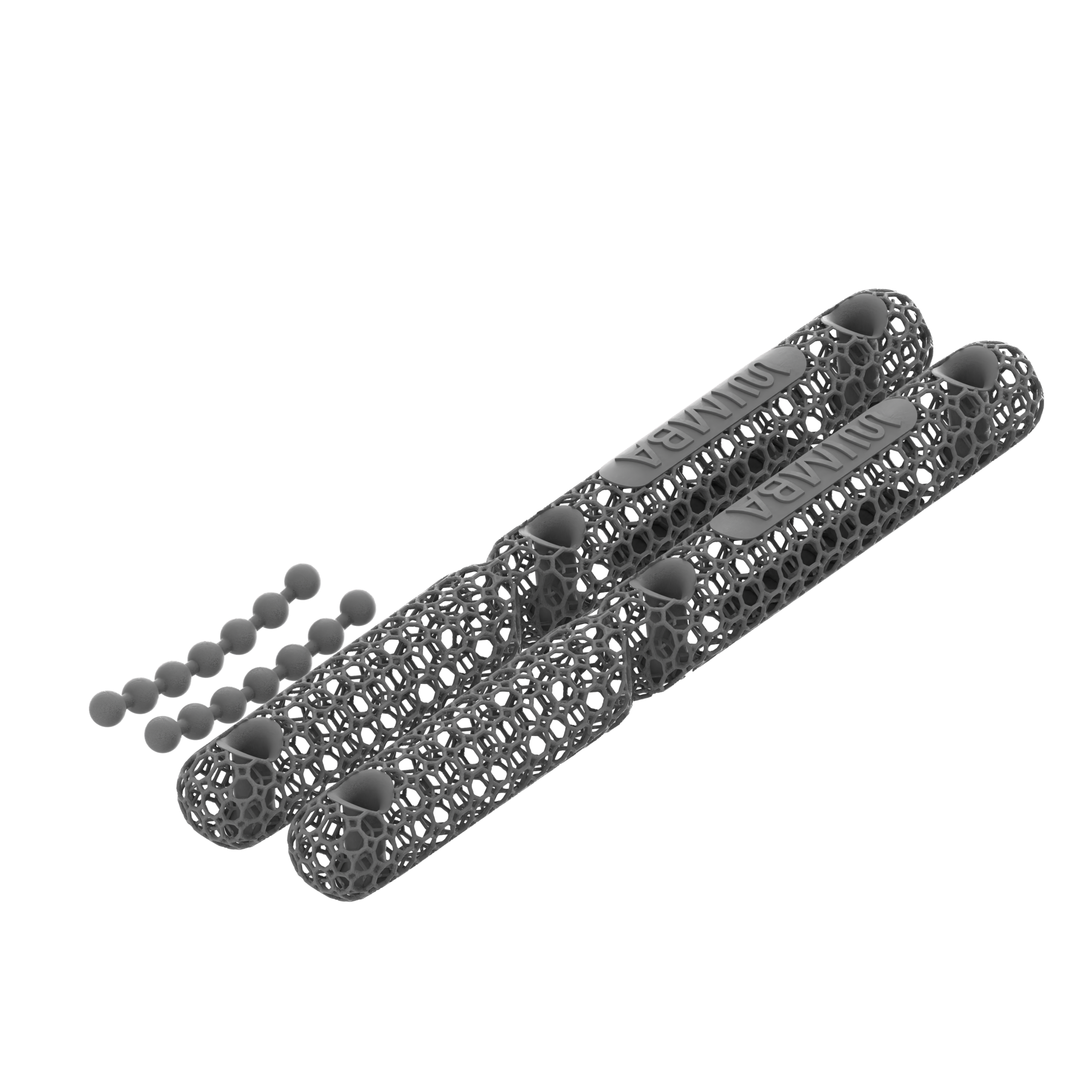
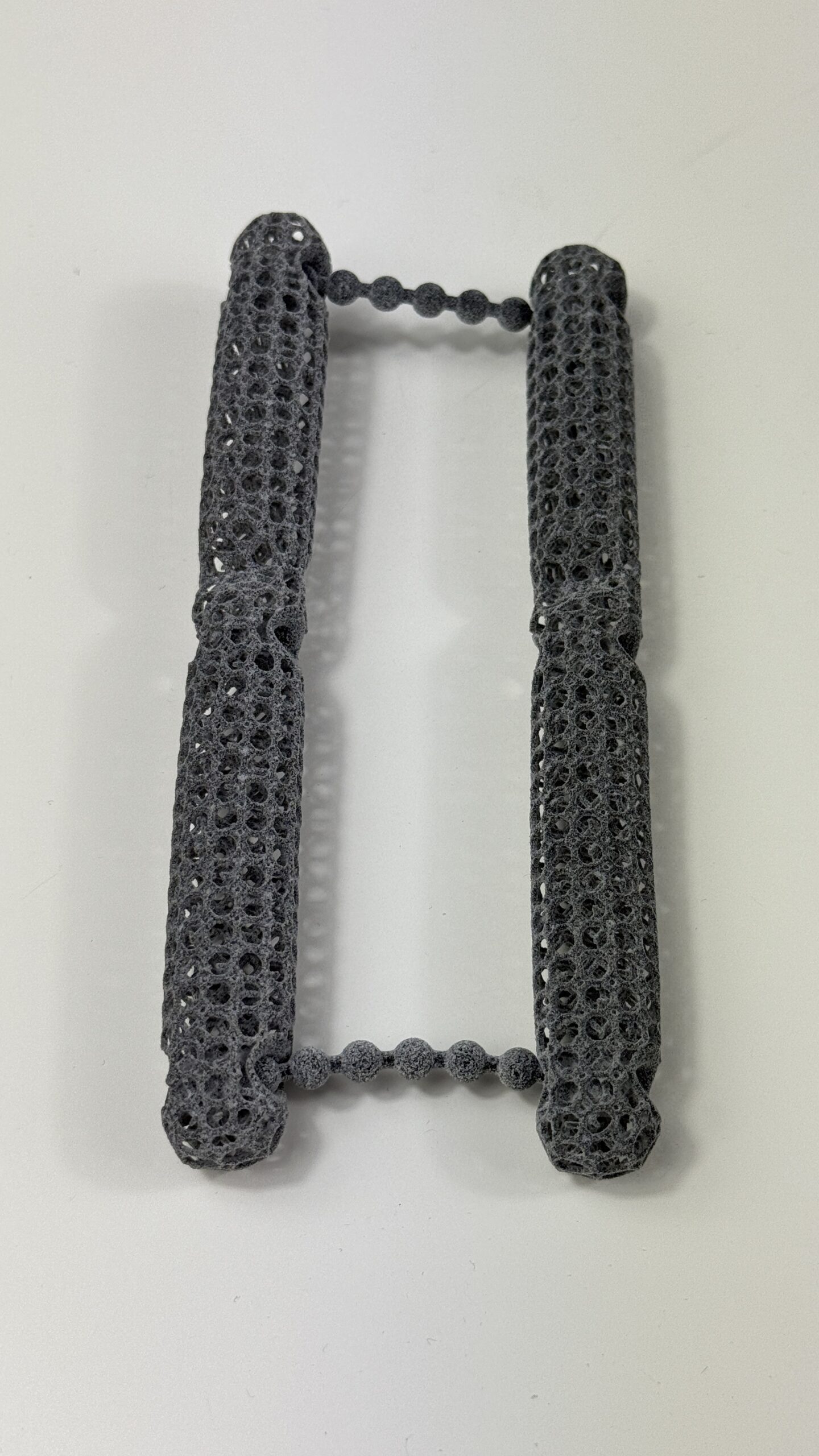
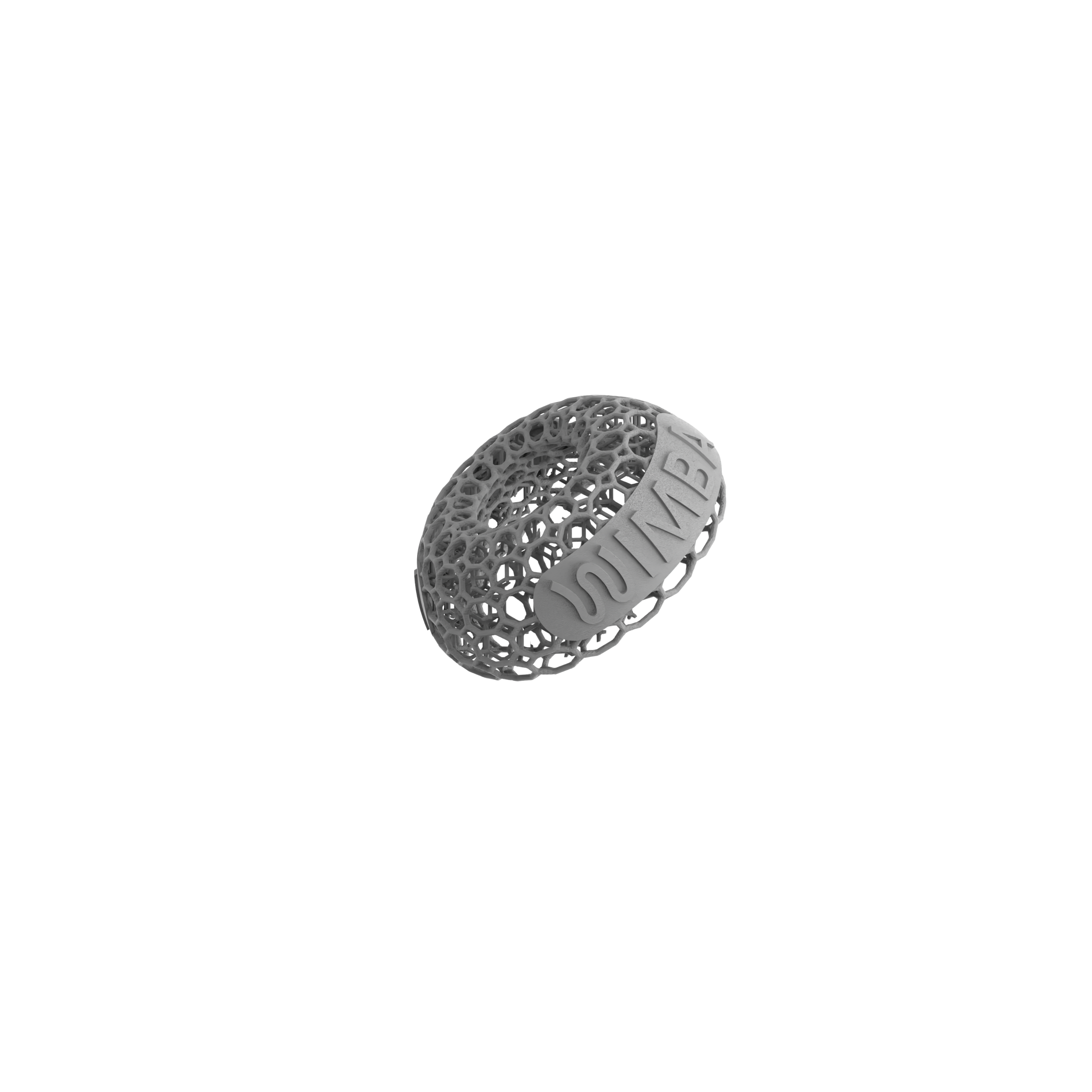
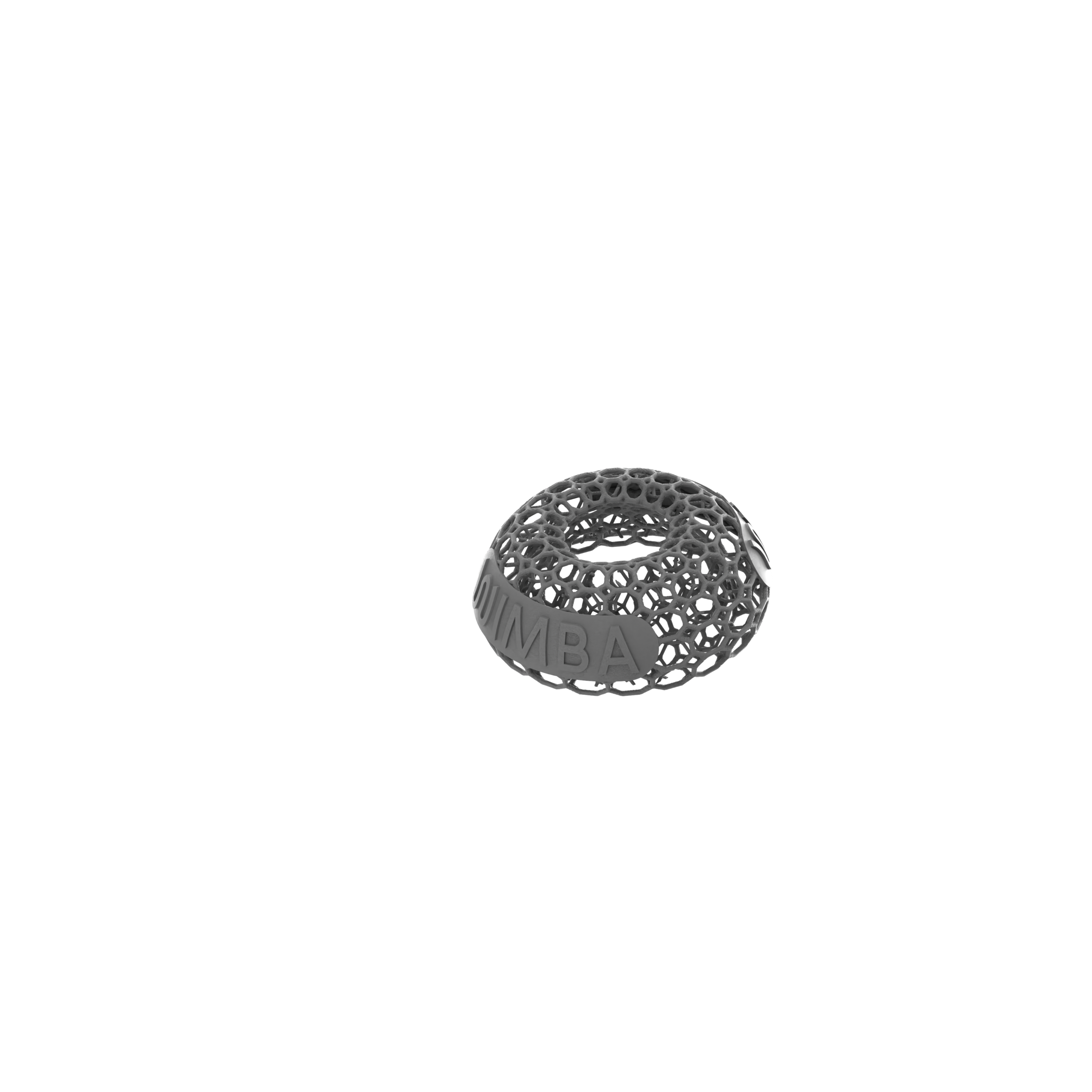
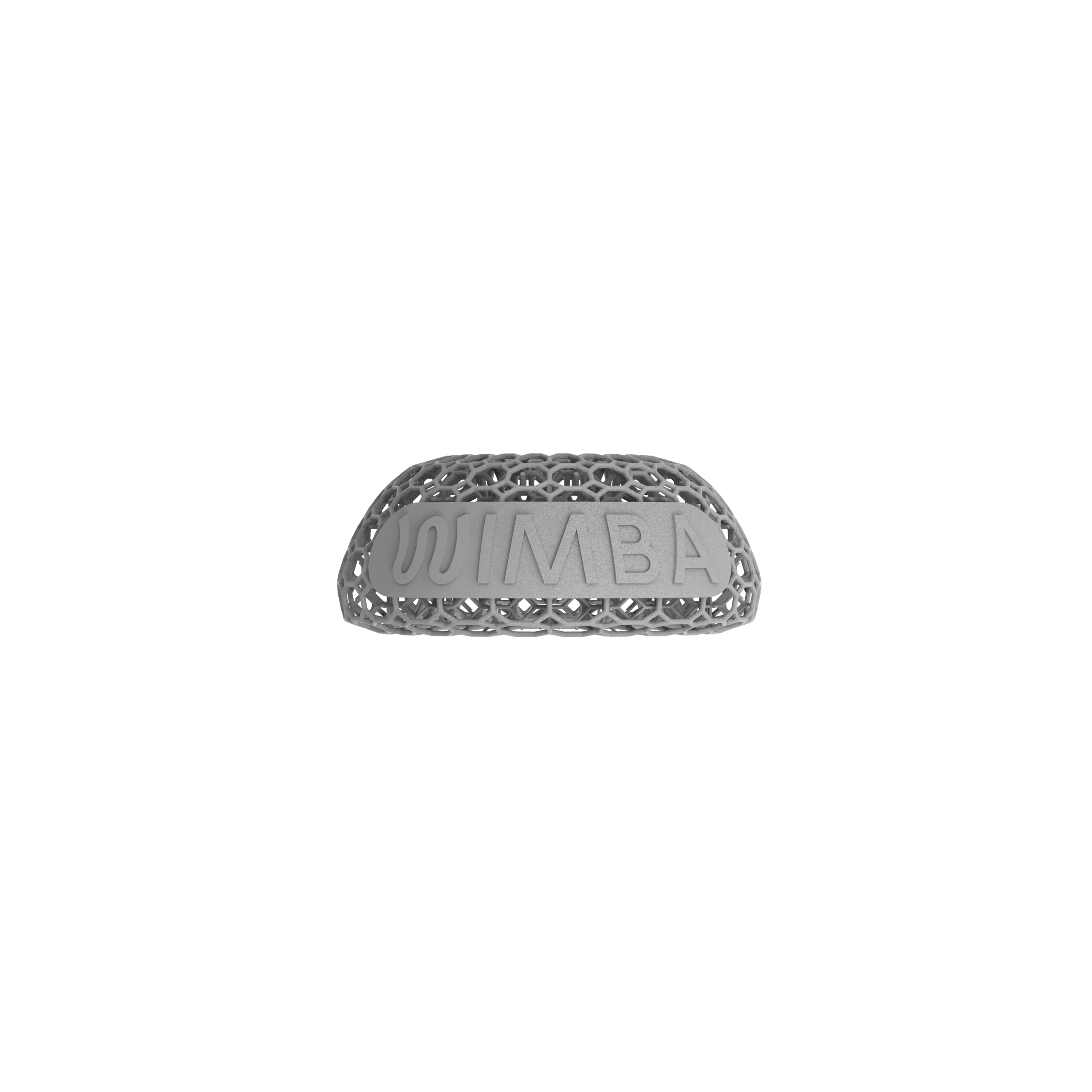
- Device: WIMBA Carpus Orthosis GO
- WimbaTHERAPY: 75–185° controlled ROM token
- WIMBA Provider: Valley Veterinary Hospital
Medical Examination
At initial presentation, Bernie had intermittent left forelimb lameness, with pain noted during left carpal flexion. CT imaging was performed to investigate the shoulders, elbows, and carpus/foot region.
The shoulders showed no clinically significant abnormalities. Mild bilateral elbow findings were noted, including subjective medial coronoid process sclerosis and subtle joint fluid, but these were considered of questionable clinical significance and were not regarded as the primary explanation for Bernie’s clinical signs.
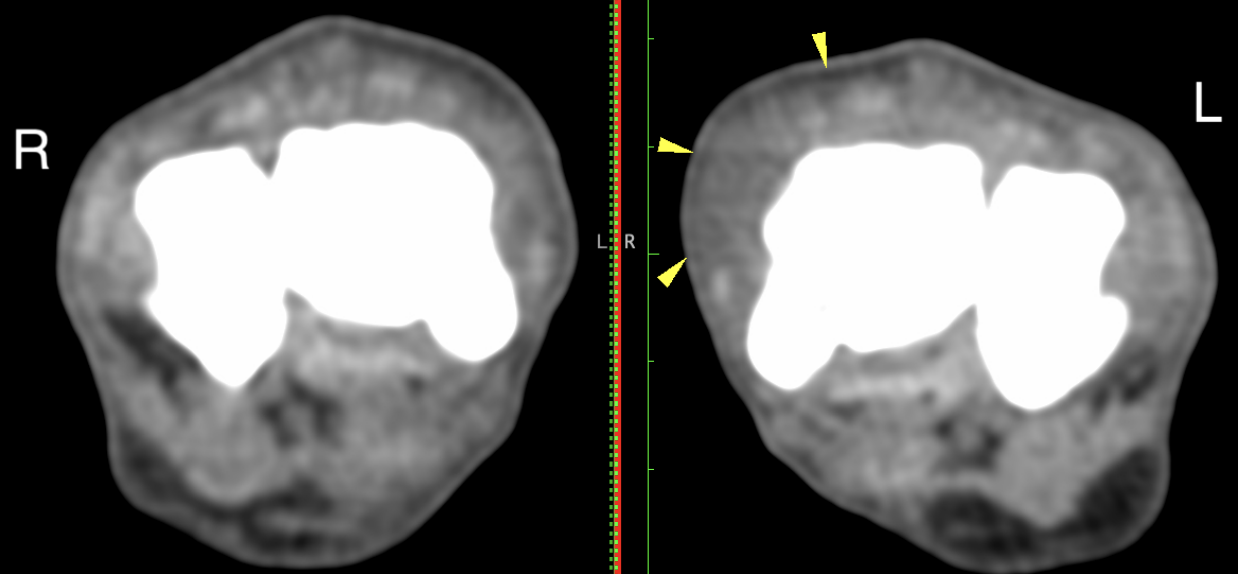
The most relevant abnormalities were identified in the left carpus. CT showed mild osseous proliferation along the dorsal and medial aspect of the distal radius and intermedioradial carpal bone, together with subtle intracapsular soft tissue thickening. These findings were consistent with early degenerative carpal joint change and synovial involvement.
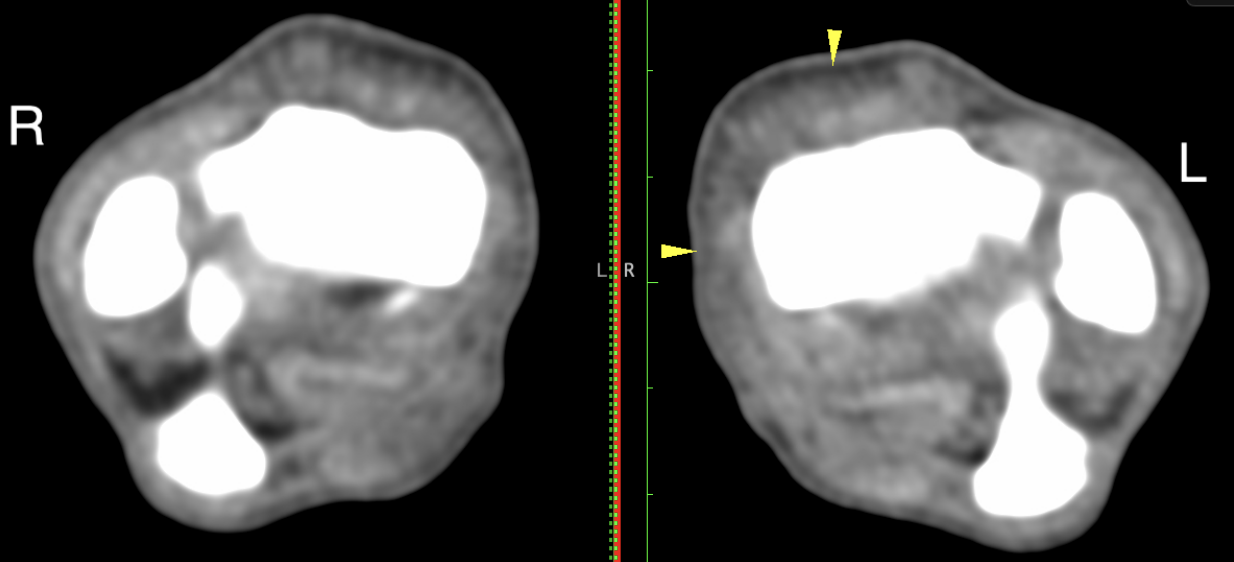
Initial CT of the left carpus showing mild osseous proliferation along the dorsal and medial aspect of the distal radius and intermedioradial carpal bone.
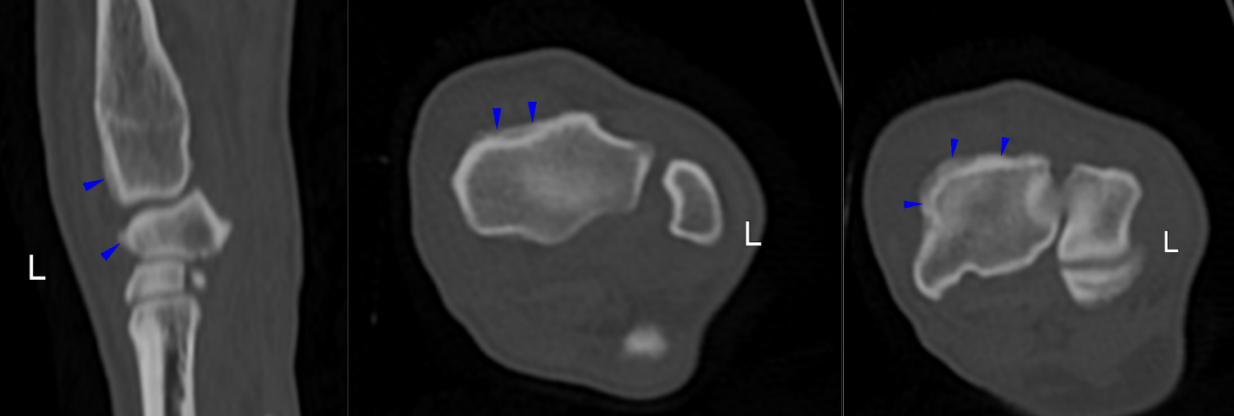
Initial CT soft tissue window showing subtle intracapsular thickening of the left carpus compared with the right side.


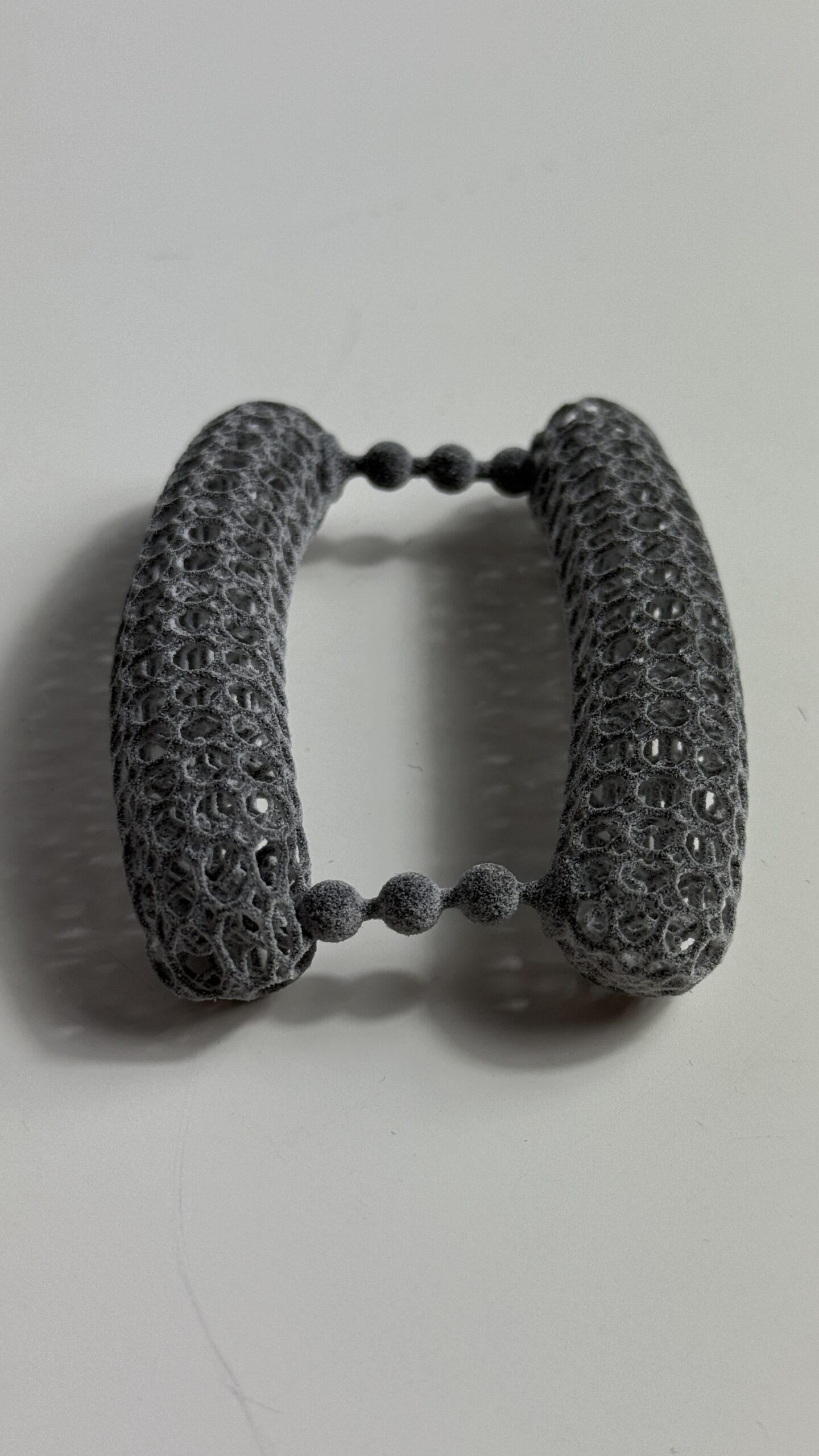
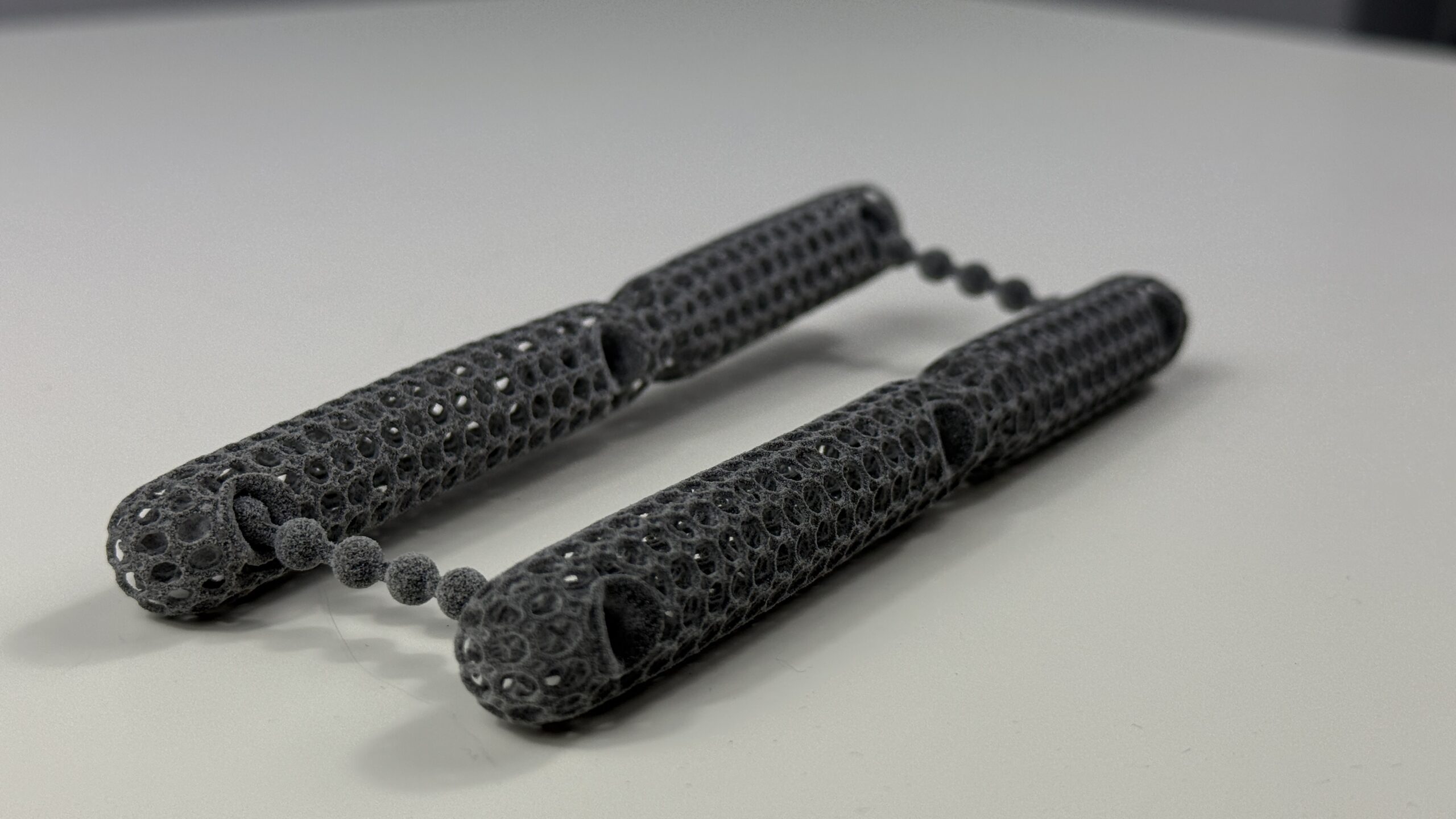
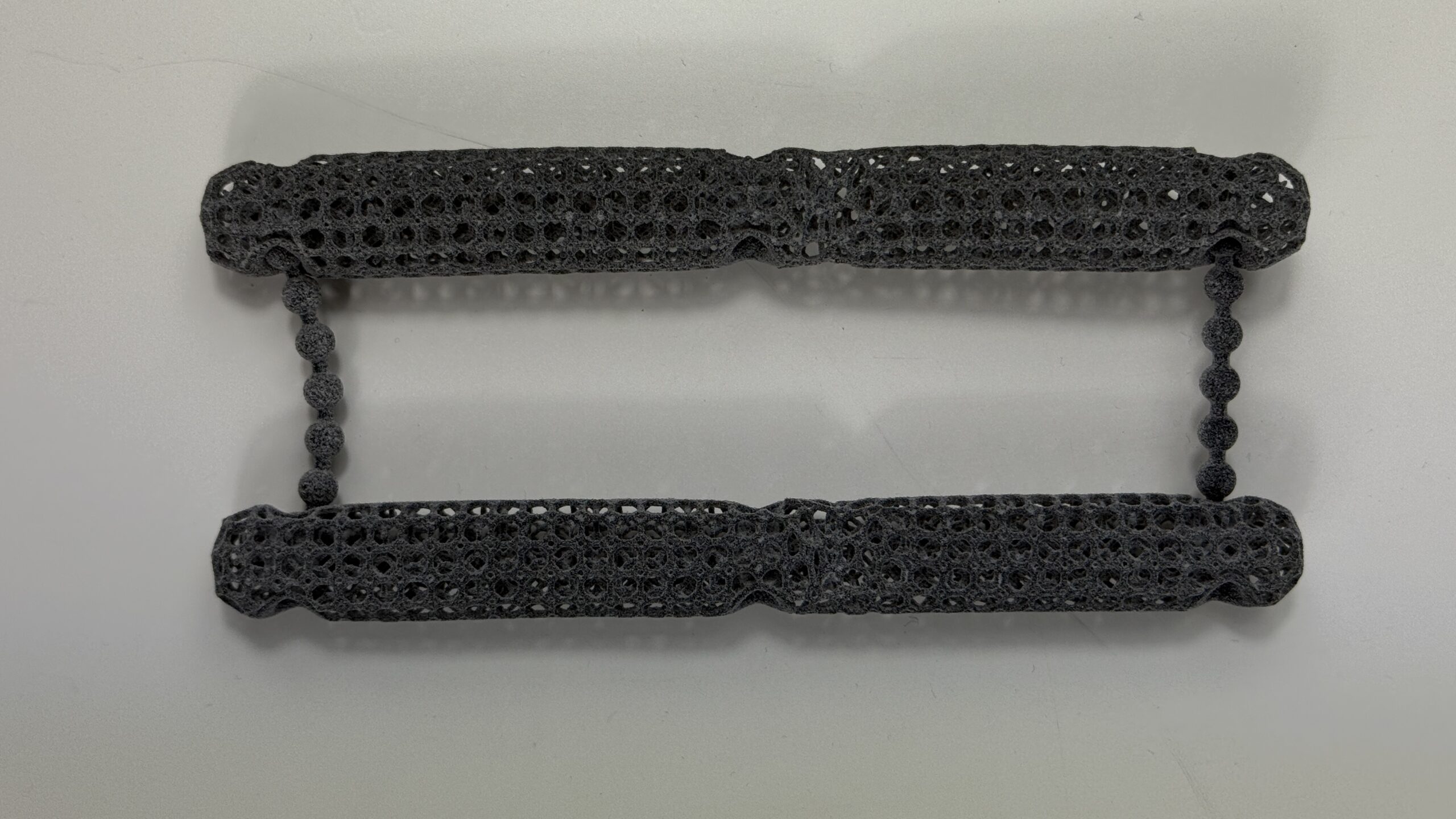
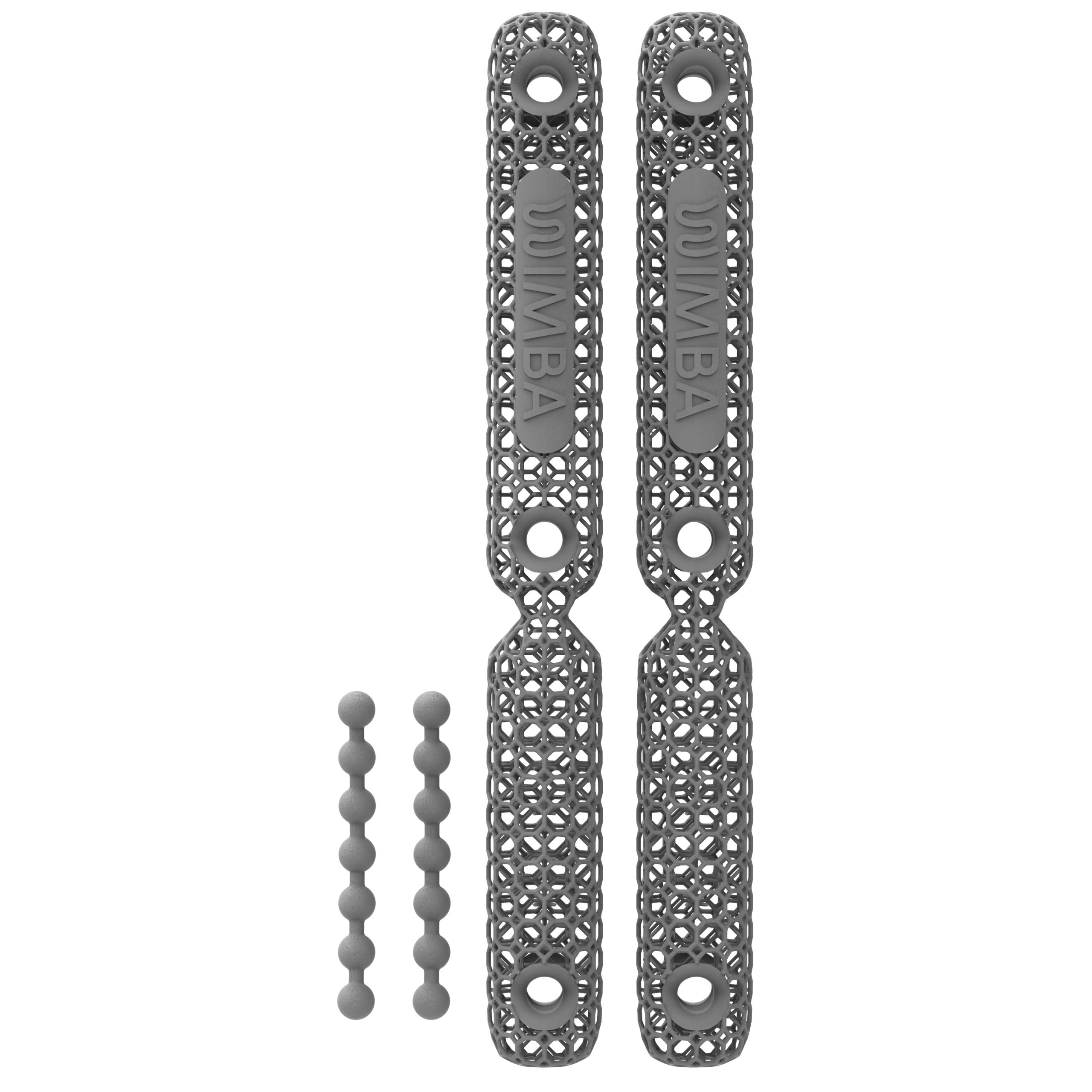
Meet Bernie supported by WIMBA Carpus Orthosis GO
The goal of the orthosis was not to immobilise the limb completely, but to provide external support during daily activity, reduce repeated hyperextension, and improve Bernie’s comfort during walking and play.
Veterinarian’s Goals in Carpal Degeneration
Because carpal degeneration in dogs can affect both joint stability and long-term comfort, the treatment plan needed to balance joint protection with quality of life. Orthotic support was introduced to help manage mechanical overload of the carpus, support controlled movement, and reduce the risk of repeated flare-ups after exercise.
Key objectives included:
- reducing excessive carpal extension during activity,
- supporting the affected carpal joint,
- improving comfort during walks and play,
- preserving functional mobility,
- monitoring progression in both forelimbs,
- supporting long-term conservative management.

Follow-up CT & Clinical Evolution
In the left carpus, progressive osseous degenerative change was still visible. However, the degree of intracapsular soft tissue thickening and synovial change had improved compared with the previous study.
The right carpus showed new mild degenerative and synovial changes, supporting the decision to move toward bilateral orthotic management. The elbows remained static and were considered of doubtful clinical significance, with previously noted joint fluid no longer evident on follow-up imaging.
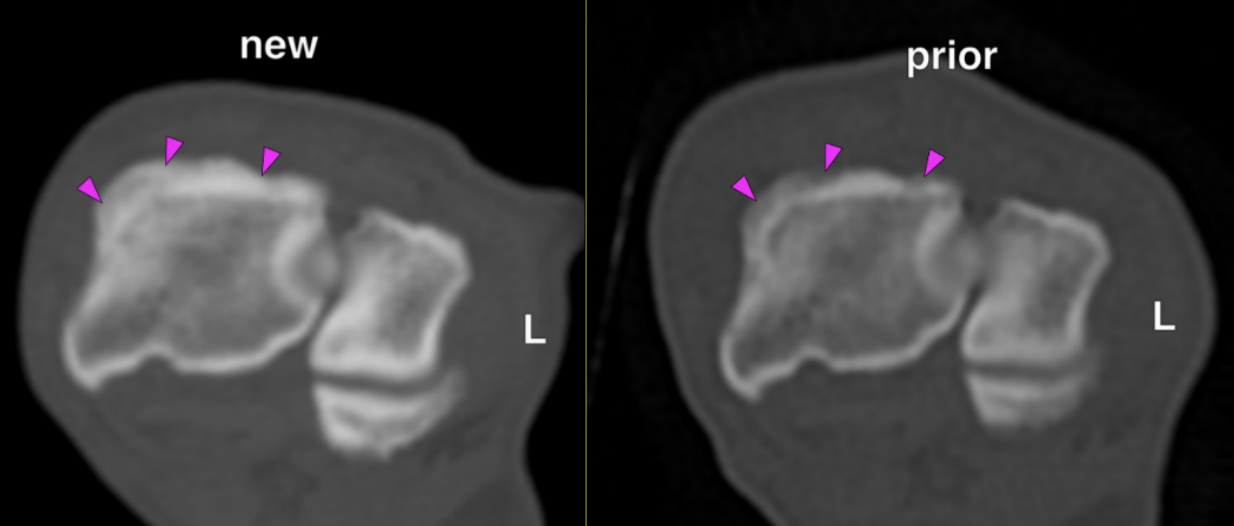
Follow-up CT comparison of the left carpus. Progressive osseous proliferation is visible along the dorsal margin of the distal radius and intermedioradial carpal bone compared with the prior study.
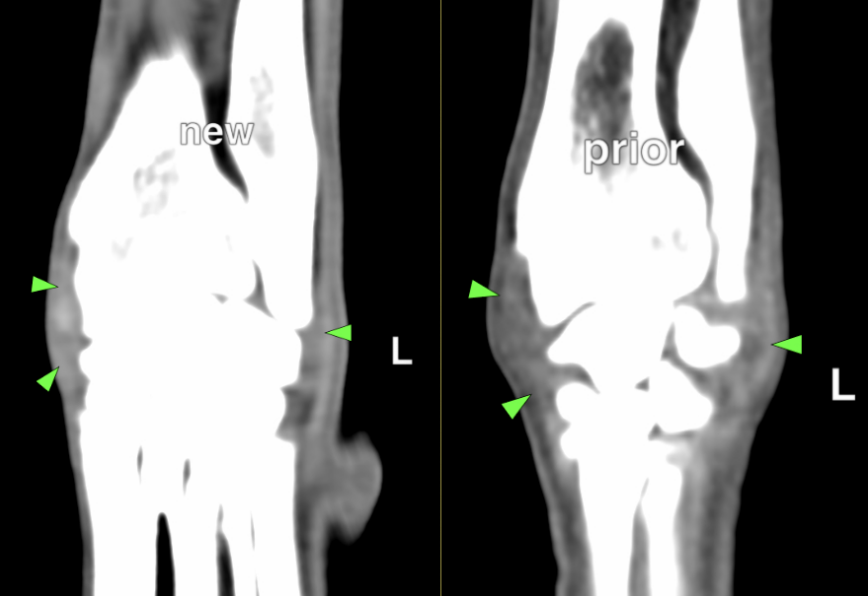
Follow-up CT showed improvement of the prior intracapsular soft tissue thickening in the left carpus, although mild changes persisted.
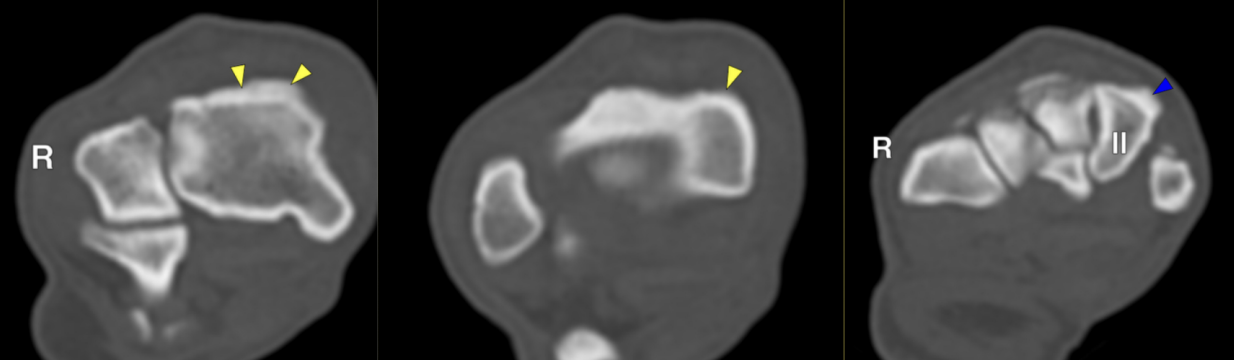
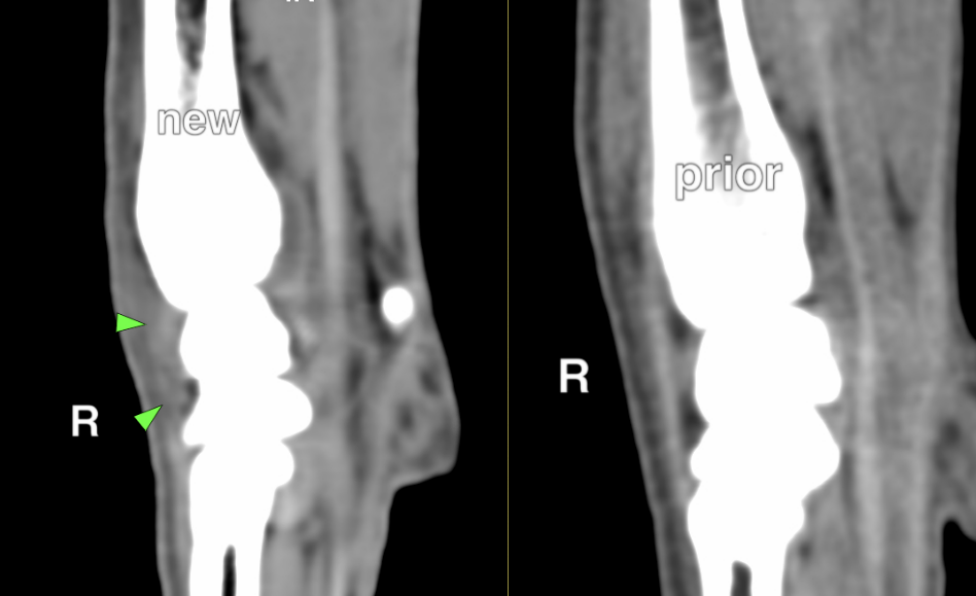
Follow-up CT of the right carpus showing new mild degenerative and synovial changes, supporting the transition toward bilateral orthotic management.


Feedback from WIMBA Providers
“I heard about the brace through my work, where I work with Nichi Cockburn, Veterinary Physiotherapist at Valley Veterinary Hospital. I trust Nichi, and when she suggested that the brace could give Bernie a pain-free life and possibly help her avoid medication while she’s still young, I felt it was worth a try.
Initially, we were worried about whether Bernie would tolerate the scanning process since she doesn’t adapt to change easily. To our surprise, she handled it better than we expected. When it came to the brace itself, she adjusted well. It did take some time for her to get used to walking in it, and for us to get the hang of putting it on, but it’s easy to use and clean.
Bernie can now enjoy longer walks and play with other dogs without us constantly worrying about pain or having to plan ahead to give her medication. She can finally just be a puppy again, doing what she loves without any repercussions or days of rest afterward.
The entire process was easy, and now that Bernie has the brace, it’s truly changed her life. We haven’t needed to give her any pain medication since she started using it, and she can live her life to the fullest again.
We’re still working on making sure the fit is perfect and are cautious while letting her play with other dogs to avoid damaging the brace. So far, we haven’t had any problems.”
Nichi Cockburn RVN NCert (A&CC) CCRP AdvCertVPhys MIRVAP
Valley Veterinary Hospital

Nichi Cockburn RVN NCert (A&CC) CCRP AdvCertVPhys MIRVAP (VP) has been a Registered Veterinary Nurse for over 20 years, many of these years were in emergency and critical care. She refocused her training in rehabilitation and physiotherapy and gained her Certified Canine Rehabilitation Practitioner (CCRP) qualification, awarded by the University of Tennessee in 2015 and an Advanced Certificate in Veterinary Physiotherapy in 2017. Nichi leads the rehabilitation service at Valley Veterinary Hospital in Cardiff. She works closely with their multidisciplinary team, to develop an individual care package for pain management and rehabilitation. She has a particular passion in the management of osteoarthritis and is on the board of directors of the Veterinary Osteoarthritis Alliance (VOA).
WIMBA Case Studies & Reports
See How WIMBA Orthoses Are Supporting Pets and Enhancing Mobility
About WIMBA Providers
Valley Veterinary Hospital is a multidisciplinary veterinary practice in Cardiff, offering advanced clinical care, rehabilitation, physiotherapy, and pain management support for dogs with mobility conditions.
As a WIMBA Provider, Valley Veterinary Hospital supports patients through the full orthotic care pathway — from clinical assessment and case qualification to fitting, adaptation, follow-up, and long-term mobility management.

Think Your Dog Might Have a Similar Condition? Let’s See How We Can Help
Submit Your Pet’s Details to See If WIMBA Can Help
If your dog is showing signs of forelimb lameness, carpal hyperextension, reduced walking tolerance, or recurring pain after activity, the first step is a veterinary assessment.
WIMBA orthoses are prescribed through veterinary professionals and rehabilitation providers. Submit your pet’s details and our team will help assess whether orthotic support may be appropriate for your dog’s case.