




When a dog loses part of a limb, many pet parents naturally start considering a prosthetic for your dog. The idea of restoring symmetry and function with a custom device is both exciting and hopeful. In some cases, it can be the right fit.
With veterinary orthotics and prosthetics (V-OP), prosthetic devices can offer meaningful support, but just like with people, they are not one-size-fits-all. They require thoughtful planning, the right candidate, and a long-term commitment to care. This guide walks through the key factors to consider and how orthoses may sometimes offer a better path forward.

Written by:
Dr. Emily Hall DVM, CCRT, CPAT-KA
What Is a Canine Prosthetic?
A dog prosthetic is a device designed to replace a missing portion of a limb. In dogs, this usually applies to partial limb amputations, where the remaining segment is long enough and healthy enough to support a socket-based device.
To function properly, the prosthetic must be carefully fitted and worn consistently. For best results, this typically requires that about 40 to 50 percent of the radius and ulna (for a front leg) or tibia and fibula (for a hind leg) remain. Dogs with complete limb amputations are not candidates for distal limb prosthetics.
And you may be wondering- then why do veterinary surgeons ever amputate too high for a prosthesis support after surgery? The answer is that there are numerous reasons it is critical to remove the limb higher on the leg, and that is a good conversation to have with your veterinarian before the surgery, if it is planned.
If you adopted an amputee, you don’t need to worry about the why. It’s time to see how you can best support your friend long term, so let’s talk about it!
Examples of Prosthetics Solutions for Dogs
FRONT LEG
Thoracic Limb Prosthetics for Dogs
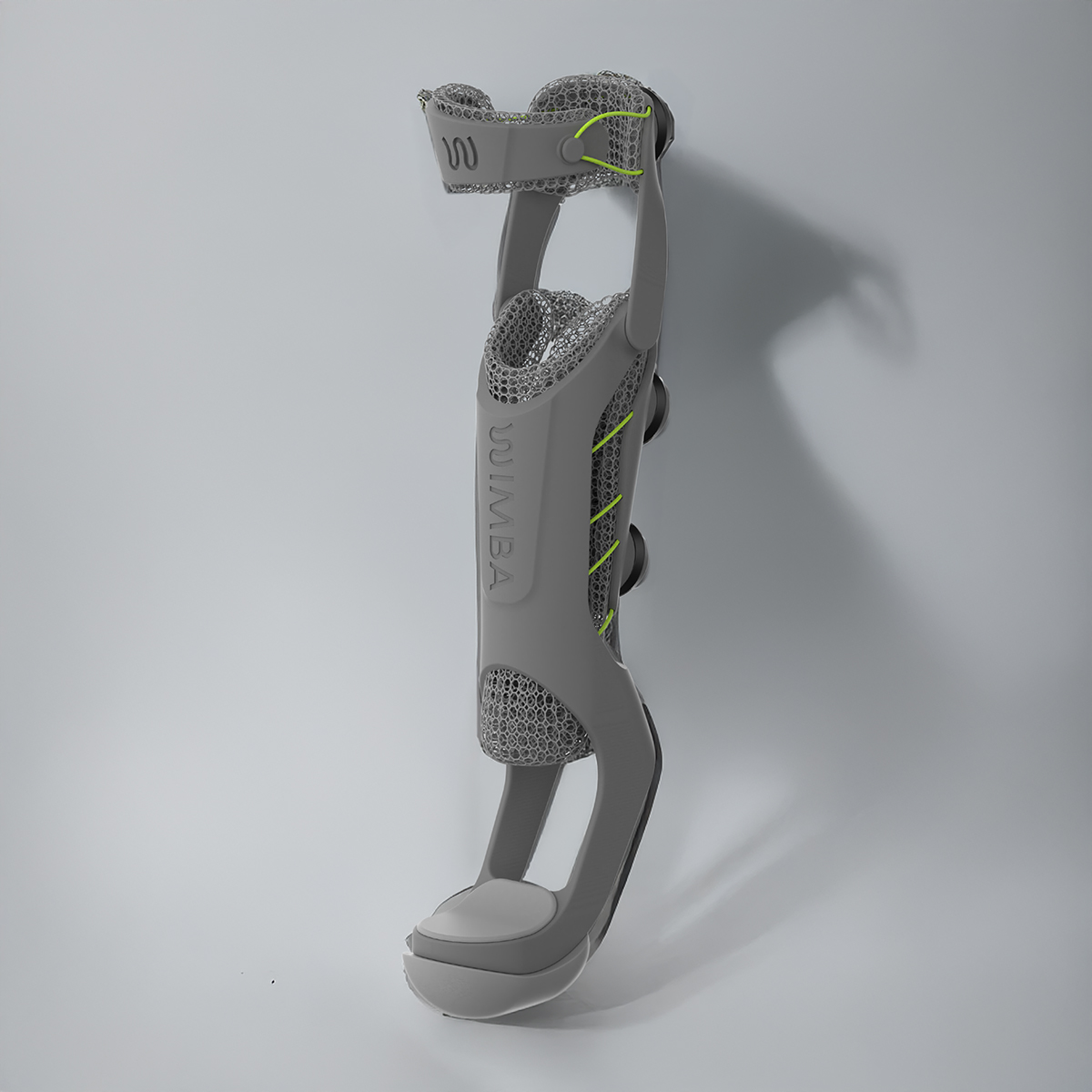
Below Elbow Prosthesis
For dogs who are missing part of their thoracic limb below the elbow, meaning the stump ends at the radius and ulna bones.

Below Carpus Prosthesis
For dogs who are missing the distal part of their thoracic limb, meaning the stump is at the level of the metacarpus or phalanges.
HIND LEG
Pelvic Limb Prosthetics for Dogs
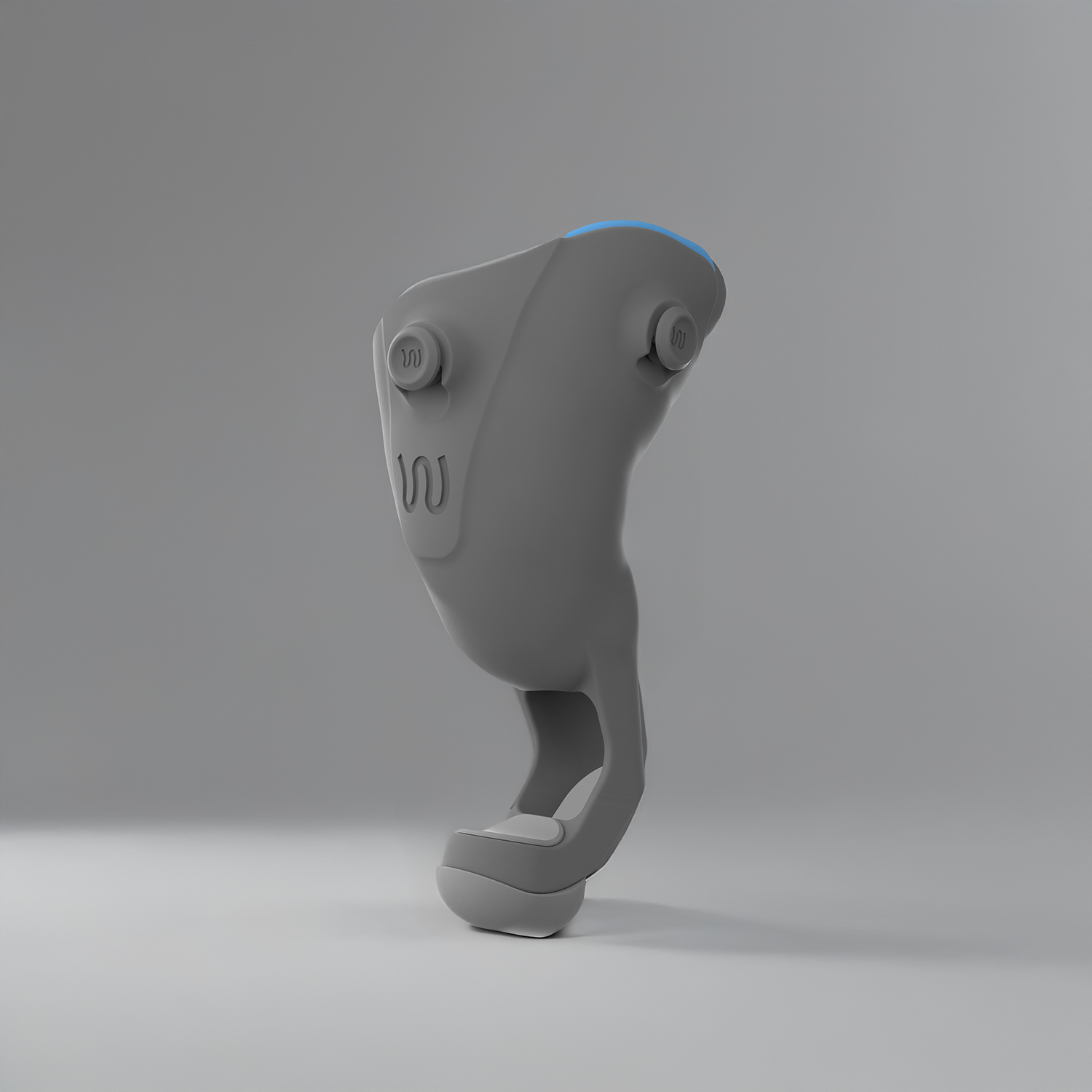
Below Stifle Prosthesis
For dogs who are missing part of their pelvic limb below the knee, meaning the stump ends at the fibula and tibia bones.
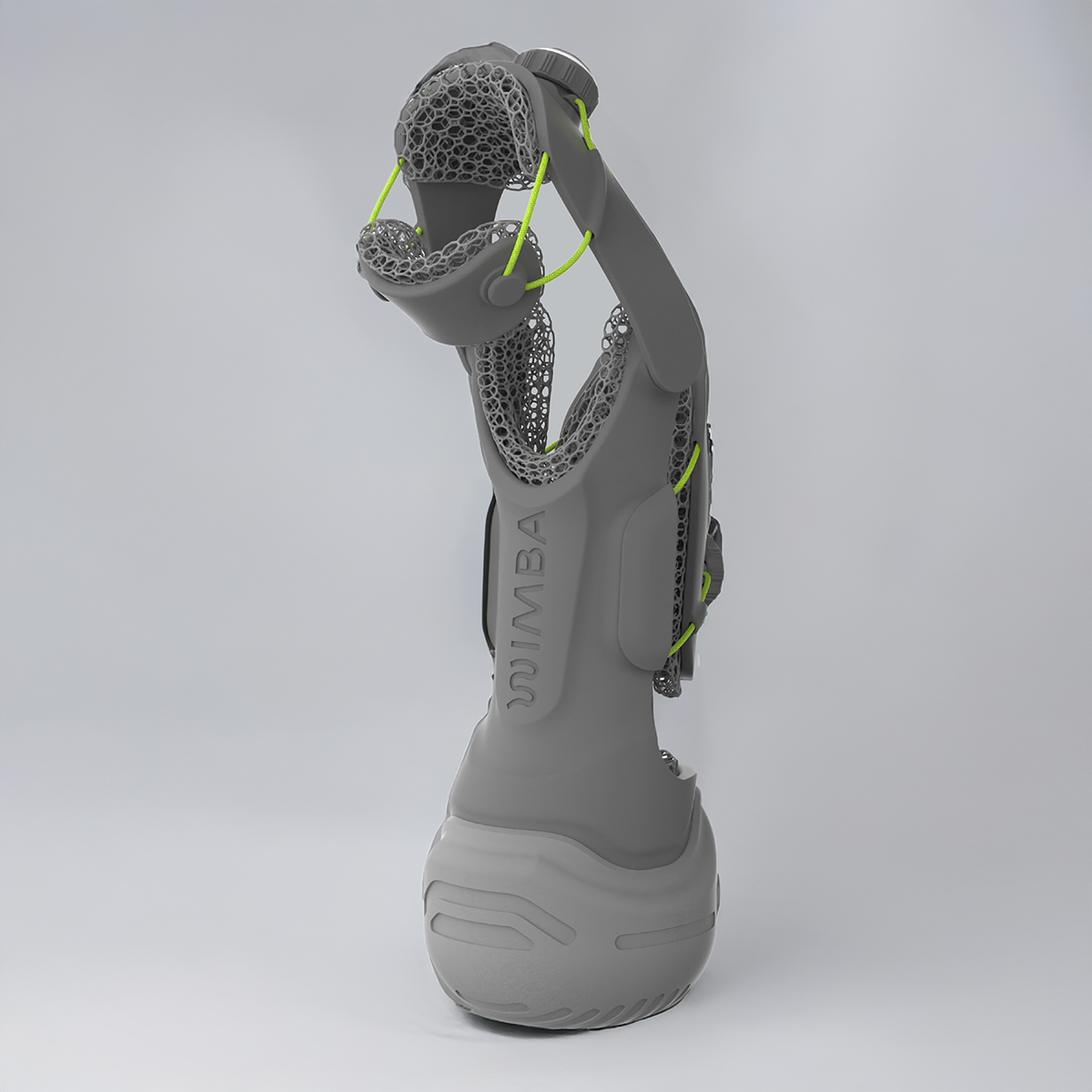
Below Tarsus Prosthesis
For dogs who are missing the distal part of their pelvic limb, meaning the stump is at the level of the metatarsus or phalanges.
When Prosthetics Can Help
In the right case, a well-fitted prosthetic can offer meaningful benefits.
- It restores limb symmetry and promotes a more balanced gait
- It can reduce strain on the remaining limbs and spine
- Some dogs experience better comfort and endurance over time
- It can help preserve more natural movement, especially when paired with rehabilitation, for less compensatory long term issues
Dogs that tend to do well with prosthetics often have a stable residual limb, tolerate handling and fittings, and are motivated to use the device consistently. A dedicated home support system is also important for managing daily care and follow-up.
When Dog Prosthetics May Not Be the Right Fit
Prosthetics are not appropriate or successful in every case. Some limitations to be aware of:
- Skin breakdown can occur if the fit changes or for a variety of other reasons
- Some dogs may behaviorally avoid using the device, especially if the integration process isn’t guided by an experienced V-OP professional
- The activity level your dog can currently achieve without support may exceed what the device can consistently tolerate
- Neurologic ataxia or nerve damage may hinder normal sensation or movement in the remaining portion of the limb (more about nerve and neurologic conditions later!)
- Radiation therapy and active cancer near the limb decreases and often eliminates candidacy until resolved
- Ongoing maintenance and professional oversight are required. If you live far from a qualified veterinary or canine rehab professional and your dog hates car rides, this may not be the best option for your family
Dogs with anxiety, poor skin health, short residual limbs, or certain neurologic conditions may be better supported with other approaches.
When to Consider an Orthosis Instead
In many cases, a custom orthosis may be a more appropriate solution. Canine orthoses are supportive devices for limbs and joints, designed to protect what is still present instead of replacing what is missing.
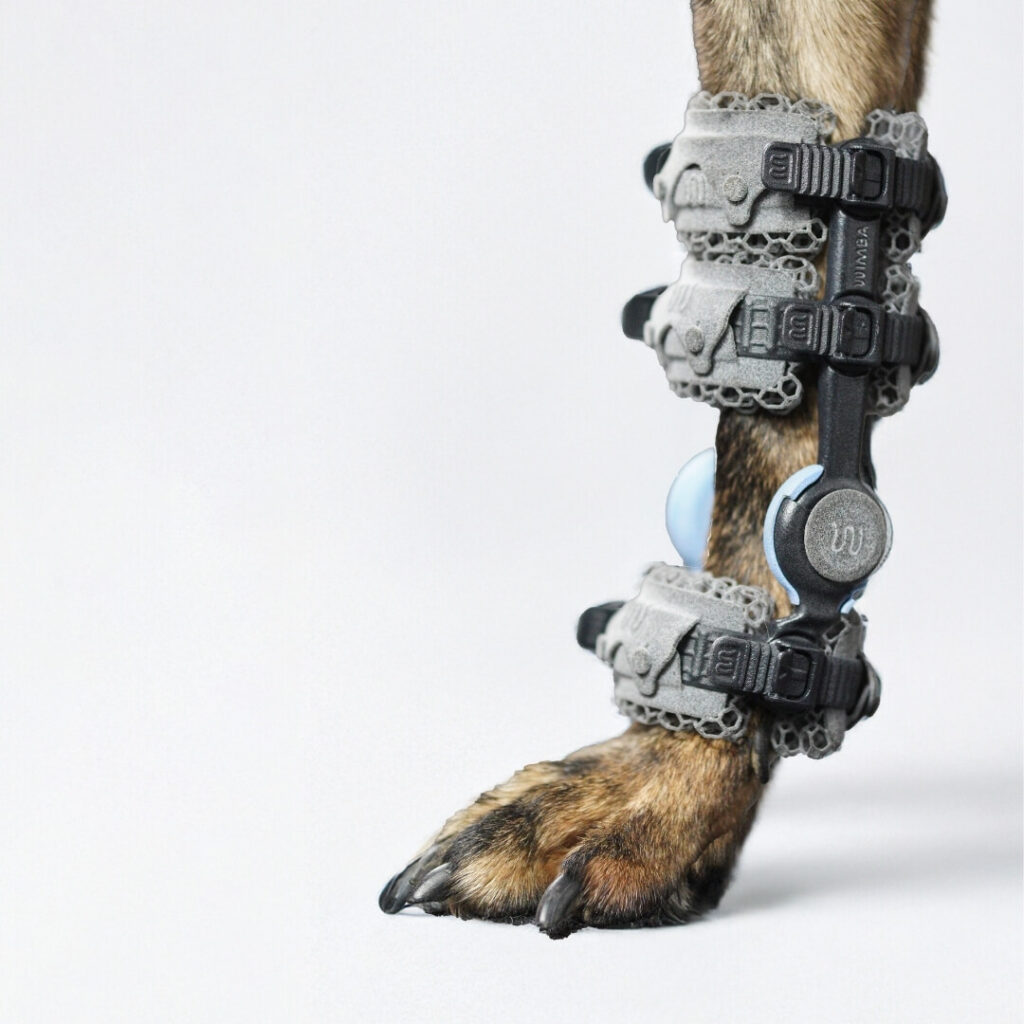
An orthosis may be a better option when:
- A remaining limb is unstable due to injury or degeneration
- A limb is intact but functionally compromised due to pain or compensation
- A partial limb does not meet prosthetic requirements but still needs protection (like needing a heightened paw segment to bring height of limbs more equal)
Orthoses like those designed by WIMBA can help support joints such as the carpus or tarsus to reduce stress on the limbs doing more than their share. They are lightweight, non-invasive, and can be integrated into long-term rehab and strength-building plans.
In some cases, an orthosis may even be used alongside a prosthetic to protect a neighboring joint from overload. This combined approach requires careful planning with your veterinary and rehabilitation teams.

Questions to Ask Before Moving Forward
If you’re considering a prosthetic for your dog, it’s helpful to discuss the following with your veterinarian or rehabilitation therapist:
- Is my dog physically a good candidate based on limb health and length?
- Are there any concerns about skin, pain, or behavior that could limit success?
- Will my dog tolerate daily wear and the care that goes with it?
- Are there other options that may offer more comfort with less complexity?
- Would a custom orthosis provide earlier or more lasting support?
- How will we ensure long-term safety and quality of movement?
There is no single right answer. It depends on your dog, your goals, and the support available to you both.
Putting it all Together
Prosthetics are powerful tools when used in the right situation. But they are just one of many ways we can help dogs regain comfort, balance, and confidence after limb loss or injury. For many dogs, a custom orthosis offers a simpler, more practical solution to support long-term mobility and reduce pain.
Whatever option you’re exploring, your veterinary and rehab teams are here to guide you. With the right plan and support, your dog can continue moving forward with strength and stability.
Medical Disclaimer: All information on this website is intended for instruction and information purposes only, The authors are not responsible for any harm or injury that may result. Significant injury risk is possible if you do not follow the due diligence and seek suitable professional advice about your dog’s specific situation. No guarantees of specific results are expressly made or implied on this website.