


PET BEHAVIOR
-

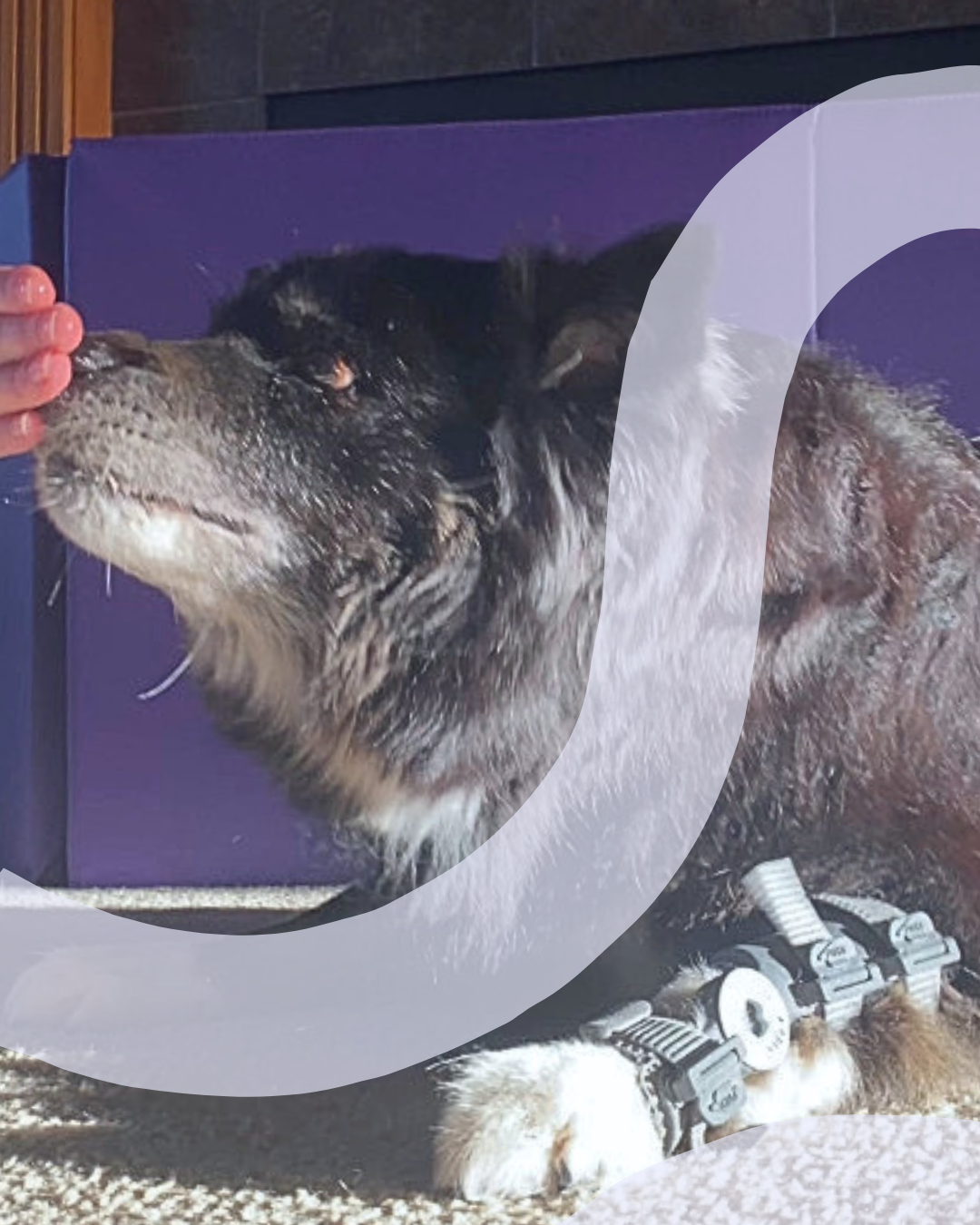
Turning Your Legs into a Safe, Engaging Space
Turning Your Legs into a Safe Space: Safety Reminder Reminder: Only practice Cave when it is safe for both you and your dog. Consult your veterinarian or rehabilitation therapist before starting new exercises. IMPORTANT: Never force your dog into this position or hold them in the cave position against their will. This is a cooperative…
-
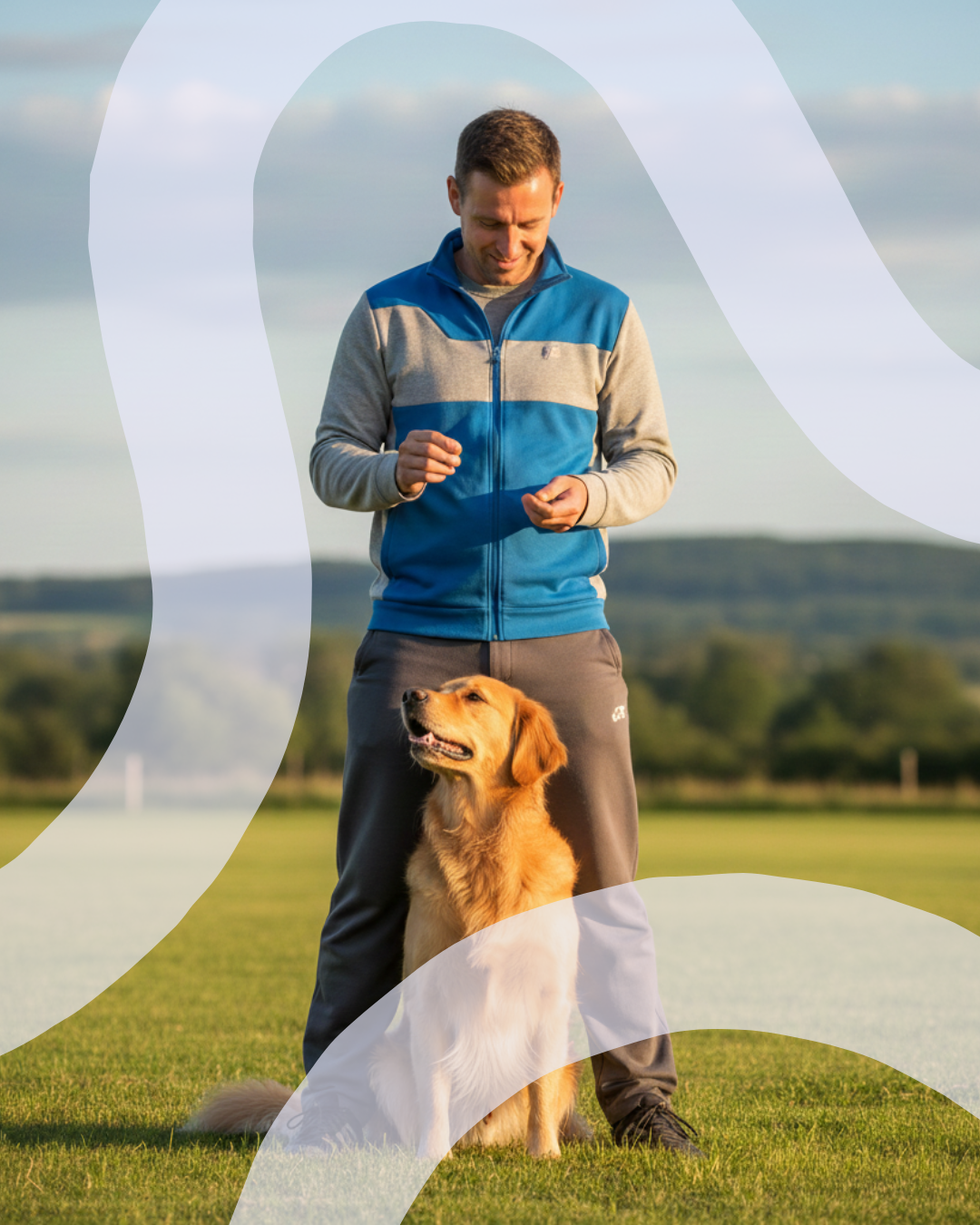
Nose-To-Hand Target
Written by: Dr. Emily Hall DVM, CCRT, CPAT-KA What is Nose-to-hand target (hand targeting)? Hand targeting teaches your dog to touch your hand with their nose on cue. It is a cooperative, voluntary behavior that supports redirection, positioning, low-stress handling and many rehabilitation tasks. Why teach targeting for rehab and clinic care? Targeting builds focus,…
-

Classical Conditioning for Dogs: Build Positive Associations
Part of the WIMBA Behavior Skill-Up Series: How Classical Conditioning for Dogs and consistent cues help patients stay calm and cooperative during handling, scanning, and wound-care routines. Classical conditioning for dogs is the foundation of how animals learn from experience. By understanding how learning works, you can make medical procedures smoother, rehabilitation exercises more effective,…
-
Operant Conditioning for Dogs: Reward-Based Cooperative Care
Part of the WIMBA Behavior Skill-Up Series: Operant Conditioning for Dogs to shape voluntary, cooperative behavior during handling, device donning, and gait practice. See also Classical Conditioning for Dogs. Helping dogs feel safe and confident during clinical care starts with understanding how they learn. Through Operant Conditioning for Dogs, we can teach voluntary, cooperative behaviors…
-
Silent Pain in Dogs: What Every Pet Parent Should Know
Silent Pain in Dogs is common—dogs can be incredibly stoic. Many will continue to walk, play, and even wag their tails despite significant pain. For pet parents, this can make it challenging to recognize when something is wrong. The truth is, pain often is subtle to the untrained human eye. Learning to identify the early…