 Skip to content



Research Sample
The study involved a total of 69 dogs of various breeds.
- Carpal Orthosis:
53 dogs of various breeds were scanned and included in the testing process for the carpal orthosis.

- Tarsal Orthosis:
16 dogs of various breeds participated in the testing of the tarsal orthosis.

Purpose of the Study
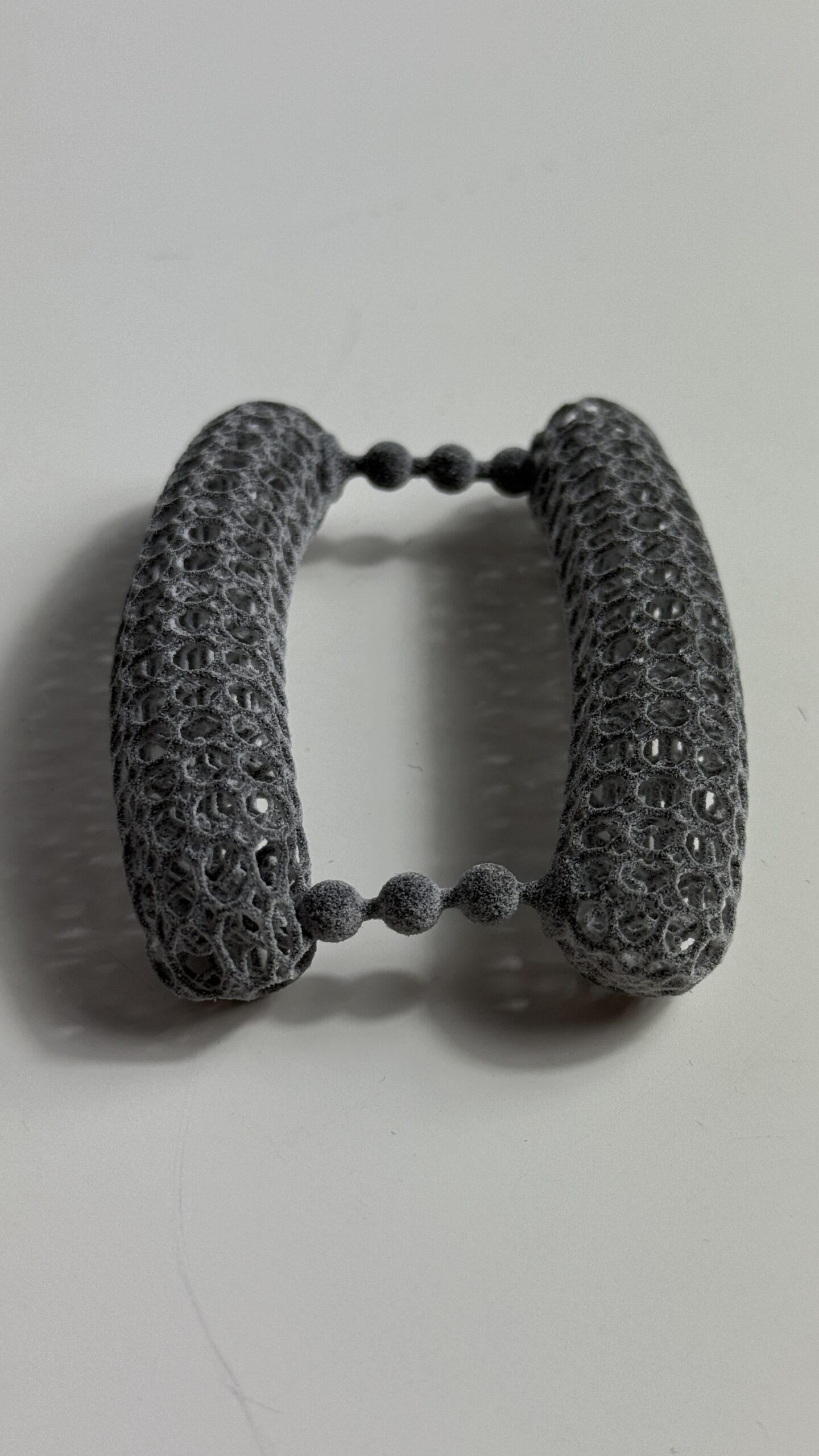
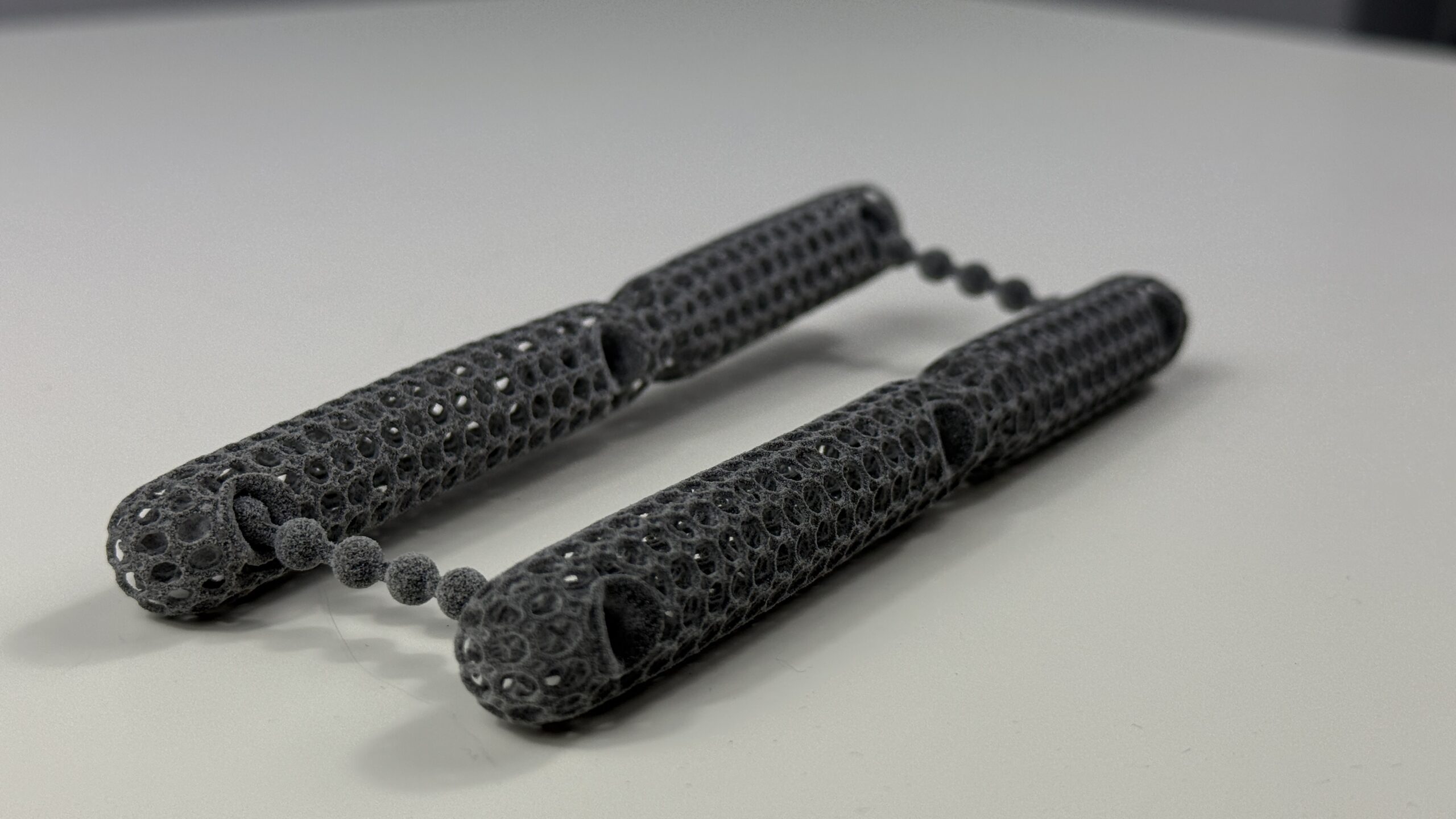
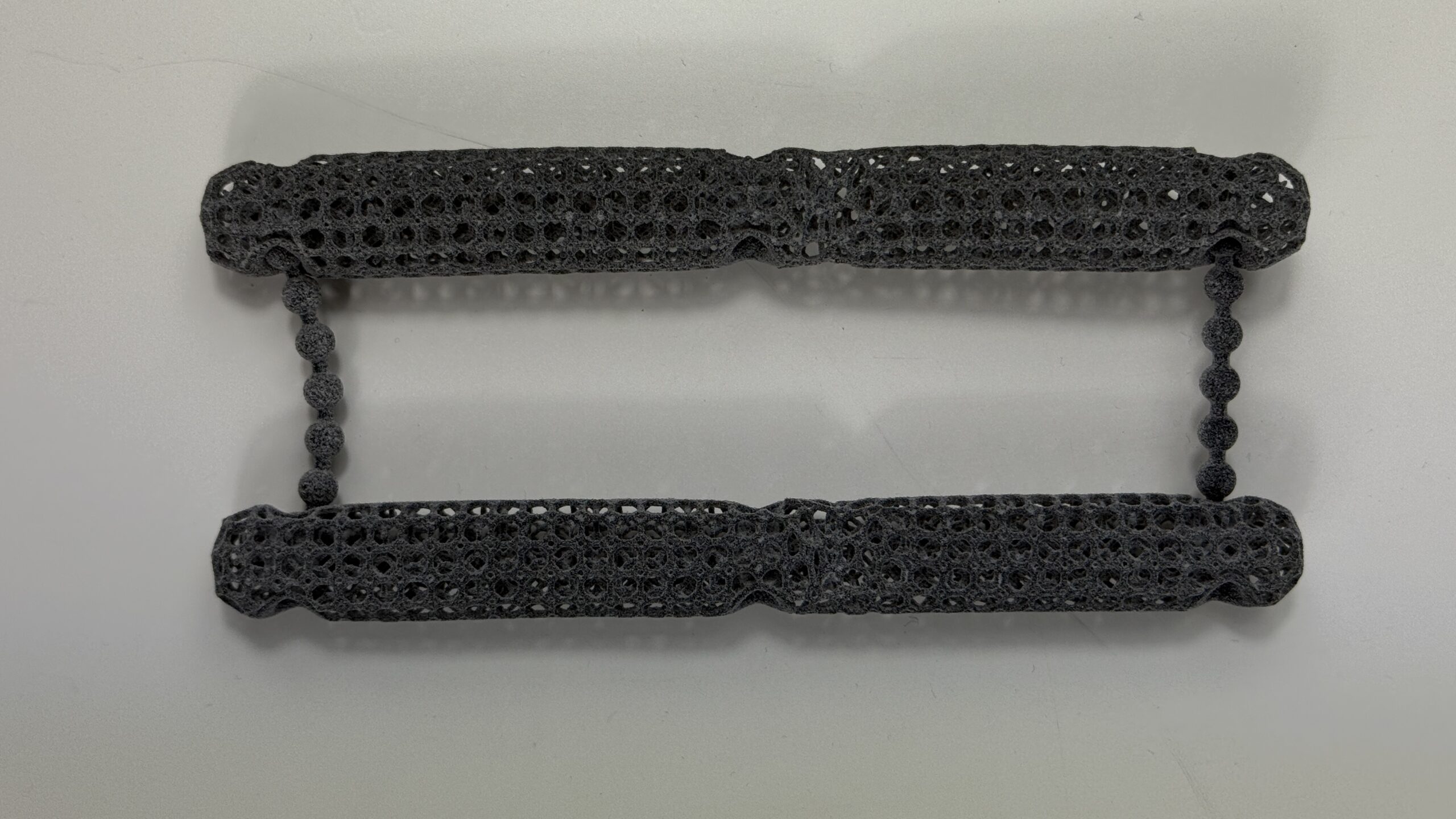
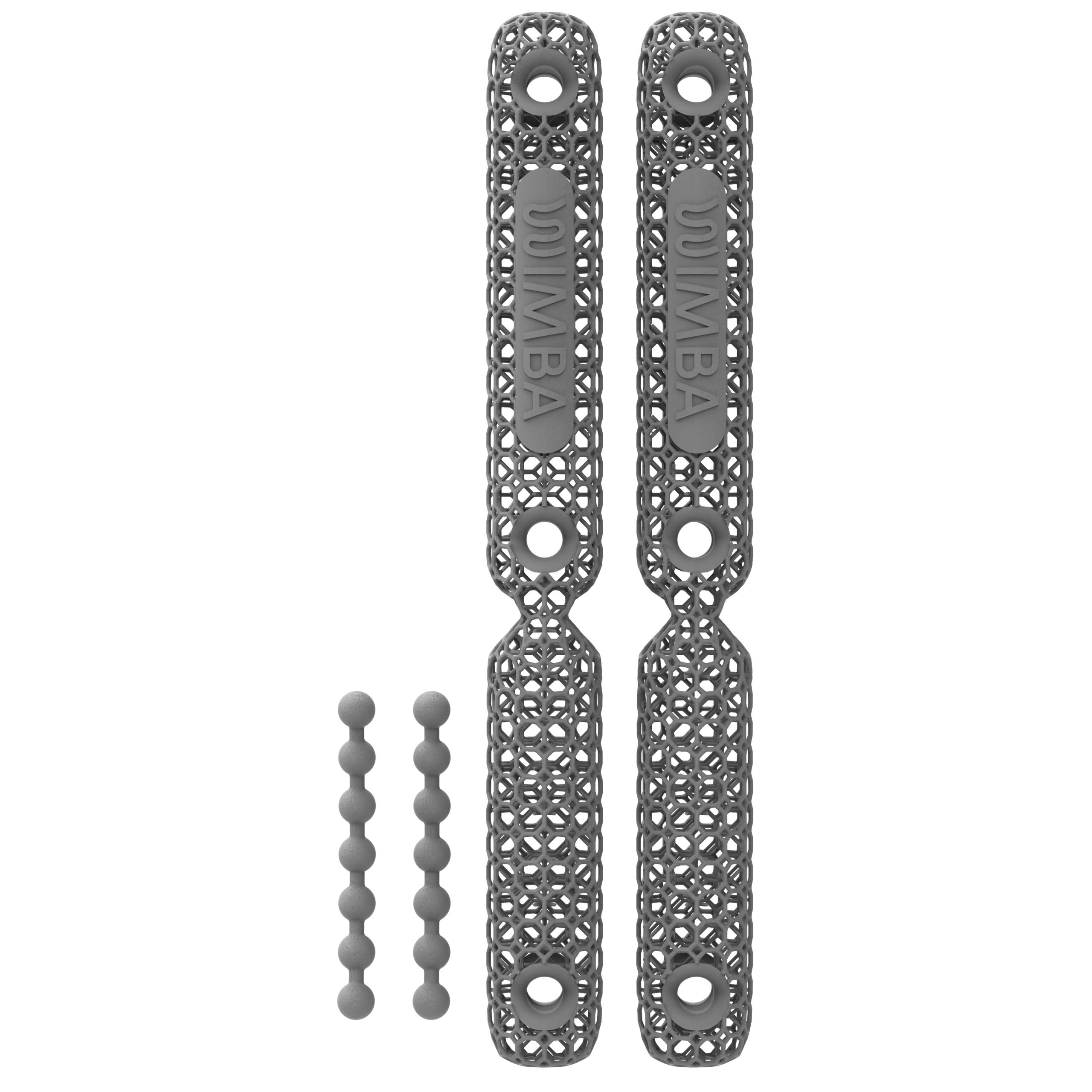
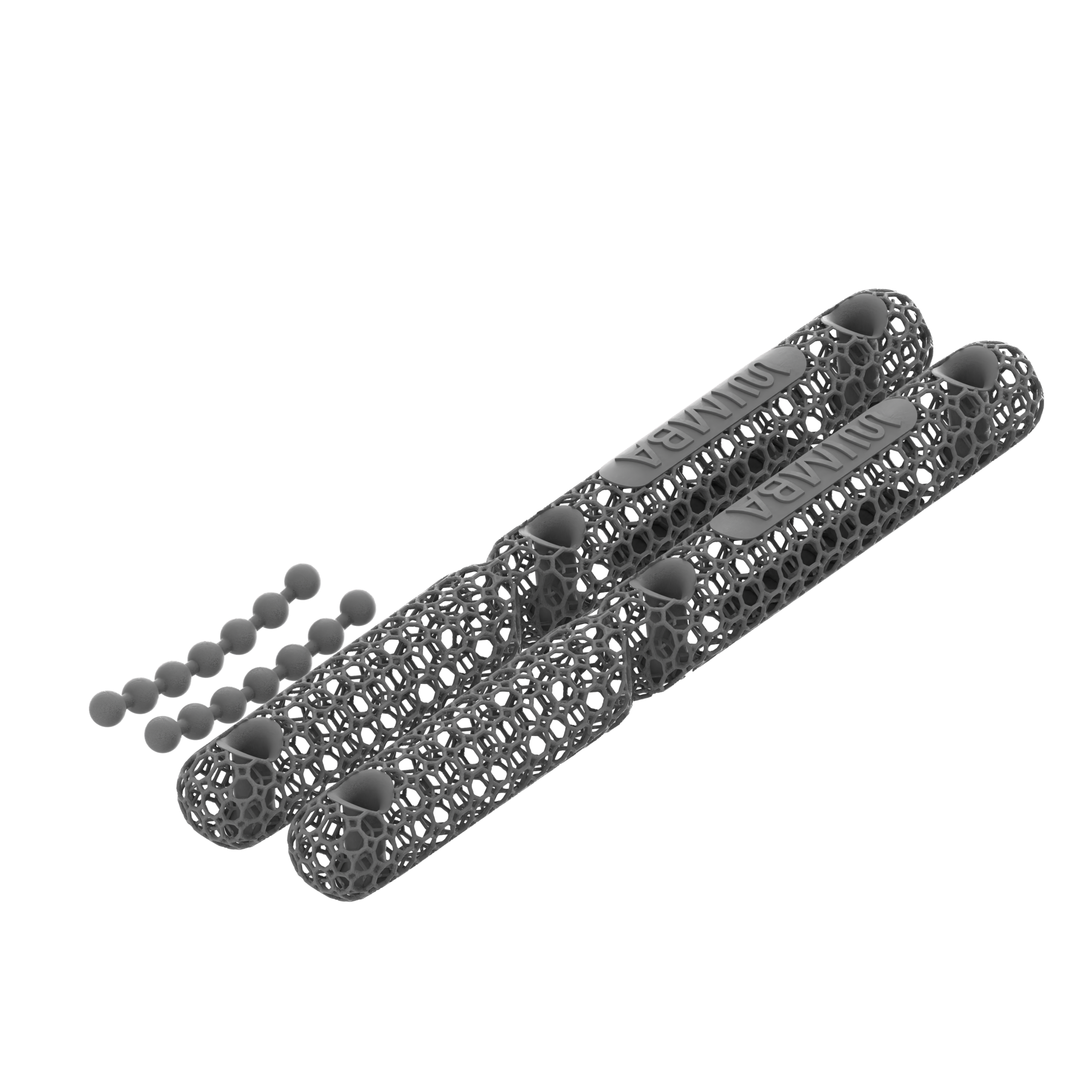
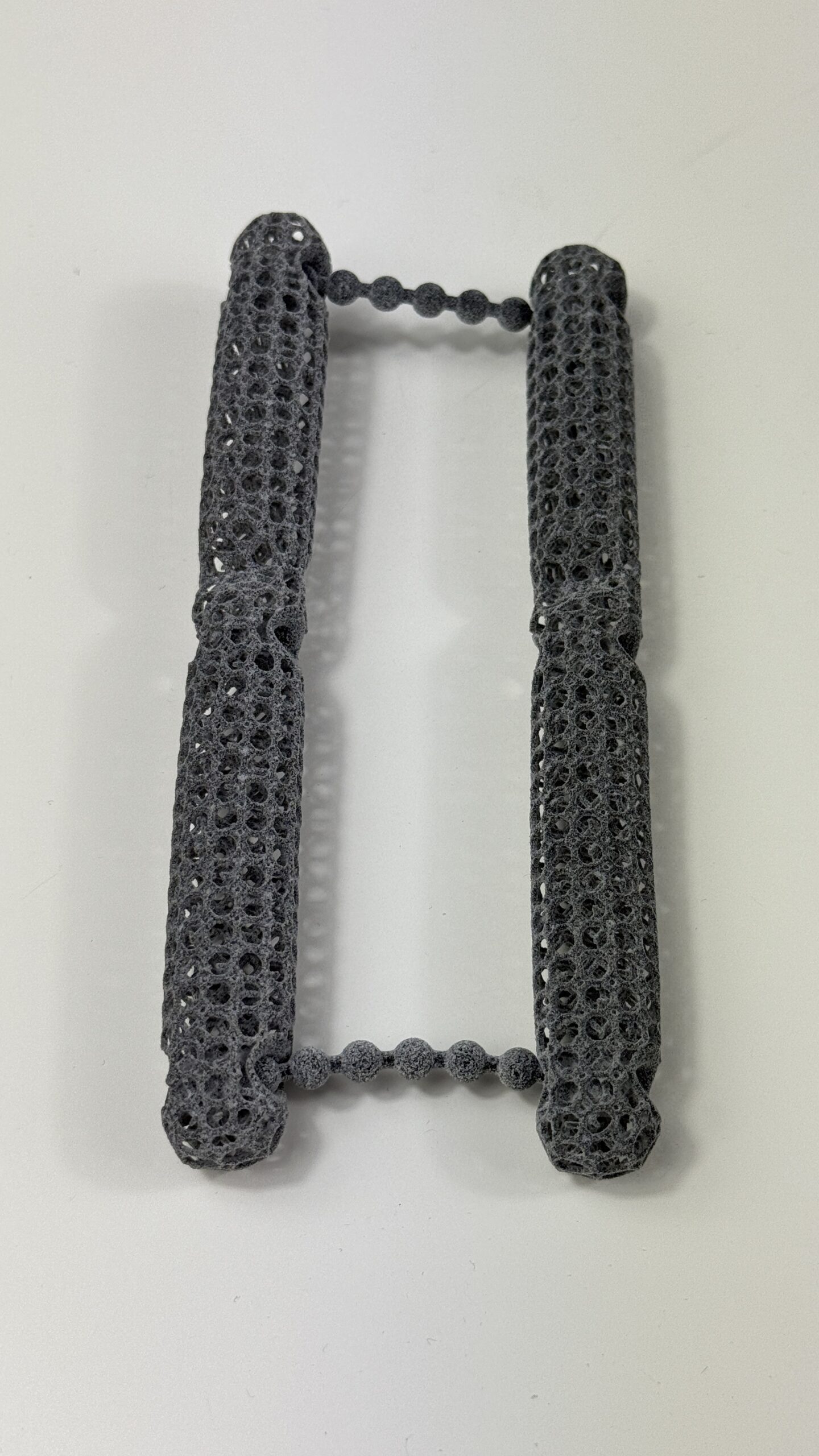
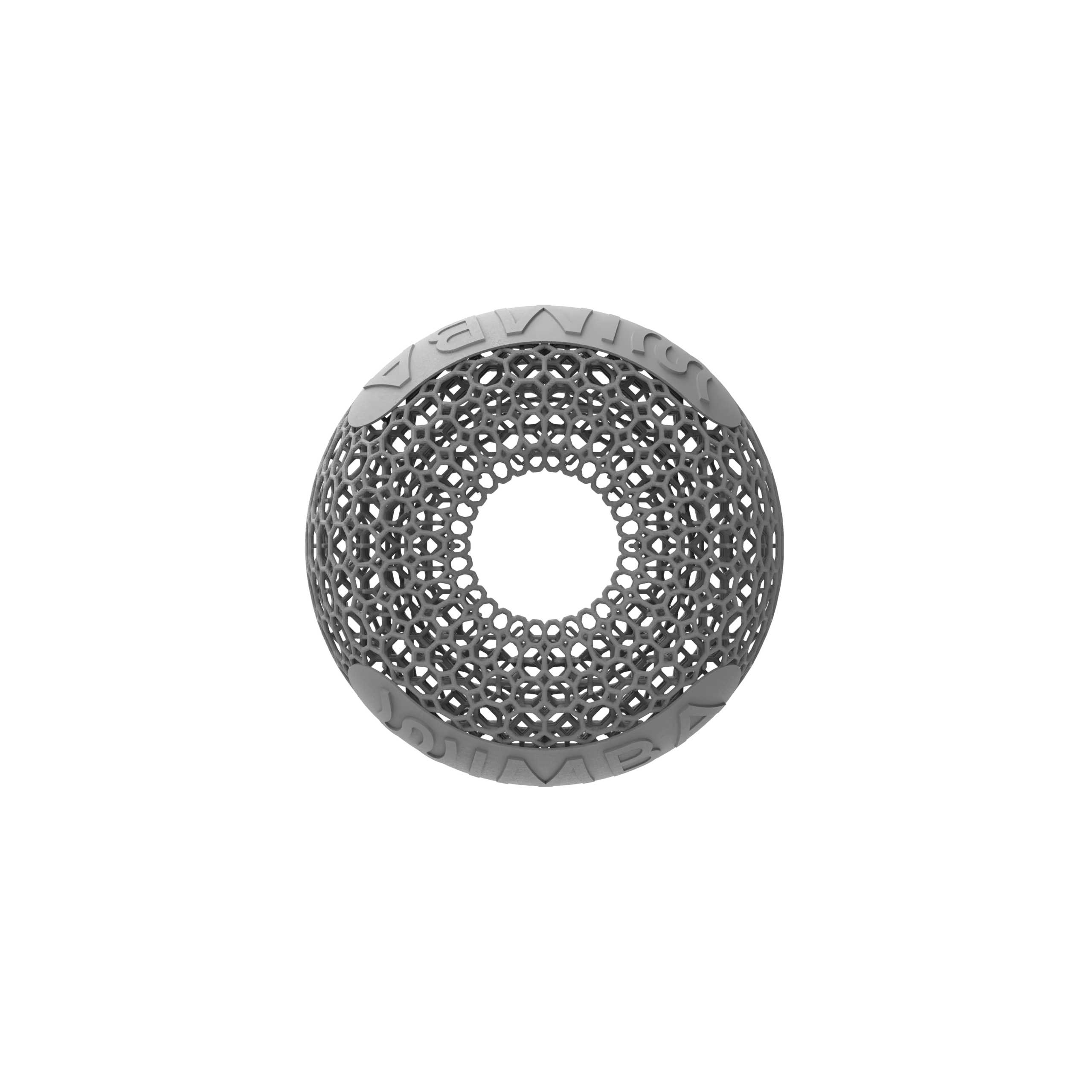
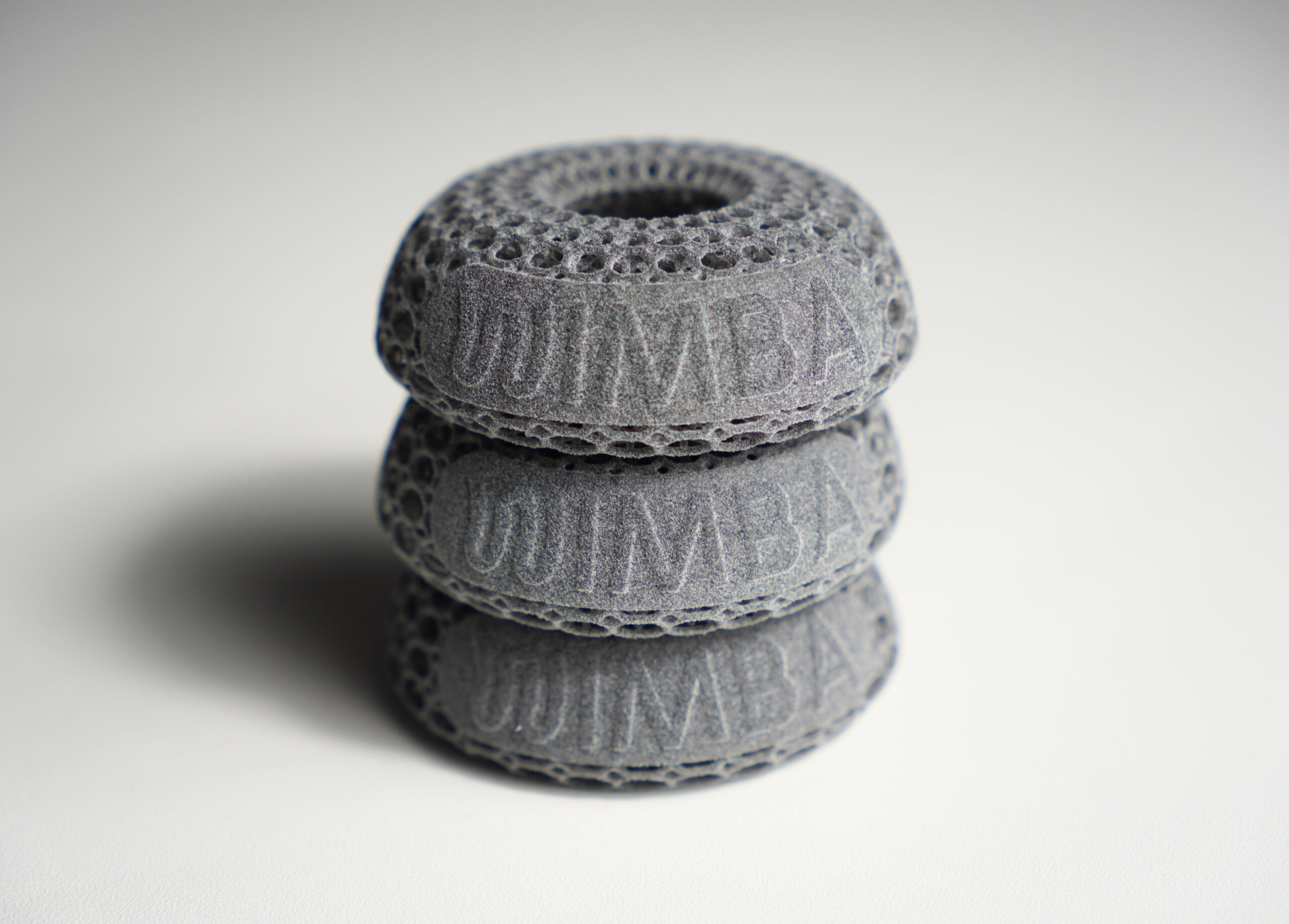
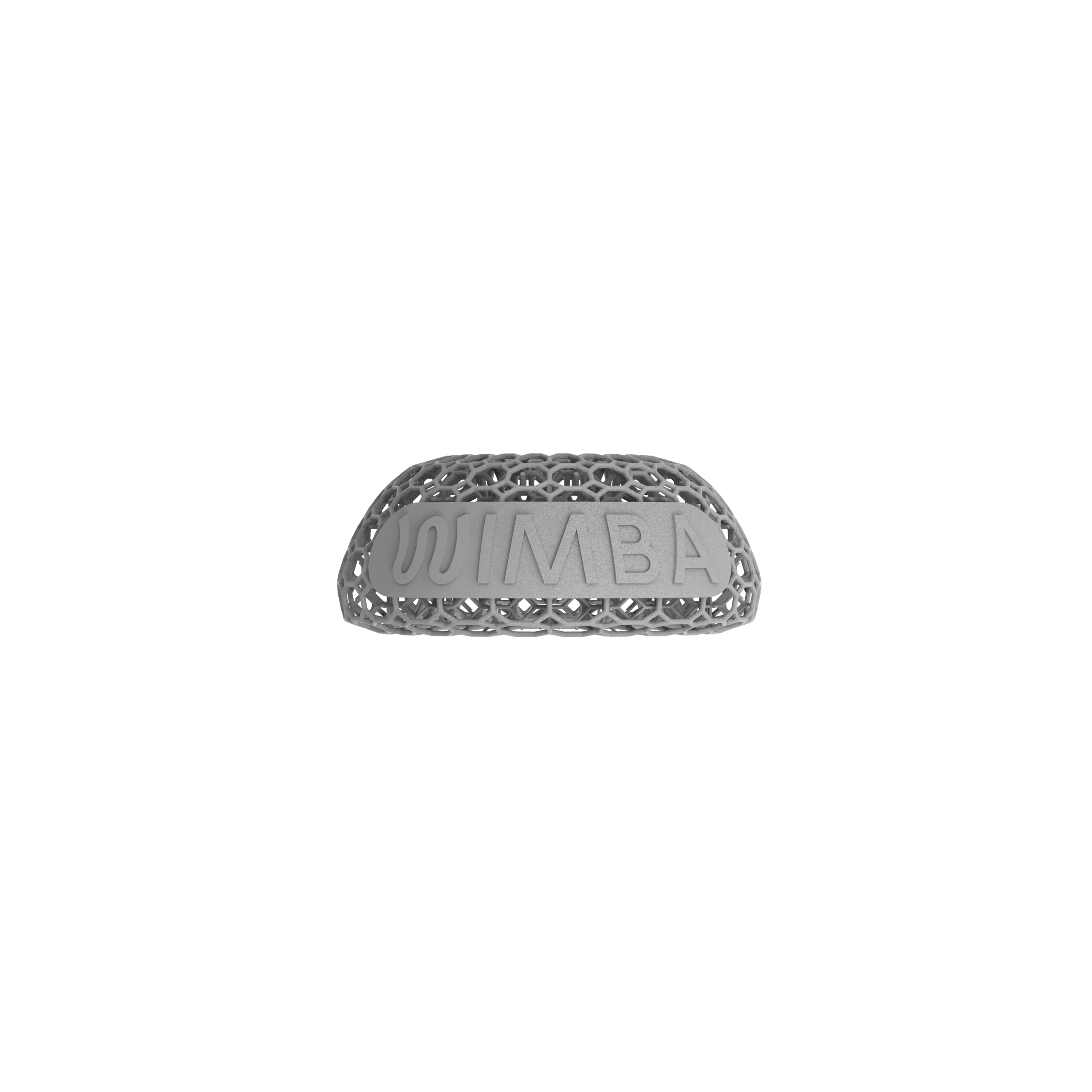
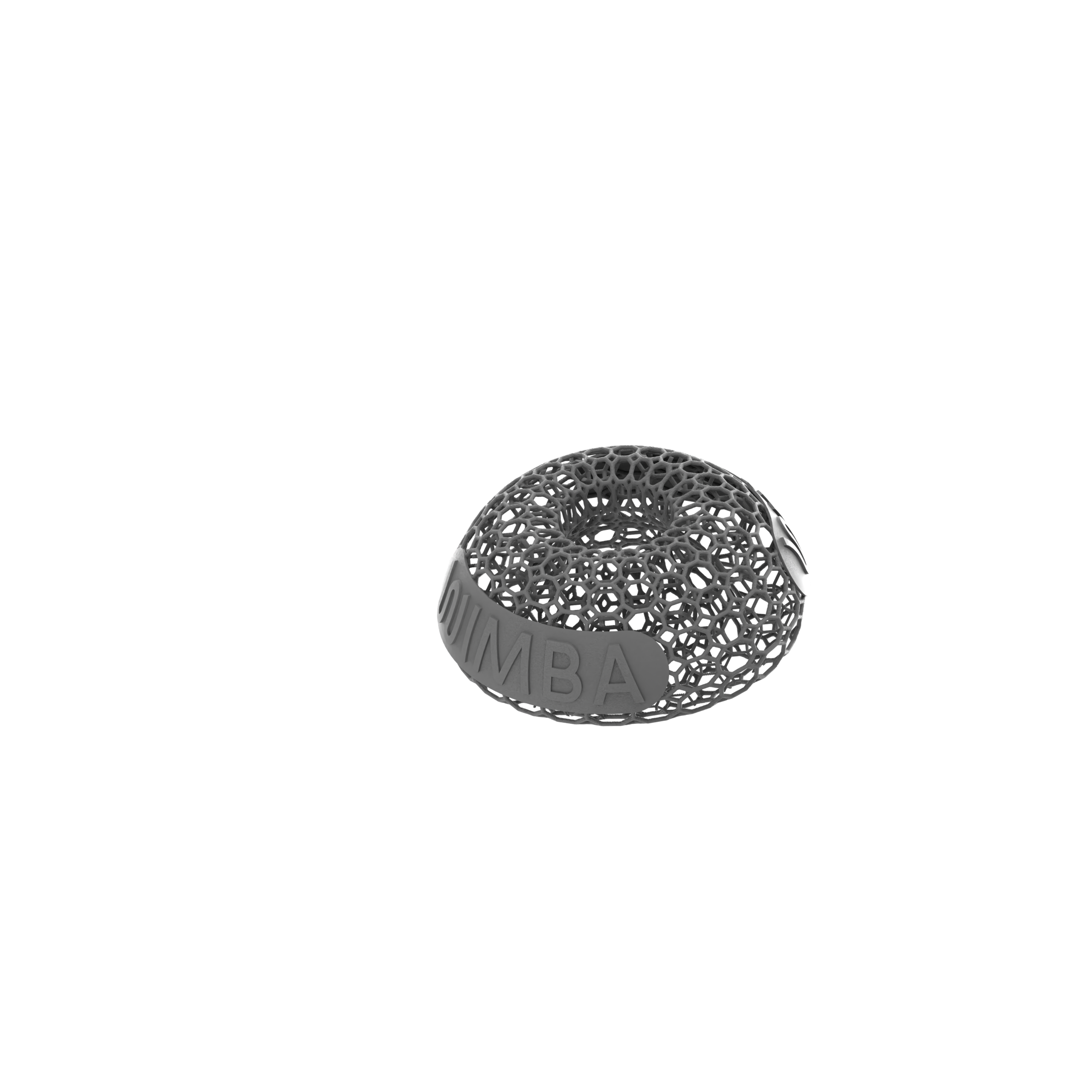
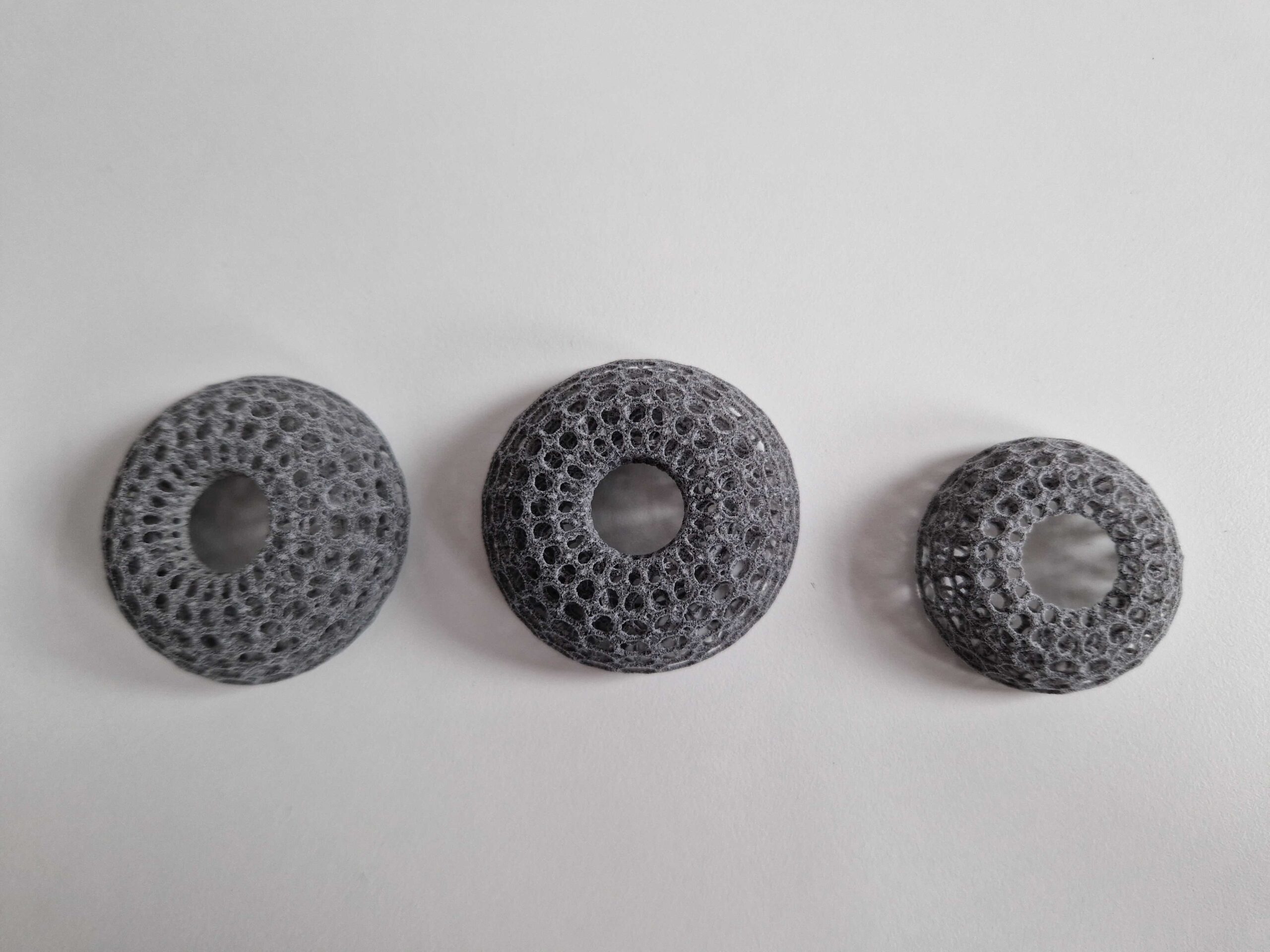
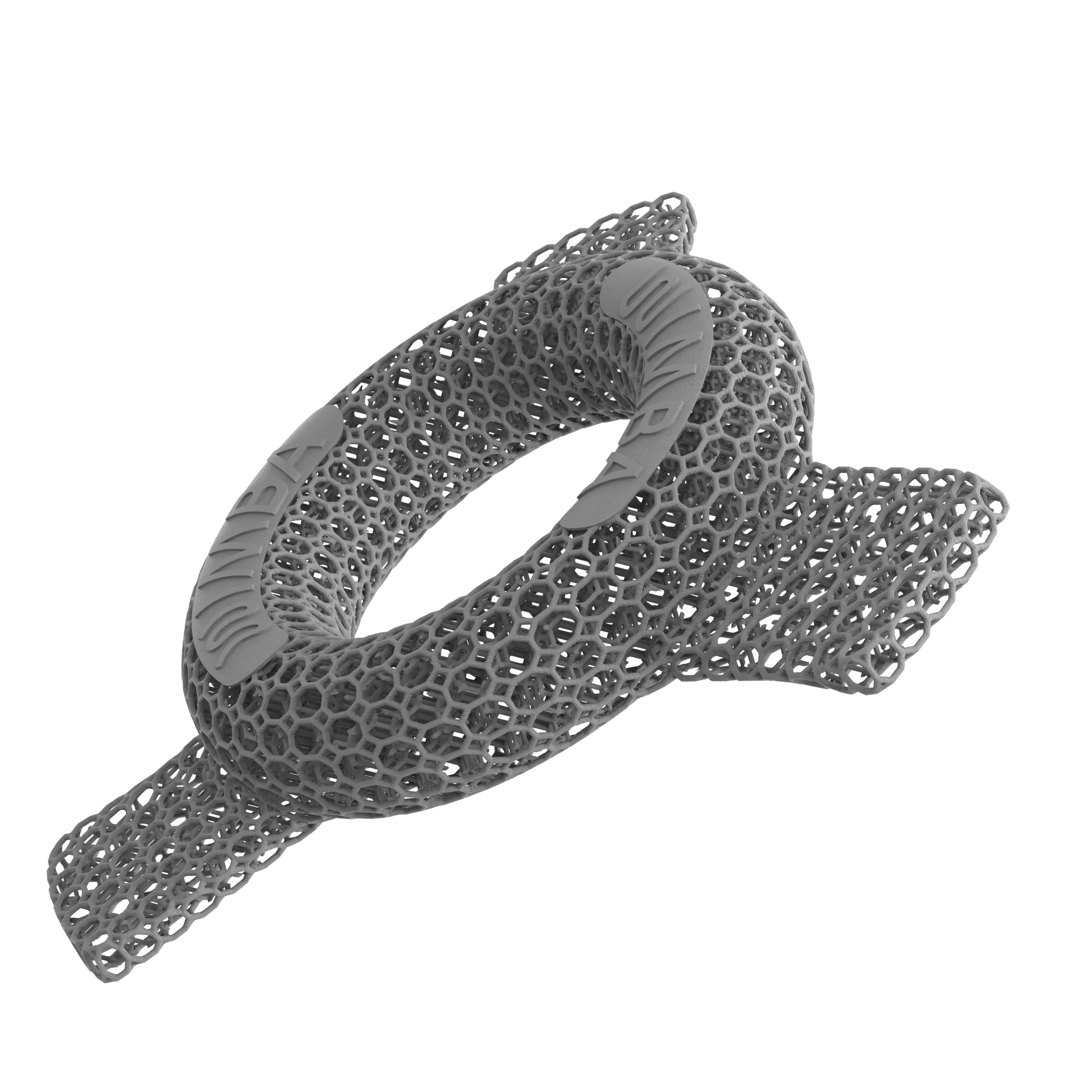
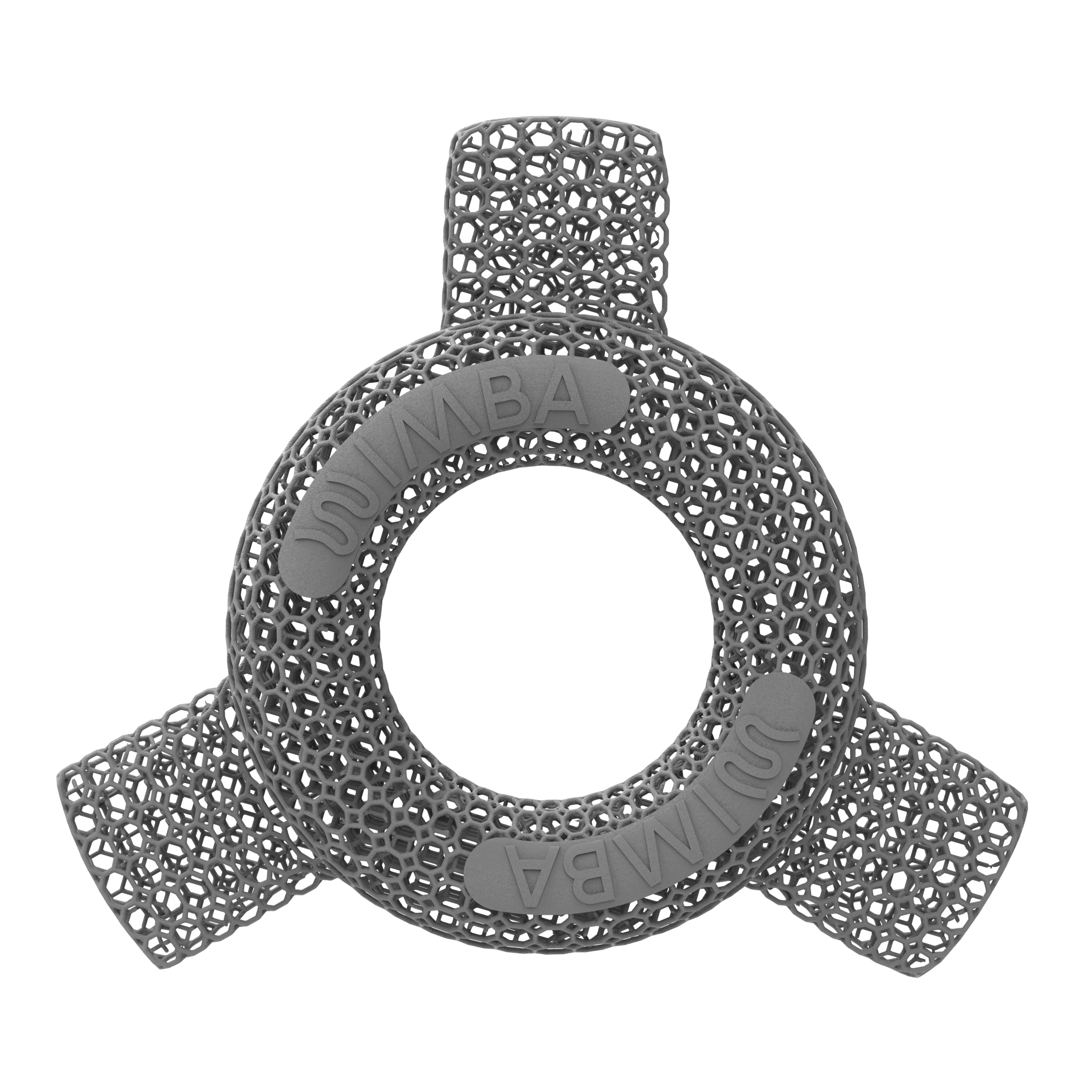
Our goal was to develop a lightweight orthosis precisely tailored to the shape of each dog’s leg, using our proprietary measurement methods and advanced 3D printing technology.

WimbaSCAN Process Explained
Methods
Comparison of Measurement Collection Methods

WimbaSCAN Method

WimbaSCAN is a scanning method that takes 4-5 minutes to capture a very accurate 3D model of the scanned limb. Scanning time depends mainly on the behavior of the dog and the skill of the measure taker.
Challenges and How We Overcame Them
The study involved 69 dogs, of which 66 had accurate measurements on the first attempt. For the remaining three, two measurement failures were due to abnormalities in the scans caused by poor lighting conditions. In one case, both the video and measurements were of insufficient quality.
To address these issues, measurements for all three dogs were re-collected, this time ensuring proper lighting and greater attention to detail during the scanning process.
Once accurate measurements were secured, the orthoses were designed to precisely match each dog’s anatomy, ensuring a comfortable fit and effective support. The final designs were then 3D printed, resulting in custom-made orthoses tailored to each dog’s specific needs.
“As for the measurements, they are definitely easier than traditional casting. The whole process probably takes 30 minutes, whereas I’d block out at least an hour for traditional casting.”
Cara McNamee, DVM, cVMA, CCRT
WIMBA Case Studies & Reports
See How WIMBA Orthoses Are Supporting Pets and Enhancing Mobility
Think Your Dog Might Have an Orthopedic Issue Condition? Let’s See How We Can Help
Submit Your Pet’s Details to See If WIMBA Can Help
Fill out the form below to tell us more about your pet’s case — including your contact details and your vet’s information. Our team will review it and let you know how we can help you and your pet. It’s the first step toward restoring your dog’s comfort and mobility.