 Skip to content


Carpal Orthosis for Dogs with Severe Hyperextension (Case Study Keti)

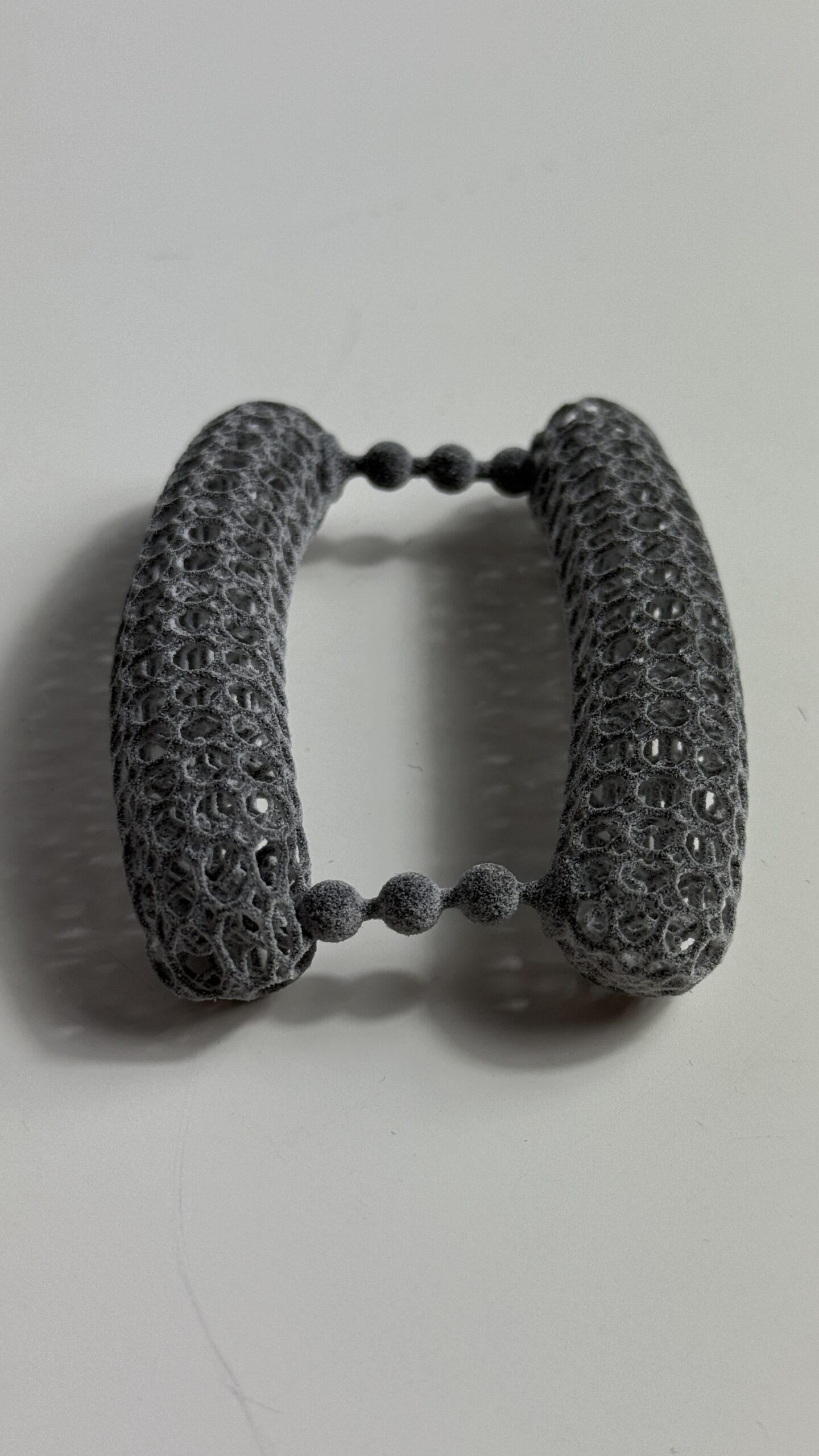
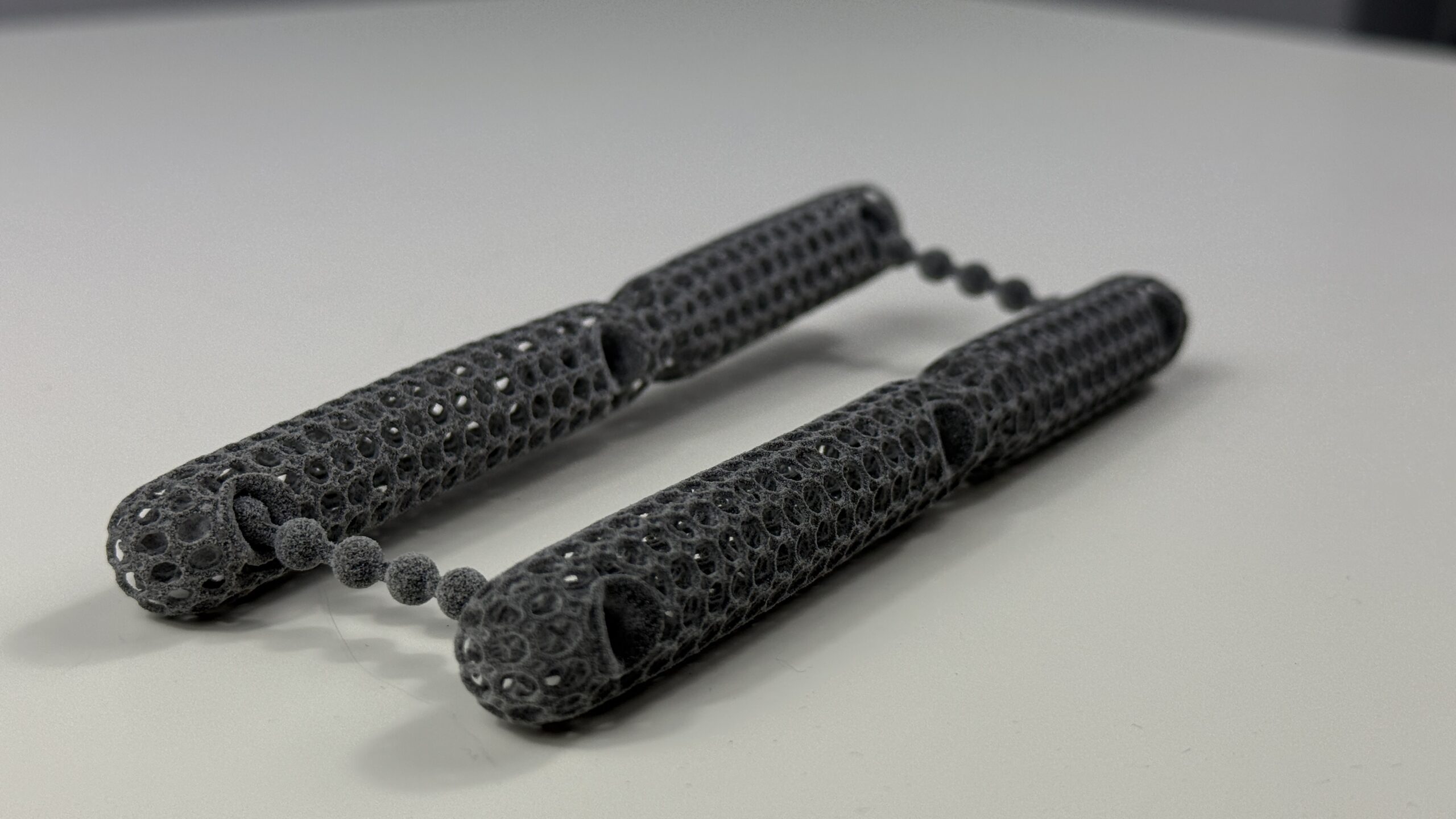
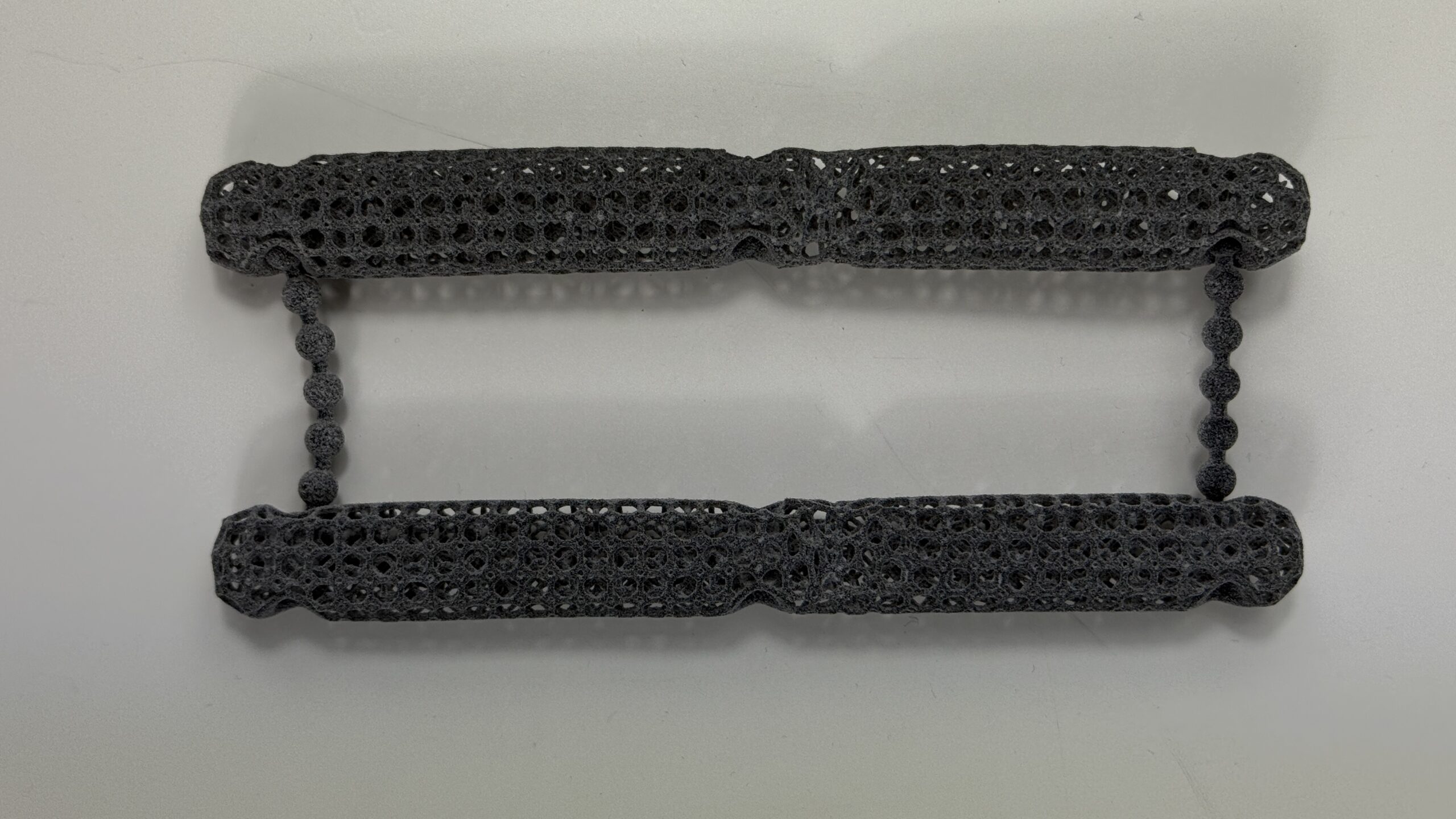
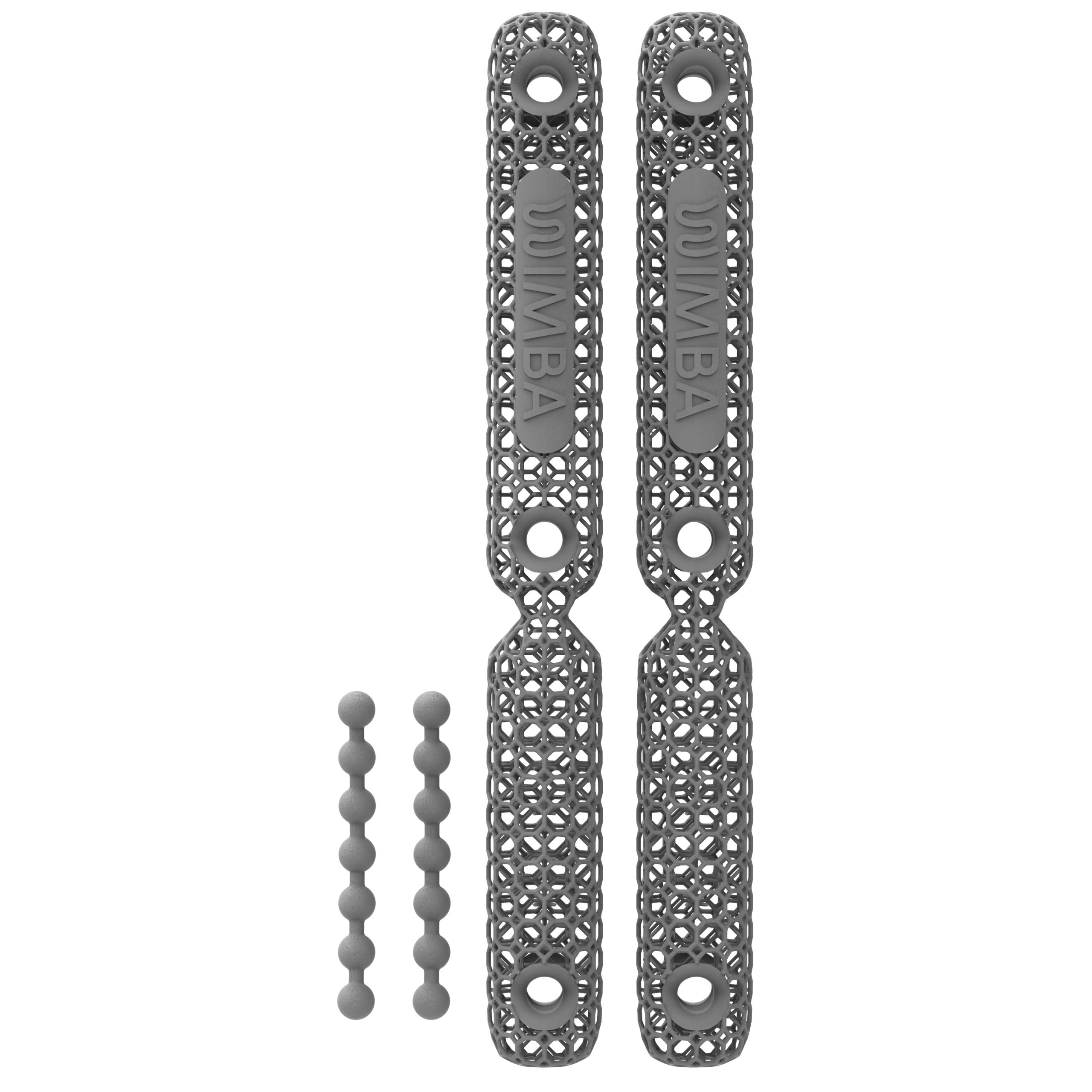
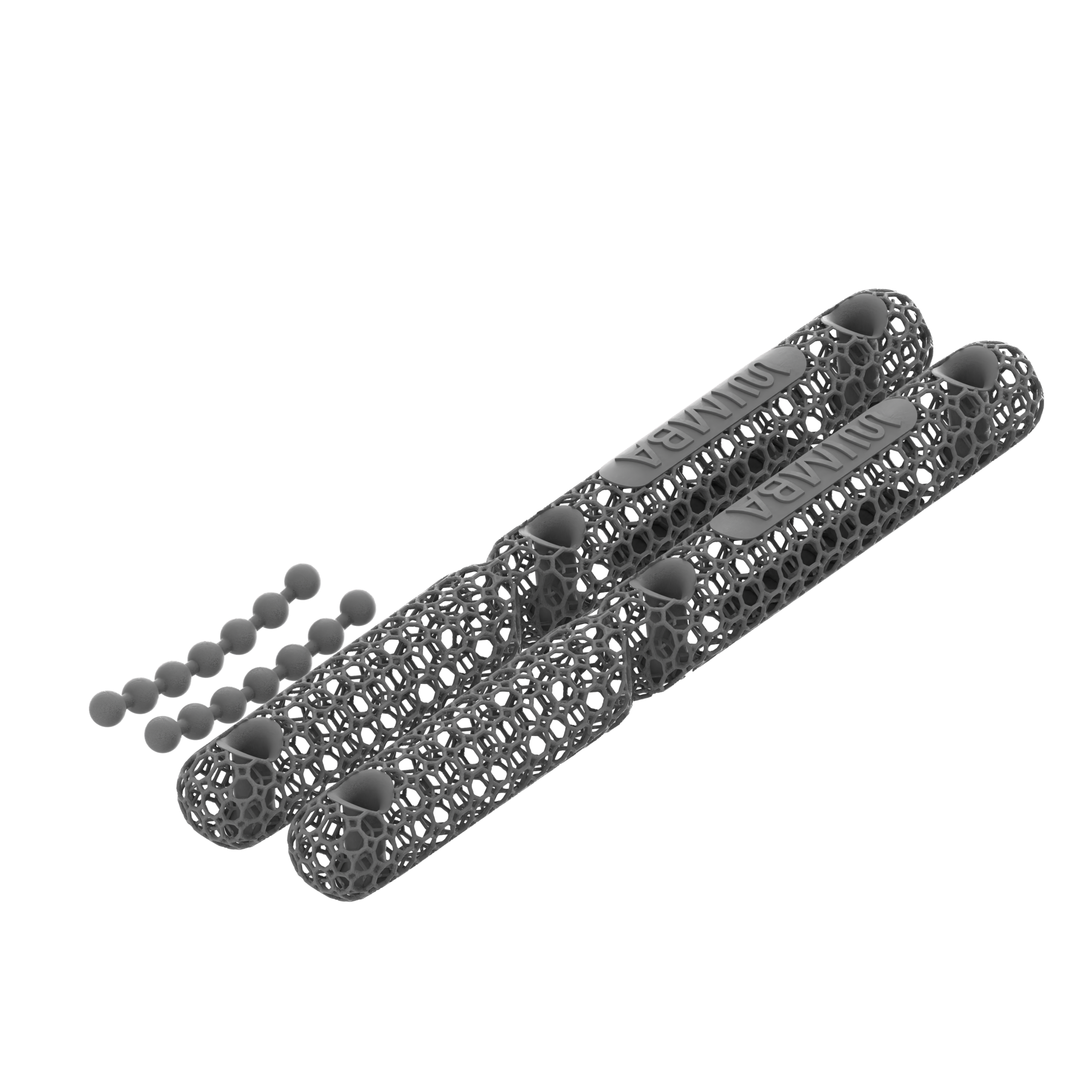
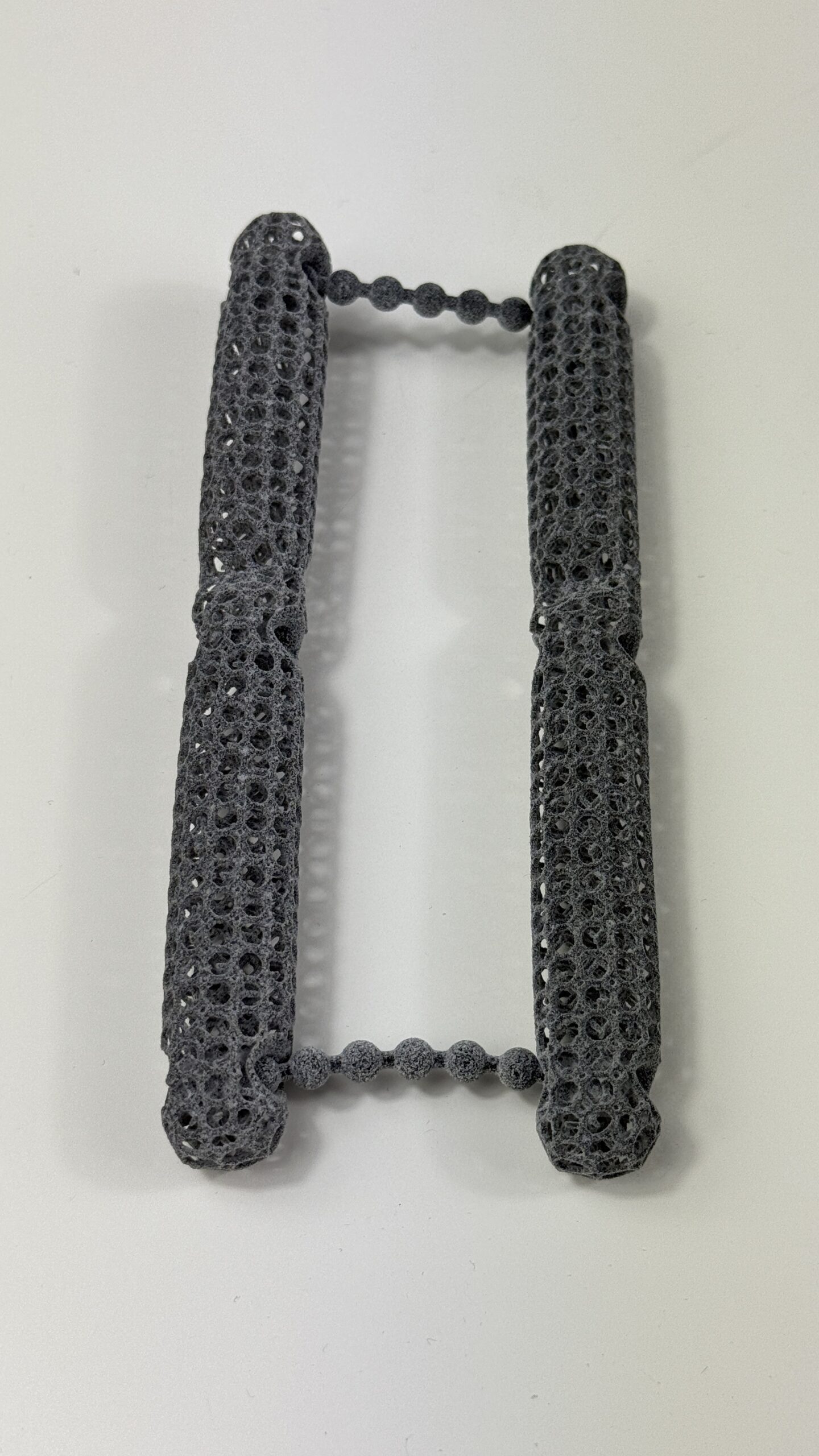
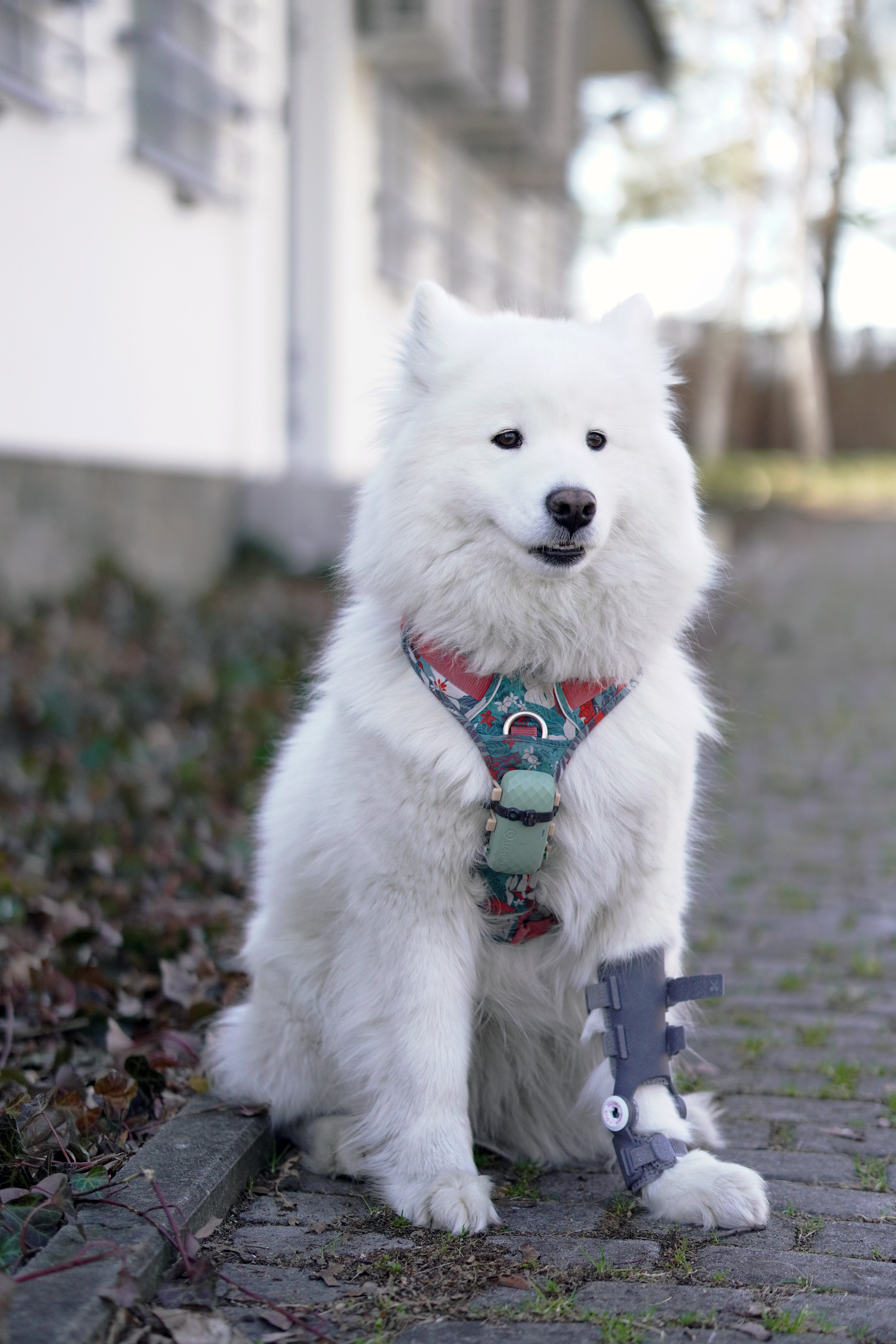
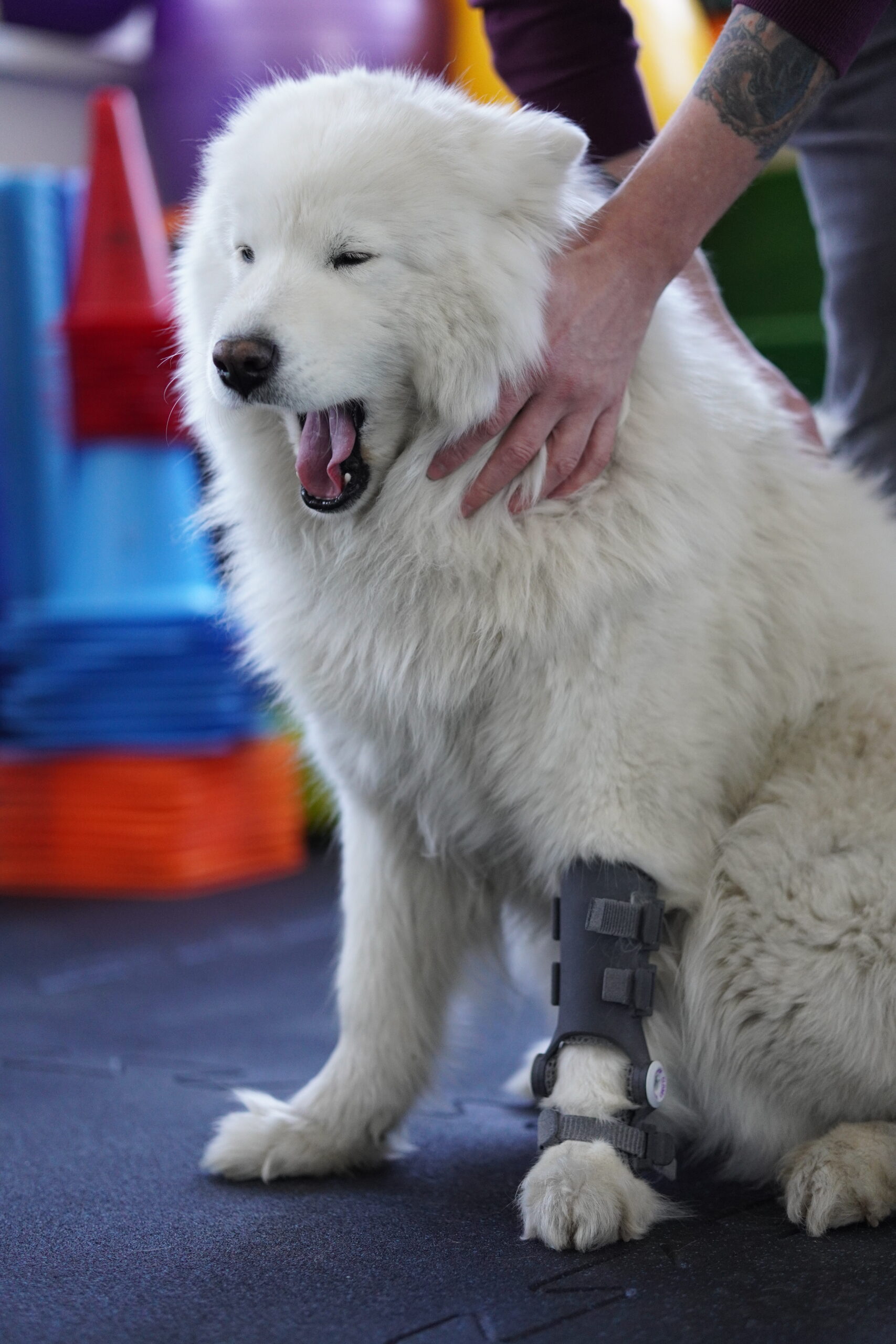
A 5-year-old Samoyed with severe left carpal hyperextension, chronic carpal injury, and lateral instability supported with WIMBA Carpus Orthosis PRO.
Case presentation
- Name: Keti
- Age: 5 years
- Weight: 20 kg
- Breed: Samoyed
- Diagnosis: Severe carpal hyperextension with chronic carpal injury
- Clinic: ARWET Gabinet Weterynaryjny
Physiotherapist’s Goals
Meet Keti supported by WIMBA Carpus Orthosis Pro
Medical Examination
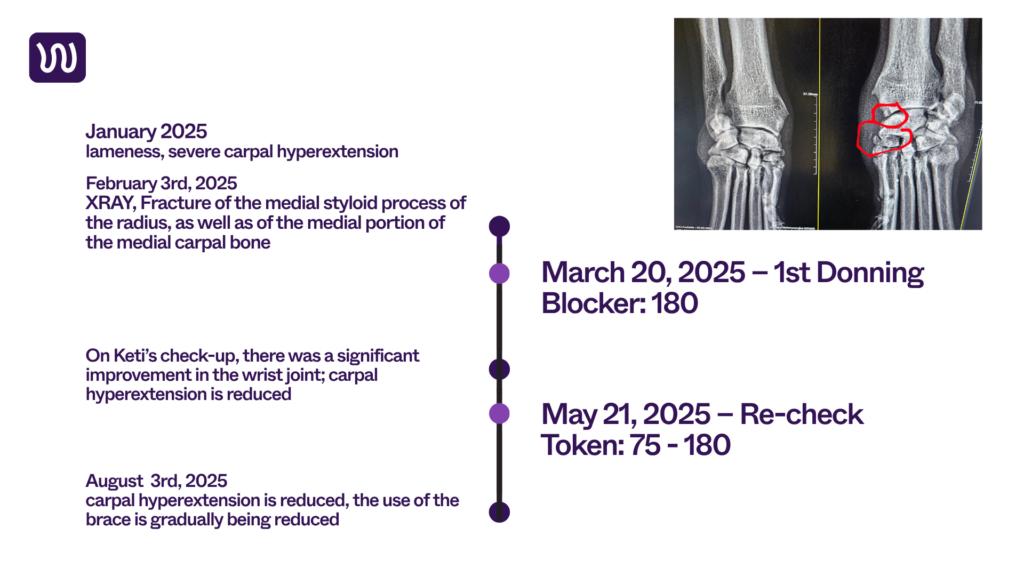
Diagnostic imaging revealed chronic fractures involving the medial styloid process of the radius and the medial portion of the medial carpal bone. Secondary “bear paw” deformity was observed, most likely associated with soft tissue injury involving the ligamentous apparatus. Lateral instability was also present.

Therapy and Results


Feedback from WIMBA Providers
“Keti came to us with severe carpal hyperextension and clear functional impairment of the limb. One of the key goals was to improve stability of the carpus, support limb function, and help avoid surgical intervention. At the first follow-up, we noted significant improvement in the joint, with reduced hyperextension and encouraging progress in function. The brace became an important part of Keti’s management, supporting both comfort and gradual return to more natural limb use.”
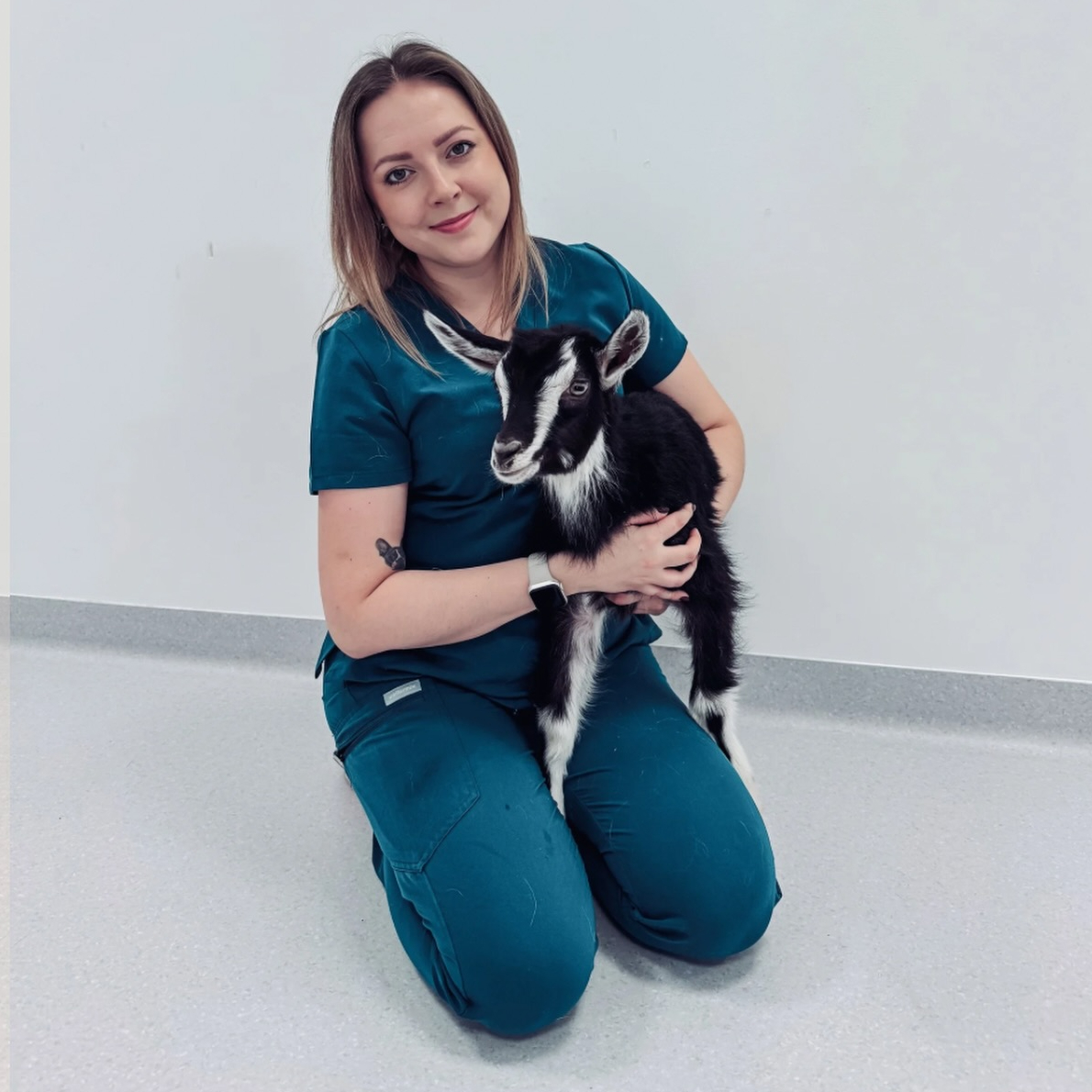
Kamila Wilk, MSc Eng.
Kamila Wilk has been part of the ARWET team since 2017. She is a veterinary physiotherapist, veterinary assistant, veterinary acupuncturist, and Stecco® therapist. She graduated from the University of Agriculture in Kraków, Faculty of Animal Sciences, and completed postgraduate studies in Animal Physiotherapy in Warsaw.
In her daily work, she provides physiotherapy consultations and delivers rehabilitation treatments that support patients recovering from injuries and orthopedic conditions. She has a particular interest in neurological cases and continuously expands her expertise through advanced professional training. She also contributes her rehabilitation perspective during orthopedic consultations alongside Dr. Rafał Korta.
Kamila shares clinical cases and educational content related to veterinary rehabilitation on her Instagram profile, @wet.fizjokamsi.
WIMBA Carpus Orthosis Pro should be used according to the veterinarian’s medical recommendations; WIMBA is not responsible for misuse or any activity beyond veterinary guidance.
WIMBA Case Studies & Reports
See How WIMBA Carpus Orthosis Pro Supports Carpal Stability and Functional Recovery
About WIMBA Providers
ARWET is a modern veterinary clinic with extensive medical experience and a strong commitment to high-standard patient care. By combining preventive medicine, advanced diagnostics, surgery, orthopedics, and physiotherapy, the clinic offers a comprehensive treatment path tailored to each patient’s needs. ARWET is known for its broad clinical capabilities, individualized approach, and focus on supporting animals through both treatment and recovery. The clinic operates in Węgrzce Wielkie near Kraków.

Think Your Dog Might Have a Similar Condition? Let’s See How We Can Help
Submit Your Pet’s Details to See If WIMBA Can Help
If your dog is experiencing severe carpal hyperextension, chronic carpal injury, carpal instability, or mobility problems affecting the front limb, we’re here to support you. Fill out a short form to tell us more about your pet’s case — including your contact details and your vet’s information. Our team will review it and let you know whether a carpal orthosis for dogs with severe hyperextension, such as WIMBA Carpus Orthosis PRO, may be suitable for your dog.