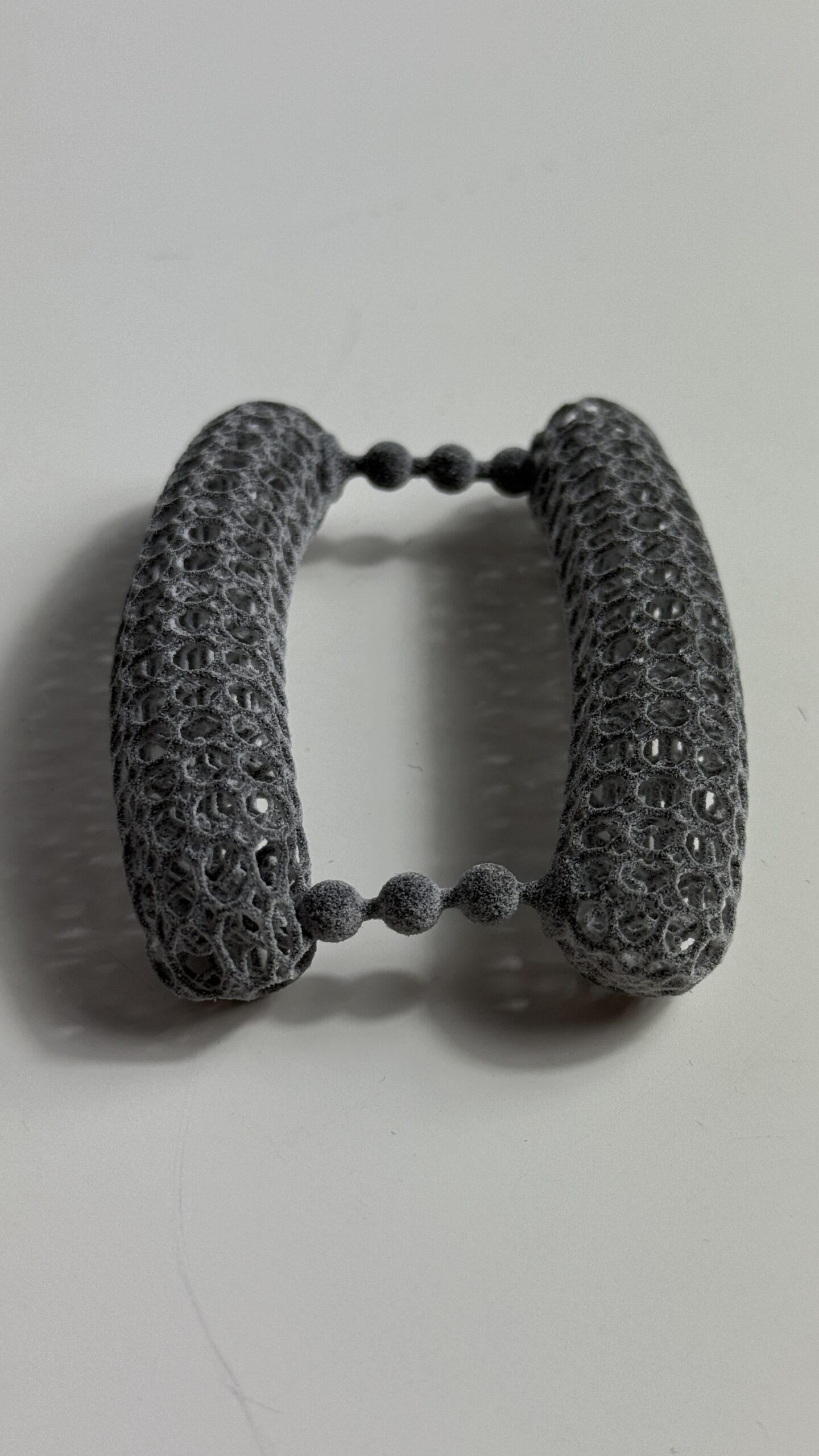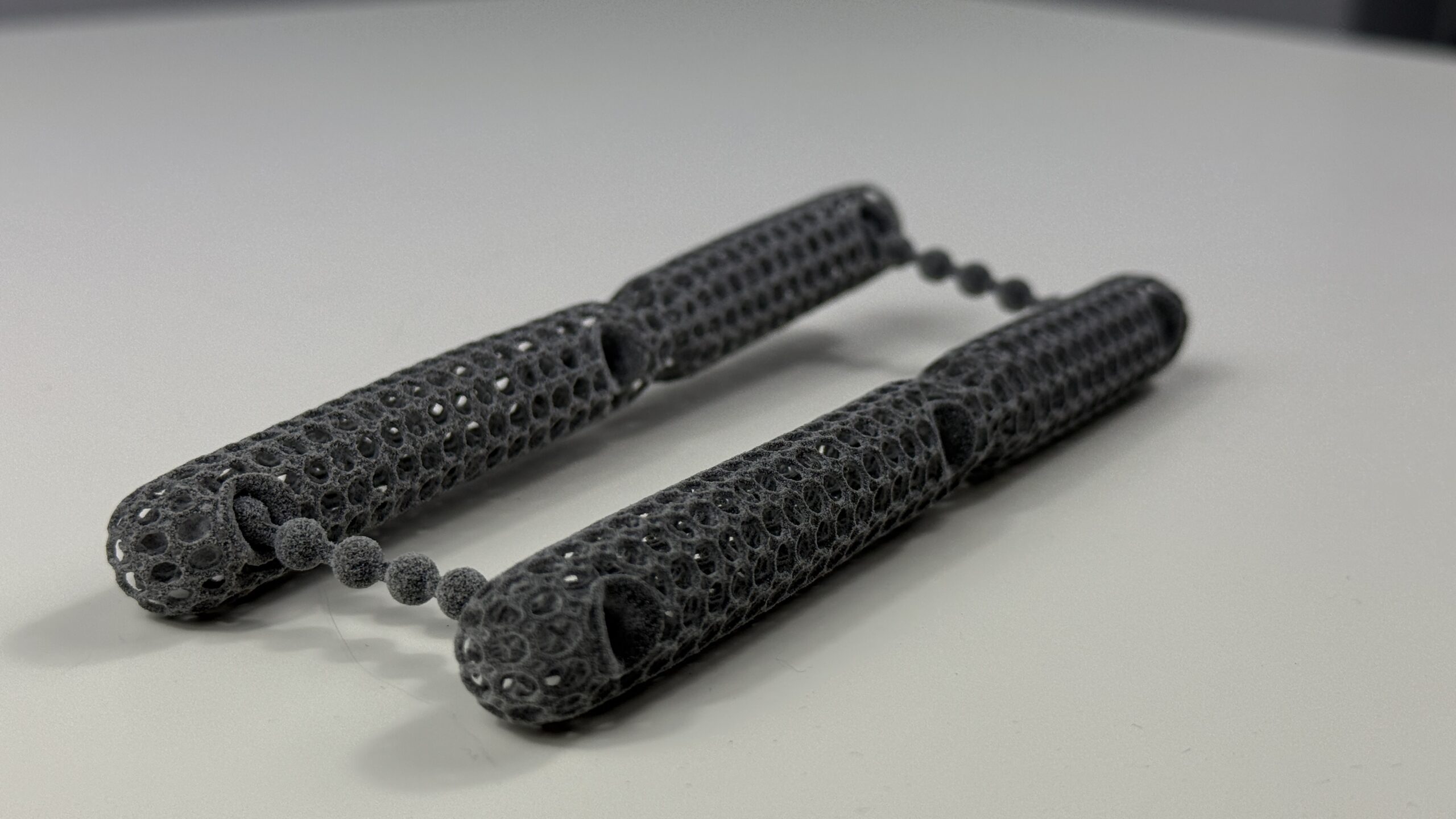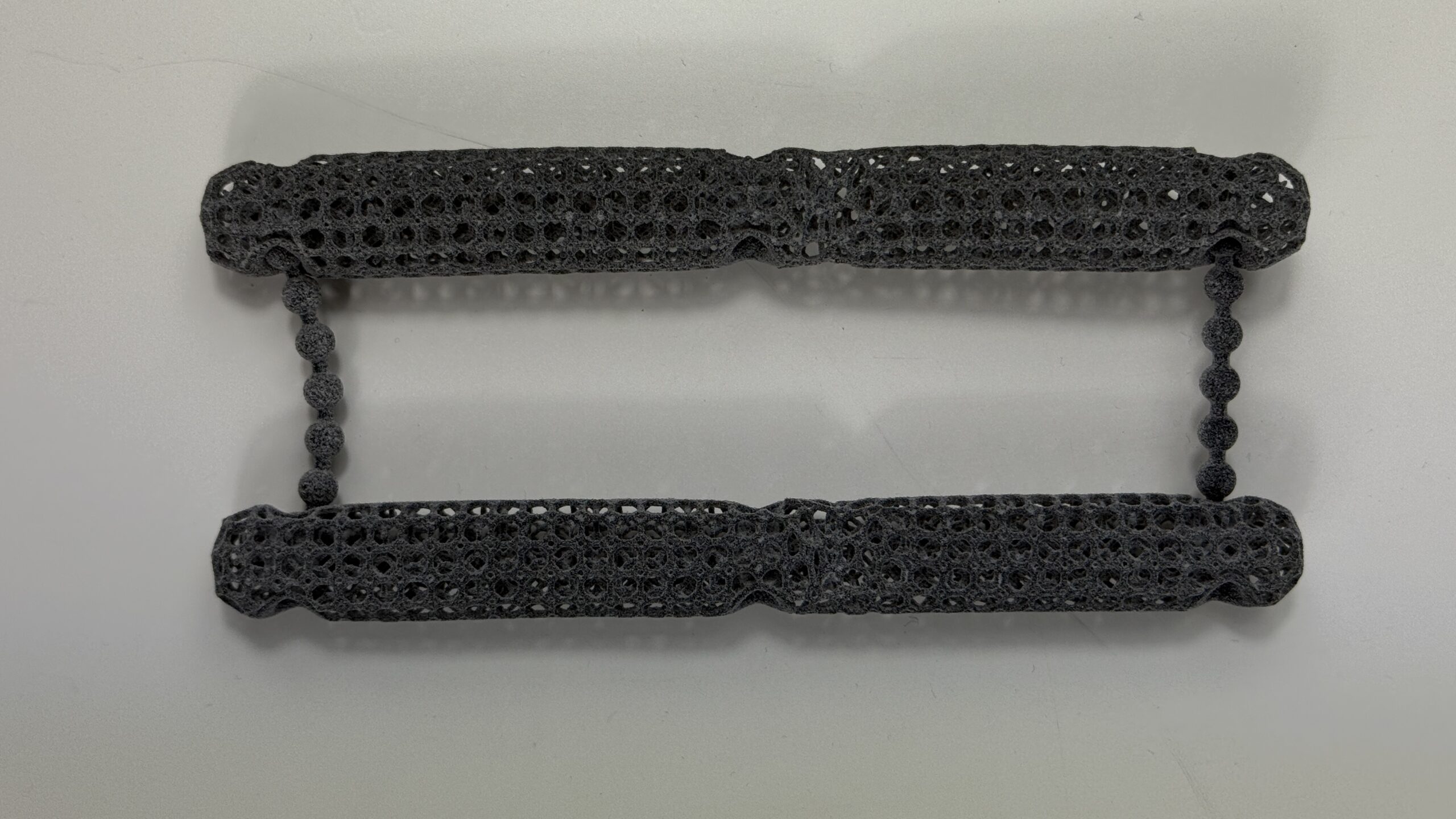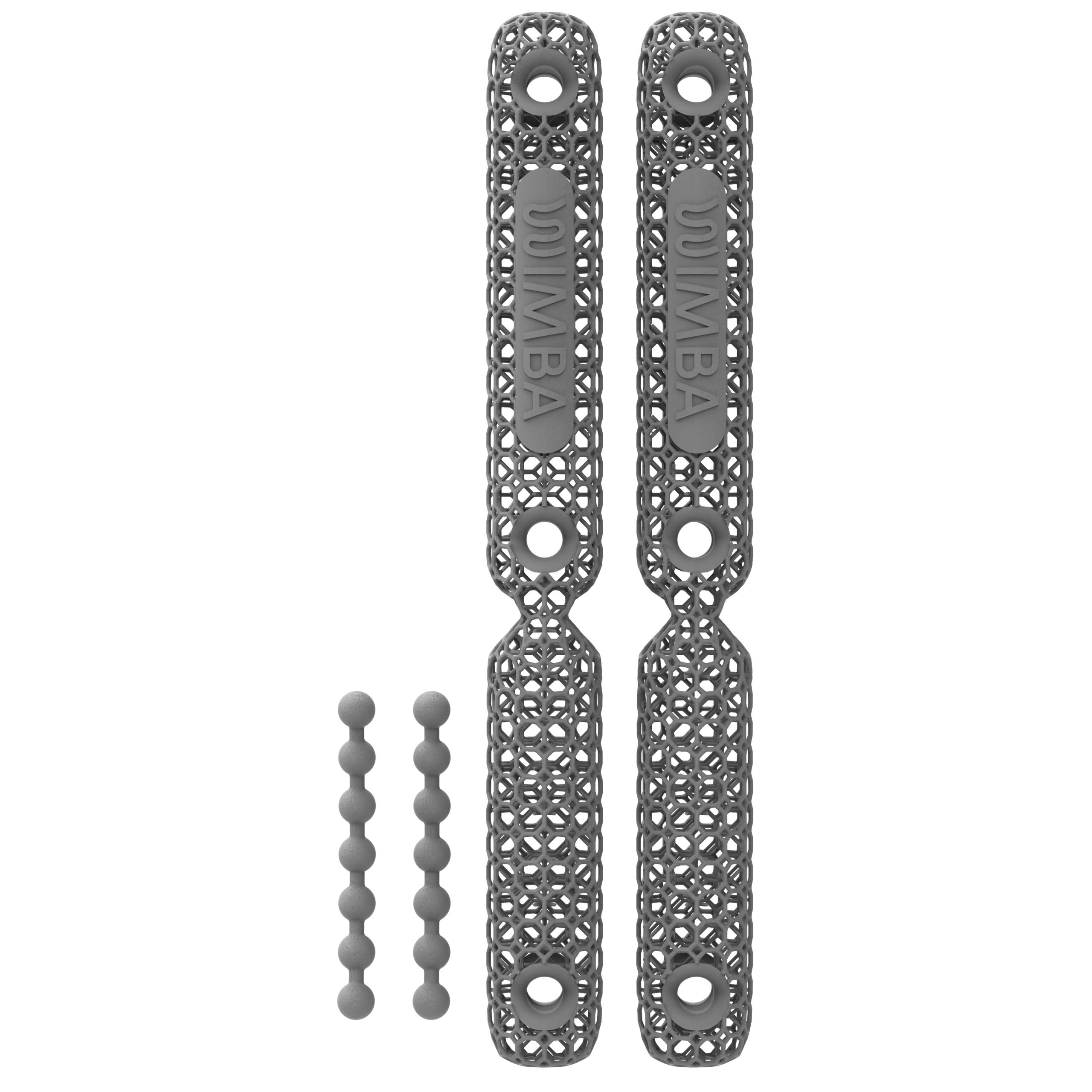


Medial Shoulder Instability in Dogs: Custom Orthotic Shoulder Brace
Medial shoulder instability (MSI) in dogs is a condition characterised by laxity or damage to the medial glenohumeral ligament and subscapularis tendon, causing painful instability of the shoulder joint. It is one of the most common causes of forelimb lameness in active and sporting dogs. Custom orthotic shoulder braces are used as a conservative treatment option and as post-surgical support to stabilise the joint and allow controlled rehabilitation.
What Is Medial Shoulder Instability?
Medial shoulder instability results from injury or degeneration of the medial soft tissue structures of the glenohumeral (shoulder) joint — primarily the medial glenohumeral ligament (MGHL) and the subscapularis muscle-tendon unit. Affected dogs show intermittent or persistent forelimb lameness, often worsened after exercise or sudden direction changes.
MSI is most commonly diagnosed in medium to large, active dogs including Labrador Retrievers, Border Collies, Golden Retrievers, and mixed-breed athletic dogs. Diagnosis requires orthopaedic examination and is confirmed with arthroscopy, MRI, or ultrasound.
Role of a Custom Shoulder Brace in MSI Management
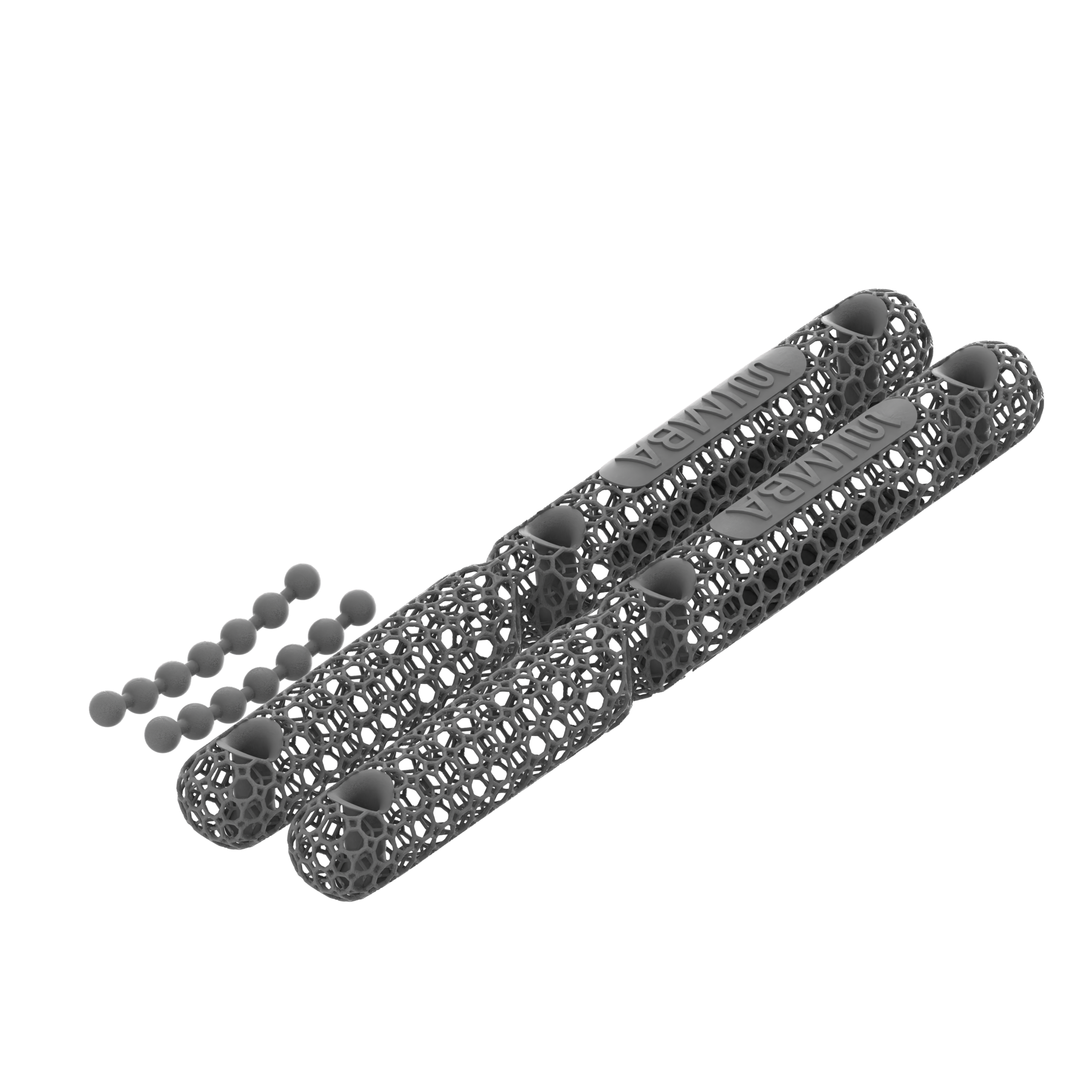
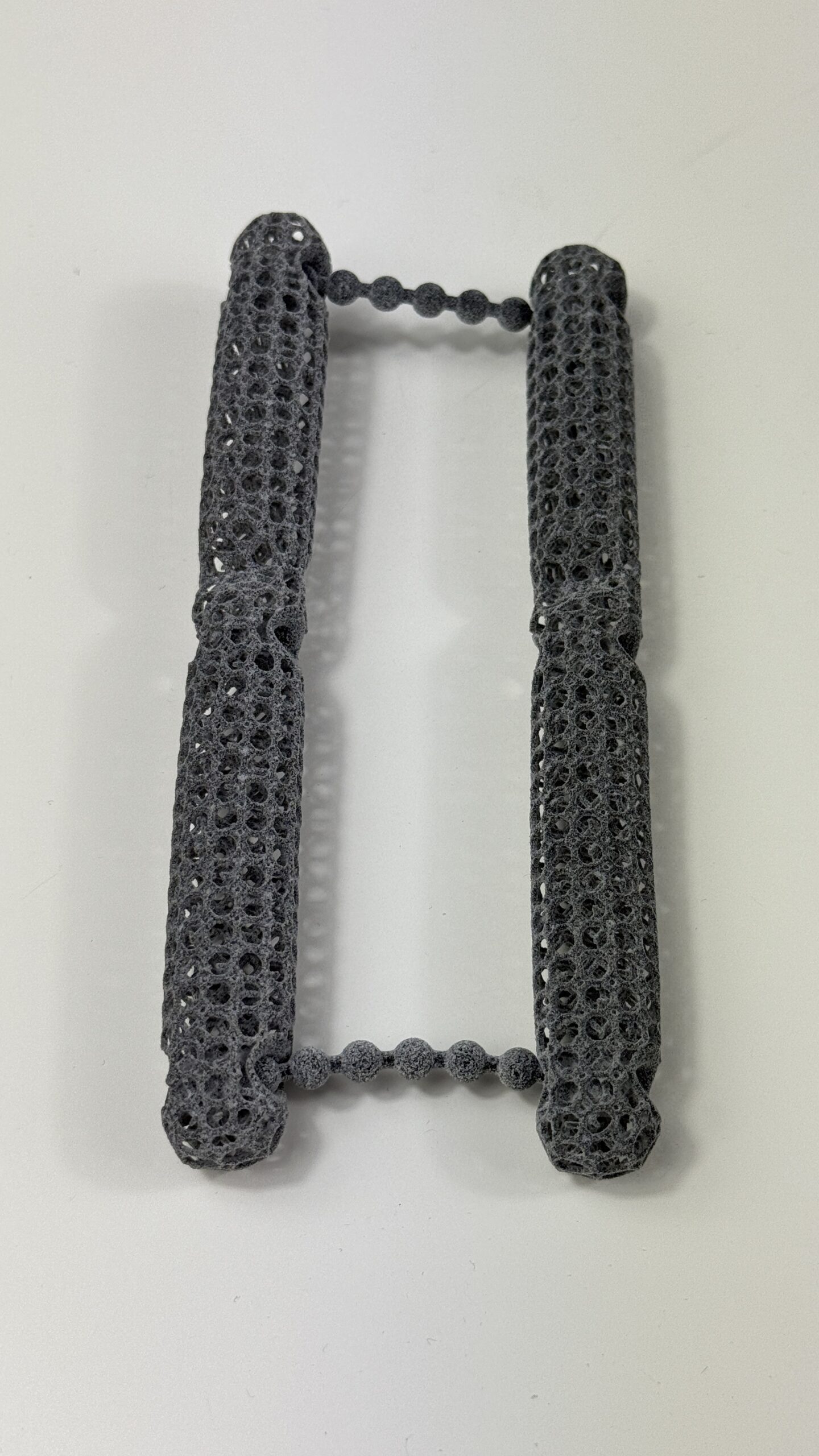
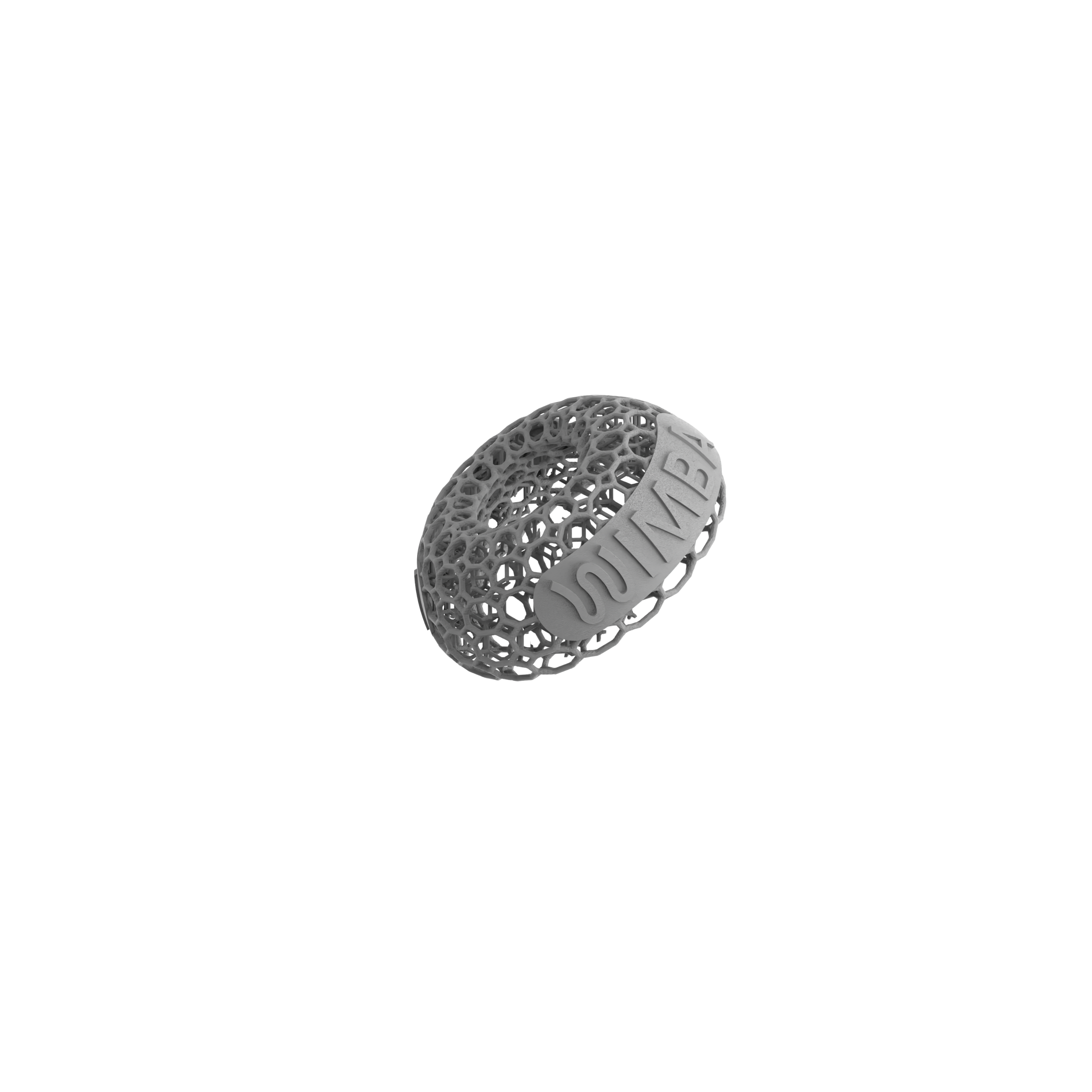
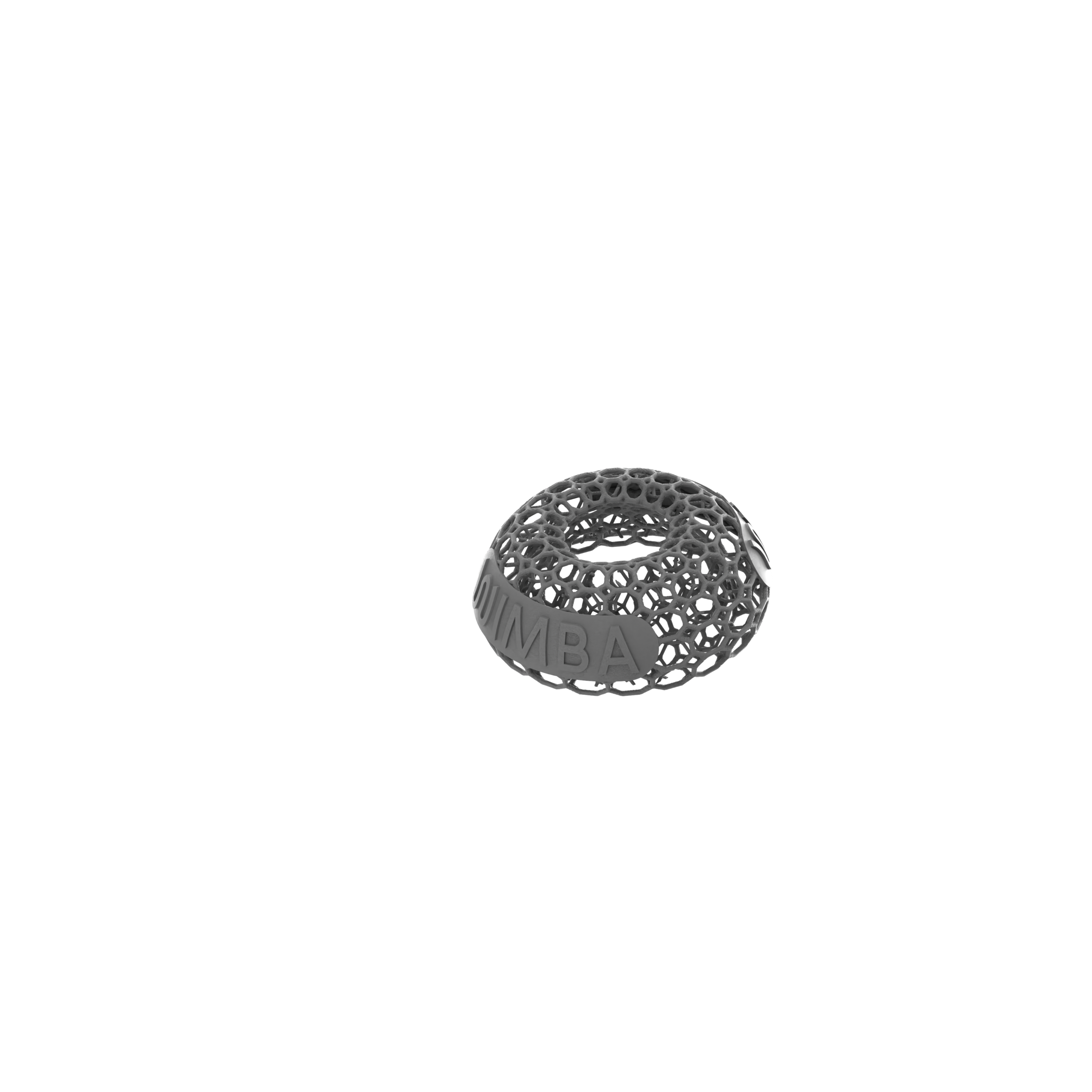
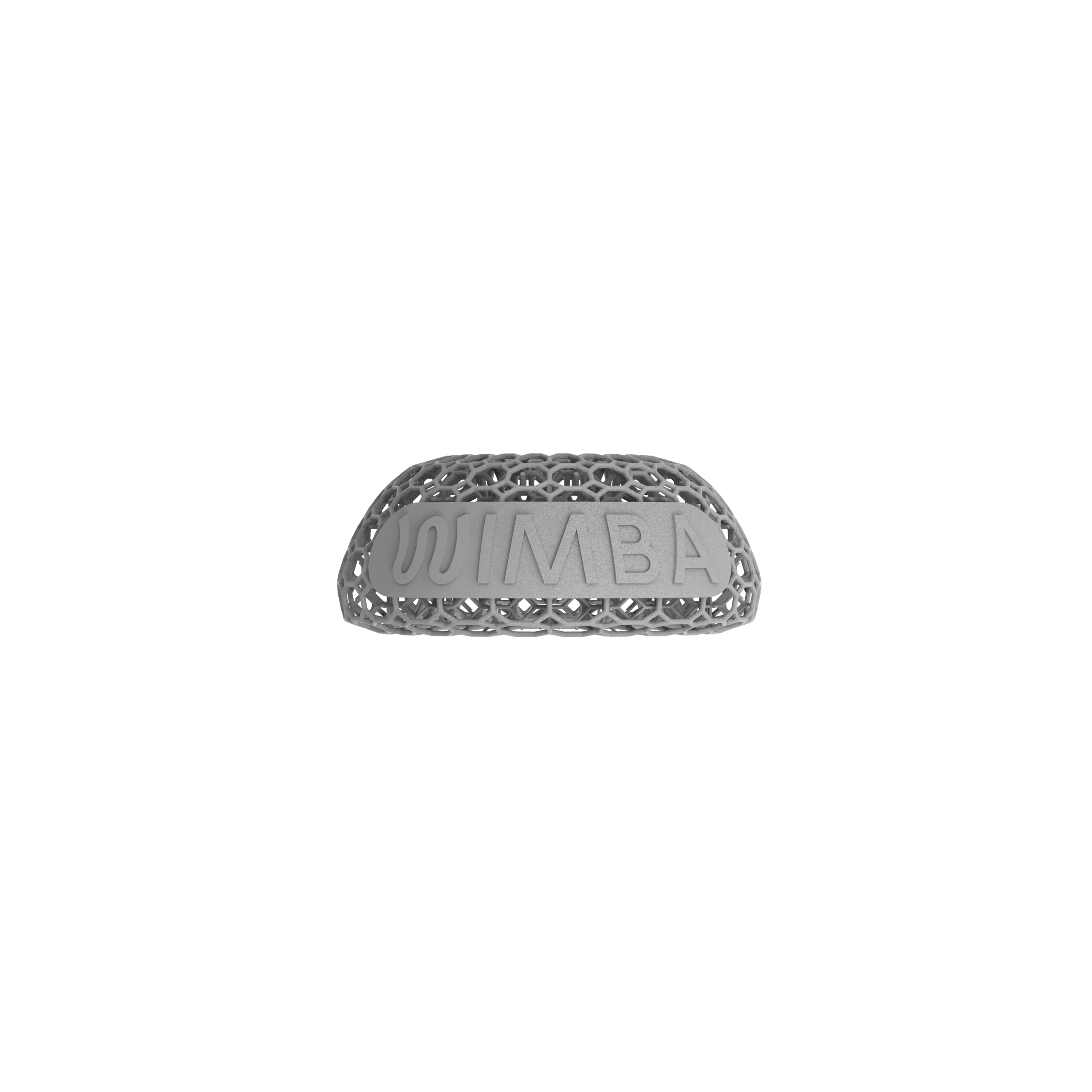
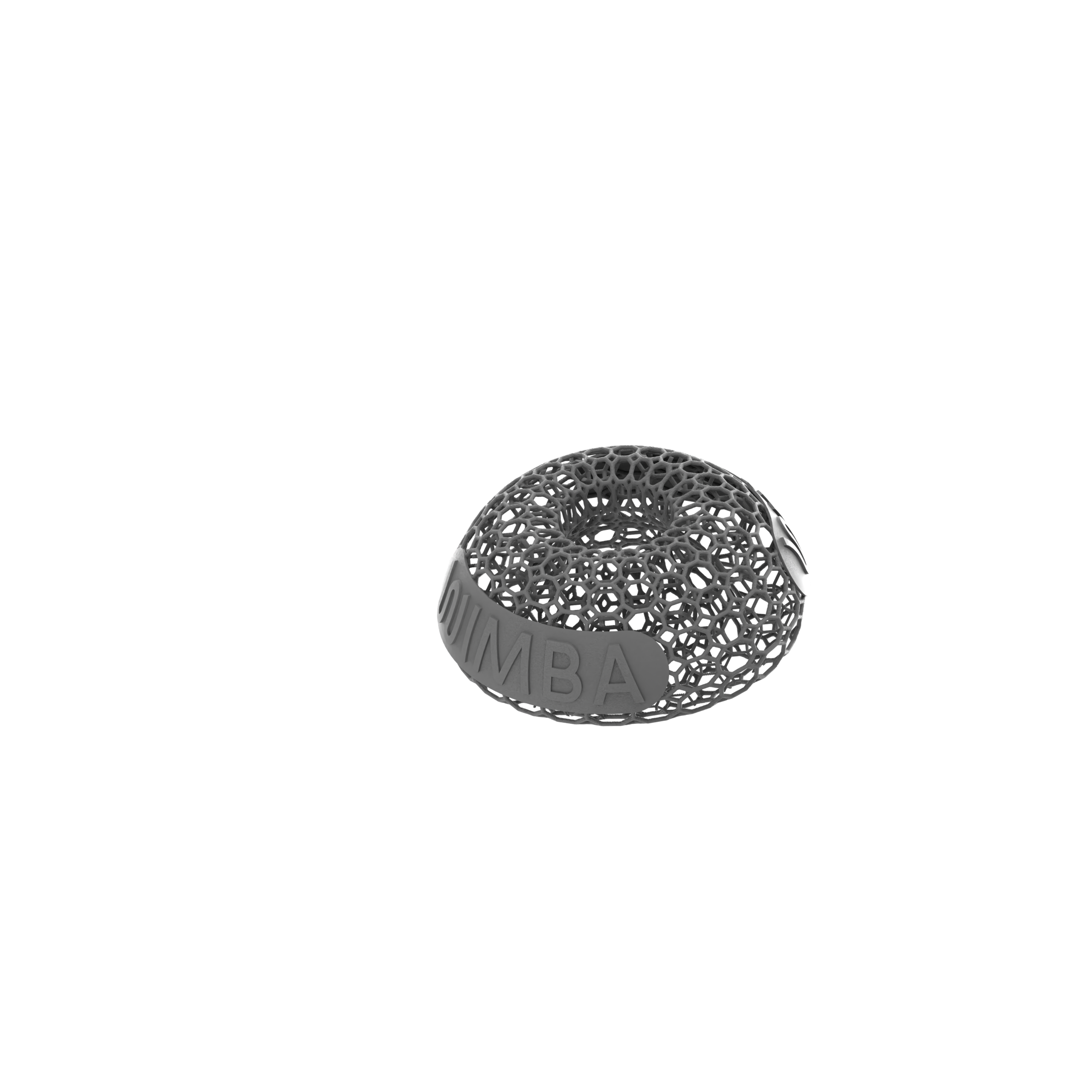
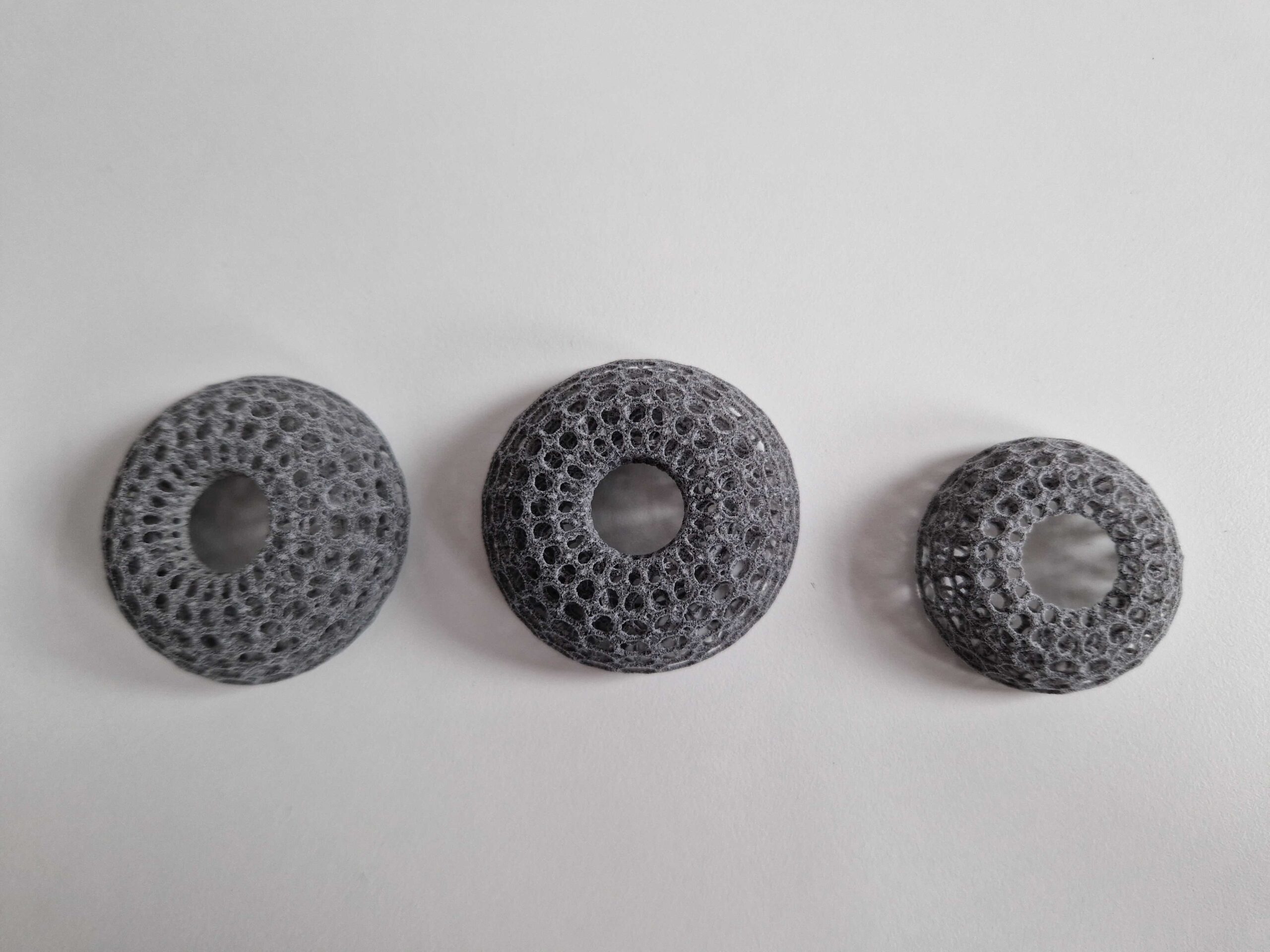
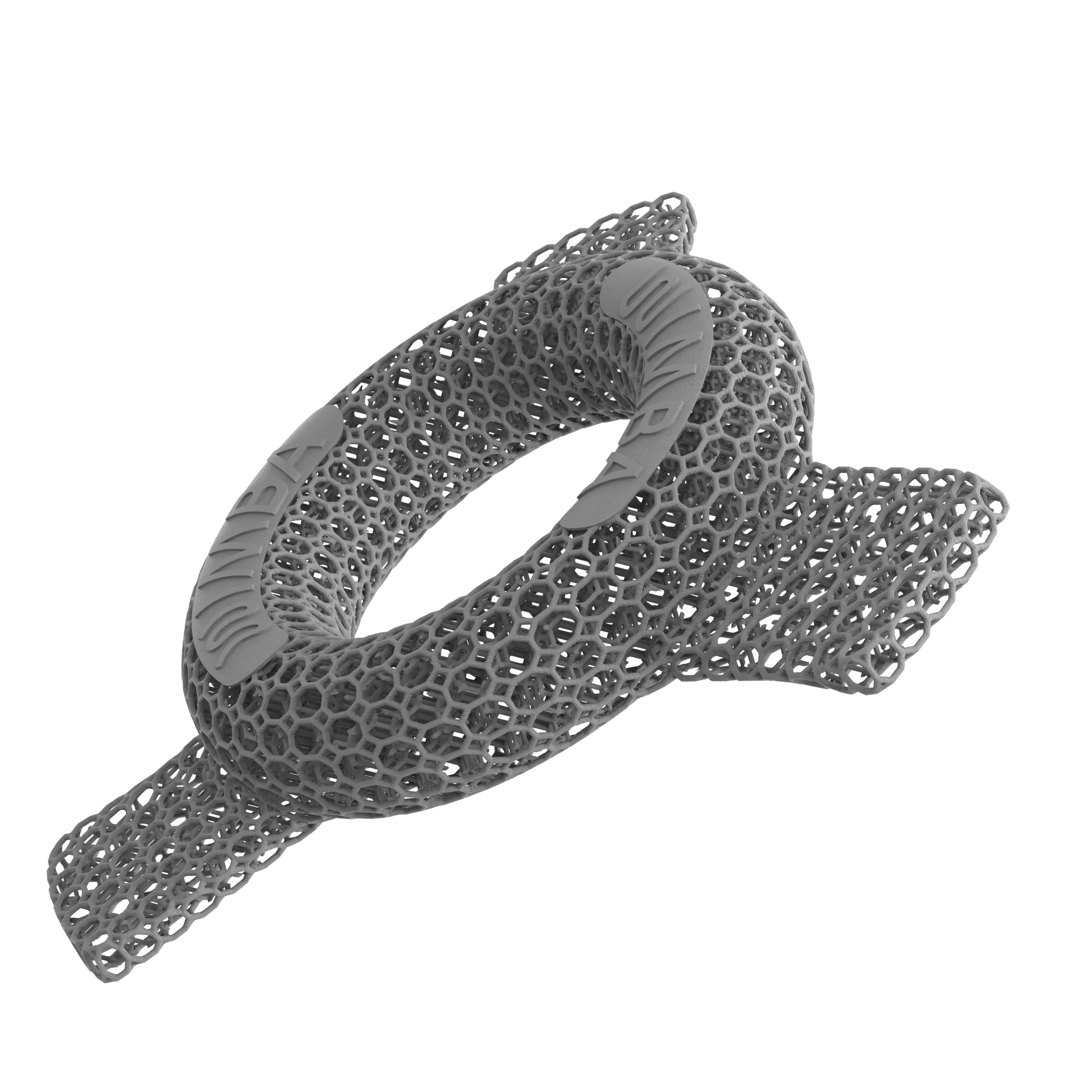
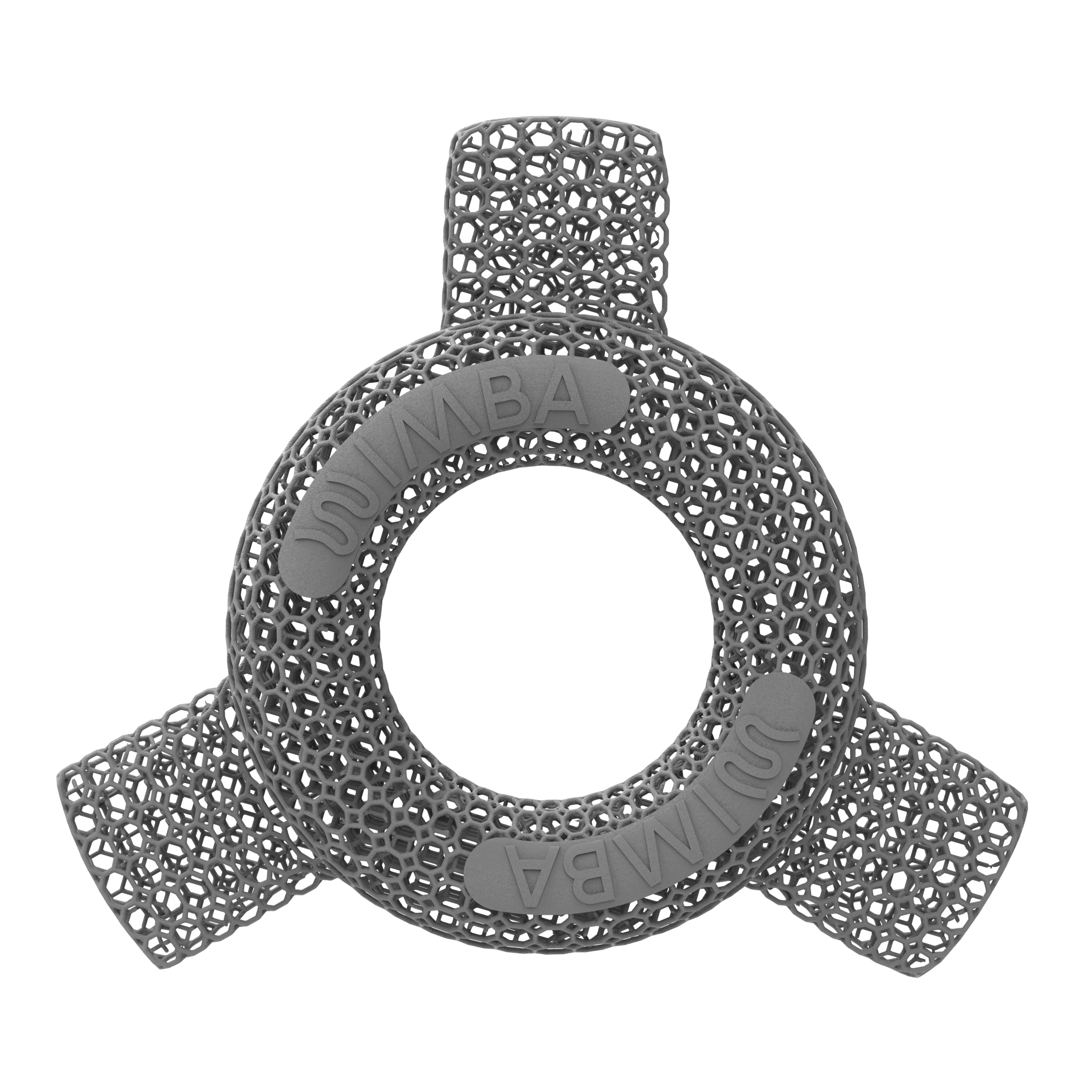
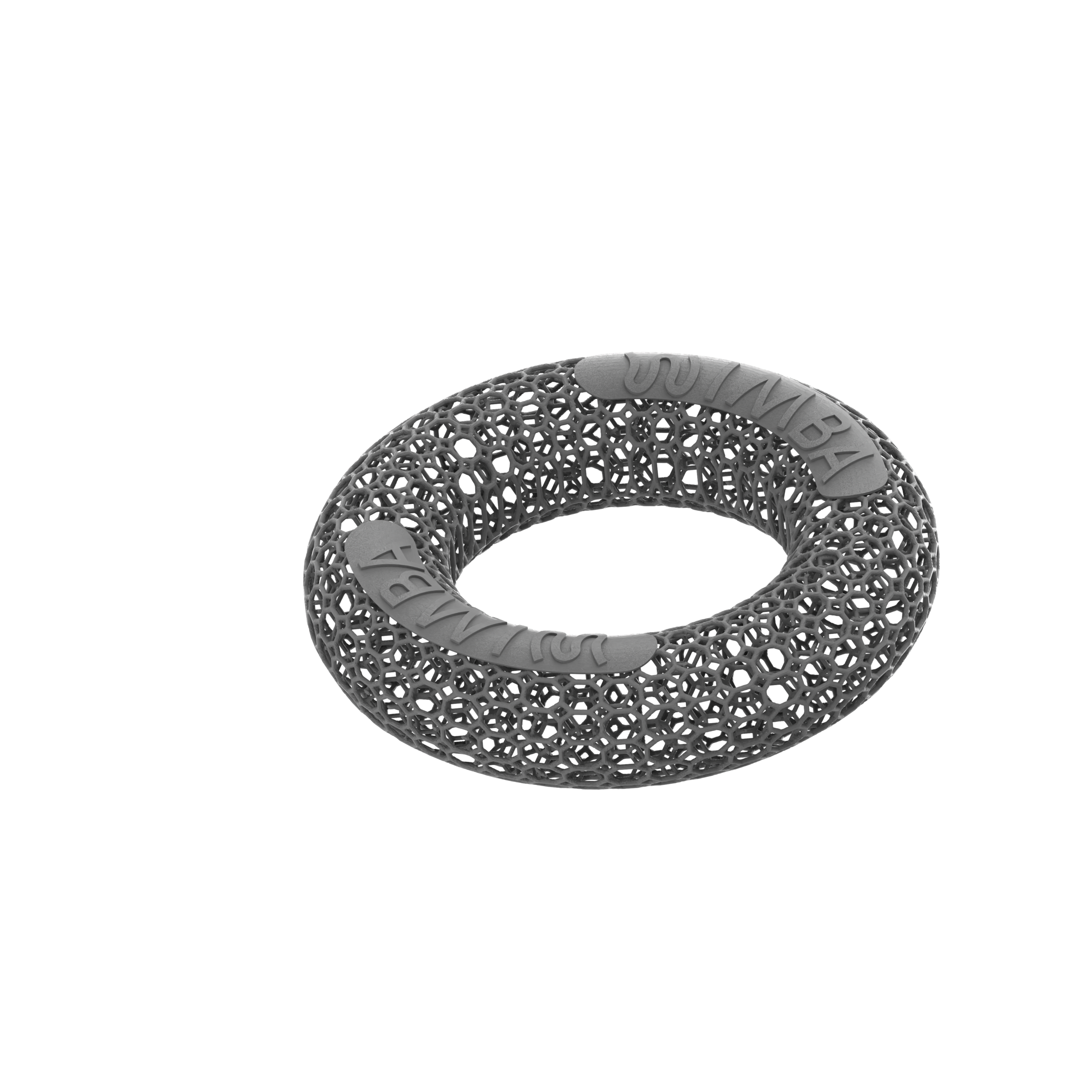
A custom orthopaedic shoulder orthosis (SO) limits excessive abduction of the shoulder joint — the primary movement that stresses damaged medial structures. Compared to neoprene sleeve braces, a custom WIMBA shoulder orthosis provides:
- Controlled abduction limitation — restricts the range that loads the MGHL
- Rigid or semi-rigid medial support — reduces micromotion that delays soft-tissue healing
- Proprioceptive feedback — improves active shoulder stabilisation during gait
- Post-arthroscopy support — protects repaired or imbricated soft tissue structures during recovery
| MSI Classification | Clinical Signs | Management Approach |
|---|---|---|
| Mild / Grade I | Intermittent lameness; pain on abduction; minimal joint laxity | Conservative: rest, physio, custom shoulder orthosis |
| Moderate / Grade II | Persistent lameness; abduction >50°; pain on manipulation; muscle atrophy beginning | Custom orthosis + rehabilitation; surgical consultation |
| Severe / Grade III | Weight-bearing lameness at rest; significant abduction; visible muscle atrophy | Arthroscopy or open repair; post-surgical shoulder brace mandatory |
Is your dog limping due to shoulder instability?
A WIMBA-certified veterinary provider can assess your dog’s shoulder and fit a custom orthosis to support recovery and daily activity.
Find a WIMBA Provider →Frequently Asked Questions: Medial Shoulder Instability in Dogs
What is medial shoulder instability in dogs?
Medial shoulder instability (MSI) is a condition caused by laxity or tearing of the medial glenohumeral ligament and subscapularis tendon, resulting in painful instability of the shoulder joint. It is a common cause of forelimb lameness in active and sporting dogs. Diagnosis is confirmed with arthroscopy, MRI, or ultrasound, alongside orthopaedic examination.
Can a shoulder brace help a dog with MSI?
Yes. A custom shoulder orthosis limits shoulder abduction — the movement that most stresses the damaged medial structures — allowing controlled healing during conservative management or post-surgical rehabilitation. Generic neoprene sleeves do not provide adequate abduction control. WIMBA custom shoulder orthoses are individually manufactured based on the dog’s limb measurements and are prescribed by certified veterinary providers.
Does medial shoulder instability always require surgery?
Not always. Mild to moderate MSI may respond to conservative management, including rest, controlled exercise, physiotherapy, and a custom shoulder orthosis. Severe cases or those that fail conservative treatment typically require arthroscopic or open surgical stabilisation. A sports medicine or orthopaedic veterinarian should determine the appropriate treatment pathway based on imaging findings and grade of instability.
How long does a dog need to wear a shoulder brace for MSI?
The duration depends on the severity and whether surgery was performed. Conservative management typically involves brace use for 8–16 weeks alongside a structured rehabilitation programme. Post-surgical bracing duration is determined by the surgeon and rehabilitation specialist. Dogs are gradually weaned from the brace as the shoulder stabilises and muscle function returns.
What breeds are most commonly affected by shoulder instability?
MSI is most common in active medium to large breeds including Labrador Retrievers, Border Collies, Golden Retrievers, and Flat-Coated Retrievers. It is frequently seen in agility, flyball, and working dogs that perform repetitive jumping and turning movements. It can also occur in young dogs during rapid growth phases.
How is medial shoulder instability diagnosed in dogs?
MSI is suspected based on clinical signs (forelimb lameness, pain on shoulder abduction beyond 30–40°) and confirmed with advanced imaging. Arthroscopy is the gold standard, allowing direct visualisation of the MGHL and subscapularis. MRI and diagnostic ultrasound are non-invasive alternatives. A measurement of shoulder abduction angle under sedation can also indicate instability.