

Hock Hyperextension in Dogs (Tarsal Hyperextension): Orthotic Brace & Treatment
Hock hyperextension — also called tarsal hyperextension or plantigrade stance — is a condition in which the hock (ankle) joint collapses downward, causing the dog to bear weight on its hock rather than its toes. It is the hind limb equivalent of carpal hyperextension and can be managed with a custom orthotic tarsal brace, particularly in mild-to-moderate cases.
What Is Tarsal Hyperextension in Dogs?
The hock joint (tarsus) relies on a complex of ligaments and tendons — including the Achilles tendon and plantar ligaments — to maintain a functional extension angle during weight-bearing. When these structures are damaged or weakened, the joint collapses into hyperextension, and the dog adopts a plantigrade (flat-footed) posture.
Common causes include: Achilles tendon rupture or laxity, plantar ligament injury, traumatic hyperextension, peripheral neuropathy, and degenerative joint disease.
Severity Classification and Treatment
| Severity | Clinical Signs | Recommended Approach |
|---|---|---|
| Mild | Slight hock drop; mild plantigrade; intermittent | Custom tarsal orthosis + activity restriction + physiotherapy |
| Moderate | Consistent plantigrade at weight-bearing; hock nearing ground | Custom tarsal orthosis; surgical consultation if progressive |
| Severe | Full plantigrade; hock on ground; non-ambulatory | Surgical stabilization (partial or pantarsal arthrodesis); post-op orthotic support |
WIMBA Custom Tarsal Orthosis
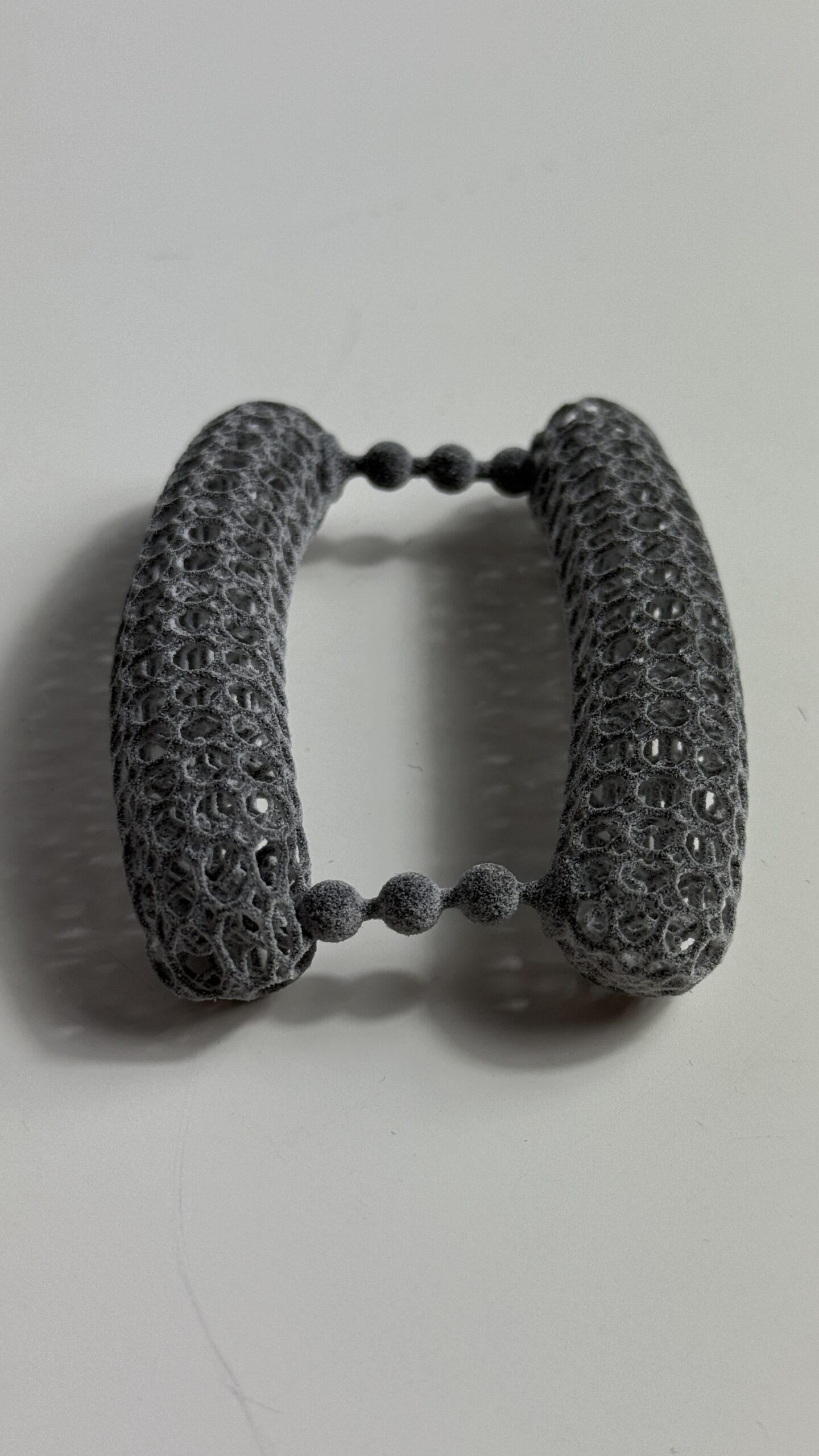
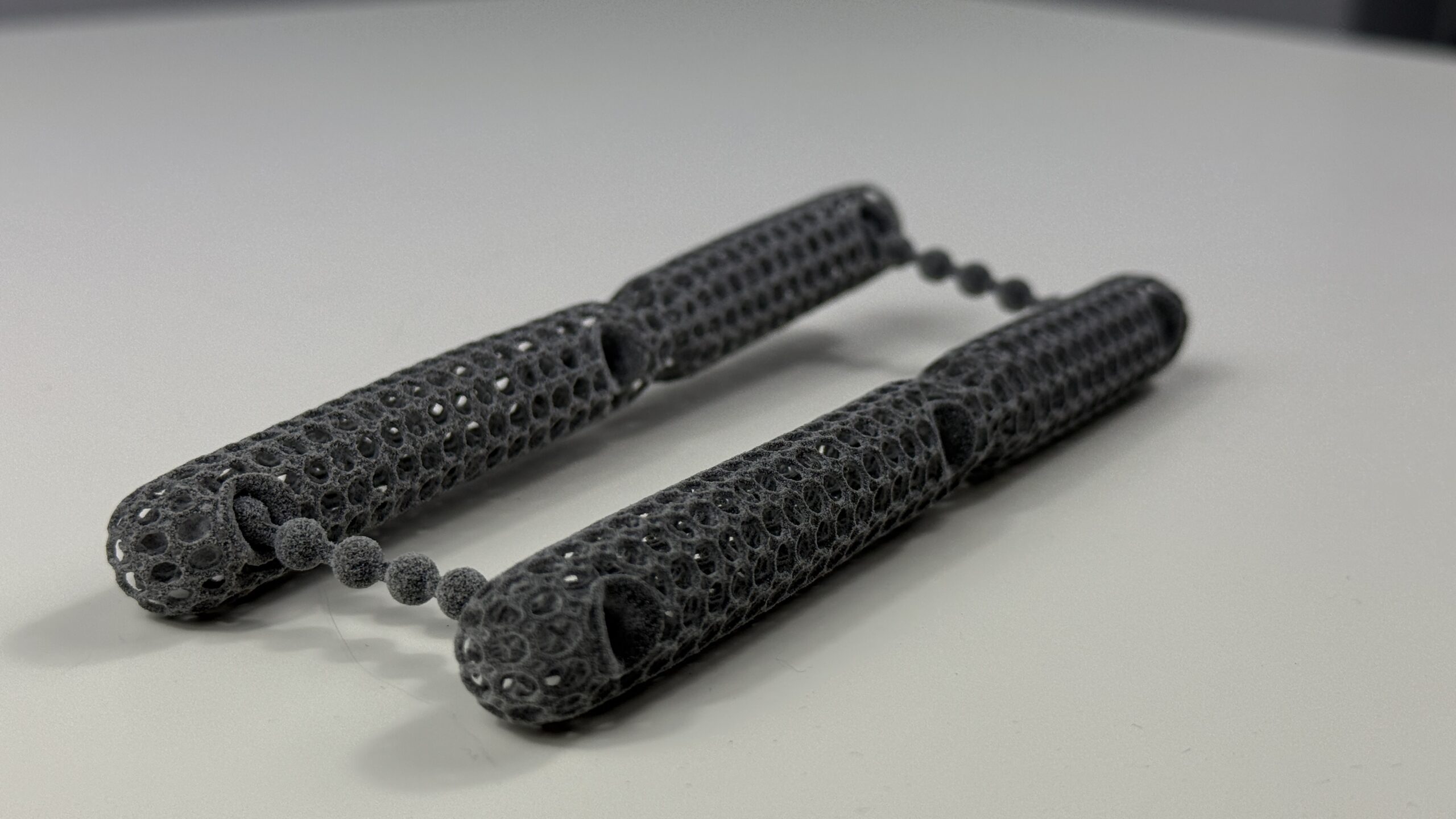
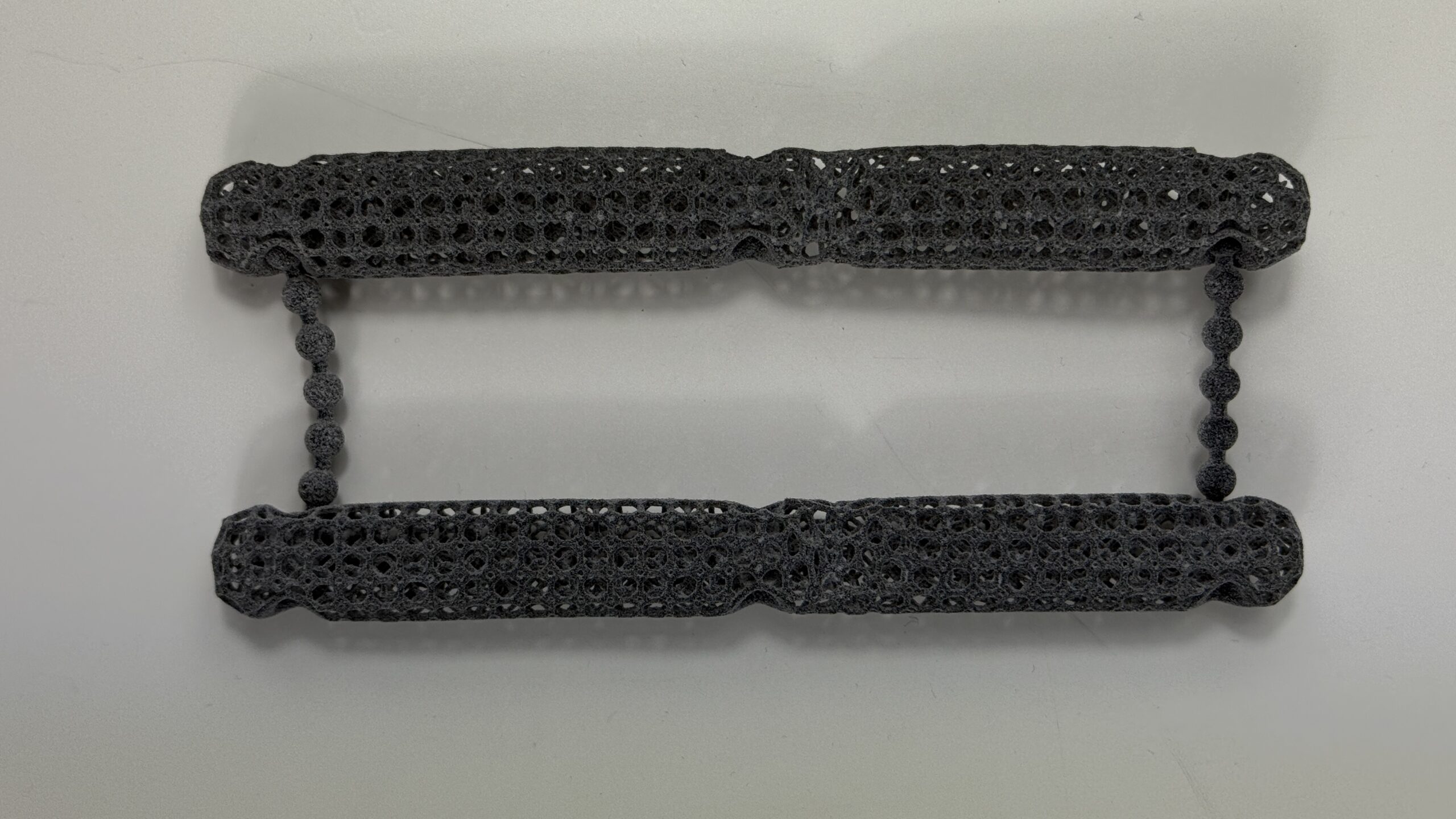
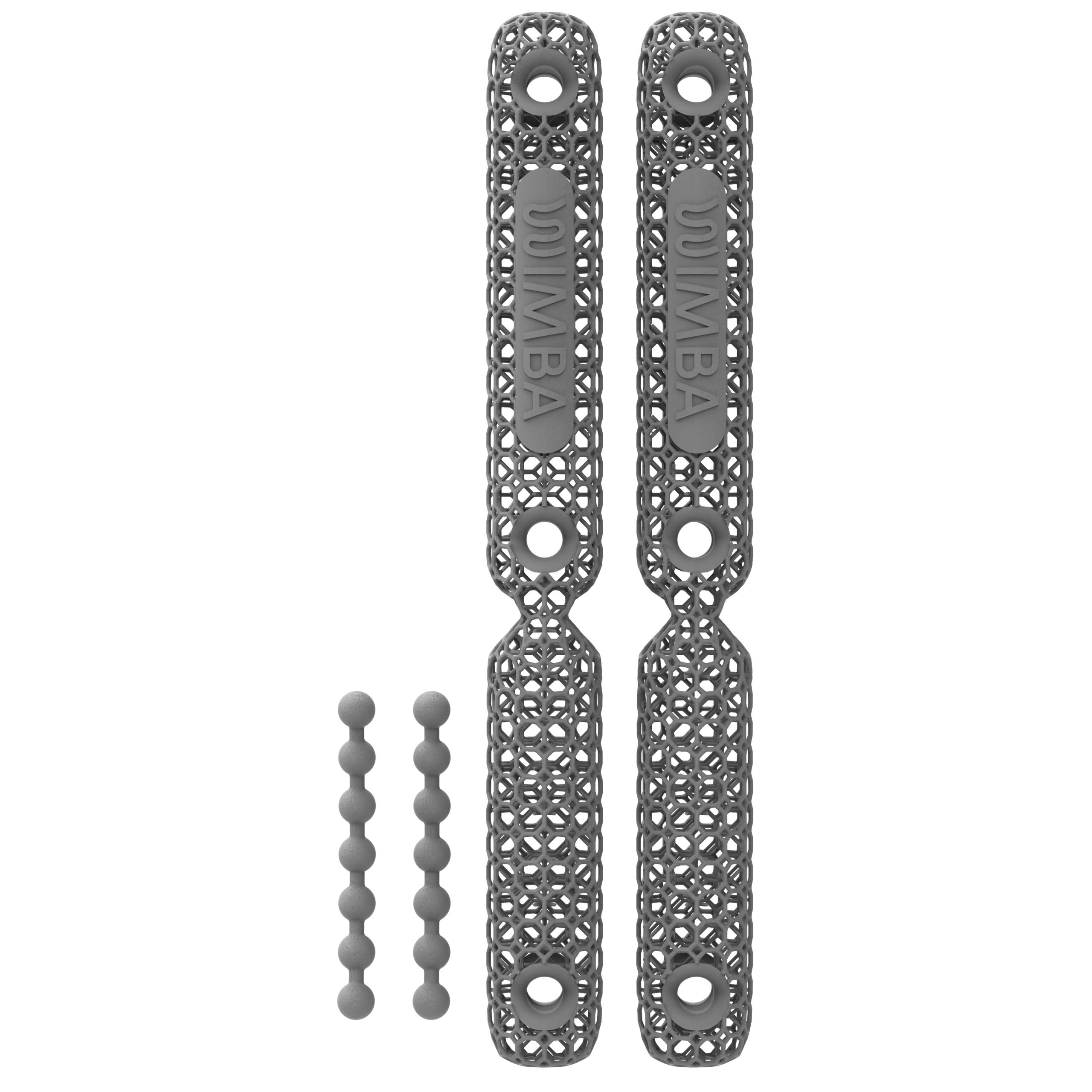
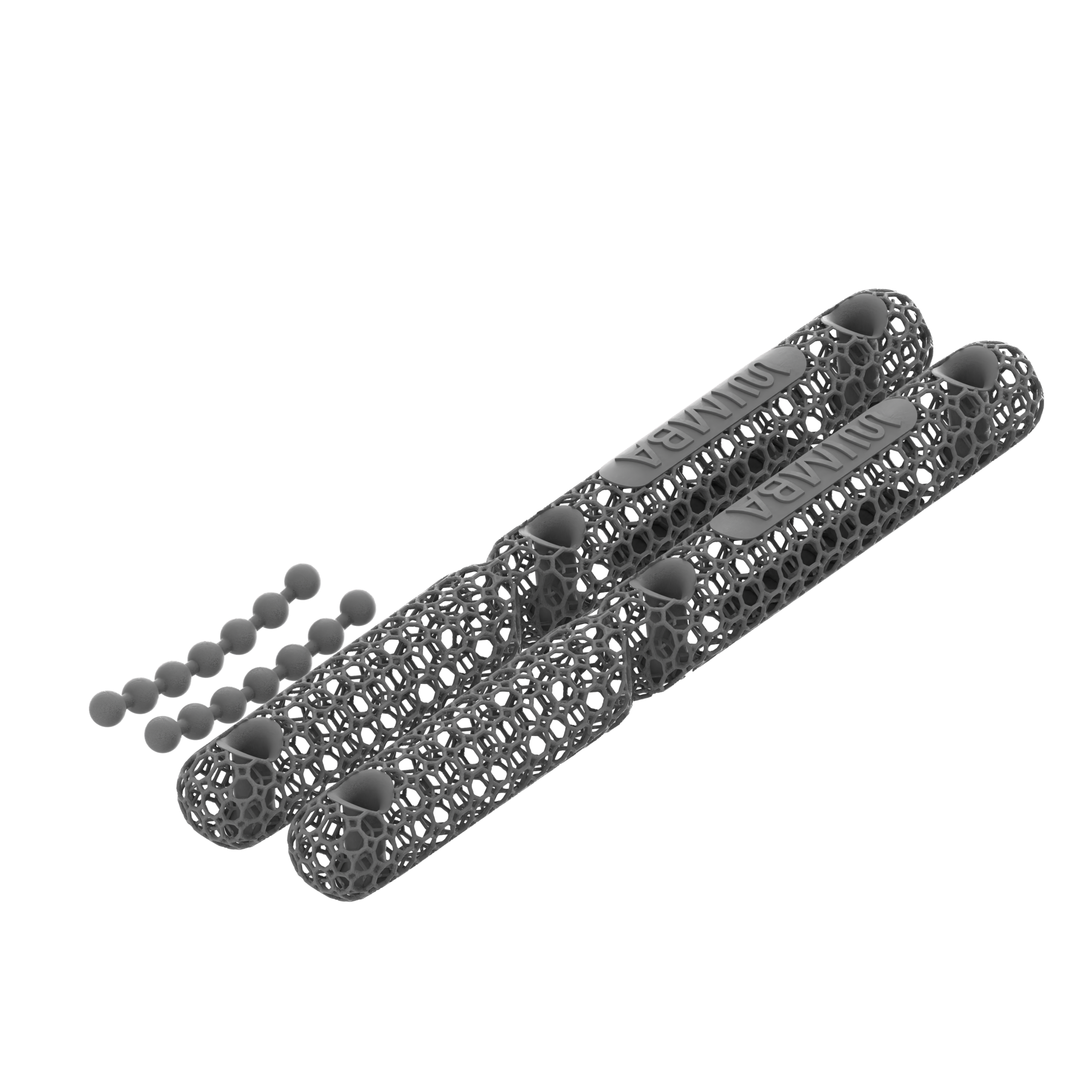
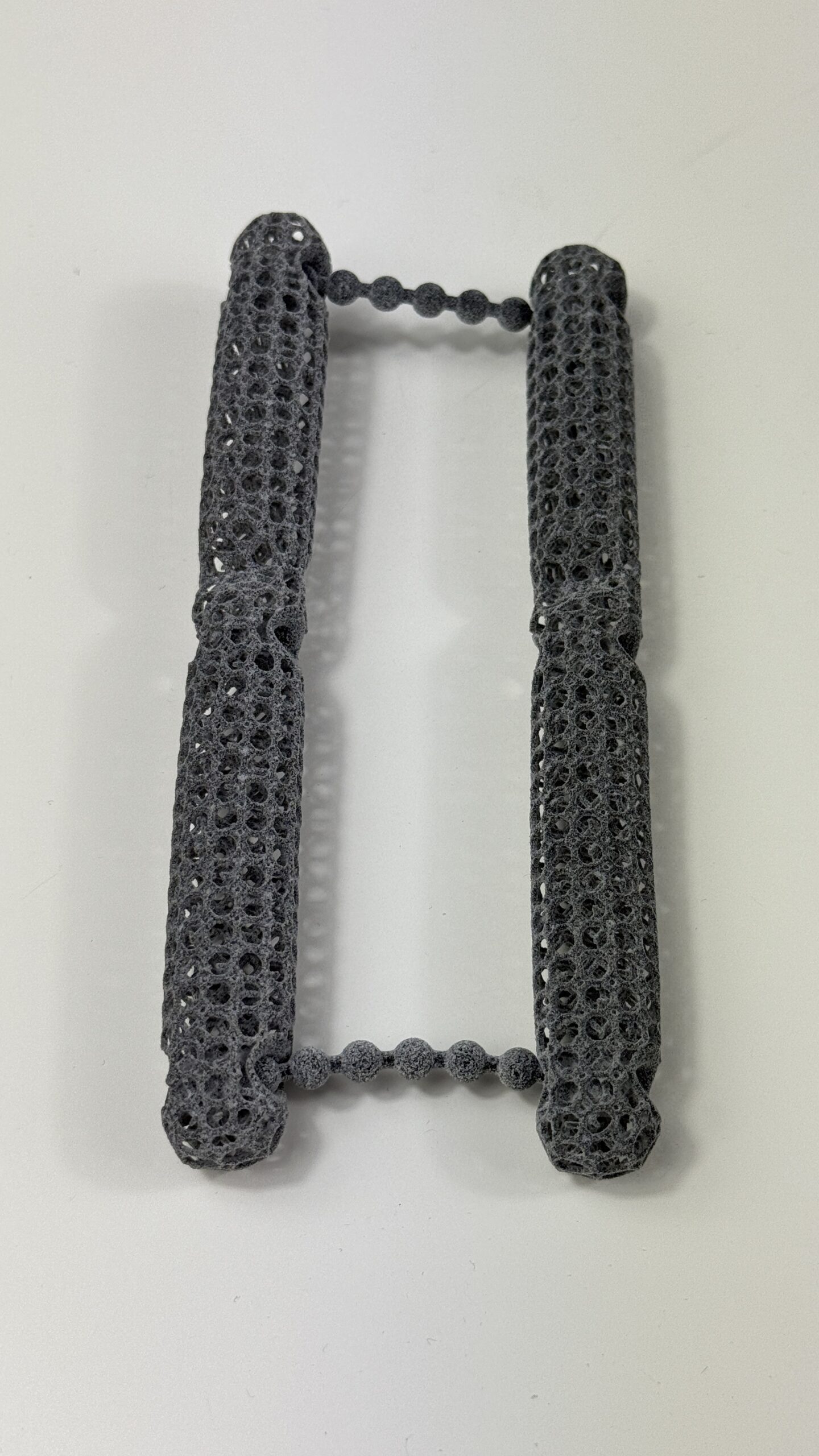
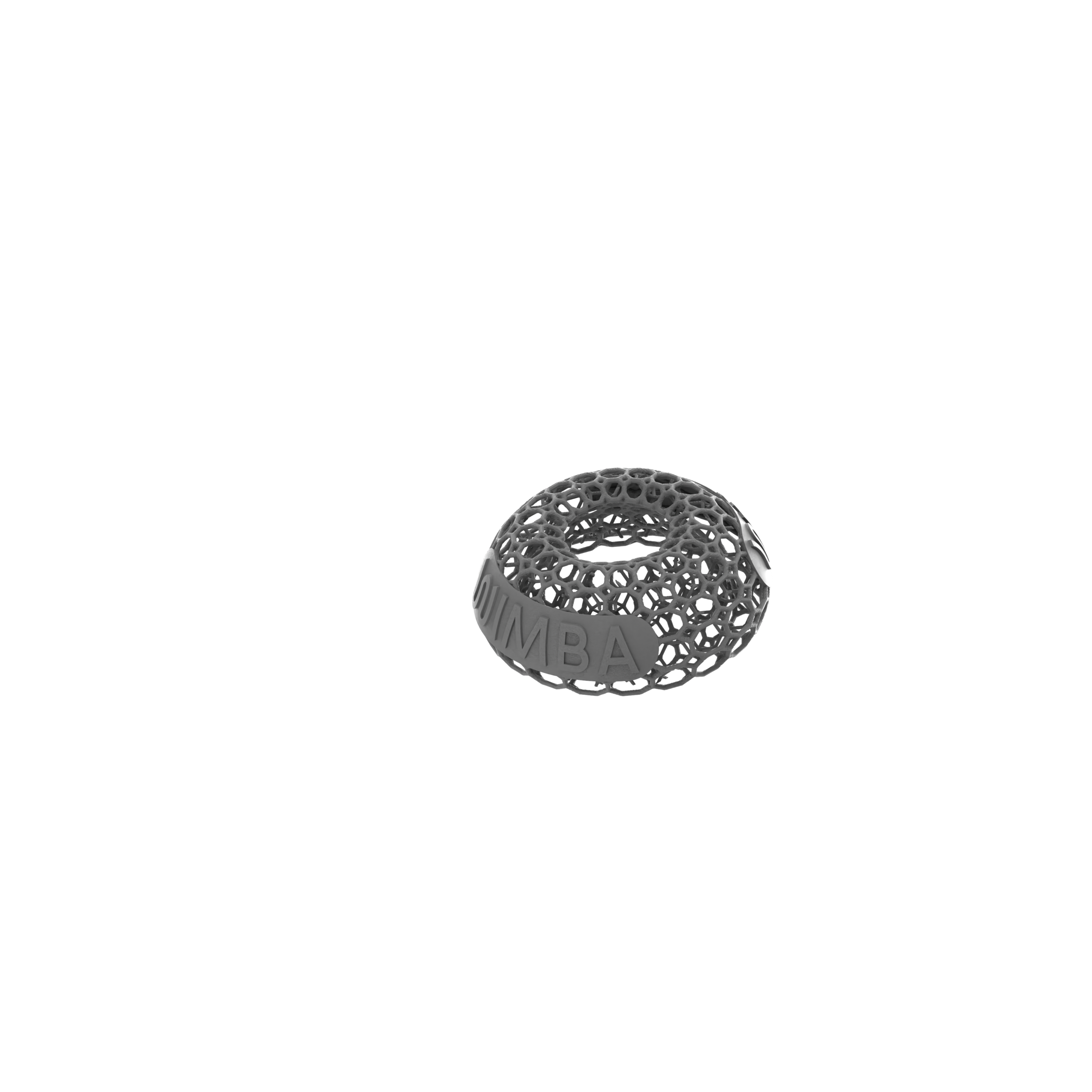
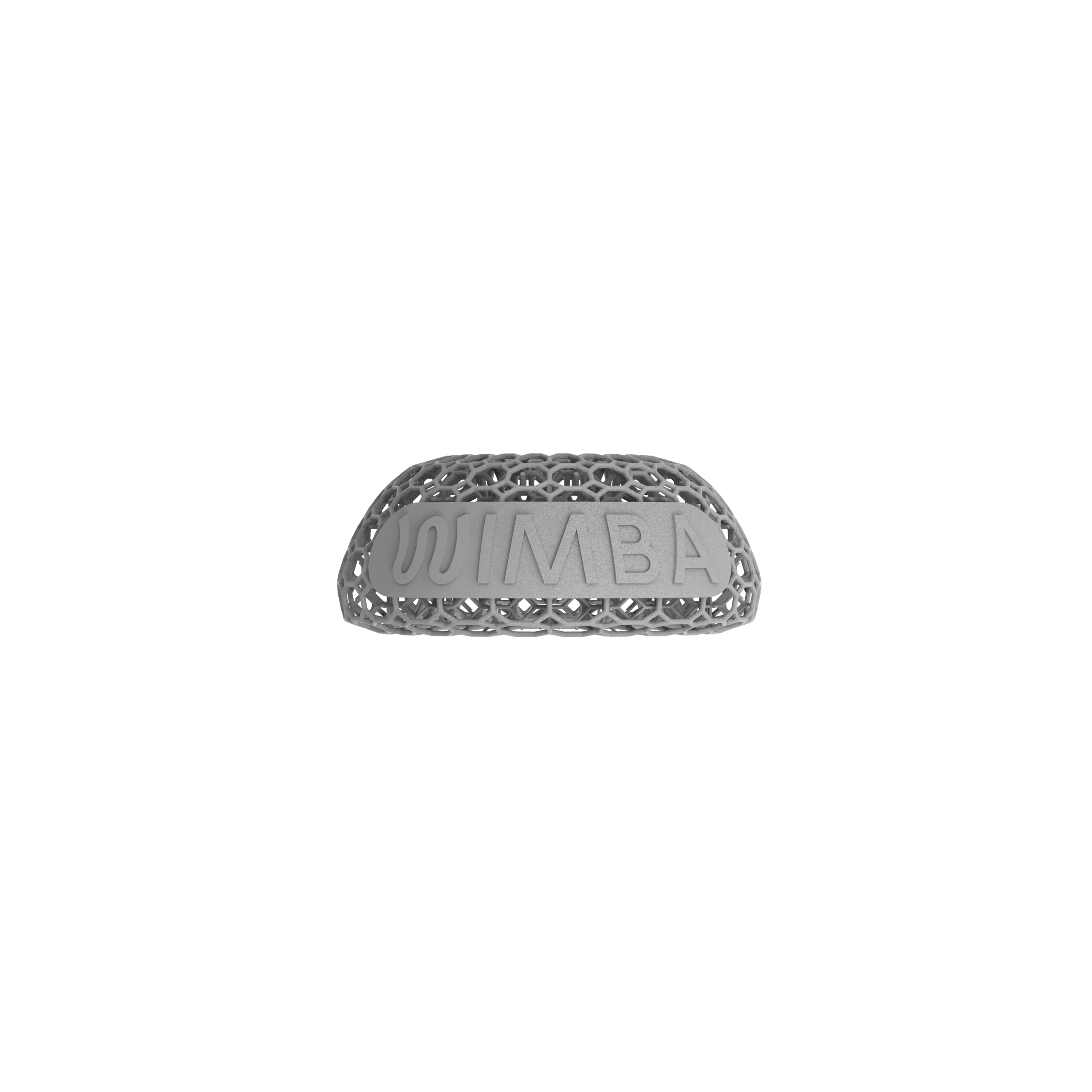
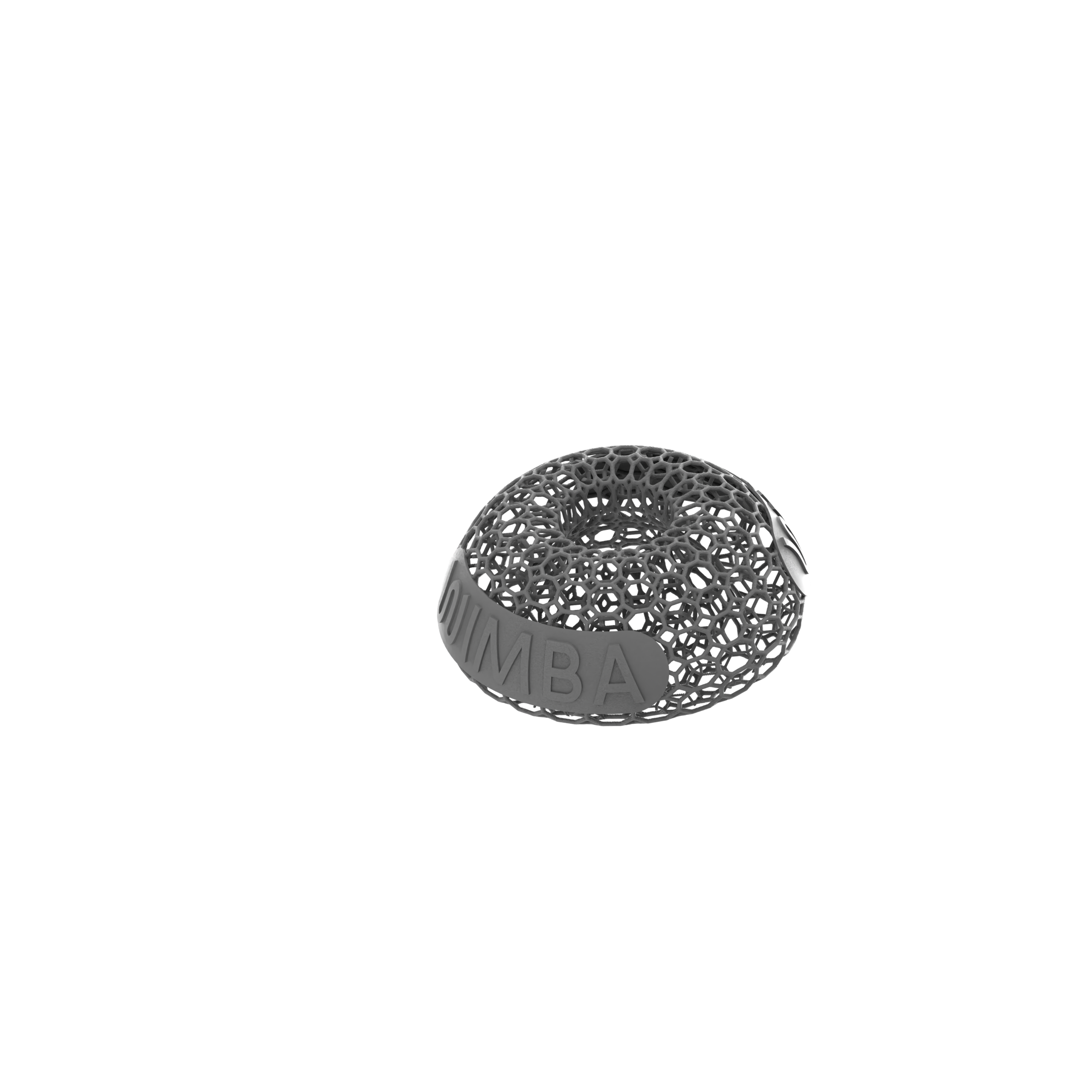
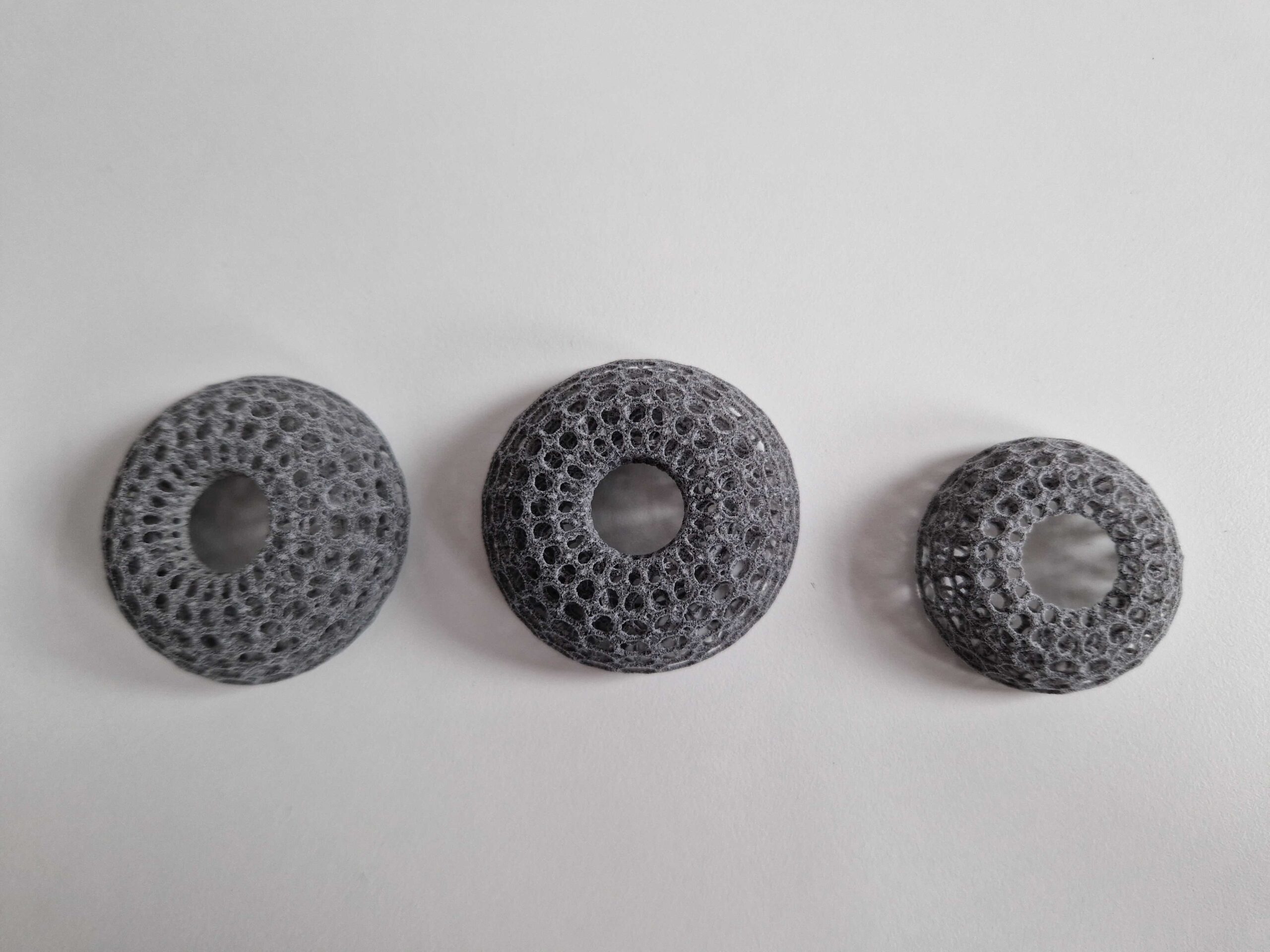
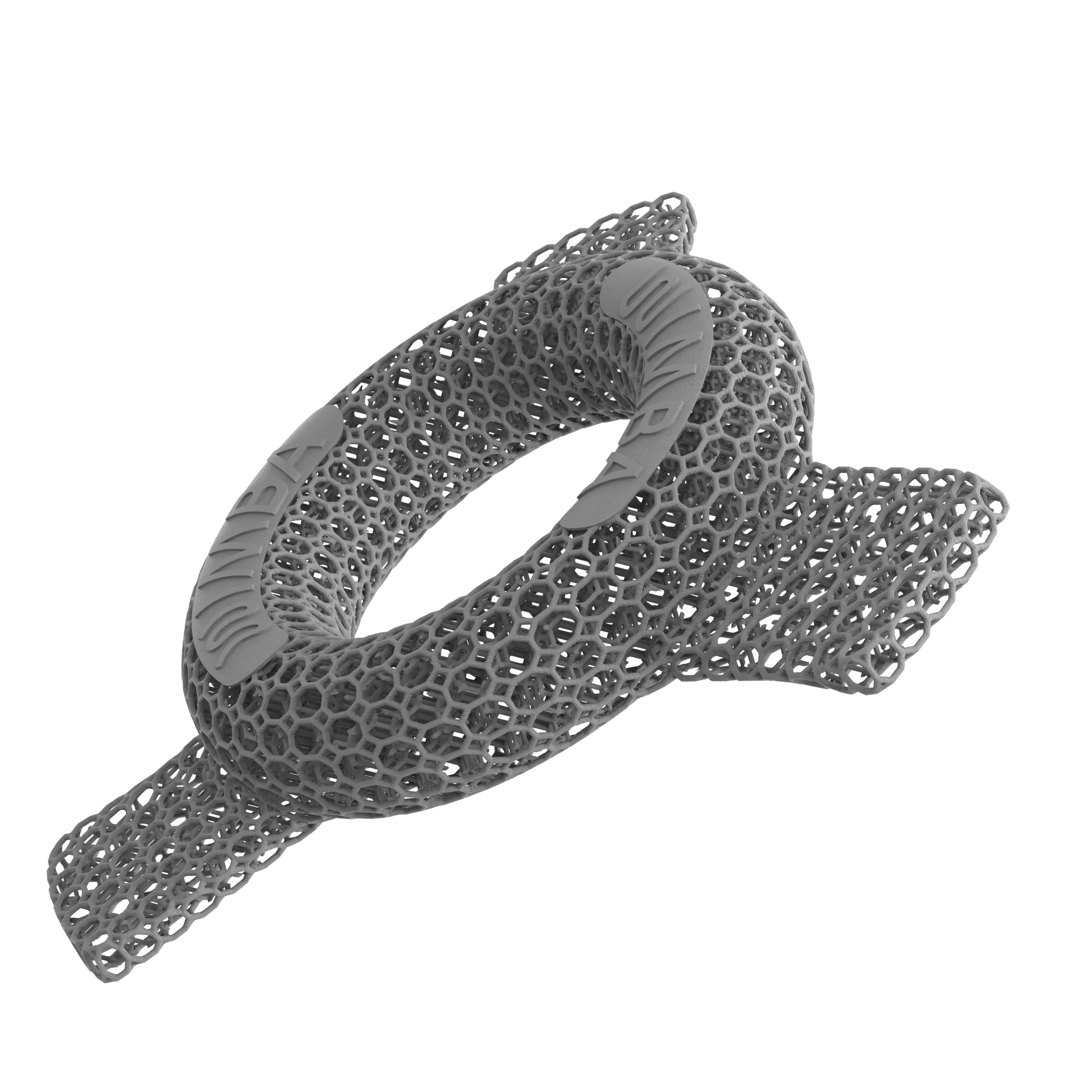
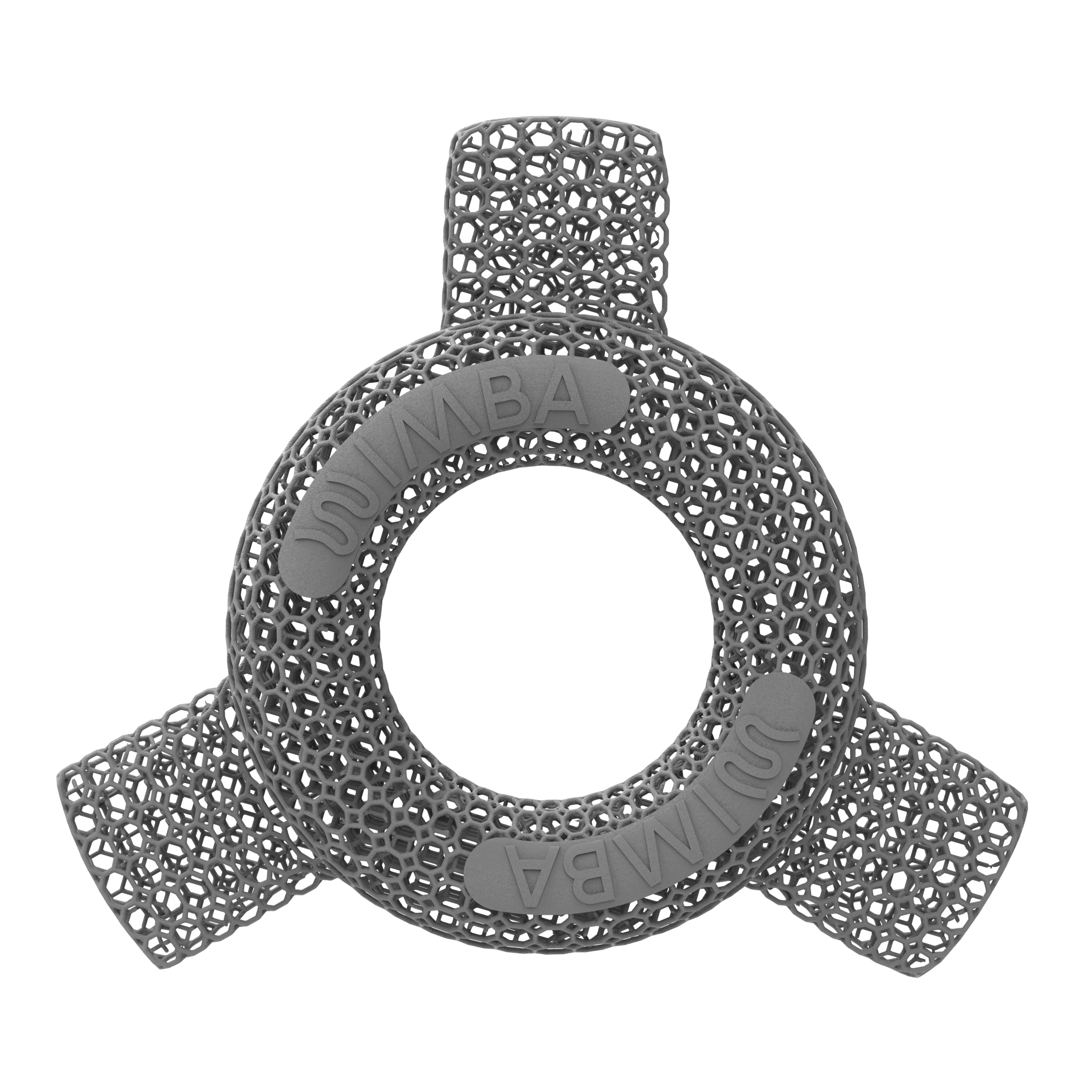
WIMBA’s custom tarsal orthosis for hock hyperextension is individually manufactured from the dog’s limb measurements or 3D scan. It maintains the hock at the correct extension angle, offloads damaged ligamentous structures, and allows the dog to bear weight and walk while the joint is supported. The device is fitted by a certified WIMBA veterinary provider and adjusted based on clinical response.
Is your dog walking flat-footed on a hind limb?
A WIMBA-certified veterinary provider can assess hock instability and fit a custom tarsal orthosis.
Find a WIMBA Provider →Frequently Asked Questions: Hock Hyperextension in Dogs
What causes hock hyperextension in dogs?
Hock hyperextension is caused by failure of the stabilising structures of the tarsus — most commonly Achilles tendon rupture or laxity, plantar ligament injury, or traumatic joint hyperextension. It can also result from peripheral neuropathy (e.g. in degenerative myelopathy), chronic joint degeneration, or iatrogenic causes. Diagnosis requires radiography to assess joint alignment and rule out fractures.
Can a hock brace fix tarsal hyperextension in dogs?
A custom tarsal orthosis can effectively manage mild-to-moderate hock hyperextension by holding the joint at the correct angle and offloading the damaged structures. For severe cases with complete ligament failure, surgical arthrodesis is typically required. A WIMBA custom tarsal orthosis is individually fitted by a certified veterinary provider and can serve as the primary treatment or as post-surgical support.
What is the difference between carpal and tarsal hyperextension in dogs?
Carpal hyperextension affects the front wrist (carpus), while tarsal hyperextension affects the hind ankle (hock/tarsus). Both cause a characteristic joint collapse and plantigrade stance, but in different limbs. WIMBA provides custom orthotic devices for both conditions — carpal orthosis for the forelimb and tarsal orthosis for the hindlimb — each manufactured individually to the dog’s anatomy.
How long does a dog need to wear a hock brace?
The wearing duration depends on the underlying cause and severity. For ligament injuries managed conservatively, the dog may wear the brace during all active periods for several months until the injury stabilises. For chronic or progressive conditions, long-term brace use may be required. Your WIMBA-certified provider will define a wearing protocol and schedule regular reviews.
How do I find a vet who can fit a custom hock brace for my dog?
Use the WIMBA Provider Map to find a certified veterinary provider near you. WIMBA-certified providers include orthopaedic vets, rehabilitation specialists, and physiotherapists trained in veterinary orthotics. They will assess your dog’s condition, take measurements, and order a custom WIMBA tarsal orthosis.
Clinical reading: Dog Orthotics for Post-Surgical Recovery · Veterinary Orthosis for Long-Term Rehabilitation
Clinical documentation, fitting guides and device indications: WIMBA Tarsus Orthosis — Clinical Documentation