

Elbow Dysplasia in Dogs: Custom Orthotic Brace for Pain and Mobility
Elbow dysplasia in dogs is a group of developmental conditions affecting the elbow joint, causing pain, lameness, and progressive osteoarthritis. While surgical treatment addresses the underlying pathology in many cases, custom orthotic elbow braces provide ongoing joint support, reduce pain during activity, and help maintain mobility — particularly in dogs with established osteoarthritis or those not suitable for surgery.
What Is Elbow Dysplasia in Dogs?
Elbow dysplasia is an umbrella term for several developmental conditions of the elbow joint, including: fragmented medial coronoid process (FCP), osteochondrosis dissecans (OCD), ununited anconeal process (UAP), and medial compartment disease (MCD). These conditions cause incongruity of the elbow joint, leading to cartilage damage and progressive osteoarthritis.
Affected breeds include German Shepherds, Labrador Retrievers, Golden Retrievers, Rottweilers, and Bernese Mountain Dogs.
How Orthotic Bracing Helps Dogs with Elbow Dysplasia
An elbow brace does not treat the underlying joint pathology — but it provides meaningful benefits for daily management:
- Medial joint offloading — reduces load on the medial compartment where cartilage damage is most severe
- Proprioceptive support — improves limb position awareness and reduces compensation gait patterns
- Activity support — allows dogs with established OA to remain active with reduced pain and fatigue
- Post-surgical support — elbow brace following arthroscopy or other elbow procedures
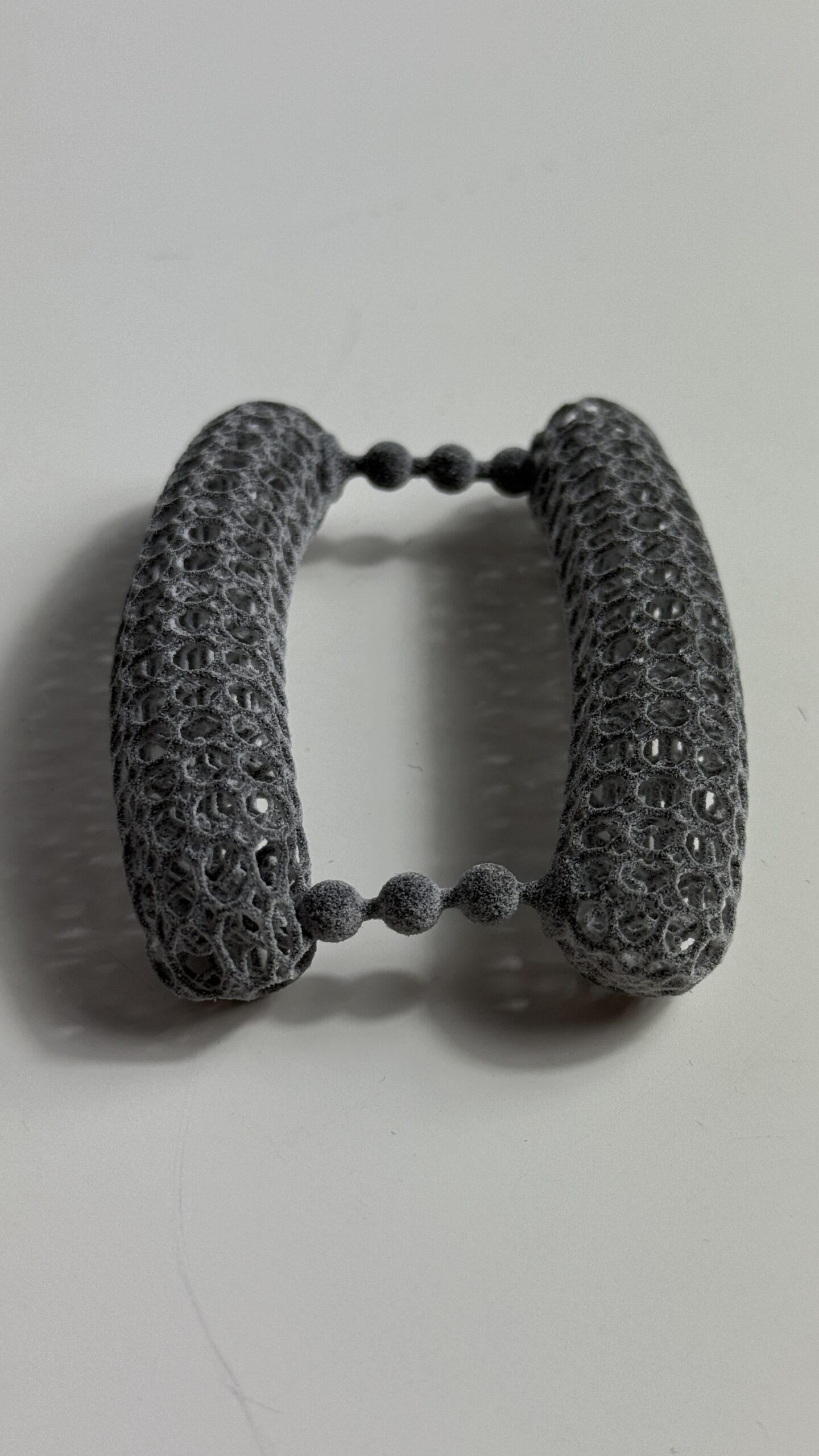
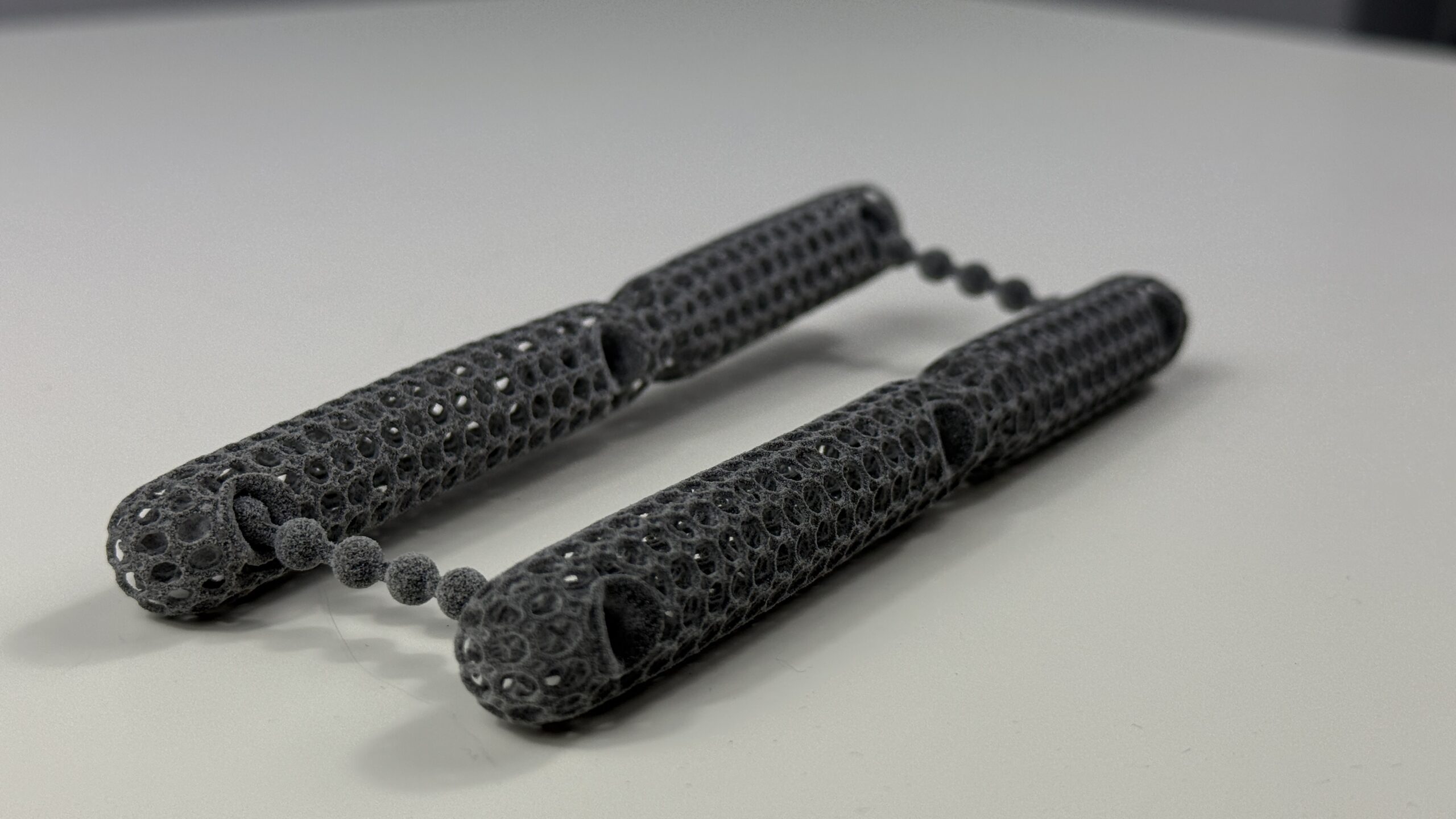
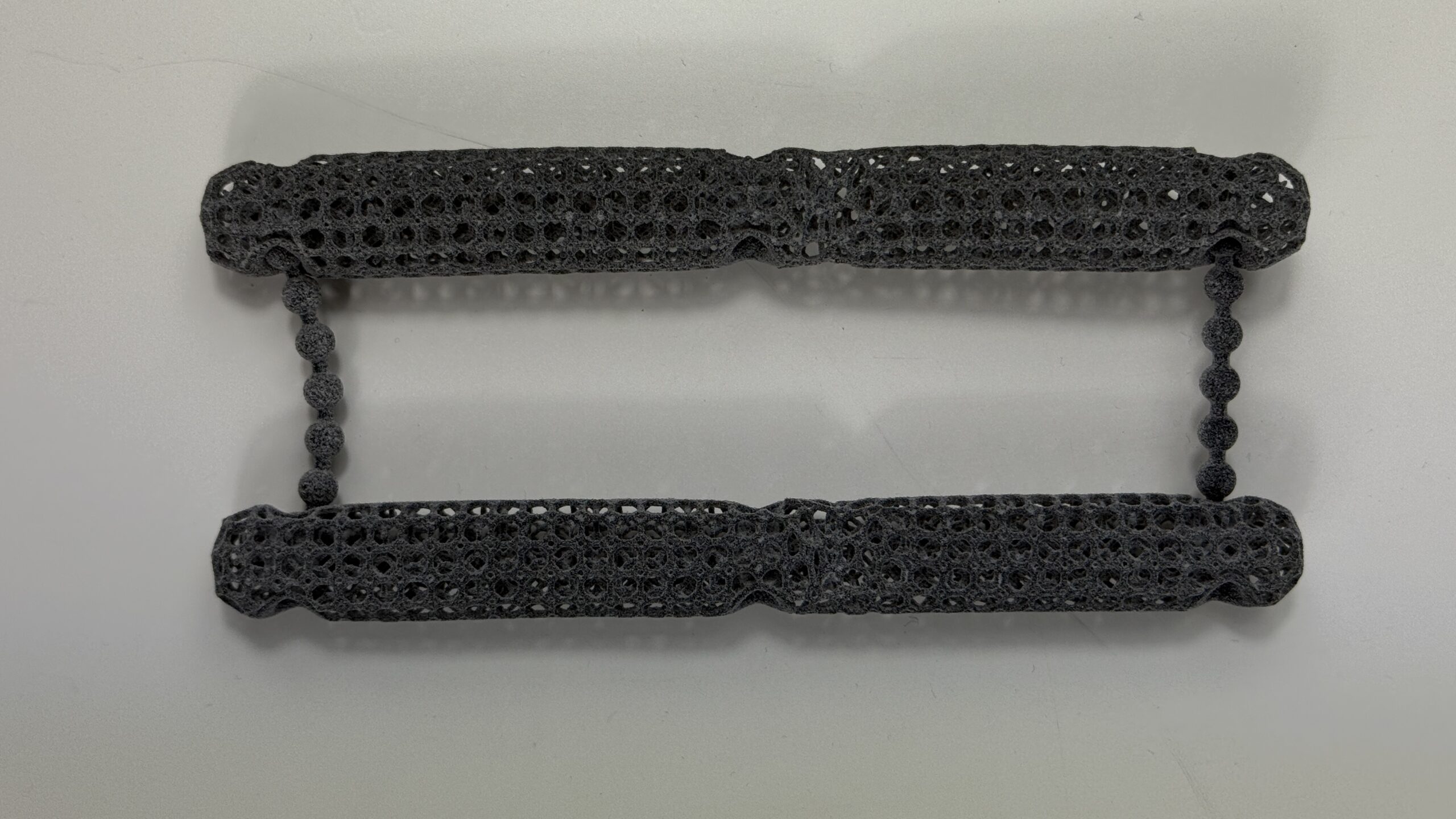
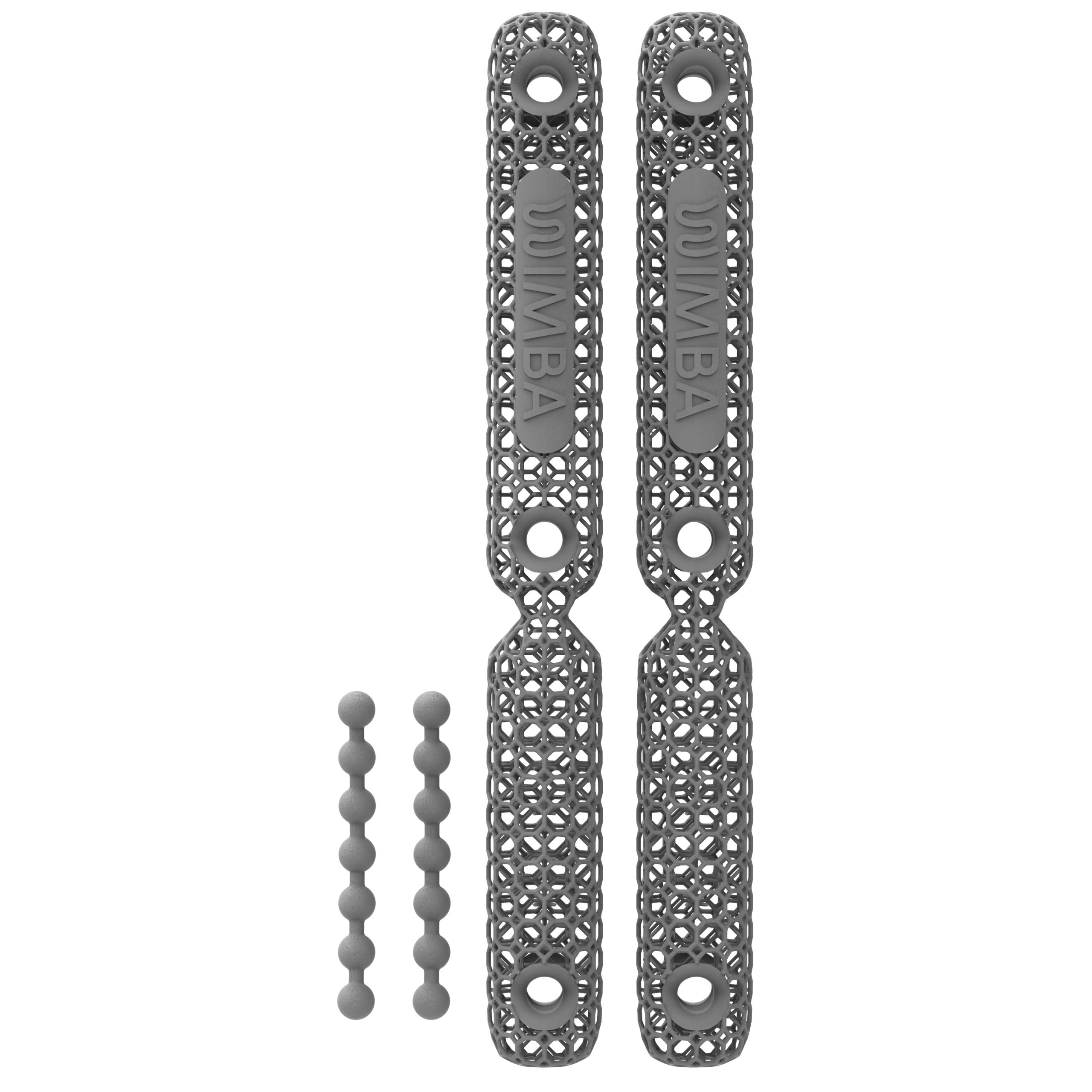
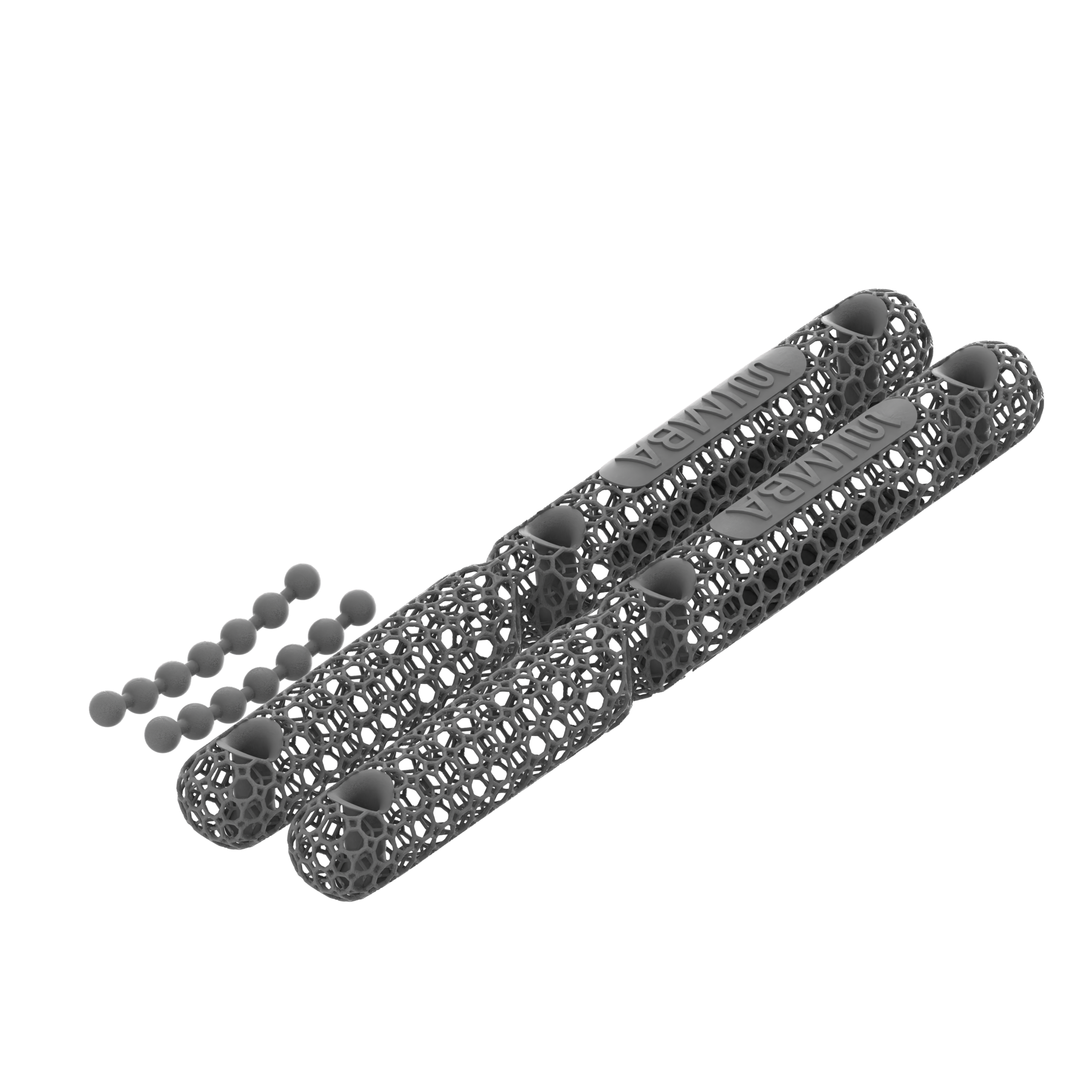
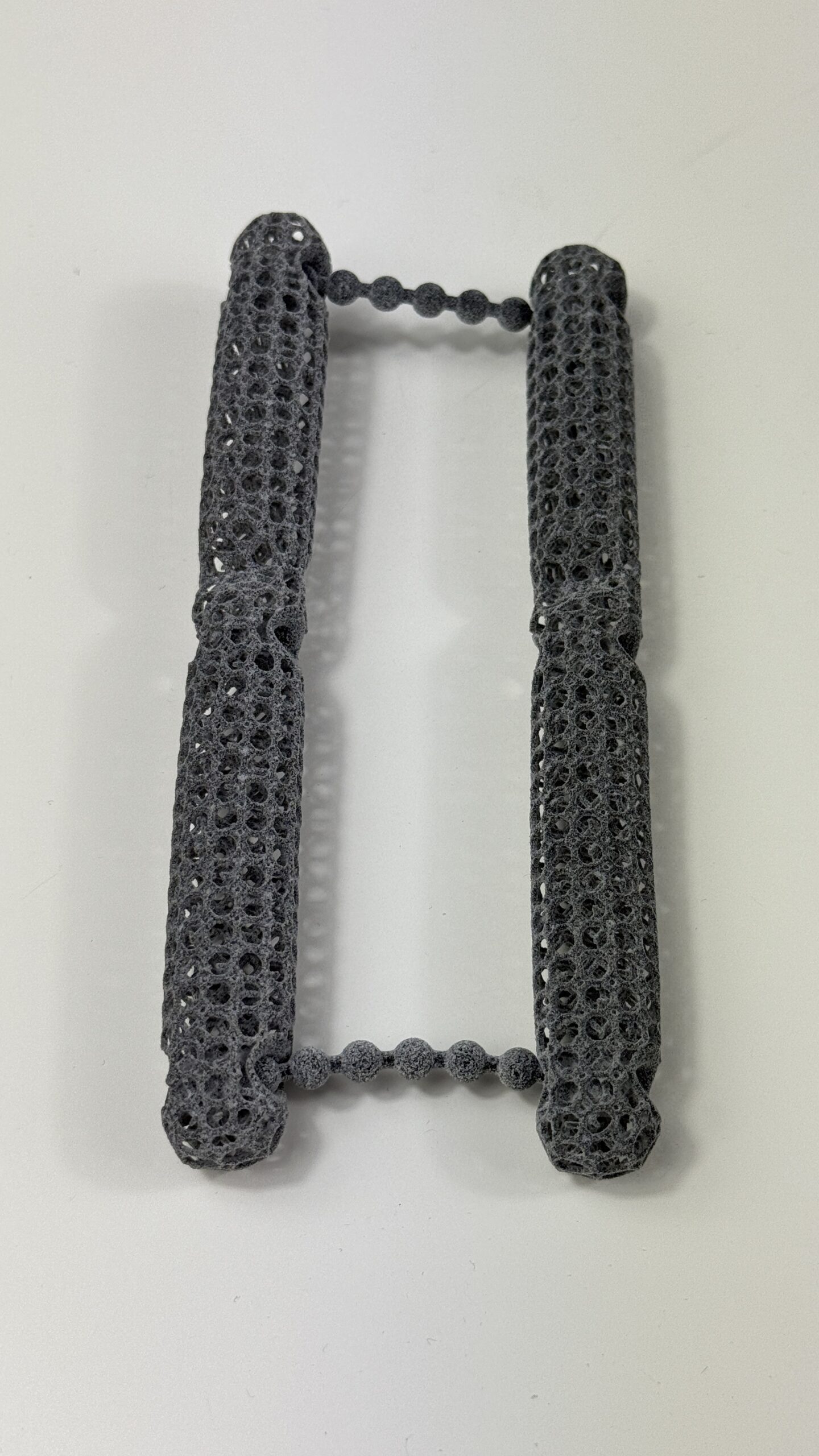
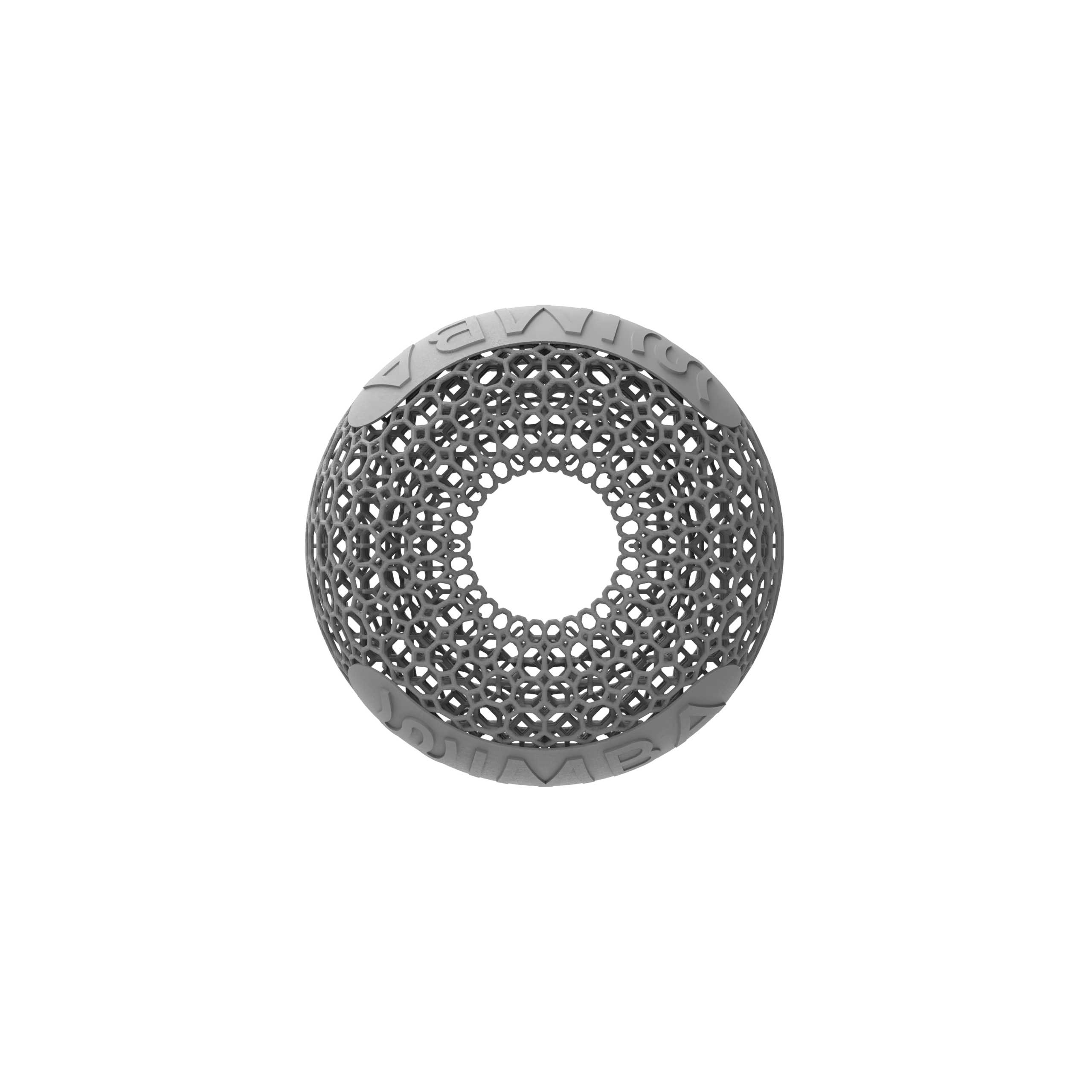
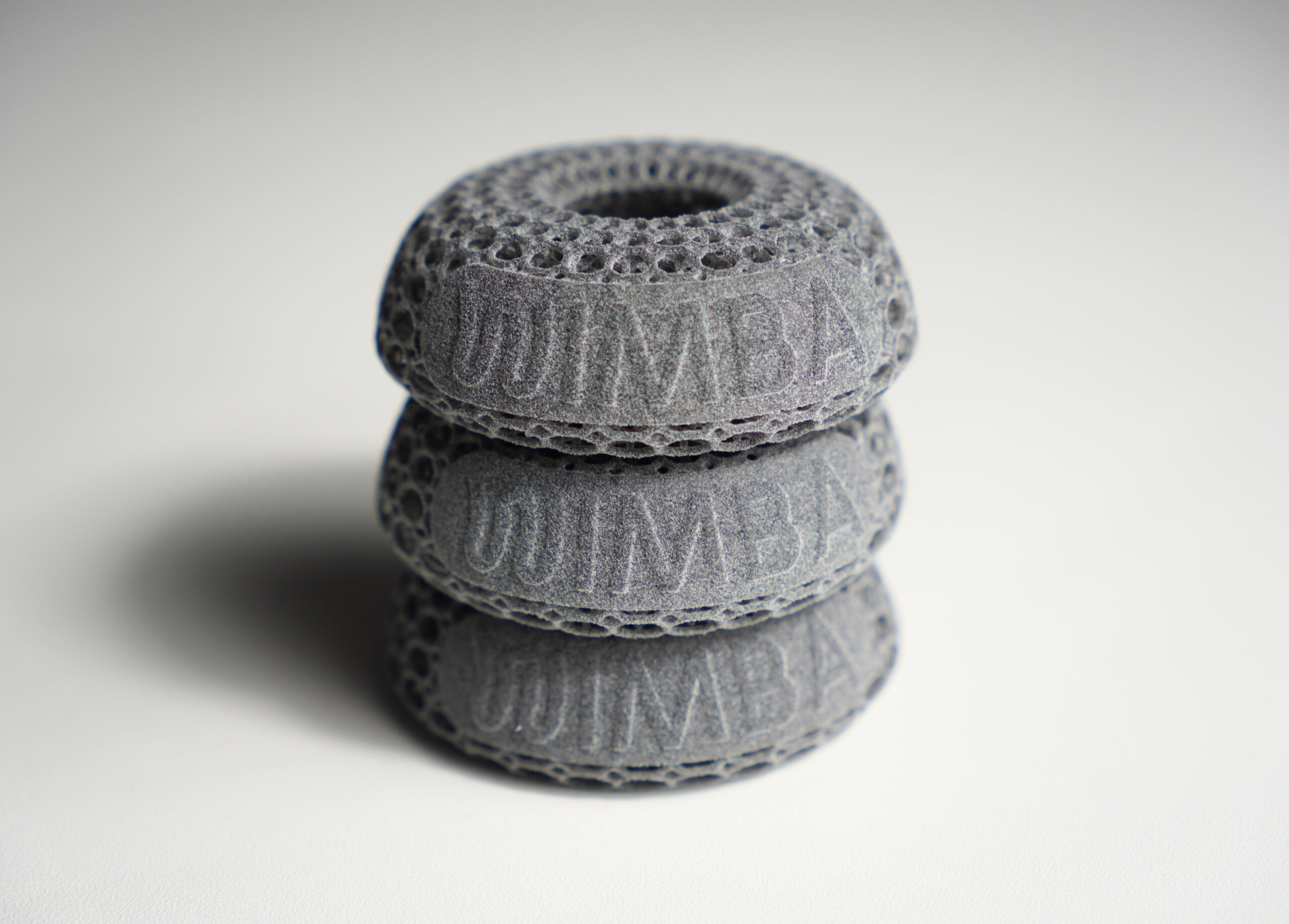
WIMBA custom elbow orthoses are manufactured individually for each dog based on limb measurements or 3D scan data, ensuring correct fit and mechanical alignment.
| Stage of Disease | Clinical Signs | Role of Elbow Brace |
|---|---|---|
| Early (post-diagnosis) | Mild lameness; pain on elbow extension; subtle gait change | Supportive; reduces load; aids proprioception |
| Post-surgical | Recovery from arthroscopy or other elbow procedure | Custom elbow orthosis during rehabilitation to protect surgical site |
| Chronic OA | Persistent lameness; reduced range of motion; pain | Long-term custom elbow brace for daily activity support and pain reduction |
Is your dog limping on a front leg due to elbow dysplasia?
A WIMBA-certified vet can assess your dog’s elbow and recommend a custom orthotic to improve daily comfort and mobility.
Find a WIMBA Provider →Frequently Asked Questions: Elbow Dysplasia in Dogs
What is elbow dysplasia in dogs?
Elbow dysplasia is a group of developmental orthopedic conditions affecting the elbow joint, including fragmented medial coronoid process (FCP), osteochondrosis dissecans (OCD), and ununited anconeal process (UAP). These conditions cause joint incongruity, cartilage damage, and progressive osteoarthritis. It is most common in large and giant breeds and typically presents in young dogs aged 4–12 months.
Can a dog brace help with elbow dysplasia?
Yes, in a supportive role. A custom elbow orthosis does not correct the underlying joint pathology but can reduce medial compartment load, improve proprioception, and provide daily activity support for dogs with established elbow osteoarthritis. WIMBA elbow orthoses are individually custom-fitted and can be used alongside medical management or following elbow surgery.
What breeds are most commonly affected by elbow dysplasia?
Elbow dysplasia is most common in German Shepherds, Labrador Retrievers, Golden Retrievers, Rottweilers, Bernese Mountain Dogs, and Newfoundlands. The condition has a hereditary component, and affected dogs should not be used for breeding. CT imaging is the gold standard for diagnosing the specific form of elbow dysplasia.
Is surgery always needed for elbow dysplasia in dogs?
Not always. Mild cases and dogs with established osteoarthritis that are not surgical candidates can be managed with a combination of medical therapy (pain management, joint supplements), physiotherapy, weight management, and orthotic support. Arthroscopic surgery is often recommended for FCP and OCD when diagnosed early. Your veterinary orthopaedic specialist will advise on the best approach based on imaging findings and the dog’s clinical status.
How do I get a custom elbow brace for my dog with dysplasia?
Contact a WIMBA-certified veterinary provider. They will assess your dog’s elbow condition, take limb measurements or a 3D scan, and order a custom WIMBA elbow orthosis. Use the WIMBA Provider Map to find a clinic near you. Elbow braces for dogs with dysplasia are always prescribed by veterinary professionals — not available without professional assessment.