

Degenerative Myelopathy in Dogs: Mobility Support with Custom Orthotic Devices
Degenerative myelopathy (DM) in dogs is a progressive neurological disease affecting the spinal cord, causing gradual loss of coordination and muscle strength in the hind limbs. There is currently no cure, but mobility aids — including custom orthotic braces and rear-support devices — can significantly extend a dog’s quality of life and independence during early and mid-stage disease.
What Is Degenerative Myelopathy in Dogs?
Degenerative myelopathy is caused by degeneration of the white matter of the spinal cord. It typically begins as hind limb weakness and ataxia (loss of coordination) and progresses over months to years. DM is most commonly diagnosed in German Shepherds, Welsh Corgis, Boxers, Labrador Retrievers, and Chesapeake Bay Retrievers, though any breed can be affected.
Clinically, dogs with DM progress through stages:
- Early stage: Mild hind limb ataxia, scuffing toes, difficulty rising from lying; dog still ambulatory
- Mid stage: Increasingly obvious hind limb weakness; knuckling; some dogs drag one or both hind feet
- Late stage: Paraparesis progressing to paraplegia; eventually involves forelimbs and autonomic function
How Orthotic Devices Help Dogs with Degenerative Myelopathy
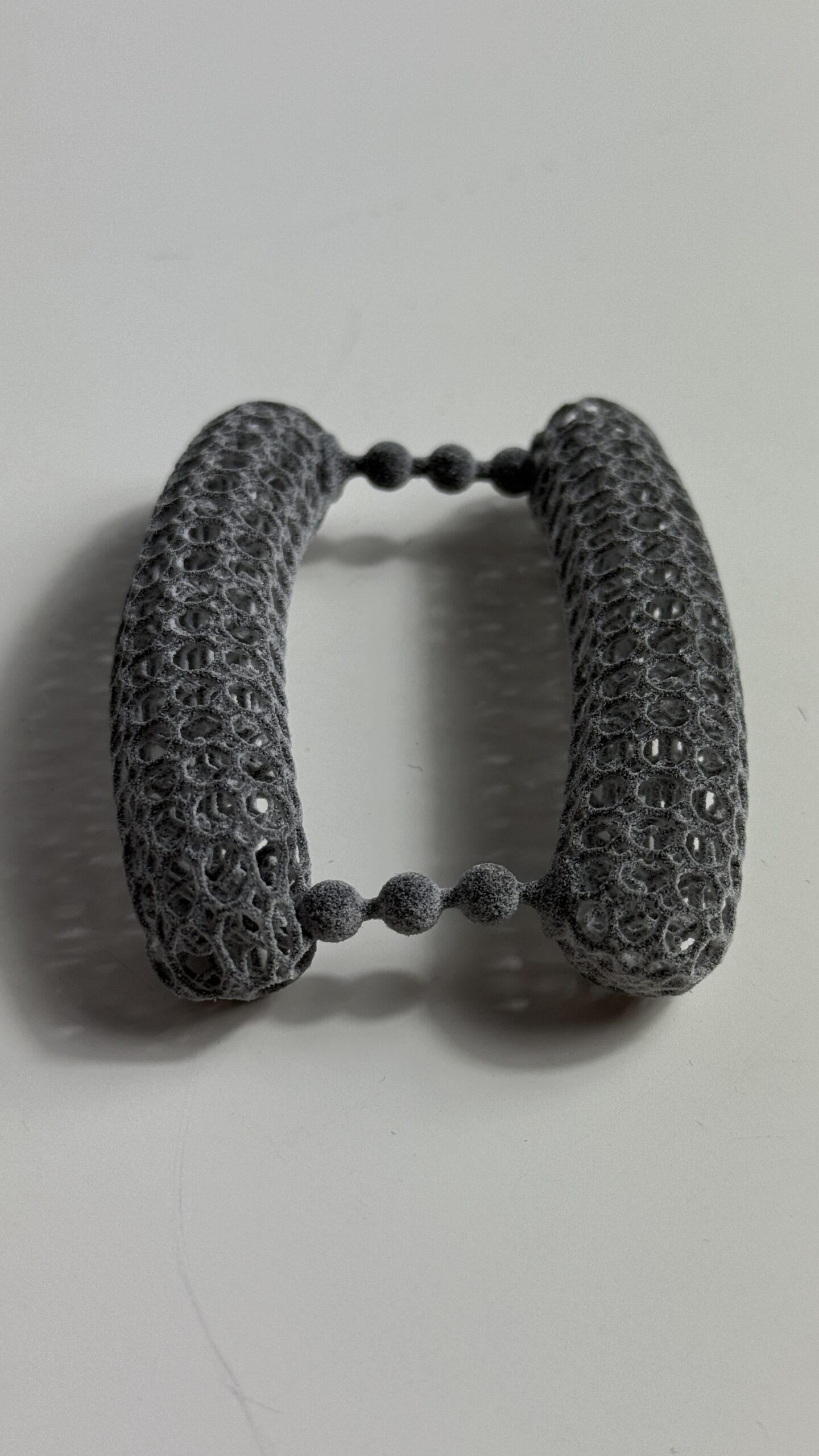
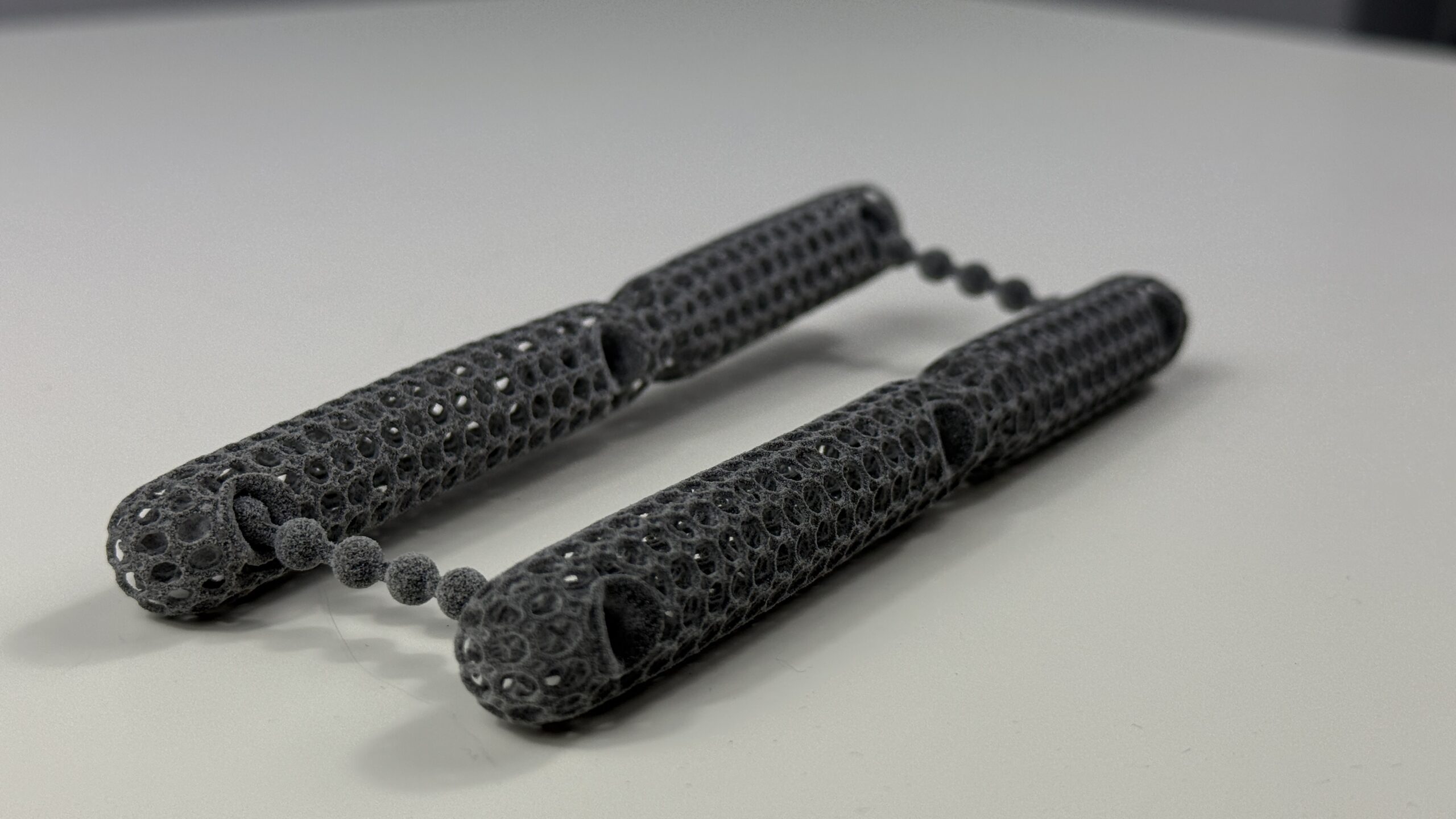
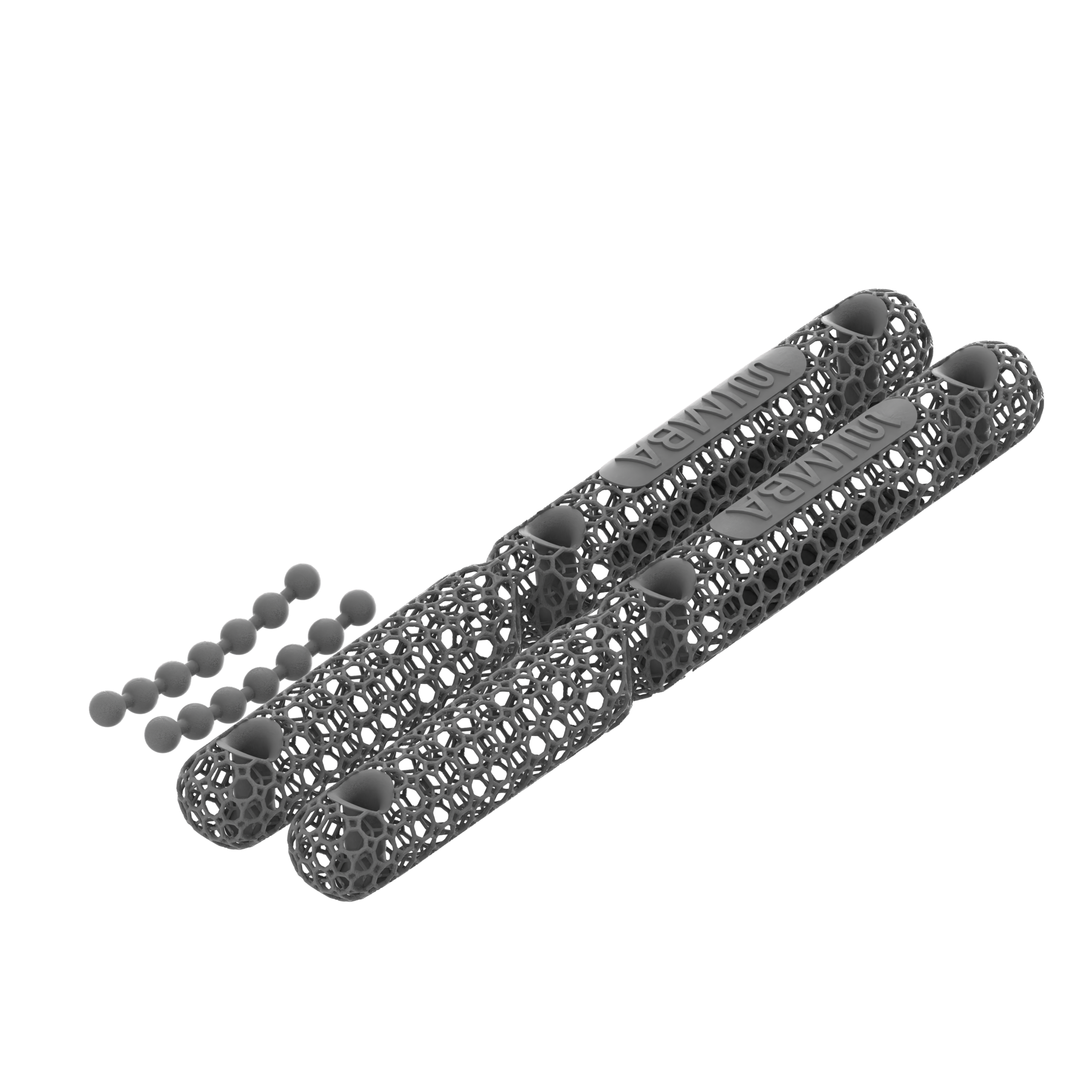
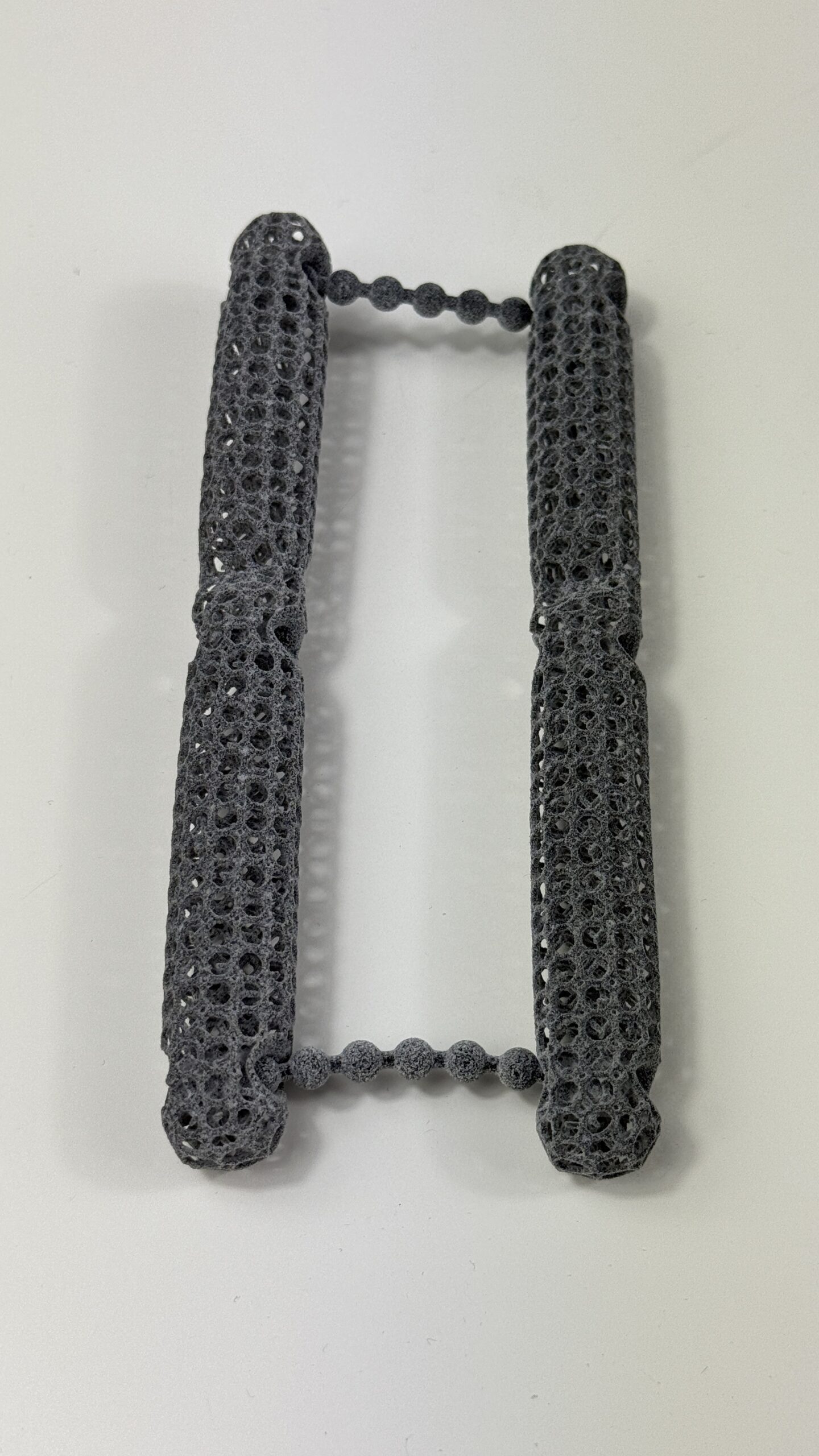
In the early and mid stages of DM, custom orthotic devices can help dogs maintain mobility and reduce secondary complications from knuckling and dragging:
- Hind limb orthoses — support weak hind limb joints, assist with ground clearance, and reduce toe drag and knuckling
- Tarsal (hock) orthoses — provide ankle support as hock weakness develops
- Anti-knuckling devices — positioned to maintain correct paw position during walking
- Mobility carts/wheelchairs — for dogs progressing to paraparesis; WIMBA can advise on appropriate referral
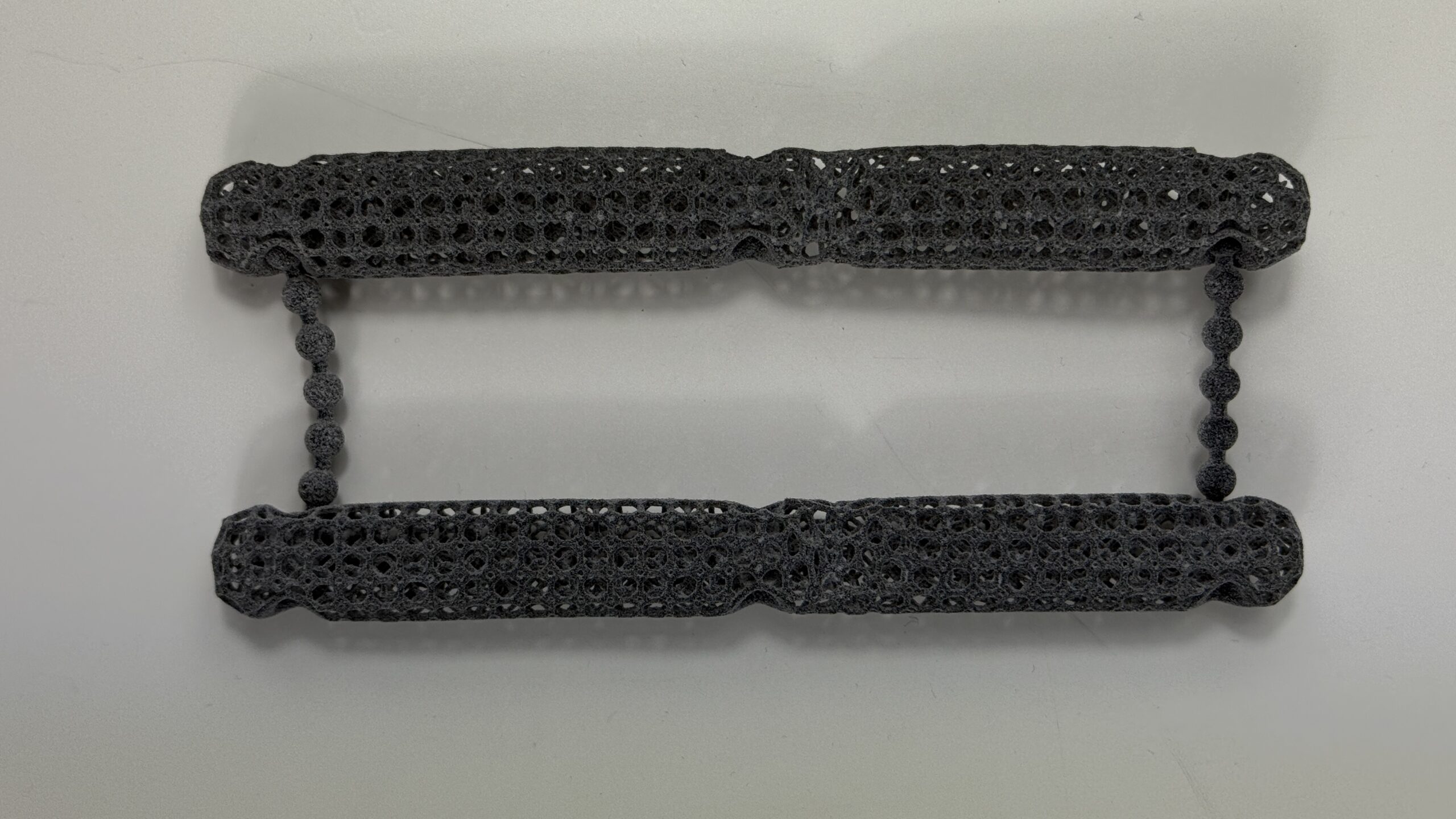
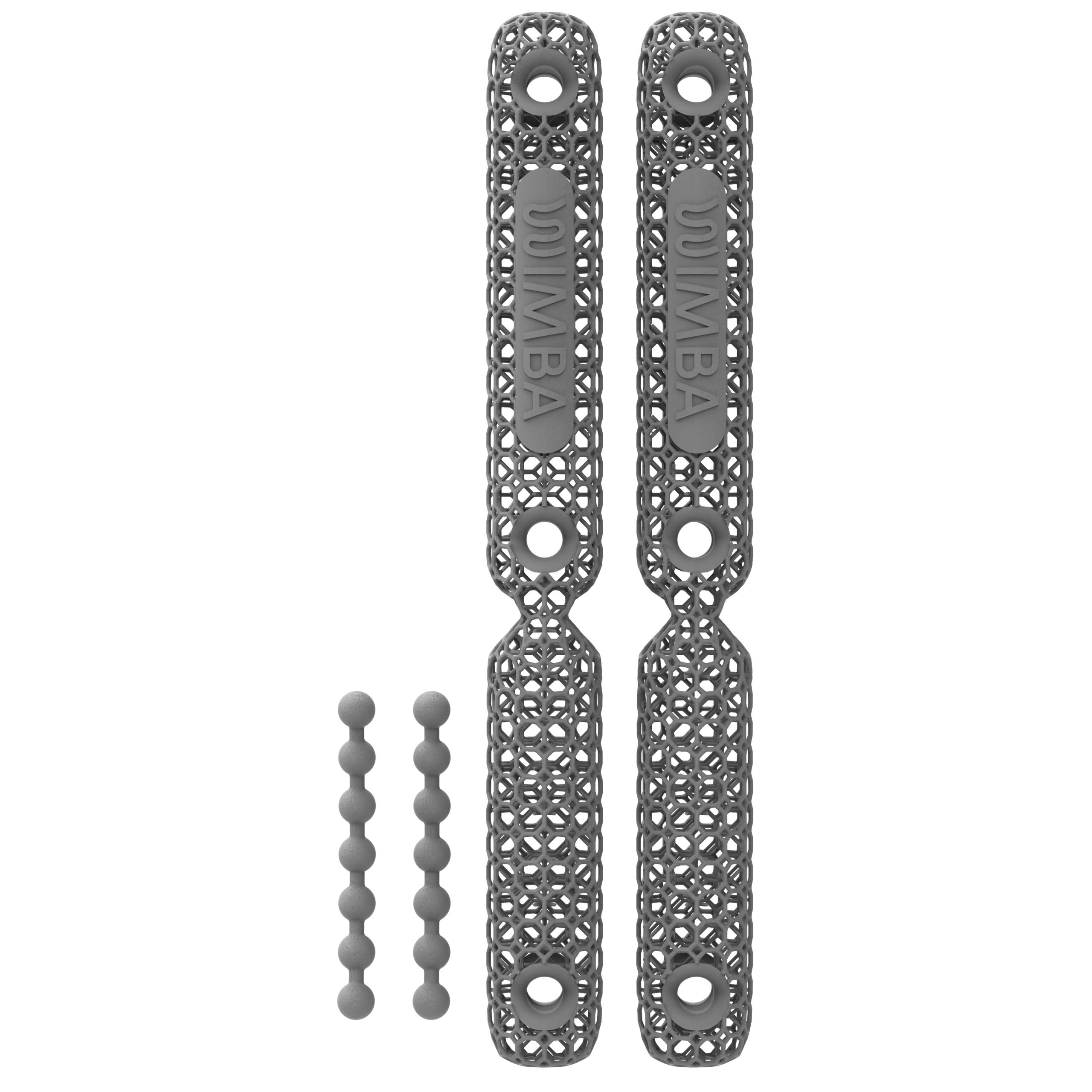
WIMBA custom orthotic devices are fitted individually to each dog by certified veterinary providers, ensuring the device matches the dog’s limb anatomy and stage of disease. As DM is progressive, devices may need adjustment over time as the condition advances.
Degenerative Myelopathy: Disease Progression and Device Guidance
| DM Stage | Clinical Signs | Mobility Support Options |
|---|---|---|
| Early | Mild ataxia, toe scuffing, reduced hind limb awareness | Anti-knuckling device; physiotherapy; hydrotherapy |
| Mid | Pronounced weakness; knuckling; difficulty rising | Custom hind limb orthosis; tarsal brace; sling assist |
| Advanced | Paraparesis to paraplegia | Mobility cart/wheelchair; nursing care |
Is your dog showing signs of hind limb weakness?
A WIMBA-certified veterinary provider can assess your dog’s condition and recommend the right mobility support device for their stage of disease.
Find a WIMBA Provider →Frequently Asked Questions: Degenerative Myelopathy in Dogs
What is degenerative myelopathy in dogs?
Degenerative myelopathy (DM) is a progressive, incurable neurological disease that affects the spinal cord of dogs. It causes gradual loss of coordination and muscle strength in the hind limbs, eventually progressing to paralysis. DM is most common in German Shepherds, Welsh Corgis, Boxers, and Labrador Retrievers. It is distinct from disc disease and cannot be treated surgically — management focuses on maintaining mobility and quality of life.
Can a dog brace help with degenerative myelopathy?
Yes, in the early and mid stages of DM. Custom orthotic devices can help dogs maintain mobility by supporting weakened hind limb joints, preventing knuckling, and reducing toe drag. A WIMBA hind limb orthosis or tarsal brace is individually fitted to the dog by a certified veterinary provider. As DM is progressive, the device may need adjustment over time. In advanced stages, a mobility cart (wheelchair) is typically more appropriate than a brace.
How long can a dog with degenerative myelopathy live?
With active management including physiotherapy, hydrotherapy, and mobility aids, many dogs with DM can maintain a good quality of life for 1–3 years from diagnosis. Progression varies by individual. Dogs that remain ambulatory with brace support and consistent rehabilitation generally have better outcomes. End-of-life decisions are typically reached when the dog can no longer bear weight, maintain hygiene, or show signs of comfort.
Which dog breeds are most affected by degenerative myelopathy?
DM is most commonly diagnosed in German Shepherds, Pembroke and Cardigan Welsh Corgis, Boxers, Labrador Retrievers, Chesapeake Bay Retrievers, and Bernese Mountain Dogs. The condition has a genetic component (SOD1 gene mutation), and DNA testing is available to identify carriers. DM can occur in any breed and in mixed breeds.
How is degenerative myelopathy diagnosed?
DM is diagnosed by exclusion — other causes of hind limb weakness (IVDD, spinal cord compression, tumours) must be ruled out via MRI and cerebrospinal fluid analysis. Genetic testing for the SOD1 mutation supports a DM diagnosis but does not confirm it alone. Definitive diagnosis requires post-mortem histopathology. A veterinary neurologist is the appropriate specialist for diagnosis and management planning.
Where can I find a vet experienced with degenerative myelopathy and dog orthotics?
WIMBA works with certified veterinary providers globally, including veterinary neurologists, rehabilitation specialists, and orthopaedic vets experienced in DM management. Use the WIMBA Provider Map to find a certified clinic near you. Your provider will assess your dog’s DM stage and recommend the most appropriate orthotic or mobility device.